


 购物车
购物车 个人中心
个人中心
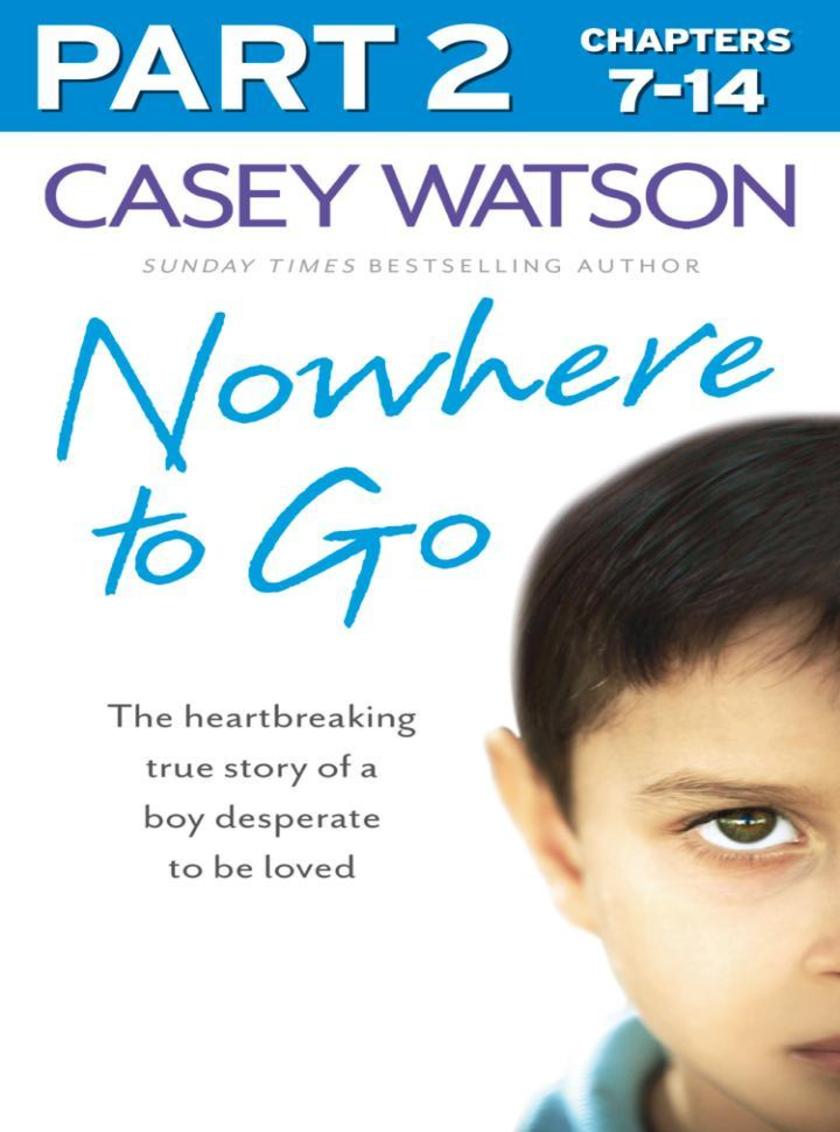
Nowhere to Go: Part 2 of 3
¥40.52
Bestselling author and foster carer Casey Watson shares the shocking true story of Tyler, an abused eleven-year-old who, after stabbing his step-mother, had nowhere else to go. Knowing a little of Tyler’s past – his biological mother, a heroin addict, died of an overdose when he was three – Casey feels bound to do her best for him. It isn’t easy; Tyler continuously lashes out, even trying to attack Casey herself. Investigation into his earlier childhood reveals why: forced to watch his mother die he was found emaciated and traumatised two days later, then delivered to a father who didn’t want him and a step-mother who beat him. With the horrific events of his past now vividly affecting the course of his present, Casey and her husband Mike are determined to veer him away from the violence and drugs they fear he will come to depend on. Heartbreaking and profoundly moving, Nowhere to Go tells the story of a child forsaken by his family but fought for by his foster carers.
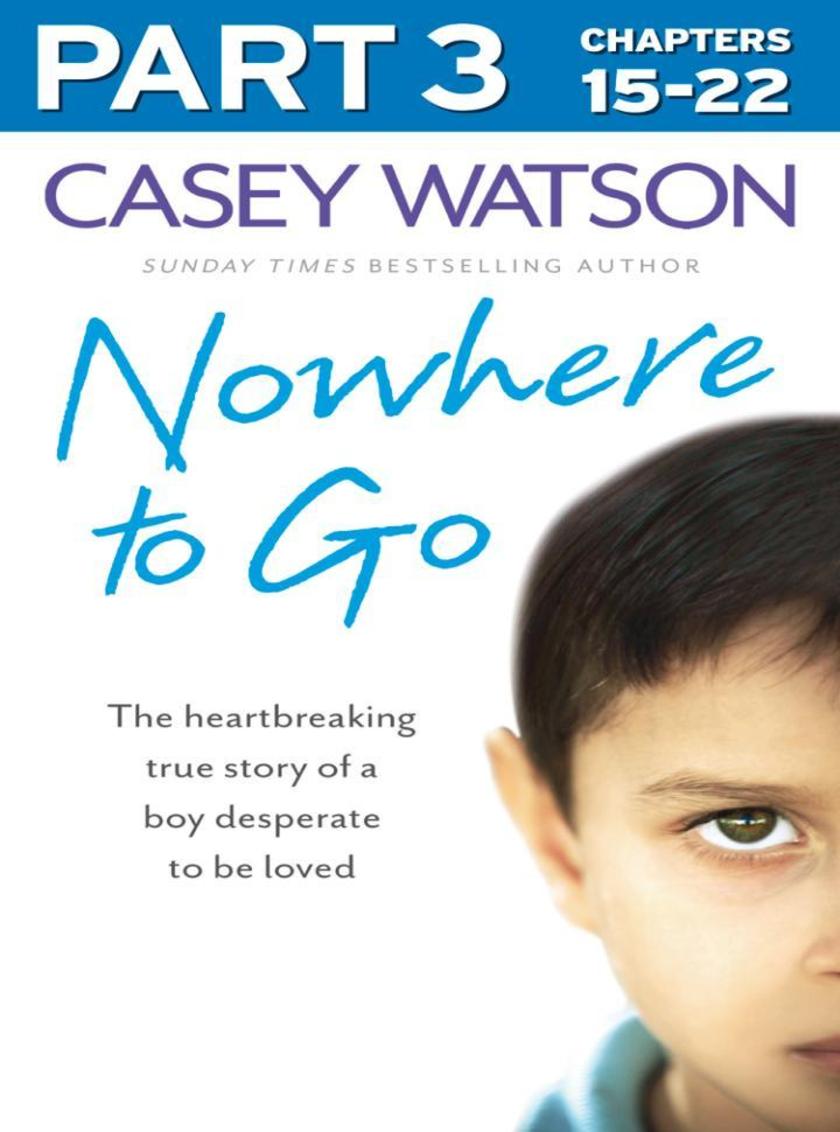
Nowhere to Go: Part 3 of 3
¥47.48
Bestselling author and foster carer Casey Watson shares the shocking true story of Tyler, an abused eleven-year-old who, after stabbing his step-mother, had nowhere else to go. Knowing a little of Tyler’s past – his biological mother, a heroin addict, died of an overdose when he was three – Casey feels bound to do her best for him. It isn’t easy; Tyler continuously lashes out, even trying to attack Casey herself. Investigation into his earlier childhood reveals why: forced to watch his mother die he was found emaciated and traumatised two days later, then delivered to a father who didn’t want him and a step-mother who beat him. With the horrific events of his past now vividly affecting the course of his present, Casey and her husband Mike are determined to veer him away from the violence and drugs they fear he will come to depend on. Heartbreaking and profoundly moving, Nowhere to Go tells the story of a child forsaken by his family but fought for by his foster carers.
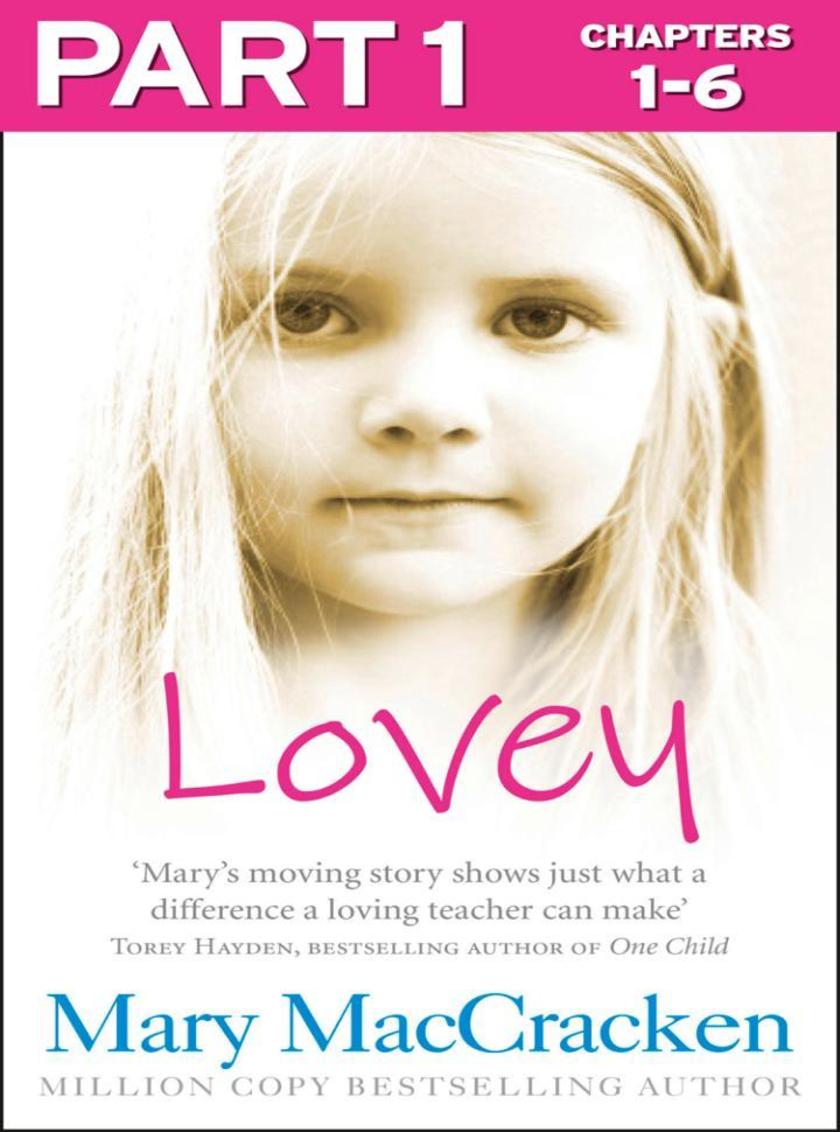
Lovey: Part 1 of 3
免费
Lovey can either be read as a full-length eBook or in 3 serialised eBook-only parts. This is PART 1 of 3. You can read Part 1 three weeks ahead of release of the full-length eBook and paperback. This deeply moving memoir tells the story of Hannah: a child who has been beaten and abused; a girl full of loneliness and rage; a student no one but learning disabilities teacher Mary MacCracken could reach. Mary had reservations about eight-year-old Hannah joining her class. The three emotionally disturbed boys she was currently looking after had been making steady progress, and Hannah, who had a reputation for being a withdrawn and incredibly troubled child, would only be a disruptive influence. For the first fortnight Hannah retired to a cupboard and refused to come out. Howling almost non-stop she was displaying the worst symptoms that Mary had ever seen. How could Mary help a child who had been shut up in closets and treated like an animal? What could she say to a child who had been locked out of her own home, and beaten by both her brother and her father? How could she reach this lost girl? This is the remarkable story of Hannah and Mary’s journey together. Deep within Hannah, Mary recognises an amazing strength. And with love, skill and patience, she gradually starts to make a difference. It’s a long road to recovery, but Mary never gives up. As this moving true story unfolds, we feel Mary’s joy, we share her hope and, in time, her faith that Hannah will be okay.
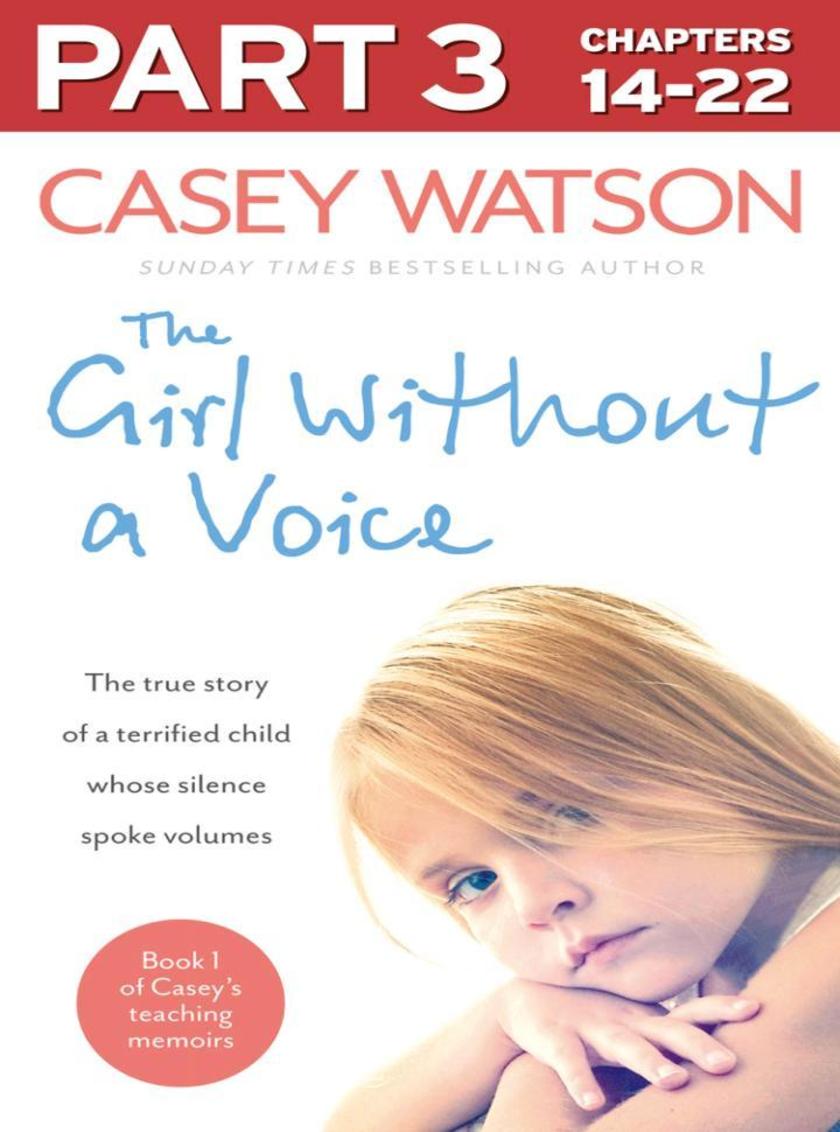
The Girl Without a Voice: Part 3 of 3
¥47.48
The Girl Without a Voice can either be read as a full-length eBook or in 3 serialised eBook-only parts. This is PART 3 of 3. You can read Part 3 on release of the full-length eBook and paperback. Bestselling author and foster carer Casey Watson tells the shocking and deeply moving true story of a young girl with severe behavioural problems. This is the first of several stories about ‘difficult’ children Casey helped during her time as a behaviour manager at her local comprehensive. Casey has been in the post for six months when thirteen-year-old Imogen joins her class. One of six children Casey is teaching, Imogen has selective mutism. She’s a bright girl, but her speech problems have been making mainstream lessons difficult. Life at home is also hard for Imogen. Her mum walked out on her a few years earlier and she’s never got on with her dad’s new girlfriend. She’s now living with her grandparents. There’s no physical explanation for Imogen’s condition, and her family insist she’s never had troubles like this before. Everyone thinks Imogen is just playing up – except the member of staff closest to her, her teacher Casey Watson. It is the deadpan expression she constantly has on her face that is most disturbing to Casey. Determined there must be more to it, Casey starts digging and it’s not long before she starts to discover a very different side to Imogen’s character. A visit to her grandparents’ reveals that Imogen is anything but silent at home. In fact she’s prone to violent outbursts; her elderly grandparents are terrified of her. Eventually Casey’s hard work starts to pay off. After months of silence, Imogen utters her first, terrified, words to Casey: ‘I thought she was going to burn me.’ Dark, shocking and deeply disturbing, Casey begins to uncover the reality of what Imogen has been subjected to for years.
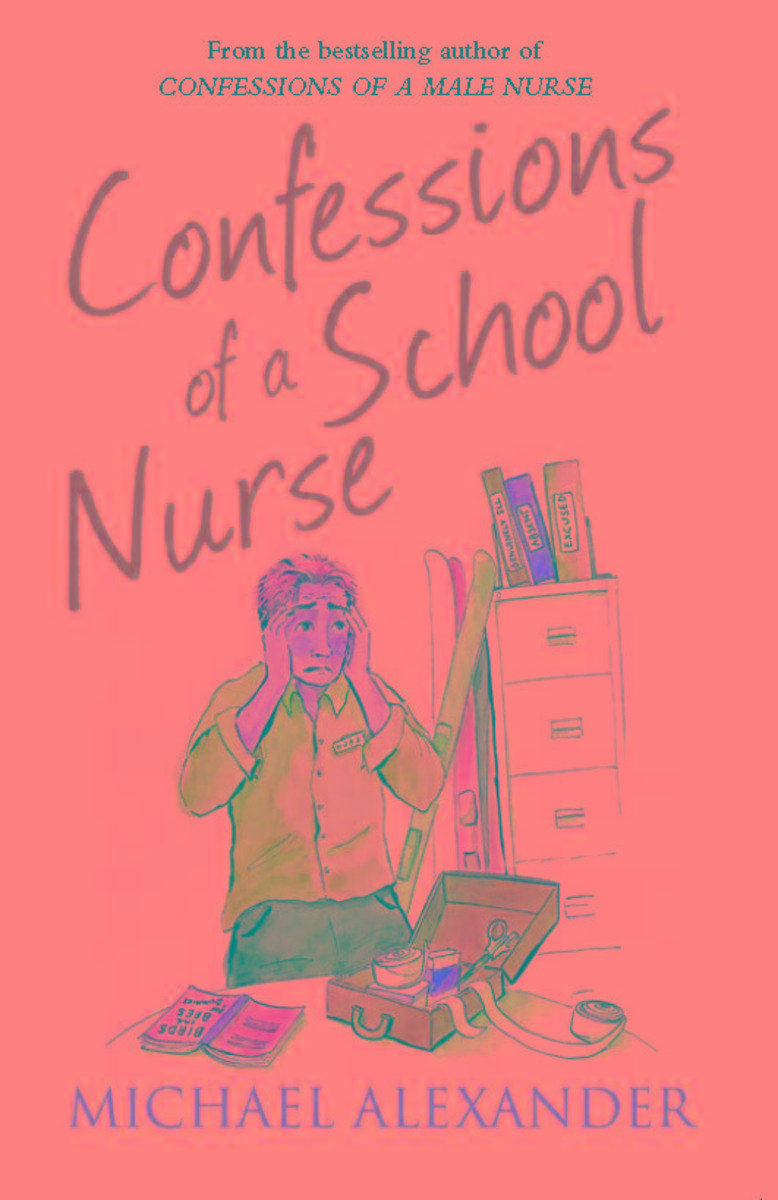
Confessions of a School Nurse (The Confessions Series)
¥34.14
From the people who brought you the bestselling Confessions of a GP. After sixteen years of high-pressure nursing, Michael Alexander has traded in his hospital uniform for the fresh air, comfort and routine of an International private school in the French Alps. Bliss! But it’s not long before he discovers that school nursing is not all permission slips, sniffles and gift baskets. Disastrous school trips; after hours dorm sleepovers; awkward sex education classes; culture clashes; swine flu panic; and kids with six-figure bank balances and a taste for bribery. This is nursing as you’ve never seen it before. What goes on behind the gates of one of the world’s most elite boarding schools? What happens when kids from all over the world – Russia, Africa, America, Saudi Arabia – live, learn and grow under one roof? What happens when it’s left to school staff to teach children the facts of life, and lust? Following on from the hugely successful Confessions of a Male Nurse, Michael Alexander is back with more touching, shocking and often laugh-out-loud funny tales of nursing. In Confessions of a School Nurse, Alexander tells all on boarding school life – as a nurse, parent, and Average Joe, he offers a unique perspective on this strange world.

A Safe Place for Joey
¥58.86
From bestselling author and teacher Mary Maccracken comes the engaging and inspiring story of five troubled children who she fought to bring back from the brink Joey is the class clown, but alone proves to be an intensely dark seven-year old who still can’t read. Eric is a kindergartener, left withdrawn and speechless by the horrors he’s witnessed at home. Alice appears the model fifth year child, but secretly scores zero on every maths test. Charlie, an eight-year old, struggles to understand his place in the world, leaving him confused and alone. Ben comes from a comfortable life at home, but has been called stupid so many times he now believes it. These are some of the learning-disabled children who were in deep trouble until Mary MacCracken, an extraordinary therapist and teacher, works her magic with them and transforms their lives. Her heart-warming book is a testament to her talent, compassion and love.
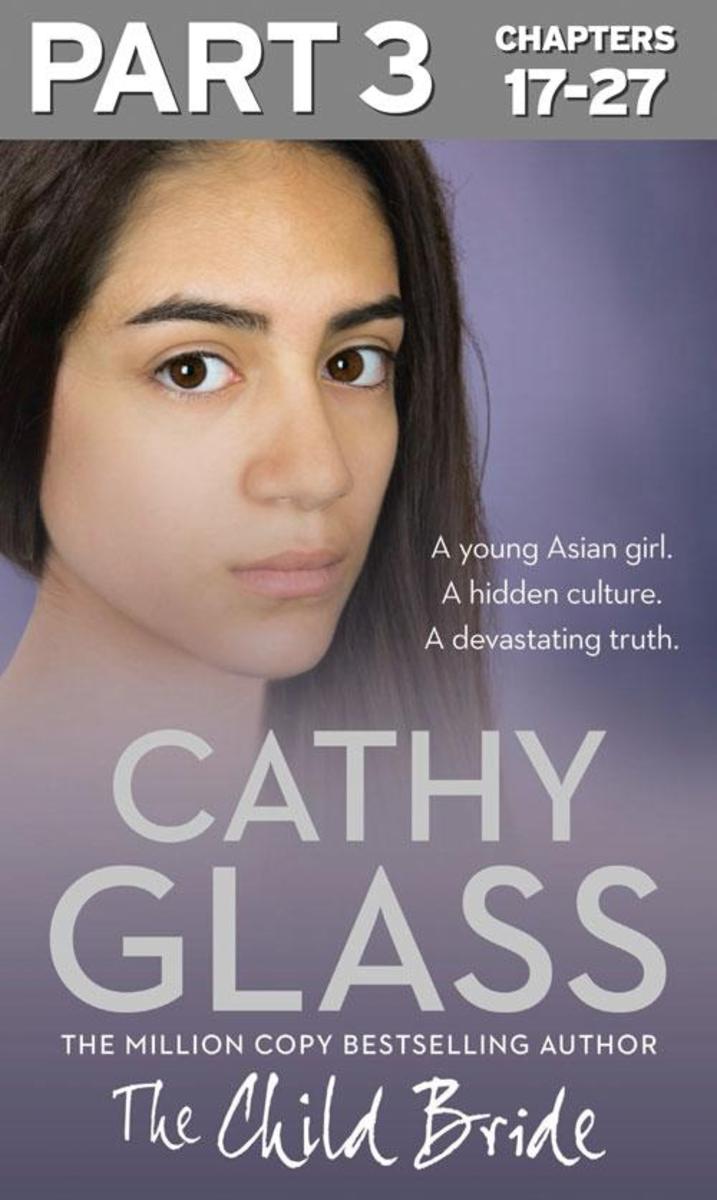
The Child Bride: Part 3 of 3
¥47.48
The Child Bride can either be read as a full-length eBook or in 3 serialised eBook-only parts. This is PART 3 of 3. You can read Part 3 one week ahead of the full-length eBook and paperback. Cathy Glass, international bestselling author, tells the shocking story of Zeena, a young Asian girl desperate to escape from her family. When 14 -year-old Zeena begs to be taken into care with a non-Asian family, she is clearly petrified. But of what? Placed in the home of experienced foster carer Cathy and her family, Zeena gradually settles into her new life, but misses her little brothers and sisters terribly. Prevented from having any contact with them by her family who insist she has brought shame and dishonour on the whole community, Zeena tries to see them at school. But when her father and uncle find out, they bundle her into a car and threaten to set fire to her if she makes anymore trouble. Zeena is too frightened to press charges against them despite being offered police protection in a safe house. Eventually, Cathy discovers the devastating truth from Zeena, and with devastation she believes there is little she can do to help her.

To Fight Alongside Friends: The First World War Diaries of Charlie May
¥73.58
The First World War Diaries of Manchester Pals Captain Charlie May – written and kept in secret and published now for the first time. A born storyteller, Charlie May’s vivid eye for detail and warm good humour brings his experience in the trenches (and the experience of millions of ordinary men like him) to life for a 21st-century readership. Captain Charlie May was killed, aged 27, in the early morning of 1st July 1916, leading the men of ‘B Company’, 22nd Manchester Service Battalion (the Manchester Pals) into action on the first day of the Somme. This tolerant and immensely likeable man had been born in New Zealand and – against King’s regulations – he kept a diary in seven small, wallet-sized pocket books. A journalist before the war and a born storyteller, May’s diaries give a vivid picture of battalion life in and behind the trenches during the build-up to the greatest battle fought by a British army and are filled with the friendships and tensions, the home-sickness, frustrations, delays and endless postponements, the fog of ignorance, the combination of boredom and terror to which every man that has ever fought could testify. His diaries reflect on the progress of the war, tell jokes – good and bad, give details of horse-rides along the Somme valley, afternoons with a fishing rod, lunch in Amiens, a gastronomic celebration of Christmas 1915 and concerts in ‘Whiz Bang Hall’. He describes battles not just with the enemy, but with rats, crows and on the makeshift football pitch – all recorded with a freshness that brings these stories home as if for the first time. The diaries are also written as an extended and deeply-moving love letter to his wife Maude and baby daughter Pauline. ‘I do not want to die’, he wrote – ‘Not that I mind for myself. If it be that I am to go, I am ready. But the thought that I may never see you or our darling baby again turns my bowels to water.’ Fresh, eloquent and warm, these diaries were kept secret from the censor and were delivered to his wife after his death by a fellow soldier in Charlie’s company. Edited by his great-nephew and published for the first time, these diaries give an unforgettable account of the war that took Charlie May’s life, and millions of others like him.
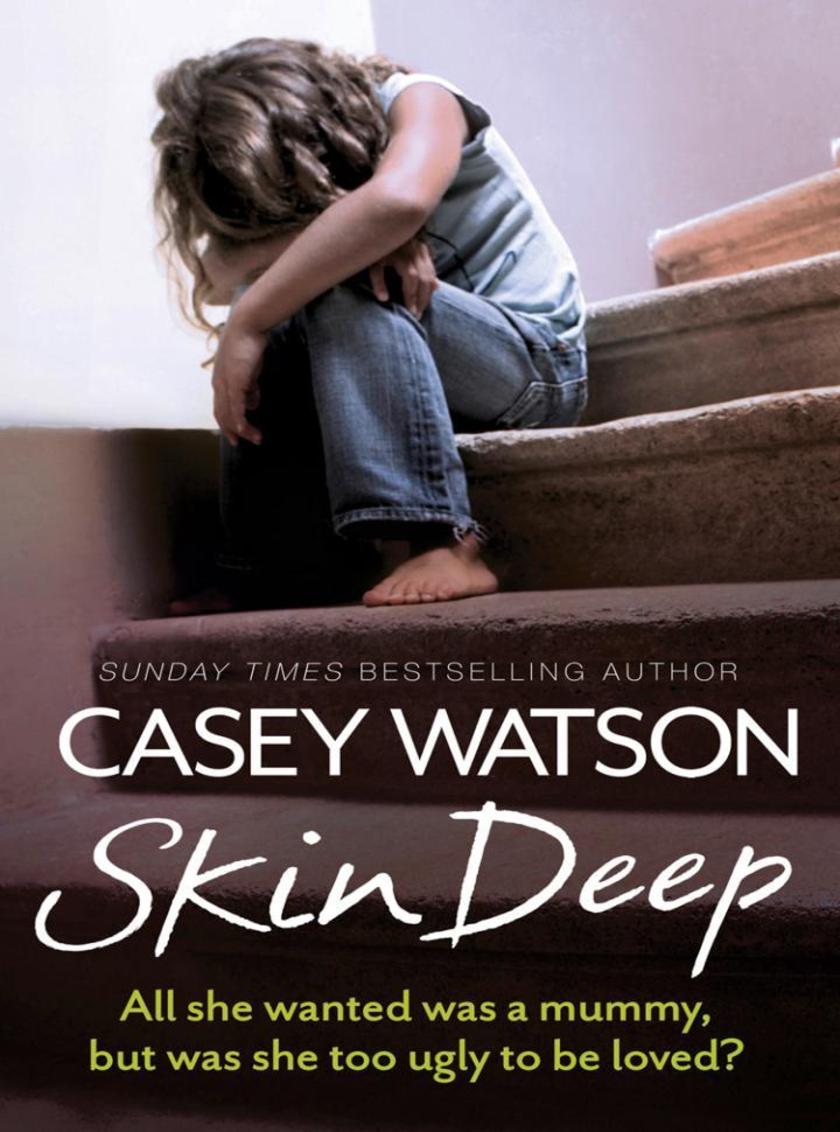
Skin Deep: All She Wanted Was a Mummy
¥58.86
Rejected by her mother and excluded by her school, Flip is a little girl desperate to be loved. ‘Am I ugly, Mummy?’ are the first words that little Phillipa says to Mike and Casey as she stomps into their lives on a hot August afternoon. She has a Barbie doll in one hand and a pink vanity case in the other and the bemused Watsons can only stare in amazement at this tiny eight year old girl who is being guided into the room by her social worker. Phillipa, known as Flip has Foetal Alcohol Syndrome and life with her single mother has come to an abrupt end after a fire burned the house down. When Casey meets Flip, the child seems remarkably unfazed by what has happened and the thing that seems to worry her is that Casey might find her ugly. Casey has come across children with FAS in her previous job in a high school behaviour unit, but is now realising that fostering Flip is going to be full of challenges which will test her and Mike’s skills to the limit.
Skin Deep: Part 2 of 3
¥41.01
Skin Deep can either be read as a full-length eBook or in 3 serialised eBook-only parts. This is PART 2 of 3. You can read Part 2 one week ahead of release of the full-length eBook and paperback. Rejected by her mother and excluded by her school, Flip is a little girl desperate to be loved. ‘Am I ugly, Mummy?’ are the first words that little Phillipa says to Mike and Casey as she stomps into their lives on a hot August afternoon. She has a Barbie doll in one hand and a pink vanity case in the other and the bemused Watsons can only stare in amazement at this tiny eight year old girl who is being guided into the room by her social worker. Phillipa, known as Flip has Foetal Alcohol Syndrome and life with her single mother has come to an abrupt end after a fire burned the house down. When Casey meets Flip, the child seems remarkably unfazed by what has happened and the thing that seems to worry her is that Casey might find her ugly. Casey has come across children with FAS in her previous job in a high school behaviour unit, but is now realising that fostering Flip is going to be full of challenges which will test her and Mike’s skills to the limit.
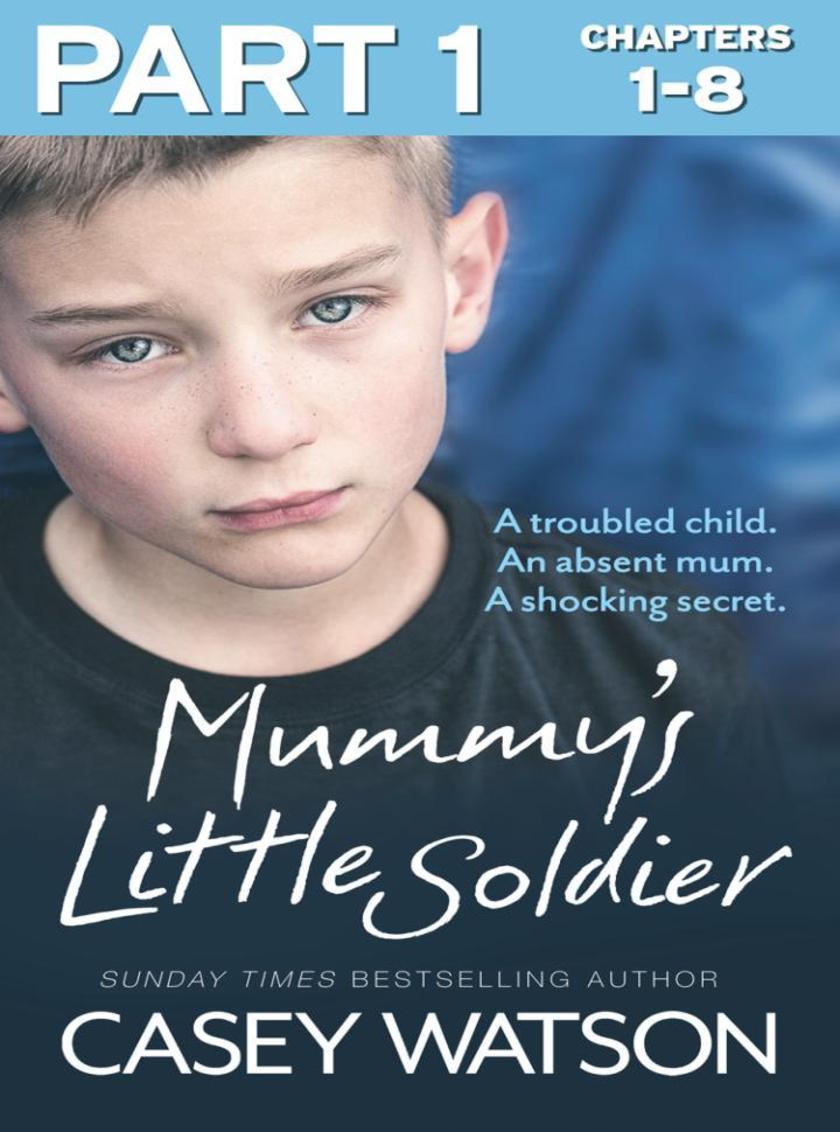
Mummy’s Little Soldier: Part 1 of 3
¥33.35
Casey’s Unit is, as ever, full of troubled, disaffected pupils, and new arrival Leo is something of a conundrum. Thirteen year old Leo isn’t a bad lad – in fact, he’s generally polite and helpful, but he’s in danger of permanent exclusion for repeatedly absconding and unauthorised absences. Despite letters being sent home regularly, his mother never turns up for any appointments, and when the school calls home she always seems to have an excuse. Though Casey has her hands full, she offers to intervene for a while, to try get Leo engaged in learning again and remaining in school. The head’s sceptical though and warns her that this is Leo’s very last chance. But Casey’s determined, because there’s something about Leo that makes her want to fight his corner, and get to the bottom of whatever it is that compels this enigmatic boy to keep running away. With Leo so resolutely tight-lipped and secretive, Casey knows that if she’s going to keep this child in education, she’s going to have to get to the bottom of it herself…
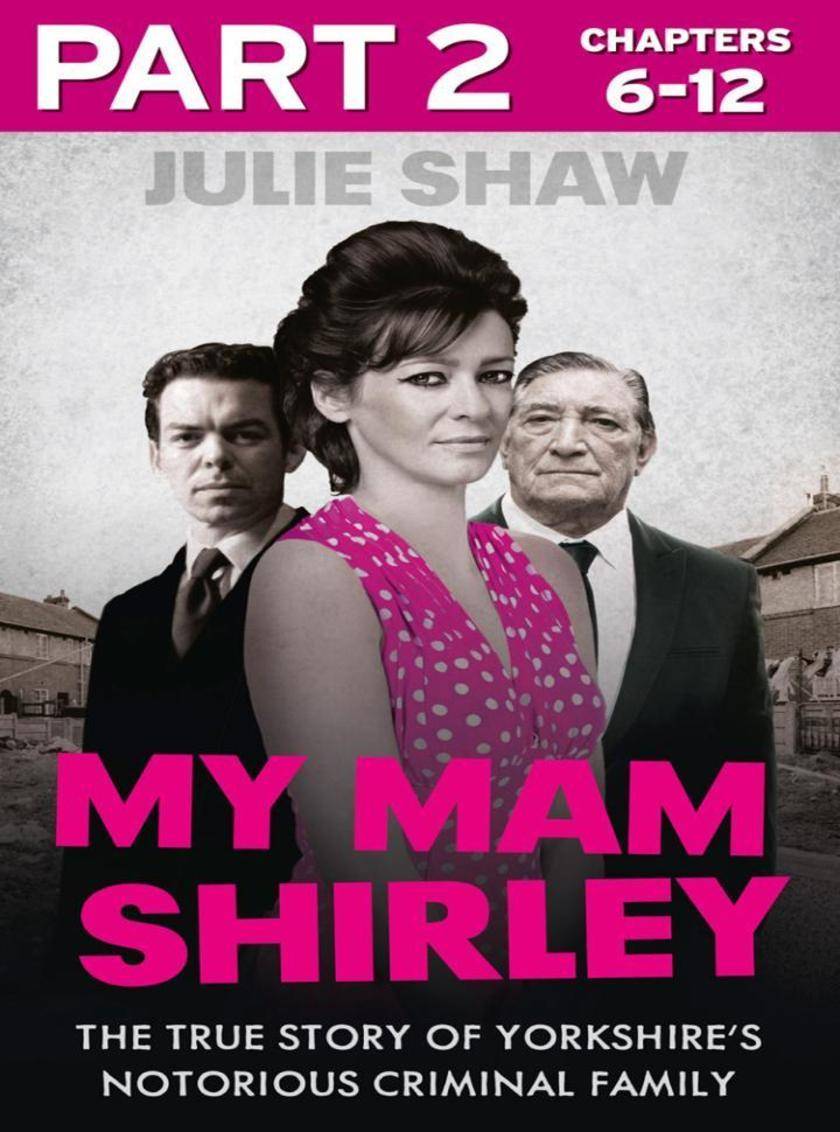
My Mam Shirley - Part 2 of 3
¥18.93
My Mam Shirley can either be read as a full-length eBook or in 3 serialised eBook-only parts. This is PART 2 of 3. You can read Part 2 two weeks ahead of release of the full-length eBook and paperback.
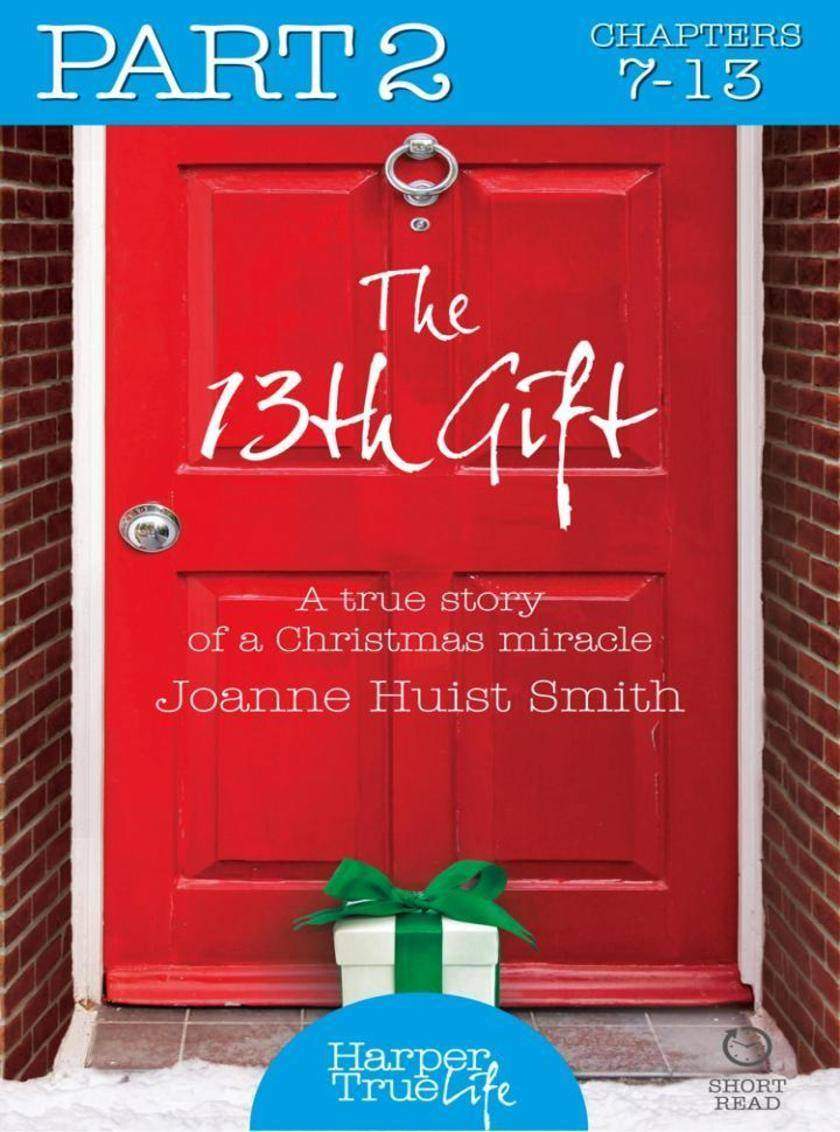
The 13th Gift: Part Two (HarperTrue Life – A Short Read)
¥11.77
A true Christmas story of a family suffering their darkest moments finding strength and love from a surprise Christmas miracle. December 1999: It was the Christmas season, but Joanne Smith was numb. She wished she could just go to sleep and wake up on December 26. No singing. No laughter. No shopping. She typically enjoyed the holidays, but this year she couldn’t celebrate. Her beloved husband of almost twenty years had died two months previously. What had once been a happy home was now devastated, leaving her and her three children drowning in grief. Until they were thrown a lifeline. Twelve days before Christmas, Jo was in the midst of rushing her kids to school, when she discovered a poinsettia sitting on her doorstep with a card, signed cryptically by her “true friends.” That seemingly small gift was the turning point for the Smith family, as over the course of the twelve days of Christmas, a new gift arrived daily. The mystery of the Christmas presents – specifically, the generosity and kindness behind them – worked its magic on the Smiths as the family knitted back together. They rose out of their grief and latched onto the hope they suddenly felt again: that with love, with community, and with family, even the most broken hearts can be mended.

Care for Your Puppy (RSPCA Pet Guide)
¥31.59
Published in association with the RSPCA, the UK’s leading animal welfare charity, this practical family guide is full of expert advice on how to choose a puppy and how best to look after it. If you already own or are planning to buy a puppy this easy-to-use introductory guide is a must. Clearly illustrated with colour photographs throughout, it covers all aspects of daily care including housing, feeding, hygiene, grooming, exercise and first aid. Published in association with the experts at the RSPCA, this book will help you ensure that you are giving your puppy the best possible start in life.

Care for Your Guinea Pigs (RSPCA Pet Guide)
¥31.59
Published in association with the RSPCA, the UK’s leading animal welfare charity, this practical family guide is full of expert advice on how to choose a guinea pig and how best to look after it. If you already own or are planning to buy a guinea pig this easy-to-use introductory guide is a must. Clearly illustrated with colour photographs throughout, it covers all aspects of daily care including housing, feeding, hygiene, grooming, exercise and first aid. Published in association with the experts at the RSPCA, this book will help you ensure that you are giving your guinea pig the best possible care.
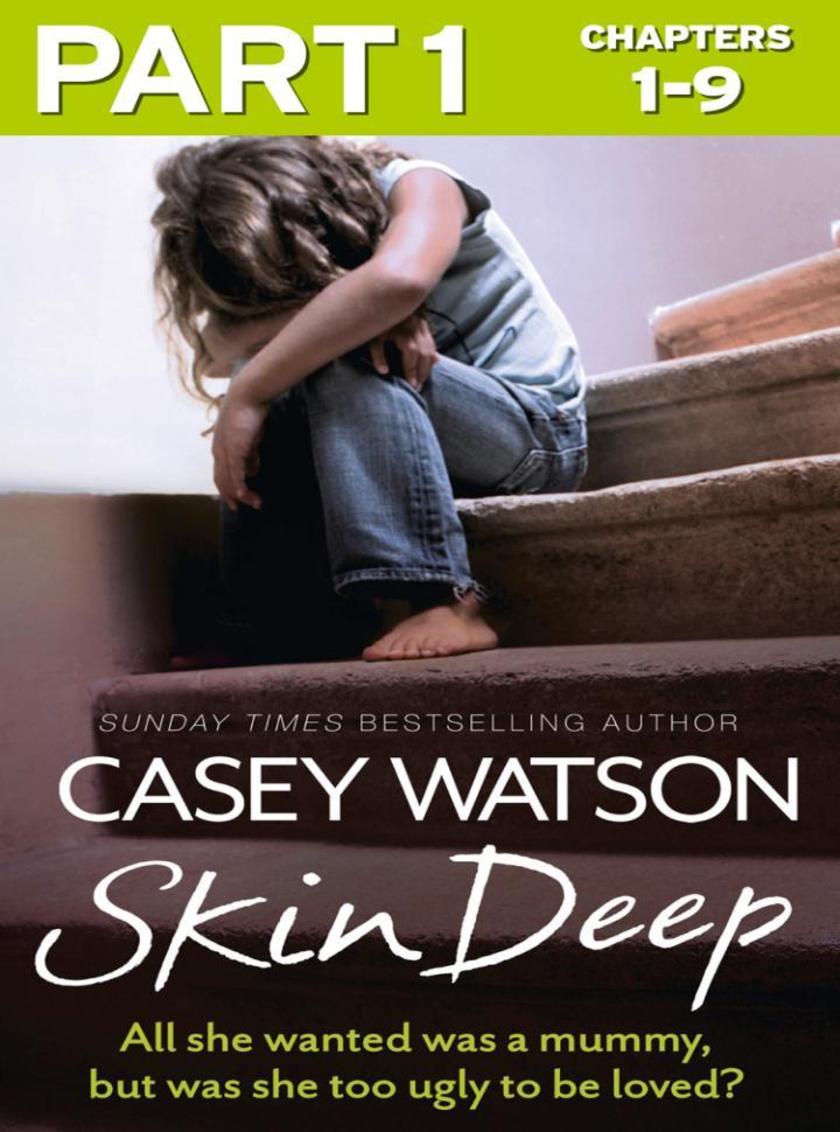
Skin Deep: Part 1 of 3
¥41.01
Skin Deep can either be read as a full-length eBook or in 3 serialised eBook-only parts. This is PART 1 of 3. You can read Part 1 two weeks ahead of release of the full-length eBook and paperback. Rejected by her mother and excluded by her school, Flip is a little girl desperate to be loved. ‘Am I ugly, Mummy?’ are the first words that little Phillipa says to Mike and Casey as she stomps into their lives on a hot August afternoon. She has a Barbie doll in one hand and a pink vanity case in the other and the bemused Watsons can only stare in amazement at this tiny eight year old girl who is being guided into the room by her social worker. Phillipa, known as Flip has Foetal Alcohol Syndrome and life with her single mother has come to an abrupt end after a fire burned the house down. When Casey meets Flip, the child seems remarkably unfazed by what has happened and the thing that seems to worry her is that Casey might find her ugly. Casey has come across children with FAS in her previous job in a high school behaviour unit, but is now realising that fostering Flip is going to be full of challenges which will test her and Mike’s skills to the limit.
Skin Deep: Part 3 of 3
¥41.01
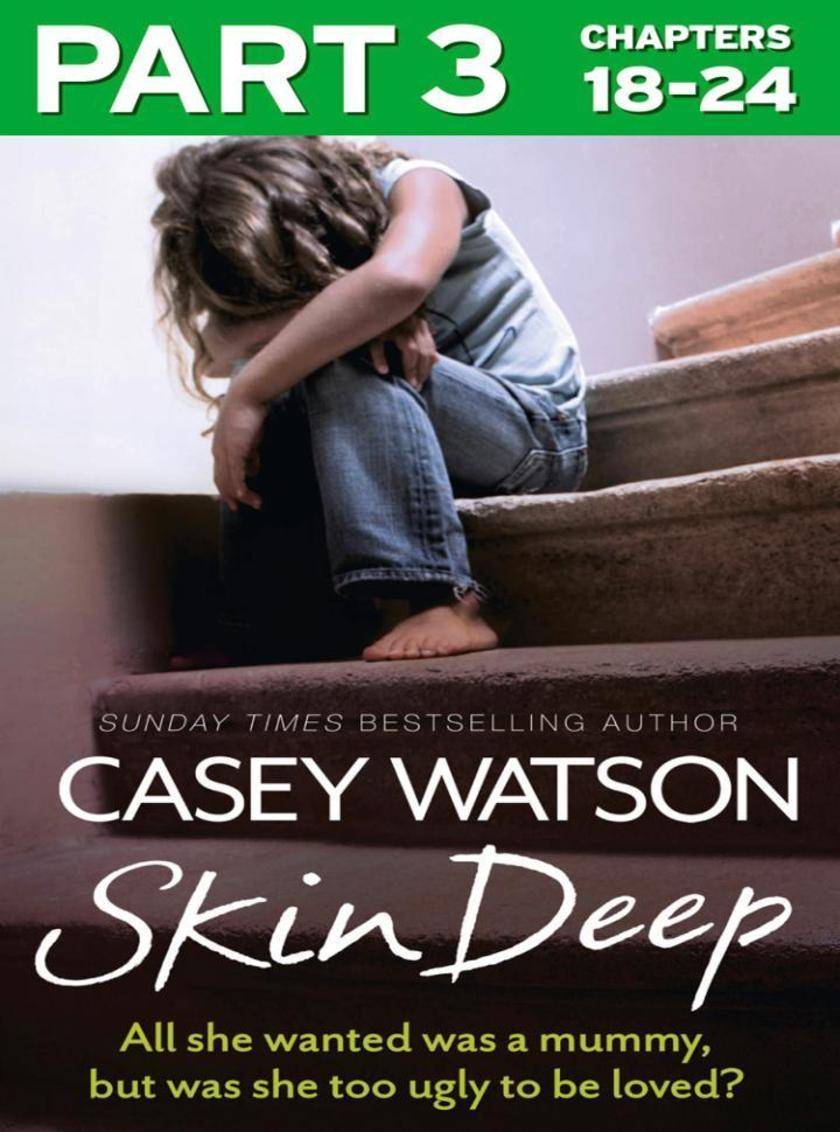
Skin Deep can either be read as a full-length eBook or in 3 serialised eBook-only parts. This is PART 3 of 3. You can read Part 3 on release of the full-length eBook and paperback. Rejected by her mother and excluded by her school, Flip is a little girl desperate to be loved. ‘Am I ugly, Mummy?’ are the first words that little Phillipa says to Mike and Casey as she stomps into their lives on a hot August afternoon. She has a Barbie doll in one hand and a pink vanity case in the other and the bemused Watsons can only stare in amazement at this tiny eight year old girl who is being guided into the room by her social worker. Phillipa, known as Flip has Foetal Alcohol Syndrome and life with her single mother has come to an abrupt end after a fire burned the house down. When Casey meets Flip, the child seems remarkably unfazed by what has happened and the thing that seems to worry her is that Casey might find her ugly. Casey has come across children with FAS in her previous job in a high school behaviour unit, but is now realising that fostering Flip is going to be full of challenges which will test her and Mike’s skills to the limit.

Mummy’s Little Soldier: A troubled child.
¥59.35
Casey’s Unit is, as ever, full of troubled, disaffected pupils, and new arrival Leo is something of a conundrum. Thirteen year old Leo isn’t a bad lad – in fact, he’s generally polite and helpful, but he’s in danger of permanent exclusion for repeatedly absconding and unauthorised absences. Despite letters being sent home regularly, his mother never turns up for any appointments, and when the school calls home she always seems to have an excuse. Though Casey has her hands full, she offers to intervene for a while, to try get Leo engaged in learning again and remaining in school. The head’s sceptical though and warns her that this is Leo’s very last chance. But Casey’s determined, because there’s something about Leo that makes her want to fight his corner, and get to the bottom of whatever it is that compels this enigmatic boy to keep running away. With Leo so resolutely tight-lipped and secretive, Casey knows that if she’s going to keep this child in education, she’s going to have to get to the bottom of it herself…

Soccernomics
¥68.67
At last, football has its answer to Freakonomics, The Tipping Point and The Undercover Economist. Why do England lose?” “Why do Germany & Brazil Win?” “How have Spain conquered the World?” "Penalties - what are they good for?" “What is the price on achieving success and the true cost of failure?” These are questions every football fan has asked. Soccernomics (previously published as Why England Lose) answers them. Written with an economist's brain and a football writer's skill, it applies high-powered analytical tools to everyday football topics. Soccernomics isn't in the first place about money. It's about looking at data in new ways. It's about revealing counterintuitive truths about football. It explains all manner of things about the game which newspapers just can't see. It all adds up to a new way of looking at football, beyond clichés about "The Magic of the FA Cup", "England's Shock Defeat" and "Newcastle's New South American Star". No training in economics is needed to read Soccernomics but the reader will come out of it with a better understanding not just of football, but of how economists think and what they know.
The Dog Listener: Learning the Language of your Best Friend
¥80.25
You’ve heard of the Horse Whisperer – now meet the woman who uses similar methods to train dogs. Jan Fennell’s remarkable gifts have earned her the nickname “the dog listener”. Her unique understanding of the canine world and its instinctive language has enabled her to bring even the most desperate and delinquent of dogs to heel. This easy-to-follow guide to understanding Jan’s simple techniques draws on her countless case histories of problem dogs – from biters and barkers to bicycle chasers – to show how we can bridge the language barrier that separates man from his best friend. In The Dog Listener Jan shares her secrets, telling us how she grew determined to find a more compassionate alternative to standard “obedience” training techniques and ultimately how to communicate with canines.

Smell of Summer Grass: Pursuing Happiness at Perch Hill
¥73.58
The Smell of Summer Grass is the story of the years spent in finding and building a personal idyll, sometimes a dream, sometimes a nightmare, by writer Adam Nicolson and his wife, cook and gardener, Sarah Raven. Without knowing one end of a hay baler from the other, Adam Nicolson and Sarah Raven, fed up with London and with life, escaped with his family to a run-down farm in the Sussex Weald. Looking for Arcadia, they found a mixture of intense beauty and profound chaos. Over three years they struggled with dock leaves, spring flowers, bloody-minded sheep and neighbours before eventually arriving at some kind of equilibrium. Funny, poetic, ironic and wise, ‘The Smell of Summer Grass’ is based partly on the long out of print 'Perch Hill'. It traces the growing intimacy between man and his chosen place, his love affair with it and his frustrations with its intractable realities. As an attempt to live out the pastoral vision, it makes one heartfelt plea: we should never abandon our dreams.


