


 购物车
购物车 个人中心
个人中心

Türk Ceza Kanunu
¥2.70
Türk Ceza Kanunu

A trónbitorló
¥51.58
A trónbitorló

Haragvó liliomok
¥51.58
Haragvó liliomok
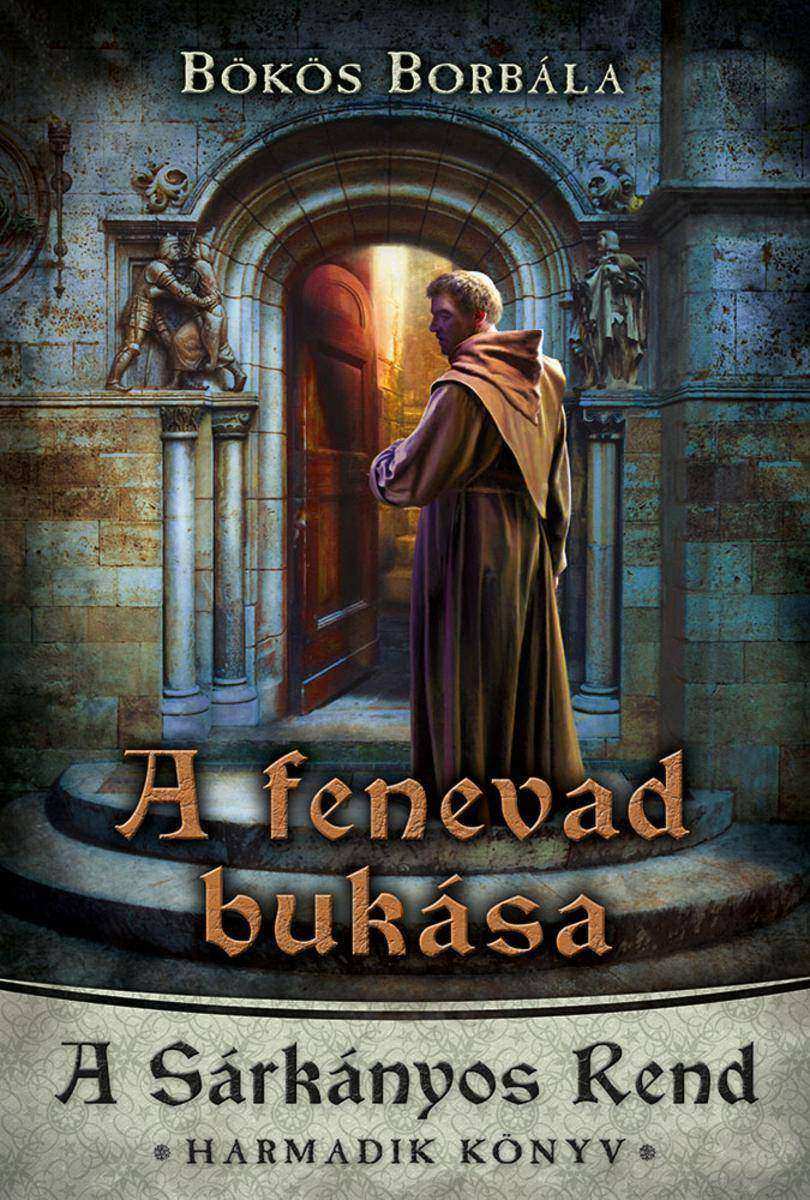
A fenevad bukása
¥51.58
A fenevad bukása

Királyi páncélban
¥51.58
Királyi páncélban

Szívhang 398. (?p lélekkel)
¥18.74
Szívhang 398. (?p lélekkel)

Hátizsákkal Brazíliában
¥86.08
Hátizsákkal Brazíliában

Romana 453. (Hazárdjáték)
¥18.74
Romana 453. (Hazárdjáték)

A megmaradt világ: Emlékezések – B?vített kiadás
¥57.31
A megmaradt világ: Emlékezések – B?vített kiadás
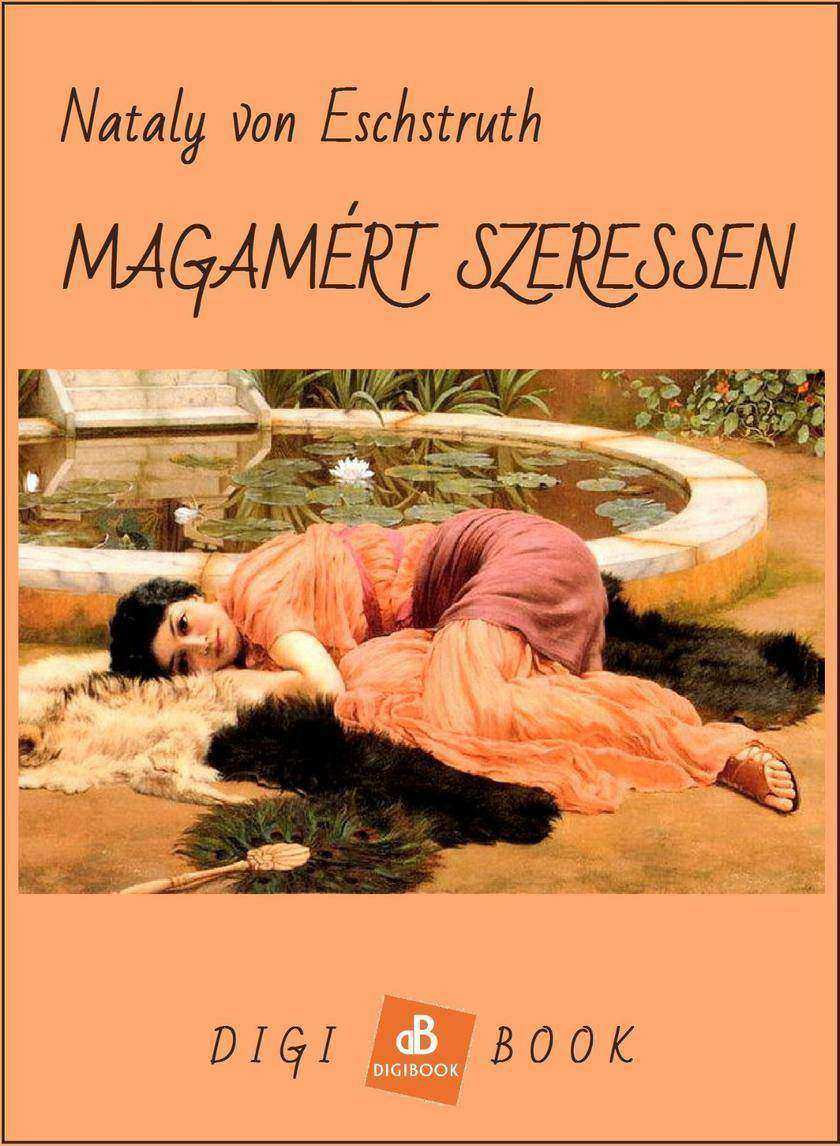
Magamért szeressen
¥25.67
Magamért szeressen

Romana kül?nszám 40. k?tet (Esküv?k évadja, ?tórai tea)
¥37.36
Romana kül?nszám 40. k?tet (Esküv?k évadja, ?tórai tea)

Morzsás csendélet
¥71.69
Morzsás csendélet

Az utolsó oroszlánk?ly?k
¥58.29
Az utolsó oroszlánk?ly?k
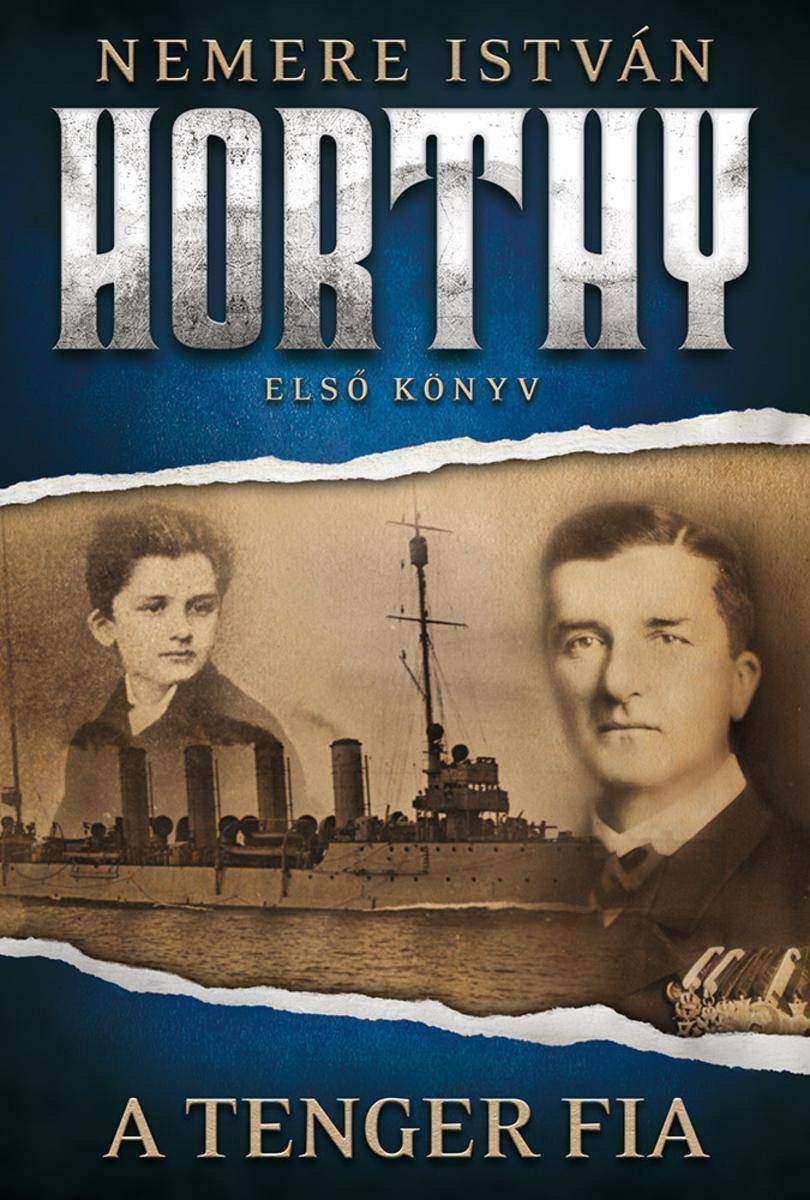
A tenger fia
¥56.98
A tenger fia

Jamie
¥39.14
Jamie is a long-haired, bearded collie, bursting with life and energy, but his sense of fun and his lively curiosity are apt to lead him into trouble.Written in rhyme, Marian Bythell recounts some of the adventures of the rollicking, frolicking, lovable dog.This lovely book, which is skilfully illustrated, will not only captivate the imagination of young children, but will also appeal to all ages.

Poems of Love, Life and Laughter
¥34.24
Following on from the successful publication of her two holiday journals, Marian Bythell has now turned her passionate pen to poetry. Concentrating on the essential three Ls - Love, Life and Laughter - she has produced a considered collection of rhyming verse.

Helén kicsikéi
¥17.17
Helén kicsikéi

Udvari t?rténet
¥14.31
Udvari t?rténet
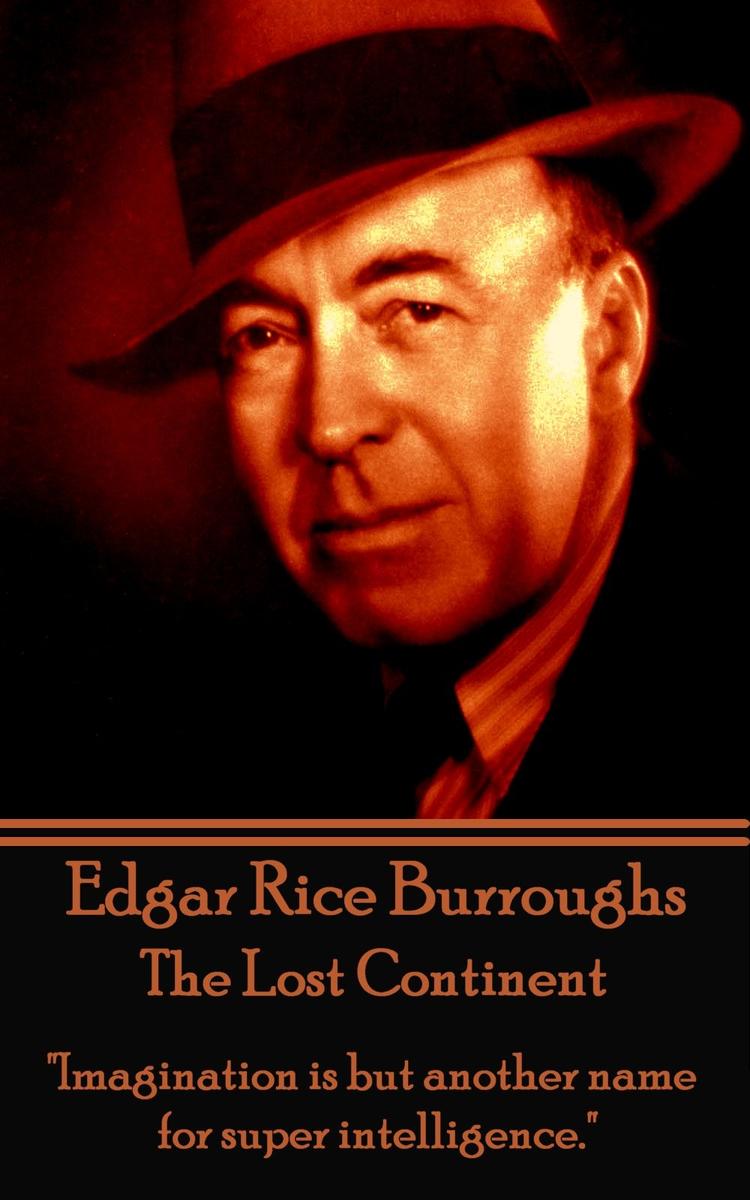
Lost Continent - Imagination is but another name for super intelligence.
¥35.22
Edgar Rice Burroughs was born on September 1, 1875, in Chicago, Illinois. His early career was unremarkable. After failing to enter West Point he enlisted in the 7th Calvary but was discharged after heart problems were diagnosed. A series of short term jobs gave no indication as to a career path but finally, in 1911, married and with two young children, he turned his hand to writing. He aimed his works squarely at the very popular pulp serial magazines. His first effort 'Under The Moons Of Mars' ran in Munsey's Magazine in 1912 under the pseudonym Norman Bean. With its success he began writing full time. A continuing theme of his work was to develop series so that each character had ample opportunities to return in sequels. John Carter was in the Mars series and there was another on Venus and one on Pellucidar among others. But perhaps the best known is Tarzan. Indeed Burroughs wanted so much to capitalise upon the brand that he introduced a syndicated Tarzan comic strip, movies and merchandise. He purchased a large ranch north of Los Angeles, California, which he named "e;Tarzana."e; The surrounding communities outside the ranch voted in 1927 to adopt the name as their own. By 1932 Burroughs set up his own company to print his own books. Here we publish 'The Lost Continent' a sensational piece of science fiction that has endured as a favourite across generations.
Electra - To a father growing old nothing is dearer than a daughter
¥14.03
Euripides is rightly lauded as one of the great dramatists of all time. In his lifetime, he wrote over 90 plays and although only 18 have survived they reveal the scope and reach of his genius. Euripides is identified with many theatrical innovations that have influenced drama all the way down to modern times, especially in the representation of traditional, mythical heroes as ordinary people in extraordinary circumstances. As would be expected from a life lived 2,500 years ago, details of it are few and far between. Accounts of his life, written down the ages, do exist but whether much is reliable or surmised is open to debate. Most accounts agree that he was born on Salamis Island around 480 BC, to mother Cleito and father Mnesarchus, a retailer who lived in a village near Athens. Upon the receipt of an oracle saying that his son was fated to win "e;crowns of victory"e;, Mnesarchus insisted that the boy should train for a career in athletics. However, what is clear is that athletics was not to be the way to win crowns of victory. Euripides had been lucky enough to have been born in the era as the other two masters of Greek Tragedy; Sophocles and schylus. It was in their footsteps that he was destined to follow. His first play was performed some thirteen years after the first of Socrates plays and a mere three years after schylus had written his classic The Oristria. Theatre was becoming a very important part of the Greek culture. The Dionysia, held annually, was the most important festival of theatre and second only to the fore-runner of the Olympic games, the Panathenia, held every four years, in appeal. Euripides first competed in the City Dionysia, in 455 BC, one year after the death of schylus, and, incredibly, it was not until 441 BC that he won first prize. His final competition in Athens was in 408 BC. The Bacchae and Iphigenia in Aulis were performed after his death in 405 BC and first prize was awarded posthumously. Altogether his plays won first prize only five times. Euripides was also a great lyric poet. In Medea, for example, he composed for his city, Athens, "e;the noblest of her songs of praise"e;. His lyric skills however are not just confined to individual poems: "e;A play of Euripides is a musical whole....one song echoes motifs from the preceding song, while introducing new ones."e; Much of his life and his whole career coincided with the struggle between Athens and Sparta for hegemony in Greece but he didn't live to see the final defeat of his city. Euripides fell out of favour with his fellow Athenian citizens and retired to the court of Archelaus, king of Macedon, who treated him with consideration and affection. At his death, in around 406BC, he was mourned by the king, who, refusing the request of the Athenians that his remains be carried back to the Greek city, buried him with much splendor within his own dominions. His tomb was placed at the confluence of two streams, near Arethusa in Macedonia, and a cenotaph was built to his memory on the road from Athens towards the Piraeus.
Plutus - What an unhppy fate, to be the slave of a fool
¥11.67
The reality is that little is known of Aristophanes actual life but eleven of his forty plays survive intact and upon those rest his deserved reputation as the Father of Comedy or, The Prince of Ancient Comedy. Accounts agree that he was born sometime between 456BC and 446 BC. Many cities claim the honor of his birthplace and the most probable story makes him the son of Philippus of gina, and therefore only an adopted citizen of Athens, a distinction which, at times could be cruel, though he was raised and educated in Athens. His plays are said to recreate the life of ancient Athens more realistically than any other author could. Intellectually his powers of ridicule were feared by his influential contemporaries; Plato himself singled out Aristophanes' play The Clouds as a slander that contributed to the trial and condemning to death of Socrates and although other satirical playwrights had also caricatured the philosopher his carried the most weight. His now lost play, The Babylonians, was denounced by the demagogue Cleon as a slander against the Athenian polis. Aristophanes seems to have taken this criticism to heart and thereafter caricatured Cleon mercilessly in his subsequent plays, especially The Knights. His life and playwriting years were undoubtedly long though again accounts as to the year of his death vary quite widely. What can be certain is that his legacy of surviving plays is in effect both a treasured legacy but also in itself the only surviving texts of Ancient Greek comedy.


