


 购物车
购物车 个人中心
个人中心

Top Student, Top School?
¥229.55
Most of us think that valedictorians can write their own ticket. By reaching the top of their class they have proven their merit, so their next logical step should be to attend the nation's very best universities. Yet in Top Student, Top School?, Alexandria Walton Radford, of RTI International, reveals that many valedictorians do not enroll in prestigious institutions. Employing an original five-state study that surveyed nine hundred public high school valedictorians, she sets out to determine when and why valedictorians end up at less selective schools, showing that social class makes all the difference.?Radford traces valedictorians' paths to college and presents damning evidence that high schools do not provide sufficient guidance on crucial factors affecting college selection, such as reputation, financial aid, and even the application process itself. Left in a bewildering environment of seemingly similar options, many students depend on their parents for assistance-and this allows social class to rear its head and have a profound impact on where students attend. Simply put, parents from less affluent backgrounds are far less informed about differences in colleges' quality, the college application process, and financial aid options, which significantly limits their child's chances of attending a competitive school, even when their child has already managed to become valedictorian.?Top Student, Top Schoolpinpoints an overlooked yet critical juncture in the education process, one that stands as a barrier to class mobility. By focusing solely on valedictorians, it shows that students' paths diverge by social class even when they are similarly well-prepared academically, and this divergence is traceable to specific failures by society, failures that we can and should address.Watch an interview of Alexandria Walton Radford discussing her book here:?http://www.youtube.com/watch?v=F81c1D1BpY0

Not Tonight
¥229.55
Pain. Vomiting. Hours and days spent lying in the dark. Migraine is an extraordinarily common, disabling, and painful disorder that affects over 36 million Americans and costs the US economy at least $32 billion per year. Nevertheless, it is frequently dismissed, ignored, and delegitimized.In?Not Tonight, Joanna Kempner argues that this general dismissal of migraine can be traced back to the gendered social values embedded in the way we talk about, understand, and make policies for people in pain. Because the symptoms that accompany headache disorders-like head pain, visual auras, and sensitivity to sound-lack an objective marker of distress that can confirm their existence, doctors rely on the perceived moral character of their patients to gauge how serious their complaints are. Kempner shows how this problem plays out in the history of migraine, from nineteenth-century formulations of migraine as a disorder of upper-class intellectual men and hysterical women to the influential concept of "e;migraine personality"e; in the 1940s, in which women with migraine were described as uptight neurotics who withheld sex, to contemporary depictions of people with highly sensitive "e;migraine brains."e;?Not Tonight?casts new light on how cultural beliefs about gender, pain, and the distinction between mind and body influence not only whose suffering we legitimate, but which remedies are marketed, how medicine is practiced, and how knowledge about disease is produced.
Riotous Flesh
¥229.55
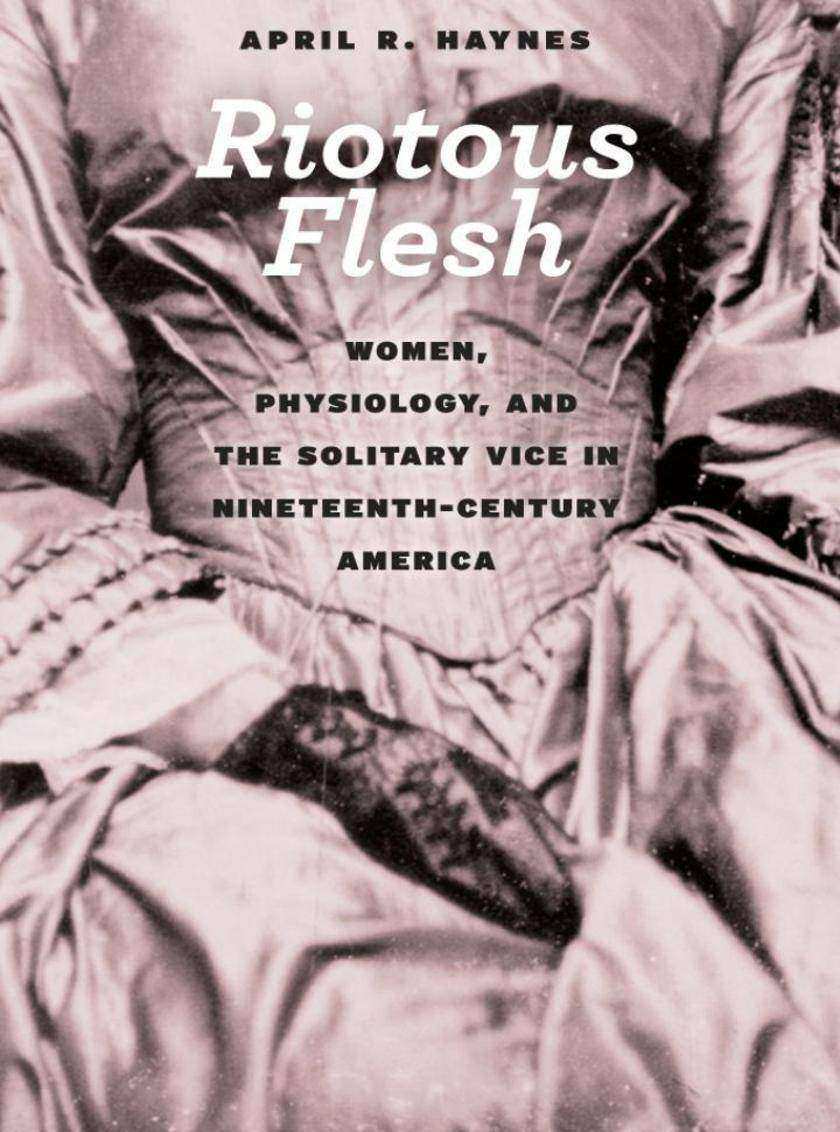
Nineteenth-century America saw numerous campaigns against masturbation, which was said to cause illness, insanity, and even death. Riotous Flesh explores women's leadership of those movements, with a specific focus on their rhetorical, social, and political effects, showing how a desire to transform the politics of sex created unexpected alliances between groups that otherwise had very different goals.As April R. Haynes shows, the crusade against female masturbation was rooted in a generally shared agreement on some major points: that girls and women were as susceptible to masturbation as boys and men; that "e;self-abuse"e; was rooted in a lack of sexual information; and that sex education could empower women and girls to master their own bodies. Yet the groups who made this education their goal ranged widely, from "e;ultra"e; utopians and nascent feminists to black abolitionists. Riotous Flesh explains how and why diverse women came together to popularize, then institutionalize, the condemnation of masturbation, well before the advent of sexology or the professionalization of medicine.

Peak Oil
¥229.55
In recent years, the concept of "e;peak oil"e;-the moment when global oil production peaks and a train of economic, social, and political catastrophes accompany its subsequent decline-has captured the imagination of a surprisingly large number of Americans, ordinary citizens as well as scholars, and created a quiet, yet intense underground movement.In Peak Oil, Matthew Schneider-Mayerson takes readers deep inside the world of "e;peakists,"e; showing how their hopes and fears about the postcarbon future led them to prepare for the social breakdown they foresee-all of which are fervently discussed and debated via websites, online forums, videos, and novels. By exploring the worldview of peakists, and the unexpected way that the fear of peak oil and climate change transformed many members of this left-leaning group into survivalists, Schneider-Mayerson builds a larger analysis of the rise of libertarianism, the role of oil in modern life, the political impact of digital technologies, the racial and gender dynamics of post-apocalyptic fantasies, and the social organization of environmental denial.

Why Washington Won't Work
¥229.55
Polarization is at an all-time high in the United States. But contrary to popular belief, Americans are polarized not so much in their policy preferences as in their feelings toward their political opponents: To an unprecedented degree, Republicans and Democrats simply do not like one another. No surprise that these deeply held negative feelings are central to the recent (also unprecedented) plunge in congressional productivity. The past three Congresses have gotten less done than any since scholars began measuring congressional productivity.?In Why Washington Won't Work, Marc J. Hetherington and Thomas J. Rudolph argue that a contemporary crisis of trust-people whose party is out of power have almost no trust in a government run by the other side-has deadlocked Congress. On most issues, party leaders can convince their own party to support their positions. In order to pass legislation, however, they must also create consensus by persuading some portion of the opposing party to trust in their vision for the future. Without trust, consensus fails to develop and compromise does not occur. Up until recently, such trust could still usually be found among the opposition, but not anymore. Political trust, the authors show, is far from a stable characteristic. It's actually highly variable and contingent on a variety of factors, including whether one's party is in control, which part of the government one is dealing with, and which policies or events are most salient at the moment.Political trust increases, for example, when the public is concerned with foreign policy-as in times of war-and it decreases in periods of weak economic performance. Hetherington and Rudolph do offer some suggestions about steps politicians and the public might take to increase political trust. Ultimately, however, they conclude that it is unlikely levels of political trust will significantly increase unless foreign concerns come to dominate and the economy is consistently strong.

World More Concrete
¥370.82
Many people characterize urban renewal projects and the power of eminent domain as two of the most widely despised and often racist tools for reshaping American cities in the postwar period. In?A World More Concrete, N. D. B. Connolly uses the history of South Florida to unearth an older and far more complex story.Connolly captures nearly eighty years of political and land transactions to reveal how real estate and redevelopment created and preserved metropolitan growth and racial peace under white supremacy.Using a materialist approach, he offers a long view of capitalism and the color line, following much of the money that made land taking and Jim Crow segregation profitable and preferred ?approaches to governing cities throughout the twentieth century.A World More Concrete?argues that black and white landlords, entrepreneurs, and even liberal community leaders used tenements and repeated land dispossession to take advantage of the poor and generate remarkable wealth.Through a political culture built on real estate, South Florida's landlords and homeowners advanced property rights and white property rights, especially, at the expense of more inclusive visions of equality. For black people and many of their white allies, uses of eminent domain helped to harden class and color lines.Yet, for many reformers, confiscating certain kinds of real estate through eminent domain also promised to help improve housing conditions, to undermine the neighborhood influence of powerful slumlords, and to open new opportunities for suburban life for black Floridians.Concerned more with winners and losers than with heroes and villains,?A World More Concrete?offers a sober assessment of money and power in Jim Crow America.It shows how negotiations between powerful real estate interests on both sides of the color line gave racial segregation a remarkable capacity to evolve, revealing property owners' power to reshape American cities in ways that can still be seen and felt today.
Democratic Art
¥370.82
Throughout the Great Recession American artists and public art endowments have had to fight for government support to keep themselves afloat. It wasn't always this way. At its height in 1935, the New Deal devoted $27 million-roughly $461 million today-to supporting tens of thousands of needy artists, who used that support to create more than 100,000 works. Why did the government become so involved with these artists, and why weren't these projects considered a frivolous waste of funds, as surely many would be today?In Democratic Art, Sharon Musher explores these questions and uses them as a springboard for an examination of the role art can and should play in contemporary society. Drawing on close readings of government-funded architecture, murals, plays, writing, and photographs, Democratic Art examines the New Deal's diverse cultural initiatives and outlines five perspectives on art that were prominent at the time: art as grandeur, enrichment, weapon, experience, and subversion. Musher argues that those engaged in New Deal art were part of an explicitly cultural agenda that sought not just to create art but to democratize and Americanize it as well. By tracing a range of aesthetic visions that flourished during the 1930s, this highly original book outlines the successes, shortcomings, and lessons of the golden age of government funding for the arts.
Knowledge of Nature and the Nature of Knowledge in Early Modern Japan
¥370.82
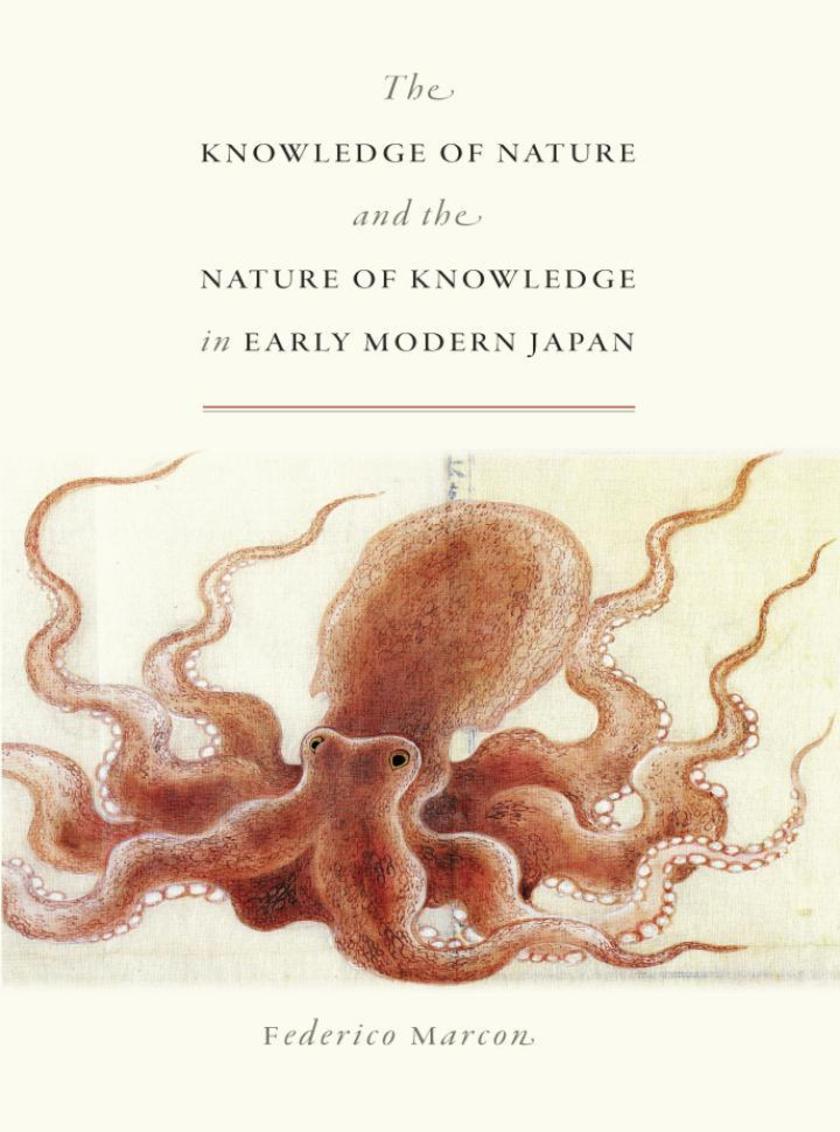
Between the early seventeenth and the mid-nineteenth century, the field of natural history in Japan separated itself from the discipline of medicine, produced knowledge that questioned the traditional religious and philosophical understandings of the world, developed into a system (called honzogaku) that rivaled Western science in complexity-and then seemingly disappeared. Or did itIn The Knowledge of Nature and the Nature of Knowledge in Early Modern Japan, Federico Marcon recounts how Japanese scholars developed a sophisticated discipline of natural history analogous to Europe's but created independently, without direct influence, and argues convincingly that Japanese natural history succumbed to Western science not because of suppression and substitution, as scholars traditionally have contended, but by adaptation and transformation.?The first book-length English-language study devoted to the important field of honzogaku, The Knowledge of Nature and the Nature of Knowledge in Early Modern Japan will be an essential text for historians of Japanese and East Asian science, and a fascinating read for anyone interested in the development of science in the early modern era.
Enduring Truths
¥370.82
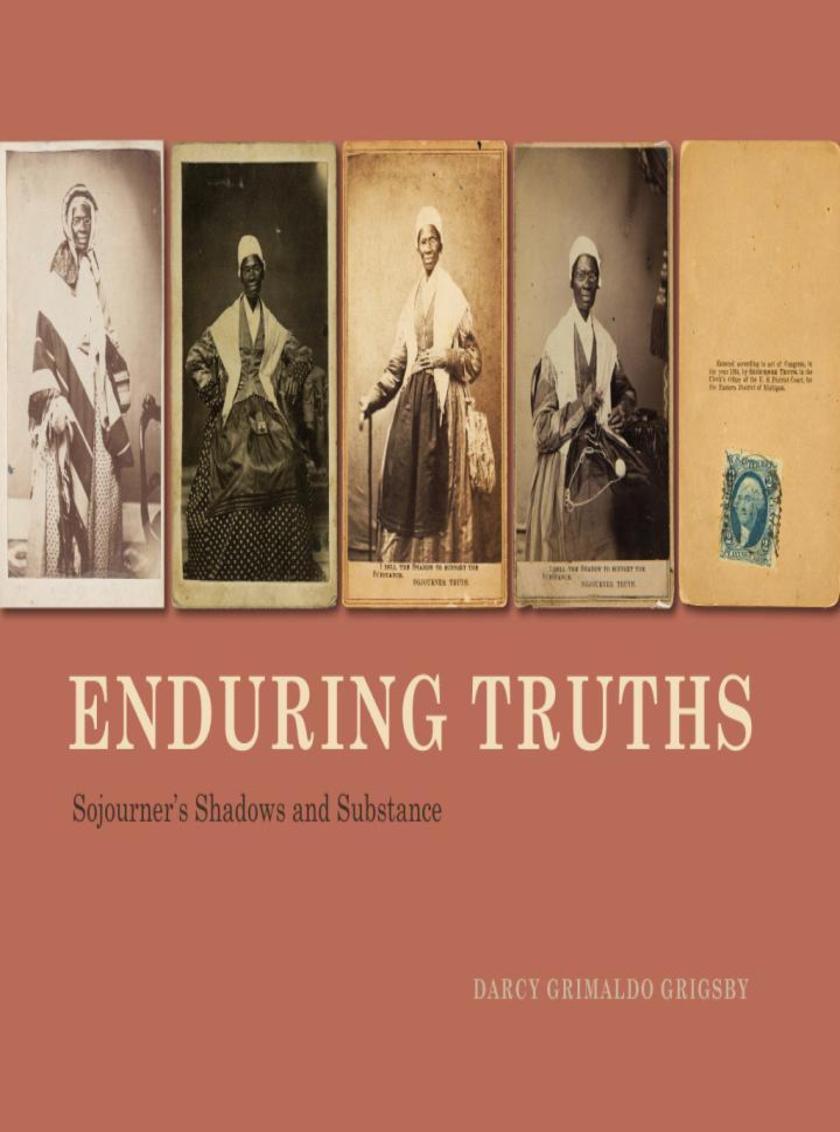
Runaway slave Sojourner Truth gained fame in the nineteenth century as an abolitionist, feminist, and orator and earned a living partly by selling photographic carte de visite portraits of herself at lectures and by mail. Cartes de visite, similar in format to calling cards, were relatively inexpensive collectibles that quickly became a new mode of mass communication. Despite being illiterate, Truth copyrighted her photographs in her name and added the caption "e;I Sell the Shadow to Support the Substance. Sojourner Truth."e;Featuring the largest collection of Truth's photographs ever published,?Enduring Truths?is the first book to explore how she used her image, the press, the postal service, and copyright laws to support her activism and herself. Darcy Grimaldo Grigsby establishes a range of important contexts for Truth's portraits, including the strategic role of photography and copyright for an illiterate former slave; the shared politics of Truth's cartes de visite and federal banknotes, which were both created to fund the Union cause; and the ways that photochemical limitations complicated the portrayal of different skin tones. Insightful and powerful,?Enduring Truths?shows how Truth made her photographic portrait worth money in order to end slavery-and also became the strategic author of her public self.
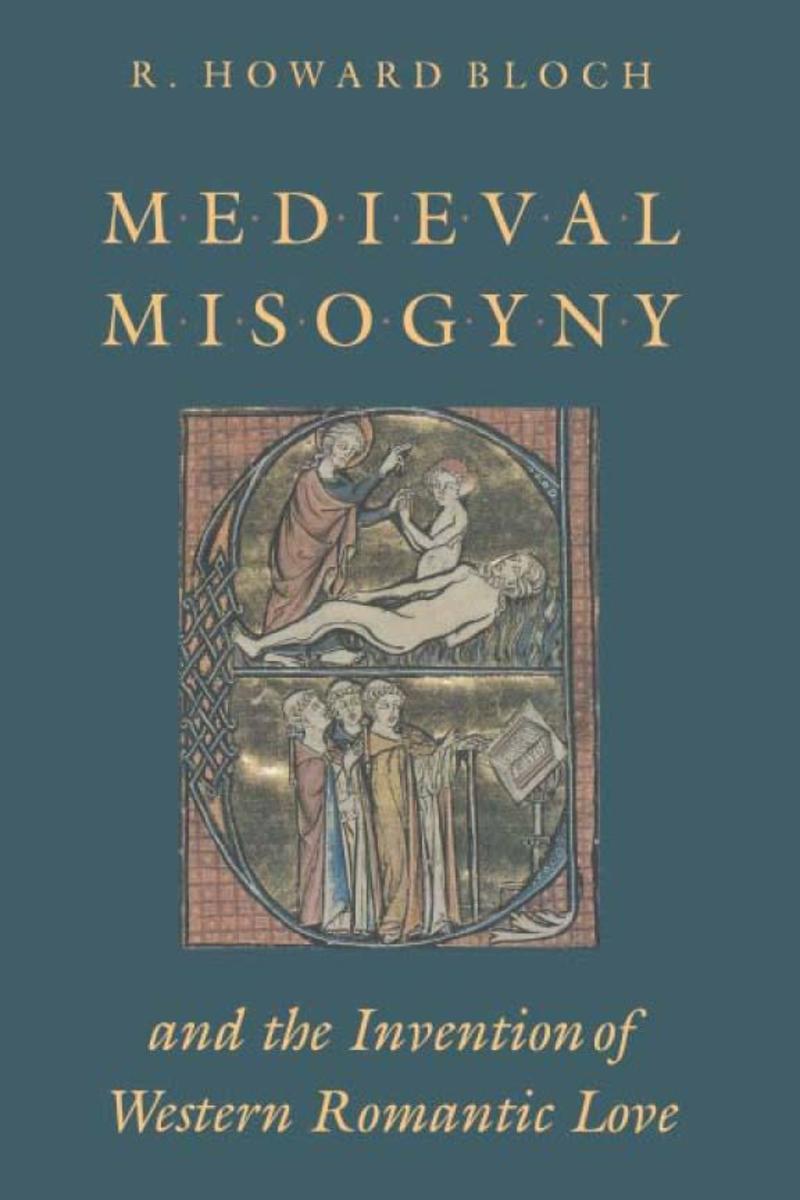
Medieval Misogyny and the Invention of Western Romantic Love
¥288.41
Until now the advent of Western romantic love has been seen as a liberation from-or antidote to-ten centuries of misogyny. In this major contribution to gender studies, R. Howard Bloch demonstrates how similar the ubiquitous antifeminism of medieval times and the romantic idealization of woman actually are.Through analyses of a broad range of patristic and medieval texts, Bloch explores the Christian construction of gender in which the flesh is feminized, the feminine is aestheticized, and aesthetics are condemned in theological terms. Tracing the underlying theme of virginity from the Church Fathers to the courtly poets, Bloch establishes the continuity between early Christian antifeminism and the idealization of woman that emerged in the twelfth and thirteenth centuries. In conclusion he explains the likely social, economic, and legal causes for the seeming inversion of the terms of misogyny into those of an idealizing tradition of love that exists alongside its earlier avatar until the current era.This startling study will be of great value to students of medieval literature as well as to historians of culture and gender.

Emptiness
¥288.41
For many Christians in America, becoming filled with Christ first requires being empty of themselves-a quality often overlooked in religious histories. In Emptiness, John Corrigan highlights for the first time the various ways that American Christianity has systematically promoted the cultivation of this feeling. ?Corrigan examines different kinds of emptiness essential to American Christianity, such as the emptiness of deep longing, the emptying of the body through fasting or weeping, the emptiness of the wilderness, and the emptiness of historical time itself. He argues, furthermore, that emptiness is closely connected to the ways Christian groups differentiate themselves: many groups foster a sense of belonging not through affirmation, but rather avowal of what they and their doctrines are not. Through emptiness, American Christians are able to assert their identities as members of a religious community.Drawing much-needed attention to a crucial aspect of American Christianity, Emptiness expands our understanding of historical and contemporary Christian practices.?
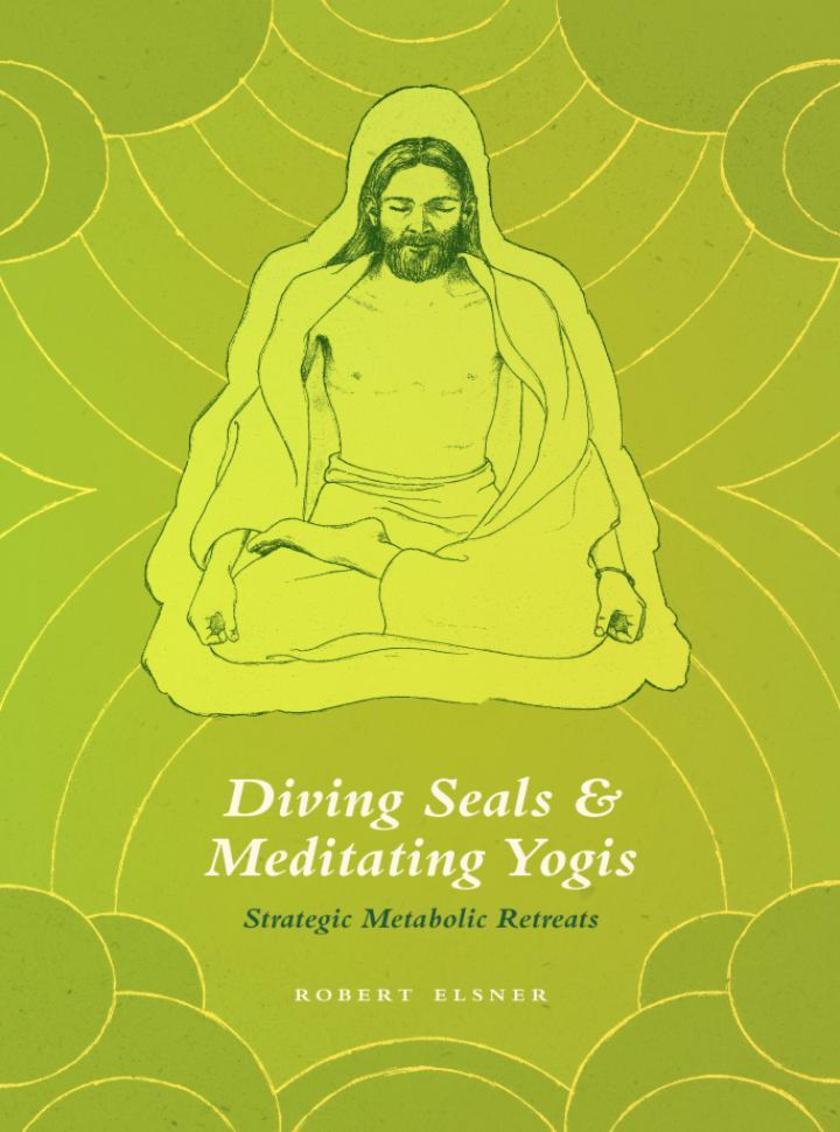
Diving Seals and Meditating Yogis
¥265.87
The comparative physiology of seemingly disparate organisms often serves as a surprising pathway to biological enlightenment. How appropriate, then, that Robert Elsner sheds new light on the remarkable physiology of diving seals through comparison with members of our own species on quests toward enlightenment: meditating yogis.As Elsner reveals, survival in extreme conditions such as those faced by seals is often not about running for cover or coming up for air, but rather about working within the confines of an environment and suppressing normal bodily function. Animals in this withdrawn state display reduced resting metabolic rates and are temporarily less dependent upon customary levels of oxygen. For diving seals-creatures especially well-adapted to prolonged submergence in the ocean's cold depths-such periods of rest lengthen dive endurance. But while human divers share modest, brief adjustments of suppressed metabolism with diving seals, it is the practiced response achieved during deep meditation that is characterized by metabolic rates well below normal levels, sometimes even approaching those of non-exercising diving seals. And the comparison does not end here: hibernating animals, infants during birth, near-drowning victims, and clams at low tide all also display similarly reduced metabolisms.By investigating these states-and the regulatory functions that help maintain them-across a range of species, Elsner offers suggestive insight into the linked biology of survival and well-being.
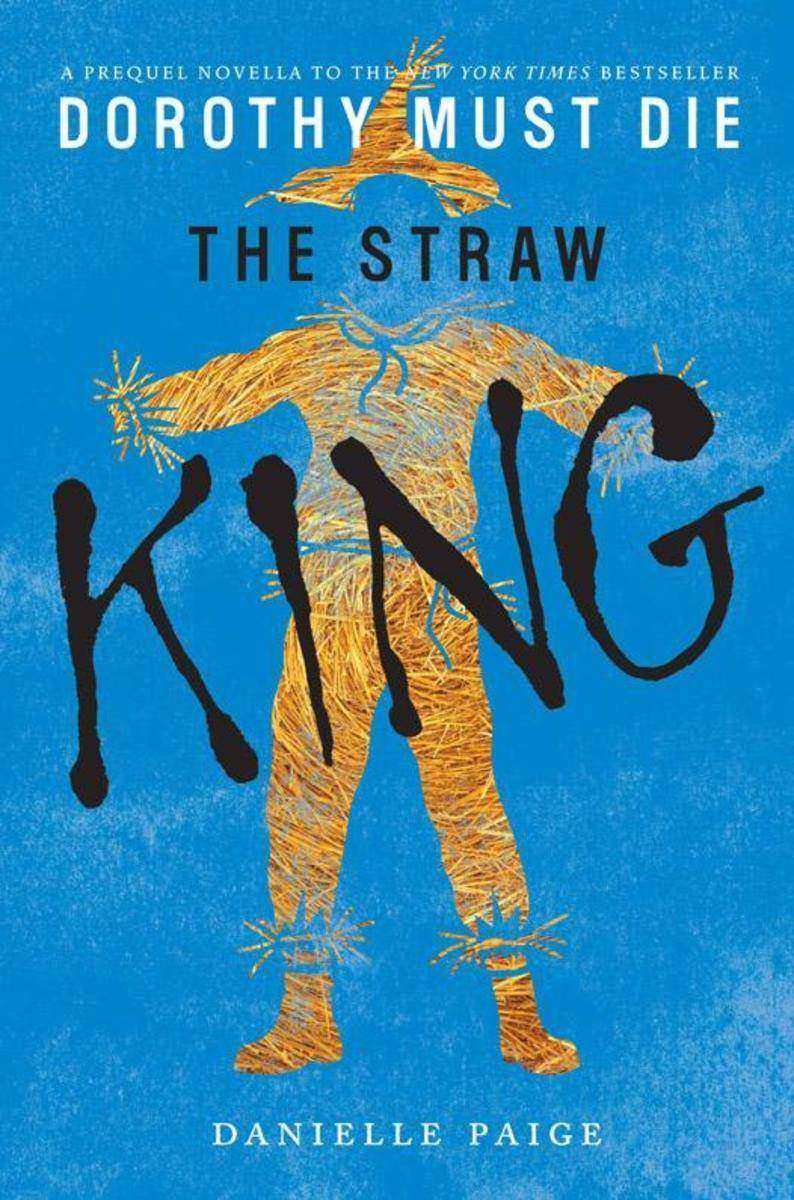
The Straw King
¥65.65
Once upon a time, the Scarecrow's only wish was to have a brain. This digital original novella is the fifth installment in the prequel arc to the edgy and thrilling New York Times bestsellers Dorothy Must Die and The Wicked Will Rise and follows the Scarecrow after he finally gets his wish.In The Wonderful Wizard of Oz, the Scarecrow received the gift of a brain from the Wizard and was appointed the new ruler of Oz. In The Straw King, the Scarecrow's tale takes a crooked turn when his reign is threatened. With faith in his newfound wisdom shaken, the Scarecrow will turn to anyone who can help—even if others have their own interests at heart.The Straw King by Danielle Paige is a dark and compelling reimagining of a beloved classic and is perfect for fans of Cinder by Marissa Meyer, Beastly by Alex Flinn, and Wicked by Gregory Maguire.

The Seventh Miss Hatfield
¥54.42
Romantic and action packed, The Seventh Miss Hatfield is a 300-page novel about a young girl with the ability to travel through time—and the secret she must protect. With an epic romance that cannot be stopped by the bounds of time, as well as deeper questions regarding immortality, The Seventh Miss Hatfield is the beginning of a series perfect for fans of love stories such as The Time Traveler's Wife as well as historical fiction with a fantastical twist like The Diviners by Libba Bray.As a child, Cynthia was lured into the home of her mysterious neighbor, Miss Hatfield. There, Miss Hatfield tells her they are both part of a long line of immortal women able to travel through time. But this gift might be more of a curse, and it comes with a price. Cynthia is beginning to lose herself: she is becoming the next Miss Hatfield.But before the process goes too far, Cynthia must travel back in time to turn-of-the-century New York and steal a painting. This picture might provide a clue to the whereabouts of the source of immortality, a clue that must remain hidden from the world.Her assignment isn't as easy as it appears, especially when Cynthia meets an attractive yet sullen boy named Henley. As their friendship grows into something stronger, Cynthia is hesitant to leave. But how can she stay with the boy she cares for when she must return to her own time before the time travel has a fatal effect on her bodyAnd would she rather stay and die in love or leave and live alone?And who is the mysterious stranger who shadows her from place to placeA hunter for the secret of immortality—or someone who has already found it?Epic Reads Impulse is a digital imprint with new releases each month.

Gordon Korman 2-Book Collection
¥152.61
Here are two adventure-packed novels perfect for introducing middle grade readers to the work of #1 New York Times bestselling author Gordon Korman.Ungifted: When Donovan Curtis pulls a major prank at his middle school, he thinks he's finally gone too far. But thanks to a mix-up by one of the administrators, instead of getting in trouble, Donovan is sent to a special program for gifted and talented students. The program couldn't be a more perfectly unexpected hideout for someone like him. But as the students and teachers grow to realize that Donovan may not be good at math or science (or just about anything), he shows that his gifts may be exactly what these students never knew they needed.Masterminds: In idyllic Serenity, New Mexico, honesty and integrity are valued above all else. The thirty kids who live there never lie—they know it's a short leap from that to the awful problems of other, less fortunate places. Then one day Eli Frieden bikes to the edge of the city limits and something so crazy and unexpected happens, it changes everything. Action-packed and full of unexpected twists, this new series is perfect for young fans of James Patterson and John Grisham.

Epic Adventures for Kids 2-Book Collection
¥185.33
Here are two epic, adventure-packed novels for middle grade readers, from #1 New York Times bestselling author Gordon Korman and award-winning author Ted Sanders in his first book for younger readers.Masterminds: Action-packed and full of unexpected twists, this new series from Gordon Korman is perfect for young fans of James Patterson and John Grisham. In idyllic Serenity, New Mexico, honesty and integrity are valued above all else. The thirty kids who live there never lie—they know it's a short leap from that to the awful problems of other, less fortunate places. Then one day Eli Frieden bikes to the edge of the city limits and something so crazy and unexpected happens, it changes everything.The Keepers: The Box and the Dragonfly: Experience the fantastic adventure filled with magical objects, secret sects, and life as we know it on the line! Mixing magic and physics, Ted Sanders has created an epic story that has the feel of classic fantasy but twists it into something new and innovative. When Horace F. Andrews finds the Box of Promises in the curio shop, he quickly discovers that ordinary-looking objects can hold extraordinary power. From the enormous, sinister man shadowing him to the gradual mastery of his newfound abilities to his encounters with Chloe—a girl who has an astonishing talent of her own—Horace follows a path that puts the pair in the middle of a centuries-old conflict between two warring factions in which every decision they make could have disastrous consequences.

This May Sound Crazy
¥106.61
Academy Award-nominated actress and musician Abigail Breslin is your best friend in her publishing debut, a collection of hilarious and heartfelt nonfiction essays on the subjects nearest and dearest to our hearts: love, loss, and Tumblr.Growing up in film and the online era, Abigail knows better than anyone—it's rough out there in love-land. And this generation is ill-prepared to handle it gracefully. Let's be honest: if Cinderella had been on Twitter, she'd have ended up a crazy old cat lady like the rest of us. #realtalkSo when your "boyfriend" is liking different eligible young things' selfies, what's a modern ingénue to doPut down the iPhone, step away from the hair dye, and ~chill~. Abbie is here with cautionary tales and solid advice on being a classy-ass lady in the digital age.Because, girls, we're more than what meets the newsfeed. And this may sound crazy…But we've got this.Plus, this book is gorgeous inside and out. With a beautiful cover and heavily designed interior, this collection will be the crowning jewel on any teen's nightstand.

Color Me Creative
¥84.16
From Instagram sensation Kristina Webb (@colour_me_creative) comes a completely original and unique book to inspire and unlock your creativity.Color Me Creative gives readers a firsthand look into Kristina's personal life, including her exotic upbringing and the inspirational story of how, at nineteen years old, she has become one of the most popular artists of her generation, with a following in the millions. Readers can then go on their own journey by completing the fifty creative, art-inspired challenges designed by Kristina herself. This is the perfect gift not only for artists but for anyone wanting to awaken their inner creative. Featuring Kristina's beautiful custom art throughout, Color Me Creative will help readers escape the ordinary and unlock their imagination.This book offers readers the chance to download the free Unbound app to access interactive features and bonus videos by scanning the customized icon that appears throughout the book, including never-before-seen home videos and videos of Kristina drawing.

Talking, Listening, & Writing for Success: The Not-so-Secret Keys
¥130.80
Talking, Listening, & Writing for Success: The Not-so-Secret Keys

RUM, BUM and BACCY
¥29.62
RUM, BUM and BACCY
The Silver Fountain
¥35.62
The Silver Fountain


