


 购物车
购物车 个人中心
个人中心
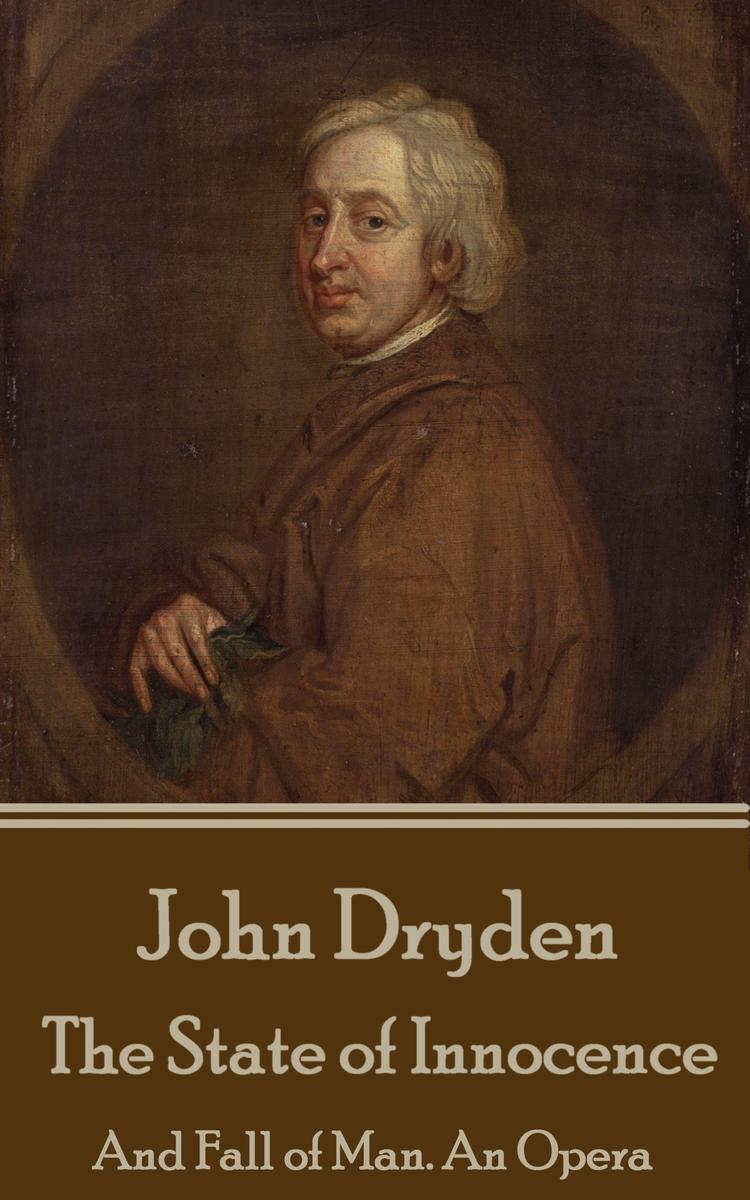
State of Innocence - And Fall of Man. An Opera
¥15.21
John Dryden was born on August 9th, 1631 in the village rectory of Aldwincle near Thrapston in Northamptonshire. As a boy Dryden lived in the nearby village of Titchmarsh, Northamptonshire. In 1644 he was sent to Westminster School as a King's Scholar. Dryden obtained his BA in 1654, graduating top of the list for Trinity College, Cambridge that year. Returning to London during The Protectorate, Dryden now obtained work with Cromwell's Secretary of State, John Thurloe. At Cromwell's funeral on 23 November 1658 Dryden was in the company of the Puritan poets John Milton and Andrew Marvell. The setting was to be a sea change in English history. From Republic to Monarchy and from one set of lauded poets to what would soon become the Age of Dryden. The start began later that year when Dryden published the first of his great poems, Heroic Stanzas (1658), a eulogy on Cromwell's death. With the Restoration of the Monarchy in 1660 Dryden celebrated in verse with Astraea Redux, an authentic royalist panegyric. With the re-opening of the theatres after the Puritan ban, Dryden began to also write plays. His first play, The Wild Gallant, appeared in 1663 but was not successful. From 1668 on he was contracted to produce three plays a year for the King's Company, in which he became a shareholder. During the 1660s and '70s, theatrical writing was his main source of income. In 1667, he published Annus Mirabilis, a lengthy historical poem which described the English defeat of the Dutch naval fleet and the Great Fire of London in 1666. It established him as the pre-eminent poet of his generation, and was crucial in his attaining the posts of Poet Laureate (1668) and then historiographer royal (1670). This was truly the Age of Dryden, he was the foremost English Literary figure in Poetry, Plays, translations and other forms. In 1694 he began work on what would be his most ambitious and defining work as translator, The Works of Virgil (1697), which was published by subscription. It was a national event. John Dryden died on May 12th, 1700, and was initially buried in St. Anne's cemetery in Soho, before being exhumed and reburied in Westminster Abbey ten days later.
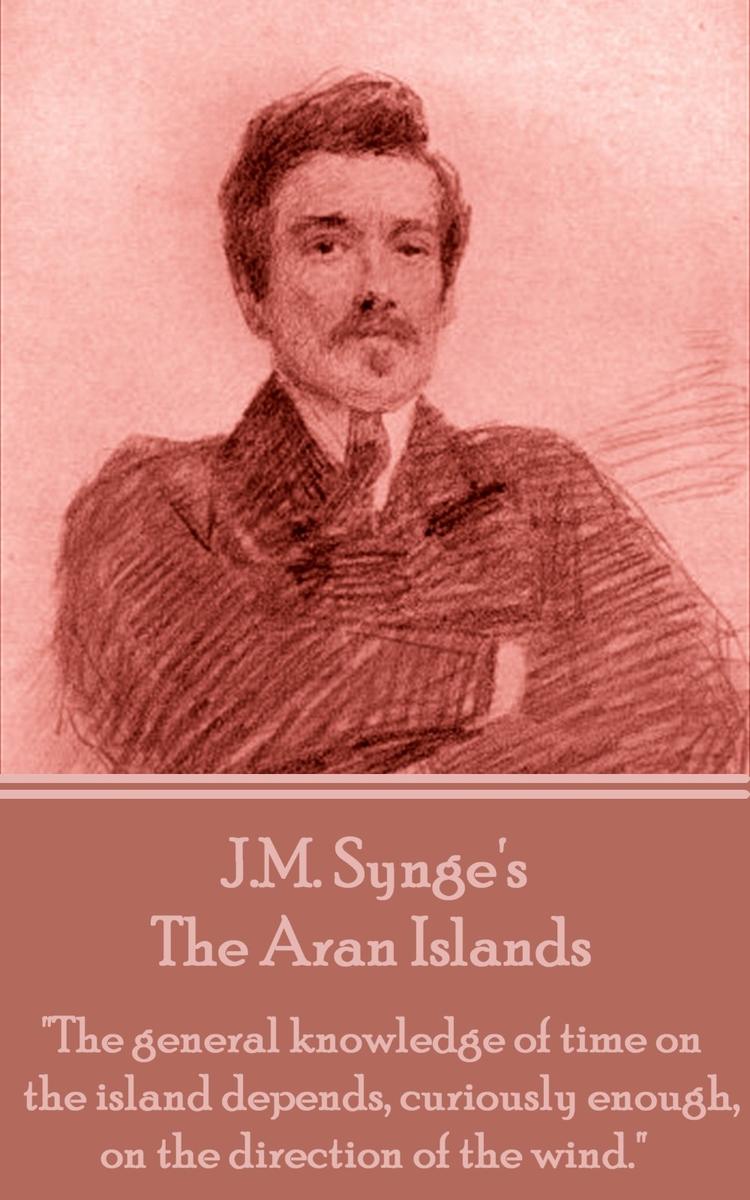
Aran Islands - The general knowledge of time on the island depends, curiously en
¥29.33
Edmund John Millington Synge was born on April 16th 1871 born in Newtown Villas, Rathfarnham, County Dublin on 16 April 1871 the youngest son of eight children. After abandoning a career in music he began to write. A crushing rejection in love caused him to abandon Ireland for much of his life but his writing continued to achieve greater heights. In 1896 he visited Italy before returning to Paris. Later that year he met W. B. Yeats, who encouraged Synge to live for a while in the Aran Islands and then return to Dublin and devote himself to creative work. That same year he joined with Yeats, Lady Gregory, and George William Russell to form the Irish National Theatre Society, which later would become the Abbey Theatre. In 1897 Synge suffered his first attack of Hodgkin's disease, a form of untreatable cancer at the time, and also had an enlarged gland removed from his neck. In 1898, he spent his first summer on the Aran Islands and then continued for the next five collecting stories and folklore and perfecting his Irish but continuing to live in Paris for the rest of the year. The result is this rather fine play which we publish here for you. Synge died of Hodgkin's disease just weeks short of his 38th birthday on March 24th 1909 trying to complete his last play, Deirdre Of The Sorrows. He was buried in Mount Jerome Graveyard, in Dublin.
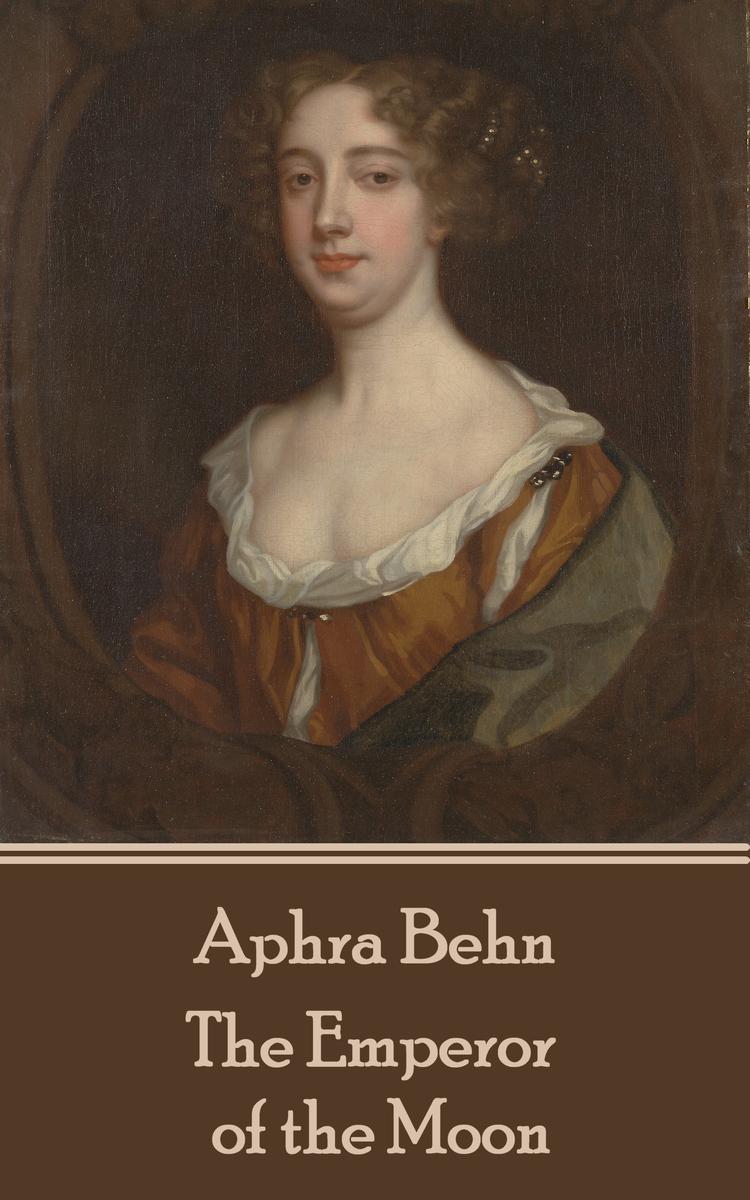
Emperor of the Moon
¥23.45
Aphra Behn was a prolific and well established writer but facts about her remain scant and difficult to confirm. What can safely be said though is that Aphra Behn is now regarded as a key English playwright and a major figure in Restoration theatre. Aphra was born into the rising tensions to the English Civil War. Obviously a time of much division and difficulty as the King and Parliament, and their respective forces, came ever closer to conflict. There are claims she was a spy, that she travelled abroad, possibly as far as Surinam. By 1664 her marriage was over (though by death or separation is not known but presumably the former as it occurred in the year of their marriage) and she now used Mrs Behn as her professional name. Aphra now moved towards pursuing a more sustainable and substantial career and began work for the King's Company and the Duke's Company players as a scribe. Previously her only writing had been poetry but now she would become a playwright. Her first, "e;The Forc'd Marriage"e;, was staged in 1670, followed by "e;The Amorous Prince"e; (1671). After her third play, "e;The Dutch Lover"e;, Aphra had a three year lull in her writing career. Again it is speculated that she went travelling again, possibly once again as a spy. After this sojourn her writing moves towards comic works, which prove commercially more successful. Her most popular works included "e;The Rover"e; and "e;Love-Letters Between a Nobleman and His Sister"e; (1684-87). With her growing reputation Aphra became friends with many of the most notable writers of the day. This is The Age of Dryden and his literary dominance. From the mid 1680's Aphra's health began to decline. This was exacerbated by her continual state of debt and descent into poverty. Aphra Behn died on April 16th 1689, and is buried in the East Cloister of Westminster Abbey. The inscription on her tombstone reads: "e;Here lies a Proof that Wit can never be Defence enough against Mortality."e; She was quoted as stating that she had led a "e;life dedicated to pleasure and poetry."e;
Professor (Mermaids Classics)
¥35.22
The Professor by Charlotte Bronte (1816-1855) is a classic novel first published in 1857. It follows the story of the young educated and religious man named William Crimsworth who becomes a professor at an all-girls school and later marries one of his female students.Mermaids Classics, an imprint of Mermaids Publishing brings the very best of old classic literature to a modern era of digital reading by producing high quality books in ebook format. All of the Mermaids Classics epublications are reproductions of classic antique books that were originally published in print format, mostly over a century ago and are now republished in digital format as ebooks. Begin to build your collection of digital books by looking for more literary gems from Mermaids Classics.
Jane Eyre (Mermaids Classics)
¥35.22
Jane Eyre (originally published as Jane Eyre: An Autobiography) is a novel by English writer Charlotte Bront. Jane Eyre follows the emotions and experiences of its eponymous character, including her growth to adulthood, and her love for Mr. Rochester, the byronic master of fictitious Thornfield Hall. In its internalization of the action - the focus is on the gradual unfolding of Janes moral and spiritual sensibility and all the events are colored by a heightened intensity that was previously the domain of poetry - the novel revolutionized the art of fiction. (Citation from Wikipedia: The free Encyclopaedia)Mermaids Classics, an imprint of Mermaids Publishing brings the very best of old classic literature to a modern era of digital reading by producing high quality books in ebook format. All of the Mermaids Classics epublications are reproductions of classic antique books that were originally published in print format, mostly over a century ago and are now republished in digital format as ebooks. Begin to build your collection of digital books by looking for more literary gems from Mermaids Classics.
Moonstone (Mermaids Classics)
¥35.22
The Moonstone (1868) by Wilkie Collins follows the story of Rachel Verinder who inherits a large diamond (which is the moonstone) from her corrupt uncle and wears it to her birthday party. The moonstone is extremely valuable and religious figures have searched for it their entire lives. On the night of the party, the moonstone goes missing and the search begins in solving the mystery as to what had happened to it. The Moonstone story was believed to have been one of the first English detective stories.Mermaids Classics, an imprint of Mermaids Publishing brings the very best of old classic literature to a modern era of digital reading by producing high quality books in ebook format. All of the Mermaids Classics epublications are reproductions of classic antique books that were originally published in print format, mostly over a century ago and are now republished in digital format as ebooks. Begin to build your collection of digital books by looking for more literary gems from Mermaids Classics.
Confessions of St Augustine (Mermaids Classics)
¥35.22
The Confessions of St Augustine (AD 401) is an autobiography of St Augustine. It consists of thirteen books and essentially outlines his deep regret in living an immoral youth and how he converted to Christianity. The book was also considered to be written as prayers to God.Mermaids Classics, an imprint of Mermaids Publishing brings the very best of old classic literature to a modern era of digital reading by producing high quality books in ebook format. All of the Mermaids Classics epublications are reproductions of classic antique books that were originally published in print format, mostly over a century ago and are now republished in digital format as ebooks. Begin to build your collection of digital books by looking for more literary gems from Mermaids Classics.

Robinson Crusoe (Mermaids Classics)
¥35.22
Robinson Crusoe by Daniel Defoe (1660 - 1731) includes Volume 1: The Life and Adventures of Robinson Crusoe and Volume 2: The Further Adventures of Robinson Crusoe. Robinson Crusoe is a classic childrens novel based on a fictional autobiography of Robinson who sets sailing and becomes shipwrecked. He encounters pirates, cannibals and spends years as a castaway on a tropical island. The novel was first published in 1719 and is considered today as one of the worlds best classics! This Mermaids Classics edition also includes the sequel to Robinson Crusoe which is titled The Further Adventures of Robinson Crusoe where Robinson returns to the island where he was shipwrecked, adventures in Madagascar, Southeast Asia, China and Siberia.Mermaids Classics, an imprint of Mermaids Publishing brings the very best of old classic literature to a modern era of digital reading by producing high quality books in ebook format. All of the Mermaids Classics epublications are reproductions of classic antique books that were originally published in print format, mostly over a century ago and are now republished in digital format as ebooks. Begin to build your collection of digital books by looking for more literary gems from Mermaids Classics.
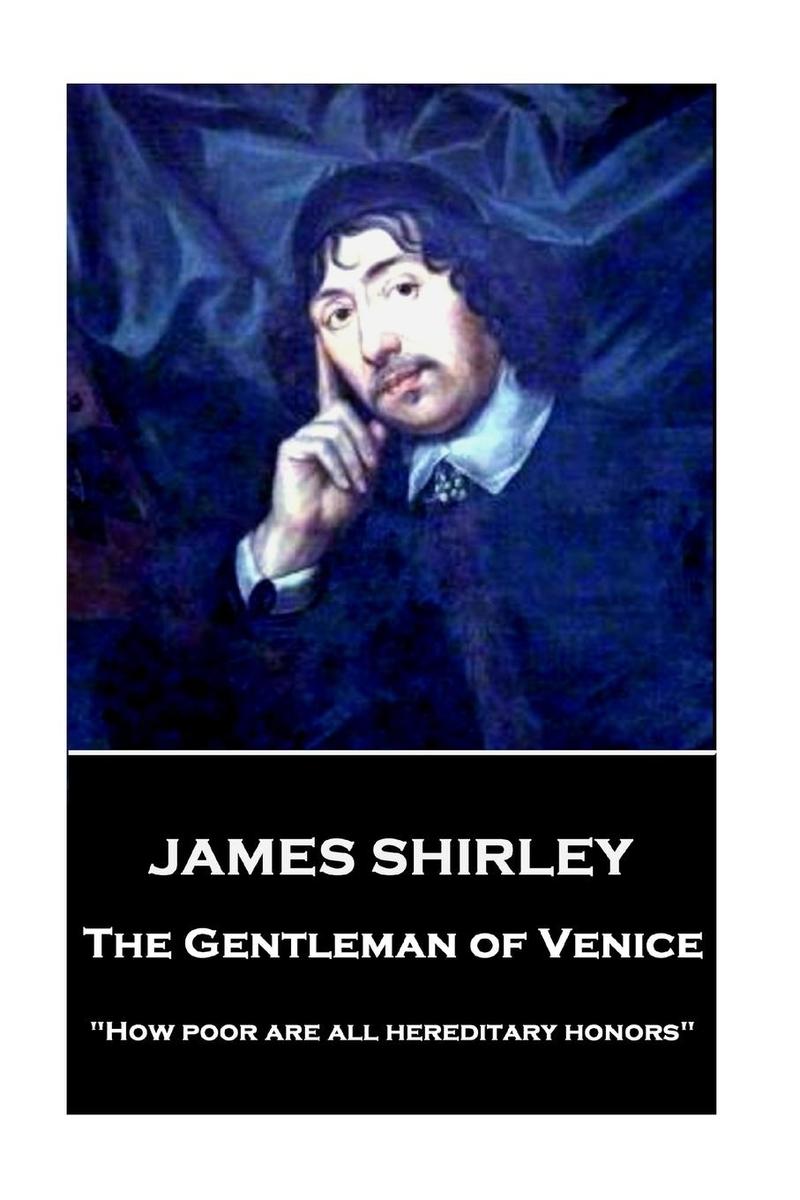
Gentleman of Venice - How poor are all hereditary honors
¥25.80
James Shirley was born in London in September 1596. His education was through a collection of England's finest establishments: Merchant Taylors' School, London, St John's College, Oxford, and St Catharine's College, Cambridge, where he took his B.A. degree in approximately 1618. He first published in 1618, a poem entitled Echo, or the Unfortunate Lovers. As with many artists of this period full details of his life and career are not recorded. Sources say that after graduating he became "e;a minister of God's word in or near St Albans."e; A conversion to the Catholic faith enabled him to become master of St Albans School from 1623-25. He wrote his first play, Love Tricks, or the School of Complement, which was licensed on February 10th, 1625. From the given date it would seem he wrote this whilst at St Albans but, after its production, he moved to London and to live in Gray's Inn. For the next two decades, he would write prolifically and with great quality, across a spectrum of thirty plays; through tragedies and comedies to tragicomedies as well as several books of poetry. Unfortunately, his talents were left to wither when Parliament passed the Puritan edict in 1642, forbidding all stage plays and closing the theatres. Most of his early plays were performed by Queen Henrietta's Men, the acting company for which Shirley was engaged as house dramatist. Shirley's sympathies lay with the King in battles with Parliament and he received marks of special favor from the Queen. He made a bitter attack on William Prynne, who had attacked the stage in Histriomastix, and, when in 1634 a special masque was presented at Whitehall by the gentlemen of the Inns of Court as a practical reply to Prynne, Shirley wrote the text-The Triumph of Peace. Shirley spent the years 1636 to 1640 in Ireland, under the patronage of the Earl of Kildare. Several of his plays were produced by his friend John Ogilby in Dublin in the first ever constructed Irish theatre; The Werburgh Street Theatre. During his years in Dublin he wrote The Doubtful Heir, The Royal Master, The Constant Maid, and St. Patrick for Ireland. In his absence from London, Queen Henrietta's Men sold off a dozen of his plays to the stationers, who naturally, enough published them. When Shirley returned to London in 1640, he finished with the Queen Henrietta's company and his final plays in London were acted by the King's Men. On the outbreak of the English Civil War Shirley served with the Earl of Newcastle. However when the King's fortunes began to decline he returned to London. There his friend Thomas Stanley gave him help and thereafter Shirley supported himself in the main by teaching and publishing some educational works under the Commonwealth. In addition to these he published during the period of dramatic eclipse four small volumes of poems and plays, in 1646, 1653, 1655, and 1659. It is said that he was "e;a drudge"e; for John Ogilby in his translations of Homer's Iliad and the Odyssey, and survived into the reign of Charles II, but, though some of his comedies were revived, his days as a playwright were over. His death, at age seventy, along with that of his wife, in 1666, is described as one of fright and exposure due to the Great Fire of London which had raged through parts of London from September 2nd to the 5th. He was buried at St Giles in the Fields, in London, on October 29th, 1666.
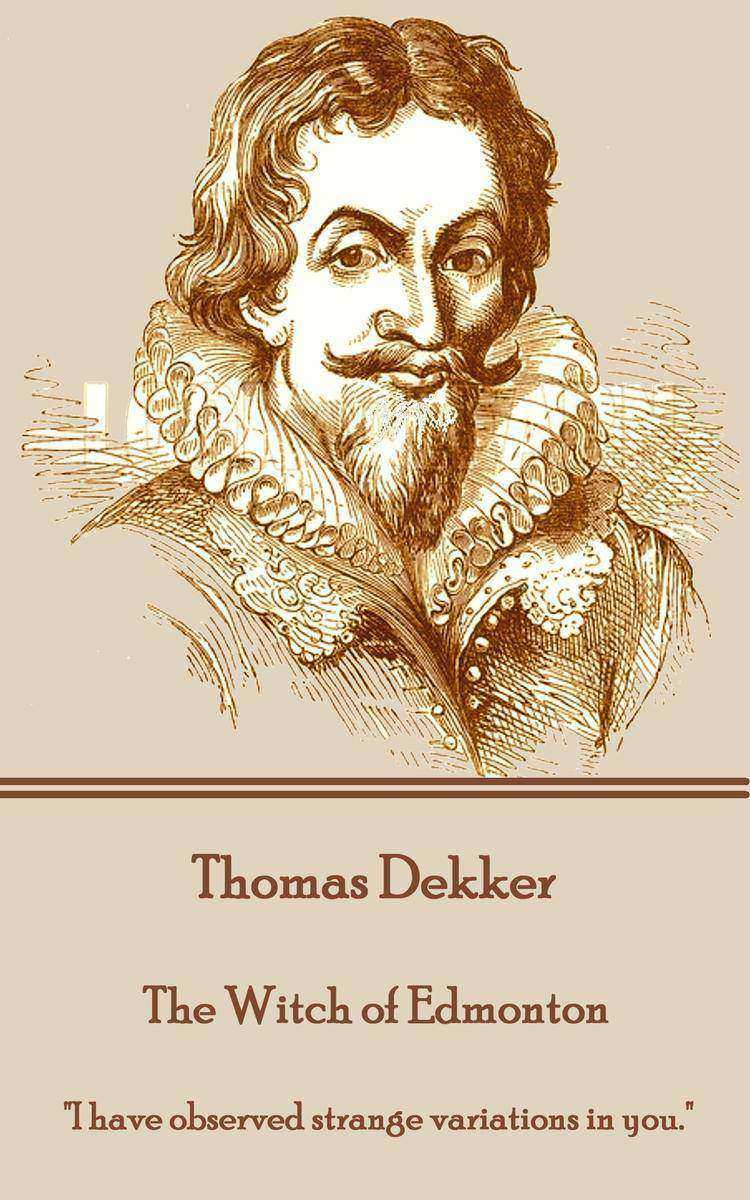
Witch of Edmonton - I have observed strange variations in you.
¥26.98
Thomas Dekker was a playwright, pamphleteer and poet who, perhaps, deserves greater recognition than he has so far gained. Despite the fact only perhaps twenty of his plays were published, and fewer still survive, he was far more prolific than that. Born around 1572 his peak years were the mid 1590's to the 1620's - seven of which he spent in a debtor's prison. His works span the late Elizabethan and Caroline eras and his numerous collaborations with Ford, Middleton, Webster and Jonson say much about his work. His pamphlets detail much of the life in these times, times of great change, of plague and of course that great capital city London a swirling mass of people, power, intrigue.
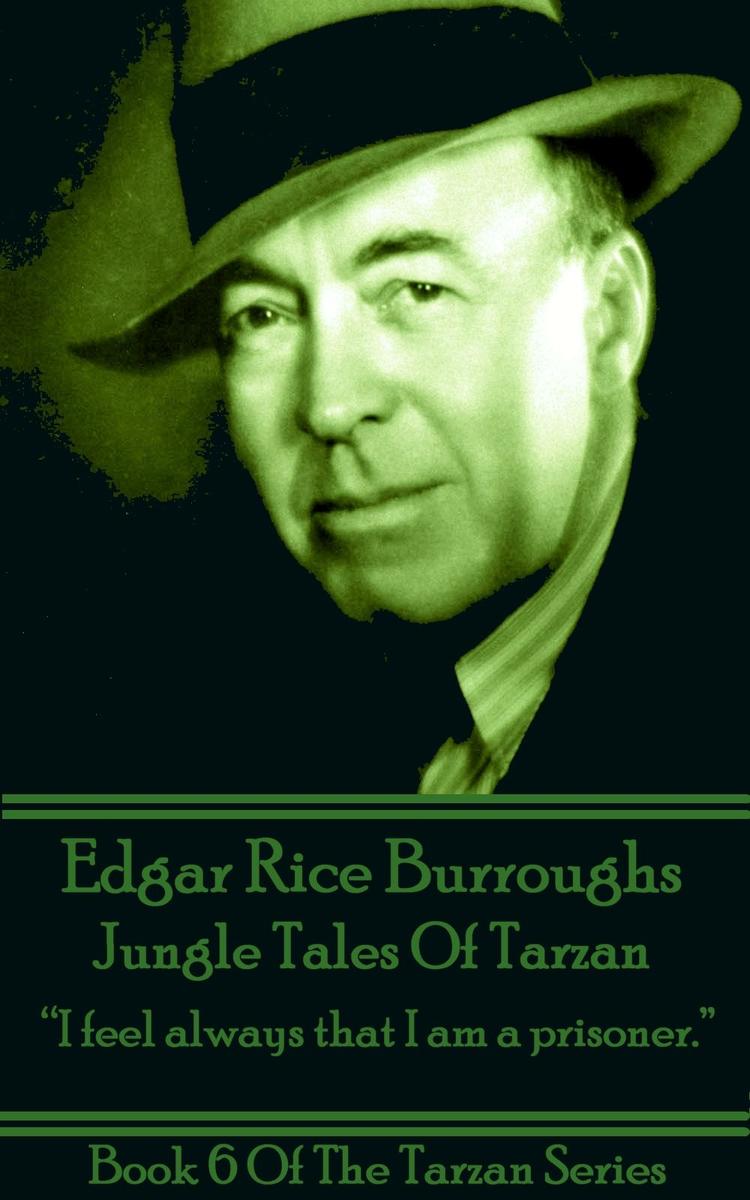
Jungle Tales Of Tarzan - I feel always that I am a prisoner.
¥35.22
Edgar Rice Burroughs was born on September 1, 1875, in Chicago, Illinois. His early career was unremarkable. After failing to enter West Point he enlisted in the 7th Calvary but was discharged after heart problems were diagnosed. A series of short term jobs gave no indication as to a career path but finally, in 1911, married and with two young children, he turned his hand to writing. He aimed his works squarely at the very popular pulp serial magazines. His first effort 'Under The Moons Of Mars' ran in Munsey's Magazine in 1912 under the pseudonym Norman Bean. With its success he began writing full time. A continuing theme of his work was to develop series so that each character had ample opportunities to return in sequels. John Carter was in the Mars series and there was another on Venus and one on Pellucidar among others. But perhaps the best known is Tarzan. Indeed Burroughs wanted so much to capitalise upon the brand that he introduced a syndicated Tarzan comic strip, movies and merchandise. He purchased a large ranch north of Los Angeles, California, which he named "e;Tarzana."e; The surrounding communities outside the ranch voted in 1927 to adopt the name as their own. By 1932 Burroughs set up his own company to print his own books. Here we publish the sixth in the Tarzan series 'Jungle Tales of Tarzan'. Another cultural classic.
Wind In The Willows (Mermaids Classics)
¥35.22
The Wind in the Willows by Kenneth Grahame (1859 - 1932) is a childrens novel based on four anthropomorphised animals. The story begins with a Mole who adventures outside of his underground world. The book was first published in 1908 as an un-illustrated (plain text) edition. Mermaids Classics, an imprint of Mermaids Publishing brings the very best of old classic literature to a modern era of digital reading by producing high quality books in ebook format. All of the Mermaids Classics epublications are reproductions of classic antique books that were originally published in print format, mostly over a century ago and are now republished in digital format as ebooks. Begin to build your collection of digital books by looking for more literary gems from Mermaids Classics.

Through The Looking Glass - An Original Classic (Mermaids Classics)
¥11.67
Through the Looking Glass (also known as What Alice Found There) by Lewis Carroll - aka Charles Lutwidge Dodgson (1832 1898) is an 1871 childrens fantasy novel which is also the sequel to Alices Adventures in Wonderland (also known as Alice in Wonderland).Mermaids Classics, an imprint of Mermaids Publishing brings the very best of classic literature to a modern era of digital reading.
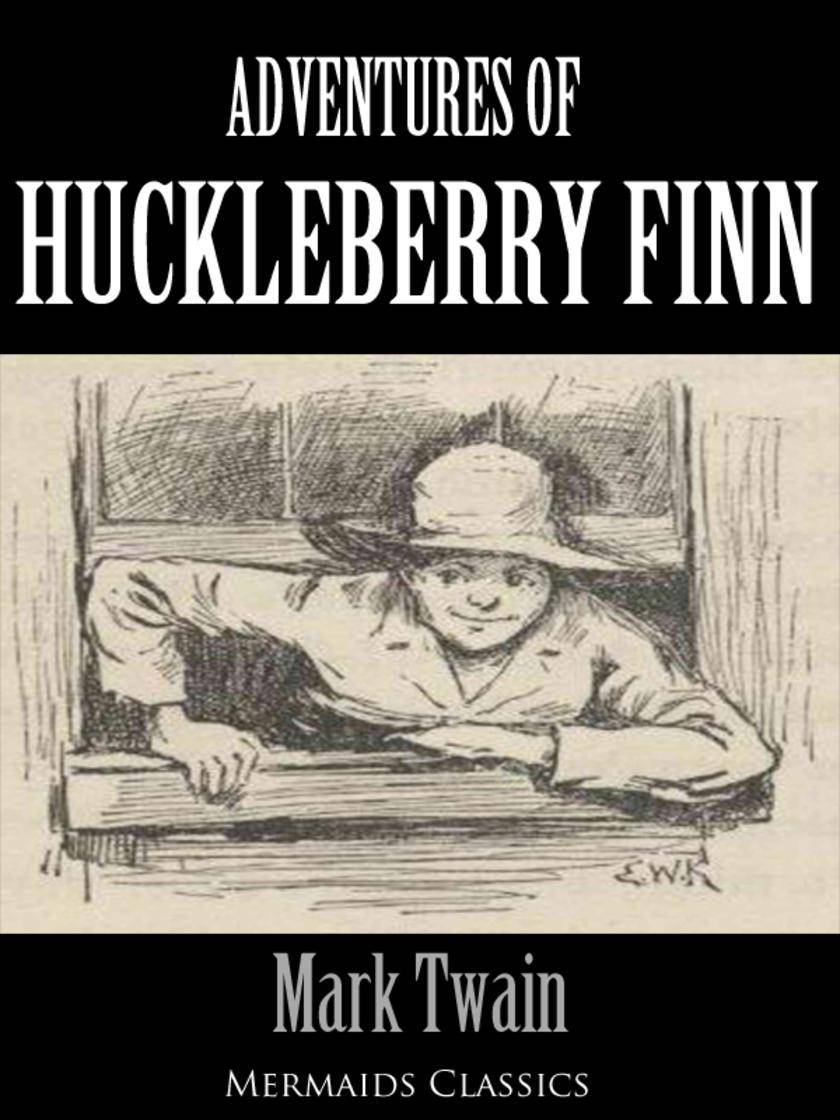
Adventures of Huckleberry Finn - An Original Classic (Mermaids Classics)
¥35.22
Adventures of Huckleberry Finn by Mark Twain (aka Samuel Langhorne Clemens) (1835 1910) is a childrens novel based on a young teenage boy called Huckleberry Finn who is raised by an alcoholic father and has difficulties in socialising with society. It was first published in 1884. This book is also the sequel to the book called The Adventures of Tom Sawyer.Mermaids Classics, an imprint of Mermaids Publishing brings the very best of old book classics to a modern era of digital reading by producing high quality books in ebook format.
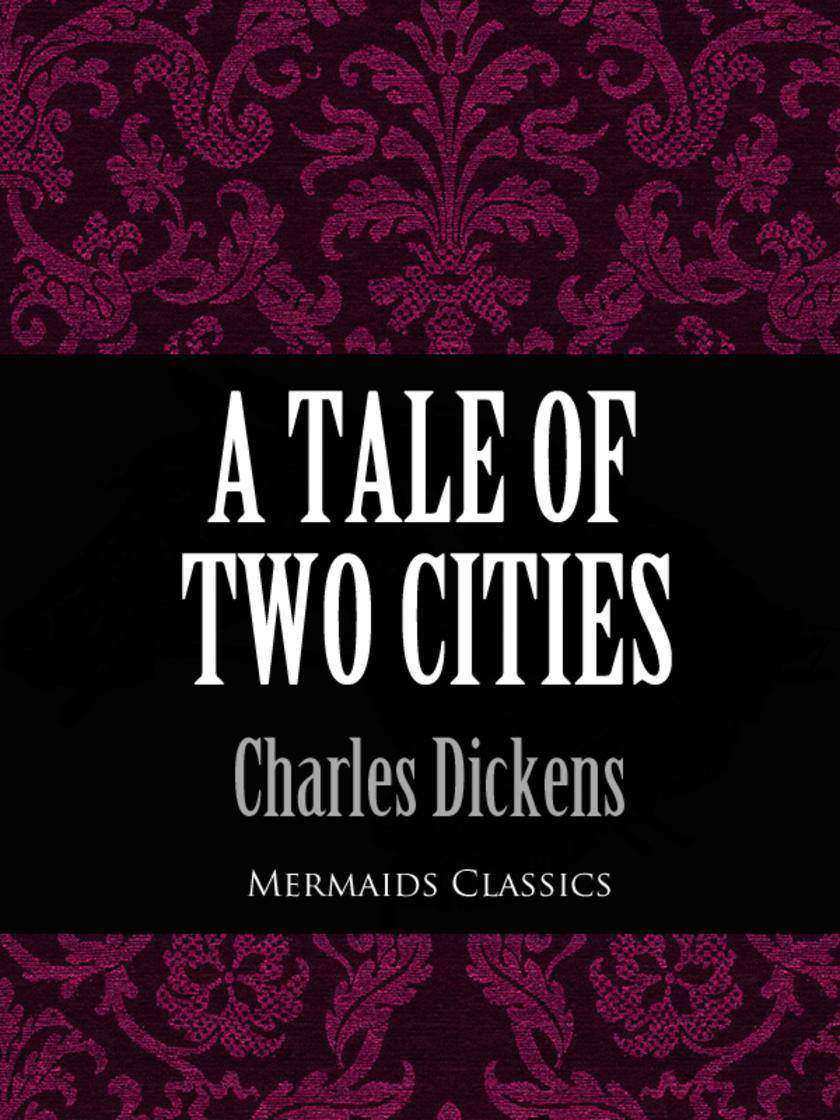
Tale of Two Cities (Mermaids Classics)
¥35.22
A Tale of Two Cities (1859) by Charles Dickens (1812-1870) is a novel set during the French Revolution. With well over 200 million copies sold, it ranks among the most famous works in the history of fictional literature. The novel depicts the plight of the French peasantry demoralized by the French aristocracy in the years leading up to the revolution, the corresponding brutality demonstrated by the revolutionaries toward the former aristocrats in the early years of the revolution, and many unflattering social parallels with life in London during the same time period. (Citation from Wikipedia: The free Encyclopaedia)Mermaids Classics, an imprint of Mermaids Publishing brings the very best of old classic literature to a modern era of digital reading by producing high quality books in ebook format. All of the Mermaids Classics epublications are reproductions of classic antique books that were originally published in print format, mostly over a century ago and are now republished in digital format as ebooks. Begin to build your collection of digital books by looking for more literary gems from Mermaids Classics.
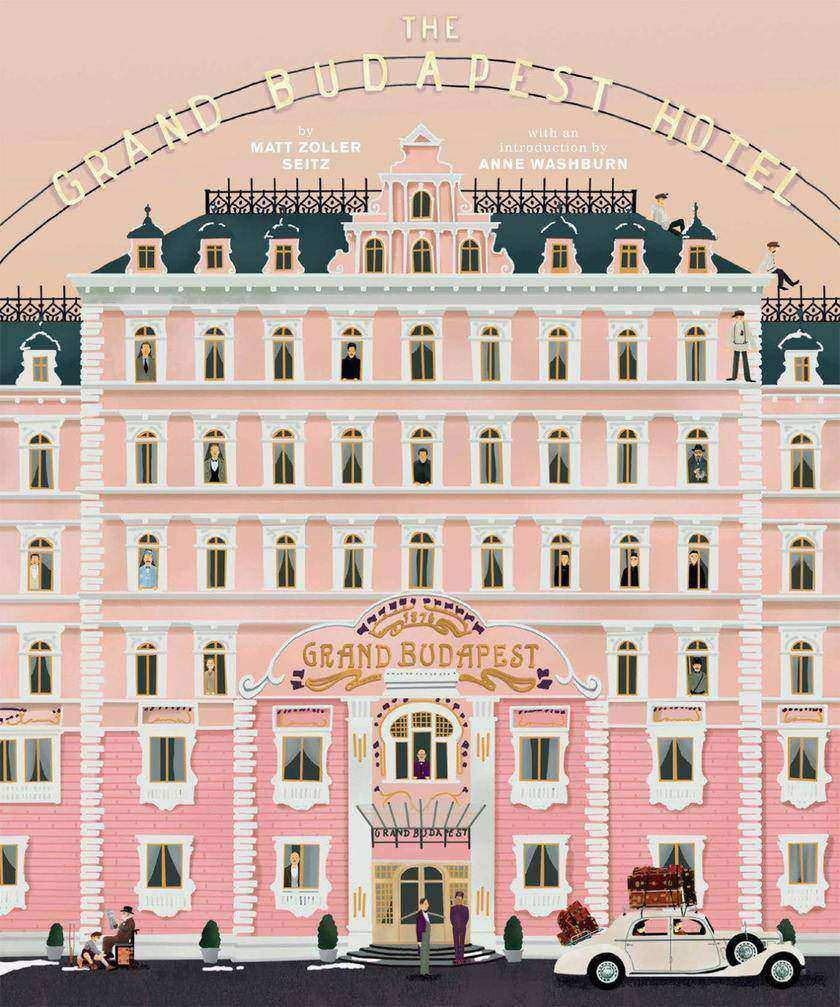
Wes Anderson Collection: The Grand Budapest Hotel
¥285.57
This companion to the New York Times bestselling bookThe Wes Anderson Collectiontakes readers behind the scenes of the Oscar(R)-winning filmThe Grand Budapest Hotelwith a series of interviews between writer/director Wes Anderson and movie/television critic Matt Zoller Seitz. Learn all about the films conception, hear personal anecdotes from the set, and explore the wide variety of sources that inspired the screenplay and imageryfrom author Stefan Zweig to filmmaker Ernst Lubitsch to photochrom landscapes of turn-of-the-century Middle Europe. Also inside are interviews with costume designer Milena Canonero, composer Alexandre Desplat, lead actor Ralph Fiennes, production designer Adam Stockhausen, and cinematographer Robert Yeoman;essays by film critics Ali Arikan and Steven Boone, film theorist and historian David Bordwell, music critic Olivia Collette, and style and costume consultant Christopher Laverty; and an introduction by playwright Anne Washburn.Previously unpublished production photos, artwork, and ephemera illustrate each essay and interview.The Wes Anderson Collection: The Grand Budapest Hotel stays true to Seitzs previous book on Andersons first seven feature films,The Wes Anderson Collection,with an artful, meticulous design and playful, original illustrations that capture the spirit of Andersons inimitable aesthetic. Together, they offer a complete overview of Andersons filmography to date.Praise for the film,The Grand Budapest Hotel: Four Academy Awards(R), including Costume Design, Music - Original Score, and Production Design;Nine Academy Award nominations, including Best Picture, Directing, and Writing - Original Screenplay; Best Film - Musical or Comedy, Golden Globe Awards; Best Original Screenplay, BAFTA, WGA, NYFCC, and LAFCA AwardsPraise for the book,The Wes Anderson Collection: ';The Wes Anderson Collectioncomes as close as a book can to reading like a Wes Anderson film. The design is meticulously crafted, with gorgeous full-page photos and touches . . .' Eric Thurm,The A.V. Club Also available from Matt Zoller Seitz: Mad Men Carousel, The Oliver Stone Experience, The Wes Anderson Collection: Bad Dads, andThe Wes Anderson Collection.
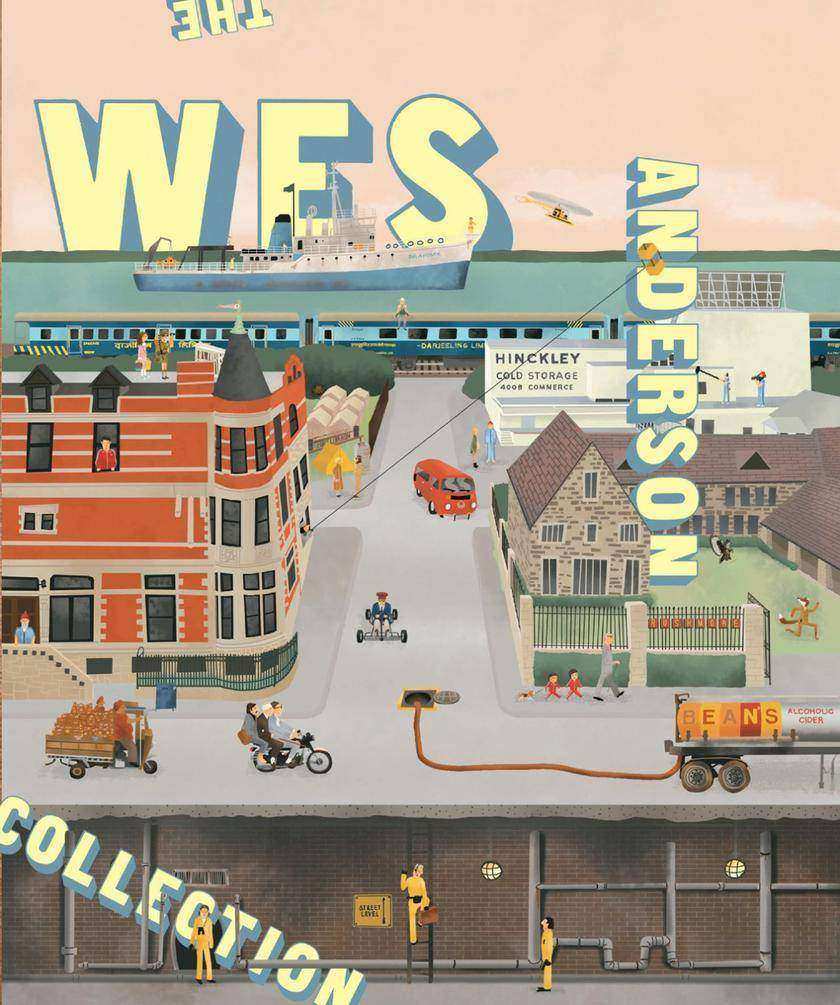
Wes Anderson Collection
¥107.81
ThisNew York Timesbestselling overview of Wes Andersons filmography features previously unpublished behind-the-scenes photos, artwork, and ephemera, with an introduction by Michael Chabon. Writer/director Wes Anderson guides movie/television critic Matt Zoller Seitz through Andersons life and career in a hardcover book-length conversation, woven together with original illustrations and production images fromBottle Rocket,Rushmore,The Royal Tenenbaums,The Life Aquatic with Steve Zissou,The Darjeeling Limited,Fantastic Mr. Fox, andMoonrise Kingdom. The result is a meticulously designed book that captures and reflects the spirit of Wes Andersons movies: melancholy, playful, wise, and wonderfully unique. Also available from Matt Zoller Seitz: The Oliver Stone Experience, The Wes Anderson Collection: Bad Dads, The Wes Anderson Collection: The Grand Budapest Hotel, and Mad Men Carousel.
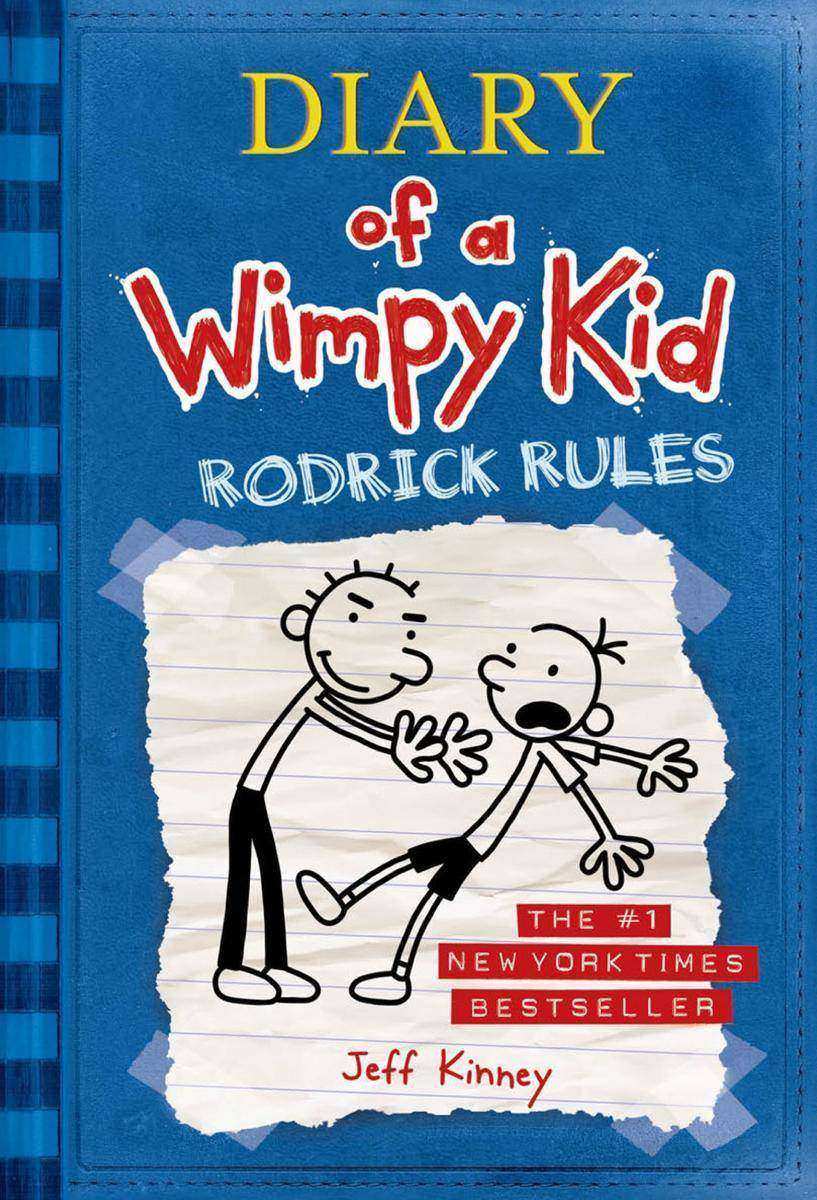
Rodrick Rules (Diary of a Wimpy Kid #2)
¥158.82
The highly anticipated sequel to the #1 NEW YORK TIMES bestselling book! Secrets have a way of getting out, especially when a diary is involved. Whatever you do, don't ask Greg Heffley how he spent his summer vacation, because he definitely doesn't want to talk about it. As Greg enters the new school year, he's eager to put the past three months behind him . . . and one event in particular. Unfortunately for Greg, his older brother, Rodrick, knows all about the incident Greg wants to keep under wraps. But secrets have a way of getting out . . . especially when a diary is involved. Diary of a Wimpy Kid: Rodrick Rules chronicles Greg's attempts to navigate the hazards of middle school, impress the girls, steer clear of the school talent show, and most important, keep his secret safe.?F&P level: T
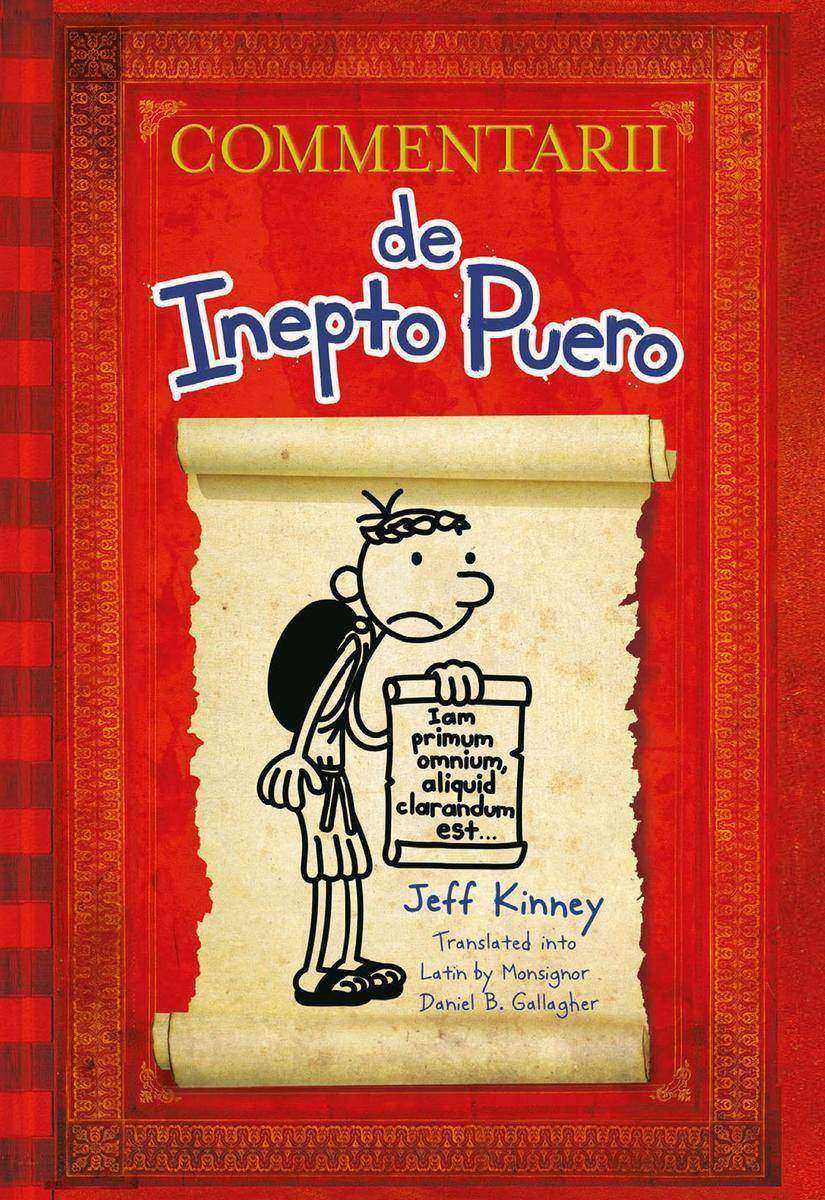
Diary of a Wimpy Kid Latin Edition - Commentarii de Inepto Puero
¥138.32
Et tu, Heffley? Thats right, international superstar Greg Heffley is now poised to conquer the classical world with this new Latin edition of the first book in Jeff Kinneys bestselling Diary of a Wimpy Kid seriesatranslated by Monsignor Daniel Gallagher, a Vatican specialistA who translates Pope Franciss Tweets into Latin. The Wimpy Kid joins beloved characters such as Winnie the Pooh, Harry Potter, the Little Prince, Bilbo Baggins, and the Grinch as the latest in an elite pantheon of childrens books selected for Latin translation. Commentarii de Inepto Puero is sure to appeal to fans of the international bestselling series as well as to readers of all ages studying Latin, either for school credit or for fun.
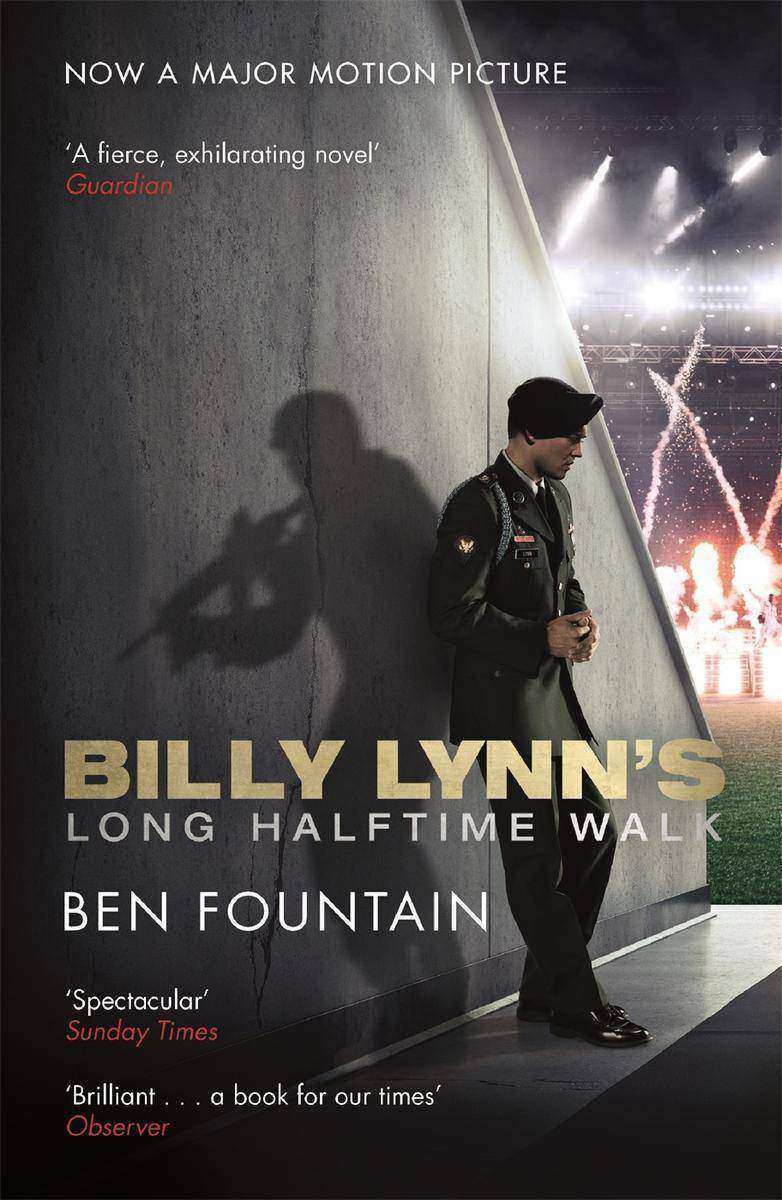
Billy Lynn's Long Halftime Walk
¥62.78
NOW A MAJOR MOTION PICTURE BY OSCAR-WINNING DIRECTOR ANG LEEBilly Lynn is home from Iraq. And he's a YouTube sensation. Tonight, with the nation's eyes on him, Billy steps out onto the field at the Dallas Cowboys' Thanksgiving football game. Tomorrow, he must go back to war.
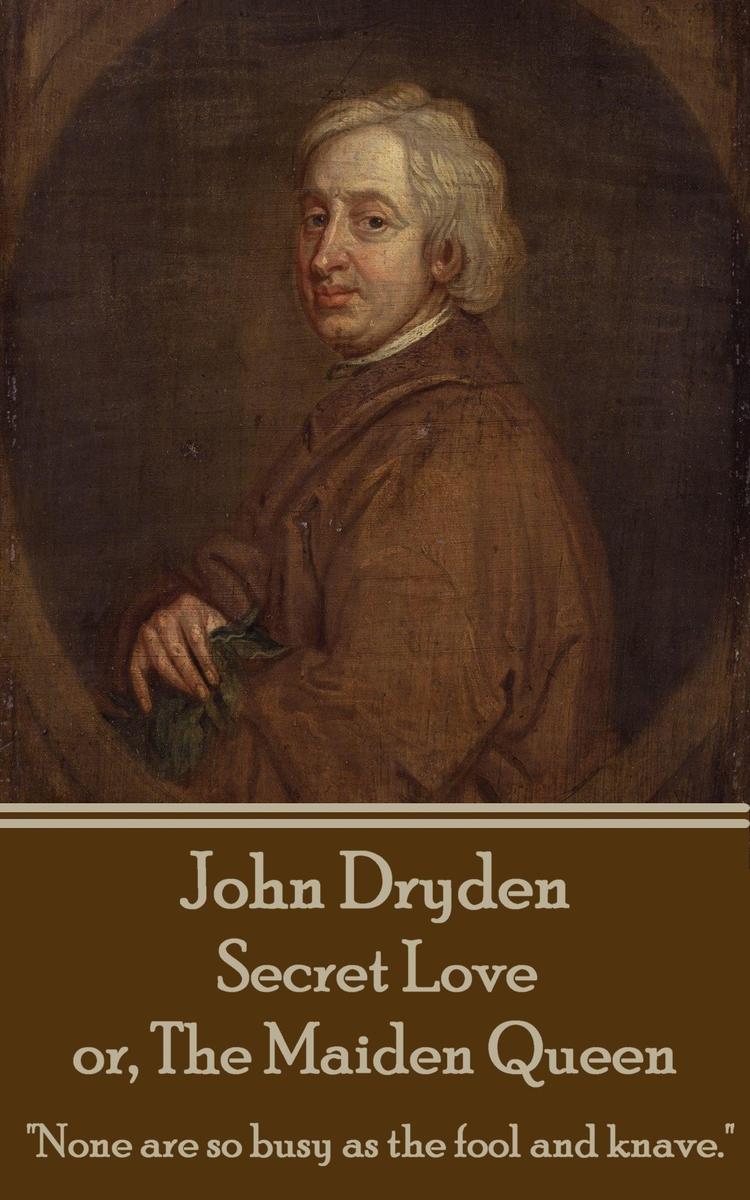
Secret Love or The Maiden Queen - Better shun the bait, than struggle in the sna
¥26.98
John Dryden was born on August 9th, 1631 in the village rectory of Aldwincle near Thrapston in Northamptonshire. As a boy Dryden lived in the nearby village of Titchmarsh, Northamptonshire. In 1644 he was sent to Westminster School as a King's Scholar. Dryden obtained his BA in 1654, graduating top of the list for Trinity College, Cambridge that year. Returning to London during The Protectorate, Dryden now obtained work with Cromwell's Secretary of State, John Thurloe. At Cromwell's funeral on 23 November 1658 Dryden was in the company of the Puritan poets John Milton and Andrew Marvell. The setting was to be a sea change in English history. From Republic to Monarchy and from one set of lauded poets to what would soon become the Age of Dryden. The start began later that year when Dryden published the first of his great poems, Heroic Stanzas (1658), a eulogy on Cromwell's death. With the Restoration of the Monarchy in 1660 Dryden celebrated in verse with Astraea Redux, an authentic royalist panegyric. With the re-opening of the theatres after the Puritan ban, Dryden began to also write plays. His first play, The Wild Gallant, appeared in 1663 but was not successful. From 1668 on he was contracted to produce three plays a year for the King's Company, in which he became a shareholder. During the 1660s and '70s, theatrical writing was his main source of income. In 1667, he published Annus Mirabilis, a lengthy historical poem which described the English defeat of the Dutch naval fleet and the Great Fire of London in 1666. It established him as the pre-eminent poet of his generation, and was crucial in his attaining the posts of Poet Laureate (1668) and then historiographer royal (1670). This was truly the Age of Dryden, he was the foremost English Literary figure in Poetry, Plays, translations and other forms. In 1694 he began work on what would be his most ambitious and defining work as translator, The Works of Virgil (1697), which was published by subscription. It was a national event. John Dryden died on May 12th, 1700, and was initially buried in St. Anne's cemetery in Soho, before being exhumed and reburied in Westminster Abbey ten days later.


