


 购物车
购物车 个人中心
个人中心
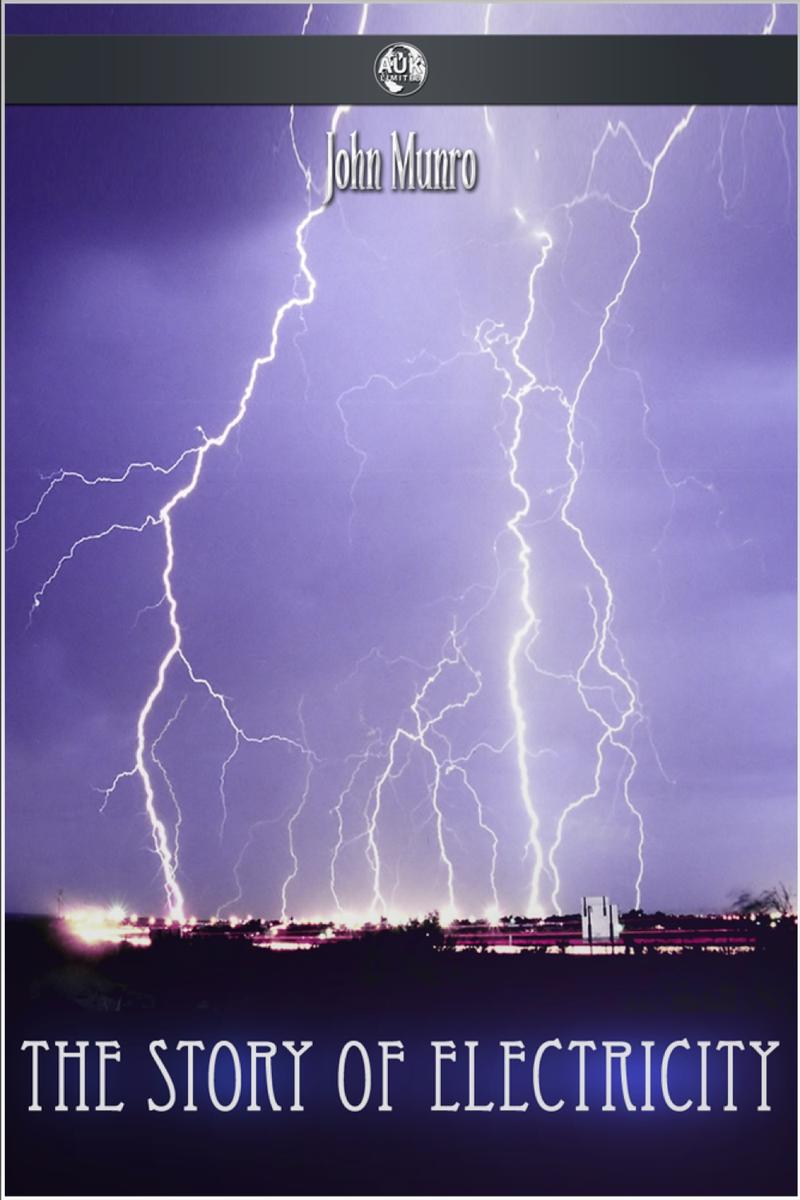
Story of Electricity
¥19.52
A fascinating early 20th Century look at the science of electricity, including some of the interesting and sometimes bizarre uses that early inventors found for the electrical force, such as Edison's electromagnetic pen (a very early form of photocopier), an instrument that could detect the level of starlight, and even (don't try this one at home kids!) a method for electro-plating lizards!
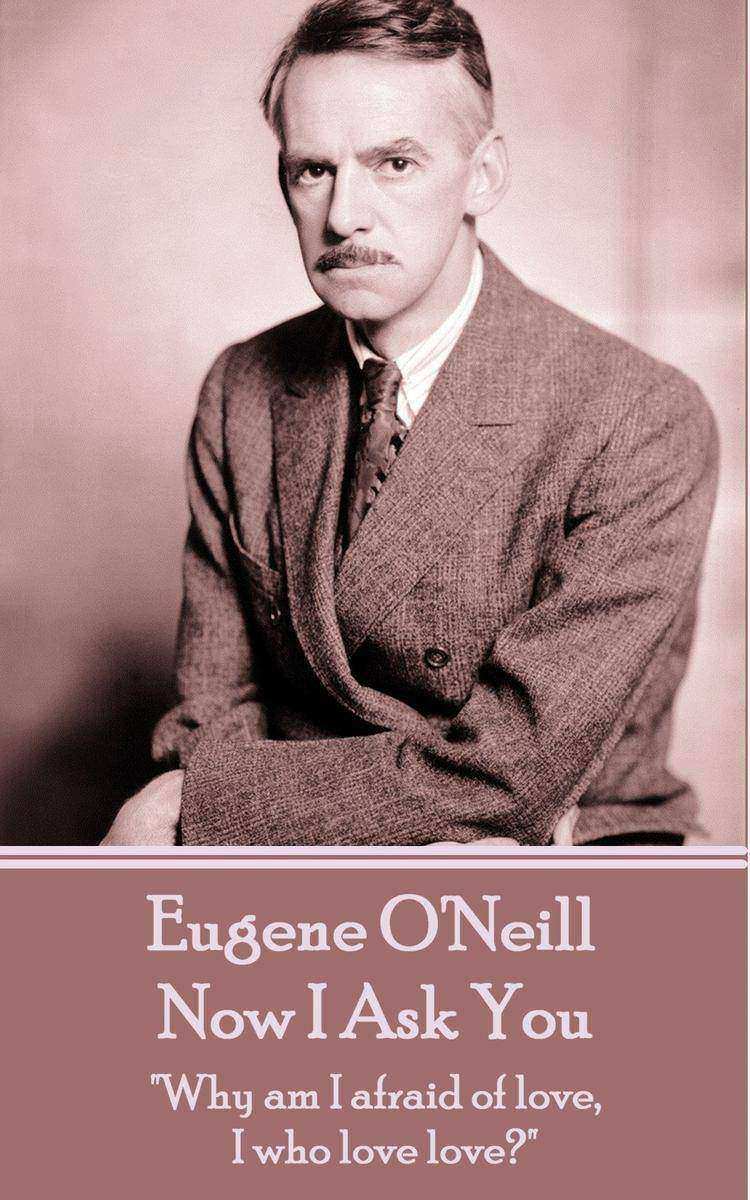
Now I Ask You - Why am I afraid of love, I who love love?
¥23.45
Eugene Gladstone O'Neill was born on October 16, 1888 in a hotel bedroom in what is now Times Square, New York. Much of his childhood was spent in the comfort of books at boarding schools whilst his actor father was on the road and his Mother contended with her own demons. He spent only a year at University - Princeton - and various reasons have been given for his departure. However whatever his background and education denied or added to his development it is agreed amongst all that he was a playwright of the first rank and possibly America's greatest. His introduction of realism into American drama was instrumental in its development and paved a path for many talents thereafter. Of course his winning of both the Pulitzer Prize (4 times) and the Nobel Prize are indicative of his status. His more famous and later works do side with the disillusionment and personal tragedy of those on the fringes of society but continue to build upon ideas and structures he incorporated in his early one act plays. Eugene O'Neill suffered from various health problems, mainly depression and alcoholism. In the last decade he also faced a Parkinson's like tremor in his hands which made writing increasingly difficult. But out of such difficulties came plays of the calibre of The Iceman Cometh, Long Day's Journey Into Night, and A Moon for the Misbegotten. Eugene O'Neill died in Room 401 of the Sheraton Hotel on Bay State Road in Boston, on November 27, 1953, at the age of 65. As he was dying, he whispered his last words: "e;I knew it. I knew it. Born in a hotel room and died in a hotel room."e;
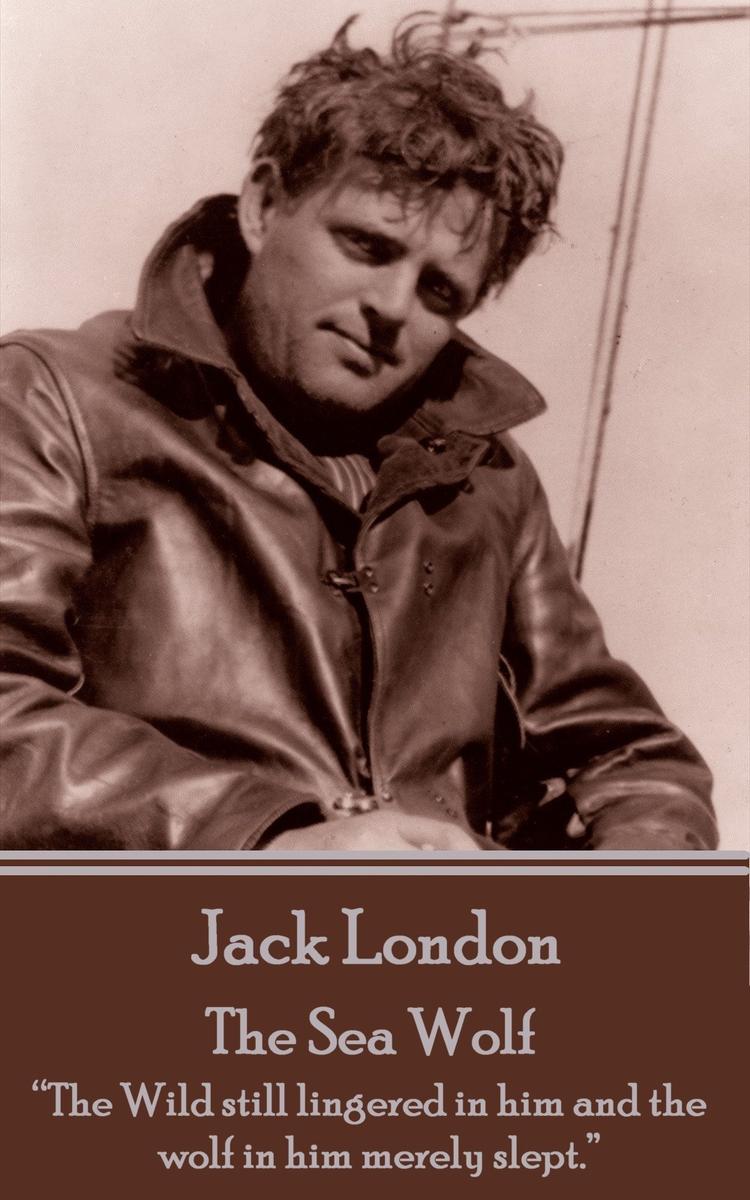
Sea Wolf - The Wild still lingered in him and the wolf in him merely slept.
¥46.99
John Griffith "e;Jack"e; London was born John Griffith Chaney on January 12th, 1876 in San Francisco. His father, William Chaney, was living with his mother Flora Wellman when she became pregnant. Chaney insisted she have an abortion. Flora's response was to turn a gun on herself. Although her wounds were not severe the trauma made her temporarily deranged. In late 1876 his mother married John London and the young child was brought to live with them as they moved around the Bay area, eventually settling in Oakland where Jack completed grade school. Jack also worked hard at several jobs, sometimes 12-18 hours a day, but his dream was university. He was lent money for that and after intense studying enrolled in the summer of 1896 at the University of California in Berkeley. In 1897, at 21 , Jack searched out newspaper accounts of his mother's suicide attempt and the name of his biological father. He wrote to William Chaney, then living in Chicago. Chaney said he could not be London's father because he was impotent; and casually asserted that London's mother had relations with other men. Jack, devastated by the response, quit Berkeley and went to the Klondike. Though equally because of his continuing dire finances Jack might have taken that as the excuse he needed to leave. In the Klondike Jack began to gather material for his writing but also accumulated many health problems, including scurvy, hip and leg problems many of which he then carried for life. By the late 1890's Jack was regularly publishing short stories and by the turn of the century full blown novels. By 1904 Jack had married, fathered two children and was now in the process of divorcing. A stint as a reporter on the Russo-Japanese war of 1904 was equal amounts trouble and experience. But that experience was always put to good use in a remarkable output of work. Twelve years later Jack had amassed a wealth of writings many of which remain world classics. He had a reputation as a social activist and a tireless friend of the workers. And yet on November 22nd 1916 Jack London died in a cottage on his ranch at the age of only 40.
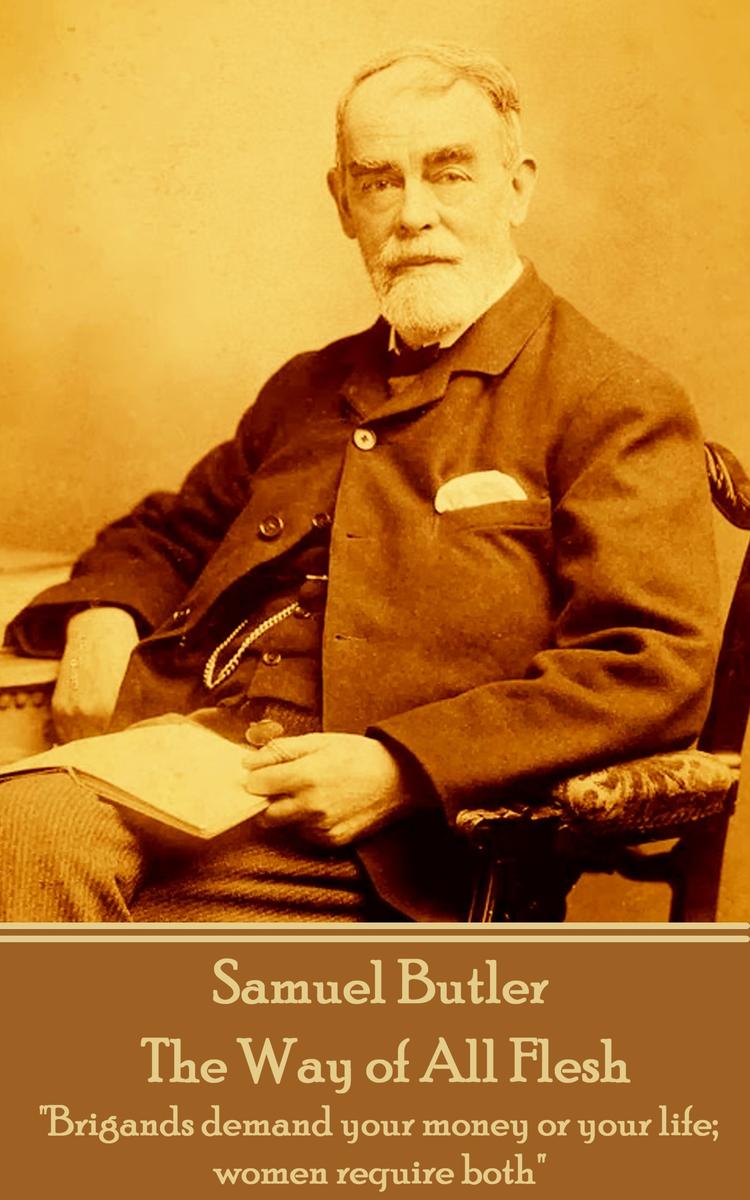
Way of All Flesh - Brigands demand your money or your life; women require both
¥38.75
Samuel Butler was born on 4th December 1835 at the village rectory in Langar, Nottinghamshire.His relationship with his parents, especially his father, was largely antagonistic. His education began at home and included frequent beatings, as was all too common at the time.Under his parents' influence, he was set to follow his father into the priesthood. He was schooled at Shrewsbury and then St John's College, Cambridge, where he obtained a first in Classics in 1858.After Cambridge he went to live in a low-income parish in London 1858-59 as preparation for his ordination into the Anglican clergy; there he discovered that baptism made no apparent difference to the morals and behaviour of his new peers. He began to question his faith. Correspondence with his father about the issue failed to set his mind at peace, inciting instead his father's wrath.As a result, the young Butler emigrated in September 1859 to New Zealand. He was determined to change his life.He wrote of his arrival and life as a sheep farmer on Mesopotamia Station in 'A First Year in Canterbury Settlement' (1863). After a few years he sold his farm and made a handsome profit. But the chief achievement of these years were the drafts and source material for much of his masterpiece 'Erewhon'.Butler returned to England in 1864, settling in rooms in Clifford's Inn, near Fleet Street, where he would live for the rest of his life.In 1872, he published his Utopian novel 'Erewhon' which made him a well-known figure.He wrote a number of other books, including a moderately successful sequel, 'Erewhon Revisited' before his masterpiece and semi-autobiographical novel 'The Way of All Flesh' appeared after his death. Butler thought its tone of satirical attack on Victorian morality too contentious to publish during his life time and thereby shied away from further potential problems.Samuel Butler died aged 66 on 18th June 1902 at a nursing home in St John's Wood Road, London. He was cremated at Woking Crematorium, and accounts say his ashes were either dispersed or buried in an unmarked grave.
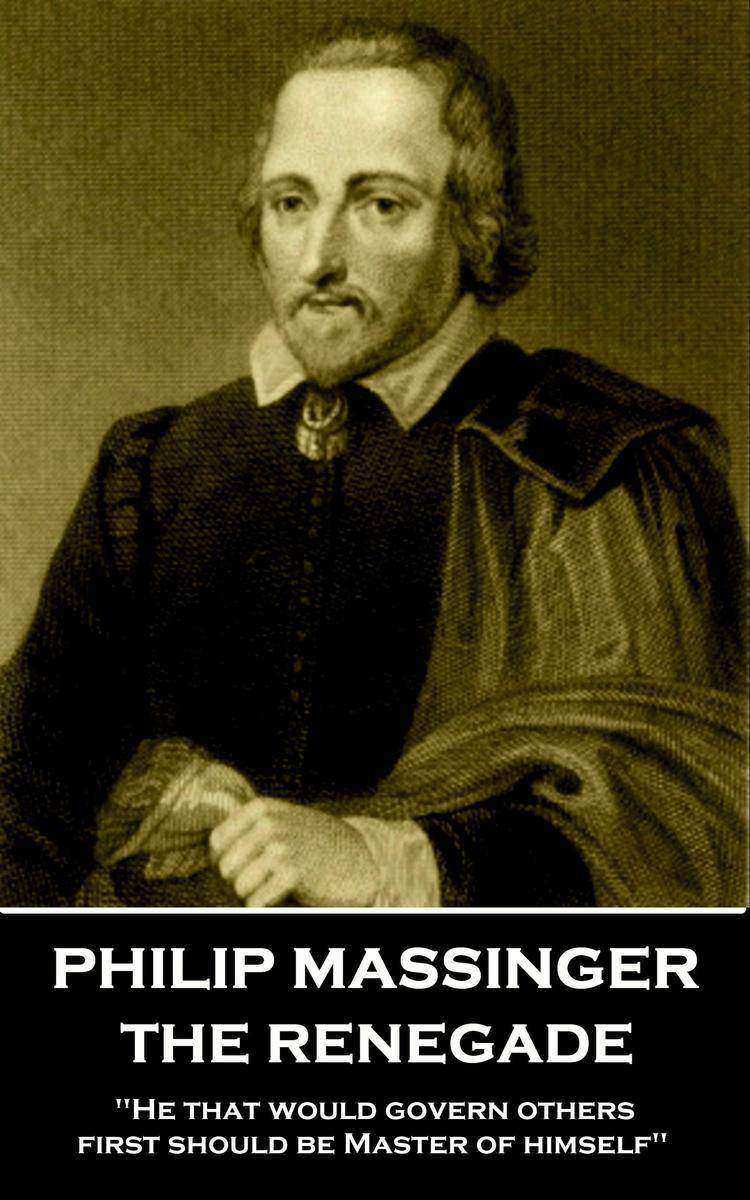
Renegade - He that would govern others, first should be Master of himself
¥23.45
Philip Massinger was baptized at St. Thomas's in Salisbury on November 24th, 1583.Massinger is described in his matriculation entry at St. Alban Hall, Oxford (1602), as the son of a gentleman. His father, who had also been educated there, was a member of parliament, and attached to the household of Henry Herbert, 2nd Earl of Pembroke. The Earl was later seen as a potential patron for Massinger.He left Oxford in 1606 without a degree. His father had died in 1603, and accounts suggest that Massinger was left with no financial support this, together with rumours that he had converted to Catholicism, meant the next stage of his career needed to provide an income.Massinger went to London to make his living as a dramatist, but he is only recorded as author some fifteen years later, when The Virgin Martyr (1621) is given as the work of Massinger and Thomas Dekker.During those early years as a playwright he wrote for the Elizabethan stage entrepreneur, Philip Henslowe. It was a difficult existence. Poverty was always close and there was constant pleading for advance payments on forthcoming works merely to survive.After Henslowe died in 1616 Massinger and John Fletcher began to write primarily for the King's Men and Massinger would write regularly for them until his death.The tone of the dedications in later plays suggests evidence of his continued poverty. In the preface of The Maid of Honour (1632) he wrote, addressing Sir Francis Foljambe and Sir Thomas Bland: "e;I had not to this time subsisted, but that I was supported by your frequent courtesies and favours."e;The prologue to The Guardian (1633) refers to two unsuccessful plays and two years of silence, when the author feared he had lost popular favour although, from the little evidence that survives, it also seems he had involved some of his plays with political characters which would have cast shadows upon England's alliances.Philip Massinger died suddenly at his house near the Globe Theatre on March 17th, 1640. He was buried the next day in the churchyard of St. Saviour's, Southwark, on March 18th, 1640. In the entry in the parish register he is described as a "e;stranger,"e; which, however, implies nothing more than that he belonged to another parish.
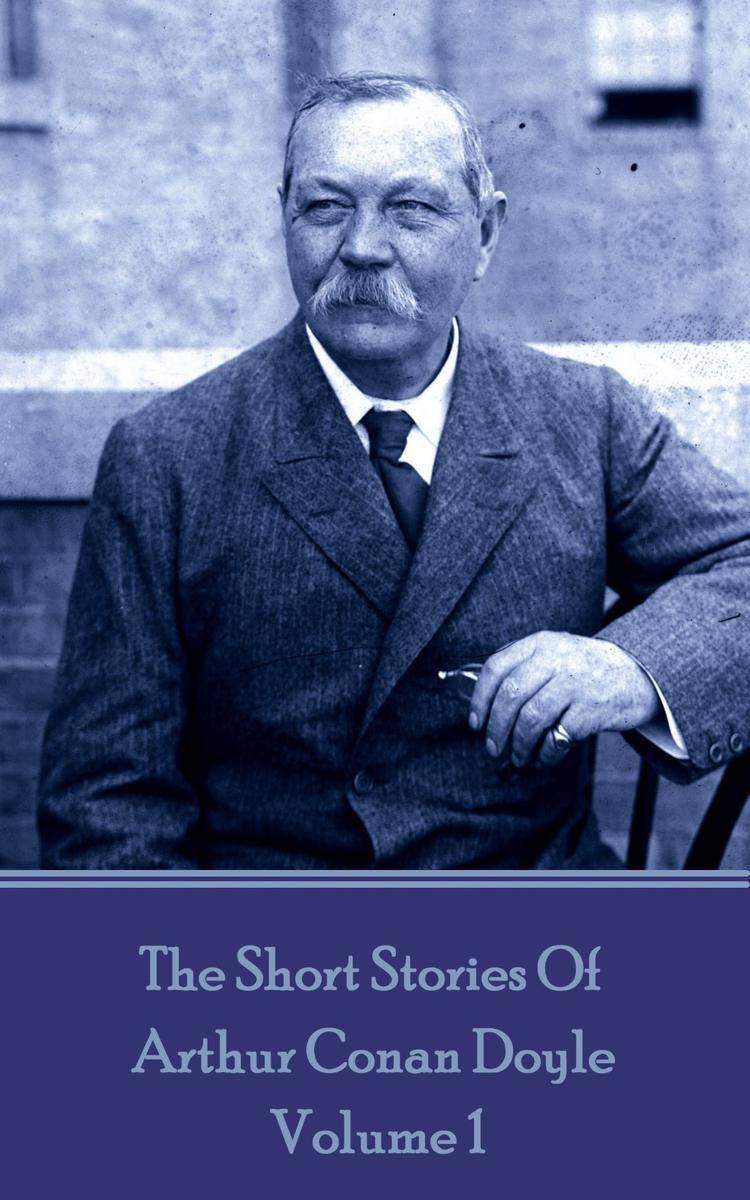
Short Stories Of Sir Arthur Conan Doyle - Volume 1
¥21.09
The short story is often viewed as an inferior relation to the Novel. But it is an art in itself. To take a story and distil its essence into fewer pages while keeping character and plot rounded and driven is not an easy task. Many try and many fail. In this series we look at short stories from many of our most accomplished writers. Miniature masterpieces with a lot to say. In this volume we examine some of the short stories of Arthur Conan Doyle. If ever a writer needed an introduction Arthur Conan Doyle would not be considered that man. After all, Sherlock Holmes is perhaps the foremost literary detective of any age. Add to this canon his stories of science fiction and his poems, his historical novels, his political campaigning, his efforts in establishing a Court Of Appeal and there is little room for anything else. Except he was also an exceptional writer of short stories of the horrific and macabre. Something very different from what you might expect. Born in Arthur Conan Doyle was born on 22 May 1859 at 11 Picardy Place, Edinburgh, Scotland. From 1876 - 1881 he studied medicine at the University of Edinburgh following which he was employed as a doctor on the Greenland whaler Hope of Peterhead in 1880 and, after his graduation, as a ship's surgeon on the SS Mayumba during a voyage to the West African coast in 1881. Arriving in Portsmouth in June of that year with less than GBP10 (GBP700 today[13]) to his name, he set up a medical practice at 1 Bush Villas in Elm Grove, Southsea. The practice was initially not very successful. While waiting for patients, Conan Doyle again began writing stories and composed his first novel The Mystery of Cloomber. Although he continued to study and practice medicine his career was now firmly set as a writer. And thereafter great works continued to pour out of him. Many of these stories are also available as an audiobook from our sister company Word Of Mouth. Many samples are at our youtube channel http://www.youtube.com/user/PortablePoetry?feature=mhee The full volume can be purchased from iTunes, Amazon and other digital stores.
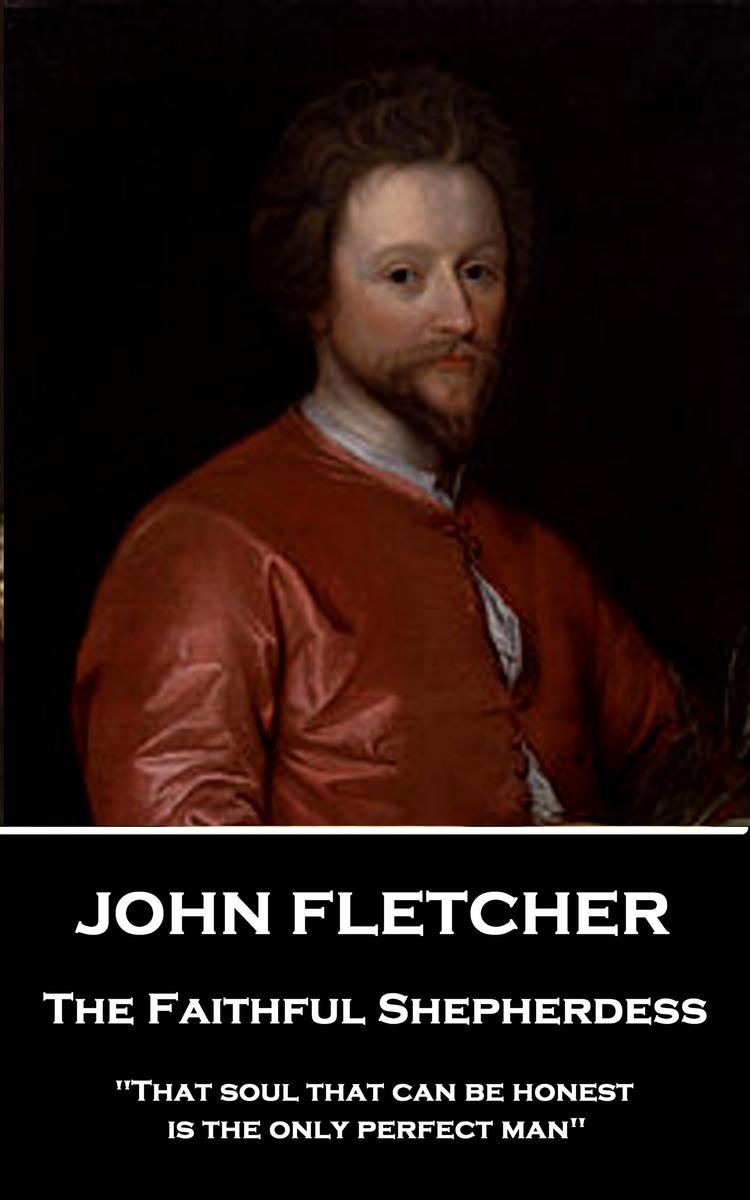
Faithful Shepherdess - That soul that can be honest is the only perfect man
¥26.98
John Fletcher was born in December, 1579 in Rye, Sussex. He was baptised on December 20th. As can be imagined details of much of his life and career have not survived and, accordingly, only a very brief indication of his life and works can be given. Young Fletcher appears at the very young age of eleven to have entered Corpus Christi College at Cambridge University in 1591. There are no records that he ever took a degree but there is some small evidence that he was being prepared for a career in the church. However what is clear is that this was soon abandoned as he joined the stream of people who would leave University and decamp to the more bohemian life of commercial theatre in London. The upbringing of the now teenage Fletcher and his seven siblings now passed to his paternal uncle, the poet and minor official Giles Fletcher. Giles, who had the patronage of the Earl of Essex may have been a liability rather than an advantage to the young Fletcher. With Essex involved in the failed rebellion against Elizabeth Giles was also tainted. By 1606 John Fletcher appears to have equipped himself with the talents to become a playwright. Initially this appears to have been for the Children of the Queen's Revels, then performing at the Blackfriars Theatre. Fletcher's early career was marked by one significant failure; The Faithful Shepherdess, his adaptation of Giovanni Battista Guarini's Il Pastor Fido, which was performed by the Blackfriars Children in 1608. By 1609, however, he had found his stride. With his collaborator John Beaumont, he wrote Philaster, which became a hit for the King's Men and began a profitable association between Fletcher and that company. Philaster appears also to have begun a trend for tragicomedy. By the middle of the 1610s, Fletcher's plays had achieved a popularity that rivalled Shakespeare's and cemented the pre-eminence of the King's Men in Jacobean London. After his frequent early collaborator John Beaumont's early death in 1616, Fletcher continued working, both singly and in collaboration, until his own death in 1625. By that time, he had produced, or had been credited with, close to fifty plays.
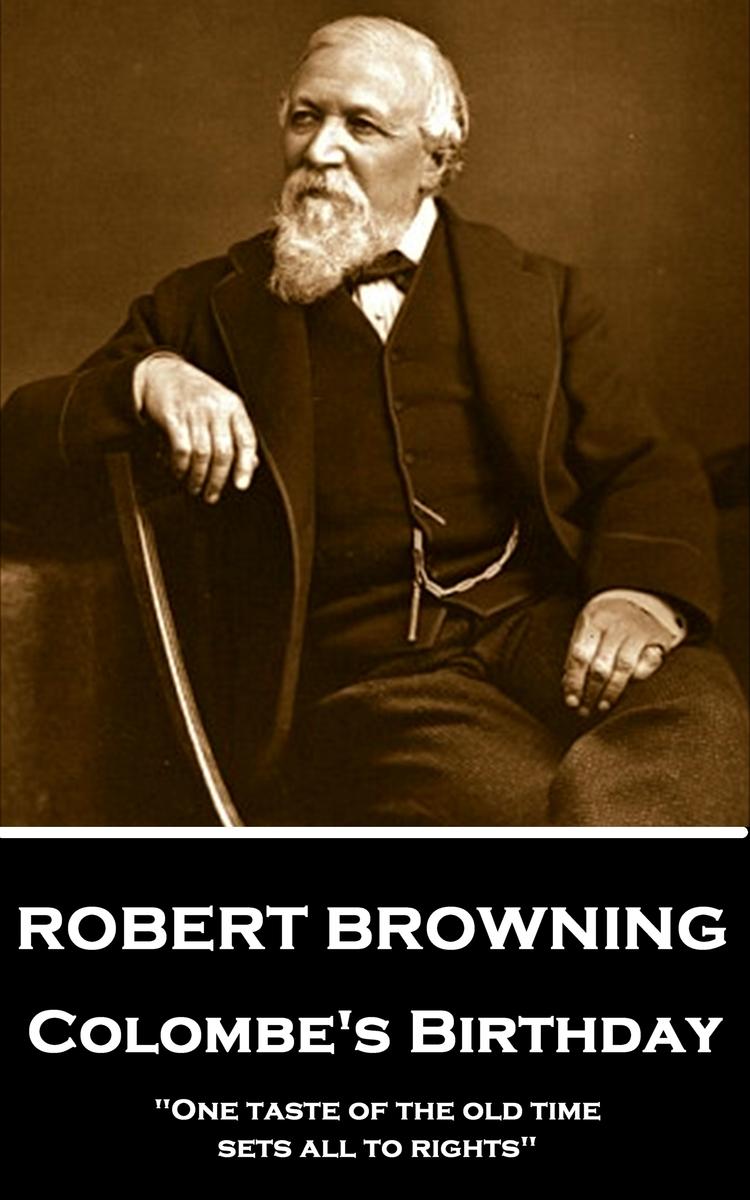
Colombe's Birthday - One taste of the old time sets all to rights
¥14.03
Robert Browning is one of the most significant Victorian Poets and, of course, English Poetry.Much of his reputation is based upon his mastery of the dramatic monologue although his talents encompassed verse plays and even a well-regarded essay on Shelley during a long and prolific career. He was born on May 7th, 1812 in Walmouth, London. Much of his education was home based and Browning was an eclectic and studious student, learning several languages and much else across a myriad of subjects, interests and passions. Browning's early career began promisingly. The fragment from his intended long poem Pauline brought him to the attention of Dante Gabriel Rossetti, and was followed by Paracelsus, which was praised by both William Wordsworth and Charles Dickens. In 1840 the difficult Sordello, which was seen as willfully obscure, brought his career almost to a standstill. Despite these artistic and professional difficulties his personal life was about to become immensely fulfilling. He began a relationship with, and then married, the older and better known Elizabeth Barrett. This new foundation served to energise his writings, his life and his career. During their time in Italy they both wrote much of their best work. With her untimely death in 1861 he returned to London and thereafter began several further major projects. The collection Dramatis Personae (1864) and the book-length epic poem The Ring and the Book (1868-69) were published and well received; his reputation as a venerated English poet now assured. Robert Browning died in Venice on December 12th, 1889.
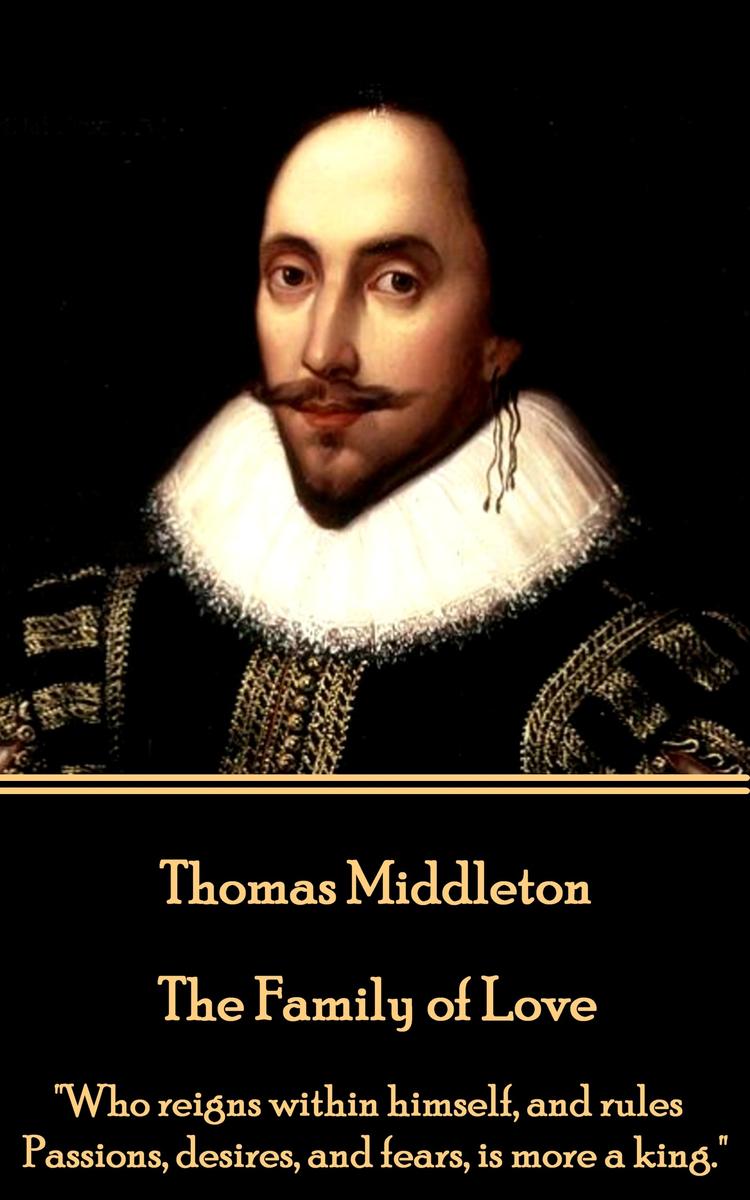
Family of Love - Who reigns within himself, and rules Passions, desires, and fea
¥23.45
Thomas Middleton was born in London in April 1580 and baptised on 18th April. Middleton was aged only five when his father died. His mother remarried but this unfortunately fell apart into a fifteen year legal dispute regarding the inheritance due Thomas and his younger sister. By the time he left Oxford, at the turn of the Century, Middleton had and published Microcynicon: Six Snarling Satirese which was denounced by the Archbishop of Canterbury and publicly burned. In the early years of the 17th century, Middleton wrote topical pamphlets. One - Penniless Parliament of Threadbare Poets was reprinted several times and the subject of a parliamentary inquiry. These early years writing plays continued to attract controversy. His writing partnership with Thomas Dekker brought him into conflict with Ben Jonson and George Chapman in the so-called War of the Theatres. His finest work with Dekker was undoubtedly The Roaring Girl, a biography of the notorious Mary Frith. In the 1610s, Middleton began another playwriting partnership, this time with the actor William Rowley, producing another slew of plays including Wit at Several Weapons and A Fair Quarrel. The ever adaptable Middleton seemed at ease working with others or by himself. His solo writing credits include the comic masterpiece, A Chaste Maid in Cheapside, in 1613. In 1620 he was officially appointed as chronologer of the City of London, a post he held until his death. The 1620s saw the production of his and Rowley's tragedy, and continual favourite, The Changeling, and of several other tragicomedies. However in 1624, he reached a peak of notoriety when his dramatic allegory A Game at Chess was staged by the King's Men. Though Middleton's approach was strongly patriotic, the Privy Council silenced the play after only nine performances at the Globe theatre, having received a complaint from the Spanish ambassador. What happened next is a mystery. It is the last play recorded as having being written by Middleton. Thomas Middleton died at his home at Newington Butts in Southwark in the summer of 1627, and was buried on July 4th, in St Mary's churchyard which today survives as a public park in Elephant and Castle.

Twelve Adventures Of Sherlock Holmes
¥29.33
If ever a writer needed an introduction Arthur Conan Doyle would not be considered that man. After all, Sherlock Holmes is perhaps the foremost literary detective of any age. Add to this canon his stories of science fiction and his poems, his historical novels, his political campaigning, his efforts in establishing a Court Of Appeal and there is little room for anything else. Born in Arthur Conan Doyle was born on 22 May 1859 at 11 Picardy Place, Edinburgh, Scotland. From 1876 - 1881 he studied medicine at the University of Edinburgh following which he was employed as a doctor on the Greenland whaler Hope of Peterhead in 1880 and, after his graduation, as a ship's surgeon on the SS Mayumba during a voyage to the West African coast in 1881. Arriving in Portsmouth in June of that year with less than GBP10 (GBP700 today to his name, he set up a medical practice at 1 Bush Villas in Elm Grove, Southsea. The practice was initially not very successful. While waiting for patients, Conan Doyle again began writing stories and composed his first novel The Mystery of Cloomber. Although he continued to study and practice medicine his career was now firmly set as a writer. And thereafter great works continued to pour out of him. Here we have twelve stories about the great detective Mr Sherlock Holmes.
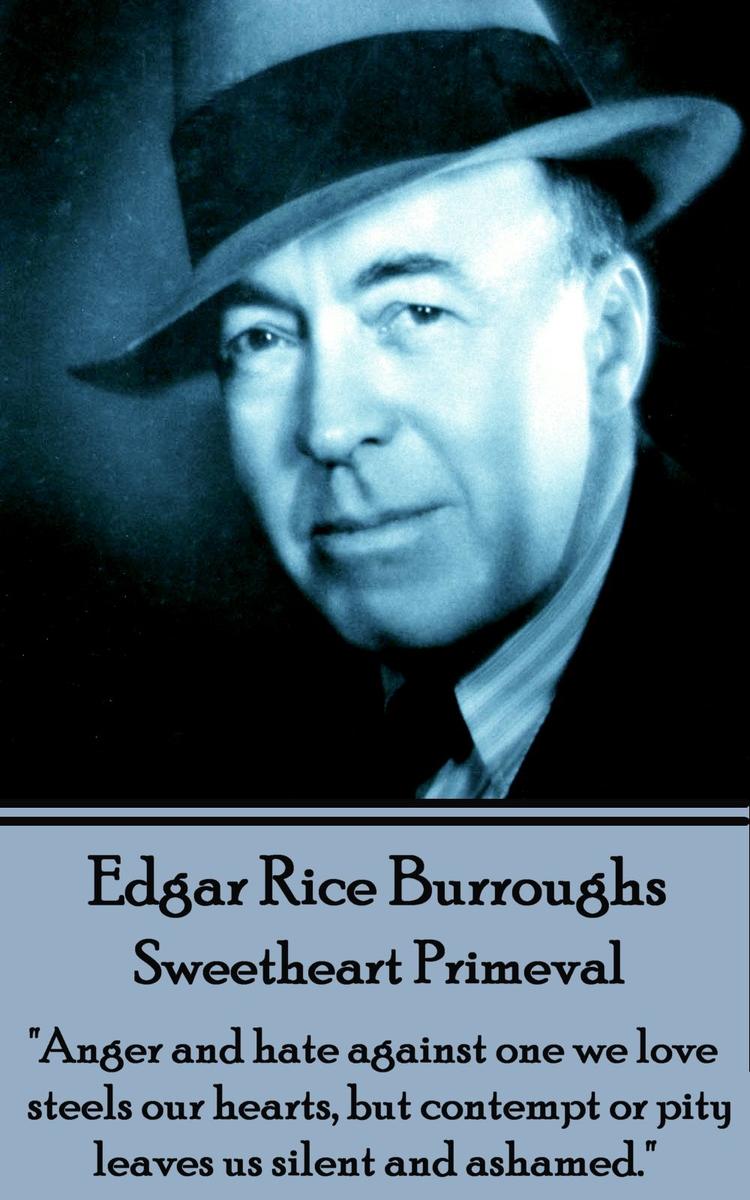
Girl From Farris's - Anger and hate against one we love steels our hearts
¥35.22
Edgar Rice Burroughs was born on September 1, 1875, in Chicago, Illinois. His early career was unremarkable. After failing to enter West Point he enlisted in the 7th Calvary but was discharged after heart problems were diagnosed. A series of short term jobs gave no indication as to a career path but finally, in 1911, married and with two young children, he turned his hand to writing. He aimed his works squarely at the very popular pulp serial magazines. His first effort 'Under The Moons Of Mars' ran in Munsey's Magazine in 1912 under the pseudonym Norman Bean. With its success he began writing full time. A continuing theme of his work was to develop series so that each character had ample opportunities to return in sequels. John Carter was in the Mars series and there was another on Venus and one on Pellucidar among others. But perhaps the best known is Tarzan. Indeed Burroughs wanted so much to capitalise upon the brand that he introduced a syndicated Tarzan comic strip, movies and merchandise. He purchased a large ranch north of Los Angeles, California, which he named "e;Tarzana."e; The surrounding communities outside the ranch voted in 1927 to adopt the name as their own. By 1932 Burroughs set up his own company to print his own books. Here we publish 'The Girl From Farris's' somewhat different to what the title might suggest in the hands of an ordinary writer but in the hands of Edgar Rice Burroughs the title is just the beginning.....
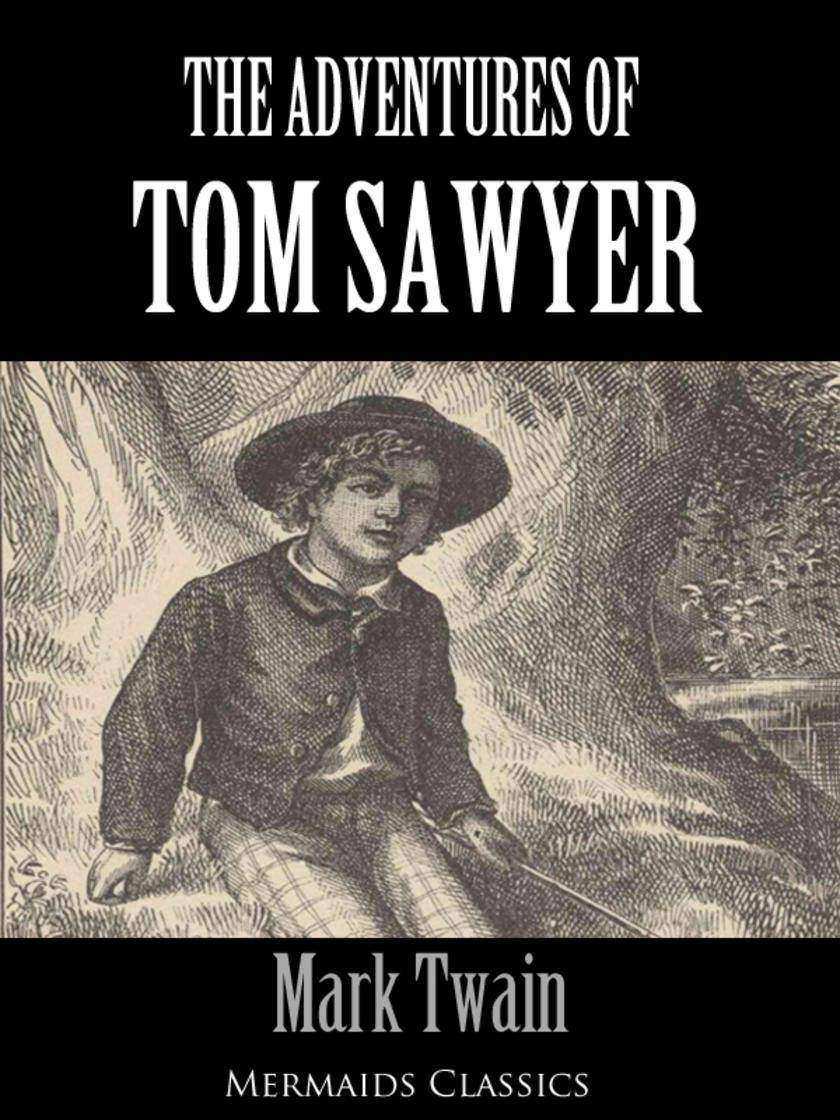
Adventures of Tom Sawyer (Illustrated) - An Original Classic (Mermaids Classics)
¥35.22
The Adventures of Tom Sawyer by Mark Twain (aka Samuel Langhorne Clemens) (1835 1910) is a childrens novel first published in 1876. The scene is set around the 1940s along the Mississippi river (St Petersburg) and is about a young boy called Tom who gets up to all sorts of mischief. This Mermaids Classics epublication is a reproduction of the 1884 edition by The American Publishing Company. Mermaids Classics, an imprint of Mermaids Publishing brings the very best of old book classics to a modern era of digital reading by producing high quality books in ebook format.
What Katy Did (Mermaids Classics)
¥35.22
What Katy Did (1872) by Sarah Chauncey Woolsey (aka Susan Coolidge) (1835-1905) is a classic childrens novel based on a young 12 year tomboyish type of girl named Katy Carr who endures an accident by falling off a swing and becomes an invalid. Her cousin Helen also an invalid teaches Katy how to be a happier and kinder person by appreciating and making the most of what she has and how to be optimistic and cheerful especially around her siblings. At the end of the story, Katy learns to walk.The sequel to What Katy Did is What Katy Did At School.Mermaids Classics, an imprint of Mermaids Publishing brings the very best of old classic literature to a modern era of digital reading by producing high quality books in ebook format. All of the Mermaids Classics epublications are reproductions of classic antique books that were originally published in print format, mostly over a century ago and are now republished in digital format as ebooks. Begin to build your collection of digital books by looking for more literary gems from Mermaids Classics.
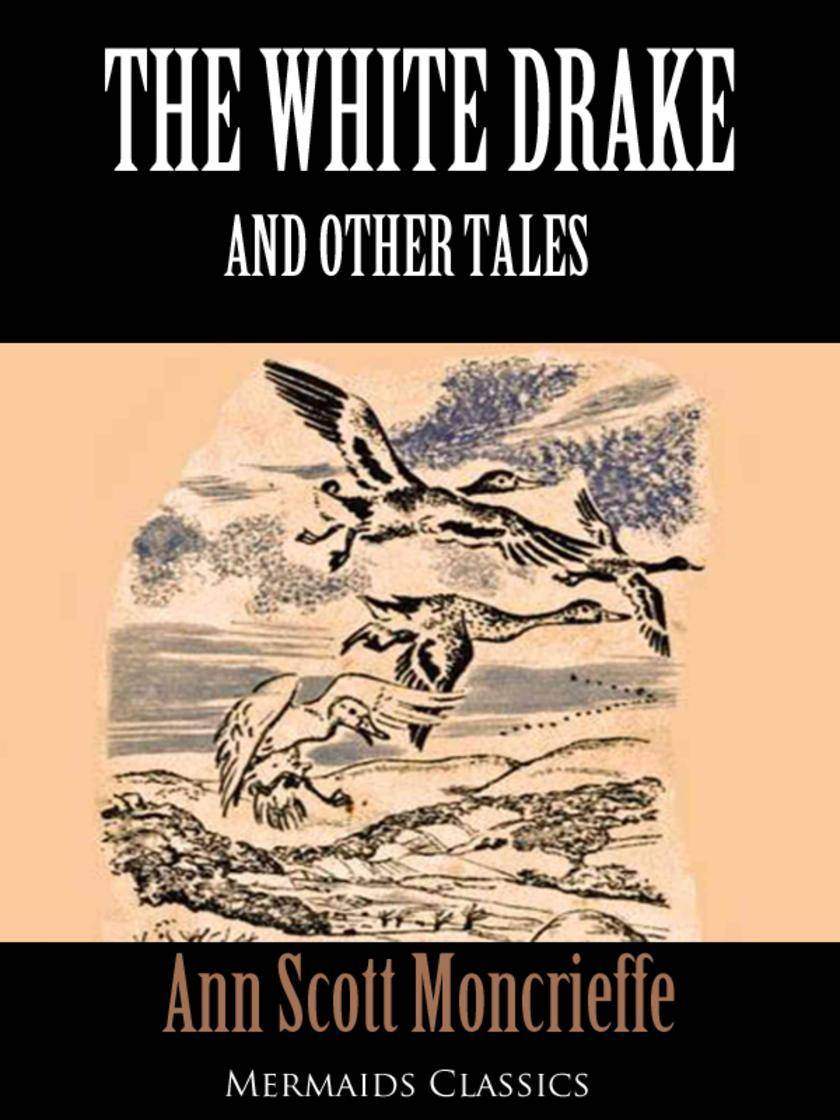
White Drake and Other Tales (Mermaids Classics)
¥35.22
The White Drake and Other Tales by Ann Scott-Moncrieff (1914-1943) is childrens book which was first published in 1936. It was illustrasted by Rojan and contains a volume of short stories including:- THE WHITE DRAKE- FIRKIN AND THE GREY GANGSTERS (EIGHT CHAPTERS)- FURTHER ADVENTURES OF FIRKIN- THE SHEEP WHO WASNT A SHEEPMermaids Classics, an imprint of Mermaids Publishing brings the very best of old classic literature to a modern era of digital reading by producing high quality books in ebook format. All of the Mermaids Classics epublications are reproductions of classic antique books that were originally published in print format, mostly over a century ago and are now republished in digital format as ebooks. Begin to build your collection of digital books by looking for more literary gems from Mermaids Classics.

Anna Karenina
¥11.67
ANNA KARENINA, the ORIGINAL 1901 English translation by Constance Garnett and written by Russian writer Leo Tolstoy (1828 - 1910) is considered as one of the greatest novels ever written and Tolstoys first true novel. It is divided into eight parts and was initially published between the years 1873 to 1878 in a publication called The Russian Messenger as serial installments. The main character Anna is married into Russian aristocrat and later has a love affair with a handsome military officer Count Vronsky. Some major themes include marriage, fidelity, passion and jealousy set in nineteenth century Russian high society.This digital edition is beautifully formatted with an active Table of Contents that goes directly to each chapter and all eight parts of the story. Mermaids Classics, an imprint of Mermaids Publishing brings the very best of old book classics to a modern era of digital reading by producing high quality books in ebook format.
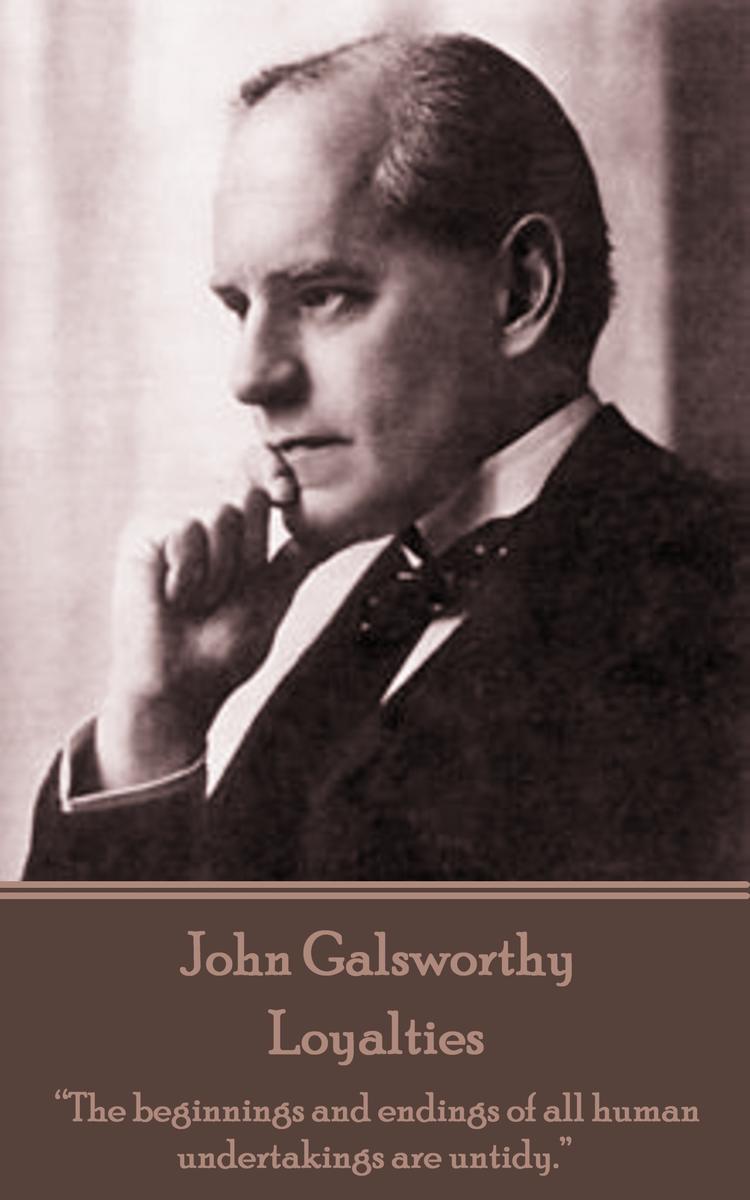
Loyalties - The beginnings and endings of all human undertakings are untidy.
¥21.09
John Galsworthy was born at Kingston Upon Thames in Surrey, England, on August 14th 1867 to a wealthy and well established family. His schooling was at Harrow and New College, Oxford before training as a barrister and being called to the bar in 1890. However, Law was not attractive to him and he travelled abroad becoming great friends with the novelist Joseph Conrad, then a first mate on a sailing ship. In 1895 Galsworthy began an affair with Ada Nemesis Pearson Cooper, the wife of his cousin Major Arthur Galsworthy. The affair was kept a secret for 10 years till she at last divorced and they married on 23rd September 1905. Galsworthy first published in 1897 with a collection of short stories entitled "e;The Four Winds"e;. For the next 7 years he published these and all works under his pen name John Sinjohn. It was only upon the death of his father and the publication of "e;The Island Pharisees"e; in 1904 that he published as John Galsworthy. His first play, The Silver Box in 1906 was a success and was followed by "e;The Man of Property"e; later that same year and was the first in the Forsyte trilogy. Whilst today he is far more well know as a Nobel Prize winning novelist then he was considered a playwright dealing with social issues and the class system. Here we publish Villa Rubein, a very fine story that captures Galsworthy's unique narrative and take on life of the time. He is now far better known for his novels, particularly The Forsyte Saga, his trilogy about the eponymous family of the same name. These books, as with many of his other works, deal with social class, upper-middle class lives in particular. Although always sympathetic to his characters, he reveals their insular, snobbish, and somewhat greedy attitudes and suffocating moral codes. He is now viewed as one of the first from the Edwardian era to challenge some of the ideals of society depicted in the literature of Victorian England. In his writings he campaigns for a variety of causes, including prison reform, women's rights, animal welfare, and the opposition of censorship as well as a recurring theme of an unhappy marriage from the women's side. During World War I he worked in a hospital in France as an orderly after being passed over for military service. He was appointed to the Order of Merit in 1929, after earlier turning down a knighthood, and awarded the Nobel Prize in 1932 though he was too ill to attend. John Galsworthy died from a brain tumour at his London home, Grove Lodge, Hampstead on January 31st 1933. In accordance with his will he was cremated at Woking with his ashes then being scattered over the South Downs from an aeroplane.
Frogs - Under every stone lurks a politician
¥11.67
The reality is that little is known of Aristophanes actual life but eleven of his forty plays survive intact and upon those rest his deserved reputation as the Father of Comedy or, The Prince of Ancient Comedy. Accounts agree that he was born sometime between 456BC and 446 BC. Many cities claim the honor of his birthplace and the most probable story makes him the son of Philippus of gina, and therefore only an adopted citizen of Athens, a distinction which, at times could be cruel, though he was raised and educated in Athens. His plays are said to recreate the life of ancient Athens more realistically than any other author could. Intellectually his powers of ridicule were feared by his influential contemporaries; Plato himself singled out Aristophanes' play The Clouds as a slander that contributed to the trial and condemning to death of Socrates and although other satirical playwrights had also caricatured the philosopher his carried the most weight. His now lost play, The Babylonians, was denounced by the demagogue Cleon as a slander against the Athenian polis. Aristophanes seems to have taken this criticism to heart and thereafter caricatured Cleon mercilessly in his subsequent plays, especially The Knights. His life and playwriting years were undoubtedly long though again accounts as to the year of his death vary quite widely. What can be certain is that his legacy of surviving plays is in effect both a treasured legacy but also in itself the only surviving texts of Ancient Greek comedy.
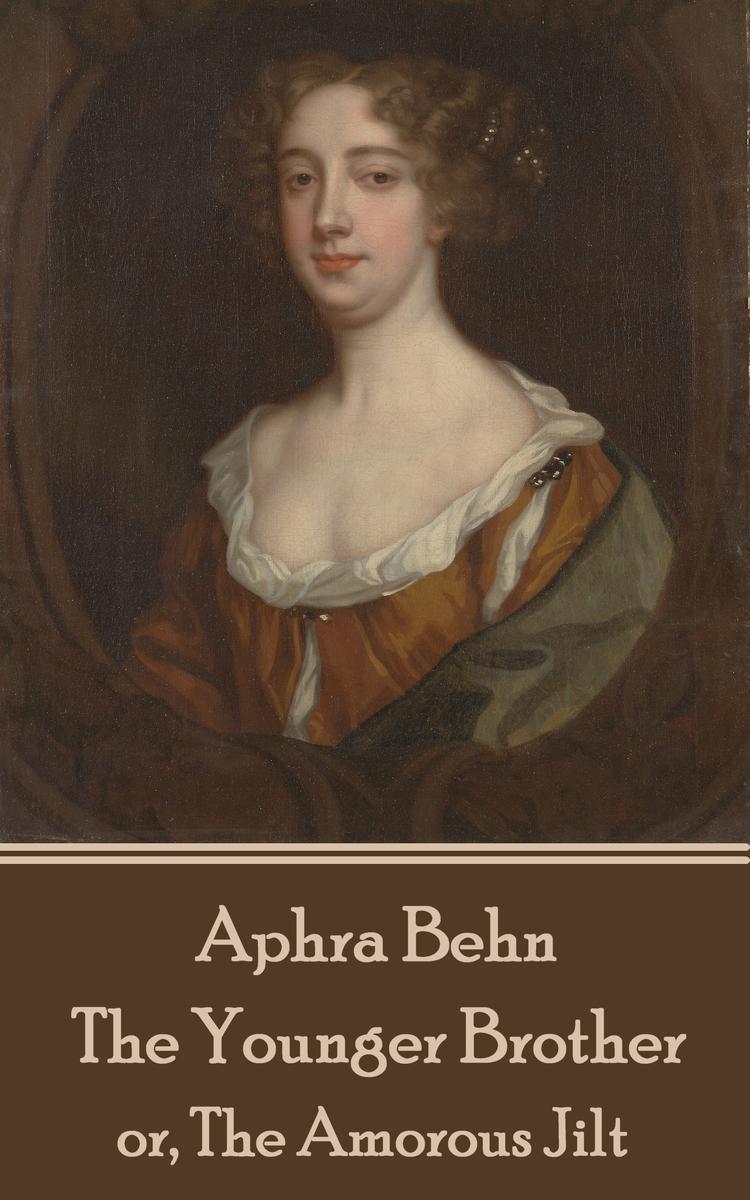
Younger Brother - or, The Amorous Jilt
¥23.45
Aphra Behn was a prolific and well established writer but facts about her remain scant and difficult to confirm. What can safely be said though is that Aphra Behn is now regarded as a key English playwright and a major figure in Restoration theatre. Aphra was born into the rising tensions to the English Civil War. Obviously a time of much division and difficulty as the King and Parliament, and their respective forces, came ever closer to conflict. There are claims she was a spy, that she travelled abroad, possibly as far as Surinam. By 1664 her marriage was over (though by death or separation is not known but presumably the former as it occurred in the year of their marriage) and she now used Mrs Behn as her professional name. Aphra now moved towards pursuing a more sustainable and substantial career and began work for the King's Company and the Duke's Company players as a scribe. Previously her only writing had been poetry but now she would become a playwright. Her first, "e;The Forc'd Marriage"e;, was staged in 1670, followed by "e;The Amorous Prince"e; (1671). After her third play, "e;The Dutch Lover"e;, Aphra had a three year lull in her writing career. Again it is speculated that she went travelling again, possibly once again as a spy. After this sojourn her writing moves towards comic works, which prove commercially more successful. Her most popular works included "e;The Rover"e; and "e;Love-Letters Between a Nobleman and His Sister"e; (1684-87). With her growing reputation Aphra became friends with many of the most notable writers of the day. This is The Age of Dryden and his literary dominance. From the mid 1680's Aphra's health began to decline. This was exacerbated by her continual state of debt and descent into poverty. Aphra Behn died on April 16th 1689, and is buried in the East Cloister of Westminster Abbey. The inscription on her tombstone reads: "e;Here lies a Proof that Wit can never be Defence enough against Mortality."e; She was quoted as stating that she had led a "e;life dedicated to pleasure and poetry."e;
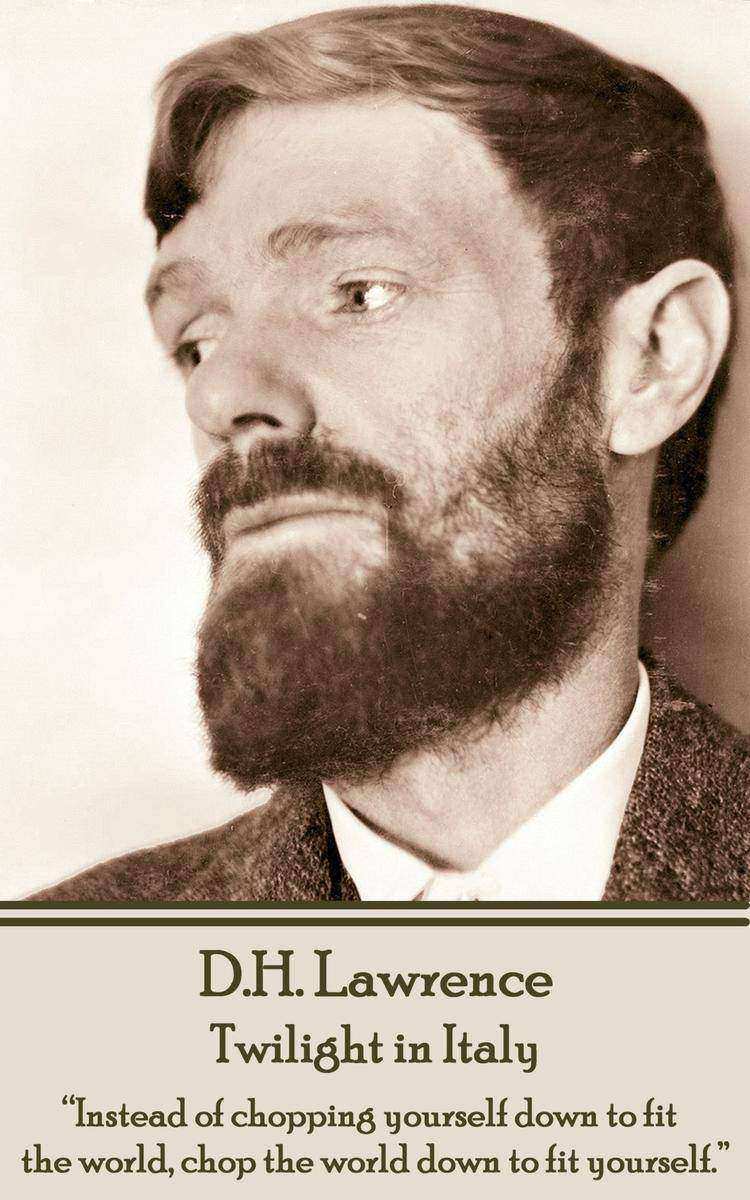
Twilight in Italy - Instead of chopping yourself down to fit the world
¥41.10
For many of us DH Lawrence was a schoolboy hero. Who can forget sniggering in class at the mention of 'Women In Love' or 'Lady Chatterley's Lover'? Lawrence was a talented if nomadic writer whose novels were passionately received, suppressed at times and generally at odds with Establishment values. This of course did not deter him. At his death in 1930 at the young age of 44 he was more often thought of as a pornographer but in the ensuing years he has come to be more rightly regarded as one of the most imaginative writers these shores have produced. As well as his novels he was also a masterful poet (he wrote over 800 of them), a travel writer as well as an author of many classic short stories. Here we publish his travel writings 'Twilight in Italy'. Once again Lawrence shows his hand as a brilliant writer. Delving into landscapes and peeling them back to reveal the inner heart.
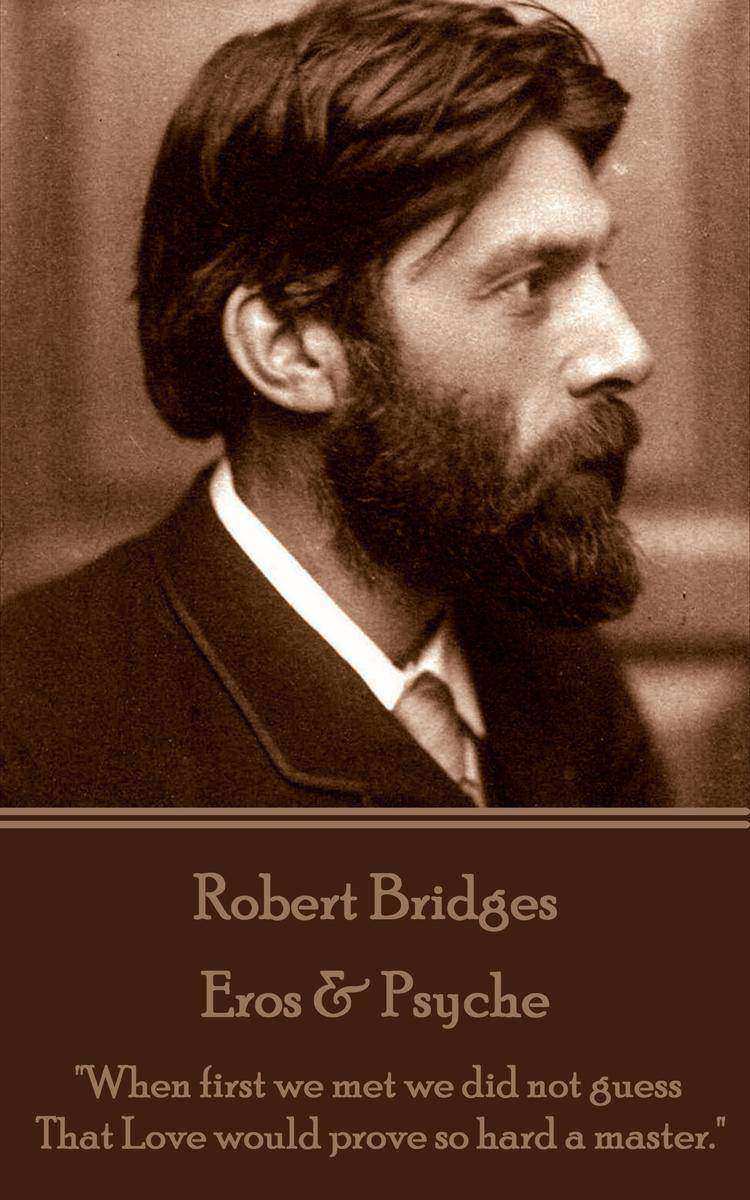
Eros & Psyche - When first we met we did not guess That Love would prove so hard
¥29.33
Robert Bridges was born in Walmer, Kent on the 23rd of October 1844. He went to study medicine intending to practise until the age of forty and then retire to write poetry. Lung disease forced him to retire in 1882, and from that point on he devoted himself to writing and literary research. However, Bridges' literary work started long before his retirement, his first collection of poems having been published in 1873. He was appointed Poet Laureate in 1913 by George V, the only medical graduate to have held the office. He died in Oxford on the 21st of April 1930. Here we present Eros & Psyche.

Faithful - Life, a beauty chased by tragic laughter.
¥32.86
John Edward Masefield was born in 1878 in the sleepy market town of Ledbury in rural Hertfordshire. An idyllic childhood was ruined when he was left an orphan and sent to live with an Aunt who decided his education and life would be better spent at sea. At age 13 he boarded a school ship and there his love of writing and reading blossomed. By 1899 he began to publish and apart from brief service during World War I he now had a life of writing and lecture tours. He published much; novels, poetry and even an account of the disastrous war effort in the Dardanelles at Gallipoli. Upon the death of Robert Bridges in 1930, Masefield was given the prestigious position of Poet Laureate, a role he would fulfill until his death; the only poet to hold the position for a longer period was Alfred, Lord Tennyson. Despite later ill health and the death of his wife in 1960, Masefield continued to write. In 1966, he published his last book of poems, In Glad Thanksgiving, at the age of 88. In the latter part of 1966 gangrene was diagnosed in his ankle. This gradually spread through his leg and claimed his life on May 12, 1967. He was cremated and his ashes placed in the Poet's Corner of Westminster Abbey. Here we present The Faithful.


