


 购物车
购物车 个人中心
个人中心
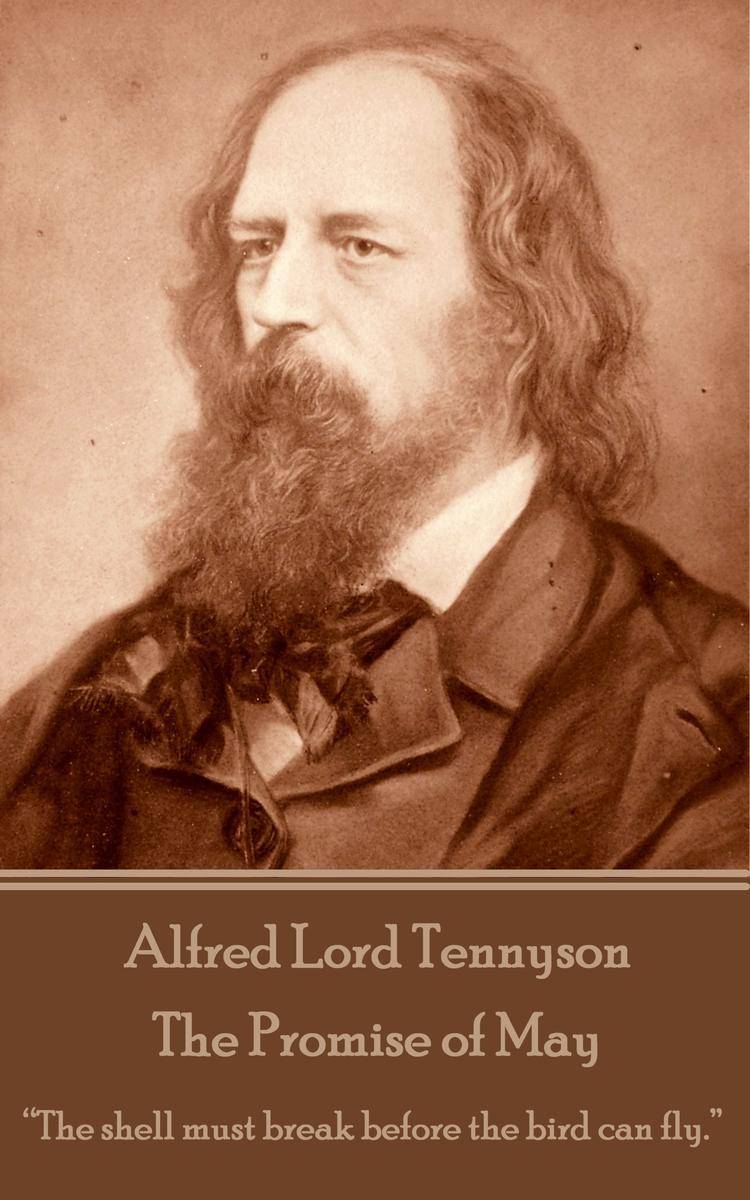
Promise of May - The shell must break before the bird can fly.
¥16.38
Alfred Tennyson was born on August 6th, 1809, in Somersby, Lincolnshire, the fourth of twelve children. Most of Tennyson's early education was under the direction of his father, although he did spend four unhappy years at a nearby grammar school. He left home in 1827 to join his elder brothers at Trinity College, Cambridge, more to escape his father than a desire for serious academic work. At Trinity he was living for the first time among young men of his own age who knew little of his problems. He was delighted to make new friends; he was handsome, intelligent, humorous, a gifted impersonator and soon at the center of those interested in poetry and conversation. That same year, he and his brother Charles published Poems by Two Brothers. Although the poems in the book were of teenage quality, they attracted the attention of the "e;Apostles,"e; a select undergraduate literary club led by Arthur Hallam. The "e;Apostles"e; provided Tennyson with friendship and confidence. Hallam and Tennyson became the best of friends; they toured Europe together in 1830 and again in 1832. Hallam's sudden death in 1833 greatly affected the young poet. The long elegy In Memoriam and many of Tennyson's other poems are tributes to Hallam. In 1830, Tennyson published Poems, Chiefly Lyrical and in 1832 he published a second volume entitled simply Poems. Some reviewers condemned these books as "e;affected"e; and "e;obscure."e; Tennyson, stung by the reviews, would not publish another book for nine years. In 1836, he became engaged to Emily Sellwood. When he lost his inheritance on a failed investment in 1840, the engagement was cancelled. In 1842, however, Tennyson's Poems [in two volumes] was a tremendous critical and popular success. In 1850, with the publication of In Memoriam, Tennyson's reputation was pre-eminent. He was also selected as Poet Laureate in succession to Wordsworth and, to complete a wonderful year, he married Emily Sellwood. At the age of 41, Tennyson had established himself as the most popular poet of the Victorian era. The money from his poetry [at times exceeding 10,000 pounds per year] allowed him to purchase a home in the country and to write in relative seclusion. His appearance-a large and bearded man, he regularly wore a cloak and a broad brimmed hat-enhanced his notoriety. In 1859, Tennyson published the first poems of Idylls of the Kings, which sold more than 10,000 copies in a fortnight. In 1884, he accepted a peerage, becoming Alfred Lord Tennyson. On October 6th, 1892, an hour or so after midnight, surrounded by his family, he died at Aldworth. It is said that the moonlight was streaming through the window and Tennyson himself was holding open a volume of Shakespeare. He was buried in Westminster Abbey.
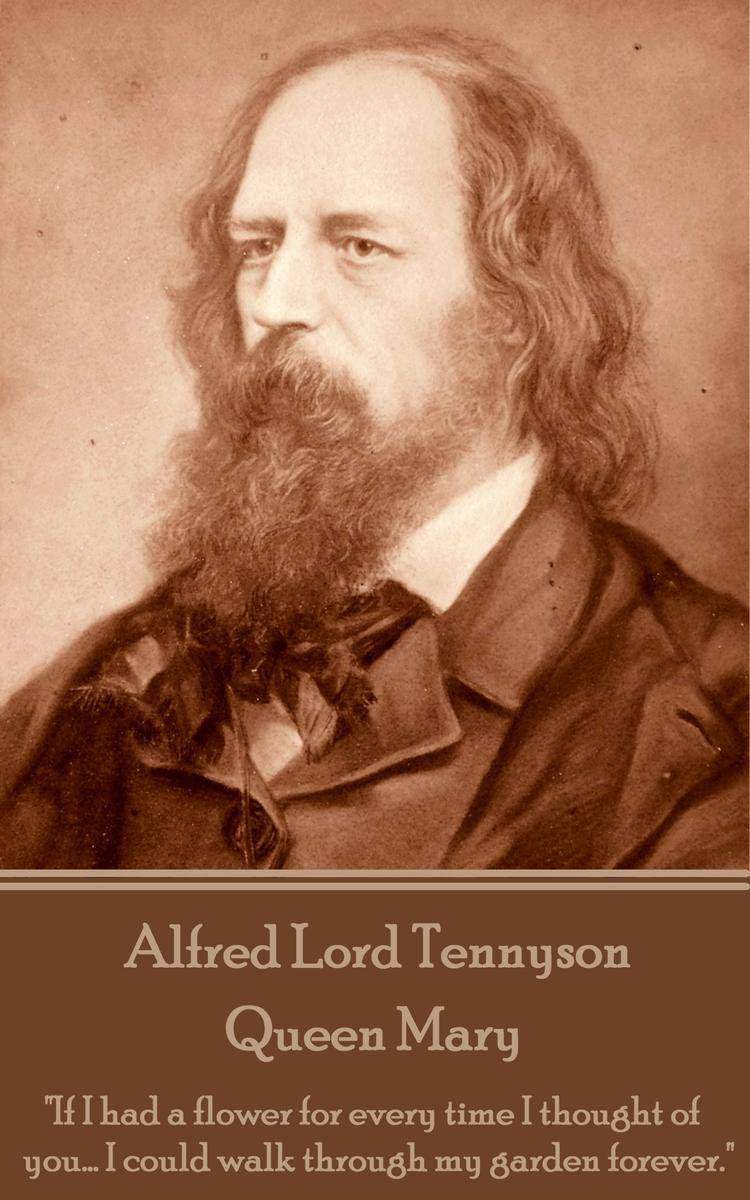
Queen Mary - If I had a flower for every time I thought of you...
¥23.45
Alfred Tennyson was born on August 6th, 1809, in Somersby, Lincolnshire, the fourth of twelve children. Most of Tennyson's early education was under the direction of his father, although he did spend four unhappy years at a nearby grammar school. He left home in 1827 to join his elder brothers at Trinity College, Cambridge, more to escape his father than a desire for serious academic work. At Trinity he was living for the first time among young men of his own age who knew little of his problems. He was delighted to make new friends; he was handsome, intelligent, humorous, a gifted impersonator and soon at the center of those interested in poetry and conversation. That same year, he and his brother Charles published Poems by Two Brothers. Although the poems in the book were of teenage quality, they attracted the attention of the "e;Apostles,"e; a select undergraduate literary club led by Arthur Hallam. The "e;Apostles"e; provided Tennyson with friendship and confidence. Hallam and Tennyson became the best of friends; they toured Europe together in 1830 and again in 1832. Hallam's sudden death in 1833 greatly affected the young poet. The long elegy In Memoriam and many of Tennyson's other poems are tributes to Hallam. In 1830, Tennyson published Poems, Chiefly Lyrical and in 1832 he published a second volume entitled simply Poems. Some reviewers condemned these books as "e;affected"e; and "e;obscure."e; Tennyson, stung by the reviews, would not publish another book for nine years. In 1836, he became engaged to Emily Sellwood. When he lost his inheritance on a failed investment in 1840, the engagement was cancelled. In 1842, however, Tennyson's Poems [in two volumes] was a tremendous critical and popular success. In 1850, with the publication of In Memoriam, Tennyson's reputation was pre-eminent. He was also selected as Poet Laureate in succession to Wordsworth and, to complete a wonderful year, he married Emily Sellwood. At the age of 41, Tennyson had established himself as the most popular poet of the Victorian era. The money from his poetry [at times exceeding 10,000 pounds per year] allowed him to purchase a home in the country and to write in relative seclusion. His appearance-a large and bearded man, he regularly wore a cloak and a broad brimmed hat-enhanced his notoriety. In 1859, Tennyson published the first poems of Idylls of the Kings, which sold more than 10,000 copies in a fortnight. In 1884, he accepted a peerage, becoming Alfred Lord Tennyson. On October 6th, 1892, an hour or so after midnight, surrounded by his family, he died at Aldworth. It is said that the moonlight was streaming through the window and Tennyson himself was holding open a volume of Shakespeare. He was buried in Westminster Abbey.
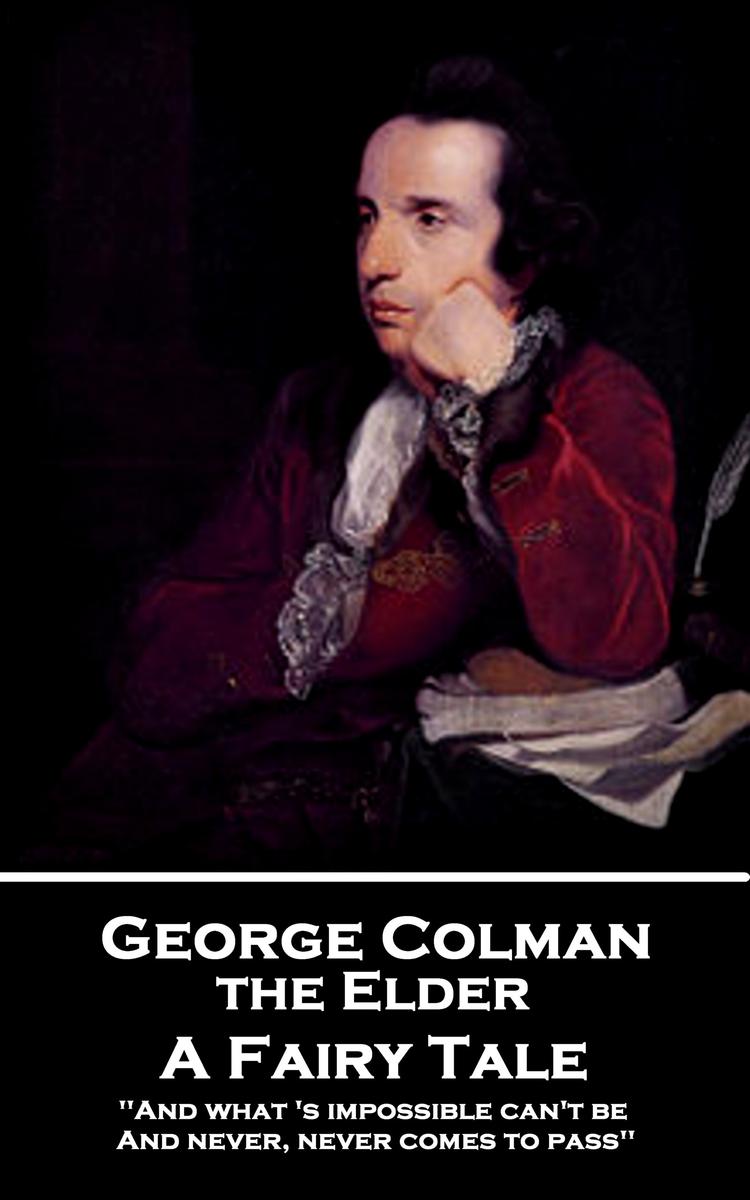
Fairy Tale - 'And what 's impossible can't be, And never, never comes to pass''
¥14.03
George Colman was born in Florence, Italy, in April 1732, where his father was stationed as British Resident Minister to the court of the Grand duke of Tuscany. Before his first birthday Colman's father had died and his well-being was now in the hands of his Father's sister and her husband, William Pulteney, the later Lord BathColman initially attended a private school in Marylebone before being sent to the exclusive Westminster School.From there Colman went to Christ Church, Oxford. Whilst there he met Bonnell Thornton, the parodist, and together they founded 'The Connoisseur' periodical (1754-1756), which ran for 140 editions. After taking his degree in 1755 Colman left Oxford and entered Lincoln's Inn. He was called to the bar in 1757. Despite a friendship forming with David Garrick and the promise of a literary career Colman decided that out of respect for Lord Bath he would continue to also practice law.In 1760, Colman produced his first play, 'Polly Honeycomb'. It was a great success. The following year, 1761, he followed up with 'The Jealous Wife', a comedy partly founded on Henry Fielding's 'Tom Jones'. It made Colman famous. On 21st October 1762 his son, George Colman the Younger, was born. He too would follow in his fathers' footsteps in education and career.In 1764 with the death of Lord Bath and a substantial inheritance Colman was now financially secure and could also stop his law career to work solely on literature.In 1765, his metrical translation of the six plays of Terence was published. The following year, 1766, in partnership with David Garrick, came another success: 'The Clandestine Marriage'. The only blot was when Colman quarreled with Garrick's refusal to take the part of Lord Ogleby. With the arrival of 1767 Colman decided to expand his interests by acquiring a quarter share in the Covent Garden Theatre. When his play 'The Oxonian in Town' was performed there on 9th November that year a riot ensued, apparently sparked by a claque of card-sharpers.Colman was elected to the Literary Club, in 1768, then nominally consisting of twelve members. In 1771 Thomas Arne's masque 'The Fairy Prince' premiered at Covent Garden, for which Colman wrote the libretto.His instincts as a theatrical impresario were sound. As well as part-owner he was also the acting manager of Covent Garden for seven years during which he produced several 'adapted' plays of Shakespeare. He also directed the premiere of 'She Stoops to Conquer' in 1773. In 1774 he sold to James Leake his share of Covent Garden, which had involved him in much litigation with his partners, and three years later, in 1777, he purchased the little theatre in the Haymarket from Samuel Foote.George Colman suffered badly from attacks of paralysis in 1785 and his health became both failing and a burden. By 1789 his brain had become affected, and he died on 14th August 1794. He was buried in Kensington Church.
Eumenides - Translaton by E.D.A. Morshead
¥11.67
schylus is often regarded as the father of Greek tragedy; he moved play writing from the simple interaction of a single character and a chorus to one where many characters interact and thereby create more dynamic and dramatic situations. schylus, was the son of Euphorion, and a scion of a Eupatrid or noble family. He was born at Eleusis 525 B.C., or, as the Greeks calculated time, in the fourth year of the 63rd Olympiad. He first worked at a vineyard and whilst there claimed to have been visited by Dionysis in a dream and told to turn his attention to the tragic art. It was a dream that would deliver a rich and incredible legacy through his writing talents. His earliest tragedy, composed when he was twenty-six years of age, failed to win the fabled Dionysia, (a revered festival of theatre) and it was not until fifteen years later that he gained this victory in 484BC going on to win it again in 472 BC (for The Persians), 467 BC (for Seven Against Thebes) and 463 BC (for The Suppliants). schylus was also known for his military skills and was ready to fight in defence of Athens whenever the call was made. He and his brother, Cynegeirus, fought against Darius's invading Persian army at the Battle of Marathon in 490 BCE and, although the Greeks won against overwhelming odds, Cynegeirus died in the battle, which had a naturally had a profound effect on schylus. He made several visits to the important Greek city of Syracuse in Sicily at the invitation of the tyrant Hieron, and it is thought that he also travelled extensively in the region of Thrace. His writing continued to be the envy of others. With the series of plays of which Seven Against Thebes was a part, his supremacy was undisputed. He was the "e;father of tragedy."e; schylus made many changes to dramatic form. The importance of the chorus was demoted and a second added to give prominence to the dialogue and making that interchange the leading feature of the play. He removed all deeds of bloodshed from the public view, and in their place provided various spectacular elements, improving the costumes, making the masks more expressive and convenient, and probably adopting the cothurnus to increase the stature of the performers. Finally, he established the custom of contending for the prize with trilogies, an inter-connecting set of three independent dramas. The closing years of the life of schylus were mainly spent in Sicily, which he had first visited soon after his defeat at the Dionysia by Sophocles. schylus returned to Athens to produce his Orestean trilogy, probably the finest of his works, although the Eumenides, the last of the three plays, revealed so openly his aristocratic tendencies that he became extremely unpopular, and returned to Sicily for the last time in 458 BCE and it was there that he died, while visiting the city of Gela in 456 or 455 BCE.
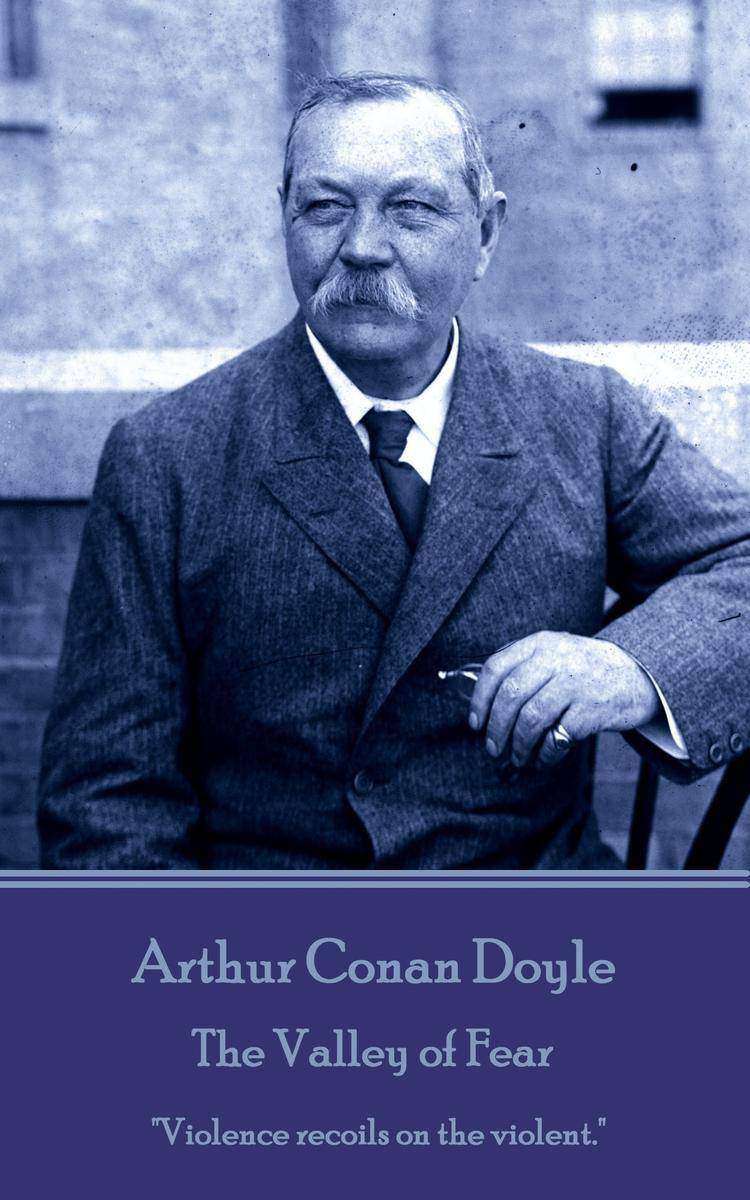
Valley of Fear - Violence recoils on the violent.
¥15.21
If ever a writer needed an introduction Arthur Conan Doyle would not be considered that man. After all, Sherlock Holmes is perhaps the foremost literary detective of any age. Add to this canon his stories of science fiction and his poems, his historical novels, his plays, his political campaigning, his efforts in establishing a Court of Appeal and there is little room for anything else. Except he was also an exceptional writer of short stories of the horrific and macabre. Something very different from what you might expect. Born in Arthur Conan Doyle was born on 22 May 1859 at 11 Picardy Place, Edinburgh, Scotland. From 1876 - 1881 he studied medicine at the University of Edinburgh following which he was employed as a doctor on the Greenland whaler Hope of Peterhead in 1880 and, after his graduation, as a ship's surgeon on the SS Mayumba during a voyage to the West African coast in 1881. Arriving in Portsmouth in June of that year with less than GBP10 (GBP700 today) to his name, he set up a medical practice at 1 Bush Villas in Elm Grove, Southsea. The practice was initially not very successful. While waiting for patients, Conan Doyle again began writing stories and composed his first novel The Mystery of Cloomber. Although he continued to study and practice medicine his career was now firmly set as a writer. And thereafter great works continued to pour out of him.
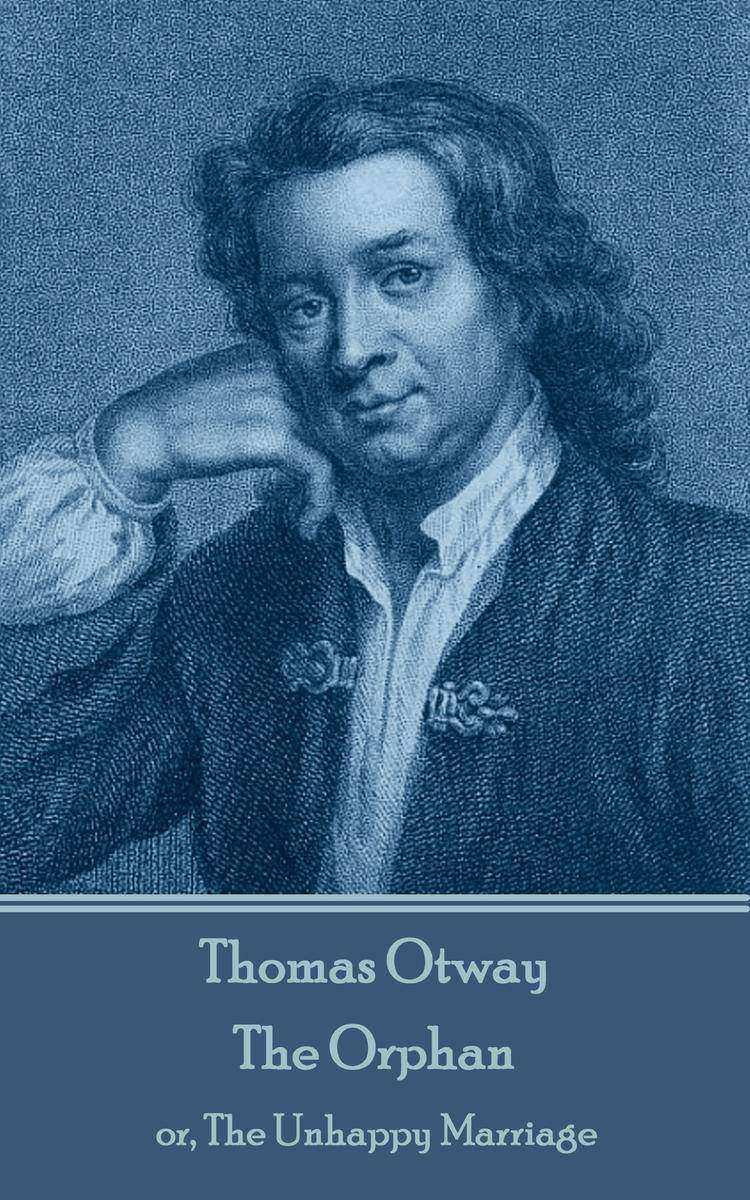
Orphan - or, The Unhappy Marriage
¥21.09
Thomas Otway was born on March 3rd, 1652 at Trotton near Midhurst. He was educated at Winchester College before entering Christ Church, Oxford, in 1669 as a commoner. For reasons unknown he left without a degree in 1672 but what is known is that Oxford create a passion in him for books. Travelling to London that same year he met and obtained work as an actor from the playwright Aphra Behn. He was cast as the old king in her play, Forc'd Marriage but on his debut he had such a severe attack of stage fright that his acting career finished there and then. His career now turned to writing plays and it was a career that was to prove of immense worth to the literary canon of England. In 1675, Otway's first play, Alcibiades was first performed. It is a tragedy, written in heroic verse, saved from absolute failure only by the actors. In his play Don Carlos, Prince of Spain (1676) Otway made the leap to the front rank of playwrights and quickly followed it in 1677 with two plays adapted from French sources; Titus and Berenice, and the Cheats of Scapin followed in 1678 Otway by an original comedy, Friendship in Fashion, which continued his run of very successful plays. In February 1680, the first of Otway's two tragic masterpieces, The Orphan, or The Unhappy Marriage, was performed followed by an indifferent comedy, The Soldier's Fortune (1681), and 1682 perhaps his best work, Venice Preserv'd, or A Plot Discover'd. The play won instant success. However, in the last few years of his life poverty ensnared Otway. The success of his earlier plays had finished with Venice Preserv'd and the downward slope was both precipitous and destructive. Thomas Otway, aged 33, died in the most awful poverty on April 14th, 1685 and was buried two days later on April 16th, in the churchyard of St. Clement Danes.
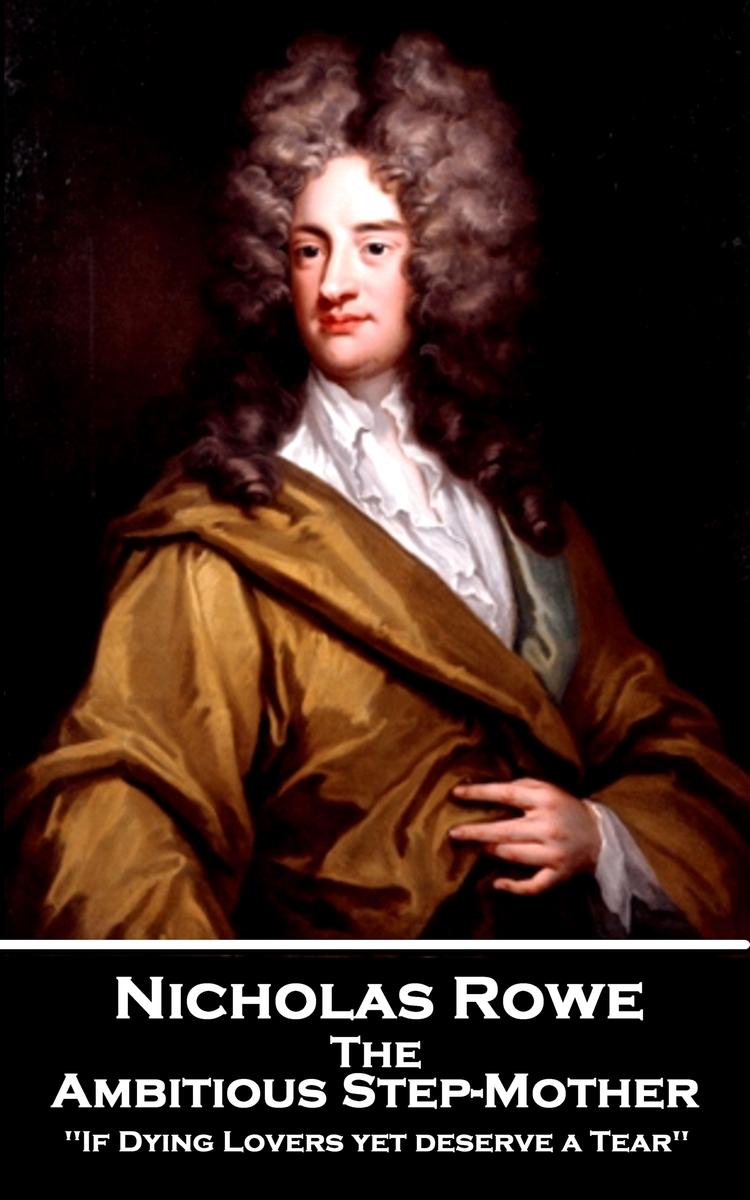
Ambitious Step-Mother
¥23.45
Nicholas Rowe was born in Little Barford, Bedfordshire, England, on June 20th, 1674. He was educated at Highgate School, and then at Westminster School under the tutelage of Dr. Busby.In 1688, Rowe became a King's Scholar, and then in 1691 gained entrance into Middle Temple. This was his father's decision (he was a barrister) who felt that his son had made sufficient progress to study law. While at Middle Temple, he decided that studying law was easier if seen as a system of rational government and impartial justice and not as a series of precedents, or collection of positive precepts.On his father's death, when he was nineteen, he became the master of a large estate and an independent fortune. His future path now was to ignore law and write poetry with a view to eventually writing plays.The Ambitious Stepmother, Rowe's first play, produced in 1700 at Lincoln's Inn Fields by Thomas Betterton and set in Persepolis, was well received. This was followed in 1701 by Tamerlane. In this play the conqueror Timur represented William III, and Louis XIV is denounced as Bajazet. It was for many years regularly acted on the anniversary of William's landing at Torbay. In 1704, he tried his hand at comedy, with The Biter at Lincoln's Inn Fields. The play is said to have amused no one except the author, and Rowe returned to tragedy in Ulysses (1706). For Johnson, this play was to share the fate of many such plays based on mythological heroes, as, "e;We have been too early acquainted with the poetical heroes to expect any pleasure from their revival"e;The Royal Convert (1707) dealt with the persecutions endured by Aribert, son of Hengist and the Christian maiden Ethelinda. The story was set in England in an obscure and barbarous age. Rodogune was a tragic character, of high spirit and violent passions, yet with a wicked with a soul that would have been heroic if it had been virtuous.Rowe is however well known for his work on Shakespeare's plays. He published the first 18th century edition of Shakespeare in six volumes in 1709. His practical knowledge of the stage helped him divide the plays into scenes and acts, with entrances and exits of the players noted. The spelling of names was normalized and each play prefixed with a dramatis personae. This 1709 edition was also the first to be illustrated, a frontispiece engraving being provided for each play. Unfortunately, Rowe based his text on the discredited Fourth Folio, a failing which many succeeding him also followed.Rowe also wrote a short biography of William Shakespeare, entitled, Some Account of the Life of Mr. William Shakespeare.In Dublin in 1712 a revival of his earlier play, Tamerlane, at a time when political passions were running high, the performance provoked a serious riot.The Tragedy of Jane Shore, played at Drury Lane with Mrs Oldfield in the title role in 1714. It ran for nineteen nights, and kept the stage longer than any other of Rowe's works. In the play, which consists chiefly of domestic scenes and private distress, the wife is forgiven because she repents, and the husband is honoured because he forgives.Whilst his plays met with little success at the time his poems were received extremely well. Although he was not prolific nor his output large the quality was high. With the accession to the throne of George I he was made a surveyor of customs, and then, in 1715, he succeeded Nahum Tate as poet laureate. It was the high point of his artistic life.He was also appointed clerk of the council to the Prince of Wales, and in 1718 was nominated by Lord Chancellor Parker as clerk of the presentations in Chancery. Nicholas Rowe died on December 6th, 1718, and was buried in Westminster Abbey.Rowe married first a daughter of a Mr Parsons and left a son John. By his second wife Anne, nee Devenish, he had a daughter Charlotte.

Forsythe Sage - Awakening & To Let - Beginnings are always messy.
¥46.99
John Galsworthy was born at Kingston Upon Thames in Surrey, England, on August 14th 1867 to a wealthy and well established family. His schooling was at Harrow and New College, Oxford before training as a barrister and being called to the bar in 1890. However, Law was not attractive to him and he travelled abroad becoming great friends with the novelist Joseph Conrad, then a first mate on a sailing ship. Galsworthy first published in 1897 with a collection of short stories entitled "e;The Four Winds"e;. For the next 7 years he published these and all works under his pen name John Sinjohn. It was only upon the death of his father and the publication of "e;The Island Pharisees"e; in 1904 that he published as John Galsworthy. His first play, The Silver Box in 1906 was a success and was followed by "e;The Man of Property"e; later that same year and was the first in the Forsyte trilogy. Whilst today he is far more well know as a Nobel Prize winning novelist then he was considered a playwright dealing with social issues and the class system. He is now far better known for his novels, particularly The Forsyte Saga, his trilogy about the eponymous family of the same name. These books, as with many of his other works, deal with social class, upper-middle class lives in particular. Although always sympathetic to his characters, he reveals their insular, snobbish, and somewhat greedy attitudes and suffocating moral codes. He is now viewed as one of the first from the Edwardian era to challenge some of the ideals of society depicted in the literature of Victorian England. He was appointed to the Order of Merit in 1929, after earlier turning down a knighthood, and awarded the Nobel Prize in 1932 though he was too ill to attend. John Galsworthy died from a brain tumour at his London home, Grove Lodge, Hampstead on January 31st 1933. In accordance with his will he was cremated at Woking with his ashes then being scattered over the South Downs from an aeroplane.
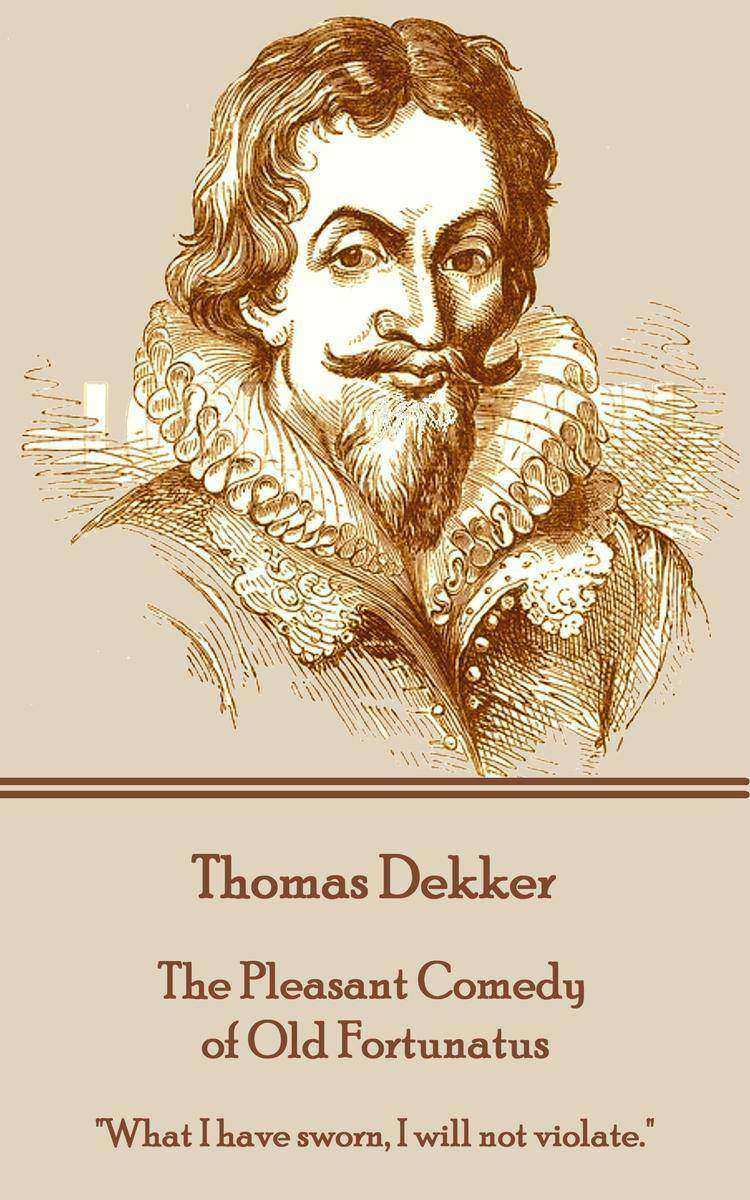
Pleasant Comedy of Old Fortunatus - What I have sworn, I will not violate.
¥26.98
Thomas Dekker was a playwright, pamphleteer and poet who, perhaps, deserves greater recognition than he has so far gained. Despite the fact only perhaps twenty of his plays were published, and fewer still survive, he was far more prolific than that. Born around 1572 his peak years were the mid 1590's to the 1620's - seven of which he spent in a debtor's prison. His works span the late Elizabethan and Caroline eras and his numerous collaborations with Ford, Middleton, Webster and Jonson say much about his work. His pamphlets detail much of the life in these times, times of great change, of plague and of course that great capital city London a swirling mass of people, power, intrigue.
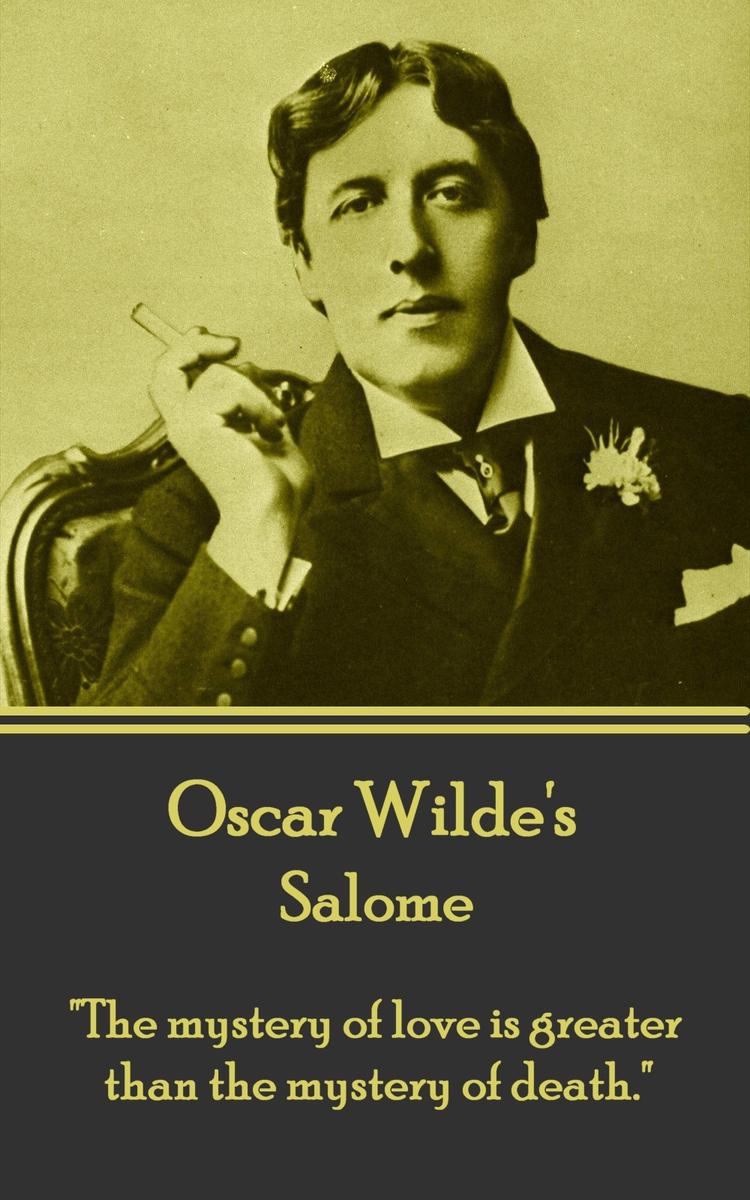
Salome - The mystery of love is greater than the mystery of death.
¥23.45
Oscar Fingal O'Flahertie Wills Wilde was born on the 16th October 1854 in Dublin Ireland. The son of Dublin intellectuals Oscar proved himself an outstanding classicist at Dublin, then at Oxford. With his education complete Wilde moved to London and its fashionable cultural and social circles. With his biting wit, flamboyant dress, and glittering conversation, Wilde became one of the most well-known personalities of his day. His only novel, The Picture of Dorian Gray was published in 1890 and he then moved on to writing for the stage with Salome in 1891. His society comedies produced enormous hits and turned him into one of the most successful writers of late Victorian London. Whilst his masterpiece, The Importance of Being Earnest, was on stage in London, Wilde had the Marquess of Queensberry, the father of his lover, Lord Alfred Douglas, prosecuted for libel. The trial unearthed evidence that caused Wilde to drop his charges and led to his own arrest and trial for gross indecency. He was convicted and imprisoned for two years' hard labour. It was to break him. On release he left for France, There he wrote his last work, The Ballad of Reading Gaol in 1898. He died destitute in Paris at the age of forty-six sipping champagne a friend had brought with the line 'Alas I am dying beyond my means'. Here we publish the infamous play 'Salome'. A work of great art that is now being accepted and placed where it rightfully belongs.

Fugitive - If you do not think about your future, you cannot have one.
¥29.33
John Galsworthy first published in 1897 with a collection of short stories entitled "e;The Four Winds"e;. For the next 7 years he published these and all works under his pen name John Sinjohn. It was only upon the death of his father and the publication of "e;The Island Pharisees"e; in 1904 that he published as John Galsworthy. His first play was The Silver Box, an immediate success when it debuted in 1906 and was followed by "e;The Man of Property"e; later that same year and was the first in the Forsyte trilogy. Whilst today he is far more well know as a Nobel Prize winning novelist then he was considered a playwright dealing with social issues and the class system. We publish here 'The Fugitive' a great example of both his writing and his demonstration of how the class system worked at the time. He was appointed to the Order of Merit in 1929, after earlier turning down a knighthood, and awarded the Nobel Prize in 1932 though he was too ill to attend. John Galsworthy died from a brain tumour at his London home, Grove Lodge, Hampstead on January 31st 1933. In accordance with his will he was cremated at Woking with his ashes then being scattered over the South Downs from an aeroplane.
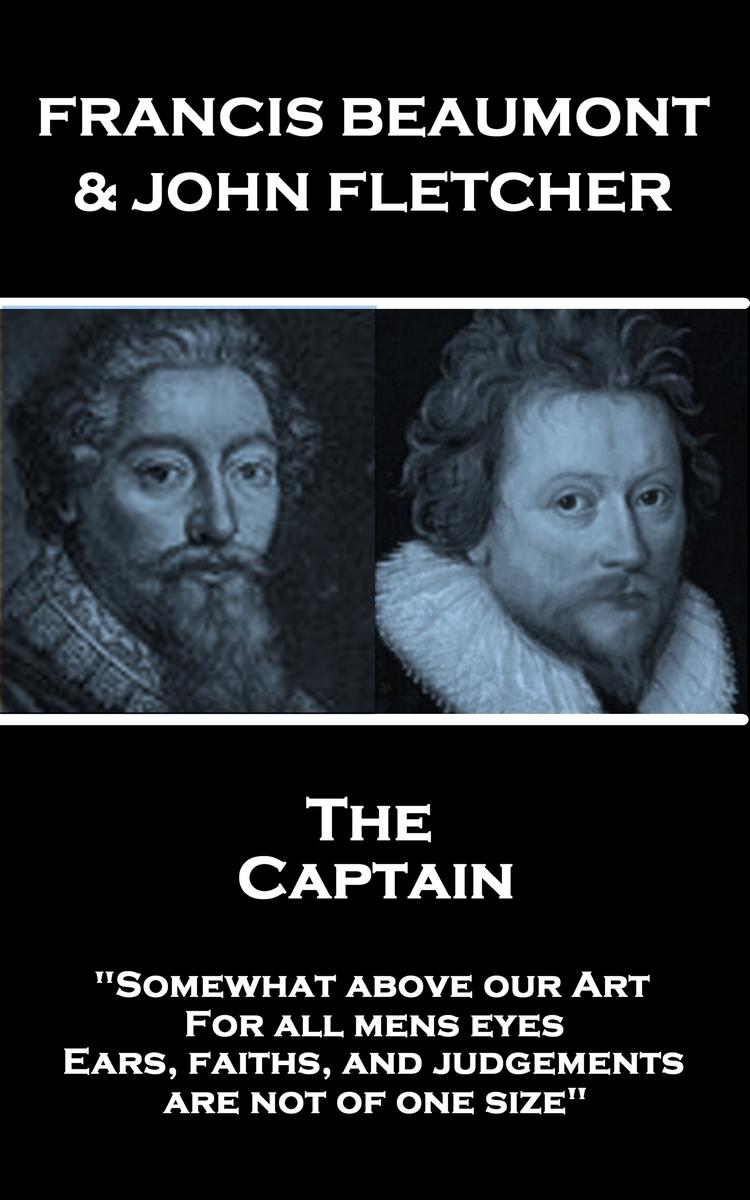
Captain - Somewhat above our Art
¥38.75
The English dramatists Francis Beaumont and John Fletcher, collaborated in their writing during the reign of James I of England (James VI of Scotland, 1567-1625; in England he reigned from 1603).Beaumont & Fletcher began to collaborate as writers soon after they met. After notable failures of their solo works their first joint effort, Philaster, was a success and tragicomedy was the genre they explored and built upon. There would be many further successes to follow.There is an account that at the time the two men shared everything. They lived together in a house on the Bankside in Southwark, "e;they also lived together in Bankside, sharing clothes and having one wench in the house between them."e; Or as another account puts it "e;sharing everything in the closest intimacy."e;Whatever the truth of this they were now recognised as perhaps the best writing team of their generation, so much so, that their joint names was applied to all the works in which either, or both, had a pen including those with Philip Massinger, James Shirley and Nathan Field.The first Beaumont and Fletcher folio of 1647 contained 35 plays; 53 plays were included in the second folio in 1679. Other works bring the total plays in the canon to about 55. However there appears here to have been some duplicity on the account of the publishers who seemed to attribute so many to the team. It is now thought that the work between solely by Beaumont and Fletcher amounts to approximately 15 plays, though of course further works by them were re-worked by others and the originals lost.After Beaumont's early death in 1616 Fletcher continued to write and, at his height was, by many standards, the equal of Shakespeare in popularity until his own death in 1625.
Henry V - Men of few words are the best men
¥11.67
The life of William Shakespeare, arguably the most significant figure in the Western literary canon, is relatively unknown. Shakespeare was born in Stratford-upon-Avon in 1565, possibly on the 23rd April, St. George's Day, and baptised there on 26th April. Little is known of his education and the first firm facts to his life relate to his marriage, aged 18, to Anne Hathaway, who was 26 and from the nearby village of Shottery. Anne gave birth to their first son six months later. Shakespeare's first play, The Comedy of Errors began a procession of real heavyweights that were to emanate from his pen in a career of just over twenty years in which 37 plays were written and his reputation forever established. This early skill was recognised by many and by 1594 the Lord Chamberlain's Men were performing his works. With the advantage of Shakespeare's progressive writing they rapidly became London's leading company of players, affording him more exposure and, following the death of Queen Elizabeth in 1603, a royal patent by the new king, James I, at which point they changed their name to the King's Men. By 1598, and despite efforts to pirate his work, Shakespeare's name was well known and had become a selling point in its own right on title pages. No plays are attributed to Shakespeare after 1613, and the last few plays he wrote before this time were in collaboration with other writers, one of whom is likely to be John Fletcher who succeeded him as the house playwright for the King's Men. William Shakespeare died two months later on April 23rd, 1616, survived by his wife, two daughters and a legacy of writing that none have since yet eclipsed.
Hecyra (The Mother-in-Law) - 'I am human and I think nothing of which is human i
¥26.98
Publius Terentius Afer is better known to us as the Roman playwright, Terence.Much of his life, especially the early part, is either unknown or has conflicting sources and accounts.His birth date is said to be either 185 BC or a decade earlier: 195 BC. His place of birth is variously listed as in, or, near Carthage, or, in Greek Italy to a woman taken to Carthage as a slave. It is suggested that he lived in the territory of the Libyan tribe that the Romans called Afri, near Carthage, before being brought to Rome as a slave. Probability suggests that it was there, in North Africa, several decades after the destruction of Carthage by the Romans in 146 BC, at the end of the Punic Wars, that Terence spent his early years.One reliable fact is that he was sold to P. Terentius Lucanus, a Roman senator, who had him educated and, impressed by his literary talents, freed him.These writing talents were to ensure his legacy as a playwright down through the millennia. His comedies, partially adapted from Greek plays of the late phases of Attic Comedy, were performed for the first time around 170-160 BC. All six of the plays he has known to have written have survived.Indeed, thanks to his simple conversational Latin, which was both entertaining and direct, Terence's works were heavily used by monasteries and convents during the Middle Ages and The Renaissance. Scribes often learned Latin through the copious copying of Terence's texts. Priests and nuns often learned to speak Latin through re-enactment of Terence's plays. Although his plays often dealt with pagan material, the quality and distinction of his language promoted the copying and preserving of his text by the church. This preservation enabled his work to influence a wide spectrum of later Western drama.When he was 25 (or 35 depending on which year of birth you ascribe too), Terence travelled to Greece but never returned. It has long been assumed that he died at some point during the journey.Of his own family nothing is known, except that he fathered a daughter and left a small but valuable estate just outside Rome.His most famous quotation reads: "e;Homo sum, humani nihil a me alienum puto"e;, or "e;I am human, and I think nothing human is alien to me."e;

Retribution
¥87.11
Steve Yarrow returns from war to discover that his hometown is no safer than a war zone. His family is marked for murder and he is the first on the hit list. The only escape lies in identifying the assailant and the motive before it is too late. He is assisted by DetectiveDana Morales. Together they must discover the identity of the assassin and the warped motive that drives hatred against the Yarrow family.
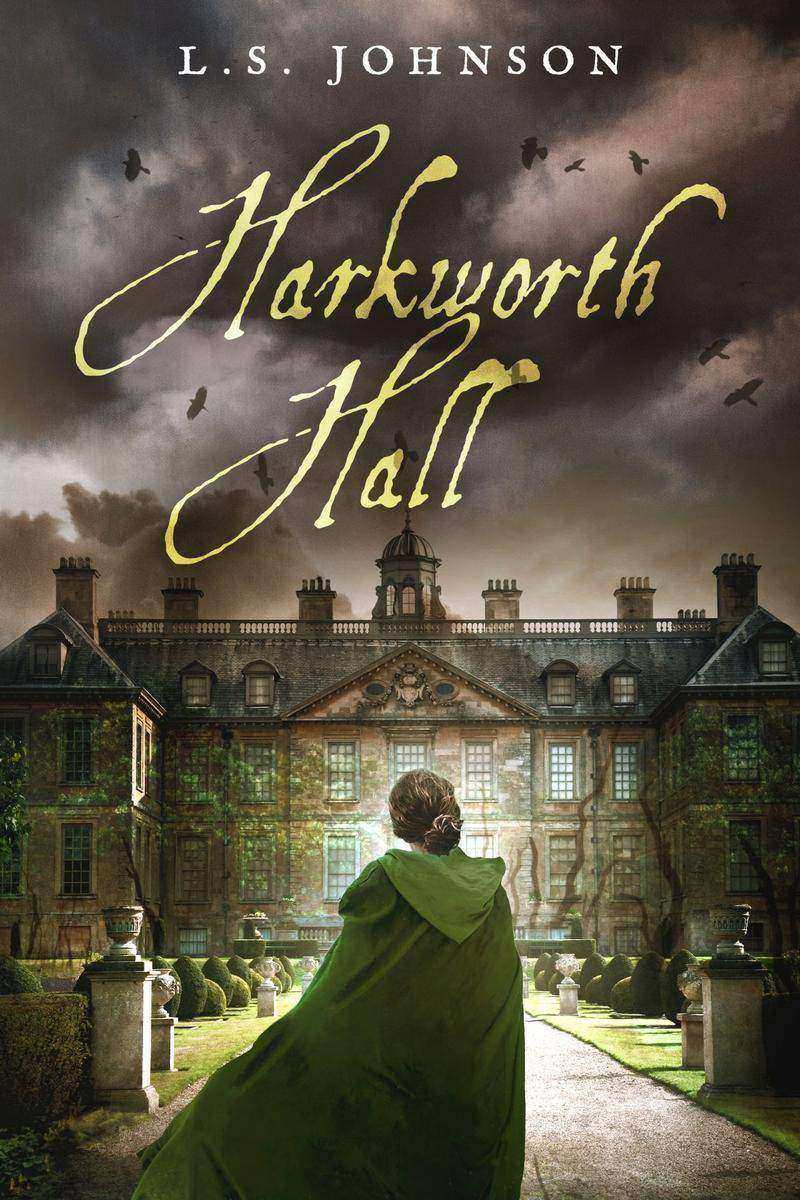
Harkworth Hall
¥26.07
Ask him about his wives. Caroline Daniels must marry, and marry well. But in her remote corner of England eligible suitors are few and far between, and none hold a candle to her closest friend, Diana Fitzroy. When Sir Edward Masterson arrives, he seems the answer to Caroline’s financial worries, though she instinctively dislikes the reticent, older merchant. Soon Sir Edward has set his sights on acquiring both Caroline and the decaying Harkworth Hall. Caroline’s future seems secure, save that Sir Edward’s enigmatic secretary hints at a dark secret, and Sir Edward shows an unusual interest in the nearby bay. To discover Sir Edward’s true purpose, Caroline will have to face the horror beneath Harkworth Hall—and the woman who will change her life.
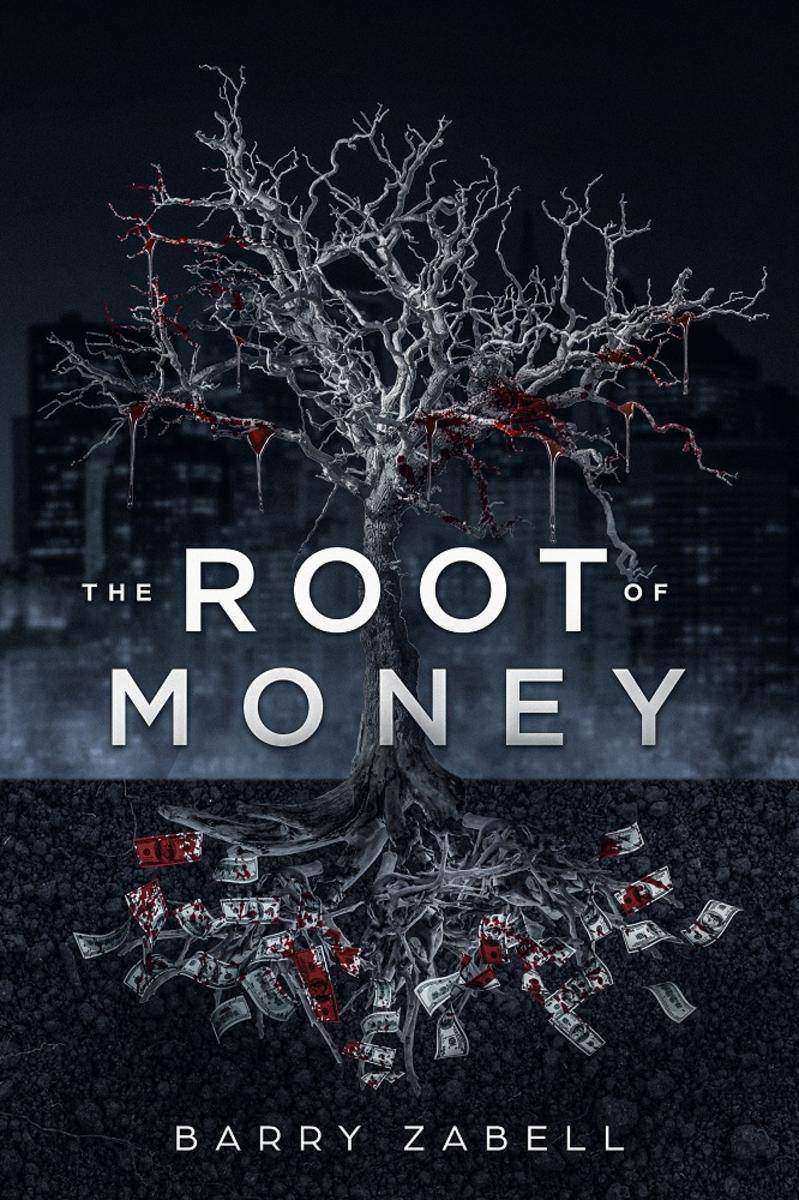
The Root of Money
¥60.95
Computer programmer and network security specialist, Tecumseh ‘Tek’ Carrier has been delving into matters he has been told do not concern him. Following abandonment by his family, Tek isolates himself in his son’s bedroom to spend long nights breaching his bank’s computer network, compiling money laundering information gathered from their database; enough information, he hopes, to make a difference before it is too late. ? From his estate in Lyons, France, Ahmed Al-Malmasi enjoys the finest vintages of the region and immersing himself in the history and culture of people he detests. Utilizing his great wealth, Al-Malmasi has launched a plot extending from Southeast Asia and the Spanish Riviera to the golden shores of the United States. While Al-Malmasi’s agents hasten to complete their mission, Tek battles bank corruption while struggling to reconnect with his family. ? Instigated by Tek’s revelation, American law enforcement race to identify the threat and prevent a disaster that will materialize directly in the path of Tek and his family.
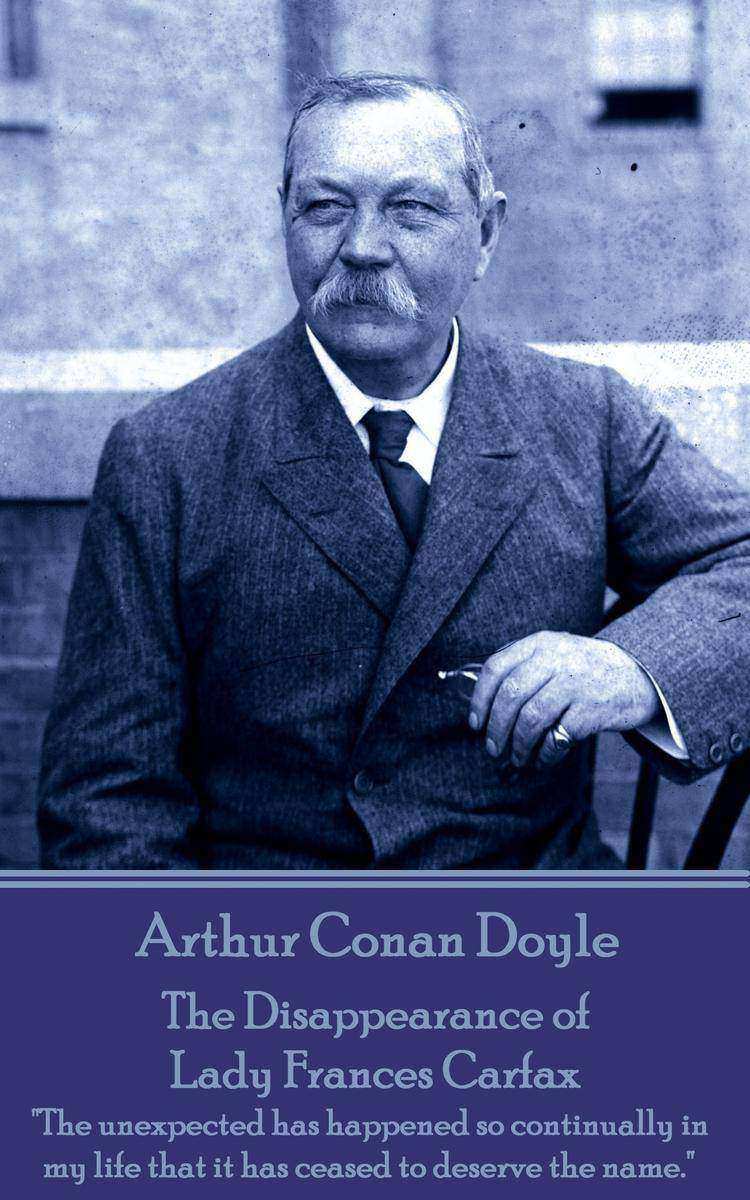
Disappearance of Lady Frances Carfax
¥14.03
If ever a writer needed an introduction Arthur Conan Doyle would not be considered that man. After all, Sherlock Holmes is perhaps the foremost literary detective of any age. Add to this canon his stories of science fiction and his poems, his historical novels, his plays, his political campaigning, his efforts in establishing a Court of Appeal and there is little room for anything else. Except he was also an exceptional writer of short stories of the horrific and macabre. Something very different from what you might expect. Born in Arthur Conan Doyle was born on 22 May 1859 at 11 Picardy Place, Edinburgh, Scotland. From 1876 - 1881 he studied medicine at the University of Edinburgh following which he was employed as a doctor on the Greenland whaler Hope of Peterhead in 1880 and, after his graduation, as a ship's surgeon on the SS Mayumba during a voyage to the West African coast in 1881. Arriving in Portsmouth in June of that year with less than GBP10 (GBP700 today) to his name, he set up a medical practice at 1 Bush Villas in Elm Grove, Southsea. The practice was initially not very successful. While waiting for patients, Conan Doyle again began writing stories and composed his first novel The Mystery of Cloomber. Although he continued to study and practice medicine his career was now firmly set as a writer. And thereafter great works continued to pour out of him.
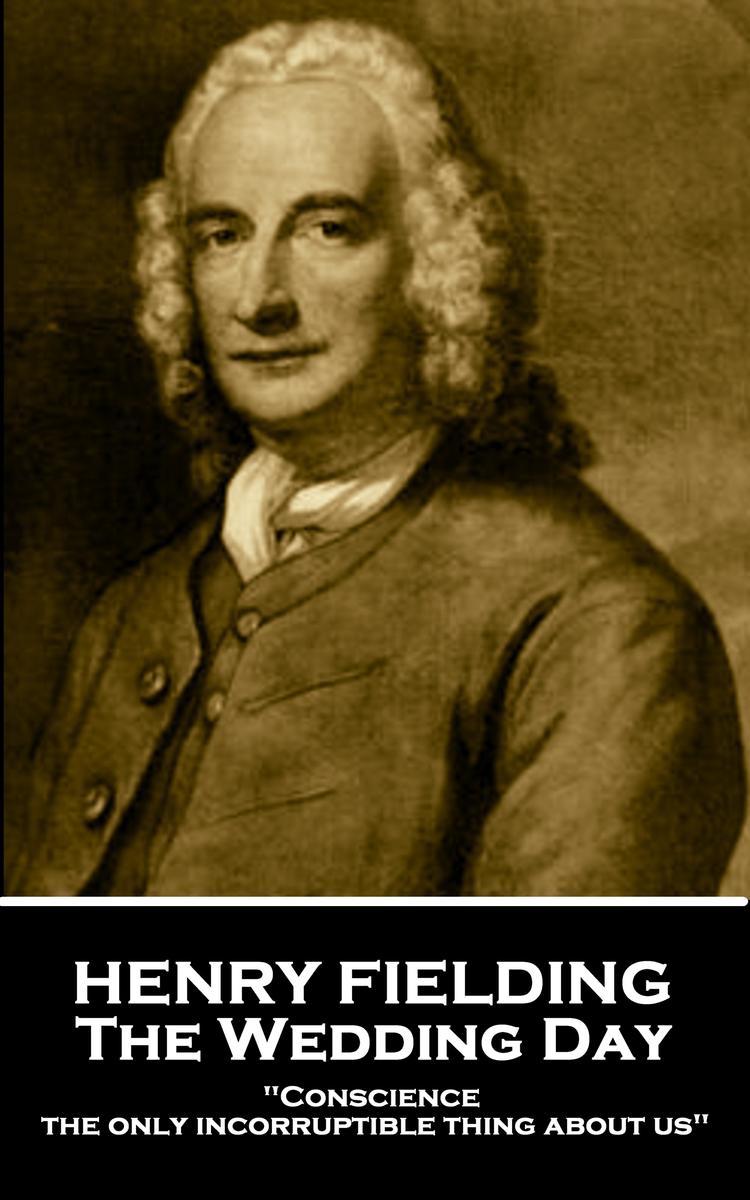
Wedding Day - Conscience - the only incorruptible thing about us
¥14.03
Henry Fielding was born at Sharpham Park, near Glastonbury, in Somerset on April 22nd 1707. His early years were spent on his parents' farm in Dorset before being educated at Eton.An early romance ended disastrously and with it his removal to London and the beginnings of a glittering literary career; he published his first play, at age 21, in 1728.He was prolific, sometimes writing six plays a year, but he did like to poke fun at the authorities. His plays were thought to be the final straw for the authorities in their attempts to bring in a new law. In 1737 The Theatrical Licensing Act was passed. At a stroke political satire was almost impossible. Fielding was rendered mute. Any playwright who was viewed with suspicion by the Government now found an audience difficult to find and therefore Theatre owners now toed the Government line.Fielding was practical with the circumstances and ironically stopped writing to once again take up his career in the practice of law and became a barrister after studying at Middle Temple. By this time he had married Charlotte Craddock, his first wife, and they would go on to have five children. Charlotte died in 1744 but was immortalised as the heroine in both Tom Jones and Amelia.Fielding was put out by the success of Samuel Richardson's Pamela, or Virtue Rewarded. His reaction was to spur him into writing a novel. In 1741 his first novel was published; the successful Shamela, an anonymous parody of Richardson's novel.Undoubtedly the masterpiece of Fielding's career was the novel Tom Jones, published in 1749. It is a wonderfully and carefully constructed picaresque novel following the convoluted and hilarious tale of how a foundling came into a fortune.Fielding was a consistent anti-Jacobite and a keen supporter of the Church of England. This led to him now being richly rewarded with the position of London's Chief Magistrate. Fielding continued to write and his career both literary and professional continued to climb.In 1749 he joined with his younger half-brother John, to help found what was the nascent forerunner to a London police force, the Bow Street Runners. Fielding's ardent commitment to the cause of justice in the 1750s unfortunately coincided with a rapid deterioration in his health. Such was his decline that in the summer of 1754 he travelled, with Mary and his daughter, to Portugal in search of a cure. Gout, asthma, dropsy and other afflictions forced him to use crutches. His health continued to fail alarmingly.Henry Fielding died in Lisbon two months later on October 8th, 1754.
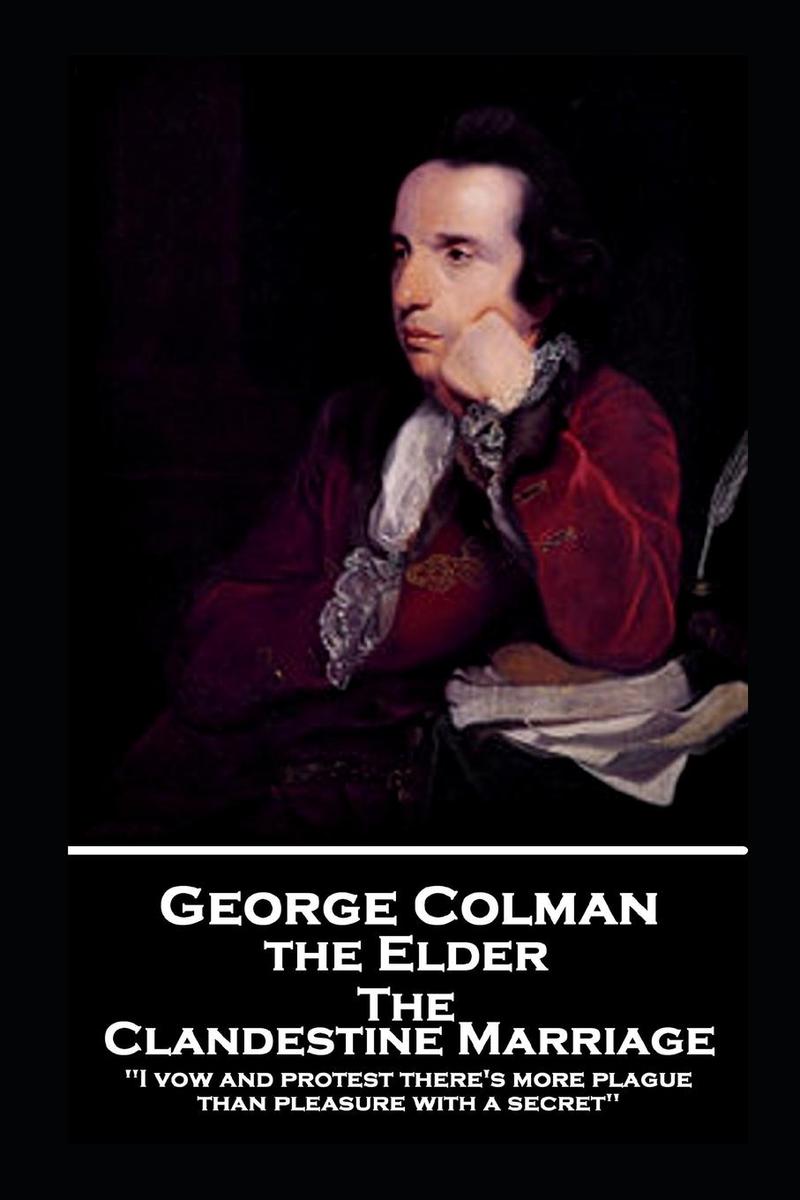
Clandestine Marriage - 'I vow and protest there's more plague than pleasure with
¥14.03
George Colman was born in Florence, Italy, in April 1732, where his father was stationed as British Resident Minister to the court of the Grand duke of Tuscany. Before his first birthday Colman's father had died and his well-being was now in the hands of his Father's sister and her husband, William Pulteney, the later Lord BathColman initially attended a private school in Marylebone before being sent to the exclusive Westminster School.From there Colman went to Christ Church, Oxford. Whilst there he met Bonnell Thornton, the parodist, and together they founded 'The Connoisseur' periodical (1754-1756), which ran for 140 editions. After taking his degree in 1755 Colman left Oxford and entered Lincoln's Inn. He was called to the bar in 1757. Despite a friendship forming with David Garrick and the promise of a literary career Colman decided that out of respect for Lord Bath he would continue to also practice law.In 1760, Colman produced his first play, 'Polly Honeycomb'. It was a great success. The following year, 1761, he followed up with 'The Jealous Wife', a comedy partly founded on Henry Fielding's 'Tom Jones'. It made Colman famous. On 21st October 1762 his son, George Colman the Younger, was born. He too would follow in his fathers' footsteps in education and career.In 1764 with the death of Lord Bath and a substantial inheritance Colman was now financially secure and could also stop his law career to work solely on literature.In 1765, his metrical translation of the six plays of Terence was published. The following year, 1766, in partnership with David Garrick, came another success: 'The Clandestine Marriage'. The only blot was when Colman quarreled with Garrick's refusal to take the part of Lord Ogleby. With the arrival of 1767 Colman decided to expand his interests by acquiring a quarter share in the Covent Garden Theatre. When his play 'The Oxonian in Town' was performed there on 9th November that year a riot ensued, apparently sparked by a claque of card-sharpers.Colman was elected to the Literary Club, in 1768, then nominally consisting of twelve members. In 1771 Thomas Arne's masque 'The Fairy Prince' premiered at Covent Garden, for which Colman wrote the libretto.His instincts as a theatrical impresario were sound. As well as part-owner he was also the acting manager of Covent Garden for seven years during which he produced several 'adapted' plays of Shakespeare. He also directed the premiere of 'She Stoops to Conquer' in 1773. In 1774 he sold to James Leake his share of Covent Garden, which had involved him in much litigation with his partners, and three years later, in 1777, he purchased the little theatre in the Haymarket from Samuel Foote.George Colman suffered badly from attacks of paralysis in 1785 and his health became both failing and a burden. By 1789 his brain had become affected, and he died on 14th August 1794. He was buried in Kensington Church.
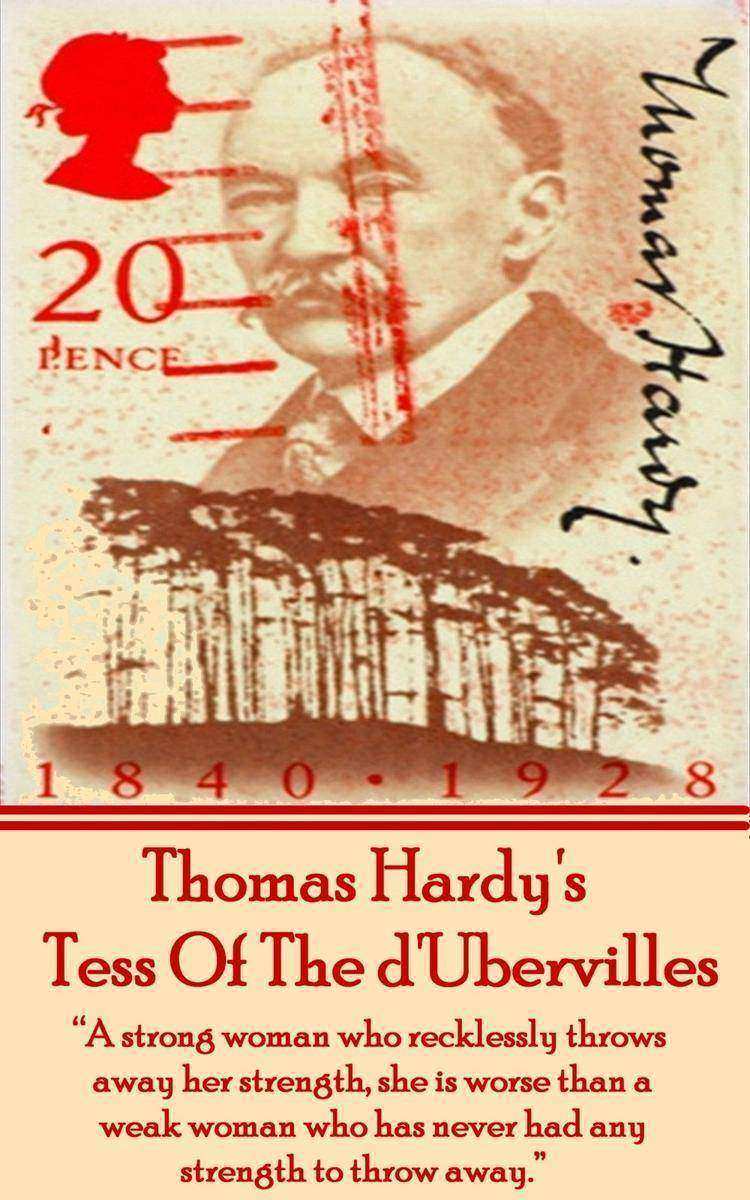
Tess Of The d'Ubervilles
¥35.22
Thomas Hardy (2nd June 1840 - 11th January 1928), celebrated poet and writer, was born in a modest thatched cottage near Dorchester in the West Country, to a builder father. His mother came from a line of intelligent, lively and ambitious women so ensured her son had the best formal education available for their modest means although this ended when he was 16. He became a draughtsman specialising in the building of churches was able to give it up to be a full time writer and poet with the publication of Far From the Madding Crown which became a bestseller and like much of his work was serialised. His writing reflects his passionate beliefs for social reform and exposes the hypocrisy of the rules of the Victorian age which constrained many freedoms with convention and restricted the transcending of class boundaries. His novels are almost entirely set in rural Wessex which although fictional is clearly rooted in the SW counties of England where he was born and lived most of his life. Hardy's writing caused controversy in his lifetime but despite this he was highly praised and showered with doctorates from many universities, and a knighthood, which he refused. Tess Of The D'Urbervilles, wolud be a major work by any hand and shows why such praise and accolades were given.


