


 购物车
购物车 个人中心
个人中心
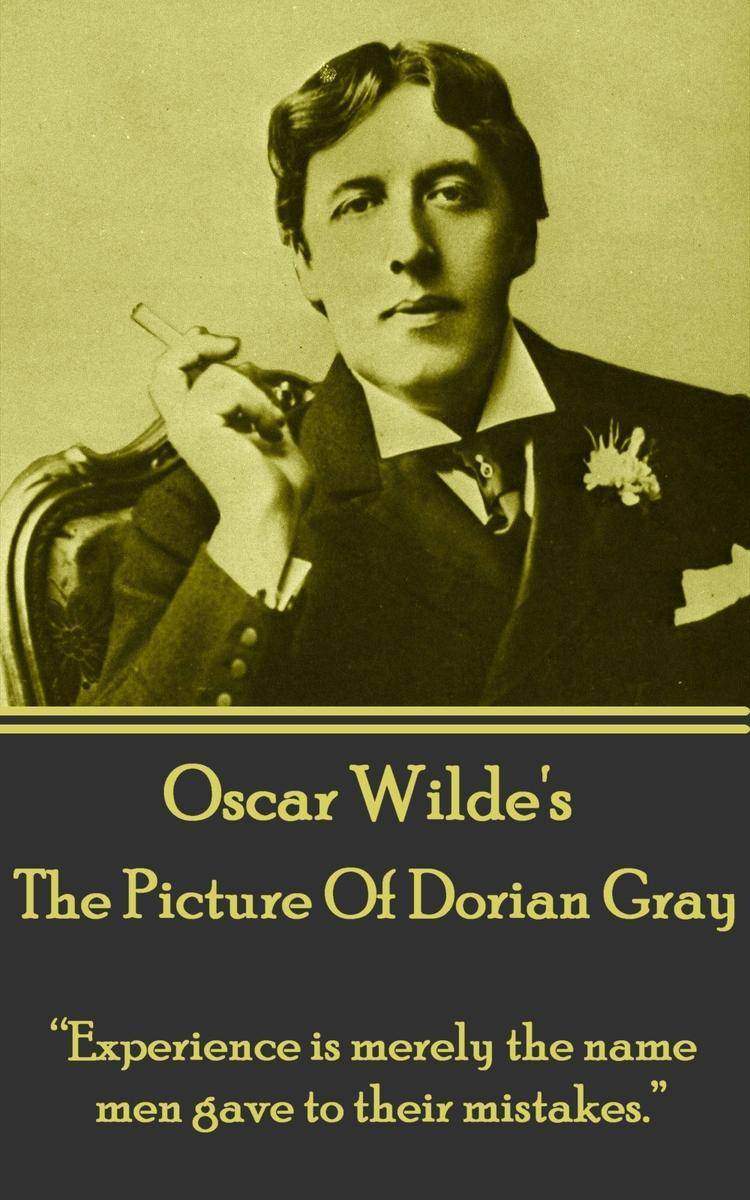
Picture Of Dorian Gray - Experience is merely the name men gave to their mistake
¥26.98
Oscar Fingal O'Flahertie Wills Wilde was born on the 16th October 1854 in Dublin Ireland. The son of Dublin intellectuals Oscar proved himself an outstanding classicist at Dublin, then at Oxford. With his education complete Wilde moved to London and its fashionable cultural and social circles. With his biting wit, flamboyant dress, and glittering conversation, Wilde became one of the most well-known personalities of his day. His only novel, The Picture of Dorian Gray was published in 1890 and he then moved on to writing for the stage with Salome in 1891. His society comedies produced enormous hits and turned him into one of the most successful writers of late Victorian London. Whilst his masterpiece, The Importance of Being Earnest, was on stage in London, Wilde had the Marquess of Queensberry, the father of his lover, Lord Alfred Douglas, prosecuted for libel. The trial unearthed evidence that caused Wilde to drop his charges and led to his own arrest and trial for gross indecency. He was convicted and imprisoned for two years' hard labour. It was to break him. On release he left for France, There he wrote his last work, The Ballad of Reading Gaol in 1898. He died destitute in Paris at the age of forty-six sipping champagne a friend had brought with the line 'Alas I am dying beyond my means'. And here indeed is that master work The Picture Of Dorian Gray. Compelling, diabolical and at the time it caused great outrage. But as we know the pen of Oscar Wilde leads us where many others fear to go.
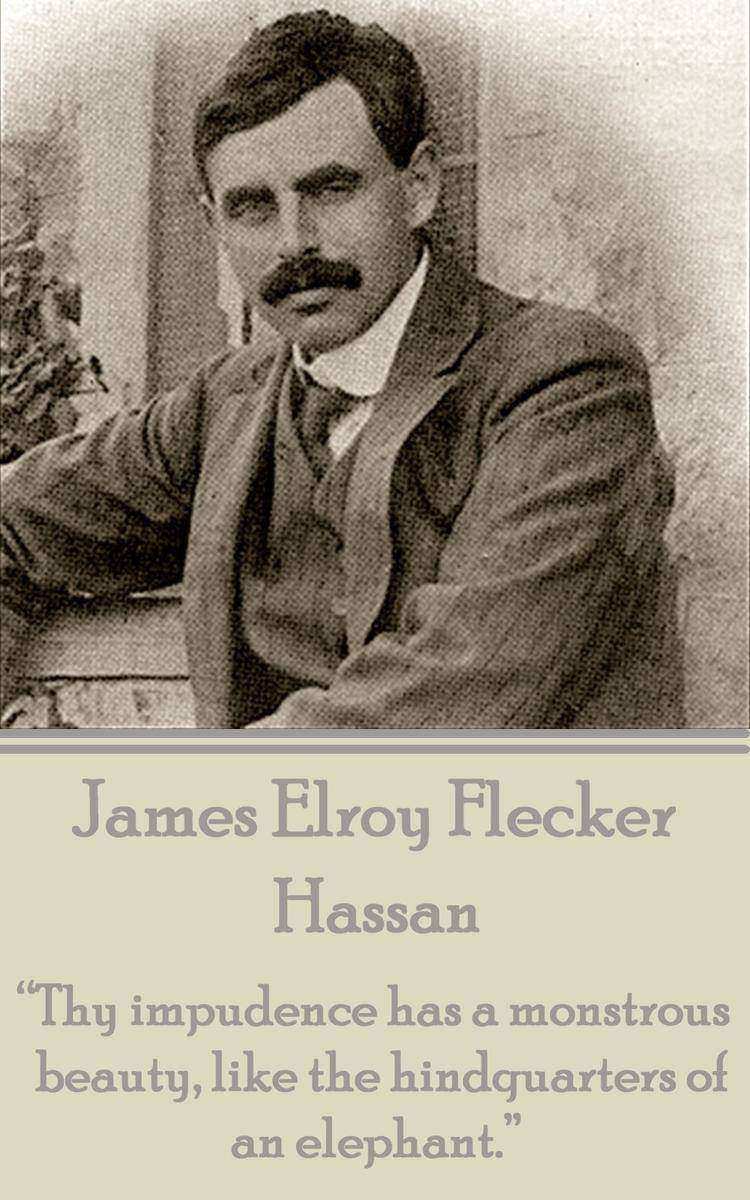
Hassan - Thy impudence has a monstrous beauty, like the hindquarters of an eleph
¥21.09
James Elroy Flecker was born on November 5th 1884 in London. He was educated at Dean Close School, Cheltenham, where his father was headmaster, and Uppingham School then on to Trinity College, Oxford, and Caius College, Cambridge. At Oxford he was much influenced by the vestiges of the Aesthetic movement there. In 1910 he was in the consular service, in the Eastern Mediterranean. On a ship to Athens he met Helle Skiadaressi and married her in 1911. Perhaps his best known work is "e;To A Poet A Thousand Years Hence"e;. Here we publish his five act play Hassan The Story Of Hassan Of Bagdad And How He Came To Make The Golden Journey To Samarkand. Tragically James was to die at age 30 on January 3rd 1915, in Davos, Switzerland of tuberculosis. An immense loss to English Poetry - he had already been measured against the work of Keats.
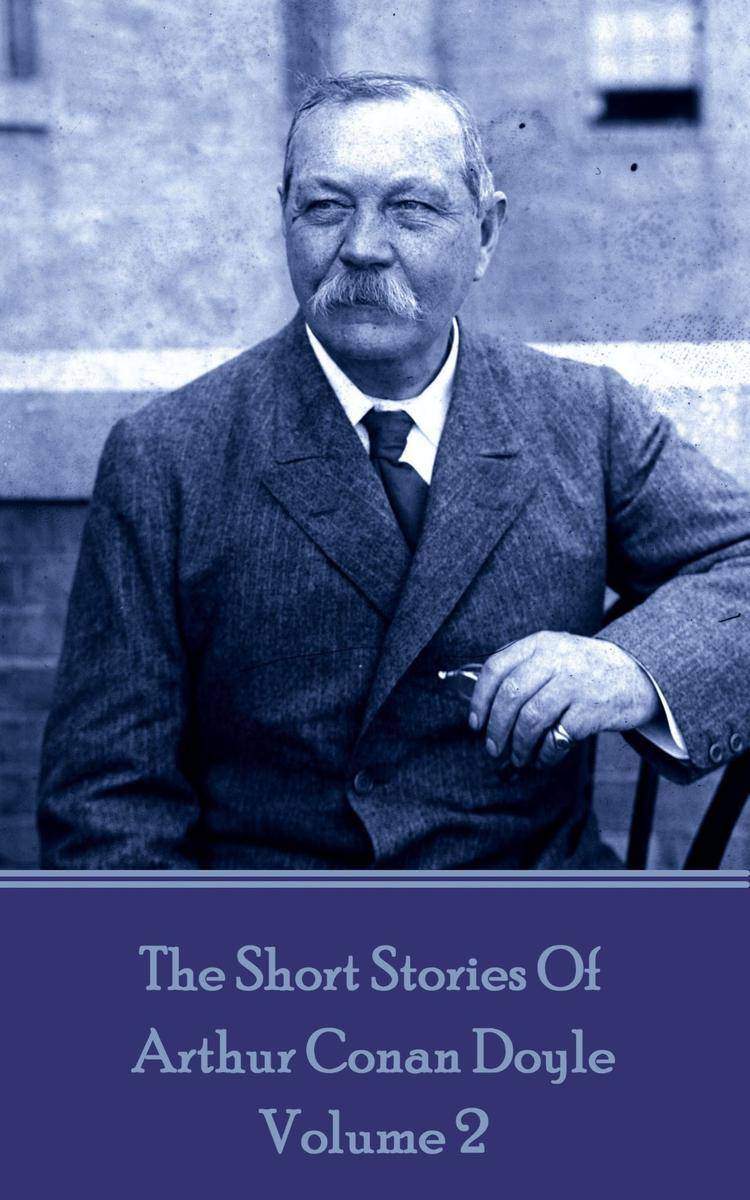
Short Stories Of Sir Arthur Conan Doyle - Volume 2
¥21.09
The short story is often viewed as an inferior relation to the Novel. But it is an art in itself. To take a story and distil its essence into fewer pages while keeping character and plot rounded and driven is not an easy task. Many try and many fail. In this series we look at short stories from many of our most accomplished writers. Miniature masterpieces with a lot to say. In this volume we examine some of the short stories of Arthur Conan Doyle. If ever a writer needed an introduction Arthur Conan Doyle would not be considered that man. After all, Sherlock Holmes is perhaps the foremost literary detective of any age. Add to this canon his stories of science fiction and his poems, his historical novels, his political campaigning, his efforts in establishing a Court Of Appeal and there is little room for anything else. Except he was also an exceptional writer of short stories of the horrific and macabre. Something very different from what you might expect. Born in Arthur Conan Doyle was born on 22 May 1859 at 11 Picardy Place, Edinburgh, Scotland. From 1876 - 1881 he studied medicine at the University of Edinburgh following which he was employed as a doctor on the Greenland whaler Hope of Peterhead in 1880 and, after his graduation, as a ship's surgeon on the SS Mayumba during a voyage to the West African coast in 1881. Arriving in Portsmouth in June of that year with less than GBP10 (GBP700 today[13]) to his name, he set up a medical practice at 1 Bush Villas in Elm Grove, Southsea. The practice was initially not very successful. While waiting for patients, Conan Doyle again began writing stories and composed his first novel The Mystery of Cloomber. Although he continued to study and practice medicine his career was now firmly set as a writer. And thereafter great works continued to pour out of him. Many of these stories are also available as an audiobook from our sister company Word Of Mouth. Many samples are at our youtube channel http://www.youtube.com/user/PortablePoetry?feature=mhee The full volume can be purchased from iTunes, Amazon and other digital stores.
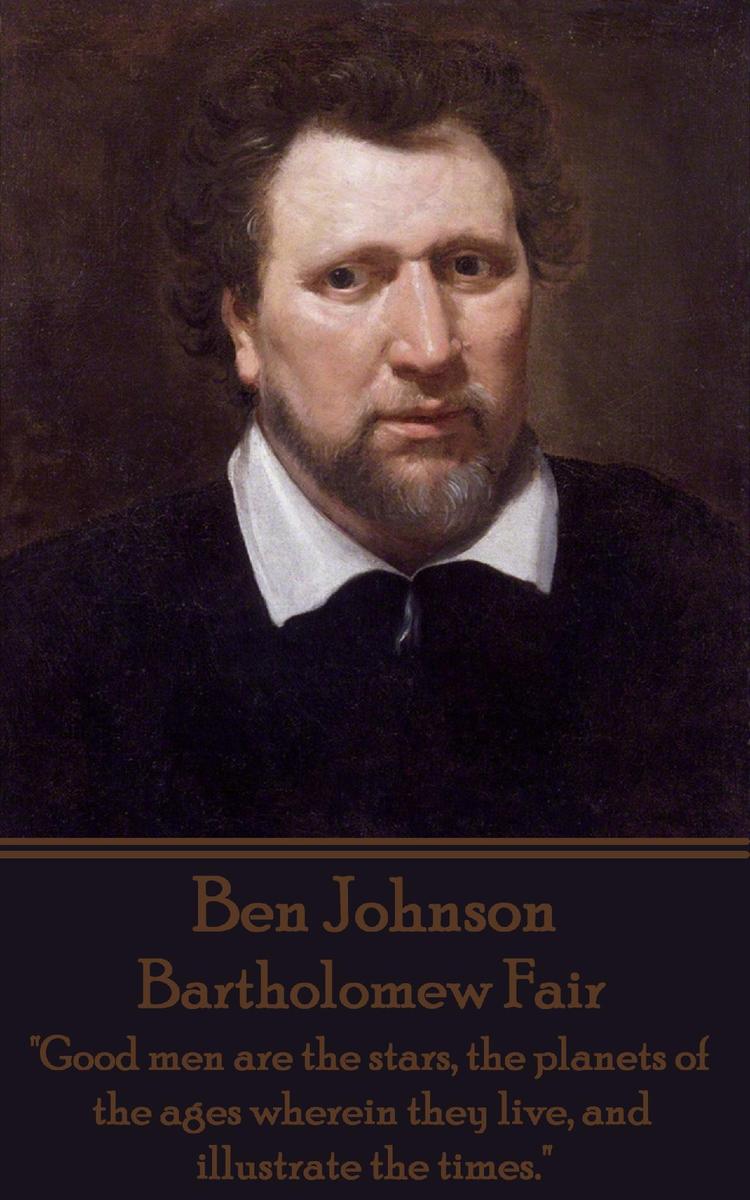
Bartholomew Fair - Good men are the stars, the planets of the ages wherein they
¥35.22
Benjamin "e;Ben"e; Jonson was born in June, 1572. A contemporary of William Shakespeare, he is best known for his satirical plays; Volpone, The Alchemist, and Bartholomew Fair, and his equally accomplished lyric poems. A man of vast reading and a seemingly insatiable appetite for controversy, including time in jail and a penchant for switching faiths, Jonson had an unparalleled breadth of influence on Jacobean and Caroline playwrights and poets. In 1616 Jonson was appointed by King James I to receive a yearly pension of GBP60 to become what is recognised as the first official Poet Laureate. He died on the 6th of August, 1637 at Westminster and is buried in the north aisle of the nave at Westminster Abbey. A master of both playwriting and poetry his reputation continues to endure and reach a new audience with each succeeding generation.
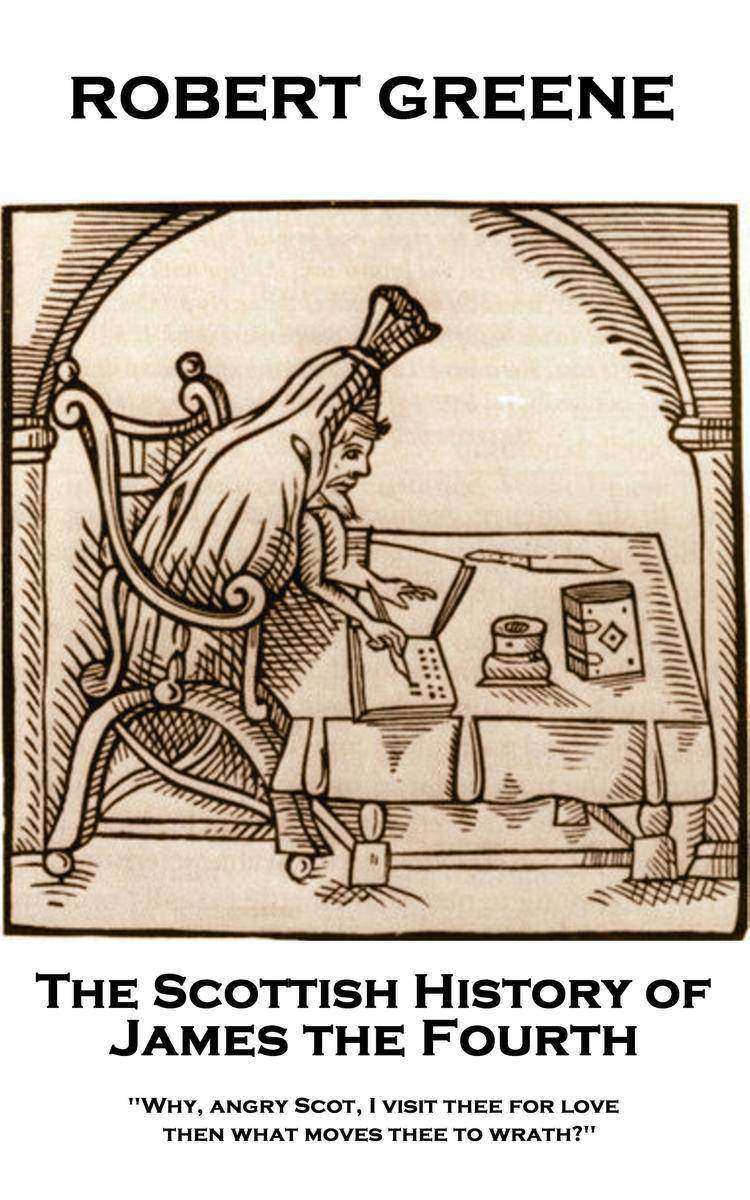
Scottish History of James the Fourth
¥15.21
Robert Greene was, by the best accounts available, born in Norwich in 1558 and baptised on July 11th.Greene is believed to have been a pupil at Norwich Grammar School and then attended Cambridge receiving his B.A. in 1580, and an M.A. in 1583. He then moved to London and began an extraordinary chapter in his life as a widely published author. His literary career began with the publication of the long romance, 'Mamillia', (1580). Greene's romances were written in a highly wrought style which reached its peak in 'Pandosto' (1588) and 'Menaphon' (1589). Short poems and songs incorporated in some of the romances attest to his ability as a lyric poet. In 1588, he was granted an MA from Oxford University, almost certainly as a courtesy degree. Thereafter he sometimes placed the phrase Utruisq. Academiae in Artibus Magister', "e;Master of Arts in both Universities"e; on the title page of his works.The lack of records hinders any complete biography of Greene but he did write an autobiography of sorts, but where the balance lies between facts and artistic licence is not clearly drawn. According to that autobiography 'The Repentance of Robert Greene', Greene is alleged to have written 'A Groatsworth of Wit Bought with a Million of Repentance' during the month prior to his death, including in it a letter to his wife asking her to forgive him and stating that he was sending their son back to her. His output was prolific. Between 1583 and 1592, he published more than twenty-five works in prose, becoming one of the first authors in England to support himself with his pen in an era when professional authorship was virtually unknown.In his 'coney-catching' pamphlets, Greene fashioned himself into a well-known public figure, narrating colourful inside stories of rakes and rascals duping young gentlemen and solid citizens out of their hard-earned money. These stories, told from the perspective of a repentant former rascal, have been considered autobiographical, and to incorporate many facts of Greene's own life thinly veiled as fiction. However, the alternate account suggests that Greene invented almost everything, merely displaying his undoubted skills as a writer.In addition to his prose works, Greene also wrote several plays, none of them published in his lifetime, including 'The Scottish History of James IV', 'Alphonsus', and his greatest popular success, 'Friar Bacon and Friar Bungay', as well as 'Orlando Furioso', based on Ludovico Ariosto's Orlando Furioso.His plays earned himself the title as one of the 'University Wits', a group that included George Peele, Thomas Nashe, and Christopher Marlowe.Robert Greene died 3rd September 1592.
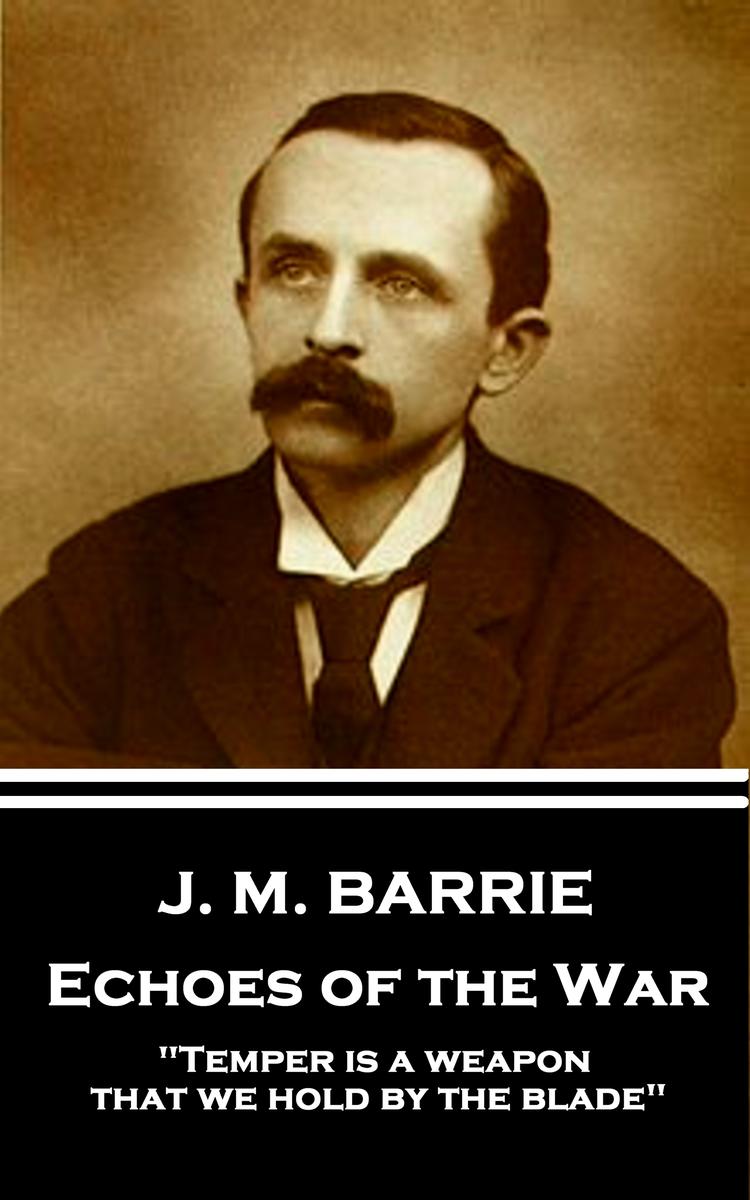
Echoes of the War - Temper is a weapon that we hold by the blade
¥16.38
Sir James Matthew Barrie, 1st Baronet, OM, was born in Kirriemuir, Angus the ninth of ten children on May 9th, 1860. From early formative experiences, Barrie knew that he wished to follow a career as an author. His family wished otherwise and sought to persuade him to choose a profession, such as the ministry. The compromise was that he would attend university to study literature at the University of Edinburgh. He graduated with an M.A. on April 21st, 1882. His first job was as a staff journalist for the Nottingham Journal. The London editor of the St. James's Gazette "e;liked that Scotch thing"e; in Barrie's short stories about his mother's early life. They also served as the basis for his first novels. Barrie though was increasingly drawn to working in the theatre. His first play, a biography of Richard Savage, was only performed once and critically panned. Undaunted he immediately followed this with Ibsen's Ghost in 1891, a parody of Ibsen's plays Hedda Gabler and Ghosts. Barrie's third play, Walker, London, in 1892 led to an introduction to his future wife, a young actress by the name of Mary Ansell. The two became friends, and she helped his family to care for him when he fell very ill in 1893 and 1894. Barrie proposed and they were married, in Kirriemuir, on July 9th, 1894. By some accounts the relationship was unconsummated and indeed the couple had no children. The story of Peter Pan had begun to formulate when Barrie became acquainted with the Llewelyn Davis family in 1897, meeting George, Jack and baby Peter with their nanny in London's Kensington Gardens. In 1901 and 1902, Barrie had back-to-back theatre successes with Quality Street and The Admirable Crichton. The character of "e;Peter Pan"e; first appeared in The Little White Bird in 1902. This most famous and enduring of his works; Peter Pan, or The Boy Who Wouldn't Grow Up had its first stage performance on December 27th, 1904. Peter Pan would overshadow everything written during his career. He continued to write for the rest of his life contributing many other fine and important works. Sir James Matthew Barrie, 1st Baronet, OM, died of pneumonia on June 19th,1937 and was buried at Kirriemuir next to his parents and two of his siblings.
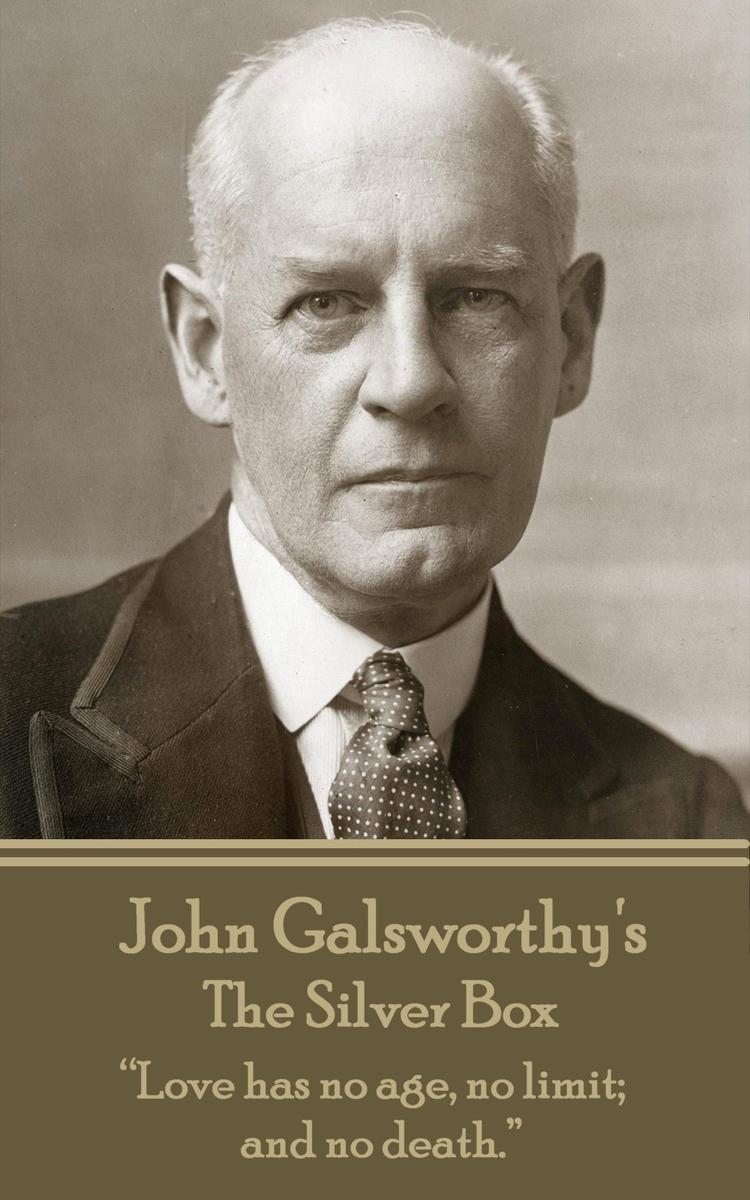
Silver Box - Love has no age, no limit; and no death.
¥29.33
John Galsworthy first published in 1897 with a collection of short stories entitled "e;The Four Winds"e;. For the next 7 years he published these and all works under his pen name John Sinjohn. It was only upon the death of his father and the publication of "e;The Island Pharisees"e; in 1904 that he published as John Galsworthy. His first play, which we publish here, was The Silver Box, an immediate success when it debuted in 1906 and was followed by "e;The Man of Property"e; later that same year and was the first in the Forsyte trilogy. Whilst today he is far more well know as a Nobel Prize winning novelist then he was considered a playwright dealing with social issues and the class system. He was appointed to the Order of Merit in 1929, after earlier turning down a knighthood, and awarded the Nobel Prize in 1932 though he was too ill to attend. John Galsworthy died from a brain tumour at his London home, Grove Lodge, Hampstead on January 31st 1933. In accordance with his will he was cremated at Woking with his ashes then being scattered over the South Downs from an aeroplane.
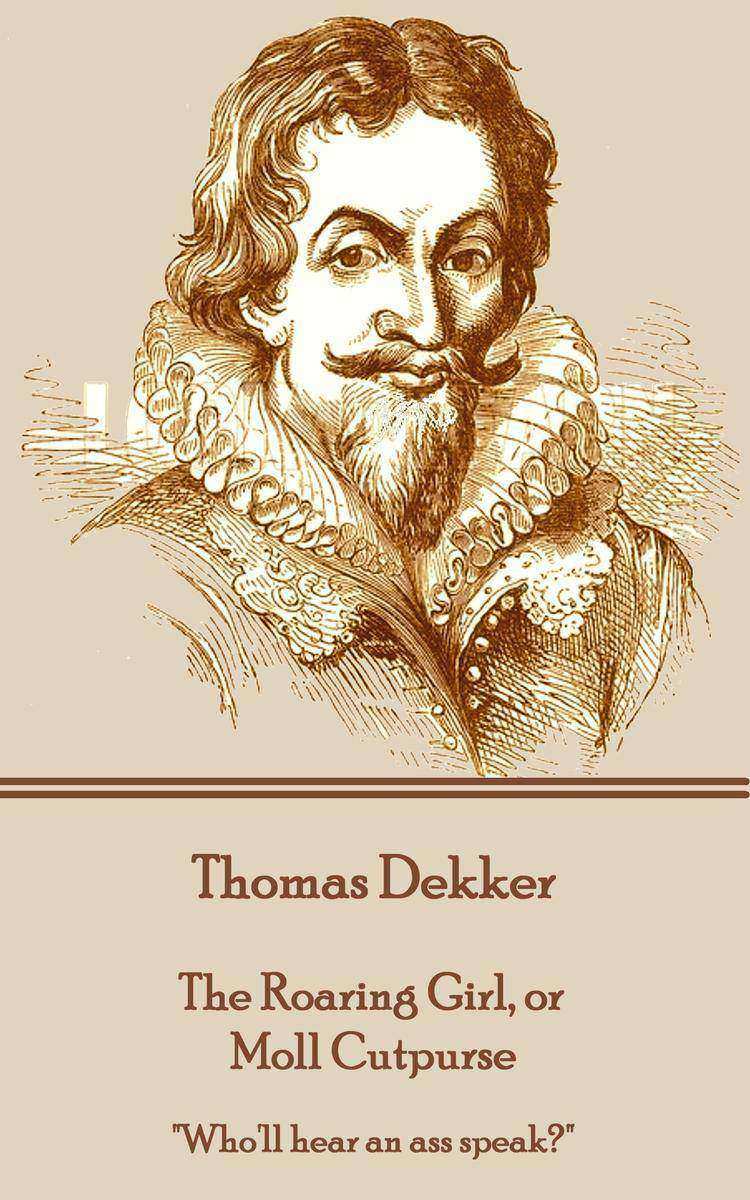
Roaring Girl, or Moll Cutpurse - Who'll hear an ass speak?
¥26.98
Thomas Dekker was a playwright, pamphleteer and poet who, perhaps, deserves greater recognition than he has so far gained. Despite the fact only perhaps twenty of his plays were published, and fewer still survive, he was far more prolific than that. Born around 1572 his peak years were the mid 1590's to the 1620's - seven of which he spent in a debtor's prison. His works span the late Elizabethan and Caroline eras and his numerous collaborations with Ford, Middleton, Webster and Jonson say much about his work. His pamphlets detail much of the life in these times, times of great change, of plague and of course that great capital city London a swirling mass of people, power, intrigue.
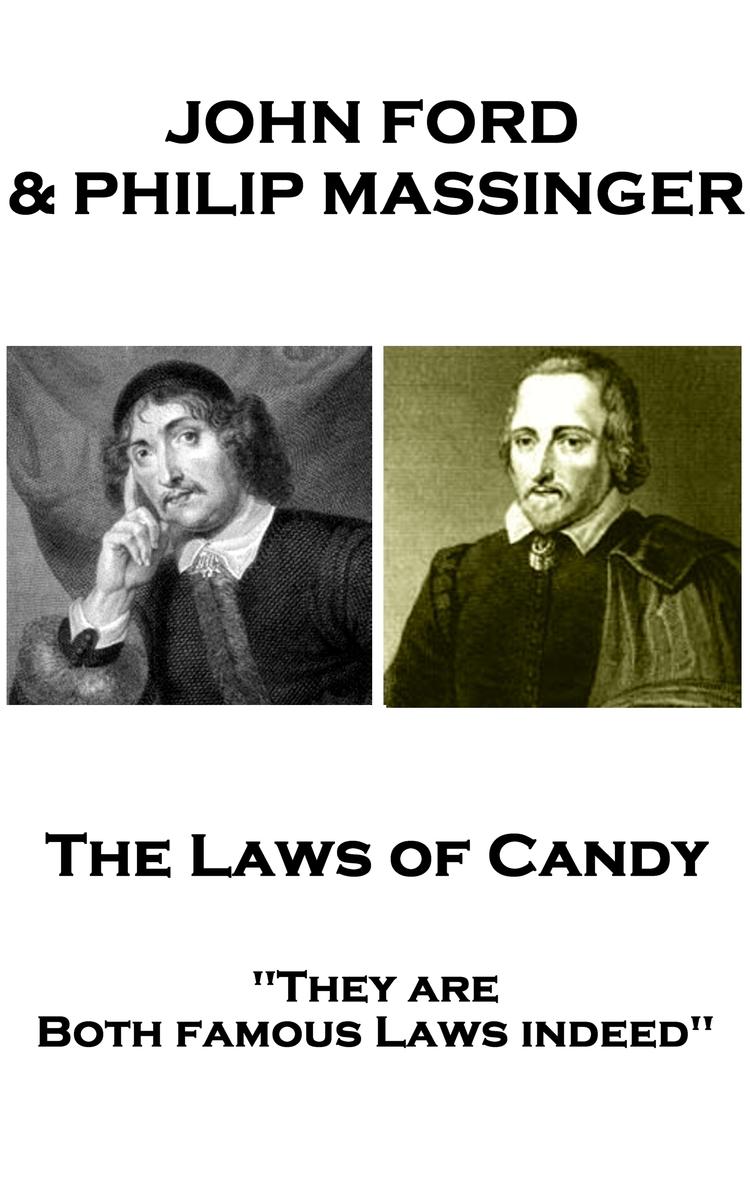
Laws of Candy - They are Both famous Laws indeed
¥23.45
The play was originally attributed to, and published in, the folios of John Fletcher & Francis Beaumont but modern analysis and scholarship has defined the primary author as John Ford. There is also some evidence that the surviving play was reworked by Philip Massinger.John Ford was born in 1586 in Ilsington, in Devon and baptizes on April 17th.Details of his life are scare and some have a variance of truth about them. By 1602 Ford, had by most accounts, been admitted to Middle Temple in London, a prestigious law school but also a centre for literary and dramatic pursuits. In 1606 Ford was expelled due to his financial problems. He then wrote and had published two poems Fame's Memorial and Honour Triumphant. Two years later he was back at Middle Temple and would remain there until at least 1617.His initial forays into playwriting began with other more senior and well-known collaborators such as Thomas Dekker, John Webster, and William Rowley. It is difficult to distinguish the share of the writing amongst them but certainly his themes, style, rhythm and language are at least an influence and undoubtedly grew with each production.From about 1627 to 1638 Ford wrote plays by himself, mostly for private theatres and his outstanding reputation, is set mainly with his first four plays in which he was the sole author. Of these, 'Tis Pity She's a Whore is the most powerful. Ford's austerely powerful themes are set off by subplots with minor characters and perhaps not the greatest of comedy, but together they outline him as the most important tragedian of the reign of King Charles I (1625-49).Philip Massinger was baptized at St. Thomas's in Salisbury on November 24th, 1583.Massinger is described in his matriculation entry at St. Alban Hall, Oxford (1602), as the son of a gentleman. His father, who had also been educated there, was a member of parliament, and attached to the household of Henry Herbert, 2nd Earl of Pembroke. The Earl was later seen as a potential patron for Massinger.He left Oxford in 1606 without a degree. His father had died in 1603, and accounts suggest that Massinger was left with no financial support this, together with rumours that he had converted to Catholicism, meant the next stage of his career needed to provide an income.Massinger went to London to make his living as a dramatist, but he is only recorded as author some fifteen years later, when The Virgin Martyr (1621) is given as the work of Massinger and Thomas Dekker.During those early years as a playwright he wrote for the Elizabethan stage entrepreneur, Philip Henslowe. It was a difficult existence. Poverty was always close and there was constant pleading for advance payments on forthcoming works merely to survive.After Henslowe died in 1616 Massinger and John Fletcher began to write primarily for the King's Men and Massinger would write regularly for them until his death.The tone of the dedications in later plays suggests evidence of his continued poverty. In the preface of The Maid of Honour (1632) he wrote, addressing Sir Francis Foljambe and Sir Thomas Bland: "e;I had not to this time subsisted, but that I was supported by your frequent courtesies and favours."e;The prologue to The Guardian (1633) refers to two unsuccessful plays and two years of silence, when the author feared he had lost popular favour although, from the little evidence that survives, it also seems he had involved some of his plays with political characters which would have cast shadows upon England's alliances.Philip Massinger died suddenly at his house near the Globe Theatre on March 17th, 1640. He was buried the next day in the churchyard of St. Saviour's, Southwark, on March 18th, 1640. In the entry in the parish register he is described as a "e;stranger,"e; which, however, implies nothing more than that he belonged to another parish.

Literary Taste: How to Form It
¥8.09
Dodo Collections brings you another classic from Arnold Bennett, ‘"Literary Taste: How to Form It".’ ? Literary Taste, which has a sub-title "how to form it, with detailed instructions for collecting a complete library of English Literarure", came into that category, and was a very successful publication. More than 100 years after it first appeared (in 1909) it will seem rather quaint, but there is much of value in it, and, bearing in mind that much good and great literary work has been produced in modern times, it is still worth a study. Remember it is a book that pointed the way for the generation of our grandfathers and great-grandfathers! ? Enoch Arnold Bennett (always known as Arnold Bennett) was one of the most remarkable literary figures of his time, a product of the English Potteries that he made famous as the Five Towns. Yet he could hardly wait to escape his home town, and he did so by the sheer force of his ambition to succeed as an author. In his time he turned his hand to every kind of writing, but he will be remembered for such novels as The Old Wives' Tale, the Clayhanger trilogy (Clayhanger, Hilda Lessways, and These Twain), and The Card. He also wrote such intriguing self-improvement books as Literary Taste, How To Live on 24 Hours a Day, The Human Machine, etc. ? After a local education Bennett finished his education at the University of London and for a time was editor of Woman magazine. After 1900 he devoted himself entirely to writing; dramatic criticism was one of his foremost interests. Bennett is best known, however, for his novels, several of which were written during his residence in France. ? Bennett's infancy was spent in genteel poverty, which gave way to prosperity as his father succeeded as a solicitor. From this provincial background he became a novelist. ? His enduring fame is as a Chronicler of the Potteries towns, the setting and inspiration of some of his most famous and enduring literary work and the place where he grew up.

Mr Standfast by John Buchan - Delphi Classics (Illustrated)
¥8.09
This eBook features the unabridged text of ‘Mr Standfast by John Buchan - Delphi Classics (Illustrated)’ from the bestselling edition of ‘The Complete Works of John Buchan’. Having established their name as the leading publisher of classic literature and art, Delphi Classics produce publications that are individually crafted with superior formatting, while introducing many rare texts for the first time in digital print. The Delphi Classics edition of Buchan includes original annotations and illustrations relating to the life and works of the author, as well as individual tables of contents, allowing you to navigate eBooks quickly and easily. eBook features: * The complete unabridged text of ‘Mr Standfast by John Buchan - Delphi Classics (Illustrated)’ * Beautifully illustrated with images related to Buchan’s works * Individual contents table, allowing easy navigation around the eBook * Excellent formatting of the text Please visit www.delphiclassics.com to learn more about our wide range of titles
The Magic Walking-Stick by John Buchan - Delphi Classics (Illustrated)
¥8.09
This eBook features the unabridged text of ‘The Magic Walking-Stick by John Buchan - Delphi Classics (Illustrated)’ from the bestselling edition of ‘The Complete Works of John Buchan’. Having established their name as the leading publisher of classic literature and art, Delphi Classics produce publications that are individually crafted with superior formatting, while introducing many rare texts for the first time in digital print. The Delphi Classics edition of Buchan includes original annotations and illustrations relating to the life and works of the author, as well as individual tables of contents, allowing you to navigate eBooks quickly and easily. eBook features: * The complete unabridged text of ‘The Magic Walking-Stick by John Buchan - Delphi Classics (Illustrated)’ * Beautifully illustrated with images related to Buchan’s works * Individual contents table, allowing easy navigation around the eBook * Excellent formatting of the text Please visit www.delphiclassics.com to learn more about our wide range of titles
Travels with a Donkey in the Cevennes
¥8.09
Travelogue/memoir that begins "The journey which this little book is to describe was very agreeable and fortunate for me. After an uncouth beginning, I had the best of luck to the end. But we are all travellers in what John Bunyan calls the wilderness of this world - all, too, travellers with a donkey: and the best that we find in our travels is an honest friend. He is a fortunate voyager who finds many. We travel, indeed, to find them. They are the end and the reward of life. They keep us worthy of ourselves; and when we are alone, we are only nearer to the absent."
The Defendant
¥8.09
Collection of humorous essays. According to Wikipedia: "Gilbert Keith Chesterton (1874 - 1936) was an influential English writer of the early 20th century. His prolific and diverse output included journalism, philosophy, poetry, biography, Christian apologetics, fantasy and detective fiction. Chesterton has been called the "prince of paradox."[1] He wrote in an off-hand, whimsical prose studded with startling formulations. For example: "Thieves respect property. They merely wish the property to become their property that they may more perfectly respect it."[2] He is one of the few Christian thinkers who are equally admired and quoted by both liberal and conservative Christians, and indeed by many non-Christians. Chesterton's own theological and political views were far too nuanced to fit comfortably under the "liberal" or "conservative" banner."
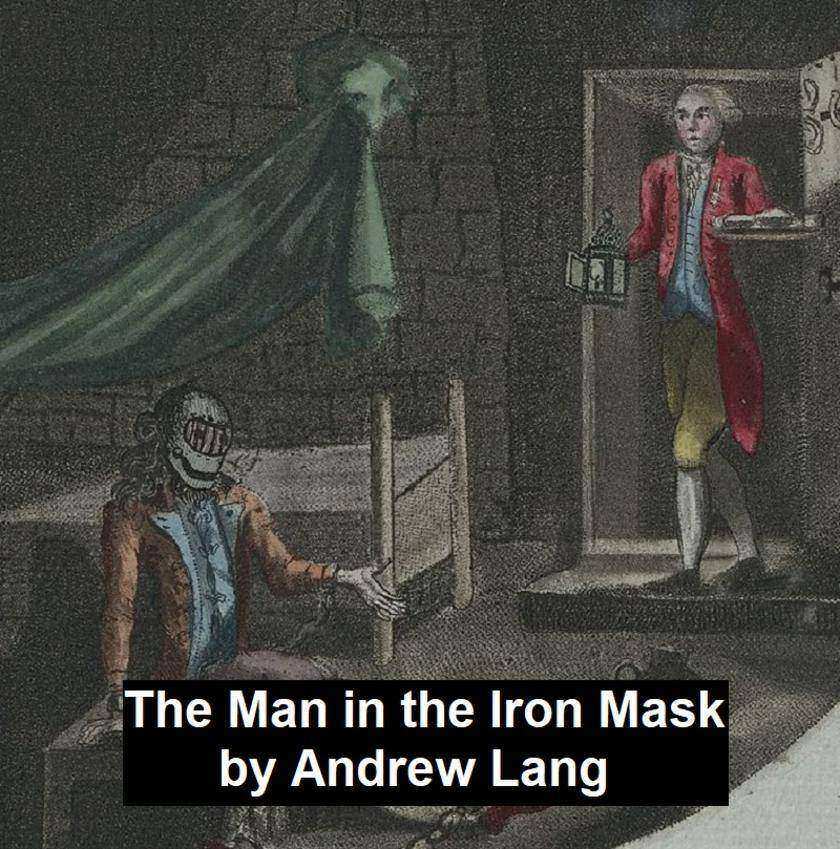
The Man in the Iron Mask
¥8.09
Essay about the legend/history behind Alexander Dumas' novel. According to Wikipedia: "Andrew Lang (March 31, 1844, Selkirk - July 20, 1912, Banchory, Kincardineshire) was a prolific Scots man of letters. He was a poet, novelist, and literary critic, and contributor to anthropology. He now is best known as the collector of folk and fairy tales
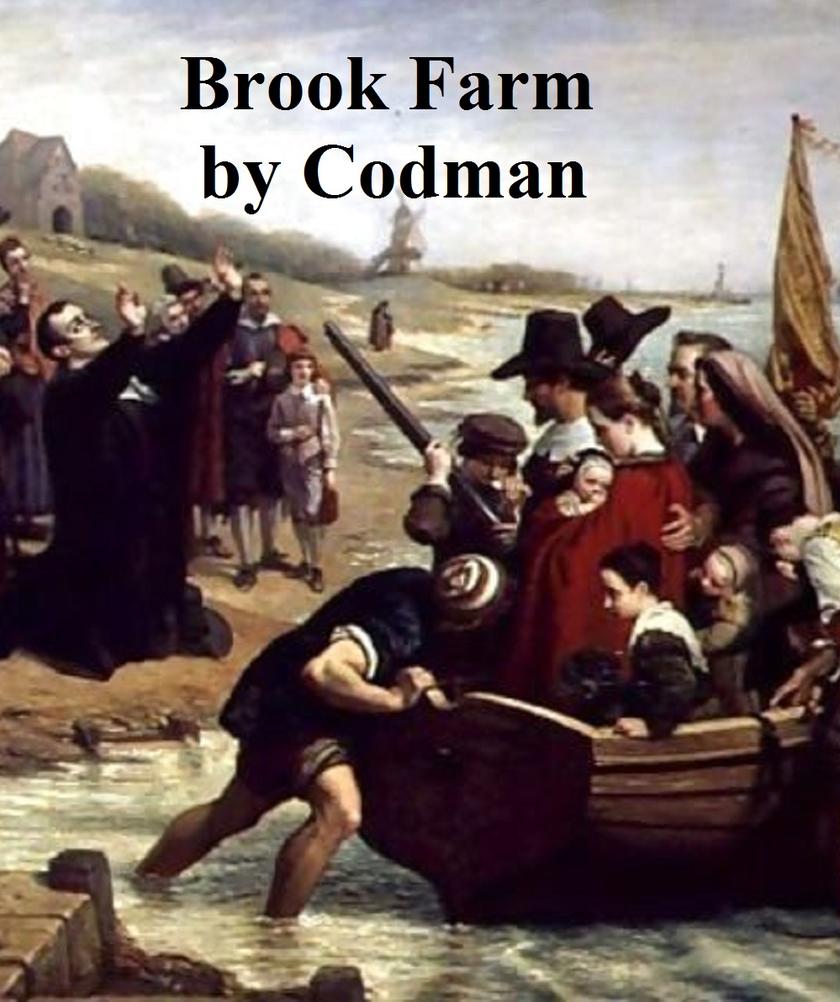
Brook Farm
¥8.09
According to Wikipedia: "Brook Farm, also called the Brook Farm Institute of Agriculture and Education or the Brook Farm Association for Industry and Education, was a utopian experiment in communal living in the United States in the 1840s. It was founded by former Unitarian minister George Ripley and his wife Sophia Ripley at the Ellis Farm in West Roxbury, Massachusetts (9 miles outside of downtown Boston) in 1841 and was inspired in part by the ideals of Transcendentalism, a religious and cultural philosophy based in New England. Founded as a joint stock company, it promised its participants a portion of the profits from the farm in exchange for performing an equal share of the work. Brook Farmers believed that by sharing the workload, ample time would be available for leisure activities and intellectual pursuits."
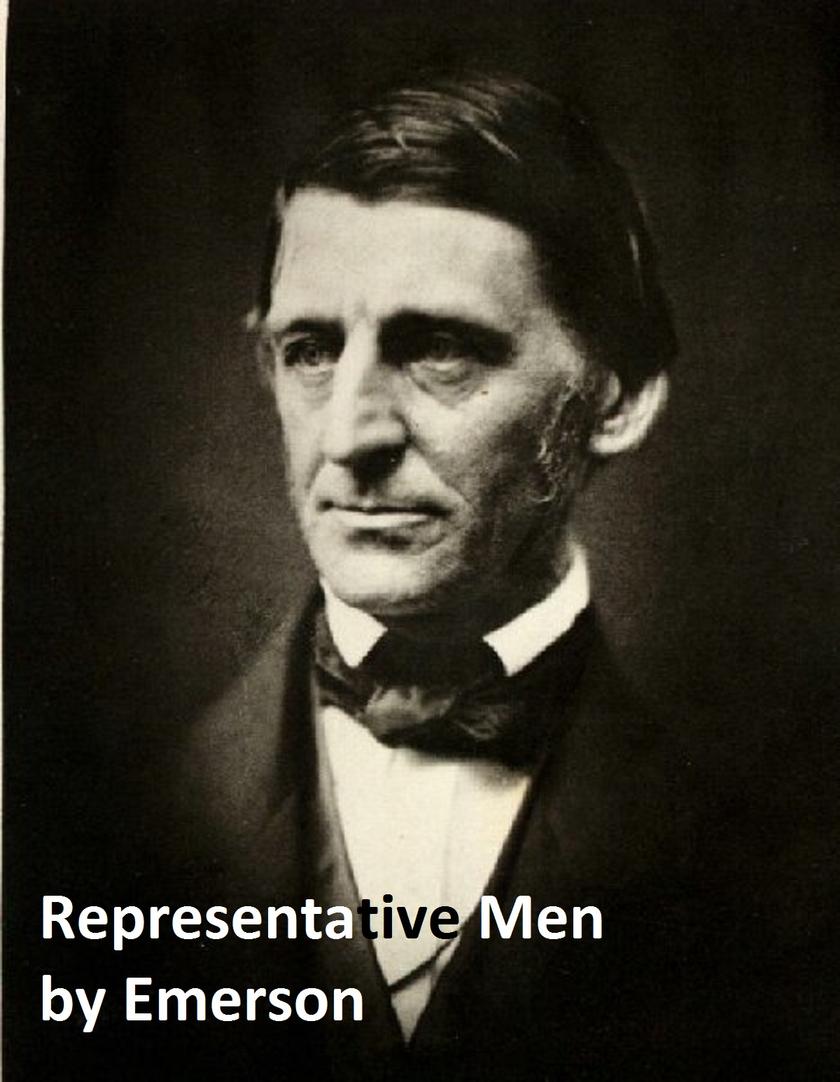
Representative Men
¥8.09
Classic collection of essays on great men, with 13 illustrations. According to Wikipedia: "Representative Men is a collection of seven lectures by Ralph Waldo Emerson, published as a book of essays in 1850. The first essay discusses the role played by "great men" in society, and the remaining six each extoll the virtues of one of six men deemed by Emerson to be great: Plato ("the Philosopher"), Emanuel Swedenborg ("the Mystic"), Michel de Montaigne ("the Skeptic"), William Shakespeare ("the Poet"), Napoleon ("the Man of the World"), and Johann Wolfgang von Goethe ("the Writer"). The work was described by Matthew Arnold as "the most important work done in prose"... Ralph Waldo Emerson (1803 – 1882) was an American essayist, philosopher, poet, and leader of the Transcendentalist movement in the early 19th century. His teachings directly influenced the growing New Thought movement of the mid 1800s. Emerson gradually moved away from the religious and social beliefs of his contemporaries, formulating and expressing the philosophy of Transcendentalism in his 1836 essay, Nature. As a result of this ground breaking work he gave a speech entitled The American Scholar in 1837, which Oliver Wendell Holmes Sr. considered to be America's "Intellectual Declaration of Independence". Emerson once said "Make the most of yourself, for that is all there is of you."
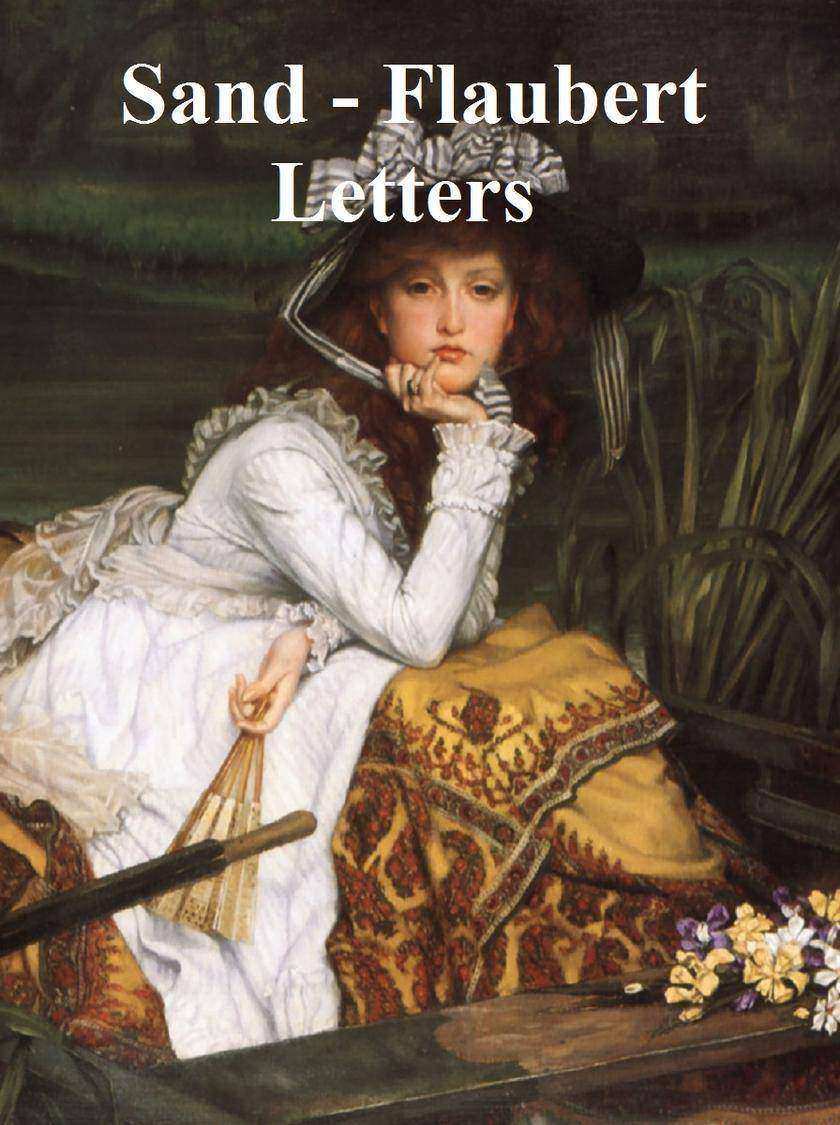
Sand - Flaubert Letters
¥8.09
Classic literary correspondence in English translation. According to Wikipedia: "Amandine Aurore Lucile Dupin, Baroness Dudevant (July 1, 1804 – June 8, 1876), best known by her pseudonym George Sand, was a French novelist and feminist.... A liaison with the writer Jules Sandeau heralded her literary debut. They published a few stories in collaboration, signing them "Jules Sand." She consequently adopted, for her first independent novel, Indiana (1832) , the pen name that made her famous – George Sand. Her first published novel, Rose et Blanche (1831), was written in collaboration with Jules Sandeau. Drawing from her childhood experiences of the countryside, she wrote the rural novels La Mare au Diable (1846), Fran?ois le Champi (1847–1848), La Petite Fadette (1849), and Les Beaux Messieurs Bois-Doré (1857). A Winter in Majorca described the period that she and Chopin spent on that island in 1838-9. Her other novels include Indiana (1832), Lélia (1833), Mauprat (1837), Le Compagnon du Tour de France (1840), Consuelo (1842–1843), and Le Meunier d'Angibault (1845). Further theatre pieces and autobiographical pieces include Histoire de ma vie (1855), Elle et Lui (1859) (about her affair with Musset), Journal Intime, and Correspondence..... Also according to Wikipedia: "Gustave Flaubert (December 12, 1821 – May 8, 1880) was a French writer who is counted among the greatest Western novelists. He is known especially for his first published novel, Madame Bovary (1857), and for his scrupulous devotion to his art and style, best exemplified by his endless search for "le mot juste" ("the precise word")."
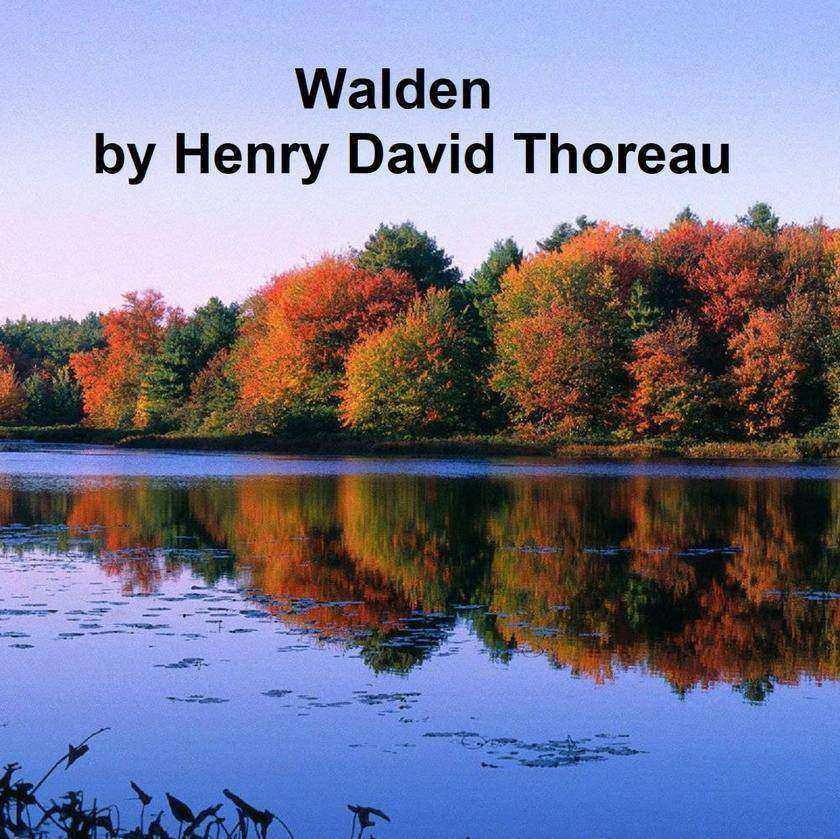
Walden
¥8.09
The classic essays. According to Wikipedia: "Henry David Thoreau (1817 – 1862) was an American author, naturalist, transcendentalist, tax resister, development critic, surveyor, stage writer and philosopher. He is best known for his book Walden, a reflection upon simple living in natural surroundings, and his essay, Civil Disobedience, an argument for individual resistance to civil government in moral opposition to an unjust state. Thoreau's books, articles, essays, journals, and poetry total over 20 volumes. Among his lasting contributions were his writings on natural history and philosophy, where he anticipated the methods and findings of ecology and environmental history, two sources of modern day environmentalism...Thoreau is sometimes cited as an individualist anarchist as well as an inspiration to anarchists. Though Civil Disobedience calls for improving rather than abolishing government – "I ask for, not at once no government, but at once a better government" – the direction of this improvement aims at anarchism: “‘That government is best which governs not at all;’ and when men are prepared for it, that will be the kind of government which they will have.”
Biographia Literaria
¥8.09
Coleridge's literary autobiography. He explains, "...of the objects, which I proposed to myself, it was not the least important to effect, as far as possible, a settlement of the long continued controversy concerning the true nature of poetic diction; and at the same time to define with the utmost impartiality the real poetic character of the poet, by whose writings this controversy was first kindled, and has been since fuelled and fanned." According to Wikipedia: "Samuel Taylor Coleridge (1772 – 1834) was an English poet, critic and philosopher who was, along with his friend William Wordsworth, one of the founders of the Romantic Movement in England and one of the Lake Poets. He is probably best known for his poems The Rime of the Ancient Mariner and Kubla Khan, as well as his major prose work Biographia Literaria.

Notes on Life and Letters
¥8.09
Collection of autobiographical essays and letters. According to Wikipedia: "Joseph Conrad (1857 – 1924) was a Polish-born English novelist. Many critics regard him as one of the greatest novelists in the English language—a fact that is remarkable, as he did not learn to speak English fluently until he was in his twenties (and always with a strong Polish accent). He became a naturalized British subject in 1886. Conrad is recognized as a master prose stylist. Some of his works have a strain of romanticism, but more importantly he is recognized as an important forerunner of modernist literature. His narrative style and anti-heroic characters have influenced many writers, including Ernest Hemingway, D. H. Lawrence, F. Scott Fitzgerald, Graham Greene, William S. Burroughs, Joseph Heller, V.S. Naipaul, Italo Calvino and J. M. Coetzee."


