


 购物车
 个人中心

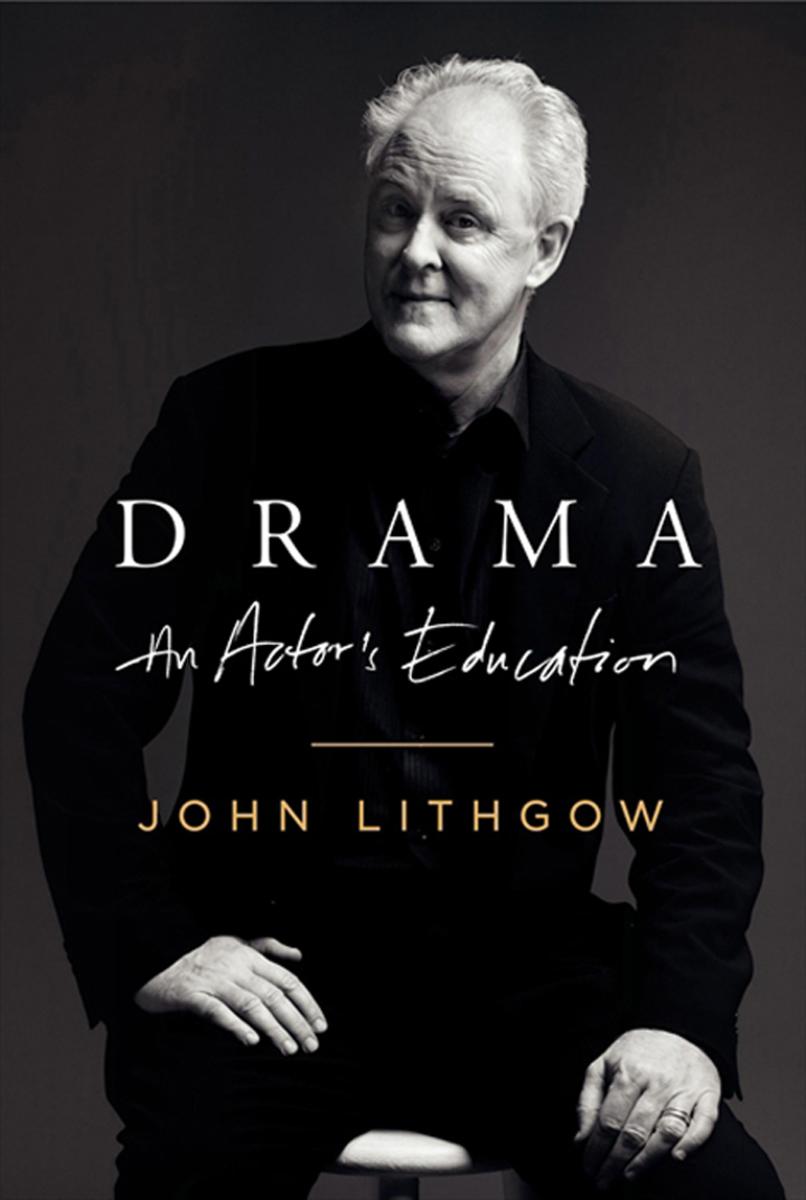
Drama
¥94.10
In this riveting and surprising personal history, John Lithgow shares a backstage view of his own struggle, crisis, and discovery, revealing the early life and career that took place out of the public eye and before he became a nationally known star. Above all, Lithgow memoir is a tribute to his most important influence: his father, Arthur Lithgow, who, as an actor, director, producer, and great lover of Shakespeare, brought theater to John boyhood. From bedtime stories to Arthur illustrious productions, performance and storytelling were constant and cherished parts of family life. Drama tells of the Lithgowscountless moves between Arthur gigs John attended eight secondary schools before flourishing onstage at Harvard and details with poignancy and sharp recollection the moments that introduced a budding young actor to the undeniable power of theater. Before Lithgow gained fame with the film The World According to Garp and the television show 3rd Rock from the Sun , his early years were full of scenes both hilarious and bittersweet. A shrewd acting performance saved him from duty in Vietnam. His involvement with a Broadway costar brought an end to his early first marriage. The theater worlds of New York and London come alive as Lithgow relives his collaborations with renowned performers and directors, including Mike Nichols, Bob Fosse, Liv Ullmann, and Meryl Streep. His ruminations on the nature of theater, film acting, and storytelling cut to the heart of why actors are driven to perform, and why people are driven to watch them do it. Lithgow memory is clear and his wit sharp, and much of the humor that runs throughout Drama comes at his own expense. But he also chronicles the harrowing moments of his past, reflecting with moving candor on friends made and lost, mistakes large and small, and the powerful love of a father who set him on the road to a life onstage. Illuminating, funny, affecting, and thoroughly engrossing, Drama raises the curtain on the making of one of our most beloved actors.

Music, the Arts, and Ideas
¥265.87
Meyer makes a valuable statement on aesthetics, criteria for assessing great works of music, compositional practices and theories of the present day, and predictions of the future of Western culture. His postlude, written for the book's twenty-fifth anniversary, looks back at his thoughts on the direction of music in 1967.

Baker Who Pretended to Be King of Portugal
¥270.76
On August 4, 1578, in an ill-conceived attempt to wrest Morocco back from the hands of the infidel Moors, King Sebastian of Portugal led his troops to slaughter and was himself slain. Sixteen years later, King Sebastian rose again. In one of the most famous of European impostures, Gabriel de Espinosa, an ex-soldier and baker by trade-and most likely under the guidance of a distinguished Portuguese friar-appeared in a Spanish convent town passing himself off as the lost monarch. The principals, along with a large cast of nuns, monks, and servants, were confined and questioned for nearly a year as a crew of judges tried to unravel the story, but the culprits went to their deaths with many questions left unanswered.?Ruth MacKay recalls this conspiracy, marked both by scheming and absurdity, and the legal inquest that followed, to show how stories of this kind are conceived, told, circulated, and believed. She reveals how the story of Sebastian, supposedly in hiding and planning to return to claim his crown, was lodged among other familiar stories: prophecies of returned leaders, nuns kept against their will, kidnappings by Moors, miraculous escapes, and monarchs who die for their country. As MacKay demonstrates, the conspiracy could not have succeeded without the circulation of news, the retellings of the fatal battle in well-read chronicles, and the networks of rumors and correspondents, all sharing the hope or belief that Sebastian had survived and would one day return.?With its royal intrigues, ambitious artisans, dissatisfied religious women, and corrupt clergy, The Baker Who Pretended to Be King of Portugal will undoubtedly captivate readers as it sheds new light on the intricate political and cultural relations between Spain and Portugal in the early modern period and the often elusive nature of historical truth.

Romanticism and the Question of the Stranger
¥311.96
In our post-9/11 world, the figure of the stranger-the foreigner, the enemy, the unknown visitor-carries a particular urgency, and the force of language used to describe those who are "e;different"e; has become particularly strong. But arguments about the stranger are not unique to our time. In Romanticism and the Question of the Stranger, David Simpson locates the figure of the stranger and the rhetoric of strangeness in romanticism and places them in a tradition that extends from antiquity to today.?Simpson shows that debates about strangers loomed large in the French Republic of the 1790s, resulting in heated discourse that weighed who was to be welcomed and who was to be proscribed as dangerous. Placing this debate in the context of classical, biblical, and other later writings, he identifies a persistent difficulty in controlling the play between the despised and the desired. He examines the stranger as found in the works of Coleridge, Austen, Scott, and Southey, as well as in depictions of the betrayals of hospitality in the literature of slavery and exploration-as in Mungo Park's Travels and Stedman's Narrative-and portrayals of strange women in de Stal, Rousseau, and Burney. Contributing to a rich strain of thinking about the stranger that includes interventions by Ricoeur and Derrida, Romanticism and the Question of the Stranger reveals the complex history of encounters with alien figures and our continued struggles with romantic concerns about the unknown.

Influences
¥311.96
Today few would think of astronomy and astrology as fields related to theology. Fewer still would know that physically absorbing planetary rays was once considered to have medical and psychological effects. But this was the understanding of light radiation held by certain natural philosophers of early modern Europe, and that, argues Mary Quinlan-McGrath, was why educated people of the Renaissance commissioned artworks centered on astrological themes and practices.?Influences is the first book to reveal how important Renaissance artworks were designed to be not only beautiful but also-perhaps even primarily-functional. From the fresco cycles at Caprarola, to the Vatican's Sala dei Pontefici, to the Villa Farnesina, these great works were commissioned to selectively capture and then transmit celestial radiation, influencing the bodies and minds of their audiences. Quinlan-McGrath examines the sophisticated logic behind these theories and practices and, along the way, sheds light on early creation theory; the relationship between astrology and natural theology; and the protochemistry, physics, and mathematics of rays.?An original and intellectually stimulating study, Influences adds a new dimension to the understanding of aesthetics among Renaissance patrons and a new meaning to the seductive powers of art. ?

Jeff Bezos: La Fuerza Detrás de la Marca
¥32.62
Su historia es diferente a la de las otras personas exitosas en la historia. Su ética laboral es conocida, pero a la vez diferente. ?Qué hay en él que lo hace un súper triunfador? ?Qué lo hace conducir intensamente hacia sus objetivos? ?Por qué puede convertir una idea en un éxito sorprendente? Léelo, y descúbrelo. La necesidad de comprender a los que triunfan más allá de nuestra propia imaginación es inherente a todos nosotros. El deseo innato es impulsado por nuestra profunda y subyacente necesidad de encontrar mejores formas para lograr nuestros objetivos, comprender nuestros sue?os y elevarnos hasta lograr nuestros desafíos.?Este libro trata sobre los eventos subyacentes de Jeff Bezos y las formas en que influyeron en su vida, además de conocer la forma en que respondió y los usó para su beneficio. El libro no pretende conocer las fibras que componen el contenido de su corazón; ningún hombre puede saberlo. Pero lo que hace es encadenar múltiples eventos y ver las sombras que proyecta.Todo eso es descrito para que usted pueda encontrar los elementos que podrían ser su semilla, logro y grandeza. La historia de Bezos traza el camino desde que fue joven, observa sus acciones y logros, y descifra la existencia de su mayor logro, Amazon, de una manera que refleja su carácter, intelecto y educación.

Felsefe ?iirleri: ?iir
¥27.71
Deniz fenerinin ki gibidir: Ayd?n?n da ?????. Birisi gemileri, di?eri insanlar? ayd?nlat?r. Onlar?n sayesinde: Gemiler ve toplumlar yollar?n? bulabilirler."Batmaktan" kurtulup ayakta kalabilirler. Yeter ki: I??klar? söndürülmesin. Hiçbir fener, hiçbir ko?ulda; bir geminin tonaj?n? ve band?ras?n? sormaz. Gerçek bir ayd?n da öyle: Ayd?nl???n?n bilgisini sunarken; insanlar?n hiçbirine, ne ?rk?n? ve cinsiyetini ne de inanç tercihini sormaz. Ayd?n dedi?in; ayn? zamanda gerçekçidir. Gördü?ü: Hiçbir kötü rüyay? da hayra yormaz!...Her ikisi de; ?ss?z ve sessiz geceler boyu çal??arak; ayd?nlatmaya çabalar karanl?klar?. Ayd?nlar da fenerler gibidirler: Ortakt?r yaln?zl?klar?!..Özetle:"Ben de;Küçük bir "burunda"Küçük bir deniz feneriyim,Hümanizmin ise; sad?k bir neferiyim.I????m? hep çakar?m, Her durumda.Ya?am benim kutsal?m:Ya?ayan her canl? benim umurumda.Fenerler, kimseleri aramazlar;Arayanlar, mutlaka onlar? bulurlar:Ço?u kez de zor durumda.Ben her daim i?ime bakar,Sürekli ?????m? çakar?m.Hiç y?lmam; bunu hep yapar?m!...FELSEFE ???RLER? tüm bu duygular? ifade etmek için, yeni bir ?iir türü olarak yaz?ld?..

The Road Home. Filip-Lucian Iorga In dialogue with Prince Nicholas of Romania
¥81.67
“Prima edi?ie din Jurnalul lui Lev Tolstoi a ap?rut la Editura Univers, ?n dou? volume (?n anii 1975 ?i 1976 – vol. I: 1847-1895, vol. II: 1896-1910), incluse ?n colec?ia ?Coresponden??, memorii, jurnale“. Traducerea a realizat-o Janina Iano?i; prefa??, tabelul cronologic, notele ?i comentariile – Ion Iano?i. Respectiva edi?ie a reprezentat o selec?ie din textul integral al edi?iei academice ruse?ti Polnoe sobranie socinenii (iubileinoe izdanie), Opere complete (edi?ie jubiliar?). Din volumele 1-90 (Moscova-Leningrad, 1928-1958), am folosit cele treisprezece volume de jurnal, 46-58 (ap?rute ?ntre 1934 ?i 1958). Orientativ, am consultat ?i o edi?ie de Opere ?n dou?zeci de volume (din 1965) – volumele 19 ?i 20. ?n alegerea textelor am urm?rit devenirea ?i dominantele cople?itoarei personalit??i a marelui scriitor, ?in?nd seama ?i de interesele publicului cititor rom?nesc. Edi?ia a II-a i s-a datorat Editurii Elit (tip?rit?, f?r? specificarea datei, ?n 2000). Ea a urmat, cu unele renun??ri ?i c?teva complet?ri, varianta ini?ial?, dar ?i pe baza confrunt?rii textelor cu cele re?inute ?ntr-o selec?ie ruseasc? ulterioar?, ?n dou?zeci ?i dou? de volume, Sobranie socinenii v dvadtati dvux tomah (Moscova, 1985), Opere ?n dou?zeci ?i dou? de volume, volumele 21 ?i 22. Am constatat cu acel prilej coinciden?a ?ntre majoritatea textelor re?inute ini?ial de noi ?i de alc?tuitorul respectivei edi?ii ruse?ti, dar ?i unele deosebiri: sunt acolo prezente fie pasaje ?teoretice“ mai ample, fie altele cu adres? recognoscibil? doar de c?tre cititorii autohtoni familiariza?i cu mediul specific vremii – ?n schimb, sunt omise at?t detalii biografice considerate a fi prea intime (mai ales erotice, ?n genere legate de starea corporal?, de s?n?tate ori boal?), c?t ?i multe accente sociale considerate de editorul rus de atunci ca indezirabile prin ascutisul lor critic (cu deosebire, cele la adresa revolu?iei, marxismului, socialismului). ?n ceea ce ne prive?te, le-am p?strat ?i pe unele, ?i pe celelalte, ?n schimb nu am dorit – cu rare excep?ii – s? ?nc?rcam selec?ia noastr? cu expozeuri lungite, care oricum variaza idei cunoscute. Amintita edi?ie rus? ne-a servit, mai degrab?, pentru suplimentarea acribiei de care am ?ncercat s? d?m dovada ?nc? din anii ?aptezeci ai secolului trecut. Am urmat aceea?i cale ?i la revederea ?i ?mbun?ta?irea textului pentru prezenta edi?ie, a III-a, finalizat?, dup? al?i cinci ani, prin bun?voin?a Editurii Ideea European?.“ (Ion Iano?i)
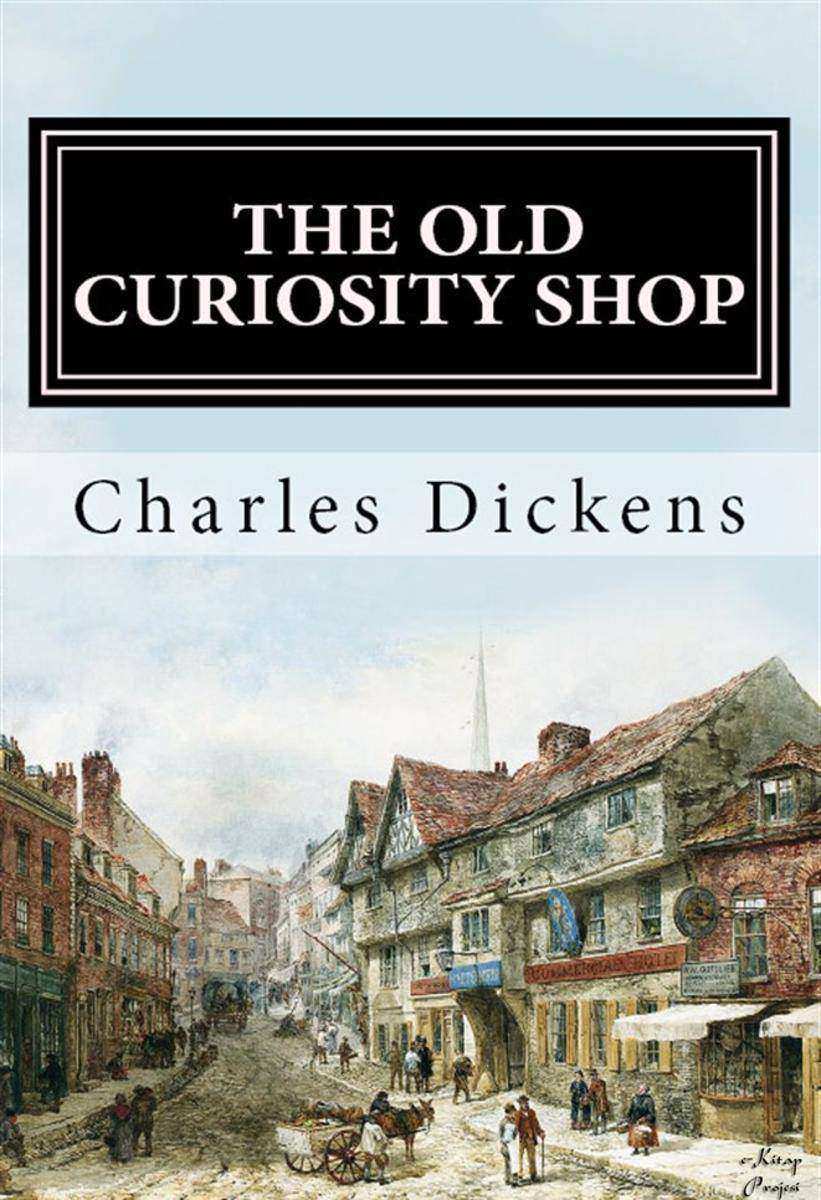
The Old Curiosity Shop
¥28.29
The grandfather of Nell Trent wants to make sure his granddaughter is provided for when he dies. His memory of his daughter’s suffering and premature death gives him a fear of poverty. This obsession results in his financial and physical ruin. Nell and her grandfather flee and embark on a journey that has no destination. For Nell, all she wants is a peaceful existence with enough to subsist on.??They come across many interesting people in their travels and are often met with the kindness of strangers. Yet, underneath an animated and colorful world, they also encounter the bleak reality of the industrial age. From simple villages and fields of flowers, they cross into a dirty city full of mass unemployment and plague victims—where children die from starvation and are left on the curb.??The story isn’t just about Nell and her grandfather, but the people who are connected to them directly or indirectly. There is Richard Swiveller, a careless young man who is a friend of Nell’s plotting brother, who wants Swiveller to marry Nell for the fortune he thinks she has. Daniel Quilp, the malicious dwarf, has a vendetta against the grandfather—who was the one person who managed to fool him. There is honest Kit, who finds himself the victim of spite of people he never harmed. Kit desires to help Nell, whoM he worships as a personal angel that has always inspired the best in him. The mysterious Bevis Marks, who is a generous patron to some and an enemy to others, also has his own reasons for finding Nell and her grandfather.??Unique to this book, unlike Dickens other works, is a fairy tale quality to the story. It is certainly a book of contrasts: the purity of Nell compared to the sadistic depravity of Quilp, fresh air and scenic villages to the polluted, stone covered city, etc. Even people’s reactions to the book revealed a stark contrast. At first, Nell Trent was praised as the most perfect Dickens character. Later, she was ridiculed and criticized by many well-known people like Oscar Wilde. While characters in other Dickens books are moving towards a better future, Nell and her grandfather are fleeing their life—and their story is moving towards an ending.??The Old Curiosity Shop was inspired by a personal tragedy in Dickens life. Nell Trent is based on the seventeen year old sister-in-law of Dickens who lived with him and whom he was fond of. The girl collapsed and died suddenly after the family had come home from the theater, probably due to undiagnosed heart disease. The story is a time capsule—full of references of popular songs, literature, and scandals of the period. As to be expected of a Dickens novel, there is social commentary on the plight of the poor. The Old Curiosity Shop delves into the unknown world of freak shows and other traveling entertainers—showing a magical world, yet one with a dark underside to it.
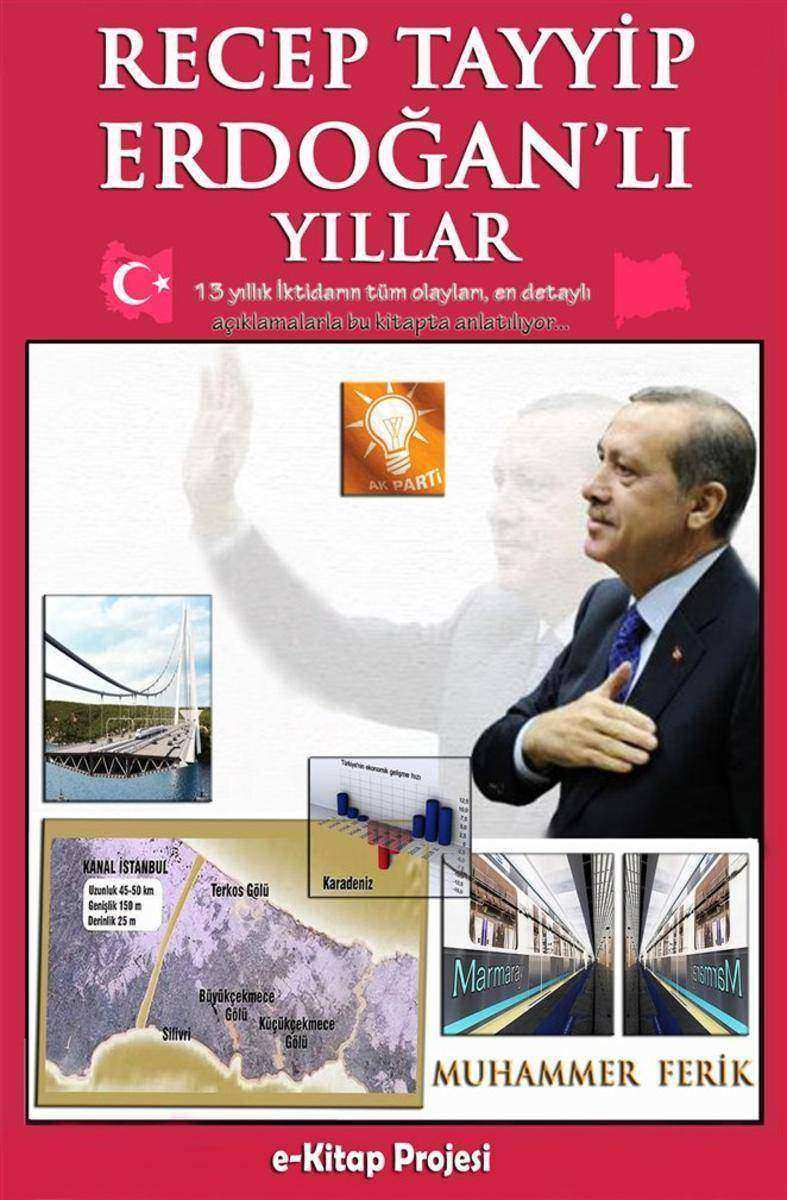
Recep Tayyip Erdo?an'l? Y?llar
¥27.80
Bu kitapta Türkiye Cumhuriyeti'nin Atatürk'ten sonra gelen en ba?ar?l? lideri Recep Tayyip Erdo?an'?n siyasi hayat? ve ?zellikle icraat?n ba??nda oldu?u Ba?bakanl?k d?nemi yer almaktad?r. Ba?bakanl?k d?neminde ya?anan siyasi ve gündemi olu?turan olaylar kronolojik olarak s?ralanm??t?r. Bu eserde "Ba?ar?l? bir siyaset?i nas?l olunur?" sorusunun cevab?, 13 y?ll?k Ba?bakanl?k yapt??? g?revinde nas?l ba?ar?l? oldu?unun yan?t?, Recep Tayyip Erdo?an'?n hayat?ndan kesitler ve Recep Tayyip Erdo?an'?n farkl? konulardaki de?erlendirmeleri ve g?rü?leri vard?r. Ayr?ca Recep Tayyip Erdo?an'?n karakteri, ald??? ?düller ve yabanc?lar?n g?zünden Recep Tayyip Erdo?an hakk?nda yorumlar yer almaktad?r. "Yeni Türkiye" olarak tan?mlad??? Recep Tayyip Erdo?an'?n Türkiye'sinden bizim almam?z gereken dersler de elbette vard?r...Recep Tayyip Erdo?an, 26 ?ubat 1954'te ?stanbul'un Kas?mpa?a semtinde ailesinin ü?üncü ?ocu?u olarak do?du. Ahmet Erdo?an'?n Tenzile Erdo?an'la olan ikinci evlili?inden bir erkek ?ocu?u, Recep Tayyip dünyaya geldi. Babas?n?n, bir ?nceki evlili?inden iki ?ocu?u daha vard?. Recep Tayyip Erdo?an'?n biri k?z d?rt karde?i vard?. Deniz Hatlar?'nda k?y? kaptan? olarak ?al??an "Reis Kaptan" lakapl? baba Ahmet Erdo?an, o?luna babas?n?n ad? olan Tayyip ad?n? koydu. Eski takvime g?re Recep ay?nda do?an bebe?e Recep ad? da verildi. Recep Tayyip Erdo?an'?n ailesi, Recep Tayyip Erdo?an 13 ya??ndayken Rize'nin eski ad?yla Potamya yeni ad?yla Güneysu il?esinden, yokluk ve i?sizlik nedeniyle ?stanbul'un Kas?mpa?a semtine g?? etti. Recep Tayyip Erdo?an'?n babas? Sahil Güvenlik Te?kilat?nda g?revli oldu?u i?in ?ocuklu?u Rize'de ge?ti. Babas?, o d?nemin “?irket-i Hayriye”si günümüzün Denizyollar?'nda kaptanl?k yapt? ve ve k?y? kaptanl???ndan emekli oldu. Recep Tayyip Erdo?an, o günleri anlat?rken babas?n?n ?stanbul'un varo?lar?nda ko?turdu?unu belirterek, gelecekte nas?l bir ya?am olmas? gerekti?ini ?u s?zlerle ifade ediyordu:“O ?ilelerin i?erisinden geldik. Onlar da oralarda b?yle merdiven altlar?nda odalarda ya?ad?lar. Bunlar? bana a?layarak anlat?rd? rahmetli babam. Biz oralardan geldik. Ama oralarda kalamay?z. Gelecek ku?aklar?m?za da biz oralar? ?rnek olarak veririz ama ‘Orada kal.’ diyemeyiz. Bunlar? ya?ad???m?za g?re gelecek ku?aklara biz ?ok daha farkl? bir Türkiye b?rakmak zorunday?z. O yavrular?m?z ?ok daha farkl? yeti?mek durumunda. E?er ben o?lumu, torunumu bilimde, sanatta her alanda ?ok daha ileri g?türebiliyorsam kendimi ?ok daha ba?ar?l? bir baba ve dede olarak g?rebilirim. E?er g?türemiyorsam o zaman ba?ar?s?z?m, olaya b?yle bakaca??z. Onun i?in bizim bir günümüz di?erine e?it olmamal?. Dün bugünden geri kalmal?. Yar?n bugünden ?ok daha ileri olmal?. Mevlana diyor ya ’Dün dünde kald? canca??z?m yeni bir ?eyler yapmak, s?ylemek laz?m.’ … ??te biz bunu ba?armak durumunday?z.”
Ποιητικ? Αυτογνωσ?α
¥42.10
Το συγγραφικ? αυτ? ?ργο ε?ναι απ?σταγμα των ιδια?τερων συναισθηματικ?ν δεσμ?ν του συγγραφ?α με το εσ?τερο κομμ?τι τη? ψυχ?? του και τον αν?τερο φ?λακα ?γγελ? του, ?που ο ?διο? ο ?γγελο? μιλ? με σαφ?νεια και απαρ?μιλλη αγ?πη προ? αυτ?ν, μεταφ?ροντα? την ευλογ?α που συναντ? κανε?? στα κρυμμ?να καταπρ?σινα λιβ?δια του καρδιακο? πεδ?ου, ?που επ?ση? τα ροζ λουλο?δια επικρατο?ν. Ε?ναι πρ?γματι μια προσωπικ? μελ?τη γεμ?τη με πλο?σια συναισθ?ματα, ?που τι? ιερ?? στιγμ?? τη? σιωπ?? αναδ?ονται τα στοιχε?α του πυρ?να τη? ?παρξη? και αυτ? αντιμ?χονται την κ?λπικη προσωπικ?τητα, με νικηφ?ρα πορε?α την υπ?ρμαχο αγ?πη και τη συμπ?νια για κ?θε τι που υπ?ρχει σ?μερα. ?Μπορε? το σ?μερα να νικ?σει την εμμον? στο παρελθ?ν και το φευγι? στο μ?λλον?? ... Μα δεν υπ?ρχει τ?ποτε ?λλο παρ? μ?νο αυτ? η στιγμ? που διαβ?ζει? αυτ? την απλ? φρ?ση!!!... Υπ?ρχει? τ?ρα!!!...

A n? élete
¥71.69
Bihari Péternek láthatóan az a szándéka, hogy ?személyes t?rténeteken” keresztül mondja el, milyen is volt a világháború. Tudja és érti, hogy a háború t?rténete nem csak hadt?rténet, hanem társadalomt?rténet. Ezért nagyon sok oldalról ad pillanatfelvételeket a háborús létr?l – arról, hogyan élte meg az emberiség egy bizonyos része a háború állapotát.
Toamna se num?r? e?ecurile
¥65.32
Lectura este una dintre activit??ile umane cel mai frecvent investigate ?n diversele episteme care au ordonat g?ndirea uman? a ultimului secol. Ea a fost analizat? at?t ca proces diacronic, c?t ?i ca activitate sincronic? ?n paradigmele ?tiin?elor limbajului ?i ?n cele ale hermeneuticii ?i ofer? un c?mp conceptual foarte amplu, astfel ?nc?t orice nou demers care ?i?ar propune s??l acopere ?n integritate trebuie s? acceseze domenii variate, modalit??i distincte de conceptualizare.?
Uncle Tom's Cabin
¥8.09
Eram ?n Her?str?u, la parcul de distrac?ii, ?Luna-parc“, cum i se spunea pe atunci, ?ase b?ie?i ?i o fat?: Vintil? Iv?nceanu, Virgil Mazilescu, Daniel Turcea, Mihai Teclu, George Almosnino, Iulian Neac?u ?i Nora Iuga. Infatua?ii, arogan?ii, scandalagii, cosmopoli?ii – ONIRICII. B?ie?ii trecuser? un pic de dou?zeci, ?fata“ trecuse bini?or de treizeci, important era c? nu se vedea. Ne d?deam ?n ma?inu?e; caramboluri ?i chiote! Pe urm?, la bere, Pur?i – a?a ?i spuneam eu lui Vintil? – se ia de Iulian: ?Da’ neagra ta, cum ?i zice, dactilografa de noapte, te mai viziteaz??“... ?i urechea mea p?lnie se f?cu ?i la dou? noaptea, la ma?ina mea, am b?tut eu mai departe ce-mi dicta ea. (Nora Iuga, iulie 2010)
The Book of Dragons
¥8.18
Un b?ie?el singuratic ?i f?r? prieteni Un b?rbat secretos care a petrecut ani de zile ?ncerc?nd s? transforme metalele ?n aur Unul dintre cele mai mari genii ale tuturor timpurilor Toate cele de mai sus! ? Afl? mai multe despre adev?ratul Isaac Newton ?n aceast? biografie amuzant? ?i minunat ilustrat?!
Dew Drops
¥24.44
Again and again, in Denver Welte's exquisite Dew Drops, poems startle us into awareness of the understated, the nearly always invisible and the marvelous; those aspects of life that come under the rubrics of loneliness and joy. Welte combines a light lyricism with a postmodern sensibility for life. This collection was gathered from a one time weekly blog that appeared over four years. They are arranged in date order rather than by theme, so that you may witness the poet's growth.

120 Zmajevih pesama za decu
¥37.20
Poruke radosti i vedrine neophodne svakom novom pokoljenju -- pesme bez kojih se ne mo?e odrasti. S originalnim ilustracijama iz ?asopisa Neven.

R?zboaiele PSI. O istorie a manipul?rii min?ii
¥57.14
Cartea se adreseaz? elevilor, studen?ilor, precum ?i publicului larg de cititori, monografia ?n cauz? – semnat? de marele c?rturar Ion Iano?i, membru al Academiei Rom?ne – constituind una dintre lucr?rile de v?rf despre uria?ul romancier de la Iasnaia Poliana.
Vasco da Gama navigheaz?
¥40.79
Parodicul nu este doar unul dintre modurile comice; el este rezultatul variatelor ncercri pe care literatura le face spre a se rennoi prin autonegare. Asumndu-i acest rol, literatura parodic are luciditatea de a-i etala mecanismul auto-producerii, analizndu-i exagerrile, dar i constitutivele convenii. Aceast ntoarcere spre literaritatea literaturii pe care mizeaz orice demers parodic este camuflat prin aparena orientare spre diferii autori, texte sau stiluri. Orice parodist este, simultan, explorator prin textele altora, dar i autorul ce-i analizeaz lucid teritoriul propriului text. Una dintre aceste dou dimensiuni poate fi dominant ntr-o parodie, oscilaiile fiind generate att de parodist, ct i de contextul estetic cruia acesta i aparine. Dac, n mod normal, principiile critice urmeaz dezvoltrii formelor literare, discursul parodic este un discurs critic contient deghizat n form literar sau un discurs literar cu finalitate critic. Vorbim de parodia studiat estetic i nu de parodia ca simpl deformare, comis din ignoran.“ O fenomenologie a parodicului din Evul Mediu, epoc modern i postmodern, aceast carte ofer i analiza parodicului n operele unor scriitori ca Urmuz, Caragiale, Crtrescu .a.

Din mansarda lui Cioran
¥57.14
Deopotriv? cronica vivant? a tranzi?iei, aide-memoire, jurnal ?i anti-jurnal, foileton pamflet, addenda, Pe muchie de h?rtie ??i propune o radiografiere a st?rii literaturii rom?ne de azi, folosind ?n permanen?? oglinda retrovizoare."Tipic, scrie despre autoare Constantin C?lin, ?n critica actual?, e, cel mai adesea, s? coexi?ti, s? superi c?t mai pu?in? lume, s? te rezemi de grup, s? te pliezi pe ideile celor mai bine plasa?i ?n ierarhie, s? fii amuzant ca un comis-voiajor, s? te adaptezi la orice "canon", s? te aranjezi cu oricine. Atipic a devenit s? ?ncerci s? spui adev?rul integral, s? nu ui?i, s? nu fii la?, s? nu fii oportunist."
Scara din bibliotec?
¥65.32
Problema fiinei romneti nu s-a rezolvat. Dei ea a reprezentat o mistic a ntregii generaii, motivaia principal a existenei acesteia, datorita conflictului dintre Occident si Orient, dintre cele dou doctrine sociale fundamentale, datorit Cortinei de Fier care a czut la finele celui de-al doilea rzboi mondial, care a separat lumea n dou lagre etane, problema a rmas nerezolvat. Ce a nsemnat de fapt problema fiinei romneti Conturarea unei identiti naionale, obsesie a naionalismului romnesc interbelic i a tinerei generaii“ care s-a confundat mai mult sau mai puin cu aceast epoc. Utopia generaiei a fost aceea de a scoate Romnia din anonimat. Totul a rmas la nivelul iluziei i al scepticismului. Din ntreaga generaie care a supravieuit exilului intern sau extern, doi reprezentani fideli ai acesteia au conturat prin preocuprile lor foarte bine ideea fiinei romneti sau mai bine zis modalitatea ei de manifestare n lume. Acetia sunt Cioran i Noica. Aceast carte – dreapt, radical, exact, ntunecat – trateaz rtcirile i mplinirile acestora n contextul n care ntregul continent, n perioada interbelic, prea ca a luat-o razna.“ – Mara Magda Maftei


