


 购物车
购物车 个人中心
个人中心
Queen Victoria: A Personal History
¥80.25
Christopher Hibbert’s acclaimed biography of Queen Victoria is as impressive and authoritative as the great woman herself. In 1837 an eighteen-year-old girl, raised by a German mother, inherited the throne of the United Kingdom. She was to reign as queen – and later Empress of India – for almost sixty-four years, presiding over twenty prime ministers and a period of unprecedented social and political change. Her era became synonymous with moral rigidity and colonial expansion, and this absorbing biography of Queen Victoria, the unlikely figurehead of a vast and powerful empire, explores how the young monarch transformed herself into a formidable matriarch and the epitome of an age. Embracing her life and family, her politics and personality, her love for Prince Albert and her relationship with John Brown, Hibbert’s touching biography is a persuasive portrait of a remarkable woman.
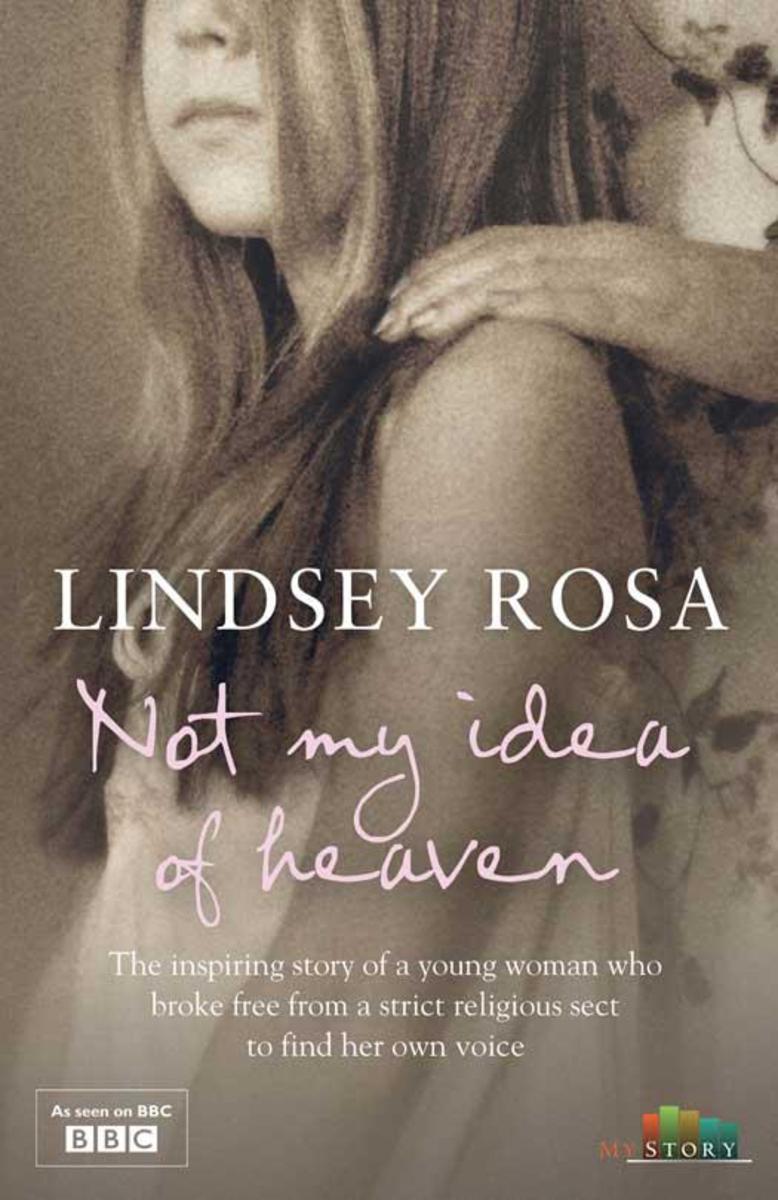
Not My Idea of Heaven
¥51.50
Those who had not discovered our truth had Satan in their hearts. We lived amongst them, but not with them, ‘in the world, but not of the world’. We were special. We were the disciples of the Fellowship. When she was a child, Lindsey Rosa’s every waking moment was governed by the rules of an extreme separatist sect. It controlled what she wore and what she ate; it forbade her to listen to music, to cut her hair, to watch television, to use a computer. The Fellowship said her family was special. Why would she believe otherwise? Then, when Lindsey was seven, her elder brother was caught listening to music and the family were expelled from the sect. But Lindsey’s parents knew nothing but the ways of the Fellowship, so they remained in hope that they would be accepted and continued to make the family live by the sect’s strict rules--cutting themselves off from their local community. But as Lindsey grew, so too did her awareness of a world outside. And, feeling increasingly isolated, she struggled with her own identity. Until finally she was faced with a devastating choice: to continue to live by the rules of the religious sect or to be brutally cast out and leave the family she loved behind forever.
Jumbo to Jockey: Fasting to the Finishing Post
¥81.03
How one man turned a midlife crisis into the realisation of a childhood dream at 4pm at Wincanton Dominic Prince, journalist, documentary-maker, racing enthusiast and bon viveur hit the scales at nearly 16 stone on his 45th birthday. It was not always so. His first love was and still is horses. As a child he would bunk off school to ride his first horse, Conker, and it was only after an horrific accident that left him and his horse wound up in barbed wire that he stepped down off his mount and gave in to the lure of Fleet Street and the three hour lunch. But the smell of oats and the mist of early morning canters were never far away, even if he was living it from the other side of the paddock. In the 20 years since he last rode a horse he has made a film on Lester Piggott, bought and sold one race horse and won and lost thousands on 'the occasional flutter'. Through the drastic changes to his overindulgent lifestyle that he has had to go through to make the weight for the 4pm at Wincanton in October, is weaved an insider's account of the very particular world of jockeys, racing and the multi-billionaire owners who pull the strings at the world's greatest race courses. Memoir, sports book, exposé of the dark world of horse racing, at heart Jumbo to Jockey is the story that all middle aged men will know well of the realisation of a childhood dream before it is too late.
Did You Really Shoot the Television?: A Family Fable
¥73.58
Max Hastings's account of his family's tumultuous 20th century experiences embraces the worlds of fashion and newspapers, theatre and TV, pioneering in Africa and even – his father's most exotic 1960 stunt – being cast away on a desert island in the Indian Ocean. The author is the son of broadcaster and adventurer Macdonald Hastings and journalist and gardening writer Anne Scott-James. One of his grandfathers was a literary editor while the other wrote plays and essays, and penned an enchanting memoir of his own Victorian childhood. His great-uncle was an African hunter who wrote poetry and became one of Max's heroes. The author tells a richly picaresque story, featuring guest appearances by a host of celebrities from Thomas Hardy and Joseph Conrad to John Betjeman and Osbert Lancaster, who became Anne Scott-James's third husband. 'All families are dysfunctional', Anne asserted impenitently to Max, but the Hastings’ managed to be more dysfunctional than most. His father roamed the world for newspapers and as a presenter for BBC TV's legendary Tonight programme, while his mother edited ‘Harper's Bazaar’, became a famous columnist and wrote best-selling gardening books. Here, the author brings together this remarkable cast of forebears, 'a tribe of eccentrics', as he himself characterises them. By turns moving, dramatic and comic, the book portrays Max's own childhood fraught with rows and explosions, in which the sudden death of a television set was only one highlight. His story will make a lot of people laugh and perhaps a few cry. It helps to explain why Max Hastings, whose family has produced more than eighty books over three generations, felt bound to follow their path of high adventure and popular journalism.
Memories of Milligan
¥73.58
An arresting collection of interviews, collated by Norma Farnes, Spike Milligan's close friend and longstanding agent, bringing to life the late, great Milligan in all his various guises. Heralded as brilliant and difficult in equal measure, Spike Milligan is one of the most prolific and mould-breaking writers of the twentieth century. Fantastically funny and incredibly talented, on his death in 2002, Spike left behind him one of the most diverse legacies in British entertainment history. Creative, inspirational, and at times doggedly loyal, yet famously tempestuous and fickle, Spike was many things to many people. In Memories of Milligan, Norma Farnes sets out to interview those who knew him best, amassing an array of personal memories from fellow performers and comedians, long time friends and former girlfriends. Compiled of intimate stories, small exchanges and habits that go into making up a relationship, be it personal or professional, Memories of Milligan captures another side to the performer's well-known public persona, to build a complete picture of one of the greatest British comic writers to date. Ranging from interviews with fellow comedian Barry Humphries, *writers Galton and Simpson, director Jonathan Miller, stalwart presenters Michael Palin and Terry Wogan, to comic geniuses such as Eric Sykes and producer George Martin, this original book encapsulates a moving portrait of a man who is synonymous with a unique era in post-war entertainment.

Matt Cardle: My Story: The Official X Factor Winner's Book
¥130.87
In those weeks following the audition I'd started to think that maybe I could do well in the competition, and even to see beyond bootcamp and what doing well could mean. I knew I never wanted to go back to painting, whatever happened.' Matt's dream has come true, and this is his story. Painter-decorator, bricklayer, milkman, even Santa, Matt's always been in bands, always putting off starting a career because he knew that what he really wanted to do was sing. Charismatic but down to earth, loved by the judges, the other contestants and, of course, the public for his cheeky smile and warm heart, Matt is a true star in the making. Packed full of unseen photographs shot especially for the book, backstage footage, behind-the-scenes gossip and the full and remarkable story of the winner from X Factor hopeful to popstar sensation, this book is a must-have for all X Factor fans.

A Small Dog Saved My Life
¥88.39
A story of survival, transformation and love. In a beautiful and powerful memoir which mixes honest, personal revelation with literature, history, and inspirational self-help, Bel Mooney tells the story of her rescue dog, Bonnie, who in turn rescued Bel when her world fell apart with the all-too public break-up of her 35-year marriage. SMALL DOGS CAN SAVE YOUR LIFE really is a story of survival, and also one of love. This is an account of six years in Bel's life, from when she first acquired Bonnie from a rescue home, through Bel’s years of personal heartbreak and disappointment, and on to the happiness which she has now found in a new marriage and a new life, with the Maltese at her side all the way. This is a book about transformation and change, about picking yourself up and attacking life in the way that a small dog will go for the postman's trousers - and about celebrating life, much as your canine companion will always celebrate your return, even from the shortest trip. Beautifully engaging, entertaining, full of personal anecdotes and deeply moving, SMALL DOGS CAN SAVE YOUR LIFE will take the reader on an inspirational walk with one very small but very remarkable dog - a dog who became a symbol for all that is best about dogs, and about we humans too. Bel Mooney is a journalist with almost forty years' experience. Well-loved by millions for her advice columns, first for the Times and now in the Daily Mail, as well as countless programmes for radio and television, Bel takes the reader on a journey of discovery, in which she finds herself transformed into a dog-lover by one small and lively bundle of white fur, as well as telling her own gripping story.
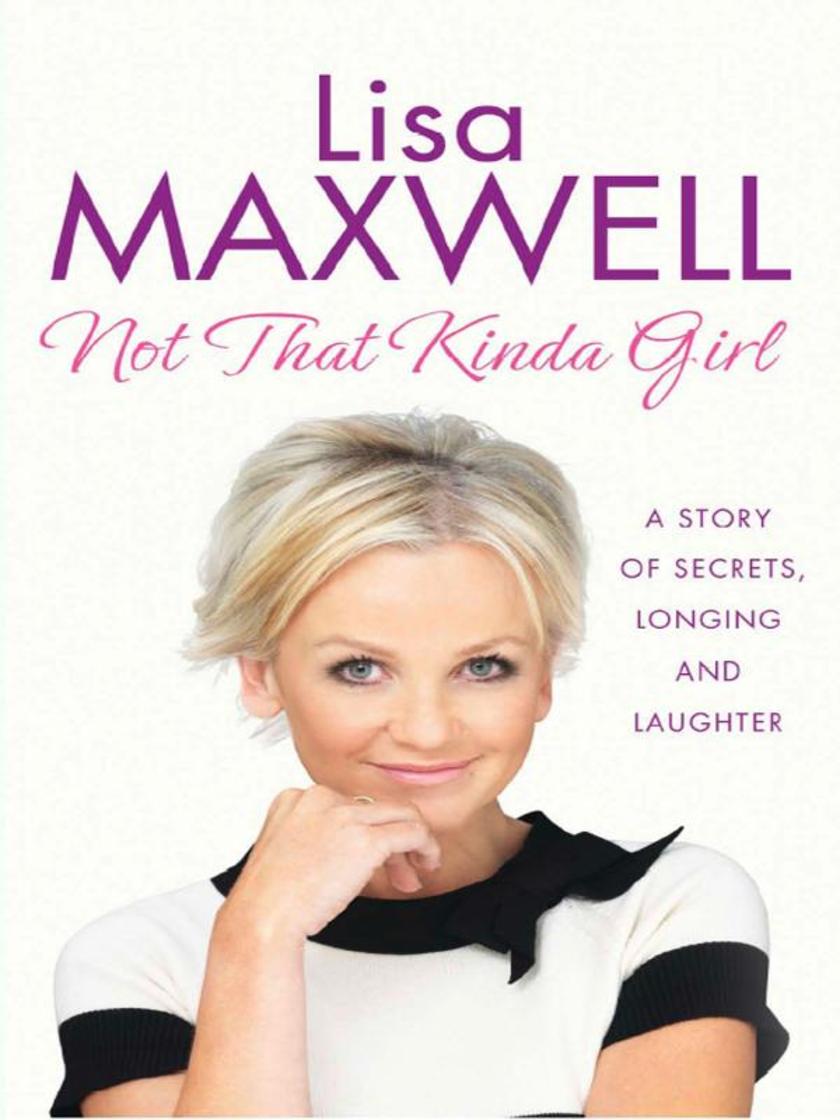
Not that Kinda Girl
¥58.86
Lisa Maxwell, an addition to the quick-witted Loose Women team, is a bundle of fun and laughter and a natural storyteller. Here, for the first time, she tells her astonishing story - a tale of remarkable spirit, incredible experiences and family secrets. A much-loved presenter and respected actress, Lisa got her first onscreen role at the age of just 11. In the eighties she became a TV presenter on series like Splash and No Limits, interviewing the icons of the time and partying with the likes of George Michael, Robert Downey Junior and Michael Hutchence, before moving more firmly into comedy, appearing on sketch shows like, The Les Dennis Laughter Show, The Russ Abbott Show and her very own, self-titled, The Lisa Maxwell Show. She narrowly missed out on the part of Daphne in a little show called Frasier. And then for seven years played the part of The Bill's DI Sam Nixon, before joining Loose Women in 2009, where she quickly became an audience favourite. But behind the fun, glamour and onscreen success, is a south London girl, hiding the secret she's been taught never to talk about. An illegitimate child, brought up in Elephant and Castle, Lisa's life very nearly took a different path. Lucky for her, her dear old Nan had a kind heart, and in a last minute change of plan she was brought home to her grandparent's flat on the Rockingham Estate. With warmth, honesty and humour, Lisa takes us to the heart of the Elephant, revealing a home filled with love, laughter and drama. From having the drawer of an old chest for her bed to hiding from the Tally Man, waiting for her Nan outside the betting shop to dabbling in petty crime, discovering her dad was still alive, and always looking for a way to be in the lime light, Lisa has written a colourful memoir of life as a daughter, a granddaughter, a mother, and an actress.
The German Novel of Provincial Life
¥8.09
This collection includes works by Little Barefoot by Berthold Auerbach and works by Jeremias Gotthelf, Fritz Euter, Adabert Stifter, and Wilhelm Heinrich Riehl. The German Classics Of The Nineteenth And Twentieth Centuries, Volume 8, edited by Kuno Francke.

Works of Hebbel and Ludwig
¥8.09
This collection includes works by Hebbel and Ludwig. The German Classics Of The Nineteenth And Twentieth Centuries, Volume 9, edited by Kuno Francke.

Memoirs of Jacques Casanova de Seingalt
¥8.09
Memoirs of Jacques Casanova de Seingalt
The Origin of Species (Illustrated)
¥8.09
The Origin of Species (Illustrated)
My Life and Work
¥8.09
My Life and Work

Pragmatism
¥8.09
Pragmatism
Note-Book of Anton Chekhov
¥8.09
Note-Book of Anton Chekhov
The Art of Literature
¥8.09
The Art of Literature

Essays of Montaigne
¥8.09
The complete essays, translated by Charles Cotton (1630-1687) and edited by William Hazlitt. From the Preface: "This great French writer deserves to be regarded as a classic, not only in the land of his birth, but in all countries and in all literatures. His Essays, which are at once the most celebrated and the most permanent of his productions, form a magazine out of which such minds as those of Bacon and Shakespeare did not disdain to help themselves; and, indeed, as Hallam observes, the Frenchman's literary importance largely results from the share which his mind had in influencing other minds, coeval and subsequent."

Boswell's Life of Johnson
¥8.09
The edition of 1886, edited by George Brikbek Hill. This file also includes Boswell's Journal of a Tour to the Hebrides and Johnson's Diary of a Journey into North Wales. According to Wikipedia: "James Boswell, 9th Laird of Auchinleck (1740 - 1795) was a lawyer, diarist, and author born in Edinburgh, Scotland; he is best known for his biography of Samuel Johnson. He was the eldest son of a judge, Alexander Boswell, 8th Laird of Auchinleck and his wife Euphemia Erskine, Lady Auchinleck; he inherited his father’s estate Auchinleck in Ayrshire. Boswell's mother was a strict Calvinist, and he felt that his father was cold to him. His name has passed into the English language as a term (Boswell, Boswellian, Boswellism) for a constant companion and observer. Boswell is also known for the detailed and frank journals that he wrote for long periods of his life, which remained undiscovered until the 1920s. These included voluminous notes on the grand tour of Europe that he took as a young nobleman and, subsequently, of his tour of Scotland with Johnson. His journals also record meetings and conversations with eminent individuals belonging to The Club, including Lord Monboddo, David Garrick, Edmund Burke, Reynolds and Oliver Goldsmith. His written works focus chiefly on others, but he was admitted as a good companion and accomplished conversationalist in his own right."
Sketches and Studies
¥8.09
This book includes: Life of Franklin Pierce, Chiefly about War Matters, Alice Doane's Appeal, and The Ancestral Footstep. According to Wikipedia: "Nathaniel Hawthorne (1804 –1864) was an American novelist and short story writer... Much of Hawthorne's writing centers around New England and many feature moral allegories with a Puritan inspiration. His fiction works are considered part of the Romantic movement and, more specifically, dark romanticism. His themes often center on the inherent evil and sin of humanity and his works often have moral messages and deep psychological complexity. His published works include novels, short stories, and a biography of his friend Franklin Pierce."
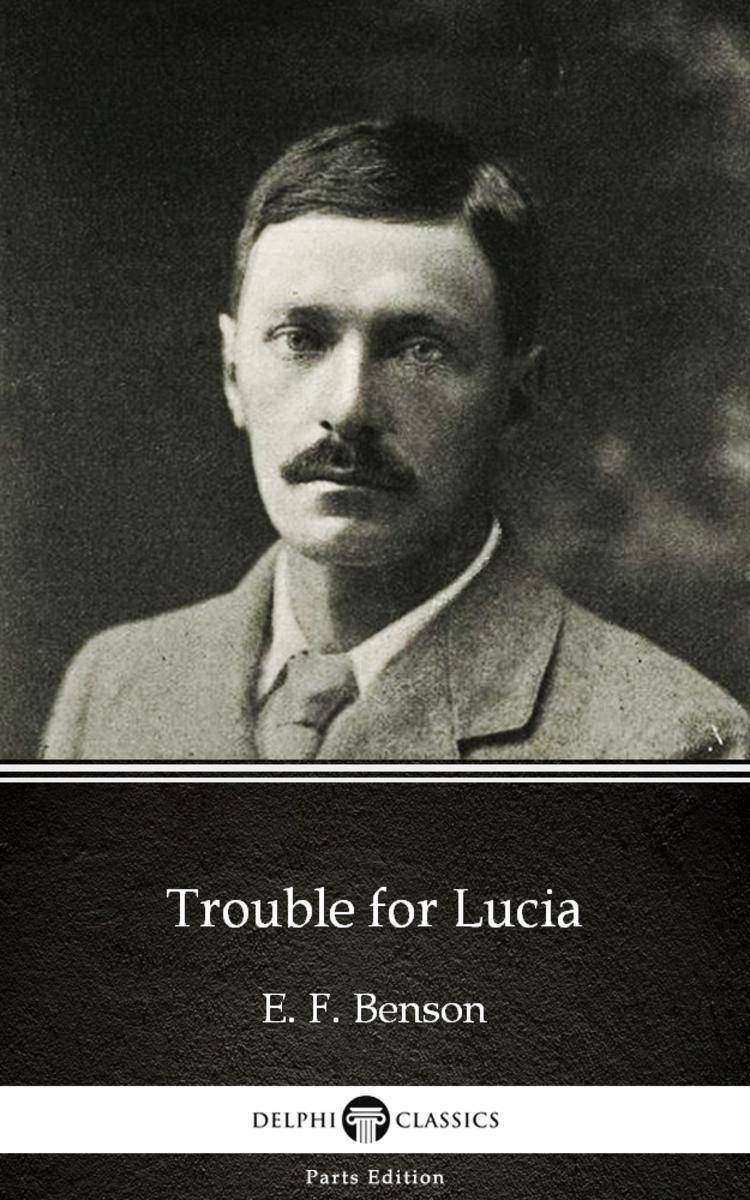
Trouble for Lucia by E. F. Benson - Delphi Classics (Illustrated)
¥8.09
This eBook features the unabridged text of ‘Trouble for Lucia by E. F. Benson - Delphi Classics (Illustrated)’ from the bestselling edition of ‘The Collected Works of E. F. Benson’. Having established their name as the leading publisher of classic literature and art, Delphi Classics produce publications that are individually crafted with superior formatting, while introducing many rare texts for the first time in digital print. The Delphi Classics edition of Benson includes original annotations and illustrations relating to the life and works of the author, as well as individual tables of contents, allowing you to navigate eBooks quickly and easily. eBook features: * The complete unabridged text of ‘Trouble for Lucia by E. F. Benson - Delphi Classics (Illustrated)’ * Beautifully illustrated with images related to Benson’s works * Individual contents table, allowing easy navigation around the eBook * Excellent formatting of the text Please visit www.delphiclassics.com to learn more about our wide range of titles
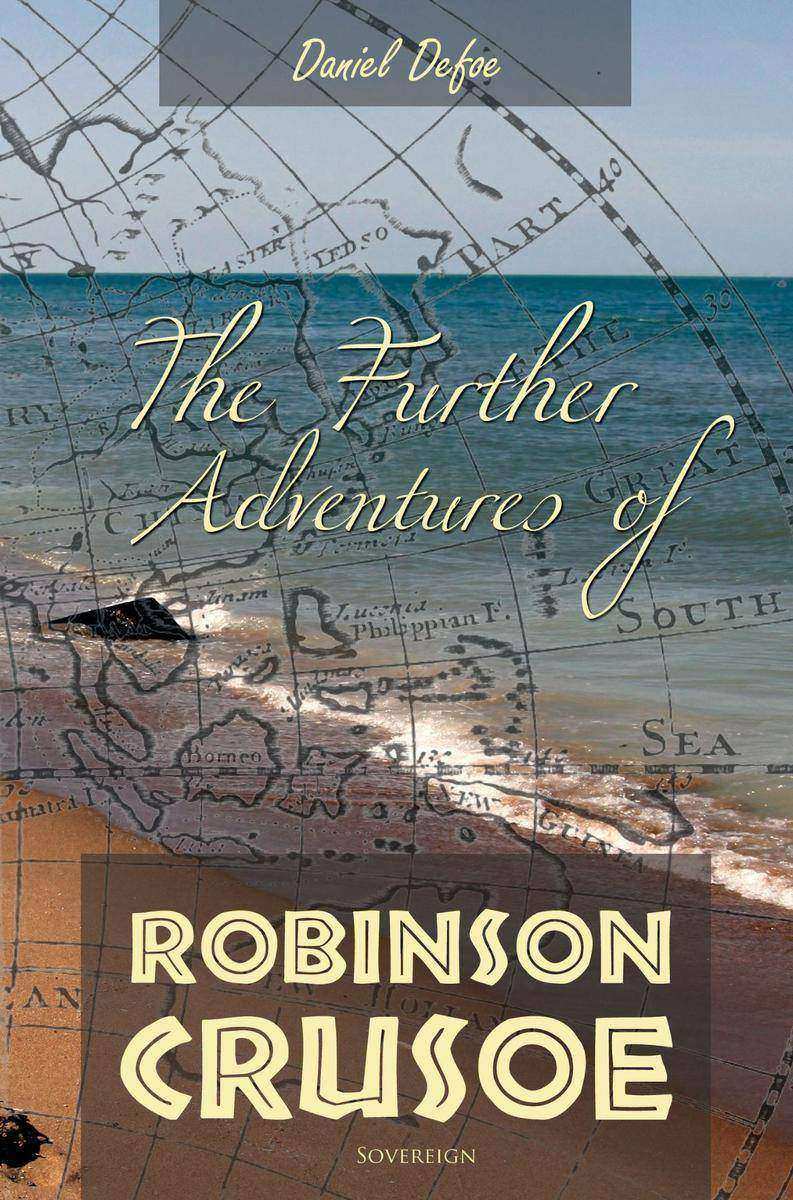
The Further Adventures of Robinson Crusoe
¥40.79
A sequel to Daniel Defoe's legendary Robinson Crusoe story of his adventures and survival on a remote tropical island. In this volume we follow Crusoe's return to his island, his voyages to Brazil, Southeast Asia, China, Madagascar, Siberia, and his adventures with the local tribes.


