


 购物车
 个人中心

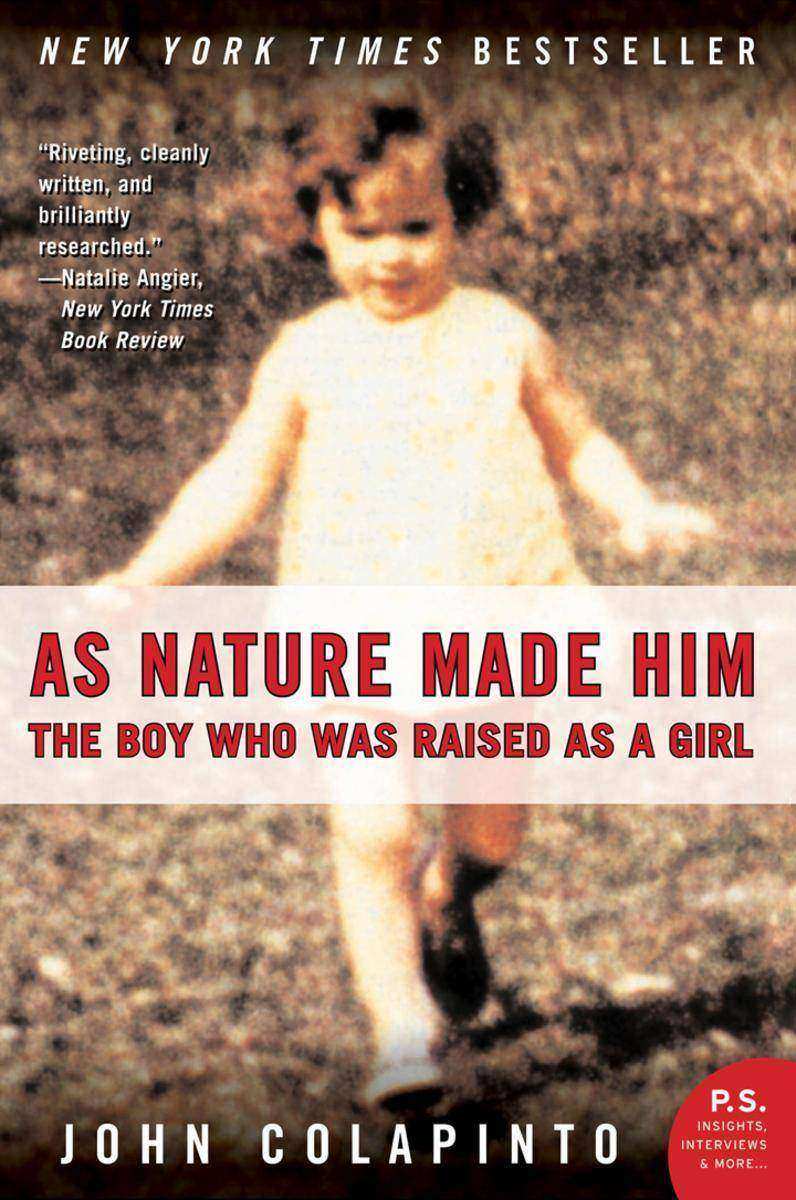
As Nature Made Him
¥88.56
In 1967, after a twin baby boy suffered a botched circumcision, his family agreed to a radical treatment that would alter his gender. The case would become one of the most famous in modern medicine and a total failure. As Nature Made Him tells the extraordinary story of David Reimer, who, when finally informed of his medical history, made the decision to live as a male. A macabre tale of medical arrogance, it is first and foremost a human drama of one man and one family amazing survival in the face of terrible odds.
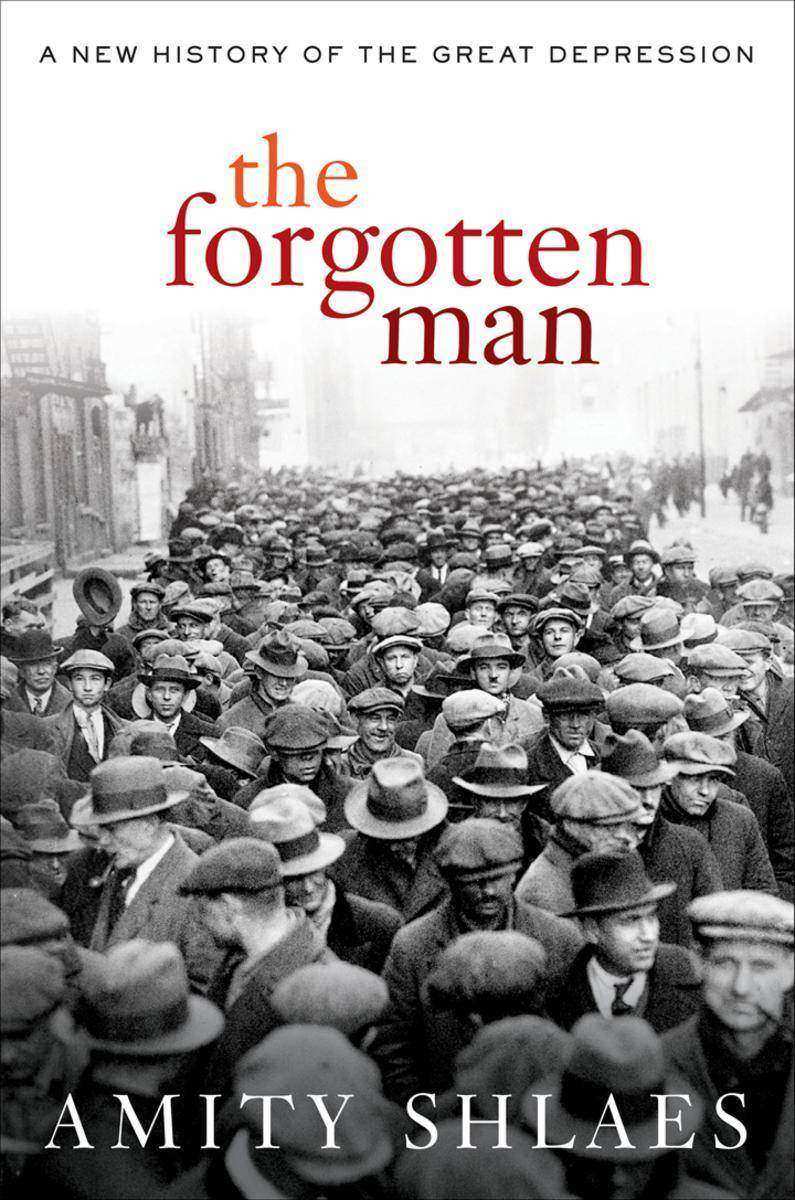
The Forgotten Man
¥106.31
In The Forgotten Man , Amity Shlaes, one of the nation's most-respected economic commentators, offers a striking reinterpretation of the Great Depression. She traces the mounting agony of the New Dealers and the moving stories of individual citizens who through their brave perseverance helped establish the steadfast character we recognize as American today.
Survival of the Sickest
¥90.51
Read it. You're already living it. Was diabetes evolution's response to the last Ice AgeDid a deadly genetic disease help our ancestors survive the bubonic plagues of EuropeWill a visit to the tanning salon help lower your cholesterolWhy do we ageWhy are some people immune to HIVCan your genes be turned on -- or offJoining the ranks of modern myth busters, Dr. Sharon Moalem turns our current understanding of illness on its head and challenges us to fundamentally change the way we think about our bodies, our health, and our relationship to just about every other living thing on earth, from plants and animals to insects and bacteria. Through a fresh and engaging examination of our evolutionary history, Dr. Moalem reveals how many of the conditions that are diseases today actually gave our ancestors a leg up in the survival sweepstakes. When the option is a long life with a disease or a short one without it, evolution opts for disease almost every time. Everything from the climate our ancestors lived in to the crops they planted and ate to their beverage of choice can be seen in our genetic inheritance. But Survival of the Sickest doesn't stop there. It goes on to demonstrate just how little modern medicine really understands about human health, and offers a new way of thinking that can help all of us live longer, healthier lives. Survival of the Sickest is filled with fascinating insights and cutting-edge research, presented in a way that is both accessible and utterly absorbing. This is a book about the interconnectedness of all life on earth -- and, especially, what that means for us.
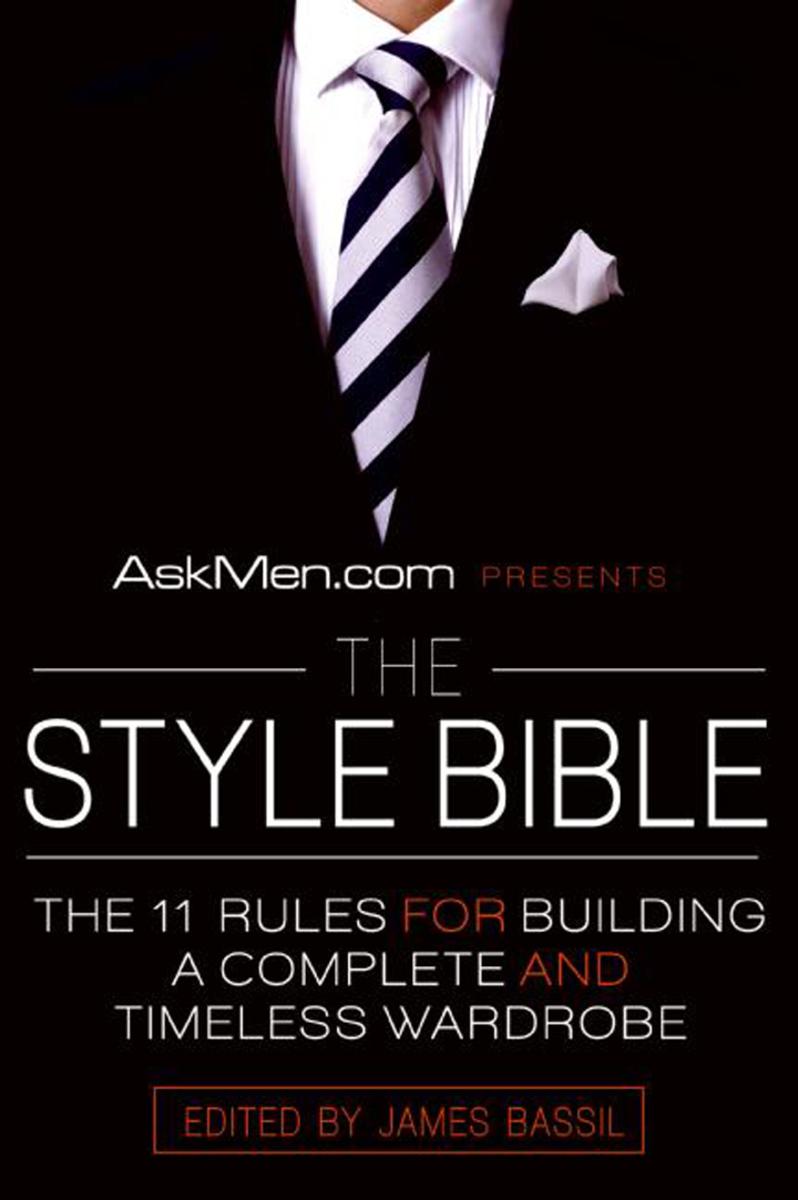
AskMen.com Presents The Style Bible
¥94.10
The Style Bible is an indispensable handbook filled with fundamentals that every man can use to improve his dress sense and lifestyle. Divided into 11 rules, The Style Bible helps you build a versatile wardrobe; coordinate different colors, patterns, and accessories; learn which clothes flatter your body type; and navigate the worlds of shoes, jeans, and watches. You'll also learn how to dress appropriately for any occasion or environment, from meetings at the office to first dates and nights on the town. With instructive illustrations and loads of tips, The Style Bible is essential reading for every man who wants to dress to impress.
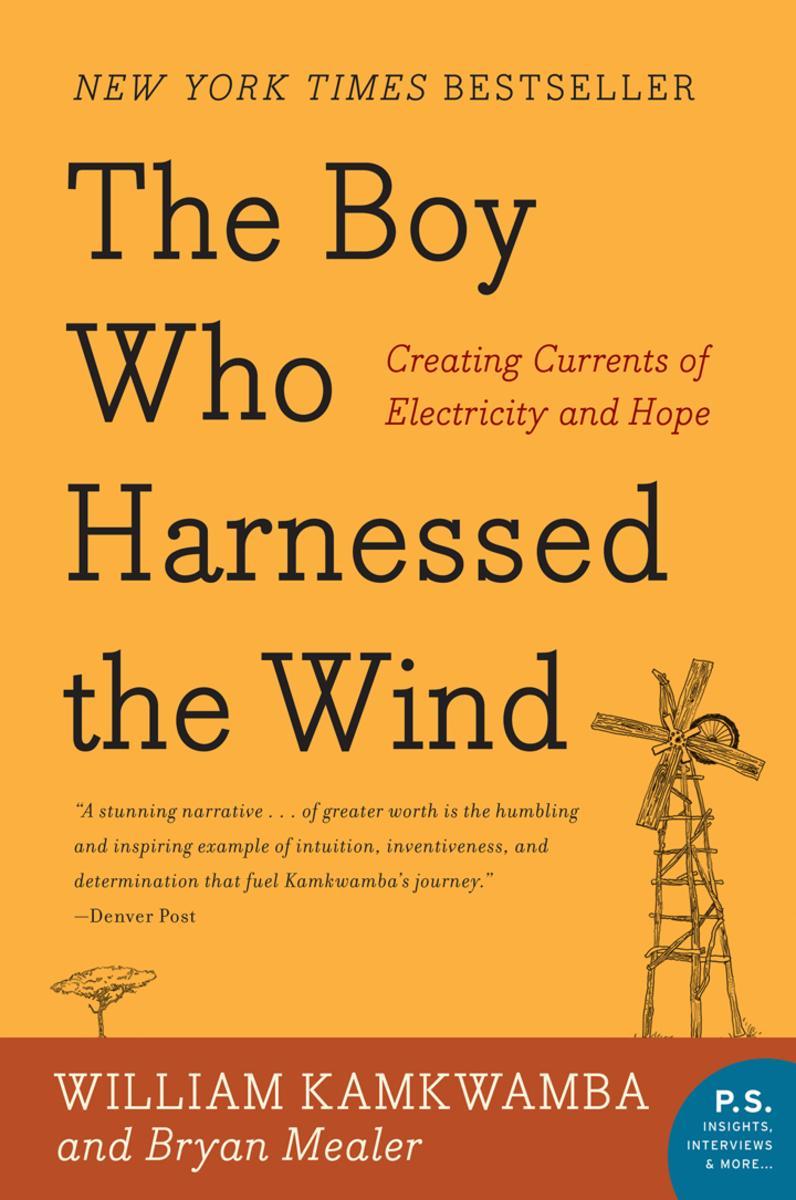
The Boy Who Harnessed the Wind
¥90.51
William Kamkwamba was born in Malawi, a country where magic ruled and modern science was mystery. It was also a land withered by drought and hunger, and a place where hope and opportunity were hard to find. But William had read about windmills in a book called Using Energy, and he dreamed of building one that would bring electricity and water to his village and change his life and the lives of those around him. His neighbors may have mocked him and called him misala crazy but William was determined to show them what a little grit and ingenuity could do. Enchanted by the workings of electricity as a boy, William had a goal to study science in Malawi's top boarding schools. But in 2002, his country was stricken with a famine that left his family's farm devastated and his parents destitute. Unable to pay the eighty-dollar-a-year tuition for his education, William was forced to drop out and help his family forage for food as thousands across the country starved and died. Yet William refused to let go of his dreams. With nothing more than a fistful of cornmeal in his stomach, a small pile of once-forgotten science textbooks, and an armory of curiosity and determination, he embarked on a daring plan to bring his family a set of luxuries that only two percent of Malawians could afford and what the West considers a necessity electricity and running water. Using scrap metal, tractor parts, and bicycle halves, William forged a crude yet operable windmill, an unlikely contraption and small miracle that eventually powered four lights, complete with homemade switches and a circuit breaker made from nails and wire. A second machine turned a water pump that could battle the drought and famine that loomed with every season. Soon, news of William's magetsi a mphepo his "electric wind" spread beyond the borders of his home, and the boy who was once called crazy became an inspiration to those around the world. Here is the remarkable story about human inventiveness and its power to overcome crippling adversity. The Boy Who Harnessed the Wind will inspire anyone who doubts the power of one individual's ability to change his community and better the lives of those around him.
Hef's Little Black Book
¥83.03
Nearly six decades ago, Hugh Marston Hefner created Playboy magazine, which effectively ignited America sexual revolution. The greatest living symbol of the Good Life, Hef created a world for himself that most men have yearned to inhabit, if only briefly, just to know what it like to be him. In Hef Little Black Book , this universally envied international icon offers a treasury of his often wry and heartfelt wisdom as it applies to the realms of romance, hedonism, ambition, business and, of course, sex. Accompanied by tantalizing never-before-seen photographs from his vast private archive, Hef Little Black Book is the gateway to Hugh Hefner irresistibly beguiling world. If you don’t swing, don’t ring lingerie and pajamas optional.

Marcus Aurelius: The Dialogues
¥24.44
‘In this delightful and well written book, Alan Stedall … has done an enormous service in making some of Marcus Aurelius’s reflections very accessible to the modern reader’ Faith & Freedom ‘The Dialogues are eminently readable and immediate …in places it is irresistible’ The Philosopher ‘I was drawn deeper and deeper into the simple solid reasoning …Stedall’s imagined dialogue had me fully in the present’ Midwest Book Review ‘I knew within a few lines this was going to be a treasure... Stedall is a word master... Bravo!’ The Smoking Poet Marcus Aurelius, one of the greatest Roman emperors, is remembered less for his military exploits than for his private reflections. His Meditations, as they became known, have been a major influence on Western thought and behaviour down the centuries the pen is mightier than the sword. Seeking an alternative to faith based religion, Alan Stedall came across the book and found rational answers to questions about the meaning and purpose of life that had been troubling him. Here too were answers to his concern that, in the absence of moral beliefs based on religion, we risk creating a world where relativism, the rejection of any sense of absolute right or wrong, prevails. In such a society any moral position is considered subjective and amoral behaviour is unchallengeable. Because the Meditations were jotted down in spare moments during a busy life ruling and defending a huge empire, they lack order and sequence. Inspired by the wisdom of Marcus Aurelius, Stedall has sought to present the contents in a more contemporary and digestible way. To achieve this, he employed the Greek philosophical technique of dialogue to create a fictional conversation between five historical figures who actually met at Aquileia on the Adriatic coast in AD 168. Apart from Marcus, they were his brother and coemperor, Lucius, the famous Hellenic surgeon of antiquity, Galen, an Egyptian high priest of Isis, Harnouphis, and Bassaeus Rufus, Prefect of the Praetorian Guard. The Dialogues afford Marcus and his guests the opportunity to express their views on such topics as the brevity of life and the need to seek meaning; the pursuit of purpose; the supreme good and the pursuit of a virtuous life – issues as relevant today as they were in antiquity. By a gentle process of question and answer, Marcus shows up the weakness of his guests’ arguments and reveals how a virtuous life may be lived without the threat of eternal damnation or promise of salvation to enforce compliance. Virtue is its own reward.

Shakespeare and Platonic Beauty
¥24.44
John Vyvyan’s third Shakespearean study was originally published by Chatto & Windus in 1961, but has long been out of print. Looking at some of the comedies, he reveals how the Platonic ideas of beauty and love, as developed by Plotinus, Ficino, Castiglione and Spenser, add an extra dimension to the plays. In A Midsummer Night’s Dream, As You Like It and All’s Well That Ends Well, the heroines bring to life the idea of love as the force that is awakened in the world by beauty which then leads the soul to perfection. Vyvyan believes that for Shake-speare love was pre-eminent over human ideas of justice, that self-discovery was a supreme human experience and that breaking faith with the ideal ‘ as Agamemnon, Cressida and Hector all do in Troilus and Cressida ‘ sowed the seeds of tragedy. The author’s recognition of Shakespeare’s use of allegory enables him to make sense of certain developments in these plays which seem weak or absurd from the psychological standpoint ‘ the ‘tidy’ marriage of Celia and Oliver in As You Like It, the ignoble behaviour of Bertram in All’s Well That Ends Well, or the constancy of Julia’s love for the fickle Proteus in The Two Gentlemen of Verona. John Vyvyan’s work is extraordinarily perceptive, compelling us to think again about the underlying philosophy in Shakespeare’s plays, and to see their action from a fresh point of view. It is not often that one finds combined in one critical book so much learning, insight and modesty. ‘If a clearly conceived philosophy is implicit [in Shakespeare's work]‘, Vyvyan writes, ‘then it is by parable and allegory that it is expressed; and the recognition of this ‘I think’ immensely enhances our enjoyment of the plays: it gives them a new dimension and a richness that has yet to be explored; it is a stimulating challenge to acting and production; and to the audience it reveals a drama beyond the theatre, written, as Coleridge so finely said, for the stage of the universal mind.’
Galileo's Instruments of Credit
¥229.55
In six short years, Galileo Galilei went from being a somewhat obscure mathematics professor running a student boarding house in Padua to a star in the court of Florence to the recipient of dangerous attention from the Inquisition for his support of Copernicanism. In that brief period, Galileo made a series of astronomical discoveries that reshaped the debate over the physical nature of the heavens: he deeply modified the practices and status of astronomy with the introduction of the telescope and pictorial evidence, proposed a radical reconfiguration of the relationship between theology and astronomy, and transformed himself from university mathematician into court philosopher.Galileo's Instruments of Credit proposes radical new interpretations of several key episodes of Galileo's career, including his early telescopic discoveries of 1610, the dispute over sunspots, and the conflict with the Holy Office over the relationship between Copernicanism and Scripture. Galileo's tactics during this time shifted as rapidly as his circumstances, argues Mario Biagioli, and the pace of these changes forced him to respond swiftly to the opportunities and risks posed by unforeseen inventions, further discoveries, and the interventions of his opponents.Focusing on the aspects of Galileo's scientific life that extend beyond the framework of court culture and patronage, Biagioli offers a revisionist account of the different systems of exchanges, communication, and credibility at work in various phases of Galileo's career. Galileo's Instruments of Credit will find grateful readers among scholars of science studies, historical epistemology, visual studies, Galilean science, and late Renaissance astronomy.
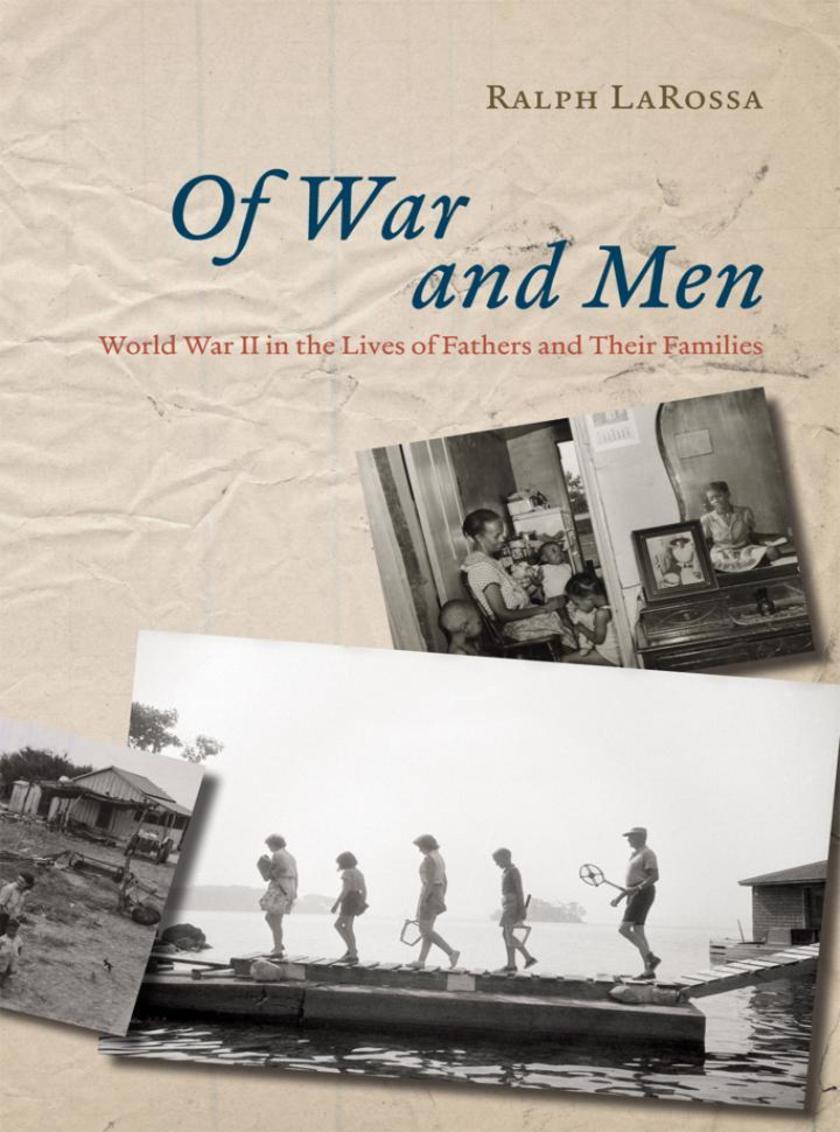
Of War and Men
¥306.07
Fathers in the fifties tend to be portrayed as wise and genial pipe-smokers or distant, emotionless patriarchs. This common but limited stereotype obscures the remarkable diversity of their experiences and those of their children. To uncover the real story of fatherhood during this transformative era, Ralph LaRossa takes the long view-from the attack on Pearl Harbor up to the election of John F. Kennedy-revealing the myriad ways that World War II and its aftermath shaped men.Offering compelling accounts of people both ordinary and extraordinary, Of War and Men digs deep into the terrain of fatherhood. LaRossa explores the nature and aftereffects of combat, the culture of fear during the Cold War, the ways that fear altered the lives of racial and sexual minorities, and how the civil rights movement affected families both black and white. Overturning some calcified myths, LaRossa also analyzes the impact of suburbanization on fathers and their kids, discovering that living in the suburbs often strengthened their bond. And finally, looking beyond the idealized dad enshrined in TV sitcoms, Of War and Men explores the brutal side of family life in the postwar years. LaRossa's richly researched book dismantles stereotypes while offering up a fascinating and incisive chronicle of fatherhood in all its complexity.

Darkness Visible
¥188.35
One of the best books ever written on one of humanity's greatest epics, W. R. Johnson's classic study of Vergil's Aeneid challenges centuries of received wisdom. Johnson rejects the political and historical reading of the epic as a record of the glorious prehistory of Rome and instead foregrounds Vergil's enigmatic style and questioning of the heroic myths.With an approach to the text that is both grounded in scholarship and intensely personal, and in a style both rhetorically elegant and passionate, Johnson offers readings of specific passages that are nuanced and suggestive as he focuses on the "e;somber and nourishing fictions"e; in Vergil's poem. A timeless work of scholarship, Darkness Visible will enthrall classicists as well as students and scholars of the history of criticism-specifically the way in which politics influence modern readings of the classics-and of poetry and literature.
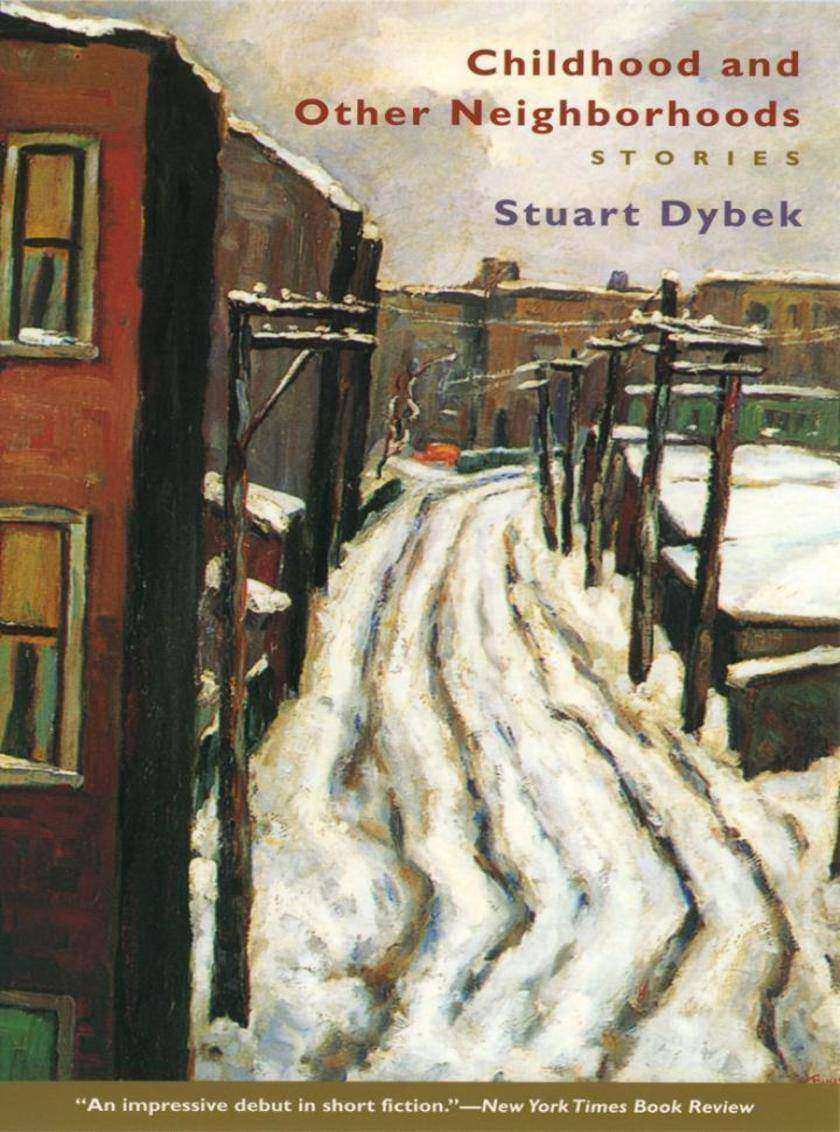
Childhood and Other Neighborhoods
¥188.35
In Stuart Dybek's Chicago, wonder lurks in unexpected places-in garbage-strewn alleys, gloomy basement apartments, abandoned rooms at the top of rickety stairs periodically rumbled by passing el trains. Transformed through the wide eyes of Dybek's adolescent heroes, these grimy urban backwaters become exotic landscapes of fear-filled possibility, of dreams not yet turned to nightmares. Chronicling what happens when Old World faith meets the dark side of the American dream, Dybek's poignant stories of coming of age in Chicago alternately appall, amaze, and just simply entertain.
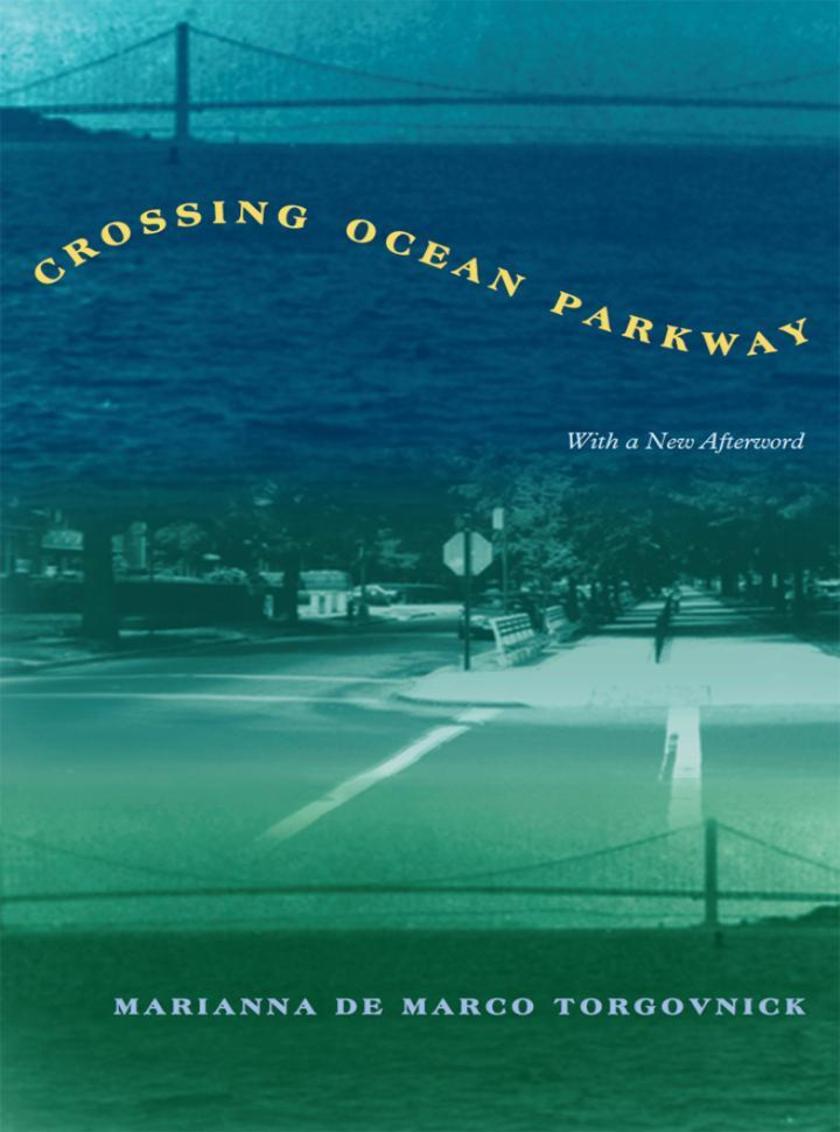
Crossing Ocean Parkway
¥170.69
Growing up an Italian-American in the Bensonhurst neighborhood of New York city, Marianna De Marco longed for college, culture, and upward mobility. Her daydreams circled around WASP (White Anglo Saxon Protestant) heroes on television-like Robin Hood and the Cartwright family-but in Brooklyn she never encountered any. So she associated moving up with Ocean Parkway, a street that divides the working-class Italian neighborhood where she was born from the middle-class Jewish neighborhood into which she married. This book is Torgovnick's unflinching account of crossing cultural boundaries in American life, of what it means to be an Italian American woman who became a scholar and literary critic.Included are autobiographical moments interwoven with engrossing interpretations of American cultural icons from Dr. Dolittle to Lionel Trilling, The Godfather to Camille Paglia. Her experiences allow her to probe the cultural tensions in America caused by competing ideas of individuality and community, upward mobility and ethnic loyalty, acquisitiveness and spirituality.
Teaching Artist Handbook, Volume One
¥165.81
Teaching Artist Handbook is based on the premise that teaching artists have the unique ability to engage students as fellow artists. In their schools and communities, teaching artists put high quality art-making at the center of their practice and open doors to powerful learning across disciplines.This book is a collection of essays, stories, lists, examples, dialogues, and ideas, all offered with the aim of helping artists create and implement effective teaching based on their own expertise and strengths. The Handbook addresses three core questions: "e;What will I teach?"e; "e;How will I teach it?"e; and "e;How will I know if my teaching is working?"e; It also recognizes that teaching is a dynamic process that requires critical reflection and thoughtful adjustment in order to foster a supportive artistic environment.Instead of offering rigid formulas, this book is centered on practice-the actual doing and making of teaching artist work. Experience-based and full of heart, the Teaching Artist Handbook will encourage artists of every experience level to create an original and innovative practice that inspires students and the artist.
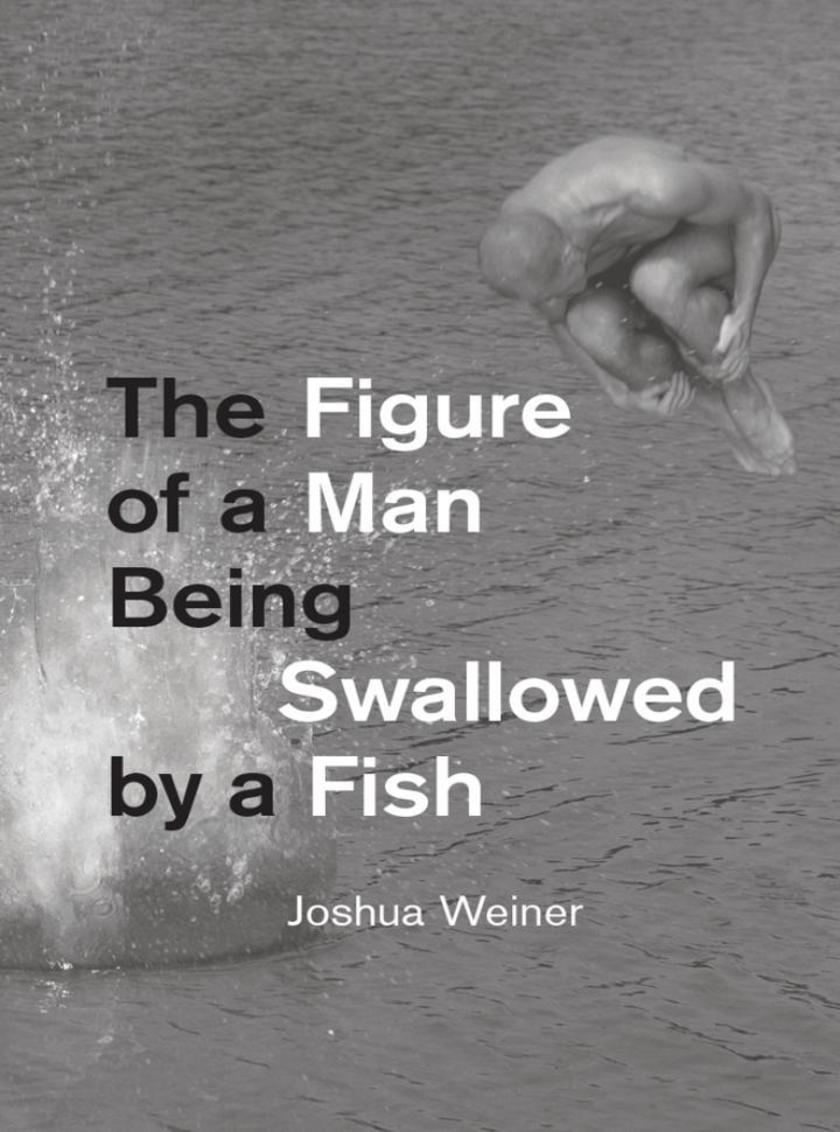
Figure of a Man Being Swallowed by a Fish
¥147.15
At the heart of Weiner's new book is an extended poem with a bold political dimension and great intellectual ambition. It fuses the poet's point of view with Walt Whitman's to narrate a decentered time-traveling collage about Rock Creek, a tributary of the Potomac that runs through Washington, DC. For Weiner, Rock Creek is the location of myriad kinds of movement, streaming, and joining: personal enterprise and financial capital; national politics, murder, sex, and homelessness; the Civil War and collective history; music, spiritual awakening, personal memory, and pastoral vision. The questions that arise from the opening foundational poem inform the others in the collection, which range widely from the dramatic arrival of an uncanny charismatic totem that titles the volume to intimate reflections on family, illness, and dream visions. The virtues of Weiner's earlier books-discursive intelligence, formal control, an eccentric and intriguing ear, and a wide-ranging curiosity matched to variety of feeling-are all present here. But in The Figure of a Man Being Swallowed by a Fish, Weiner has discovered a new poetic idiom, one that is stripped down, rhythmically jagged, and comprehensively philosophical about human limits.
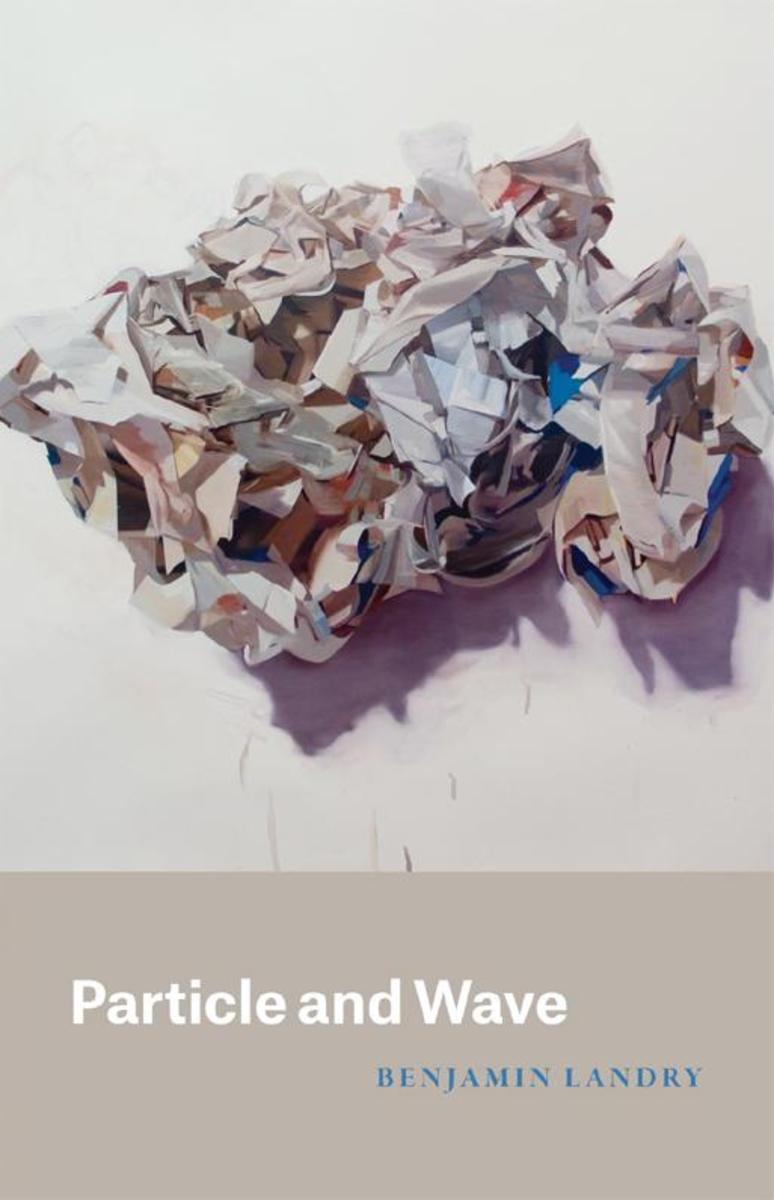
Particle and Wave
¥147.15
Are we aloneIf so, Particle and Wave insists that we need not be lonely. Here the periodic table of elements-a system familiar to many of us from high school chemistry-unfolds in a series of unexpected meanings with connotations public, personal, and existential. Based on a logic that considers the atomic symbol an improvised phoneme, Particle and Wave is keenly attuned to the qualities of voice and concerned with how these improvisations fall on the listening ear. From the most recent housing bust, to the artistic visions of Christo and Jeanne Claude, to the labors of the Curies, to Pliny the Younger's account of the eruption of Vesuvius, culture and world histories are recontextualized through the lens of personal experience. Muscular, precise, structurally varied, and imagistic, these poems engage in lyricism yet resist mere confession. In doing so they project the self as a composite, speaking in a variety of registers, from the nursery rhyme songster, to the ascetic devotee, to the unapologetic sensualist. They welcome all comers and elbow the bounded physical world to make way for a dynamic, new subjectivity.
Love and Saint Augustine
¥147.15
Hannah Arendt began her scholarly career with an exploration of Saint Augustine's concept of caritas, or neighborly love, written under the direction of Karl Jaspers and the influence of Martin Heidegger. After her German academic life came to a halt in 1933, Arendt carried her dissertation into exile in France, and years later took the same battered and stained copy to New York. During the late 1950s and early 1960s, as she was completing or reworking her most influential studies of political life, Arendt was simultaneously annotating and revising her dissertation on Augustine, amplifying its argument with terms and concepts she was using in her political works of the same period. The disseration became a bridge over which Arendt traveled back and forth between 1929 Heidelberg and 1960s New York, carrying with her Augustine's question about the possibility of social life in an age of rapid political and moral change.In Love and Saint Augustine, Joanna Vecchiarelli Scott and Judith Chelius Stark make this important early work accessible for the first time. Here is a completely corrected and revised English translation that incorporates Arendt's own substantial revisions and provides additional notes based on letters, contracts, and other documents as well as the recollections of Arendt's friends and colleagues during her later years.
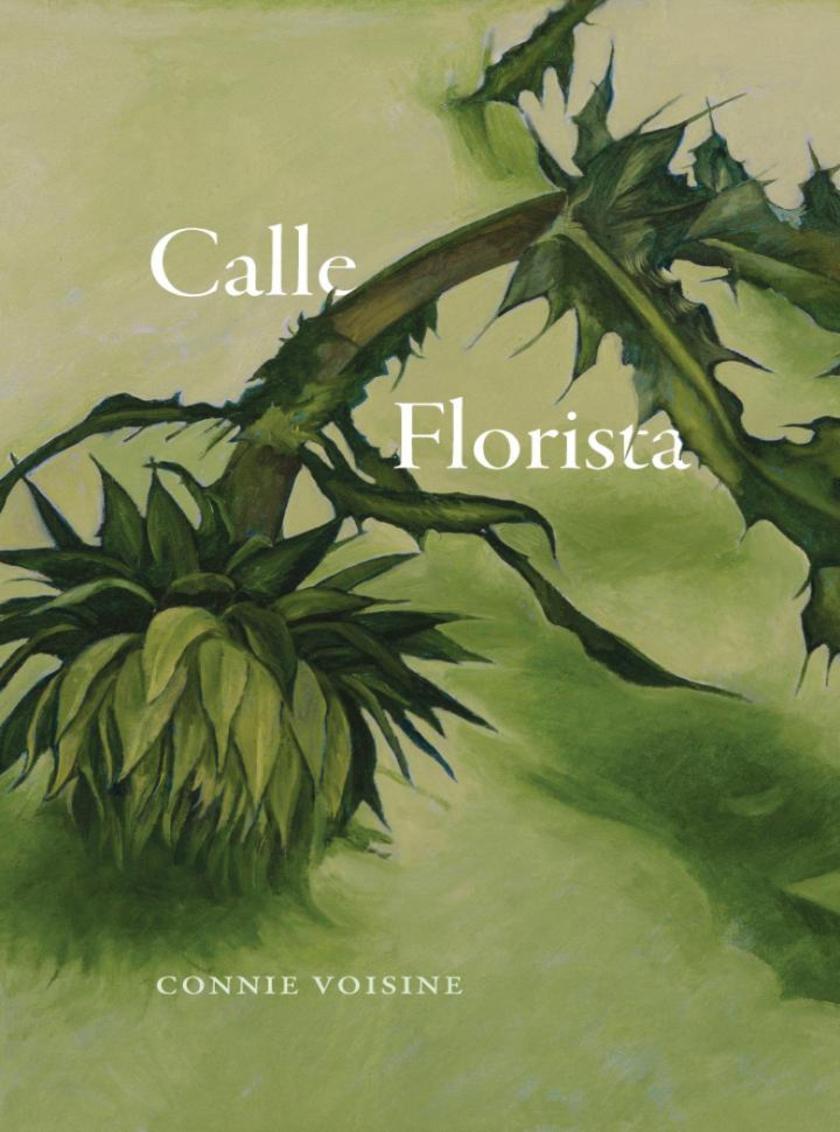
Calle Florista
¥147.15
This World and That OneSometimes you defy it,I am not that, watching a strangercry like a dog when she thinks she's aloneat the kitchen window, hands forgottenunder the running tap.The curtains blow out, flap the other side of the sill.In you one hole fills another,stacked like cups.You remember your hands.Connie Voisine's third book of poems centers on the border between the United States and Mexico, celebrating the stunning, severe desert landscape found there. This setting marks the occasion as well for Voisine to explore themes of splitting and friction in both human and political contexts. Whose space is this border, she asks, and what voice can possibly tell the story of this place?In a wry, elegiac mode, the poems of Calle Florista take us both to the edge of our country and the edge of our faith in art and the world. This is mature work, offering us poems that oscillate between the articulation of complex, private sensibilities and the directness of a poet cracking the private self open-and making it vulnerable to the wider world.
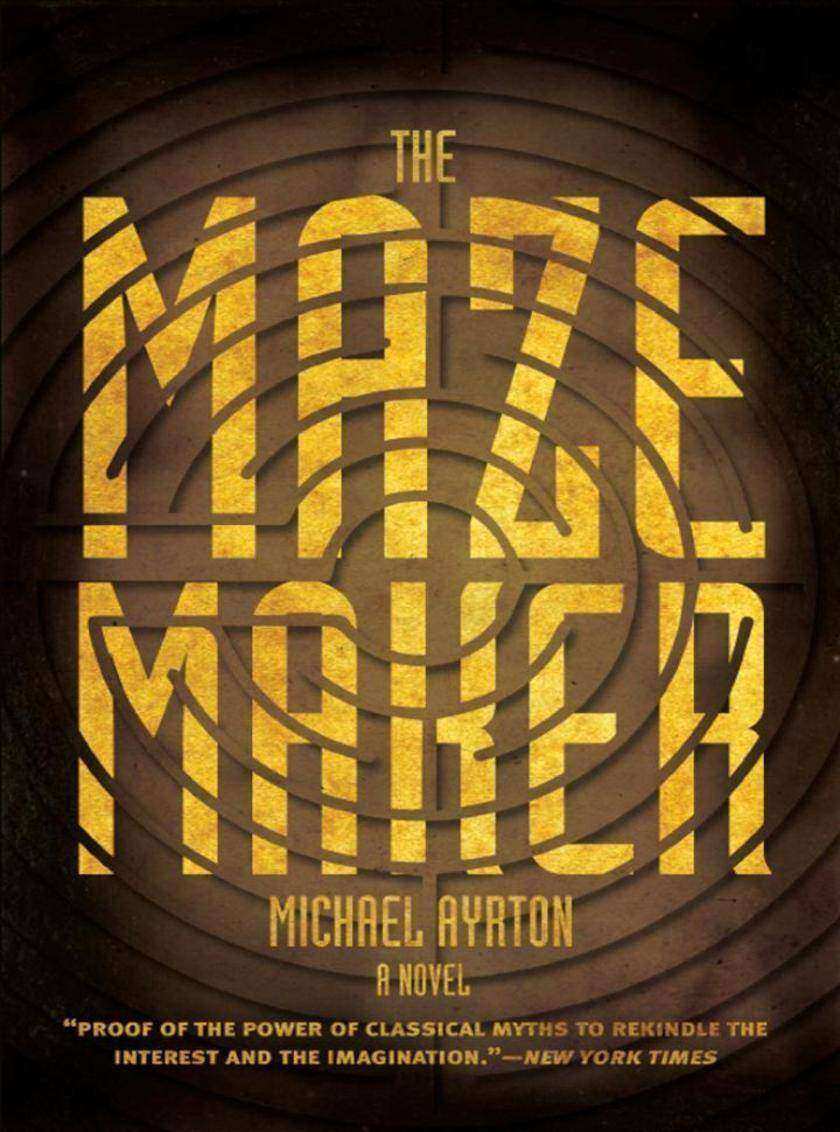
Maze Maker
¥141.26
"e;I address you across more than three thousand years, you who live at the conjunction of the Fish and the Water-carrier,"e; speaks Daedalus, an artisan, inventor, and designer born into an utterly alien family of heroes who value acts of war above all else, a world where his fellow Greeks seem driven only to destroy-an existence he feels compelled to escape.In this fictional autobiography of the father of Icarus, "e;Apollo's creature,"e; a brilliant but flawed man, writer and sculptor Michael Ayrton harnesses the tales of the past to mold a myth for our times. We learn of Daedalus's increasingly ambitious artifacts and inventions; his fascination with Minoan culture, commerce, and religion, and his efforts to adapt to them; how he comes to design the maze of the horned Minotaur; and how, when he decides that he must flee yet again, he builds two sets of wax wings-wings that will be instruments of his descent into the underworld, a place of both purgatory and rebirth.A compelling mix of history, fable, lore, and meditations on the enigma of art, The Maze Maker will ensnare classicists, artists, and all lovers of story in its convolutions of life and legend. "e;I never understood the pattern of my life,"e; writes Daedalus, "e;so that I have blundered through it in a maze."e;
Articulating the World
¥247.21
Naturalism as a guiding philosophy for modern science both disavows any appeal to the supernatural or anything else transcendent to nature, and repudiates any philosophical or religious authority over the workings and conclusions of the sciences. A longstanding paradox within naturalism, however, has been the status of scientific knowledge itself, which seems, at first glance, to be something that transcends and is therefore impossible to conceptualize within scientific naturalism itself.?In Articulating the World, Joseph Rouse argues that the most pressing challenge for advocates of naturalism today is precisely this: to understand how to make sense of a scientific conception of nature as itself part of nature, scientifically understood. Drawing upon recent developments in evolutionary biology and the philosophy of science, Rouse defends naturalism in response to this challenge by revising both how we understand our scientific conception of the world and how we situate ourselves within it.
Masters of Uncertainty
¥247.21
Though we commonly make them the butt of our jokes, weather forecasters are in fact exceptionally good at managing uncertainty. They consistently do a better job calibrating their performance than stockbrokers, physicians, or other decision-making experts precisely because they receive feedback on their decisions in near real time. Following forecasters in their quest for truth and accuracy, therefore, holds the key to the analytically elusive process of decision making as it actually happens.In Masters of Uncertainty, Phaedra Daipha develops a new conceptual framework for the process of decision making, after spending years immersed in the life of a northeastern office of the National Weather Service. Arguing that predicting the weather will always be more craft than science, Daipha shows how forecasters have made a virtue of the unpredictability of the weather. Impressive data infrastructures and powerful computer models are still only a substitute for the real thing outside, and so forecasters also enlist improvisational collage techniques and an omnivorous appetite for information to create a locally meaningful forecast on their computer screens. Intent on capturing decision making in action, Daipha takes the reader through engrossing firsthand accounts of several forecasting episodes (hits and misses) and offers a rare fly-on-the-wall insight into the process and challenges of producing meteorological predictions come rain or come shine. Combining rich detail with lucid argument, Masters of Uncertainty advances a theory of decision making that foregrounds the pragmatic and situated nature of expert cognition and casts into new light how we make decisions in the digital age.


