


 购物车
 个人中心


Not Tonight
¥229.55
Pain. Vomiting. Hours and days spent lying in the dark. Migraine is an extraordinarily common, disabling, and painful disorder that affects over 36 million Americans and costs the US economy at least $32 billion per year. Nevertheless, it is frequently dismissed, ignored, and delegitimized.In?Not Tonight, Joanna Kempner argues that this general dismissal of migraine can be traced back to the gendered social values embedded in the way we talk about, understand, and make policies for people in pain. Because the symptoms that accompany headache disorders-like head pain, visual auras, and sensitivity to sound-lack an objective marker of distress that can confirm their existence, doctors rely on the perceived moral character of their patients to gauge how serious their complaints are. Kempner shows how this problem plays out in the history of migraine, from nineteenth-century formulations of migraine as a disorder of upper-class intellectual men and hysterical women to the influential concept of "e;migraine personality"e; in the 1940s, in which women with migraine were described as uptight neurotics who withheld sex, to contemporary depictions of people with highly sensitive "e;migraine brains."e;?Not Tonight?casts new light on how cultural beliefs about gender, pain, and the distinction between mind and body influence not only whose suffering we legitimate, but which remedies are marketed, how medicine is practiced, and how knowledge about disease is produced.
Realizing Educational Rights
¥247.21
In?Realizing Educational Rights, Anne Newman examines two educational rights questions that arise at the intersection of political theory, educational policy, and law: What is the place of a right to education in a participatory democracy, and how can we realize this right in the United StatesTracking these questions across both philosophical and pragmatic terrain, she addresses urgent moral and political questions, offering a rare, double-pronged look at educational justice in a democratic society.Newman argues that an adequate K-12 education is the right of all citizens, as a matter of equality, and emphasizes that this right must be shielded from the sway of partisan and majoritarian policy making far more than it currently is. She then examines how educational rights are realized in our current democratic structure, offering two case studies of leading types of rights-based activism: school finance litigation on the state level and the mobilization of citizens through community-based organizations. Bringing these case studies together with rich philosophical analysis,?Realizing Educational Rights?advances understanding of the relationships among moral and legal rights, education reform, and democratic politics.?

Peak Oil
¥229.55
In recent years, the concept of "e;peak oil"e;-the moment when global oil production peaks and a train of economic, social, and political catastrophes accompany its subsequent decline-has captured the imagination of a surprisingly large number of Americans, ordinary citizens as well as scholars, and created a quiet, yet intense underground movement.In Peak Oil, Matthew Schneider-Mayerson takes readers deep inside the world of "e;peakists,"e; showing how their hopes and fears about the postcarbon future led them to prepare for the social breakdown they foresee-all of which are fervently discussed and debated via websites, online forums, videos, and novels. By exploring the worldview of peakists, and the unexpected way that the fear of peak oil and climate change transformed many members of this left-leaning group into survivalists, Schneider-Mayerson builds a larger analysis of the rise of libertarianism, the role of oil in modern life, the political impact of digital technologies, the racial and gender dynamics of post-apocalyptic fantasies, and the social organization of environmental denial.

Chaos and Order
¥247.21
The scientific discovery that chaotic systems embody deep structures of order is one of such wide-ranging implications that it has attracted attention across a spectrum of disciplines, including the humanities. In this volume, fourteen theorists explore the significance for literary and cultural studies of the new paradigm of chaotics, forging connections between contemporary literature and the science of chaos. They examine how changing ideas of order and disorder enable new readings of scientific and literary texts, from Newton's Principia to Ruskin's autobiography, from Victorian serial fiction to Borges's short stories.N. Katherine Hayles traces shifts in meaning that chaos has undergone within the Western tradition, suggesting that the science of chaos articulates categories that cannot be assimilated into the traditional dichotomy of order and disorder. She and her contributors take the relation between order and disorder as a theme and develop its implications for understanding texts, metaphors, metafiction, audience response, and the process of interpretation itself. Their innovative and diverse work opens the interdisciplinary field of chaotics to literary inquiry.
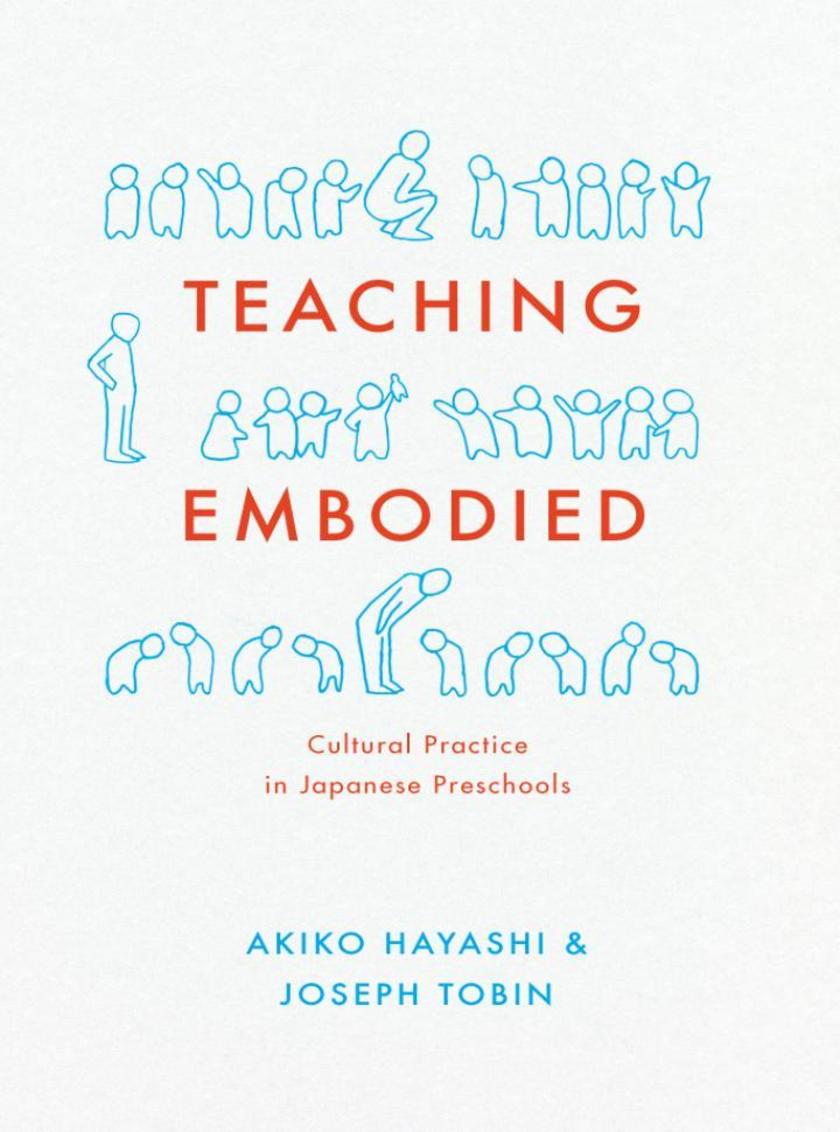
Teaching Embodied
¥247.21
When we look beyond lesson planning and curricula-those explicit facets that comprise so much of our discussion about education-we remember that teaching is an inherently social activity, shaped by a rich array of implicit habits, comportments, and ways of communicating. This is as true in the United States as it is in Japan, where Akiko Hayashi and Joseph Tobin have long studied early education from a cross-cultural perspective. Taking readers inside the classrooms of Japanese preschools, Teaching Embodied explores the everyday, implicit behaviors that form a crucially important-but grossly understudied-aspect of educational practice.?Akiko Hayashi and Joseph Tobin embed themselves in the classrooms of three different teachers at three different schools to examine how teachers act, think, and talk. Drawing on extended interviews, their own real-time observations, and hours of video footage, they focus on how teachers embody their lessons: how they use their hands to gesture, comfort, or discipline; how they direct their posture, gaze, or physical location to indicate degrees of attention; and how they use the tone of their voice to communicate empathy, frustration, disapproval, or enthusiasm. Comparing teachers across schools and over time, they offer an illuminating analysis of the gestures that comprise a total body language, something that, while hardly ever explicitly discussed, the teachers all share to a remarkable degree. Showcasing the tremendous importance of-and dearth of attention to-this body language, they offer a powerful new inroad into educational study and practice, a deeper understanding of how teaching actually works, no matter what culture or country it is being practiced in.?
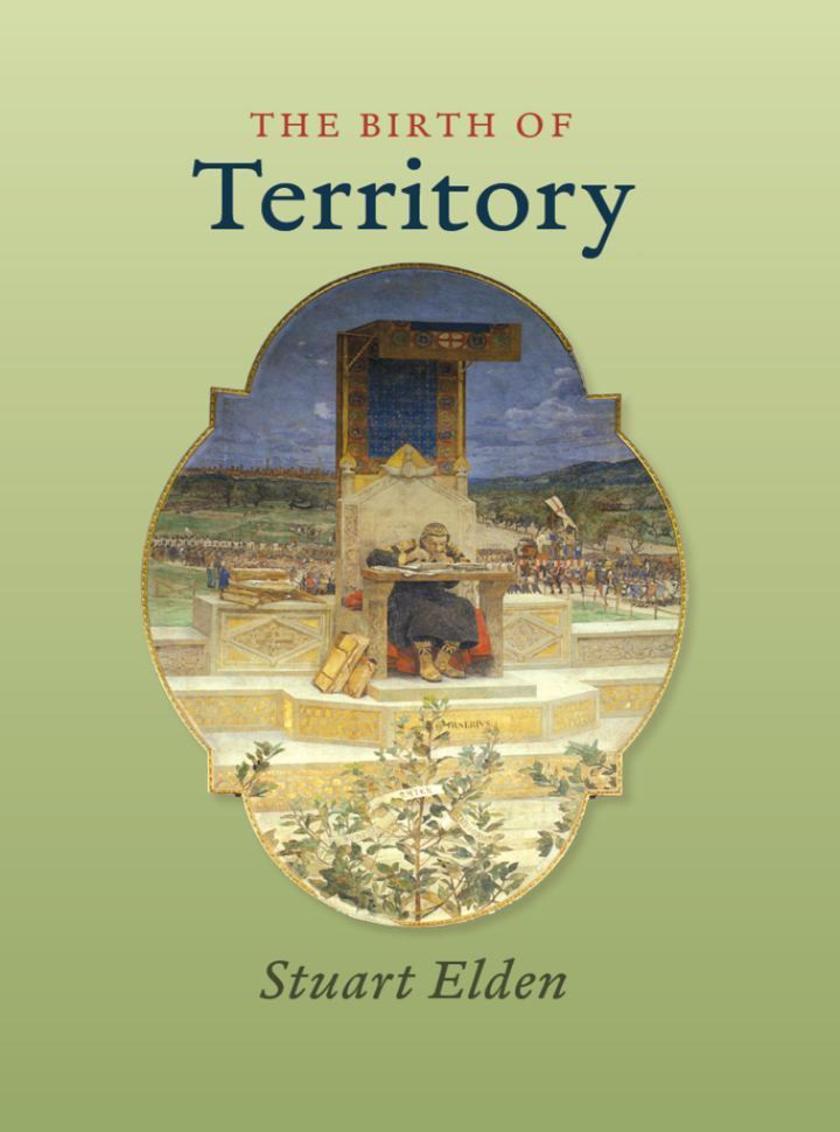
Birth of Territory
¥247.21
Territory is one of the central political concepts of the modern world and, indeed, functions as the primary way the world is divided and controlled politically. Yet territory has not received the critical attention afforded to other crucial concepts such as sovereignty, rights, and justice. While territory continues to matter politically, and territorial disputes and arrangements are studied in detail, the concept of territory itself is often neglected today. Where did the idea of exclusive ownership of a portion of the earth's surface come from, and what kinds of complexities are hidden behind that seemingly straightforward definitionThe Birth of Territory provides a detailed account of the emergence of territory within Western political thought. Looking at ancient, medieval, Renaissance, and early modern thought, Stuart Elden examines the evolution of the concept of territory from ancient Greece to the seventeenth century to determine how we arrived at our contemporary understanding. Elden addresses a range of historical, political, and literary texts and practices, as well as a number of key players-historians, poets, philosophers, theologians, and secular political theorists-and in doing so sheds new light on the way the world came to be ordered and how the earth's surface is divided, controlled, and administered.
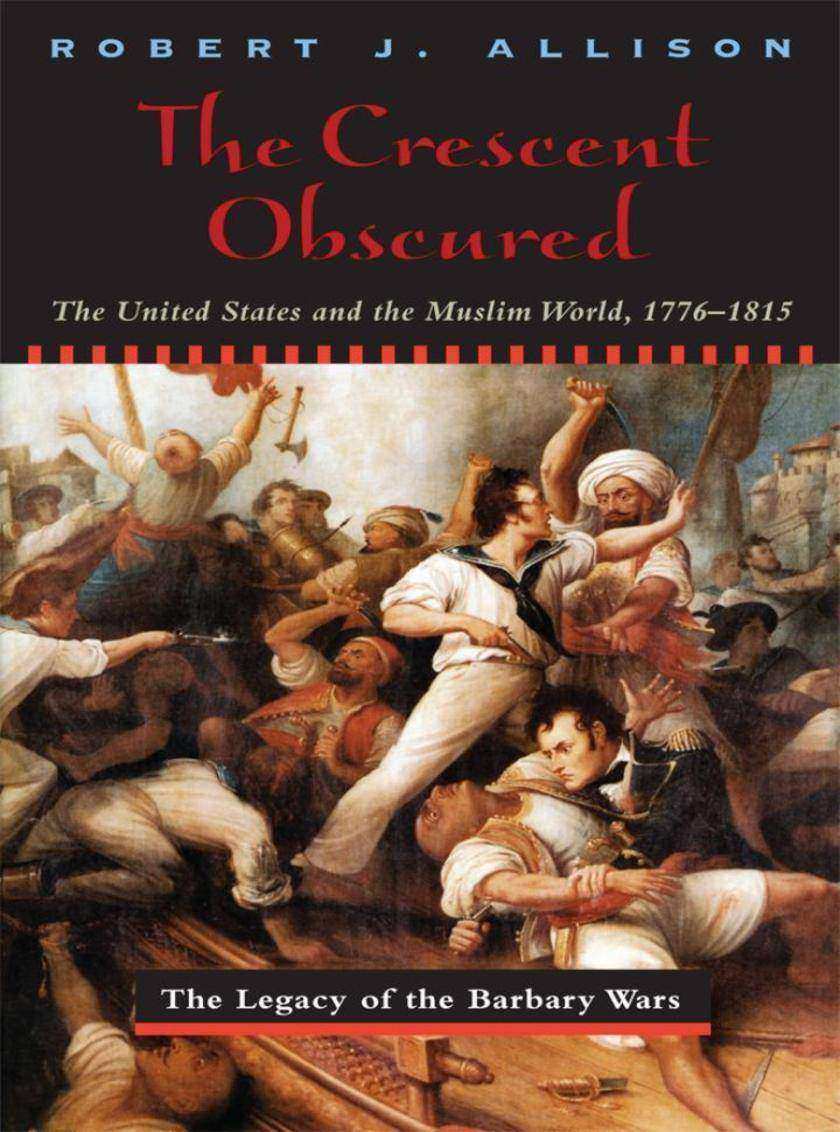
Crescent Obscured
¥241.33
From the beginning of the colonial period to the recent conflicts in the Middle East, encounters with the Muslim world have helped Americans define national identity and purpose. Focusing on America's encounter with the Barbary states of North Africa from 1776 to 1815, Robert Allison traces the perceptions and mis-perceptions of Islam in the American mind as the new nation constructed its ideology and system of government."e;A powerful ending that explains how the experience with the Barbary states compelled many Americans to look inward . . . with increasing doubts about the institution of slavery."e; -David W. Lesch, Middle East Journal"e;Allison's incisive and informative account of the fledgling republic's encounter with the Muslim world is a revelation with a special pertinence to today's international scene."e; -Richard W. Bulliet, Journal of Interdisciplinary History"e;This book should be widely read. . . . Allison's study provides a context for understanding more recent developments, such as America's tendency to demonize figures like Iran's Khumaini, Libya's Qaddafi, and Iraq's Saddam."e; -Richard M. Eaton, Eighteenth Century Studies
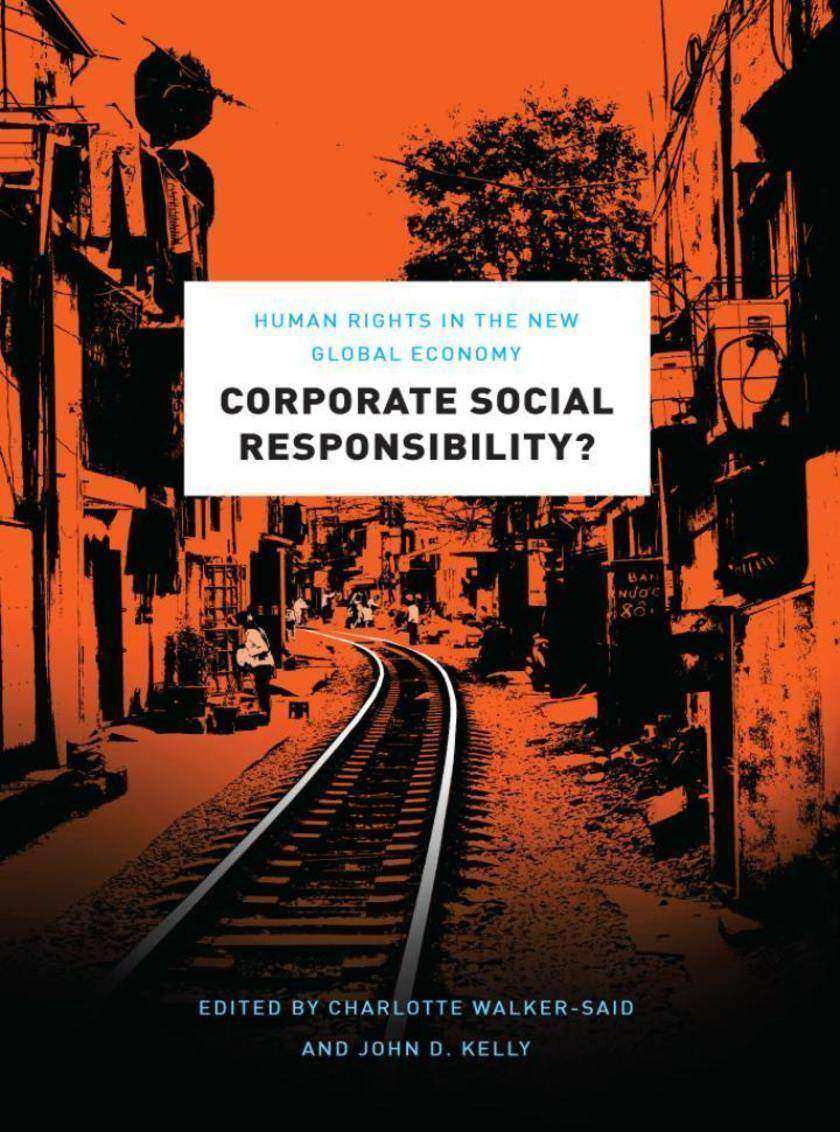
Corporate Social Responsibility?
¥247.21
With this book, Charlotte Walker-Said and John D. Kelly have assembled an essential toolkit to better understand how the notoriously ambiguous concept of corporate social responsibility (CSR) functions in practice within different disciplines and settings. Bringing together cutting-edge scholarship from leading figures in human rights programs around the United States, they vigorously engage some of the major political questions of our age: what is CSR, and how might it render positive political change in the real worldThe book examines the diverse approaches to CSR, with a particular focus on how those approaches are siloed within discrete disciplines such as business, law, the social sciences, and human rights. Bridging these disciplines and addressing and critiquing all the conceptual domains of CSR, the book also explores how CSR silos develop as a function of the competition between different interests. Ultimately, the contributors show that CSR actions across all arenas of power are interdependent, continually in dialogue, and mutually constituted. Organizing a diverse range of viewpoints, this book offers a much-needed synthesis of a crucial element of today's globalized world and asks how businesses can, through their actions, make it better for everyone.?
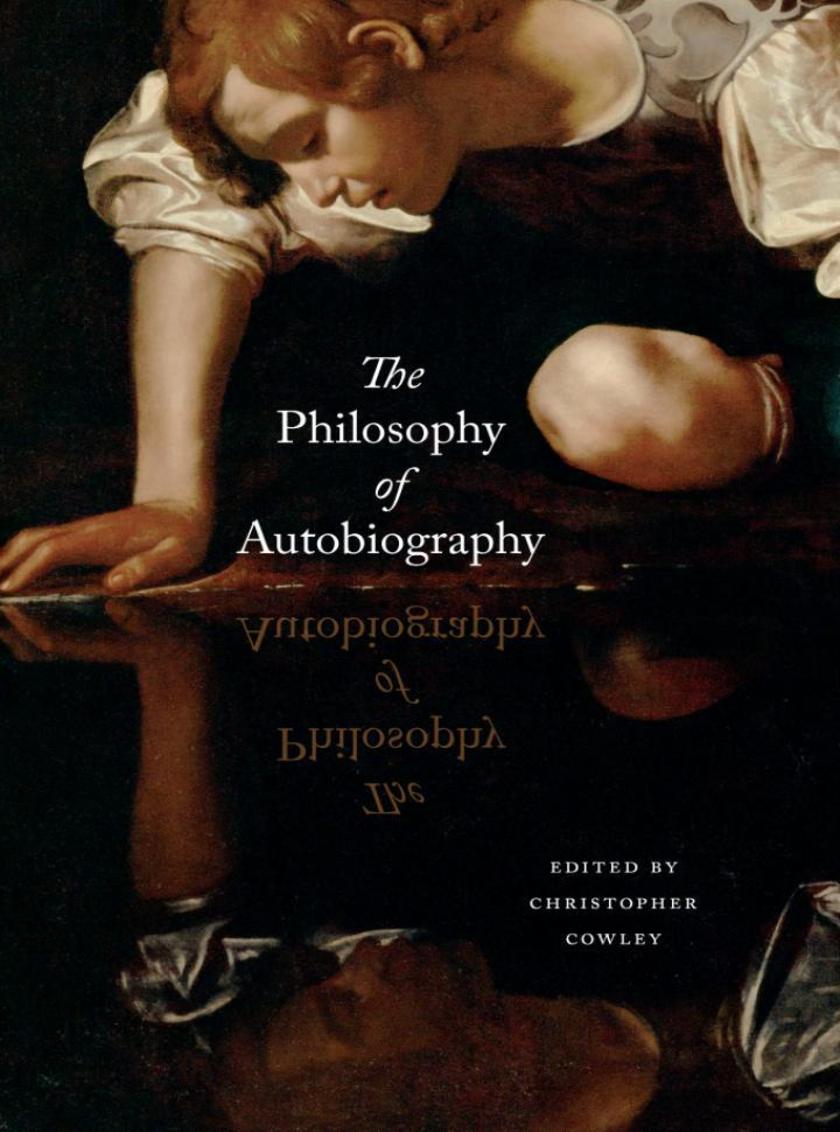
Philosophy of Autobiography
¥247.21
We are living through a boom in autobiographical writing. Every half-famous celebrity, every politician, every sports hero-even the non-famous, nowadays, pour out pages and pages, Facebook post after Facebook post, about themselves. Literary theorists have noticed, as the genres of "e;creative nonfiction"e; and "e;life writing"e; have found their purchase in the academy. And of course psychologists have long been interested in self-disclosure. But where have the philosophers beenWith this volume, Christopher Cowley brings them into the conversation.?Cowley and his contributors show that while philosophers have seemed uninterested in autobiography, they have actually long been preoccupied with many of its conceptual elements, issues such as the nature of the self, the problems of interpretation and understanding, the paradoxes of self-deception, and the meaning and narrative structure of human life. But rarely have philosophers brought these together into an overarching question about what it means to tell one's life story or understand another's. Tackling these questions, the contributors explore the relationship between autobiography and literature; between story-telling, knowledge, and agency; and between the past and the present, along the way engaging such issues as autobiographical ethics and the duty of writing. The result bridges long-standing debates and illuminates fascinating new philosophical and literary issues. ?
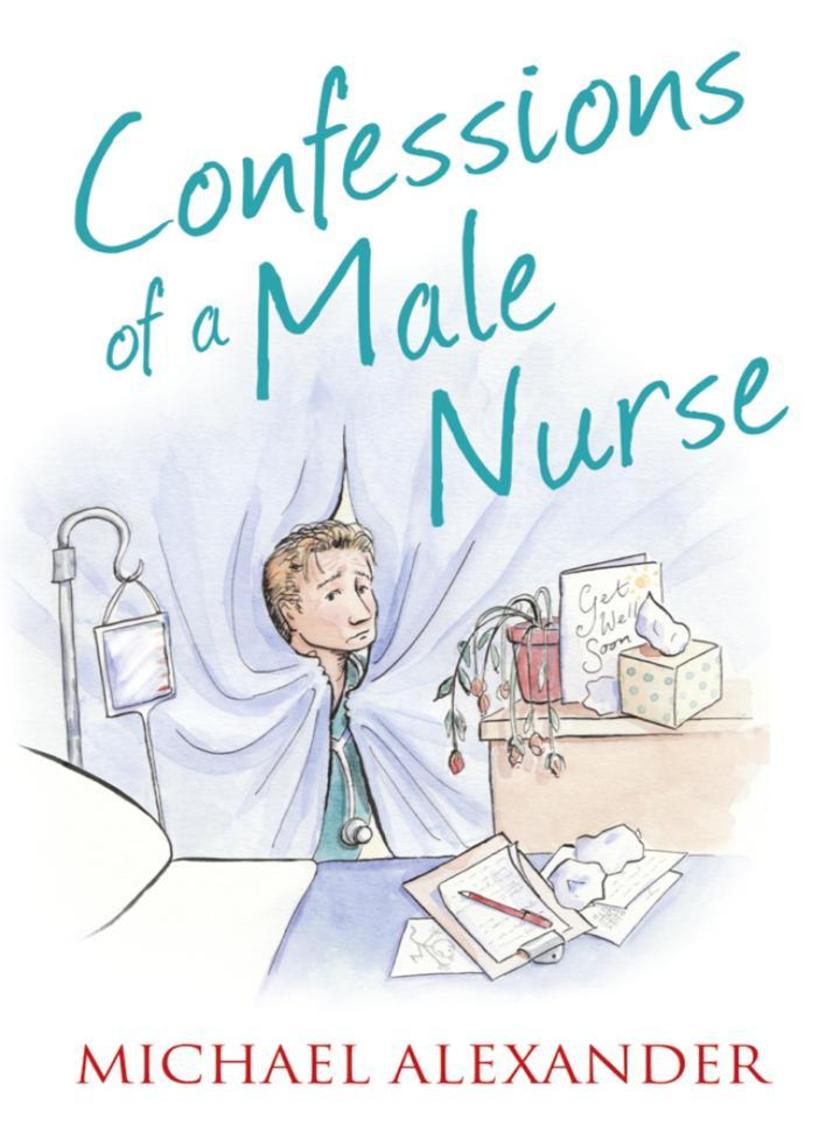
Confessions of a Male Nurse (The Confessions Series)
¥56.90
From the people who brought you the bestselling Confessions of a Gp. From stampeding nudes to inebriated teenagers, young nurse Michael Alexander never really knew what he was getting himself into. But now, sixteen years since he was first launched into his nursing career - as the only man in a gynaecology ward - he's pretty much dealt with everything: body parts that come off in his hands; teenagers with phantom pregnancies; doctors unable to tell the difference between their left and right; violent drunks; singing relatives; sexism. . .and a whole lot of nudity. Confessions of a Male Nurse is a touching, shocking and frequently hilarious account of one man's life in nursing.
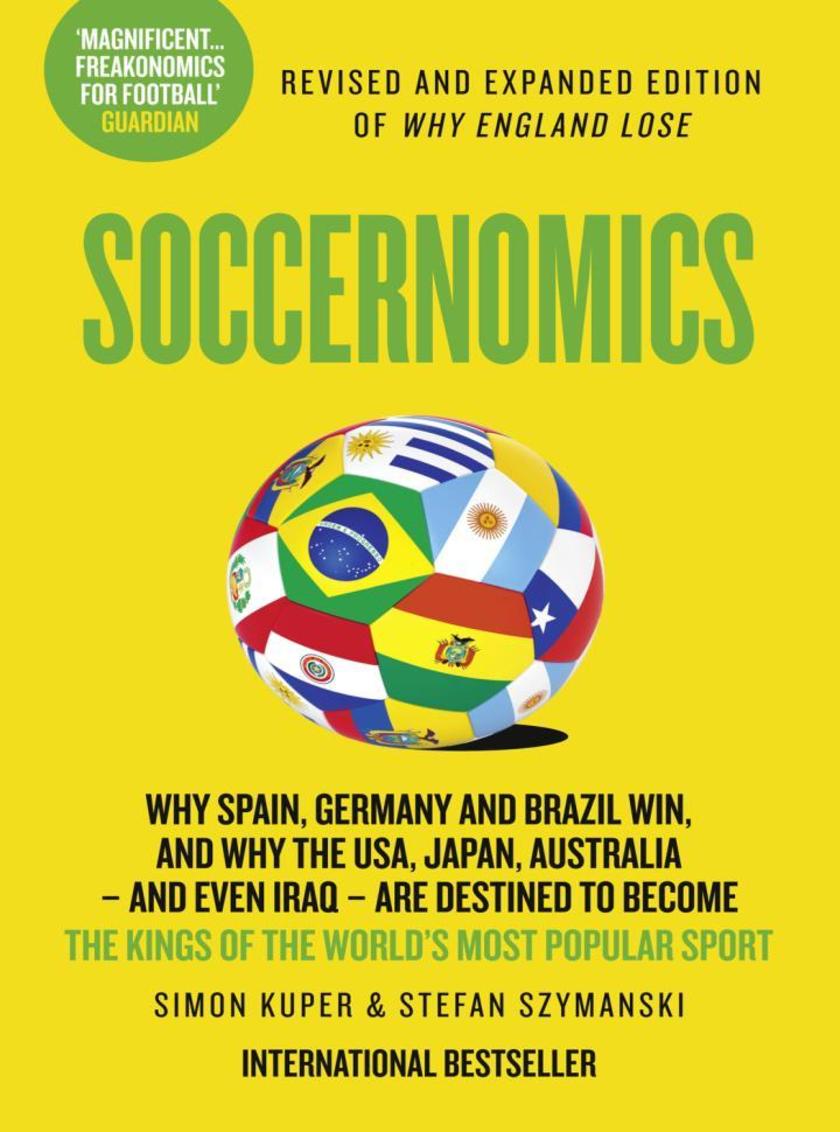
Soccernomics
¥68.67
At last, football has its answer to Freakonomics, The Tipping Point and The Undercover Economist. Why do England lose?” “Why do Germany & Brazil Win?” “How have Spain conquered the World?” "Penalties - what are they good for?" “What is the price on achieving success and the true cost of failure?” These are questions every football fan has asked. Soccernomics (previously published as Why England Lose) answers them. Written with an economist's brain and a football writer's skill, it applies high-powered analytical tools to everyday football topics. Soccernomics isn't in the first place about money. It's about looking at data in new ways. It's about revealing counterintuitive truths about football. It explains all manner of things about the game which newspapers just can't see. It all adds up to a new way of looking at football, beyond clichés about "The Magic of the FA Cup", "England's Shock Defeat" and "Newcastle's New South American Star". No training in economics is needed to read Soccernomics but the reader will come out of it with a better understanding not just of football, but of how economists think and what they know.
Everyday Troubles
¥288.41
From roommate disputes to family arguments, trouble is inevitable in interpersonal relationships. In Everyday Troubles, Robert M. Emerson explores the beginnings and development of the conflicts that occur in our relationships with the people we regularly encounter-family members, intimate partners, coworkers, and others-and the common responses to such troubles.To examine these issues, Emerson draws on interviews with college roommates, diaries documenting a wide range of irritation with others, conversations with people caring for family members suffering from Alzheimer's, studies of family interactions, neighborly disputes, and other personal accounts. He considers how people respond to everyday troubles: in non-confrontational fashion, by making low-visibility, often secretive, changes in the relationship; more openly by directly complaining to the other person; or by involving a third party, such as friends or family. He then examines how some relational troubles escalate toward extreme and even violent responses, in some cases leading to the involvement of outside authorities like the police or mental health specialists.By calling attention to the range of possible reactions to conflicts in interpersonal relationships, Emerson also reminds us that extreme, even criminal actions often result when people fail to find ways to deal with trouble in moderate, non-confrontational ways. Innovative and insightful, Everyday Troubles is an illuminating look at how we deal with discord in our relationships.
Arbitrary Rule
¥223.67
Slavery appears as a figurative construct during the English revolution of the mid-seventeenth century, and again in the American and French revolutions, when radicals represent their treatment as a form of political slavery. What, if anything, does figurative, political slavery have to do with transatlantic slaveryIn Arbitrary Rule, Mary Nyquist explores connections between political and chattel slavery by excavating the tradition of Western political thought that justifies actively opposing tyranny. She argues that as powerful rhetorical and conceptual constructs, Greco-Roman political liberty and slavery reemerge at the time of early modern Eurocolonial expansion; they help to create racialized "e;free"e; national identities and their "e;unfree"e; counterparts in non-European nations represented as inhabiting an earlier, privative age.?Arbitrary Rule is the first book to tackle political slavery's discursive complexity, engaging Eurocolonialism, political philosophy, and literary studies, areas of study too often kept apart. Nyquist proceeds through analyses not only of texts that are canonical in political thought-by Aristotle, Cicero, Hobbes, and Locke-but also of literary works by Euripides, Buchanan, Vondel, Montaigne, and Milton, together with a variety of colonialist and political writings, with special emphasis on tracts written during the English revolution. She illustrates how "e;antityranny discourse,"e; which originated in democratic Athens, was adopted by republican Rome, and revived in early modern Western Europe, provided members of a "e;free"e; community with a means of protesting a threatened reduction of privileges or of consolidating a collective, political identity. Its semantic complexity, however, also enabled it to legitimize racialized enslavement and imperial expansion.?Throughout, Nyquist demonstrates how principles relating to political slavery and tyranny are bound up with a Roman jurisprudential doctrine that sanctions the power of life and death held by the slaveholder over slaves and, by extension, the state, its representatives, or its laws over its citizenry.
Kant's Organicism
¥223.67
Because it laid the foundation for nearly all subsequent epistemologies, Immanuel Kant's Critique of Pure Reason has overshadowed his other interests in natural history and the life sciences, which scholars have long considered as separate from his rigorous theoretical philosophy-until now. In Kant's Organicism, Jennifer Mensch draws a crucial link between these spheres by showing how the concept of epigenesis-a radical theory of biological formation-lies at the heart of Kant's conception of reason.?As Mensch argues, epigenesis was not simply a metaphor for Kant but centrally guided his critical philosophy, especially the relationship between reason and the categories of the understanding. Offsetting a study of Kant's highly technical theory of cognition with a mixture of intellectual history and biography, she situates the epigenesis of reason within broader investigations into theories of generation, genealogy, and classification, and against later writers and thinkers such as Goethe and Darwin. Distilling vast amounts of research on the scientific literature of the time into a concise and readable book, Mensch offers one of the most refreshing looks not only at Kant's famous first Critique but at the history of philosophy and the life sciences as well.
Politics and Partnerships
¥206.01
Exhorting people to volunteer is part of the everyday vocabulary of American politics. Routinely, members of both major parties call for partnerships between government and nonprofit organizations. These entreaties increase dramatically during times of crisis, and the voluntary efforts of ordinary citizens are now seen as a necessary supplement to government intervention.But despite the ubiquity of the idea of volunteerism in public policy debates, analysis of its role in American governance has been fragmented. Bringing together a diverse set of disciplinary approaches, Politics and Partnerships is a thorough examination of the place of voluntary associations in political history and an astute investigation into contemporary experiments in reshaping that role. The essays here reveal the key role nonprofits have played in the evolution of both the workplace and welfare and illuminate the way that government's retreat from welfare has radically altered the relationship between nonprofits and corporations.
High-Performing Preschool
¥182.47
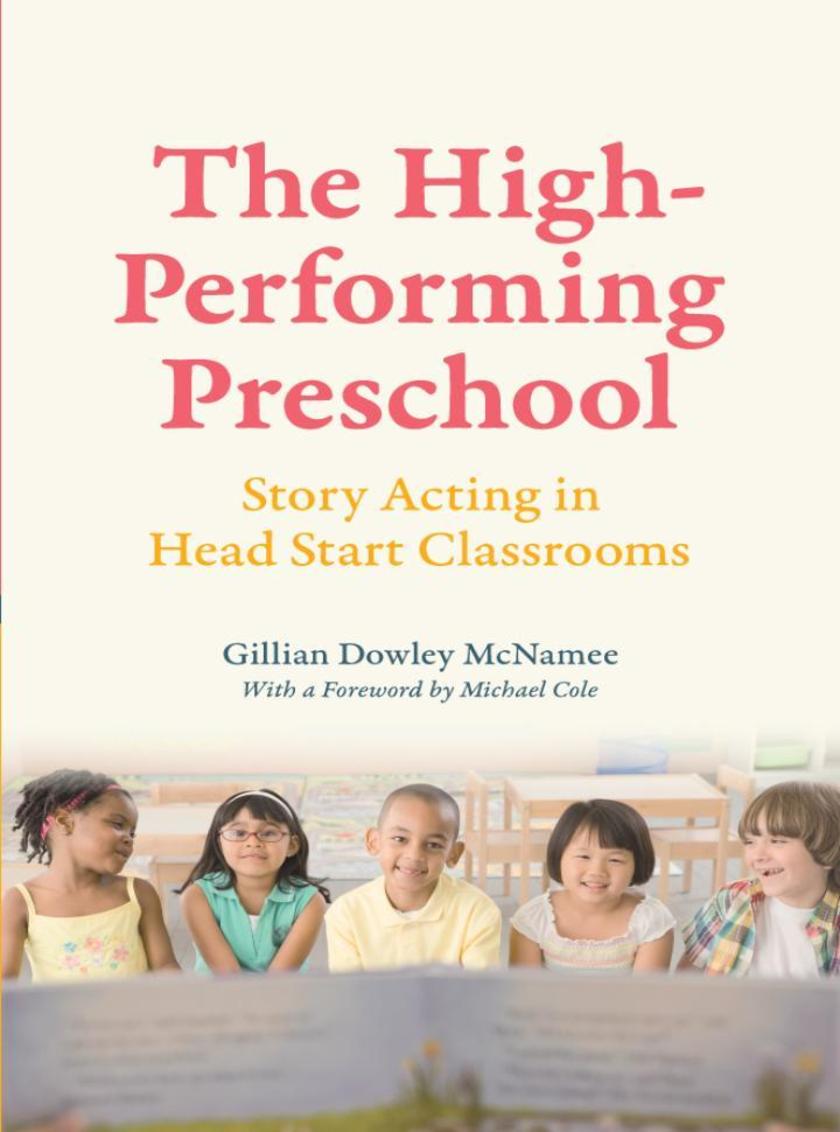
The High-Performing Preschool takes readers into the lives of three- and four-year-old Head Start students during their first year of school and focuses on the centerpiece of their school day: story acting. In this activity, students act out stories from high-quality children's literature as well as stories dictated by their peers. Drawing on a unique pair of thinkers-Russian psychologist Lev Vygotsky and renowned American teacher and educational writer Vivian G. Paley-Gillian Dowley McNamee elucidates the ways, and reasons, this activity is so successful. She shows how story acting offers a larger blueprint for curricula that helps ensure all preschools-not just those for society's well-to-do-are excellent.McNamee outlines how story acting cultivates children's oral and written language skills. She shows how it creates a crucial opportunity for teachers to guide children inside the interior logic and premises of an idea, and how it fosters the creation of a literary community. Starting with Vygotsky and Paley, McNamee paints a detailed portrait of high-quality preschool teaching, showing how educators can deliver on the promise of Head Start and provide a setting for all young children to become articulate, thoughtful, and literate learners. ?
Houston, We Have a Narrative
¥147.15
Ask a scientist about Hollywood, and you'll probably get eye rolls. But ask someone in Hollywood about science, and they'll see dollar signs: moviemakers know that science can be the source of great stories, with all the drama and action that blockbusters require.?That's a huge mistake, says Randy Olson: Hollywood has a lot to teach scientists about how to tell a story-and, ultimately, how to do science better. With Houston, We Have a Narrative, he lays out a stunningly simple method for turning the dull into the dramatic. Drawing on his unique background, which saw him leave his job as a working scientist to launch a career as a filmmaker, Olson first diagnoses the problem: When scientists tell us about their work, they pile one moment and one detail atop another moment and another detail-a stultifying procession of "e;and, and, and."e; What we need instead is an understanding of the basic elements of story, the narrative structures that our brains are all but hardwired to look for-which Olson boils down, brilliantly, to "e;And, But, Therefore,"e; or ABT. At a stroke, the ABT approach introduces momentum ("e;And"e;), conflict ("e;But"e;), and resolution ("e;Therefore"e;)-the fundamental building blocks of story. As Olson has shown by leading countless workshops worldwide, when scientists' eyes are opened to ABT, the effect is staggering: suddenly, they're not just talking about their work-they're telling stories about it. And audiences are captivated.?Written with an uncommon verve and enthusiasm, and built on principles that are applicable to fields far beyond science, Houston, We Have a Narrative has the power to transform the way science is understood and appreciated, and ultimately how it's done.
Demands of the Day
¥188.35
Demands of the Day asks about the logical standards and forms that should guide ethical and experimental anthropology in the twenty-first century. Anthropologists Paul Rabinow and Anthony Stavrianakis do so by taking up Max Weber's notion of the "e;demands of the day."e; Just as the demand of the day for anthropology decades ago consisted of thinking about fieldwork, today, they argue, the demand is to examine what happens after, how the experiences of fieldwork are gathered, curated, narrated, and ultimately made available for an anthropological practice that moves beyond mere ethnographic de*ion.?Rabinow and Stavrianakis draw on experiences from an innovative set of anthropological experiments that investigated how and whether the human and biological sciences could be brought into a mutually enriching relationship. Conceptualizing the anthropological and philosophic ramifications of these inquiries, they offer a bold challenge to contemporary anthropology to undertake a more rigorous examination of its own practices, blind spots, and capacities, in order to meet the demands of our day.
Fighting Like a Community
¥229.55
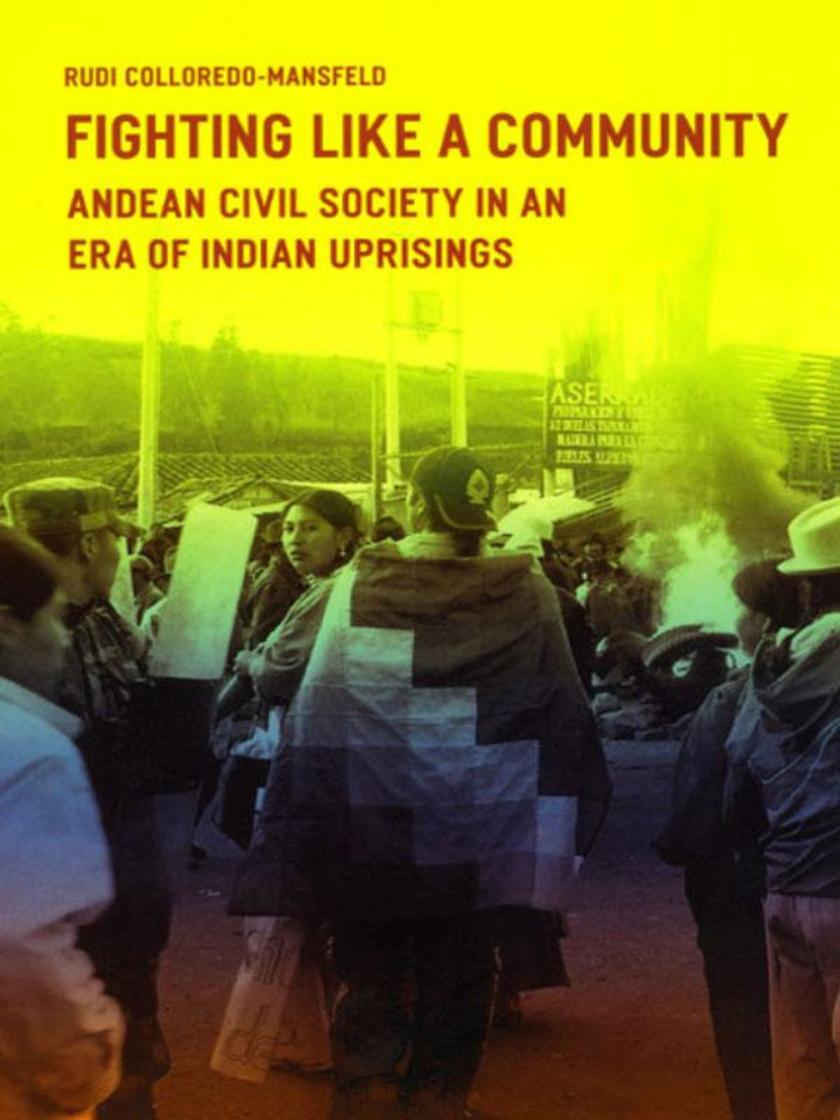
The indigenous population of the Ecuadorian Andes made substantial political gains during the 1990s in the wake of a dynamic wave of local activism. The movement renegotiated land development laws, elected indigenous candidates to national office, and successfully fought for the constitutional redefinition of Ecuador as a nation of many cultures. Fighting Like a Community argues that these remarkable achievements paradoxically grew out of the deep differences-in language, class, education, and location-that began to divide native society in the 1960s.Drawing on fifteen years of fieldwork, Rudi Colloredo-Mansfeld explores these differences and the conflicts they engendered in a variety of communities. From protestors confronting the military during a national strike to a migrant family fighting to get a relative released from prison, Colloredo-Mansfeld recounts dramatic events and private struggles alike to demonstrate how indigenous power in Ecuador is energized by disagreements over values and priorities, eloquently contending that the plurality of Andean communities, not their unity, has been the key to their political success.

Culture of Disaster
¥394.36
From antiquity through the Enlightenment, disasters were attributed to the obscure power of the stars or the vengeance of angry gods. As philosophers sought to reassess the origins of natural disasters, they also made it clear that humans shared responsibility for the damages caused by a violent universe. This far-ranging book explores the way writers, thinkers, and artists have responded to the increasingly political concept of disaster from the Enlightenment until today.?Marie-Hlne Huet argues that post-Enlightenment culture has been haunted by the sense of emergency that made natural catastrophes and human deeds both a collective crisis and a personal tragedy. From the plague of 1720 to the cholera of 1832, from shipwrecks to film dystopias, disasters raise questions about identity and memory, technology, control, and liability. In her analysis, Huet considers anew the mythical figures of Medusa and Apollo, theories of epidemics, earthquakes, political crises, and films such as Blow-Up and Blade Runner. With its scope and precision, The Culture of Disaster will appeal to a wide public interested in modern culture, philosophy, and intellectual history.

After They Closed the Gates
¥370.82
In 1921 and 1924, the United States passed laws to sharply reduce the influx of immigrants into the country. By allocating only small quotas to the nations of southern and eastern Europe, and banning almost all immigration from Asia, the new laws were supposed to stem the tide of foreigners considered especially inferior and dangerous. However, immigrants continued to come, sailing into the port of New York with fake passports, or from Cuba to Florida, hidden in the holds of boats loaded with contraband liquor. Jews, one of the main targets of the quota laws, figured prominently in the new international underworld of illegal immigration. However, they ultimately managed to escape permanent association with the identity of the "e;illegal alien"e; in a way that other groups, such as Mexicans, thus far, have not.In?After They Closed the Gates,?Libby Garland tells the untold stories of the Jewish migrants and smugglers involved in that underworld, showing how such stories contributed to growing national anxieties about illegal immigration. Garland also helps us understand how Jews were linked to, and then unlinked from, the specter of illegal immigration. By tracing this complex history, Garland offers compelling insights into the contingent nature of citizenship, belonging, and Americanness.


