


 购物车
购物车 个人中心
个人中心
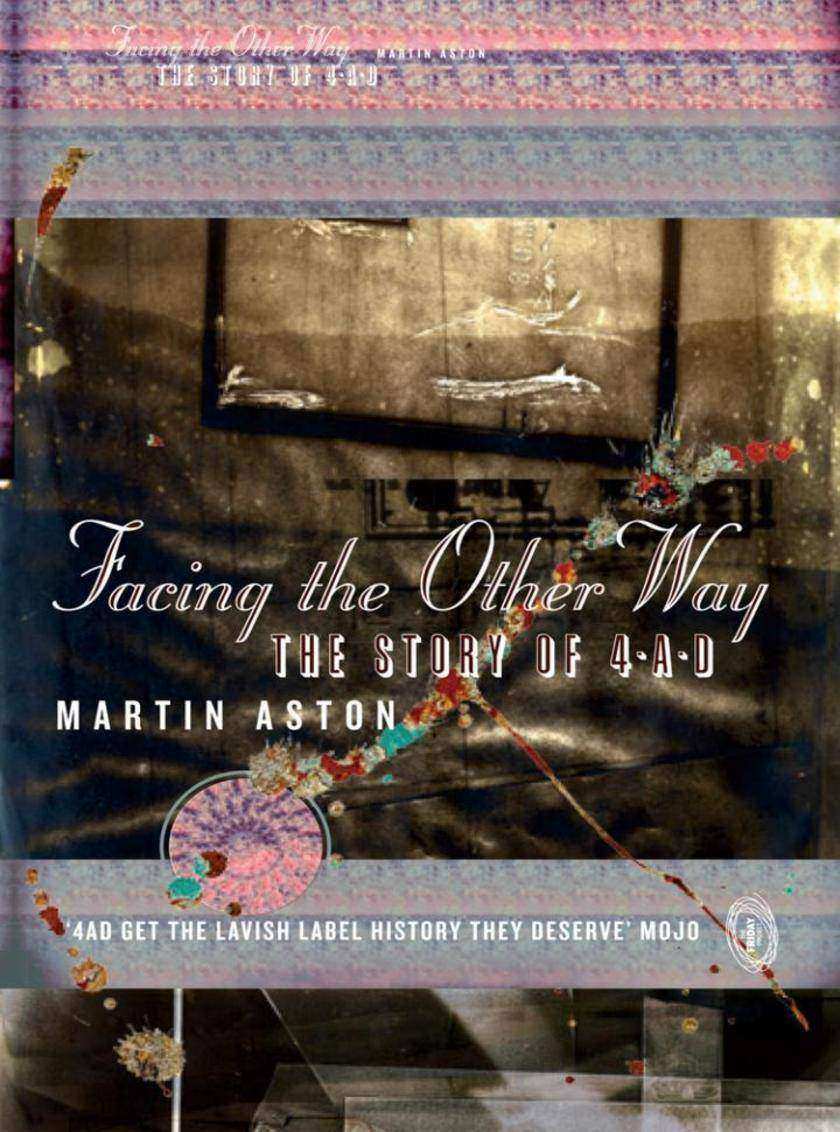
Facing the Other Way: The Story of 4AD
¥103.10
The first official account of the iconic record label. An NME Book of the Year 2013 ? A Rough Trade Book of the Year 2013 ? A Times Literary Supplement Book of the Year 2013 This Mortal Coil, Birthday Party, Bauhaus, Cocteau Twins, Pixies, Throwing Muses, Breeders, Dead Can Dance, Lisa Germano, Kristin Hersh, Belly, Red House Painters. Just a handful of the bands and artists who started out recording for 4AD, a record label founded by Ivo Watts-Russell and Peter Kent in 1979, a label which went on to be one of the most influential of the modern era. Combining the unique tastes of Watts-Russell and the striking design aesthetic of Vaughan Oliver, 4AD records were recognisable by their look as much their sound. In this comprehensive account concentrating on the label’s first two decades (up to the point that Watts-Russell left), music journalist Martin Aston explores the fascinating story with unique access to all the key players and pretty much every artist who released a record on 4AD during that time, and to its notoriously reclusive founder. With a cover designed by Vaughan Oliver this is an essential book for all 4AD fans and anyone who loved the music of that time.

The Rest Is Noise Series: Beethoven Was Wrong
¥11.77
This is a chapter from Alex Ross’s groundbreaking history of twentieth-century classical music, ‘The Rest is Noise’. Further extracts are available as digital shorts, accompanying the London Southbank festival programme. After Paul McCartney listened to the electronic layering and looping of Stockhausen, the Beatles used the same effects on Revolver’s ‘Tomorrow Never Knows’ and put an image of the composer on Sgt. Pepper’s Lonely Hearts Club Band. For a split second during ‘Revolution 9’ the final chords of Sibelius’s Seventh Symphony can be heard. Even the most jaded veteran of twentieth century music must have been startled by the influence of the post-war avant-garde on the psychedelic generation. Now a major festival running throughout 2013 at London’s Southbank, The Rest is Noise is an intricate commentary not just on the sounds that defined the century, but on art’s troublesome dance with politics, social and cultural change. Alex Ross is the New Yorker’s music critic, and the winner of the Guardian First Book Award and the National Book Critics Circle Award for The Rest is Noise, which was also shortlisted for the Samuel Johnson and Pulitzer prizes for non-fiction.
Sven-Goran Eriksson
¥82.01
A major in-depth biography of Sven-Goran Eriksson - the first foreign manager of the England football team - which chronicles his time in the hot seat, from taking over from Kevin Keegan, the story of the 2002 World Cup Finals in Japan and South Korea, through to the 2004 European Championships. Reserved - some would say introvert - by nature, he has so far dismissed as intrusive almost all questions about anything other than the England team. There is a fascinating story to be told about the moderate full-back who failed in his own country, retired from playing at 27, then went on to become one of the best coaches in the world. The son of a truck driver from a small provincial town in Sweden, Eriksson left school early and worked in a social security office. He went to college to study PE and played football as an amateur before being persuaded by an older teammate Tord Grip (now his assistant with England) that his career lay elsewhere in management. Modest success at Roma and Fiorentina was followed by a renewal of Sampdoria's fortunes. It wasn't long before Lazio came knocking - but not before an acrimonious fallout with Blackburn when his surprise about-turn left the Lancashire club without a new manager. He enjoyed phenomenal success in Rome, however, where he led Lazio to the scudetto, and this eventually paved the way to the England manager's job. Since then Eriksson has come under the microscope from the English press, as much for his private affairs as for his team's stuttering performances. Despite his achievements in leading England to the quarter-finals of the World Cup in 2002, his methods, formations and team selections are the subject of fierce debate up and down the country. Joe Lovejoy's book captures the essence of the man and goes some way to explaining his influence behind England. This paperback edition explores his thoughts about his captain playing his football in Spain and documents England's rocky road to the 2004 European Championship finals.

The Bad Mother
¥22.66
A hilariously honest, and rather sweary, book about parenting from the author of The Bad Cook. From play dates to potty training, from weening to whining or whether to have two, or three, or more! Esther Walker focuses her unique humour on the art of parenting. Fans of Esther’s blog and journalism, or her bestselling Bad Cook book, will not be disappointed. This is every bit as funny, sweary and just plain honest as you would expect. Esther offers up her occasional successes and many failures as examples to parents everywhere: look, this is what happens, you’ll just have to deal with it! Harassed mums and dads will read this and smile, as well as sighing with ‘it isn’t just me’ relief.

The Military Wives: Wherever You Are – Claire’s Story
¥12.95
This is Claire’s story, one of four individual journeys taken from Wherever You Are by The Military Wives. Claire Balneaves never thought she’d end up as a military wife. But when she met a young medical assistant, Dave Balneaves, at a naval hospital, everything changed. Before long Claire and Dave had tied the knot and moved into married quarters – and Claire began to settle into the unique life of a military wife. Moving from house to house, from country to country, often solitary – in many ways Claire lived as a single mother. When family and medical difficulties cast a cloud over her personal life, Claire had no one to turn to. But from the moment she joined a nascent choir of military wives, that changed: wives with similar stories came together to sing, and there they found solace and strength. They found each other. Mere months later, the Military Wives choir would have met Gareth Malone, performed for the Queen, recorded a bestselling album and achieved a Christmas number 1. This is one woman’s true story of heartbreak and hope, and of how the choir changed the course of her life. Sales of this book will benefit the Military Wives Choirs Foundation, a network of choirs that reaches across the military community to provide support, guidance and funding for individual choirs, but first and foremost to bring women closer together through singing. The Foundation is a registered subsidiary charity of SSAFA Forces Help.
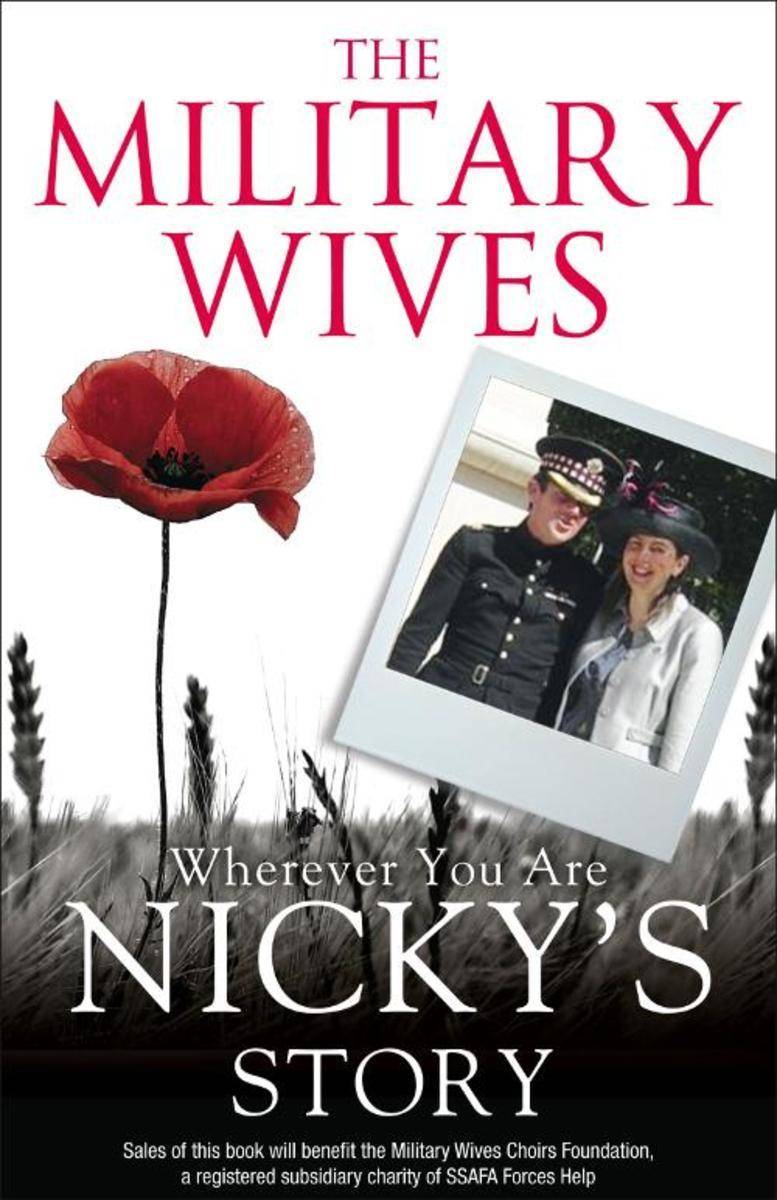
The Military Wives: Wherever You Are – Nicky’s Story
¥12.95
This is Nicky’s story, one of four individual journeys taken from Wherever You Are by The Military Wives. At 33, Nicky Clarke had stopped thinking she would ever fall in love. But they say when you stop looking, love happens – and that was the year she was swept off her feet by Hugo Clarke, a major in the Scots Guards. A year later Hugo and Nicky were married. But life in the military is never calm for long, and the next few years saw Hugo leave for Iraq and Afghanistan for months at a time. In married quarters Nicky met other military wives quickly, but forging friendships proved difficult: the occasional coffee morning just wasn’t enough. Nicky decided that this community needed to be brought together. With the help of a friend and a local choirmistress, Nicky set a time for the local wives to gather and sing. Before she knew it, a family was growing and a support network was formed. The first Military Wives choir was born. Mere months later, the choir would become a nationwide phenomenon. The Wives would go on to perform for the Queen, record a bestselling album and achieve a Christmas number 1. This is one woman’s true story of heartbreak and hope; of how singing changed the course of her life. Sales of this ebook will benefit the Military Wives Choirs Foundation, a network of choirs that reaches across the military community to provide support, guidance and funding for individual choirs, but first and foremost to bring women closer together through singing. The Foundation is a registered subsidiary charity of SSAFA Forces Help.
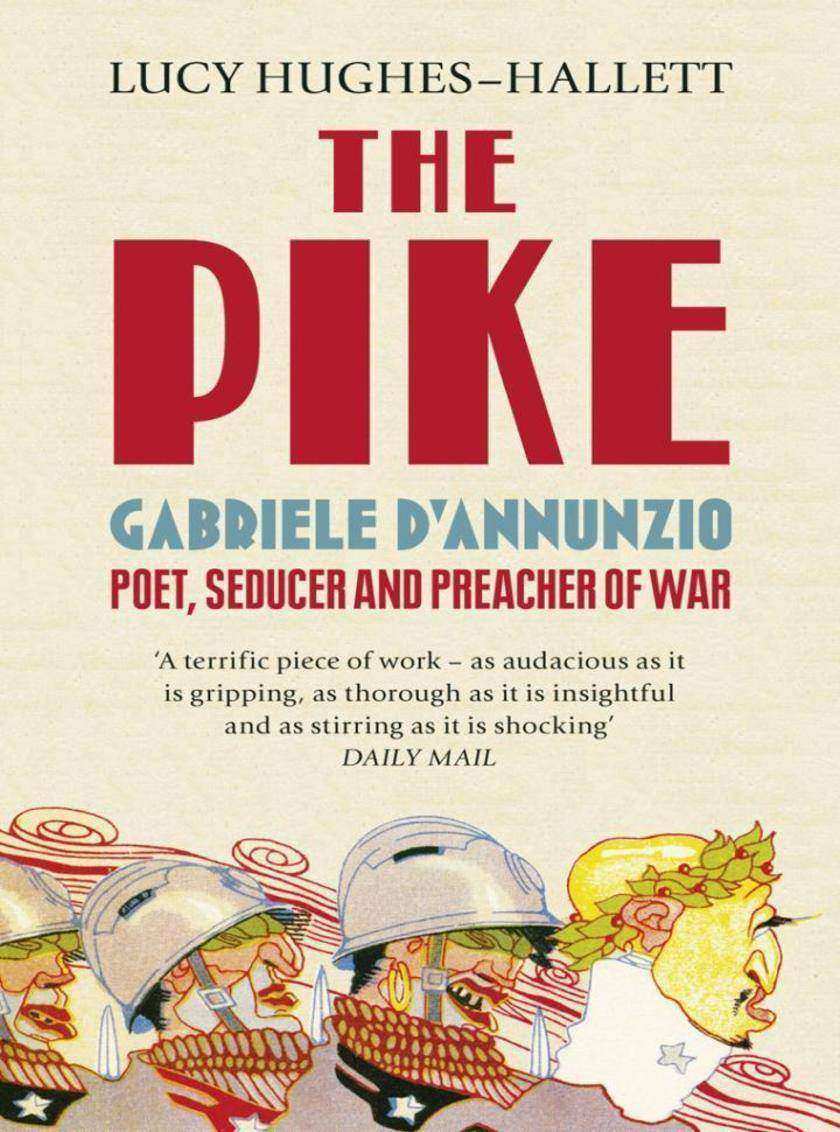
The Pike: Gabriele d’Annunzio, Poet, Seducer and Preacher of War
¥88.39
WINNER OF THE 2013 SAMUEL JOHNSON PRIZE FOR NON-FICTION WINNER OF THE 2013 DUFF COOPER PRIZE WINNER OF THE POLITICAL BOOK AWARDS POLITICAL BIOGRAPHY OF THE YEAR 2014 WINNER OF THE 2013 COSTA BOOK AWARDS BIOGRAPHY OF THE YEAR The story of Gabriele D’Annunzio, poet, daredevil – and Fascist. In September 1919 Gabriele D’Annunzio, successful poet and occasional politician, declared himself Commandante of the city of Fiume in modern day Croatia. His intention – to establish a utopia based on his fascist and artistic ideals. It was the dramatic pinnacle to an outrageous career. Lucy Hughes-Hallett charts the controversial life of D’Annunzio, the debauched artist who became a national hero. His evolution from idealist Romantic to radical right-wing revolutionary is a political parable. Through his ideological journey, culminating in the failure of the Fiume endeavour, we witness the political turbulence of early 20th century Europe and the emergence of fascism. In ‘The Pike’, Hughes-Hallett addresses the cult of nationalism and the origins of political extremism – and at the centre of the book stands the charismatic D’Annunzio: a figure as deplorable as he is fascinating.
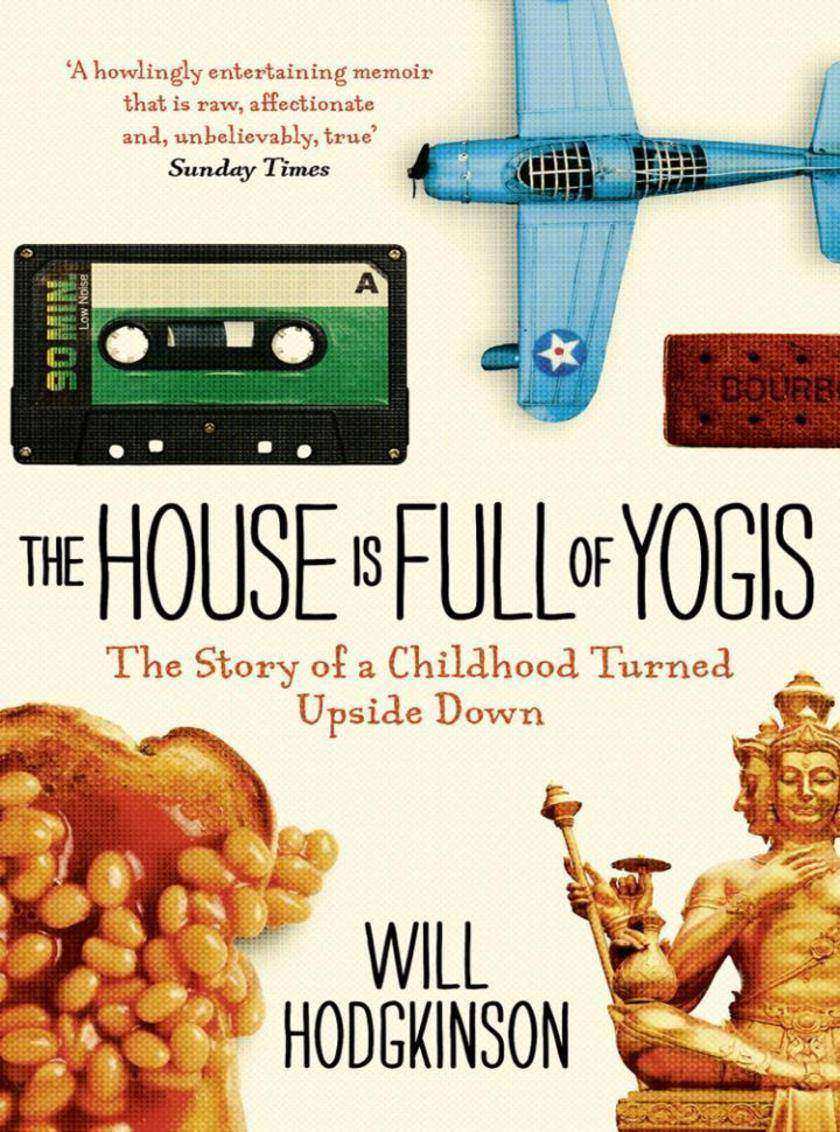
The House is Full of Yogis
¥66.22
A witty memoir about the trials of adolescence, the tribulations of family life and the embarrassment that ensues from having larger-than-life parents Neville and Liz Hodgkinson bought into the Thatcherite dream of home ownership, aspiration and advancement. The first children of their working class parents to go to university and have professional careers, they lived in a semi-detached house in Richmond, sent their sons Tom and Will to private school, and went on holiday to Greece once a year. Neville was an award-winning science writer and Liz was a high-earning tabloid hack. Then a disastrous boat holiday, followed by a life-threatening bout of food poisoning from a contaminated turkey, led to the search for a new way of life. Nev joined the Brahma Kumaris, who believe evolution is a myth, time is circular, and a forthcoming Armageddon will make way for a new Golden Age. Out went drunken dinner parties and Victorian décor schemes; in came large women in saris meditating in the living room and lurid paintings of smiling deities on the walls. Liz took the arrival of the Brahma Kumaris as a chance to wage all-out war on convention, from announcing her newfound celibacy on prime time television to writing books that questioned the value of getting married and raising children. By an unfortunate coincidence, this dramatic and highly public transformation of the self coincided with the onset of Will’s adolescence. This is his story.
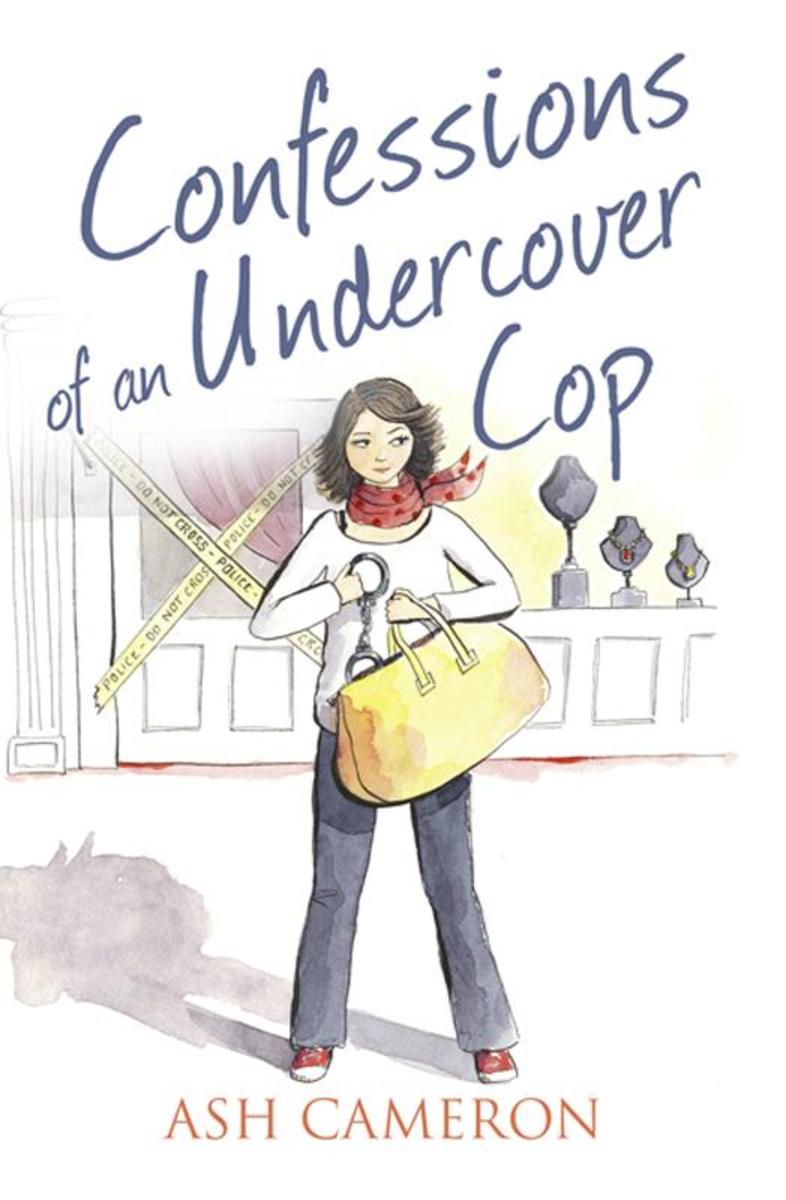
Confessions of an Undercover Cop (The Confessions Series)
¥66.22
The sixth book in the bestselling Confessions series. What is life like for a female Undercover Cop? Ash Cameron gives readers a behind-the-scenes look at life in the Police. Funny, moving and irreverent, you’ll never look at a bobby the same way again…! What is life like for an Undercover Cop? Ash Cameron joined the police in the 70s – think Life on Mars with added ladders in her tights. From arresting East End gangsters, dealing out justice to football hooligans and coping with sexism on the job, Ash did it all. So when she was asked to go undercover, well, it was just another job, wasn’t it? Told with warmth and humour, these ‘confessions’ will make you laugh, make you cry, and make you roll your eyes as you learn exactly what goes on behind-the-scenes in the police…

Will You Love Me?: The story of my adopted daughter Lucy: Part 1 of 3
¥12.85
Will You Love Me can either be read as a full-length eBook or in 3 serialised eBook-only parts. This is PART 1 of 3 (Chapters 1-9 of 27). You can read Part 1 two weeks ahead of release of the full-length eBook and paperback. The eleventh memoir and latest title from the internationally bestselling author and foster carer Cathy Glass. This book tells the true story of Cathy’s adopted daughter Lucy. Lucy was born to a single mother who had been abused and neglected for most of her own childhood. Right from the beginning Lucy’s mother couldn’t cope, but it wasn’t until Lucy reached eight years old that she was finally taken into permanent foster care. By the time Lucy is brought to live with Cathy she is eleven years old and severely distressed after being moved from one foster home to another. Withdrawn, refusing to eat and three years behind in her schooling, it is thought that the damage Lucy has suffered is irreversible. But Cathy and her two children bond with Lucy quickly, and break through to Lucy in a way no-one else has been able to, finally showing her the loving home she never believed existed. Cathy and Lucy believe they were always destined to be mother and daughter – it just took them a little while to find each other.

Will You Love Me?: The story of my adopted daughter Lucy: Part 3 of 3
¥47.48
Will You Love Me can either be read as a full-length eBook or in 3 serialised eBook-only parts. This is PART 3 of 3 (Chapters 17-27 of 27). You can read Part 3 on release of the full-length eBook and paperback. The eleventh memoir and latest title from the internationally bestselling author and foster carer Cathy Glass. This book tells the true story of Cathy’s adopted daughter Lucy. Lucy was born to a single mother who had been abused and neglected for most of her own childhood. Right from the beginning Lucy’s mother couldn’t cope, but it wasn’t until Lucy reached eight years old that she was finally taken into permanent foster care. By the time Lucy is brought to live with Cathy she is eleven years old and severely distressed after being moved from one foster home to another. Withdrawn, refusing to eat and three years behind in her schooling, it is thought that the damage Lucy has suffered is irreversible. But Cathy and her two children bond with Lucy quickly, and break through to Lucy in a way no-one else has been able to, finally showing her the loving home she never believed existed. Cathy and Lucy believe they were always destined to be mother and daughter – it just took them a little while to find each other.

Ngaio Marsh: Her Life in Crime
¥63.18
The Empress of Crime's life was the ultimate detective story – revealed for the first time in this forthright and perceptive biography. While Ngaio Marsh had a flamboyant public persona, she was fiercely protective of her private life. And no one knows better how to cover tracks with red herrings and remove incriminating evidence than a crime fiction writer… This fascinating biography of Ngaio Marsh pieces together both the public and private Marsh in a way that is as riveting as a crime novel. Through her writing and her theatre work, Joanne Drayton assembles the pieces to the puzzle that is Marsh, proving that life can be as thrilling as fiction. Marsh wrote her first detective novel in a London flat in the depths of the 1930s Depression, bringing life to Detective Inspector Roderick Alleyn in her first book, A Man Lay Dead. Through 32 novels he would establish himself as one of the great super-sleuths, and Marsh as one of the four Queens of Golden Age detective fiction, alongside Agatha Christie, Dorothy Sayers and Margery Allingham. In 1932, a family tragedy brought Marsh home to New Zealand, to a life divided - between hemispheres, between passionate relationships at home and abroad, and between the world of publishing and her life as a stage director. In 1949 her writing would earn her the ultimate distinction when Penguin and Collins released the 'Marsh Million': 100,000 copies each of ten of her titles on to the world market. The popular appetite for classic whodunits was insatiable and Ngaio Marsh was one of the best. But her greatest love was the stage - or was it?

Journey of a Lifetime
¥69.26
The iconic broadcasting legend dusts down his suitcase for a final journey around the globe, revisiting locations of significance to his life and career. Published to coincide with a major Bbc Tv series of the same name, this is a glorious celebration of 50 years in front of the camera. For as long as most can remember, Whicker has roamed far and wide in search of the eccentric, the ludicrous, and the socially-revealing aspects of everyday life as lived by some of the more colorful of the world's inhabitants. Since the late 1950s, when the long-running Whicker's World documentary was first screened, he has probed and dissected the often secretive and unobserved worlds of the rich and famous, rooting out the most implausible and sometimes ridiculous characters after gaining admittance to the places where they conduct their leisure hours. The great man's legacy contains a number of genuine television firsts. As well as landmark interviews with figures as diverse as Papa Doc, Paul Getty, and The Sultan of Brunei, he was a pioneer, covering subjects like plastic surgery, gay weddings, polygamy, swinging, and following gun-toting cops, fly-on-the-wall style, for British screens long before anyone else. This wonderful new book is the end product of a very personal journey. Whicker retraces his steps, catching up with some past interviewees and reflecting on how the world has changedfor good and badover the passing of time. Lyrical and uplifting, this autobiography is peppered with a celebrated globetrotter's brand of subtle satire.

Hellfire
¥70.44
The true story of one man's determination to master the world's deadliest helicopter and of a split-second decision that changed the face of modern warfare. May 2006. Pilot Ed Macy arrives in Afghanistan with a contingent of the Apache AH Mk1. It’s the first operational tour for the deadly machines and confidence in the cripplingly expensive attack helicopter is low. It doesn’t help that for their first month ‘in action’, Ed and his mates see little more than the back-end of a Chinook. But when the men of 3 Para get pinned down during Op Mutay, reservations about the fearsome new attack helicopters are thrown out the window. In the blistering firefight that follows, Ed unleashes the first ever Hellfire missile in combat and, with one squeeze of the trigger, changes the war in Afghanistan forever. What had been rumoured as a ?4.2 billion mistake quickly becomes the British Army’s greatest asset, as the awe-inspiring Apache is dramatically redirected to fight the enemy head-on. In this gripping account of war on the ground and in the skies above the dusty wastes of Helmand, Ed recounts the intense months that followed: the steep learning curve, the relentless missions, the evolving enemy and the changing Rules of Engagement. As he comes to grip with the Apache, his early career as a paratrooper stands him in good stead, as does his operational baptism as a pilot. Both shaped his ability to fly, fight and survive during that fateful first Afghanistan tour against a cunning and ruthless enemy. Ed will need every ounce of willpower and skill to succeed over the long, hot Helmand summer, as he and his colleagues find themselves on trial for their lives and for the reputation of a machine on which the British government has staked a fortune. The crucible of fire that awaited them would cement the fate of man and machine forever.
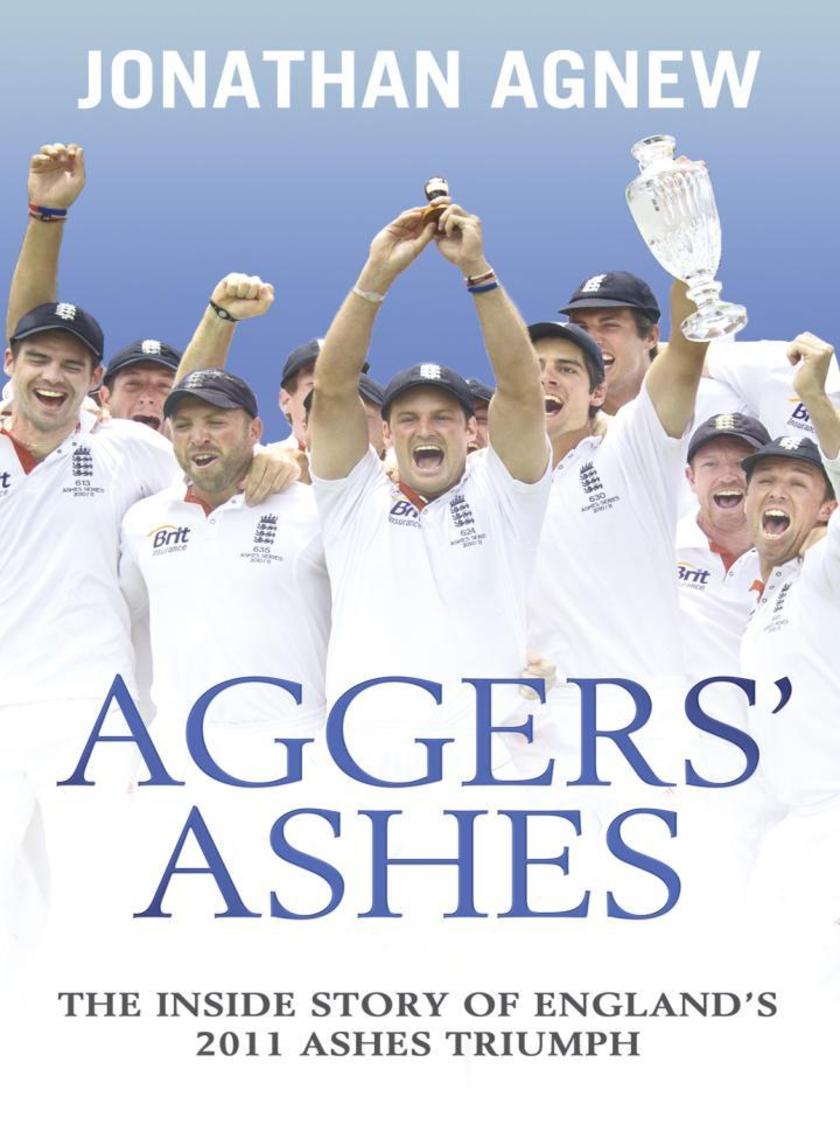
Aggers’ Ashes
¥146.27
An inside account of England’s Ashes triumph in Australia 2010/11. England’s much celebrated Ashes win by two clear matches with three comprehensive innings victories must rank as one of the finest of any English cricket team from any era. It kept people at home glued to their televisions, computers and radios – often all three at the same time – long into the night as the bitter winter and a depressed economy were forced into the background by the sheer joy and exhilaration of giving the old enemy a trouncing. It had been twenty-two years since a touring side won three Tests in Australia and twenty-four since the Ashes were last won on Australian soil. The current England team bears worthy comparison with some of the legendary teams of the past, captained by greats like Brearley, Hutton and Jardine. Andrew Strauss with back-to-back Ashes wins can now sit amongst that illustrious company. From the first ball of the tour in Perth to a closing rendition of the infamous ‘Sprinkler Dance’ on the outfield in Sydney some two months later – a clip that received some 250,000 hits in just three days – one person was there throughout, BBC Cricket Correspondent Jonathan Agnew, better known to his legion of Test Match Special fans as ‘Aggers’. Following the success of his last book Thanks, Johnners, Agnew has written a highly personal diary of his experiences in Australia. Whether he is sharing late night conversations in the bar with England coach Andy Flower, exchanging banter with new TMS recruit Michael Vaughan or keeping cricket junkies around the world sated with his daily Twitter feed, Aggers brings his unique sense of theatre and excitement to every day’s proceedings. With additional contributions from the best BBC cricket bloggers and the resident TMS statistician, Aggers Ashes is the only companion you will need to relive those glorious days when history was made Down Under.

Collected Love Poems
¥80.25
Of all the poets writing today, Brian Patten is perhaps the most accessible and popular. Now his love poems, old and new, are collected together in his single volume. Widely acknowledged as one of Europe's foremost writers, Brian Patten's love poems have earned him recognition far and wide. Truthful and tender, profoundly aware of the possibility of magic and the miraculous, these poems are beautiful, informed and, even at their darkest moments, filled with courage and hope. Alongside old favourites, this edition will contain a selection of new and hitherto unpublished poems. A must for lovers and poetry lovers everywhere this February.

Living with the Laird: A Love Affair with a Man and his Mansion
¥72.99
A captivating memoir of one woman’s relationship with a man and his mansion. When Belinda Rathbone, a New York art historian, met eccentric Anglo-Scots bachelor John Ouchterlony it was the start of a story of clashing cultures and crumbling houses. After a whirlwind romance she married the man – and his 400 acre estate and decrepit mansion in Scotland. In her charming and moving account of their time together she reveals her many discoveries about this strange world – not just the persistence of lino, and family history ancient and recent, but the value of dead elms, the art of the Aga, yoga with the aristocracy, and the vitally important business of producing an heir…

London Born: A Memoir of a Forgotten City
¥81.03
An extraordinary memoir from a man in his nineties who remembers everyday life in a North London now long gone: the hardships and deprivations of a life of poverty but also the resourcefulness and fortitude of a community determined to survive between the wars. 'When I look back, I can picture the old gels chinwagging on their steps in the Bay like it was yesterday. Little did they think that young Sid, passing by with his arse out of his trousers, would one way publish his memoirs!' 'Ordinary' people do not write their stories, believing their lives to be unremarkable. Some, like Sid, cannot write at all. But, with the aid of his granddaughter Helen Day, Sid has produced an extraordinary memoir of a city and a way of life now lost forever. 'London Born' is a book that has appeared against all the odds - as Sid says, 'When me granddaughter Helen Day said she wanted to record the story of the first half of me life and turn it into a book I was astonished. I thought to meself, Well, I've done a lot of things, but I never dreamt I'd get into the book game. You see, I can't write more than me own name.' In 'London Born', Sid remembers the city that emerged from the First World War and recreates the daily life of the people living in the notorious street known as 'Tiger Bay'. He describes the drinking and merrymaking, the poverty and unemployment - and the 'villainry'. With relish he relates how youthful high spirits and a refusal to accept the hardship of the times sometimes put him and his friends on the wrong side of the law. He goes on to tell of the wartime mayhem endured by Londoners and his determination to survive. His story closes with demobilisation when he returns to his wife and young family - 'the only thing that ever counted'. This is a memoir from a warm and cheeky voice; from someone who remembers, as if it were yesterday, parading down Archway in his fifty-bob suit, or running rings around Ernie Costen, the local policeman.

Mr Nastase: The Autobiography
¥56.11
The amazing life story of the enfant terrible of tennis in the 1970s and 80s – winner of two Grand Slam titles, three Grand Slam doubles titles and twice a Wimbledon finalist. It is not an overstatement to say that Ilie Nastase was in part responsible for the explosion of interest in tennis in the seventies. Thanks to his success, his lifestyle, his sex appeal and the controversy that continually surrounded him, Nastase's name was recognisable far beyond the confines of tennis. Yet, he also had a dark side and he regularly got himself into trouble with umpires and spectators alike. His court-side tantrums and manic questioning of line calls could spiral out of control and, all too often, he found himself fined and disqualified – and making the next day's front pages. Bjorn Borg had great difficulty adjusting to life after retirement and lost vast amounts of money, while the late Vitas Gerulaitis had a major cocaine problem. Ilie reveals how he helped both of them at a time when their problems were taking a huge toll on their personal lives. He also provides opinions and anecdotes on a host of other characters, including John McEnroe, Jimmy Connors and Arthur Ashe, Henri Leconte, Yannick Noah, Chris Evert and Martina Navratilova. As a result of his celebrity status, Nastase moved amongst the beautiful people. His book recalls some of his more memorable encounters and experiences, including dancing the night away in New York's Studio 54 and Castel in Paris with the likes of Bianca Jagger and Claudia Cardinale, and bedding some of the world's most desirable women (an Italian countess and a former Miss UK are among his conquests). For the many sports fans who followed tennis and followed his career, his stories behind the varied headline-grabbing outbursts will prove fascinating and irresistible.

Whicker’s War
¥69.26
Alan Whicker is quite simply a legend. A visionary and master of his craft, his television shows from the fifties to the nineties almost single handed invented the language of travel television and earned him the status of one of the most foremost of British media icons. Yet throughout his forty years in TV he was steadfast in his belief that his programmes should not be about himself but about those people he encountered. Until this year when he was persuaded, as part of the 60th anniversary of the invasion of Italy, to tell his remarkable war experiences in two fabulously reviewed hour-long television pieces. This book uses these programmes as the starting point to tell the story of Alan Whicker's remarkable war. Alan Whicker joined the Army Film and Photo Unit as an 18-year-old army officer, following the Allied advance through Italy, from Sicily to Venice. He filmed the troops on the front line, met Montgomery, and other military luminaries, filmed the battered body of Mussolini after his execution and accepted the surrender of the SS in Milan. This is remarkable account of the Italian campaign of 1943 and 1944 as he retraces of his steps over sixty years later. Beautifully written, poignant with humour and pathos this is a masterful book by one of the 20th centuries greatest TV journalists.
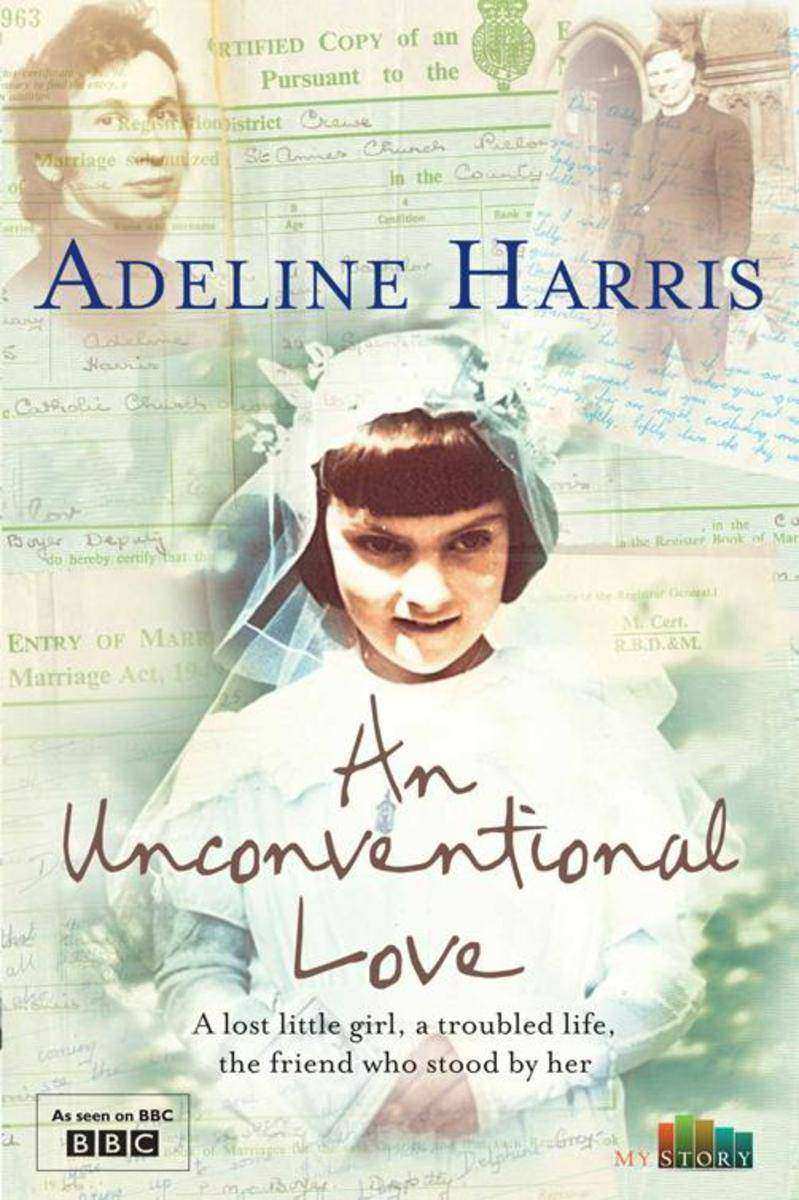
An Unconventional Love
¥51.50
Adeline Harris grew up in surroundings steeped in religion, from the beloved ayah in India who told her stories of Jesus wrestling tigers, to the strict father in England who placed a stone under her knee when she said the Rosary. It was no wonder that she always wanted to be a nun and a saint. Brought up to respect the church’s authority, the parish priest was an important early influence in her life. And when she met the new charismatic priest, Father Kelly, her interest and amazement instantly deepened. She enjoyed spending time with him and rapidly began to spend every spare moment at the church, learning much from the principled man. Following her father’s death, Adeline’s mother struggled to cope and Adeline was sent to live with Father Kelly. As Adeline grew up, she found herself falling in love with her guardian and hoped he might return her feelings. Then, when she was 18, she met a young man, Andrew, at a local dance. Soon she was pregnant and turned to the one person she could always rely on for help. He offered to look after Adeline and her baby, but he couldn’t understand her affections for Andrew. And, as time passed, deep down she always knew it was a friendship that was destined to end in heartache.


