


 购物车
 个人中心

Proud Man Walking
¥72.99
Betrayed by his club but beloved by the fans, former Chelsea manager Claudio Ranieri has been a constant headline-maker in 2004. Occasionally puzzling, often eccentric, but always fascinating and refreshing, the Italian describes the highs and lows of an extraordinary season at Stamford Bridge - and the dramatic end to his English journey. 'Hello, my sharks. Welcome to the funeral.' 'People have said I am a dead man walking - but I am still moving!' 'Tonight I am a crazy man and Roman Abramovich is also going mad like me!' We rejoiced with him. We laughed with him. And we cried with him. In what turned out to be a year for the Blues resembling more a soap opera than a season of football, Claudio Ranieri reveals the highlights and the hurt of his farewell twelve months in England. This collaboration between Italian journalist Massimo Marianella and Ranieri promises to reveal the inside story of a rollercoaster year at Stamford Bridge, with a first-hand account of coaching the most expensively assembled team in the Premiership, alongside the increasing pressures of satisfying his bosses as Chelsea's season threatened to turn into anticlimax. How did Ranieri keep all his players contented, when the value of his subs bench often exceeded that of most Premiership teams? What were the skills required to mould a group of exciting individuals into a team capable of challenging the likes of Arsenal and Manchester United at the top of the tree? With the media suggesting an uneasy alliance between Ranieri and Roman Abramovich, what was it that drove their complex relationship? What was the real truth behind the allegations that Ranieri's position was being undermined by his bosses? And when did the 'Tinkerman' discover his final denouement? Just some of the questions that will be answered in this book by arguably the most talked-about man in English football in 2004.

The Wild Child
¥11.77
Casey tells the harrowing story of Connor, an eight year old boy from a broken home who comes to stay with her family. It’s a Saturday morning when Casey and Mike are asked to take in eight year old Connor – an emergency placement, just for a couple of days, following a violent incident at his now former care home. And Casey’s instinct, as ever, is to say yes. With long term foster son Tyler off to football, and no particular plans for the weekend, even the fact that Connor arrives in what looks like a prison van doesn’t phase her – after all, challenging children are what she and Mike have trained for. And how much trouble can he really be? He’s eight. A lot, as it turns out. Connor is as streetwise as they come, and, hurt and angry, seems determined to cause trouble from the off. But despite the attitude, there’s something strangely endearing about their little visitor that makes Casey want to tease out the frightened child behind the swagger. So much so that, with Connor and Tyler getting on so well, she wonders – should they say they’ll keep him longer? It seems like the easiest decision in the world …
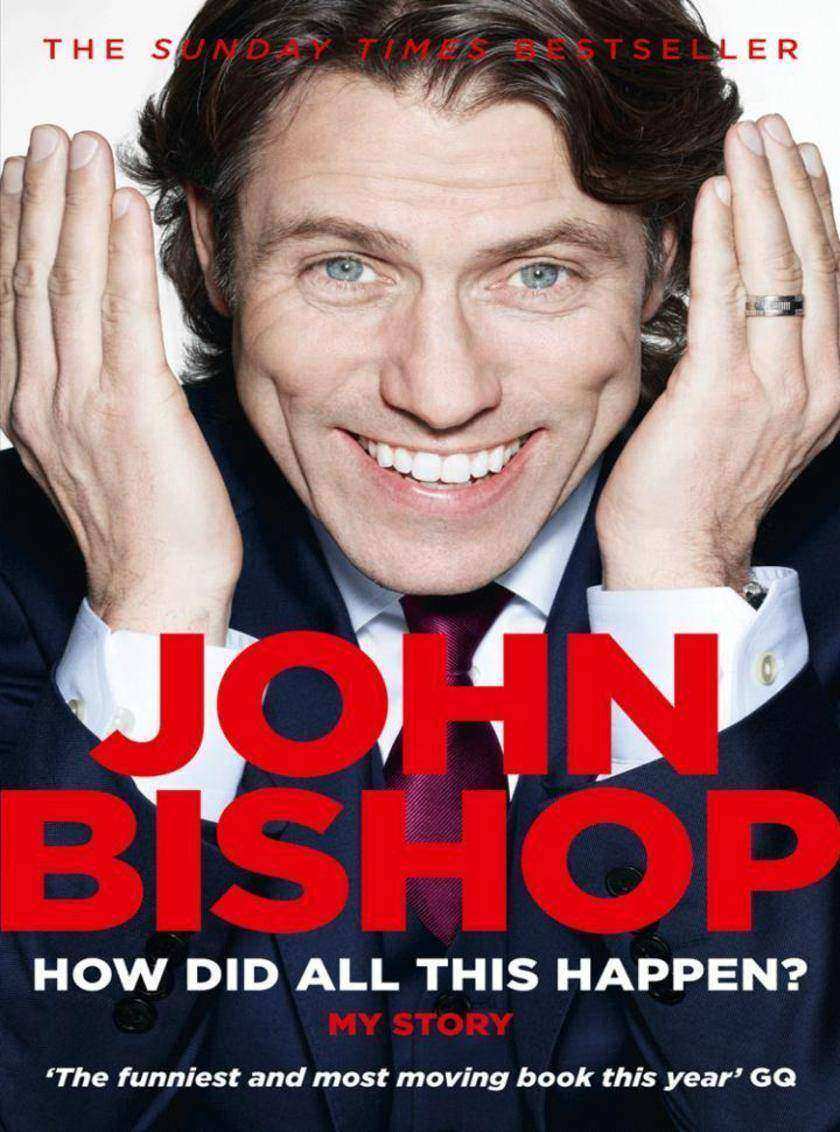
How Did All This Happen?
¥69.26
If you’re a man of a certain age you’ll know there comes a point in life when getting a sports car and over-analysing your contribution to society sounds like a really good idea. With a good job in sales and marketing and a nice house in Manchester that he shared with his wife and kids, John Bishop was no different when he turned the dreaded 4-0. But instead of spanking a load of cash on a car that would have made him look like a senior stylist at Vidal Sassoon, he stumbled onto a pathway that ultimately lead him to become one of the nation’s best loved comedians. It was a gamble, but boy, did it pay off. How Did All This Happen? is the story of how a boy who, growing up on a council estate dreaming of ousting Kenny Dalglish from Liverpool FC’s starting line-up, suddenly found himself on stage in front of thousands of people nationwide, at an age when he should have known better. In his own inimitable style, John guides us through his life from leaving the estate and travelling the globe on a shoe string, to marriage, kids and the split that led him to being on a stage complaining to strangers one night – the night that changed his life and started his journey to stardom. Wonderfully entertaining and packed with colourful reminiscences and comical anecdotes, this is a heart-warming, life-affirming and ultimately very, very funny memoir from one of the nation’s greatest comedians.
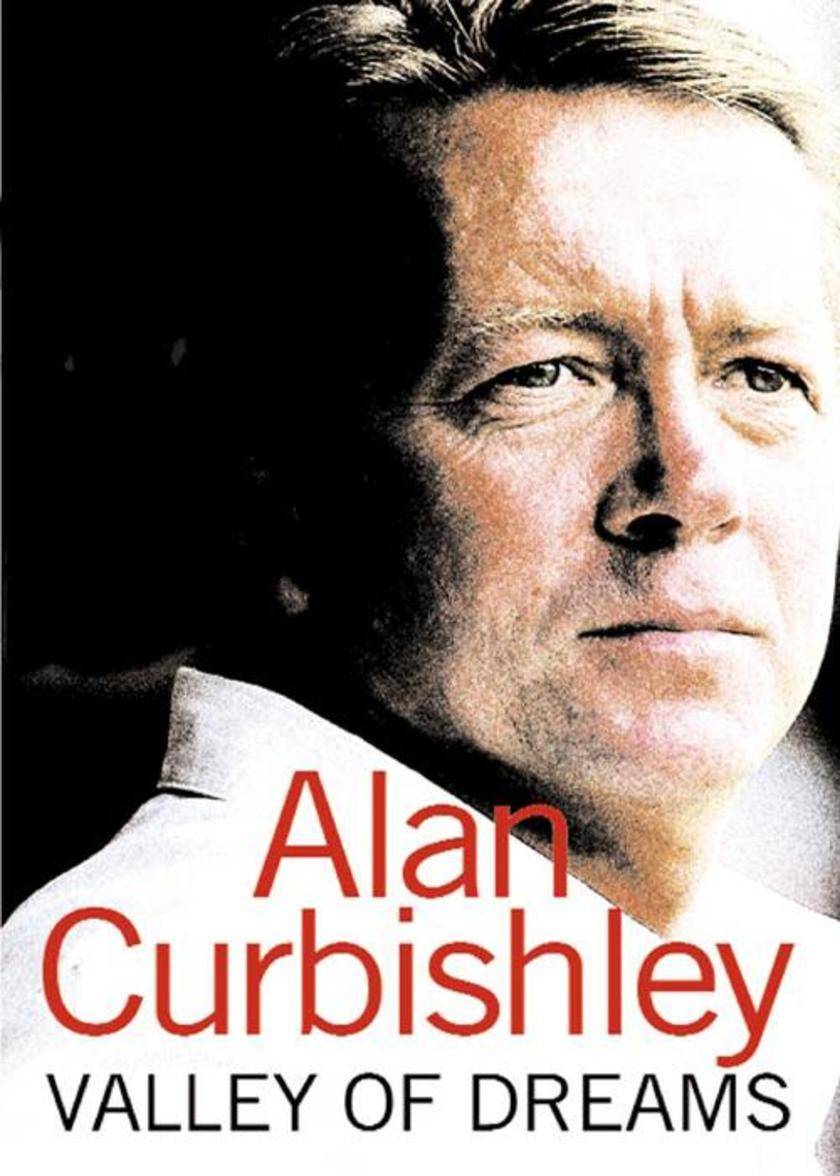
Valley of Dreams (Text Only)
¥125.18
Charlton Athletic represent a model of how a Premiership football club should be run. Former manager Alan Curbishley reveals the secrets of the club’s success – from the boardroom and manager’s office down to the dressing room and pitchside – and reflects on how the club went from homeless strugglers to challenging football’s elite. Alan Curbishley encountered most of football's ill winds during the 15 years he was coach, co-manager, then sole manager of Charlton – a club once homeless, with gates of less than 3000, forced to sell players to pay the wages and to buy replacement kit for the first team, and teetering on the brink of extinction. Galvanised by fans, staff, forward-thinking board members and a shrewd manager, the Addicks now find themselves firmly established with the Premiership big boys and a shining example of how a successful football club should be run. In his book, Curbishley opens the lid on the soap opera that is Charlton FC. He writes about the political manoeuvrings behind the club's departure and then emotional return to The Valley. He describes how the they were torn asunder by drugs allegations involving three of its players, including a youthful Lee Bowyer. He re-lives the tortuous rollercoaster ride of falling out of the Premiership two years later before returning in 1999/2000. And he gives an insider's view of the club's success in establishing itself in the world’s toughest league, including a full update on their 2005/06 season. He also talks candidly about being shortlisted for the England manager’s job. His book is a radical insight into the workings of a football club and its staff, and is sure to attract widespread interest from football fans across the country. Note that it has not been possible to include the same picture content that appeared in the original print version.

When Sophie Met Darcy Day
¥63.77
A heartwarming collection of stories from a woman who brings together disadvantaged children and abandoned racehorses, with remarkable results. Thirteen-year-old Sophie hadn’t uttered a word to anyone for over two years when she got out of her parents car at a remote farm in Devon. Her parents were beside themselves with worry, and at the end of their tether, but try as they might, nothing seemed to make a difference. They’d heard about a place called Greatwood through friends - where owners Helen and Michael Yeadon looked after retired racehorses - and decided to take Sophie along for a visit. Helen asked Sophie to help her change the dressings on the infected cuts on the legs of Darcy Day, one of their more troubled horses, and it was instantly clear that these two had some kind of special connection. Darcy Day would normally back away from people, but this time she lowered her head and stepped forward, to let Sophie stroke her nose. It was the start of an incredible relationship that would transform both horse and child, and it gave Michael and Helen an idea. They registered as a charity, moved to bigger premises, and began inviting children with a wide range of learning disabilities to volunteer to help with the animals. The results were amazing - traumatised horses and anxious or disturbed children bonded with each other, and every week little miracles were happening before their eyes. Boys with diagnoses such as Asperger’s Syndrome or Attention-Deficit Hyperactivity Disorder, or those who’d been excluded from school for unruly behaviour, flourished through the discipline of working on the farm. Girls made timid and anxious by abusive backgrounds or school bullies came out of the shells. In this book are twenty of the most incredible tales of children who were given back their futures by the unique and extraordinary institution of Greatwood.
The Pale Abyssinian: The Life of James Bruce, African Explorer and Adventurer (T
¥61.51
The biography of one of Britain’s greatest explorers by a brilliant young writer. The achievements of James Bruce are the stuff of legends. In a time when Africa was an unexplored blank on the map, he discovered the source of the Blue Nile, lived with the Emperor of Abyssinia at court in Gondar, commanded the Emperor’s horse guard in battle and fell in love with a princess. After twelve years of travels, and having cheated death on countless occasions, Bruce returned to England from his Herculean adventures only to be ridiculed and despised as a fake by Samuel Johnson and the rest of literary London. It was only when explorers penetrated the African Interior one hundred years later and were asked if they were friends with a man called Bruce, that it was finally confirmed that Bruce really had achieved what he had claimed. The Pale Abyssinian is the brilliantly told story of a man’s battle against almost insurmountable odds in a world nobody in Europe knew existed. Born in 1730, the son of a Scottish laird, James Bruce was an enormous man of six foot four with dark red hair, and he had to use all of his bearing and his wits to survive the ferocious physical battles and vicious intrigues at court in Abyssinia (Ethiopia today). His biographer, Miles Bredin, through ingenious detective work both in Bruce’s journals and in Ethiopia itself, has also unearthed a darker mission behind his travels: a secret quest to find the lost Ark of the Covenant. A highly talented and daring young writer, Miles Bredin has created a stunning account of the life and adventures of an extraordinary man. The Pale Abyssinian will re-establish once and for all the name of one of Britain’s greatest explorers who penetrated the African Interior over a century before the likes of Stanley, Livingstone and Burton set foot on the continent. Note that it has not been possible to include the same picture content that appeared in the original print version.

Browning (Text Only)
¥72.99
This edition does not include illustrations. A major biography of the most modern and the most underrated of English Literature's Great Victorians. Henry James called Robert Browning (1812–89) 'a tremendous and incomparable modern', and the immediacy and colloquial energy of his poetry has ensured its enduring appeal. This biography sets out to do the same for his life, animating the stereotypes (romantic hero, poetic exile, eminent man of letters) that have left him neglected by modern biographers. He has been seen primarily as one half of that romantic pair, the Brownings; and while the courtship, elopement and marriage of Elizabeth Barrett and Robert Browning remains a perennially seductive subject (and one Finlayson evokes vividly, quoting extensively from their daily letters and contemporary accounts) there is far more to Browning than that. Chronological in structure, this book is divided into three sections which deal with his life's major themes: adolescence and ambition, marriage and money, paternity and poetry. Browning explores the many experiences that inspired his writing, his education and passions, his relationships with family and friends, his continual financial struggles and revulsion at being seen as a fortune-hunter, his most unVictorian approach to marriage (sexual equality, his helping wean Elizabeth off morphine and nursing her through various illnesses), fatherhood and fame (inviting a leading member of the Browning Society to watch him burning a trunk of personal letters): all of which contribute to a fascinating portrait of a highly unconventional Victorian. At once witty and moving, this critical biography will revolutionise perceptions of the poet – and of the man.
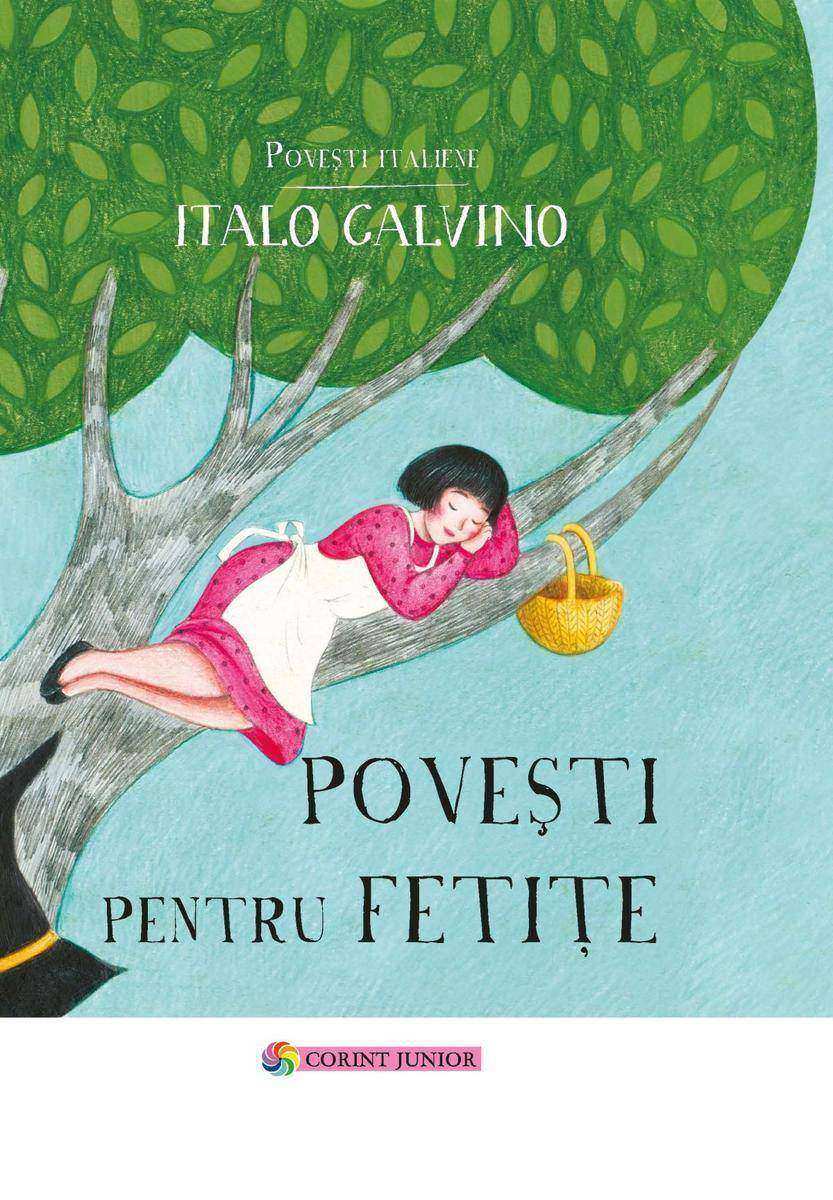
Povesti pentru fetite
¥40.79
Ianoi e viu, atent i emoionat de orice problem de parc acum abia ar ntra, aplecndu-se uor, sub naltul portic al Cunoaterii. Curios, profesnd acea dubl curiozitate, rar azi – fa de problem, dar i fa de cel ce o ridic. Fa de Fiin. Cultura romn se poate felicita, n zilele i anii notri un pic buimaci, unde Nordul valorilor pare a se fi rtcit undeva, n alte secole sau pe alte continente, c posed un cercettor, un profesor i un ins capabil de o asemenea cuprindere a unor platforme culturale att de auguste i, aparent, contradictorii. Unul din puinii supravieuitori ai acelei Mitteleuropa sapieniale, acei ndrgostii fr pricin de misterele artei i ale gndului, unul dintre acei, rari azi i n Europa, ce pesc uor peste granie istorice i mentale, rigide pentru atia, cu o graie, cu o uurin ce ne poate nela asupra acelui depozit afund de suferin i travaliu, de tenacitate unic pe care numai prezena unui ideal poate s-o explice. Iat unde putem gsi Idealul su Modelul, dezorientai nu rareori de propriile noastre ezitri i eecuri.“ (Nicolae Breban)Ianoi este un om pentru care problema morala exist, iar faptul acesta l aaz ntr-o postur extrem de fecund i de necesar, de mediator. ntr-o lume care devine tot mai conflictual, uneori n mod stupid, cu totul superficial i aberant. Ion Ianoi cred ca ne d o lecie de economie de conflict. Vd n aceast lecie i n persoana lui un model de senintate, de sinceritate intelectual, de europenitate.“ (Mircea Martin)[...] stilul Ianoi; un stil unic n cultura romn. Nu e vorba, n cazul d-sale, de cri de erudiie pedant, seac, ci de cri scrise cu un mare talent literar, cred eu, i cu extraordinare capaciti de evocare.“ (Gabriel Dimisianu)Am spus i cu alte prilejuri, am scris i cu alte ocazii c Ion Ianoi este un dar fcut literaturii romne. Oare avem puterea de a ne bucura de acest dar Avem fora de a-l onora i de a ne minuna de el, aa cum se cuvine Printre scriitorii romni, prietenul nostru e perceput drept un crturar evreu-maghiar atipic. Printre evrei e tratat drept un romn sadea. n Ianoi vd un model de prim rang, un mare crturar ce s-a nzidit n literatura romn, un scriitor care ar face onoare oricrei culturi majore a lumii. Ianoi este, apoi, un spectacol, n pofida felului su de a fi, aproape n ciuda sa...“ (Aura Christi)
Dosarele Scarlet: Sp?rg?toare la ?n?l?ime
¥40.79
Edi?ie alc?tuit?, coordonat? ?i ?ngrijit? de Iulian Boldea?Profilul c?rturarului Nicolae Balot?, pe care acest volum se str?duie?te s?-l contureze, adun? laolalt? expresivitatea, rigoarea ?i erudi?ia eseistului ?i criticului literar, dar ?i afectivitatea sublimat? a memorialistului. Sumarul c?r?ii e alc?tuit din mai multe texte semnate de Nicolae Balot?, relevante pentru concep?ia sa critic? ?i estetic?, dintr-o schi?? de portret apar?in?nd lui Matei Boil?, din dou? dialoguri ?n care se ?mpletesc accentele confesive ?i proiec?iile teoretice ?i din dou? sec?iuni exegetice. Prima, Interpret?ri, con?ine abord?ri ale operei critice sau memorialistice a lui Nicolae Balot? ?n ansamblul ei, ?n timp ce a doua, Lecturi, cuprinde analize aplicate asupra unei anumite c?r?i. La toate acestea se adaug? necesarele repere bio-bibliografice. Textele au fost ini?ial tip?rite ?ntr-un num?r al revistei Vatra consacrat lui Nicolae Balot?; a?a se explic? unele referiri ale autorilor la binecunoscuta revist? din T?rgu-Mure?. Le mul?umesc, ?i pe aceast? cale, domnului Nicolae Balot?, pentru amabilitatea cu care a r?spuns provoc?rii noastre, ?i celorlal?i autori, pentru disponibilitatea domniilor lor, f?r? de care acest volum ar fi fost imposibil de realizat.“ – Iulian Boldea
Supravie?uitorii. Cartea a IV-a - Un drum primejdios
¥73.49
Cartea reprezint? o minimonografie spectaculoas? despre proza, publicistica ?i poezia unuia dintre cei mai mari poe?i interbelici, Tudor Arghezi. M.V. Buciu are un instrumentar critic adus la zi, ca ?i bibliografia de altfel, aten?ia exegetului fiind focalizat? asupra operei acestui mare scriitor, contestat vehement ?n perioada post-decembrist?. ?n esen??, monografia lui M.V. Buciu, constituie o temeinic? tentativ? de rea?ezare a lui Tudor Arghezi ?n actualitatea literar?, readuc?nd ?n discu?ie, dar nu mai pu?in ?n actualitate, complexitatea personalit??ii argheziene, un urma? al poetului na?ional, Mihai Eminescu.
Cel?lalt Arghezi
¥57.14
nainte de orice altceva, Poezia de la Gndirea este o carte despre slbiciunea conceptelor. Ce mai definesc azi cuvinte precum tradiionalism sau modernism ntre rzboaie, termenii au polarizat probabil toate disputele, nelsnd n stare de neutralitate aproape nimic. Nu-i vorba, nu ideologiile fac literatura. Iar cnd este vorba despre poezie, lucrurile sunt cu atat mai complicate. Or, privind napoi cu suspiciune, Mircea A. Diaconu realizeaz nu doar o descriere comparativa a principalelor constante ale poeziei de la Gndirea, ci si o anatomie – sceptic mcar – a conceptelor n disputa lor cu realitatea de fapt. Criticii conceptelor – dublate de o ncercare de refundamentare a lor – i rspunde o analiz minuioas, fr parti-pris-uri, a realitii de fapt. n distana aceasta, dintre concept i realitate, ptrunde ochiul deopotriv al istoricului i al criticului literar. Iar ceea ce rezult nu mai este o sum de adevruri apodictice, ci o proiecie hermeneutic fundamentat interogativ.
B?rbatul con?tient
¥57.14
Volumul reprezint? punctul de finalizare a unor preocup?ri anterioare ale autorului, afirmat ?n c?mpul semioticii ?i al stilisticii prin studii ?i eseuri dedicate cu prec?dere poeziei rom?ne?ti de-a lungul evolu?iei ei. F?r? a-i ignora pe creatorii medii, importan?i pentru c? dau expresie continuit??ii, el ?i-a propus s? explice, cu mijloacele puse la dispozitie de progresul ?nregistrat de disciplinele umaniste ?n ultima jum?tate de secol, ?misterul“ care transforma limba ?n opera. Sunt discuta?i marii poe?i na?ionali, de la Mihai Eminescu la Nichita St?nescu, relev?ndu-i-se fiec?ruia specificitatea, a?a cum se deta?eaz? ea pe fundalul unor constante care definesc ?ns??i esen?a poeticit??ii.
S?nge albastru
¥32.62
Citindu-l, recitindu-l pe Nietzsche, citind i recitind nietzscheenii, dostoievskienii, m recream, m remodelam, strunjindu-m pe mine nsmi i, n acelai timp, m reapropiam altminteri, de fiecare dat, de continentul Nietzsche, iar n timp probabil, iari i iari, mai rapid – prin intermediul celui care l-a creat pe Zarathustra – de mine nsmi. Scrierile mele, romanele, poemele, eseurile se afl, volens nolens, sub auspiciile dionisiace ale acestui scriitor spre care m harponeaz, instinctiv, de bun seam, i voina de a deveni ceea ce sunt: poet. Un poet care propaga un soi de stranie religie a viului, n esen de neexprimat, o religie-mit de sorginte nietzschean, construit pe un exces de personalitate.(...) Boala, cu un pic de noroc, poate fi pintenul dat de un nesfrit zeu rutcios i perspicace n bolgiile luminoase ale destinului. ntlnirea mea cu acest spectacol de un dramatism randiose – care este Nietzsche – din ntmplare cred c s-a transformat n destin. Da. i totodat n voina de Destin“. – Aura Christi.Am terminat de citit cu nfrigurare Nietzsche i Marea Amiaz (oricum, verbul a citi nu sintetizeaz dect imperfect efortul sinestezic pe care-l necesit o carte att de complex i de bogat n idei). La un prim nivel, volumul poate fi lecturat ca un impresionant catalog al marilor teme“ din literatura european (german, francez, englez, rus, romn), aceea nrudit, direct sau indirect, cu suflul zarathustrian al fostului profesor de la Universitatea din Basel. La un nivel secund ns, mult mai profund i mai semnificativ, el este un elogiu excepional adus vitalismului injectat de solarul divin, reflectat magistral prin textele unor Berdiaev, Sestov, Kierkegaard i mai ales Nietzsche. Filiaia cea mai puternic i mai transparent care mi vine n minte dup parcurgerea paginilor tale este Rudolf Otto: dei nu are nevoie s-l citeze niciodat explicit, cartea este infuzat de conceptul de numinos, acel sacru inefabil intuit de teologul german n lucrarea sa capital, Das Heilige. Te felicit pentru acest volum, exemplar n toate sensurile, i sunt convins c oamenii crora li se adreseaz nu vor mai fi aceiai dup parcurgerea sa.“ – Ctlin Ghi.

Puterea nev?zut?
¥90.84
Aproxima?ii o carte de critic? literar? ?n care autorul a ?nregistrat cele mai importante apari?ii din literatura rom?n? a ultimilor ani, ?n studii critice, cronici literare ?i eseuri care comenteaz? c?r?i, scriitori sau tendin?e ale momentului actual. Structurat? ?n trei cicluri, cartea lui Iulian Boldea se remarc? prin precizia formul?rilor, obiectivitatea enun?urilor ?i prin metodele critice adecvate valorificate. Tototdata, ea con?ine numeroase puncte de vedere, perspective ?i ipoteze critice meritorii, dup? cum v?de?te o extrem? aten?ie la nuan?ele textului, la relieful s?u subliminal. Demersul critic al autorului se caracterizeaz?, ?nainte de toate, prin rigoarea aser?iunilor ?i relevan?a demonstra?iei. ?ntre autorii comenta?i ?n aceast? carte, pot fi aminti?i Virgil Nemoianu, Al. Paleologu, Nicolae Manolescu, Gabriel Liiceanu, Adrian Marino, Ion Vartic, Marta Petreu, Mircea Muthu, Dan Culcer, ?tefan Borbély, Horia B?descu, Vasile Dan, Eugen Dorcescu, Ion Zuba?cu s.a.
Un albastru infinit
¥11.04
Adrian Punescu scrie proz cu degetele arse de miracolul poeziei, i de aici succesul tulburtor, care, n loc s mntuie, nspimnt, oblig i rtcete. Poet al fluenelor de liliac n grle de piatr rar, al brumelor de bronz, al cderii n rnile dorului i n hohote de chihlimbar, grav despicat de neiertare i de rzvrtire, Adrian Punescu intr n hotarele prozei prin vijelia reportajului. (...) Puin i pas dac lumea l aplaud sau l njur, el vrea s rstoarne i s cldeasc, i n-are timp s cpieze stnd ntr-un picior, viaa e scurt i, dac nu vrea s se ndrepte prin cntec (i nu vrea), trebuie rezidit din mers i nvat s cnte. Reportajul lui Punescu e, nainte de toate, unul de atitudine, adevrul sare din pagin ca miezul dintr-o ceap zdrobit cu pumnul (...), fulgerul, aparent liric i aparent hrnit de curcubeie, e un arc al ndoielii, un crlig veninos umblnd prin crpturile pmntului, strigtul doare, suspinul are ghimpi n cretet, gerul frige, apsarea nghea.Durabila for a reporterului Adrian Punescu vine de acolo c el n-are chef, n nici o pagin, s fie ru de but n apte linguri, ci numai fluviu azvrlindu-se n mare, cu toate aluviunile i rzboaiele sufletului.“
Mite. B?l?uca
¥33.03
Alexandru Sf?rlea arat? ?ntr-o recent? recenzie a versiunii tip?rite a c?r?ii 101 poeme: ?[...] S? mai spun c? unii ?i al?ii s-au ?inspirat? din texte ale lui Vasile Poenaru pentru a-?i etala ?prospe?imile? propriilor crea?ii, ?n vreme ce acest excelent poet st?tea ?pitit? sub obrocul impasibilit??ii ?i ignor?rii tenace a criticilor?Pentru c?, ?n via?a noastr? literar?, am ajuns s? cred c? asemenea practici sunt uzitate cu... sistem?, ca s? zic a?a, pentru ca lipsi?ii de har ?i inspira?ie, proteja?ii ?i coteri?tii s?-?i ?edifice? constructele de chirpici lingvistic, cu o jalnic? ?i penibil? non?alan??, cu un tupeu de-a dreptul incalificabil!Se vorbe?te cu asiduitate ?n presa literar? despre c?r?i ale unor a?a-zi?i nou?zeci?ti sau dou?mii?ti lipsite de semnifica?ii, sens ?i substan?ialitate poetic? ?i care pur ?i simplu bat apa-n piu? ?i nu spun nimic dec?t, poate, celor ce nu vor s? aud? nimic, adul?nd – ?ntr-un nefericit paradox – nevolniciile , nonsensurile ?i vacuitatea, ?n timp ce sunt ignorate cu cerbicie c?r?i valoroase ale unor autentici poe?i, precum Vasile Poenaru. Iat? , ?nc? un elocvent fragment poenaristic: ?Mergeam pe str?zi de lung? diminea??/ Cu p?inea mea de poezie sub bra?,/ Mergeam pe str?zi de lung? diminea??/ ?i m? ardeau de foame ochii min?ii/ Mergeam pe str?zi de lung? diminea??/ Tot forfoteau p?rerile sub pietre/ Din loc ?n loc o balt? de adverbe/ Ca p?s?rile clocotitor ardeau/ Spre vie?i izvor?toare-n alte trupuri/ Mergeam pe str?zi de lung? diminea??/ ?i nu se mai cr?pa odat’ de ziu? / ?i m? ardeau de foame ochii min?ii/ ?i-am ?nceput s?-mi rod ?nt?i din unghii/ Apoi din os din inim? din creier/ Mergeam pe str?zi de lung? diminea?? (...)? (R?sfirare). Sau, ?nc?, ni?te versuri de-a dreptul subversive – s? nu uit?m c? volumul din care citez a ap?rut ?n 1984 – care, poate c? fie ?i numai acestea, ar fi trebuit s?-i r?m?n? precum o aur? de zv?cnire iconoclast?, de nu protestatar?, poetului Vasile Poenaru: ?(...) Ora?ul ?n care m-ai ademenit/ E o sonat? a mor?ii/ ?n care doar miezul vie?ii trozne?te,/ Toat? noaptea am s? ard de frig ?n avanscen?/ C-un dirijor mai lent ca o statuie (...)??n fine, ce pot s? mai spun dec?t c? – ?n acest areal literar rom?nesc care seam?n? izbitor cu cel politicesc – poetul Vasile Poenaru este un mare nedrept??it, pe care cititorii one?ti, dac? ar ajunge, sau ar vrea s? ?i citeasc? volumele de poezie, l-ar pre?ui la adev?rata sa valoare...“
Laboratuardaki ?blis: ?iir
¥27.71
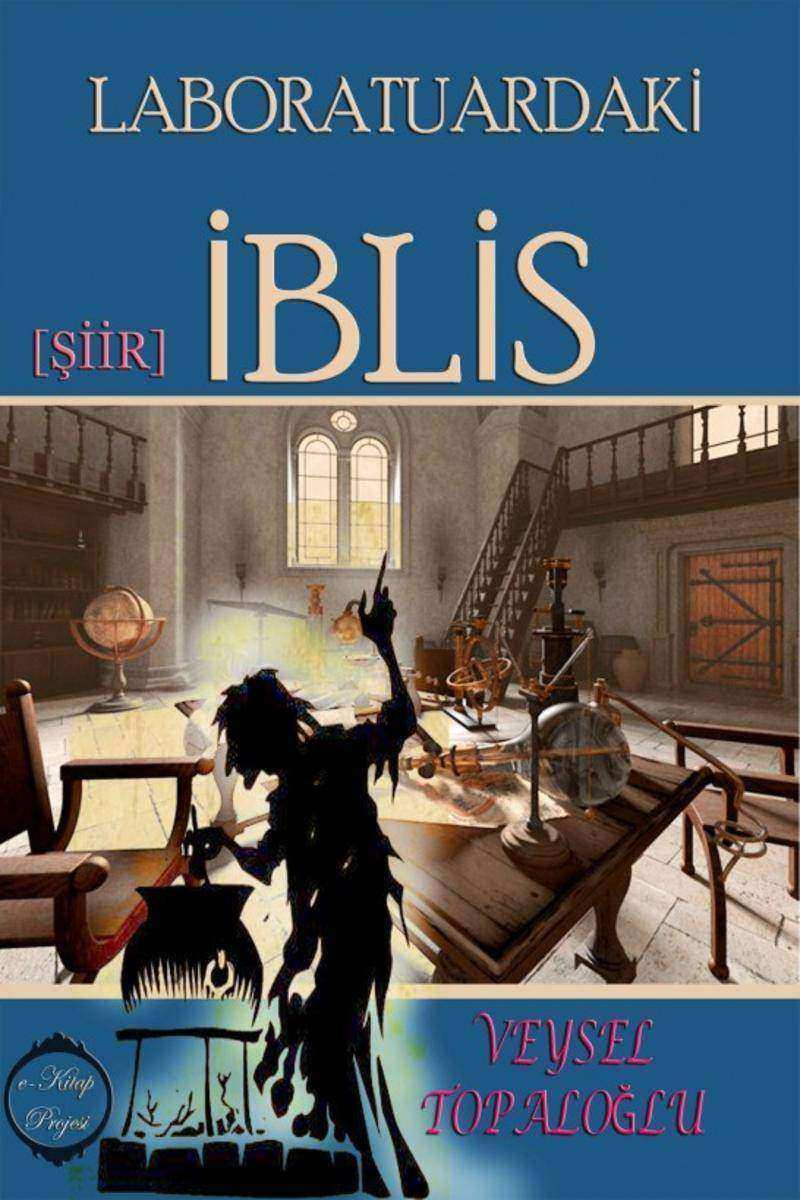
Yirmi birinci yüzy?lda, teknolojik geli?melerin de etkisiyle, büyük bir "öz güven patlamas?" ya?ayan insanl?k; kurulu?undan bu yana kendi yasalar?na göre çal??an ba?ta ekolojik sistem olmak üzere: Biyolojik ve jeolojik sistemlere müdahale ederek; kendi kurallar?na göre de?i?tirmeye kalkt?. ??te, ba?ta baz? hastal?klar olmak üzere; birçok sorunlar da burada ortaya ç?kt?. Maalesef bugün nerede ise hepimiz, hastay?z! Hastal?klar?m?z?n ise çe?it çe?it ad? olsa bile en yayg?n olan?: "Parçalama Hastal???" olup çok da kolay tedavi edilebilecek gibi de görünmemektedir.Günümüzde, teknolojik geli?mi?li?in de etkisiyle: ?nsano?lu, bütünü anlamak için onu parçalamay? seçti. Parçalar? üzerinden bütünü; anlamaya ve tan?maya çal??maktad?r.. Oysa ki, parçalar? birle?tirerek bütünü tan?mak hem daha kolay, hem de daha do?al bir yöntem oldu?unu da bilmesine ra?men.Y?llard?r; maddeleri parçalad?k yetmedi. Atomlar? parçalad?k bitmedi. Bu i? daha nereye kadar gidecek? Ve ne kadar daha sürecek? Bilinmez! Ancak bizler, bir an önce maddeleri ve sistemleri parçalamaktan vazgeçmek mecburiyetindeyiz! Yoksa: Korkar?m çok yak?nda, yeryüzündeki ya?am? kökünden bitirece?iz!..Bu arada, baz? "Laboratuvar Ka?iflerine" de birkaç hat?rlatmada bulunmak isterim:Hani; Sizlerin, mikro organizmalar? incelemek için hergün bakt???n?z o devasa büyüteçler'iniz (Dev Elektron Mikroskoplar?n?z) var ya! ??te o büyüteçler; inceledi?iniz o organizmalar?, sizlerin gözünde milyonlarca kez büyütmekte iken; sizleri de belki onlar?n "gözünde" milyonlarca kez küçültüyor olmas?nlar (?) Yine: Belki de sizler; onlar? tan?maya çal???rken; onlar da bizleri anlamaya çabal?yor olmas?nlar? Dahas?: Belki de onlar da bizleri merak ediyorlard?r (?) Kim bilir? Ne dersiniz? Bir de böyle dü?ünmeyi denemelisiniz!.."LABORATUARDAK? ?BL?S"{???R L?STES? & ?Ç?NDEK?LER}:YAZAR HAKKINDA {ÖZ GEÇM??}TANITMALIK {PROSPEKTÜS}T?N VE TENZERRELABORATUARDAK? ?BL?SB?ZDEN M?D?R?RUH YARASIKONDUNEFES?ST?R?DYEN?N HÜNER?MOLEKÜLER SEYAHATYARI?L?NÇHIZ/HAZ ÇEL??MECES?HAL?S YAPAYLIKLAR D?YARINDA -1MAZ?DEK? AYAK ?ZLER?MMAN?SA TARZANIARKA KAPAK?a’irin Yay?nlanm?? Di?er Kitaplar?VEYSEL TOPALO?LU (?A?R; SADEKUL)

Se numea Sarah
¥66.22
Am mplinit, la 3 martie anul acesta, 81 de ani. O via de om, cu bune i mai puin bune. Am fost martor i actor al multor evenimente, dintre care unele au schimbat cursul istoriei. n cteva dintre aceste schimbri se poate gsi i contribuia mea.[…] Trecerea n revist a istoriei celor 21 de ani de la Revoluia din Decembrie 1989, cu reuite i nereuite, cu experiene pozitive i negative, cu bune i cu rele, trebuie s fie prilej de nvminte pentru toi, s ne inspire pentru a gsi cile cele mai potrivite de redresare i de cuplare a Romniei la procesul n curs de construcie european, n condiiile adncirii procesului amplu de globalizare a economiei i a vieii sociale, n beneficiul tuturor cetenilor rii.“Sunt un om de stnga, nu neg i nu-mi reneg trecutul. Mi-l asum, cu toate ale lui. Dar nimeni nu-mi poate reproa lipsa bunei-credine n ceea ce am fcut. i nici faptul c nu a fi evoluat, c nu a fi nvat din leciile pe care viaa i oamenii mi le-au dat.[…] Nu m-a interesat puterea n sine i nu am folosit puterea pe care am avut-o pentru a face ru sau n interes personal. Puterea devine interesant doar n momentul n care ai un proiect, i ea devine un instrument pentru materializarea lui.Nimic nu corupe mai mult dect puterea. i trebuie s fii, moral vorbind, extrem de puternic pentru a nu te lsa corupt de putere. mi place s cred c pe mine puterea nu m-a corupt. Muli au fost uimii de modul firesc n care s-a fcut transferul de putere n 1996, dup ce domnul Emil Constantinescu a ctigat alegerile prezideniale. Cei care se ateptau la altceva nu m cunosc. Nu mi-am dorit puterea, n 1989, ci mi-am asumat o responsabilitate. Era normal s fiu primul care s respecte regulile la structurarea crora lucrase.[…] Formal, suntem o ar cu toate instituiile i mecanismele unei ri europene, membr a Uniunii Europene. n realitate, lucrurile sunt departe de a fi normale. Am fost i sunt contient de faptul c acestea sunt marile noastre slbiciuni, cele care ne mpiedic s progresm. Nu tiu s existe o soluie miraculoas care s ne vindece de aceste pcate. Cred doar c libertatea de circulaie i dreptul romnilor de a munci n Europa vor permite, n timp, schimbarea profund a Romniei.“
?n ?ntuneric
¥66.22
Coresponden?? primit? de Geo Bogza de la Stephan Roll, Sa?a Pan?, Mary-Ange Pan?, Victor Brauner, Ilarie Voronca, Colomba Voronca, grupul ?Alge“ ??n Epistolarul avangardist, care con?ine coresponden?a pe care Geo Bogza a primit-o de la reprezentan?ii grupului Alge, este ?i o poveste con?inut? aici, ?n aceste scrisori, o poveste de via??, de supravie?uire, de construire, de fapt, a unei poetici de grup ?i a unei ac?iuni culturale rom?ne.“ – Carmen Mu?at ?Pe mine cel mai mult m-a emo?ionat Epistolarul. Au fost ni?te lucruri de care nu ?tiam ?i pe care le-am citit cu foarte mult? emo?ie, ceea ce m-a f?cut s? mai r?scolesc ?i s? m? uit cu mai mult? aten?ie. Erau scrisori de la mama, am ?nceput s? m? uit ?i ?n jurnalul ei ?i am descoperit o serie de lucruri extraordinare. O s? continui s? cercetez.“ – Vladimir Pan?
lumin?, ?ncet
¥24.44
C?t?lin Ghi?? este unul dintre cei mai serio?i, mai informa?i ?i mai inspira?i cercet?tori care se afirm? ?n comparatistica literar? ?i cultural? de la noi. Neotematismul s?u este unul atent la diferen?e – ?i ?n primul r?nd la diferen?a estetic? –, reticent fa?? de exploatarea ideologizant? a literaturii. Cartea de fa?? ??i acoper? tema cu mare grij?, cu acribie filologic? ?i teoretic?, dar o ?i dep??e?te uneori prin implica?ii nea?teptate ?i prin considera?ii de ansamblu. ?mi place ?n mod deosebit luciditatea autocritic? a autorului, ?n care v?d reflexul moral al modestiei ?i, ?n acela?i timp, orgoliul justificat al competen?ei profesionale“. – Mircea Martin
Inima dat? la maximum
¥16.27
gata! Mito? Micleu?anu (n. 1972), pictor, scriitor, muzician. Cofondator al proiectului ?Planeta Moldova“.


