


 购物车
购物车 个人中心
个人中心
In My Dreams I Dance
¥58.86
Struck down with polio at the age of two and a half, Anne overcame the prejudice rife in her native village in Kenya, where neighbours believed she was cursed and called her a snake because of her disability, which left her paralysed below the waist. Losing her mother at a tender age, and sent to a school far away from home, she achieved fantastic academic results, amidst the challenges of a military coup. She went to university and qualified as a teacher, and fell in love with a British man who truly valued her defiant spirit. She moved from a world with no running water to make a life for herself in modern Britain. Where, against all odds, she bore a child, and went on to being the first East African to compete in her sport internationally. Anne is currently in further training, hoping to represent Great Britain at the 2012 Paralympics.
More Than Just Coincidence
¥51.50
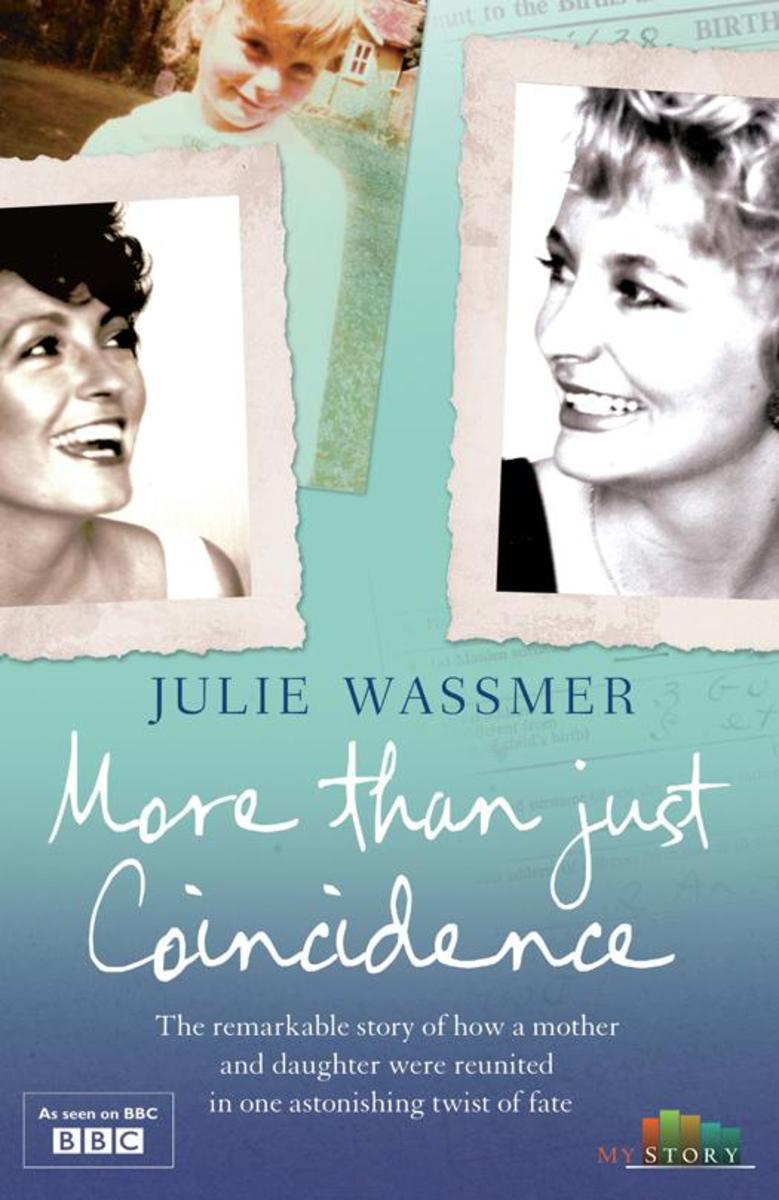
Heartwarming, compelling and genuinely remarkable, More Than Just Coincidence is the true story of a mother who was reunited with her daughter, twenty years after she gave her up for adoption, in the most incredible of circumstances. One hot summer day in 1970, teenaged Julie dressed her 10-day-old baby daughter for the last time. Then she placed her newborn into a nurse's arms and walked away, taking with her only a tiny plastic bracelet on which were written two words - 'Baby Wassmer'. Over the next twenty years, the print on the bracelet began to fade, but the memory of Julie's lost child continued to run, like thread, through the fabric of her life. Julie travelled the world and led an adventurous life, but at the back of her mind always remained the daughter she had let go. On 5 November 1990, a struggling writer, aged 36, Julie stared at the reflection in a mirror on her bathroom wall as she prepared for her first meeting with a literary agent. All of sudden a thought came into her mind: now might be the perfect time for her daughter to re-enter her life. A few hours later, in the most astonishing way, two worlds were about to collide. Real life can be stranger than fiction.
A Fighting Spirit
¥51.50
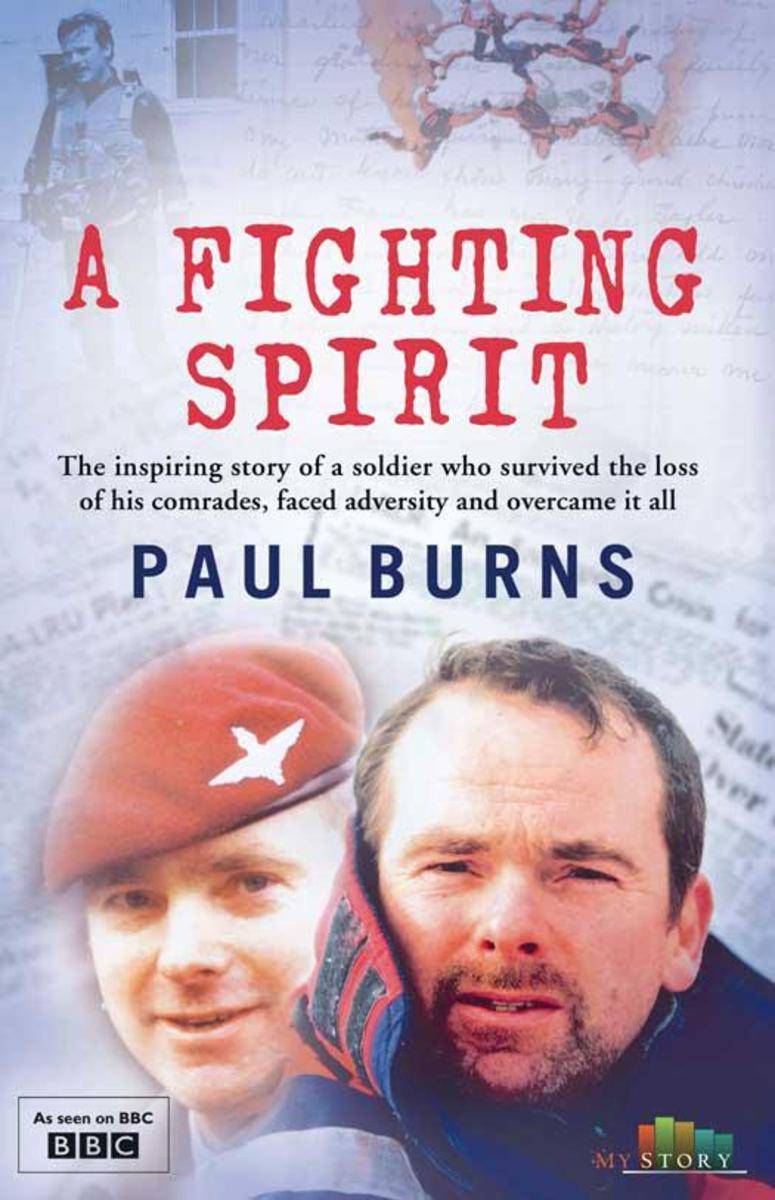
On 27 August 1979, Paul Burns’ life changed forever. Travelling through Warren Point in Northern Ireland when the IRA detonated two massive bombs, he was involved in a devastating explosion--eighteen soldiers were killed that day; Paul was one of only two who survived. His story is a remarkable tale of one man’s determination to make the most of his life against the odds.
Our Vinnie
¥58.86
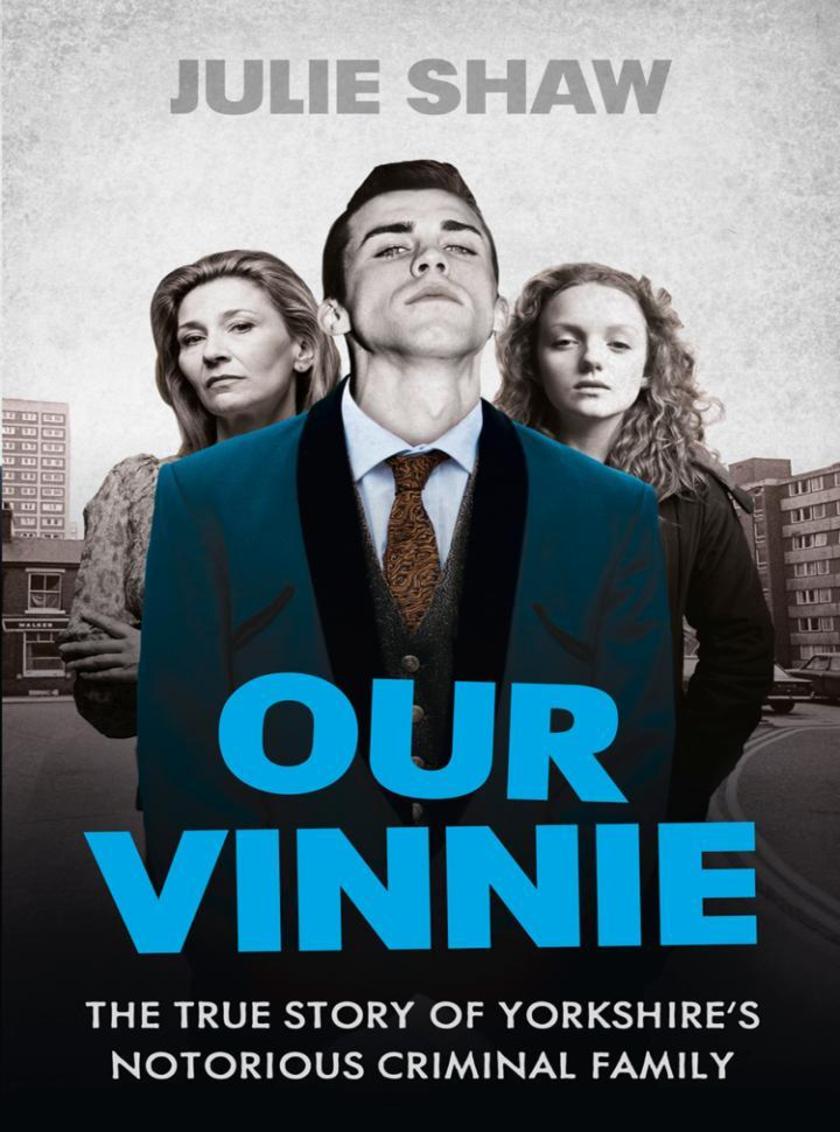
The infamous Canterbury Estate in Bradford, a hotbed of crime, drink and drugs, was a law unto itself in the ’70s. So when one of their own was wronged in any way, the community always had its own way of dealing with it. The first title in a series of gritty family sagas, Our Vinnie accounts the dramatic true story of a brother’s determination to avenge his younger sister’s rape. Josie was just 11 when her Vinnie, then 14, was taken away to a detention centre. Distraught by his absence and left alone with indifferent parents, when she escapes from one of their rows she naively enters the house of a neighbour, Melvin, who – horrifically – leads her upstairs and overpowers her. Convinced by her friend Carol, Josie tells her sister Lyndsey about the rape but, with Vinnie out of the picture, Lyndsey uses the information for her own ends. When Vinnie returns, hardened by years inside the system, his outrage on discovering the truth is severe. And with new abuses continually coming to light, a cataclysmic series of violent events begins to spiral out of control… Dramatic and shocking, Our Vinnie is an unbelievable page-turner, documenting a community forsaken by society, and one brother’s unrelenting determination to take justice into his own hands.
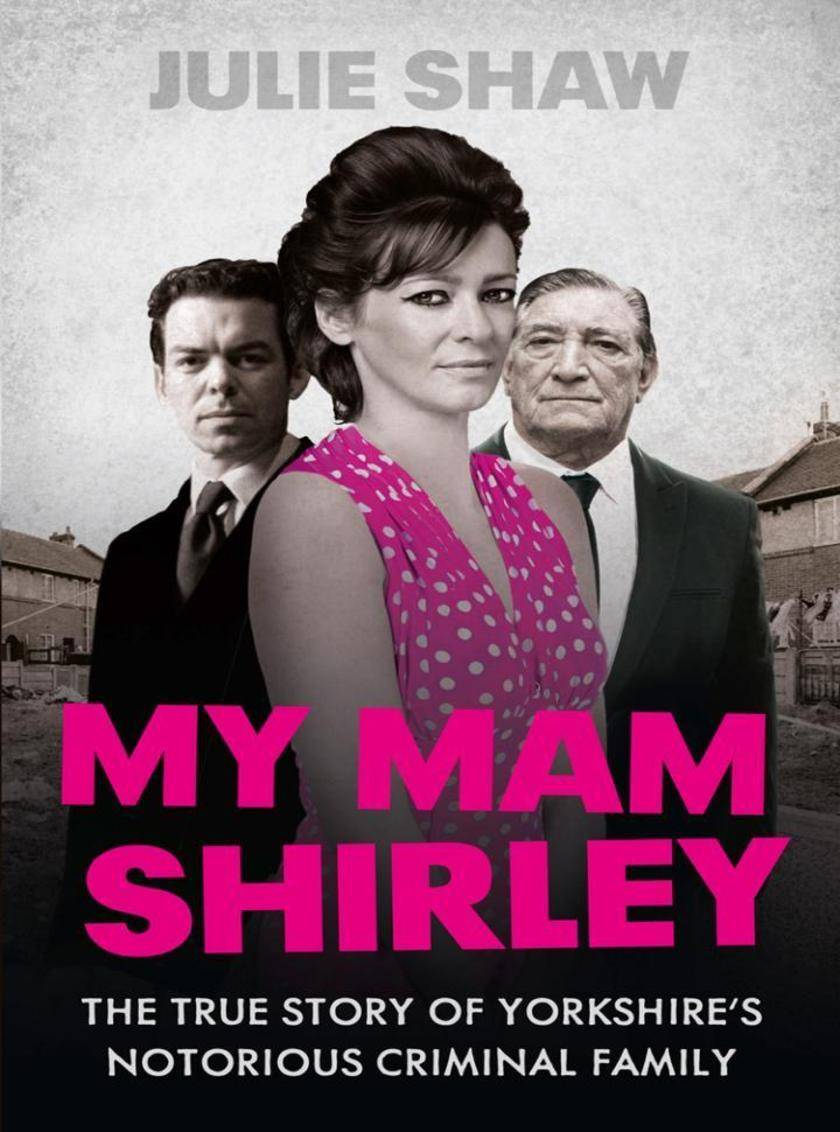
My Mam Shirley (Tales of the Notorious Hudson Family, Book 3)
¥58.86
Behind the notorious Hudson men who dominated the Canterbury Estate for over 30 years were the girls, and my mam Shirley. Whether marrying into or determined to escape from it, the third instalment of this gritty series recounts the incredible stories of the unflinching women behind the legendary Hudson family. The Canterbury Estate in Bradford during the ’50s and ’60s was a tight-knit community reared on poverty, crime and violence, and at the top of the heap were the infamous Hudson family. But it wasn’t just the boys who had a story to tell: from matriarch Annie, who gave birth to 13 children, to daughters Margaret and Eunice, who married up and out, each had a personality as indomitable as the last. Then came Shirley Read, who was just 17 when she fell in love with Keith, one of the Hudson lads. To Shirley, the only child of affluent parents, the poverty of the unruly estate was as exciting as it was mysterious; newspapers for tablecloths, jam jars for cups, and, even by that time, no electricity. But it was a friendship forged with Annie and June, the younger Hudson sisters, that would teach Shirley not only to how to survive, Canterbury-style, but would also give her the strength to overcome an unexpected personal tragedy that would soon become a nightmare for women across the world… Eye-opening and warm, this is the vivid account of the ‘Tucker’ girls; the resourceful women at the helm of a notorious Bradford family who will never be forgotten.
Sour: My Story - Part 2 of 3
¥40.52
Sour can either be read as a full-length eBook or in 3 serialised eBook-only parts. This is PART 1 of 3. They call me Sour. The opposite of sweet. Shanking, stabbing, steaming, robbing, I did it all, rolling with the Man Dem. I did it because I was bad. I did it because I had heart. And the reason I reckon I got away with it for so long? Because I was a girl. SOUR is the true story of a former Brixton gang girl, drug dealer and full-time criminal. A member of the Younger 28s, a notorious gang that terrorised the postcodes around Brixton in the 90s, Sour escapes a troubled family life to immerse herself in the street life of likking and linking. She never leaves her house without a knife. At the age of fifteen, she stabs an innocent man in the street, earning her unrivalled respect and ‘Top-Dog’ status amongst her crew. She believes she is invincible. But the consequences of her actions are soon to catch up with her. Waking for the second time in two weeks in a hospital bed, to the news that she is pregnant, she realises it’s time to turn her life around. Motherhood will be a rude awakening, but it may also be her saving grace. Told with raw emotions and ferocious honesty, this is the real, on-the-record, story of one woman’s descent down the rabbit hole of gangland, and her efforts, as a daughter, mother and girlfriend, to claw herself out.
City Kid: Part 2 of 3
¥28.45
City Kid can either be read as a full-length eBook or in 3 serialised eBook-only parts. This is PART 2 of 3. You can read Part 2 one week ahead of release of the full-length eBook and paperback. From the author of international bestsellers A Circle of Children and Lovey comes an inspiring true story of a gifted teacher’s determination to understand the ‘rotten’ city kid everyone has given up on. Sitting quiet and withdrawn at a battered school desk, Luke had the looks of a shy angel – and a past that special needs teacher Mary MacCracken could barely believe. Already Luke had been picked up 24 times by the police. He’d set over a dozen major fires, and had a staggering record of thefts. No adult could reach him, no teacher could control him, and no policeman could cow him. All this – and Luke was only seven and a half years old. Trying to help Luke was Mary MacCracken’s job – and a seemingly impossible challenge. This is the remarkable story of how the impossible came true.
City Kid: Part 3 of 3
¥47.48
City Kid can either be read as a full-length eBook or in 3 serialised eBook-only parts. This is PART 3 of 3. You can read Part 3 on release of the full-length eBook and paperback. From the author of international bestsellers A Circle of Children and Lovey comes an inspiring true story of a gifted teacher’s determination to understand the ‘rotten’ city kid everyone has given up on. Sitting quiet and withdrawn at a battered school desk, Luke had the looks of a shy angel – and a past that special needs teacher Mary MacCracken could barely believe. Already Luke had been picked up 24 times by the police. He’d set over a dozen major fires, and had a staggering record of thefts. No adult could reach him, no teacher could control him, and no policeman could cow him. All this – and Luke was only seven and a half years old. Trying to help Luke was Mary MacCracken’s job – and a seemingly impossible challenge. This is the remarkable story of how the impossible came true.
Betrayed: Part 2 of 3
¥28.45
Betrayed can either be read as a full-length eBook or in 3 serialised eBook-only parts. This is PART 2 of 3. You can read Part 2 one week ahead of release of the full-length eBook and paperback. In the much-anticipated follow-up to Sunday Times bestseller Trapped, foster carer Rosie Lewis tells the heartbreaking true story of 13-year-old Zadie. When the young teenage girl runs away and is discovered hiding on the city streets by the police, it is clear that all is not as it should be. Taught to believe that Westerners should not be trusted, when Zadie is initially delivered into the experienced hands of foster carer Rosie she is polite and well-behaved, but understandably suspicious of the family around her. Through Rosie’s support and understanding, gradually Zadie begins to settle into her new surroundings, but loyalty to her relatives, and fear of bringing shame on those around her, prevents her from confessing the horrifying truth about her troubled past. When the shocking truth finally emerges, Rosie and her family can hardly believe that Zadie had managed to keep the shocking secrets to herself for so long.

Trilogy Collection (Tales of the Notorious Hudson Family)
¥182.47
The first three titles in a series of gritty family sagas, Our Vinnie, My Uncle Charlie and My Mam Shirley chart the lives of three of the most infamous members of Yorkshire’s real-life notorious criminal family, the Hudsons. Dramatic and shocking, these three explosive true stories document a community forsaken by society - one brother’s unrelenting determination to take justice into his own hands, one man’s ascendancy to power, and the tragedy that brought it all crashing down, and, finally, the vivid account of the ‘Tucker’ girls; the resourceful women at the helm of a notorious Bradford family who will never be forgotten.
Daddy’s Little Princess: Part 3 of 3
¥47.48
The latest title from the internationally bestselling author and foster carer Cathy Glass. Beth is a sweet-natured child who appears to have been well looked after. But it isn’t long before Cathy begins to have concerns that the relationship between Beth and her father is not as it should be. Little Beth, aged 7, has been brought up by her father Derek after her mother left when she was a toddler. When Derek is suddenly admitted to hospital with psychiatric problems Beth is taken into care and arrives at Cathy’s. Beth and her father clearly love each other very much and Derek spoils his daughter, treating her like a princess, but there is something bothering Cathy, something she can’t quite put her finger on. Meanwhile Cathy’s husband is working away a lot and coming home less at weekends. Then, suddenly, everything changes. Events take a dramatic turn for both Beth and Cathy and her family; as Cathy strives to pick up the pieces all their lives are changed forever.
Lovey: Part 3 of 3
¥47.48
Lovey can either be read as a full-length eBook or in 3 serialised eBook-only parts. This is PART 3 of 3. You can read Part 3 1 week ahead of release of the full-length eBook and paperback. This deeply moving memoir tells the story of Hannah: a child who has been beaten and abused; a girl full of loneliness and rage; a student no one but learning disabilities teacher Mary MacCracken could reach. Mary had reservations about eight-year-old Hannah joining her class. The three emotionally disturbed boys she was currently looking after had been making steady progress, and Hannah, who had a reputation for being a withdrawn and incredibly troubled child, would only be a disruptive influence. For the first fortnight Hannah retired to a cupboard and refused to come out. Howling almost non-stop she was displaying the worst symptoms that Mary had ever seen. How could Mary help a child who had been shut up in closets and treated like an animal? What could she say to a child who had been locked out of her own home, and beaten by both her brother and her father? How could she reach this lost girl? This is the remarkable story of Hannah and Mary’s journey together. Deep within Hannah, Mary recognises an amazing strength. And with love, skill and patience, she gradually starts to make a difference. It’s a long road to recovery, but Mary never gives up. As this moving true story unfolds, we feel Mary’s joy, we share her hope and, in time, her faith that Hannah will be okay.

Poems, Letters and Memories of Philip Sidney Nairn
¥110.46
A poignant memoir and tribute to the Oxford poet Nairn by the author who went on to create The Worm Ouroboros and the groundbreaking Zimiamvia fantasy trilogy. Eric Rucker Eddison’s first book, originally published privately in hardback during the First World War, is a poignant memoir and tribute to the Oxford poet Philip Sidney Fletcher Nairn, whose work was so inspired by his Scottish ancestry, life in the Lake District, and his subsequent travels across Asia. This first official paperback edition includes a poignant and evocative biography, a dozen photographs, and more than 50 of Nairn’s poems, and marks the centenary of his untimely death in Kuala Lumpur in May 1914, aged just 30 years old.
The Supercar Book for Boys
¥147.35
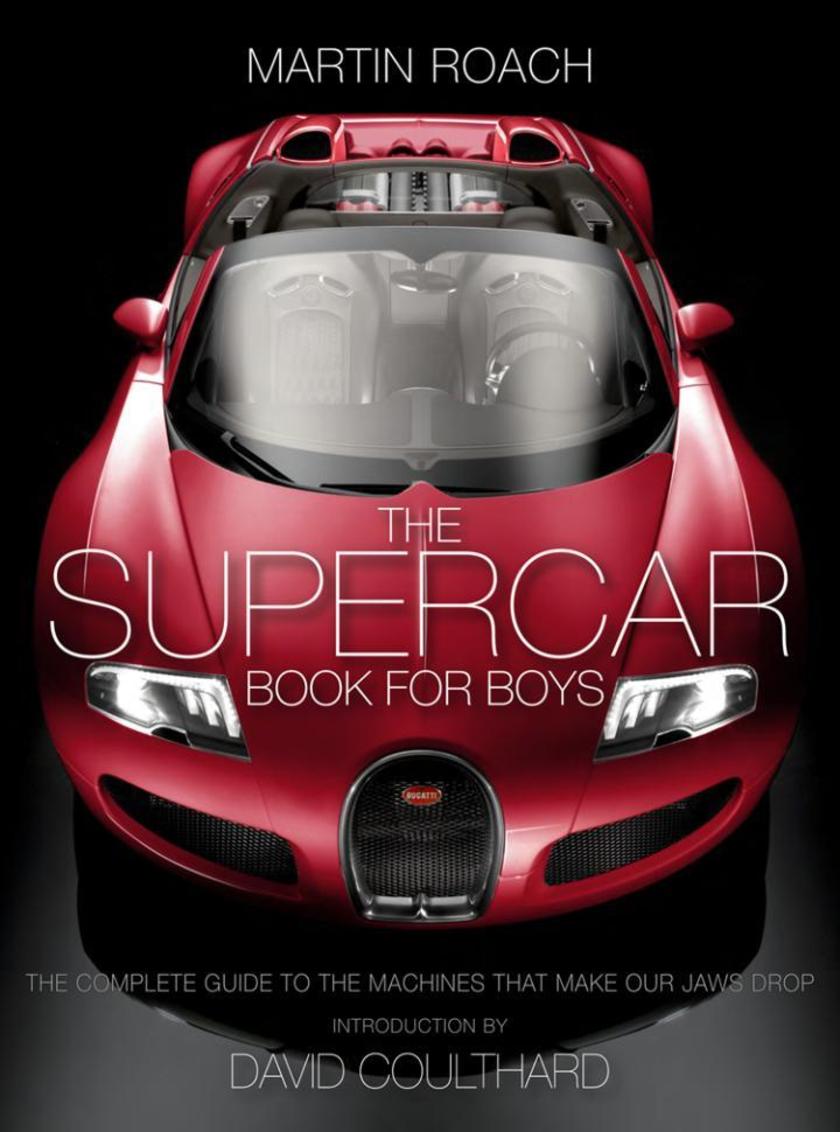
Fully illustrated throughout, The Supercar Book for Boys is a sumptuously designed guide full of everything you could ever want to know about the best supercars on the planet. From number-one bestselling author Martin Roach, The Supercar Book for Boys is a must-have for all boys and their dads (plus petrol-head girls and mums!) interested in fast cars. With an introduction from F1 racing legend David Coulthard, as well as contributions from the biggest names in the field, this tour de force starts with the iconic 1954 Mercedes Gullwing and races through each respective decade of supercar history, showcasing the very best and most important vehicles in this scintillating species. Featuring the landmark 10 game-changers that have defined the genre and highlighting dozens and dozens of supreme supercars from the likes of Ferrari, Lamborghini, Bugatti, Pagani, McLaren and Porsche, get ready to be blown away by the beauty and power of these incredible vehicles. With a pre-history of the genre plus an excursion into American muscle cars, this comprehensive book takes us underneath the bonnets and peels back the bodywork of these mind-blowing machines, as well as exploring how supercar technology has affected everyday cars. The Supercar Book for Boys is a tour de force of the fastest, the most powerful and the most drop-dead gorgeous vehicles in supercar history. Jam-packed with almost 200 full-colour photographs, awe-inspiring statistics and exclusive interviews with supercar experts, and featuring every landmark star of the genre, this book is the ultimate guide for every supercar fanatic.
Apache
¥57.09
Ed Macy is an elite pilot, one of the few men qualified to fly Apache helicopters, the world’s deadliest fighting machines. This is his account of a fearless mission behind enemy lines in Afghanistan. After a brutal accident forced him out of the Paras, Ed Macy refused to go down quietly. He bent every rule to sign up for the Army’s gruelling Apache helicopter programme and was one of the handful to pass the nightmare selection process. Dispatched to Afghanistan’s notorious Helmand Province in 2006, his squadron were on hand when a marine went MIA behind enemy lines – and they knew they were his only hope. From the cockpit of the mighty Apache helicopter comes this incredible true story of a rescue mission so dangerous they said it couldn’t be done, and of the man who dared to disagree.
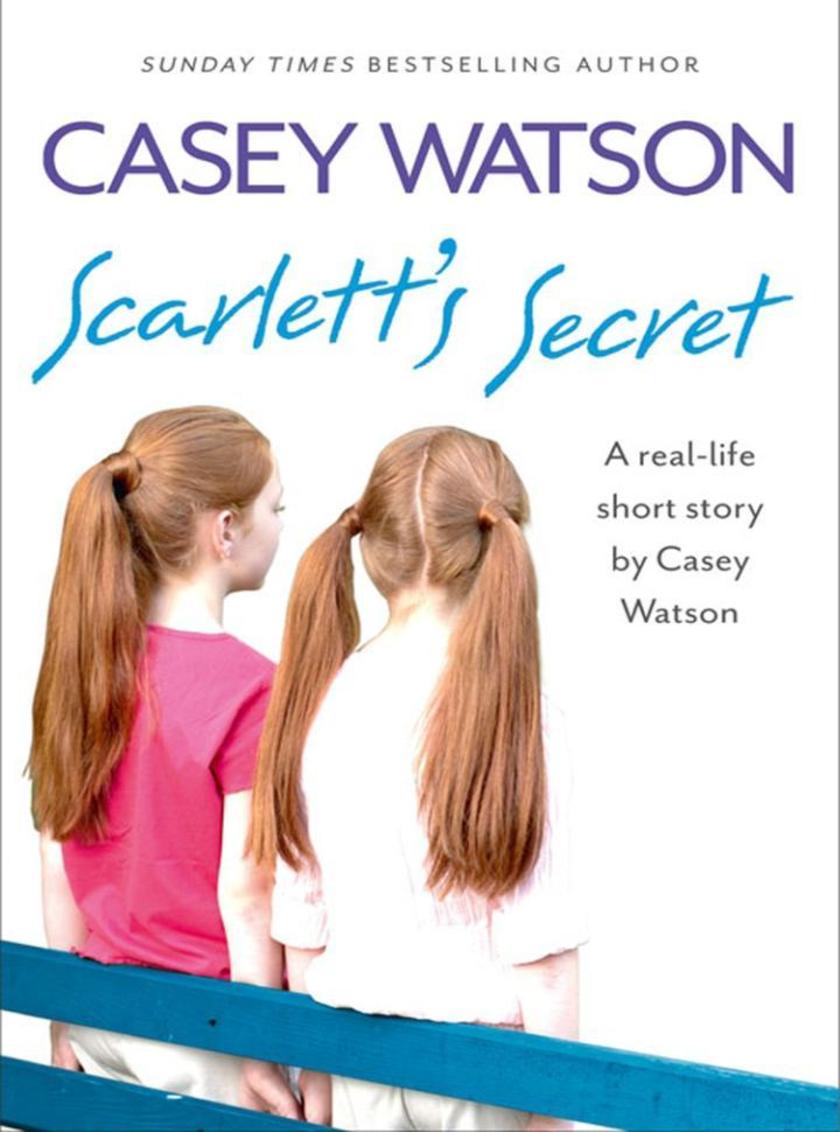
Scarlett’s Secret: A real-life short story by Casey Watson
¥14.81
Bestselling author and foster carer Casey Watson tells the shocking and deeply moving true story of two sisters who carry a terrible secret. This is a first taste of the ‘Unit’ series: several stories about ‘difficult’ children Casey helped during her time as a behaviour manager at her local comprehensive. Casey doesn’t know what to expect when seventeen-year-old twins Scarlett and Jade join her class. The girls seem grounded but they never leave each other’s side, although there seems to be an underlying tension between them that Casey can’t quite put her finger on. What’s more, Jade has a strong, unpleasant smell about her that further isolates her from the other teenagers. Eager to help the girls, Casey starts digging and finds out that Jade was pregnant and that the girls were taken into care when they were sixteen. But it’s not until a violent argument during class that Casey truly realises the anger the two girls harbour towards the rest of the world. And when Scarlett finally reveals the truth, it suddenly all makes sense. Can Casey find a way to bring Scarlett and Jade closer together? And can she break down Jade’s walls and get the girls the help they have craved since their childhood? Dark, disturbing and heartbreaking, this is a story of two sisters who just needed someone to believe in them.
Jack Russell Terrier: An Owner’s Guide
¥57.00
A comprehensive guide to all aspects of owning a Jack Russell Terrier, this highly illustrated book is full of practical information and expert advice for pet owners and breeders. Jack Russell Terriers are very intelligent, high-energy dogs whose compact size and friendly nature make them great pets. If you are considering getting a Jack Russell, or are an existing owner who wants to learn more about the care of your dog, then this book will be an invaluable resource. Contents include: ? History of the breed ? Acquiring a puppy ? Behaviour and training ? Showing a Jack Russell ? Healthcare

The Complete Helen Forrester 4-Book Memoir
¥268.30
The complete four-volume collection of classic memoir recounting a poverty-stricken childhood in 1930s Liverpool that started with Twopence To Cross the Mersey. Twopence To Cross The Mersey – When Helen Forrester’s father went bankrupt in 1930 she and her six siblings were forced into dreadful poverty in Depression-ridden Liverpool. Managing the household and caring for the younger children all fell on twelve-year-old Helen. Written without self-pity, Forrester’s memoir of these grim days is as heart-warming as it is shocking. Liverpool Miss – Life remains extremely tough for fourteen-year-old Helen. Her continuing struggles against malnutrition, dirt and, above all, the selfish demands of her parents, are deeply shocking. But Helen’s fortitude in the most harrowing of situations makes this a story of amazing courage. By The Waters Of Liverpool – though her parents are as financially irresponsible as ever, wasting money while their children go without, for Helen the future is brightening. At seventeen, she has fought won some important battles with her parents and won, then she meets Harry… Lime Street At Two – It is 1940 and Helen, now twenty, is working at a welfare centre. Her wages are pitifully low and her mother claims the whole of them for housekeeping but she is still thrilled to be gaining some independence. As WWII rages, tragedy isn’t very far away, but Helen faces it with courage and determination.
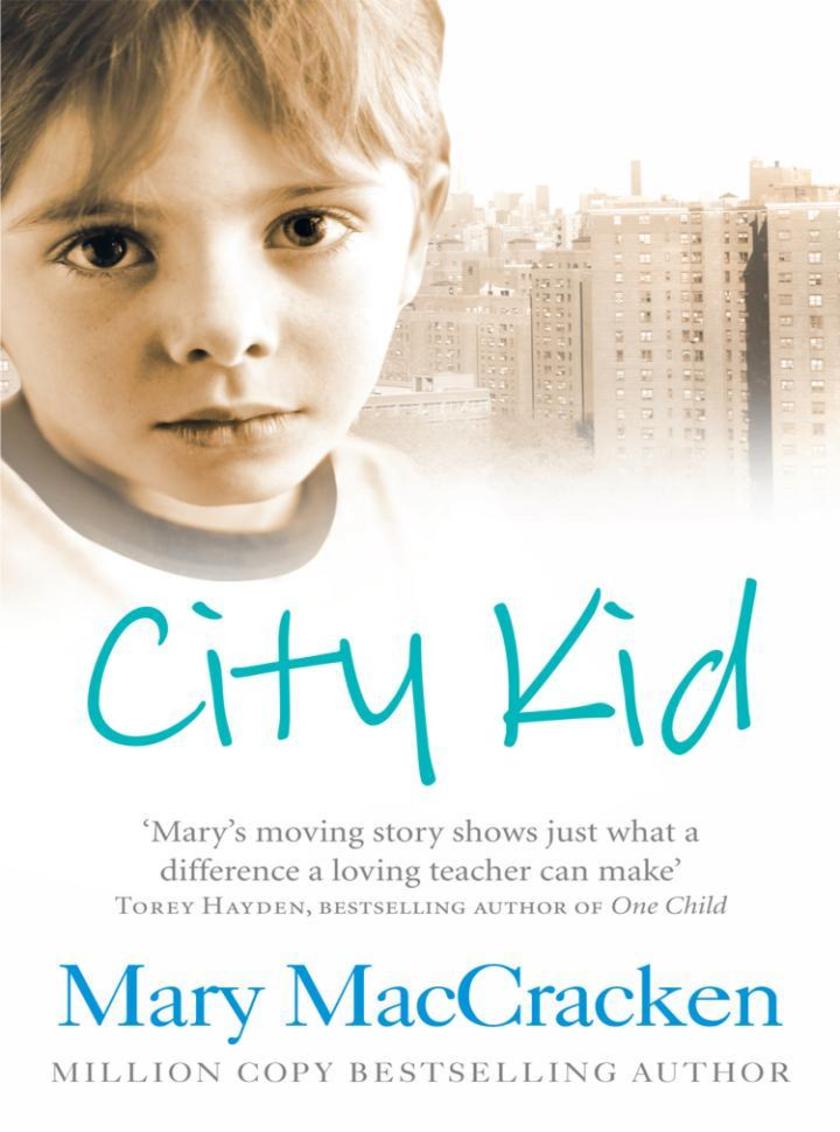
City Kid
¥58.86
From the author of international bestsellers A Circle of Children and Lovey comes an inspiring true story of a gifted teacher’s determination to understand the ‘rotten’ city kid everyone has given up on. Sitting quiet and withdrawn at a battered school desk, Luke had the looks of a shy angel – and a past that special needs teacher Mary MacCracken could barely believe. Already Luke had been picked up 24 times by the police. He’d set over a dozen major fires, and had a staggering record of thefts. No adult could reach him, no teacher could control him, and no policeman could cow him. All this – and Luke was only seven and a half years old. Trying to help Luke was Mary MacCracken’s job – and a seemingly impossible challenge. This is the remarkable story of how the impossible came true.
Constance Street: Part 2 of 3
¥36.50
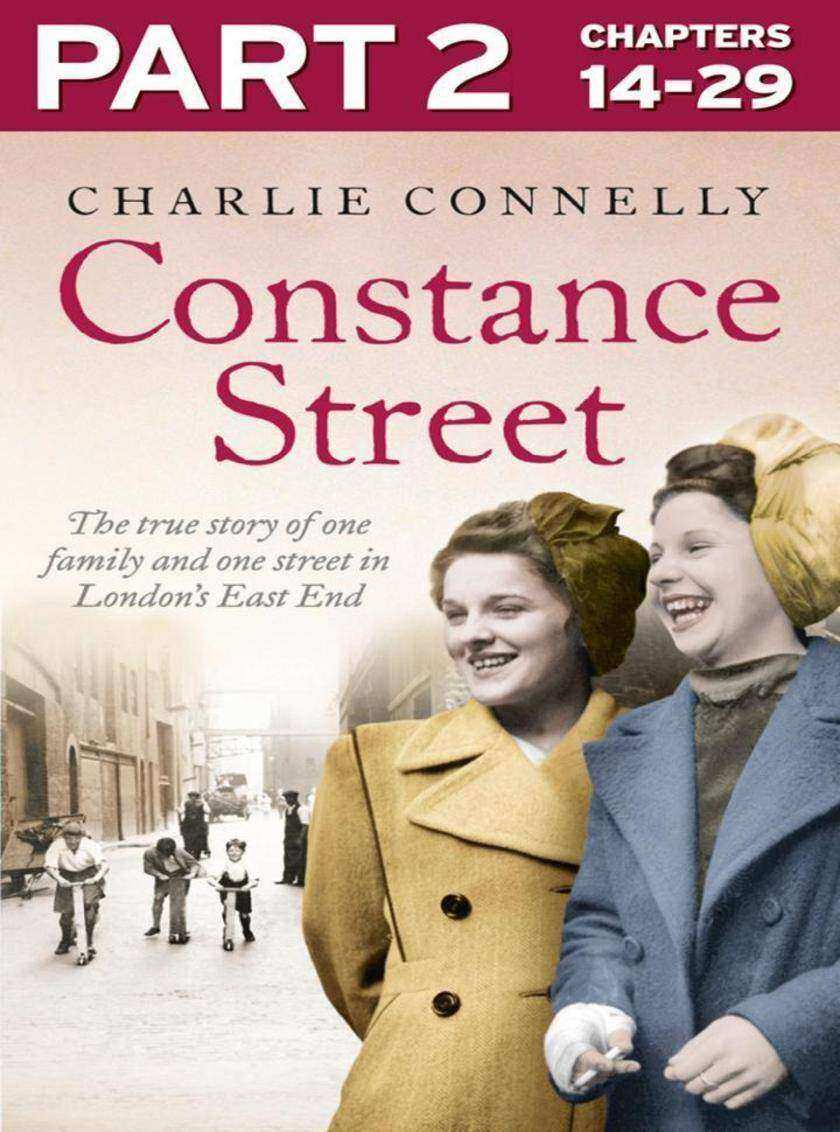
Constance Street can either be read as a full-length eBook or in 3 serialised eBook-only parts. This is PART 2 of 3. You can read Part 2 one week ahead of release of the full-length eBook and paperback. One forgotten street, 12 unforgettable women. Through the story of one street – Constance Street – we hear the true life tales of a tight knit group of working class women in the East End of London set against a backdrop of war, hardship and struggle. It’s a story of matriarchy and deep family ties, of a generation that was scattered away from the street during the blitz bombings, but which maintained the ties of that street for decades afterwards. Set in an area of East London called Silvertown, a once thriving docking community that at the turn of the 20th century was the industrial heartland of the south of England; the story focuses on the lives of 12 incredible women and their struggle to survive amidst the chaos of the war years. We have Nellie Greenwood, the author’s great grandmother who runs a laundry in Silvertown which becomes the focal point of the community. In 1917 a munitions factory in Silvertown explodes flattening much of the surrounding area and causing extensive damage to Constance Street – Nellie’s daughter is blown from her crib but miraculously survives. Deciding to open the laundry as a field hospital for the injured, Nellie and the women on the street come together to tend the wounded, the sick and the emotionally shattered as they cope with the aftermath of not just one but two world wars. Through the Great War, the roaring Twenties, the Depression and then the unimaginable – the outbreak of a second world war – Nellie and the street survive with love, laughter and friendships that bind the community together. But just as this incredible group of women live through the worst, the unthinkable happens. On 7 September 1940, Constance Street is no more. Following in the footsteps of Farewell to the East End by Jennifer Worth and The Sugar Girls, Constance Street is a life-affirming, heart-warming read that reminds us of a time when people pulled together.

Care for Your Kitten (RSPCA Pet Guide)
¥31.59
ublished in association with the RSPCA, the UK’s leading animal welfare charity, this practical family guide is full of expert advice on how to choose a kitten and how best to look after it. If you already own or are planning to buy a kitten this easy-to-use introductory guide is a must. Clearly illustrated with colour photographs throughout, it covers all aspects of daily care including housing, feeding, handling, hygiene, grooming, health and first aid. Published in association with the experts at the RSPCA, this book will help you ensure that you are giving your kitten the best possible start in life.


