


 购物车
 个人中心


Baker Who Pretended to Be King of Portugal
¥270.76
On August 4, 1578, in an ill-conceived attempt to wrest Morocco back from the hands of the infidel Moors, King Sebastian of Portugal led his troops to slaughter and was himself slain. Sixteen years later, King Sebastian rose again. In one of the most famous of European impostures, Gabriel de Espinosa, an ex-soldier and baker by trade-and most likely under the guidance of a distinguished Portuguese friar-appeared in a Spanish convent town passing himself off as the lost monarch. The principals, along with a large cast of nuns, monks, and servants, were confined and questioned for nearly a year as a crew of judges tried to unravel the story, but the culprits went to their deaths with many questions left unanswered.?Ruth MacKay recalls this conspiracy, marked both by scheming and absurdity, and the legal inquest that followed, to show how stories of this kind are conceived, told, circulated, and believed. She reveals how the story of Sebastian, supposedly in hiding and planning to return to claim his crown, was lodged among other familiar stories: prophecies of returned leaders, nuns kept against their will, kidnappings by Moors, miraculous escapes, and monarchs who die for their country. As MacKay demonstrates, the conspiracy could not have succeeded without the circulation of news, the retellings of the fatal battle in well-read chronicles, and the networks of rumors and correspondents, all sharing the hope or belief that Sebastian had survived and would one day return.?With its royal intrigues, ambitious artisans, dissatisfied religious women, and corrupt clergy, The Baker Who Pretended to Be King of Portugal will undoubtedly captivate readers as it sheds new light on the intricate political and cultural relations between Spain and Portugal in the early modern period and the often elusive nature of historical truth.

Romanticism and the Question of the Stranger
¥311.96
In our post-9/11 world, the figure of the stranger-the foreigner, the enemy, the unknown visitor-carries a particular urgency, and the force of language used to describe those who are "e;different"e; has become particularly strong. But arguments about the stranger are not unique to our time. In Romanticism and the Question of the Stranger, David Simpson locates the figure of the stranger and the rhetoric of strangeness in romanticism and places them in a tradition that extends from antiquity to today.?Simpson shows that debates about strangers loomed large in the French Republic of the 1790s, resulting in heated discourse that weighed who was to be welcomed and who was to be proscribed as dangerous. Placing this debate in the context of classical, biblical, and other later writings, he identifies a persistent difficulty in controlling the play between the despised and the desired. He examines the stranger as found in the works of Coleridge, Austen, Scott, and Southey, as well as in depictions of the betrayals of hospitality in the literature of slavery and exploration-as in Mungo Park's Travels and Stedman's Narrative-and portrayals of strange women in de Stal, Rousseau, and Burney. Contributing to a rich strain of thinking about the stranger that includes interventions by Ricoeur and Derrida, Romanticism and the Question of the Stranger reveals the complex history of encounters with alien figures and our continued struggles with romantic concerns about the unknown.

Shakespeare and the Law
¥311.96
William Shakespeare is inextricably linked with the law. Legal documents make up most of the records we have of his life, and trials, lawsuits, and legal terms permeate his plays. Gathering an extraordinary team of literary and legal scholars, philosophers, and even sitting judges,?Shakespeare and the Law demonstrates that Shakespeare's thinking about legal concepts and legal practice points to a deep and sometimes vexed engagement with the law's technical workings, its underlying premises, and its social effects.The book's opening essays offer perspectives on law and literature that emphasize both the continuities and contrasts between the two fields. The second section considers Shakespeare's awareness of common law thinking and common law practice, while the third inquires into Shakespeare's general attitudes toward legal systems. The fourth part of the book looks at how law enters into conversation with issues of politics and community, whether in the plays, in Shakespeare's world, or in our own world. Finally, a colloquy among Supreme Court Justice Stephen Breyer, Judge Richard Posner, Martha C. Nussbaum, and Richard Strier covers everything from the ghost in?Hamlet?to the nature of judicial discretion.
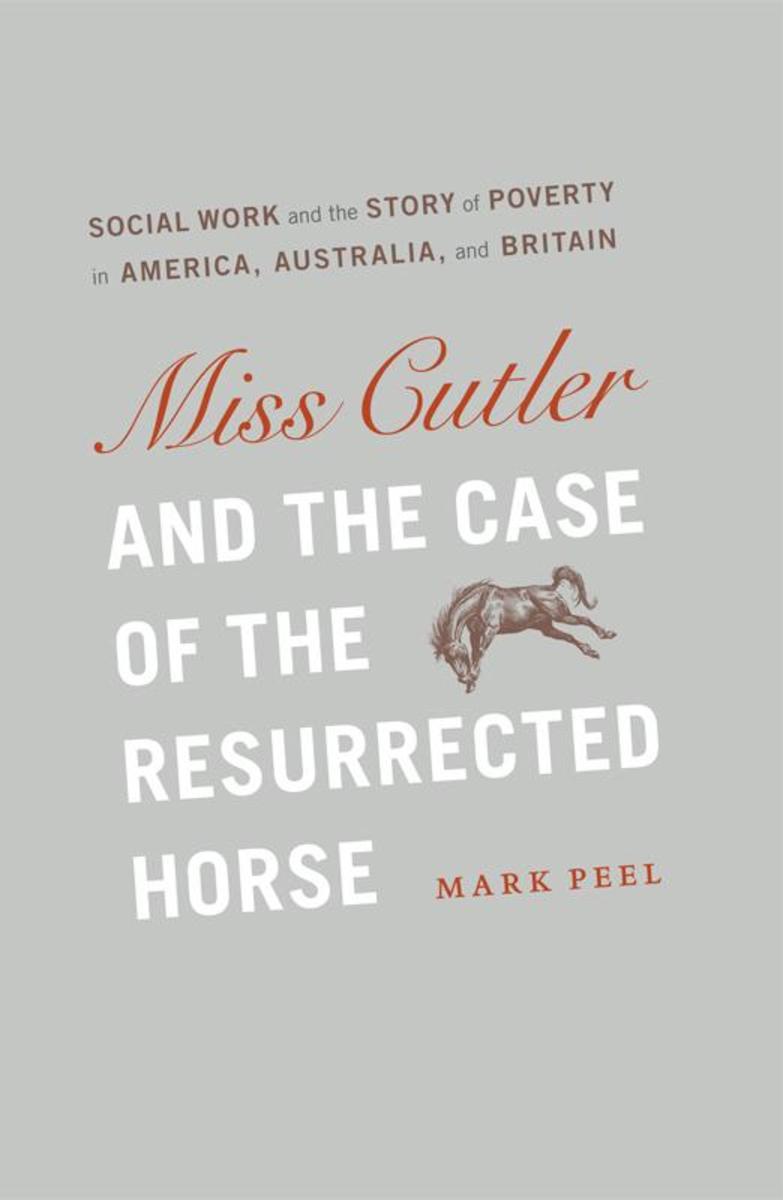
Miss Cutler and the Case of the Resurrected Horse
¥488.54
Social workers produced thousands of case files about the poor during the interwar years. Analyzing almost two thousand such case files and traveling from Boston, Minneapolis, and?Portland to London and Melbourne, Miss Cutler and the Case of the Resurrected Horse is a pioneering comparative study that examines how these stories of poverty were narrated and reshaped by ethnic diversity, economic crisis, and war.Probing the similarities and differences in the ways Americans, Australians, and Britons understood and responded to poverty, Mark Peel draws a picture of social work that is based in the sometimes fraught encounters between the poor and their interpreters. He uses dramatization to bring these encounters to life-joining Miss Cutler and that resurrected horse are Miss Lindstrom and the fried potatoes and Mr. O'Neil and the seductive client-and to give these people a voice. Adding new dimensions to the study of charity and social work, this book is essential to understanding and tackling poverty in the twenty-first century.
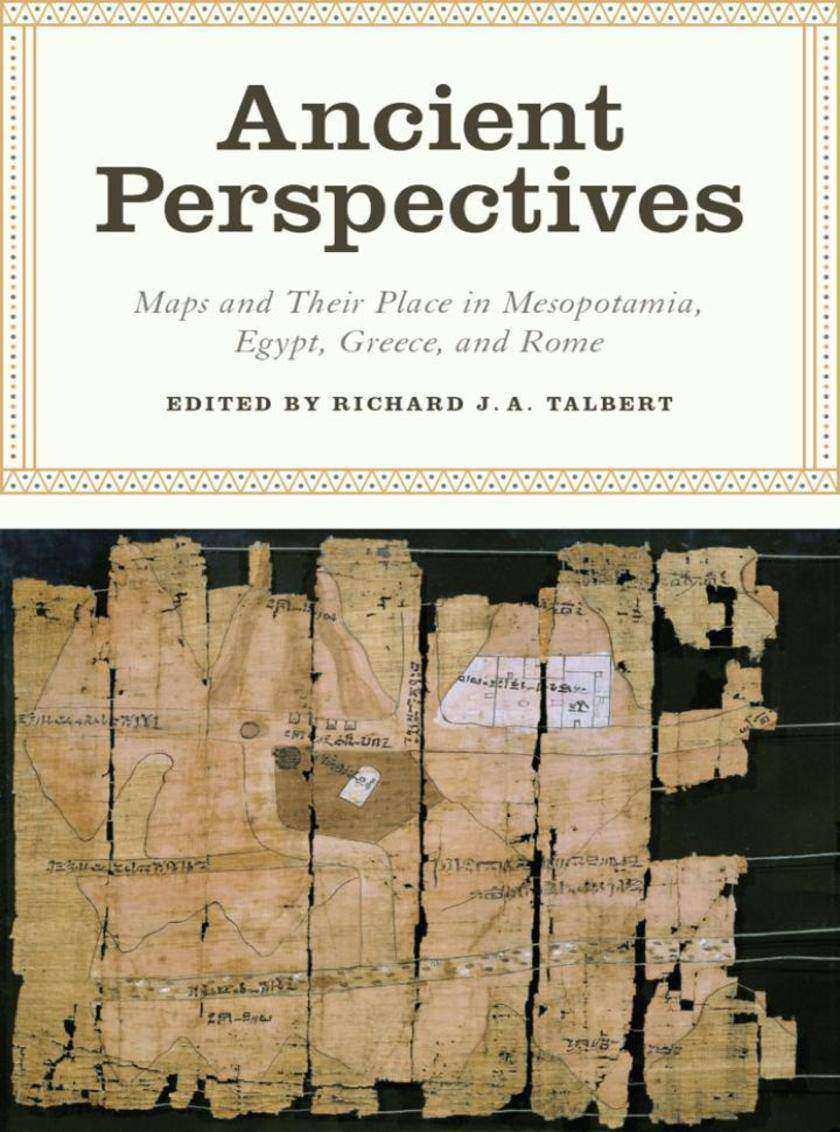
Ancient Perspectives
¥576.83
Ancient Perspectives encompasses a vast arc of space and time-Western Asia to North Africa and Europe from the third millennium BCE to the fifth century CE-to explore mapmaking and worldviews in the ancient civilizations of Mesopotamia, Egypt, Greece, and Rome. In each society, maps served as critical economic, political, and personal tools, but there was little consistency in how and why they were made. Much like today, maps in antiquity meant very different things to different people.Ancient Perspectives presents an ambitious, fresh overview of cartography and its uses. The seven chapters range from broad-based analyses of mapping in Mesopotamia and Egypt to a close focus on Ptolemy's ideas for drawing a world map based on the theories of his Greek predecessors at Alexandria. The remarkable accuracy of Mesopotamian city-plans is revealed, as is the creation of maps by Romans to support the proud claim that their emperor's rule was global in its reach. By probing the instruments and techniques of both Greek and Roman surveyors, one chapter seeks to uncover how their extraordinary planning of roads, aqueducts, and tunnels was achieved.?Even though none of these civilizations devised the means to measure time or distance with precision, they still conceptualized their surroundings, natural and man-made, near and far, and felt the urge to record them by inventive means that this absorbing volume reinterprets and compares.
Corporate Social Responsibility?
¥247.21
With this book, Charlotte Walker-Said and John D. Kelly have assembled an essential toolkit to better understand how the notoriously ambiguous concept of corporate social responsibility (CSR) functions in practice within different disciplines and settings. Bringing together cutting-edge scholarship from leading figures in human rights programs around the United States, they vigorously engage some of the major political questions of our age: what is CSR, and how might it render positive political change in the real worldThe book examines the diverse approaches to CSR, with a particular focus on how those approaches are siloed within discrete disciplines such as business, law, the social sciences, and human rights. Bridging these disciplines and addressing and critiquing all the conceptual domains of CSR, the book also explores how CSR silos develop as a function of the competition between different interests. Ultimately, the contributors show that CSR actions across all arenas of power are interdependent, continually in dialogue, and mutually constituted. Organizing a diverse range of viewpoints, this book offers a much-needed synthesis of a crucial element of today's globalized world and asks how businesses can, through their actions, make it better for everyone.?

Philosophy of Autobiography
¥247.21
We are living through a boom in autobiographical writing. Every half-famous celebrity, every politician, every sports hero-even the non-famous, nowadays, pour out pages and pages, Facebook post after Facebook post, about themselves. Literary theorists have noticed, as the genres of "e;creative nonfiction"e; and "e;life writing"e; have found their purchase in the academy. And of course psychologists have long been interested in self-disclosure. But where have the philosophers beenWith this volume, Christopher Cowley brings them into the conversation.?Cowley and his contributors show that while philosophers have seemed uninterested in autobiography, they have actually long been preoccupied with many of its conceptual elements, issues such as the nature of the self, the problems of interpretation and understanding, the paradoxes of self-deception, and the meaning and narrative structure of human life. But rarely have philosophers brought these together into an overarching question about what it means to tell one's life story or understand another's. Tackling these questions, the contributors explore the relationship between autobiography and literature; between story-telling, knowledge, and agency; and between the past and the present, along the way engaging such issues as autobiographical ethics and the duty of writing. The result bridges long-standing debates and illuminates fascinating new philosophical and literary issues. ?
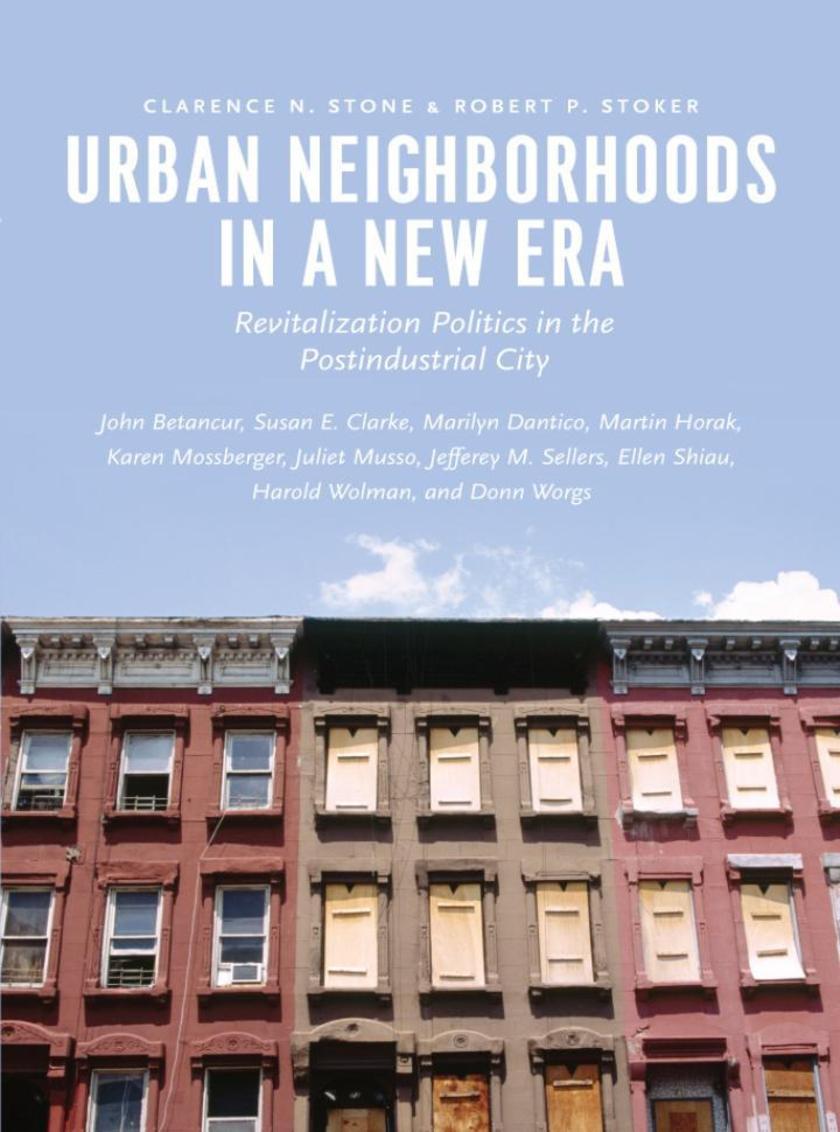
Urban Neighborhoods in a New Era
¥247.21
For decades, North American cities racked by deindustrialization and population loss have followed one primary path in their attempts at revitalization: a focus on economic growth in downtown and business areas. Neighborhoods, meanwhile, have often been left severely underserved. There are, however, signs of change. This collection of studies by a distinguished group of political scientists and urban planning scholars offers a rich analysis of the scope, potential, and ramifications of a shift still in progress. Focusing on neighborhoods in six cities-Baltimore, Chicago, Denver, Los Angeles, Phoenix, and Toronto-the authors show how key players, including politicians and philanthropic organizations, are beginning to see economic growth and neighborhood improvement as complementary goals. The heads of universities and hospitals in central locations also find themselves facing newly defined realities, adding to the fluidity of a new political landscape even as structural inequalities exert a continuing influence.While not denying the hurdles that community revitalization still faces, the contributors ultimately put forth a strong case that a more hospitable local milieu can be created for making neighborhood policy. In examining the course of experiences from an earlier period of redevelopment to the present postindustrial city, this book opens a window on a complex process of political change and possibility for reform.
Children of the Greek Civil War
¥253.10
At the height of the Greek Civil War in 1948, thirty-eight thousand children were evacuated from their homes in the mountains of northern Greece. The Greek Communist Party relocated half of them to orphanages in Eastern Europe, while their adversaries in the national government placed the rest in children's homes elsewhere in Greece. A point of contention during the Cold War, this controversial episode continues to fuel tensions between Greeks and Macedonians and within Greek society itself. Loring M. Danforth and Riki Van Boeschoten present here for the first time a comprehensive study of the two evacuation programs and the lives of the children they forever transformed.Marshalling archival records, oral histories, and ethnographic fieldwork, the authors analyze the evacuation process, the political conflict surrounding it, the children's upbringing, and their fates as adults cut off from their parents and their homeland. They also give voice to seven refugee children who poignantly recount their childhood experiences and heroic efforts to construct new lives in diaspora communities throughout the world. A much-needed corrective to previous historical accounts, Children of the Greek Civil War is also a searching examination of the enduring effects of displacement on the lives of refugee children.

Knowledge in the Time of Cholera
¥265.87
Vomiting. Diarrhea. Dehydration. Death. Confusion. In 1832, the arrival of cholera in the United States created widespread panic throughout the country. For the rest of the century, epidemics swept through American cities and towns like wildfire, killing thousands. Physicians of all stripes offered conflicting answers to the cholera puzzle, ineffectively responding with opiates, bleeding, quarantines, and all manner of remedies, before the identity of the dreaded infection was consolidated under the germ theory of disease some sixty years later.These cholera outbreaks raised fundamental questions about medical knowledge and its legitimacy, giving fuel to alternative medical sects that used the confusion of the epidemic to challenge both medical orthodoxy and the authority of the still-new American Medical Association. In Knowledge in the Time of Cholera, Owen Whooley tells us the story of those dark days, centering his narrative on rivalries between medical and homeopathic practitioners and bringing to life the battle to control public understanding of disease, professional power, and democratic governance in nineteenth-century America.
How Poems Think
¥206.01
To write or read a poem is often to think in distinctively poetic ways-guided by metaphors, sound, rhythms, associative movement, and more. Poetry's stance toward language creates a particular intelligence of thought and feeling, a compressed articulation that expands inner experience, imagining with words what cannot always be imagined without them. Through translation, poetry has diversified poetic traditions, and some of poetry's ways of thinking begin in the ancient world and remain potent even now. In How Poems Think, Reginald Gibbons presents a rich gallery of poetic inventiveness and continuity drawn from a wide range of poets-Sappho, Pindar, Shakespeare, Keats, William Carlos Williams, Marina Tsvetaeva, Gwendolyn Brooks, and many others. Gibbons explores poetic temperament, rhyme, metonymy, etymology, and other elements of poetry as modes of thinking and feeling. In celebration and homage, Gibbons attunes us to the possibilities of poetic thinking.
Place That Matters Yet
¥288.41
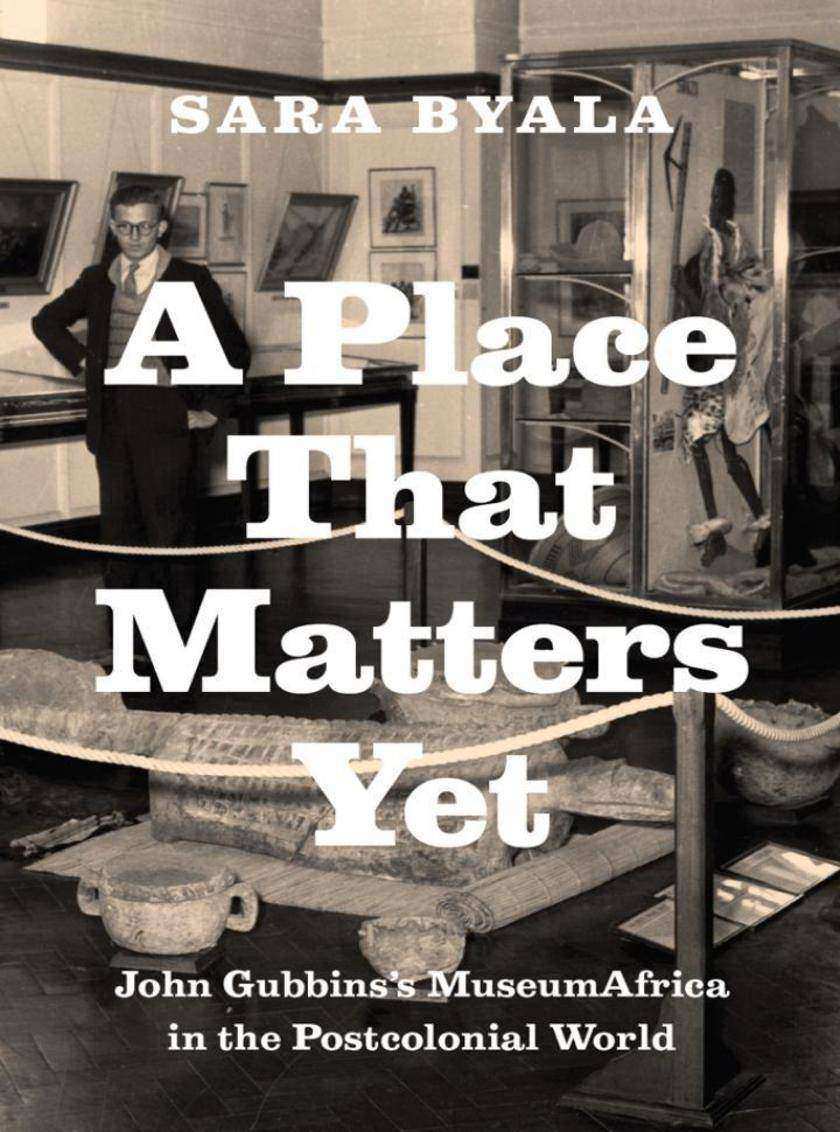
A Place That Matters Yet unearths the little-known story of Johannesburg's MuseumAfrica, a South African history museum that embodies one of the most dynamic and fraught stories of colonialism and postcolonialism, its life spanning the eras before, during, and after apartheid. Sara Byala, in examining this story, sheds new light not only on racism and its institutionalization in South Africa but also on the problems facing any museum that is charged with navigating colonial history from a postcolonial perspective.?Drawing on thirty years of personal letters and public writings by museum founder John Gubbins, Byala paints a picture of a uniquely progressive colonist, focusing on his philosophical notion of "e;three-dimensional thinking,"e; which aimed to transcend binaries and thus-quite explicitly-racism. Unfortunately, Gubbins died within weeks of the museum's opening, and his hopes would go unrealized as the museum fell in line with emergent apartheid politics. Following the museum through this transformation and on to its 1994 reconfiguration as a post-apartheid institution, Byala showcases it as a rich-and problematic-archive of both material culture and the ideas that surround that culture, arguing for its continued importance in the establishment of a unified South Africa.

Bitter Roots
¥288.41
For over a century, plant specialists worldwide have sought to transform healing plants in African countries into pharmaceuticals. And for equally as long, conflicts over these medicinal plants have endured, from stolen recipes and toxic tonics to unfulfilled promises of laboratory equipment and usurped personal patents. In Bitter Roots, Abena Dove Osseo-Asare draws on publicly available records and extensive interviews with scientists and healers in Ghana, Madagascar, and South Africa to interpret how African scientists and healers, rural communities, and drug companies-including Pfizer, Bristol-Myers Squibb, and Unilever-have sought since the 1880s to develop drugs from Africa's medicinal plants.?Osseo-Asare recalls the efforts to transform six plants into pharmaceuticals: rosy periwinkle, Asiatic pennywort, grains of paradise, Strophanthus, Cryptolepis, and Hoodia.?Through the stories of each plant, she shows that herbal medicine and pharmaceutical chemistry have simultaneous and overlapping histories that cross geographic boundaries. At the same time, Osseo-Asare sheds new light on how various interests have tried to manage the rights to these healing plants and probes the challenges associated with assigning ownership to plants and their biochemical components.A fascinating examination of the history of medicine in colonial and postcolonial Africa, Bitter Roots will be indispensable for scholars of Africa; historians interested in medicine, biochemistry, and society; and policy makers concerned with drug access and patent rights.
Everyday Troubles
¥288.41
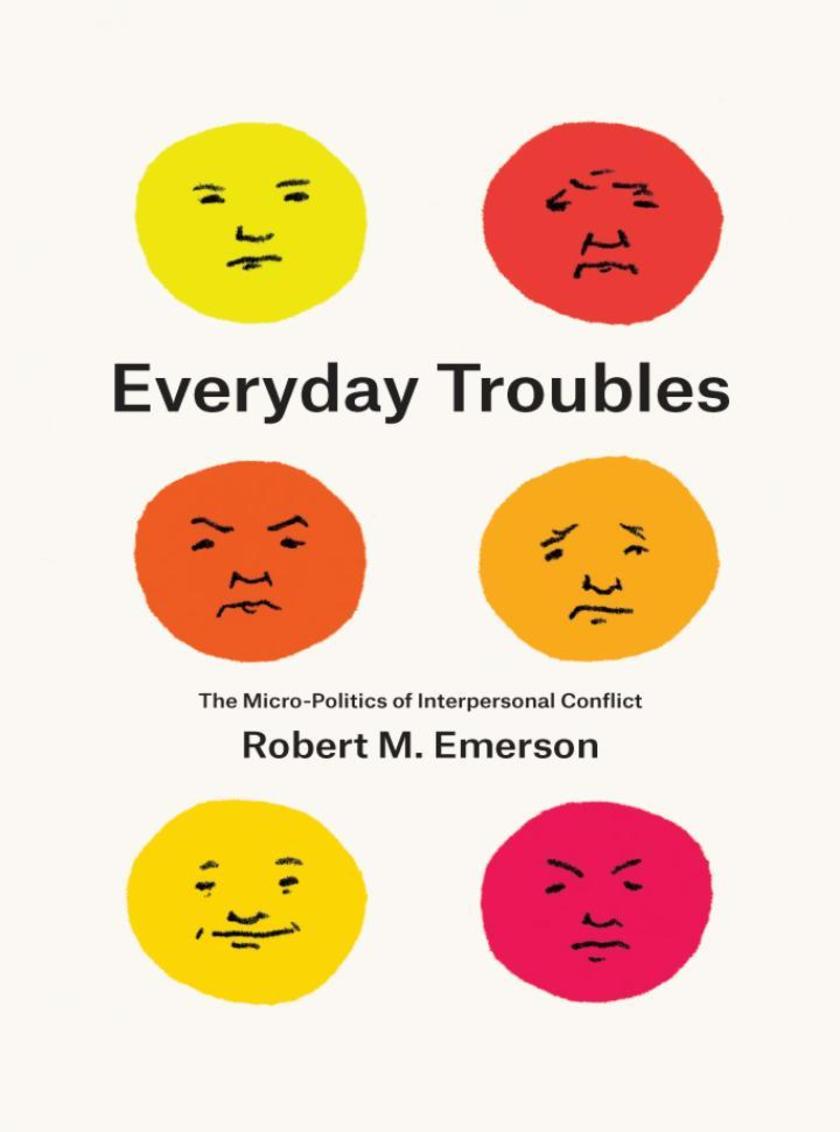
From roommate disputes to family arguments, trouble is inevitable in interpersonal relationships. In Everyday Troubles, Robert M. Emerson explores the beginnings and development of the conflicts that occur in our relationships with the people we regularly encounter-family members, intimate partners, coworkers, and others-and the common responses to such troubles.To examine these issues, Emerson draws on interviews with college roommates, diaries documenting a wide range of irritation with others, conversations with people caring for family members suffering from Alzheimer's, studies of family interactions, neighborly disputes, and other personal accounts. He considers how people respond to everyday troubles: in non-confrontational fashion, by making low-visibility, often secretive, changes in the relationship; more openly by directly complaining to the other person; or by involving a third party, such as friends or family. He then examines how some relational troubles escalate toward extreme and even violent responses, in some cases leading to the involvement of outside authorities like the police or mental health specialists.By calling attention to the range of possible reactions to conflicts in interpersonal relationships, Emerson also reminds us that extreme, even criminal actions often result when people fail to find ways to deal with trouble in moderate, non-confrontational ways. Innovative and insightful, Everyday Troubles is an illuminating look at how we deal with discord in our relationships.

Shared Future
¥288.41
Faith-based community organizers have spent decades working for greater equality in American society, and more recently have become significant players in shaping health care, finance, and immigration reform at the highest levels of government.In A Shared Future, Richard L. Wood and Brad R. Fulton draw on a new national study of community organizing coalitions and in-depth interviews of key leaders in this field to show how faith-based organizing is creatively navigating the competing aspirations of America's universalist and multiculturalist democratic ideals, even as it confronts three demons bedeviling American politics: economic inequality, federal policy paralysis, and racial inequity. With a broad view of the entire field and a distinct empirical focus on the PICO National Network, Wood and Fulton's analysis illuminates the tensions, struggles, and deep rewards that come with pursuing racial equity within a social change organization and in society. Ultimately, A Shared Future offers a vision for how we might build a future that embodies the ethical democracy of the best American dreams.
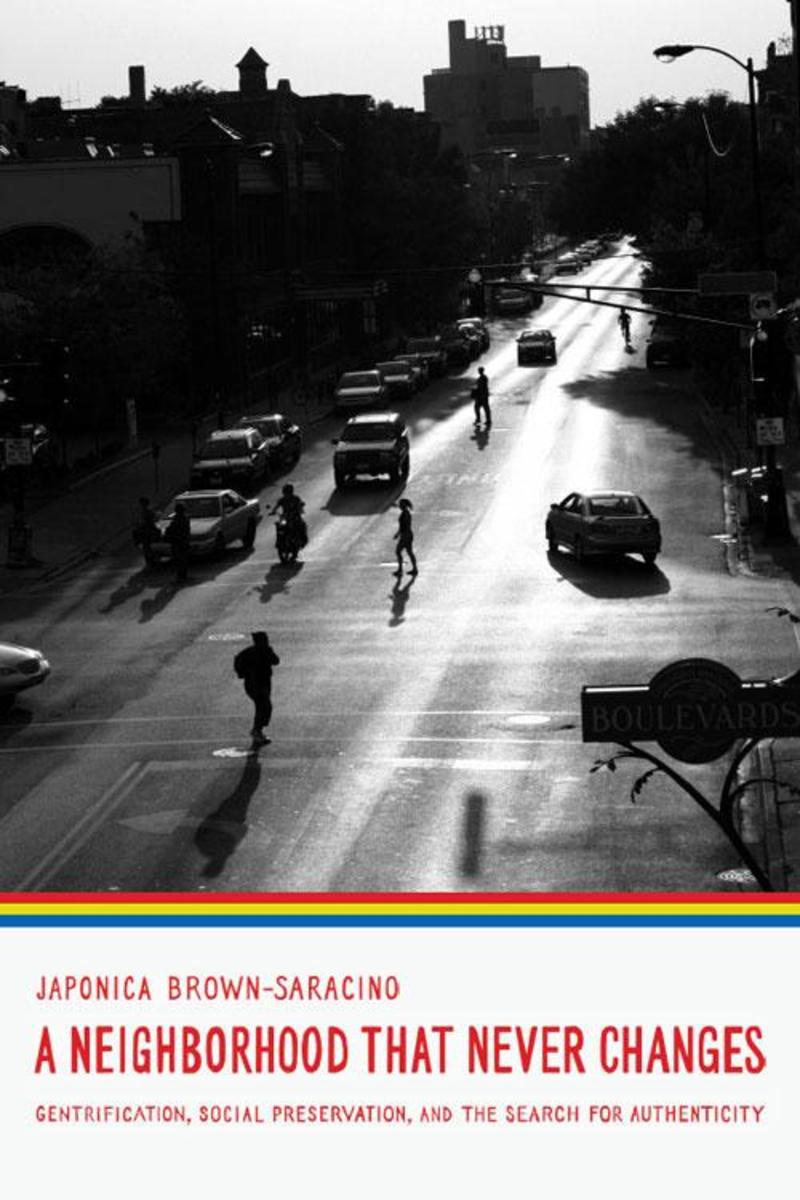
Neighborhood That Never Changes
¥282.53
Newcomers to older neighborhoods are usually perceived as destructive, tearing down everything that made the place special and attractive. But as A Neighborhood That Never Changes demonstrates, many gentrifiers seek to preserve the authentic local flavor of their new homes, rather than ruthlessly remake them. Drawing on ethnographic research in four distinct communities-the Chicago neighborhoods of Andersonville and Argyle and the New England towns of Provincetown and Dresden-Japonica Brown-Saracino paints a colorful portrait of how residents new and old, from wealthy gay homeowners to Portuguese fishermen, think about gentrification.The new breed of gentrifiers, Brown-Saracino finds, exhibits an acute self-consciousness about their role in the process and works to minimize gentrification's risks for certain longtime residents. In an era of rapid change, they cherish the unique and fragile, whether a dilapidated house, a two-hundred-year-old landscape, or the presence of people deeply rooted in the place they live. Contesting many long-standing assumptions about gentrification, Brown-Saracino's absorbing study reveals the unexpected ways beliefs about authenticity, place, and change play out in the social, political, and economic lives of very different neighborhoods.
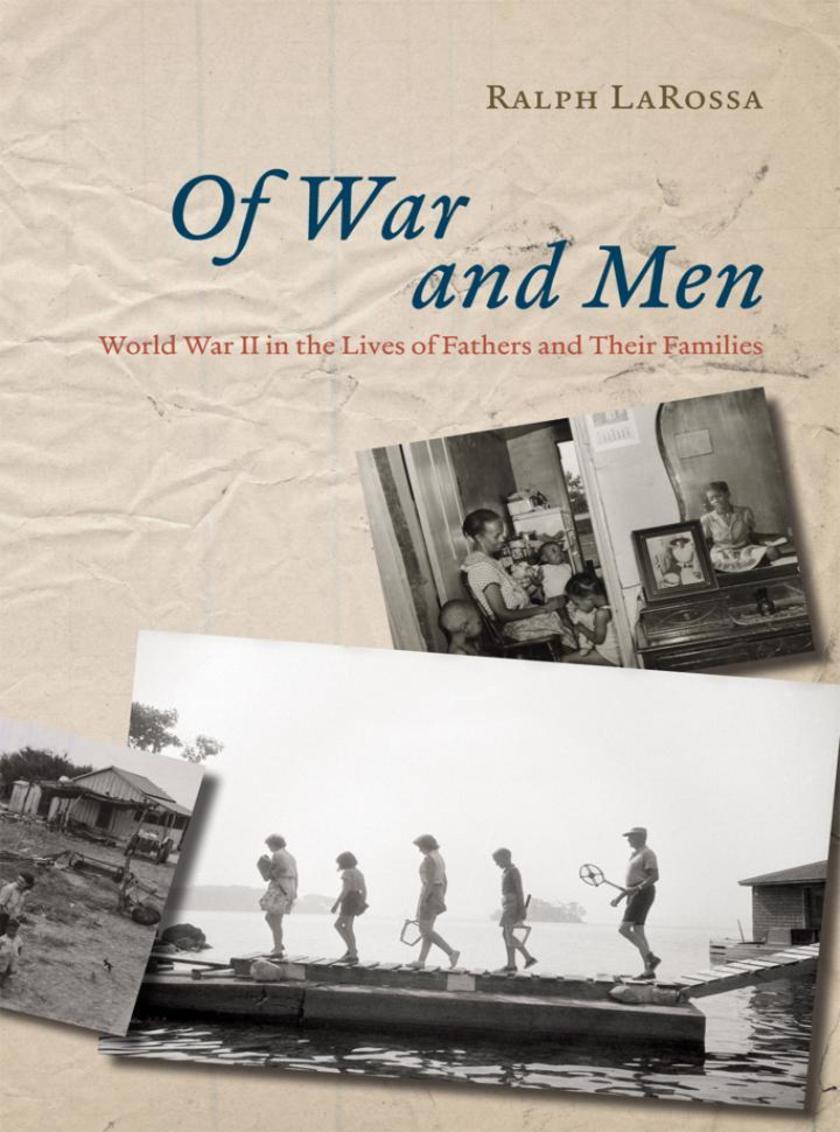
Of War and Men
¥306.07
Fathers in the fifties tend to be portrayed as wise and genial pipe-smokers or distant, emotionless patriarchs. This common but limited stereotype obscures the remarkable diversity of their experiences and those of their children. To uncover the real story of fatherhood during this transformative era, Ralph LaRossa takes the long view-from the attack on Pearl Harbor up to the election of John F. Kennedy-revealing the myriad ways that World War II and its aftermath shaped men.Offering compelling accounts of people both ordinary and extraordinary, Of War and Men digs deep into the terrain of fatherhood. LaRossa explores the nature and aftereffects of combat, the culture of fear during the Cold War, the ways that fear altered the lives of racial and sexual minorities, and how the civil rights movement affected families both black and white. Overturning some calcified myths, LaRossa also analyzes the impact of suburbanization on fathers and their kids, discovering that living in the suburbs often strengthened their bond. And finally, looking beyond the idealized dad enshrined in TV sitcoms, Of War and Men explores the brutal side of family life in the postwar years. LaRossa's richly researched book dismantles stereotypes while offering up a fascinating and incisive chronicle of fatherhood in all its complexity.
Articulating the World
¥247.21
Naturalism as a guiding philosophy for modern science both disavows any appeal to the supernatural or anything else transcendent to nature, and repudiates any philosophical or religious authority over the workings and conclusions of the sciences. A longstanding paradox within naturalism, however, has been the status of scientific knowledge itself, which seems, at first glance, to be something that transcends and is therefore impossible to conceptualize within scientific naturalism itself.?In Articulating the World, Joseph Rouse argues that the most pressing challenge for advocates of naturalism today is precisely this: to understand how to make sense of a scientific conception of nature as itself part of nature, scientifically understood. Drawing upon recent developments in evolutionary biology and the philosophy of science, Rouse defends naturalism in response to this challenge by revising both how we understand our scientific conception of the world and how we situate ourselves within it.
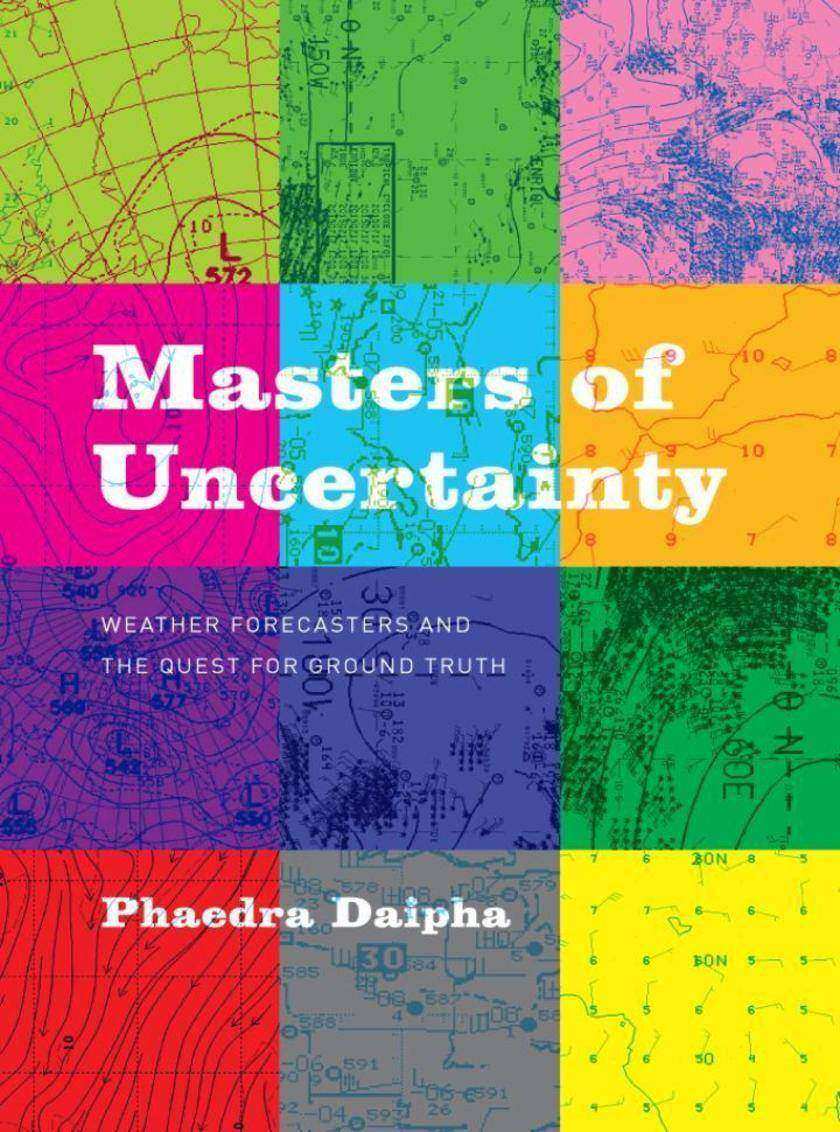
Masters of Uncertainty
¥247.21
Though we commonly make them the butt of our jokes, weather forecasters are in fact exceptionally good at managing uncertainty. They consistently do a better job calibrating their performance than stockbrokers, physicians, or other decision-making experts precisely because they receive feedback on their decisions in near real time. Following forecasters in their quest for truth and accuracy, therefore, holds the key to the analytically elusive process of decision making as it actually happens.In Masters of Uncertainty, Phaedra Daipha develops a new conceptual framework for the process of decision making, after spending years immersed in the life of a northeastern office of the National Weather Service. Arguing that predicting the weather will always be more craft than science, Daipha shows how forecasters have made a virtue of the unpredictability of the weather. Impressive data infrastructures and powerful computer models are still only a substitute for the real thing outside, and so forecasters also enlist improvisational collage techniques and an omnivorous appetite for information to create a locally meaningful forecast on their computer screens. Intent on capturing decision making in action, Daipha takes the reader through engrossing firsthand accounts of several forecasting episodes (hits and misses) and offers a rare fly-on-the-wall insight into the process and challenges of producing meteorological predictions come rain or come shine. Combining rich detail with lucid argument, Masters of Uncertainty advances a theory of decision making that foregrounds the pragmatic and situated nature of expert cognition and casts into new light how we make decisions in the digital age.
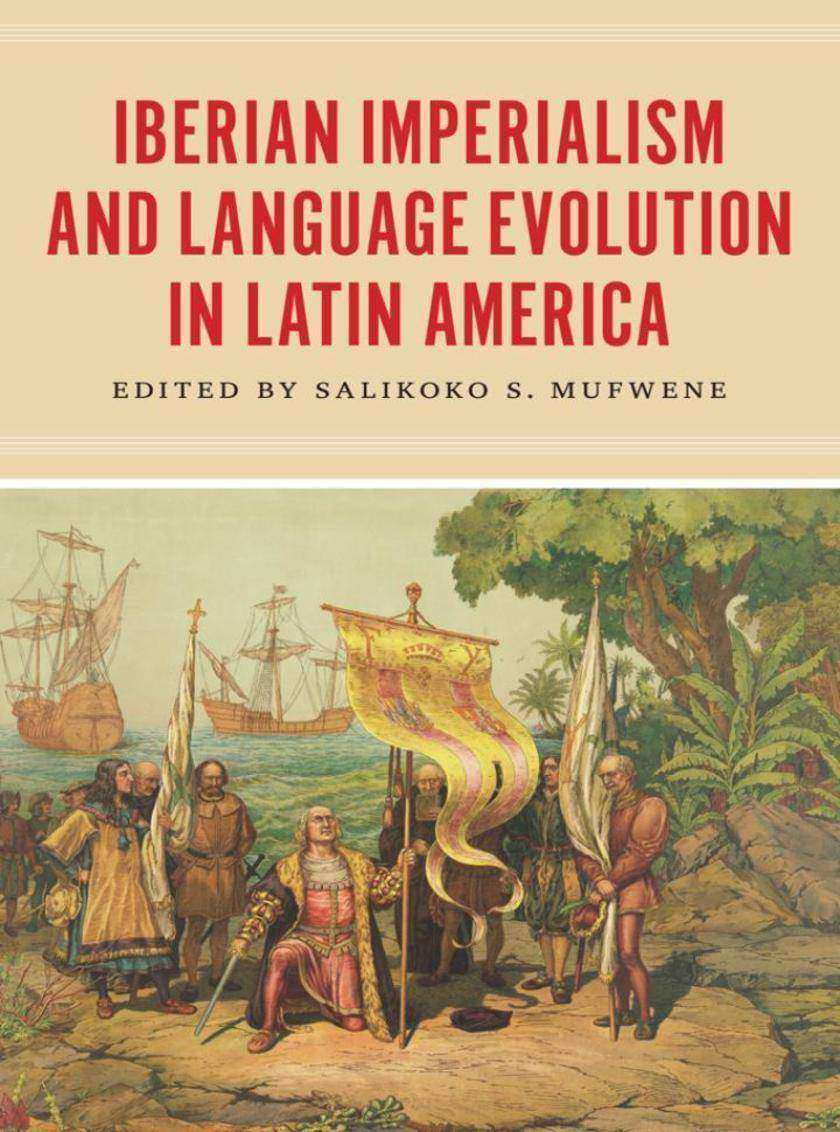
Iberian Imperialism and Language Evolution in Latin America
¥329.62
As rich as the development of the Spanish and Portuguese languages has been in Latin America, no single book has attempted to chart their complex history. Gathering essays by sociohistorical linguists working across the region, Salikoko S. Mufwene does just that in this book. Exploring the many different contact points between Iberian colonialism and indigenous cultures, the contributors identify the crucial parameters of language evolution that have led to today's state of linguistic diversity in Latin America.?The essays approach language development through an ecological lens, exploring the effects of politics, economics, cultural contact, and natural resources on the indigenization of Spanish and Portuguese in a variety of local settings. They show how languages adapt to new environments, peoples, and practices, and the ramifications of this for the spread of colonial languages, the loss or survival of indigenous ones, and the way hybrid vernaculars get situated in larger political and cultural forces. The result is a sophisticated look at language as a natural phenomenon, one that meets a host of influences with remarkable plasticity. ?

Comparative Approach in Evolutionary Anthropology and Biology
¥353.16
Comparison is fundamental to evolutionary anthropology. When scientists study chimpanzee cognition, for example, they compare chimp performance on cognitive tasks to the performance of human children on the same tasks. And when new fossils are found, such as those of the tiny humans of Flores, scientists compare these remains to other fossils and contemporary humans. Comparison provides a way to draw general inferences about the evolution of traits and therefore has long been the cornerstone of efforts to understand biological and cultural diversity. Individual studies of fossilized remains, living species, or human populations are the essential units of analysis in a comparative study; bringing these elements into a broader comparative framework allows the puzzle pieces to fall into place, creating a means of testing adaptive hypotheses and generating new ones.?With this book, Charles L. Nunn intends to ensure that evolutionary anthropologists and organismal biologists have the tools to realize the potential of comparative research. Nunn provides a wide-ranging investigation of the comparative foundations of evolutionary anthropology in past and present research, including studies of animal behavior, biodiversity, linguistic evolution, allometry, and cross-cultural variation. He also points the way to the future, exploring the new phylogeny-based comparative approaches and offering a how-to manual for scientists who wish to incorporate these new methods into their research.


