


 购物车
购物车 个人中心
个人中心

Citizen-Saints
¥206.01
Turning to the potent idea of political theology to recover the strange mix of political and religious thinking during the Renaissance, this bracing study reveals in the works of Shakespeare and his sources the figure of the citizen-saint, who represents at once divine messenger and civil servant, both norm and exception. Embodied by such diverse personages as Antigone, Paul, Barabbas, Shylock, Othello, Caliban, Isabella, and Samson, the citizen-saint is a sacrificial figure: a model of moral and aesthetic extremity who inspires new regimes of citizenship with his or her death and martyrdom.Among the many questions Julia Reinhard Lupton attempts to answer under the rubric of the citizen-saint are: how did states of emergency, acts of sovereign exception, and Messianic anticipations lead to new forms of religious and political lawWhat styles of universality were implied by the abject state of the pure creature, at sea in a creation abandoned by its creatorAnd how did circumcision operate as both a marker of ethnicity and a means of conversion and civic naturalization?Written with clarity and grace, Citizen-Saints will be of enormous interest to students of English literature, religion, and early modern culture.
More than Lore
¥206.01
The founding articles of the University of Chicago contained what was for the era a shocking declaration: "e;To provide, impart, and furnish opportunities for all departments of higher education to persons of both sexes on equal terms."e; In a time when many still scoffed at educating women, the university was firmly co-ed from the very start. One of its first hires was Marion Talbot. Ready for the adventure of a lifetime, she set her sights on Chicago at a time when the city was still considered all but the Wild West. Talbot eventually became the University of Chicago's first Dean of Women, influencing a generation of female students.Originally published in 1936, More than Lore is a unique firsthand account of the early days of the university, capturing the excitement and travails of life on an academic frontier. Talbot shares gossip from the faculty lounge, relays student antics in the dorms, and tells stories from the living rooms of Hyde Park. It's also a fascinating look at life as an early twentieth-century college woman, with scandals over improper party invitations and underground sororities, petitions calling for more female professors, and campaigns to have students be known as "e;university women"e; instead of "e;college girls."e; With Talbot as our guide, we reenter a lost world where simply to be a woman was to be a pioneer and where the foundations of the modern undergrad experience were being established.
Songbook
¥200.12
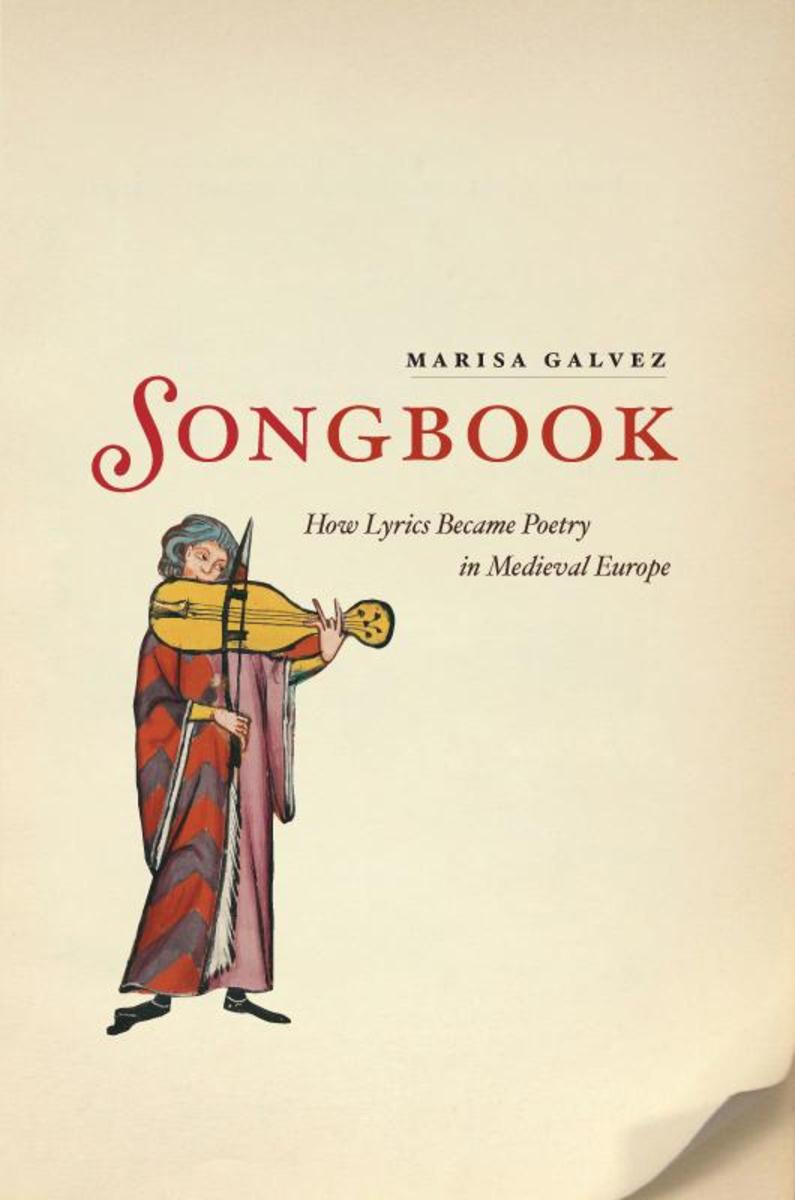
Today we usually think of a book of poems as composed by a poet, rather than assembled or adapted by a network of poets and readers.?But the earliest European vernacular poetries challenge these assumptions. Medieval songbooks remind us how lyric poetry was once communally produced and received-a collaboration of artists, performers, live audiences, and readers stretching across languages and societies.The only comparative study of its kind, Songbook treats what poetry was before the emergence of the modern category "e;poetry"e;: that is, how vernacular songbooks of the thirteenth to fifteenth centuries shaped our modern understanding of poetry by establishing expectations of what is a poem, what is a poet, and what is lyric poetry itself. Marisa Galvez analyzes the?seminal songbooks representing the vernacular traditions of Occitan, Middle High German, and Castilian, and tracks the process by which the songbook emerged from the original performance contexts of oral publication, into a medium for preservation, and, finally, into an established literary object. Galvez reveals that songbooks-in ways that resonate with our modern practice of curated archives and playlists-contain lyric, music, images, and other nonlyric texts selected and ordered to reflect the local values and preferences of their readers. At a time when medievalists are reassessing the historical foundations of their field and especially the national literary canons established in the nineteenth century, a new examination of the songbook's role in several vernacular traditions is more relevant than ever.
Agrarian Revolt in a Mexican Village
¥188.35
Agrarian Revolt in a Mexican Village deals with a Tarascan Indian village in southwestern Mexico which, between 1920 and 1926, played a precedent-setting role in agrarian reform. As he describes forty years in the history of this small pueblo, Paul Friedrich raises general questions about local politics and agrarian reform that are basic to our understanding of radical change in peasant societies around the world. Of particular interest is his detailed study of the colorful, violent, and psychologically complex leader, Primo Tapia, whose biography bears on the theoretical issues of the "e;political middleman"e; and the relation between individual motivation and socioeconomic change. Friedrich's evidence includes massive interviewing, personal letters, observations as an anthropological participant (e.g., in fiesta ritual), analysis of the politics and other village culture during 1955-56, comparison with other Tarascan villages, historical and prehistoric background materials, and research in legal and government agrarian archives.
Response to Industrialism, 1885-1914
¥188.35
In this new edition, Samuel P. Hays expands the scope of his pioneering account of the ways in which Americans reacted to industrialism during its early years from 1885 to 1914. Hays now deepens his coverage of cultural transformations in a study well known for its concise treatment of political and economic movements.Hays draws on the vast knowledge of America's urban and social history that has been developed over the last thirty-eight years to make the second edition an unusually well-rounded study. He enhances the original coverage of politics, labor, and business with new accounts of the growth of cities, the rise of modern values, cultural conflicts with Native Americans and foreign nations, and changing roles for women, African-Americans, education, religion, medicine, law, and leisure. The result is a tightly woven portrait of America in transition that underscores the effects of impersonal market forces and greater personal freedom on individuals and chronicles such changes as the rise of social inequality, shifting power, in the legal system, the expansion of the federal government, and the formation of the Populist, Progressive, and Socialist parties.

Nice Guys Finish Last
¥147.15
"e;I believe in rules. Sure I do. If there weren't any rules, how could you break them?"e;The history of baseball is rife with colorful characters. But for sheer cantankerousness, fighting moxie, and will to win, very few have come close to Leo "e;the Lip"e; Durocher. Following a five-decade career as a player and manager for baseball's most storied franchises, Durocher teamed up with veteran sportswriter Ed Linn to tell the story of his life in the game. The resulting book, Nice Guys Finish Last, is baseball at its best, brimming with personality and full of all the fights and feuds, triumphs and tricks that made Durocher such a success-and an outsized celebrity.Durocher began his career inauspiciously, riding the bench for the powerhouse 1928 Yankees and hitting so poorly that Babe Ruth nicknamed him "e;the All-American Out."e; But soon Durocher hit his stride: traded to St. Louis, he found his headlong play and never-say-die attitude a perfect fit with the rambunctious "e;Gashouse Gang"e; Cardinals. In 1939, he was named player-manager of the Brooklyn Dodgers-and almost instantly transformed the underachieving Bums into perennial contenders. He went on to manage the New York Giants, sharing the glory of one of the most famous moments in baseball history, Bobby Thomson's "e;shot heard 'round the world,"e; which won the Giants the 1951 pennant. Durocher would later learn how it felt to be on the other side of such an unforgettable moment, as his 1969 Cubs, after holding first place for 105 days, blew a seemingly insurmountable 8-1/2-game lead to the Miracle Mets.All the while, Durocher made as much noise off the field as on it. His perpetual feuds with players, owners, and league officials-not to mention his public associations with gamblers, riffraff, and Hollywood stars like George Raft and Larraine Day-kept his name in the headlines and spread his fame far beyond the confines of the diamond.A no-holds-barred account of a singular figure, Nice Guys Finish Last brings the personalities and play-by-play of baseball's greatest era to vivid life, earning a place on every baseball fan's bookshelf.
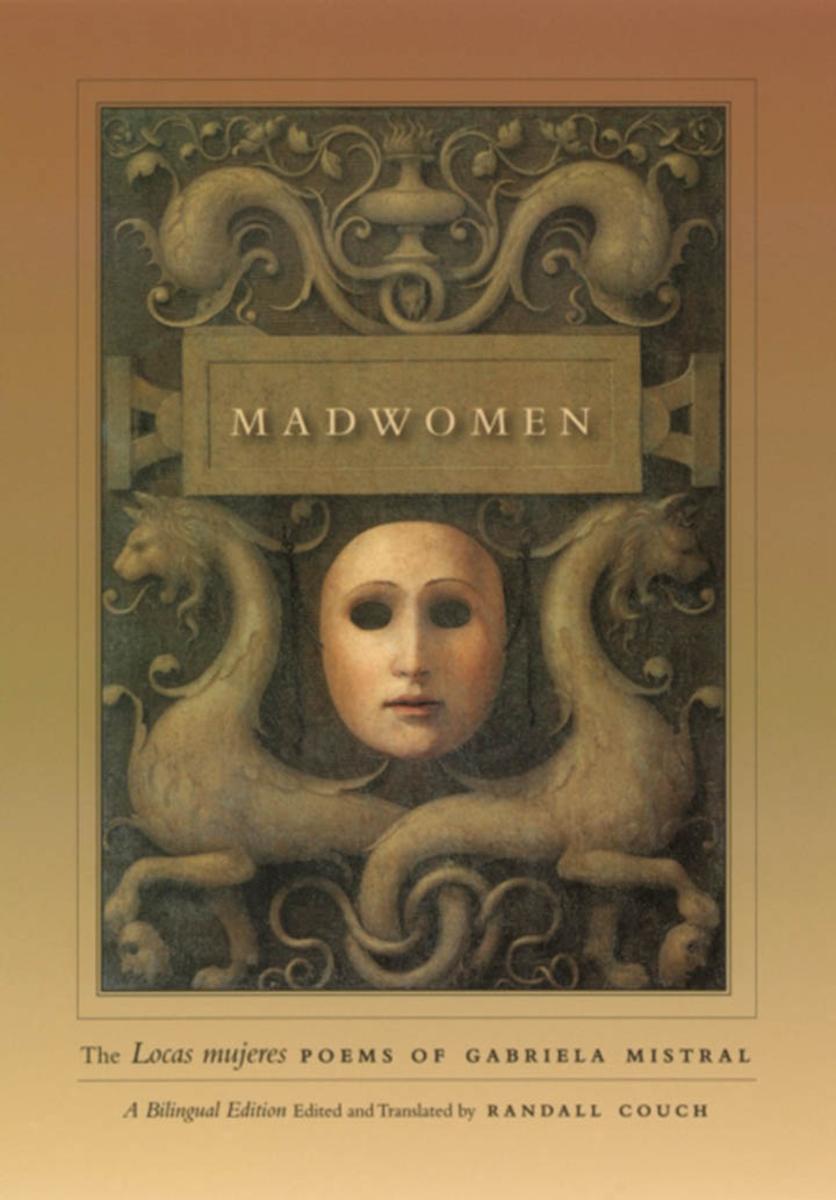
Madwomen
¥200.12
A schoolteacher whose poetry catapulted her to early fame in her native Chile and an international diplomat whose boundary-defying sexuality still challenges scholars, Gabriela Mistral (1889-1957) is one of the most important and enigmatic figures in Latin American literature of the last century. The Locas mujeres poems collected here are among Mistral's most complex and compelling, exploring facets of the self in extremis-poems marked by the wound of blazing catastrophe and its aftermath of mourning. From disquieting humor to balladlike lyricism to folkloric wisdom, these pieces enact a tragic sense of life, depicting "e;madwomen"e; who are anything but mad. Strong and intensely human, Mistral's poetic women confront impossible situations to which no sane response exists. This groundbreaking collection presents poems from Mistral's final published volume as well as new editions of posthumous work, featuring the first English-language appearance of many essential poems. Madwomen promises to reveal a profound poet to a new generation of Anglophone readers while reacquainting Spanish readers with a stranger, more complicated "e;madwoman"e; than most have ever known.
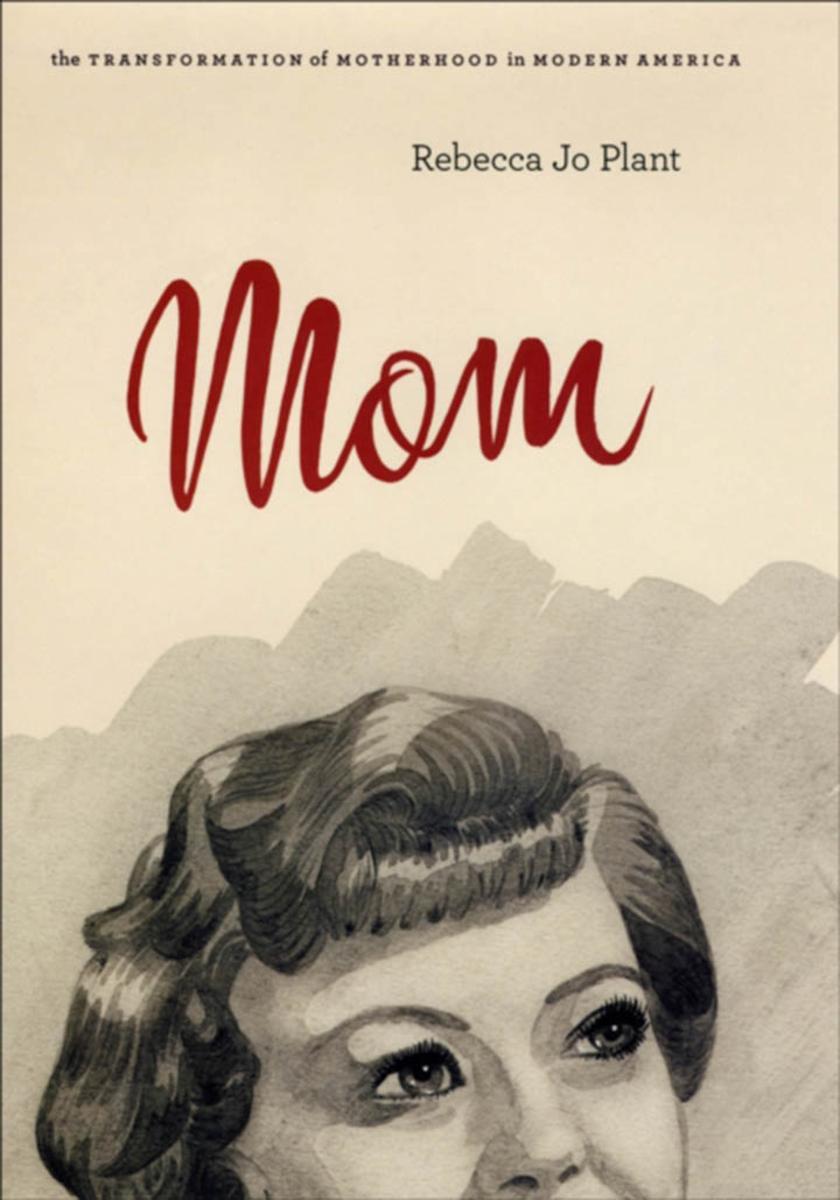
Mom
¥165.81
In the early twentieth century, Americans often waxed lyrical about "Mother Love," signaling a conception of motherhood as an all-encompassing identity, rooted in self-sacrifice and infused with social and political meaning. By the 1940s, the idealization of motherhood had waned, and the nation's mothers found themselves blamed for a host of societal and psychological ills. In Mom, Rebecca Jo Plant traces this important shift by exploring the evolution of maternalist politics, changing perceptions of the mother-child bond, and the rise of new approaches to childbirth pain and suffering.Plant argues that the assault on sentimental motherhood came from numerous quarters. Male critics who railed against female moral authority, psychological experts who hoped to expand their influence, and women who strove to be more than wives and mothers-all for their own distinct reasons-sought to discredit the longstanding maternal ideal. By showing how motherhood ultimately came to be redefined as a more private and partial component of female identity, Plant illuminates a major reorientation in American civic, social, and familial life that still reverberates today.
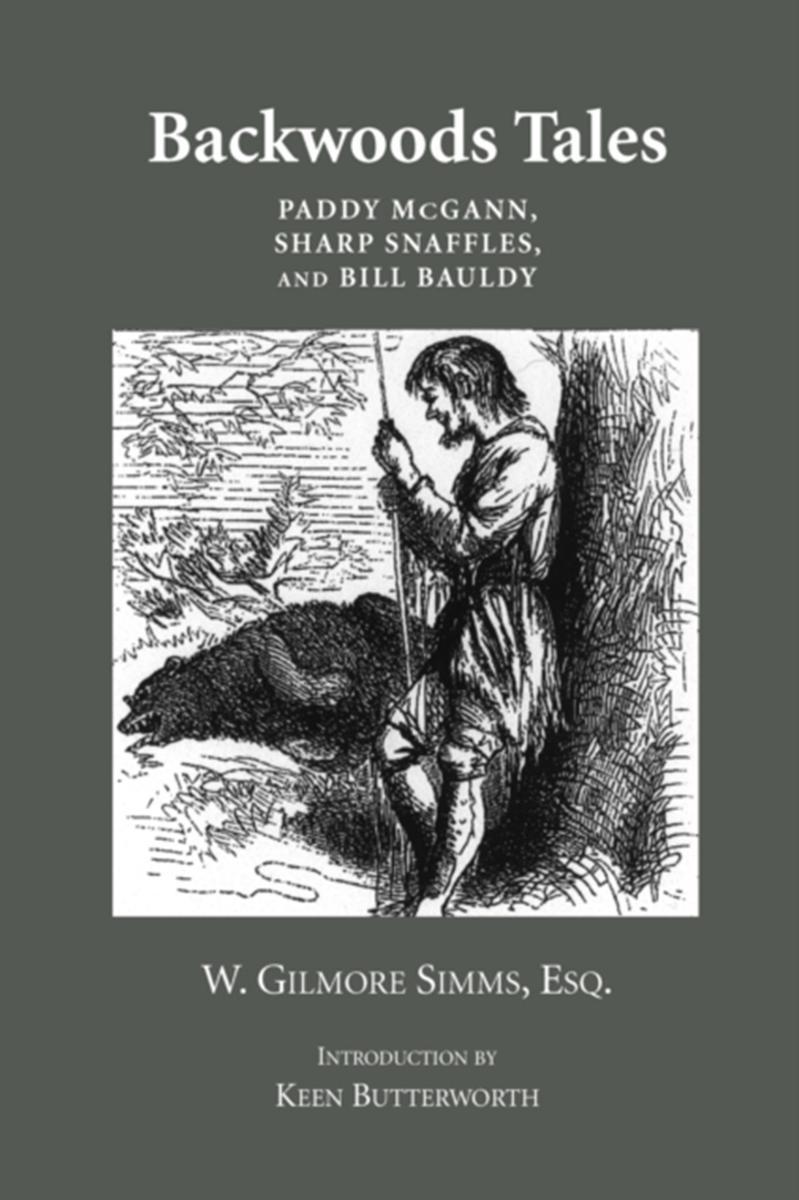
Backwoods Tales: Paddy McGann, Sharp Snaffles, and Bill Bauldy
¥299.50
The University of Arkansas Press edition of the Selected Fiction of William Gilmore Simms has as its aim to publish the major novels and short fiction in reliable texts, together with scholarly introductions, annotations, and other matter useful to scholars, critics, and teachers of Simms's work. The edition includes novels in the Border Romances series and the Revolutionary War series, together with writings that treat warfare with Native Americans and selections from Simms's short fiction. The scope of these writings is wide, capturing the American frontier in its westward advance across the Appalachian Mountains to the Mississippi River during the early and mid-nineteenth century.

Bewilderment
¥147.15
Winner of the 2012 National Book Award for Poetry.To read David Ferry's Bewilderment is to be reminded that poetry of the highest order can be made by the subtlest of means. The passionate nature and originality of Ferry's prosodic daring works astonishing transformations that take your breath away. In poem after poem, his diction modulates beautifully between plainspoken high eloquence and colloquial vigor, making his distinctive speech one of the most interesting and ravishing achievements of the past half century. Ferry has fully realized both the potential for vocal expressiveness in his phrasing and the way his phrasing plays against-and with-his genius for metrical variation. His vocal phrasing thus becomes an amazingly flexible instrument of psychological and spiritual inquiry. Most poets write inside a very narrow range of experience and feeling, whether in free or metered verse. But Ferry's use of meter tends to enhance the colloquial nature of his writing, while giving him access to an immense variety of feeling. Sometimes that feeling is so powerful it's like witnessing a volcanologist taking measurements in the midst of an eruption.?Ferry's translations, meanwhile, are amazingly acclimated English poems. Once his voice takes hold of them they are as bred in the bone as all his other work. And the translations in this book are vitally related to the original poems around them.?From Bewilderment:OctoberThe day was hot, and entirely breathless, soThe remarkably quiet remarkably steady leaf fallSeemed as if it had no cause at all.The ticking sound of falling leaves was likeThe ticking sound of gentle rainfall asThey gently fell on leaves already fallen,Or as, when as they passed them in their falling,Now and again it happened that one of them touchedOne or another leaf as yet not falling,Still clinging to the idea of being summer:As if the leaves that were falling, but not the day,Had read, and understood, the calendar.

Clayfeld Holds On
¥147.15
from "e;Clayfeld's Farewell Epistle to Bob Pack"e; Beneath this mellow harvest moon,I can still picture you-a boy contentjust fishing with his father from a ledgeabove a foaming stream. The flailing troutyou caught is packed in gleaming ice;the pink stripe all along its sideis smeared across black shiny dotsthat seem to shine with their own light.I'm sure that you can picture mewith equal vividness, and though we're notidentical, there is a sensein which I am inventing youas much as you're inventing me.?In Clayfeld Holds On, Robert Pack offers his readers a comprehensive portrait of his longtime protagonist Clayfeld, who is also Pack's doppelgnger, his alternate self, enacting both the life that the poet has lived and the life he might have lived, given his proclivities and appetites. Poet and protagonist, taken together, are self and consciousness of self, the historical self and the embellished story of that literal self.Written with a masterly ear for rhythm, and interweaving narrative and lyrical passages, the poems recount Clayfeld's formative memories while exploring concepts such as loyalty, generosity, commitment, as well as cosmic phenomena such as the big bang theory and black holes. Through all of this, Pack attempts to find purpose and meaning in an indifferent universe, and to explore the labyrinth of his own proliferating identity.
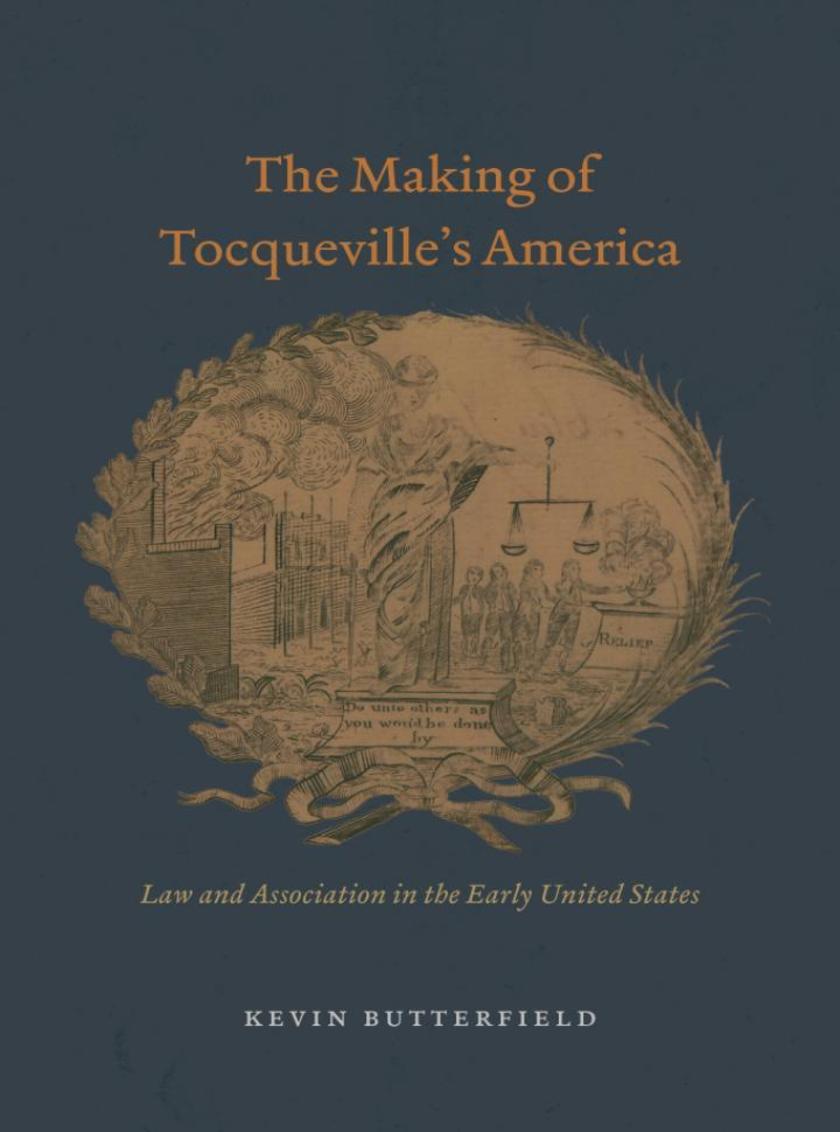
Making of Tocqueville's America
¥265.87
Alexis de Tocqueville was among the first to draw attention to Americans' propensity to form voluntary associations-and to join them with a fervor and frequency unmatched anywhere in the world. For nearly two centuries, we have sought to understand how and why early nineteenth-century Americans were, in Tocqueville's words, "e;forever forming associations."e; In The Making of Tocqueville's America, Kevin Butterfield argues that to understand this, we need to first ask: what did membership really mean to the growing number of affiliated Americans?Butterfield explains that the first generations of American citizens found in the concept of membership-in churches, fraternities, reform societies, labor unions, and private business corporations-a mechanism to balance the tension between collective action and personal autonomy, something they accomplished by emphasizing law and procedural fairness. As this post-Revolutionary procedural culture developed, so too did the legal substructure of American civil society. Tocqueville, then, was wrong to see associations as the training ground for democracy, where people learned to honor one another's voices and perspectives. Rather, they were the training ground for something no less valuable to the success of the American democratic experiment: increasingly formal and legalistic relations among people.

On Hysteria
¥365.93
These days, hysteria is known as a discredited diagnosis that was used to group and pathologize a wide range of conditions and behaviors in women. But for a long time, it was seen as a legitimate category of medical problem-and one that, originally, was applied to men as often as to women.In On Hysteria, Sabine Arnaud traces the creation and rise of hysteria, from its invention in the eighteenth century through nineteenth-century therapeutic practice. Hysteria took shape, she shows, as a predominantly aristocratic malady, only beginning to cross class boundaries (and be limited to women) during the French Revolution. Unlike most studies of the role and status of medicine and its categories in this period, On Hysteria focuses not on institutions but on narrative strategies and writing-the ways that texts in a wide range of genres helped to build knowledge through misinterpretation and recontextualized citation.Powerfully interdisciplinary, and offering access to rare historical material for the first time in English, On Hysteria will speak to scholars in a wide range of fields, including the history of science, French studies, and comparative literature.
Rhetorical Memory
¥329.62
Institutions have regimes-policies that typically come from the top down and are meant to align the efforts of workers with the goals and mission of an institution. Institutions also have practices-day-to-day behaviors performed by individual workers attempting to interpret the institution's missives. Taken as a whole, these form a company's memory regime, and they have a significant effect on how employees analyze, mix, translate, sort, filter, and repurpose everyday information in order to meet the demands of their jobs, their customers, their colleagues, and themselves.In Rhetorical Memory, Stewart Whittemore demonstrates that strategies we use to manage information-techniques often acquired through trial and error, rarely studied, and generally invisible to us-are as important to our success as the end products of our work. First, he situates information management within the larger field of rhetoric, showing that both are tied to purpose, audience, and situation. He then dives into an engaging and tightly focused workplace study, presenting three cases from a team of technical communicators making use of organizational memory during their everyday work. By examining which techniques succeed and which fail, Whittemore illuminates the challenges faced by technical communicators. He concludes with a number of practical strategies to better organize information, that will help employees, managers, and anyone else suffering from information overload.

Politics of Pain Medicine
¥329.62
Chronic pain is a medical mystery, debilitating to patients and a source of frustration for practitioners. It often eludes both cause and cure and serves as a reminder of how much further we have to go in unlocking the secrets of the body. A new field of pain medicine has evolved from this landscape, one that intersects with dozens of disciplines and subspecialties ranging from psychology and physiology to anesthesia and chiropractic medicine. Over the past three decades, researchers, policy makers, and practitioners have struggled to define this complex and often contentious field as they work to establish standards while navigating some of the most challenging philosophical issues of Western science.In The Politics of Pain Medicine: A Rhetorical-Ontological Inquiry, S. Scott Graham offers a rich and detailed exploration of the medical rhetoric surrounding pain medicine. Graham chronicles the work of interdisciplinary pain management specialists to found a new science of pain and a new approach to pain medicine grounded in a more comprehensive biospychosocial model. His insightful analysis demonstrates how these materials ultimately shape the healthcare community's understanding of what pain medicine is, how the medicine should be practiced and regulated, and how practitioner-patient relationships are best managed. It is a fascinating, novel examination of one of the most vexing issues in contemporary medicine.

Before Mickey
¥288.41
This witty and fascinating study reminds us that there was animation before Disney: about thirty years of creativity and experimentation flourishing in such extraordinary work as Girdie the Dinosaur and Felix the Cat. Before Mickey, the first and only in-depth history of animation from 1898-1928, includes accounts of mechanical ingenuity, marketing and art. Crafton is equally adept at explaining techniques of sketching and camera work, evoking characteristic styles of such pioneering animators as Winsor McCay and Ladislas Starevitch, placing work in its social and economic context, and unraveling the aesthetic impact of specific cartoons."e;Before Mickey's scholarship is quite lively and its de*ions are evocative and often funny. The history of animation coexisted with that of live-action film but has never been given as much attention."e;-Tim Hunter, New York Times
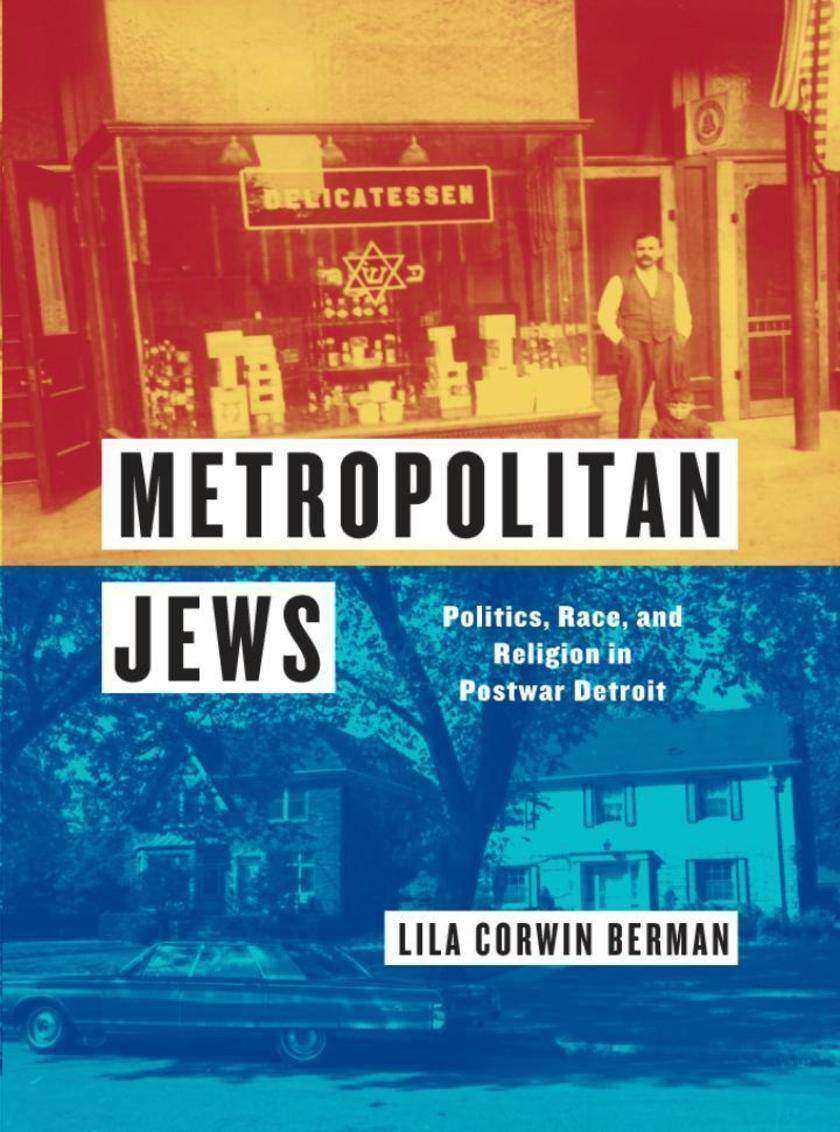
Metropolitan Jews
¥288.41
In this provocative and accessible urban history, Lila Corwin Berman considers the role that Detroit's Jews played in the city's well-known narrative of migration and decline. Taking its cue from social critics and historians who have long looked toward Detroit to understand twentieth-century urban transformations, Metropolitan Jews tells the story of Jews leaving the city while retaining a deep connection to it. Berman argues convincingly that though most Jews moved to the suburbs, urban abandonment, disinvestment, and an embrace of conservatism did not invariably accompany their moves. Instead, the Jewish postwar migration was marked by an enduring commitment to a newly fashioned urbanism with a vision of self, community, and society that persisted well beyond city limits.Complex and subtle, Metropolitan Jews pushes urban scholarship beyond the tenacious black/white, urban/suburban dichotomy. It demands a more nuanced understanding of the process and politics of suburbanization and will reframe how we think about the American urban experiment and modern Jewish history.
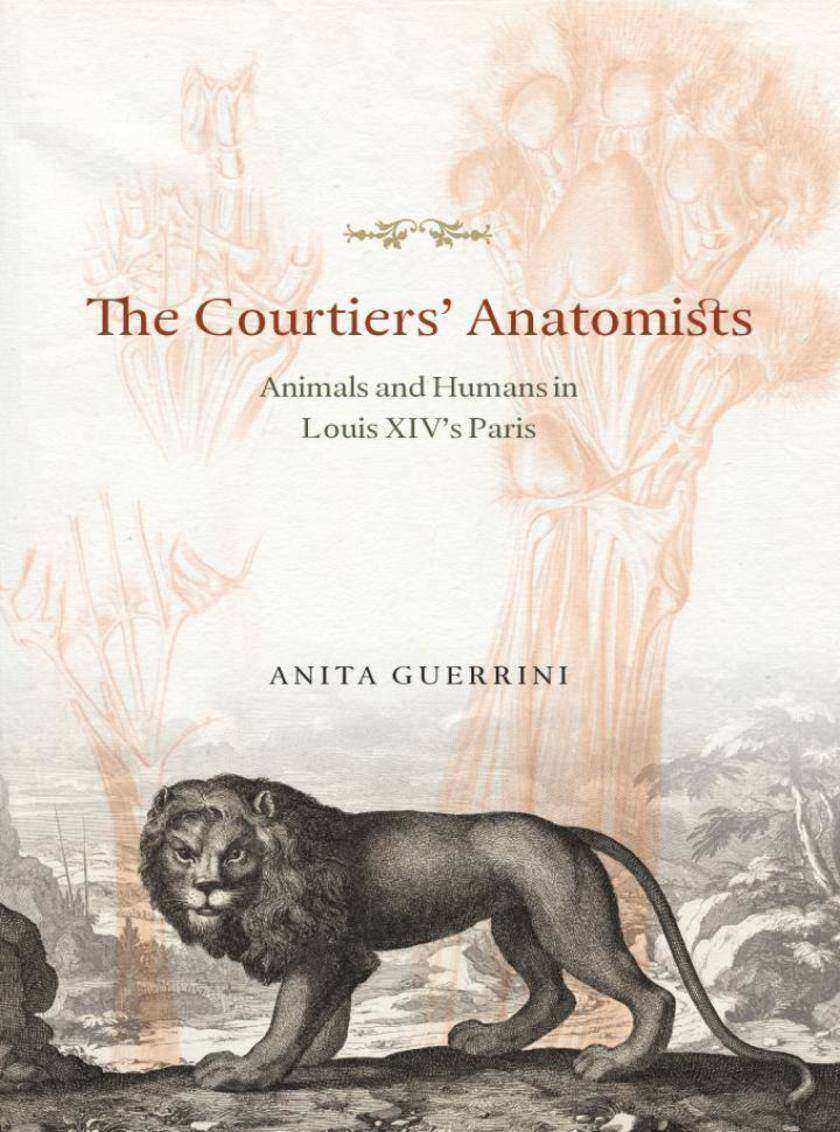
Courtiers' Anatomists
¥288.41
The Courtiers' Anatomists is about dead bodies and live animals in Louis XIV's Paris--and the surprising links between them. Examining the practice of seventeenth-century anatomy, Anita Guerrini reveals how anatomy and natural history were connected through animal dissection and vivisection. Driven by an insatiable curiosity, Parisian scientists, with the support of the king, dissected hundreds of animals from the royal menageries and the streets of Paris. Guerrini is the first to tell the story of Joseph-Guichard Duverney, who performed violent, riot-inducing dissections of both animal and human bodies before the king at Versailles and in front of hundreds of spectators at the King's Garden in Paris. At the Paris Academy of Sciences, meanwhile, Claude Perrault, with the help of Duverney's dissections, edited two folios in the 1670s filled with lavish illustrations by court artists of exotic royal animals.Through the stories of Duverney and Perrault, as well as those of Marin Cureau de la Chambre, Jean Pecquet, and Louis Gayant, The Courtiers' Anatomists explores the relationships between empiricism and theory, human and animal, as well as the origins of the natural history museum and the relationship between science and other cultural activities, including art, music, and literature.
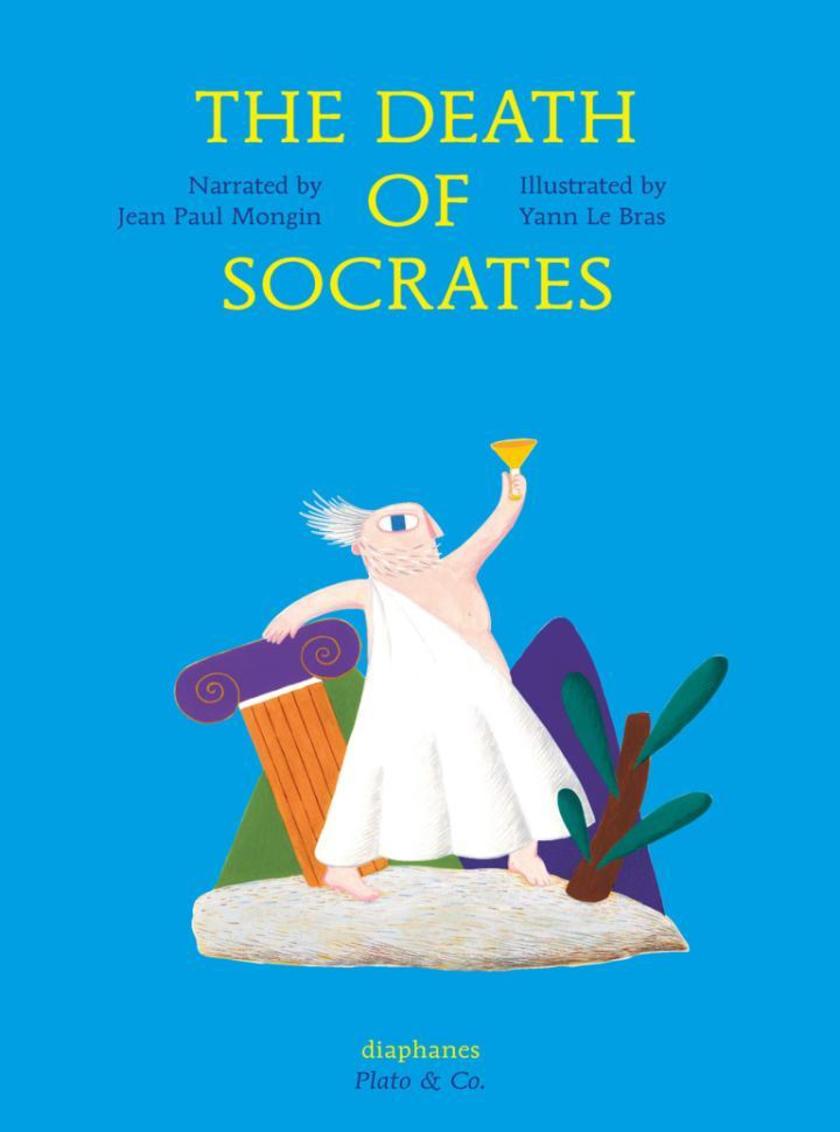
Death of Socrates
¥123.61
At its most basic, philosophy is about learning how to think about the world around us. It should come as no surprise, then, that children make excellent philosophers! Naturally inquisitive, pint-size scholars need little prompting before being willing to consider life's "e;big questions,"e; however strange or impractical. Plato & Co. introduces children-and curious grown-ups-to the lives and work of famous philosophers, from Descartes to Socrates, Einstein, Marx, and Wittgenstein. Each book in the series features an engaging-and often funny-story that presents basic tenets of philosophical thought alongside vibrant color illustrations."e;Tell us, Delphic Oracle, who is the wisest man in all of Greece?"e; So begins The Death of Socrates. No mortal man is wiser than Socrates, who, on his daily walks through Athens, talks to all the people he meets. When the person he talks to takes himself to be very wise, Socrates asks so many questions that the person ends up admitting he knows nothing. When he runs into people who know little, Socrates sets them on the way to wisdom. But not everyone shares Socrates's love for the truth. When the people of Athens become angry with him for his ceaseless questioning, how will he find the courage to continue to speak the truth Plato & Co.'s clear approach and charming illustrations make this series the perfect addition to any little library.

Bloodtaking and Peacemaking
¥241.33
Dubbed by the New York Times as "e;one of the most sought-after legal academics in the county,"e; William Ian Miller presents the arcane worlds of the Old Norse studies in a way sure to attract the interest of a wide range of readers. Bloodtaking and Peacemaking delves beneath the chaos and brutality of the Norse world to discover a complex interplay of ordering and disordering impulses. Miller's unique and engaging readings of ancient Iceland's sagas and extensive legal code reconstruct and illuminate the society that produced them.People in the saga world negotiated a maze of violent possibility, with strategies that frequently put life and limb in the balance. But there was a paradox in striking the balance-one could not get even without going one better. Miller shows how blood vengeance, law, and peacemaking were inextricably bound together in the feuding process.This book offers fascinating insights into the politics of a stateless society, its methods of social control, and the role that a uniquely sophisticated and self-conscious law played in the construction of Icelandic society."e;Illuminating."e;-Rory McTurk, Times Literary Supplement"e;An impressive achievement in ethnohistory; it is an amalgam of historical research with legal and anthropological interpretation. What is more, and rarer, is that it is a pleasure to read due to the inclusion of narrative case material from the sagas themselves."e;-Dan Bauer, Journal of Interdisciplinary History

On Creaturely Life
¥241.33
In his Duino Elegies, Rainer Maria Rilke suggests that animals enjoy direct access to a realm of being-the open-concealed from humans by the workings of consciousness and self-consciousness. In his own reading of Rilke, Martin Heidegger reclaims the open as the proper domain of human existence but suggests that human life remains haunted by vestiges of an animal-like relation to its surroundings. Walter Benjamin, in turn, was to show that such vestiges-what Eric Santner calls the creaturely-have a biopolitical aspect: they are linked to the processes that inscribe life in the realm of power and authority.?Santner traces this theme of creaturely life from its poetic and philosophical beginnings in the first half of the twentieth century to the writings of the enigmatic German novelist W. G. Sebald. Sebald's entire oeuvre, Santner argues, can be seen as an archive of creaturely life. For Sebald, the work on such an archive was inseparable from his understanding of what it means to engage ethically with another person's history and pain, an engagement that transforms us from indifferent individuals into neighbors.?An indispensable book for students of Sebald, On Creaturely Life is also a significant contribution to critical theory.


