


 购物车
购物车 个人中心
个人中心

The Pain and the Glory
¥114.48
A glorious, fully illustrated insider account from Team Sky of the greatest summer in British road cycling history, as team-mates Sir Bradley Wiggins and Chris Froome go head-to-head in the quest for glory The summer of 2013 will be the most significant moment yet in Team Sky’s short but wildly successful history and a landmark in the story of British cycling. After their glorious success in last year’s Tour de France, where Sir Bradley Wiggins reigned supreme and the team romped to glory, all eyes are on Team Sky as they vie to cement their position as the greatest force in road cycling. The Team Sky Diary of the Giro and Tour once more brings together first-hand accounts from team members including Wiggins, Froome, as well as the masterful Team Principle, Dave Brailsford, with the sumptuous award-winning photography of Scott Mitchell. As Wiggins and Froome lock horns, and the Team turn their formidable focus to the historic task of dominating both races, this is an essential book for all cycling fans.
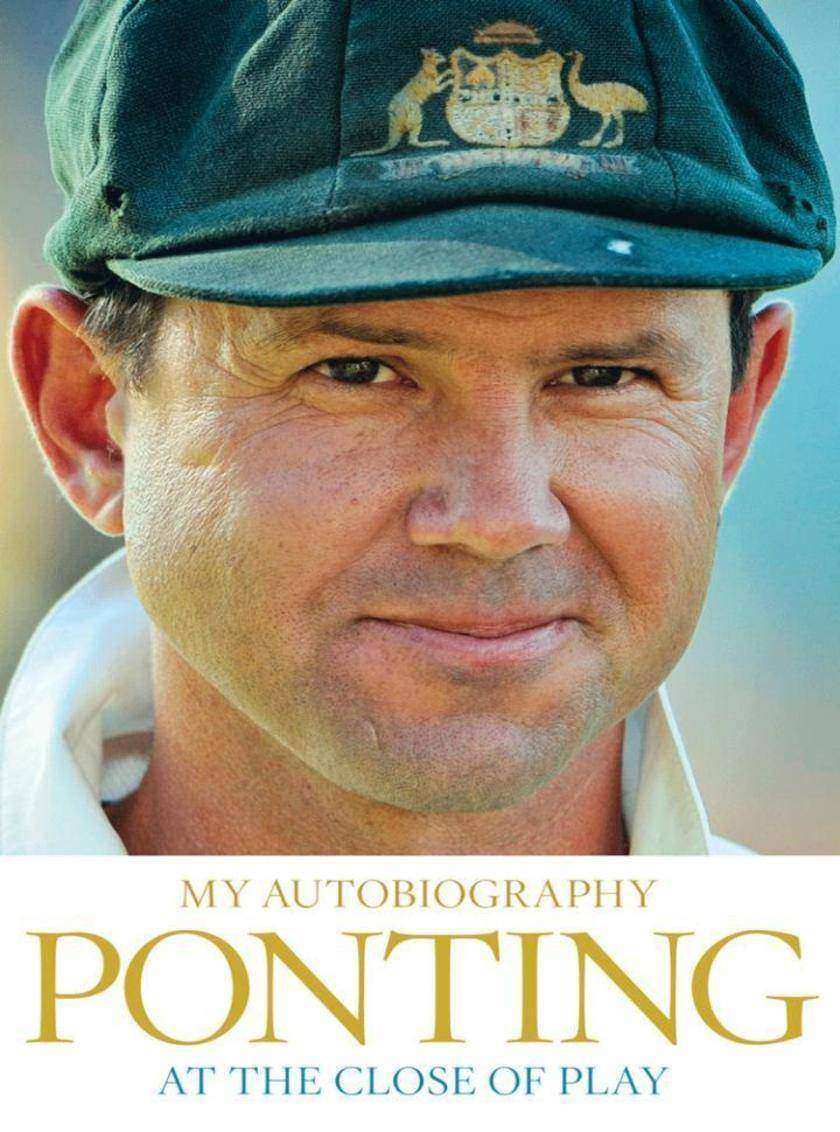
At the Close of Play
¥95.75
Love him or loathe him, Ricky Ponting is one of the biggest names in cricket, having been at the heart of so many memorable Ashes and Test encounters over the years. Coinciding with the end of Ponting’s spectacular career, ‘At the Close of Play’ is a must-read for all cricket fans. For so long the scourge of English cricket, Ricky Ponting – unarguably one of cricket’s all-time greats – looks back on the story of his remarkable life and career. With his customary honesty and candour, Ponting reflects on a lifetime at the crease – from childhood prodigy to the highs and lows of his extraordinary international career. But beyond the triumphs, scandals and his own private struggle to maintain his later form, this remarkable autobiography will offer rare insights into an elite sporting career with Ricky’s reflections on leadership, captaincy, winning, defeat, competitiveness, teamwork, the greats of the game and the lessons learned at the helm of Australia’s cricket team. This autobiography, of a very private man, and one who the English public loved to hate, will resonate with lovers of cricket as well as anyone who strives to reach the top of their chosen field.

Those Wild Wyndhams: Three Sisters at the Heart of Power
¥76.91
Winner of the Slightly Foxed Best First Biography Prize 2014 A rich historical biography of ‘those wild Wyndhams’ – three cultured aristocratic sisters born into great privilege in late Victorian Britain. Mary, Madeline and Pamela – the three beautiful Wyndham sisters – were born into immense wealth. Cultured bohemian daughters of a maverick politician and an artistic mother, they became entangled with the scandalous and intellectual ‘Souls’ set, as well as the most celebrated figures of the day, including Oscar Wilde, Marie Stopes and the iconoclastic poet Wilfrid Scawen Blunt, lover both of Mary and her mother before her. Two sisters were intimate with great statesmen – Prime Minister Arthur Balfour and the Liberal politician Edward Grey – and only one of them would marry happily. This first ever biography of the sisters captures their dramatic lives from romantic beginnings through the passions and disappointments of womanhood to the tragedy and devastation of the First World War that brought a definitive end to their sons, their era and way of life.
City Kid: Part 1 of 3
免费
City Kid can either be read as a full-length eBook or in 3 serialised eBook-only parts. This is PART 1 of 3. You can read Part 1 two weeks ahead of release of the full-length eBook and paperback. From the author of international bestsellers A Circle of Children and Lovey comes an inspiring true story of a gifted teacher’s determination to understand the ‘rotten’ city kid everyone has given up on. Sitting quiet and withdrawn at a battered school desk, Luke had the looks of a shy angel – and a past that special needs teacher Mary MacCracken could barely believe. Already Luke had been picked up 24 times by the police. He’d set over a dozen major fires, and had a staggering record of thefts. No adult could reach him, no teacher could control him, and no policeman could cow him. All this – and Luke was only seven and a half years old. Trying to help Luke was Mary MacCracken’s job – and a seemingly impossible challenge. This is the remarkable story of how the impossible came true.
Daddy’s Little Princess: Part 1 of 3
¥9.71
The latest title from the internationally bestselling author and foster carer Cathy Glass. Beth is a sweet-natured child who appears to have been well looked after. But it isn’t long before Cathy begins to have concerns that the relationship between Beth and her father is not as it should be. Little Beth, aged 7, has been brought up by her father Derek after her mother left when she was a toddler. When Derek is suddenly admitted to hospital with psychiatric problems Beth is taken into care and arrives at Cathy’s. Beth and her father clearly love each other very much and Derek spoils his daughter, treating her like a princess, but there is something bothering Cathy, something she can’t quite put her finger on. Meanwhile Cathy’s husband is working away a lot and coming home less at weekends. Then, suddenly, everything changes. Events take a dramatic turn for both Beth and Cathy and her family; as Cathy strives to pick up the pieces all their lives are changed forever.

Daddy’s Little Princess: Part 2 of 3
¥40.52
The latest title from the internationally bestselling author and foster carer Cathy Glass. Beth is a sweet-natured child who appears to have been well looked after. But it isn’t long before Cathy begins to have concerns that the relationship between Beth and her father is not as it should be. Little Beth, aged 7, has been brought up by her father Derek after her mother left when she was a toddler. When Derek is suddenly admitted to hospital with psychiatric problems Beth is taken into care and arrives at Cathy’s. Beth and her father clearly love each other very much and Derek spoils his daughter, treating her like a princess, but there is something bothering Cathy, something she can’t quite put her finger on. Meanwhile Cathy’s husband is working away a lot and coming home less at weekends. Then, suddenly, everything changes. Events take a dramatic turn for both Beth and Cathy and her family; as Cathy strives to pick up the pieces all their lives are changed forever.
Lovey: Part 2 of 3
¥28.45
Lovey can either be read as a full-length eBook or in 3 serialised eBook-only parts. This is PART 2 of 3. You can read Part 2 two weeks ahead of release of the full-length eBook and paperback. This deeply moving memoir tells the story of Hannah: a child who has been beaten and abused; a girl full of loneliness and rage; a student no one but learning disabilities teacher Mary MacCracken could reach. Mary had reservations about eight-year-old Hannah joining her class. The three emotionally disturbed boys she was currently looking after had been making steady progress, and Hannah, who had a reputation for being a withdrawn and incredibly troubled child, would only be a disruptive influence. For the first fortnight Hannah retired to a cupboard and refused to come out. Howling almost non-stop she was displaying the worst symptoms that Mary had ever seen. How could Mary help a child who had been shut up in closets and treated like an animal? What could she say to a child who had been locked out of her own home, and beaten by both her brother and her father? How could she reach this lost girl? This is the remarkable story of Hannah and Mary’s journey together. Deep within Hannah, Mary recognises an amazing strength. And with love, skill and patience, she gradually starts to make a difference. It’s a long road to recovery, but Mary never gives up. As this moving true story unfolds, we feel Mary’s joy, we share her hope and, in time, her faith that Hannah will be okay.

The Girl Without a Voice: Part 1 of 3
免费
The Girl Without a Voice can either be read as a full-length eBook or in 3 serialised eBook-only parts. This is PART 1 of 3. You can read Part 1 two weeks ahead of release of the full-length eBook and paperback.
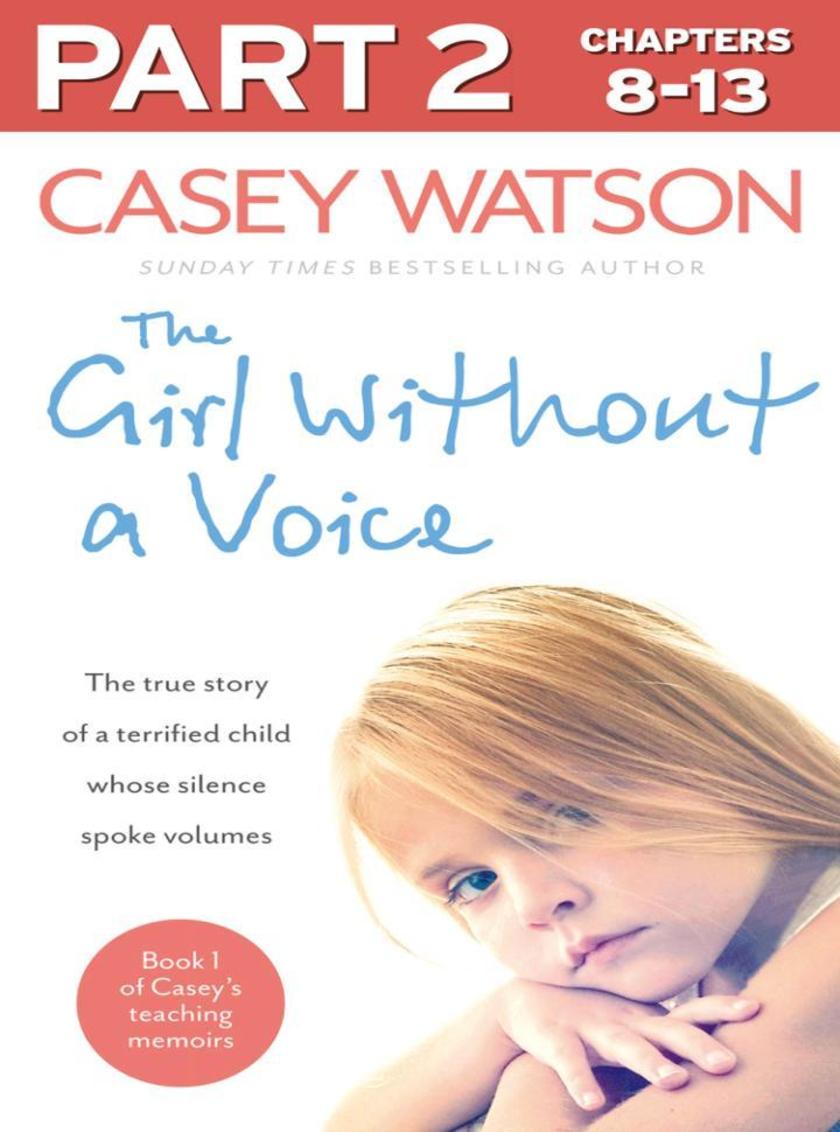
The Girl Without a Voice: Part 2 of 3
¥28.45
The Girl Without a Voice can either be read as a full-length eBook or in 3 serialised eBook-only parts. This is PART 2 of 3. You can read Part 2 one week ahead of release of the full-length eBook and paperback. Bestselling author and foster carer Casey Watson tells the shocking and deeply moving true story of a young girl with severe behavioural problems. This is the first of several stories about ‘difficult’ children Casey helped during her time as a behaviour manager at her local comprehensive. Casey has been in the post for six months when thirteen-year-old Imogen joins her class. One of six children Casey is teaching, Imogen has selective mutism. She’s a bright girl, but her speech problems have been making mainstream lessons difficult. Life at home is also hard for Imogen. Her mum walked out on her a few years earlier and she’s never got on with her dad’s new girlfriend. She’s now living with her grandparents. There’s no physical explanation for Imogen’s condition, and her family insist she’s never had troubles like this before. Everyone thinks Imogen is just playing up – except the member of staff closest to her, her teacher Casey Watson. It is the deadpan expression she constantly has on her face that is most disturbing to Casey. Determined there must be more to it, Casey starts digging and it’s not long before she starts to discover a very different side to Imogen’s character. A visit to her grandparents’ reveals that Imogen is anything but silent at home. In fact she’s prone to violent outbursts; her elderly grandparents are terrified of her. Eventually Casey’s hard work starts to pay off. After months of silence, Imogen utters her first, terrified, words to Casey: ‘I thought she was going to burn me.’ Dark, shocking and deeply disturbing, Casey begins to uncover the reality of what Imogen has been subjected to for years.
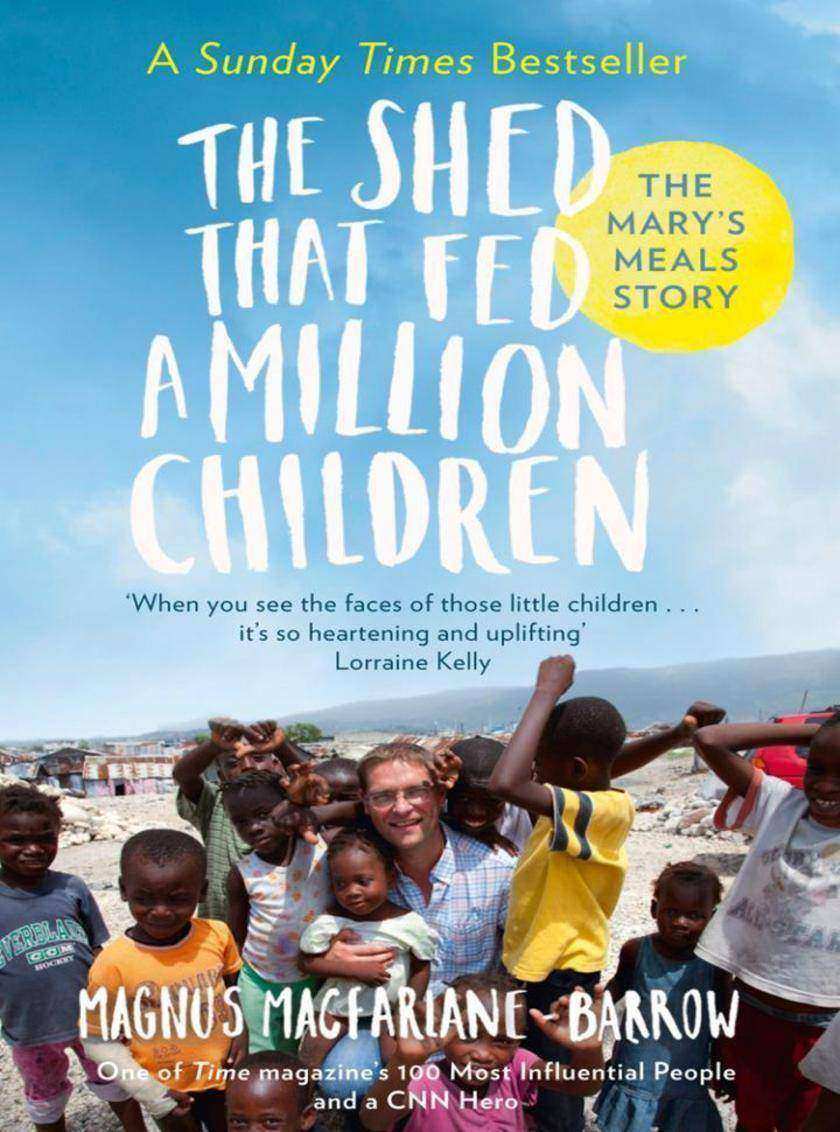
The Shed That Fed a Million Children: The Mary’s Meals Story
¥66.22
Speaking Volumes Christian Book of the Year 2016 Mary’s Meals is born from acts of love. If you put all those many acts of sacrifice together it creates a beautiful thing. Mary’s Meals tells the inspirational and compelling story of how a cripplingly shy fish farmer from Argyll, Scotland, became the international CEO of a global charity that now feeds over 800,000 children a day. In 1992, Magnus MacFarlane-Barrow was enjoying a pint with his brother when he got an idea that would change his life – and radically change the lives of others. After watching a news bulletin about war-torn Bosnia, the two brothers agreed to take a week’s hiatus from work to help. What neither of them expected is that what began as a one-time road trip in a beaten-up Landrover rapidly grew to become Magnus’s life’s work – leading him to leave his job, sell his house and direct all his efforts to feeding thousands of the world’s poorest children. Magnus retells how a series of miraculous circumstances and an overwhelming display of love from those around him led to the creation of Mary’s Meals; an organisation that now holds the key to eradicating child hunger altogether. This humble, heart-warming yet powerful story has never been more relevant in our society of plenty and privilege. It will open your eyes to the extraordinary impact that one person can make.
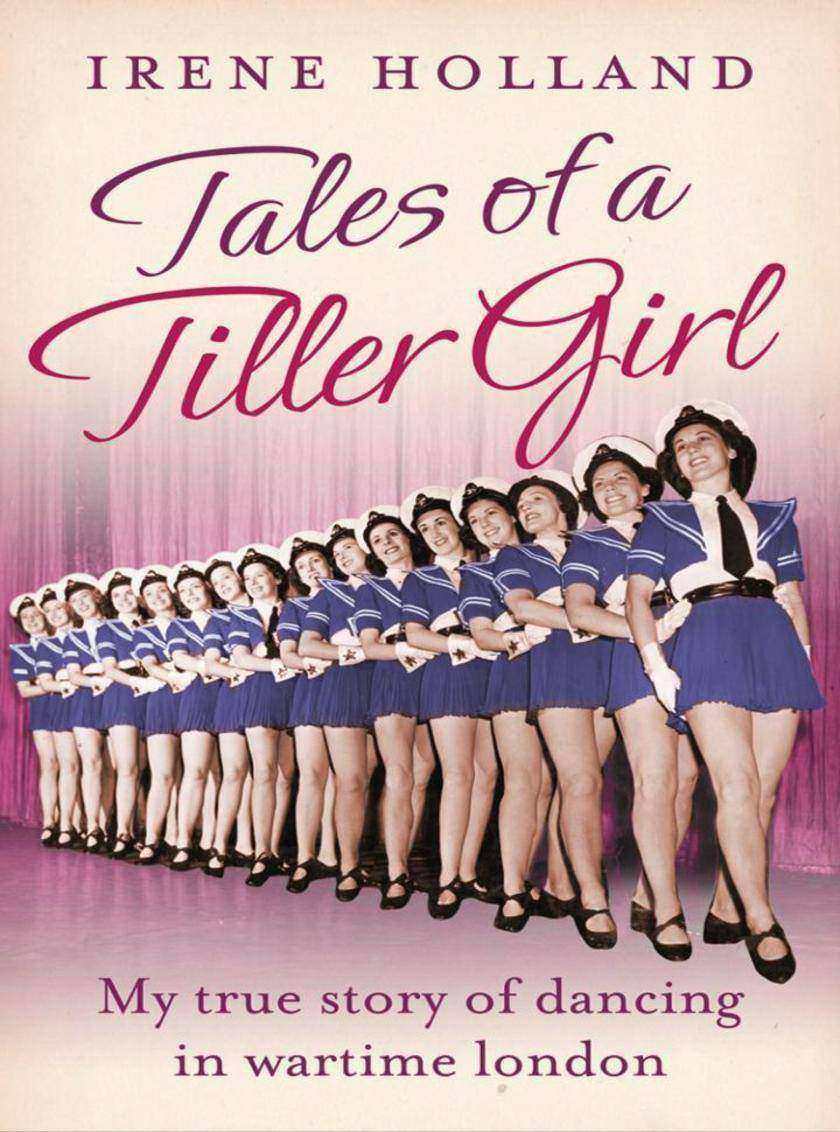
Tales of a Tiller Girl
¥58.86
A heart-warming nostalgia memoir from a member of the world famous dance troupe, The Tiller Girls. Based in London in the 1930s, 40s and 50s, Irene’s story will transport readers back to a more innocent, simple way of life. This is the story of a little girl who loved to dance. Growing up in London in the 1930s, dancing was so much more to Irene than just a hobby. It was her escape and it took her off into another world away from the harsh realities of life. A fairytale world away from the horrors of WW2, from the grief of losing her father and missing her mother who she didn’t see for three years while she was drafted to help with the war effort. And far away from her cold-hearted grandparents who treated her like an inconvenience. Finally it led to her winning a place as a Tiller Girl; the world’s most famous dance troupe known for their 32-and-a-half high kicks a minute and precise, symmetrical routines. For four years she opened and closed the show at the prestigious London Palladium and performed on stage alongside huge stars such as Frank Sinatra, Nat King Cole and Judy Garland. It was a strange mixture of glamour and bloody hard work but it was certainly never dull. And being a Tiller Girl also gave Irene the opportunity to see firsthand the devastating effects of WW2, both here and abroad. Heart-warming, enlightening and wonderfully uplifting, Irene’s evocative story will transport readers back to a time when every town and holiday resort had several theatres and when dance troupes like The Tiller Girls were the epitome of glitz and glamour.
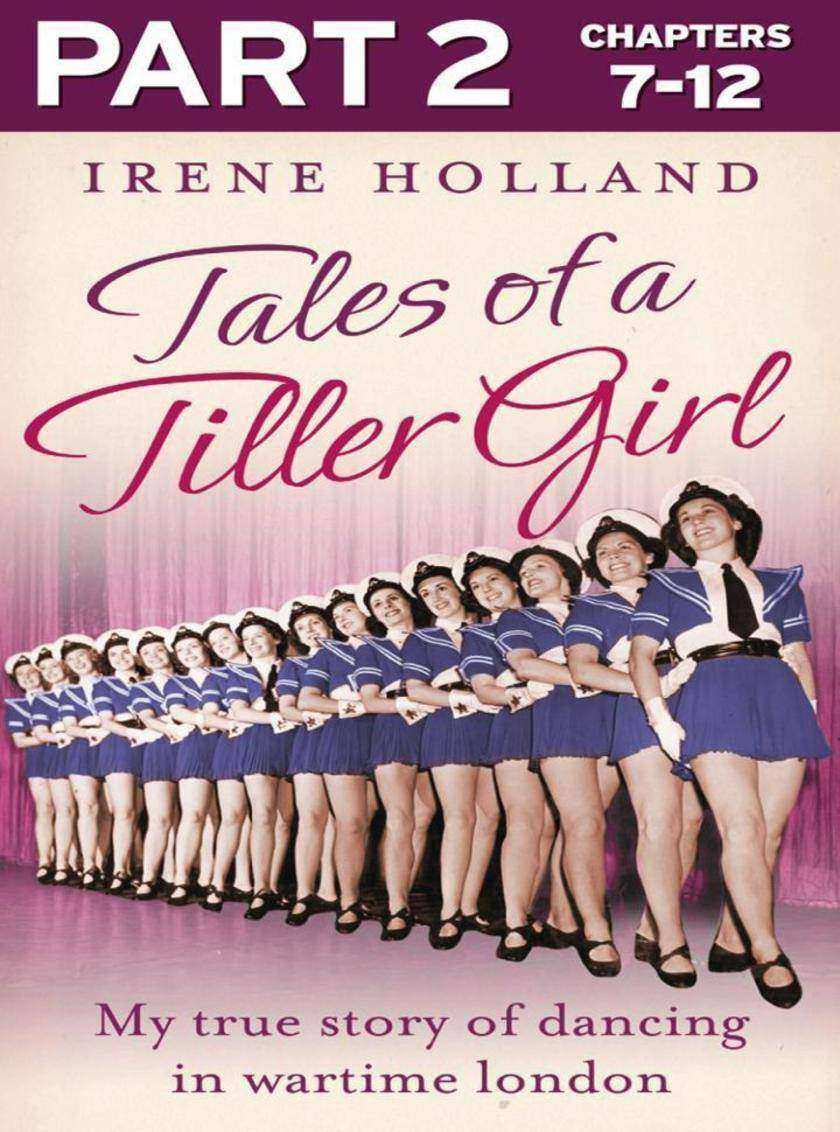
Tales of a Tiller Girl Part 2 of 3
¥28.45
A heart-warming nostalgia memoir from a member of the world famous dance troupe, The Tiller Girls. Based in London in the 1930s, 40s and 50s, Irene’s story will transport readers back to a more innocent, simple way of life. This is the story of a little girl who loved to dance. Growing up in London in the 1930s, dancing was so much more to Irene than just a hobby. It was her escape and it took her off into another world away from the harsh realities of life. A fairytale world away from the horrors of WW2, from the grief of losing her father and missing her mother who she didn’t see for three years while she was drafted to help with the war effort. And far away from her cold-hearted grandparents who treated her like an inconvenience. Finally it led to her winning a place as a Tiller Girl; the world’s most famous dance troupe known for their 32-and-a-half high kicks a minute and precise, symmetrical routines. For four years she opened and closed the show at the prestigious London Palladium and performed on stage alongside huge stars such as Frank Sinatra, Nat King Cole and Judy Garland. It was a strange mixture of glamour and bloody hard work but it was certainly never dull. And being a Tiller Girl also gave Irene the opportunity to see firsthand the devastating effects of WW2, both here and abroad. Heart-warming, enlightening and wonderfully uplifting, Irene’s evocative story will transport readers back to a time when every town and holiday resort had several theatres and when dance troupes like The Tiller Girls were the epitome of glitz and glamour.
Tales of a Tiller Girl Part 3 of 3
¥47.48
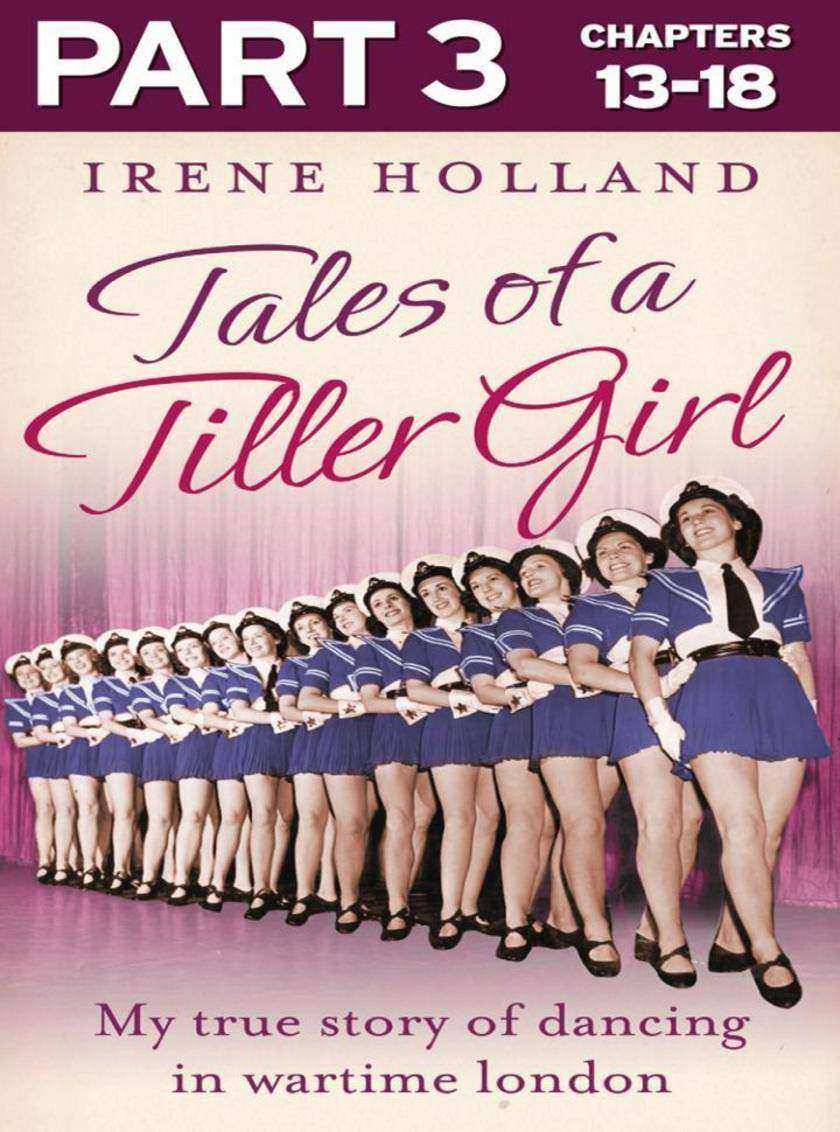
A heart-warming nostalgia memoir from a member of the world famous dance troupe, The Tiller Girls. Based in London in the 1930s, 40s and 50s, Irene’s story will transport readers back to a more innocent, simple way of life. This is the story of a little girl who loved to dance. Growing up in London in the 1930s, dancing was so much more to Irene than just a hobby. It was her escape and it took her off into another world away from the harsh realities of life. A fairytale world away from the horrors of WW2, from the grief of losing her father and missing her mother who she didn’t see for three years while she was drafted to help with the war effort. And far away from her cold-hearted grandparents who treated her like an inconvenience. Finally it led to her winning a place as a Tiller Girl; the world’s most famous dance troupe known for their 32-and-a-half high kicks a minute and precise, symmetrical routines. For four years she opened and closed the show at the prestigious London Palladium and performed on stage alongside huge stars such as Frank Sinatra, Nat King Cole and Judy Garland. It was a strange mixture of glamour and bloody hard work but it was certainly never dull. And being a Tiller Girl also gave Irene the opportunity to see firsthand the devastating effects of WW2, both here and abroad. Heart-warming, enlightening and wonderfully uplifting, Irene’s evocative story will transport readers back to a time when every town and holiday resort had several theatres and when dance troupes like The Tiller Girls were the epitome of glitz and glamour.

The New Arrival: Part 3 of 3
¥39.04
The New Arrival can either be read as a full-length eBook or in 3 serialised eBook-only parts. This is PART 3 of 3 (Chapters 22-30 of 30). You can read Part 3 on release of the full-length eBook and paperback. Sarah completes her training, and, inspired by her experiences with a Health Visitor, she begins to realise that she may have found her passion… More than just a hospital, Hackney General was part of the community just as much as the Adam & Eve pub the staff frequent. A place where the poorly children of Hackney were nursed to health, a place where young nurses would discover just want they wanted from life, fall in love with shy photographers and grow into women. But it’s not all smooth sailing in Hackney: for every baby that goes home to its loving family another is abandoned, unloved, or never gets to go home at all. Funny, warm and deeply moving, Sarah Beeson’s poignant memoir captures both the heartache and happiness of hospital life and 1970s London through the eyes of a gentle but determined young nurse.
If Only He’d Told Me: A foster family pushed to the limits
¥9.71
The third in a series of true short stories from foster carer Mia Marconi. Brody had been on the at-risk register since birth but was only removed from his alcoholic parents when he reached the age of six. Foster carer Mia Marconi was thrilled when he first arrived – a boy the same age as her son. It can be so bewildering for foster children when they arrive. The older ones are usually withdrawn and sullen. The younger ones will be screaming, spitting at you, making themselves sick and throwing themselves on the floor. For Mia, it’s normally her boisterous, happy children who provide the comfort at the beginning, because why should they trust another adult. Children always feel safe and secure when there are other children about. Mia believes it’s through making relationships with other children that they begin to trust adults again. But little did she know that six-year-old Brody was actually taking his anger and frustration out on her son. She quickly begins to realise the heavy price her family has had to pay.
A Child Called Hope
¥11.77
A dramatic debut short story from London-based foster carer Mia Marconi. An incredible chain of events that began in Italy during WWII with an illegitimate pregnancy shaped Mia’s destiny. The illegitimate child was her father, a lost soul who she idolised. Protecting him instilled in her an instinct to care for the vulnerable and, after a chance meeting with a chaotic foster family, she decided fostering was her vocation. In an incredible twist of fate, the first baby she fostered was born to an unmarried Italian girl. Then came Hope, so badly damaged by her teenage mother’s alcoholism she was in hospital for a year. Finally discharged and settled in Mia’s happy home, what happened next would make Mia question if she could carry on.

Taylor Swift: The Whole Story FREE SAMPLER
¥9.71
INCLUDES EXCLUSIVE BONUS CHAPTER: The Wit and Wisdom of Taylor Swift The first 2 chapters from the full story of Taylor Swift’s stratospheric rise to fame; all any dedicated Swifty needs to know about the pop superstar who’s taking over the world. A small-town girl with an incredible talent, and the strength to realise her dream, Taylor has grown into an award-winning, chart-topping artist and worldwide star, as well as a strong and stylish woman. But how did she get there? And what lies in store for her in the future? From childhood dreams of a musical future in Pennsylvania, to determined and budding teen musician with a trademark she’s stayed faithful to ever since: honest lyrics about real-life events; her fight to be taken seriously in the music industry, through to the rewards of success and the intense pressure of expectation, Taylor Swift: The Whole Story is a full account of Taylor’s incredible journey, with everything you need to know about America’s Sweetheart. This compelling book is packed full of fascinating details revealing the true Taylor – what drives, motivates and moves her, how she overcame the challenges that loomed on the road to fame and how authentic her wholesome image is, plus the truth about her relationships with Harry Styles, Jake Gyllenhaal and Conor Kennedy and who she’s really talking about on her tracks. The full portrait of a girl who could so easily have faded into the background – but who blossomed in the spotlight into a grounded, graceful and inspiring young woman.
The Lost Babes: Manchester United and the Forgotten Victims of Munich
¥88.39
Manchester United and the Forgotten Victims of Munich A moving story of how a legendary football team was lost to tragedy - and how this disaster irrevocably altered the lives of the survivors and the bereaved families, and ultimately brought shame on the biggest football club in the world. The Manchester United team Matt Busby had built in the fifties from the club's successful youth policy seemed destined to dominate football for many years. Such was the power of the 'Busby Babes' that they seemed invincible. The average age of the side which won the Championship in 1955-56 was just 22, the youngest ever to achieve such a feat. A year later, when they were Champions again, nothing, it seemed, would prevent this gifted young team from reigning for the next decade. But then came 6 February 1958, the day that eight Manchester United players died on a German airfield in the 'Munich Air Disaster' - a date to be forever etched in the annals of sporting tragedy. Duncan Edwards, Eddie Colman, Tommy Taylor, Roger Byrne...the names were already enshrined in legend before the air crash, but Munich in many ways earned them immortality. They have never grown old. Jeff Connor traces the rise of the greatest Manchester United side of all time, alongside a vibrant portrait of England in the 1950s, but he also paints a dark picture of a club that enriched itself on the myth of Munich while neglecting the families of the dead and the surviving players. The repercussions and the toll the disaster took on so many linger to the present day. Drawing on extensive interviews with the Munich victims and players of that era, The Lost Babes is the definitive account of British football's golden age, a poignant story of the protracted effects of loss and a remorseless dissection of the how the richest football club in the world turned its back on its own players and their families.

Torres: El Ni?o: My Story
¥66.22
Fernando Torres is one of the hottest properties in world football. From local Madrid idol to Kop hero and European Championship winner, he talks here for the first time about the unique challenges faced in his two years in England, with candid snapshots of his life on and off the field. At the age of 25, Spain’s Fernando Torres has already established himself as one of the Liverpool greats and a proud wearer of the fabled No 9 shirt. His first book provides a captivating illustrated story of his career to date, alongside candid snapshots of his early life in Madrid, as a child football prodigy and lifelong fan of local club Atletico. Nicknamed ‘El Nino’ (The Kid), Torres opens up about life on the streets besides Atletico’s Vicente Calderon stadium, signing for the club at the age of 15 and appointed club captain by 19, becoming, as one local journalist put it, ‘one part folk hero, one part native son, one part messiah.’ When Liverpool broke their club transfer record to bring Torres to Anfield in July 2007, it proved the turning point in his career. Competing in the goldfish bowl of the English Premier League, settling into the NorthWest and playing alongside Liverpool heroes like Steven Gerrard and Jamie Carragher, in the company of Spanish team-mates Pepe Reina, Xavi Alonso and Albert Rieira, and performing in front of the Kop who quickly adopted him as one of their own – Torres describes what it means to him to play on one of the greatest stages in world football, and compares and contrasts life in Spain with his new career in England. Away from the football, Torres talks about life out of the spotlight with his childhood sweetheart Ollala, his family and friends, and what inspires and motivates him.
Tony Visconti: The Autobiography: Bowie, Bolan and the Brooklyn Boy
¥72.40
A name synonymous with ground-breaking music, Tony Visconti has worked with the most dynamic and influential names in pop, from T.Rex and Iggy Pop to David Bowie and U2. This is the compelling life story of the man who helped shape music history, and gives a unique, first-hand insight into life in London during the late 1960s and '70s. This memoir takes you on a roller-coaster journey through the glory days of pop music, when men wore sequins and pop could truly rock. Featuring behind-the-scenes stories of big names such as Bowie, Visconti's unique access to the hottest talent, both on stage and off, for over five decades is complemented by unseen photographs from his own personal archive, offering a glimpse at music history that few have witnessed so intimately. Soon after abandoning his native New York to pursue his musical career in the UK, Visconti was soon in the thick of the emerging glam rock movement, launching T.Rex to commercial success and working with the then-unknown David Bowie. Since his fateful move to the land of tea and beer drunk straight from the can, Visconti has worked with such names as T.Rex, Thin Lizzy, Wings, The Boomtown Rats, Marsha Hunt, Procol Harum, and more recently Ziggy Marley, Mercury Rev, the Manic Street Preachers and Morrissey on his acclaimed new album 'Ringleader of the Tormentors'. Even Visconti's personal life betrays an existence utterly immersed in music. Married to first to Siegrid Berman, then to Mary Hopkin and later to May Pang, he counts many of the musicians and producers he has worked with as close friends and is himself a celebrated musician.
You’ll Miss Me When I’m Gone: The life and work of Eric Morecambe
¥147.35
To mark the 25th anniversary of Eric Morecambe’s death, You’ll Miss Me When I’m Gone is the first book to cover Eric’s whole life and untimely death, including unseen family photographs and new insights by Eric’s son Gary Morecambe. Published in the 25th anniversary year of Eric Morecambe’s death, You’ll Miss Me When I’m Gone is a celebration of Eric Morecambe’s life in words and previously unseen personal family photographs. Eric Morecambe and Ernie Wise are to this day still regarded as Britain’s most successful and best loved comedy duo, and their television shows from the 1970’s and 80’s are undoubtedly their finest work. For the first time, Eric Morecambe’s whole life, from his earliest days in his home-town of Morecambe right up to his death in Gloucestershire in 1984 are appraised by his son Gary. Included are photographs not seen by the family until recently – poignantly one of Eric at a friend’s wedding the day before he would collapse and die on stage. As the final and definitive book on Eric Morecambe,You’ll Miss Me features interviews with those who knew and loved Eric, including his wife Joan, Ronnie Corbett, Hamish McColl who wrote and starred in The Play What I Wrote and a foreword by Judi Dench. ’You’ll miss me when I’m gone’ was Eric’s oft repeated plaintive remark when he’d been annoying the Morecambe family with his gags.The irony is that, 25 years after his death, the viewing nation still misses Eric Morecambe.


