


 购物车
购物车 个人中心
个人中心
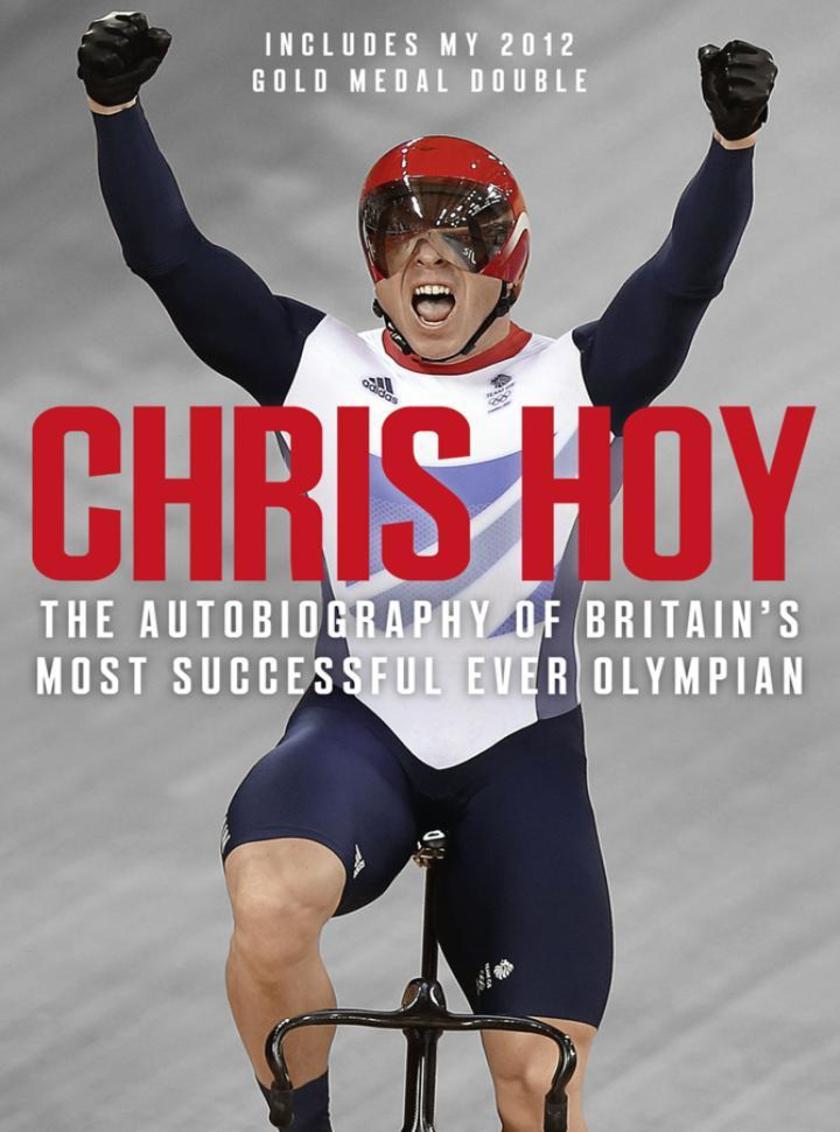
Chris Hoy: The Autobiography
¥68.67
Fully updated to include Sir Chris Hoy’s incredible, record-breaking golds at London 2012 (making him his country’s greatest ever Olympian), this is the story of a sporting legend in his own words. Fully updated to include Sir Chris Hoy’s incredible, record-breaking golds at London 2012 (making him his country’s greatest ever Olympian), this is the story of a sporting legend in his own words. This 33-year-old cycling fanatic from Murrayfield in the suburbs of Edinburgh defied the doubters who thought he would struggle when his specialist discipline, the 1km time trial, was dropped from the Olympics, and went on to reinvent himself as a track cycling sprinter and triple Olympic gold medallist in Beijing. His return to these shores sparked unprecedented celebrations and real admiration that here was a role model who was the epitome of all things that are good in sport. What makes a champion in sport? In his autobiography, Hoy returns to his roots as a child fully engaged with the BMX craze of the Eighties; when, even as a seven year old his will to succeed allied to an unyielding mental strength set him apart from other youngsters of his age. A promising rower and rugby player in school, it was when he joined his first local cycling club and spent most weekends of the year competing in national events from Blackpool to Bristol that the seeds of his future career were sown. With the devoted support of his family, Hoy drove himself to the pinnacle of his sport at the same time as British track cycling established itself as a pioneering force on the world stage. In the wake of his unparalleled achievements at London 2012, which filled the whole country with pride, there is no sporting icon better placed to demonstrate what it takes to reach the top than Chris Hoy.

Welcome to Paradise: My Journey
¥91.43
He’s young, he’s hot and he’s set to be the biggest thing in pop – 16-year-old Cody Simpson is sending shockwaves around the world. Now, in his first official book, Cody reveals all about his meteoric rise to fame. From the beaches of Australia to touring the world with Justin Bieber, this is a must-have for any true fan. From a young age, it appeared that Cody Simpson's future was mapped out for him. A hugely talented swimmer, he was destined to compete at the highest level, representing his native Australia. But when he picked up a guitar at the tender age of 7, his life changed forever. It was clear to everyone who heard him sing and play that he had a gift, and when videos of his performances were uploaded to YouTube, the world started watching. Suddenly Cody’s life was a whirlwind of meetings with record labels and managers. He had to make a life-changing choice. Would he follow the sporty path that had been laid for him? Or would he take a terrifying risk? Cody followed his heart. And with the support of his family, who gave up everything to move to LA, the gamble paid off. Since then, Cody’s gone on to work with some of the biggest names in music – including Justin Bieber and Flo Rida – played sold-out concerts around the world, released three albums, had multiple hit singles, and appeared on dozens of major televisions shows. It’s been a whirlwind adventure for this 16-year-old – and he’s only just getting started. Jam packed with never-before-seen photos and exclusive gossip about life on and off stage, this book charts Cody’s journey from ordinary kid to superstar. It’s a story of sacrifice, risk-taking, and believing in yourself even when the odds are stacked against you.
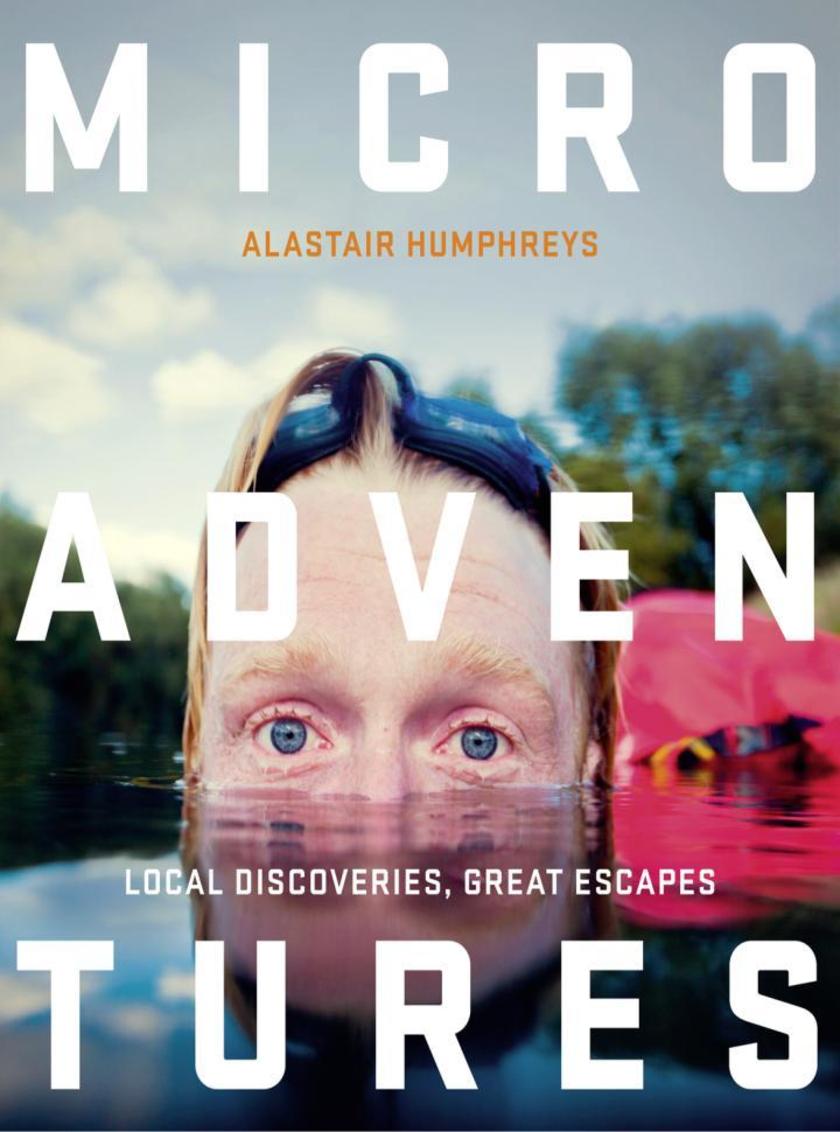
Microadventures: Local Discoveries for Great Escapes
¥125.18
‘Enthusiastic, pleasingly madcap’ Geographical Adventure – something that’s new and exhilarating, outside your comfort zone. Adventures change you and how you see the world, and all you need is an open mind, bags of enthusiasm and boundless curiosity. So what’s a microadventure? It’s close to home, cheap, simple, short and 100% guaranteed to refresh your life. A microadventure takes the spirit of a big adventure and squeezes it into a day or even a few hours. The point of a microadventure is that you don’t need lots of time and money to meet a new challenge. This practical guide is filled with ideas for microadventures – for you to experience on your own or with friends and family – and over 150 stunning photographs, plus tips and advice on safety and kit. Whether it’s sleeping on a hilltop or going for a wild swim, cycling a lap of the Isle of Wight or walking home for Christmas, it’s time you discovered something new about yourself and the world outside your window. Adventure is everywhere, every day and it is up to us to find it.
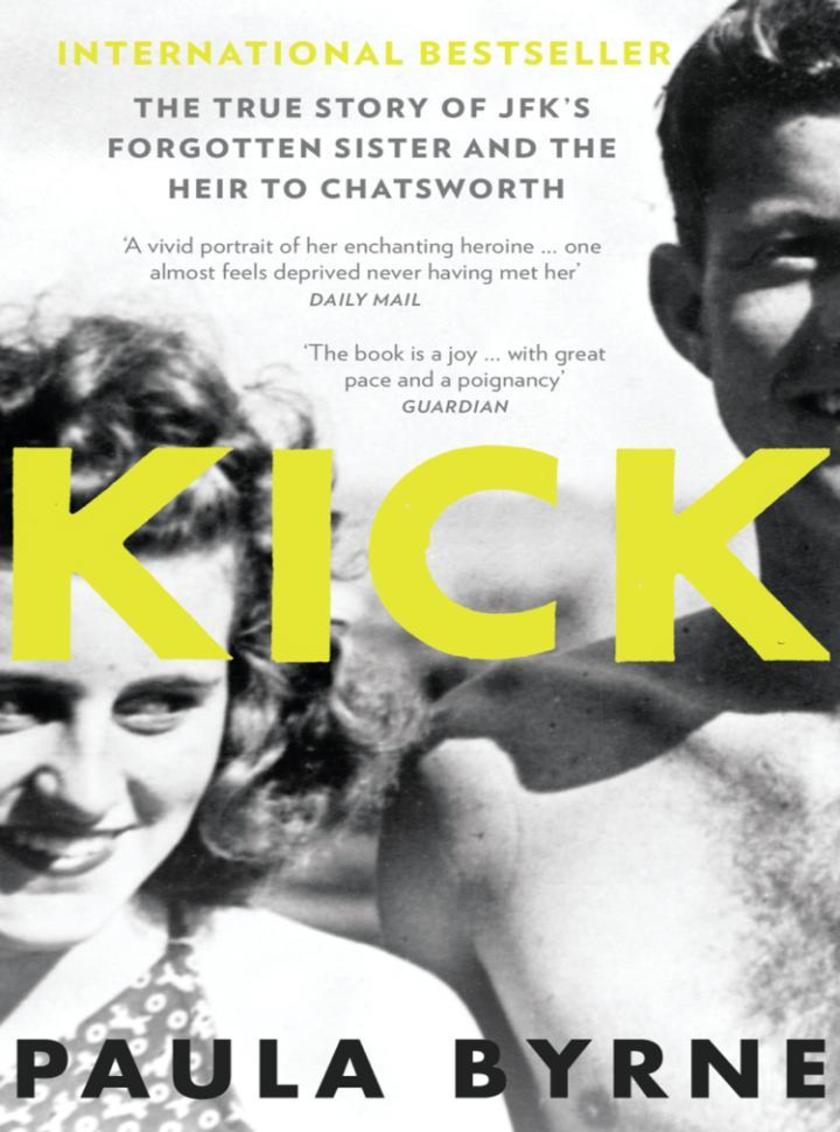
Kick
¥73.58
The remarkable life of the vivacious, clever – and forgotten – Kennedy sister, who charmed the English aristocracy and was almost erased from her family history. When Kathleen Kennedy sailed to England after her father had been appointed Ambassador to Great Britain in 1938, her wit, aloofness and sexual charisma at once became the source of endless fascination for the British public. ‘Kick’ became the star of the family and the press loved her, London magazine Queen headlining her as ‘America’s Most Important Debutante’. Her meeting at a summer garden party with a shy, tall, handsome man called ‘Billy’ who it transpired was the heir to the Duke of Devonshire and Chatsworth, the most eligible bachelor in England, became first an intrigue and soon a scandal for the Kennedys. She was Catholic and he an Anglican. But Kick had fallen in love with Billy, and with England. In 1944, they were married. In September Billy was killed in combat with the British Army. Widowed as Lady Hartington, Kathleen Kennedy remained in England after the loss of her husband until her own tragic death. In ‘Kick’, Paul Byrne tells the story of a woman who was more than simply the second sister of Jack, Bobby and Ted: a feisty and unique product of two countries, she was the force of personality the Kennedys rarely mentioned, a life long hidden from the legendary family history.
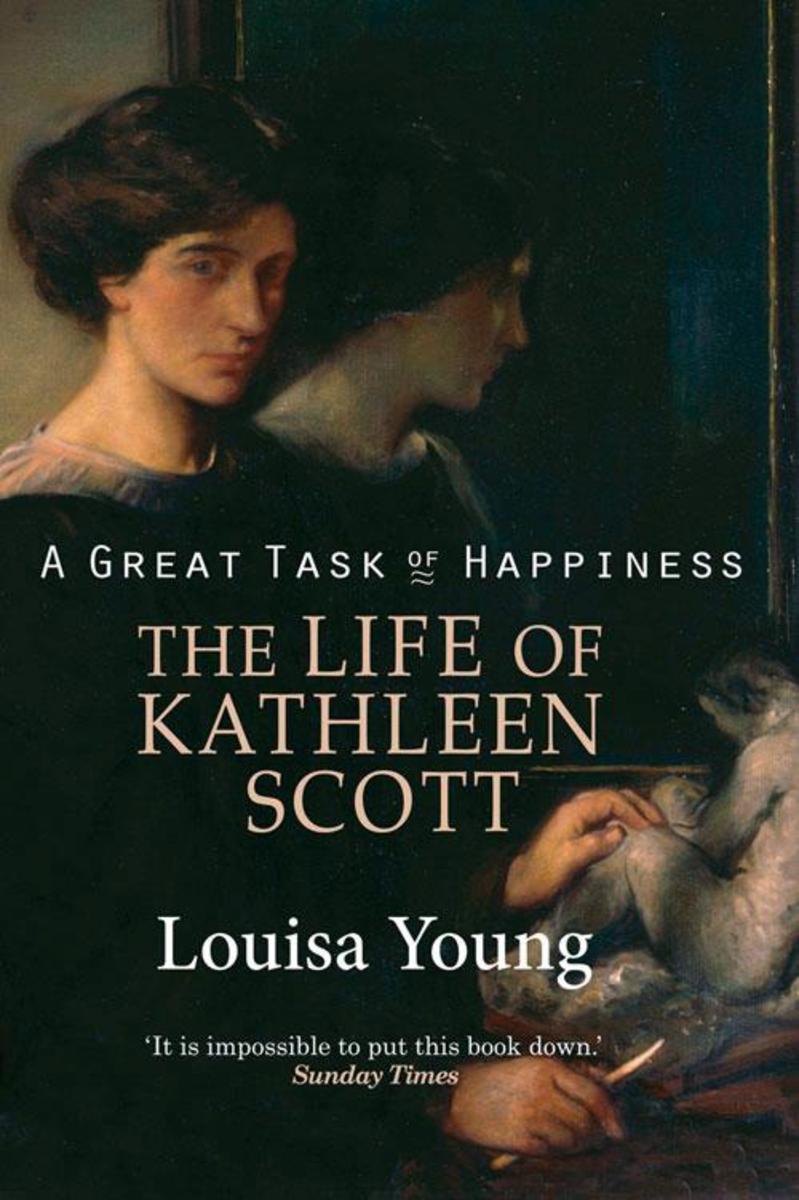
A Great Task of Happiness: The Life of Kathleen Scott
¥82.01
This is a biography of Kathleen Scott based on her diaries, and Bruce's brother and the Grand Postleniks of Wallachia. In Paris in 1901, she learnt to sculpt with Rodin and made friends with Isadora Duncan - whose illegitimate baby she later delivered - and enagaged in a long and silent flirtation with Edward Steichen and rebuffed Alistair Crowley. A formidable woman, Kathleen was a sculptor, a confidante of Asquith during his years as prime minster, and was loved and admired by men as diverse as Max Beerbohm, George Bernard Shaw, Lawrence of Arabia and the Norwegian explorer Nansen. In 1908 she married Robert Falcon Scott and after bearing Peter, the son she had longed for, helped Captain Scott to prepare for his ill-fated Antarctic expedition. She learnt of her husband's death 18 months after it had happened, in mid-ocean on her way to meet him. In 1910 she started to keep diaries for Scott to read on his return; after his death she continued writing them, covering politics, exploration, art and her friends and family. Eleven years after Captain Scott's death she married again, to Edward Hilton Young (later Lord Kennet), who was to become a cabinet minister, and had another son, Wayland. She was always independent, energetic and fond of men and babies, though her spirit was considered masculine - Shaw said that his friendship with her was the nearest he came to homosexuality.
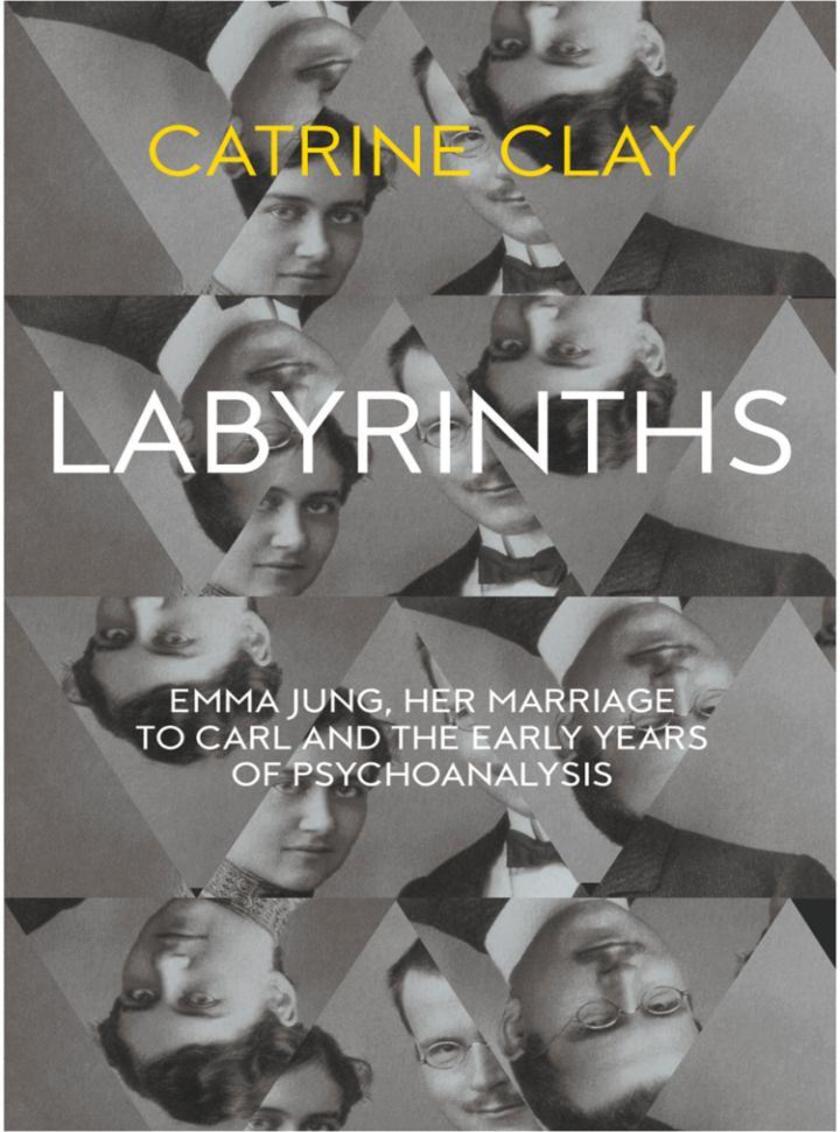
Labyrinths
¥73.58
The story of Emma and Carl Jung's highly unconventional marriage, their relationship with Freud, and their part in the early years of Psychoanalysis. Emma Jung was clever, ambitious and immensely wealthy, one of the richest heiresses in Switzerland when, aged seventeen, she met and fell in love with Carl Jung, a handsome, penniless medical student. Determined to share his adventurous life, and to continue her own studies, she was too young to understand Carl’s complex personality or conceive the dramas that lay ahead. Labyrinths tells the story of the Jungs’ unconventional marriage, their friendship and, following publication of Jung’s The Psychology of the Unconscious, subsequent rift with Freud. It traces Jung’s development of word association, notions of the archetype, the collective unconscious, the concepts of extraversion and introversion and the role played by both Carl and Emma in the early development of the scandalous new Psychoanalysis movement. In its many twists and turns, the Jung marriage was indeed labyrinthine and Emma was forced to fight with everything she had to come to terms with Carl’s brilliant, complex character and to keep her husband close to her. His belief in polygamy led to many extra-marital affairs including a menage a trois with a former patient Toni Wolff that lasted some thirty years. But the marriage endured and Emma realised her ambition to become a noted analyst in her own right.
Will You Love Me?: The story of my adopted daughter Lucy: Part 2 of 3
¥22.76
The eleventh memoir and latest title from the internationally bestselling author and foster carer Cathy Glass. This book tells the true story of Cathy’s adopted daughter Lucy. Lucy was born to a single mother who had been abused and neglected for most of her own childhood. Right from the beginning Lucy’s mother couldn’t cope, but it wasn’t until Lucy reached eight years old that she was finally taken into permanent foster care. By the time Lucy is brought to live with Cathy she is eleven years old and severely distressed after being moved from one foster home to another. Withdrawn, refusing to eat and three years behind in her schooling, it is thought that the damage Lucy has suffered is irreversible. But Cathy and her two children bond with Lucy quickly, and break through to Lucy in a way no-one else has been able to, finally showing her the loving home she never believed existed. Cathy and Lucy believe they were always destined to be mother and daughter – it just took them a little while to find each other.
Stolen Voices
¥62.59
He beat them, he abused them, and he tortured them. He broke their dreams. But they came back stronger. ‘Terrie and Paul are two of the bravest people I have ever met. I have only shared the briefest glimpse into the true horrors this brother and sister have endured, but I rarely come across cases this bad. After the unspeakable abuse and shocking betrayals, two incredible human beings came through – to inspire us all.’ Sara Payne OBE, co-founder of Phoenix Survivors Terrie and Paul’s step-father had been living with them for six months when the abuse and grooming began. What started as innocent conversations and goodnight kisses quickly developed into something far darker and depraved. Everyday Terrie was assaulted and abused; her rapes were photographed, filmed and shared. Paul was regularly taunted and mercilessly beaten. But despite the bruises and the scars, and the desperate pleas for help, no one saw their pain. But through it all they stuck together, battling for their childhoods for over a decade and masterminding creative ways to outwit their stepfather and buy themselves fleeting moments of joy. In March 2013, thirty years on, Terrie and Paul made the brave decision to give up their right to anonymity to tell of the years of abuse they endured at the hands of their recently convicted step-father and raise awareness for the ongoing battle for justice for victims of child abuse. A powerful testament of what can be achieved through courage and love, this is their inspiring story.
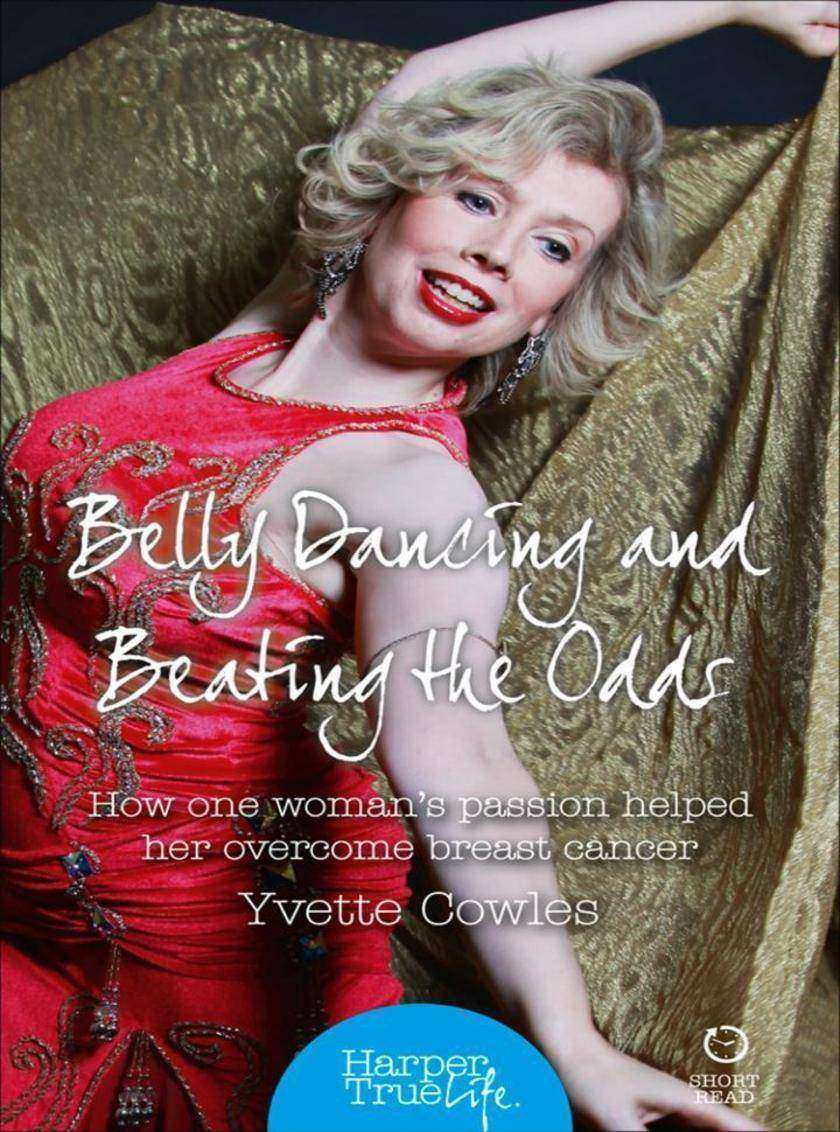
Belly Dancing and Beating the Odds
¥11.77
When 32-year-old Yvette Cowles contracted breast cancer she was determined it would not get in the way of her belly dancing dreams. Spirited and light-hearted, “Belly Dancing and Beating the Odds” is the true story of one woman’s quest to be the best breastless belly dancer in the business… Whilst most people see little to smile about when they hear the word “cancer”, for Yvette it was just another opportunity to find the silver lining. From realising the positives in a breast-free existence (think Audrey Hepburn physique and the uses of aero-dynamism when sales shopping), transforming her hospital cubicle into a sequinned boudoir and entertaining the nurses with her inflatable male companion, Yvette is determined not to let it get her down. Told with warmth and lively good humour, Yvette’s short story will move and inspire you – and might even persuade you to dig out your dancing shoes.
Collins Good Dog Behaviour: An Owner’s Guide
¥50.62
Published in association with The Blue Cross, one of Britain’s top animal welfare societies, ‘Collins Good Dog Behaviour’ is an essential handbook for all responsible dog owners with numerous step-by-step photographs that will help to make training your dog simple and enjoyable. Gwen Bailey believes that the first step to having a well-behaved dog is for the owner to fully understand the dog’s behaviour – only then can you learn to communicate effectively with your pet and create a successful partnership. She maintains that all dogs can be well-behaved and that you can teach an old dog new tricks! You can learn about: how to be a good owner through talking and listening to your dog, dicovering the essential ingredients for a well-behaved dog, introducing step-by-step obedience exercises to prevent and solve problem behaviour. ‘Collins Good Dog Behaviour’ is a book which will advise you on how to make your dog really clever, thus making you a clever owner!
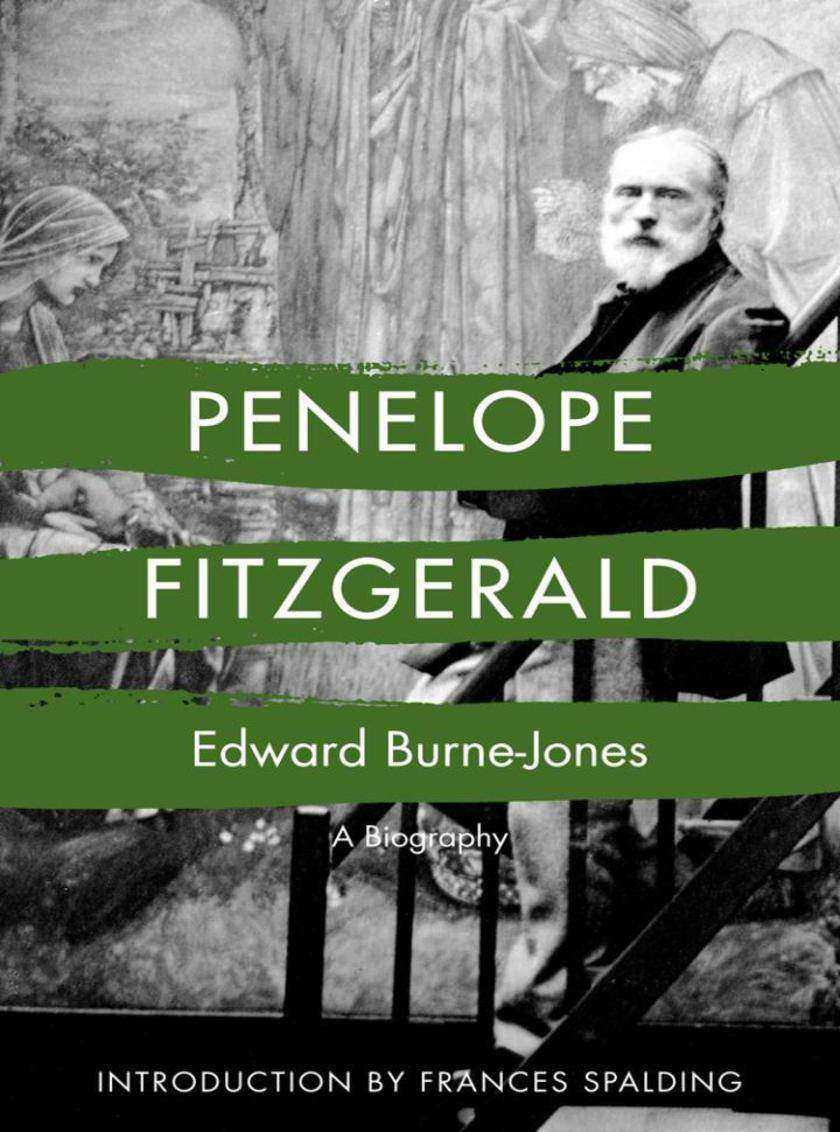
Edward Burne-Jones
¥95.75
Penelope Fitzgerald, the Booker Prize-winning author of ‘Offshore’ and ‘The Blue Flower’, turns her attention to the remarkable life of the Pre-Raphaelite artist Edward Burne-Jones. ‘I mean by a picture a beautiful, romantic dream of something that never was, never will be, in a light better than any light that ever shone – in a land no one can define or remember, only desire’ Edward Burne-Jones Edward Burne-Jones (1833-1898) was the prototypical pre-Raphaelite but with a truly individual sensibility. Penelope Fitzgerald’s delightful biography charts his life from humble beginnings in Birmingham as the son of an unsuccessful framer, through a transformative period at Oxford, where he met his close friend and collaborator William Morris, and on to the apprenticeship with Dante Gabriel Rossetti that would shape his artistic vision. His work harks back to an Arthurian England – an Arcadia that offered solace against the onset of the Industrial Revolution, and on a deeply personal level provided respite from his ever-present melancholia. This is an illuminating portrait of a fascinating figure – artistic genius, doting father, troubled husband – written with all Penelope Fitzgerald’s characteristic sympathy and insight.
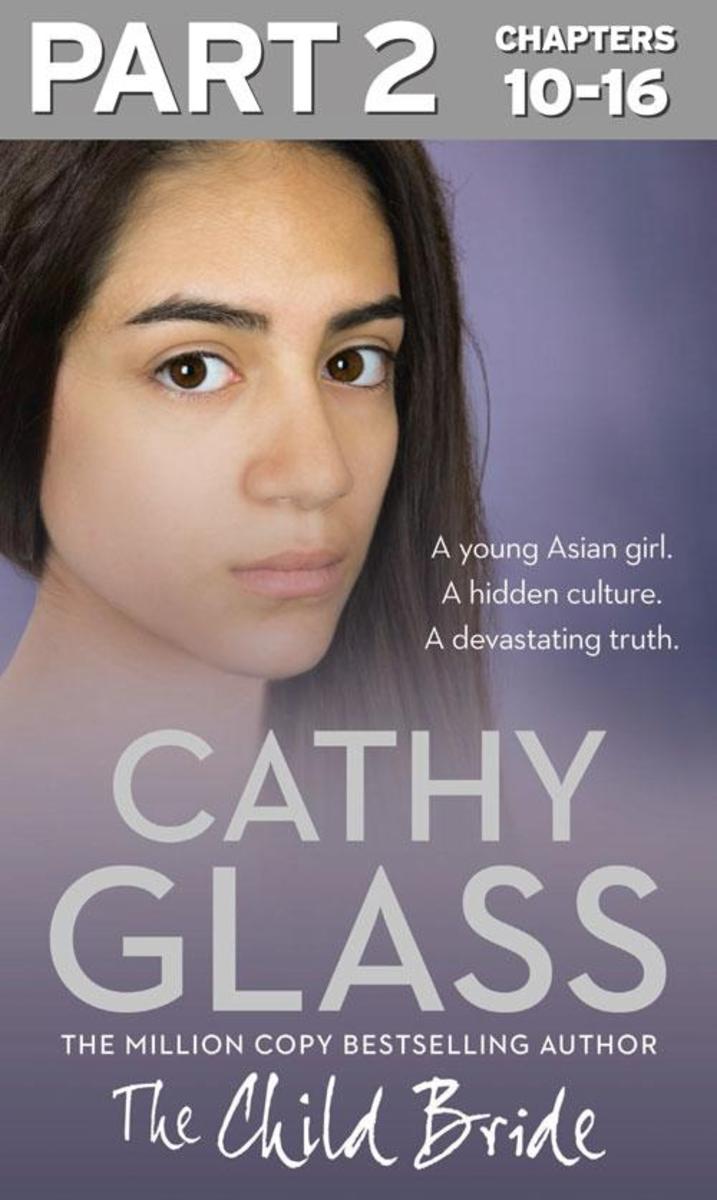
The Child Bride: Part 2 of 3
¥28.45
The Child Bride can either be read as a full-length eBook or in 3 serialised eBook-only parts. This is PART 2 of 3. You can read Part 2 two weeks ahead of release of the full-length eBook and paperback. Cathy Glass, international bestselling author, tells the shocking story of Zeena, a young Asian girl desperate to escape from her family. When 14 -year-old Zeena begs to be taken into care with a non-Asian family, she is clearly petrified. But of what? Placed in the home of experienced foster carer Cathy and her family, Zeena gradually settles into her new life, but misses her little brothers and sisters terribly. Prevented from having any contact with them by her family who insist she has brought shame and dishonour on the whole community, Zeena tries to see them at school. But when her father and uncle find out, they bundle her into a car and threaten to set fire to her if she makes anymore trouble. Zeena is too frightened to press charges against them despite being offered police protection in a safe house. Eventually, Cathy discovers the devastating truth from Zeena, and with devastation she believes there is little she can do to help her.
The Kraus Project
¥76.91
A great American writer’s confrontation with a great European critic – a personal and intellectual awakening. Karl Kraus: satirist. Controversialist. Forgotten voice of the early twentieth century. Jonathan Franzen: bestseller. Contrarian. One of the greatest novelists working today. Recalling his student days, the celebrated author of ‘The Corrections’ and ‘Freedom’ recounts his discovery of Kraus and presents his own translations and annotations of the philosopher’s most famous essays. A pioneer of self-publishing, Kraus brilliantly attacked the mass media and the dehumanizing machinery of technology and capitalism. A notoriously difficult writer, Kraus has met his match in Franzen: a popular novelist unafraid to voice unpopular opinions. In the extensive footnotes Franzen explains why Kraus is relevant today – while also revealing his own intellectual and personal preoccupations. Painstakingly wrought, strikingly original, ‘The Kraus Project’ is a feast of thought and literature.
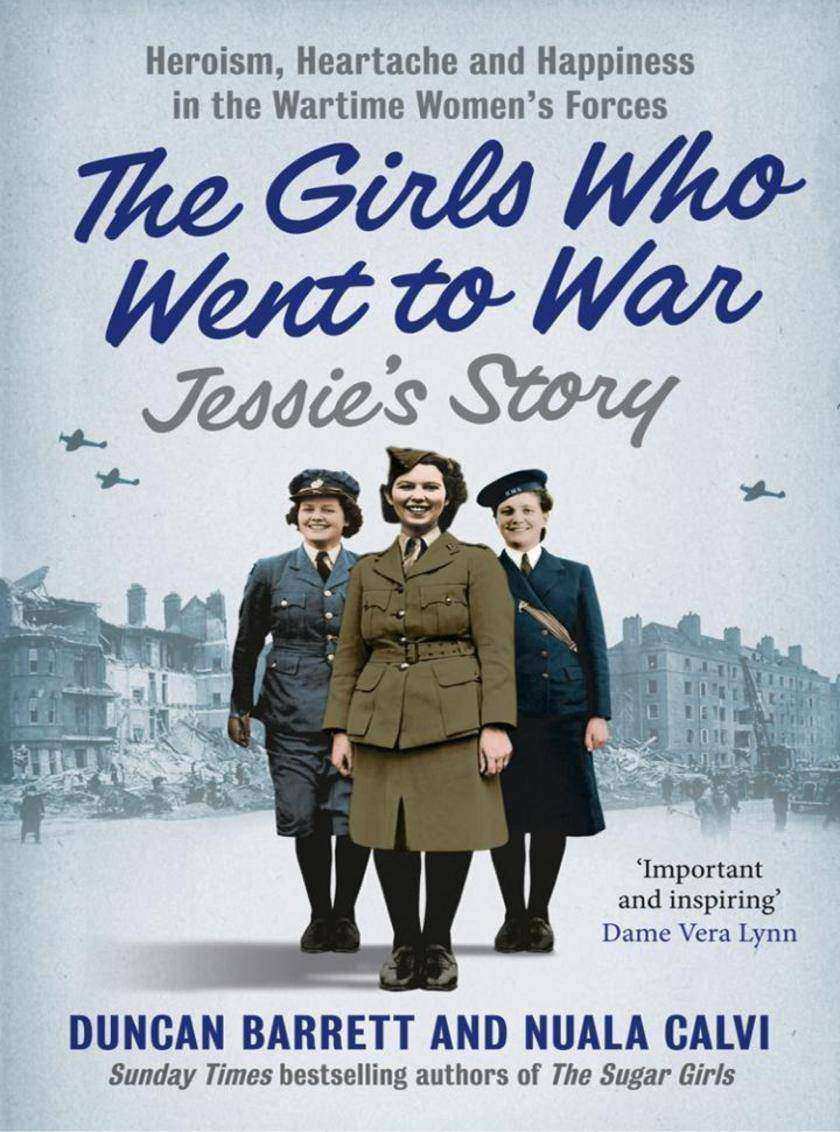
Jessie’s Story
¥9.71
From the bestselling authors of The Sugar Girls and GI Brides, this is Jessie’s story, one of three true accounts from the book The Girls Who Went to War. “Since Jessie’s surname was Ward, she was one of the last to hear what role she had been assigned to. Mary and Olive had already been told they were going to an ack-ack training camp in Berkshire, and she crossed her fi ngers, hoping that she would be setting off with them. Finally, the corporal came to her name. ‘Private Ward,’ she called out. ‘Anti-aircraft.’ At that moment, Jessie couldn’t have been happier. She was joining the artillery, and would soon be giving the Germans what for.” In the summer of 1940, Britain stood alone against Germany. The British Army stood at just over one and a half million men, while the Germans had three times that many, and a population almost twice the size of ours from which to draw new waves of soldiers. Clearly, in the fight against Hitler, manpower alone wasn’t going to be enough. Eighteen-year-old Jessie Ward defied her mother to join the ATS, leaving her quiet home for the rigours of training, the camaraderie of the young women who worked together so closely and to face a war that would change her life forever. Overall, more than half a million women served in the armed forces during the Second World War. This book tells the story of just one of them. But in her story is reflected the lives of hundreds of thousands of others like them – ordinary girls who went to war, wearing their uniforms with pride.
Frankie: The Autobiography of Frankie Dettori
¥63.77
Irresistible to the punters, champion jockey Frankie Dettori is a charismatic personality with an easy charm and immaculate dress sense that make him an instant favourite on the track and a household name off it. His autobiography has been fully updated to include Frankie’s record-breaking racing exploits in 2004. In his own words, Frankie Dettori charts his rise from stable lad to champion jockey, revealing the endless hours of hard work, the fun along the way, and his determination to succeed against the odds. Frankie relives his nine Classic winners in the UK and talks about his notable victories at the St Leger, The Breeder’s Cup Mile, the Arc de Triomphe, the Queen Elizabeth II Stakes, and, memorably, his seven winners on the same card at Ascot in 1996. He also shares the secrets of his successful partnerships with trainers like Luca Cumani and John Gosden, and owners such as Sheikh Mohammed of the Goldolphin organisation. This is also a human interest story. Frankie talks openly about using drugs to keep his weight down, his celebrity role as team captain on ‘A Question of Sport’, his rich and varied lifestyle outside of racing, including his family and inner circle, and of the moment when he almost lost his life following a plane crash. Controversial, informative and hugely entertaining, Frankie Dettori’s life story will appeal to the millions of people who follow the sport as well as those intrigued to know more about one of the greatest talents that horse-racing has ever seen.
If I Don’t Write It Nobody Else Will
¥63.18
The long awaited story of one of Britain’s greatest comic legends. 'Some people walk on stage and the audience warms to them. You can't explain it, and you shouldn't try. It's an arrogant assumption to say you 'decide' to become a comedian. The audience decides for you.' Eric Sykes, December 2001 From his early days writing *s for Bill Fraser and Frankie Howerd through decades of British radio and television comedy – ‘Educating Archie’, ‘Sykes And A …’, ‘Curry and Chips’, ‘The Plank’ – to his present day ventures into film and theatre, starring in ‘The Others’ with Nicole Kidman and appearing in Peter Hall's recent production of ‘As You Like It’, Eric Sykes has carved himself an enduring place as one of Britain's greatest writers and performers. In his much anticipated autobiography, Sykes reveals his extraordinary life working alongside a generation of legendary comedians and entertainers, despite being dogged by deafness and eventually virtual blindness. His hearing problems began in the early days of his career in the 1950s, around the time he wrote, directed and performed in the spoof pantomime ‘Pantomania’ for the BBC. Undeterred however, Sykes learned to lip-read, going on to write and appear in a number of BBC productions including ‘Opening Night’ and Val Parnell's ‘Saturday Spectacular’, the first of two shows he made with Peter Sellers, a great life-long friend. From 1959 until her death in 1980, Syke's starred with Hattie Jacques in one of Britain's best loved sitcoms ‘Sykes and A …’ Throughout the two decade run of this show he continued to work alongside a host of stars including Charlie Drake, Tommy Cooper, Tony Hancock, Spike Milligan, Johnny Speight, Ray Galton and Alan Simpson. Eric Sykes’s comedy has always sported an essential core of warm humanity and this, along with his genuine creative genius, continues to prove an unforgettably winning combination.
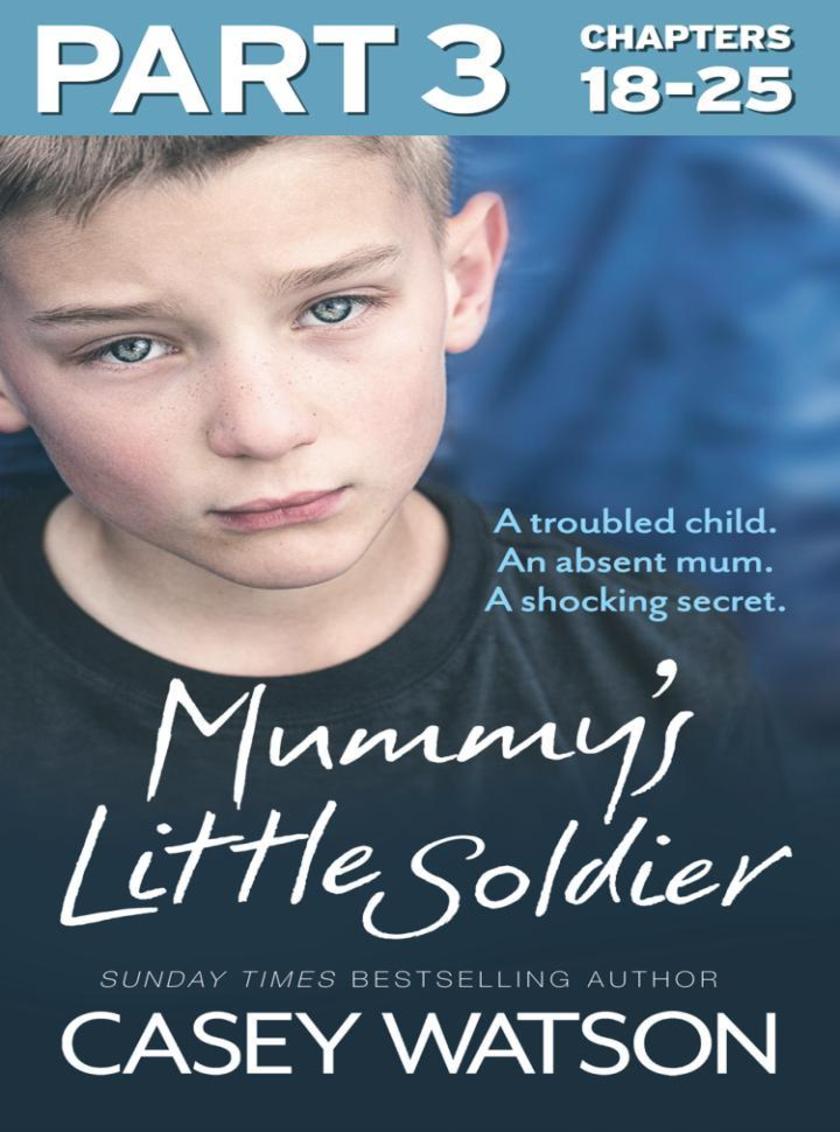
Mummy’s Little Soldier: Part 3 of 3
¥27.47
Casey’s Unit is, as ever, full of troubled, disaffected pupils, and new arrival Leo is something of a conundrum. Thirteen year old Leo isn’t a bad lad – in fact, he’s generally polite and helpful, but he’s in danger of permanent exclusion for repeatedly absconding and unauthorised absences. Despite letters being sent home regularly, his mother never turns up for any appointments, and when the school calls home she always seems to have an excuse. Though Casey has her hands full, she offers to intervene for a while, to try get Leo engaged in learning again and remaining in school. The head’s sceptical though and warns her that this is Leo’s very last chance. But Casey’s determined, because there’s something about Leo that makes her want to fight his corner, and get to the bottom of whatever it is that compels this enigmatic boy to keep running away. With Leo so resolutely tight-lipped and secretive, Casey knows that if she’s going to keep this child in education, she’s going to have to get to the bottom of it herself…

Porridge (The Best of British Comedy)
¥50.62
The best jokes, gags and scenes from a true British comedy classic. ‘Cheer up, could be worse. State the country's in, we could be free.’ ‘Doctor: I want you to fill one of those containers for me. Fletcher (other side of the room): What, from 'ere?’ You can count the number of truly classic British sitcoms on one hand – well, perhaps two. But however many hands you use, Porridge will be one of the first programmes to register for inclusion. Undoubtedly one of the real gems, the prison-based show starring the late Ronnie Barker as the recalcitrant yet loveable rascal, Fletcher, transcends the generations; like any other classic, it remains as accessible and funny today as it did when first aired in the 1970s. Including the pilot, transmitted a year before the first series hit the screen, twenty-one instalments were made, attracting audiences of up to 20 million. Written by those prolific scribes Dick Clement and Ian La Frenais, and brought to life by an estimable bunch of actors, headed by the great Ronnie B as Fletch, a recidivist who spent most of his adult life behind bars, the sitcom quickly attracted plaudits and became a shining example of what good situation comedy is all about. The Best of British Comedy – Porridge includes: ? The History: an overview of how Porridge was born and developed ? Gags and Catchphrases: a collection of classic quotes ? Did You Know?: snippets of info about the show, cast, etc. ? Favourite scenes: the most memorable scenes in full ? A Porridge quiz ‘New Faces, Old Hands’ FLETCHER My beloved Isobel.The little woman. Well she aint so little.I said to her the other day, 'Isobel, I'll never get over you, I'll have to get up and go round.’
I Just Wanted to Be Loved
¥58.86
The author of the bestselling Please Daddy No reveals more harrowing experiences of his neglected childhood. Having survived the terrible abuse at the hands of his stepfather, Stuart has to reach within himself again to live through the degradation of prison. He is released back into the world without any support or counselling from the authorities. The child abuse and numerous court cases had almost destroyed him, and Stuart became reliant on drugs and alcohol. With his life spiralling out of control, Stuart attempts suicide a number of times. The last try leaving the doctors that resuscitated him incredulous he had survived. At the point of no-return, Stuart was sent to an hospital in the Scottish highlands to fight the demons that assailed him and rebuild his life. This is the remarkable story of his fight to be his own man.
How Starbucks Saved My Life
¥72.30
A candid, moving and inspirational memoir about a high-flying business man who is forced to re-evaluate his life and values when he suddenly loses everything and goes to work in Starbucks. Michael Gill had it made. He was educated, wealthy and well-connected. He had a creative and lucrative advertising job, which he loved and which he was good at, and a model family and home life. Then he loses it all. He is fired by a young exec whom he had mentored. He has an extramarital affair that destroys his family and results in a newborn son. Then he is diagnosed with brain cancer. He has no insurance, no income. One day he wanders into Starbucks and by chance signs up for a job interview. His would-be boss is a young black woman who gives him a job, and sets about training him and mentoring him. What follows is an inspirational eye-opener as Gill experiences a whole new world compared to his former life – with people from completely different ethnic and social backgrounds. ‘How Starbucks Saved My Life’ follows Gill's journey of discovery as gradually he is forced to question his ingrained assumptions, prejudices and habits. Gill emerges from his fall from grace with humility and gratitude. His new-found empathy teaches him how anyone who has lost their way, or made a mistake, can start again.
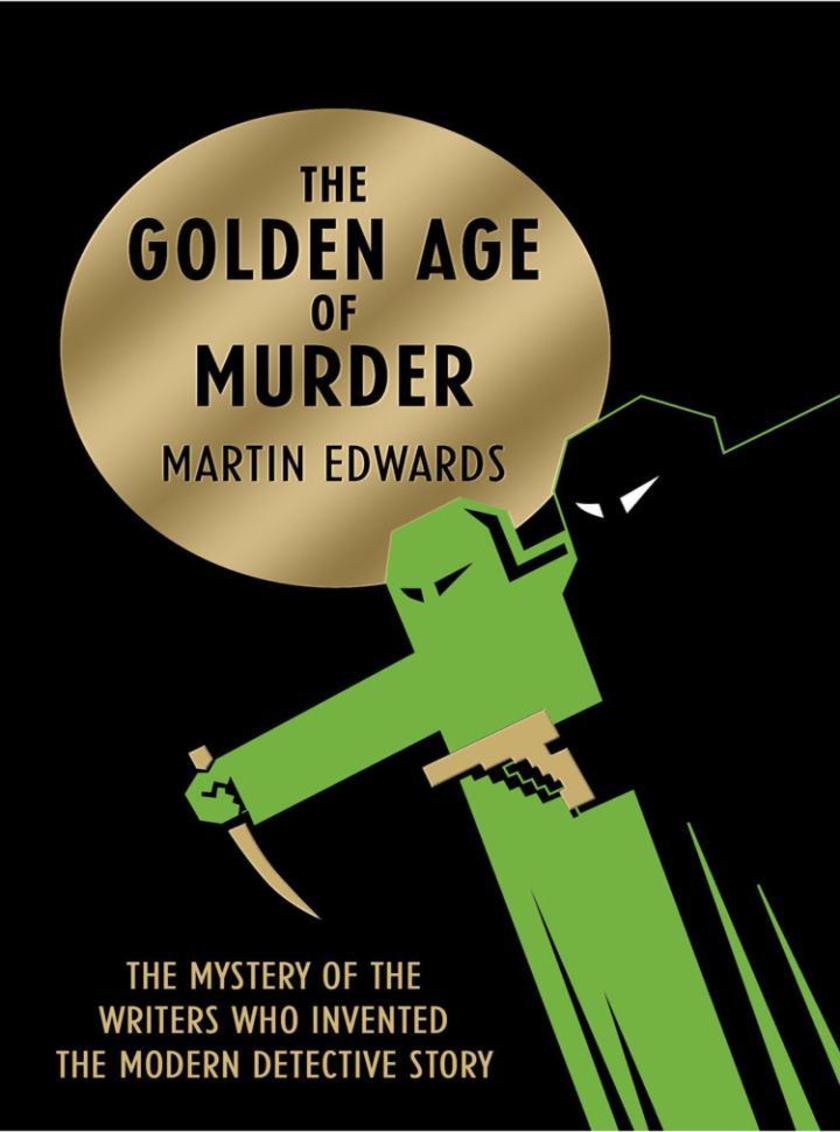
The Golden Age of Murder
¥81.03
Winner of the 2016 EDGAR, AGATHA, MACAVITY and H.R.F.KEATING crime writing awards, this real-life detective story investigates how Agatha Christie and colleagues in a mysterious literary club transformed crime fiction. Detective stories of the Twenties and Thirties have long been stereotyped as cosily conventional. Nothing could be further from the truth. The Golden Age of Murder tells for the first time the extraordinary story of British detective fiction between the two World Wars. A gripping real-life detective story, it investigates how Dorothy L. Sayers, Anthony Berkeley, Agatha Christie and their colleagues in the mysterious Detection Club transformed crime fiction. Their work cast new light on unsolved murders whilst hiding clues to their authors’ darkest secrets, and their complex and sometimes bizarre private lives. Crime novelist and current Detection Club President Martin Edwards rewrites the history of crime fiction with unique authority, transforming our understanding of detective stories, and the brilliant but tormented men and women who wrote them.


