


 购物车
购物车 个人中心
个人中心
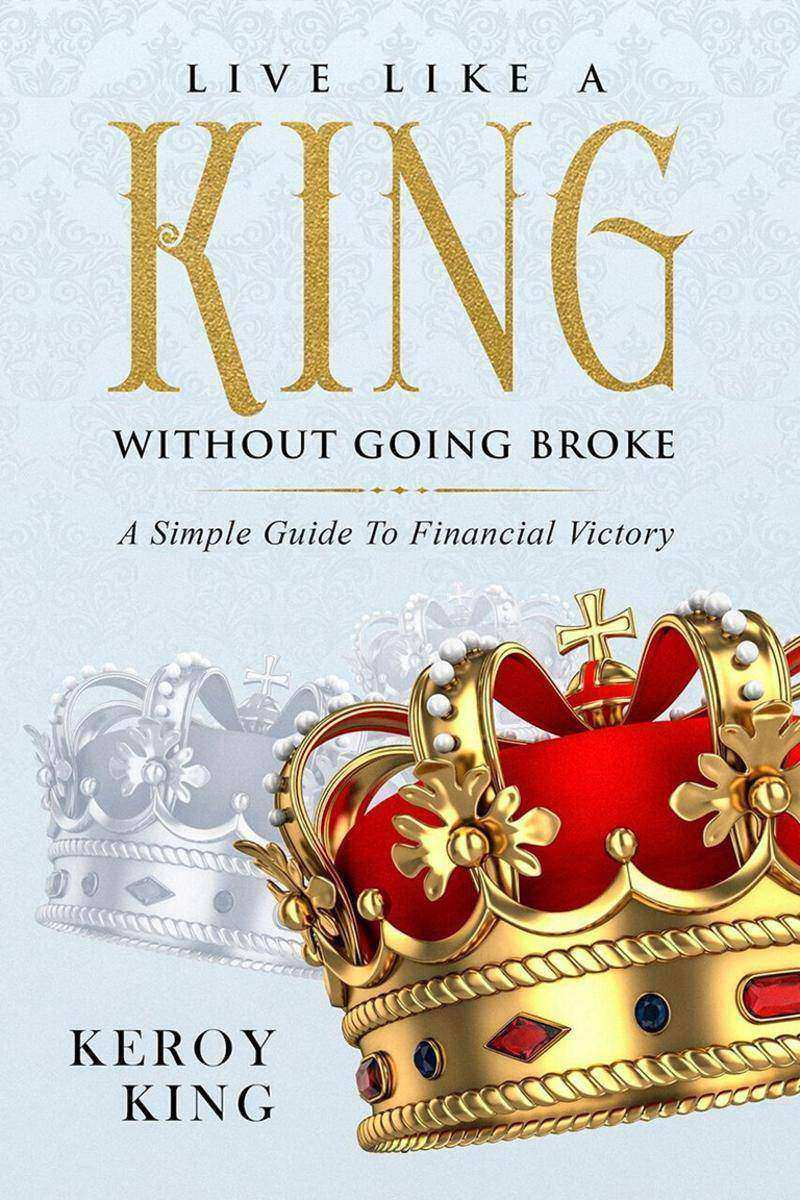
Live like a King without Going Broke: A Simple Guide to Financial Victory
¥69.67
Live Like A King Without Going Broke: A Simple Guide To Financial Victory In school, we spent years learning about science, language, math, and social studies from text books, but we spent very little time – if at all – on real life skills like saving, making, and managing money. Somehow, we’re supposed to just “pick up” how to manage our finances, as if innate to us! The truth is, money management is not a skill that we’re all born with – it’s acquired. The good news is that you can easily learn the skill! You’re about to learn how you can save, make, invest and manage your money like a pro! You will gain the wisdom and skills to manage setbacks, struggles, and financial strain today, tomorrow, and beyond! Here Is What You'll Discover From This Book:? Creating and staying with a budget Cutting expenses without sacrificing your lifestyle Saving money every day Getting out of debt Boosting your income Refinancing your mortgage How to boost your credit score Protecting your identity
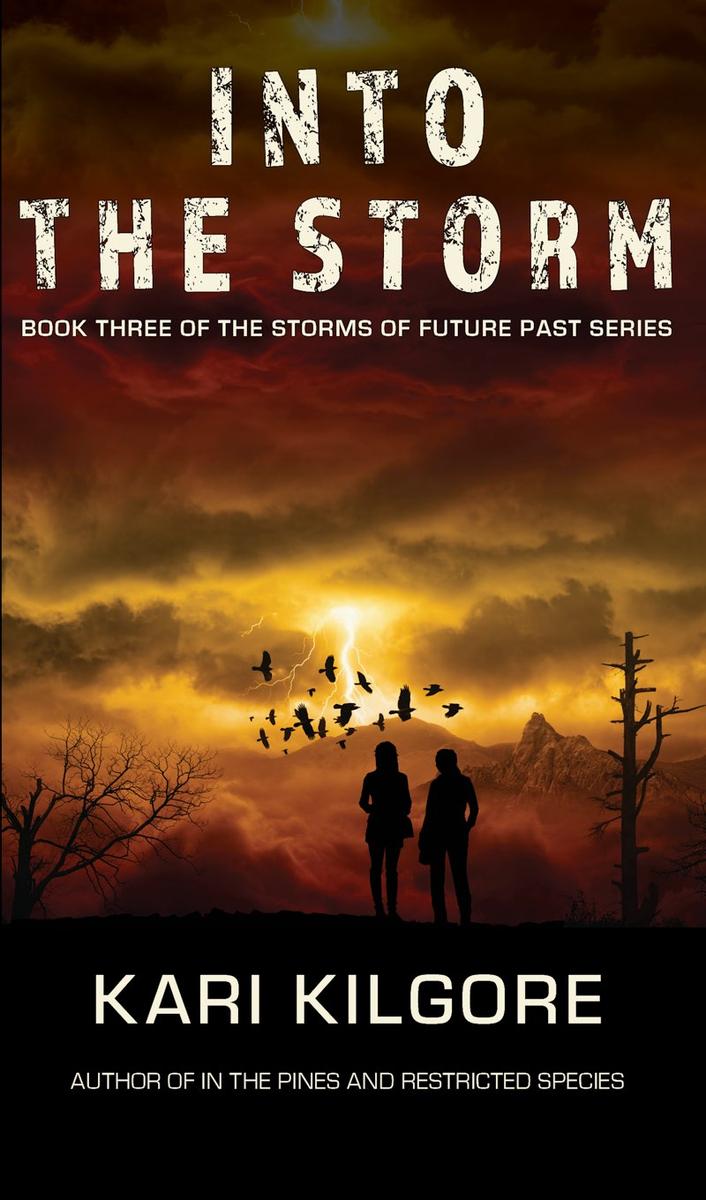
Into the Storm
¥34.79
The Storm Strikes Iris Rutherford’s paintings scare most people. Especially the strange ones. Even in her hometown of Maple Ridge, Virginia, her own peculiar magic makes her an outsider in a town full of them. Then Iris meets Gena Wallace, the first to understand. To see the visions, joyful and nightmarish, even before Iris sees. Will they survive as Iris’s nightmares come true? An excerpt from Into the Storm: “Did I say which this happens in?” Iris shivered as she stared at the painting. “Maple Ridge or Wolf Branch?” “No, honey, you didn’t,” Gena said. “Same with the one with the prison a couple of days ago. I couldn’t tell which. But I think you’re right. It’s one or the other.” “I don’t know what to do.” Iris paced back and forth, looking at all of the true images, growing stranger and more upsetting as the months passed. “If we go up there with food riots just a few hours away, we might not ever get back. I don’t know what the hell the two of us could do about this anyway.” “How long since you’ve heard from your parents?” Gena caught Iris’s hand, then pulled her into a hug. “The phones have been out for the last couple of weeks.” Iris? let out her breath in a rush, trying not to cry. “They had it pretty bad over the winter. Trees probably took out the phone lines. Maybe the power lines too.” “That’s not what you’re dreaming,” Gena said. “Nothing as simple as trees. Something’s wrong. Those three paintings go together.” “We just have to figure out why.”
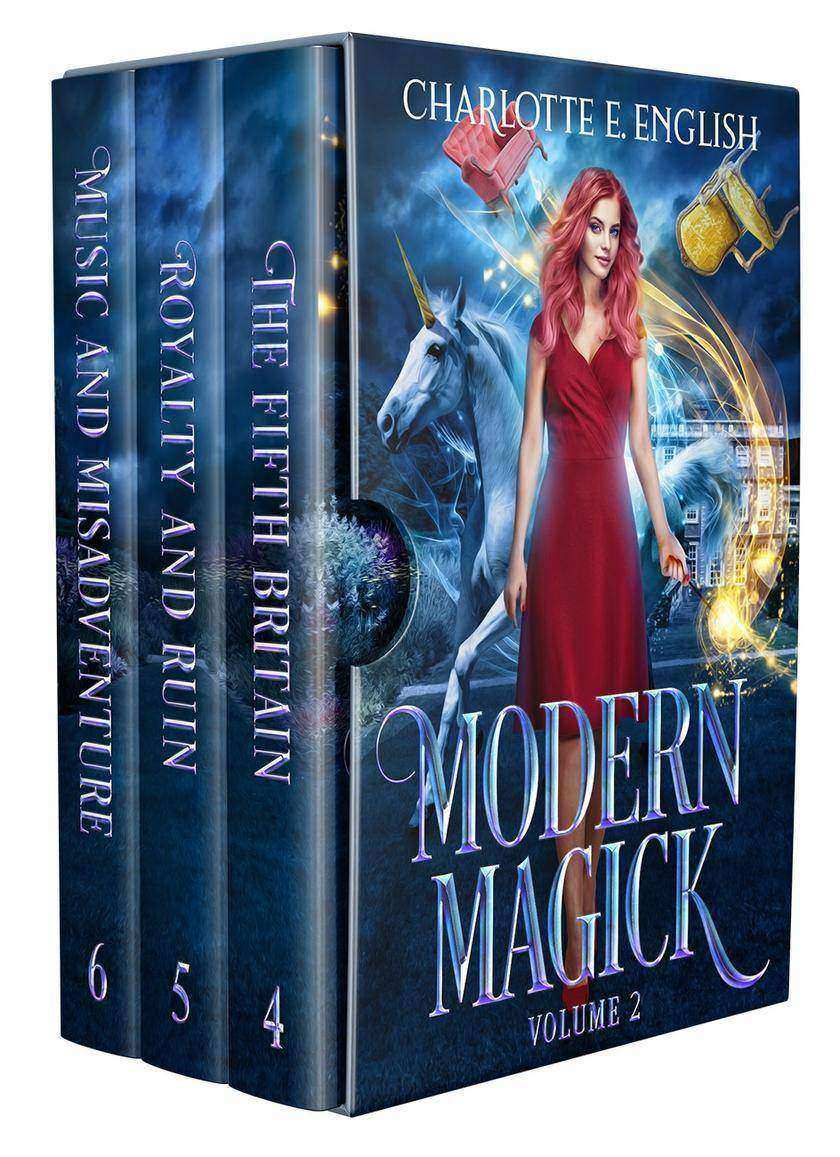
Modern Magick, Volume 2: Books 4-6
¥69.67
The fight to save British magick rages on — and it’s taking the Society’s beleaguered champions away from Home. Far, far away, to worlds long lost; worlds no one could ever have imagined existed. Dangers and mysteries abound, which is way up Ves’s street. Jay isn’t quite so sure. Severed as they are from the Society’s support, will magick’s unlikely heroes make it Home unscathed? It’ll be fine. After all, these lost magickal domains are the Society’s ultimate dream. What could possibly be so bad about that? The Society for Magickal Heritage battles modern decay in three thrilling new Modern Magick adventures: The Fifth Britain, Royalty and Ruin, and Music and Misadventure.

Retribution
¥87.11
Steve Yarrow returns from war to discover that his hometown is no safer than a war zone. His family is marked for murder and he is the first on the hit list. The only escape lies in identifying the assailant and the motive before it is too late. He is assisted by DetectiveDana Morales. Together they must discover the identity of the assassin and the warped motive that drives hatred against the Yarrow family.
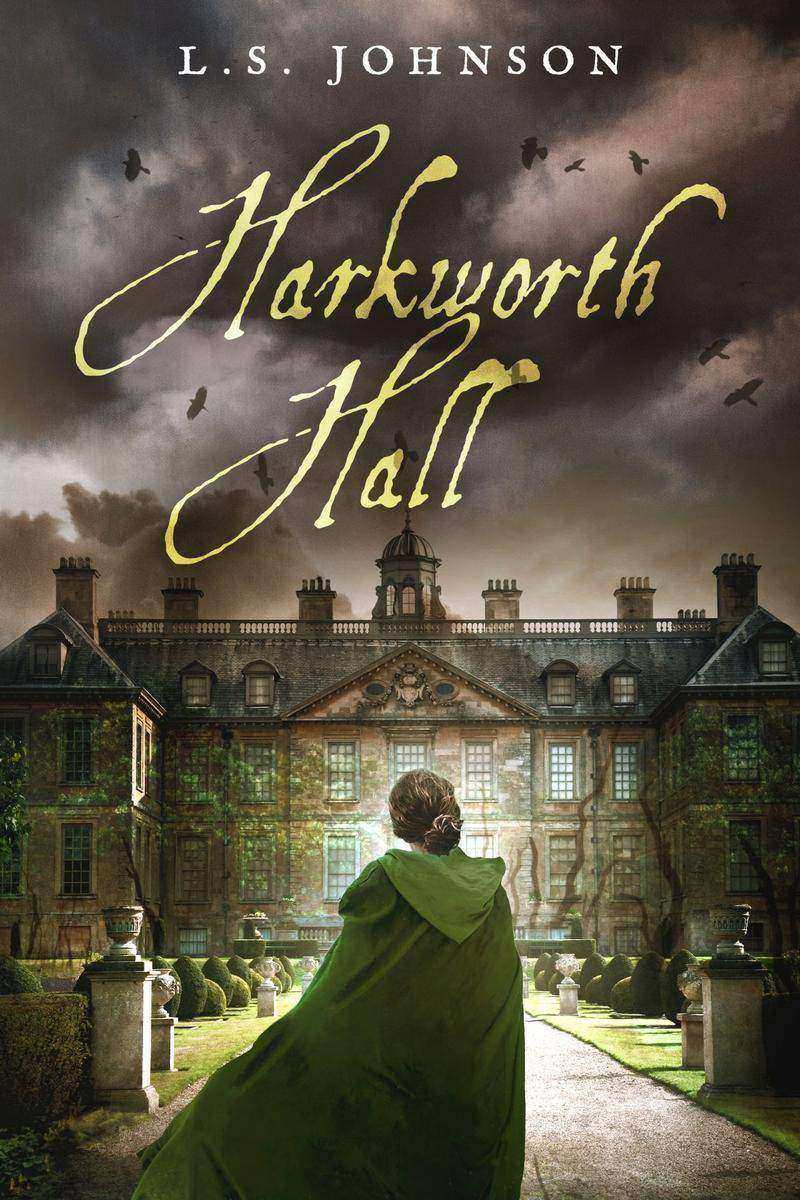
Harkworth Hall
¥26.07
Ask him about his wives. Caroline Daniels must marry, and marry well. But in her remote corner of England eligible suitors are few and far between, and none hold a candle to her closest friend, Diana Fitzroy. When Sir Edward Masterson arrives, he seems the answer to Caroline’s financial worries, though she instinctively dislikes the reticent, older merchant. Soon Sir Edward has set his sights on acquiring both Caroline and the decaying Harkworth Hall. Caroline’s future seems secure, save that Sir Edward’s enigmatic secretary hints at a dark secret, and Sir Edward shows an unusual interest in the nearby bay. To discover Sir Edward’s true purpose, Caroline will have to face the horror beneath Harkworth Hall—and the woman who will change her life.
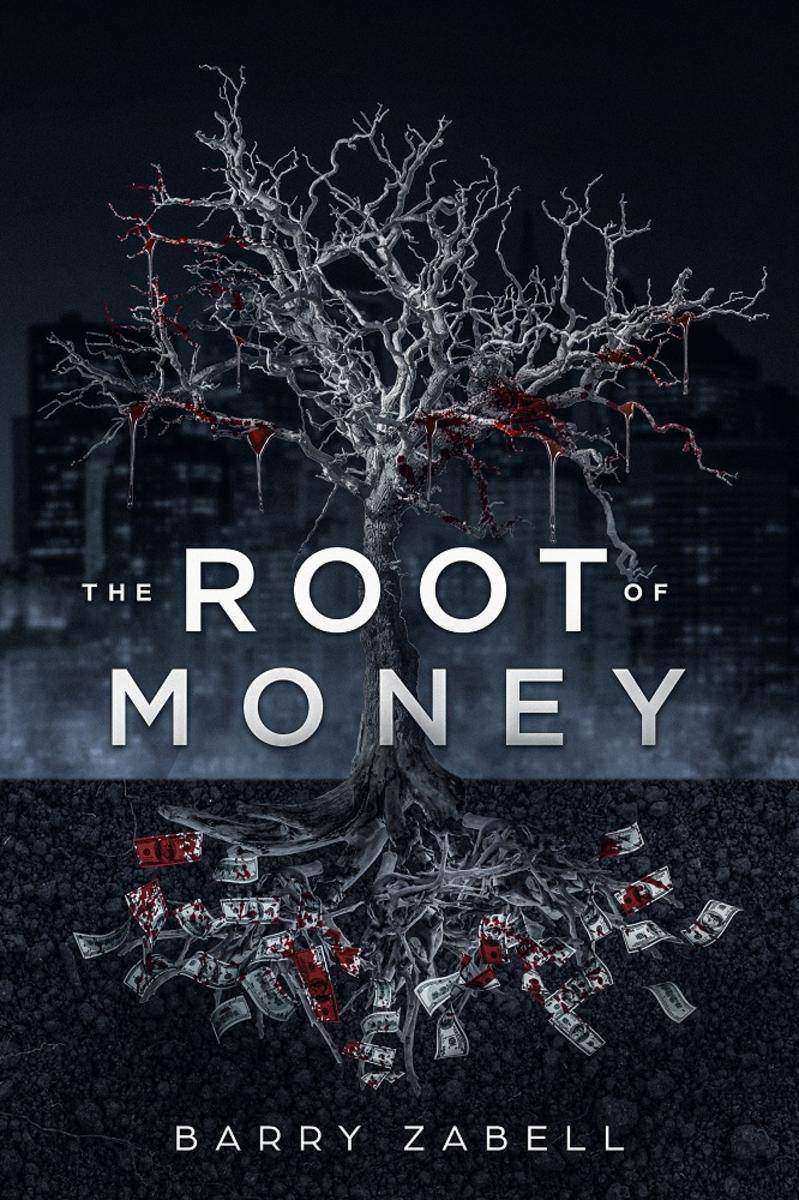
The Root of Money
¥60.95
Computer programmer and network security specialist, Tecumseh ‘Tek’ Carrier has been delving into matters he has been told do not concern him. Following abandonment by his family, Tek isolates himself in his son’s bedroom to spend long nights breaching his bank’s computer network, compiling money laundering information gathered from their database; enough information, he hopes, to make a difference before it is too late. ? From his estate in Lyons, France, Ahmed Al-Malmasi enjoys the finest vintages of the region and immersing himself in the history and culture of people he detests. Utilizing his great wealth, Al-Malmasi has launched a plot extending from Southeast Asia and the Spanish Riviera to the golden shores of the United States. While Al-Malmasi’s agents hasten to complete their mission, Tek battles bank corruption while struggling to reconnect with his family. ? Instigated by Tek’s revelation, American law enforcement race to identify the threat and prevent a disaster that will materialize directly in the path of Tek and his family.
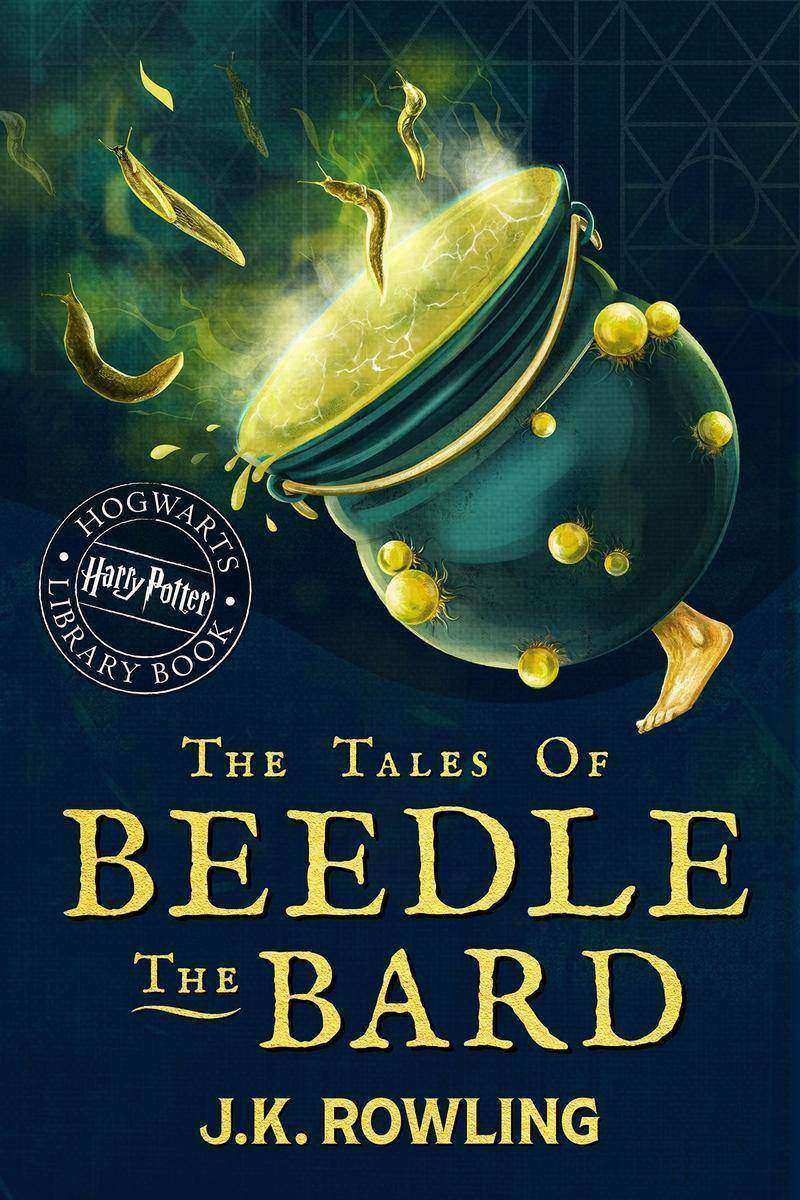
The Tales of Beedle the Bard
¥20.00
All profits from the sale of this eBook will go to Lumos, a charity founded by J.K. Rowling to end the institutionalisation of children worldwide. As familiar to many Hogwarts students as Cinderella and Sleeping Beauty are to Muggle children, The Tales of Beedle the Bard is a collection of popular stories written for young wizards and witches. Translated from the original runes by Hermione Granger, they include fascinating additional notes from Professor Albus Dumbledore, with intriguing glimpses into his life at Hogwarts, as well as illustrations from J.K. Rowling herself.For wizarding and Muggle readers alike, this is a must-have edition, featuring fate-seeking witches, a hairy-hearted warlock and the tale of the three brothers who tried to cheat Death . . .By buying this unique and special book, you are helping Lumos to make sure that, by 2050, no more children live in institutions or orphanages around the world, and that every child is able to enjoy their right to grow up in a family.All profits from the sale of this eBook will go to Lumos. The Lumos Foundation is a charity registered in England and Wales with registered charity number 1112575.
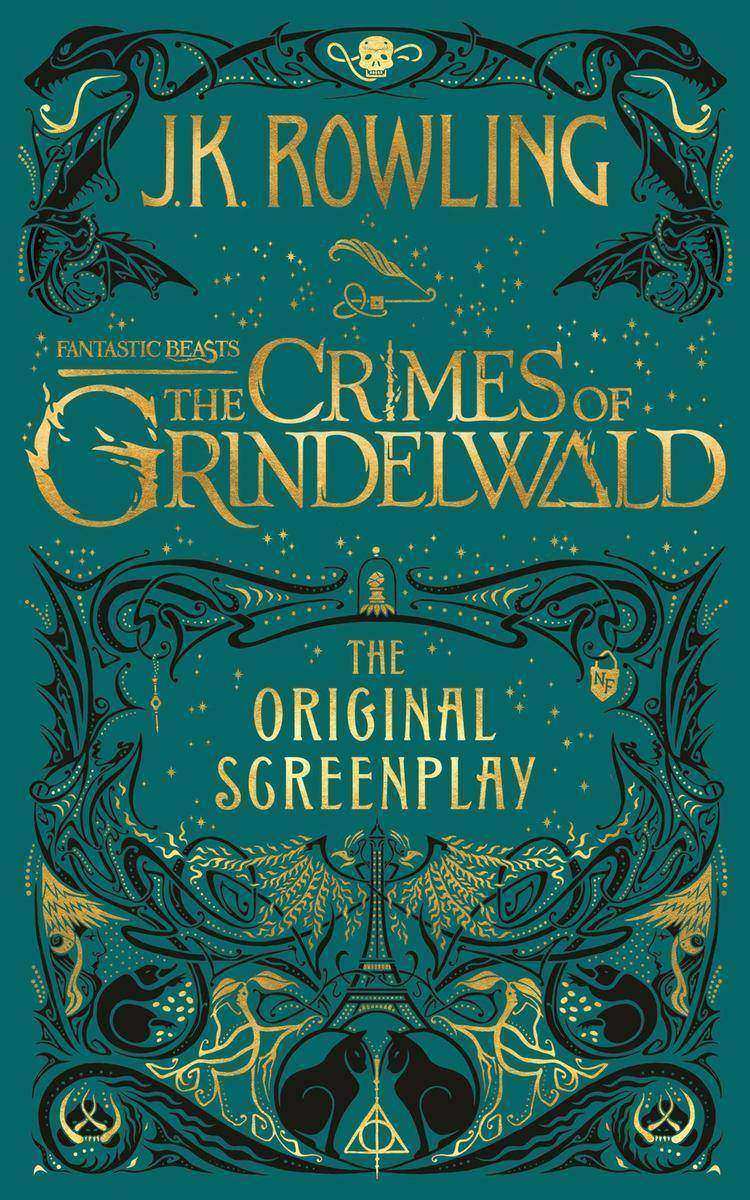
Fantastic Beasts: The Crimes of Grindelwald - The Original Screenplay
¥30.00
J.K. Rowling’s five-film Fantastic Beasts adventure series continues with the original screenplay for Fantastic Beasts: The Crimes of Grindelwald
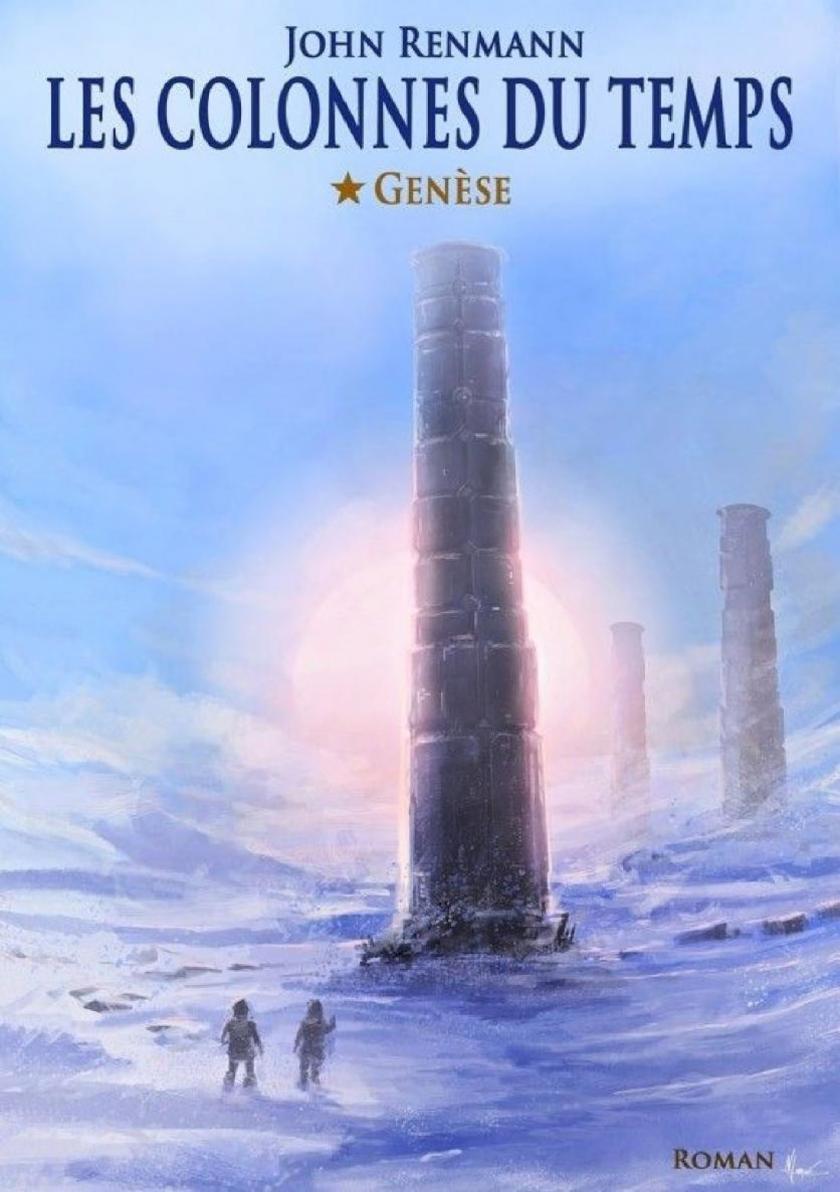
Genèse
¥28.51
Version révisée d'octobre 2015.Les colonnes du temps" est le conseil de lecture du site www.monBestSeller.com, sélectionné pour le Prix Concours de l'auteur indépendant 2015.Automne 2003.Notre planète est agressée par une sphère lumineuse qui dévore lentement sa surface.Seuls ses p?les semblent épargnés par l'avidité du monstre qui, en peu de temps, finit par effacer l’Europe et l'ouest asiatique.Tandis que la population mondiale se terre dans des grottes ou colonise l'Alaska, les nations s'organisent et b?tissent une immense base souterraine, en Sibérie.Celle-ci devient le refuge de scientifiques réunis dans une course contre l’annihilation totale de notre monde. Parmi eux, Patrick Schimmer, jeune géologue fran?ais qui, sans le savoir, jouera un r?le important dans le devenir de l'humanité.Ceci est son histoire...Ce qu'en pensent les lecteurs :?" Lisez-le ! Même si vous n'êtes pas amateur habituel de science-fiction comme moi. J'ai été englouti par cette histoire qui vous plonge dans un futur peut-être pas si lointain quand on voit ce qu'on fait à notre planète""Fantastique ! (et je ne parle pas que du genre). Je dévore et recommande. Ps. A quelle page commence l’histoire d’amour pour que tous les ingrédients du succès soient réunis ? !""Dès le départ on est dans le feu de l'action, les personnages sont captivants, le décor est bien planté. On ne s'ennuie pas, pour moi c'est le principal. Bon livre.""Un chef d'oeuvre d'imagination et d'humanisme, truffé d'humour et de références culturelles.""Il y a beaucoup de clins d'oeil pour la génération des quarantenaires ayant une même enfance et regardé les mêmes séries TV... (Est-ce que les jeunes d'aujourd'hui vont capter ??) Les personnages sont attachants, le livre est bien écrit."

Made for Each other: A Contemporary Christian Romance
¥0.01
When?her job brings her to the city where her grandmother lives,?Lissa?first meets Jason.?Though their attraction to one another is immediate, Lissa refuses to be tempted into romance with a man in Jason’s occupation. She has been influenced by her mother to believe anyone in a creative job has the potential for ruin and starvation. These childhood teachings drove Lissa to actions that she now regrets. Although Jason is handsome and considerate, Lissa is wary and feels it is better to have a husband with a secure job than one who is at the mercy of public trends. Jason is determined not to fall for another committed career woman, and risk the pain of breaking up, as he did with his former fiancé. Taking second place to his wife’s work is not what he wants in a marriage. In addition, he takes his faith seriously and worries about Lissa’s ambivalent relationship with God. Will past experiences stand in the way of their relationship or will they grow together to find true love? ?

The Becalmed
¥34.79
Bitan, the most valuable substance in the human universe, makes communication across vast distances possible.? Bitan only comes from one planet.? And that planet has a problem. The TransGalactic Corporation sends Luis Ahmad on a desperate mission to help the human colony on Bitanthra. Can Luis save the colony and stop the collapse of communications throughout the galaxy?
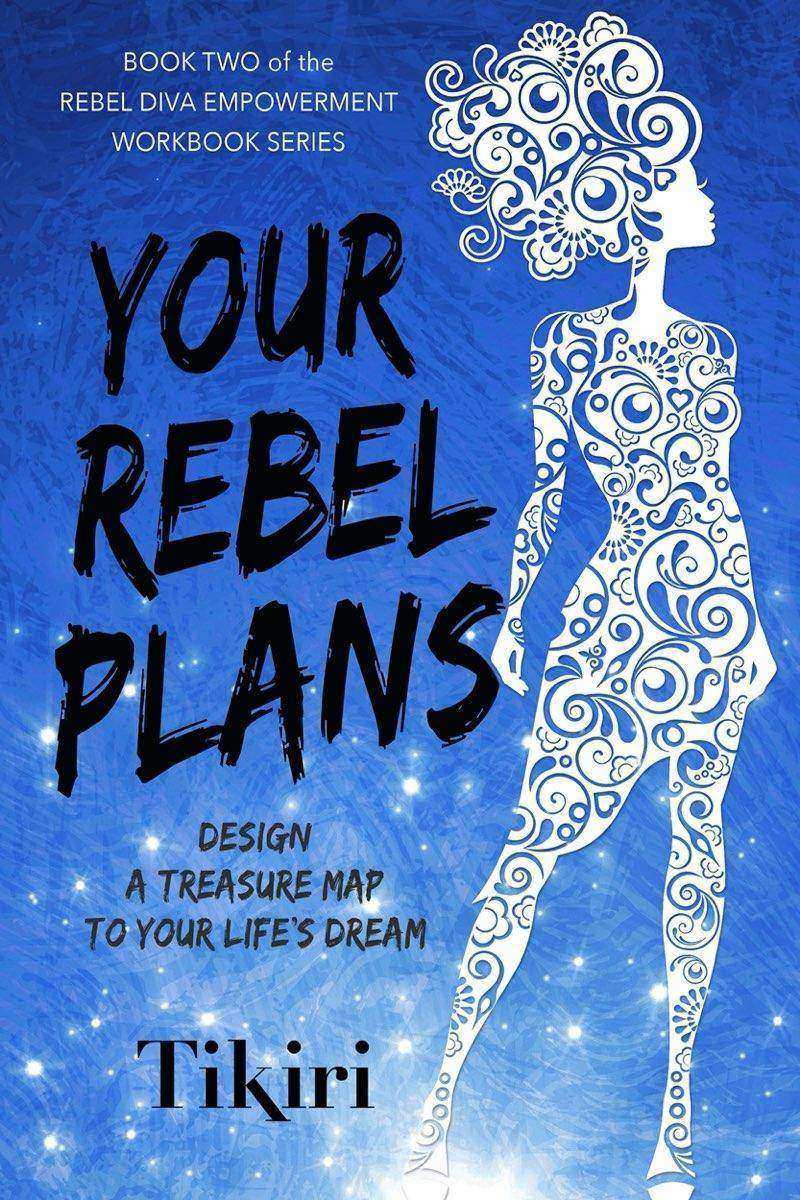
Your Rebel Plans: How to create a masterplan for your life's big dreams
¥87.11
Do you want to transition to a new career or job but have no idea where to start? Here’s a step-by-step guide for your next career move to get the results you desire faster and painlessly. *FREE 100+ page worksheet booklet inside.* This book will take you by the hand to create an easy-to-follow masterplan for your life’s dreams. Learn from award-winning author, Tikiri, who used the techniques in this book to go from being an immigrant teen with $20 in her pocket to managing multi-million-dollar projects and traveling the world. You’ll discover how to: Craft smart goals that align with your personal dreams and vision for life.Design a practical step-by-step execution plan to reach your vision.Manage your days and weeks more effectively, so you can reach your goals faster. And much more Your Rebel Plans is a life-changing workbook with down-to-earth advice, inspiring quotes and plenty of space for you to write your answers. If you’d like to create a roadmap to your dream future, pick up Your Rebel Plans today! ___________________ The Rebel Diva Series - Your Rebel Dreams – How to discover your purpose and power up your life.Your - Rebel Plans - How to create a masterplan for your career change. - Your Rebel Life – Easy habit hacks to transform the most important pillars of your life.Bust Your - Fears - Three easy tools to conquer your fears and upgrade your career and life. The Rebel Diva book series is for the busy working woman who's juggling everything and wishes life had more to give her. Don't just read self-help. Get the Rebel Diva guides that will take you by the hand and show you step-by-step how to create your dream life.
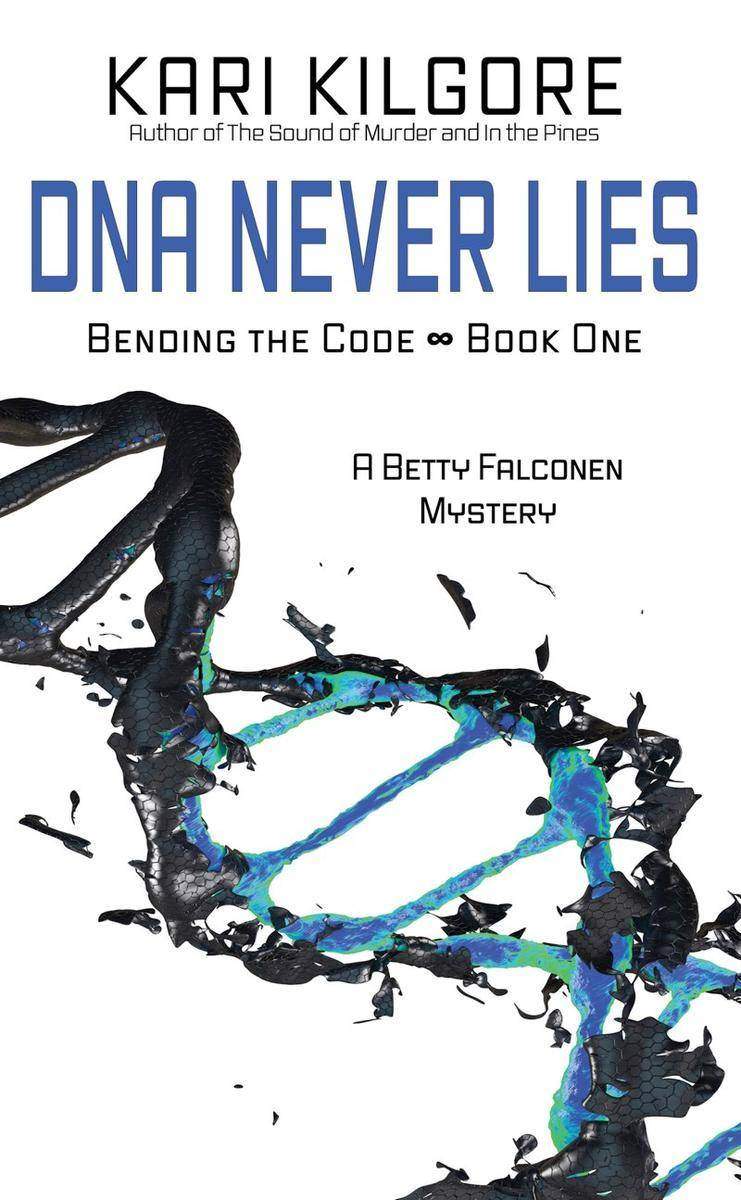
DNA Never Lies
¥34.79
Betty Falconen: the most overqualified low-rent geneticist in Atlanta. Overwhelmed by old insecurities and struggles to pay the rent. Her dreams of cutting-edge research withering on life-support. Betty wanted more from life and work. Will a stranger in a coffee shop bring the change she craves? Or prove her fears right after all? An excerpt from DNA Never Lies: An offer too good to refuse, but at what cost? One last surprise waited for Betty: an application to qualify as a contractor for the Baron County Police Department. Specifically, to re-examine evidence from recent crime scenes. A background check, a confidentiality agreement, and…an offer of payment. “Wow,” Betty whispered, shaking her head. Payment equal to what she’d earned over the last six months of work her lab assistants could do in their sleep. Turning Detective Willa Belladeux down cold didn’t seem nearly as easy as it had the night before, but not because of the money. Well, not only because of the money. The feeling of being in demand, of being appreciated, carried a lot more weight and influence. The idea of getting to work in the field she’d wanted. Yes, what she’d trained for. What her talents and skills were best suited for. All of that together got Betty up and dialing the number on the business card clipped to the application before she could change her mind.
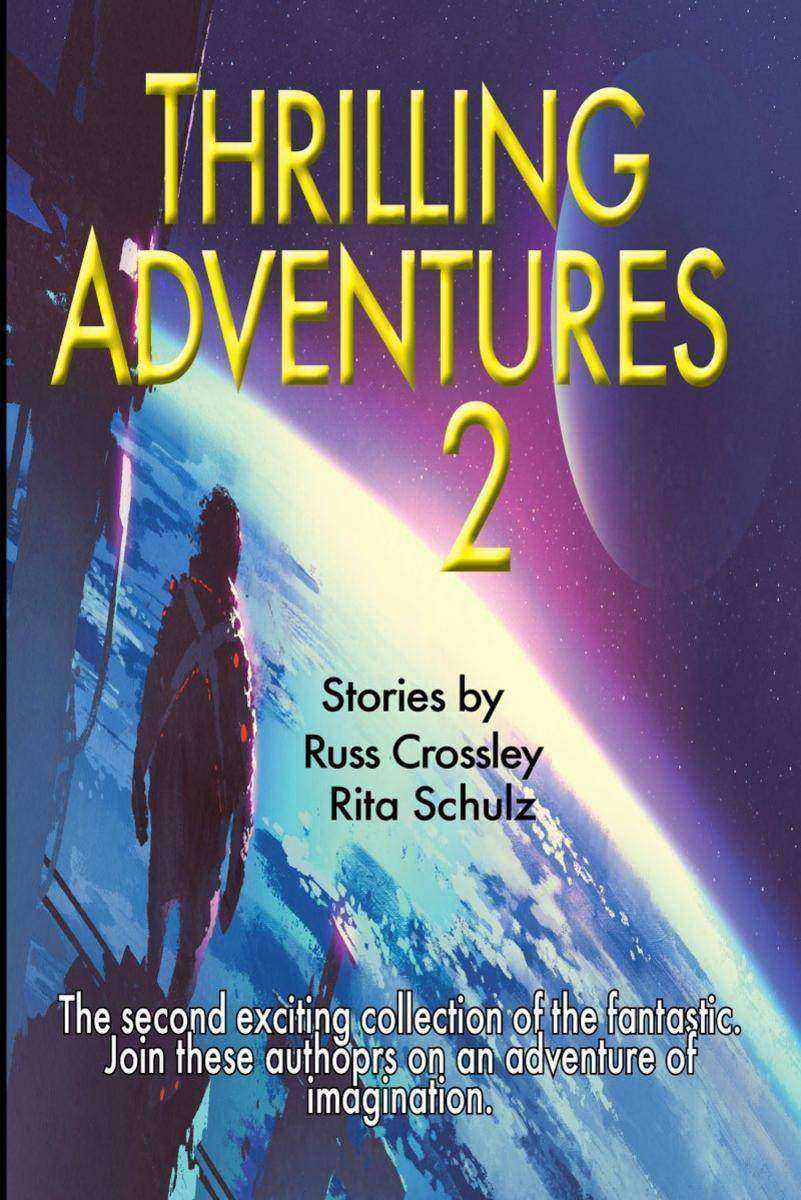
Thrilling Adventures 2
¥60.95
From modern tales involving myths re-told, to trips to the far future where the end of the world is imminent, to an alternate reality where a jetpack-wearing hero fights for truth and justice. Other tales include a vampire and an elf vanquishing evil thus saving the worlds they inhabit. ?A remarkable collection of exciting stories guaranteed to thrill you. ?Stories included: War Eagle Captain Virtue and the League of Evil The Beast of Cadboro Bay Dark Night A Simple Assignment Scavengers

The Cryptocurrency - Blockchain Connection
¥34.79
This special book is a real world combination of cryptocurrencies and blockchain technology. You begin with a precise blueprint of how to assemble a winning crypto portfolio. Then you continue on to expand your knowledge by entering the world of?blockchains beyond cryptocurrencies.? The official book of the 2018 Nordic Trading Competition at the Nasdaq OMX Exchange The book includes the following and much more! - Intensive and rapid guide to understanding the connection between cryptos and the blockchain - How to assemble and execute a crypto portfolio like a pro - Using crypto exchanges insider info to your advantage - Bitcoin and cryptocurrency trading tactics - How blockchain can be applied in your world - Smart contracts - ICOs This is a?combination of: The Next Level Of Cryptocurrency Investing and Blockchain: Real-World Applications And Understanding
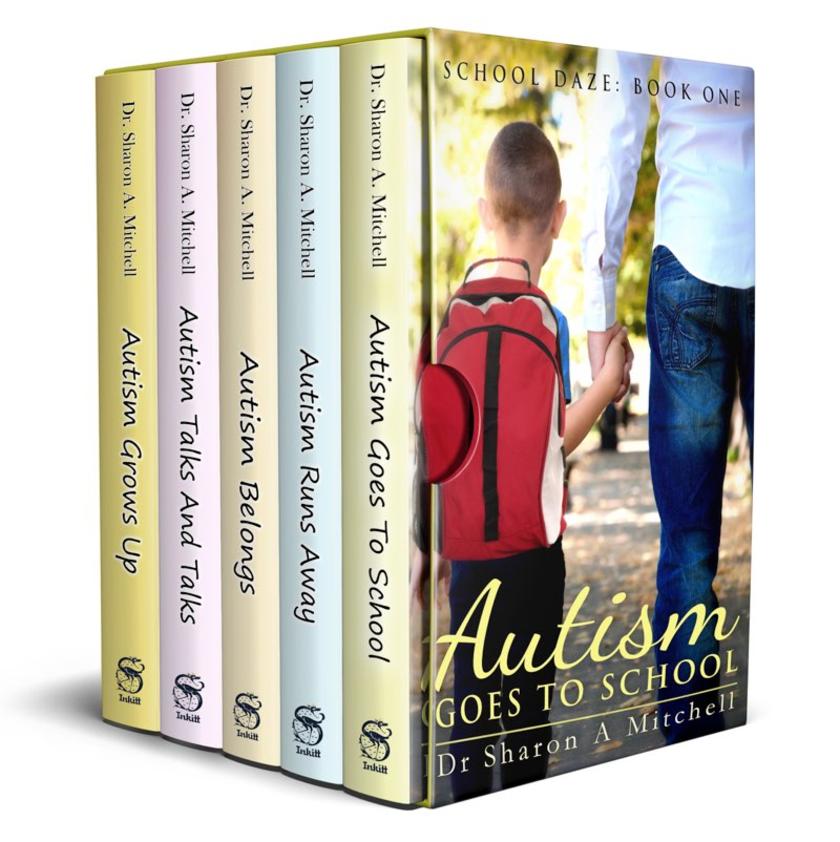
Autism Box Set: Books 1 - 5
¥78.39
A single dad. A special-needs child. Can he break down parent-teacher barriers to help his son? Ben’s frantic, sixty-hour workweek has no room for family. But when he learns he must care for the autistic son he never knew he had, he turns his can-do attitude toward helping his five-year-old adjust to a new school and home. And while he knows caring for Kyle will be challenging, he didn’t expect it to open his eyes to life’s everyday wonders… Schoolteacher Melanie is committed to a positive environment for every student. So when the new parent in class resists her advice for his ASD child, she fears he’s just another stubborn dad. But as she convinces Ben to work with her to support Kyle’s development, it could spark the beginning of a beautiful bond… From the creative mind of a psychologist, teacher, and specialist in autism disorders comes a collection of five memorable novels of life and love on the spectrum. Featuring schoolkids, shut-ins, and chefs, these unique fictional accounts depict the challenges and celebrate the joys of raising children and young adults with special needs. Autism Box Set contains Books 1-5 of the inspiring School Daze fiction series. If you like true-to-life stories infused with practical information, compassionate characters, and tales of overcoming adversity, then you’ll adore Dr. Sharon A. Mitchell’s heartwarming anthology. Buy Autism Box Set to join a brave journey of love and understanding today!
Meltdown (Diary of a Wimpy Kid Book 13)
¥158.82
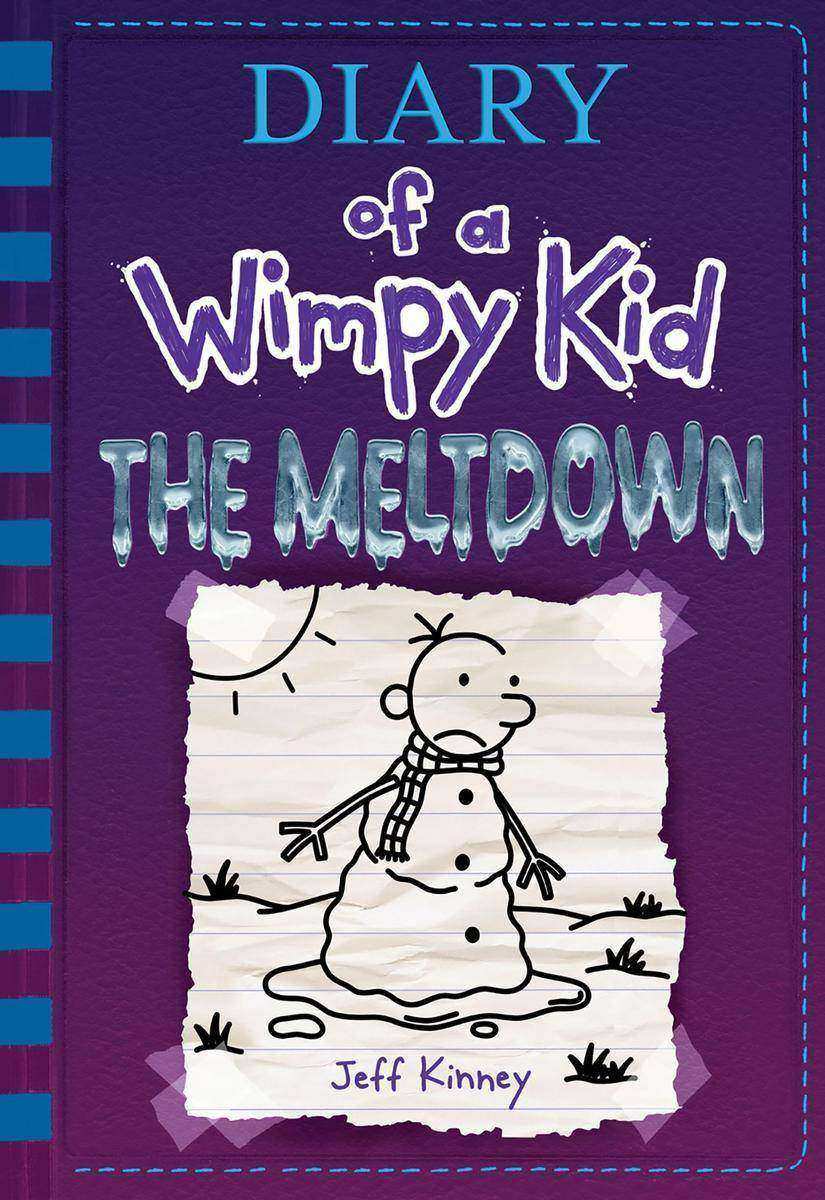
When snow shuts down Greg Heffley's middle school, his neighborhood transforms into a wintry battlefield. Rival groups fight over territory, build massive snow forts, and stage epic snowball fights. And in the crosshairs are Greg and his trusty best friend, Rowley Jefferson. It's a fight for survival as Greg and Rowley navigate alliances, betrayals, and warring gangs in a neighborhood meltdown. When the snow clears, will Greg and Rowley emerge as heroes? Or will they even survive to see another day?
Breaking Bad 101 - The Complete Critical Companion
¥138.52
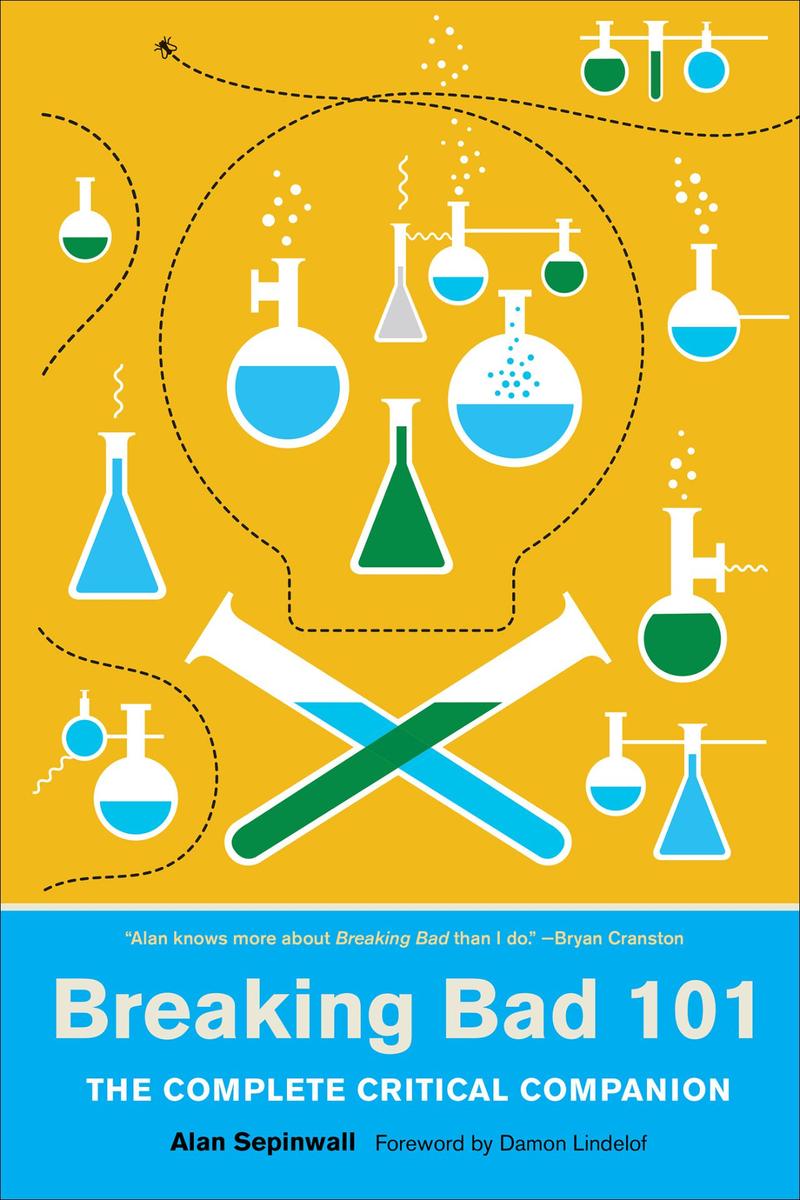
AMC's Breaking Bad is among the most beloved, critically acclaimed American television series of our time. Created by Vince Gilligan, the series charts the transformation of high school science teacher Walter White (played by Bryan Cranston) into a cold, calculating meth kingpin. Breaking Bad 101 collects esteemed critic Alan Sepinwall's (Uproxx) popular Breaking Bad recaps in book form, featuring new, exclusive essays and completely revised and updated commentary-as well as insights from and interviews with the creative masterminds behind Breaking Bad. The ultimate critical companion for one of the greatest television dramas of all time, Breaking Bad 101 offers fans Sepinwall's smart, funny, and incisive analysis of the psychology and filmmaking craft behind each episode and celebrates the series' unique place in pop-culture history.
Viking Goddesses and Seeresses
¥69.67
This book is the first of the Forbidden Knowledge series. Where did the power of Viking seeresses, dazzling goddesses, the Nornir, or Fates and the formidable Valkyries come from? To find the answer to this question the authors first examine the Old Norse mythology in order to decipher the ancient wisdom of women. Following this survey, the second part of the book explores what became of these mighty female figures, how their powers were transformed over time. The book is closing with a look at several questions related to the modern day: “How is ‘feminine lore’ understood today?” “What are its roots and how do they still affect humankind?” “How is what this book terms ‘the legacy of sight’ still useful?” The responses will both pinpoint what it is that the Norse women left behind them, and demonstrate how that legacy is still woven into the fabric of the present.This non-fiction book provides an outstanding analysis and a careful reinterpretation of Icelandic sagas and poems for properly understand the nature and power of the first mistresses of the Icy North. The research presented here goes deep to unveil the real meaning of the medieval chroniclers’ handiwork. Every detail of every Icelandic saga and poem cited in this book has been translated by the authors uniquely from the original manuscripts. The book contains more than 60 colourful illustrations, an Appendix with nearly 70 separate encyclopaedia articles and hyperlinks to 21 original Icelandic manuscripts and 17 referred websites.
Tales of the Abducted Princess: Adult Romance
¥26.07
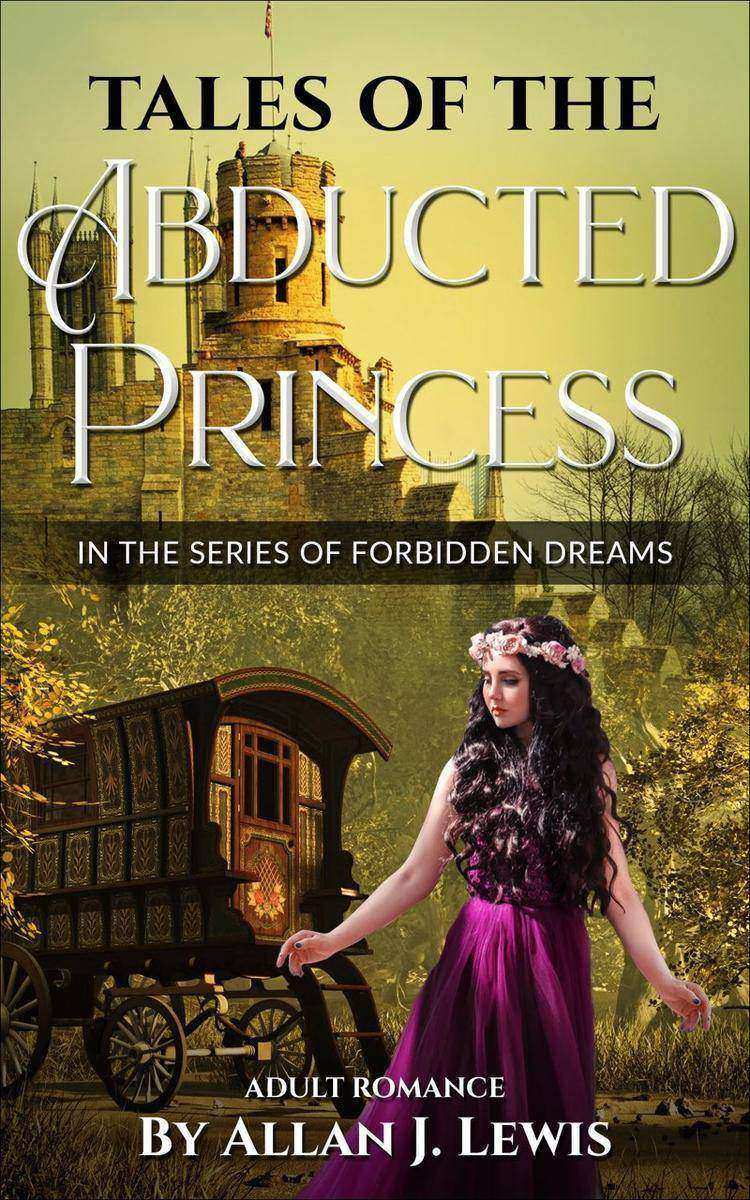
Jean is a headstrong nineteen-year-old girl that knows what she wants, and that is to marry Joe the Blacksmith, he keeps saying he is too old for her that he is old enough to be her father. But his age doesn’t worry Jean especially after she had wormed her way into his bed and found out what a good lover he was. Jean finds loads of other men to satisfy her lust as she tells Joe about them just to tease him. Joe had promised Jean’s father he would bring Jean up as best as he could when he and his wife were handed Jean to them as a baby. Joe’s wife died and Joe struggled to bring Jean up on his own as a travelling blacksmith going from village to village in a caravan, he tried not to fall in love with Jean but he failed all too easily. Joe has a big secret to tell Jean, and he was sure she would hate him when she finds out, and the king would have him hanged for his relationship with Jean. Tale of the Abducted Princess is an Adult Romance set in England in the 1060s when there was a lot of unrest in England. Jean has been brought up more like a boy as Joe taught her to hunt with the bow and arrow, he taught her so well that she became a huntress. Follow Jean as she hops in and out of bed with the king’s soldiers and discovers a plot to kill a member of the royal family. Will, she catches the two assassins in time and will she forgive Joe.
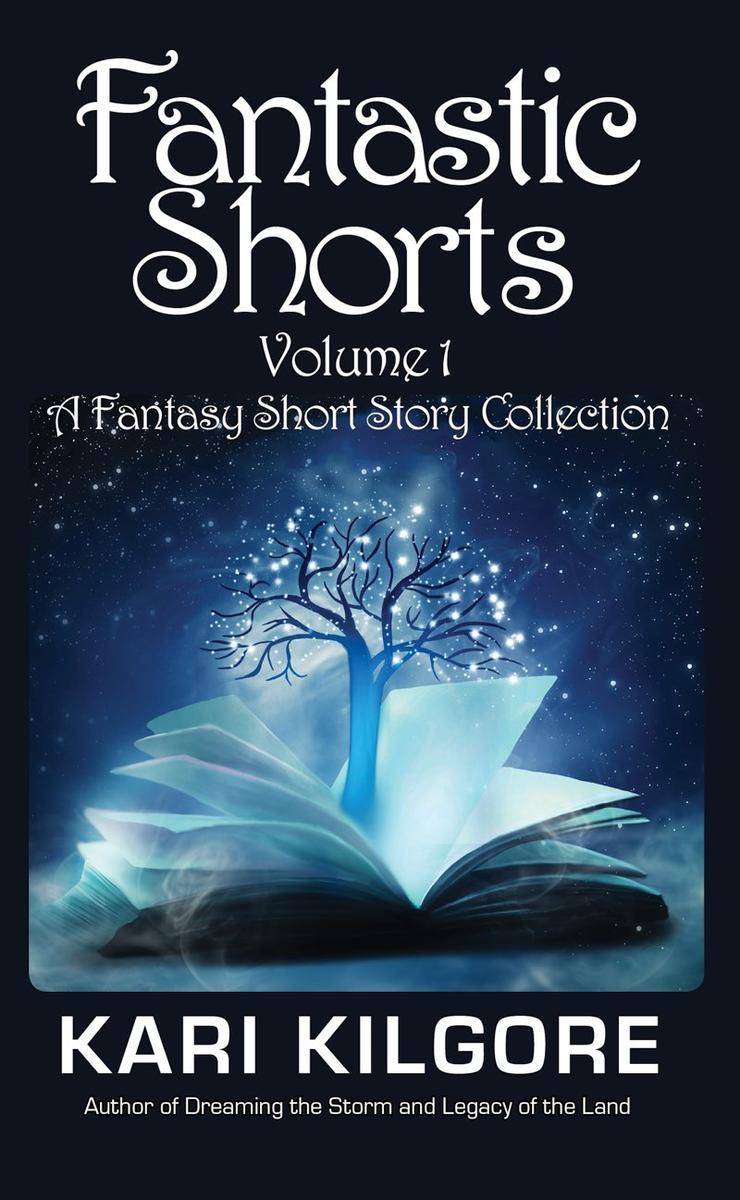
Fantastic Shorts: Volume 1: A Fantasy Short Story Collection
¥34.79
Facing fear of your own dreams coming true.Longing to hold on to a beloved best friend.Wishing to repair a life gone off the tracks.A lifelong feeling that you never belong.The secret life of a gorgeous black cat. Functioning as signposts along the rich and often twisted road of Kari Kilgore’s imagination, each story in this collection explores a different area of fantasy fiction. Ranging from Appalachia to Atlanta, from love to loss, they all touch on emotions or experiences readers recognize. The (mostly) women in Fantastic Shorts: Volume 1 may start out in familiar territory. But in the hands of this talented storyteller, readers quickly learn to always expect the strange. Included in this collection: IntentionsAngela Garcia builds websites to help make other people’s dreams come true. Now one of her childhood dreams waits, ready to come to life. Sometimes your intentions make all the difference. ReflectionsA beloved family home, abandoned and broken. A so-called adult life, not much better off. Jessica’s hopes of finding her joy fade as soon as she steps through the door. Can facing her fears, and her memories, make Jessica’s life right at last? The Seeds of LoveVirginia Evans and her best friend Maggie grew up together. From shy girl and wriggly puppy to confident woman and gentle old soul. A touching tale of woman’s best friend. TerminaliaWhen you live a double life, you never take anything for granted. Kelly Webb finally feels safe. Until nighttime, when all but Kelly’s name changes. An enchanting tale of the crossroads between science and magic. Wicked BonePashmina knows which humans to trust. She shows her trust like all cats. With offerings from her hunts. And like all cats, Pashmina keeps her secrets to herself. Find out what happens when Katie learns Pashmina’s favorite secret.


