


 购物车
购物车 个人中心
个人中心

AutoBioPhilosophy: An intimate story of what it means to be human
¥110.46
AutoBioPhilosophy is an astonishingly frank and original autobiography that explores the fundamental question of what it means to be human. Robert Rowland Smith’s life story involves a love triangle, office politics, police raids, illegal drugs, the academic elite and a near-death experience. It sees him grappling with the tragic fate of his father, going through a double divorce and encountering a living divinity. We witness him confronting his demons but also looking out for angels. A former Oxford don, Robert uses these deeply personal experiences to generate philosophical insights that will resonate with everybody. What are the recurring patterns, unconscious motives and social forces that govern our behaviour? Through his experiences, and referencing writers from Shakespeare to Freud, he offers new models and ways into human psychology. As we are led into Robert’s private world, we gain an understanding of what it means to be human that is relevant to all.

Size Zero: My Life as a Disappearing Model
¥73.58
A memoir of a brief career as a top model - and the brutally honest account of what goes on behind the scenes in a fascinating, closed industry. Scouted in the street when she is 17, Victoire Dauxerre’s story started like a teenager’s dream: within months she was on the catwalks of New York’s major fashion shows, and part of the most select circle of in-demand supermodels in the world. But when fashion executives and photographers began to pressure her about her weight, forcing her to become ever thinner, Victoire’s fantasy came at a cost. Food was now her enemy, and soon, living on only three apples a day and Diet Coke galore, Victoire became anorexic. An unflinching, painful expose of the uglier face of fashion, her testimony is a shocking example of how our culture’s mechanisms of anorexia and bulimia can push a young woman to the point of suicide. It is the story of a survivor whose fight against poisonous illness and body image shows us how to take courage and embrace life. Written with Valérie Péronnet.
Trafficked Girl: Abused. Abandoned. Exploited. This Is My Story of Fighting Back
¥58.86
When Zoe was taken into care at the age of 13, she thought she was finally going to escape from the cruel abuse she had suffered throughout her childhood. Then social services placed her in a residential unit known to be 'a target for prostitution', and suddenly Zoe's life was worse than it had ever been before. Abused and ostracized by her mother, humiliated by her father’s sexual innuendos, physically assaulted and bullied by her eldest brother, even as a young child Zoe thought she deserved the desperately unhappy life she was living. ‘I’ve sharpened a knife for you,’ her mother told her the first time she noticed angry red wounds on her daughter’s arms. And when Zoe didn’t kill herself, her mother gave her whisky, which she drank in the hope that it would dull the miserable, aching loneliness of her life. One day at school Zoe showed her teacher the livid bruises that were the result of her mother’s latest physical assault and within days she was taken into care. Zoe had been at Denver House for just three weeks when an older girl asked if she’d like to go to a party, then took her to a house where there were just three men. Zoe was a virgin until that night, when two of the men raped her. Having returned to the residential unit in the early hours of the morning, when she told a member of staff what had happened to her, her social worker made a joke about it, then took her to get the morning-after pill. For Zoe, the indifference of the staff at the residential unit seemed like further confirmation of what her mother had always told her – she was worthless. Before long, she realised that the only way to survive in the unit was to go to the ‘parties’ the older girls were paid to take her to, drink the drinks, smoke the cannabis and try to blank out what was done to her when she was abused, controlled and trafficked around the country. No action was taken by the unit's staff or social workers when Zoe asked for their help, and without anyone to support or protect her, the horrific abuse continued for the next few years, even after she left the unit. But in her heart Zoe was always a fighter. This is the harrowing, yet uplifting story, of how she finally broke free of the abuse and neglect that destroyed her childhood and obtained justice for her years of suffering.
Birds Art Life Death: The Art of Noticing the Small and Significant
¥66.22
‘Now when I hear birdsong, I feel an entry to that understory. When I am feeling too squeezed on the ground, exhausted by everything in my care, I look for a little sky. There are always birds flying back and forth, city birds flitting around our human edges, singing their songs.’ One winter, Kyo Maclear became unmoored. Her father had recently fallen ill and she suddenly found herself lost for words. As a writer, she could no longer bring herself to create; her work wasn’t providing the comfort and meaning that it had before. But then Kyo met a musician who loved birds. The musician felt he could not always cope with the pressures and disappointments of being an artist in a big city. When he watched birds and began to photograph them, his worries dissipated. Intrigued, Kyo found herself following the musician for a year, accompanying him on his birdwatching expeditions; the sounds of birds in the city reminded them both to look outwards at the world. Intricate and delicate as birdsong, Birds Art Life Death asks how our passions shape and nurture us, and how we might gain perspective, overcome our anxieties and begin to cherish the urban wild spaces where so many of us live.
Dead Now Of Course
¥95.75
‘My future mother-in-law burst into tears when she heard her son was to marry an actress. There’s still something disturbing, I grant you, about the word “actress”. If an MP or some other outstanding person plays fast and loose with an actress the world is unsurprised. She is certainly no better than she should be, and probably French…’ As well as being a mother (to the actresses Sophie and Emma Thompson) and a devoted carer to her own mother and mother-in-law, Phyllida Law is also a distinguished actress, and Dead Now Of Course is the tale of her early acting career. As a young member of a travelling company, Phyllida learned to cope with whatever was thrown at her, from making her own false eyelashes to battling flammable costumes and rogue cockroaches. We find her in Mrs Miller’s digs, which were shared with a boozy monkey bought from Harrods, an Afghan hound known as the ‘the flying duster’, several hens and various children. Filled with funny, charming anecdotes, Dead Now Of Course paints a fascinating picture of life in the theatre – and at the heart of the story is an enchanting account of Phyllida’s courtship with her future husband, the actor and writer Eric Thompson.
Plot 29: A Memoir: LONGLISTED FOR THE BAILLIE GIFFORD AND WELLCOME BOOK PRIZE
¥73.58
‘When I am disturbed, even angry, gardening has been a therapy. When I don't want to talk I turn to Plot 29, or to a wilder piece of land by a northern sea. There, among seeds and trees, my breathing slows; my heart rate too. My anxieties slip away.’ As a young boy in 1960s Plymouth, Allan Jenkins and his brother, Christopher, were rescued from their care home and fostered by an elderly couple. There, the brothers started to grow flowers in their riverside cottage. They found a new life with their new mum and dad. As Allan grew older, his foster parents were never quite able to provide the family he and his brother needed, but the solace he found in tending a small London allotment echoed the childhood moments when he grew nasturtiums from seed. Over the course of a year, Allan digs deeper into his past, seeking to learn more about his absent parents. Examining the truths and untruths that he’d been told, he discovers the secrets to why the two boys were in care. What emerges is a vivid portrait of the violence and neglect that lay at the heart of his family. A beautifully written, haunting memoir, Plot 29 is a mystery story and meditation on nature and nurture. It’s also a celebration of the joy to be found in sharing food and flowers with people you love.
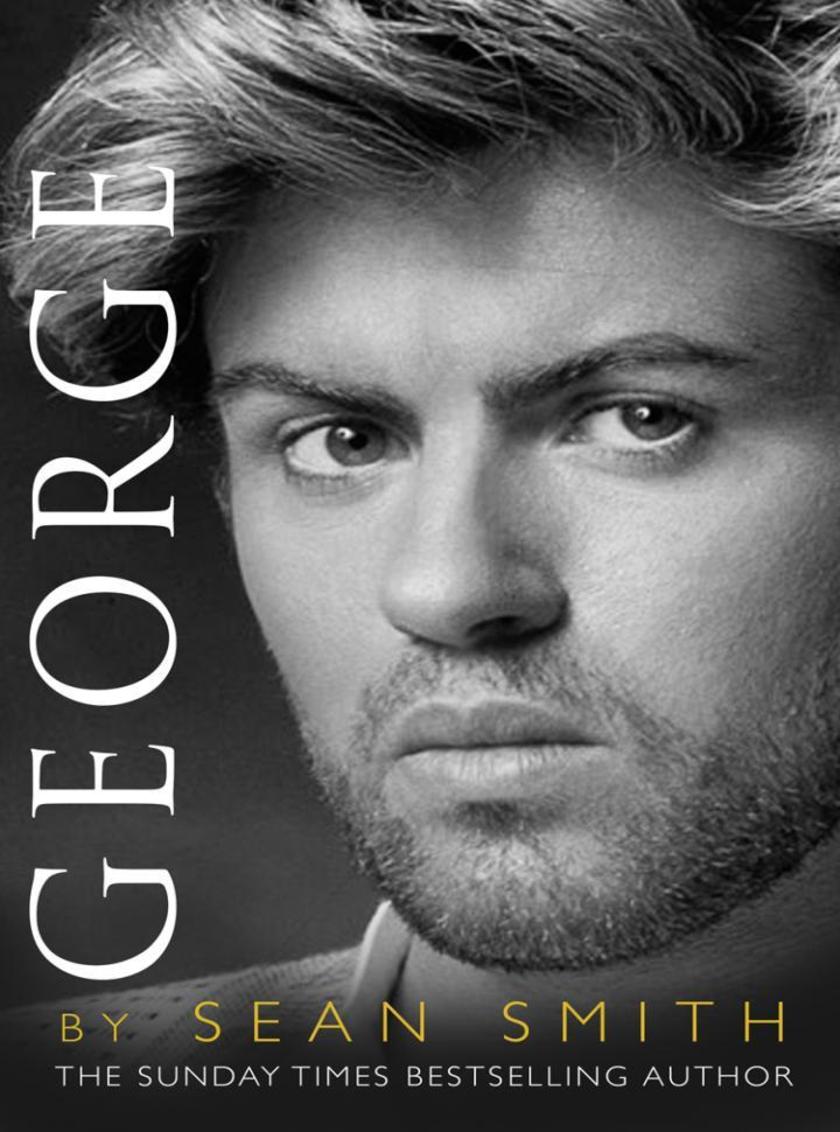
George: A Memory of George Michael
¥66.22
George is the story of two extraordinary lives – the private man and the public legend. Georgios Panayiotou was just eighteen when he decided to adopt the stage name of George Michael. Sometimes his two worlds would collide with shattering consequences. Bestselling biographer Sean Smith has gone back to the neighbourhoods of North London to trace the astonishing journey of a sensitive but determined boy who grew up to be one of the biggest British pop stars of all time. Along the way, he talks to those close to George, revealing the real man – funny, articulate, intelligent and generous spirited – who hid behind the powerful image he created. He reveals the complex relationship with his high-achieving Greek-Cypriot father; the unconditional love of his mother; his teenage relationships with girls; and his first tragic love affair with another man. George’s career began falteringly with a schoolboy band, exploded with Wham! before he became a solo phenomenon. But at the height of his fame, the world seemed to turn against him. Smith describes his despair at losing the two people who mattered most, how he sought consolation in drugs, his notorious ‘coming out’ and how he ended up in jail. His health failed him and he died heartbreakingly alone on Christmas Day, 2016. Affectionate yet honest and moving, George is both a celebration of George Michael’s music and a lasting tribute to a decent and much-loved man.
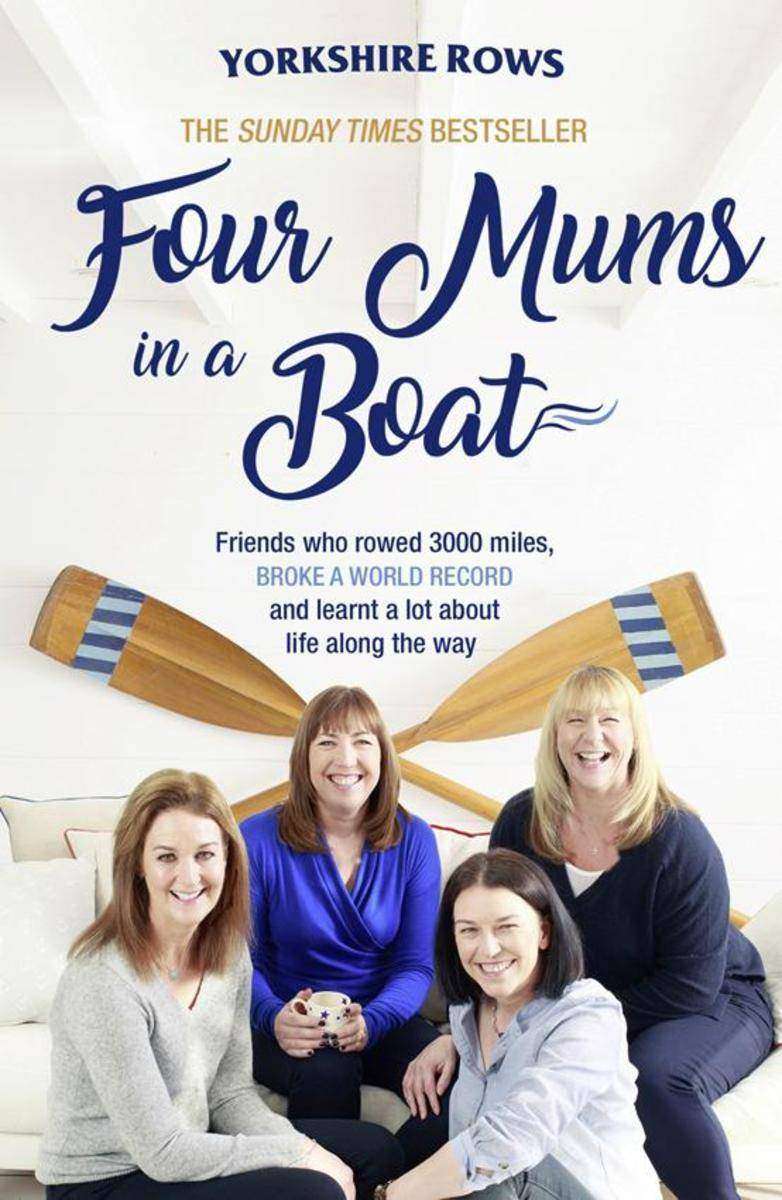
Friends who rowed 3000 miles,broke a world record and learnt a lot about life al
¥66.22
A TOP 10 SUNDAY TIMES BESTSELLER SHORTLISTED FOR THE 2018 SPORTS BOOK AWARDS LONGLISTED FOR THE WILLIAM HILL SPORTS BOOK OF THE YEAR 2017 The incredible true story of four ordinary working mums from Yorkshire who took on an extraordinary challenge and broke a world record along the way. Janette, Frances, Helen and Niki, though all from Yorkshire, were four very different women, all juggling full time jobs alongside being mothers to each of their 2 children. They could never be described as athletes, but they were determined to be busy and the local Saturday morning rowing club was the perfect place to go to have a laugh and a gossip, get the blood pumping in the open air, and feel invigorated. Brought together by their love of rowing, they quickly became firm friends, and it wasn’t long before they cooked up a crazy idea over a few glasses of wine: together, they were going to do something that fewer people than had gone into space or climbed Everest had succeeded in doing. They were going to cross 3,000 miles of treacherous ocean in the toughest row in the world, The Talisker Whisky Atlantic Challenge. Yes, they had children and husbands that they would be leaving behind for two months, yes they had businesses to run, mortgages to pay, responsibilities. And there was that little thing of them all being in their 40s and 50s. But two years of planning, preparation, fundraising, training and difficult conversations later, and they found themselves standing on the edge of the San Sebastian harbour in the Canary Islands, petrified, exhilarated and ready to head up the race of their lives. This is the story of how four friends together had the audacity to go on a wild, terrifying and beautiful adventure, not to escape life, but for life not to escape them.
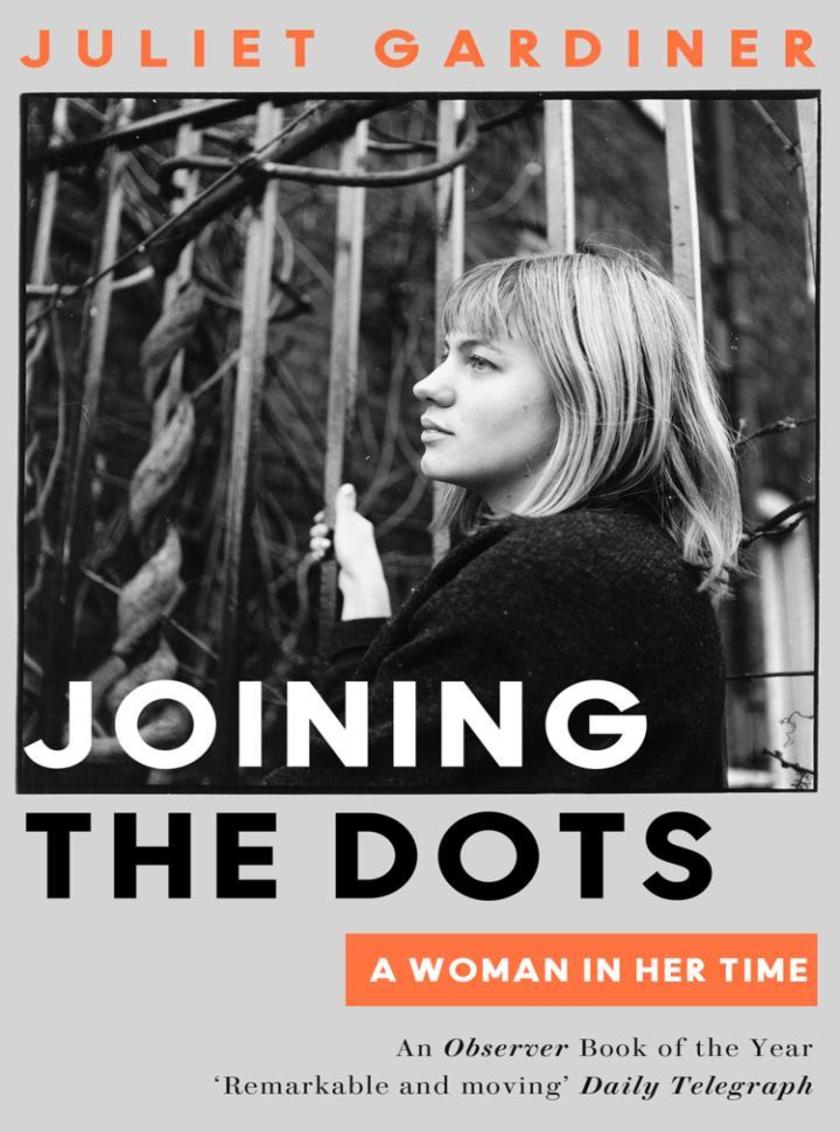
Joining the Dots: A Woman In Her Time
¥73.58
From Britain’s leading social historian, a lyrical look at the changes to women’s lives since 1940, told with examples from her own life. The book provides an intimate, brilliant account of feminism over the last 6 decades. “A young woman wearing a navy-blue duffle coat stood shivering in the vaulted Victorian booking hall of Temple Meads station in Bristol looking uncertainly around her. It was 1st January 1960 and the woman was me. I was sixteen years old, and I had run away from home.” Over the next ten years, the world changed around young Juliet Gardiner – as it did for most women in Britain. It was the start of a decade that was to be momentous for Britain’s history – politically, economically, socially and culturally. As one of Britain’s best-known social historians, Juliet Gardiner writes here about the span of women’s lives from her birth during the Second World War to the election of Margaret Thatcher as prime minister. Using episodes from her own life as starting points to illuminate the broader history in society at large, she explores changing ideas towards birth and adoption, the importance of education for girls, the opportunities offered by university, to expectations of work and motherhood, not to mention her generation’s yearning for freedom. Everyone has his or her history and at the same time is part of history as this book so perceptively and beautifully demonstrates. As a work of living history, both lyrical and personal, Joining the Dots is an accessible and empowering story of how one mid-twentieth-century woman grew into a world so different from the one into which she was born. It is a story of bed-sits, sexual choice, motherhood and marriage, feminism, family planning and professional ambition.
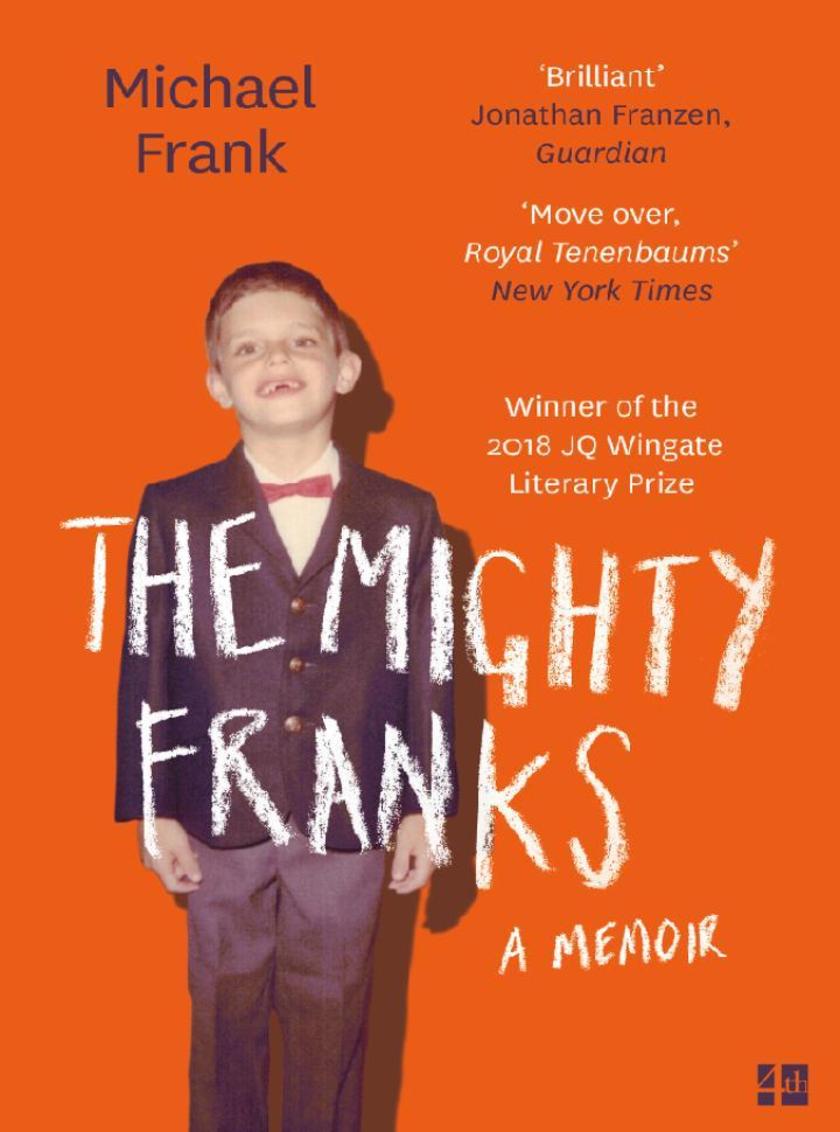
The Mighty Franks: A Memoir
¥73.58
A TELEGRAPH BOOK OF THE YEAR A NEW STATESMAN BOOK OF THE YEAR A story at once extremely strange and entirely familiar – about families, innocence, art and love. This hugely enjoyable, totally unforgettable memoir is a classic in the making. ‘My aunt called our two families the Mighty Franks. But, she said, you and I, Lovey, are a thing apart. The two of us have pulled our wagons up to a secret campsite. We know how lucky we are. We’re the most fortunate people in the world to have found each other, isn’t it so?’ Michael Frank’s upbringing was unusual to say the least. His aunt was his father’s sister and his uncle his mother’s brother. The two couples lived blocks apart in the hills of LA, with both grandmothers in an apartment together nearby. Most unusual of all was his aunt, ‘Hankie’: a beauty with violet eyelids and leaves fastened in her hair, a woman who thought that conformity was death, a Hollywood screenwriter spinning seductive fantasies. With no children of her own, Hankie took a particular shine to Michael, taking him on Antiquing excursions, telling him about ‘the very last drop of her innermost self’, holding him in her orbit in unpredictable ways. This love complicated the delicate balance of the wider family and changed Michael’s life forever.
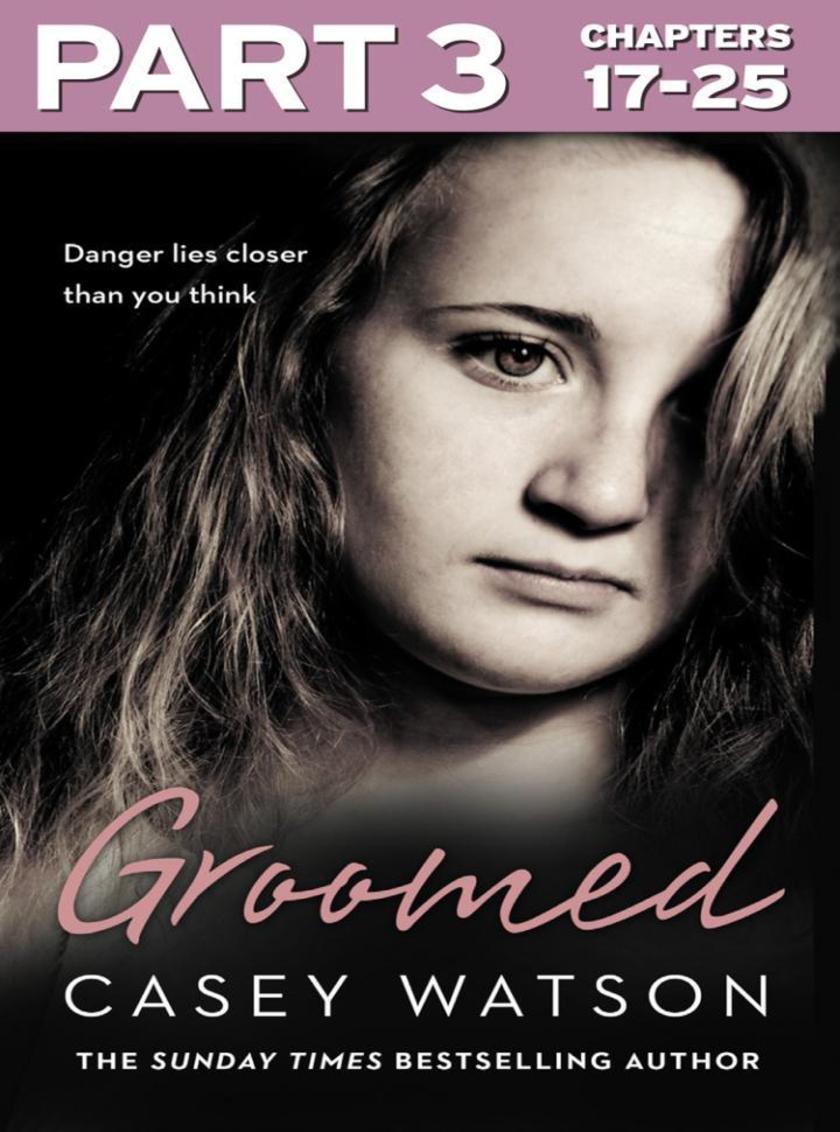
Groomed: Part 3 of 3: Danger lies closer than you think
¥28.45
It’s late on Friday night when Casey’s mobile starts to ring. She is expecting it to be her daughter Riley. But it isn’t Riley. It’s a woman from the Emergency Duty Team. So begins Casey and Mike’s latest fostering challenge – a fifteen-year-old girl called Keeley who’s run away from her long-term foster home 25 miles away. The Jonathan Ross Show has just started when Casey gets the call. She thinks it will be Riley – telling her that her favourite actor is going to be on TV. But it’s something far more urgent: a fifteen-year-old girl who has run away from her foster family and accused her foster father of sexual abuse. The family deny in vehemently, but such an allegation can never be taken lightly, so a new home must be found for Keeley. Keeley is polite, but she’s sharp, and she has all the hallmarks of a child who has been in the system a long time, and knows how to play it. Whether the allegation is true or not, Casey knows there will be no winners here. If it is true, then a young girl’s life has been torn asunder. If not, then the heartache for the family will only be surpassed by the bleak outlook for Keeley. In the short term, it’s a case of providing a safe, supportive home for a vulnerable child. But with the dangerous world of the internet at her disposal, it seems this strong-minded youngster has her own ideas of where that safe place should be…
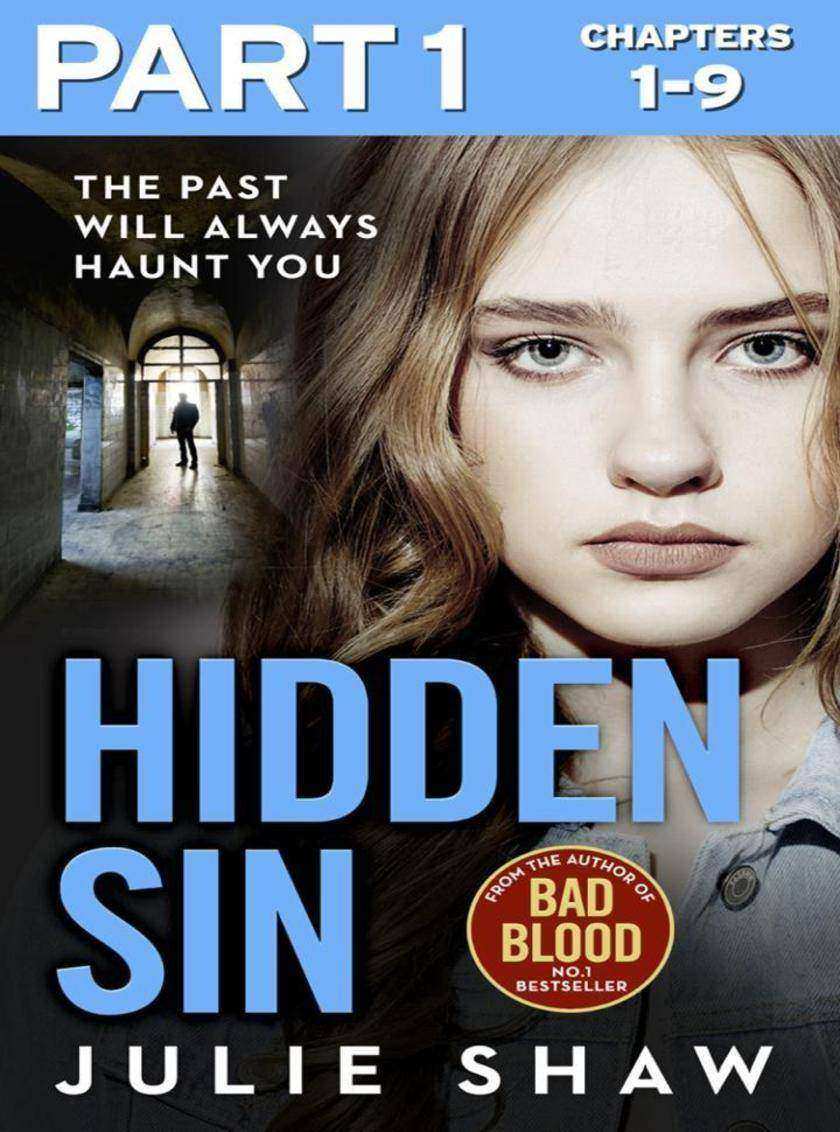
Hidden Sin: Part 1 of 3: When the past comes back to haunt you
¥28.45
The explosive sequel to #1 Sunday Times bestseller Bad Blood. Set 18 years later, Hidden Sin is the story of Joey, his girlfriend Paula and Rasta Mo, the man he is to discover is his dad. Joey Parker is a young man with big dreams. Almost eighteen, he’s desperate to escape the shackles of his window cleaning round, so when’s offered the chance to try out as a drummer in a local Blondie tribute band he jumps at the chance. But it isn’t just the music that moves him. It’s also the fact that Paula Foster is the lead singer. The daughter of his mum’s old mate, Josie, she was once a childhood friend. They’ve not seen each other in years, and their mutual attraction is immediate. Meanwhile, notorious local drug overlord, Rasta Mo, has recently returned to Bradford after a spell inside and years in Marbella. He is instantly enamored with the good-looking drummer he discovers is his son. He decides that his new club is in need of a house band – and so begins his attempts to woo him. This book charts a journey between two men into a future neither visualized. And, in Joey’s case, into a dangerous criminal world he’s never known. And, while his mother and step-father can only look on in horror as Joey potentially becomes the one thing she’s always dreaded – his father’s son. Joey is oblivious to who Mo is. The truth has always been hidden from him. All he cares about is that his and Paula’s dreams are all starting to come true. But will the cost of achieving them be too high to pay?
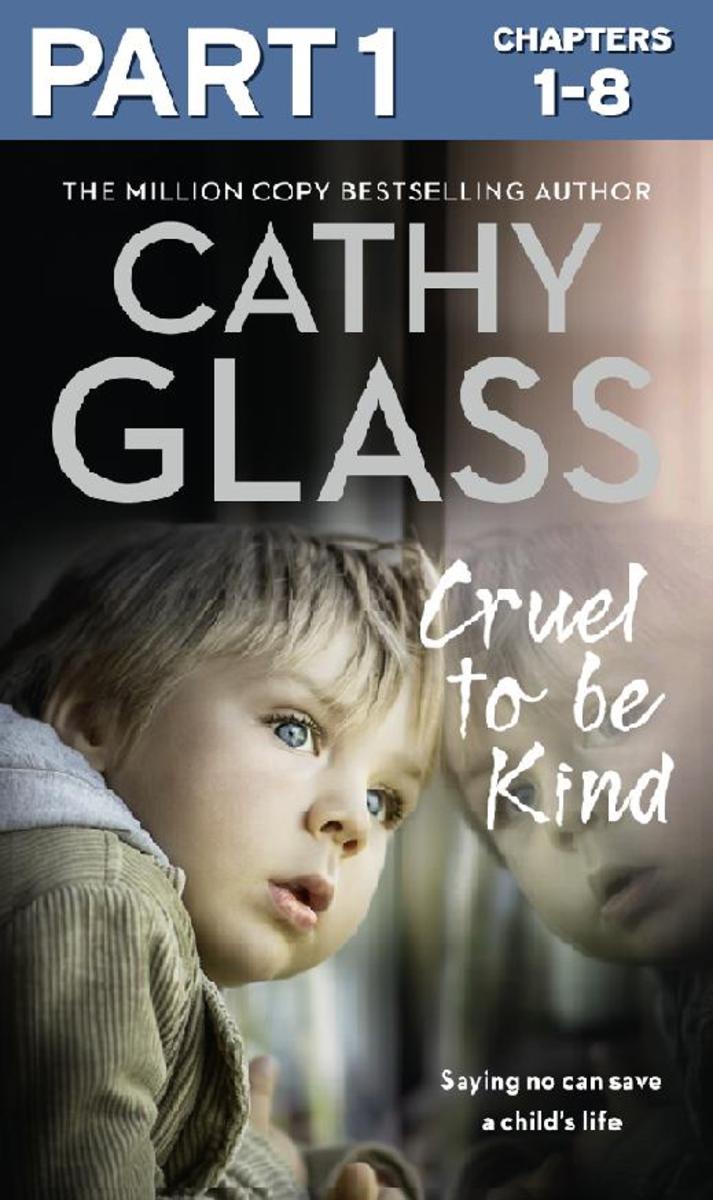
Cruel to Be Kind: Part 1 of 3: Saying no can save a child’s life
¥28.45
Cruel To Be Kind is the true story of Max, aged 6. He is fostered by Cathy while his mother is in hospital with complications from type 2 diabetes. Cruel To Be Kind is the true story of Max, aged 6. He is fostered by Cathy while his mother is in hospital with complications from type 2 diabetes. Fostering Max gets off to a bad start when his mother, Caz, complains and threatens Cathy even before Max has moved in. Cathy and her family are shocked when they first meet Max. But his social worker isn’t the only one in denial; his whole family are too.

Cruel to Be Kind: Part 3 of 3: Saying no can save a child’s life
¥23.45
Cruel To Be Kind is the true story of Max, aged 6. He is fostered by Cathy while his mother is in hospital with complications from type 2 diabetes. Cruel To Be Kind is the true story of Max, aged 6. He is fostered by Cathy while his mother is in hospital with complications from type 2 diabetes. Fostering Max gets off to a bad start when his mother, Caz, complains and threatens Cathy even before Max has moved in. Cathy and her family are shocked when they first meet Max. But his social worker isn’t the only one in denial; his whole family are too.
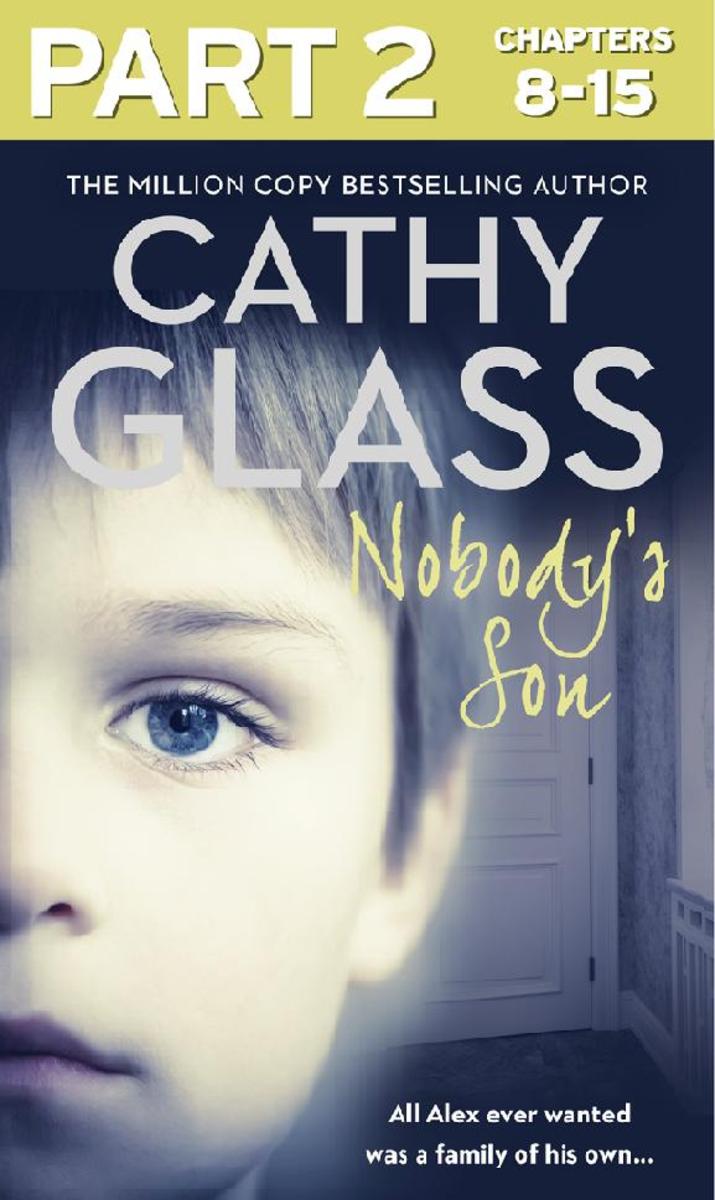
Nobody’s Son: Part 2 of 3: All Alex ever wanted was a family of his own
¥20.60
Born in a prison and removed from his drug-dependent mother, rejection is all that 7-year-old Alex knows. When Cathy is asked to foster little Alex, aged 7, her immediate reaction is: Why can’t he stay with his present carers for the last month? He’s already had many moves since coming into care as a toddler and he’ll only be with her a short while before he goes to live with his permanent adoptive family. But the present carers are expecting a baby and the foster mother isn’t coping, so Alex goes to live with Cathy. He settles easily and is very much looking forward to having a forever family of his own. The introductions and move to his adoptive family go well. But Alex is only with them for a week when problems begin. What happens next is both shocking and upsetting, and calls into question the whole adoption process.
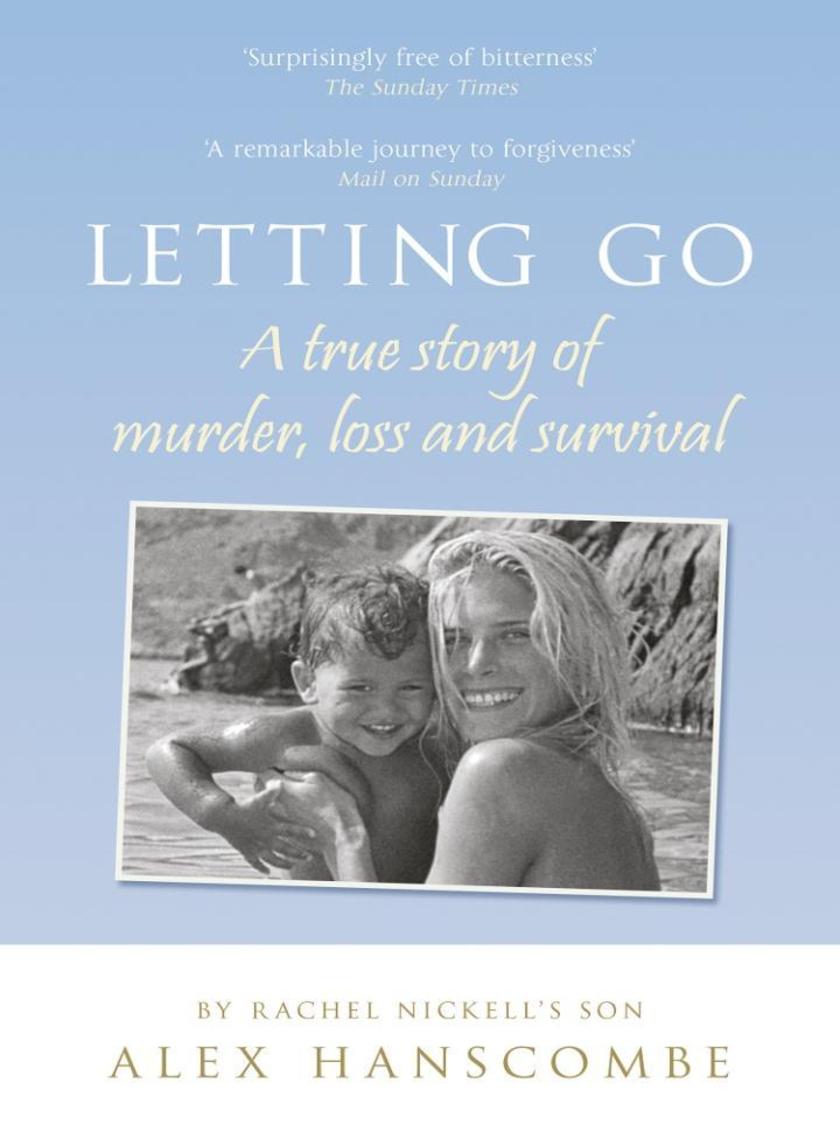
Letting Go: A true story of murder, loss and survival by Rachel Nickell’s son
¥58.86
This is Alex Hanscombe’s powerful, inspirational account as seen on This morning, BBC Breakfast, BBC Newsnight and published in The Sunday Times, Mail on Sunday and The Sun. ‘I was the most famous child in the British Isles…’ A coming-of-age story that begins with tragedy but ends in understanding, forgiveness and peace. The stunning and heartbreaking story of the young son of Rachel Nickell – who witnessed the brutal attack on his mother and whose childhood was shaped by the media storm that followed. A coming-of-age story that begins with a tragedy but ends in optimism, forgiveness and peace. On a beautiful July morning in 1992, just three weeks before his third birthday, Alex Hanscombe and his young mother, Rachel Nickell, went walking on Wimbledon Common. Life was never the same again. Shortly after ten o’clock that morning, Alex was discovered by the side of his mother’s body – she had been assaulted, stabbed forty-nine times in a frenzied attack, and left dead. Alex was the only witness to the attack. Letting Go is Alex’s heartbreaking account of that morning, the aftermath, and the devastating effect on his father, the extended family and the wider community. Alex tells the story of the resulting media storm, the legal cases following and the peace and understanding that he has now found, as a young man. In telling his story, and the truth, this is the last stage of Alex’s incredible journey to letting go.
Hidden Sin: When the past comes back to haunt you
¥58.86
The explosive sequel to #1 Sunday Times bestseller Bad Blood. Set 18 years later, Hidden Sin is the story of Joey, his girlfriend Paula and Rasta Mo, the man he is to discover is his dad. Joey Parker is a young man with big dreams. Almost eighteen, he’s desperate to escape the shackles of his window cleaning round, so when’s offered the chance to try out as a drummer in a local Blondie tribute band he jumps at the chance. But it isn’t just the music that moves him. It’s also the fact that Paula Foster is the lead singer. The daughter of his mum’s old mate, Josie, she was once a childhood friend. They’ve not seen each other in years, and their mutual attraction is immediate. Meanwhile, notorious local drug overlord, Rasta Mo, has recently returned to Bradford after a spell inside and years in Marbella. He is instantly enamored with the good-looking drummer he discovers is his son. He decides that his new club is in need of a house band – and so begins his attempts to woo him. This book charts a journey between two men into a future neither visualized. And, in Joey’s case, into a dangerous criminal world he’s never known. And, while his mother and step-father can only look on in horror as Joey potentially becomes the one thing she’s always dreaded – his father’s son. Joey is oblivious to who Mo is. The truth has always been hidden from him. All he cares about is that his and Paula’s dreams are all starting to come true. But will the cost of achieving them be too high to pay?
A Long Way from Home
¥58.86
The true story of 2 year-old Anna, abandoned by her natural parents, left alone in a neglected orphanage. Elaine and Ian had travelled half way round the world to adopt little Anna. She couldn’t have been more wanted, loved and cherished. So why was she now in foster care and living with me? It didn’t make sense. Until I learned what had happened. … Dressed only in nappies and ragged T-shirts the children were incarcerated in their cots. Their large eyes stared out blankly from emaciated faces. Some were obviously disabled, others not, but all were badly undernourished. Flies circled around the broken ceiling fans and buzzed against the grids covering the windows. The only toys were a few balls and a handful of building bricks, but no child played with them. The silence was deafening and unnatural. Not one of the thirty or so infants cried, let alone spoke.
Unqualified
¥125.18
Anna Faris has advice for you. And it’s great advice, because she’s been through it all, and she wants to tell you what she’s learned. After surviving an awkward childhood (when she bribed the fastest boy in the third grade with ice cream), navigating dating and marriage in Hollywood, and building a podcast around romantic advice, Anna has plenty of lessons to share: Advocate for yourself. Know that there are wonderful people out there and that a great relationship is possible. And, finally, don’t date magicians. Her comic memoir, Unqualified, shares Anna’s candid, sympathetic, and entertaining stories of love lost and won. Part memoir―including stories about being “the short girl” in elementary school, finding and keeping female friends, and dealing with the pressures of the entertainment industry and parenthood―part humorous, unflinching advice from her hit podcast, Anna Faris Is Unqualified, the book will reveal Anna’s unique take on how to master the bizarre, chaotic, and ultimately rewarding world of love. Hilarious, honest, and useful, Unqualified is the book Anna’s fans have been waiting for.
Taken: Part 1 of 3
¥24.33
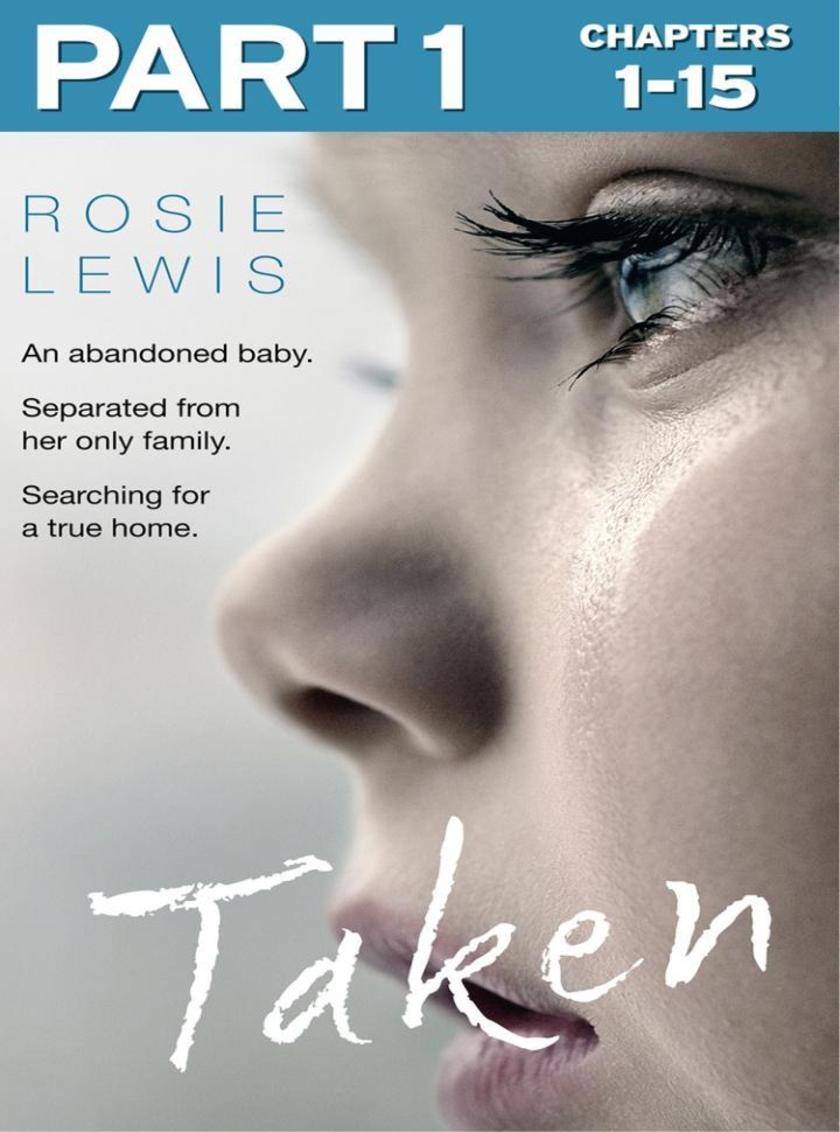
Experienced foster carer, Rosie Lewis, takes on the heart-breaking case of Megan, a baby born with a drug addiction and a cleft palate. Addicted to drugs from birth because of her mother’s substance abuse during pregnancy, new-born Megan is taken into Rosie’s loving care. Rosie is supposed to help Megan find her new permanent home, but it turns out that Megan has already found her ‘forever mummy’ in Rosie. Rosie grows incredibly attached to Megan and applies to adopt her, but the system refuses her in favour of a young couple and Rosie is devastated. Against all her instincts, Rosie does her job and prepares Megan for her new ‘forever family’, but everything about Megan leaving feels wrong. When Rosie learns a few months later that Megan’s adoption has broken down, she is saddened but also filled with hope – will this little girl be allowed to return to her true ‘forever home’?
Part 1 of 3: The true story of a lonely little girl abused by those she trusted
¥25.60
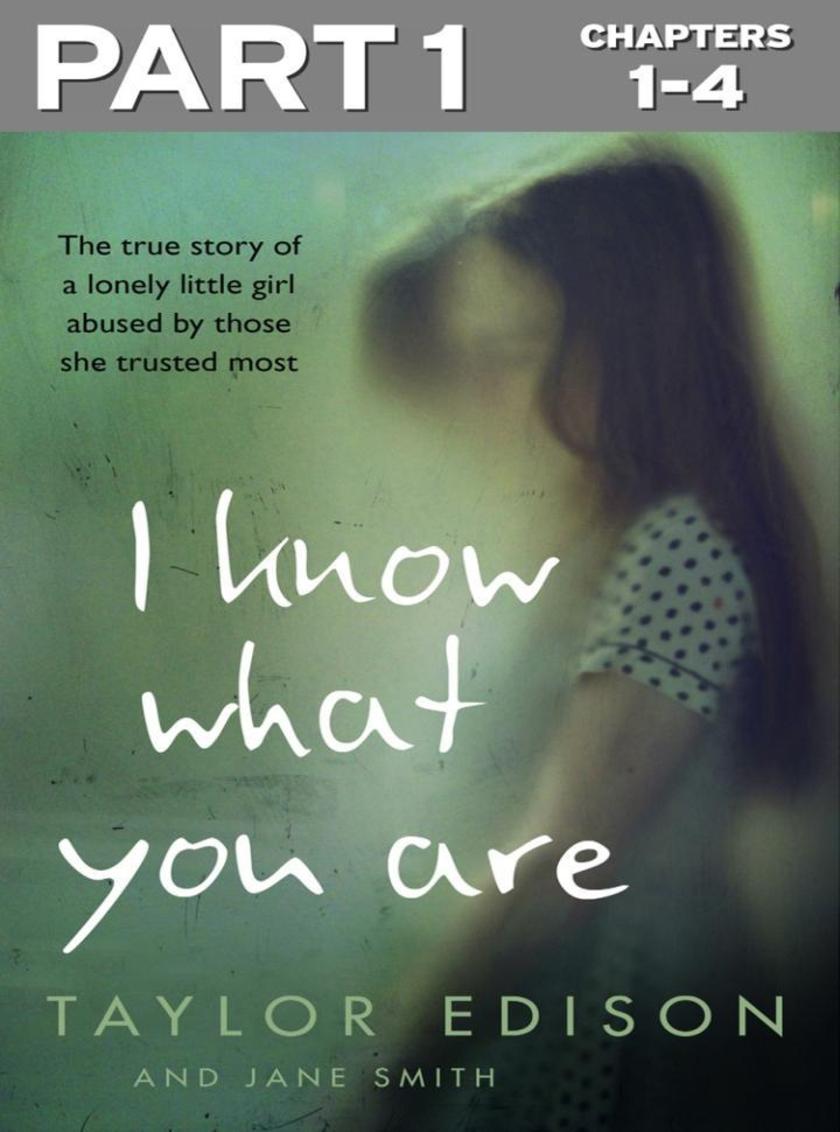
The moving true story of a little girl with Asperger syndrome, controlled and abused by the one person she called her friend. Taylor had always struggled to make friends – she felt ‘different’. Taylor never knew her father and her mother wasn’t around much. She just didn’t understand people, and was alone and scared much of the time. That was until, aged just 11, an older married man called Tom befriended her. She loved having someone who would talk to her, listen to her, a protector. But when he moved away a few months later she was easy prey to the gang of drug dealers and petty criminals who groomed and abused her, using her as a form of currency to appease their debtors and amuse their friends. Increasingly isolated and desperate, it began to look as though the pattern of Taylor's life had been set – until she started to fight back, determined to build a safe future for herself, however long it took.


