


 购物车
购物车 个人中心
个人中心

Coleridge: Early Visions
¥95.75
Winner of the 1989 Whitbread Prize for Book of the Year, this is the first volume of Holmes’s seminal two-part examination of Samuel Taylor Coleridge, one of Britain’s greatest poets. ‘Coleridge: Early Visions’ is the first part of Holmes’s classic biography of Coleridge that forever transformed our view of the poet of ‘Kubla Khan’ and his place in the Romantic Movement. Dismissed by much recent scholarship as an opium addict, plagiarist, political apostate and mystic charlatan, Richard Holmes’s Coleridge leaps out of the page as a brilliant, animated and endlessly provoking figure who invades the imagination. This is an act of biographical recreation which brings back to life Coleridge’s poetry and encyclopaedic thought, his creative energy and physical presence. He is vivid and unexpected. Holmes draws the reader into the labyrinthine complications of his subject’s personality and literary power, and faces us with profound questions about the nature of creativity, the relations between sexuality and friendship, and the shifting grounds of political and religious belief. Note that it has not been possible to include the same picture content that appeared in the original print version.
Mia’s World: An Extraordinary Gift. An Unforgettable Journey
¥54.25
In the follow up to the Sunday Times bestseller, The Gift, we are taken on a journey further into the psychic world of Mia Dolan, one of Britain's most gifted psychics. Mia’s World is an amazing psychic adventure which reveals the truth about the spirit world. In Mia’s World, Mia Dolan takes on a student – Roz Chissick, a writer with absolutely no previous psychic training, and teaches her how to tap into her innate psychic gift. The result is an exciting psychic adventure not only for Roz but also for you the reader. Mia reveals more of her fascinating experiences of ghosts, spirits and explains the truth about the darker forces from the other side. We are taken on ghost-busts, to the mystical site of Avalon and astral travels to the home of her spirit guide. Mia reveals how we find happiness in this world and answers profound questions about life, death and psychic phenomena: - What is it like to die? - How can we still communicate with loved ones after death? - Do angels and demons exist? - Is there such a thing as a soul mate? - Is there such a thing as destiny or do we control our own fate? - What happens to our souls after we die? 'I wish there was some way I could share my ability to see things other people can't. We all have a guide, but not everyone can see or hear theirs. I've no idea what opened up the link between Eric and me, but I consider it a gift.' Mia Dolan in Real magazine
Read My Heart
¥81.03
From the bestselling author of ‘Elizabeth and Mary’, the remarkable love story of Dorothy Osborne and Sir William Temple, set against the turbulence and romance of 17th-century England. [Note that the family trees contained in this ebook are best viewed on a tablet.] Sir William Temple (1628-99), handsome and intelligent, son of a staunch Parliamentarian, become a celebrated essayist and diplomat in Charles II’s time. Captivating him from their first meeting, when he was just 20, Dorothy Osborne (1627-1696) was an intellectual romantic from a family of committed Royalists. After a long and at times desperate courtship, in which Dorothy rejected numerous other suitors (including Henry Cromwell, son of the Lord Protector), they married in 1654. Their union had been fiercely opposed by both their families, but they went on to build a passionate marriage that brought personal tragedies and public triumphs and betrayals during the huge political upheavals of the age. Their relationship was intellectually collaborative; both were gifted writers, and possessed of strikingly modern sensibilities. Seventy-seven letters written by Dorothy to William during their long clandestine courtship survive, masterpieces of wit and style, with a conversational intimacy that transports the reader to her side. Both were at the social and political centre of life: confidants of William of Orange and Mary, who were instrumental in promoting their marriage, contemporaries of Pepys, and employers of Jonathan Swift. Drawing upon extensive research and the Temples’ own extraordinary writings, Jane Dunn brings to life their remarkable story, offering a rare perspective on one of the most turbulent periods of British history. In illuminating the personal lives, politics and passions of two endearing and independent-minded people, she brilliantly captures not only the story of a marriage, but the spirit of a dawning modern age.
A Scandalous Life: The Biography of Jane Digby (Text only)
¥81.03
The biography of Jane Digby, an ‘enthralling tale of a nineteenth-century beauty whose heart – and hormones – ruled her head.’ Harpers and Queen A celebrated aristocratic beauty, Jane Digby married Lord Ellenborough at seventeen. Their divorce a few years later was one of England s most scandalous at that time. In her quest for passionate fulfilment she had lovers which included an Austrian prince, King Ludvig I of Bavaria, and a Greek count whose infidelities drove her to the Orient. In Syria, she found the love of her life, a Bedouin nobleman, Sheikh Medjuel el Mezrab who was twenty years her junior. Bestselling biographer Mary Lovell has produced from Jane Digby’s diaries not only a sympathetic and dramatic portrait of a rare woman, but a fascinating glimpse into the centuries-old Bedouin tradition that is now almost lost. Note that it has not been possible to include the same picture content that appeared in the original print version.
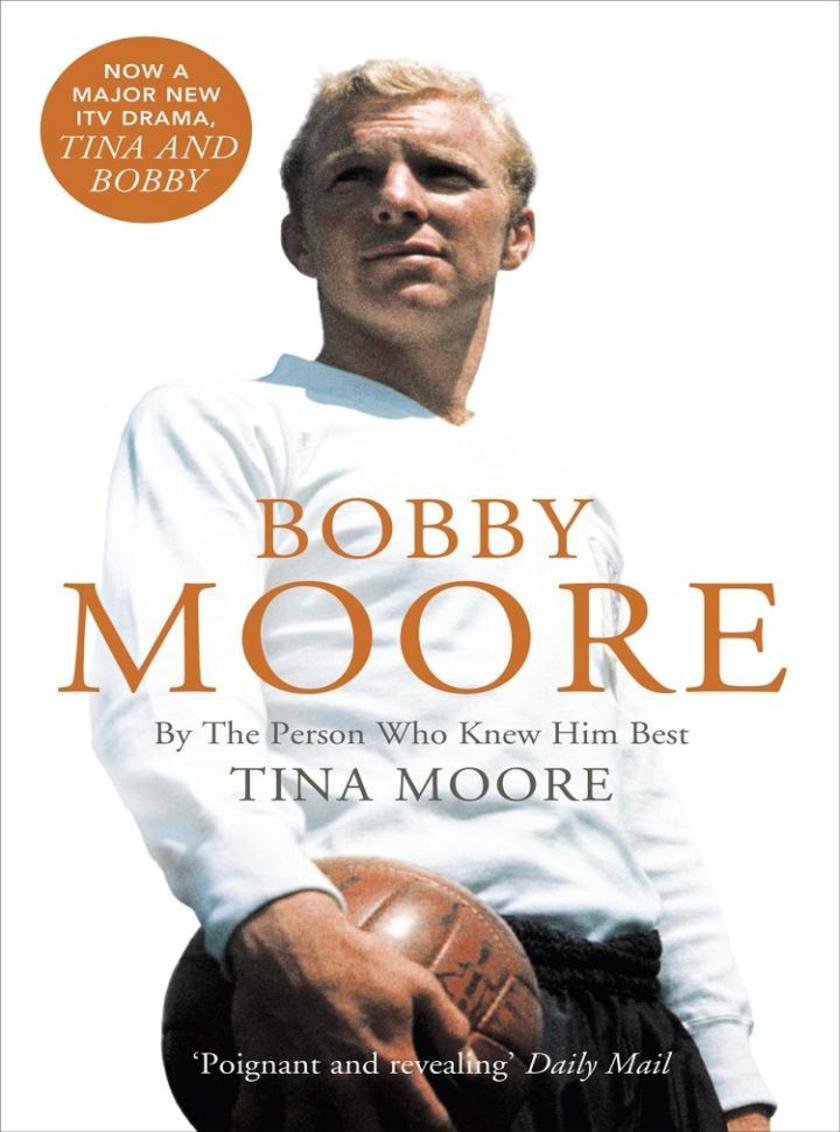
Bobby Moore: By the Person Who Knew Him Best (Text Only)
¥72.99
THE STORY WHICH INSPIRED THE MAJOR ITV DRAMA TINA AND BOBBY. Bobby Moore’s untimely death in 1993, at the age of 51, had a profound impact on the people of this country. As the only English football captain ever to raise the World Cup, he was not just a football icon but a national one. Yet Bobby was an intensely reserved, almost mysterious personality. Only one person was his true friend and confidante – his boyhood sweetheart, Tina, whom he met at 17 and married soon after. Tina Moore’s story of her life with Bobby, the triumphs and crises of his football career, the break-up of their marriage and what happened afterwards, is a moving tribute to a national icon by the person who knew him better than anyone.
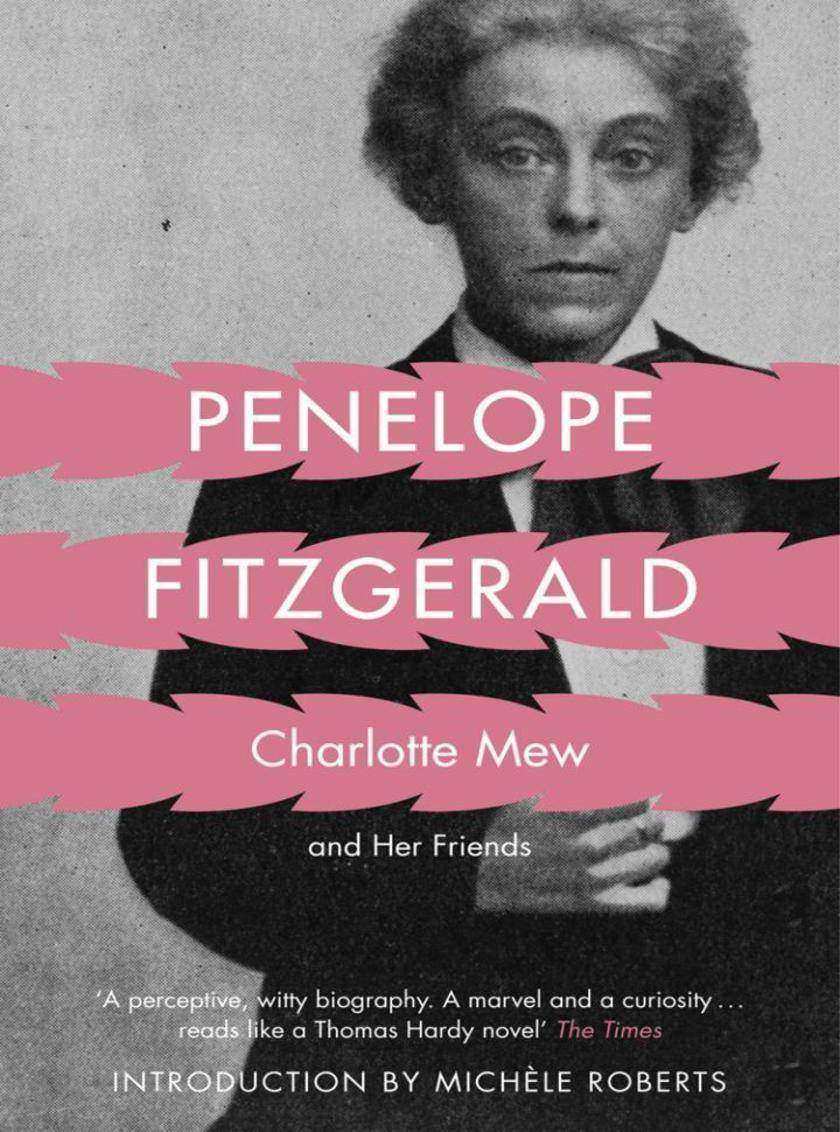
Charlotte Mew: and Her Friends
¥81.03
Penelope Fitzgerald’s fascinating portrait of the tragic poet and her life at the heart of the Bloomsbury set. Charlotte Mew (1869-1928) cut one of the most distinctive figures of the twentieth century – beloved of Siegfried Sassoon and Walter de la Mare (for whom she was ‘a very rare being’), unafraid of Virginia Woolf, and considered by Hardy to be ‘far and away the best living woman poet’. Part of a new wave of fashionable female dandies who lived passionate, precarious existences in Bloomsbury, she was an enchanting and spirited personality. But behind the brave face was a life riddled with grief: left to care for her disturbed mother, two siblings with undiagnosed Schizophrenia and Charlotte herself burdened by depression and closeted lesbianism; she killed herself by drinking household disinfectant. In this unexpectedly gripping portrait of a life of passion unfulfilled, Penelope Fitzgerald brings all her novelist’s skills into play in telling a story that is at once tragic, beautiful and deeply human.
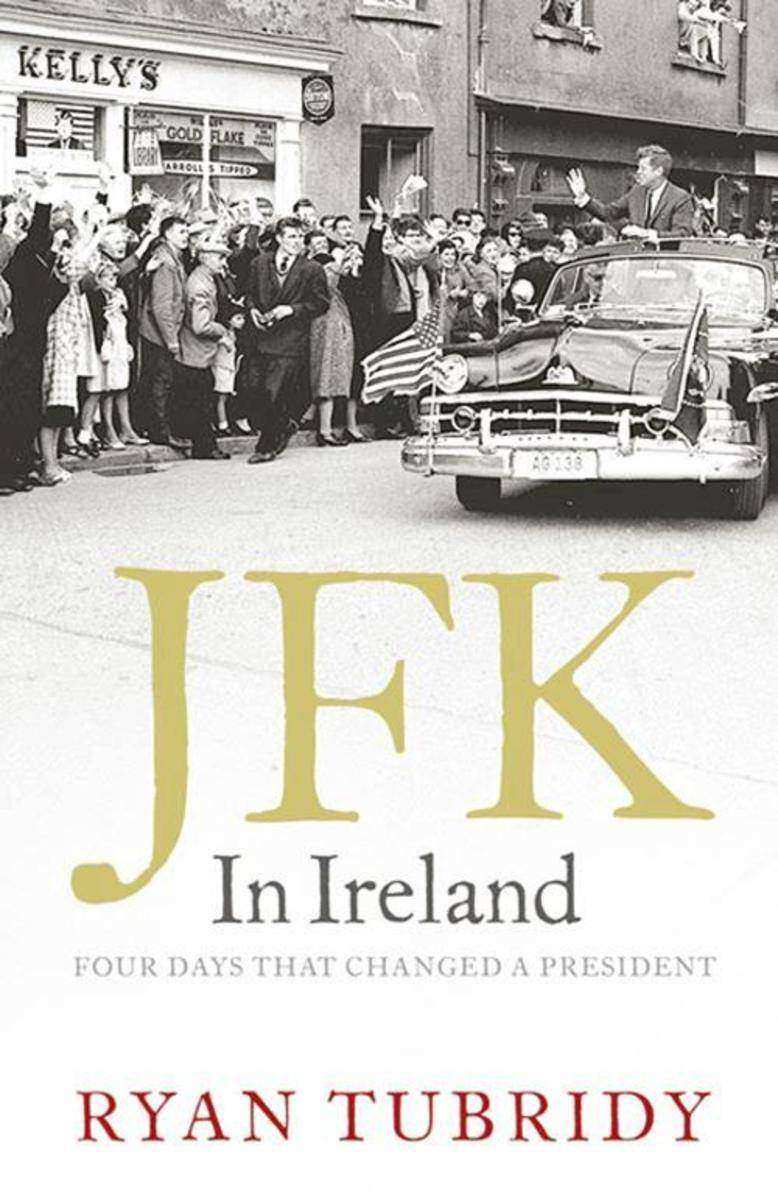
JFK in Ireland: Four Days that Changed a President
¥80.25
In his first book, award-winning radio and TV presenter Ryan Tubridy tells the fascinating story of the iconic president John F Kennedy's visit to Ireland. The idolized, handsome and glamorous John Fitzgerald Kennedy was the great-grandson of Irish immigrants and the first and only Irish-Catholic American elected as President of the United States. He relished his Irish heritage and in June 1963 made a memorable four-day trip to his homeland, which he called the best 'four days of his life'. Tragically, five months later he was assassinated. In this fully illustrated book, Tubridy reveals the huge effect JFK's visit had on Ireland - a country that at the time was largely agrarian and extremely poor. He includes never-seen-before photos of the president and private documents that reveal how the Irish rejoiced in having a president visit their shore. Tubridy evaluates whether the well-loved president, whose 'Camelot' years some believe would have heralded a golden age, actually inspired Ireland to reinvent itself and instilled pride in the Irish people, or whether the myth of JFK just left behind an idyllic dream of what could have been. This book is a fascinating, unique and insightful read from one of Ireland's most popular personalities.
Behind the Laughter
¥57.09
Join Loose Women's Sherrie Hewson on her rollercoaster ride through the laughter, tears and tantrums of an extraordinary life lived on and off the screen. Sherrie Hewson is one of Britain's best loved telly stars. From her dazzling performances in the Carry On films to Russ Abbott's Madhouse, to her favourite character Maureen Holdsworth in Coronation Street to the green hills of Emmerdale, Sherrie's warmth and good humour won her a place in the heart of the nation. And now an adored presenter on Loose Women, which she joined eight years ago, Sherrie has become a friend and confidante to the millions who tune in for her naughty sense of fun, openness and quick wit. But behind the laughter Sherrie has been hiding a secret heartache. After 30 years of marriage, she is finally divorcing the man who cheated on her and squandered all her money, leaving her bankrupt, on the brink of an alcohol problem and suicidal. It has taken her nine years to reach this point; but Sherrie is now ready to share her story – and it's one that at times seems more fitting to a soap opera than real life. From living in a brothel to being ditched at the altar, to living in fear of her stalker to nearly murdering her Corrie co-star (by accident, of course!), to the on- and off-screen lovers, friends and foe, to struggling to conceive her much-loved daughter, Sherrie – a natural storyteller – always manages to see the funny side and tells it like it is with warmth and a cheeky smile. Brimming with brilliantly funny anecdotes and larger-than-life characters, Sherrie’s story will delight, entertain and, above all, make you laugh.

Blow by Blow: The Story of Isabella Blow
¥80.25
A life of extreme tragedy and remarkable inspiration, the story of Isabella Blow is a dramatic and compelling tale of a courageous icon. Isabella Blow was the epitome of English eccentricity. A legendary figure in the fashion world, she nurtured and championed the talent of some of fashion’s most recognisable and important figures, all the time hiding her own personal unhappiness and severe depression. The news of her tragic death in 2007, aged 48, shocked the international fashion world. Her thirty year career in fashion began as Anna Wintour's assistant at American Vogue, and took in stints as fashion director of Tatler and Fashion Editor of The Sunday Times Magazine. But she is perhaps best-known for the iconic images of her in Philip Treacy's hats, the first of two designers to launch his career from the basement of Isabella and Detmar Blow's house. With similar passion and verve, Isabella enthusiastically displayed her admiration for young designer Alexander McQueen, buying his entire first collection after he graduated from Central St Martins, in a move that many believe launched his career. Detmar Blow was engaged to Isabella sixteen days after they first met in 1988, and the couple remained married until her death. In this visually stunning portrait, Detmar and Tom reveal the truth about the intriguing world of Isabella, providing incredible behind-the-scenes insight into the world of fashion and high-society, as well as tracing her ancestry and early childhood, offering a fresh and penetrating look at her domestic life, and celebrating her incredible achievements.
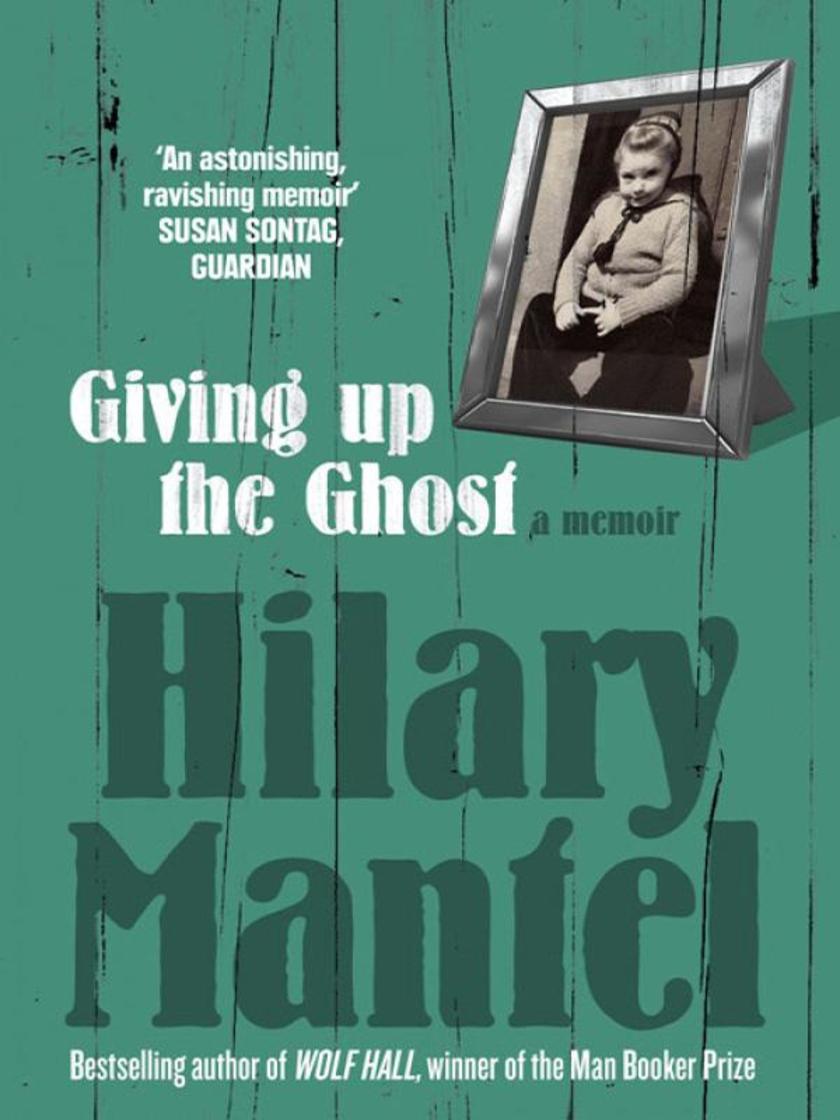
Giving up the Ghost: A memoir
¥66.22
From the double Man Booker Prize-winning author of ‘Wolf Hall’, a wry, shocking and beautiful memoir of childhood, ghosts, hauntings, illness and family. At no. 58 the top of my head comes to the outermost curve of my great-aunt, Annie Connor. Her shape is like the full moon, her smile is beaming; the outer rim of her is covered by her pinny, woven with tiny flowers. It is soft from washing; her hands are hard and chapped; it is barely ten o'clock and she is getting the cabbage on. 'Hello, Our Ilary,' she says; my family has named me aspirationally, but aspiration doesn't stretch to the 'H'. Giving Up the Ghost is award-winning novelist Hilary Mantel's wry, shocking and uniquely unusual five-part autobiography of childhood, ghosts, illness and family. It opens in 1995 with 'A Second Home', in which Mantel describes the death of her stepfather, a death which leaves her deeply troubled by the unresolved events of childhood. ‘Now Geoffrey Don't Torment Her' begins in typical, gripping Mantel fashion: 'Two of my relatives have died by fire.' Set during the 1950s, it takes the reader into the muffled consciousness of her early childhood, culminating with the birth of a younger brother and the strange candlelit ceremony of her mother's 'churching'. In 'The Secret Garden' Mantel moves to a haunted house and mysteriously gains a stepfather. When she is almost eleven, her family flee the gossips and the ghosts, and resolve to start a new life. 'Smile' is an account of teenage perplexity, in a household where the keeping of secrets has become a way of life. Convent school provides a certain sanctuary, with tacit assistance from the fearsome 'Top Nun.' In the final section, the author tells how, through medical misunderstandings and neglect, she came to be childless, and how the ghosts of the unborn, like chances missed or pages unturned, have come to haunt her life as a writer.
Marlborough: Britain’s Greatest General (Text Only)
¥80.25
Bestselling military historian Richard Holmes delivers an expertly written and exhilarating account of the life of John Churchill, the Duke of Marlborough and Britain's finest soldier, who rose from genteel poverty to lead his country to glory, cementing its position as a major player on the European stage and saviour of the Holy Roman Empire. John Churchill is, by any reasonable analysis, Britain’s greatest-ever soldier. He mastered strategy, tactics and logistics. His big four battles, Blenheim (which saved the Holy Roman Empire), Ramilies, Oudenarde and Malplaquet were events at the very centre of the European stage. He captured Lille, France’s second city, overran Bavaria and beat a succession of French marshals so badly that one, the squat and energetic Bofflers, was rewarded by Louis XIV for only losing moderately. A coalition manager long before the phrase was invented, he commanded a huge polyglot army with centrifugal political tendencies and bending it to his will by sheer force of personality. Yet John Churchill was also deeply controversial. He accepted a pension from one of Charles II’s mistresses for services vigorously rendered. He owed his rise and his peerage to James II yet, determined to be on the winning side, he deserted him in his hour of need in 1688. He maintained regular correspondence with the Jacobites while serving William and Mary and with the French while fighting Louis XIV. He made money on a prodigious scale, but was notoriously tight-fisted, long regretting an annuity given to a secretary whose quick-wittedness saved him from capture. But in the age when commissions were bought and sold, and commanders often owed their position to the hue of their blood, he never lost his soldier’s confidence.
Full Blown: Me and My Bipolar Family
¥90.57
David Lovelace, along his brother and both his parents, is bipolar. This is his extraordinary and vivid memoir of life within his memorable, maddening, loving and unique family. Full Blown is Lovelace's poignant, humorous, and vivid account of growing up and coming to terms with the highs and lows of manic depression. David's father was a Princeton-trained theology professor deemed too eccentric for the ministry and his mother battled depression all her life. Manic episodes were part of family life - they called them the 'whim-whams'. David was a teenager when his first serious depression hit, and at college when he first became manic. He ran to escape it – to Mexico, South America and then New York, to drugs and alcohol – before he realised the futility of running. A father himself, a son and a brother, David's matter-of-fact approach to growing up surrounded by the unique creativity often sparked by manic depression is compelling. In the vein of Stuart, A Life Backwards and Augusten Burroughs’ Running with Scissors , David’s poetic ability to detail the unique highs and harrowing lows makes a remarkable and gripping read.
The Real Jane Austen: A Life in Small Things
¥73.58
Who was the real Jane Austen? Overturning the traditional portrait of the author as conventional and genteel, bestseller Paula Byrne’s landmark biography reveals the real woman behind the books. In this paperback of the landmark biography, bestselling biographer Paula Byrne uses objects that conjure up a key moment in Austen’s life and work – a silhouette, a vellum notebook, a topaz cross, a writing box, a royalty cheque, a bathing machine, and many more – to unlock the biography of this most beloved author. The woman who emerges is far tougher, more socially and politically aware, and altogether more modern than the conventional picture of ‘dear aunt Jane’ allows. Byrne’s lively book explores the many forces that shaped Austen’s life, her long struggle to become a published author, and brings Miss Austen dazzlingly into the twenty-first century.
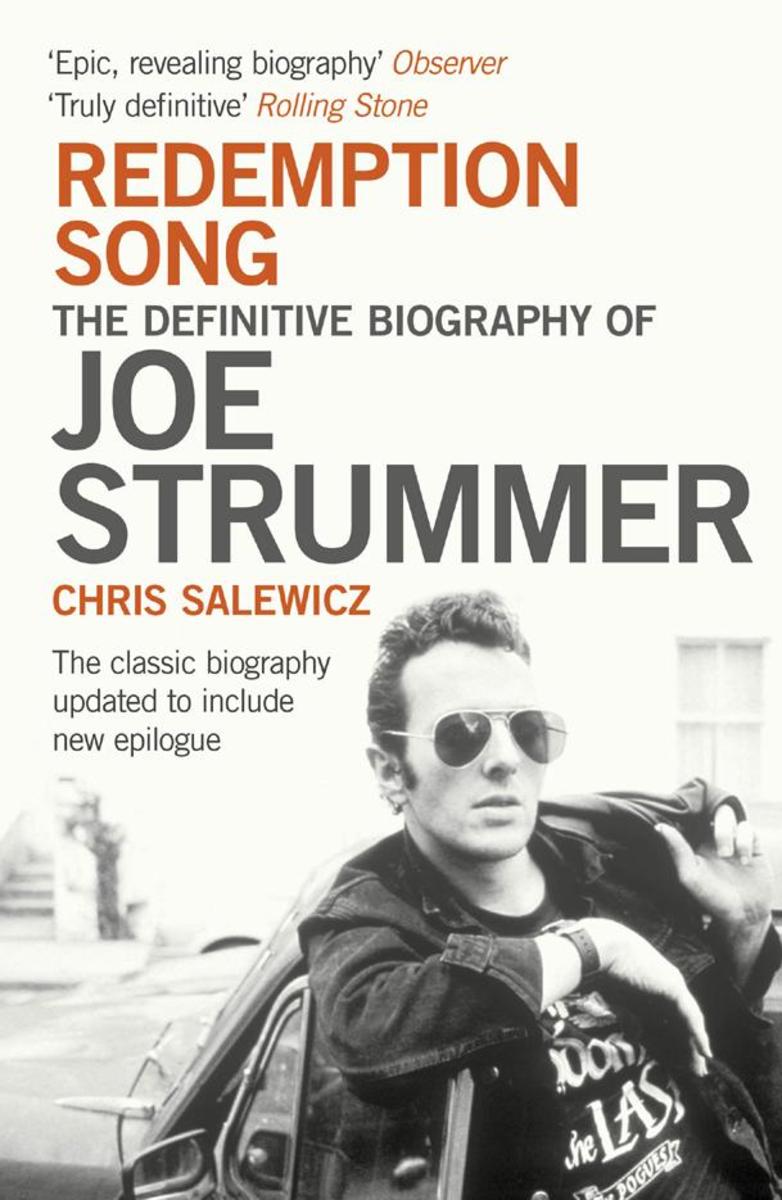
Redemption Song: The Definitive Biography of Joe Strummer
¥80.25
The definitive biography of Joe Strummer, released with a new epilogue to mark the 60th anniversary of his birth. Chris Salewicz was an intimate friend of Strummer’s for over 25 years. Drawing on more than 300 interviews with family, friends and associates, this is a comprehensive, compelling insight into the man behind The Clash. The Clash was the most influential band of its generation, producing punk anthems including ‘London Calling’, ‘White Riot’ and ‘Tommy Gun’. For countless fans across the world, they are the ultimate iconic mainstays of their generation. With his talent, extreme good looks and laid-back attitude Joe Strummer was the driving force behind the band: he was the archetypal punk frontman. His untimely death in December 2002 shook the world to its core. Written with full approval and co-operation of relatives, companions and fellow musicians, this is the ultimate account of one of British rock & roll’s most fascinating idols: his life, his work and his immeasurable impact on the world. Redemption Song is the best and last word on the subject.
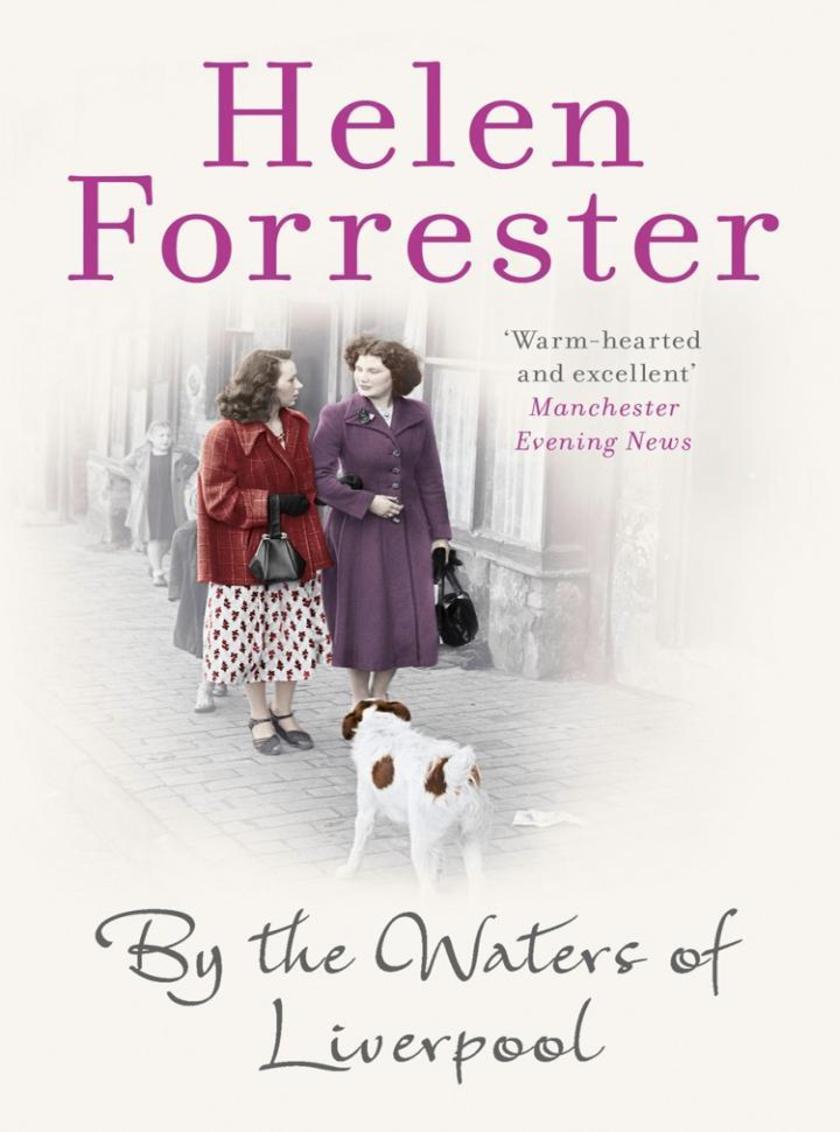
By the Waters of Liverpool
¥66.22
The third best-selling volume in the powerful story of Helen Forrester’s childhood and adolescence in poverty-stricken Liverpool during the 1930s. Helen has managed to achieve a small measure of independence. At seventeen, she has fought and won two bitter battles with her parents, the first for the right to educate herself at evening classes, the second for the right to go out to work. Though her parents are still as financially irresponsible as ever, wasting money while their children lack blankets, let alone proper beds, for Helen the future is brightening. She begins to make friends her own age and to develop some social life outside the home, At twenty, still never knowing the loving kiss of a man, Helen meets Harry, a strong, tall seaman, and things finally start to fall into place…
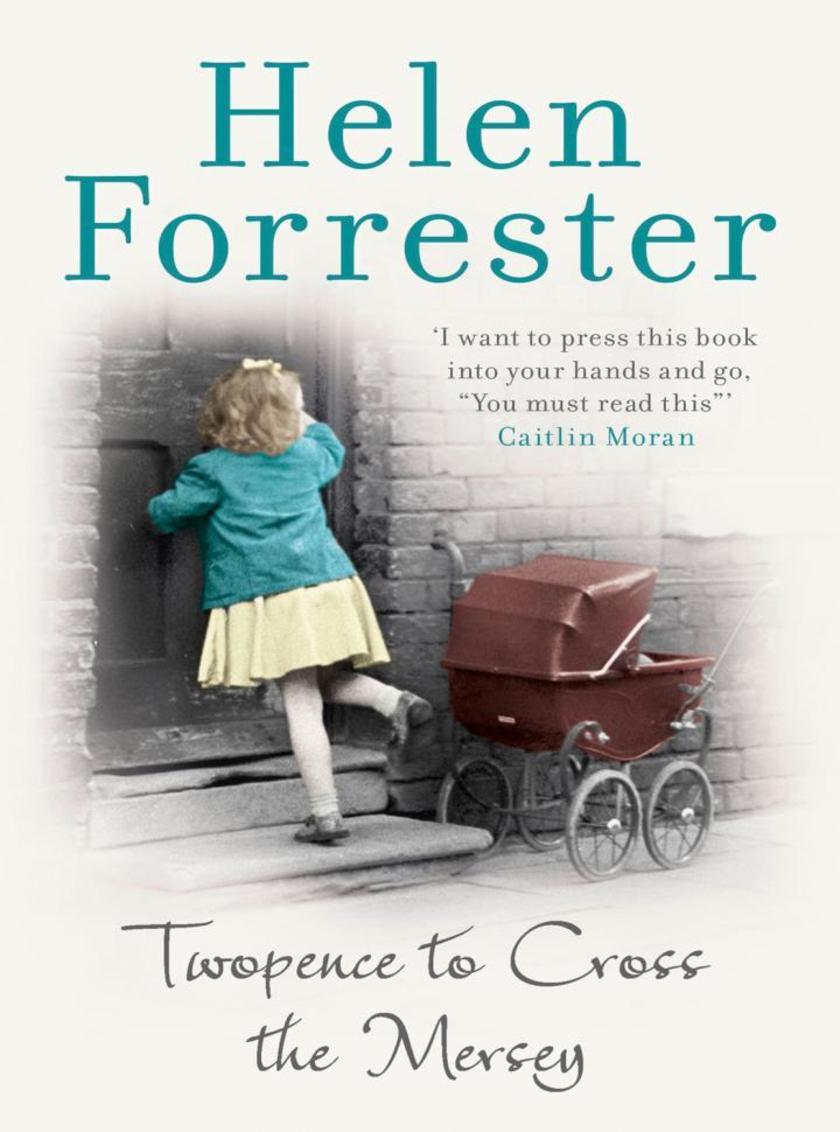
Twopence to Cross the Mersey
¥66.22
This major best-selling memoir of a poverty-stricken childhood in Liverpool is one of the most harrowing but uplifting books you will ever read. When Helen Forrester’s father went bankrupt in 1930 she and her six siblings were forced into utmost poverty and slum surroundings in Depression-ridden Liverpool. The running of the household and the care of the younger children all fell on twelve-year-old Helen. With very little food or help from her feckless parents, Helen led a life of unrelenting drudgery and hardship. Writing about her experiences later in life, Helen Forrester shed light on an almost forgotten part of life in Britain. Written with good humour and a lack of self-pity, Forrester’s memoir of these grim days is as heart-warming as it is shocking.
The Ordeal of Elizabeth Marsh
¥73.58
This edition does not include illustrations. From the author of ‘Britons’, the story of the exceptional life of the intrepid Elizabeth Marsh – an extraordinary woman of her time who was caught up in trade, imperialism, war, exploration, migration, growing maritime reach, and new ideas. This is a book about a world in a life. An individual lost to history, Elizabeth Marsh (1735-85) travelled farther, and was more intimately affected by developments across the globe, than the vast majority of men. Conceived in Jamaica and possibly mixed-race, she was the first woman to publish in English on Morocco, and the first to carry out extensive overland explorations in eastern and southern India, journeying in each case in close companionship with an unmarried man. She spent time in some of the world's biggest ports and naval bases, Portsmouth, Menorca, Gibraltar, London, Rio de Janeiro, Calcutta and the Cape. She was damaged by the Seven Years War and the American Revolutionary War; and linked through her own migrations with voyages of circumnavigation, and as victim and owner, she was involved in three different systems of slavery. But hers is a broadly revealing, not simply an exceptional, life. Marsh's links to the Royal Navy, the East India Company, empire and international trade made these experiences possible. To this extent, her career illumines shifting patterns of British and Western power and overseas aggression. The swift onset of globalization occurring in her lifetime also ensured that her progress, relationships and beliefs were repeatedly shaped and deflected by people and events beyond Europe. While imperial players like Edmund Burke and Eyre Coote form a part of her story, so do African slave sailors, skilled Indian weavers and astronomers, ubiquitous Sephardi Jewish traders, and the great Moroccan Sultan, Sidi Muhammad, who schemed to entrap her. Many modern biographies remain constrained by a national framework, while global histories are generally impersonal. By contrast, in this dazzling and original book, Linda Colley moves repeatedly and questioningly between vast geo-political transformations and the intricate detail of individual lives. This is a global biography for our globalizing times.
Beautiful Child
¥45.62
From the bestselling author of One Child comes this amazing, true story of a mute and withdrawn seven--year--old girl and the special education teacher determined never to abandon a child in need. Seven-year-old Venus Fox never spoke, never listened, never even acknowledged the presence of another human being in the room with her. Yet an accidental playground "bump" would release a rage frightening to behold. The school year that followed would be one of the most trying, perplexing, and ultimately rewarding of Torey Hayden's career, as she struggled to reach a silent child in obvious pain. It would be a strenuous journey beset by seemingly insurmountable obstacles and darkened by truly terrible revelations--yet encouraged by sometimes small, sometimes dazzling breakthroughs--as a dedicated teacher remained committed to helping a "hopeless" girl, and patiently and lovingly leading her toward the light of a new day.
William Wilberforce: The Life of the Great Anti-Slave Trade Campaigner (Text Onl
¥80.25
William Hague has written the life of William Wilberforce who was both a staunch conservative and a tireless campaigner against the slave trade. Hague shows how Wilberforce, after his agonising conversion to evangelical Christianity, was able to lead a powerful tide of opinion, as MP for Hull, against the slave trade, a process which was to take up to half a century to be fully realised. Indeed, he succeeded in rallying to his cause the support in the Commons Debates of some the finest orators in Parliament, having become one of the most respected speakers of those times. Hague examines twenty three crucial years in British political life during which Wilberforce met characters as varied as Louis XVI and Marie Antoinette, Tsar Alexander of Russia, and the one year old future Queen Victoria who used to play at his feet. He was friend and confidant of Pitt, Spencer Perceval and George Canning. He saw these figures raised up or destroyed in twenty three years of war and revolution. Hague presents us with a man who teemed with contradictions: he took up a long list of humanitarian causes, yet on his home turf would show himself to be a firm supporter of the instincts, interests and conservatism of the Yorkshire freeholders who sent him to Parliament. William Hague's masterful study of this remarkable and pivotal figure in British politics brings to life the great triumphs and shattering disappointments he experienced in his campaign against the slave trade, and shows how immense economic, social and political forces came to join together under the tireless persistence of this unique man. Note that it has not been possible to include the same picture content that appeared in the original print version.
From Coal Dust to Stardust
¥51.50
As Britain's most successful and high profile make-up artist, for the past 15 years Gary Cockerill has glossed the lips, curled the lashes and shared the secrets of the famous and fabulous. With his unique style of super-sexy, uber-glamorous make-up, Gary has been responsible for helping to launch the careers and keep the secrets of a host of famous names, including his best friend Katie Price. But behind the glitz and glamour is a heart-warming and at times hilarious story of how a former Yorkshire coal miner with no training or contacts fought his way up to become the celebrity world's make-up artist of choice. In From Coal Dust to Star Dust, Gary reveals how a job spray-painting the faces of shop mannequins in a grimy West London factory led him to America and a hair-raising stint working with the superstars of the adult film industry. He explains how he landed his first celebrity client and within a few years was back in Los Angeles again, only this time working with true Hollywood movie legends. Today, with a star-studded client list that reads like a copy of Vanity Fair magazine, Gary has become a loyal friend and confidante to many of his regular clients. In his role at the heart of the celebrity circus, he reveals what it was like to have a ringside seat for some of the most notorious tabloid scandals of the Noughties. Running alongside Gary's rise to fame is his candid and moving account of coming to terms with his sexuality and meeting his first boyfriend – now husband, Phil Turner – while in the middle of planning a wedding to his glamour model fiancée Tracey. He also lays bare his own struggles with shopping addiction, his dabbles with drugs and how his newfound celebrity lifestyle threatened to spiral out of control and destroy everything he had worked for. Gary's fairytale journey from the mines of Doncaster to the VIP rooms of London and LA is a moving and funny tale in the mould of Billy Elliot – if, that is, Billy ended up pole-dancing in a strip joint at the start of Act Two. Entertainingly gossipy but never bitchy or cruel, Coal Dust to Stardust will be a must-read for anyone interested in contemporary celebrity culture.
Scott on Zélide: Portrait of Zélide by Geoffrey Scott
¥88.39
‘Lives that Never Grow Old’ is a wonderful series– edited by Richard Holmes – that recovers the great classical tradition of English biography. Every book is a biographical masterpiece, still thrilling to read and vividly alive. Zélide lived in her father’s moated castle in Holland, like a fairytale princess in a tower. She was the clever, sexy, mercurial young Dutch blue-stocking with whom Boswell fell disastrously in love in 1764. The rest of Zélide’s story was unknown until the brilliant young Boswell scholar Geoffrey Scott pieced it together from her intimate letters and essays. Subsequent affairs with a cynical cavalry officer, a celebrated but vacillating writer (aptly named Benjamin Constant), and a thoroughly reliable music master, took her eventually to another fairytale mansion in Switzerland. This tender, funny, faintly salacious portrait of a ‘belle-esprit’ is one of the most exquisite biographical miniatures ever written.


