


 购物车
 个人中心

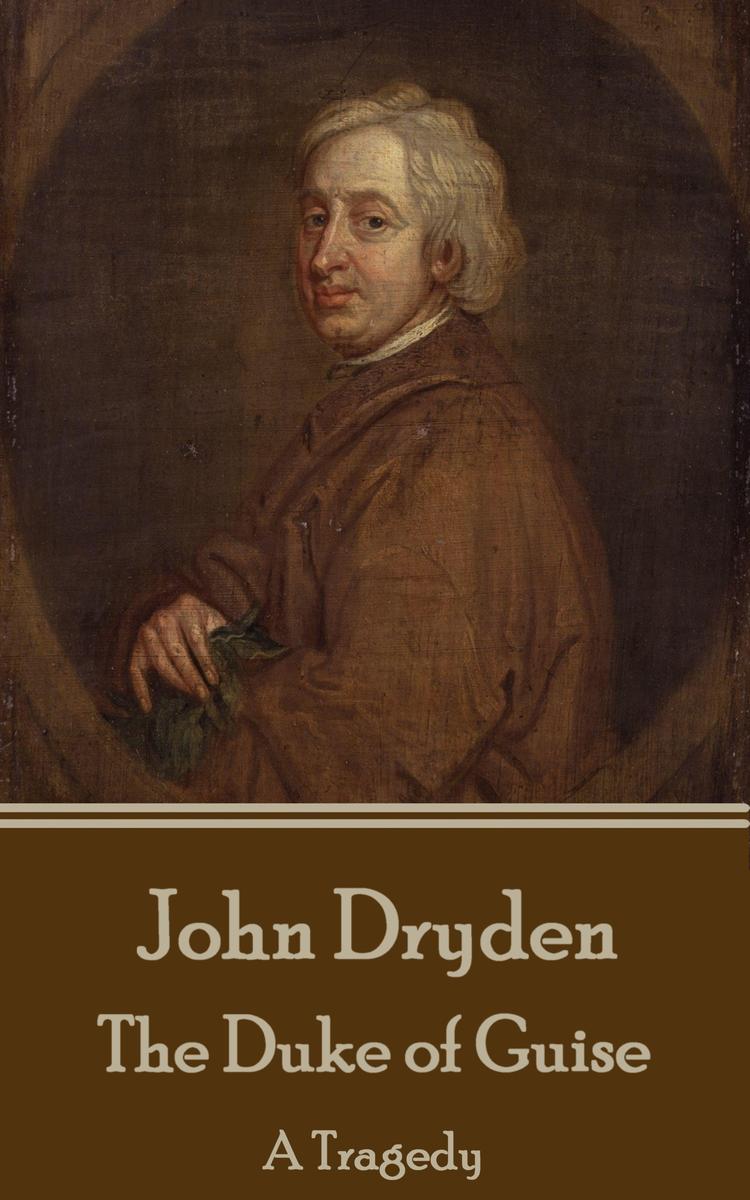
Duke of Guise - A Tragedy
¥26.98
John Dryden was born on August 9th, 1631 in the village rectory of Aldwincle near Thrapston in Northamptonshire. As a boy Dryden lived in the nearby village of Titchmarsh, Northamptonshire. In 1644 he was sent to Westminster School as a King's Scholar. Dryden obtained his BA in 1654, graduating top of the list for Trinity College, Cambridge that year. Returning to London during The Protectorate, Dryden now obtained work with Cromwell's Secretary of State, John Thurloe. At Cromwell's funeral on 23 November 1658 Dryden was in the company of the Puritan poets John Milton and Andrew Marvell. The setting was to be a sea change in English history. From Republic to Monarchy and from one set of lauded poets to what would soon become the Age of Dryden. The start began later that year when Dryden published the first of his great poems, Heroic Stanzas (1658), a eulogy on Cromwell's death. With the Restoration of the Monarchy in 1660 Dryden celebrated in verse with Astraea Redux, an authentic royalist panegyric. With the re-opening of the theatres after the Puritan ban, Dryden began to also write plays. His first play, The Wild Gallant, appeared in 1663 but was not successful. From 1668 on he was contracted to produce three plays a year for the King's Company, in which he became a shareholder. During the 1660s and '70s, theatrical writing was his main source of income. In 1667, he published Annus Mirabilis, a lengthy historical poem which described the English defeat of the Dutch naval fleet and the Great Fire of London in 1666. It established him as the pre-eminent poet of his generation, and was crucial in his attaining the posts of Poet Laureate (1668) and then historiographer royal (1670). This was truly the Age of Dryden, he was the foremost English Literary figure in Poetry, Plays, translations and other forms. In 1694 he began work on what would be his most ambitious and defining work as translator, The Works of Virgil (1697), which was published by subscription. It was a national event. John Dryden died on May 12th, 1700, and was initially buried in St. Anne's cemetery in Soho, before being exhumed and reburied in Westminster Abbey ten days later.
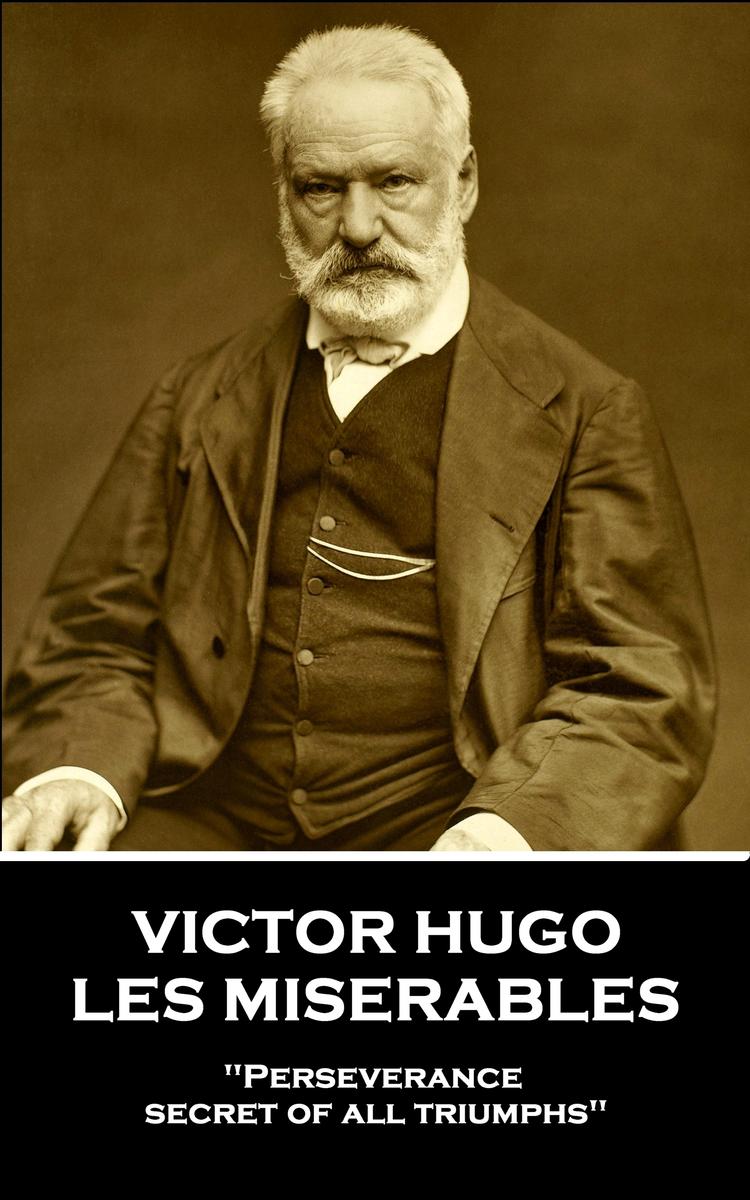
Les Miserables - Perseverance, secret of all triumphs
¥52.88
Victor Marie Hugo was born on 26th February 1802 and is revered as the greatest of all French writers. A poet, novelist, dramatist and painter he was a passionate supporter of Republicanism and made a notable contribution to the politics of his Country.His life was paralleled by the immense political and social movements of the 19th Century. When he was two Napoleon was proclaimed Emperor but before he was eighteen the Bourbon Monarchy was restored.It was only with his Mother's death in 1821 that he felt confident enough to marry Adele Foucher, a relationship he had kept secret from his mother. Their first child was born inside a year but died in infancy. Leopoldine was born the following year, followed by three further siblings.Hugo published his first novel the year following year, Han d'Islande, (1823). Three years later his second, Bug-Jargal (1826).Between 1829 and 1840 he would publish five further volumes of poetry solidifying his reputation as one of the greatest elegiac and lyric poets of his time. His reputation was growing not only in France but across Europe.In 1841 he was elected to the Academie Francaise, cementing his position in the world of French arts and letters. Hugo also now began to turn his attention to an involvement in French politics.Elevated to the peerage by King Louis-Philippe in 1841 he spoke eloquently and at length against the death penalty and social injustice as well as passionately in favour of freedom of the press and self-government for Poland.When Napoleon III seized power in 1851, and established an anti-parliamentary constitution, Hugo openly declared him a traitor to France and began a long exile, based mainly in Guernsey.In exile, Hugo published his famous political pamphlets; Napoleon le Petit and Histoire d'un crime. Although the pamphlets were banned in France, they nonetheless made a strong impact there. His exile also seemed to have a creative impetus. He composed or published some of his greatest work including Les Miserables, and three widely honoured collections of poetry (Les Chatiments, 1853; Les Contemplations, 1856; and La Legende des siecles, 1859).In 1870 the Third Republic was established and Hugo finally returned home, where he was elected to the National Assembly and the Senate. That same year War erupted between France and Prussia and the French were badly beaten.With the end of the War Hugo began his campaign for a great valuation and protection for the rights of artists and copyright. He was a founding member of the Association Litteraire et Artistique Internationale, which led to the Berne Convention for the Protection of Literary and Artistic Works.Victor Hugo's death on 22nd May 1885, at the age of 83, generated intense nation-wide mourning. Revered not only as a towering figure in literature, he was a statesman who had helped to shape the Third Republic and democracy in France.
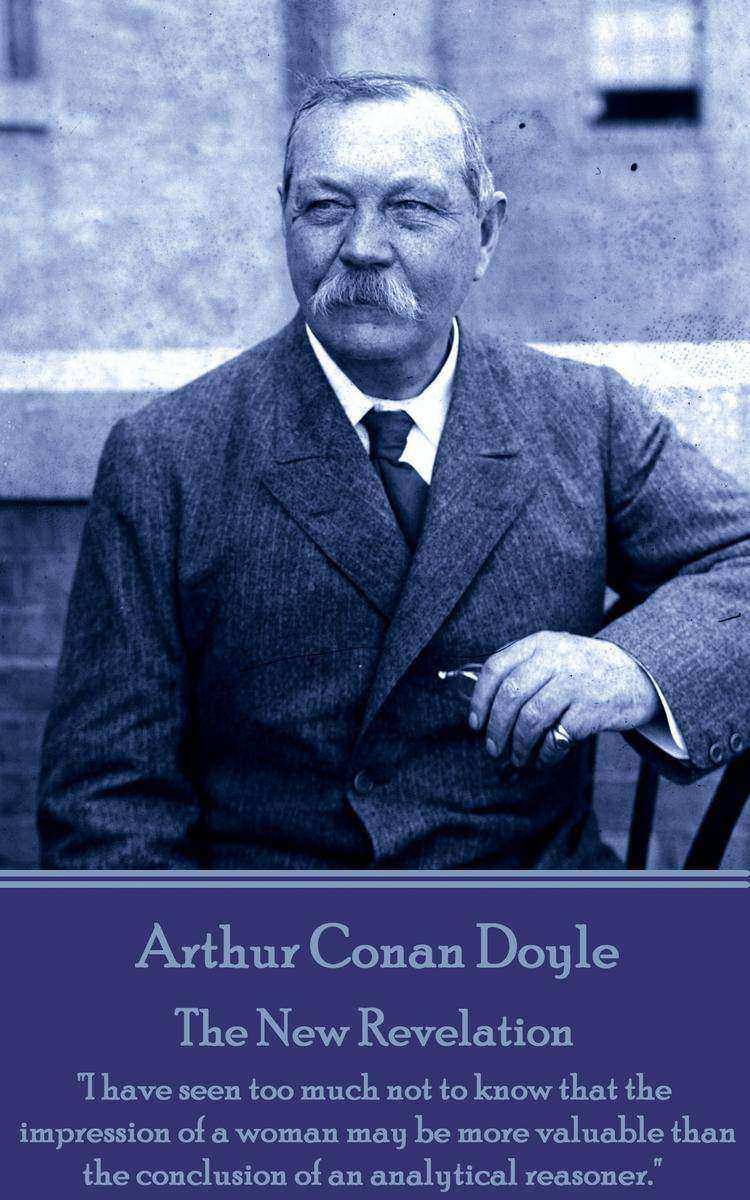
New Revelation
¥14.03
If ever a writer needed an introduction Arthur Conan Doyle would not be considered that man. After all, Sherlock Holmes is perhaps the foremost literary detective of any age. Add to this canon his stories of science fiction and his poems, his historical novels, his plays, his political campaigning, his efforts in establishing a Court of Appeal and there is little room for anything else. Except he was also an exceptional writer of short stories of the horrific and macabre. Something very different from what you might expect. Born in Arthur Conan Doyle was born on 22 May 1859 at 11 Picardy Place, Edinburgh, Scotland. From 1876 - 1881 he studied medicine at the University of Edinburgh following which he was employed as a doctor on the Greenland whaler Hope of Peterhead in 1880 and, after his graduation, as a ship's surgeon on the SS Mayumba during a voyage to the West African coast in 1881. Arriving in Portsmouth in June of that year with less than GBP10 (GBP700 today) to his name, he set up a medical practice at 1 Bush Villas in Elm Grove, Southsea. The practice was initially not very successful. While waiting for patients, Conan Doyle again began writing stories and composed his first novel The Mystery of Cloomber. Although he continued to study and practice medicine his career was now firmly set as a writer. And thereafter great works continued to pour out of him.
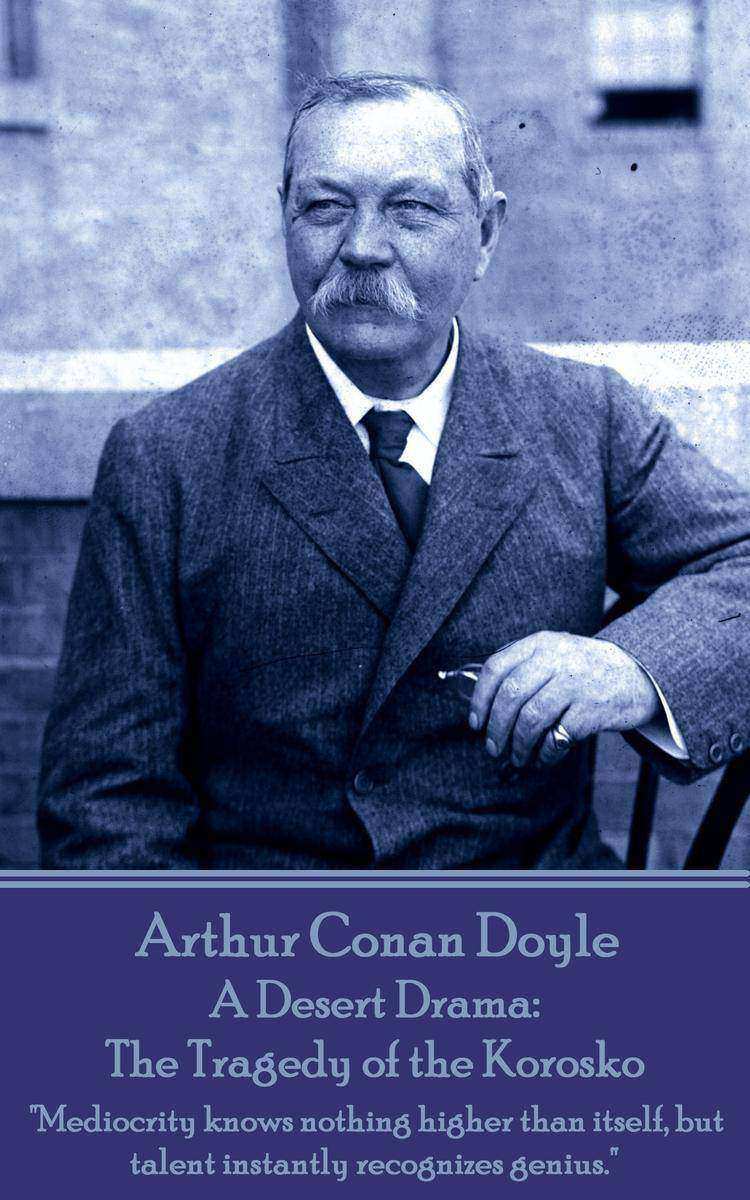
Desert Drama: The Tragedy of the Korosko
¥15.21
If ever a writer needed an introduction Arthur Conan Doyle would not be considered that man. After all, Sherlock Holmes is perhaps the foremost literary detective of any age. Add to this canon his stories of science fiction and his poems, his historical novels, his plays, his political campaigning, his efforts in establishing a Court of Appeal and there is little room for anything else. Except he was also an exceptional writer of short stories of the horrific and macabre. Something very different from what you might expect. Born in Arthur Conan Doyle was born on 22 May 1859 at 11 Picardy Place, Edinburgh, Scotland. From 1876 - 1881 he studied medicine at the University of Edinburgh following which he was employed as a doctor on the Greenland whaler Hope of Peterhead in 1880 and, after his graduation, as a ship's surgeon on the SS Mayumba during a voyage to the West African coast in 1881. Arriving in Portsmouth in June of that year with less than GBP10 (GBP700 today) to his name, he set up a medical practice at 1 Bush Villas in Elm Grove, Southsea. The practice was initially not very successful. While waiting for patients, Conan Doyle again began writing stories and composed his first novel The Mystery of Cloomber. Although he continued to study and practice medicine his career was now firmly set as a writer. And thereafter great works continued to pour out of him.
Heracles - The greatest pleasure of life is love
¥14.03
Euripides is rightly lauded as one of the great dramatists of all time. In his lifetime, he wrote over 90 plays and although only 18 have survived they reveal the scope and reach of his genius. Euripides is identified with many theatrical innovations that have influenced drama all the way down to modern times, especially in the representation of traditional, mythical heroes as ordinary people in extraordinary circumstances. As would be expected from a life lived 2,500 years ago, details of it are few and far between. Accounts of his life, written down the ages, do exist but whether much is reliable or surmised is open to debate. Most accounts agree that he was born on Salamis Island around 480 BC, to mother Cleito and father Mnesarchus, a retailer who lived in a village near Athens. Upon the receipt of an oracle saying that his son was fated to win "e;crowns of victory"e;, Mnesarchus insisted that the boy should train for a career in athletics. However, what is clear is that athletics was not to be the way to win crowns of victory. Euripides had been lucky enough to have been born in the era as the other two masters of Greek Tragedy; Sophocles and schylus. It was in their footsteps that he was destined to follow. His first play was performed some thirteen years after the first of Socrates plays and a mere three years after schylus had written his classic The Oristria. Theatre was becoming a very important part of the Greek culture. The Dionysia, held annually, was the most important festival of theatre and second only to the fore-runner of the Olympic games, the Panathenia, held every four years, in appeal. Euripides first competed in the City Dionysia, in 455 BC, one year after the death of schylus, and, incredibly, it was not until 441 BC that he won first prize. His final competition in Athens was in 408 BC. The Bacchae and Iphigenia in Aulis were performed after his death in 405 BC and first prize was awarded posthumously. Altogether his plays won first prize only five times. Euripides was also a great lyric poet. In Medea, for example, he composed for his city, Athens, "e;the noblest of her songs of praise"e;. His lyric skills however are not just confined to individual poems: "e;A play of Euripides is a musical whole....one song echoes motifs from the preceding song, while introducing new ones."e; Much of his life and his whole career coincided with the struggle between Athens and Sparta for hegemony in Greece but he didn't live to see the final defeat of his city. Euripides fell out of favour with his fellow Athenian citizens and retired to the court of Archelaus, king of Macedon, who treated him with consideration and affection. At his death, in around 406BC, he was mourned by the king, who, refusing the request of the Athenians that his remains be carried back to the Greek city, buried him with much splendor within his own dominions. His tomb was placed at the confluence of two streams, near Arethusa in Macedonia, and a cenotaph was built to his memory on the road from Athens towards the Piraeus.
Adventure of the Devil
¥14.03
If ever a writer needed an introduction Arthur Conan Doyle would not be considered that man. After all, Sherlock Holmes is perhaps the foremost literary detective of any age. Add to this canon his stories of science fiction and his poems, his historical novels, his plays, his political campaigning, his efforts in establishing a Court of Appeal and there is little room for anything else. Except he was also an exceptional writer of short stories of the horrific and macabre. Something very different from what you might expect. Born in Arthur Conan Doyle was born on 22 May 1859 at 11 Picardy Place, Edinburgh, Scotland. From 1876 - 1881 he studied medicine at the University of Edinburgh following which he was employed as a doctor on the Greenland whaler Hope of Peterhead in 1880 and, after his graduation, as a ship's surgeon on the SS Mayumba during a voyage to the West African coast in 1881. Arriving in Portsmouth in June of that year with less than GBP10 (GBP700 today) to his name, he set up a medical practice at 1 Bush Villas in Elm Grove, Southsea. The practice was initially not very successful. While waiting for patients, Conan Doyle again began writing stories and composed his first novel The Mystery of Cloomber. Although he continued to study and practice medicine his career was now firmly set as a writer. And thereafter great works continued to pour out of him.
Coriolanus - Nature teaches beasts to know their friends
¥11.67
The life of William Shakespeare, arguably the most significant figure in the Western literary canon, is relatively unknown. Shakespeare was born in Stratford-upon-Avon in 1565, possibly on the 23rd April, St. George's Day, and baptised there on 26th April. Little is known of his education and the first firm facts to his life relate to his marriage, aged 18, to Anne Hathaway, who was 26 and from the nearby village of Shottery. Anne gave birth to their first son six months later. Shakespeare's first play, The Comedy of Errors began a procession of real heavyweights that were to emanate from his pen in a career of just over twenty years in which 37 plays were written and his reputation forever established. This early skill was recognised by many and by 1594 the Lord Chamberlain's Men were performing his works. With the advantage of Shakespeare's progressive writing they rapidly became London's leading company of players, affording him more exposure and, following the death of Queen Elizabeth in 1603, a royal patent by the new king, James I, at which point they changed their name to the King's Men. By 1598, and despite efforts to pirate his work, Shakespeare's name was well known and had become a selling point in its own right on title pages. No plays are attributed to Shakespeare after 1613, and the last few plays he wrote before this time were in collaboration with other writers, one of whom is likely to be John Fletcher who succeeded him as the house playwright for the King's Men. William Shakespeare died two months later on April 23rd, 1616, survived by his wife, two daughters and a legacy of writing that none have since yet eclipsed.

Richard III - So wise so young, they say, do never live long
¥11.67
The life of William Shakespeare, arguably the most significant figure in the Western literary canon, is relatively unknown. Shakespeare was born in Stratford-upon-Avon in 1565, possibly on the 23rd April, St. George's Day, and baptised there on 26th April. Little is known of his education and the first firm facts to his life relate to his marriage, aged 18, to Anne Hathaway, who was 26 and from the nearby village of Shottery. Anne gave birth to their first son six months later. Shakespeare's first play, The Comedy of Errors began a procession of real heavyweights that were to emanate from his pen in a career of just over twenty years in which 37 plays were written and his reputation forever established. This early skill was recognised by many and by 1594 the Lord Chamberlain's Men were performing his works. With the advantage of Shakespeare's progressive writing they rapidly became London's leading company of players, affording him more exposure and, following the death of Queen Elizabeth in 1603, a royal patent by the new king, James I, at which point they changed their name to the King's Men. By 1598, and despite efforts to pirate his work, Shakespeare's name was well known and had become a selling point in its own right on title pages. No plays are attributed to Shakespeare after 1613, and the last few plays he wrote before this time were in collaboration with other writers, one of whom is likely to be John Fletcher who succeeded him as the house playwright for the King's Men. William Shakespeare died two months later on April 23rd, 1616, survived by his wife, two daughters and a legacy of writing that none have since yet eclipsed.
Eternal Lover
¥29.33
Edgar Rice Burroughs was born on September 1, 1875, in Chicago, Illinois. His early career was unremarkable. After failing to enter West Point he enlisted in the 7th Calvary but was discharged after heart problems were diagnosed. A series of short term jobs gave no indication as to a career path but finally, in 1911, married and with two young children, he turned his hand to writing. He aimed his works squarely at the very popular pulp serial magazines. His first effort 'Under The Moons Of Mars' ran in Munsey's Magazine in 1912 under the pseudonym Norman Bean. With its success he began writing full time. A continuing theme of his work was to develop series so that each character had ample opportunities to return in sequels. John Carter was in the Mars series and there was another on Venus and one on Pellucidar among others. But perhaps the best known is Tarzan. Indeed Burroughs wanted so much to capitalise upon the brand that he introduced a syndicated Tarzan comic strip, movies and merchandise. He purchased a large ranch north of Los Angeles, California, which he named "e;Tarzana."e; The surrounding communities outside the ranch voted in 1927 to adopt the name as their own. By 1932 Burroughs set up his own company to print his own books. Here we publish 'The Eternal Lover' in the hands of Edgar Rice Burroughs the title is just the beginning.....just the start of a journey......
Pericles - Few love to hear the sins they love to act.
¥11.67
The life of William Shakespeare, arguably the most significant figure in the Western literary canon, is relatively unknown. Shakespeare was born in Stratford-upon-Avon in 1565, possibly on the 23rd April, St. George's Day, and baptised there on 26th April. Little is known of his education and the first firm facts to his life relate to his marriage, aged 18, to Anne Hathaway, who was 26 and from the nearby village of Shottery. Anne gave birth to their first son six months later. Shakespeare's first play, The Comedy of Errors began a procession of real heavyweights that were to emanate from his pen in a career of just over twenty years in which 37 plays were written and his reputation forever established. This early skill was recognised by many and by 1594 the Lord Chamberlain's Men were performing his works. With the advantage of Shakespeare's progressive writing they rapidly became London's leading company of players, affording him more exposure and, following the death of Queen Elizabeth in 1603, a royal patent by the new king, James I, at which point they changed their name to the King's Men. By 1598, and despite efforts to pirate his work, Shakespeare's name was well known and had become a selling point in its own right on title pages. No plays are attributed to Shakespeare after 1613, and the last few plays he wrote before this time were in collaboration with other writers, one of whom is likely to be John Fletcher who succeeded him as the house playwright for the King's Men. William Shakespeare died two months later on April 23rd, 1616, survived by his wife, two daughters and a legacy of writing that none have since yet eclipsed.
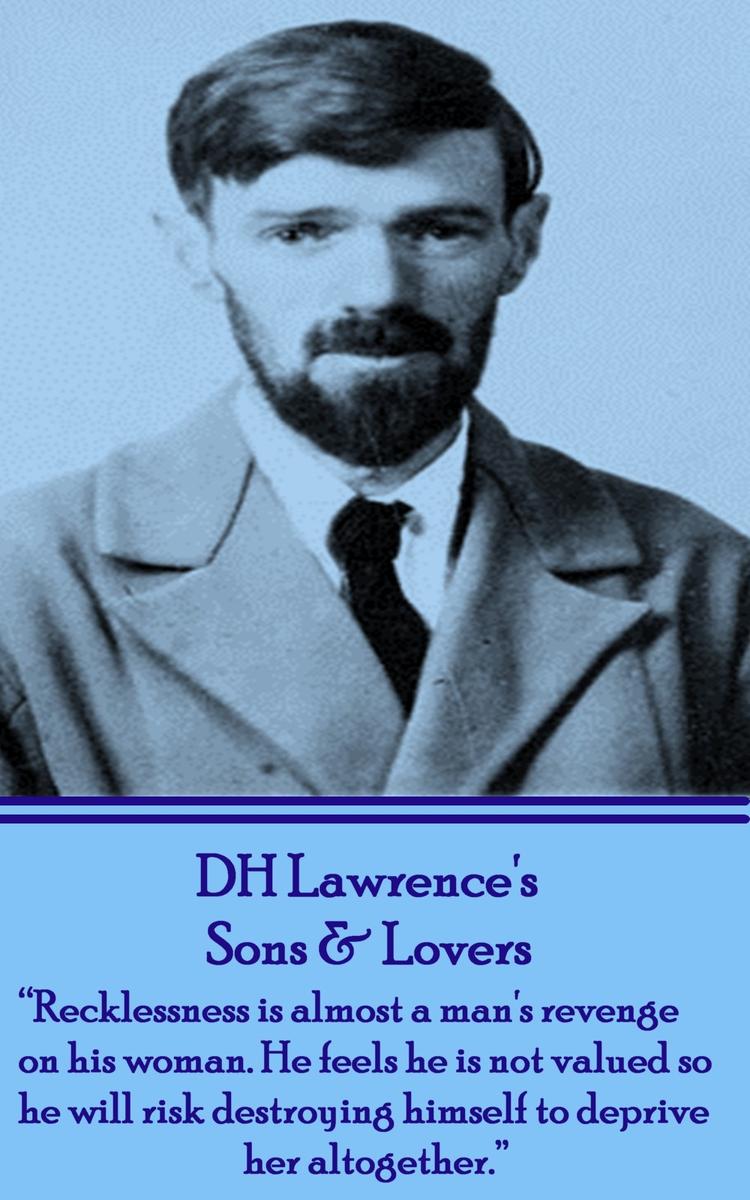
Sons & Lovers - Recklessness is almost a man's revenge on his woman.
¥23.45
DH Lawrence's Sons and Lovers is a must-read classic that deals with family relations in a typical Freudian fashion. In fact, the book tells the story of the very strong attachment of two sons, William and Paul Morel, to their mother. As the boys grow older and start dating women, they both find difficulties to establish serious and lasting love relationships with their partners. They are never satisfied with the girls' personalities and often complain about their superficiality and ostensible nature while their affairs never reach beyond passion and mere physical gratification. Being often considered as an autobiographical novel in which Lawrence explores aspects of his own personal life, the narrative presents the boys' mother as their ultimate example of the perfect woman, an example that cannot be attained by the women they happen to meet. After William's sudden death, the mother's hold on Paul is further reinforced. She is now jealous of her second son's mistress and engages in a campaign to separate them. As expected, the son never succeeds in disentangling himself from his mother's apron strings. After the mother's death, the end of the novel depicts a lost and lonely Paul with no hopes or aspirations.
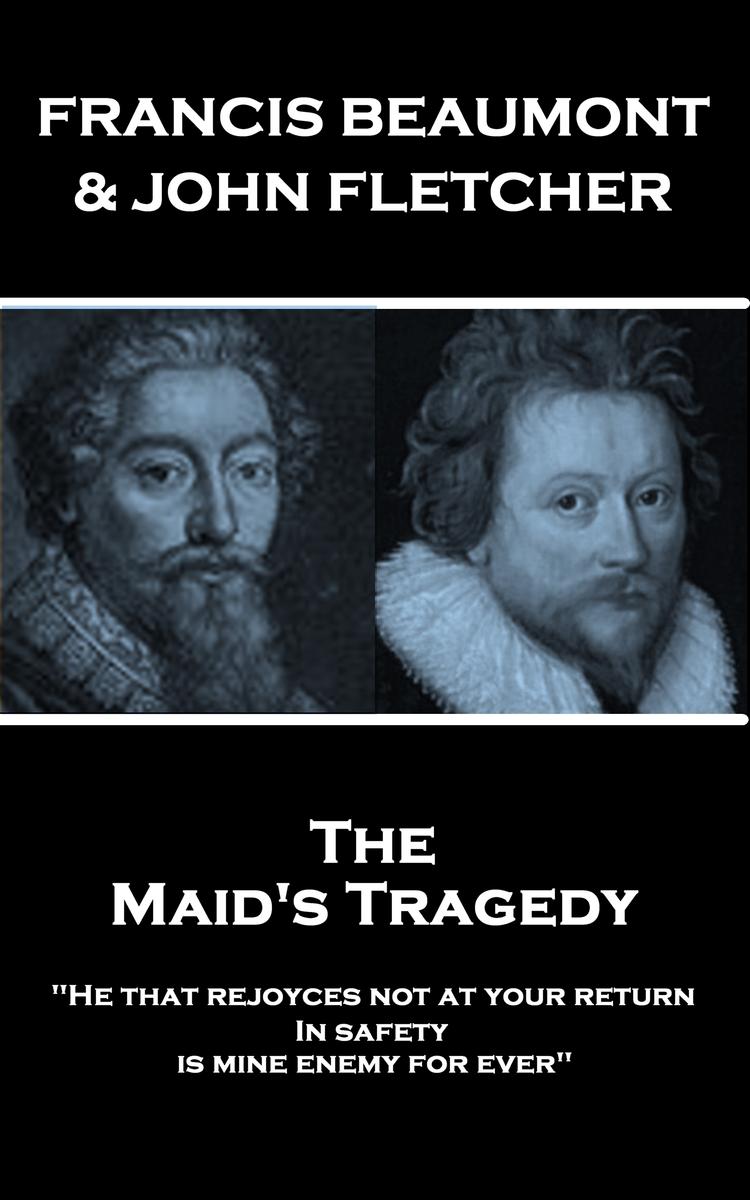
Maids Tragedy - He that rejoyces not at your return In safety, is mine enemy for
¥38.75
The English dramatists Francis Beaumont and John Fletcher, collaborated in their writing during the reign of James I of England (James VI of Scotland, 1567-1625; in England he reigned from 1603).Beaumont & Fletcher began to collaborate as writers soon after they met. After notable failures of their solo works their first joint effort, Philaster, was a success and tragicomedy was the genre they explored and built upon. There would be many further successes to follow.There is an account that at the time the two men shared everything. They lived together in a house on the Bankside in Southwark, "e;they also lived together in Bankside, sharing clothes and having one wench in the house between them."e; Or as another account puts it "e;sharing everything in the closest intimacy."e;Whatever the truth of this they were now recognised as perhaps the best writing team of their generation, so much so, that their joint names was applied to all the works in which either, or both, had a pen including those with Philip Massinger, James Shirley and Nathan Field.The first Beaumont and Fletcher folio of 1647 contained 35 plays; 53 plays were included in the second folio in 1679. Other works bring the total plays in the canon to about 55. However there appears here to have been some duplicity on the account of the publishers who seemed to attribute so many to the team. It is now thought that the work between solely by Beaumont and Fletcher amounts to approximately 15 plays, though of course further works by them were re-worked by others and the originals lost.After Beaumont's early death in 1616 Fletcher continued to write and, at his height was, by many standards, the equal of Shakespeare in popularity until his own death in 1625.

Dark Lady Of The Sonnets, By George Bernard Shaw
¥15.21
The Dark Lady of the Sonnets is a one-act play by the Irish playwright George Bernard Shaw which centers around the character of the "e;Dark Lady"e; described in William Shakespeare's sonnets. In the preface to the play, Shaw introduces his own audience to the different theories about the actual person to whom the sonnets were devoted, but also if Shakespeare is the actual writer of his works. Shakespeare and Queen Elizabeth themselves are characters in Shaw's rather witty, comic play. Generally, the Dark Lady of the Sonnets is supposed to be an unconventionally-beautiful woman with whom young Shakespeare falls madly in love. When one day he introduces the Lady to one of his favorite friends, a handsome young man of a high social rank, they both betray him by going to bed together. The feeling of being doubly betrayed has greatly affected the English playwright and marked a considerable transformation in his writing career. By and large, Bernard Shaw's work, with its relatively long explanatory preface, touches the interesting mystery of Shakespeare's person and plays which has been much debated by numerous critics throughout the centuries.
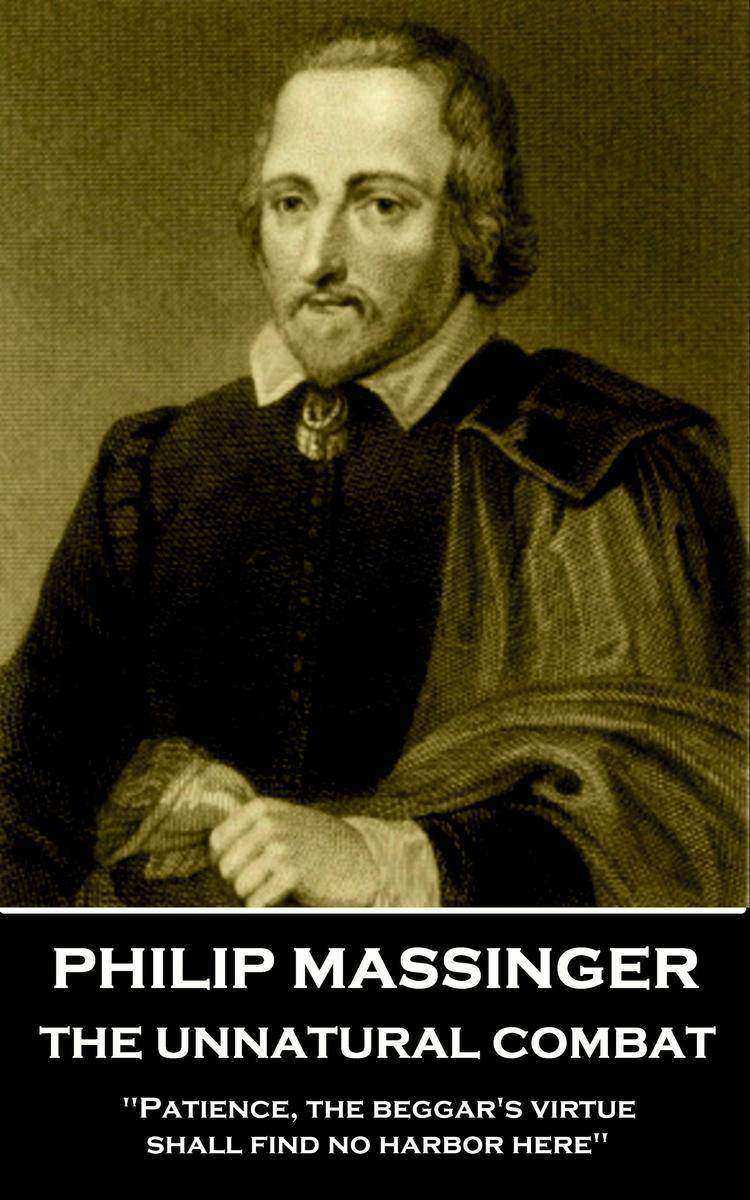
Unnatural Combat - Patience, the beggar's virtue, shall find no harbor here
¥23.45
Philip Massinger was baptized at St. Thomas's in Salisbury on November 24th, 1583.Massinger is described in his matriculation entry at St. Alban Hall, Oxford (1602), as the son of a gentleman. His father, who had also been educated there, was a member of parliament, and attached to the household of Henry Herbert, 2nd Earl of Pembroke. The Earl was later seen as a potential patron for Massinger.He left Oxford in 1606 without a degree. His father had died in 1603, and accounts suggest that Massinger was left with no financial support this, together with rumours that he had converted to Catholicism, meant the next stage of his career needed to provide an income.Massinger went to London to make his living as a dramatist, but he is only recorded as author some fifteen years later, when The Virgin Martyr (1621) is given as the work of Massinger and Thomas Dekker.During those early years as a playwright he wrote for the Elizabethan stage entrepreneur, Philip Henslowe. It was a difficult existence. Poverty was always close and there was constant pleading for advance payments on forthcoming works merely to survive.After Henslowe died in 1616 Massinger and John Fletcher began to write primarily for the King's Men and Massinger would write regularly for them until his death.The tone of the dedications in later plays suggests evidence of his continued poverty. In the preface of The Maid of Honour (1632) he wrote, addressing Sir Francis Foljambe and Sir Thomas Bland: "e;I had not to this time subsisted, but that I was supported by your frequent courtesies and favours."e;The prologue to The Guardian (1633) refers to two unsuccessful plays and two years of silence, when the author feared he had lost popular favour although, from the little evidence that survives, it also seems he had involved some of his plays with political characters which would have cast shadows upon England's alliances.Philip Massinger died suddenly at his house near the Globe Theatre on March 17th, 1640. He was buried the next day in the churchyard of St. Saviour's, Southwark, on March 18th, 1640. In the entry in the parish register he is described as a "e;stranger,"e; which, however, implies nothing more than that he belonged to another parish.
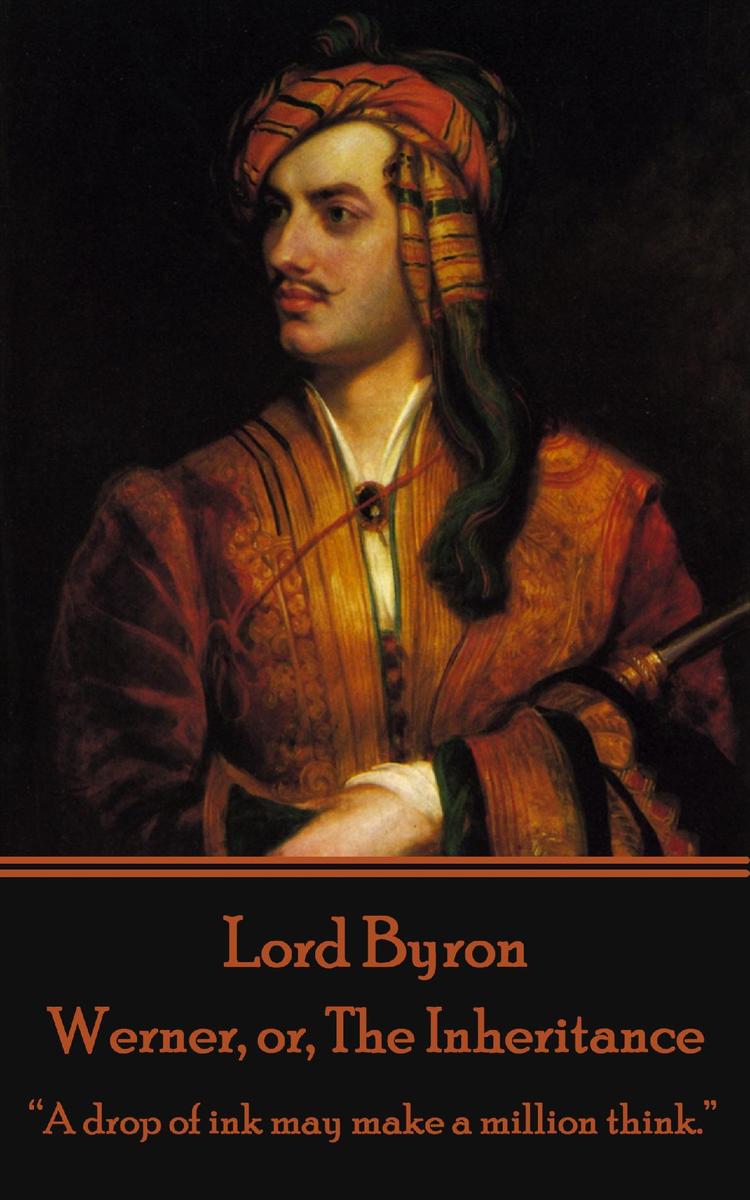
Werner, or, The Inheritance - A drop of ink may make a million think.
¥26.98
George Gordon Byron, 6th Baron Byron, but more commonly known as just Byron was a leading English poet in the Romantic Movement along with Keats and Shelley. Byron was born on January 22nd, 1788. He was a great traveller across Europe, spending many years in Italy and much time in Greece. With his aristocratic indulgences, flamboyant style along with his debts, and a string of lovers he was the constant talk of society. In 1823 he joined the Greeks in their war of Independence against the Ottoman Empire, both helping to fund and advise on the war's conduct. It was an extraordinary adventure, even by his own standards. But, for us, it is his poetry for which he is mainly remembered even though it is difficult to see where he had time to write his works of immense beauty. But write them he did. He died on April 19th 1824 after having contracted a cold which, on the advice of his doctors, was treated with blood-letting. This cause complications and a violent fever set in. Byron died like his fellow romantics, tragically young and on some foreign field.

Merry Wives of Windsor - This is the short and the long of it
¥11.67
The life of William Shakespeare, arguably the most significant figure in the Western literary canon, is relatively unknown. Shakespeare was born in Stratford-upon-Avon in 1565, possibly on the 23rd April, St. George's Day, and baptised there on 26th April. Little is known of his education and the first firm facts to his life relate to his marriage, aged 18, to Anne Hathaway, who was 26 and from the nearby village of Shottery. Anne gave birth to their first son six months later. Shakespeare's first play, The Comedy of Errors began a procession of real heavyweights that were to emanate from his pen in a career of just over twenty years in which 37 plays were written and his reputation forever established. This early skill was recognised by many and by 1594 the Lord Chamberlain's Men were performing his works. With the advantage of Shakespeare's progressive writing they rapidly became London's leading company of players, affording him more exposure and, following the death of Queen Elizabeth in 1603, a royal patent by the new king, James I, at which point they changed their name to the King's Men. By 1598, and despite efforts to pirate his work, Shakespeare's name was well known and had become a selling point in its own right on title pages. No plays are attributed to Shakespeare after 1613, and the last few plays he wrote before this time were in collaboration with other writers, one of whom is likely to be John Fletcher who succeeded him as the house playwright for the King's Men. William Shakespeare died two months later on April 23rd, 1616, survived by his wife, two daughters and a legacy of writing that none have since yet eclipsed.
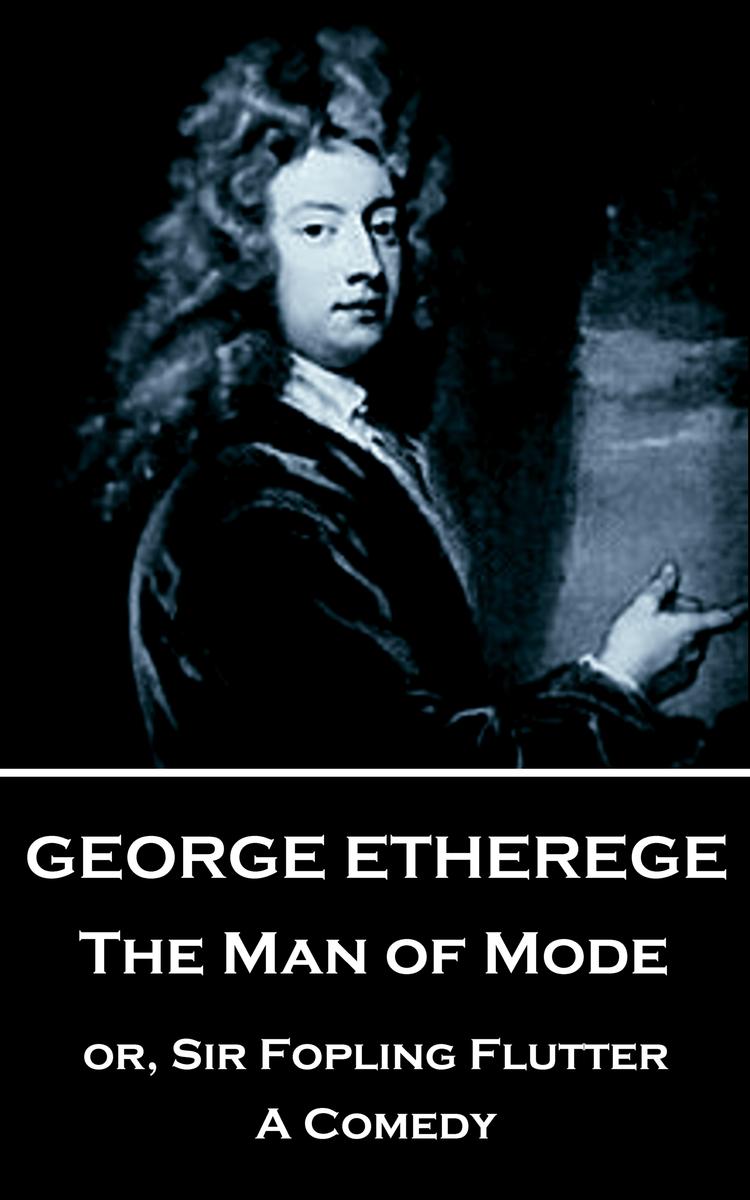
Man of Mode - or, Sir Fopling Flutter. A Comedy
¥25.80
George Etherege was born in Maidenhead, Berkshire, around 1636, the eldest of six children to George Etherege and Mary Powney. Little is known of much of his life and especially his early years. He was educated at Lord Williams's School and the next sighting of him is as apprentice to a lawyer before he himself began to study law at Clement's Inn, London, one of the Inns of Chancery. Thereafter conjecture attributes many things to him but none that can be confirmed as fact. However, after the Restoration to the throne of Charles II in 1660 he wrote his first comedy; The Comical Revenge, or, Love in a Tub, which also brought him to the attention of Lord Buckhurst, who later became the Earl of Dorset. The Comical Revenge was performed at the Duke's theatre in 1664 although other accounts say it was premiered at Lincoln's Inn Fields. It is written partly in rhymed heroic verse and contains several comic scenes that are refreshingly bright, especially in the context of other plays performed at the time. The verbal sparring between Sir Frederick and the Widow was a new departure for the stage and it worked brilliantly. An immediate success, it had followed much of the earlier traditions of theatre but had already begun to lay the foundations for what would become the comedy of manners. It gave him an immediate entree to a world of literary rakes, including Sir Charles Sedley, John Wilmot, the earl of Rochester and many of the roguish elements of the Court circle. He seemed easy-going and amiable and his nicknames seem to confirm this; "e;gentle George"e; and "e;easy Etheredge."e; Whether this rich life of gaudy pleasures hindered his writing or not it would be another four years before his next play would be finished and performed. In 1668 She Would If She Could, a comedy full of action, wit and spirit, came to the stage. Although it was also seen by others to be frivolous and immoral. However, the play does cement Etheredge's modern reputation as a powerful figure in English playwriting. The play dropped the romantic verse element to concentrate on flirtation for flirtations own sake. It was a radical departure. Unfortunately, it also flopped. It is said due to bad acting but the sudden movement away from the normal structure of a play may equally be the reason. Etheridge now departed on new adventures and between 1668 and 1671 Etherege resided in Constantinople as the secretary of the English ambassador, Sir Daniel Harvey. Returning once more to English shores he wrote the prologue for the opening, in 1671, of the new Dorset Garden Theatre. In 1676 his last and wittiest comedy, The Man of Mode; or, Sir Fopling Flutter, was brought to the stage. It was an immediate and over-whelming success. He was acclaimed. A writer being the sum of his own experiences it was widely believed that the play's characters paint comic pictures of several of his well-known contemporaries. Sir Fopling Flutter himself being a portrait of Beau Hewit, the reigning exquisite of the hour, Dorimant a reference to John Wilmot, the Earl of Rochester, and Medley a portrait of Etherege himself or fellow playwright and wit Sir Charles Sedley. Even the drunkard shoemaker was a real character, who made his fortune from being brought to public attention. After this brilliant success Etheredge retired from literature, and a few years later had lost much of his new fortune to gambling. Etherege was knighted in either 1679 or 1680 and went on to marry the wealthy widow Mary Sheppard Arnold. In March, 1685 he was appointed resident minister in the imperial German court at Regensburg. After three and a half-year's residence and the Glorious Revolution, he left for Paris to join James II in exile. He died in Paris, probably in late 1691, although the date and cause of death are uncertain.
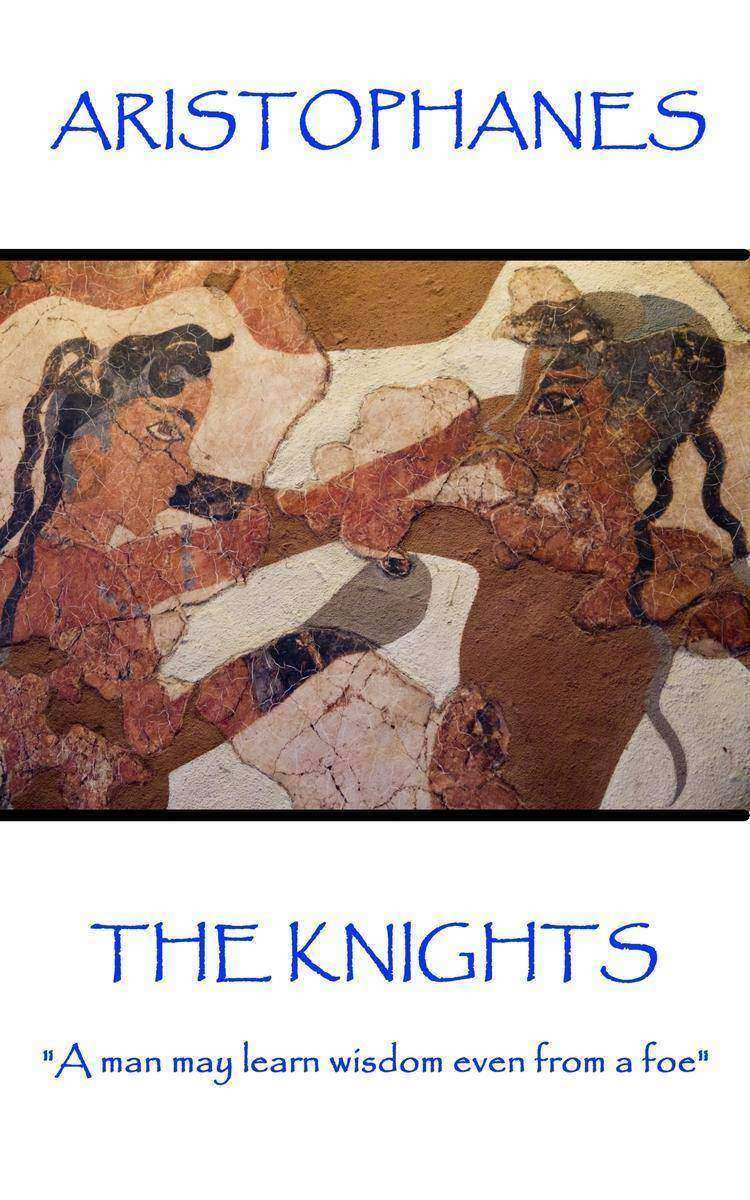
Knights - A man may learn wisdom even from a foe
¥11.67
The reality is that little is known of Aristophanes actual life but eleven of his forty plays survive intact and upon those rest his deserved reputation as the Father of Comedy or, The Prince of Ancient Comedy. Accounts agree that he was born sometime between 456BC and 446 BC. Many cities claim the honor of his birthplace and the most probable story makes him the son of Philippus of gina, and therefore only an adopted citizen of Athens, a distinction which, at times could be cruel, though he was raised and educated in Athens. His plays are said to recreate the life of ancient Athens more realistically than any other author could. Intellectually his powers of ridicule were feared by his influential contemporaries; Plato himself singled out Aristophanes' play The Clouds as a slander that contributed to the trial and condemning to death of Socrates and although other satirical playwrights had also caricatured the philosopher his carried the most weight. His now lost play, The Babylonians, was denounced by the demagogue Cleon as a slander against the Athenian polis. Aristophanes seems to have taken this criticism to heart and thereafter caricatured Cleon mercilessly in his subsequent plays, especially The Knights. His life and playwriting years were undoubtedly long though again accounts as to the year of his death vary quite widely. What can be certain is that his legacy of surviving plays is in effect both a treasured legacy but also in itself the only surviving texts of Ancient Greek comedy.
Feast of Solhoug (1856)
¥23.45
Henrik Ibsen (20th March, 1828 - 23rd May, 1906) is often referred to as the father of realism and ranked just below Shakespeare as Europe's greatest ever playwright especially as his plays are performed most frequently throughout the world after Shakespeare's. He was Norwegian and although set his plays in Norway, he wrote them in Danish and lived most of his professional life in Italy and Germany. His affect on the theatre is still evident today and shapes the distinction of plays being art as opposed to entertainment since he broke down all previous traditions and explored issues, developed characterisation, revealed uncomfortable truths, challenged assumptions and brokedown facades in ourselves as well as society. These factors are clearly demonstrated in The Feast of Solhoug, Ibsen's first publicly successful drama which employed Ibsen's poetic style to great effect providing a melody to the lines echoing old Scandinavian ballads and songs. The plot centres around Magrit who as the play opens is marrying the master of Solhoug, Bengt Guateson, Knut Gersling who wants to marry her and Gudmund Alfson, who she wants to marry but is in love with another woman. These make good ingredients for a wonderful melodrama with tantalising misunderstandings. The play has been said to possess the charm of a northern summer night, in which the glimmer of twilight gives place only to the gleam of morning.

Genèse
¥28.51
Version révisée d'octobre 2015.Les colonnes du temps" est le conseil de lecture du site www.monBestSeller.com, sélectionné pour le Prix Concours de l'auteur indépendant 2015.Automne 2003.Notre planète est agressée par une sphère lumineuse qui dévore lentement sa surface.Seuls ses p?les semblent épargnés par l'avidité du monstre qui, en peu de temps, finit par effacer l’Europe et l'ouest asiatique.Tandis que la population mondiale se terre dans des grottes ou colonise l'Alaska, les nations s'organisent et b?tissent une immense base souterraine, en Sibérie.Celle-ci devient le refuge de scientifiques réunis dans une course contre l’annihilation totale de notre monde. Parmi eux, Patrick Schimmer, jeune géologue fran?ais qui, sans le savoir, jouera un r?le important dans le devenir de l'humanité.Ceci est son histoire...Ce qu'en pensent les lecteurs :?" Lisez-le ! Même si vous n'êtes pas amateur habituel de science-fiction comme moi. J'ai été englouti par cette histoire qui vous plonge dans un futur peut-être pas si lointain quand on voit ce qu'on fait à notre planète""Fantastique ! (et je ne parle pas que du genre). Je dévore et recommande. Ps. A quelle page commence l’histoire d’amour pour que tous les ingrédients du succès soient réunis ? !""Dès le départ on est dans le feu de l'action, les personnages sont captivants, le décor est bien planté. On ne s'ennuie pas, pour moi c'est le principal. Bon livre.""Un chef d'oeuvre d'imagination et d'humanisme, truffé d'humour et de références culturelles.""Il y a beaucoup de clins d'oeil pour la génération des quarantenaires ayant une même enfance et regardé les mêmes séries TV... (Est-ce que les jeunes d'aujourd'hui vont capter ??) Les personnages sont attachants, le livre est bien écrit."
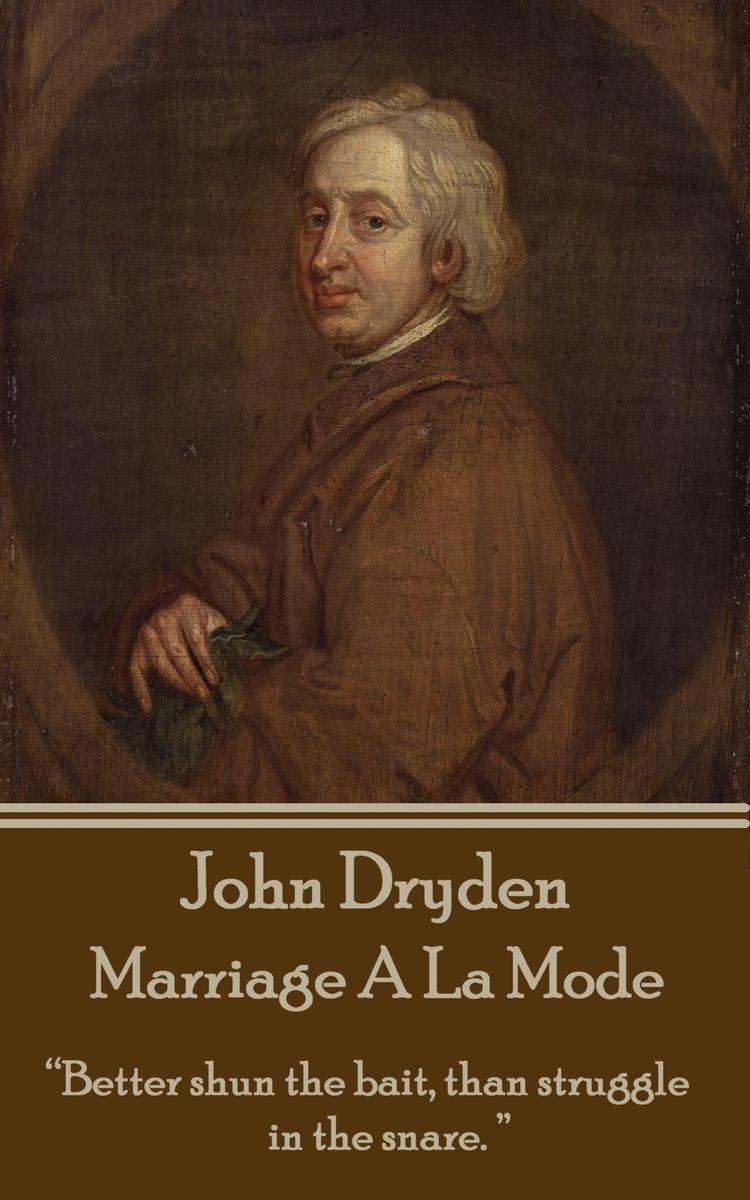
Marriage A La Mode - Better shun the bait, than struggle in the snare.
¥23.45
John Dryden was born on the 19th August 1631 in the village rectory of Aldwincle near Thrapston in Northamptonshire. Over the course of his career he made an immense contribution to literary life, so much so that the Restoration Age is also known as the Age Of Dryden. He was educated at Westminster and Trinity College Cambridge. In 1654 he graduated from Trinity but a short while later his Father died leaving him a little land and with it an income but unfortunately not enough to live on. He returned to London during the Protectorate and at Cromwell's funeral on November 23rd 1658 he walked in a procession with the Puritan Poets. That same year he published his first major poem, Heroique Stanzas (1658), a restrained eulogy on Cromwell's death. In 1660 he celebrated the Restoration of the monarchy and the return of Charles II with Astraea Redux, an authentic royalist panegyric. In this work the interregnum is a time of anarchy, and Charles is seen as the restorer of peace and order. With this Dryden established himself as the leading poet of the day and with it came his allegiance to the new government. On December 1st 1663 he married Lady Elizabeth Howard who was to bear him three sons. He also began to write plays now that theatres had re-opened after the Puritan ban. In 1665 the Great Plague of London ensured that all London theatres were closed again. Dryden retreated to Wiltshire. The next year the Great Fire of London swept through London. In 1667, he published Annus Mirabilis, a lengthy historical poem which described the events of 1666; the English defeat of the Dutch naval fleet and the Great Fire of London. It was a modern epic in pentameter quatrains that established him as the preeminent poet of his generation. By 1668 he was the Poet Laureate and had also contracted to write 3 plays a year for the King's Company. This was for many years to now become the main source of his income and of course his Restoration Comedies are almost without peer. Dryden's career remains a glorious example of English culture and for many he is as revered as Shakespeare. Dryden died on 12 May 1700, and was initially buried in St. Anne's cemetery in Soho, before being exhumed and reburied in Westminster Abbey ten days later


