


 购物车
购物车 个人中心
个人中心
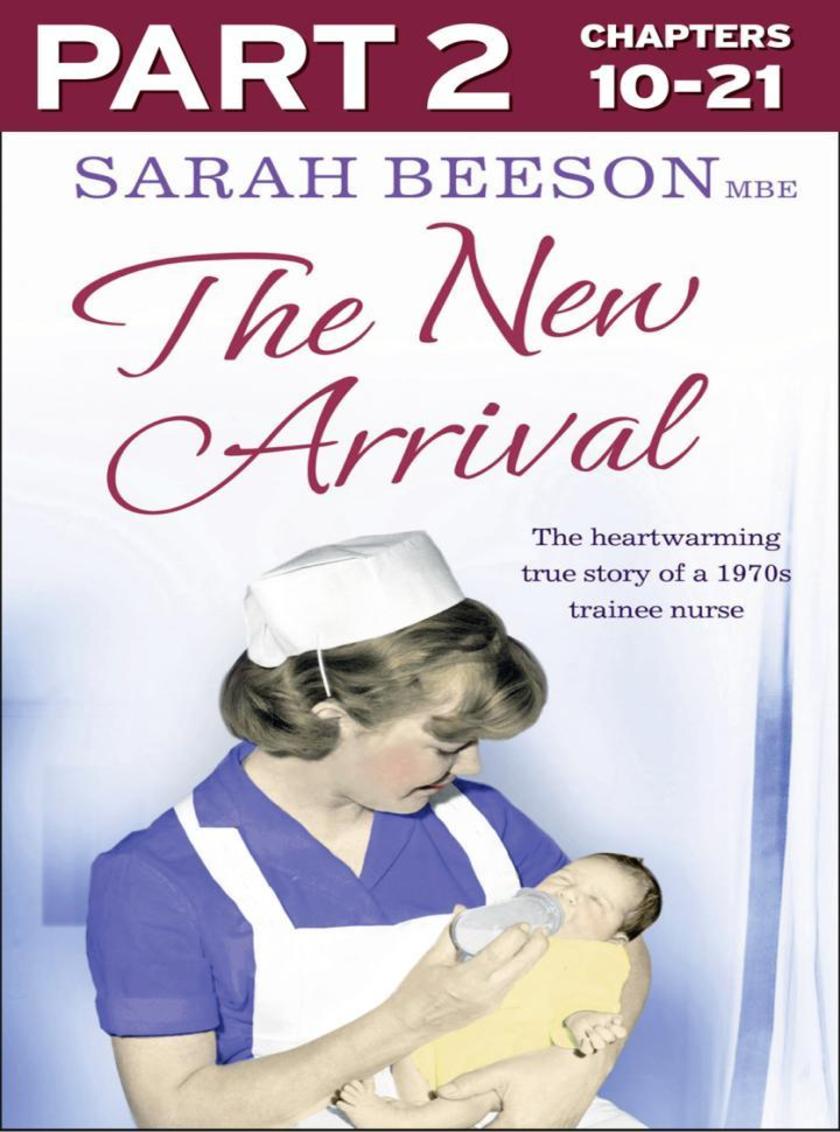
The New Arrival: Part 2 of 3
¥23.45
The New Arrival can either be read as a full-length eBook or in 3 serialised eBook-only parts. This is PART 2 of 3 (Chapters 10-21 of 30). You can read Part 2 one week ahead of release of the full-length eBook and paperback. Sarah completes her preliminary nurse training, and finds her feet with staff and patients alike, under the watchful eye of the stern matron. It’s the end of the swinging sixties, Britain is changing and the everyday life of the nurses and patients plays out against a backdrop of a failing government, strikes, immigration and women’s lib. Nurse Sarah Hill, together with her companions – the serious minded, politicised Maddox, the quick-witted Lynch, who falls in love with an upper-crust young doctor, golden girl Nursery Nurse Appleton, and ex-musical hall star turned midwife Wade – is thrown in straight at the deep end. Funny, warm and deeply moving, Sarah Beeson’s poignant memoir captures both the heartache and happiness of hospital life and 1970s London through the eyes of a gentle but determined young nurse.

A Gift from Heaven
¥9.71
Millions of people around the world have experienced contact from the other side. In this inspiring and uplifting short story leading expert Jacky Newcomb shares some of the stories she’s received about contact and life after death. When a loved one is taken away suddenly, people often tell Jacky of their regrets about not having the opportunity to say goodbye. Yet people all over the world have stories of loved ones who come back to say Hello or Goodbye from heaven. They appear in dreams, visions, meditation and sometimes when we’re wide awake. Those who are lucky enough to experience it consider it a gift they will remember for the rest of their lives. Here for the first time Jacky will share these extraordinary stories along with the amazing and bizarre reasons for why our loved ones visit.

Messages from Angels
¥11.77
In our deepest darkest hours, we are not alone. The spirits of our loved ones continue to exist after the body dies and many thousands of people around the world have experienced extraordinary signs from heaven to prove this. Afterlife expert and bestselling author Jacky Newcomb knows that the spirit world is real. In this short story she shares some of the thousands of tales she has heard about messages from the other side. ?The spontaneous angel gift that gave a woman courage to leave an abusive relationship ?The mysterious disappearing doctor who saved a pregnant woman and her premature baby son ?The grandma and great grandma who protected their grandson, from heaven Ordinary people from all over the world have experienced signs that their angels are listening and supporting them in their time of need. In Messages from Angels, Jacky will bring hope and comfort and share some of the little signs that can bring magic into your life.
Touching Heaven: True stories of spiritual experiences
¥9.71
Have you ever wondered where we go when we cross through the light at the end of the tunnel? Or what – and who – is waiting for us on the other side? Angel expert Jacky Newcomb brings light where there was darkness with more unique and incredible true stories from the world beyond the veil. Through the miraculous accounts of those brought back from the brink of death, and the astonishing stories of those who’ve experienced visits from loved ones who’ve passed on, Jacky shares with us the glimpses of heaven we could only imagine until now – and the life changing effects they have had on those lucky enough to experience them. Beautifully told and compelling in nature, “Touching Heaven” is as beguiling as it is revealing.

Dogs in Heaven: and Other Animals
¥9.71
Our pets are our family. They love us, comfort us and make us laugh – so it’s no wonder that letting them go is so hard. But amazing and inspirational true stories from Jacky Newcomb show that we will be reunited with them again. From dreams to visitations, there have been numerous accounts of furry friends appearing to their owners from heaven. Old dogs have been rejuvenated to puppies, injured cats restored to their former selves, and there have even been stories of horses being cared for by loved ones who have gone ahead before us. Magical, comforting and truly incredible, Dogs in Heaven reveals the uplifting truth behind your prayers.
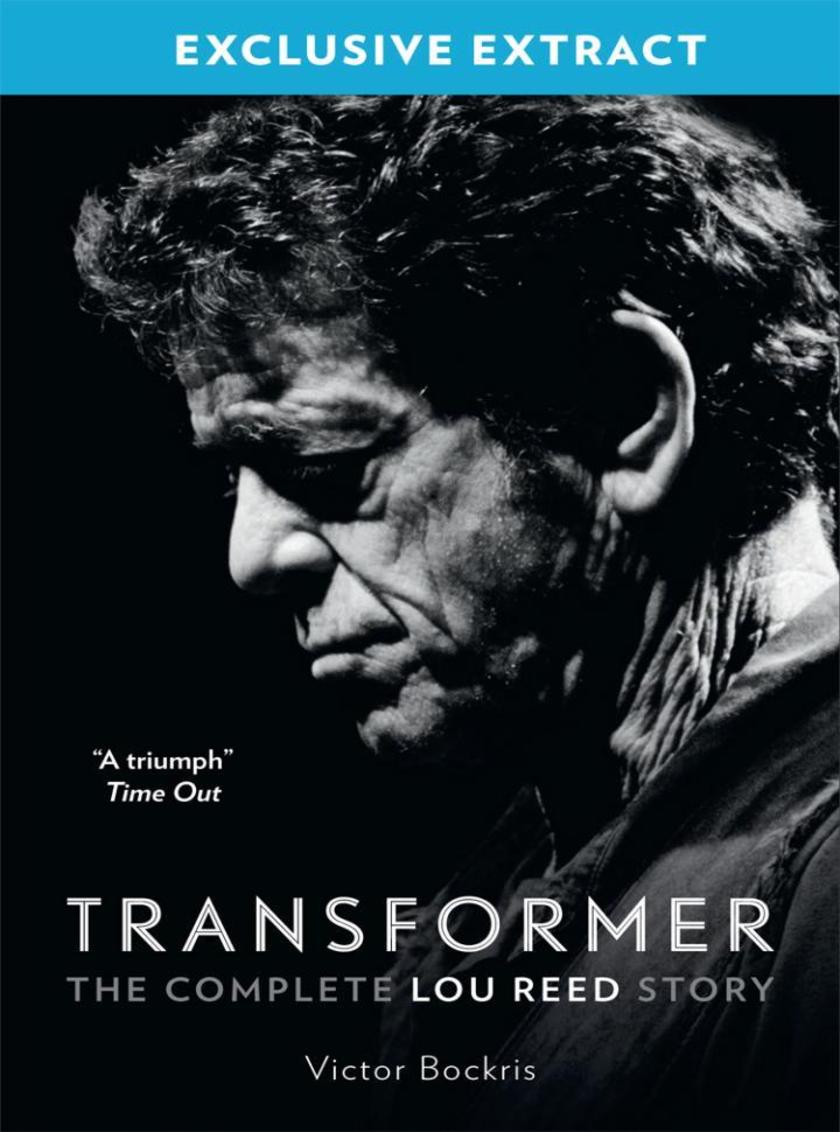
Transformer: The Complete Lou Reed Story: Free Sampler
¥9.71
‘A triumph’ - Time Out Transformer is the only complete and comprehensive telling of the Lou Reed story. Legendary songwriter and guitarist Lou Reed passed away on the 27th October 2013, but his musical influence is assured. Now discover the true story of the Velvet Underground pioneer in this update of Bockris’s classic biography. Transformer: The Complete Lou Reed Story follows the great songwriter and singer through the series of transformations that define each period of his fifty year career. It opens with the teenage electroshock treatments that dominated his memories of childhood and never stops revealing layer after layer of this complex and often anguished artist and man. Transformer is based on Lou’s collaborations with the hardest and most romantic artists of his times, from John Cale, Andy Warhol, and Nico, through David Bowie, Robert Wilson, Laurie Anderson and the ghost of Edgar Alan Poe. Rippling underneath everything he did are Lou’s relationships with his various muses, from his college sweetheart to his three wives (and one drag queen). Leading Lou Reed biographer, Victor Bockris - who knew Lou throughout the Rachel Years, from Rock ‘n’ Roll Animal to the Bells - updates his original biography in the wake of Lou’s death. Through new interviews and photos, he reveals the many transformations of this larger-than-life character, including his final shift from Rock Monster to the Prince Charming he had always wanted to be in the twenty years he spent with the love of his life, Laurie Anderson . Except with Lou, you could never really know what might happen next… Including previously unseen photographs and contributions from Lou’s innermost circle and collaborators that include similarly esteemed artists such as Andy Warhol and David Bowie, Transformer is as captivating and vivid a read as befits an American master.

The Child Bride: Part 1 of 3
¥9.71
The Child Bride can either be read as a full-length eBook or in 3 serialised eBook-only parts. This is PART 1 of 3. You can read Part 1 three weeks ahead of release of the full-length eBook and paperback. Cathy Glass, international bestselling author, tells the shocking story of Zeena, a young Asian girl desperate to escape from her family. When 14 -year-old Zeena begs to be taken into care with a non-Asian family, she is clearly petrified. But of what? Placed in the home of experienced foster carer Cathy and her family, Zeena gradually settles into her new life, but misses her little brothers and sisters terribly. Prevented from having any contact with them by her family who insist she has brought shame and dishonour on the whole community, Zeena tries to see them at school. But when her father and uncle find out, they bundle her into a car and threaten to set fire to her if she makes anymore trouble. Zeena is too frightened to press charges against them despite being offered police protection in a safe house. Eventually, Cathy discovers the devastating truth from Zeena, and with devastation she believes there is little she can do to help her.

The Man Who Lives with Wolves
¥72.30
To wolf expert, Shaun Ellis, wolves aren’t just his work, they’re also his family. An extraordinary man, Shaun has been fascinated by wolves all his life, even living as part of a wild pack for two years with no human contact. What he gained was a unique and fascinating insight into their world, and that of our very own domestic dogs. Shaun Ellis grew up in the Norfolk countryside with a passion for and understanding with animals from an early age. His early fascination with wolves, and determination to understand them, led to him spending years in the US with the Naz Paz Indian tribe, watching wolves, learning to understand their roles and behaviour in the pack and how to communicate with them. He even lived as part of a wild pack for two years, without any human contact. Bringing his knowledge back to the UK, he astonished wildlife experts with his knowledge and insight. He now lives, eats and sleeps with his two wolf packs at Combe Martin Wildlife Park. This is the story of Shaun’s determination to understand these extraordinary animals and how what he has learned can help others to understand their own domestic dogs.

In Stitches
¥57.09
The true story of an A&E doctor that became a huge word-of-mouth hit - now revised and updated. Forget what you have seen on Casualty or Holby City, this is what it is really like to be working in A&E. Dr Nick Edwards writes with shocking honesty about life as an A&E doctor. He lifts the lid on government targets that led to poor patient care. He reveals the level of alcohol-related injuries that often bring the service to a near standstill. He shows just how bloody hard it is to look after the people who turn up at the hospital door. But he also shares the funny side - the unusual ‘accidents’ that result in with weird objects inserted in places they really should have ended up - and also the moving, tragic and heartbreaking. It really is an unforgettable read. First published in 2007 when The Friday Project was a small independent, In Stitches went on to sell over 15,000 copies in the UK, the majority of which have come in the years since then. It has proved to be a real word-of-mouth hit. This new edition includes lots of additional material bringing Nick’s story completely up to date including plenty more suprising, alarming, moving and unforgettable moments from behind the A&E curtain.

50 Years of Golfing Wisdom
¥110.46
John Jacobs is one of golf's all-time great teachers, a true legend of the game who has passed on his words of wisdom to thousands of amateurs as well as to some of the world's greatest players over the last 50 years. Now, for the first time ever, the pick of his collective wisdom has been brought together in one seminal volume. When the likes of Butch Harmon and David Leadbetter heap praise on your methods and credit you with having helped shape the way they learnt their craft and how they applied those teachings, you know that you must be one of the most important and influential figures in the world of golf. Not only a great teacher, John Jacobs was also good enough to play in the Ryder Cup and beat the best in the game. Those who witnessed his memorable victory over Grand Slam winner Gary Player in the final of the South African Matchplay Championship knew they were in the presence of someone special – a talent that was able to use all his experience as a top-level player and move seamlessly into the world of golf teaching. 50 Years of Golfing Wisdom features all the lessons and advice that made Jacobs the original, and many say still the ultimate, golfing guru. Every department of the game receives the Jacobs treatment – from the fundamentals of grip and swing, to problem solving and curing your bad shots, to instruction on hitting every shot from the longest drive to the shortest putt, including everything in between. Simple, easy to understand, effective advice on how to maximize your potential and play your best golf – this may just be the only golf instruction book you'll ever need.

Girl Alone
¥62.59
Aged nine Joss came home from school to discover her father's suicide. She's never gotten over it. This is the true story of Joss, 13 who is angry and out of control. At the age of nine, Joss finds her father’s dead body. He has committed suicide. Then her mother remarries and Joss bitterly resents her step-father who abuses her mentally and physically. Cathy takes Joss under her wing but will she ever be able to get through to the warm-hearted girl she sees glimpses of underneath the vehement outbreaks of anger that dominate the house, and will Cathy be able to build up Joss’s trust so she can learn the full truth of the terrible situation?
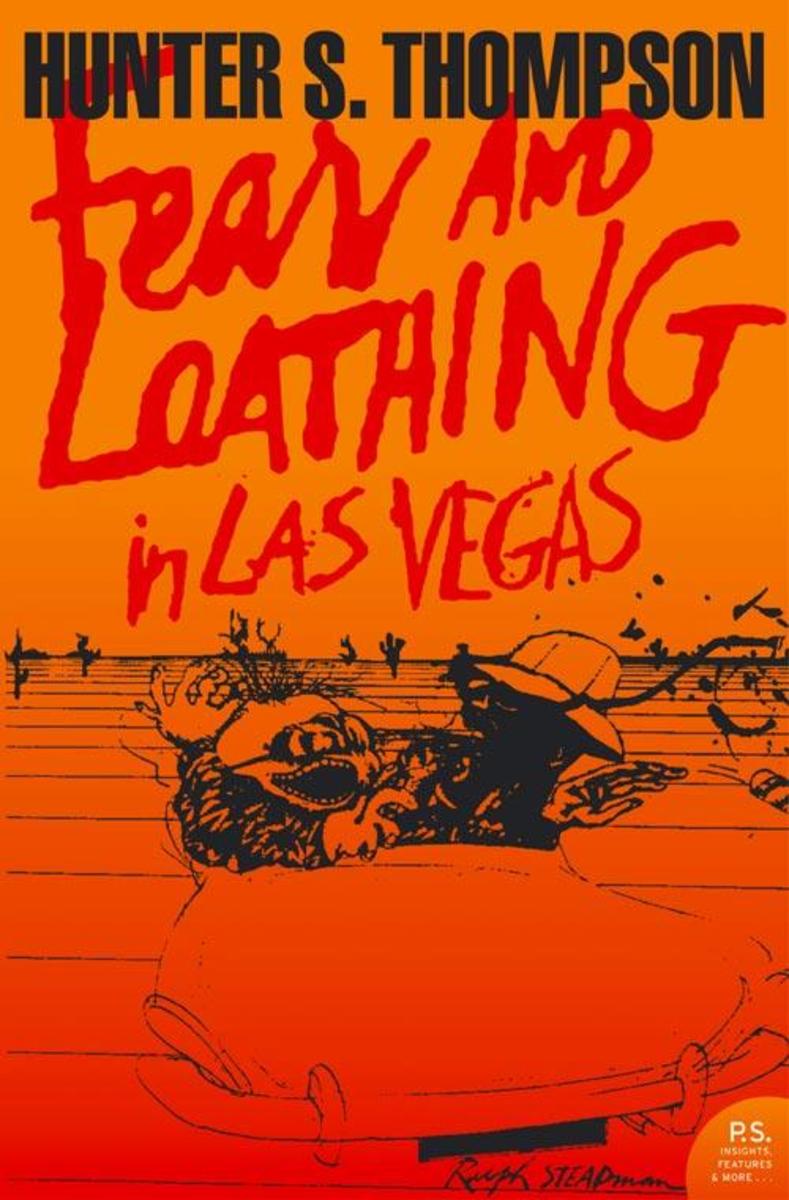
Fear and Loathing in Las Vegas (Harper Perennial Modern Classics)
¥66.22
‘We were somewhere around Barstow on the edge of the desert when the drugs began to take hold. I remember saying something like, “I feel a bit lightheaded; maybe you should drive …”’ Hunter S. Thompson is roaring down the desert highway to Las Vegas with his attorney, the Samoan, to find the dark side of the American Dream. Armed with a drug arsenal of stupendous proportions, the duo engage in a surreal succession of chemically enhanced confrontations with casino operators, police officers and assorted Middle Americans. This stylish reissue of Hunter S. Thompson’s iconic masterpiece, a controversial bestseller when it appeared in 1971, features the brilliant Ralph Steadman illustrations of the original. It brings to a new generation the hallucinatory humour and nightmare terror of Hunter S. Thompson’s musings on the collapse of the American Dream.
The Fundamentals of Hogan
¥95.06
Ben Hogan’s The Modern Fundamentals of Golf is the best-selling sports book ever, with over six million copies sold worldwide. This sequel to the original book offers previously unpublished photographs and the expert commentary of David Leadbetter. First published in 1957, Ben Hogan’s Modern Fundamentals was judged by Golf Digest in 1999 to be the best instructional book ever written. In this sequel all the illustrations from the previous book have been expertly reworked, while also included are 80 previously unseen photographs of Hogan, that were shot for the original book but never published. In addition to these exclusive photos, David Leadbetter, the most heralded golf instructor of the modern day, lends his expertise in the form of a revealing commentary. Famous for his work with Greg Norman, Nick Faldo and Ernie Els, Leadbetter analyses Hogan’s swing and explains what you can learn from the old master. The Fundamentals of Hogan is destined to become a golf classic. In one package you have the restoration of the number one golf book of all time, by the most heralded teacher of the modern day, about a man who had the greatest golf swing of all time. The Fundamentals of Hogan will surely be the instructional book for the new Millennium.
A Face to the World: On Self-Portraits
¥148.92
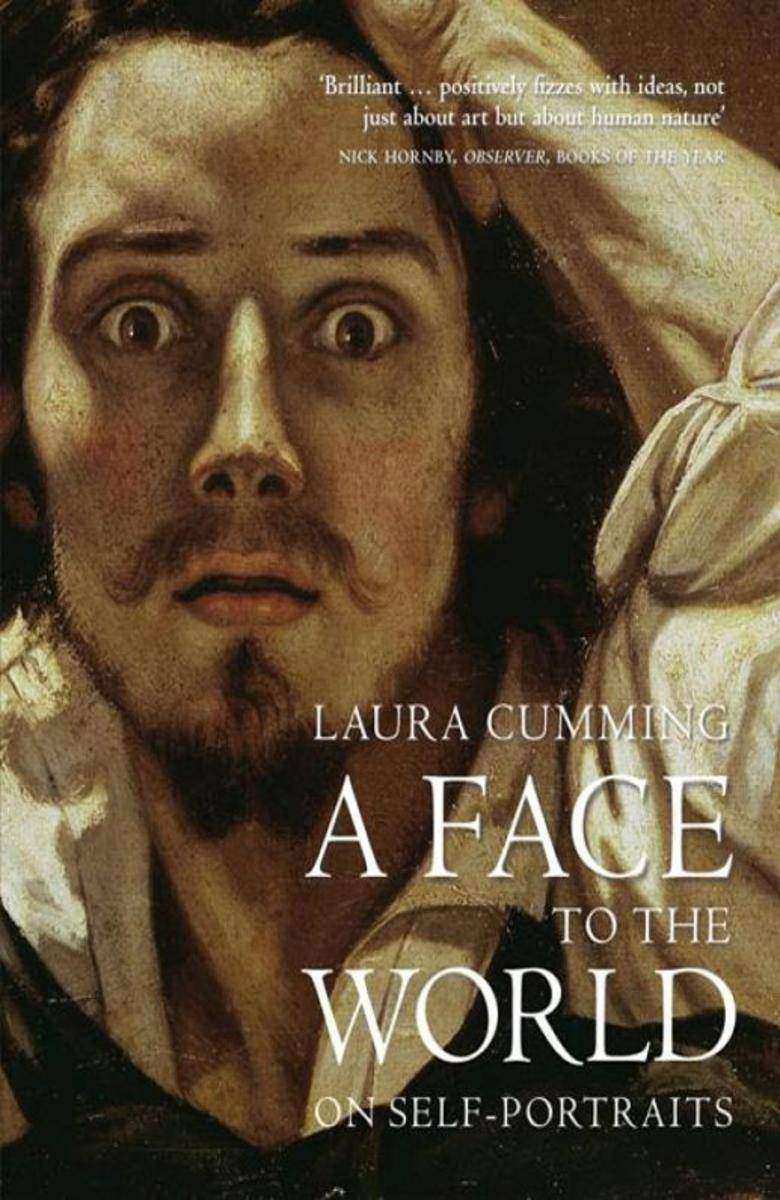
Focusing on the art of self-portraiture, this effortlessly engaging exploration of the lives of artists sheds fascinating light on some of the most extraordinary portraits in art history. Self-portraits catch your eye. They seem to do it deliberately. Walk into any art gallery and they draw attention to themselves. Come across them in the world’s museums and you get a strange shock of recognition, rather like glimpsing your own reflection. For in picturing themselves artists reveal something far deeper than their own physical looks: the truth about how they hope to be viewed by the world, and how they wish to see themselves. In this beautifully written and lavishly illustrated book, Laura Cumming, art critic of the Observer, investigates the drama of the self-portrait, from Durer, Rembrandt and Velazquez to Munch, Picasso, Warhol and the present day. She considers how and why self-portraits look as they do and what they reveal about the artist’s innermost sense of self – as well as the curious ways in which they may imitate our behaviour in real life. Drawing on art, literature, history, philosophy and biography to examine the creative process in an entirely fresh way, Cumming offers a riveting insight into the intimate truths and elaborate fictions of self-portraiture and the lives of those who practise it. A work of remarkable depth, scope and power, this is a book for anyone who has ever wondered about the strange dichotomy between the innermost self and the self we choose to present for posterity – our face to the world.
Operas of Giuseppe Verdi
¥453.22
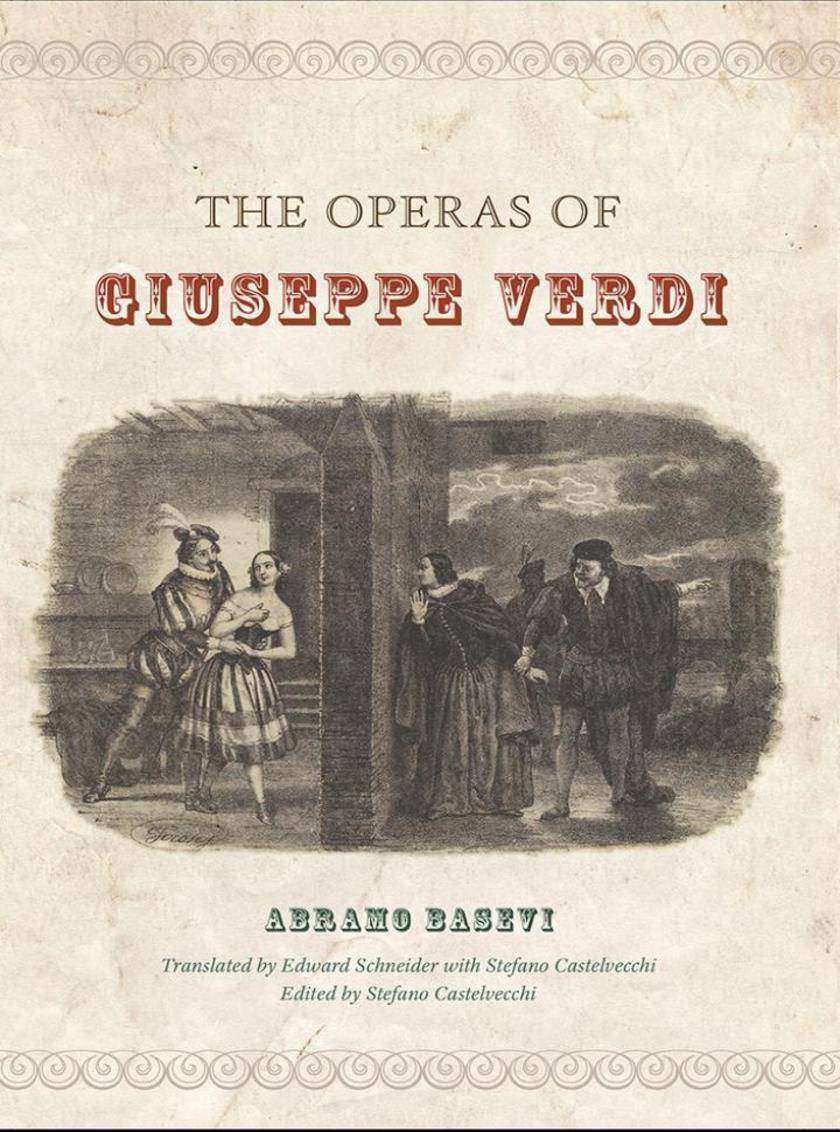
Abramo Basevi published his study of Verdi's operas in Florence in 1859, in the middle of the composer's career. The first thorough, systematic examination of Verdi's operas, it covered the twenty works produced between 1842 and 1857-from Nabucco and Macbeth to Il trovatore, La traviata, and Aroldo. But while Basevi's work is still widely cited and discussed-and nowhere more so than in the English-speaking world-no translation of the entire volume has previously been available. The Operas of Giuseppe Verdi fills this gap, at the same time providing an invaluable critical apparatus and commentary on Basevi's work. ?As a contemporary of Verdi and a trained musician, erudite scholar, and critic conversant with current and past operatic repertories, Basevi presented pointed discussion of the operas and their historical context, offering today's readers a unique window into many aspects of operatic culture, and culture in general, in Verdi's Italy. He wrote with precision on formal aspects, use of melody and orchestration, and other compositional features, which made his study an acknowledged model for the growing field of music criticism. Carefully annotated and with an engaging introduction and detailed glossary by editor Stefano Castelvecchi, this translation illuminates Basevi's musical and historical references as well as aspects of his language that remain difficult to grasp even for Italian readers.?Making Basevi's important contribution to our understanding of Verdi and his operas available to a broad audience for the first time, The Operas of Giuseppe Verdi will delight scholars and opera enthusiasts alike.
History of Trust in Ancient Greece
¥447.34
An enormous amount of literature exists on Greek law, economics, and political philosophy. Yet no one has written a history of trust, one of the most fundamental aspects of social and economic interaction in the ancient world. In this fresh look at antiquity, Steven Johnstone explores the way democracy and markets flourished in ancient Greece not so much through personal relationships as through trust in abstract systems-including money, standardized measurement, rhetoric, and haggling.Focusing on markets and democratic politics, Johnstone draws on speeches given in Athenian courts, histories of Athenian democracy, comic writings, and laws inscribed on stone to examine how these systems worked. He analyzes their potentials and limitations and how the Greeks understood and critiqued them. In providing the first comprehensive account of these pervasive and crucial systems, A History of Trust in Ancient Greece links Greek political, economic, social, and intellectual history in new ways and challenges contemporary analyses of trust and civil society.
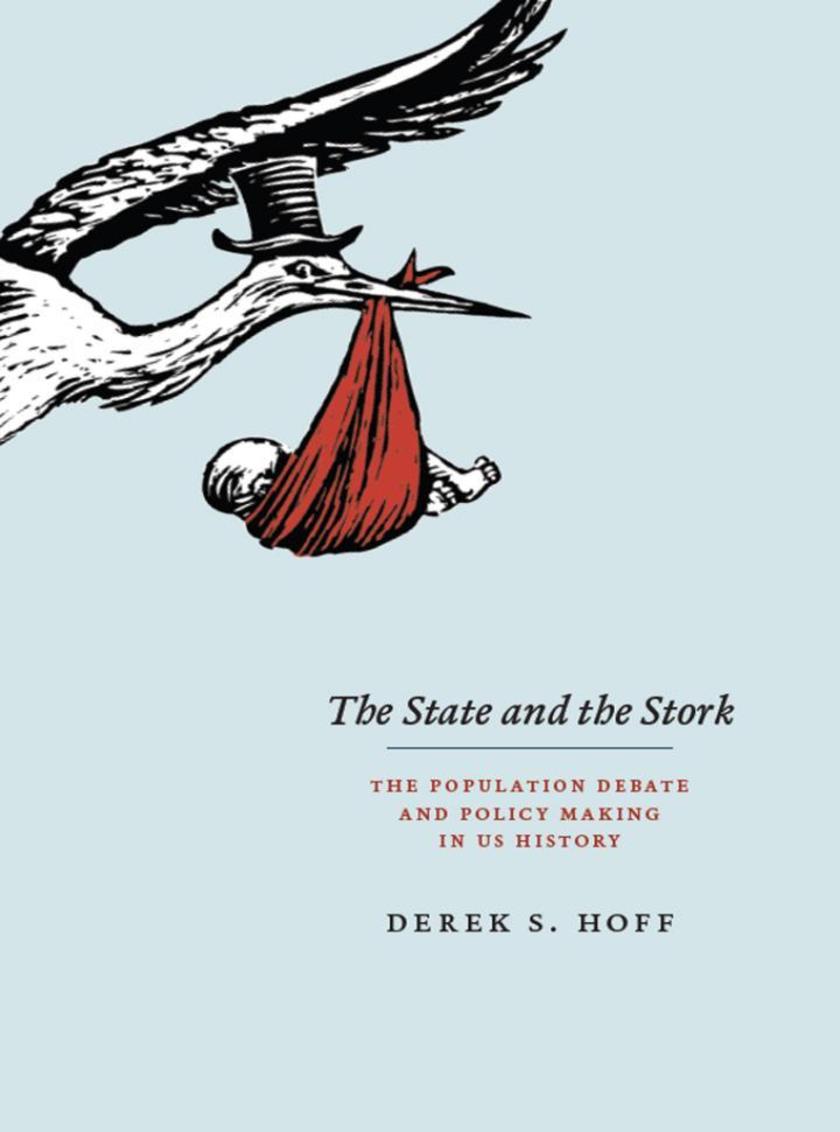
State and the Stork
¥435.56
From the colonial era to the present, the ever-shifting debate about America's prodigious population growth has exerted a profound influence on the evolution of politics, public policy, and economic thinking in the United States. In a remarkable shift since the late 1960s, Americans of all political stripes have come to celebrate the economic virtues of population growth. As one of the only wealthy countries experiencing significant population growth in the twenty-first century, the United States now finds itself at a demographic crossroads, but policymakers seem unwilling or unable to address the myriad economic and environmental questions surrounding this growth.From the founders' fears that crowded cities would produce corruption, luxury, and vice to the zero population growth movement of the late 1960s to today's widespread fears of an aging crisis as the Baby Boomers retire, the American population debate has always concerned much more than racial composition or resource exhaustion, the aspects of the debate usually emphasized by historians. In The State and the Stork, Derek Hoff draws on his extraordinary knowledge of the intersections between population and economic debates throughout American history to explain the many surprising ways that population anxieties have provoked unexpected policies and political developments-including the recent conservative revival. At once a fascinating history and a revelatory look at the deep origins of a crucial national conversation, The State and the Stork could not be timelier.

Mastering the Niger
¥412.02
In Mastering the Niger, David Lambert recalls Scotsman James MacQueen (1778-1870) and his publication of A New Map of Africa in 1841 to show that Atlantic slavery-as a practice of subjugation, a source of wealth, and a focus of political struggle-was entangled with the production, circulation, and reception of geographical knowledge. The British empire banned the slave trade in 1807 and abolished slavery itself in 1833, creating a need for a new British imperial economy. Without ever setting foot on the continent, MacQueen took on the task of solving the "e;Niger problem,"e; that is, to successfully map the course of the river and its tributaries, and thus breathe life into his scheme for the exploration, colonization, and commercial exploitation of West Africa.?Lambert illustrates how MacQueen's geographical research began, four decades before the publication of the New Map, when he was managing a sugar estate on the West Indian colony of Grenada. There MacQueen encountered slaves with firsthand knowledge of West Africa, whose accounts would form the basis of his geographical claims. Lambert examines the inspirations and foundations for MacQueen's geographical theory as well as its reception, arguing that Atlantic slavery and ideas for alternatives to it helped produce geographical knowledge, while geographical discourse informed the struggle over slavery.

Freedom's Ballot
¥412.02
In the spring of 1915, Chicagoans elected the city's first black alderman, Oscar De Priest. In a city where African Americans made up less than five percent of the voting population, and in a nation that dismissed and denied black political participation, De Priest's victory was astonishing. It did not, however, surprise the unruly group of black activists who had been working for several decades to win representation on the city council.Freedom's Ballot?is the history of three generations of African American activists-the ministers, professionals, labor leaders, clubwomen, and entrepreneurs-who transformed twentieth-century urban politics. This is a complex and important story of how black political power was institutionalized in Chicago in the half-century following the Civil War. Margaret Garb explores the social and political fabric of Chicago, revealing how the physical makeup of the city was shaped by both political corruption and racial empowerment-in ways that can still be seen and felt today.

Treasuring the Gaze
¥412.02
The end of the eighteenth century saw the start of a new craze in Europe: tiny portraits of single eyes that were exchanged by lovers or family members. Worn as brooches or pendants, these minuscule eyes served the same emotional need as more conventional mementoes, such as lockets containing a coil of a loved one's hair. The fashion lasted only a few decades, and by the early 1800s eye miniatures had faded into oblivion. Unearthing these portraits in Treasuring the Gaze, Hanneke Grootenboer proposes that the rage for eye miniatures-and their abrupt disappearance-reveals a knot in the unfolding of the history of vision.?Drawing on Alois Riegl, Jean-Luc Nancy, Marcia Pointon, Melanie Klein, and others, Grootenboer unravels this knot, discovering previously unseen patterns of looking and strategies for showing. She shows that eye miniatures portray the subject's gaze rather than his or her eye, making the recipient of the keepsake an exclusive beholder who is perpetually watched. These treasured portraits always return the looks they receive and, as such, they create a reciprocal mode of viewing that Grootenboer calls intimate vision. Recounting stories about eye miniatures-including the role one played in the scandalous affair of Mrs. Fitzherbert and the Prince of Wales, a portrait of the mesmerizing eye of Lord Byron, and the loss and longing incorporated in crying eye miniatures-Grootenboer shows that intimate vision brings the gaze of another deep into the heart of private experience.?With a host of fascinating imagery from this eccentric and mostly forgotten yet deeply private keepsake, Treasuring the Gaze provides new insights into the art of miniature painting and the genre of portraiture.

Rebellion in the Backlands
¥394.36
Euclides da Cunha's classic account of the brutal campaigns against religious mystic Antonio Conselheiro has been called the Bible of Brazilian nationality."e;Euclides da Cunha went on the campaigns [against Conselheiro] as a journalist and what he returned with and published in 1902 is still unsurpassed in Latin American literature. Cunha is a talent as grand, spacious, entangled with knowledge, curiosity, and bafflement as the country itself. . . . On every page there is a heart of idea, speculation, dramatic observation that tells of a creative mission undertaken, the identity of the nation, and also the creation of a pure and eloquent prose style."e;-Elizabeth Hardwick, Bartleby in Manhattan


