


 购物车
购物车 个人中心
个人中心
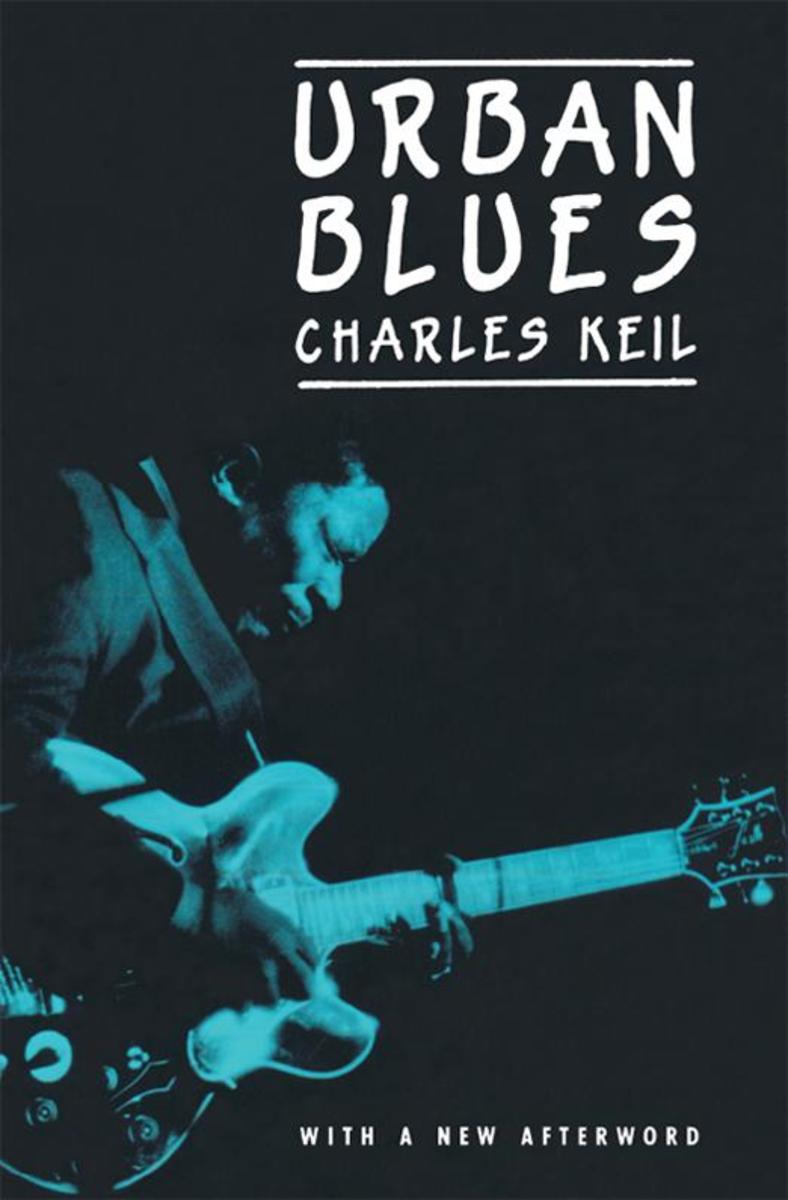
Urban Blues
¥211.90
Charles Keil examines the expressive role of blues bands and performers and stresses the intense interaction between performer and audience. Profiling bluesmen Bobby Bland and B. B. King, Keil argues that they are symbols for the black community, embodying important attitudes and roles-success, strong egos, and close ties to the community. While writing Urban Blues in the mid-1960s, Keil optimistically saw this cultural expression as contributing to the rising tide of raised political consciousness in Afro-America. His new Afterword examines black music in the context of capitalism and black culture in the context of worldwide trends toward diversification."e;Enlightening. . . . [Keil] has given a provocative indication of the role of the blues singer as a focal point of ghetto community expression."e;-John S. Wilson, New York Times Book Review"e;A terribly valuable book and a powerful one. . . . Keil is an original thinker and . . . has offered us a major breakthrough."e;-Studs Terkel, Chicago Tribune"e;[Urban Blues] expresses authentic concern for people who are coming to realize that their past was . . . the source of meaningful cultural values."e;-Atlantic"e;An achievement of the first magnitude. . . . He opens our eyes and introduces a world of amazingly complex musical happening."e;-Robert Farris Thompson, Ethnomusicology?"e;[Keil's] vigorous, aggressive scholarship, lucid style and sparkling analysis stimulate the challenge. Valuable insights come from treating urban blues as artistic communication."e;-James A. Bonar, Boston Herald?
Commentary on The Complete Greek Tragedies. Aeschylus
¥211.90
This commentary offers a rich introduction and useful guide to the seven surviving plays attributed to Aeschylus. Though it may profitably be used with any translation of Aeschylus, the commentary is based on the acclaimed Chicago translations, The Complete Greek Tragedies, edited by David Grene and Richmond Lattimore.James C. Hogan provides a general introduction to Aeschylean theater and drama, followed by a line-by-line commentary on each of the seven plays. He places Aeschylus in the historical, cultural, and religious context of fifth-century Athens, showing how the action and metaphor of Aeschylean theater can be illuminated by information on Athenian law athletic contests, relations with neighboring states, beliefs about the underworld, and countless other details of Hellenic life. Hogan clarifies terms that might puzzle modern readers, such as place names and mythological references, and gives special attention to textual and linguistic issues: controversial questions of interpretation; difficult or significant Greek words; use of style, rhetoric, and commonplaces in Greek poetry; and Aeschylus's place in the poetic tradition of Homer, Hesiod, and the elegiac poets. Practical information on staging and production is also included, as are maps and illustrations, a bibliography, indexes, and extensive cross-references between the seven plays. Forthcoming volumes will cover the works of Sophocles and Euripides.
"e;Do You Know...?"e;
¥211.90
Every night, somewhere in the world, three or four musicians will climb on stage together. Whether the gig is at a jazz club, a bar, or a bar mitzvah, the performance never begins with a note, but with a question. The trumpet player might turn to the bassist and ask, "e;Do you know 'Body and Soul'?"e;-and from there the subtle craft of playing the jazz repertoire is tested in front of a live audience. These ordinary musicians may never have played together-they may never have met-so how do they smoothly put on a show without getting booed offstage.In "e;Do You Know . . . ?"e; Robert R. Faulkner and Howard S. Becker-both jazz musicians with decades of experience performing-present the view from the bandstand, revealing the array of skills necessary for working musicians to do their jobs. While learning songs from sheet music or by ear helps, the jobbing musician's lexicon is dauntingly massive: hundreds of thousands of tunes from jazz classics and pop standards to more exotic fare. Since it is impossible for anyone to memorize all of these songs, Faulkner and Becker show that musicians collectively negotiate and improvise their way to a successful performance. Players must explore each others' areas of expertise, develop an ability to fake their way through unfamiliar territory, and respond to the unpredictable demands of their audience-whether an unexpected gang of polka fanatics or a tipsy father of the bride with an obscure favorite song."e;Do You Know . . . ?"e; dishes out entertaining stories and sharp insights drawn from the authors' own experiences and observations as well as interviews with a range of musicians. Faulkner and Becker's vivid, detailed portrait of the musician at work holds valuable lessons for anyone who has to think on the spot or under a spotlight.

Socrates and the Jews
¥247.21
"e;What has Athens to do with Jerusalem?"e; Asked by the early Christian Tertullian, the question was vigorously debated in the nineteenth century. While classics dominated the intellectual life of Europe, Christianity still prevailed and conflicts raged between the religious and the secular. Taking on the question of how the glories of the classical world could be reconciled with the Bible, Socrates and the Jews explains how Judaism played a vital role in defining modern philhellenism.Exploring the tension between Hebraism and Hellenism, Miriam Leonard gracefully probes the philosophical tradition behind the development of classical philology and considers how the conflict became a preoccupation for the leading thinkers of modernity, including Matthew Arnold, Moses Mendelssohn, Kant, Marx, Nietzsche, and Freud. For each, she shows how the contrast between classical and biblical traditions is central to writings about rationalism, political subjectivity, and progress. Illustrating how the encounter between Athens and Jerusalem became a lightning rod for intellectual concerns, this book is a sophisticated addition to the history of ideas.

Making Gray Gold
¥241.33
This first hand report on the work of nurses and other caregivers in a nursing home is set powerfully in the context of wider political, economic, and cultural forces that shape and constrain the quality of care for America's elderly. Diamond demonstrates in a compelling way the price that business-as-usual policies extract from the elderly as well as those whose work it is to care for them.In a society in which some two million people live in 16,000 nursing homes, with their numbers escalating daily, this thought-provoking work demands immediate and widespread attention."e;[An] unnerving portrait of what it's like to work and live in a nursing home. . . . By giving voice to so many unheard residents and workers Diamond has performed an important service for us all."e;-Diane Cole, New York Newsday"e;With Making Gray Gold, Timothy Diamond describes the commodification of long-term care in the most vivid representation in a decade of round-the-clock institutional life. . . . A personal addition to the troublingly impersonal national debate over healthcare reform."e;-Madonna Harrington Meyer, Contemporary Sociology
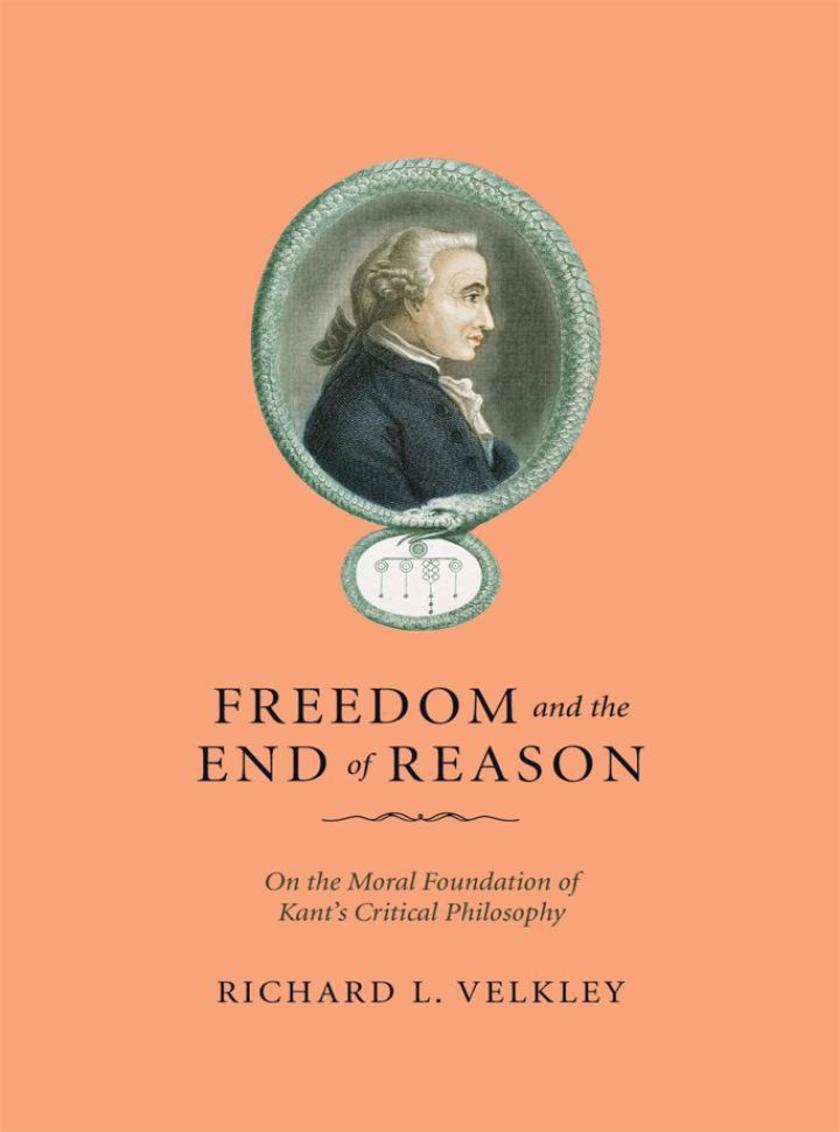
Freedom and the End of Reason
¥229.55
In Freedom and the End of Reason, Richard L. Velkley offers an influential interpretation of the central issue of Kant's philosophy and an evaluation of its position within modern philosophy's larger history. He persuasively argues that the whole of Kantianism-not merely the Second Critique-focuses on a "e;critique of practical reason"e; and is a response to a problem that Kant saw as intrinsic to reason itself: the teleological problem of its goodness. Reconstructing the influence of Rousseau on Kant's thought, Velkley demonstrates that the relationship between speculative philosophy and practical philosophy in Kant is far more intimate than generally has been perceived. By stressing a Rousseau-inspired notion of reason as a provider of practical ends, he is able to offer an unusually complete account of Kant's idea of moral culture.
Me and My Brothers
¥63.18
An updated edition of the bestselling autobiography of Charlie Kray, elder brother of the Kray twins, Ronnie and Reggie, who are brought to the screen this autumn in a major motion picture. Charlie Kray was the only person who knew the truth behind the terrifying violence of his notorious twin brothers, Ronnie and Reggie. In his dying days, reflecting on how the Kray name destroyed his life, Charlie reveals what he really thought about the twins - and why they treated him so badly. Today, 40 years after the arrests that ended their so-called reign of terror, the power the Krays wielded is part of criminal folklore - and the fascination with them lives on. Charlie knew them better than anyone - from the extortion racket that provided riches beyond their dreams and the sexual liaison that took them into the corridors of power to the murderous mayhem the twins embarked on as they came to see themselves as beyond the law. In this fully updated edition of his best-selling autobiography, Charlie Kray reveals a side of Ronnie and Reggie that not even their closest henchmen ever saw.
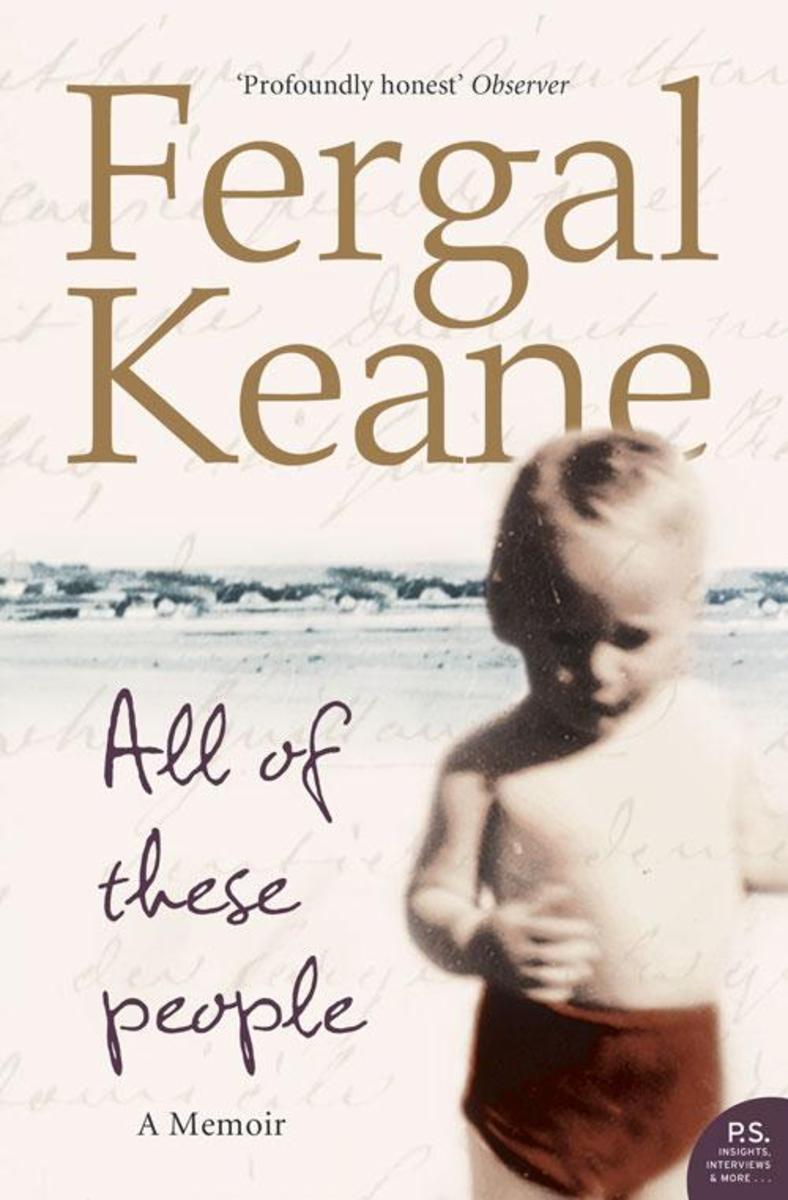
All of These People: A Memoir
¥80.25
In a memoir of staggering power and candour, award-winning journalist Fergal Keane addresses his experience of wars of different kinds, some very public and others acutely personal. During his years of reporting from the world's most savage and turbulent regions, Fergal Keane has witnessed the violence of the South African townships and the terror in Rwanda, the most extreme kinds of human behaviour, the horror of genocide and the bravery of peacekeepers faced with overwhelming odds. As one of the BBC's leading correspondents, he recounts extraordinary encounters on the front lines. Alongside his often brutal experiences in the field, he also describes unflinchingly the challenges and demons he has faced in his personal life growing up in Ireland. Keane’s existence as a war reporter is all that we imagine: frantic filing of reports and dodging shells, interspersed with rest in bombed-out hotels and concrete shelters. Life in such vulnerable areas of the globe is emotionally draining, but full of astonishing moments of camaraderie and human bravery. And so this is also a memoir of the human connections, at once simple and complex, that are made in extreme circumstances. These pages are filled with the memories of remarkable people. At the heart of Fergal Keane's story is a descent into and recovery from alcoholism, spanning two generations, father and son; a different kind of war, but as much part of the journey of the last twenty-five years as the bullets and bombs.
Mr Nastase: The Autobiography
¥56.11
The amazing life story of the enfant terrible of tennis in the 1970s and 80s – winner of two Grand Slam titles, three Grand Slam doubles titles and twice a Wimbledon finalist. It is not an overstatement to say that Ilie Nastase was in part responsible for the explosion of interest in tennis in the seventies. Thanks to his success, his lifestyle, his sex appeal and the controversy that continually surrounded him, Nastase's name was recognisable far beyond the confines of tennis. Yet, he also had a dark side and he regularly got himself into trouble with umpires and spectators alike. His court-side tantrums and manic questioning of line calls could spiral out of control and, all too often, he found himself fined and disqualified – and making the next day's front pages. Bjorn Borg had great difficulty adjusting to life after retirement and lost vast amounts of money, while the late Vitas Gerulaitis had a major cocaine problem. Ilie reveals how he helped both of them at a time when their problems were taking a huge toll on their personal lives. He also provides opinions and anecdotes on a host of other characters, including John McEnroe, Jimmy Connors and Arthur Ashe, Henri Leconte, Yannick Noah, Chris Evert and Martina Navratilova. As a result of his celebrity status, Nastase moved amongst the beautiful people. His book recalls some of his more memorable encounters and experiences, including dancing the night away in New York's Studio 54 and Castel in Paris with the likes of Bianca Jagger and Claudia Cardinale, and bedding some of the world's most desirable women (an Italian countess and a former Miss UK are among his conquests). For the many sports fans who followed tennis and followed his career, his stories behind the varied headline-grabbing outbursts will prove fascinating and irresistible.

Whicker’s War
¥69.26
Alan Whicker is quite simply a legend. A visionary and master of his craft, his television shows from the fifties to the nineties almost single handed invented the language of travel television and earned him the status of one of the most foremost of British media icons. Yet throughout his forty years in TV he was steadfast in his belief that his programmes should not be about himself but about those people he encountered. Until this year when he was persuaded, as part of the 60th anniversary of the invasion of Italy, to tell his remarkable war experiences in two fabulously reviewed hour-long television pieces. This book uses these programmes as the starting point to tell the story of Alan Whicker's remarkable war. Alan Whicker joined the Army Film and Photo Unit as an 18-year-old army officer, following the Allied advance through Italy, from Sicily to Venice. He filmed the troops on the front line, met Montgomery, and other military luminaries, filmed the battered body of Mussolini after his execution and accepted the surrender of the SS in Milan. This is remarkable account of the Italian campaign of 1943 and 1944 as he retraces of his steps over sixty years later. Beautifully written, poignant with humour and pathos this is a masterful book by one of the 20th centuries greatest TV journalists.
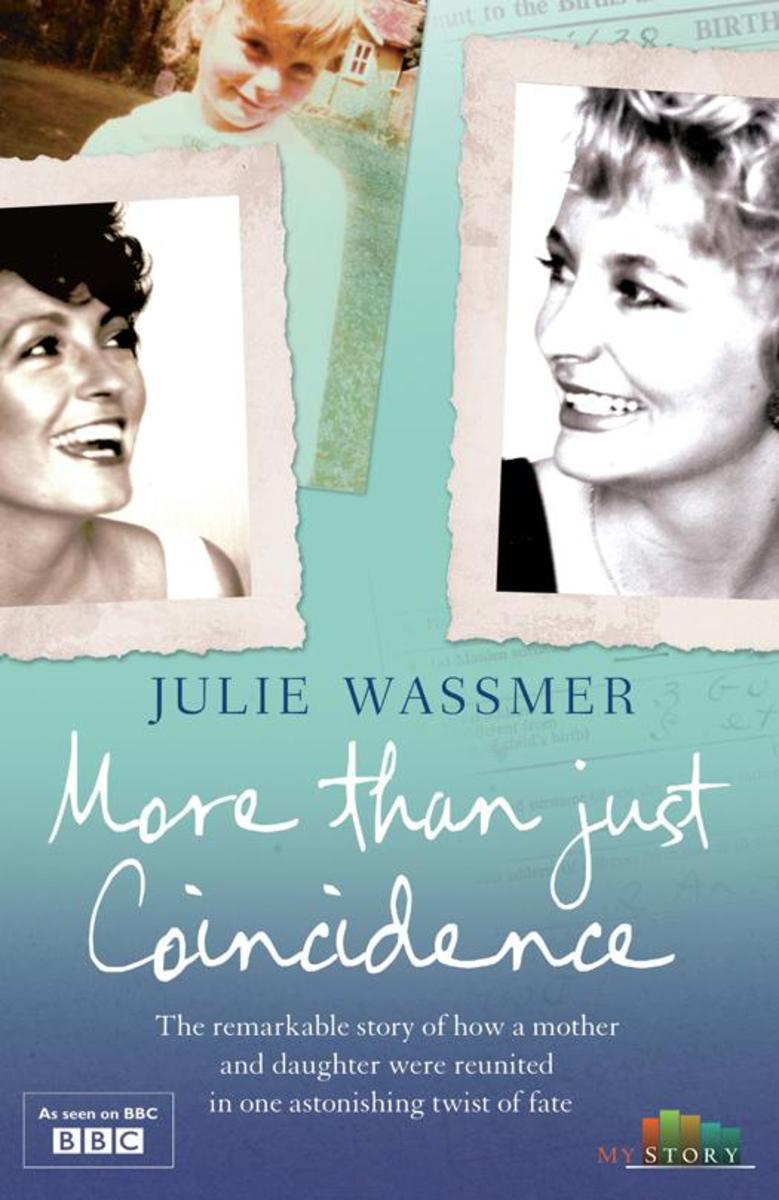
More Than Just Coincidence
¥51.50
Heartwarming, compelling and genuinely remarkable, More Than Just Coincidence is the true story of a mother who was reunited with her daughter, twenty years after she gave her up for adoption, in the most incredible of circumstances. One hot summer day in 1970, teenaged Julie dressed her 10-day-old baby daughter for the last time. Then she placed her newborn into a nurse's arms and walked away, taking with her only a tiny plastic bracelet on which were written two words - 'Baby Wassmer'. Over the next twenty years, the print on the bracelet began to fade, but the memory of Julie's lost child continued to run, like thread, through the fabric of her life. Julie travelled the world and led an adventurous life, but at the back of her mind always remained the daughter she had let go. On 5 November 1990, a struggling writer, aged 36, Julie stared at the reflection in a mirror on her bathroom wall as she prepared for her first meeting with a literary agent. All of sudden a thought came into her mind: now might be the perfect time for her daughter to re-enter her life. A few hours later, in the most astonishing way, two worlds were about to collide. Real life can be stranger than fiction.
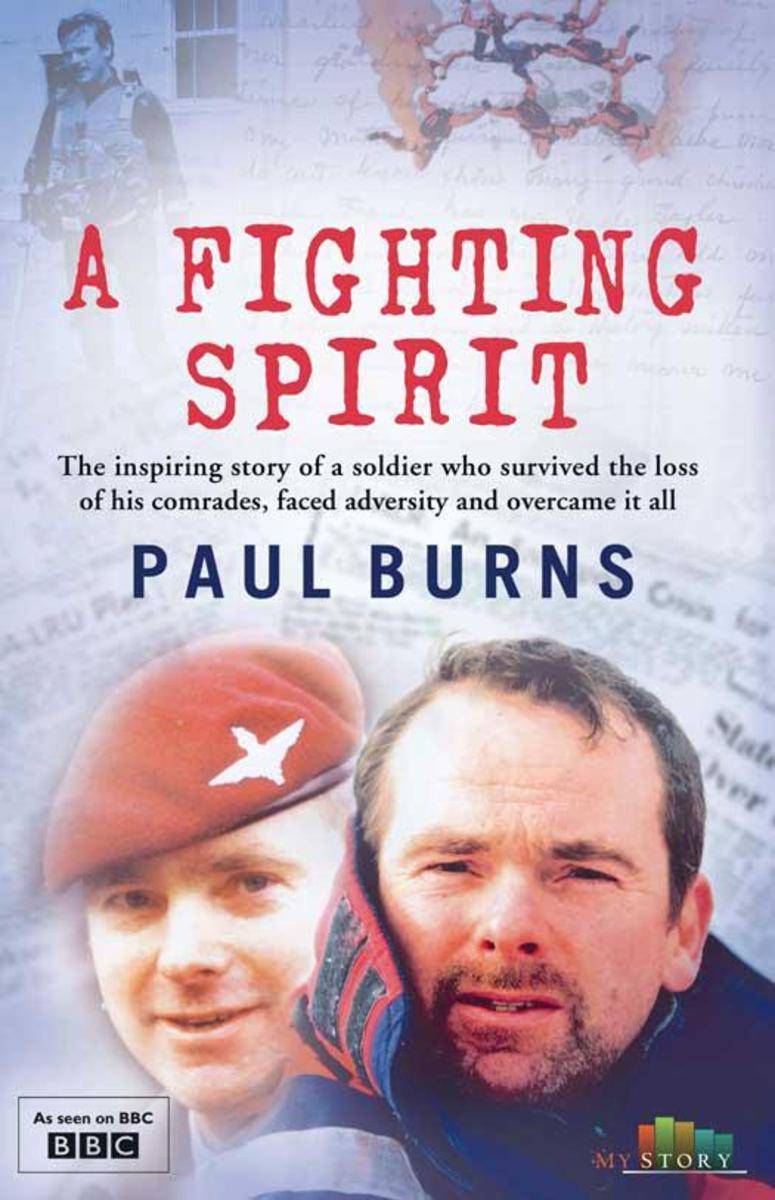
A Fighting Spirit
¥51.50
On 27 August 1979, Paul Burns’ life changed forever. Travelling through Warren Point in Northern Ireland when the IRA detonated two massive bombs, he was involved in a devastating explosion--eighteen soldiers were killed that day; Paul was one of only two who survived. His story is a remarkable tale of one man’s determination to make the most of his life against the odds.
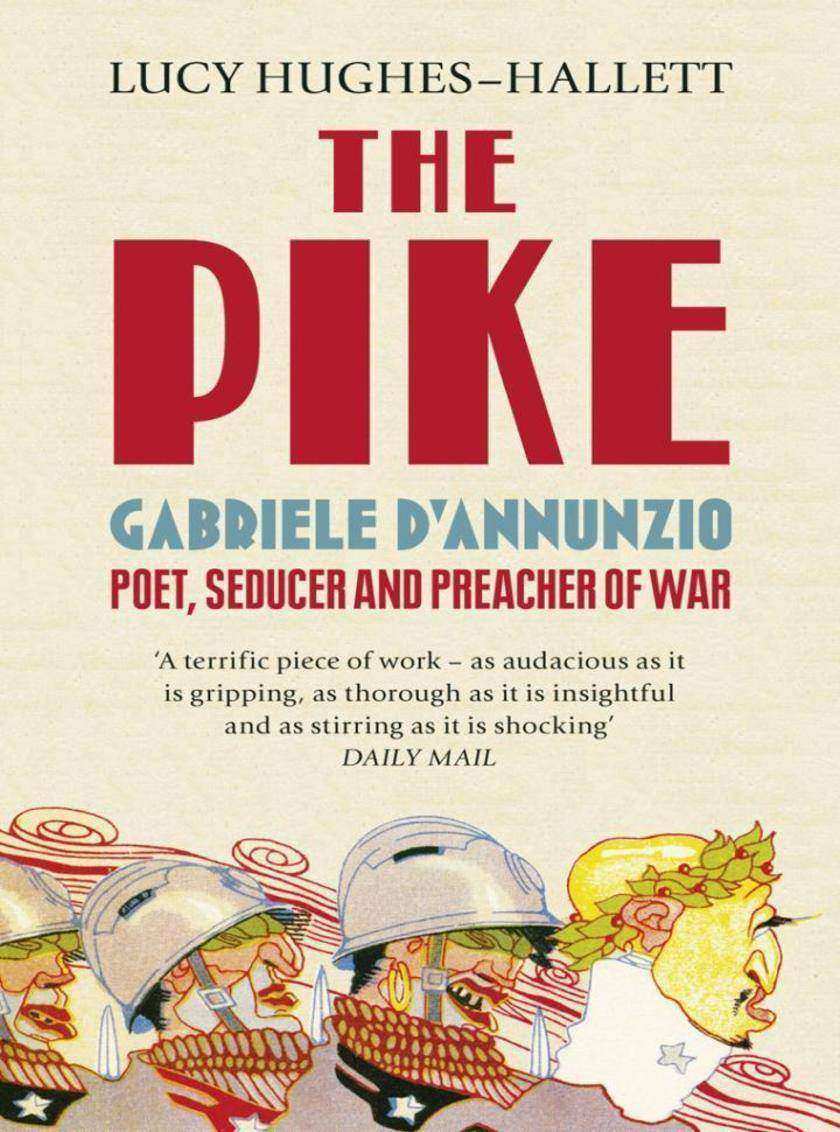
The Pike: Gabriele d’Annunzio, Poet, Seducer and Preacher of War
¥88.39
WINNER OF THE 2013 SAMUEL JOHNSON PRIZE FOR NON-FICTION WINNER OF THE 2013 DUFF COOPER PRIZE WINNER OF THE POLITICAL BOOK AWARDS POLITICAL BIOGRAPHY OF THE YEAR 2014 WINNER OF THE 2013 COSTA BOOK AWARDS BIOGRAPHY OF THE YEAR The story of Gabriele D’Annunzio, poet, daredevil – and Fascist. In September 1919 Gabriele D’Annunzio, successful poet and occasional politician, declared himself Commandante of the city of Fiume in modern day Croatia. His intention – to establish a utopia based on his fascist and artistic ideals. It was the dramatic pinnacle to an outrageous career. Lucy Hughes-Hallett charts the controversial life of D’Annunzio, the debauched artist who became a national hero. His evolution from idealist Romantic to radical right-wing revolutionary is a political parable. Through his ideological journey, culminating in the failure of the Fiume endeavour, we witness the political turbulence of early 20th century Europe and the emergence of fascism. In ‘The Pike’, Hughes-Hallett addresses the cult of nationalism and the origins of political extremism – and at the centre of the book stands the charismatic D’Annunzio: a figure as deplorable as he is fascinating.
Abandoned: The true story of a little girl who didn’t belong
¥45.62
Separated from her real mother at birth, Anya grew up in terror of her drunken bullying uncle. Beaten, humiliated and sexually abused by him from the age of six, she thought her life couldn't get worse. But one day it did. "I was used to Daddy screaming 'whore's child' at me, over and over again. But I couldn't get used to what he made me do." Anya was too terrified to tell anybody about what her uncle did to her. But then he got careless and started abusing her in front of the other children. When her brothers started calling her a 'whore', Anya cracked and all her terrible secrets came pouring out. Anya had always coped because there was one woman who loved her deeply, her 'Mummy'. But this time love was not enough. One morning 'Mummy' just left. Determined to make a new life, Anya buried her feelings and tried to move on. But when she ended up homeless, living in her car, she knew she had to face her past if she was ever going to find happiness and security again. Top 10 Sunday Times Bestseller, Abandoned is Anya's inspirational story of her fight to find love, acceptance and a place to belong.
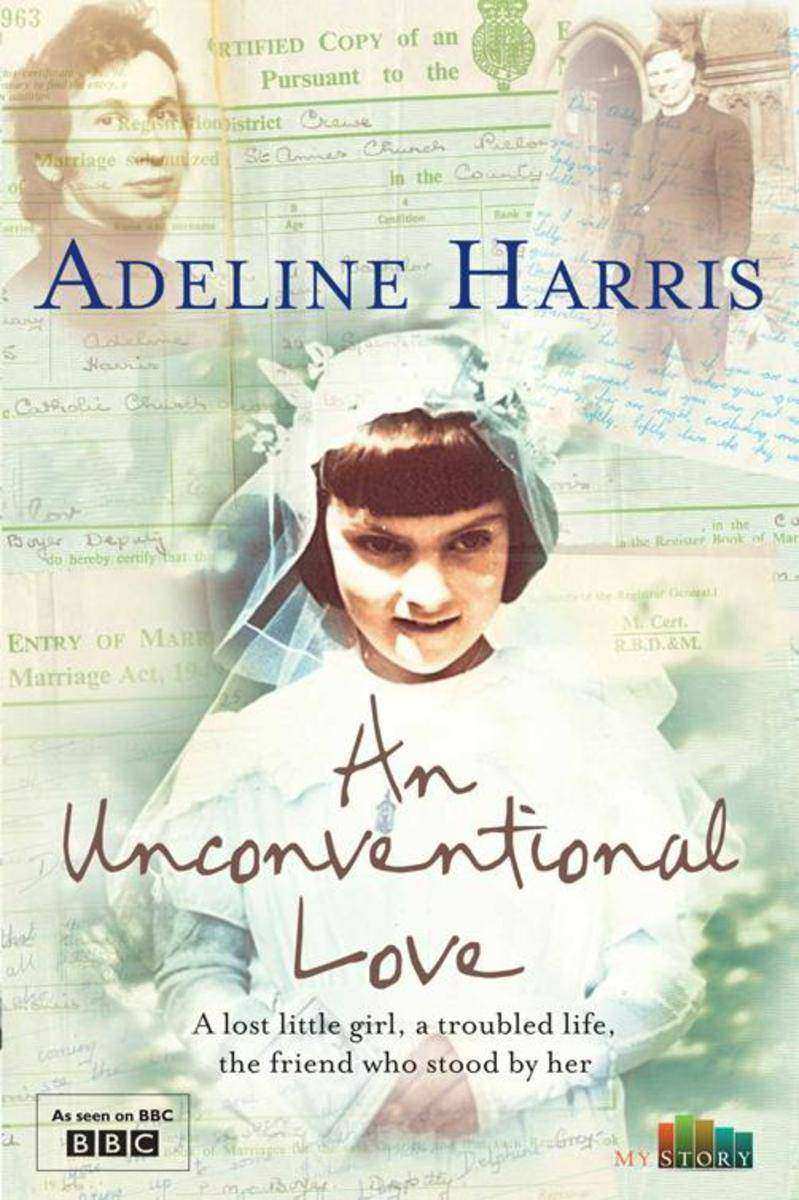
An Unconventional Love
¥51.50
Adeline Harris grew up in surroundings steeped in religion, from the beloved ayah in India who told her stories of Jesus wrestling tigers, to the strict father in England who placed a stone under her knee when she said the Rosary. It was no wonder that she always wanted to be a nun and a saint. Brought up to respect the church’s authority, the parish priest was an important early influence in her life. And when she met the new charismatic priest, Father Kelly, her interest and amazement instantly deepened. She enjoyed spending time with him and rapidly began to spend every spare moment at the church, learning much from the principled man. Following her father’s death, Adeline’s mother struggled to cope and Adeline was sent to live with Father Kelly. As Adeline grew up, she found herself falling in love with her guardian and hoped he might return her feelings. Then, when she was 18, she met a young man, Andrew, at a local dance. Soon she was pregnant and turned to the one person she could always rely on for help. He offered to look after Adeline and her baby, but he couldn’t understand her affections for Andrew. And, as time passed, deep down she always knew it was a friendship that was destined to end in heartache.
In My Dreams I Dance
¥58.86
Struck down with polio at the age of two and a half, Anne overcame the prejudice rife in her native village in Kenya, where neighbours believed she was cursed and called her a snake because of her disability, which left her paralysed below the waist. Losing her mother at a tender age, and sent to a school far away from home, she achieved fantastic academic results, amidst the challenges of a military coup. She went to university and qualified as a teacher, and fell in love with a British man who truly valued her defiant spirit. She moved from a world with no running water to make a life for herself in modern Britain. Where, against all odds, she bore a child, and went on to being the first East African to compete in her sport internationally. Anne is currently in further training, hoping to represent Great Britain at the 2012 Paralympics.

Notorious: The Maddest and Baddest Sportsmen on the Planet
¥88.39
Straddling humour, trivia and sport, ‘Notorious’ brings together for the first time one hundred of the most potty sportsmen in history. From boxing to cycling, soccer to baseball, and most sports in between, here are the hard-men and the criminals, the psychos and the loonies, that make up the sporting madness hall of shame. Among the prime candidates for sporting lunacy in this book: Prinya Charoenpal, one of the most talented kick-boxers in the sport’s history, who wore make-up and pink nail polish, broke down when asked to strip for the weigh-in, pummelled the opponent who made the mistake of mocking her with a camp embrace, and who fought solely to get the money for a sex-change operation. Jack ‘Hacksaw’ Reynolds, the San Francisco 49-ers linebacker during the 80s, who once got plastered after losing a college game, went out to the car park with a hacksaw, and cut someone’s car in half. The Brazilian football star Edmundo, infamous on the pitch for beating up fans, referees and journalists, and making his name off it by crashing his truck and killing three people, and being arrested for force-feeding beer to a chimpanzee at his son’s birthday party. And there’s more. The rugby league hard-man with a predilection for sticking a rigid digit finger up opponents’ rears on the field of play; the baseball Hall of Famer who wielded his bat to beat up unsuspecting victims; the golfer hospitalised three times for alcohol poisoning, who came through two suicide attempts, three divorces, plus countless hotel room trashings and suspensions; the Irish jockey involved in an air rage incident who copped 110 hours of community service… And closer to home, the likes of Roy Keane, Alex Higgins, Vinnie Jones and Paul Gascoigne are also featured in this wildly captivating, and often shocking, collection of crazed sports celebrities.
For The People
¥39.24
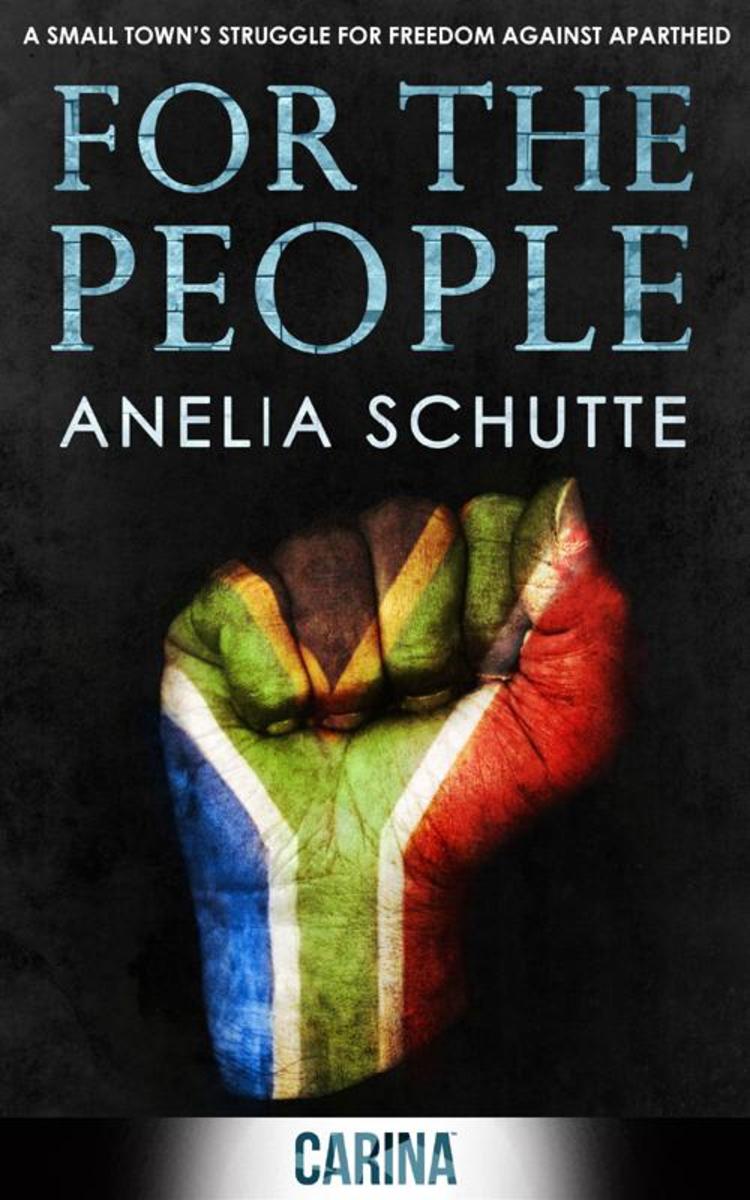
A true story of small-town apartheid Anelia Schutte grew up in Knysna – a beautiful town on the coast of South Africa, centred around a picturesque lagoon and popular with tourists. But there was another side to Knysna that those tourists never saw. In the hills surrounding the town with its exclusively white population lay the townships and squatter camps where the coloured and black people were forced to live. Most white children would never go to the other side of the hill, but Anelia did. Her earliest memories are of being the only white girl at a crèche for black children that her mother, Owéna, set up in the 1980s as a social worker serving the black community. Thirty years on, Anelia, now living in London, yearns to find out more about her mother’s work, and to understand the political unrest that clouded South Africa at the time. She returns to Knysna to find the truth about the town she grew up in, from the stories and memories of the people who were there. For the People is an exploration of apartheid South Africa through the eyes of Owéna – a white woman who worked tirelessly for the black people of Knysna and found herself swept up in their struggle. They called her Nobantu: ‘for the people'.

Anatomy of a Misfit
¥55.33
In this Mean Girls meets The Perks of Being a Wallflower tale, narrator Anika Dragomir is the third most popular girl at Pound High School. But inside, she knows she's a freak; she can't stop thinking about former loner Logan McDonough, who showed up on the first day of tenth grade hotter, bolder, and more mysterious than ever. Logan is fascinating, troubled and off-limits. The Pound High queen bee will make Anika's life hell if she's seen with him. So Anika must choose ignore her feelings and keep her social statusOr follow her heart and risk becoming a pariah. Which will she pickAnd what will she think of her choice when an unimaginable tragedy strikes, changing her foreverAn absolutely original new voice in YA in a story that will start important conversations and tear at your heart.
The Leveller
¥55.33
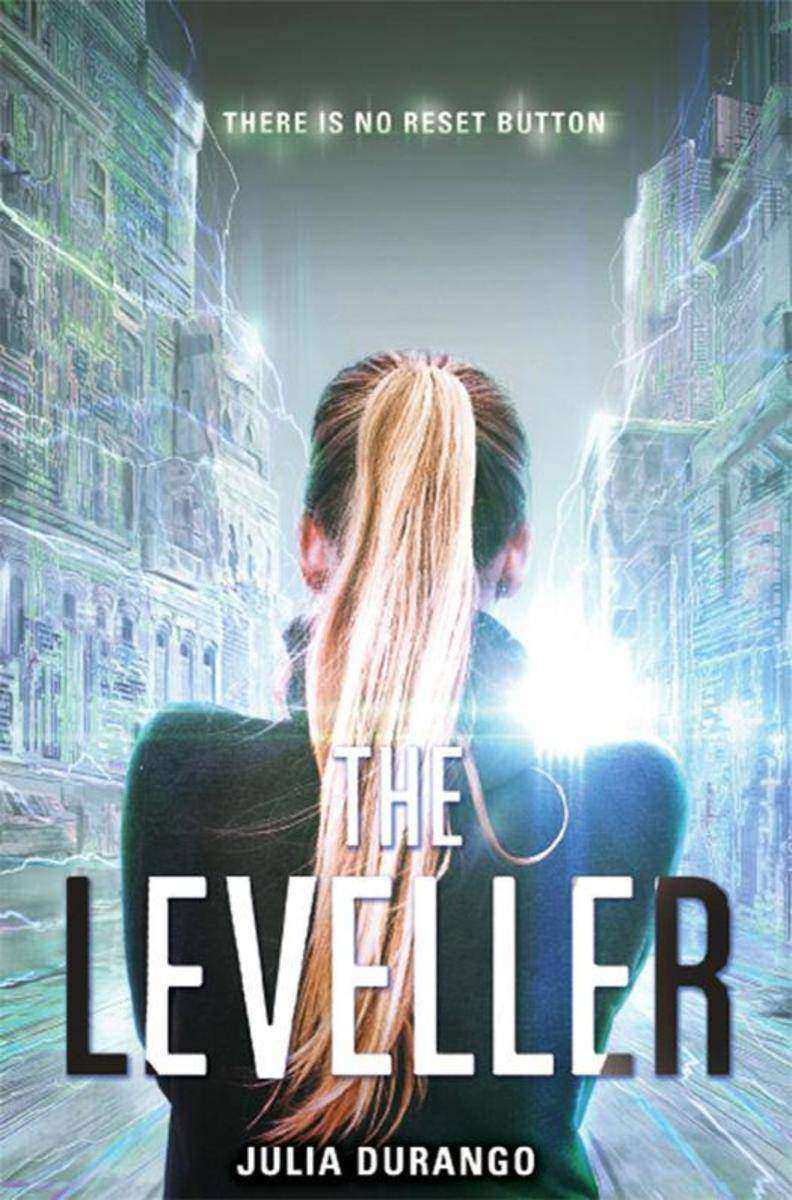
Nixy Bauer, Home in an Hour Nixy Bauer is used to her classmates being very, very unhappy to see her. After all, she's working with the enemy she's on their parents payrolls.Nixy is a bounty hunter in a virtual-reality gaming world. Kids in the MEEP, as they call it, play entirely with their minds, while their bodies languish in a sleeplike state on the couch. Irritated parents, looking to wrench their kids back to reality, hire Nixy to jump into the game and retrieve them. Luckily for Nixy and her wallet, she's the best leveller out there.But when the game's billionaire developer and Nixy's parents boss loses track of his own son in the MEEP, Nixy is in for the biggest challenge of her bounty-hunting career. Wyn Salvador isn't some lazy kid looking to escape his homework, and this is no ordinary levelling job: Wyn does not want to be found. And he's left behind a suicide note.Nixy takes the job but quickly discovers that Wyns not hiding he's being held inside the game against his will. But who is holding him captive, and why?Nixy and Wyn attempt to fight their way out of a mind game unlike any they've encountered. And the battle brings them closer than either could have imagined. But when the whole world is virtual, how can Nixy possibly know what's real?

Saving Lucas Biggs
¥38.72
Perfect for fans of Margaret Peterson Haddix, When You Reach Me, and Savvy, this charming time-travel story from husband-and-wife team Marisa de los Santos and David Teague follows one girl's race to change the past in order to save her father's future.Thirteen-year-old Margaret knows her father is innocent, but that doesn't stop the cruel Judge Biggs from sentencing him to death. Margaret is determined to save her dad, even if it means using her family's secret—and forbidden—ability to time travel. With the help of her best friend, Charlie, and his grandpa Josh, Margaret goes back to a time when Judge Biggs was a young boy and tries to prevent the chain of events that transformed him into a corrupt, jaded man. But with the forces of history working against her, will Margaret be able to change the pastOr will she be pushed back to a present in which her father is still doomed?Told in alternating voices between Margaret and Josh, this heartwarming story shows that sometimes the forces of good need a little extra help to triumph over the forces of evil.


