The Voyage of the Beagle
¥8.09
The Voyage of the Beagle is the title most commonly given to reissues of the book written by Charles Darwin and published in 1839 as his Journal and Remarks, bringing him considerable fame and respect. This was the third volume of The Narrative of the Voyages of H.M. Ships Adventure and Beagle, and covers Darwin's part in the second survey expedition of the ship HMS Beagle, which set sail from Plymouth Sound on 27 December 1831 under the command of Captain Robert FitzRoy, R.N.. Due to the popularity of Darwin's account, the publisher reissued it later in 1839 as Darwin's Journal of Researches, and the revised second edition published in 1845 used this title. A republication of the book in 1905 introduced the title The Voyage of the "Beagle". ? While the expedition was originally planned to last two years, it lasted almost five—the Beagle did not return until 2 October 1836. Darwin spent most of this time exploring on land (three years and three months on land; 18 months at sea). ? The book is a vivid and exciting travel memoir as well as a detailed scientific field journal covering biology, geology, and anthropology that demonstrates Darwin's keen powers of observation, written at a time when Western Europeans were exploring and charting the whole world. Although Darwin revisited some areas during the expedition, for clarity the chapters of the book are ordered by reference to places and locations rather than by date. Darwin's notes made during the voyage include comments illustrating his changing views at a time when he was developing his theory of evolution by natural selection and includes some suggestions of his ideas, particularly in the second edition of 1845.
A Portrait of the Artist as a Young Man
¥8.09
This unique edition of A Portrait of the Artist as a Young Man from Dead Dodo Vintage includes the full original text as well as exclusive features not available in other editions.
Paradise Regained
¥8.09
Paradise Regained is a poem by English poet John Milton, first published in 1671 by John Macock. The volume in which it appeared also contained the poet's closet drama Samson Agonistes. Paradise Regained is connected by name to his earlier and more famous epic poem Paradise Lost, with which it shares similar theological themes; indeed, its title, its use of blank verse, and its progression through Christian history recall the earlier work. However, this effort deals primarily with the temptation of Christ as recounted in the Gospel of Luke. ? An interesting anecdote recounted by a Quaker named Thomas Ellwood provides some insight into Paradise Regained??'?s development. After studying Latin with Milton and reading the poet's epic Paradise Lost, Ellwood remarked, "Thou hast said much here of Paradise lost, but what hast thou to say of Paradise found?" Hearing this, Milton at first "sat some time in a muse" before changing the subject; however, later on he showed to Ellwood a new manuscript entitled Paradise Regained. Some maintain that although he seemed to express gratitude to Ellwood in a letter, Milton in truth "passed on a friendly if impish fabrication" that made Ellwood feel like the inspiration for the poem. Milton composed Paradise Regained at his cottage in Chalfont St Giles in Buckinghamshire. The poem is four books long, in contrast with Paradise Lost??'?s twelve. As such, Barbara K. Lewalski has labelled the work a "brief epic." ? Whereas Paradise Lost is ornate in style and decorative in its verse, Paradise Regained is carried out in a fairly plain style. Specifically, Milton reduces his use of simile and deploys a simpler syntax in Paradise Regained than he does in Paradise Lost, and this is consistent with Jesus's sublime plainness in his life and teachings (in the epic, he prefers Hebrew psalms to Greek poetry). Modern editors believe the stylistics of Paradise Regained evince Milton's poetic maturity. No longer is the poet out to dazzle his readers with bombastic verse and lengthy epic similes. This is not to say that the poem bears no affinities with Milton's earlier work, but scholars continue to agree with Northrop Frye's suggestion that Paradise Regained is "practically sui generis" in its poetic execution. ? One major concept emphasized throughout Paradise Regained is the idea of reversals. As implied by its title, Milton sets out to reverse the "loss" of Paradise. Thus, antonyms are often found next to each other, reinforcing the idea that everything that was lost in the first epic will be regained by the end of this "brief epic." Additionally, the work focuses on the idea of "hunger", both in a literal and in a spiritual sense. After wandering in the wilderness for forty days, Jesus is starving for food. Satan, too blind to see any non-literal meanings of the term, offers Christ food and various other temptations, but Jesus continually denies him. Although Milton's Jesus is remarkably human, an exclusive focus on this dimension of his character obscures the divine stakes of Jesus’s confrontation with Satan; Jesus emerges victorious, and Satan falls, amazed.
S?nge albastru
¥8.09
Aceast? carte este ?n limba englez?.?In My Loved Japan, [...] the Romanian poet Clelia Ifrim offers a very fine imaginative response to the tragedy that overtook northeast Japan earlier this year.As far as I know the writer has never visited Japan, though she has long connections with it through haiku, and haiku poets.“A river of tears — to whom belongs this silence after the earthquake?“; “Not a voice or sound but this moon path on the waves — fishermen's village“;“Hobby horse sinking in the depth of the ocean to make its farewell.“?From David Burleigh, Best Books of 2011: Close-up on a People’s Disaster, in Japan Times, at http://www.japantimes.co.jp/text/fb20111225a5.html.
Zece basarabeni pentru cultura rom?n? (interviuri cu tinerii dintre milenii)
¥8.09
Poemele lui Virgil Botnaru au una dintre cele mai rare caliti regsibile la un debutant: anume polifonia. Dei arat numaidect recognoscibil, ele sun diferit de la o seciune la alta a crii; se vede, vreau s spun, c-s produse de un acelai spirit i o aceeai energeia, ns sunetul lor e mereu altul. Uneori, ele par contaminate de un misticism aproape pios, ca-n poemul (aproape un haiku) n care poetul trece dimineaa devreme pe lng catedral i gsete c Dumnezeu doarme; pentru ca dup cteva pagini s gseti o strigtur licenioas de dou versuri, deucheat dar simpatic; iar, dup alte cteva pagini, poemele devin documente ale unei melancolii virile, alcoolizate & depresive. E limpede, pentru mine, c Virgil Botnaru e un poet, al crui instrument acoper cteva octave bune; i c tie, de la bun nceput, cum s i-l exploateze. E, adic, un poet despre care tiu sigur c voi mai vorbi–cu ncredere & apreciere.“ – Radu Vancu
Poezii
¥8.09
FLUX PERMANENT Scene ?i secven?e cur??ate de resorturile sugestiilor automate sunt eroii poeticii Ioanei Geac?r. ?pe scaunul de la cinema las? dinadins trandafirul/ lumina se va stinge/ ?i doar lic?ririle dinspre ecran sau dinspre u?a deschis?/ ?i vor m?ng?ia genunchii“ (?Cinema“) astfel de imagini ale singur?t??ii aflate ?n permanent? rela?ie cu tot ceea ce este ?n jur lumineaz? noul volum al Ioanei Geac?r. P?n? ?i titlul c?r?ii sale de la Casa de Pariuri Literare func?ioneaz? dup? aceea?i dinaminc? a izol?rii ?n mijlocul lucrurilor. Singur?tatea unui titlu ??Recviem pentru nuca verde? e un titlu de poem care m? b?ntuie de c?teva zile ?i uite unde a r?s?rit! Am pus si eu un nuc l?ng? bloc, c??iva ar?ari, plopi, tei, dar nu s-a prins dec?t un m?r care s-a dovedit a fi dud ?n cele din urm?. Toate vr?biile din cartier m? iubesc.“ scria Ioana Geac?r ?n urm? cu 5 ani pe un site literar. ?ntre timp, titlul acela pare s? fi preluat controlul asupra unui ?ntreg volum de poezii. Un volum ?n care nu este niciun poem care s? fie explicit recviem ?i nici de nuci nu vine vorba dec?t ?n interiorul cuv?ntului ?siNUCIdere“ sau c?nd ?sinuciga?ul alege din libr?rie c?teva c?r?i de pus sub picioare“. Verde ?n ce prive?te, ?ns?, felurile ?n care apare culoarea ?verde“ ?n volumul de fa?? al Ioanei Geac?r se pot scrie pagini consistente. De la fluturele care ??i schimb? culoarea, la ?zidul crescut ca un mu?chi“ cu op?iuni de ?tergere ro?ii ?i verzi, sau la acoperi?urile sm?l?uite ?n acela?i poem (?printre ruinurile T?rgovi?tei“), ?n amestecul cromatic al trupurilor dintre blocuri, sau ?mirosul de verde“ din ?emo?ii ?n ghips“, ochiul ?ncol?cit ?i rochia mamei, acela?i motiv leag? stabilizeaz? traseul poetic parcurs ?n aceast? carte care ?ncepe cu ?the end“ ?i se ?nchide cu ?ziua abia a-nceput“, ?naintea finalului ?ioana deseneaz? raze la sf?r?itul caietului de poezii“. Poveste vs. prezen?a uman? Multe poeme din acest volum alterneaz? personalul ?i impersonalul, articolul nehot?r?t ?i m?rci ale posesivit??ii la distan?? de c?teva versuri. Dac? ar fi s? aleg un mecanism care s? fie responsabil pentru demersul poetic al Ioanei Geac?r acesta ar fi tocmai amendarea jocului literar gratuit. Fie c? preia desf??ur?ri nostalgice ori tablouri ale purit??ii, nara?iunile sunt pulverizate aici pentru a face loc unui contur uman: ?mi-e team?/ c? dac? z?mbesc fa?a mi se va descompune“ (?humpty dumpty“). ?ntr-un volum ?n care singurele cuvinte scrise cu majuscule sunt T?rgovi?te, Breughel cel B?tr?n sau Hieronymus Bosch ?i unde nu exist? nici m?car o singur? virgul?, reperele poeziei sunt puse la ?ncercare, iar ?ncercarea suprem? este leg?tura dintre elemente aparent disparate, dintre m?rci ale fragilit??ii ?i ipostaze brutale, o c?utare expresiv? ?n flux permanent.
Stories from German History
¥8.09
Stories from German History
Maria Antoinette
¥8.09
Maria Antoinette
Medieval Civilization
¥8.09
Medieval Civilization
Medieval England
¥8.09
Medieval England
The Barbarian Invasions of Italy
¥8.09
The Barbarian Invasions of Italy
The Court of Philip IV
¥8.09
The Court of Philip IV
History of the Venetian Republic
¥8.09
History of the Venetian Republic
Edward III
¥8.09
Edward III
Medieval Russia
¥8.09
Medieval Russia
Stories of the Pilgrims
¥8.09
Stories of the Pilgrims
Nietzsche
¥8.09
Nietzsche
Texas and the Mexican War
¥8.09
Texas and the Mexican War
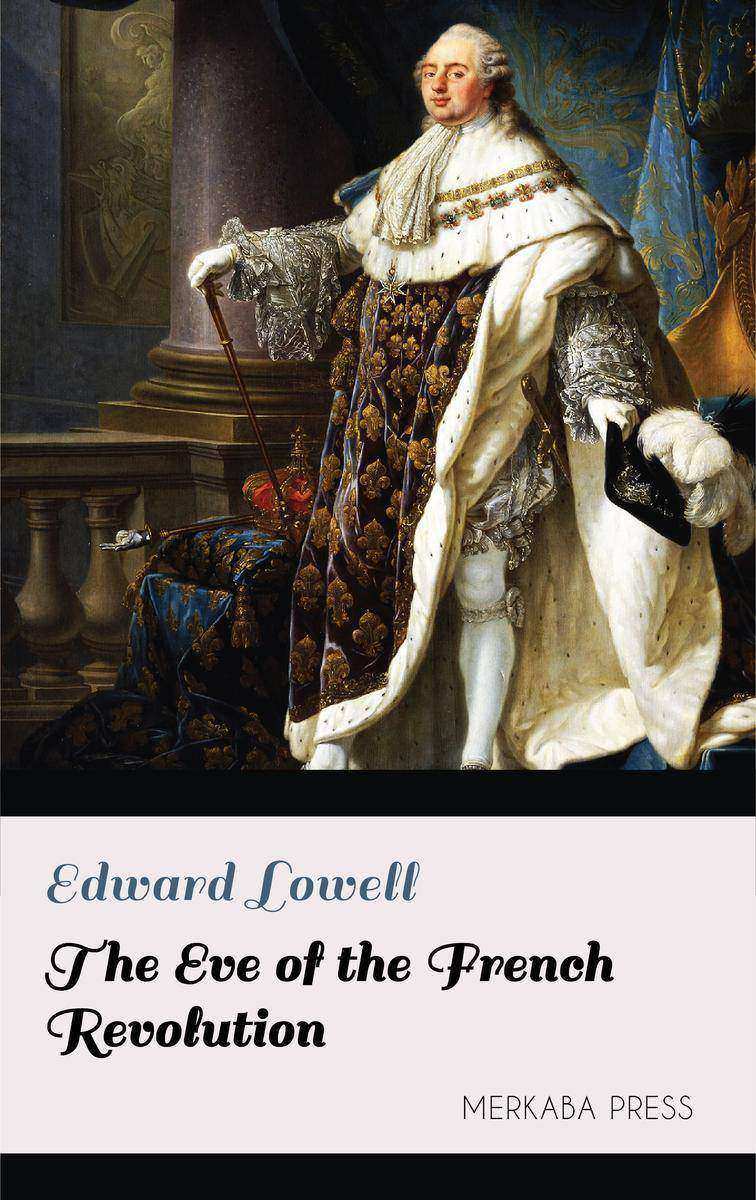
The Eve of the French Revolution
¥8.09
The Eve of the French Revolution
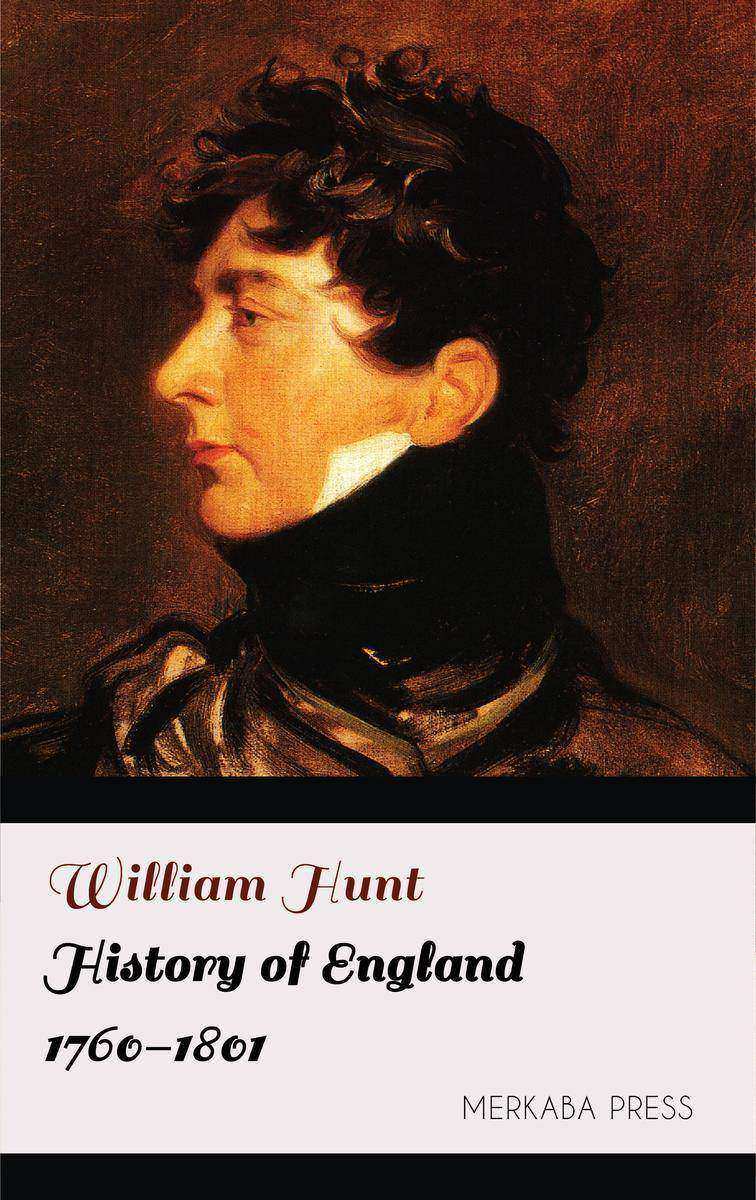
History of England 1760-1801
¥8.09
History of England 1760-1801
Edward I
¥8.09
Edward I

购物车
个人中心