


 购物车
购物车 个人中心
个人中心

The Flame and the Flower
¥55.91
The FlowerDoomed to a life of unending toil, Heather Simmons fears for her innocence until a shocking, desperate act forces her to flee. . . and to seek refuge in the arms of a virile and dangerous stranger.The FlameA lusty adventurer married to the sea, Captain Brandon Birmingham courts scorn and peril when he abducts the beautiful fugitive from the tumultuous London dockside. But no power on Earth can compel him to relinquish his exquisite prize. For he is determined to make the sapphire-eyed prize. For he is determined to make the sapphire-eyed lovely his woman. . .and to carry her off to far, uncharted realms of sensuous, passionate love.
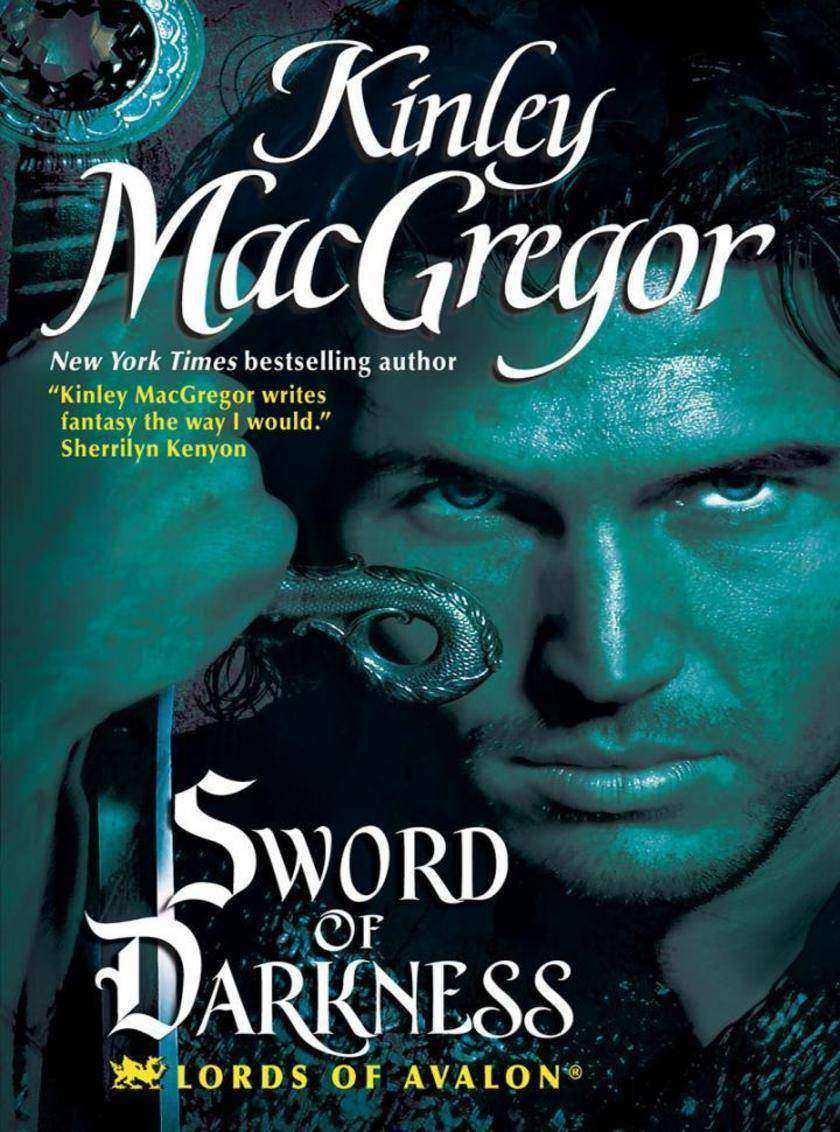
Sword of Darkness
¥55.91
The new king of Camelot wears no shining armor: Arthur and his knights have fallen and a new king rules.In the darkest forest...A scared, forsaken youth has become the most powerful and feared man in the world. Ruthless and unrestrained, Kerrigan has long ceased to be human.In the heart of London...A spirited peasant mired in drudgery, Seren dreams of becoming her own woman, but never expects that by fleeing her fate, she will meet her destiny.Their worlds are forever changed...Kerrigan's goal is simple: barter or kill Seren to claim Arthur's Round Table. Yet she is the one person who holds no fear of him. More than that, her nobility sparks something foreign inside him. In his nether realm, kindness is weakness and a king who harbors any sort of compassion loses his throne.For countless centuries, Kerrigan has lived alone in the shadows. Now Seren's courage has forced him into the light that will bring either salvation to both of them...or death.

Amber Beach
¥56.07
Honor Donovan is a shrewd businesswoman, yet she has been shut out of Donovan International by her father and four brothers. When her favorite brother Kyle vanishes, along with a fortune in stolen amber, Honor's questions are ignored by the Donovan males. Defying them, she heads to the San Juan Islands of the Pacific Northwest in search of answers.Honor needs a guide because she knows nothing about running a boat -- and she knows nothing about Jake Mallory until he answers her ad. One of the things she doesn't know is that Jake is much more than a fishing guide. Until Kyle disappeared, Jake was brokering amber deals in the Baltic for Donovan International. Honor is completely unaware of the old wars, new politics, greed, and stolen amber that have lured ruthless, high-stakes players from around the globe.Jake wants no part of the intrigue, or of a Donovan woman in his life, but he suspects the Donovans have set him up to take the fall for Kyle's treachery. The way Jake sees it, some Donovan is going to pay for his troubles, and it just may turn out to be HonorJake and Honor cast off on a journeys moldering with distrust, betrayal, vengeance... and temptation. A hunger grows between them that is as dangerous as the secrets they keep. Alone at sea, they pursue the stubborn mystery of the Amber Room, flee from relentless enemies, and fight against trusting each other. Yet when Honor and Jake dare to confide in one another, they face a final truth: the penalty for betrayal is death; the reward is a lifetime...together.
Songbird
¥56.07
She was once young and vibrant, a beautiful woman with a promising future. But a dark and dangerous secret forced her to leave everything and everyone she cared for. Now she lives alone in a quiet riverside town, her heart breaking as she watches the world change from the shadows. All that is left to bring her joy is her stunning, glorious voice, a voice that enthralls anyone who hears it, including a student named Betsy.Kind and thoughtful, Betsy is determined to help the woman live her life to the fullest again. But coming out of the dark and exposing her heart to hurt once more will not be easy . . .
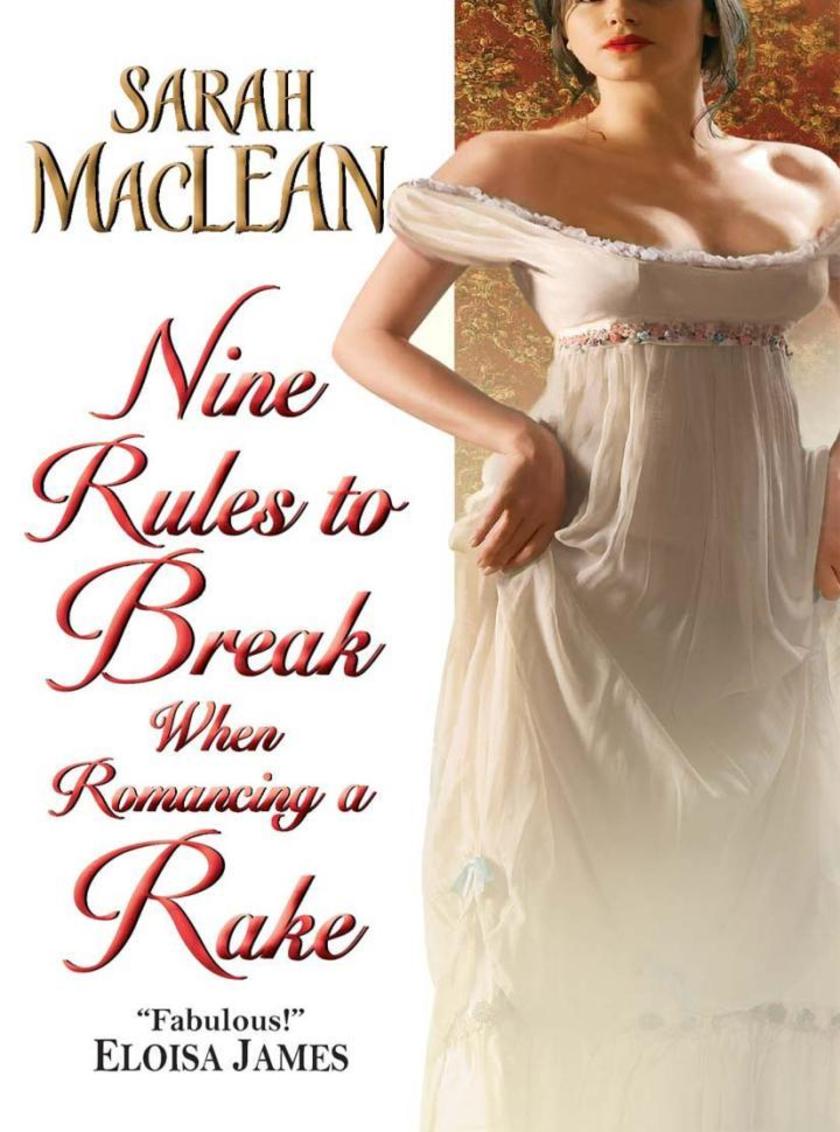
Nine Rules to Break When Romancing a Rake
¥55.91
A lady does not smoke cheroot. She does not ride astride. She does not fence or attend duels. She does not fire a pistol, and she never gambles at a gentlemen's club.Lady Calpurnia Hartwell has always followed the rules, rules that have left her unmarried and more than a little unsatisfied. And so she's vowed to break the rules and live the life of pleasure she's been missing.But to dance every dance, to steal a midnight kiss to do those things, Callie will need a willing partner. Someone who knows everything about rule-breaking. Someone like Gabriel St. John, the Marquess of Ralston charming and devastatingly handsome, his wicked reputation matched only by his sinful smile. If she's not careful, she'll break the most important rule of all the one that says that pleasure-seekers should never fall hopelessly, desperately in love . . .

Wicked in Your Arms
¥62.24
One of the most notoriouslyeligible bachelors in Europe isfinally ready to marry . . .For fiercely independent Grier Hadley,being the illegitimate daughter of one ofLondon's most unsavory charactershas only one advantage: an enormous,ill-gotten dowry. Prince Sevastian Maksimi knows wherehis duty lies: he must find a well-bredyoung lady one with a considerablefortune to her name wed her promptly,and get to the business of producingan heir. The last thing Grier needs is someunattainable prince curling her toeswith his smoldering glances and wickedsuggestions. As far as Sev is concerned, she lacks the breeding to become aprincess. And yet one kiss from thisarresting female is all it takes for himto realize that anyone else in hisarms would be unthinkable . . .

Silk Is For Seduction
¥56.07
From the Design Book of Marcelline Noirot: The allure of the perfect gown should be twofold: ladies would die to wear it . . .and gentlemen would kill to remove it!Brilliant and ambitious dressmaker Marcelline Noirotis London's rising star. And who better to benefitfrom her talent than the worst-dressed lady in the ton,the Duke of Clevedon's intended brideWinning thefuture duchess's patronage means prestige and fortunefor Marcelline and her sisters. To get to the lady,though, Marcelline must win over Clevedon, whosestandards are as high as his morals are . . . not.The prize seems well worth the risk but this timeMarcelline's met her match. Clevedon candesign a seduction as irresistible as her dresses;and what begins as a flicker of desire between twoof the most passionately stubborn charmersin London soon ignites into a delicious inferno . . .and a blazing scandal.And now both their futures hang by anexquisite thread of silk . . .
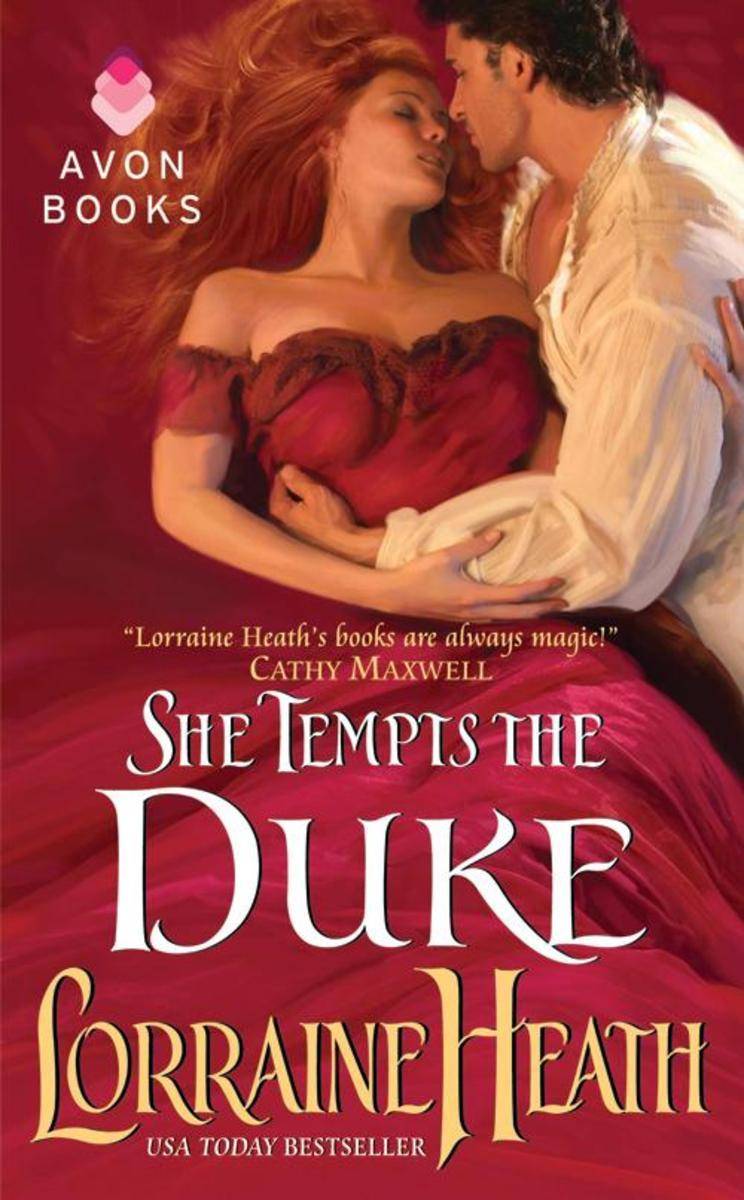
She Tempts the Duke
¥55.31
Three young heirs, imprisoned by an unscrupulous uncle, escaped to the sea, to the streets, to faraway battle awaiting the day when they would return to reclaim their birthright.Sebastian Easton always vowed he would avenge his stolen youth and title. Now back in London, the rightful Duke of Keswick returning from battle a wounded, hardened, changed man cannot forget the brave girl who once rescued him and his brothers from certain death.Lady Mary Wynne-Jones paid dearly for helping the imprisoned young Lords of Pembrook, and she remembers well the promise she made to Sebastian all those years ago: to meet him once more in the abbey ruins where they shared a bold, forbidden kiss. While Mary is now betrothed to another, a friendship forged with dark secrets cannot be ignored. Unexpected passion soon burns dangerously between them, tempting Sebastian to abandon his quest for retribution and fight for a love that could once again set him free.

A Heart So Wild
¥56.07
Courtney Harte is certain her missing father is a alive, lost somewhere deep in Indian territory. But she needs a guide to lead her safely through this dangerous, unfamiliar country, someone as wild and unpredictable as the land itself. And that man is the gunslinger they call Chandos.Courtney fears this enigmatic loner whose dark secrets torture his soul, yet whose eyes, bluer than the frontier sky, enflame the innocent, determined lady with wanton desires. But on the treacherous path they have chosen they have no one to trust but each other--as shared perils to their lives and hearts unleash turbulent, unbridled, passions that only love can tame.

The Warrior Laird
¥56.07
Haunted by horrors of his childhood, Dugan MacMillan has sworn to protect his clan at any cost . . . even if he must search for a rumored treasure and kidnap a beautiful thief to do it.The MacMillan laird has never crossed paths with anyone quite like Lady Maura Duncanson. After he saved her from certain death, the comely vixen had the audacity to disappear with his treasure map, his only key to restoring his clan. Dugan has no qualms about taking Maura hostage, especially when he learns she is to wed a wealthy old baron who will pay him a fortune in ransom . . . a fortune his people desperately need.But, of course, Maura has no intention of returning to her despicable fiance. And the longer Dugan spends in the bewitching hellion's presence, the less willing he is to surrender her to any man . . . at any price.

How to Deceive a Duke
¥55.91
When deception leads to desire . . .When her stubborn sister runs off the night before her arranged marriage, Meg Lyntonhardly hesitates before donning the wedding veil and walking down the aisle herself. It's the only way to save her family from sure destitution. By the time her wealthy groom discovers he has married the wrong sister, it will be too late to annul their vows. And too late for Meg to escape her wifely duty to a man reputed to be a devil in battle and the bedroom . . .A bride is the last thing Nicholas Hartley, Duke of Temberlay, wants. Then he sees Meg and realizes that his wedding night will be a great pleasure indeed. But aside from the agreeable business of begetting an heir, Temberlay will never change his wicked ways for a wedding vow until he discovers Meg's deception, and decides to teach the scheming beauty how to be a proper duchess, kiss by devastating kiss . . .

I'm Not Dead, I'm Different
¥94.10
Rand was initially puzzled as to why young spirits wanted to speak through her she had no children of her own and the responsibility of talking with people who had lost theirs seemed too great to bear. But the compelling answers came with time and patience: No one finds death more inexplicable than a grieving parent, thus no spirits are more motivated to make sense of it all for those they've left behind than young ones.These spirits clearly want to heal broken hearts and deepen our understanding of life and death, and Rand has the unique ability to help deliver their messages.Through her, young spirits talk freely about how to make sense of murder, suicide, and accidental deaths. They also discuss the different ways relationships on both sides can be mended, how the intergenerational cycle of abuse and addiction can be stopped, and how joy guides miscarried and aborted children can actually help those they've left behind move forward.The insights they share in this uniquely comforting book will surprise, inform, and inspire. What's more, their answers to our questions about death reveal many valuable tips for living a better life while on earth too.

Enough About You
¥67.09
The Complete Narcissist's GuideMimi E. Gotist delivers a gift for our times: practical, simple guidance to help you cope with the self-loving people in your life-while nurturing your own inner narcissist.At once utterly self-absorbed, and charmingly aware of it, Gotist offers advice on: Dating: You're not looking for the person you want to marry -- you're looking for the person you want to change Career: Don't work -- work it Spirituality: Me Here Now Personal Growth: You can't help anyone who won't help you
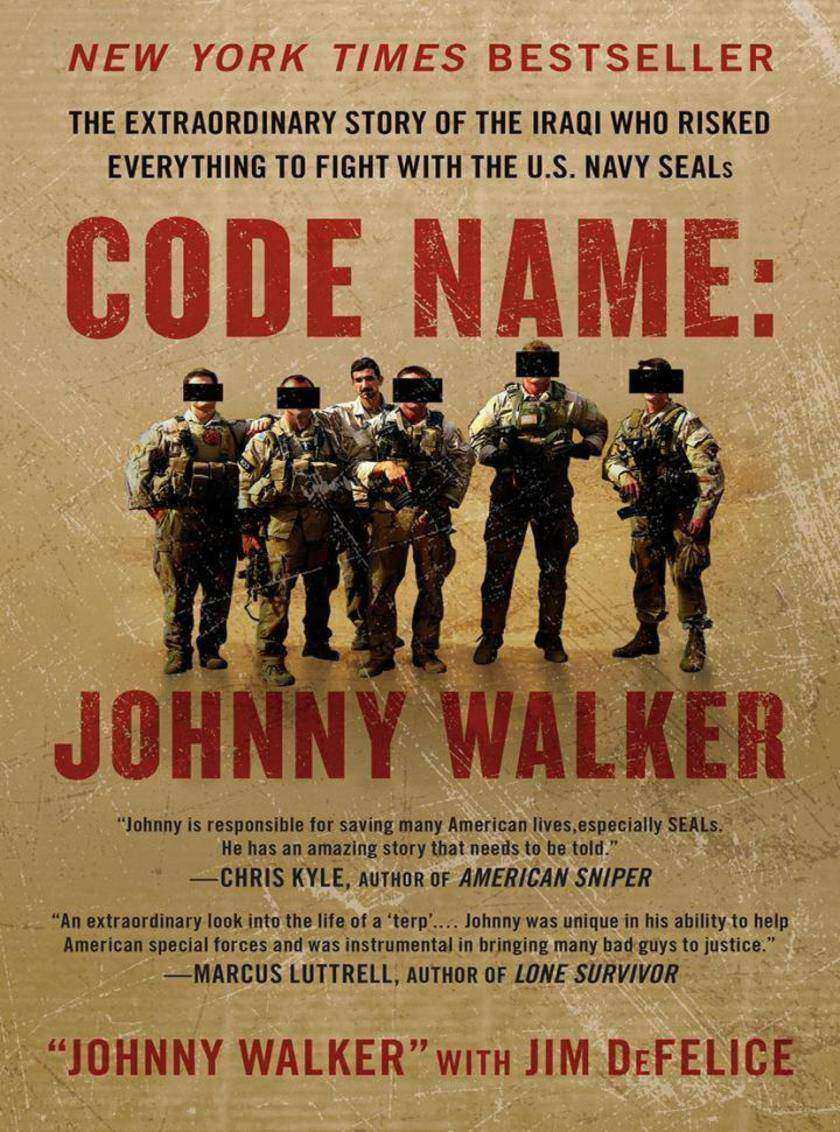
Code Name: Johnny Walker
¥88.56
This is the unforgettable story of how an ordinary Iraqi became a hero to America's elite warriors and how that debt was repaid with the gift of freedom. He was the seals' most trusted interpreter . . . and moreNight after night, while his homeland was being destroyed around him, he guided the U.S. Navy SEALs through Iraq's most dangerous regions. Operating under the code name "Johnny Walker," he risked his life on more than a thousand missions and became a legend in the U.S. special-ops community, many of whose members credit him with saving their lives. But in the eyes of Iraq's terrorists and insurgents, he and his family were marked for death because he worked with the Americans. . . . Then the SEALs stood up to protect the man who had watched their backs through the entire war.Over the course of eight years, the Iraqi native traveled around the country with nearly every SEAL and special-operations unit deployed there. Using his wits to outthink the insurgency, Johnny Walker unmasked countless terrorists and helped foil an untold number of plots against Americans and their allies. He went on hundreds of missions, saved dozens of American lives both SEAL and civilian and risked his own life daily. He and his family lived in constant jeopardy, surviving multiple assassination attempts and a host of threats in Mosul, until a desperate escape through the desert late in the war took them to the relative safety of Baghdad.Fearing for Johnny's long-term safety after the war, the SEALs now as close as brothers to Johnny took it upon themselves to bring him to the United States, where today he and his family live their version of the American Dream. He remains in the fight by helping train the next generation of American special-operations warriors.For the first time ever, a "terp" tells what it was like in Iraq during the American invasion and the brutal insurgency that followed. With inside details on SEAL operations and a humane understanding of the tragic price paid by ordinary Iraqis, Code Name: Johnny Walker reveals a side of the war that has never been told before.

The Last Dive
¥88.56
Chris and Chrissy Rouse, an experienced father-and-son scuba diving team, hoped to achieve widespread recognition for their outstanding but controversial diving skills. Obsessed and ambitious, they sought to solve the secrets of a mysterious, undocumented World War II German U-boat that lay under 230 feet of water, only a half-day's mission from New York Harbor. In doing so, they paid the ultimate price in their quest for fame. Bernie Chowdhury, himself an expert diver and a close friend of the Rouses', explores the thrill-seeking world of deep-sea diving, including its legendary figures, most celebrated triumphs, and gruesome tragedies. By examining the diver's psychology through the complex father-and-son dynamic, Chowdhury illuminates the extreme sport diver's push toward and sometimes beyond the limits of human endurance.

Western Civilization to 1500
¥90.54
Master Your Coursework with Collins College OutlinesThe Collins College Outline for Western Civilization to 1500 covers all major events from the earliest known civilizations of Egypt and Sumer to the Greek and Roman Empires through the feudal times, the Middle Ages and the Renaissance, finally concluding with the threshold of the Modern Age. Completely revised and updated by Dr. John Chuchiak, Western Civilization to 1500 includes a test yourself seion with answers and complete explanations at the end of each chapter. Also included are bibliographies for further reading, as well as maps, timelines, and illustrations.The Collins College Outlines are a completely revised, in-depth series of study guides for all areas of study, including the Humanities, Social Sciences, Mathematics, Science, Language, History, and Business. Featuring the most up-to-date information, each book is written by a seasoned professor in the field and focuses on a simplified and general overview of the subje for college students and, where appropriate, Advanced Placement students. Each Collins College Outline is fully integrated with the major curriculum for its subje and is a perfe supplement for any standard textbook.

Red Sox Rule
¥90.77
The story of the changing face of baseball and the inner workings of its finest organization After a hundred "cursed" years, the Boston Red Sox rose gloriously to baseball domination. Under the leadership of manager Terry Francona, an extraordinary team of wildly disparate personalities from the inscrutable Manny Ramirez to the affable David "Big Papi" Ortiz pulled off two improbable post-season comebacks to make it to the World Series twice in three years . . . and ultimately emerged victorious. In Red Sox Rule, Michael Holley, bestselling author of Patriot Reign, provides a fascinating, insightful, and surprising inside look at how it all happened.With the exclusive cooperation of Terry Francona and stories from the clubhouse and the conference room, Holley reveals the private sessions and the dugout and front-office strategies that have made the Red Sox a budding dynasty, overtaking their archrivals, the powerful New York Yankees, as the American League's elite team.

Judging Thomas
¥88.56
Clarence Thomas, the youngest and most controversial member of the Supreme Court, could become the longest-serving justice in history, influencing American law for decades to come. Who is this enigmatic manAnd what does he believe in?Judging Thomas tells the remarkable story of Clarence Thomas's improbable journey from hardscrabble beginnings in the segregated South to the loftiest court in the land. With objectivity and balance, author Ken Foskett chronicles Thomas's contempt for upper-crust blacks who snubbed his uneducated, working-class roots; his flirtation with the priesthood and, later, Black Power; the resentment that fueled his opposition to affirmative action; the conservative beliefs that ultimately led him to the Supreme Court steps; and the inner resilience that propelled him through the doors.Based on interviews with Thomas himself, fellow justices, family members, and hundreds of friends and associates, Judging Thomas skillfully unravels perhaps the most complex, controversial, and powerful public figure in America today.
Notes from a Small Island
¥90.51
Veering from the ludicrous to the endearing and back again, Notes From a Small Island is a delightfully irreverent jaunt around the unparalleled floating nation that has produced zebra crossings, Shakespeare, Twiggie Winkie's Farm, and places with names like Farleigh Wallop and Titsey.

The Italian American Reader
¥95.39
This anthology -- the first general-reader collection of writing by Italian American authors -- is part manifesto, part Sunday dinner. A gathering of voices old and new, some speak in the accents of another age, some completely contemporary and assured, and all together for the first time. To stand with all the other popular media images we represent, now, at last, one exists in written form, the literature of Italian American life.Inside, there are excerpts from novels, memoirs, short stories, essays, and poems -- by the living and the dead, the famous and the obscure. The excerpts are variously moving, funny, poignant, lusty, biting, reverent, witty, loving, angry, and wise, dealing in the most profound aspects of our lives no matter who we are: home, love, sex, family, food, work, God, death.Characters range from gangsters to grandmas, lovers to fighters, thinkers to doers, sinners to saints, with special appearances by Frank Sinatra and the Virgin Mary.

When Generations Collide
¥94.10
If your workplace feels like a battle zone and colleagues sometimes act like adversaries, you ore not alone. Today four generations glare at one another across the conference table, and the potential for conflict and confusion has never been greater. Traditionalist employees with their "heads down, onward and upward" attitude live out a work ethic shaped during the Great Depression. Eighty million Baby Boomers vacillate between their overwhelming need to succeed and their growing desire to slow down and enjoy life. Generation Xers try to prove themselves constantly yet dislike the image of being overly ambitious, disrespectful, and irreverent. Millennials, new to the workforce, mix savvy with social conscience and promise to further change the business landscape. This insightful book provides hands-on methods to close the generation gaps. With effective tools to recruit, retain, motivate, and manage each generation, you can now create teamwork, not war, in today's highperformance workplace . . . where at any age, productivity is what counts.


