


 购物车
购物车 个人中心
个人中心
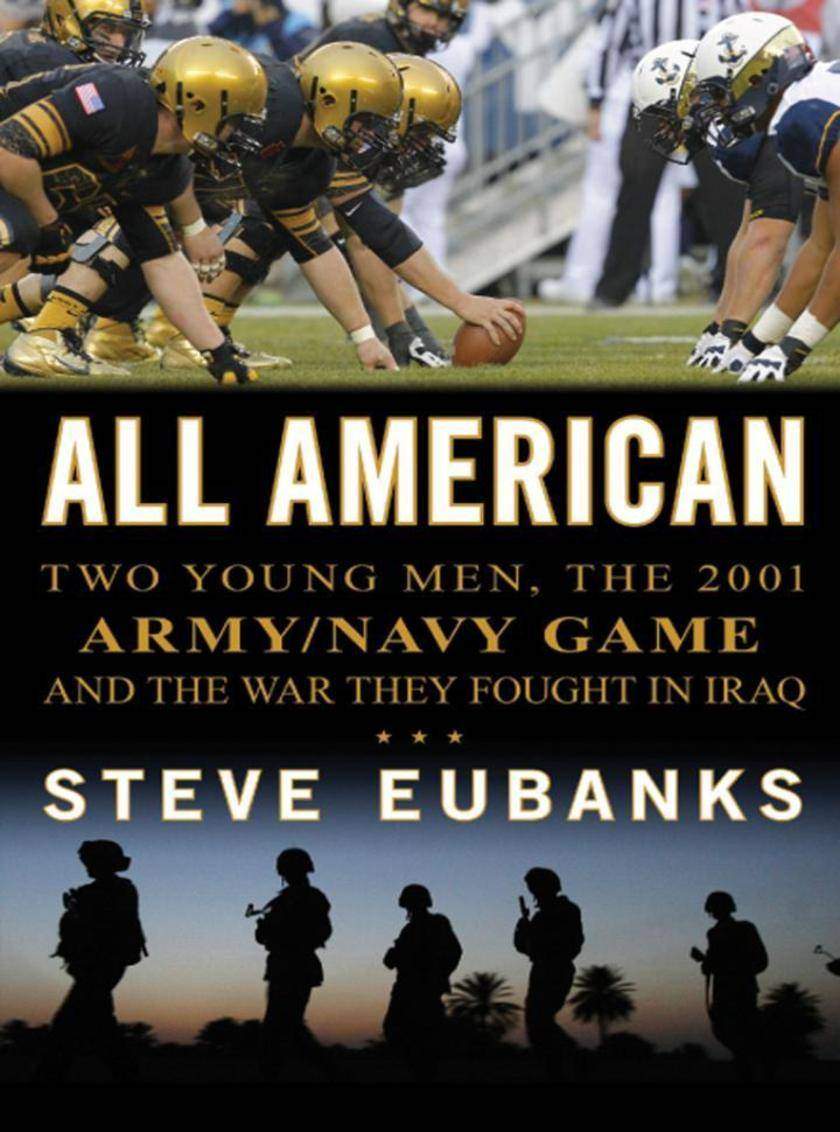
All American
¥88.56
In December 2001, as fires still burned beneath the ruins of the World Trade Center, West Point cadet Chad Jenkins and Naval Academy midshipman Brian Stann faced off at Veterans Stadium in Philadel-phia in what would become the most-watched college football game of the decade: the matchup between the Army Black Knights and the Navy Midshipmen. At opposing stadiums throughout the season, the Army and Navy teams, used to jeers from their oppo-nents' fans, had instead been greeted with standing ovations from respectful crowds who knew that these young players, military officers in training, were soon going to fight a war in the Middle East. On this day, before this momentous game, President George W. Bush along with others such as General Norman Schwarzkopf and Senator John McCain visited both locker rooms before watching the game from the sidelines.When Stann, a Navy linebacker, first came into contact with Jenkins, the Army quarterback, his team was behind by thirteen points. Yet he managed to land the perfect tackle against Jenkins. Though these two players?would not meet again for a decade, Stann and Jenkins shared the same path: both went to war. As first-class officers serving several tours of duty, they led soldiers and marines and participated in events they never imagined possible. A moving and fascinating dual profile of honor, duty, courage, and competition, All American is a thoughtful exploration of American character and values, embodied in the lives of two remarkable young men.
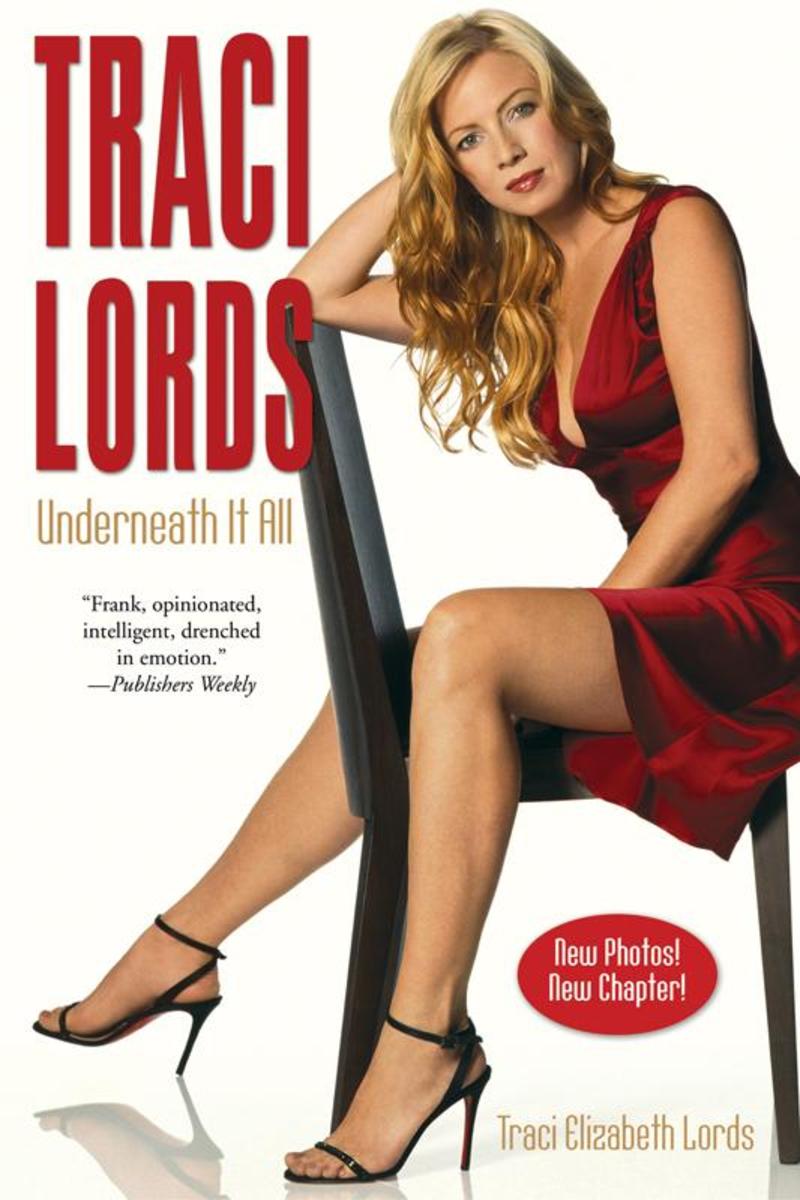
Traci Lords: Underneath It All
¥88.56
The moving, gripping, and tell–all autobiography of Traci Elizabeth Lords, a former child porn queen, electronica maven, and cult movie and TV star. At 14, Nora Kuzma ran away from home and ended up on the dirty streets of Hollywood. She fell in with a fast crowd, and her dreams of modelling soon landed her a spectacular centrefold in Penthouse Magazine, where at 15 she became internationally known as TRACI LORDS. From there she appeared in numerous adult films and magazines, denying her past and battling a deep addiction to cocaine and men. Three years later she got out. This is her memoir–a tale of loss, redemption, and ultimate survival as Traci Elizabeth Lords takes you into her secretive past, faces her demons, and shares her extraordinary journey of personal growth.
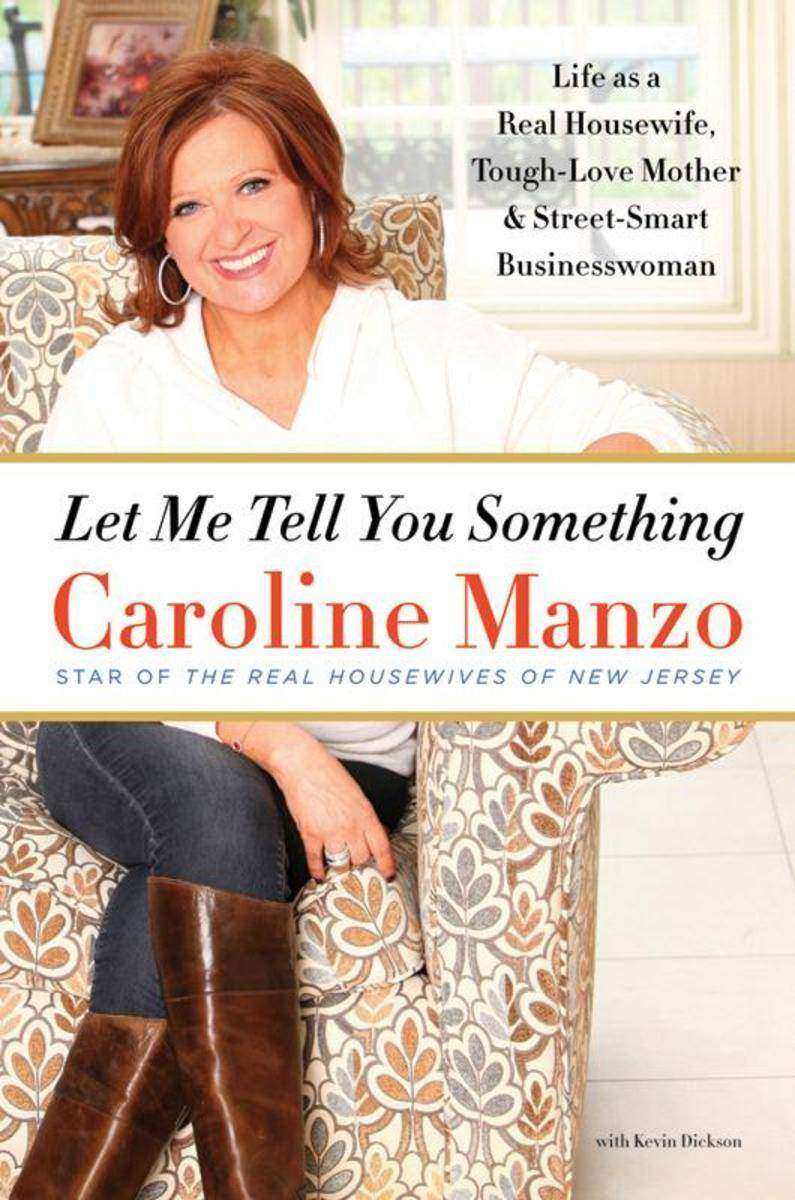
Let Me Tell You Something
¥90.77
Red-hot advice from the redhead who doesn't pull any punches Mother, wife, and fan favorite Caroline Manzo has been through it all as one of the original breakout stars of Bravo's The Real Housewives of New Jersey. The explosive and addicting reality series has seen some of the craziest moments in Real Housewives history, but Caroline has managed to set herself apart as the levelheaded, fiercely loyal, and down-to-earth member of the cast. Now Caroline, who is known for her no-nonsense advice, "tells you something" about what it really takes to juggle three kids and a husband (and still maintain your sanity), all while living in the spotlight. Her wisdom on family, life, and love, and her shockingly honest confessions about beauty, body image, and even plastic surgery, resonate with women of every generation. Equal parts funny, sincere, and revealing, Caroline exposes the sweeter, more reflective side of herself that fans of the show might not always see. Filled with personal stories, family photos, and Caroline's characteristic humor, Let Me Tell You Something gives fans and readers an all-access, behind-the-scenes pass into the life of this real New Jersey housewife and her family, where honest advice and practical life lessons are served up as only Caroline can.
We Were There
¥90.77
The Greatest Generation meets Bloods in this revealing oral history of the unrecognized contributions of African American veterans.Award-winning journalist Yvonne Latty never bothered to find out the extent of her father's service until it was almost too late. Inspired by his moving story -- and eager to uncover the little-known stories of other black veterans, from those who served in the Second World War to the War in Iraq -- Latty set about interviewing veterans of every stripe: men and women; army, navy, and air force personnel; prisoners of war; and brigadier generals.In a book that has sparked discussions in homes, schools, and churches across America, Latty, along with acclaimed photographer Ron Tarver, captures not only what was unique about the experiences of more than two dozen veterans but also why it is important for these stories to be recorded. Whether it's the story of a black medic on Omaha Beach or a nurse who ferried wounded soldiers by heli-copter to medical centers throughout Asia during the Vietnam War, We Were There is a must-have for every black home, military enthusiast, and American patriot.
President Me
¥88.56
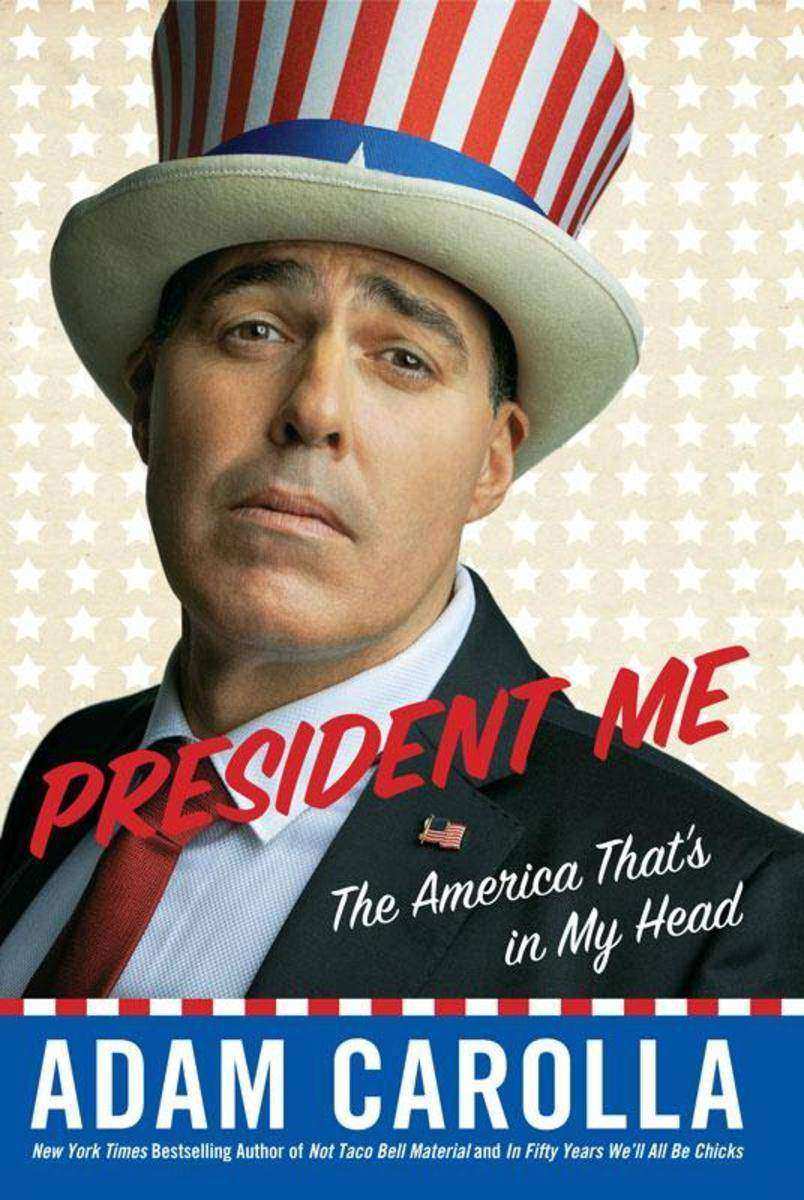
My fellow Americans,President John F. Kennedy once famously said, "Hey, is that blond intern eighteen yet?" He also said, "Ask not what your country can do for you, but what you can do for your country."We've changed a lot since JFK asked us all to pitch in. We've become a nation of narcissistic, yoga-mat-toting, service-dog-having, absentee dads and gluten-free, hand-wringing, hypochondriac moms of overcaffeinated (yet somehow still lazy) twerking tweens. And our government is an inept bureaucracy incapable of doing anything except getting in our wallets and in our way. We've got to get it together, America.That is why I, Adam Carolla, hereby declare myself Candidate Carolla. The tome you hold in your hands is a statement of my intent to whip our country back into fighting shape, to eliminate the "what are you going to do for me?" mentality that has invaded our country.President Me is my manifesto, my vision for a better place . . . free of Big Government, barefoot fliers, lazy hipsters who'd rather "Occupy" than work, and the other things that are bringing our country down. With my cabinet appointees, my list of worthy and necessary presidential ManDates, and tons of great ideas for fixing our health care, education, energy, and even national parks systems . . . behold an America we can be proud of. The America I see in my head.You're welcome in advance.Your future leader,Adam
All or Nothing
¥95.39
"Remember, it's not just about the food—it has to be an experience." Thirty-one-year-old Jesse Schenker has rocketed to the top of the culinary world. An Iron Chef winner and a James Beard nominee, he was voted Best New Chef by New York magazine, and his acclaimed Recette was named Best New Restaurant by the New York Times. Manhattan magazine has called him "a boy wonder . . . young, hungry, and talented," while Zagat has hailed him as a "wunderkind." But Jesse's epic rise masks a little-known past filled with demons and obsession, genius and mania. "For as long as I can remember, I've had this unquenchable thirst to keep moving, going, and doing. I've never felt comfortable in my own skin and have always needed an outlet for that uneasiness." Jesse first found that outlet in the South Florida kitchens where he showed great promise as a teenager, but it was in those same kitchens that he was introduced to the world of hard drugs. He was fourteen when he first got arrested and seventeen when he became physically addicted to Oxycontin. Becoming a high school dropout addicted to heroin and crack, alienated from his family and wanted by the cops, by the age of twenty-one Jesse had overdosed and nearly been beaten to death while robbing, cheating, and lying to everyone in his life. After getting arrested and going to jail, Jesse got clean and slowly put back together the pieces of his fractured life, ultimately channeling the same energy that had earlier fueled his addiction into making a name for himself in the fast-paced, competitive New York restaurant scene. In this startling and down-to-earth memoir, he lays it all on the table for the first time, coming clean about his insatiable appetite for the extreme—which has led to his biggest triumphs and failures—and shares the shocking story of his turbulent life. All or Nothing is a candid exploration of the manic culture of some of the world's most celebrated kitchens. A drug-fueled, anxiety-ridden epic, it reads like a rollicking rock-and-roll memoir—with amazing food.
Ready, Set, Grow!
¥88.56
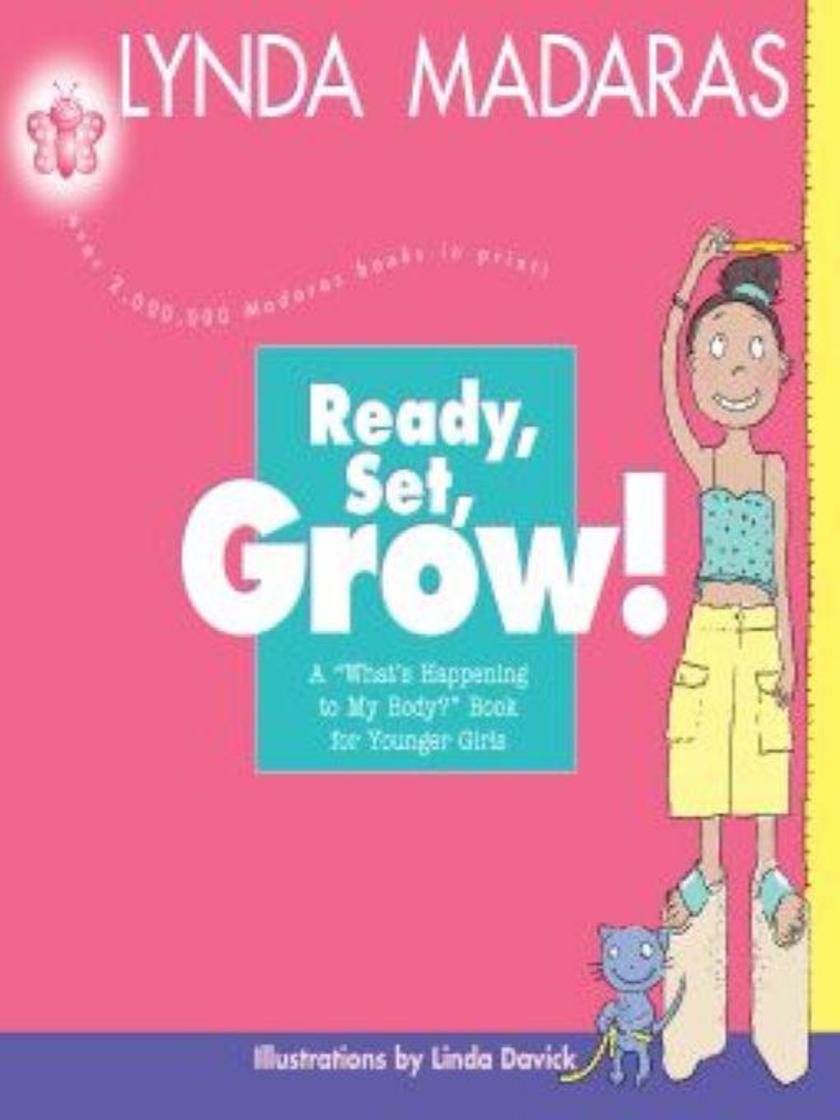
Ready, Set, Grow!Young girls before the onset of puberty have a curiosity abouttheir soon-to-be changing bodiesthat needs addressing in a simplerway than for their older sisters. In Madaras's proven, trust-worthy,friendly voice and style, this entirelynew book now brings them thesame kind of thoughtful, down-toearthinformation but at a readingand comprehension level that's just right for them.Responding throughout to reallifequestions and observationsfrom younger girls, Madarasexplores the changes that arehappening, or about to happen, tothem, including: the developmentof breasts, body hair, and bodyfat; the changes in their reproductiveorgans, both inside and out;their first period and all the complexfeelings surrounding it; theunwelcome appearance of acneand new body odors; and, perhapsmost important, how to respectand celebrate their unique bodies,even when the outside world isnot always so accepting.Lively cartoon drawings throughoutmake the book not only helpful,but fun to read, too.
Beethoven
¥83.92
Ludwig van Beethoven (1770-1827) was a genius so universal that his popularity, extraordinary even during his lifetime, has never ceased to grow. It now encircles the globe: Beethoven's most famous works are as beloved in Beijing as they are in Boston.Edmund Morris, the author of three bestselling presidential biographies and a lifelong devotee of Beethoven, brings the great composer to life as a man of astonishing complexity and overpowering intelligence. A gigantic, compulsively creative personality unable to tolerate constraints, he was not so much a social rebel as an astute manipulator of the most powerful and privileged aristocrats in Germany and Austria, at a time when their world was threatened by the rise of Napoleon Bonaparte.But Beethoven's achievement rests in his immortal music. Struggling against progressive, incurable deafness (which he desperately tried to keep secret), he nonetheless produced towering masterpieces, such as his iconic Fifth and Ninth symphonies. With sensitivity and insight, Edmund Morris illuminates Beethoven's life, including his interactions with the women he privately lusted for but held at bay, and his work, whose grandeur and beauty were conceived "on the other side of silence."
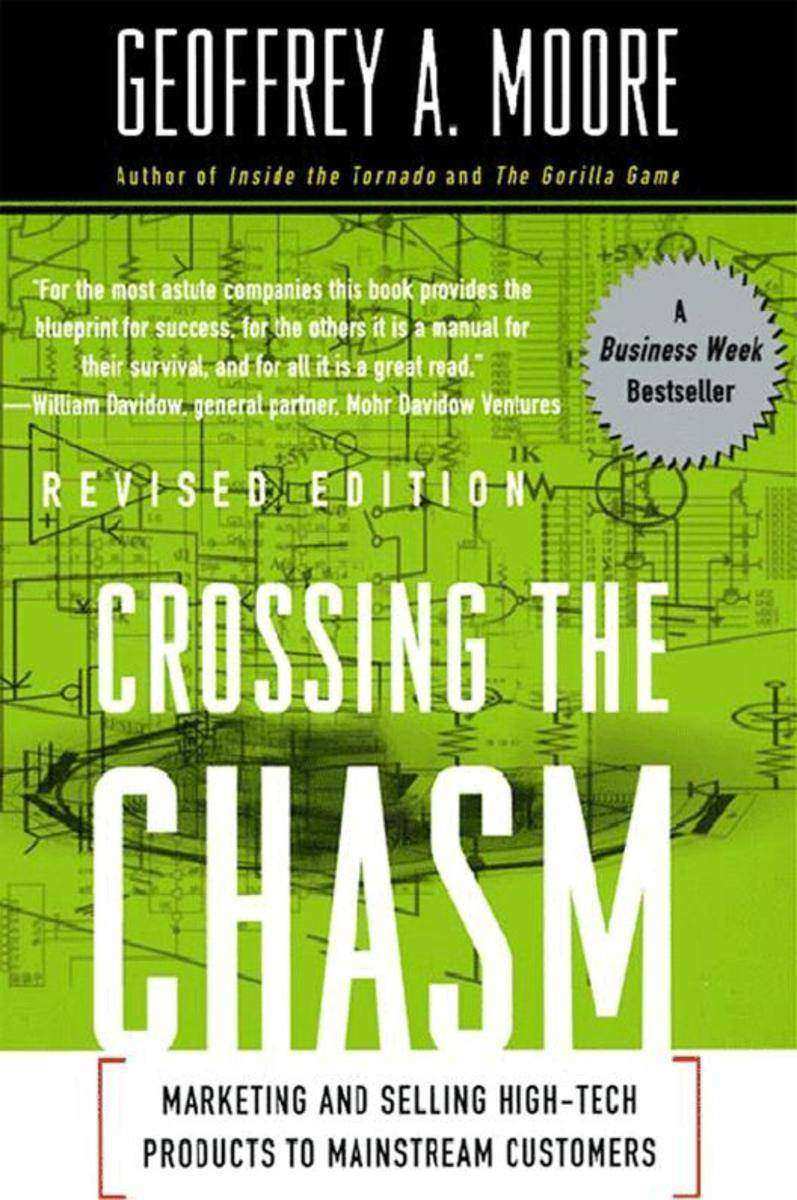
Crossing the Chasm
¥101.00
Here is the bestselling guide that created a new game plan for marketing in high-tech industries. Crossing the Chasm has become the bible for bringing cutting-edge products to progressively larger markets. This edition provides new insights into the realities of high-tech marketing, with special emphasis on the Internet. It's essential reading for anyone with a stake in the world's most exciting marketplace.
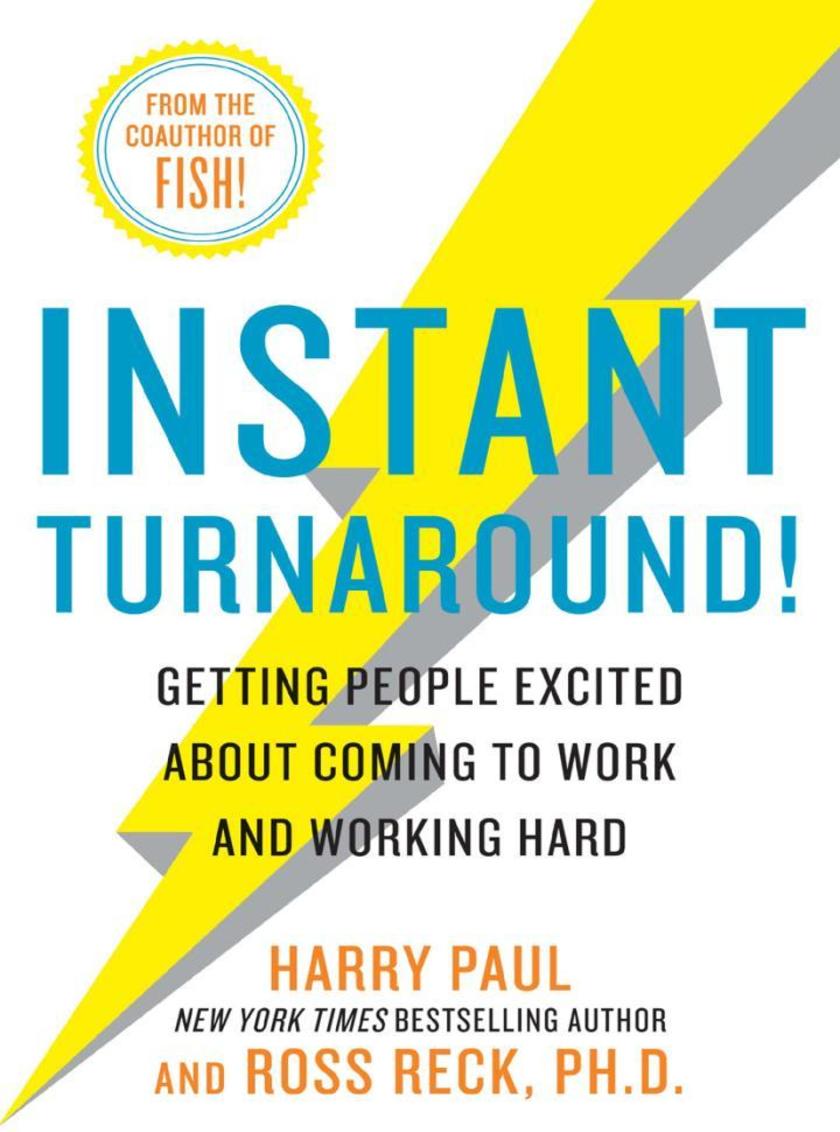
Instant Turnaround!
¥130.45
Transform Your Workplace!Imagine a company where people are excited about coming to work and giving their best efforts every day. In this innovative and engrossing business parable, Harry Paul and Ross Reck show managers at all levels how they can immediately and easily increase productivity by tapping into the discretionary effort of the people who work for them. Starting from the most basic aspect of business reality that people intentionally regulate the amount of effort they put into their jobs based upon how they feel they're being treated the authors point out that the most important part of the job of every manager, team leader, supervisor, and executive is to treat people in such a way that they become excited about applying all their discretionary effort toward performing their jobs.At the book's center is the story of Nancy Kim, a human resources director at a magazine that is struggling with all the problems associated with unhappy employees low productivity and morale along with high absenteeism and turnover. After she openly challenges the CEO's new management-by-the-numbers system, she's charged with turning the situation around immediately. Filled with real-world studies, Instant Turnaround! shows anyone how to turn the workplace into a destination a place where working hard feels like hardly working because it's engaging, enjoyable, and fulfilling.
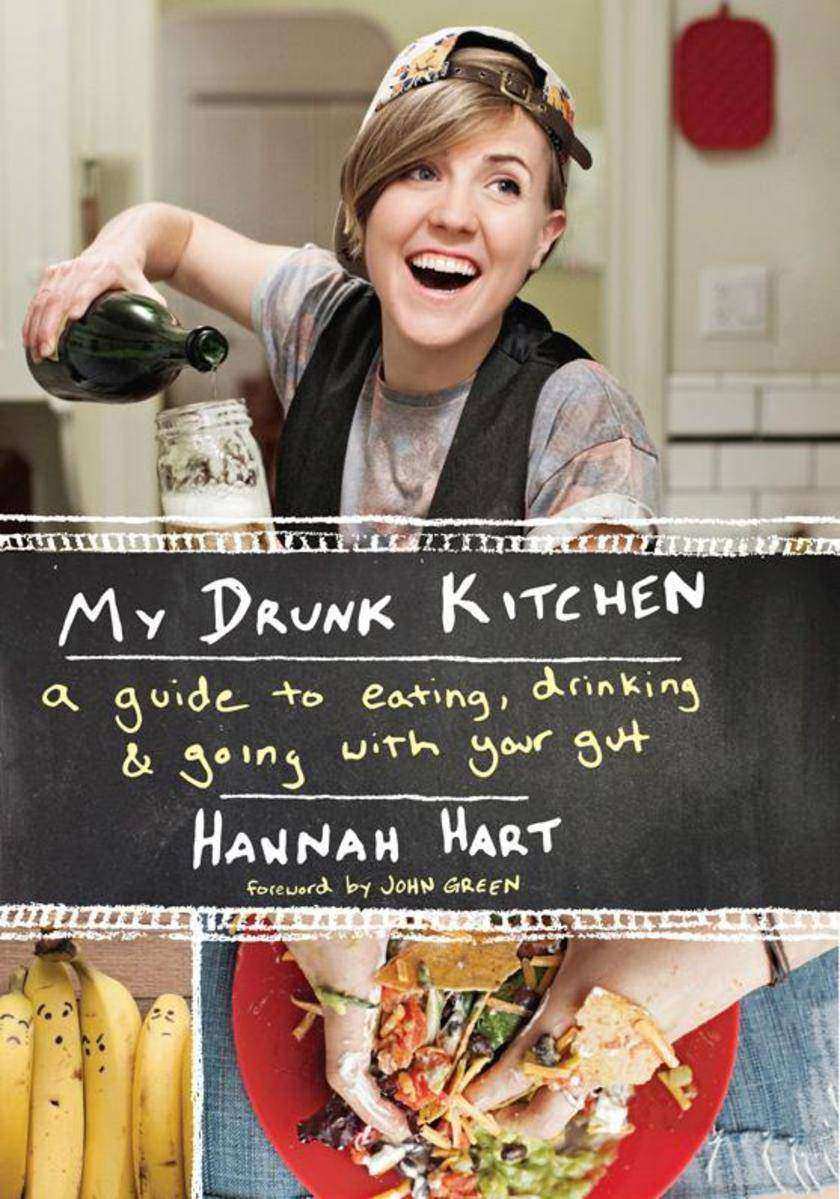
My Drunk Kitchen
¥129.07
One day, sad cubicle dweller and otherwise bored New York transplant Hannah Hart decided, as a joke, to make a fake cooking show for her friend back in California. She turned on the camera, pulled out some bread and cheese, and then, as one does, started drinking. (Doesn't everyone cook with a spoon in one hand and a bottle of wine in the other?) The video went viral and an online sensation was born. My Drunk Kitchen includes recipes, stories, full color photos, and drawings to inspire your own culinary adventures in tipsy cooking. It is also a showcase for Hannah Hart's great comedic voice. Hannah offers key drink recommendations, cooking tips (like, remember to turn the oven off when you go to bed) and shares never-before-seen recipes such as: ?The Hartwich (Knowledge is ingenuity! Learn from the past!) ?Can Bake (Inventing things is hard! You don't have to start from scratch!) ?Latke Shotkas (Plan ahead to avoid a night of dread!) ?Tiny Sandwiches (Size doesn't matter! Aim to satisfy.) ?Saltine Nachos (It's not about resources! It's about being resourceful.) This is a book for anyone who believes they have what it takes to make a soufflé for the holiday party and show up the person who apparently has nothing better to do than bake things from scratch. It also recommends the drink you'll need to accompany any endeavor of this magnitude. In the end, My Drunk Kitchen may not be your go-to guide for your next dinner party . . . but it will make you laugh and drink . . . I mean think . . . about life.
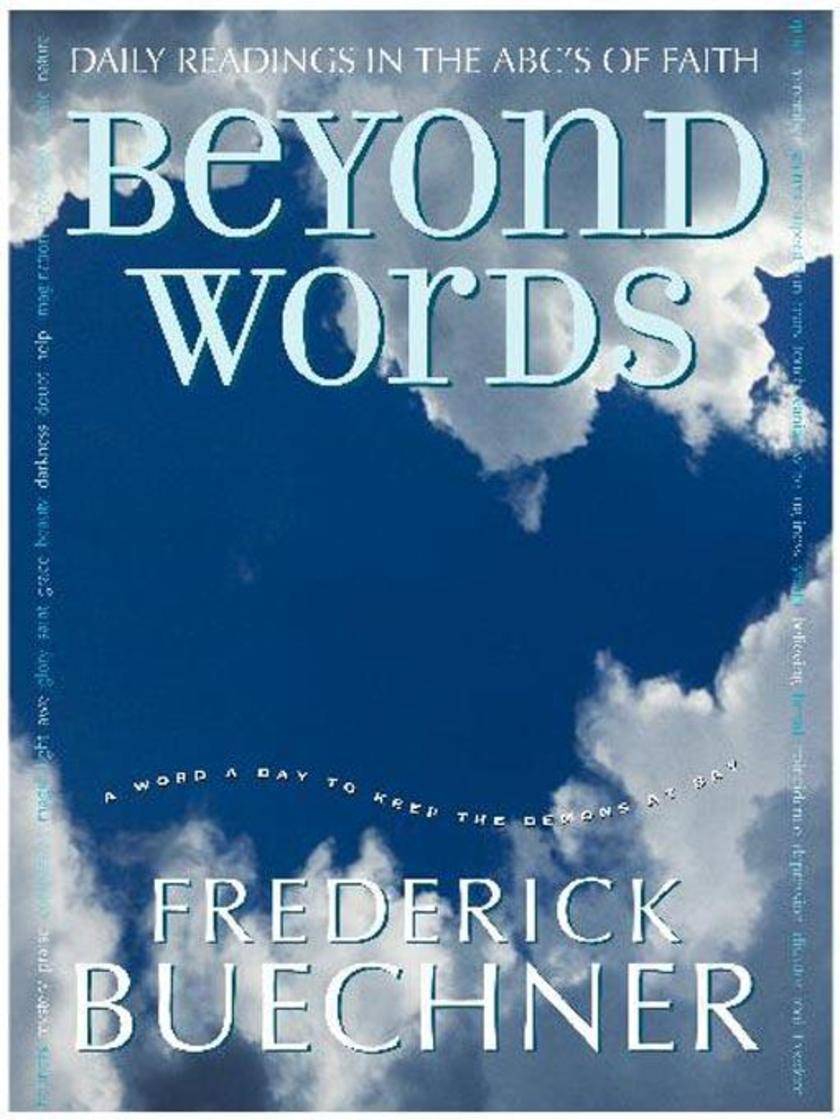
Beyond Words
¥139.90
Beyond Words n (1.) Terms or names that point to the realm of mystery and depth that lies beyond our ordinary experience. (2.) The reality that is beyond even the power of beyond words to convey, and that can be known only by experiencing it for yourself."A word a day to keep the demons at bay." This is how Frederick Buechner likes to describe this witty and incisive dictionary. A daily devotional from one of today's greatest spiritual writers, Beyond Words offers 366 entries from Buechner's three alphabet books, Wishful Thinking, Peculiar Treasures, and Whistling in the Dark, including a new Introduction and nineteen new entries.Providing definitions of both sacred and ordinary words, as well as biblical characters, Buechner unabashedly brings his fresh perspective to words, concepts, and characters we thought we understood. This is a great introduction to Buechner's work as well as a library staple for those already well versed in his writing. It is Buechner at his best. Whether readers find themselves tearful from a deeply moving insight or laughing out loud at an unexpected turn of phrase, they will always feel uplifted, illuminated, and enchanted by the wisdom of Frederick Buechner.
Balancing Heaven and Earth
¥138.41
One of this century's most popular psychology scholars, Robert A.Johnson was among the first to present Carl Jung's rich but complex theories with simple elegance and grace,opening them to an entirely new and hungry audience. His masterful works--including the best selling He, She, Inner Work, and Owning Your Own Shadow-are known and loved as much for their beautiful retellings of timeless myths and folktales as for their deep wisdom and profound insight. Balancing Heaven and Earth reveals, for the first time, Johnson's own fascinating and mystical life-from his near-death experience at the age of eleven to the lifelong soul journey that has informed his writing and taught him how to live a spiritual life in the endlessly challenging modern world. Full of compelling, humorous, and surprising stories of encounters with an assortment of "sages, saints, and sinners," it lays bare Johnson's own inner world and its dazzeling landscape of powerful dreams, mystical visions, and synchronistic events. Beginnning with a vivid retelling of the childhood accident that claimed the lower part of his right leg, Johnson describes the life-defining moment when he was transported by a mystical vision to a realm that exists just beyond ordinary consciousness-a realm he calls the "Golden World." With this experience, described as "both my curse and my blessing," Johnson is launched on a spiritual quest that leads him in search of Eastern wisdom, to encounters with such wise men as J. Krishnamurti and D.T. Suzuki, and finally to Carl Jung, who shows him his destiny revealed in a dream. Johnson's experiences lead him to a unique understanding and acceptance of the slender connecting threads at work in all our lives, guiding us and shaping who we are-"call it fate, destiny, or the hand of God." As much a personal guide as a memoir, Balancing Heaven and Earth teaches us to follow , as Johnson has, the subtle influences of dreams, visions, and even our deepest sufferings in order to live attuned to our spiritual selves. A pure delight for Johnson's many fans and a splendid example of his trademark blend of illustrative myth and psychological insight, this is a work of incomparable beauty and inspiration showcasing the wisdom of a lifetime.
Are You Serious?
¥140.29
A provocative critique of modern frivolity and a guide to being serious in an unserious age We used to live in a world run by serious people: politicians and religious leaders, writers and artists, journalists and academics, lawyers and business executives, who approached their work with maturity and mindfulness. Today it seems as if most of these figures have all but disappeared, leaving our country and our culture in the hands of amateurs, buffoons, and professional clowns. Yet, according to Lee Siegel, seriousness has been elusive in every age, and every age has its own particular obstacles to living seriously. In a unique combination of fiction, memoir, history, social criticism, satire, and spiritual reflection, Siegel illuminates our contemporary distractions of profit, popularity, and instant pleasure as we search for ways to be serious in culture, in politics, and in everyday life.Are You Seriousis a thoughtful and enlightening exploration of seriousness in all its incarnations, from the heights of intellectual endeavor to the depths of political conflict to how the word itself is used in ordinary situations, from romance to business. Siegel lays bare the forces in modern life that create the silliness all around us, and he describes how seriousness may be attained through the qualities of attention, purpose, and continuity, in satisfying lives forged in bonds of work and love.
Paper
¥90.51
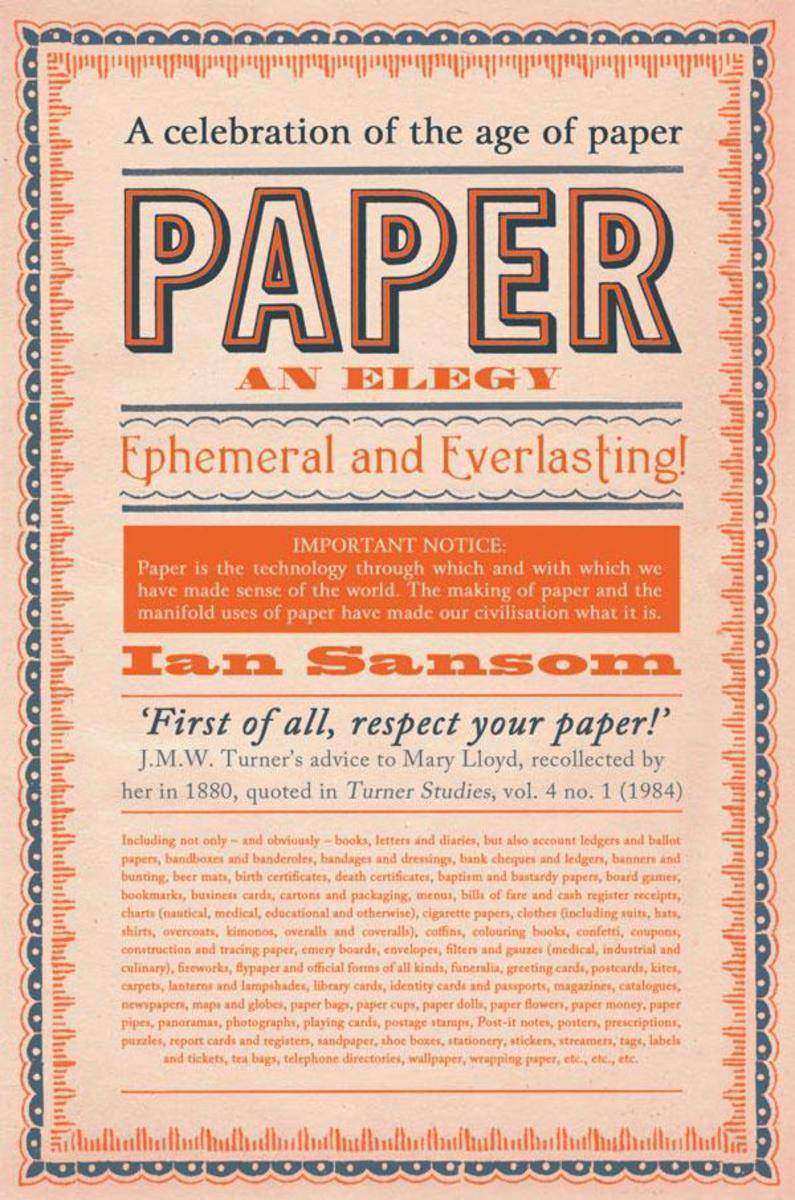
Let us suppose for a moment that paper were to disappear.Would anything be lost?Everything would be lost.aper surrounds us. Not only as books, letters and diaries, but as beer mats and birth certificates, board games and business cards, fireworks and flypaper, photographs and playing cards, tickets and tea bags. We are paper people.But the age of paper is coming to an end. E-books regularly outsell physical books. E-tickets replace the paper variety. Archives are digitized. The world we know was made from paper, and yet everywhere we look, paper is beginning to disappear. As we enter a world beyond paper, Ian Sansom explores the paradoxes of the greatest of man-made materials and shows how some kinds of paper, and the ghosts and shadows of paper, will always be with us.Paper: An Elegy is a history of paper in all its forms and functions. Both a cultural study and a series of personal reflections on the meaning of paper, this book is a timely meditation on the very paper it is printed on.
Miss Jessie's
¥88.56
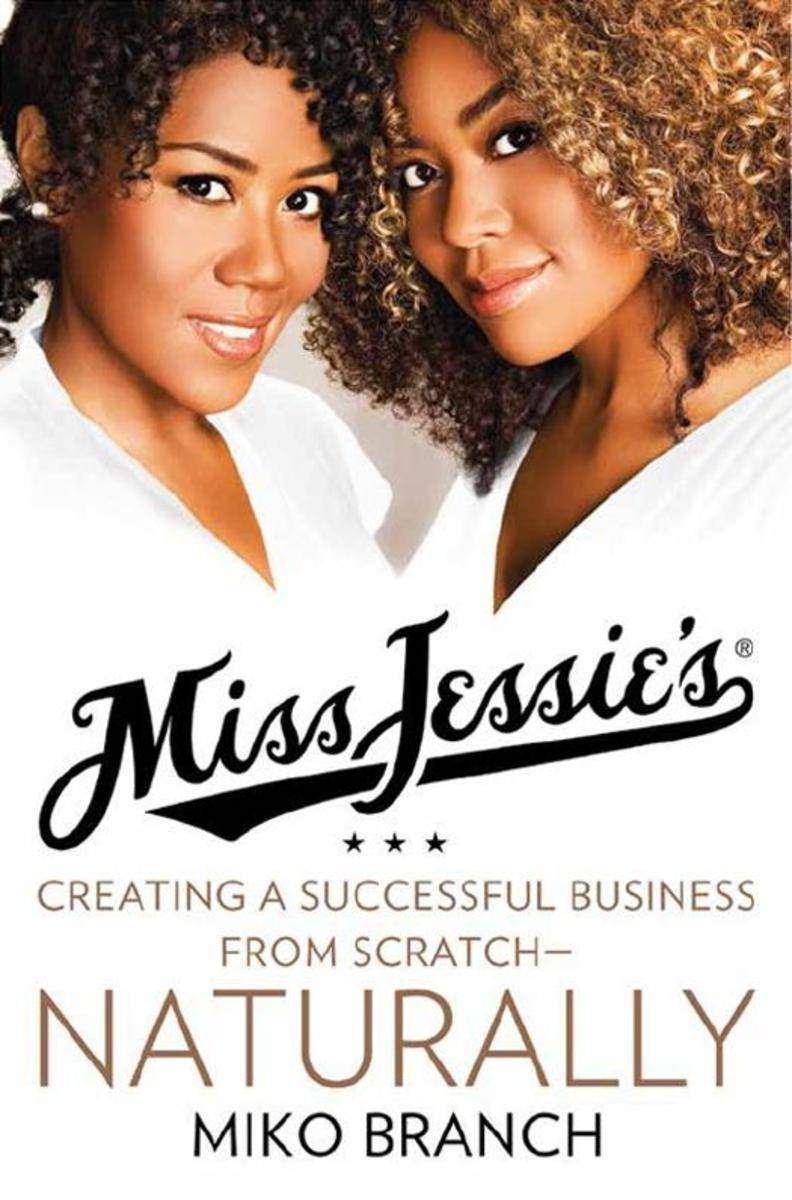
Miss Jessie's is a memoir and business guide rich with inspirational life lessons and unique business advice from Miko Branch, the Chief Executive Officer of the dynamic Miss Jessie's the company that revolutionized the hair-care industry.When Miko and her sister, Titi, were children, their grandmother Miss Jessie taught them independence and showed them the value of being "do it yourself" women, all while whipping up homemade hair concoctions at her kitchen table. As a co-founder of Miss Jessie's, Miko reveals how she and Titi applied their grandmother's lessons to create a successful business from scratch. Miss Jessie's chronicles the Branch sisters' remarkable story. When they were children, their stern father encouraged them to become self-reliant and not to depend on their looks to get ahead. Taking this message to heart, they blossomed into business owners and leaders in their field, using ingenuity and without borrowing a dime. They soaked up the entrepreneurial and creative culture of the early hip-hop era on the streets of Brooklyn in the late 1990s, and in the high-end salons of Manhattan. They blended these inspirations to establish a business that has gone from their kitchen table to the shelves of major retailers around the globe, revolutionizing the hair-care industry. A charming and enlightening look at the women behind the brand, Miss Jessie's is chock-full of entertaining stories and invaluable instruction that can be applied to any business: an authentic expression that the American Dream is possible.
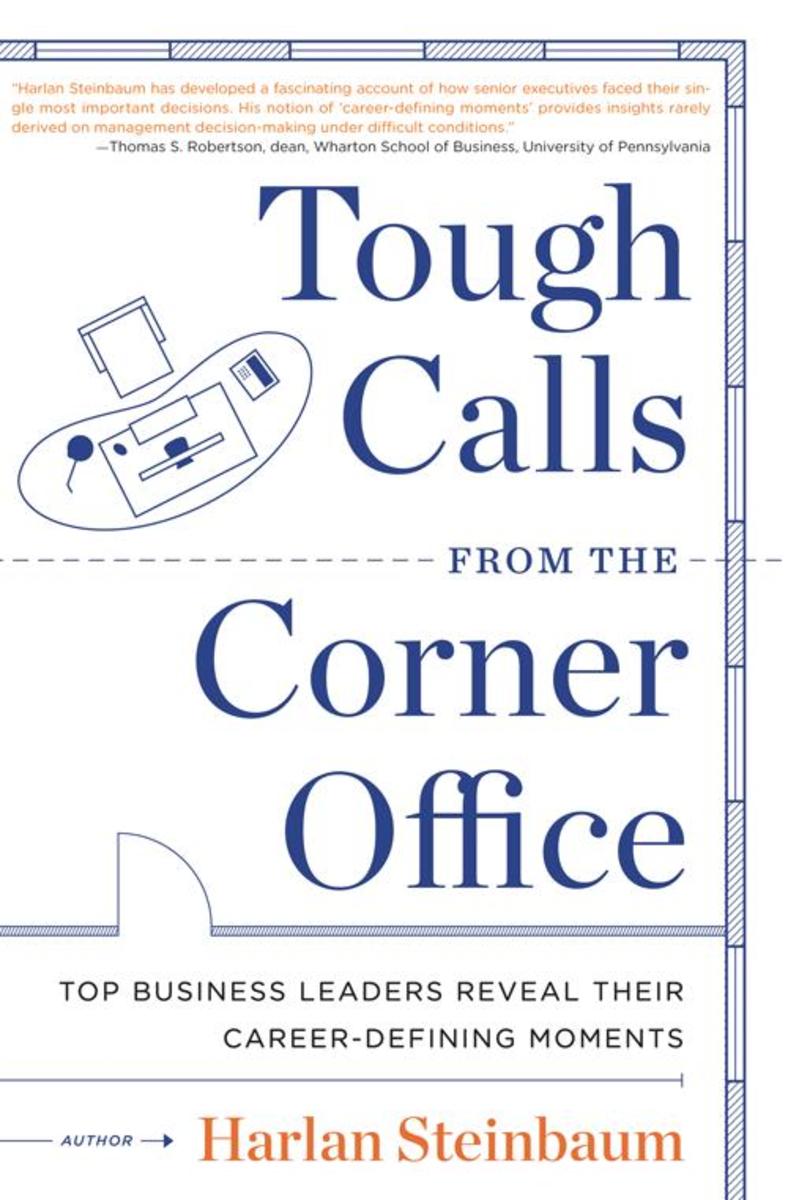
Tough Calls from the Corner Office
¥145.91
Thirty-nine of America's most successful business leaders share the most important decisions of their careers and the life and career lessons they hold for us all. When former CEO Harlan Steinbaum decided to buy back his retail drug chain with his partners, his life changed dramatically. The personal impact that this one business decision this "tough call" had on Steinbaum made him wonder if others had experienced similar kinds of defining moments in their own careers. To find out, he reached out to some of the most successful people in the country leaders from companies such as Verizon, Chrysler, ESPN, Ogilvy & Mather, Enterprise Rent-A-Car, WellPoint, and Panera Bread Company to pinpoint the career-defining decisions that were integral to their success. The result is Tough Calls from the Corner Office, a treasure trove of rich business wisdom, stories of tough decisions and hard-won victories, and lessons from a lifetime of achievement in the world of business.Tough Calls from the Corner Office offers inspiring stories, lessons, principles, strategies, ideas, and solutions drawn from every stage in a successful career, from early key choices to the final leave-taking from the world of work. Given unprecedented access to such visionaries as Union Square Hospitality Group's Danny Meyer, ESPN's Bill Rasmussen, Build-A-Bear's Maxine Clark, and Let's Make a Deal's Monty Hall, Steinbaum shares their experiences, told in their own words, so that others may learn from them. In a time when many people are at professional crossroads, Tough Calls from the Corner Office offers inspiration and the confidence to believe that tough decisions can be the first step to extraordinary success.
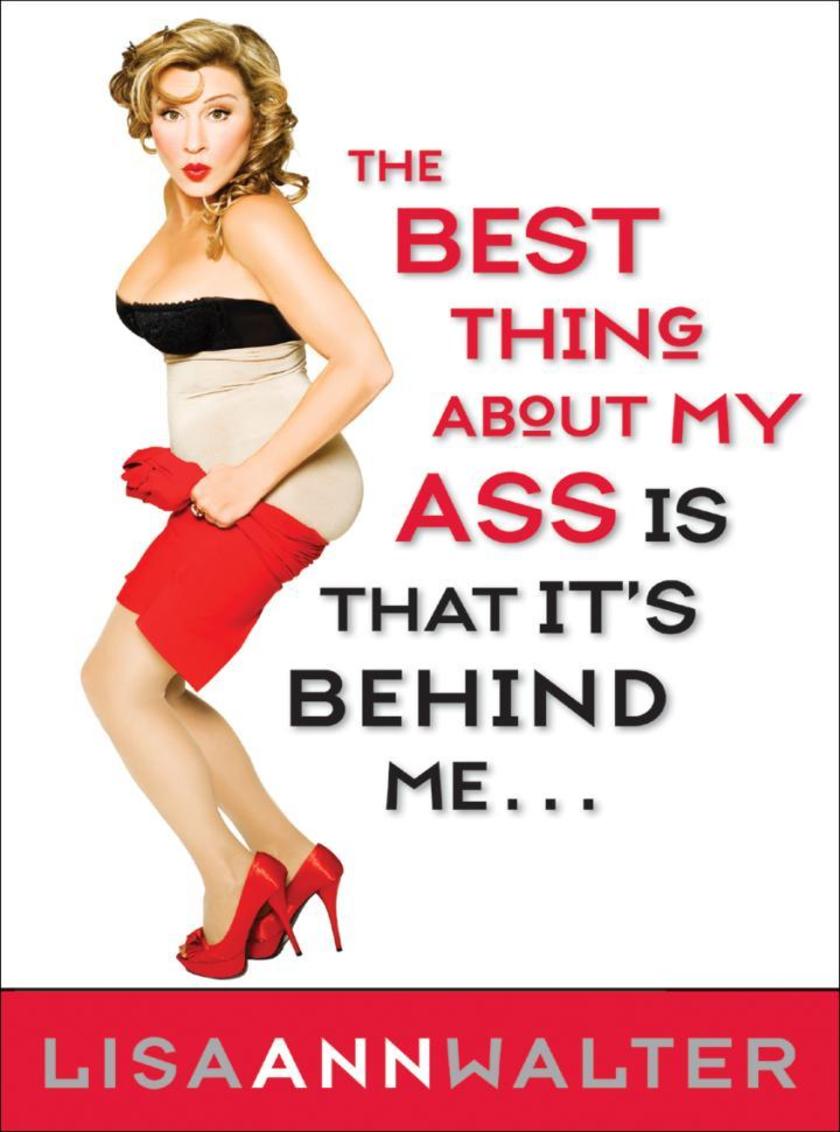
The Best Thing About My Ass Is That It's Behind Me
¥145.49
Follow one woman's bumpy, cellulite-riddled ride through size-0 Hollywood and learn how she went from body-dysmorphic to sassy-asstastic in only twenty-five short years of dieting, thousands of dollars in "procedures,". . . and one pair of industrial-strength Spanx.From the best girlfriend you didn't know you had comes this "I Can't Believe She Said That" guide to life in the real world. Actress and comic Lisa Ann Walter dishes about parenthood and the dangers of girl-on-girl snarking, explains why skinny actresses act crazy, and gives riotous advice on everything from the dating mistakes we all make to ten things you should subtract when you weigh yourself (self-tanner and dental work, for starters . . .).So what do you get when you drop a longtime self-loather into the glitz and glamour of HollywoodThis hysterical, and brutally honest, look at the impossible standard of perfection for which so many of us strive. Walter boldly shares her lifelong struggle with low self-esteem which, in her case, includes plenty of painful auditions, failed relationships, and awkward celebrity encounters, plus lots of impossible diets, questionable injectables, and dubious cosmetic procedures. Along the way, the "celebrity adjacent" Walter also tells her sometimes warm, often cringeworthy, and always funny Hollywood stories (including the reason she'd kill for Richard Gere). She also shares her sage advice by offering features such as ways to improve your self-esteem that won't cost you a dime:Four words:Push-up. Bra. Construction. Site. You don't even have to look good to get a response. Just wear sunglasses, square your shoulders, and toss your hair. Then count the whistles.Start frequenting your local gay bar. Both gays and lesbians are much more effusive about how fabulous you are! And you'll get free drinks! Always be seen with decrepit old men you'll look young and beautiful in comparison. Think how well this works for those Girls Next Door.
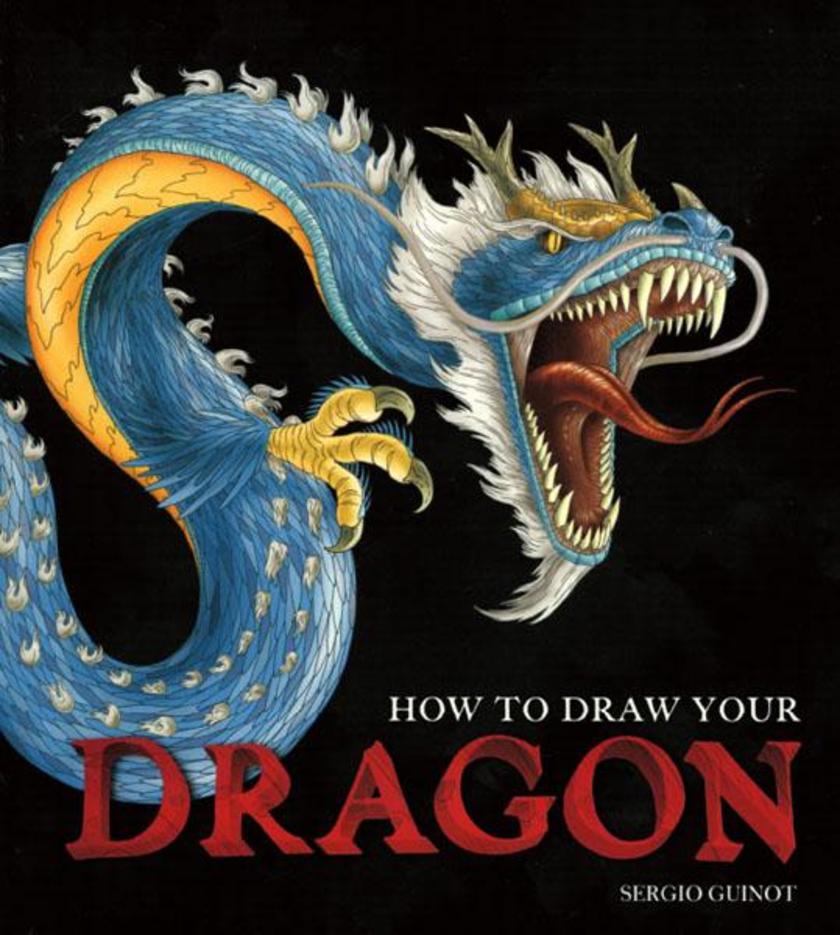
How to Draw Your Dragon
¥157.15
Massive fire-breathing dragons can be terrifying or kind, evil or accomplices of the hero, but they're never supporting characters, and all expert fantasy artists know how to depict them. Now, for the first time ever, a master dragon drawer reveals his secrets for doing this, taking you along for the ride as he meets these breathtaking creatures face-to-face.Inside you'll find: Easy to follow step-by-step instructions for creating realistic drawings of dragons. Dozens of different types of dragons, along with their unique anatomical and personality traits. An exploration of the digital and hand-drawing steps a dragon drawer must know.
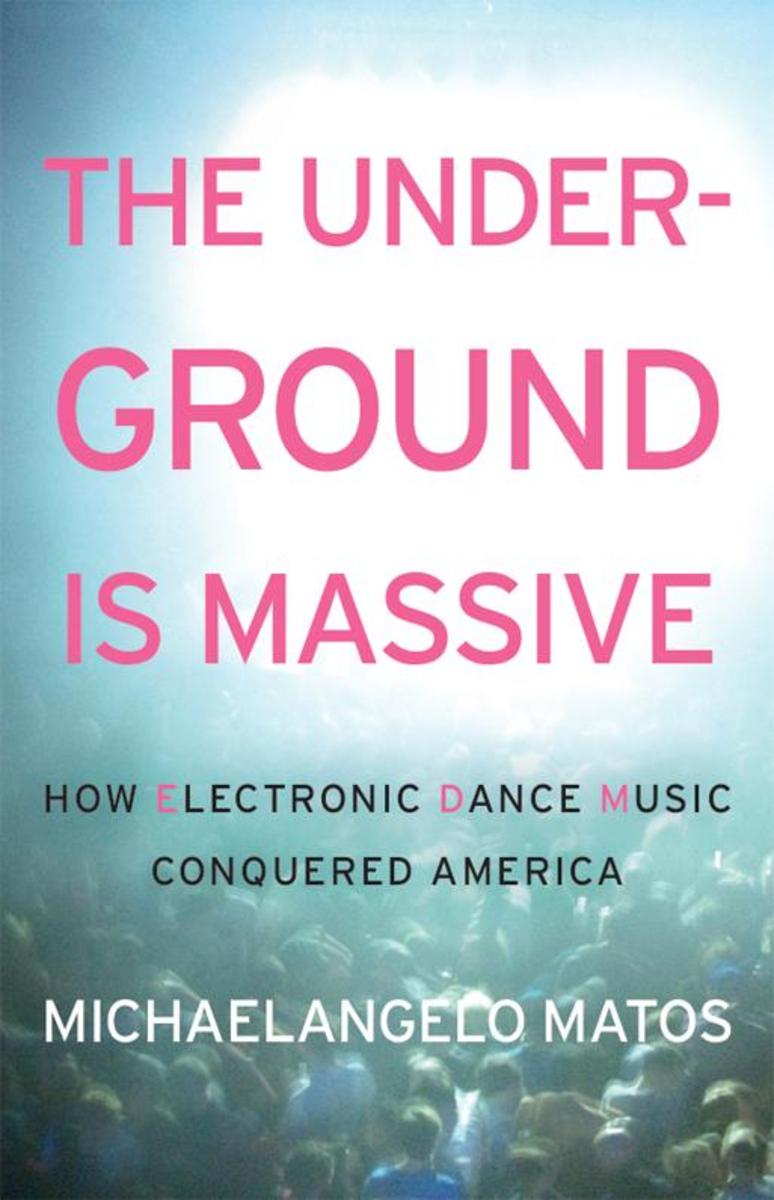
The Underground Is Massive
¥88.56
What started as an underground party business—run and dominated by youths and hustlers—grew into the music business's greatest and biggest success. The Underground Is Massive is the first-ever big-picture history of the American electronic dance music underground, viewed through the lens of nineteen parties over thirty years—from the black, gay underground clubs of Chicago and Detroit's elite teen-party scene through nineties "electronica" to today's EDM-festival juggernaut, the book takes in the rise of the Internet and Burning Man, 9/11, and the collapse of the record business—and vividly charts why and how it took nearly three decades after electronic dance music became a global youth soundtrack for it to hit big in the land that birthed it. Through unparalleled insider access to anecdotes, interviews, and history, Michaelangelo Matos demystifies how what once belonged to a devoted audience of casual partiers and diehard dancers has become America's soundtrack of choice and changed the music industry completely. Matos expertly tackles the vast diversity of EDM's musical landscape, its technologically prophetic yet illicit origins, and the path by which underground raves grew into fiercely successful music festivals. Taking in legendary artists from Frankie Knuckles to Moby as well as the biggest names in EDM—Diplo, Skrillex, Deadmau5, David Guetta, Ti?sto, and Daft Punk—Matos's deep mix of sources and wide-lens overview of the culture make every chapter a page-turning revelation.
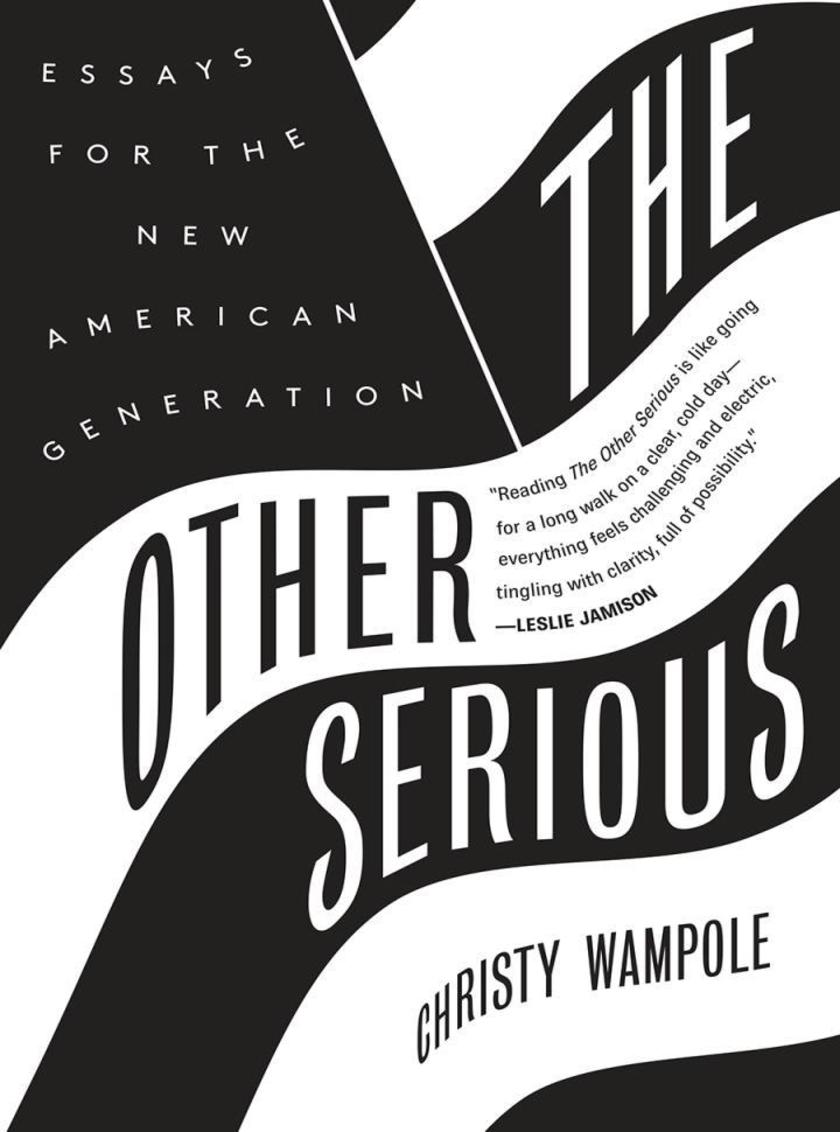
The Other Serious
¥84.28
An original collection of incandescent cultural criticism, both experimental and personal, full of pragmatic advice for how to live a considered, joyful existence in our era of screen living and hipster irony, by a Gen-X Princeton professor and contributor to the New York TimesThe essays in The Other Serious examine the signature pheno?mena of our moment: the way our lives contradict themselves, how exaggeration and excess seep into our collective subconscious, why gender is becoming more rather than less complicated, and how we interact with the material things that surround us. It is a book about the delicacy and bluntness of American life, about how pop culture sticks its finger deeply into the ethical dilemmas of our time, and how to negotiate between the old and the new, the high and the low, the global and the local, the sacred and the profane. At the heart of these reflections lies a central question: What should you do when you don't know what to do?Taken together, these essays comprise a guide for the overhaul of "the administrativersity" of contemporary American life, a bureaucratic prison where the brain needn't work anymore. These pieces investigate the writer's own way of thinking putting forth new ideas, questioning them, and urging the reader to adopt the same spirit of critical reexamination.


