


 购物车
购物车 个人中心
个人中心
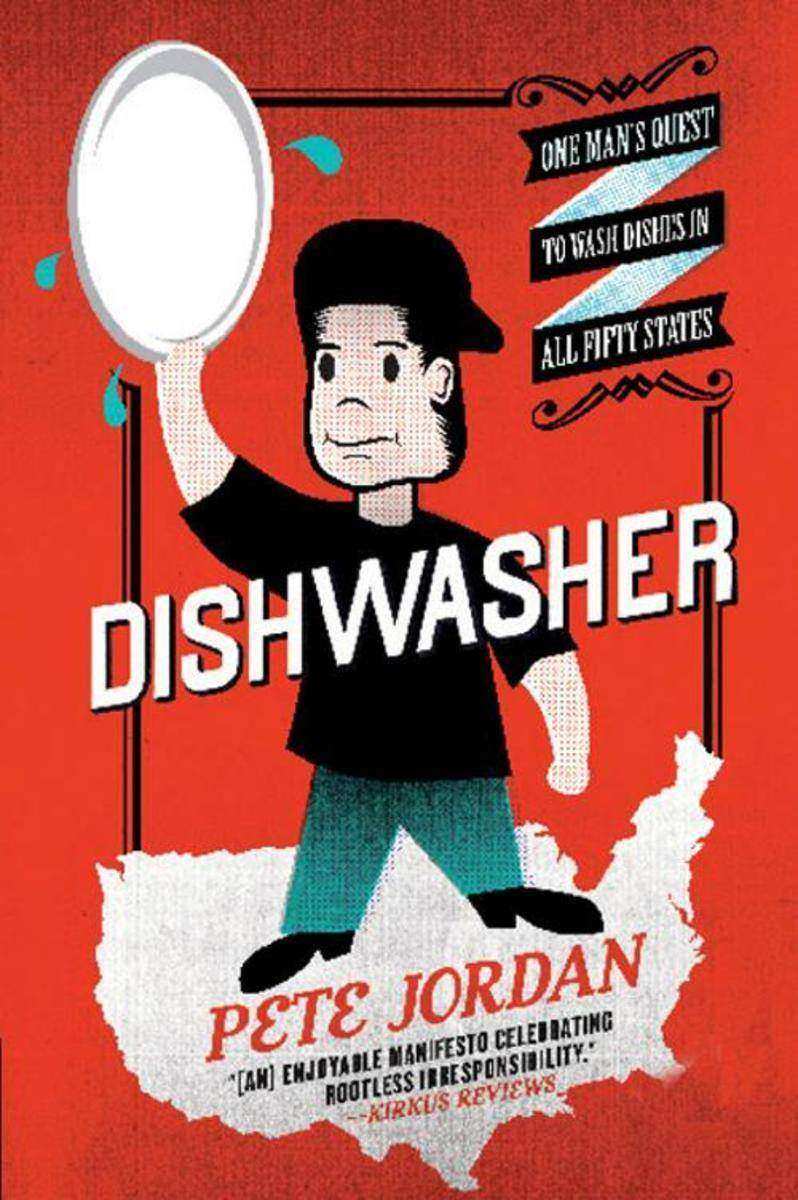
Dishwasher
¥77.49
Dishwasher is the true story of a man on a mission: to clean dirty dishes professionally in every state in America. Part adventure, part parody, and part miraculous journey of self-discovery, it is the unforgettable account of Pete Jordan's transformation from itinerant seeker into "Dishwasher Pete" unlikely folk hero, writer, publisher of his own cult zine, and the ultimate professional dish dog and how he gave it all up for love.Includes an excerpt from Pete Jordan's new book In the City of Bikes.
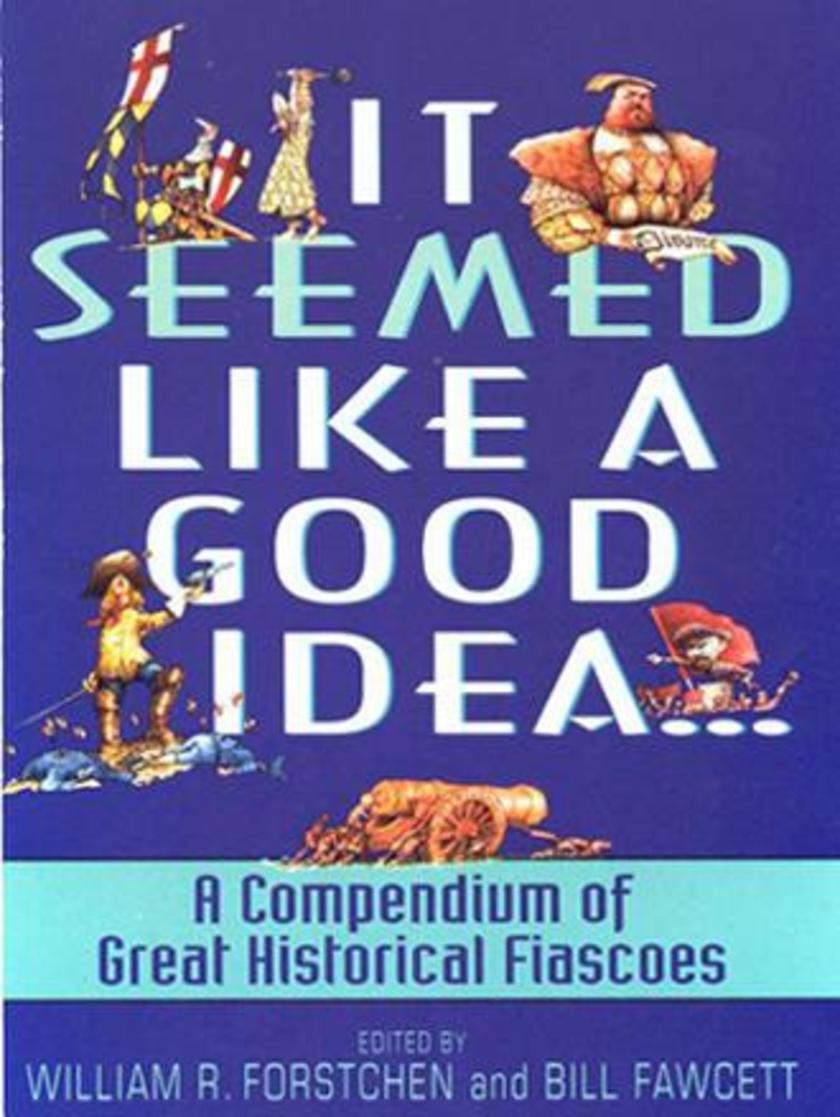
It Seemed Like a Good Idea...
¥77.35
Throughout the annals of history, the best of intentions and sometimes the worst have set in motion events with a vastly different outcome than originally intended. In this entertaining, fact-filled chronicle, William Forstchen and Bill Fawcett explore the watersheds of history that began as the best of ideas and ended as the worst of fiascoes.A Holy War The Medieval Crusades for religious liberation become centuries of slaughter and destruction.Sibling Rivalry Leif Erikson spares his sister's life and delays the discovery of the New World for five hundred years.Big Guns Emperor Constantine XI refuses to buy a new supercannon that would let him dominate his enemies, so its creator sells the cannon to the Turks, who then crush Constantinople.With casual wit and subtle insight, It Seemed Like a Good Idea...tucks tongue in cheek and rides out the fiascoes of history.
Zamba
¥77.49
When Ralph Helfer, now one of Hollywood's top animal behaviorists, first began working, he was shocked by the cruelty that was accepted practice in the field. He firmly believed in "affection training" -- that love, not fear, should be the basis of any animal's development, even when dealing with the most dangerous of creatures. Then Zamba came into his life -- an adorable four-month-old lion cub that went on to prove Helfer's theories resoundingly correct.Over the next eighteen years, Zamba would thrive and grow, and go on to star in numerous motion pictures and television shows -- all the while developing a deep and powerful bond of love and affection with the man who raised him. By turns astonishing, hilarious, and poignant, Zamba is not only the unforgettable story of the relationship that Helfer would come to consider one of the most important in his life but also that of the amazing career and adventures of the greatest lion in the world.

Marley & Me
¥88.56
The heartwarming and unforgettable story of a family and the wondrously neurotic dog who taught them what really matters in life.Now with photos and new material
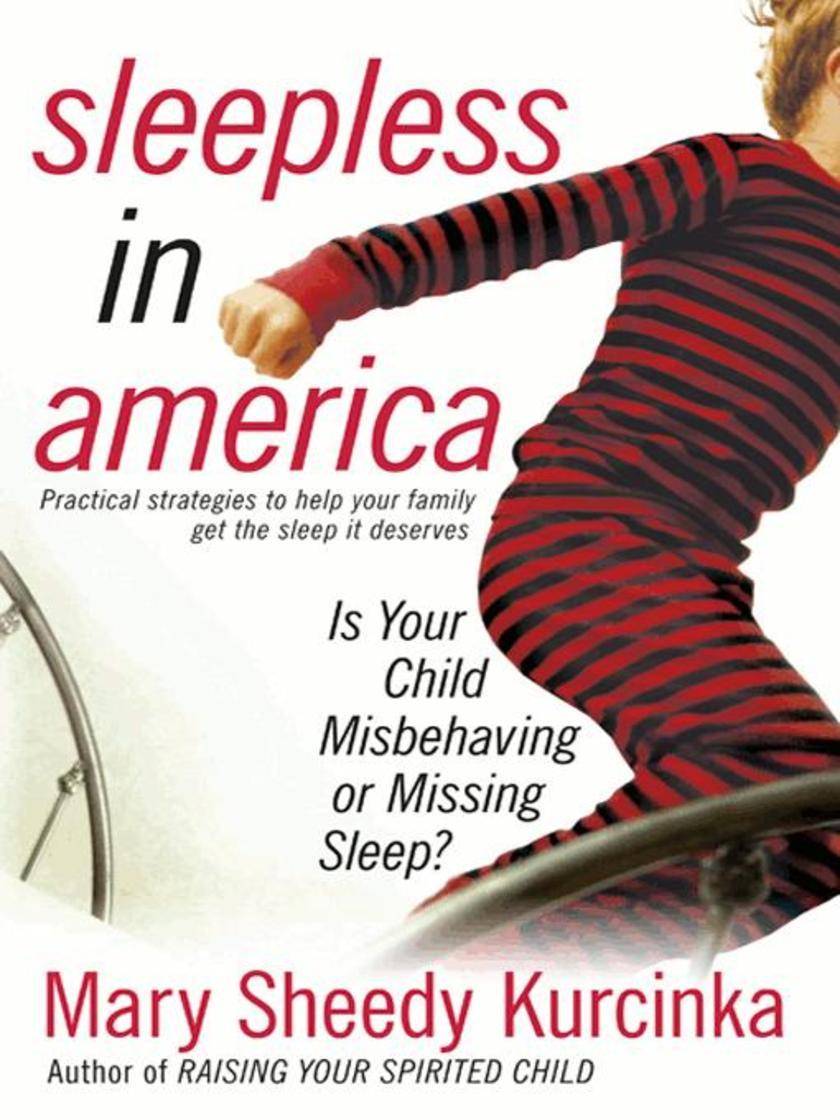
Sleepless in America
¥83.03
Does your child Refuse to cooperate in the morningGet into trouble for not listening"Lose it" over seemingly insignificant issuesSeem to resist sleepAn estimated 69 percent of American infants, children, and teens are sleep deprived. Studies have shown that sleep deficits can contribute to hyperactivity, distraction, forgetfulness, learning problems, illness, accidents, and disruptive behaviors. Often what our misbehaving kids really need isn't more "consequences" or more medication but more sleep.Sleepless in America offers weary and frustrated parents a helping hand and an exciting new approach to managing challenging behaviors by integrating research on stress, sleep, and temperament with practical strategies and a five-step approach that enables parents to help their "tired and wired" children get the sleep they so desperately need.
House Rules
¥88.56
A memoir of a father obsessed with control and the daughter who fights his suffocating grasp, House Rules explores the complexities of their compelling and destructive relationship as Rachel fights to escape, and, later, to make sense of what remains of her family.
Abraham Lincoln
¥78.55
Stephen B. Oates discerns the historical truth from the mythical legend that surrounds Lincoln in this original and fascinating portrait of America's 16th president.
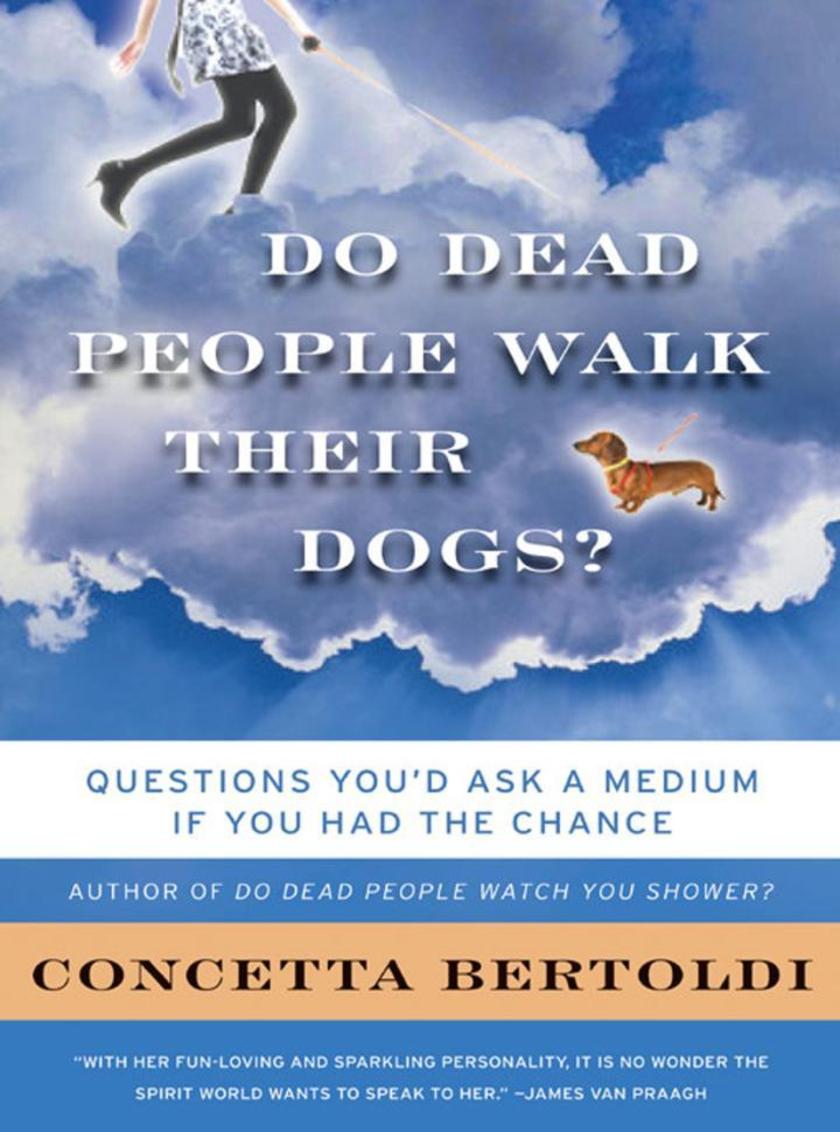
Do Dead People Walk Their Dogs?
¥83.03
Highly unorthodox questions and answers about life after life from America's most delightful medium Concetta Bertoldi has been communicating with the "Other Side" since childhood. In her previous book, the bestselling Do Dead People Watch You Shower?, she addressed questions about the afterlife that ranged from the poignant to the provocative. Now she returns with Do Dead People Walk Their Dogs?, a second volume of intriguing observations about our beloved deceased. Moving, funny, and fascinating, it will open your eyes to what really comes after life while offering intimate insights into Concetta's own astonishing life and what her gift has meant to her marriage, her friendships, and the path she was destined to take.
Joe and Me
¥79.38
When James Prosek was just fifteen, a ranger named Joe Haines caught him fishing without a permit in a stream near Prosek's home in Connecticut. But instead of taking off with his fishing buddy, James put down his rod and surrendered. It was a move that would change his life forever. Expecting a small fine and a lecture, James instead received enough knowledge about fishing and the great outdoors to last a lifetime.The story of an unlikely friendship, Joe and Me is a book for those who remember the mentor in their life, the one who changed the way they look at the world.
The Sweet Season
¥77.49
After fifteen years as a Sports Illustrated writer, pleading for interviews with large men in possession of larger egos, Austin Murphy decides to bail out. The time has come, he concludes, to fly beneath the radar of big-league sports, to while away a season with the Johnnies. So, he moves his family to the middle of Minnesota to chronicle a season at St. John's, a Division III program that has reached unparalleled success under the unorthodox guidance of John "Gags" Gagliardi. The Sweet Season is an account of what happens when a family pulls up stakes and spends months in a strange and wonderful place. It is also, not incidentally, the story of the most incredible football program in the country, run by a smiling sage who has forgotten more about the game than most of his peers will ever know.
Kids, Parents, and Power Struggles
¥88.56
End Those Power Struggles and Begin Connecting with Your ChildNoted family educator Mary Sheedy Kurcinka struck a national chord with her bestselling Raising Your Spirited Child. Now she hits upon another crucial parenting topic: coping with the everyday challenges of disciplining your child, while understanding the issues behind his or her behavior. In Kids, Parents, and Power Struggles, she offers unique approaches to solving the daily, and often draining, power struggles between you and your child. Kurcinka views these conflicts as rich opportunities to teach your child essential life skills, like how to deal with strong emotions and problem solve. With her successful strategies, you'll be able to identify the trigger situations that set off these struggles and get to the root of the emotions and needs of you and your child.
Conamara Blues
¥77.49
Translating the beauty and splendor of his native Conamara into a language exquisitely attuned to the wonder of the everyday, John O'Donohue takes us on a moving journey through real and imagined worlds. Divided into three parts -- Approachings, Encounters, and Distances -- Conamara Blues at once reawakens a sense of intimacy with the natural world and a feeling of wonder at the mystery of our relationship to this world. Whether exploring the silent, eternal memory of Conamara or focusing on the power of language and the vagaries of human need and passion, O'Donohue tenderly reveals the fragile vulnerability of love and friendship. The result is a musical, transcendent, and deeply moving series of poems that exemplifies O'Donohue at his finest.Written with penetrating insight and distilled transparence, Conamara Blues offers a singular and lasting imaginative vision of a landscape of hope and possibility -- powerfully exhibiting the mastery of a poet at the height of his lyric powers.
It's Not Easy Bein' Me
¥77.49
An American comic icon tells the story of his second act rise from obscurity to multimedia stardom. "When I was a kid," writes Rodney Dangerfield, "I worked tough places in show business places like Fonzo's Knuckle Room. Or Aldo's, formerly Vito's, formerly Nunzio's. That was a tough joint. I looked at the menu. They had broken leg of lamb." For once, one of America's most beloved comic icons isn't kidding. Dangerfield has seen every aspect of the entertainment industry: the rough and tumble nightclubs, the backstage gag writing sessions, the drugs, the hookers, the lousy day jobs and the red carpet star treatment. As he traces his route from a poor childhood on Long Island to his enshrinement as a comedy legend, he takes readers on a roller coaster ride through a life that has been alternately touching, sordid, funny, raunchy, and uplifting equal parts "Little Orphan Annie" and "Caligula." And unlike most celebrity autobiographers, he seems to have no qualms about delivering the unfiltered whole story, warts and all. Dangerfield's personal story is also a rollicking show business tale, full of marquee name droppings (Adam Sandler, Sam Kinison, Jim Carrey, Johnny Carson, Jerry Seinfeld) and good stories about same. Defying the old saws about the fleeting nature of fame and the dearth of second acts in American life, Dangerfield transformed himself from a debt ridden aluminium siding salesman named Jack Roy to a multimedia superstar and stayed an icon for decades. His catchphrase "I get no respect" has entered the lexicon, and he remains a visible cultural presence and perennial talk show guest. Dangerfield's hilarious and inspiring musings should thrill comedy fans and pop culture watchers, and his second act comeback will strike a chord with readers of all stripes. Maybe he'll even get some respect.
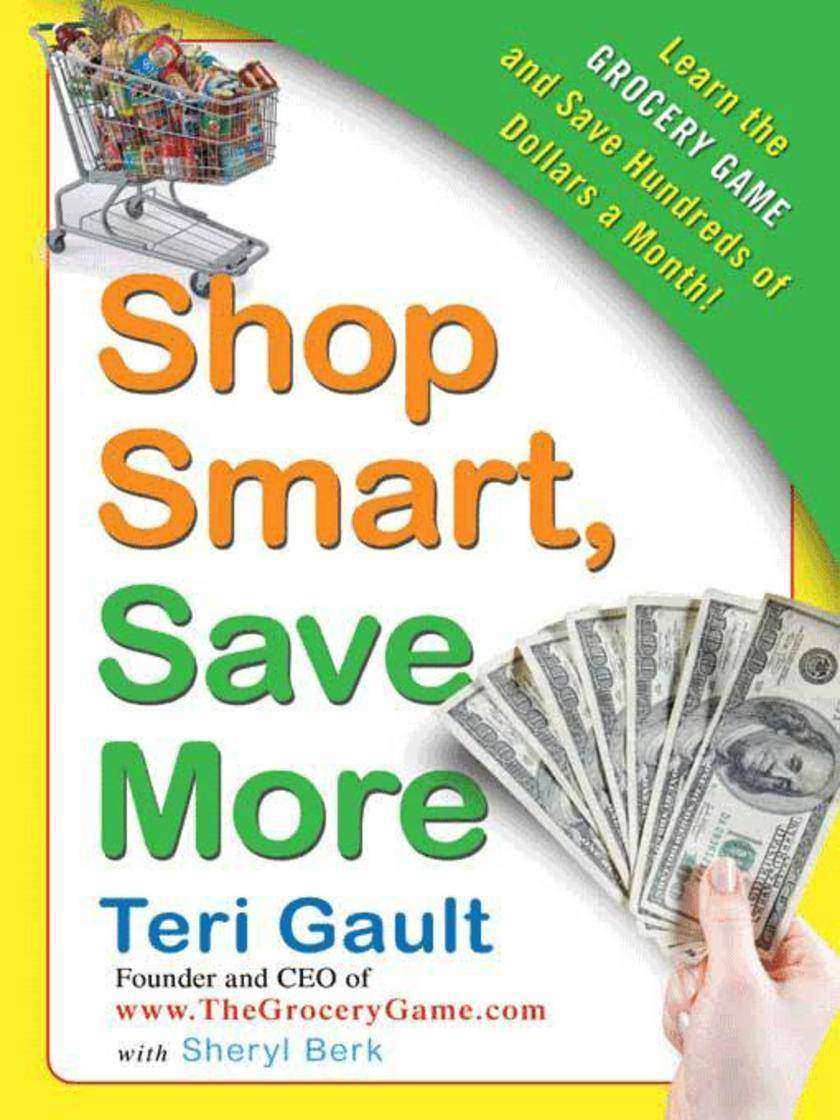
Shop Smart, Save More
¥78.55
These days the cost of food and other basic necessities is going through the roof. Teri Gault's groundbreaking website, <"http://www.thegrocerygame.com/">www.TheGroceryGame.com, has already helped millions save serious money. And now she shares the secrets to sensible shopping in one essential volume, so you can feed your family and take care of their needs for thousands of dollars a year less! Shop Smart, Save More provides step-by-step instructions on how to: find and shop the right stores decode "Everyday Low Prices" and other grocery store lingo master the science of coupons organize your shopping list stockpile effectively recognize bogus "bargains" and anticipate real sales go green for less green . . . and much, much more!
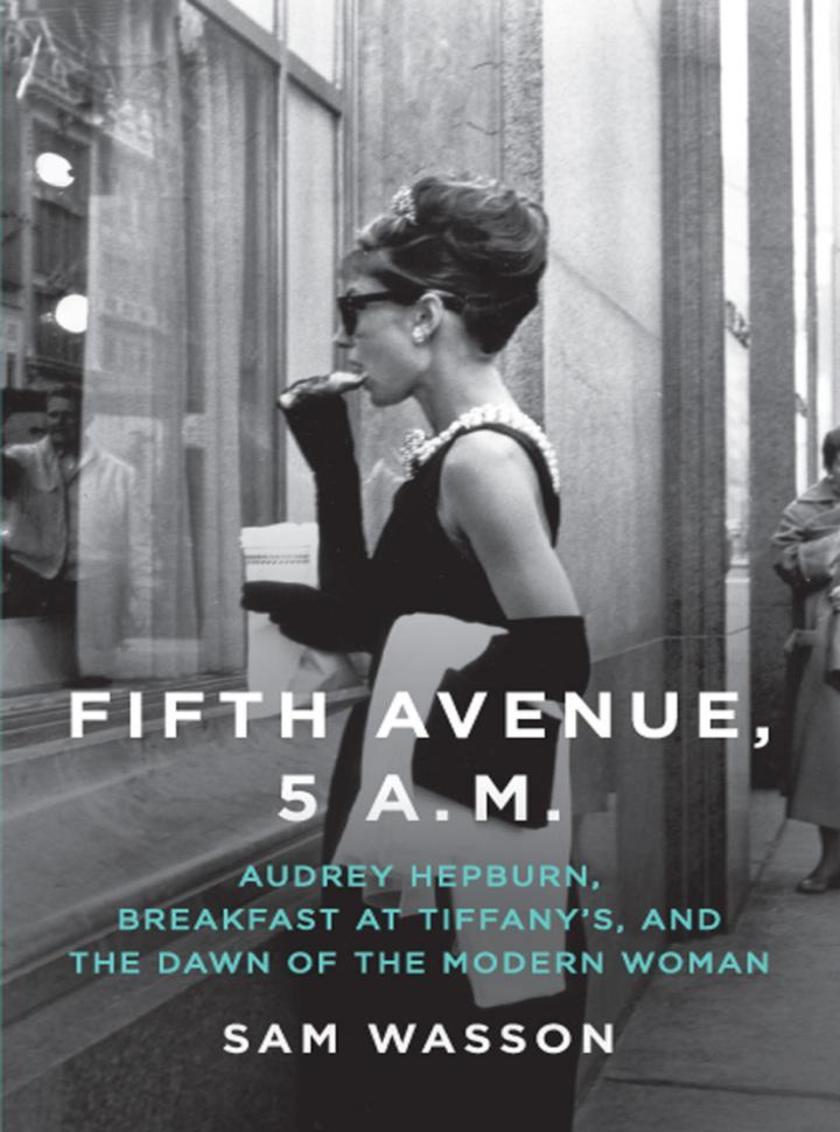
Fifth Avenue, 5 A.M.
¥88.56
Audrey Hepburn is an icon like no other, yet the image many of us have of Audrey dainty, immaculate is anything but true to life. Here, for the first time, Sam Wasson presents the woman behind the little black dress that rocked the nation in 1961. The first complete account of the making of Breakfast at Tiffany's, Fifth Avenue, 5 A.M. reveals little-known facts about the cinema classic: Truman Capote desperately wanted Marilyn Monroe for the leading role; director Blake Edwards filmed multiple endings; Hepburn herself felt very conflicted about balancing the roles of mother and movie star. With a colorful cast of characters including Truman Capote, Edith Head, Givenchy, "Moon River" composer Henry Mancini, and, of course, Hepburn herself, Wasson immerses us in the America of the late fifties before Woodstock and birth control, when a not-so-virginal girl by the name of Holly Golightly raised eyebrows across the country, changing fashion, film, and sex for good. Indeed, cultural touchstones like Sex and the City owe a debt of gratitude to Breakfast at Tiffany's. In this meticulously researched gem of a book, Wasson delivers us from the penthouses of the Upper East Side to the pools of Beverly Hills, presenting Breakfast at Tiffany's as we have never seen it before through the eyes of those who made it. Written with delicious prose and considerable wit, Fifth Avenue, 5 A.M. shines new light on a beloved film and its incomparable star.
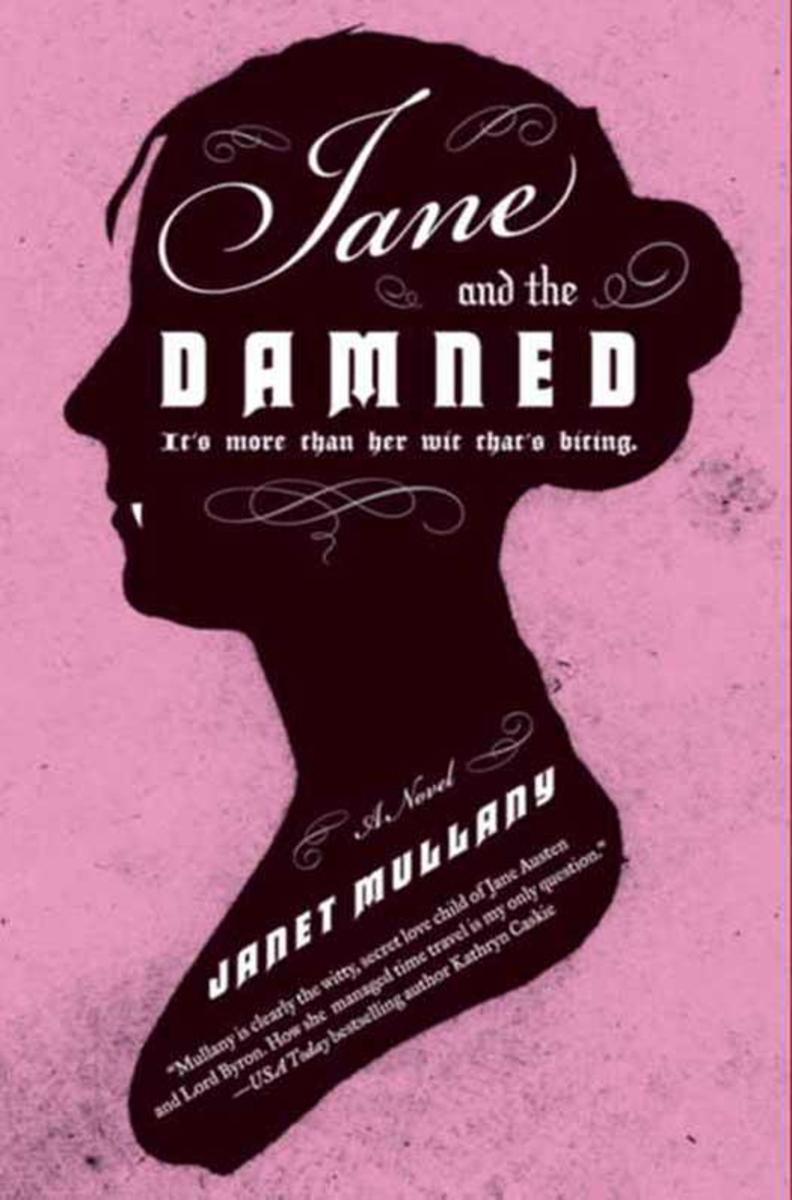
Jane and the Damned
¥83.92
Jane Austen Novelist . . . gentlewoman . . .Damned, Fanged, and Dangerous to know. Aspiring writer Jane Austen knows that respectable young ladies like herself are supposed to shun the Damned the beautiful, fashionable, exquisitely seductive vampires who are all the rage in Georgian England in 1797. So when an innocent (she believes) flirtation results in her being turned by an absolute cad of a bloodsucker she acquiesces to her family's wishes and departs for Bath to take the waters, the only known cure.But what she encounters there is completely unexpected: perilous jealousies and further betrayals, a new friendship and a possible love. Yet all that must be put aside when the warring French invade unsuspecting Bath and the streets run red with good English blood. Suddenly only the staunchly British Damned can defend the nation they love . . . with Jane Austen leading the charge at the battle's forefront.
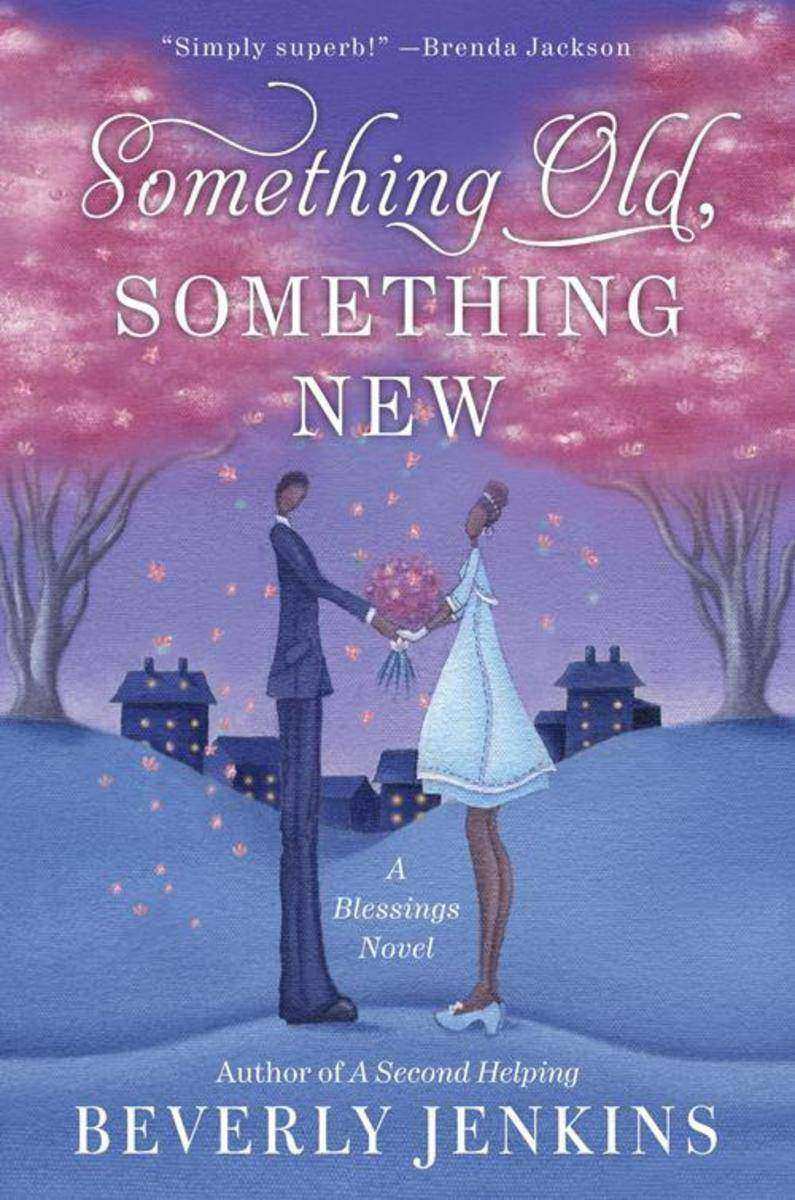
Something Old, Something New
¥84.16
The citizens of Henry Adams are starting to take bets will Lily Fontaine and Trent July finally tie the knotAll they want is a nice, simple wedding, but their well-meaning neighbors are turning the no-fuss affair into the event of the decade. Bernadine, the town's fairy godmother, wants Lily to have a storybook wedding fit for a princess, and Lily's nine-year-old foster son is campaigning to be town preacher so he can officiate at the ceremony. Trouble multiplies when Trent is called on to help a new family move to town, not to mention Lily and Trent's task of blending their families together. With the bustle of the tight-knit, and often tightly wound, friends and family pushing them to the breaking point, the couple begins to wish they'd eloped. But, as they'll soon be reminded, happiness in Henry Adams is meant to be shared.
A Loss for Words
¥78.32
From the time she was a toddler, Lou Ann Walker was the ears and voice for her deaf parents. Their family life was warm and loving, but outside the home, they faced a world that misunderstood and often rejected them.
Death Be Not Proud
¥78.32
Johnny Gunther was only seventeen years old when he died of a brain tumor. During the months of his illness, everyone near him was unforgettably impressed by his level-headed courage, his wit and quiet friendliness, and, above all, his unfaltering patience through times of despair. This deeply moving book is a father's memoir of a brave, intelligent, and spirited boy.
When Society Becomes an Addict
¥78.32
An incisive look at the system of addiction pervasive in Western society today.
The Freedom Manifesto
¥90.77
The author of How to Be Idle, Tom Hodgkinson, now shares his delightfully irreverent musings on what true independence means and what it takes to be free. The Freedom Manifesto draws on French existentialists, British punks, beat poets, hippies and yippies, medieval thinkers, and anarchists to provide a new, simple, joyful blueprint for modern living. From growing your own vegetables to canceling your credit cards to reading Jean-Paul Sartre, here are excellent suggestions for nourishing mind, body, and spirit witty, provocative, sometimes outrageous, yet eminently sage advice for breaking with convention and living an uncluttered, unfettered, and therefore happier, life.


