


 购物车
购物车 个人中心
个人中心
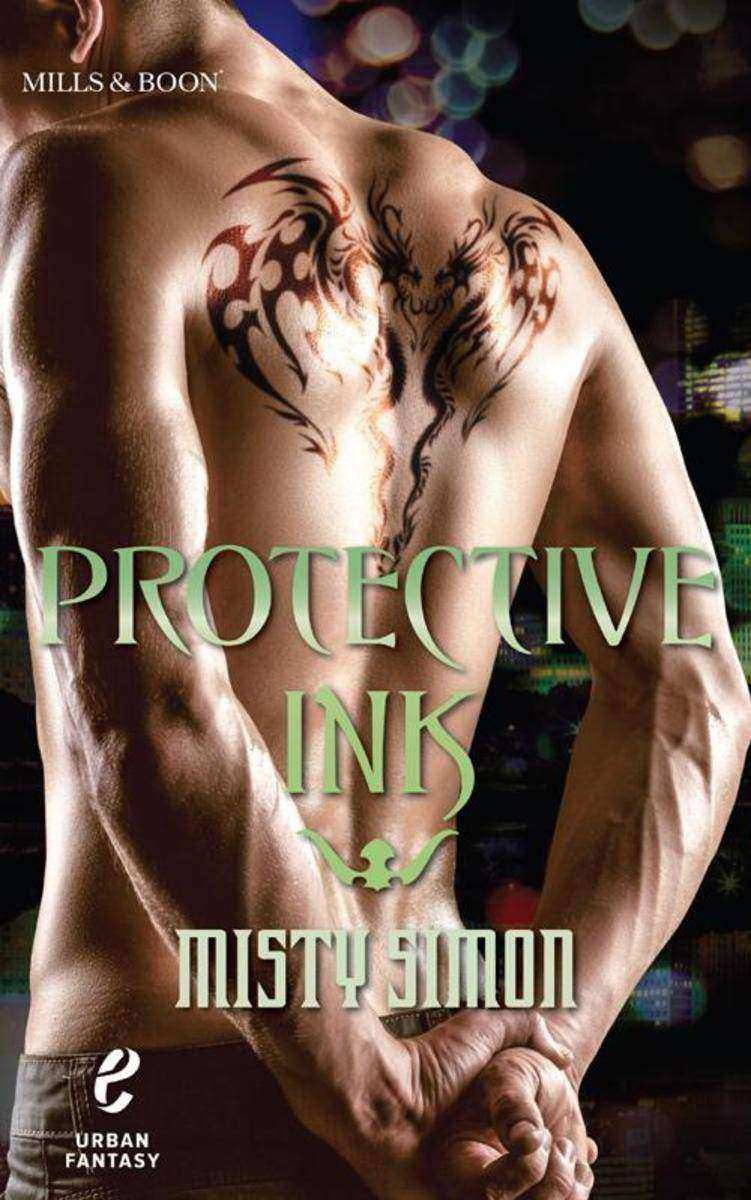
Protective Ink (Urban Fantasy, Book 8)
¥11.77
Friends. Allies. Lovers? Jackson Freeling lost his sense of purpose when he left the marines. Lissa McLaughlin gave him a new one: protecting a man with the ability to forge weapons from his tattoos. Together, they defend the innocent from the criminals vying for control of their city's drug trade. Lissa inked those tattoos. After watching her friend risk losing a piece of himself every time he used his powers, she decided to suppress her own strange gift. But, without quite understanding how, she has given Jackson a tattoo that lets him become invisible…. While Jackson and Lissa do their best to save their ally, they also fight the growing passion between them. Everyone they care about is in danger. And they have to decide whether their feelings for each other are a strength or a deadly weakness. With this sequel, Misty Simon continues the bewitching tale she began with her urban fantasy debut, Wicked Ink.
Rake's Reform (Mills & Boon Historical)
¥39.24
Jonathan Lindsay was surprised when he was confronted by the ever-passionate Miss Janey Hilton. Her love for lost causes drew him to her, along with her astonishing beautfy and forceful ways. But the scoundrel in him made a big mistake by wagering that he could seduce the naive miss! The joke was soon on him when the unthinkable happened–the determined bachelor Jonathan fell in love! Baffled by his sudden emotion, he knew he had to call off the wager. But would it be too much, too late, when Janey discovered his horrendous deception?
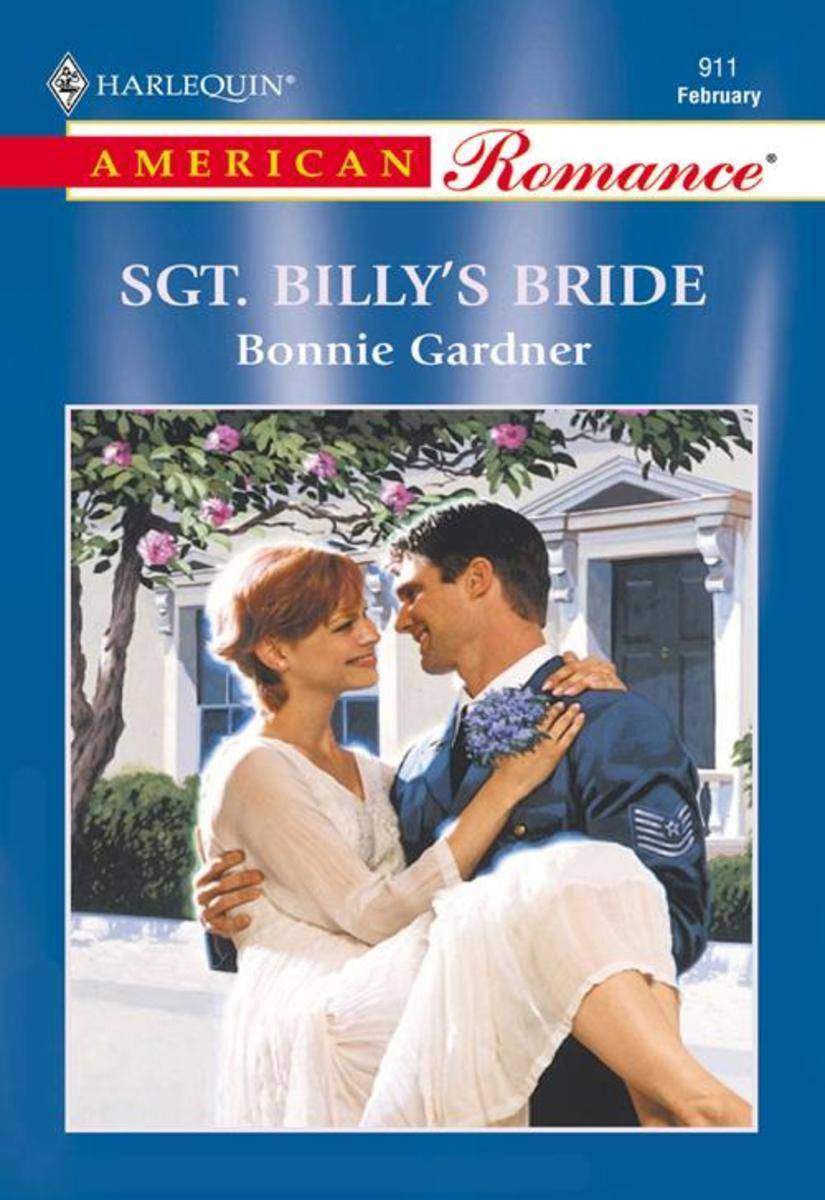
Sgt. Billy's Bride (Mills & Boon American Romance)
¥31.10
Desperate times call for desperate measures! So when general's daughter Darcy Stanton abruptly balked at marrying a macho military man, she shamelessly fled her wedding and hit the road running. But fickle fate delivered Darcy into the arms of irresistible air force sergeant Billy Hays, whose Southern charm and gentle embrace nearly hijacked her heart! Fortunately, this sergeant was a confirmed bachelor. Unfortunately, his beloved, ailing, Alabama mama dearly wished to see him wed. So in a twinkling Darcy was back at the altar–conveniently pretending to be Billy's bride. Trouble was, his sizzling kiss and tenderness made Darcy secretly long for a real happily-ever-after…as Sgt. Billy's wife!
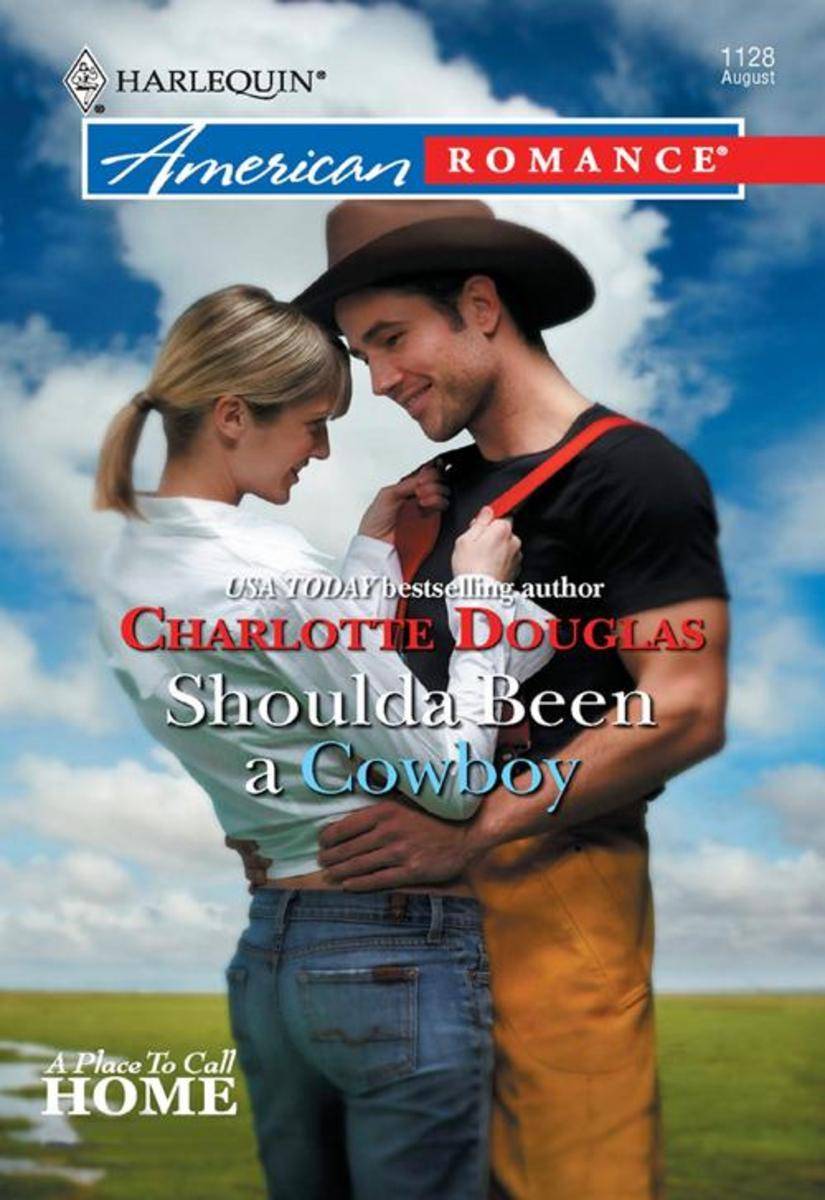
Shoulda Been A Cowboy (Mills & Boon American Romance)
¥31.10
B and B owner Caroline Tuttle has dreamed of moving out west and marrying a cowboy ever since she saw her first horse. But with her recent inheritance of Blackberry Farm, Caroline's future seems bleak…until she meets her sexy, secretive tenant, Ethan Garrison, and a young orphan who breaks down both their defenses. Now all the plans that Caroline made–and thought she wanted–take a backseat to the warmth of the little girl's smile and Ethan's supportive embrace. And before long, the notion of leaving South Carolina doesn't seem quite so appealing….

Someone Like You (Mills & Boon Heartwarming)
¥31.10
You can't program love...or can you? Kayleigh Renshaw has come up with the idea for a brilliant "compatibility app," a new kind of matchmaking software. All she needs is a programmer to help her bring the idea to market...and she knows exactly who she wants. But Niall Walsh--a code whiz and her former best friend--has been avoiding her since he returned from Afghanistan. In spite of their history, and some sparks that go beyond friendship, he's proving reluctant.... Is it her, or is something darker holding him back?

The Baron and The Bodyguard (Mills & Boon Silhouette)
¥31.10
Playing royal bodyguard to Mathiaz de Marigny, the seductive Baron Montravel, was a temptation few women could resist. But the moment he was out of harm's way, Jacinta Newnham had fled his chateau–and abandoned memories of moonlit nights that left them both weak with unfulfilled passion. Now stricken with amnesia and in danger once again, Mathiaz summoned Jacinta back to his side. Jacinta vowed to protect his life, but the greater peril was to her heart–and the haunting secret she could never reveal. When the truth surrounding Mathiaz's accident–and Jacinta's connection to it–surfaced, would he force her to leave, or refuse to let her go again…?

The Bedroom Assignment (Mills & Boon Cherish)
¥31.10
Everyone thought she was a party girl Zoe Brown seemed the ultimate city girl. Her friends thought she was a "hot babe," keeping men–and jobs–on a short lease. Zoe didn't dare reveal that she wasn't a vamp–she was a virgin! But had she finally met Mr. Right? Zoe was stunned to find herself confessing her Big Secret to her new boss. Playboy millionaire Jay Christopher was a man used to seeing a problem, and fixing it! How on earth was he going to fix Zoe…?
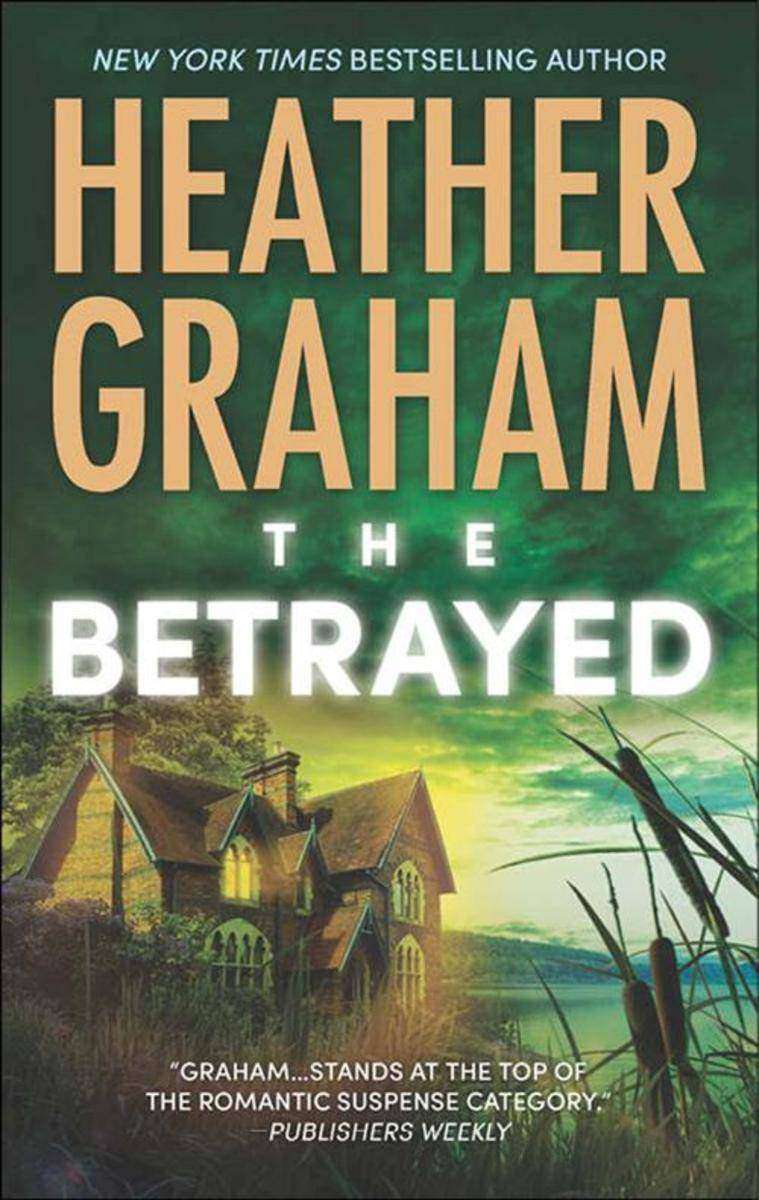
The Betrayed (Krewe of Hunters, Book 14)
¥51.50
www.eHeatherGraham.com Sleepy Hollow isn't so sleepy anymore… One night, New York FBI agent Aiden Mahoney receives a visitor in a dream–an old friend named Richard Highsmith. The very next day he's sent to Sleepy Hollow because Richard's gone missing there. Maureen–Mo–Deauville now lives in the historic town and works with her dog, Rollo, to search for missing people. She's actually the one to find Richard…or more precisely his head, stuck on a statue of the legendary Headless Horseman. Mo and Aiden, a new member of the Krewe of Hunters, the FBI's unit of paranormal investigators, explore both past and present events to figure out who betrayed Richard, who killed him and now wants to kill them, too. As they work together, they discover that they share an unusual trait–the ability to communicate with the dead. They also share an attraction that's as intense as it is unexpected…if they live long enough to enjoy it!
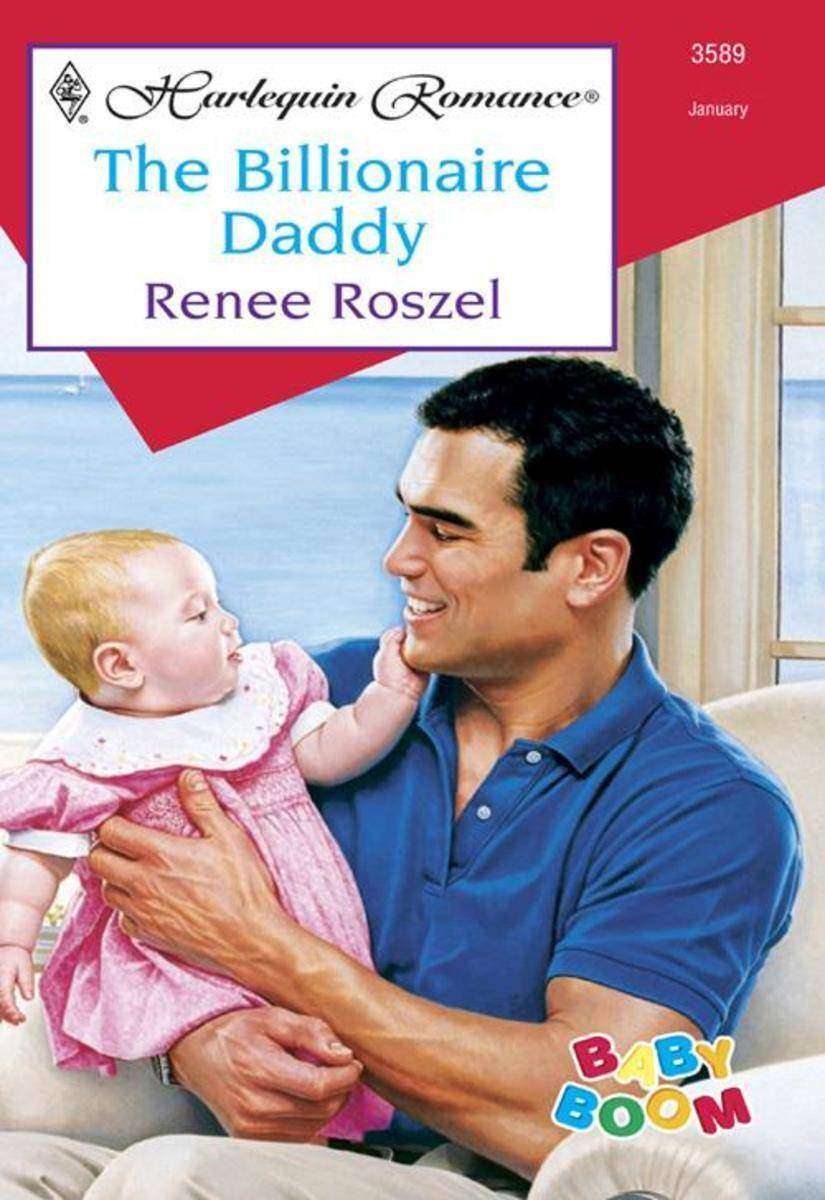
The Billionaire Daddy (Mills & Boon Cherish)
¥31.10
Bringing up baby… Baby Tina needed a mom, and her aunt Lauren wanted to take on the role–as soon as she'd dealt with Tina's so-called "father," playboy Dade Delacourte. Determined to prove Dade unfit for fatherhood, Lauren was shocked to find herself mistaken for the baby's new nanny! Perhaps she could care for Tina and check out Dade's parenting skills at the same time. But her plan backfired because Dade expected Lauren to teach him about babies–and that involved spending twenty-four hours a day with this irresistible billionaire… BABY BOOM When two's company and three's a family!
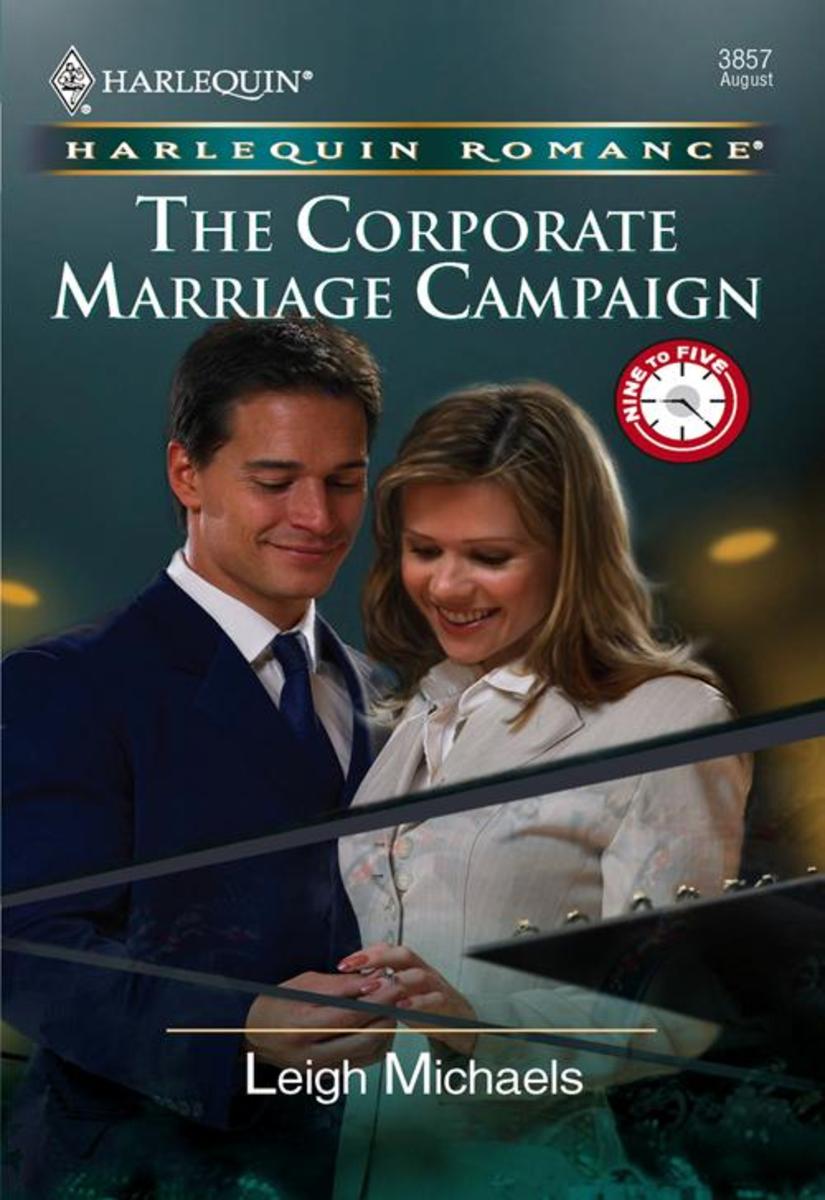
The Corporate Marriage Campaign (Mills & Boon Cherish)
¥21.09
Darcy Malone can't quite believe she's let smooth-talking tycoon Trey Kent talk her into posing as his fiancée for a high-profile TV advertising campaign. In exchange for helping her establish her own business, Trey wants Darcy to act the adoring wife-to-be on and off screen, at least until the promotion is finished! Darcy may be a great businesswoman and is determined not to mix pleasure with business. Trouble is, with every sizzling on-screen kiss they share, Darcy's resolve weakens. Until deal, or no deal, she can't help but wish that Trey's passionate response isn't just for the cameras…!
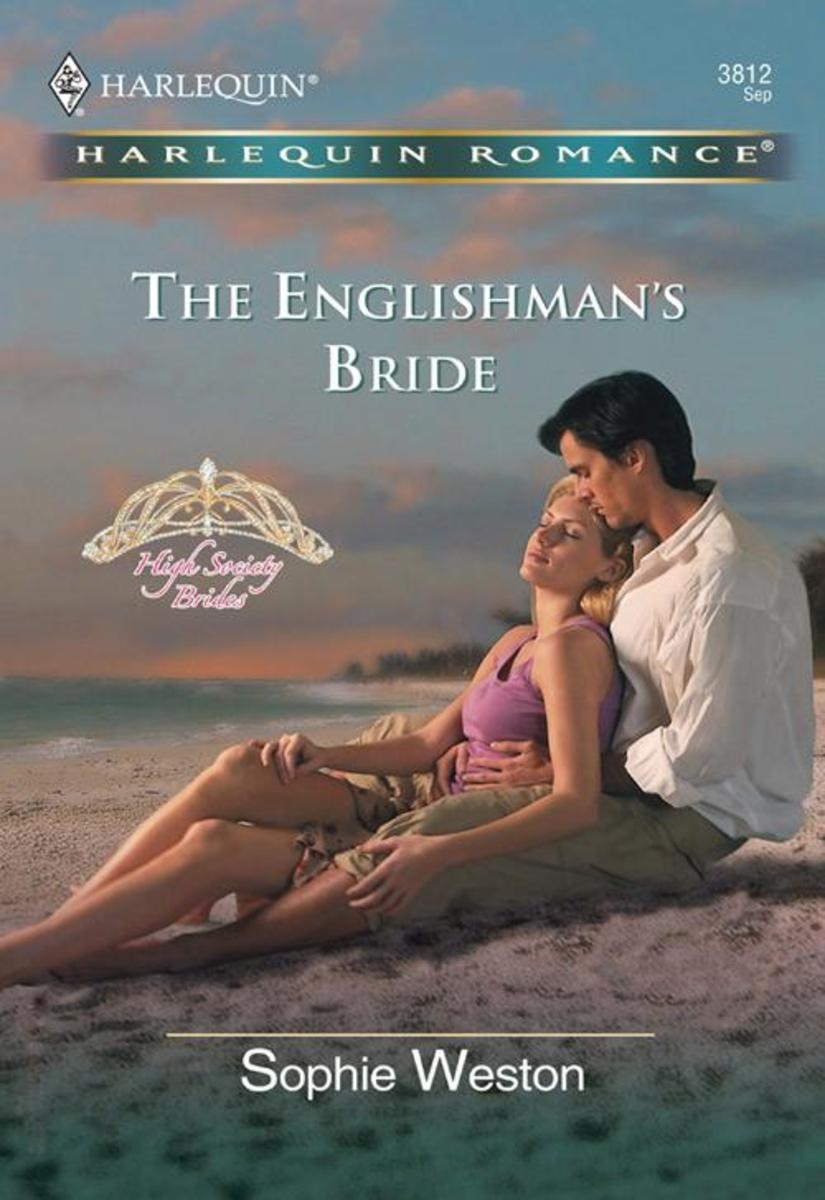
The Englishman's Bride (Mills & Boon Cherish)
¥31.10
Sir Philip Hardesty, a negotiator for the United Nations, is famed for his cool head. But for the first time in his life, this never-ruffled English aristocrat is getting hot under the collar–over a woman! Kit Romaine is not easily impressed by money or titles; if Philip wants her, he's going to have to pay her. Once Kit agrees to be his temporary assistant, Philip knows he's halfway there. Now he just has to work on making her his bride….
The Guardian's Dilemma (Mills & Boon Historical)
¥39.24
A young woman disappears. A husband is suspected of murder. Stirring times for all the neighborhood. In an effort to save his young stepsister from a fortune hunter's grasp, Oliver Brandon places her in a genteel ladies' academy. His shock is considerable when he realizes that one of the respectable schoolmistresses is a woman he last saw at a house party–in a highly compromising situation!

The Guy Next Door (Mills & Boon Love Inspired)
¥31.10
From Friend to…Fiancé? Stalwart and steady, Darcy O'Malley has been by Luke Jordan's side since childhood. She has seen him through trials and tragedies, romances and breakups. They've been everything to each other–except boyfriend and girlfriend. Why ruin a good thing? What Luke can't explain, however, is why suddenly Darcy's presence is making his heart beat so hard. Something has changed since he left Appleton, and it's making him uneasy. Is it possible his best friend is meant to be something more? Dare he risk their perfect friendship in the hopes of finding his perfect wife? Stalwart and steady, Darcy O'Malley has been by Luke Jordan's side since childhood. She has seen him through trials and tragedies, romances and breakups. They've been everything to each other–except boyfriend and girlfriend. Why ruin a good thing? What Luke can't explain, however, is why suddenly Darcy's presence is making his heart beat so hard. Something has changed since he left Appleton, and it's making him uneasy. Is it possible his best friend is meant to be something more? Dare he risk their perfect friendship in the hopes of finding his perfect wife?

The Lawman Returns (Mills & Boon Love Inspired Suspense) (Wrangler's Corner, Boo
¥31.10
DANGEROUS HOMECOMING Deputy Clay Starke has come home to Wrangler's Corner for one reason only: to solve his brother's murder. Denied the official resources that will help him unravel the case, Clay is forced to rely on his wits–and on the help of beautiful social worker Sabrina Mayfield. But Sabrina's willingness to assist him soon draws her into the troubles of Clay's past. Now both Clay and Sabrina have targets on their backs, and Clay is at risk of losing not only his heart, but also his life. Will finding his brother's killer cost him the woman he has come to love? Wrangler's Corner: Family comes first
The Lawman Takes A Wife (Mills & Boon Historical)
¥39.24
Sheriff DeWitt Gavin was quite an assortment of surprises to merchant Molly Calhan. Saddled with a scandalous past and a giant-size sweet tooth, he also had a truly giving heart. Now if only she could convince him to give his heart to her…! Witt Gavin had enough to handle, being the new lawman in a town rife with gossip and kids convinced bank robbers were hiding down every alley. His one daily treat was a visit to Molly Calhan's candy counter. But was it the confections that drew him–or the sweet shopkeeper herself?

Once a Champion (Mills & Boon Superromance) (The Montana Way, Book 1)
¥31.10
Liv Bailey never forgot her high school crush. Champion roper Matt Montoya always did have that irresistible daredevil swagger. But Liv isn't Matt's shy tutor anymore. She's a grown woman and a physiotherapist with a painful past. Matt isn't the only tough one now, and when their tempers clash over a horse they both claim ownership to, sparks fly in more ways than one. Liv's willing to let Matt bring some passion into her life, but when he opens his heart to her, she's scared of being hurt again. Liv knows there's more there than just desire—if she can only trust the cowboy who loves her.
A Texas Family (Mills & Boon Superromance) (Willow Creek, Texas, Book 2)
¥31.10
Nine years ago, Jena Brooks fled Willow Creek, Texas, as a frightened teenager. Now she’s finally found the courage to come home, and this time she’s not leaving without her baby. Memories of Asa Corbett stealing her new-born child still haunt Jena to this day. Unfortunately, her best chance at finding her baby is Asa’s eldest son, local Constable, Carson Corbett. Trusting a Corbett again isn’t easy but they’ll need to rely on each other completely to face their pasts and discover the truth. Together, Jena and Carson have a chance to heal old wounds and unite their families for good… if the truth doesn’t first tear them apart.

Into the Dark
¥54.74
The sole survivor of a heartbreaking family tragedy… Claire Bowen, a haunted psychologist, devotes her life to helping troubled women rebuild theirs. But her dream of a family with her new husband, Robert, a pilot and local hero, begins to crumble as disturbing revelations from his past emerge. And a grieving cop who lures a killer from the shadows… Detective Joe Tanner, struggling to overcome his wife's death while raising their little girl alone, heads the task force formed to stop the monster who has resurfaced with a chilling message. Race the clock in a life-and-death struggle to save the next victim… In the wake of five cold-case murders across Los Angeles, one of Claire's most promising patients vanishes. Gut instinct tells Tanner the truth is within his grasp, while Claire is torn between guilt and terror over what’s to come. As time runs out, both are pulled deeper and deeper into an unspeakable darkness. "Rick Mofina's tense, taut writing makes every thriller he writes an adrenaline-packed ride." —Tess Gerritsen, New York Times bestselling author

Mr (Not Quite) Perfect (Mills & Boon Modern Tempted)
¥26.78
What do women really want? Journalist Allegra Fielding has a problem. She’s pitched a story to her boss – how to transform a not-so-perfect man into Prince Charming – and now she has to deliver! But where is she going to find a man willing to take part in a makeover? Time to blackmail her flatmate, Max… But Allegra’s cunning plan backfires spectacularly when Max refuses to be ‘perfected’! He’s a guy who knows what he likes, and he’s going to enjoy proving to Allegra that there’s nothing hotter than a man who’s a little rough around the edges…

The Secret Ingredient (Mills & Boon Modern Tempted)
¥25.70
Lottie Rosemount’s top tips for dating: 1. Ignore all advances from inappropriate men. Celebrity chef and notorious heartbreaker Rob Beresford can flirt for England, but that doesn’t mean his intentions are honourable! 2. Keep your cool. Rob is not a safe bet, so don’t let him see that he gets you hot under your apron! 3. If 1) and 2) fail, indulge in a wild fling with said inappropriate man. Because remember: wild nights with no strings attached are this man’s speciality! Only Lottie is about to discover that Rob has a few secret ingredients to add to the mix—which could make her throw her tips out of the window for ever!

If Only... (Mills & Boon Modern Tempted)
¥25.70
If only I hadn’t had that last drink… It might be the toughest night of the year for Micah O’Shea, but one tequila too many and suddenly she’s seeing the world – and her best friend, firefighter Josh Taylor – in a new light! Surely a bit of Dutch courage is all she needs to see if he tastes as good as he looks…? Why did no one tell her that the morning after is way more awkward when you’re friends with the man you threw yourself at? And that it gets more awkward when you start having X-rated dreams about him? Perhaps Micah should stop saying ‘If only…’ and start asking ‘What if…?’! You won’t want to miss this fabulous story by So You Think You Can Write 2013 winner Tanya Wright!


