


 购物车
购物车 个人中心
个人中心
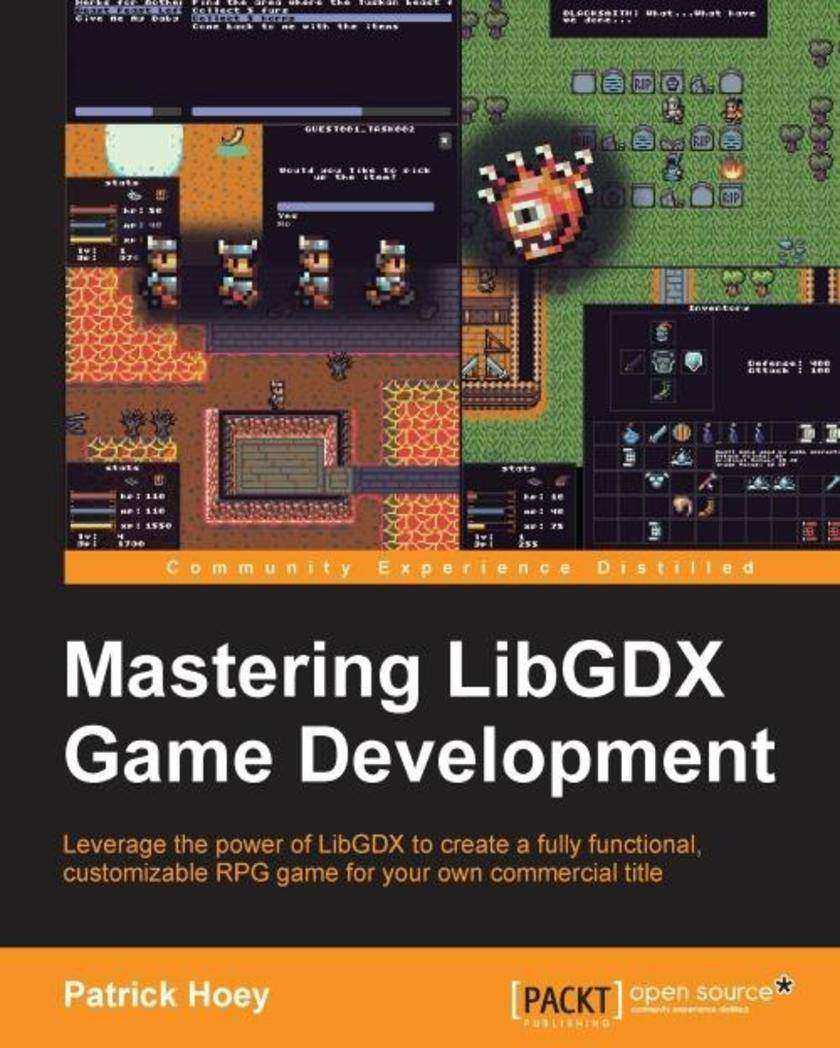
Mastering LibGDX Game Development
¥90.46
Leverage the power of LibGDX to create a fully functional, customizable RPG game for your own commercial title About This Book Learn game architecture and design patterns with concrete examples using proper software engineering principles Save time and money with this handy reference guide for future game development with LibGDX Design and develop a fully functional RPG video game from scratch with a hands on, step-by-step approach using LibGDX Who This Book Is For If you are an intermediate-level game developer who wants to create an RPG video game but found the creation process overwhelming, either by lack of tutorials or by getting lost in a sea of game-related technologies, engines, or frameworks, then this book is for you. This book assumes familiarity with Java and some basic knowledge of LibGDX. What You Will Learn Develop characters with stat attributes, player movement, animation, physics, and collision detection Create interactive NPC characters with speech windows and build immersion via dialog trees Build inventory management system UIs with drag and drop items to sell, buy, and equip Design a quest system to expand out the content of your game Form interesting enemies with battle mechanics and spawn points Devise *ed cutscenes to add an element of story and drama Develop save and load game profiles Create special effects to give the game extra “juiciness” and polish, and help build the atmosphere In Detail LibGDX is a Java-based framework developed with a heavy emphasis on performance, and includes cross-platform support out of the box (Windows, OS X, Linux, iOS, Android, and HTML5) as well as providing all the low-level functionality so that you can focus on developing your game and not battling with the platform. LibGDX also has an engaged and responsive community, active maintenance, and is available for free without a prohibitive license. Starting from the beginning, this book will take you through the entire development process of creating an RPG video game using LibGDX. First, this book will introduce you to the features specific to RPG games, as well as an overview of game architecture. Then, you will create map locations, develop character movement, add animation, integrate collision detection, and develop a portal system. Next, you will learn and develop a HUD and other UI components, as well as an inventory management system. You will then develop NPC interactions including dialog trees, shopkeepers, and quest givers. After this, you will design and create battle features for fighting enemies, as well as event triggers for world events. Finally, you will add the final polish with sound, music, and lighting effects. By the end of this book, you will have learned and applied core components from the LibGDX framework, as well as have a finished game to use as a springboard for customization and story development for your own commercial video game. Style and approach This book walks you through the concepts and implementation of developing a complete RPG game, unfolding chapter by chapter and building upon previous concepts. Each chapter can be used as an individual reference with diagrams to explain core concepts with concrete example code explained in detail.
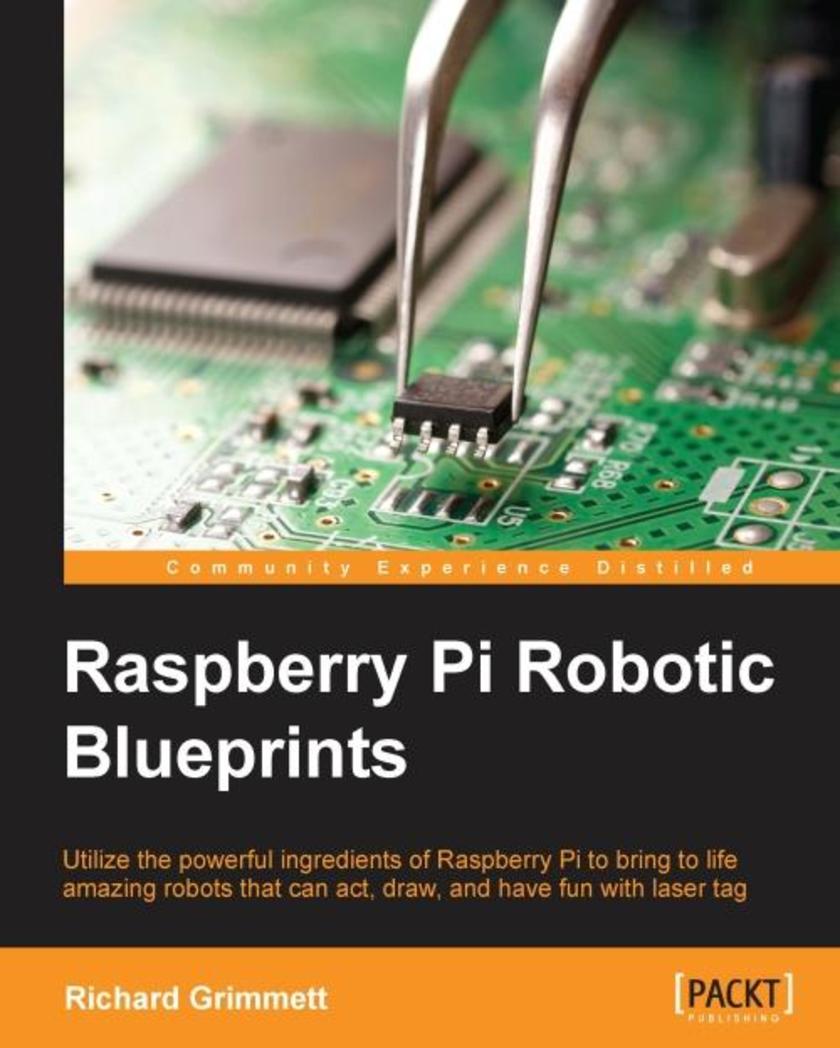
Raspberry Pi Robotic Blueprints
¥80.65
Utilize the powerful ingredients of Raspberry Pi to bring to life your amazing robots that can act, draw, and have fun with laser tagsAbout This BookLearn to implement a number of features offered by Raspberry Pi to build your own amazing robotsUnderstand how to add vision and voice to your robots.This fast-paced practical guide comprises a number of creative projects to take your Raspberry Pi knowledge to the next level Who This Book Is For This all-encompassing guide was created for anyone who is interested in expanding their knowledge in applying the peripherals of Raspberry Pi. If you have a fancy for building complex-looking robots with simple, inexpensive, and readily available hardware, then this book is ideal for you. Prior understanding of Raspberry Pi with simple mechanical systems is recommended.What You Will LearnAdd sensors to your robot so that it can sense the world around itKnow everything there is to know about accessing motors and servos to provide movement to the robotic platformExplore the feature of adding vision to your robot so it can “see” the world around itRefine your robot with the skill of speech recognition so that it can receive commandsPolish your robot by adding speech output so it can communicate with the world around itMaximize the use of servos in Raspberry Pi to create a drawing robotStrengthen your robot by adding wireless communication skills so you can see what the robot is seeing and control it from a distanceBuild an unbelievable autonomous hexcopter controlled by Raspberry Pi In Detail The Raspberry Pi is a series of credit card-sized single-board computers developed in the UK by the Raspberry Pi Foundation with the intention of promoting the teaching of basic computer science in schools. The Raspberry Pi is known as a tiny computer built on a single circuit board. It runs a Linux operating system, and has connection ports for various peripherals so that it can be hooked up to sensors, motors, cameras, and more. Raspberry Pi has been hugely popular among hardware hobbyists for various projects, including robotics. This book gives you an insight into implementing several creative projects using the peripherals provided by Raspberry Pi. To start, we’ll walk through the basic robotics concepts that the world of Raspberry Pi offers us, implementing wireless communication to control your robot from a distance. Next, we demonstrate how to build a sensible and a visionary robot, maximizing the use of sensors and step controllers. After that, we focus on building a wheeled robot that can draw and play hockey. To finish with a bang, we’ll build an autonomous hexcopter, that is, a flying robot controlled by Raspberry Pi. By the end of this book, you will be a maestro in applying an array of different technologies to create almost any imaginable robot.Style and approach This book is an easy-to-follow, project-based guide that throws you directly into the action of creating almost any imaginable robot through blueprints. It is full of step by step instructions and screenshots to help you build amazing robots in no time at all.
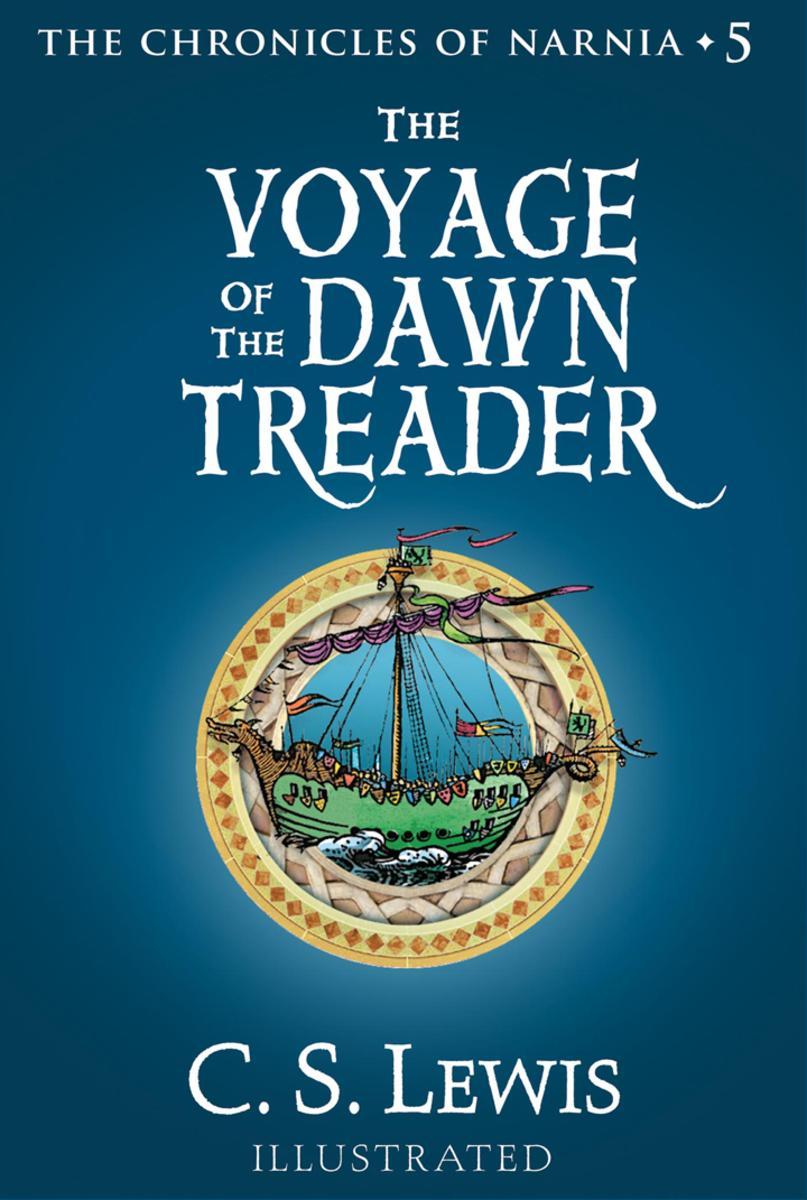
The Voyage of the Dawn Treader 纳尼亚传奇5(彩色插图版)
¥50.33
Illustrations in this ebook appear in vibrant full color on a full color ebook device, and in rich black and white on all other devices. Narnia . . . where a dragon awakens . . . where stars walk the earth . . . where anything can happen. A king and some unexpected companions embark on a voyage that will take them beyond all known lands. As they sail farther and farther from charted waters, they discover that their quest is more than they imagined and that the world end is only the beginning. The Voyage of the Dawn Treader is the fifth book in C.S. Lewis The Chronicles of Narnia, a series that has become part of the canon of classic literature, drawing readers of all ages into a magical land with unforgettable characters for over fifty years. This is a novel that stands on its own, but if you would like to continue to the journey, read The Silver Chair , the sixth book in The Chronicles of Narnia.
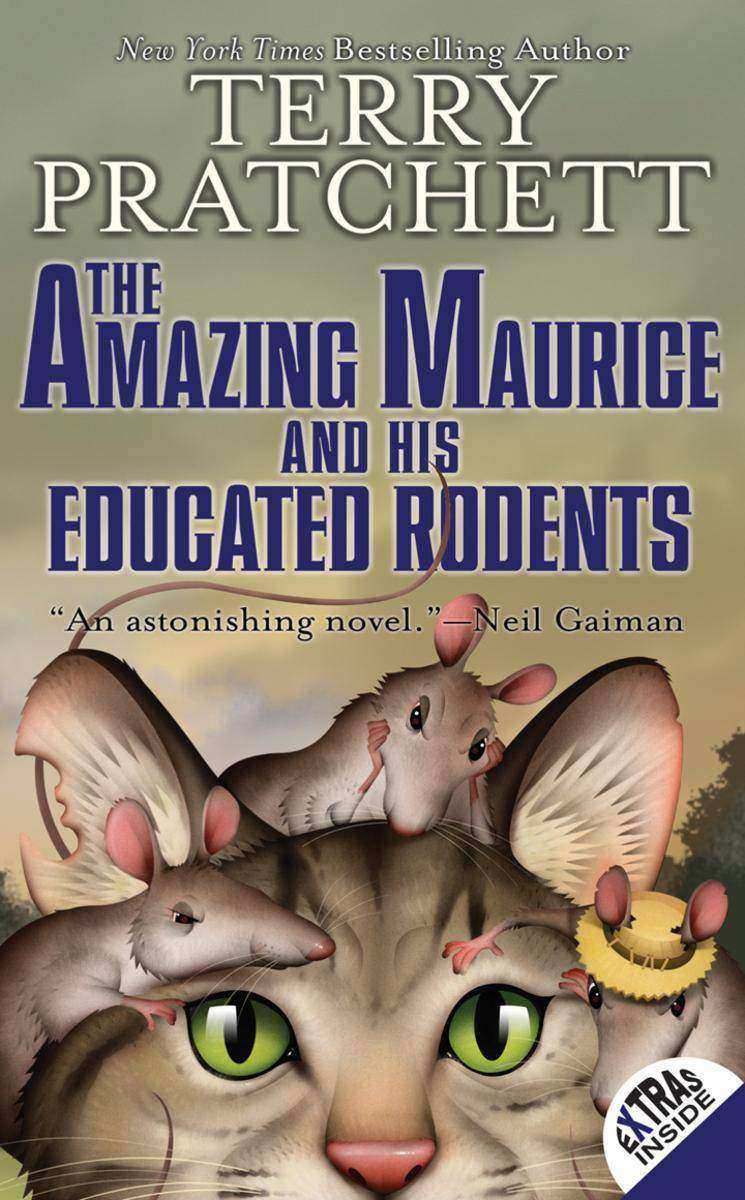
The Amazing Maurice and His Educated Rodents
¥50.33
One rat, popping up here and there, squeaking loudly, and taking a bath in the cream, could be a plague all by himself. After a few days of this, it was amazing how glad people were to see the kid with his magical rat pipe. And they were amazing when the rats followed hint out of town. They'd have been really amazed if they'd ever found out that the rats and the piper met up with a cat somewhere outside of town and solemnly counted out the money. The Amazing Maurice runs the perfect Pied Piper scam. This streetwise alley cat knows the value of cold, hard cash and can talk his way into and out of anything. But when Maurice and his cohorts decide to con the town of Bad Blinitz, it will take more than fast talking to survive the danger that awaits. For this is a town where food is scarce and rats are hated, where cellars are lined with deadly traps, and where a terrifying evil lurks beneath the hunger-stricken streets.... Set in Terry Pratchett's widely popular Discworld, this masterfully crafted, gripping read is both compelling and funny. When one of the world's most acclaimed fantasy writers turns a classic fairy tale on its head, no one will ever look at the Pied Piper -- or rats -- the same way again!
Mastering C# Concurrency
¥90.46
Create robust and scalable applications along with responsive UI using concurrency and the multi-threading infrastructure in .NET and C#About This BookLearn to combine your asynchronous operations with Task Parallel LibraryMaster C#’s asynchronous infrastructure and use asynchronous APIs effectively to achieve optimal responsiveness of the applicationAn easy-to-follow, example-based guide that helps you to build scalable applications using concurrency in C# Who This Book Is For If you are a C# developer who wants to develop modern applications in C# and wants to overcome problems by using asynchronous APIs and standard patterns, then this book is ideal for you. Reasonable development knowledge, an understanding of core elements and applications related to the .Net platform, and also the fundamentals of concurrency is assumed.What You Will LearnApply general multithreading concepts to your application’s designLeverage lock-free concurrency and learn about its pros and cons to achieve efficient synchronization between user threadsCombine your asynchronous operations with Task Parallel LibraryMake your code easier with C#’s asynchrony supportUse common concurrent collections and programming patternsWrite scalable and robust server-side asynchronous codeCreate fast and responsible client applicationsAvoid common problems and troubleshoot your multi-threaded and asynchronous applications In Detail Starting with the traditional approach to concurrency, you will learn how to write multithreaded concurrent programs and compose ways that won't require locking. You will explore the concepts of parallelism granularity, and fine-grained and coarse-grained parallel tasks by choosing a concurrent program structure and parallelizing the workload optimally. You will also learn how to use task parallel library, cancellations, timeouts, and how to handle errors. You will know how to choose the appropriate data structure for a specific parallel algorithm to achieve scalability and performance. Further, you'll learn about server scalability, asynchronous I/O, and thread pools, and write responsive traditional Windows and Windows Store applications. By the end of the book, you will be able to diagnose and resolve typical problems that could happen in multithreaded applications.Style and approach An easy-to-follow, example-based guide that will walk you through the core principles of concurrency and multithreading using C#.
Pretty Little Liars #2: Flawless
¥61.52
Spencer stole her sister's boyfriend. Aria is brokenhearted over her English teacher. Emily likes her new friend Maya . . . as much more than a friend. Hanna's obsession with looking flawless is making her sick. And their most horrible secret yet is so scandalous that the truth would ruin them forever. And why shouldn't I tellThey deserve to lose it all. With every crumpled note, wicked IM, and vindictive text message I send, I'll be taking these pretty little liars down. Trust me, I've got enough dirt to bury them alive.

Pretty Little Liars #4: Unbelievable
¥61.52
Four pretty little liars' charmed lives have turned into living nightmares. Emily's been shipped off to Iowa to live with her überconservative cousins. Aria's boyfriend is behind bars because of her. Spencer's afraid she was involved in Ali's murder. But Hanna's fate is far worse: She's clinging to life in the hospital because she knew too much . If these girls don't start listening to me, Hanna's going to look like the lucky one.
Homeless Bird
¥39.13
Leaving Home...forever. Like many girls her age in India, thirteen-year-old Koly is getting married. When she discovers that the husband her parents have chosen for her is sickly boy with wicked parents, Koly wishes she could flee. According to tradition, though, she has no choice. On her wedding day, Koly's fate is sealed. In the wake of her marriage, however, Koly's life takes an unexpected turn, and she finds herself alone in a strange city of white-sari-clad windows. Her only choice seems to be to shed her name and her future and join the hopeless hordes who chant for food. Even then, cast out in a current of time-worn tradition, this rare young woman sets out to forge her own exceptional future. And a life, like a beautiful tapestry, comes together for Koly-- one stitch at a time. Books for the Teen Age 2001 (NYPL) and 2000 National Book Award Winner
How to Read Novels Like a Professor
¥88.56
Of all the literary forms, the novel is arguably the most discussed . . . and fretted over. From Miguel de Cervantes's Don Quixote to the works of Jane Austen, F. Scott Fitzgerald, Ernest Hemingway, and today's masters, the novel has grown with and adapted to changing societies and technologies, mixing tradition and innovation in every age throughout history. Thomas C. Foster the sage and scholar who ingeniously led readers through the fascinating symbolic codes of great literature in his first book, How to Read Literature Like a Professor now examines the grammar of the popular novel. Exploring how authors' choices about structure point of view, narrative voice, first page, chapter construction, character emblems, and narrative (dis)continuity create meaning and a special literary language, How to Read Novels Like a Professor shares the keys to this language with readers who want to get more insight, more understanding, and more pleasure from their reading.

Best-Loved Chinese Proverbs
¥72.93
"By filling one's head instead of one's pocket, one cannot be robbed." The appeal of Chinese proverbs is profound and universal. With brevity, clarity, and simplicity, these carefully chosen words help pass wisdom and insight throughout the ages. This timeless, eloquent collection of proverbs offers fundamental truths about the natural world and the human condition, on subjects such as: Ability Adversity Beauty Character Conflict Cooperation Deception Defeat Fortune Greed Happiness Honor Inspiration Knowledge Leadership Love Moderation Necessity Neighbors Obstinacy Opportunity Perseverance Pride Sincerity Strategy Success Thought Trust Victory Wisdom And More "With our thoughts we must build our world."

I Never Metaphor I Didn't Like
¥88.56
The murals in restaurants are on a par with the food in museums. America is an enormous frosted cupcake in the middle of millions of starving people. Critics are like pigs at the pastry cart. Describing something by relating it to another thing is the essence of metaphorical thought. It is one of the oldest activities of humankind and one of the most impressive when done skillfully. Throughout history, many masters of metaphor have crafted observations that are so spectacular they have taken up a permanent residence in our minds. In I Never Metaphor I Didn't Like , quotation maven Dr. Mardy Grothe fixes his attention on the three superstars of figurative language analogies, metaphors, and similes. The result is an extraordinary compilation of nearly 2,000 feats of association that will entertain, educate, and occasionally inspire quotation lovers everywhere. In this intellectual smorgasbord, the author of Oxymoronica and Viva la Repartee explains figurative language in a refreshingly down-to-earth way before taking readers on a tour of history's greatest word pictures. In chapters on wit, love, sex, stage and screen, insults, politics, sports, and more, you will find quotations from Aristotle and Maya Angelou to George Washington and Oprah Winfrey.
The 22 Immutable Laws of Branding
¥105.17
This marketing classic has been expanded to include new commentary, new illustrations, and a bonus book: The 11 Immutable Laws of Internet Branding Smart and accessible, The 22 Immutable Laws of Branding is the definitive text on branding, pairing anecdotes about some of the best brands in the world, like Rolex, Volvo, and Heineken, with the signature savvy of marketing gurus Al and Laura Ries. Combining The 22 Immutable Laws of Branding and The 11 Immutable Laws of Internet Branding, this book proclaims that the only way to stand out in today's marketplace is to build your product or service into a brand and provides the step-by-step instructions you need to do so. The 22 Immutable Laws of Branding also tackles one of the most challenging marketing problems today: branding on the Web. The Rieses divulge the controversial and counterintuitive strategies and secrets that both small and large companies have used to establish internet brands. The 22 Immutable Laws of Branding is the essential primer on building a category-dominating, world-class brand.

Seekers #5: Fire in the Sky
¥44.73
The spirits dance like fire in the sky. . . . The three cubs Kallik, Toklo, and Lusa along with their shape-shifting companion, Ujurak, stand on the edge of the sea-ice under the blazing Northern Lights. The land has come to an end, but the bears' journey is far from over. Now they must put their trust in Kallik's paws, as she feels the ice pulling her out toward the ocean. Life on the ice is more difficult than the bears imagined. While Kallik struggles to remember her polar bear roots, Toklo bristles in the unfamiliar territory and Lusa gets weaker by the day; black and brown bears don't belong on the ice. Meanwhile, Ujurak learns firsthand what lurks beneath the whorls and bubbles of the ice, and what he discovers will change everything. Just when it seems like they'll never survive in the frozen wilderness, a mystical encounter with a bear spirit assures them that all will be well. But this strange vision leads to even more questions, and ultimately it might tear the bears apart this time for good as the next steps of their journey come into focus.

kids are worth it!
¥84.16
The parenting classic, now revised with new chapters, checklists, and information about today's most pressing issues regarding our children This bestselling guide rejects "quick-fix" solutions and focuses on helping kids develop their own self-discipline by owning up to their mistakes, thinking through solutions, and correcting their misdeeds while leaving their dignity intact. Barbara Coloroso shows these principles in action through dozens of examples -- from sibling rivalry to teenage rebellion; from common misbehaviors to substance abuse and antisocial behavior. She also explains how to parent strong-willed children, effective alternatives to time-outs, bribes, and threats, and how to help kids resolve disputes and serious injustices such as bullying. Filled with practical suggestions for handling the ordinary and extraordinary tribulations of growing up, kids are worth it! helps you help your children grow into responsible, resilient, resourceful adults -- not because you tell them to, but because they want to.
Year's Best SF 15
¥55.91
Who knows what awaits us tomorrowMuch of the most innovative and exhilarating work performed in the boundary-less arena of SF is being done in the short form. This year's magnificent harvest gathered, as always, by acclaimed award-winning editors and anthologists David G. Hartwell and Kathryn Cramer offers glimpses of worlds and tomorrows that would have been inconceivable just a few years ago. Brilliant, bold, unusual, and soaring flights into the hitherto unforeseen yet increasingly possible future, Year's Best SF 15 offers truly breathtaking stories by some of speculative fiction's brightest lights, including: Stephen Baxter Nancy Kress Alastair Reynolds Geoff Ryman Bruce Sterling Peter Watts Robert Charles Wilson Gene Wolfe and others

Snow Falls and Then Disappears
¥22.03
The Secret Lives of People in Love is the first short story collection by award-winning writer Simon Van Booy. These stories, set in Kentucky, New York, Paris, Rome, and Greece, are a perfect synthesis of intensity and atmosphere. Love, loss, human contact, and isolation are Van Booy's themes. In radiant prose he writes about the difficult choices we make in order to retain our humanity and about the redemptive power of love in a violent world. Included in this updated P.S. edition is the new story "The Mute Ventriloquist."

My Weird School Daze #10: Miss Mary Is Scary!
¥27.94
The weirdness never stops! Something weird is going on! Mr. Granite has been assigned a student teacher, and A.J. and the gang think she might be a vampire. Miss Mary lives in a cave and sleeps hanging upside down from the ceiling. Her boyfriend, Zack, looks like a zombie and plays in a heavy metal band. And worse than all that, they're British! Eeeeek!

Warriors Super Edition: SkyClan's Destiny
¥44.73
The return of a long lost Clan . . . Many moons ago, five warrior Clans shared the forest in peace. But as Twolegs encroached on the cats' territories, the warriors of SkyClan were forced to abandon their home and try to forge a new life far away. Eventually, the Clan disbanded forgotten by all until Firestar was sent on a quest to reunite its descendants and return SkyClan to its former glory. Now, with Leafstar in place as leader, SkyClan is thriving. Leafstar is desperate to believe that her Clan will survive where the ancient SkyClan cats failed. But threats continue to plague the Clan, and as dissent grows from within, Leafstar must face the one question she dreads: Is SkyClan meant to survive?
Learning Bitcoin
¥80.65
Embrace the new world of fiance by leveraging the power of crypto-currencies using Bitcoin and the BlockchainAbout This BookSet up your own wallet, buy and sell Bitcoin, and execute custom transactions on the BlockchainLeverage the power of Bitcoin to reduce transaction costs and eliminate fraudA practical step-by-step guide to break down the Bitcoin technology to ensure safe transactions Who This Book Is For If you are familiar with online banking and want to expand your finances into a resilient and transparent currency, this book is ideal for you. A basic understanding of online wallets and financial systems will be highly beneficial to unravel the mysteries of Bitcoin.What You Will LearnSet up your wallet and buy a Bitcoin in a flash while understanding the basics of addresses and transactionsAcquire the knack of buying, selling, and trading Bitcoins with online marketplacesSecure and protect your Bitcoins from online theft using Brainwallets and cold storageUnderstand how Bitcoin’s underlying technology, the Blockchain, works with simple illustrations and explanationsConfigure your own Bitcoin node and execute common operations on the networkDiscover various aspects of mining Bitcoin and how to set up your own mining rigDive deeper into Bitcoin and write *s and multi-signature transactions on the networkExplore the various alt-coins and get to know how to compare them and their value In Detail The financial crisis of 2008 raised attention to the need for transparency and accountability in the financial world. As banks and governments were scrambling to stay solvent while seeking a sustainable plan, a powerfully new and resilient technology emerged. Bitcoin, built on a fundamentally new technology called “The Blockchain,” offered the promise of a new financial system where transactions are sent directly between two parties without the need for central control. Bitcoin exists as an open and transparent financial system without banks, governments, or corporate support. Simply put, Bitcoin is “programmable money” that has the potential to change the world on the same scale as the Internet itself. This book arms you with immense knowledge of Bitcoin and helps you implement the technology in your money matters, enabling secure transactions. We first walk through the fundamentals of Bitcoin, illustrate how the technology works, and exemplify how to interact with this powerful and new financial technology. You will learn how to set up your online Bitcoin wallet, indulge in buying and selling of bitcoins, and manage their storage. We then get to grips with the most powerful algorithm of all times: the Blockchain, and learn how crypto-currencies can reduce the risk of fraud for e-commerce merchants and consumers. With a solid base of Blockchain, you will write and execute your own custom transactions. Most importantly, you will be able to protect and secure your Bitcoin with the help of effective solutions provided in the book. Packed with plenty of screenshots, Learning Bitcoin is a simple and painless guide to working with Bitcoin.Style and approach This is an easy-to-follow guide to working with Bitcoin and the Blockchain technology. This book is ideal for anyone who wants to learn the basics of Bitcoin and explore how to set up their own transactions.
Power
¥168.37
In this crowning achievement, one of the greatest minds in management theory reveals how to succeed and wield power in the real world. Over decades of consulting with corporations and teaching MBA students the nuances of organizational power, Jeffrey Pfeffer has watched numerous people suffer career reversals even as others prevail despite the odds. Our most common mistake is not having a realistic understanding of what makes some people more successful than others. By believing that life is fair, we tend to subscribe to the “just-world phenomenon,” which leaves us unprepared for the challenges and competition of the real world. Now Pfeffer brings decades of his incredible insights to a wider audience. Brimming with counterintuitive advice, numerous examples from various countries, and surprising findings based on his research, this groundbreaking guide reveals the strategies and tactics that separate the winners from the losers. Power, he argues, is a force that can be used and harnessed not only for individual gain but also for the benefit of organizations and society. Power, however, is not something that can be learned from those in charge their advice often puts a rosy spin on their ascent and focuses on what should have worked, rather than what actually did. Instead, Pfeffer reveals the true paths to power and career success. Iconoclastic and grounded in the realpolitik of human interaction, Power is an essential organizational survival manual and a new standard in the field of leadership and management.
Walden Pond Press
¥44.25
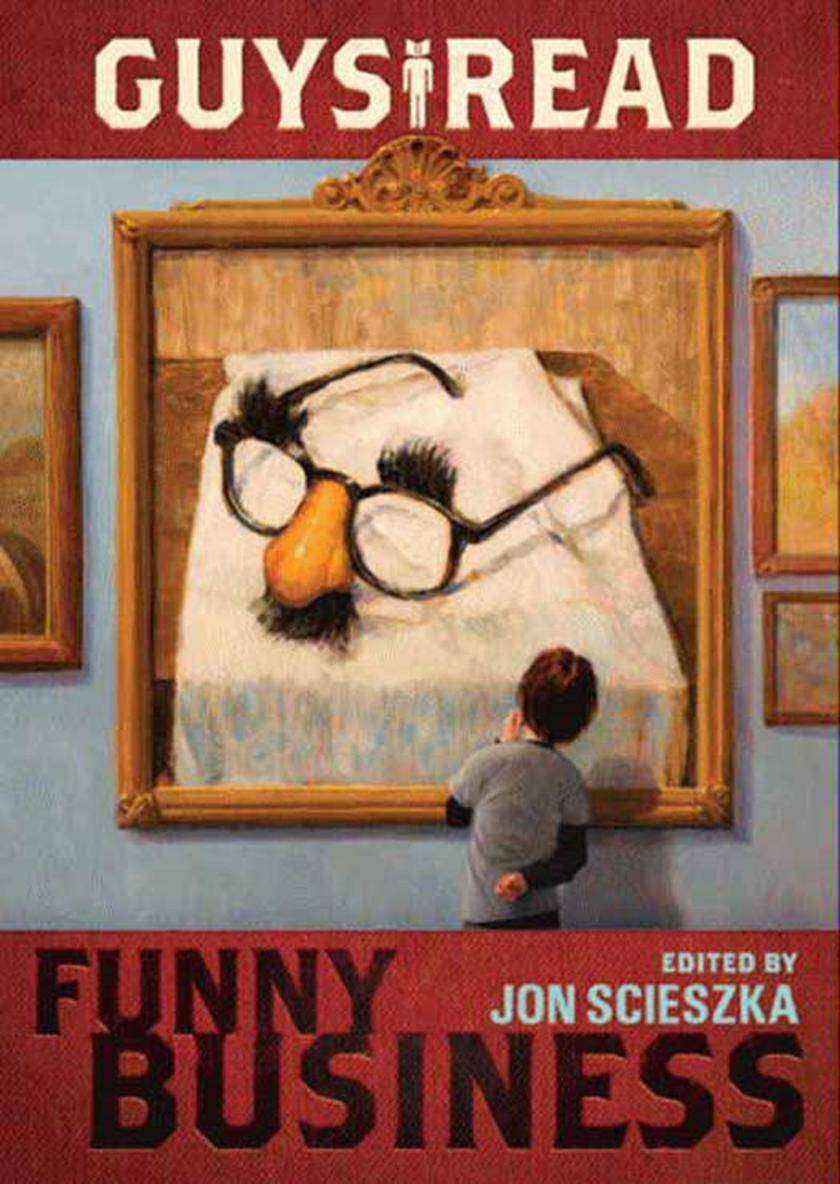
It here: Volume One of the official Guys Read Library. Jon Scieszka Guys Read initiative was founded on a simple premise: that young guys enjoy reading most when they have reading they can enjoy. And out of this comes a series that aims to give them just that. Ten books, arranged by theme, featuring the best of the best where writing for kids is concerned. Each book is a collection of original short stories, but these aren't your typical anthologies each book is edgy, inventive, visual, and one-of-a-kind, featuring a different theme for guys to get excited about. Funny Business is based around the theme of what elsehumor, and if you're familiar with Jon and Guys Read, you already know what you're in store for: ten hilarious stories from some of the funniest writers around. Before you're through, you'll meet a teenage mummy; a kid desperate to take a dip in the world largest pool of chocolate milk; a homicidal turkey; parents who hand over their son room to a biker; the only kid in his middle school who hasn't turned into a vampire, wizard, or superhero; and more. And the contributor list includes bestselling author, award winners, and fresh new talent alike: Mac Barnett, Eoin Colfer, Christopher Paul Curtis, Kate DiCamillo (writing with Jon Scieszka), Paul Feig, Jack Gantos, Jeff Kinney, David Lubar, Adam Rex, and David Yoo. Guys Read is all about turning young readers into lifelong ones and with this book, and each subsequent installment in the series, we aim to leave no guy unturned.


