


 购物车
 个人中心

Winnetou 3
¥9.00
Old Shatterhand trifft in der Savanne den berühmten Westmann Sans-Ear. Nachdem Sans-Ear vier feindliche Komantschen besiegt hat, reiten beide zusammen weiter und verhindern einen Zugüberfall. Bei diesem ?berfall beteiligt sich ein Wei?er, der von Sans-Ear als der M?rder seiner Familie identifiziert wird, Fred Morgan. Durch einen glücklichen Umstand k?nnen sie die Spur des Verbrechers entdecken und folgen ihm durch den Llano Estacado, wo sie sich erneut gegen die Comanchen behaupten müssen, zwischenzeitlich begleitet von Winnetou und Bernard Marshall, der ebenfalls hinter Fred Morgan her ist. In der N?he der Goldfelder von San Francisco erwischen sie endlich beide Morgans. Im zweiten Teil trifft Old Shatterhand auf einer Zugfahrt Fred Walker, einen Detektiv, der hinter den Railtroublers her ist, einer Bande von Zugr?ubern. Old Shatterhand und sp?ter auch Winnetou verbünden sich mit Spürauge und verhindern einen ?berfall auf Echo Canyon, eine gro?e Bahnstation. Auf der Flucht überfallen die mit den Zugr?ubern verbündeten Sioux eine Siedlung und verschleppen alle Bewohner. Bei der Rettungsaktion am Berg Hancock wird Winnetou von einem Sioux erschossen.
The Winter's Tale
¥9.00
The Winter's Tale is a play by William Shakespeare, first published in the First Folio in 1623. Although it was listed as a comedy when it first appeared, some modern editors have relabeled the play a romance. Some critics, among them W. W. Lawrence (Lawrence, 9-13), consider it to be one of Shakespeare's "problem plays", because the first three acts are filled with intense psychological drama, while the last two acts are comedic and supply a happy ending.

Obras de Emilia Pardo Bazán
¥9.00
Obras Contenidas: Un viaje de novios La tribuna El cisne de Vilamorta Los pazos de Ulloa La madre naturaleza Insolación La prueba Una cristiana La piedra angular Do?a Milagros Memorias de un solterón: Adán y Eva El tesoro de Gastón El saludo de las brujas El Ni?o de Guzmán Misterio La sirena negra Dulce sue?o La última fada Cuentos de amor
Misterio
¥9.00
Londres, 1824, el relojero Dorff es asaltado por dos emboscados y recibe la ayuda de Renato de Giac, marqués de Brezé. Más tarde, ya en casa de Dorff, éste le entrega a Renato un manuscrito y un cofre con documentos importantísimos que los que están en el poder en Francia, Luis XVIII y su jefe de policía Lecazes, pretenden arrebatarle. La autora aborda por primera vez el género de la novela histórica mediante la recreación de la compleja historia de Luis XVII, el delfín perdido, el hijo de Luis XVI y María Antonieta. Asistiremos también a la intriga amorosa de Renato de Giac y Amelia, la hija mayor de Dorff. Este es un excepcional relato que aspira, como nos dice la autora en su novela, “a proyectar un rayo de luz en las lobregueces históricas por medio de la lámpara caprichosa de la fantasía”.
El Ni?o de Guzmán
¥9.00
El ni?o de Guzmán narra una historia costumbrista.Pedro, un joven espa?ol que ha sido educado en el extranjero en las buenas maneras del continente y con una gran nostalgia de su país. Es el típico joven de mundo. Fue educado por un fraile irlandés fascinado por una Espa?a irreal ( La de la Gaviota de Faber).

Los pazos de Ulloa
¥9.00
Los pazos de Ulloa es una novela de Emilia Pardo Bazán (1852-1921) publicada en 1886. Es una de las novelas que mejor ejemplifica la corriente naturalista, al reflejar la aceptación de las teorías positivistas aplicadas a la literatura por el escritor francés y padre del naturalismo ?mile Zola.

Niebla
¥9.00
No es una novela. Es una "nivola", según su autor. Nuevo género creado por Unamuno, no tuvo mucho arraigo, pero aún así Niebla es una de las obras de ficción más importantes del escritor vasco. El libro aborda la inseguridad del hombre moderno que se preocupa por su destino y su mortalidad. El título está cargado de significado, dado que el libro difumina la línea entre la ficción y la realidad. También son nebulosas las descripciones físicas de los personajes y lugares, y hasta pone en duda la naturaleza de la existencia humana.
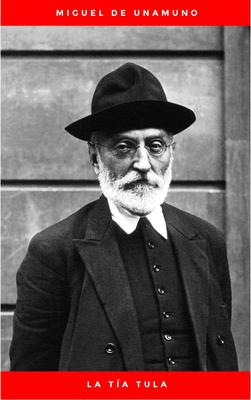
La tía Tula
¥9.00
La tía Tula, es, según su autor, ?la historia de una joven que, rechazando novios, se queda soltera para cuidar a unos sobrinos, hijos de una hermana que se le muere. Vive con el cu?ado, a quien rechaza para marido, pues no quiere manchar con el débito conyugal el recinto en que respiran aire de castidad sus hijos. Satisfecho el instinto de maternidad, ?para qué perder su virginidad? Es virgen madre?. Pero sobre este ca?amazo argumental teje Unamuno una obra cargada de sentidos plurales: Tula, la protagonista, que encarna la concepción tradicional de la familia y de la mujer y que es, a al vez, víctima de ella, ejemplifica la figura del agonista unamuniano dividido en mil contradicciones.
The Descendant
¥9.00
"The Descendant" is a story fragment by American horror fiction writer H. P. Lovecraft, believed to have been written in 1927.[1] It was first published in the journal Leaves in 1938, after Lovecraft's death.

Dagon
¥9.00
The story is the testament of a tortured, morphine-addicted man who relates an incident that occurred during his service as an officer during World War I. In the unnamed narrator's account, his cargo ship is captured by an Imperial German sea-raider in "one of the most open and least frequented parts of the broad Pacific"

La última fada
¥9.00
Novela basada en dos leyendas artúricas: "Tristán e Isolda" y "Merlín y Viviana", entreteje textos conocidos con versiones nuevas con el objetivo de moralizar a un público lector, presumiblemente de fe única, poseedor de prejuicios religiosos arraigados en la cultura de la época.

El cisne de Vilamorta
¥9.00
EL CISNE DE VILAMORTA : Leocadia, la maestra de Vilamorta, ama apasionadamente al joven y apuesto Segundo ( el cisne ) al que recibe en su casa y de vez en cuando hace algún obsequio, ya que Segundo aunque estudió derecho , no trabaja. Leocadia tiene un hijo deficiente producto de una violación incestuosa de un tío con el que vivía en Ourense. Segundo aspira a conseguir una colocación en Madrid que le permita darse a conocer en el mundo literario de la capital. Llega a Vilamorta un político influyente ( don Victoriano ). Viene a curarse con las aguas del balneario. El poeta se enamora de la joven mujer del político ( Nieves ) y ella coquetea con él , pero el marido muere y la viuda marcha a Madrid sin querer saber nada de Segundo ...

Rilla of Ingleside
¥9.00
Anne Shirley has left Redmond College behind to begin a new job and a new chapter of her life away from Green Gables. Now she faces a new challenge: the Pringles. They're known as the royal family of Summerside - and they quickly let Anne know she is not the person they had wanted as principal of Summerside High School. But as she settles into the cozy tower room at Windy Poplars, Anne finds she has great allies in the widows Aunt Kate and Aunt Chatty – and in their irrepressible housekeeper, Rebecca Dew. As Anne learns Summerside's strangest secrets, winning the support of the prickly Pringles becomes only the first of her delicious triumphs.
In the Vault
¥9.00
An undertaker finds himself trapped in the vault where coffins are stored during winter for burial in the spring, and is mysteriously injured when he escapes.
Hypnos
¥9.00
"Hypnos" is a short story by H.P. Lovecraft, penned in March 1922 and first published in the May 1923 issue of National Amateur. The narrator, a sculptor, recounts meeting a mysterious man in a railway station. The moment the man opened his "immense, sunken and widely luminous eyes", the narrator knew that the stranger would become his friend-–"the only friend of one who had never possessed a friend before". In the eyes of the stranger he saw the knowledge of the mysteries he always sought to learn
The Dunwich Horror
¥9.00
In H.P. Lovecraft’s, "The Dunwich Horror", we are told the story of Wilbur Whateley, the son of a deformed albino mother and an unknown father (alluded to in passing by the mad Old Whateley as "Yog-Sothoth"), and the strange events surrounding his birth and precocious development. Wilbur matures at an abnormal rate, reaching manhood within a decade. All the while, his sorcerer grandfather indoctrinates him into certain dark rituals and the study of witchcraft.
The Crawling Chaos
¥9.00
"The Crawling Chaos" is a short story by American writers H. P. Lovecraft and Winifred V. Jackson (first published April 1921 in the United Cooperative. As in their other collaboration, "The Green Meadow", the tale was credited to "Elizabeth Berkeley" (Jackson) and "Lewis Theobald, Jun" (Lovecraft). The story begins with the narrator describing the effects of opium and the fantastical vistas it can inspire. The narrator then tells of his sole experience with opium in which he was accidentally administered an overdose by a doctor during the "year of the plague".
The Colour Out of Space
¥9.00
"The Colour Out of Space" is a first-person narrative written from the perspective of an unnamed surveyor from Boston. In order to prepare for the construction of a new reservoir in Massachusetts, he surveys a rural area that is to be flooded near Lovecraft's fictional town of Arkham. He comes across a mysterious patch of land, an abandoned five-acre farmstead, which is completely devoid of all life.
The Book
¥9.00
"The Book" is an unfinished short story by American horror fiction writer H. P. Lovecraft, believed to have been written in late 1933. It was first published in the journal Leaves in 1938, after Lovecraft's death. In the story fragment, the narrator is given an ancient book by a strange bookseller, and when he takes it home and examines it, weird and sinister events ensue.

Anne of Avonlea
¥9.00
Following Anne of Green Gables (1908), the book covers the second chapter in the life of Anne Shirley. This book follows Anne from the age of 16 to 18, during the two years that she teaches at Avonlea school. It includes many of the characters from Anne of Green Gables, as well as new ones like Mr Harrison, Miss Lavendar Lewis, Paul Irving, and the twins Dora and Davy.
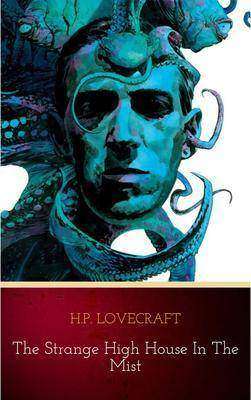
The Strange High House in the Mist
¥9.00
"The Strange High House in the Mist" is a short story by H. P. Lovecraft. Written on November 9, 1926, it was first published in the October 1931 issue of Weird Tales. It concerns a character traveling to the titular house which is perched on the top of cliff which seems inaccessible both by land and sea, yet is apparently inhabited. Thomas Olney, a "philosopher" visiting the town of Kingsport, Massachusetts with his family, is intrigued by a strange house on a cliff overlooking the ocean. It is unaccountably high and old and the locals have a generations-long dread of the place which no one is known to have visited.


