The Tragedy of Julius Caesar
¥18.74
Mülkiyet kar??t? ya?l? anar?ist, hayat?n?n son y?llar?nda ironik bir durumda kald?. ?svi?re vatanda?l???na girmenin yollar?n? arayan Bakunin'e sunulan se?enek, orada bir ev sahibi olmas?yd? ve belki de en hazini, sahip olaca?? bu ev nedeniyle, polisin, resm? tutanaklara “Michael Bakunin, rantiye” notunu dü?mesiydi. 18 May?s 1814'te Rusya'da do?an Michael Aleksandrovich Bakunin, 1 Temmuz 1876'da ?ldü?ünde ülkesinden ?ok uzaklardayd? ve cenazesinde yaln?zca 30–40 ki?i vard?. Gen? Bakunin i?in, “A?k, insan?n yeryüzündeki en üst misyonuydu. Bir insan?n kendini a?ks?z vermesi, Kutsal Ruh’a kar?? i?lenmi? bir günaht?”.. ?Kad?nlar taraf?ndan olduk?a ?ekici bulunan Mihail'in ise kad?nlarla ili?kisi hep ruhsal bir a?k olarak kald?.??svi?re'nin muhte?em manzaras? e?li?inde George Sand romanlar? okuyan Bakunin, Frans?z dü?üncesinin Alman dü?üncesinden üstün oldu?u inanc?n? sa?lamla?t?r?yordu. ? Bakunin, Marx i?in, “O, beni duygusal idealist olarak adland?r?yordu; hakl?yd?. Ben de onu, hoyrat, kendini be?enmi? ve ac?mas?z olarak de?erlendiriyordum; ben de hakl?yd?m” diyordu.. ? Kendisine ili?kin konularda kindar olmayan Bakunin, Herzen'in kar?s?na g?sterdi?i so?uklu?u hayat?n?n sonuna kadar unutamad?.?“Art?k reaksiyonun muzaffer gü?lerine kar?? Sisifos'un ta??n? yuvarlamak i?in ne gerekli güce ne de güvene sahibim. Bu yüzden, mücadeleden ?ekiliyor ve arkada?lar?mdan tek bir iyilik bekliyorum: "Unutulmak”,?Orta ve ge? on dokuzuncu yüzy?lda, radikal sol –yani, a?g?zlü kapitalizm ele?tirmenleri ve sanayi i??ilerinin ?zgürlü?ünün savunucular?– iki temel franksiyona ayr?l?yordu: Marksistler ve anar?istler. Kabaca s?ylemek gerekirse (ki bu son derece kar???k bir hik?yedir), kazanan Marksistler oldu ve yirminci yüzy?l?n tüm ba?ar?l? sol devrimleri –Rus, ?in ve Küba, ?rne?in– Marksist ilkelere ba?l?l?klar?n? ilan ettiler. ? Marksistler ile anar?istler aras?ndaki sava? bu noktada tarihsel bir meraktan ?te devam eden bir meseledir. Pi?man olmayan ya da ele?tirilmeyen tek ger?ek Marksist sol Kim Jong Il ve taraf etraftaki birka? entelektüel ve profes?rdür. Anar?izm ise uygulanabilir bir toplumsal hareket olarak ?kinci Dünya Sava??yla yava? yava? tükenmeye yüz tutmu?ken küreselle?me kar??t? hareket ve d?nemimizin di?er radikalizmleri i?inde yeniden dirilmeye ba?lam??t?r. ? Ne var ki, d?neminde –Marx’?n di?erleriyle aras?ndaki– bu sava? bir ?lüm kal?m meselesiydi ve Marksizm muhtemel kapitalizm kar??t? olarak ve yan? s?ra anar?izm kar??t? olarak tan?mlan?yordu. Asl?nda, Marx’?n yazarl??? anar?izme y?nelik sald?r?lar? a??s?ndan handiyse gülün? bir geni?li?e ula?m??t?r. Marx’?n Alman ?deolojisi kitab?n?n büyük b?lümü –yüzlerce sayfas?– bireyci/anar?ist Max Stirner’e y?nelik bir sald?r?dan ibarettir. Felsefenin Sefaleti Proudhon’a kar?? büyük?e bir fikir sava??d?r. Marx onca zaman ve enerjisini Bakunin’e sald?rmaya harcam??t?r: ?“dangalak!”?“canavar, et ve ya? y???n?,” “sap?k” vesaire: ?bu tabirler, has?mlar? s?z konusu oldu?unda Marx’?n bildik üslubudur: yazarl??? yar? bilimsel inceleme, yar? s?zlü tacizdir. Marx’?n, gerek kendi a?z?ndan gerekse de kimi s?zcülerini kullanarak ony?llar boyunca y?neltti?i ve muhtemelen di?erleri denli e?lenceli olmayan var olan su?lamas?, Bakunin’in bir muhbir oldu?u y?nündeydi ve Marx’?n bu ba?ar?l? sald?r?lar? nihayetinde Bakunin’in Enternasyonal ???i Z?mb?rt?s?ndan tasfiyesine yol a?t?.. ?
A kalózkirály
¥8.67
Euthyphro (Ancient Greek: Euthuphron) is one of Plato's early dialogues, dated to after 399 BC. Taking place during the weeks leading up to Socrates' trial, the dialogue features Socrates and Euthyphro, a religious expert also mentioned at Cratylus 396a and 396d, attempting to define piety or holiness. Background The dialogue is set near the king-archon's court, where the two men encounter each other. They are both there for preliminary hearings before possible trials (2a).Euthyphro has come to lay manslaughter charges against his father, as his father had allowed one of his workers to die exposed to the elements without proper care and attention (3e–4d). This worker had killed a slave belonging to the family estate on the island of Naxos; while Euthyphro's father waited to hear from the expounders of religious law (exegetes cf. Laws 759d) about how to proceed, the worker died bound and gagged in a ditch. Socrates expresses his astonishment at the confidence of a man able to take his own father to court on such a serious charge, even when Athenian Law allows only relatives of the deceased to sue for murder. Euthyphro misses the astonishment, and merely confirms his overconfidence in his own judgment of religious/ethical matters. In an example of "Socratic irony," Socrates states that Euthyphro obviously has a clear understanding of what is pious and impious. Since Socrates himself is facing a charge of impiety, he expresses the hope to learn from Euthyphro, all the better to defend himself in his own trial. Euthyphro claims that what lies behind the charge brought against Socrates by Meletus and the other accusers is Socrates' claim that he is subjected to a daimon or divine sign which warns him of various courses of action (3b). Even more suspicious from the viewpoint of many Athenians, Socrates expresses skeptical views on the main stories about the Greek gods, which the two men briefly discuss before plunging into the main argument. Socrates expresses reservations about such accounts which show up the gods' cruelty and inconsistency. He mentions the castration of the early sky god, Uranus, by his son Cronus, saying he finds such stories very difficult to accept (6a–6c). Euthyphro, after claiming to be able to tell even more amazing such stories, spends little time or effort defending the conventional view of the gods. Instead, he is led straight to the real task at hand, as Socrates forces him to confront his ignorance, ever pressing him for a definition of 'piety'. Yet, with every definition Euthyphro proposes, Socrates very quickly finds a fatal flaw (6d ff.). At the end of the dialogue, Euthyphro is forced to admit that each definition has been a failure, but rather than correct it, he makes the excuse that it is time for him to go, and Socrates ends the dialogue with a classic example of Socratic irony: since Euthyphro has been unable to come up with a definition that will stand on its own two feet, Euthyphro has failed to teach Socrates anything at all about piety, and so he has received no aid for his own defense at his own trial (15c ff.).
Скоропадський. Спогади 1917-1918
¥22.74
Potere, cortigianeria, dispotismo, libertà, uguaglianza... attuali o inattuali la satira d'Holbach e La Boétie? Cambiano i tempi e i nomi, ma la natura umana nel suo fondo negli ultimi secoli non è mutata. Com'è virtù di tutti i classici, le loro voci continuano a farci sorridere, indignare e riflettere non solo sul passato ma ugualmente sul presente e sul futuro, su quanto in esso ci possa essere di desiderabile o indesiderabile. In Appendice, i testi si possono leggere anche nella loro originaria edizione in francese. SOMMARIO?- Fabrizio Pinna, Una introduzione (in due tempi) e qualche digressione: I. Barone d'Holbach, "Quest'arte sublime dello strisciare"...; II. ?tienne de La Boétie, "Siate determinati di non voler più servire ed eccovi liberi"... . LIBERT? & POTERE: Paul Henri Thiry d'Holbach, Saggio sull'arte di strisciare ad uso dei cortigiani; Paul Henri Thiry d'Holbach, I Cortigiani; Jean le Rond d'Alembert, Cortigiano; ?tienne de La Boétie, La servitù volontaria. APPENDICE I: Libertà Uguaglianza (1799)- Il Cittadino Editore. APPENDICE II: Essai sur l’art de ramper, à l’usage des courtisans (1764) - Paul Henri Thiry d'Holbach; Des Courtisans (1773) - Paul Henri Thiry d'Holbach; Courtisan (1752) / Courtisane (1754) - Jean le Rond d'Alembert; Discours de la servitude volontaire o Contr'un (1549) - ?tienne de La Boétie.?LE COLLANE IN/DEFINIZIONI & CON(TRO)TESTI
La drum cu Platon. Ce spun filosofii despre na?tere, iubire
¥49.62
n concepia religioas a lui Gogol, diavolul este esena mistic i fiina real n care sa concentrat negarea lui Dumnezeu, rul etern. Gogol, ca artist, la lumina rsului, studiaz natura acestei esene mistice; ca om, cu arma rsului, lupt mpotriva acestei fiine reale: rsul lui Gogol este lupta omului cu diavolul. Dumnezeu este infinitul, sfritul i nceputul existenei; diavolul este negarea lui Dumnezeu i, prin urmare, negarea oricrui nceput i a oricrui sfrit; diavolul este nceputul i neterminatul care se d drept nenceput i infinit; diavolul este mijlocul numenal al existenei, negarea tuturor profunzimilor i culmilor, este platitudinea etern, venica trivialitate. Unicul obiect al creaiei gogoliene este diavolul chiar n acest sens, adic drept manifestare a nemuritoarei trivialiti omeneti”, observat dincolo de toate condiiile de timp i de spaiu – de istorie, popor, stat, societate –, manifestarea rului indiscutabil, etern i universal; – trivialitatea sub speciae aeterni, sub nfiarea eternitii”. (Dmitri Merejkovski)
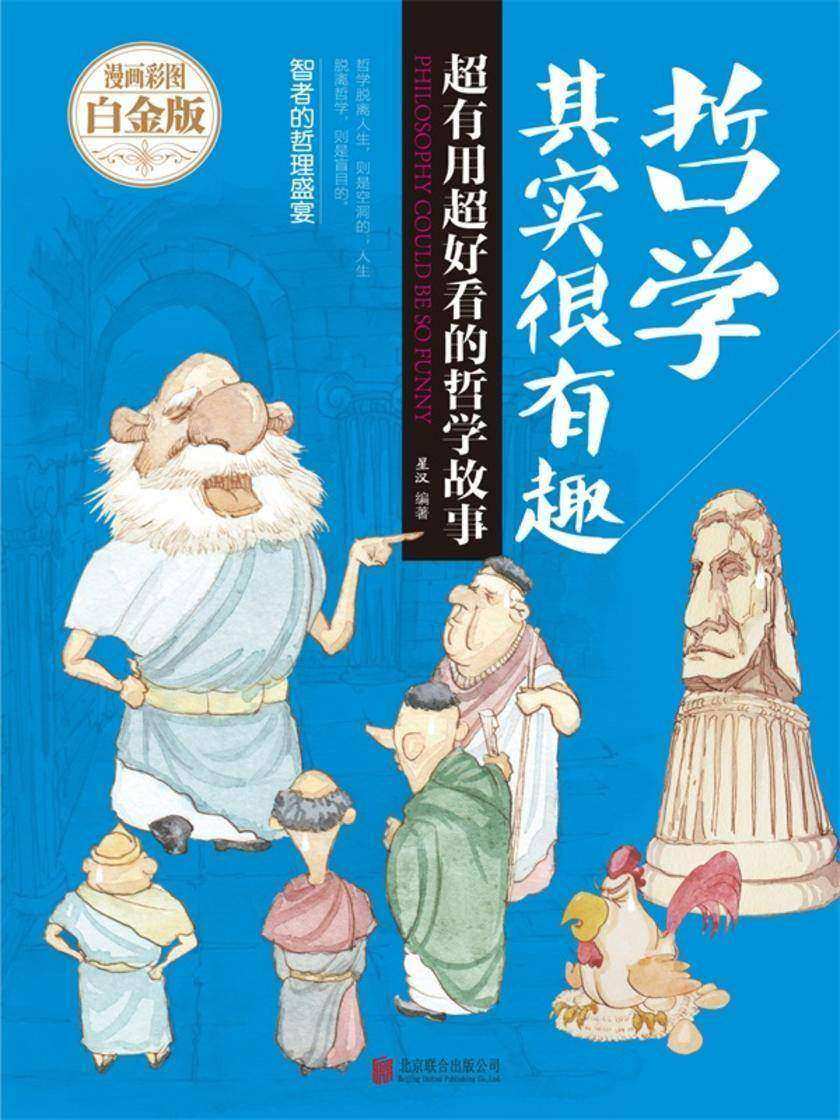
哲学是很好玩儿的(套装共15册)
¥229.99
《哲学是很好玩儿的》(套装共15册)包括生命哲学、心灵哲学等多种哲学思想结晶,读者可以从入门开始,通过通俗易懂的方式学会如何用哲学思维思考,感受哲学里的自我和世界,帮读者重新审视自我和我们栖居的世界,以及和这个世界的关系,捕捉心中迸发的迷惑与感悟,进而把它们锤炼为人生的智慧。
如何形成清晰的观点(美国实用主义创始人皮尔士告诉你:如何科学地进行深思考、逻辑推理、准确表达)
¥24.99
在人们的思维活动中,有许多种想法,却不知怎样表达。该如何形成自己清晰的观?这种观又是怎样决定人们的习惯从而影响人们的现实生活?什么样的观是有效的观? 美国实用主义哲学创始人查尔斯·S.皮尔士(Charles Sanders Peirce)在本书中有效地回答了这些问题。他系统阐述了自己对此问题的见解:首先探讨了人们在面对纷繁复杂的世界时,是如何一步一步形成清晰的观;其次对人们在形成具体而清晰的观过程中常用的几种方法行了分析。查尔斯·S.皮尔士认为,在面对具体情形时,人们不仅仅要找到所隐藏的前提条件或原则,更要有意识地把它们表达出来,这样才有利于行分析和表达,而积极、有效地影响或改变生活和工作。 阅读本书,可以培养人们在学习和工作中科学地行深度思考、逻辑推理与准确表达。?
20世纪马克思主义发展史·第二卷(马克思主义研究论库·第二辑)
¥74.00
19世纪末20世纪初,是人类社会发生深刻变化的关键时期,也是马克思主义发展的重要时期。如何认识资本主义新变化的本质?马克思主义在时代新变化面前还有没有生命力?在新的历史条件下无产阶级面临的*紧迫任务及其实现路径是什么?以列宁为代表的马克思主义者,科学地回答了时代提出的重大问题,与各种错误思潮展了坚决斗争,有力地推了马克思主义的重大发展,为马克思主义在20世纪波澜壮阔的历史揭了精彩的序幕。 在《20世纪马克思主义发展史》(九卷本)的体系结构中,本卷具有反映历史承、时代转换和内容综合的特殊性质,总体遵循逻辑与历史相统一的思路,采用史论结合的叙述方法,着力考察19世纪末至十月革命前马克思主义发展史上的重大事件、重要人物、重著作,力图全面、准确地反映这一时期马克思主义发展的历史风貌。
境界形而上学——中国哲学的一种解读
¥39.90
本书论述了形而上学的基本含义,比较说明了中西形而上学的差异与会通,探讨了境界形而上学的内涵,主张哲学意义上的实事求是与真善美的自由人格的内在统一。本书通过境界形而上学的视角探索中国哲学中儒释道的本体、工夫、境界三者的统一,揭示了儒释道所说的本体与人的关系,即本体与人的存在内在相连,并由人的道德实践而呈现在精神境界上。
未读小经典:苏格拉底之死
¥18.99
苏格拉底之死,是古希腊哲学的分水岭,也是欧洲乃至世界历史上重要的文化事件之一。本书收选的三篇柏拉图对话:“申辩篇”“克里同篇”和“斐多篇”——分别记述了苏格拉底在审判时、狱后和服刑前的经历。这三篇完整地展现了甘为信仰和真理献身的苏格拉底对自我、对人生价值、对生命和灵魂的看法,让我们在领略他光辉独具的人格与思想魅力的同时,更好地了解到古希腊人是如何将哲学与生活结合在一起的。
贺麟全集:文化与人生(全新升级版)
¥69.00
《文化与人生》是哲学家贺麟撰写于抗战时期的论文集,是贺麟先生前期思想的代表作。《文化与人生》中每一篇文字都是为中国当时迫切的文化问题、伦理问题和人生问题所引起,而根据贺麟先生读书思想体验所得去加以适当的解答。这些解答所取的途径,如从学派的分野来看,似乎比较近中国的儒家思想,和西洋康德、费希特、黑格尔所代表的理想主义。《文化与人生》中大都系亲切地自道所思所感和所体察到的新意思,以与青年朋友们谈心论学。 《文化与人生》涉及人生、道德、教育、法制、宗教、中西文化与哲学各个方面,贺麟先生针对当时的现实问题行了思考与解答。贺麟先生注重将中国传统文化与西方哲学融合在一起,相互吸收、补充。同时,拒绝空谈自由、民主、平等等口号,而是讨论在现实生活中,如何使人们树立起自由、民主、平等的精神。
交往理性与权力批判(曹卫东学术文集)
¥25.00
《交往理性与权力批判》既是作者对法兰克福学派发展沿革的小记、对哈贝马斯个人及其思想关键词的剖析,也同时阐明了作者自身如何从理论和思想上向哈贝马斯靠近,涵盖作者同哈贝马斯的个人交往、哈贝马斯与中国学界的交往、国人对哈贝马斯思想理论的受过程,等等;此外作者还专门梳理了著名的“1968”学生运动的历史细节,重凸显了在此运动中法兰克福学派与学生的各种互动及交锋。
历史唯物主义与当代中国(马克思主义理论研究与当代中国书系)
¥46.80
本书坚持马克思主义社会历史观的基本观和基本原理,在存在论的高度上阐释了马克思的生产、劳动、资本、现代和历史等概念。主要内容包括:历史唯物主义是科学的历史观、人类社会和自然界、生产力和生产关系、经济基础和上层建筑、社会意识、科学及其在社会历史中的地位和作用等。
心:稻盛和夫的一生嘱托
¥59.00
回首审视近90年的人生跨度,复盘超过半个世纪的经营经验,稻盛和夫想要把"构建人生的基石"的智慧传达出来。稻盛和夫认为,不管什么样的人,只要活着就有享受幸福的权利。而人生所有的际遇都是由自己的内心吸引而来,你在内心描绘的蓝图,决定了你将度过的人生。所以,心纯见真,了悟关于心的能量意义,就有机会大大改变人生。这既是给人生带来幸福的钥匙,也是通向成功的秘诀。
哲学研究附注解合集
¥69.99
本书集中了维特根斯坦从1930年重回剑桥从事哲学工作到1946年这段时间的主要思想精华,包含了他所处理的大部分哲学话题。 《哲学研究》主要是从语言角度手处理哲学问题的,这些杂驳的哲学问题包括:词语和命题的意义是什么?什么是理解和意谓?逻辑和语言的关系是什么?数学到底有没有基础?人的意识状态该如何得到表达?是否存在一种私人语言?意向性的本质是什么?…… 维特根斯坦以一种崭新的方式为这些古老的哲学问题给出了自己的解答,其紧张的思想分析和逼问创了一种名为“日常语言分析”的哲学派别。
孟子诵读本(插图版) 中华书局出品
¥22.80
《孟子诵读本》(插图版)是“中华经典诵读工程配套读本”之一,专为4—12岁的青少年儿童编写,我们依据版本收录《孟子》全文,并附有拼音,对难字、难词、难句做了精炼、准确、易懂的注释,同时,配有大量与文字密切关联的图片,让读者在愉悦的审美中,品味经典的魅力。
存在主义(精)--陈鼓应著作集 中华书局出品
¥38.40
《存在主义》是陈鼓应编集的一本介绍存在主义及其主要哲学家、文学家思想和作品的书,分为三部分:“存在主义哲学”“存在主义哲学家”和“存在主义文集”。 存在主义是二十世纪z重要的哲学流派,强调个人、独立自主和主观经验,主要包括有神论的存在主义、无神论的存在主义和人道主义的存在主义三大类。存在主义以人为中心,尊重人的个性和自由,认为,人是在无意义的宇宙中生活,人的存在本身也没有意义,但人可以在存在的基础上自我造就,活得精彩。该学派z著名和z明确的倡议是萨特的格言——“存在先于本质”。意思是,除了人的生存之外,没有天经地义的道德或体外的灵魂,道德和灵魂都是人在生存中创造出来的;人没有义务遵守某个道德标准或宗教信仰,人有选择的自由。
周易诵读本(插图版) 中华书局出品
¥21.00
《周易诵读本》(插图版)是“中华经典诵读工程配套读本”之一,专为4—12岁的青少年儿童编写,我们依据版本收录《周易》全文,并附有拼音,对难字、难词、难句做了精炼、准确、易懂的注释,同时,配有大量与文字密切关联的图片,让读者在愉悦的审美中,品味经典的魅力。
大学中庸译注--国民阅读经典(平装) 中华书局出品
¥7.00
《国民阅读经典》丛书的缘起,也因此决定了这套丛书的几个特:? 首先,选的经典是指古今中外人文社科领域的名著。世界的眼光、历史的观和中国的根基,是我们编选这套丛书的三个基本的立足。? 第二,选的经典,不是指某时某地某一专业领域之内的重要著作,而是指历经岁月的淘洗、汇聚人类重要的精神创造和知识积累的基础名著,都是人人应读、和常读的名著。? 第三,选的经典,我们坚持优中选优的原则,尽量选择好的版本,选择好的注本或译本。
庄子的世界(2019中国好书) 中华书局出品
¥23.80
《庄子》是中国古代典籍中的瑰宝,庄子文章以其特有的瑰丽想象、变幻莫测的故事,构成了别具一格的世界。清代文学家刘熙载评其文“意出尘外,怪生笔端”,鲁迅先生也说:“其文汪洋辟阖,仪态万方,晚周诸子之作,莫能先也。”所谓以谬悠之说,荒唐之言,无端崖之辞, 来结构文章,给人以新奇有趣之感。但《庄子》中涉及的大量历史典故以及纵横浪漫的文风,有时又让人难以准确明白地理解,所以此书又比较难懂。鉴于以上特,王景琳、徐匋二位学者拈出《庄子》中比较重要而有争议的意象、事物、词语等,行深浅出的分解与辨析,使枯奥晦涩的关节得以准确而平实的疏通与解读,为更加深、准确地读懂《庄子》,扫清了障碍,带读者真正“庄子的世界”。
美的救赎
¥24.99
美如今正处于一种矛盾的处境。 一方面,它如通货膨胀般蔓延四溢:到处都可以感受到人们对美的狂热崇拜。另一方面,美失去了一切超越性,屈服于消费的内在性:它塑造了资本的美学的一面。美以及崇高或震动所带来的对消极性的体验,完全被纯粹的快乐即赞所取代。美*终被色情化。 本书既为我们展示了那些以真理、灾难或诱惑表现出来的美的形式,也阐明了那些建立美的伦理或政治的美的维度。 阅读韩炳哲的书,意味着不断地被鞭策唤醒。……他的社会批判虽然不谙体恤之情,然而韩炳哲仍然热情地拥抱自己所处的这个时代。 ——《周刊》 ------------- 韩炳哲作品系列(见识城邦出品)(已出齐) 《精神政治学》(2019年3月) Psychopolitik 《爱欲之死》(2019年3月) Agonie des Eros 《在群中》(2019年3月) Im Schwarm 《他者的消失》(2019年6月) Die Austreibung des Anderen 《倦怠社会》(2019年6月) Müdigkeitsgesellschaft 《娱乐何为》(2019年6月) Gute Unterhaltung 《暴力拓扑学》(2019年10月) Topologie der Gewalt 《透明社会》(2019年10月) Transparenzgesellschaft 《美的救赎》(2019年10月) Die Errettung des Sch?nen
Delphi Complete Works of Walt Whitman (Illustrated)
¥16.27
This is the fifth volume of a new series of publications by Delphi Classics, the best-selling publisher of classical works. Many poetry collections are often poorly formatted and difficult to read on eReaders. The Delphi Poets Series offers readers the works of literature’s finest poets, with superior formatting. This volume presents the complete poetical works of Walt Whitman, with beautiful illustrations and the usual Delphi bonus material. (Version: 1) * Beautifully illustrated with images relating to Whitman’s life and works * Concise introductions to the poetry and other works * Images of how the poetry books were first printed, giving your eReader a taste of the original texts * Excellent formatting of the poems * Special chronological and alphabetical contents tables for the poetry * Easily locate the poems you want to read * Includes two collections of Whitman’s letters – spend hours exploring the poet’s personal correspondence * Also includes Whitman’s scarce novel FRANKLIN EVANS, appearing here for the first time in digital print * Features the complete prose works * Scholarly ordering of texts into chronological order and literary genres CONTENTS: The Poetry Collections LEAVES OF GRASS, 1855 LEAVES OF GRASS, 1892 OLD AGE ECHOES UNCOLLECTED AND REJECTED POEMS The Poems LIST OF POEMS IN CHRONOLOGICAL ORDER LIST OF POEMS IN ALPHABETICAL ORDER The Novel FRANKLIN EVANS Other Prose Works LIST OF PROSE WORKS The Letters THE WOUND DRESSER THE LETTERS OF ANNE GILCHRIST AND WALT WHITMAN

购物车
个人中心