


 购物车
购物车 个人中心
个人中心
Eu - ?i el. ?nsemn?ri subiective despre Ceau?escu
¥54.10
De?i frecvent contestat f?r? s? fie citit, Karl Marx r?m?ne a fi unul dintre cei mai importan?i g?nditori ai omenirii, r?u ?n?eles ?i, ?n ciuda celebrit??ii sale, r?u cunoscut; selec?ia – prima de dup? 1990 – f?cut? de marele c?rturar Ion Iano?i demonstreaz? r?spicat acest lucru.

Be? Kavram, Be? Deneme: (inan?, ?zgür irade, ya?am?n anlam?, ahlak, mutluluk)
¥9.40
Bu alma ilk olarak ekim 2007`de bir internet sitesinde (exlibrary.com) e-kitap formunda yaymland; daha sonra birinci kitabmn ikinci blümünde yer ald. Bu almay tekrar gzden geirip küük baz düzeltmeler yaptm. Bu kitapn ilham kayna Thomas Nagel’in “Her ey Ne Anlama Geliyor” balkl eseridir. 70 sayfalk bu küük ama youn kitab okuduumda hayran olmutum. Nagel almasnn giri blümünde unlar yazm: “Günümüzün ve gemiin büyük filozoflarndan seilmi metinler ieren birok harika giri el kitab vardr. Elinizdeki bu küük kitap onlarn yerine geecek türden bir kitap deildir. Onun, yalnzca, konuya olabildii kadar ak ve dorudan bir ilk deerlendirme sunmasn umuyorum.” Ben de aynsn umarak bu almaya ykündüm ve ortaya bu be deneme kt. Daha nce yaymlanm bu denemelerin yeniden yaymlanmasnn anlam hakl olarak sorulabilir. Ben de derim ki belki yeni baz okurlarn ilgisini ekebilir belki de yeniden okunabilir. Bu sefer de neden yeniden okunsun ki diyenler kabilir; ben de Borges’in bir szünü aktarmakla yetinirim: “Okumak nemli deildir, nemli olan yeniden okumaktr.” Yazar Hakknda Prof. Dr., 1955 doumlu. 1976 da Ankara niversitesi Fen Fakültesi kimya mühendislii blümünden mezun oldu. Eskiehir Anadolu ve Eskiehir Osmangazi niversitesinde retim üyesi olarak alt. 2002 de emekli oldu. Akademik yaynlar haricinde felsefe konusunda sobil yaynclk tarafndan yaymlanm ü kitab vardr: 1.“Düünmek zerine Düünmek” (2009), 2. “Zorunluluk ve Sorumluluk” (2012), 3.“Nietzsche ve Schopenhauer ile küük bir sylei” (2018).
Enders
¥65.32
Dialoguri cu Vasile Dem. Zamfirescu consemnate de Leonid DragomirLa Facultatea de Filosofie din Bucure?ti unde eram studen?i exista pe atunci mult? libertate ?n alegerea cursurilor pe care doream s? le urm?m. Se afi?a la ?nceputul anului universitar o list? a cursurilor obligatorii ?i op?ionale, acestea din urm? fiind majoritare. A?a am descoperit cursul de Psihanaliz? filosofic? al profesorului Vasile Dem. Zamfirescu, despre care ?tiam vag c? fusese unul dintre discipolii lui Constantin Noica. Atmosfera de libertate ?n care ne mi?cam se reg?sea ?n totalitate aici. Cursul ne interesa at?t prin con?inutul lui — care adolescent n-a fost fascinat de psihanaliz?! — c?t ?i prin rigoarea ?i claritatea expunerii. De?i nu mai predase p?n? atunci, Vasile Dem. Zamfirescu era cu adev?rat profesor. Seminariile erau ?ns? ale noastre. Aici se iscau polemici, se propuneau interpret?ri insolite, se scriau ?i se citeau eseuri inspirate de noile probleme ?i lecturi. De obicei dep??eam limitele temei propuse, astfel ?nc?t totul ar fi putut degenera ?ntr-un dialog al surzilor sau ?n divaga?ii sterile dac? n-ar fi existat polul magnetic: profesorul. Nu numai c? el aducea, cu mult tact, discu?ia pe f?ga?ul normal, la obiect, dar opiniile noastre, oric?t de ?ndr?zne?e, vizau direct sau indirect aprobarea lui. Aceasta uneori venea, alteori nu, dar ceea ce conta pentru noi era faptul de a ne ?ti asculta?i. Sim?eam c? el poate s? vad? ?n spusele noastre sau dincolo de ele personalitatea noastr? ?ntreag?. De aceea voiam s? d?m totul ?n acele seminarii care treceau at?t de repede, de?i discu?iile se prelungeau ?n pauze ?i dup? ?ncheierea lor.
Horda
¥72.27
Un mare vinovat f?r? vin?, sihastrul de la Sils-Maria a dinamitat g?ndirea secolului al XIX-lea, figur?nd – al?turi de Dostoievski – printre uria?ii profe?i ai omenirii, care au proorocit nenorocirile ce-au urmat, crimele ?n numele unei idei, rasismul, precum ?i devastatorul totalitarism ro?u. Dincolo de bine ?i de r?u e una dintre capodoperele g?nditorului de la na?terea c?ruia se va s?rb?tori ?n toamna anului 2014 (15 octombrie) 170 de ani.
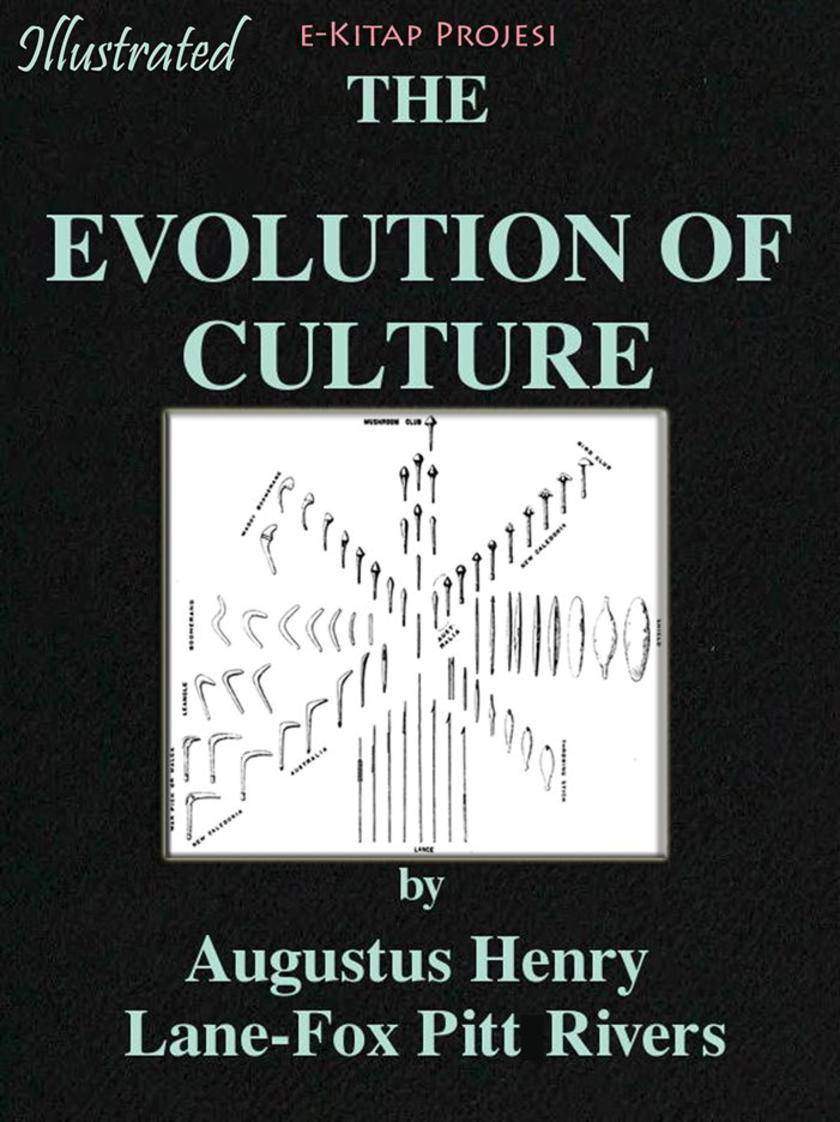
Evolution of the Culture
¥28.04
Paradise Lost is an epic poem in blank verse by the 17th-century English poet John Milton (1608–1674). The first version, published in 1667, consisted of ten books with over ten thousand lines of verse. A second edition followed in 1674, arranged into twelve books (in the manner of Virgil's Aeneid) with minor revisions throughout and a note on the versification. It is considered by critics to be Milton's "major work", and helped solidify his reputation as one of the greatest English poets of his time. The poem concerns the Biblical story of the Fall of Man: the temptation of Adam and Eve by the fallen angel Satan and their expulsion from the Garden of Eden. Milton's purpose, stated in Book I, is to "justify the ways of God to men" Short Summary:The poem is separated into twelve "books" or sections, the lengths of which vary greatly (the longest is Book IX, with 1,189 lines, and the shortest Book VII, with 640). The Arguments at the head of each book were added in subsequent imprints of the first edition. Originally published in ten books, a fully "Revised and Augmented" edition reorganized into twelve books was issued in 1674, and this is the edition generally used today. The poem follows the epic tradition of starting in medias res (Latin for in the midst of things), the background story being recounted later.Milton's story has two narrative arcs, one about Satan (Lucifer) and the other following Adam and Eve. It begins after Satan and the other rebel angels have been defeated and banished to Hell, or, as it is also called in the poem, Tartarus. In Pand?monium, Satan employs his rhetorical skill to organise his followers; he is aided by Mammon and Beelzebub. Belial and Moloch are also present. At the end of the debate, Satan volunteers to poison the newly created Earth and God's new and most favoured creation, Mankind. He braves the dangers of the Abyss alone in a manner reminiscent of Odysseus or Aeneas. After an arduous traversal of the Chaos outside Hell, he enters God's new material World, and later the Garden of Eden. At several points in the poem, an Angelic War over Heaven is recounted from different perspectives. Satan's rebellion follows the epic convention of large-scale warfare. The battles between the faithful angels and Satan's forces take place over three days. At the final battle, the Son of God single-handedly defeats the entire legion of angelic rebels and banishes them from Heaven. Following this purge, God creates the World, culminating in his creation of Adam and Eve. While God gave Adam and Eve total freedom and power to rule over all creation, He gave them one explicit command: not to eat from the Tree of the knowledge of good and evil on penalty of death.
Heart of Darkness
¥9.07
The Republic (Greek: Politeia) is a Socratic dialogue, written by Plato around 380 BC, concerning the definition of (justice), the order and character of the just city-state and the just man, reason by which ancient readers used the name On Justice as an alternative title (not to be confused with the spurious dialogue also titled On Justice). The dramatic date of the dialogue has been much debated and though it must take place some time during the Peloponnesian War, "there would be jarring anachronisms if any of the candidate specific dates between 432 and 404 were assigned". It is Plato's best-known work and has proven to be one of the most intellectually and historically influential works of philosophy and political theory. In it, Socrates along with various Athenians and foreigners discuss the meaning of justice and examine whether or not the just man is happier than the unjust man by considering a series of different cities coming into existence "in speech", culminating in a city (Kallipolis) ruled by philosopher-kings; and by examining the nature of existing regimes. The participants also discuss the theory of forms, the immortality of the soul, and the roles of the philosopher and of poetry in society. Short Summary (Epilogue):X.1—X.8. 595a—608b. Rejection of Mimetic ArtX.9—X.11. 608c—612a. Immortality of the SoulX.12. 612a—613e. Rewards of Justice in LifeX.13—X.16. 613e—621d. Judgment of the Dead The paradigm of the city — the idea of the Good, the Agathon — has manifold historical embodiments, undertaken by those who have seen the Agathon, and are ordered via the vision. The centre piece of the Republic, Part II, nos. 2–3, discusses the rule of the philosopher, and the vision of the Agathon with the allegory of the cave, which is clarified in the theory of forms. The centre piece is preceded and followed by the discussion of the means that will secure a well-ordered polis (City). Part II, no. 1, concerns marriage, the community of people and goods for the Guardians, and the restraints on warfare among the Hellenes. It describes a partially communistic polis. Part II, no. 4, deals with the philosophical education of the rulers who will preserve the order and character of the city-state.In Part II, the Embodiment of the Idea, is preceded by the establishment of the economic and social orders of a polis (Part I), followed by an analysis (Part III) of the decline the order must traverse. The three parts compose the main body of the dialogues, with their discussions of the “paradigm”, its embodiment, its genesis, and its decline.The Introduction and the Conclusion are the frame for the body of the Republic. The discussion of right order is occasioned by the questions: “Is Justice better than Injustice?” and “Will an Unjust man fare better than a Just man?” The introductory question is balanced by the concluding answer: “Justice is preferable to Injustice”. In turn, the foregoing are framed with the Prologue (Book I) and the Epilogue (Book X). The prologue is a short dialogue about the common public doxai (opinions) about “Justice”. Based upon faith, and not reason, the Epilogue describes the new arts and the immortality of the soul. ? About Author: Plato (Greek: Platon, " 428/427 or 424/423 BC – 348/347 BC) was a philosopher in Classical Greece. He was also a mathematician, student of Socrates, writer of philosophical dialogues, and founder of the Academy in Athens, the first institution of higher learning in the Western world. Along with his mentor, Socrates, and his most-famous student, Aristotle, Plato helped to lay the foundations of Western philosophy and science. Alfred North Whitehead once noted: "the safest general characterization of the European philosophical tradition is that it consists of a series of footnotes to Plato." Plato's sophistication as a writer is evident in his Socratic dialogues; thirty-six dialogues and thirteen letters have been ascribed to him, although 15–18 of them have been contested. Plato's writings have been published in several fashions; this has led to several conventions regarding the naming and referencing of Plato's texts. Plato's dialogues have been used to teach a range of subjects, including philosophy, logic, ethics, rhetoric, religion and mathematics. Plato is one of the most important founding figures in Western philosophy. His writings related to the Theory of Forms, or Platonic ideals, are basis for Platonism. ? Early lifeThe exact time and place of Plato's birth are not known, but it is certain that he belonged to an aristocratic and influential family. Based on ancient sources, most modern scholars believe that he was born in Athens or Aegina between 429 and 423 BC. His father was Ariston. According to a disputed tradition, reported by Diogenes Laertius, Ariston traced his descent from the king of Athens, Codrus, and the king of Messenia, Melanthus. Plato's mother was Perictione, whose family boasted of a relationship with the famous Athenian lawmaker an
The Jewel of Seven Stars
¥40.79
Malcolm Ross, a young barrister, is awakened in the middle of the night and summoned to the house of famous Egyptologist Abel Trelawny at the request of his daughter, Margaret, with whom Malcolm is enamored. Once Malcolm arrives at the house, he meets Margaret, Superintendent Dolan, and Doctor Winchester, and learns why he has been called: Margaret, hearing strange noises from her father’s bedroom, woke to find him unconscious and bloodied on the floor of his room, under some sort of trance.
老子诵读本(插图版) 中华书局出品
¥9.00
《老子诵读本》(插图版)是“中华经典诵读工程配套读本”之一,专为4—12岁的青少年儿童编写,我们收录《老子》全文,并附有拼音,对难字、难词、难句做了精炼、准确、易懂的注释,同时,配有大量与文字密切关联的图片,让读者在愉悦的审美中,品味经典的魅力。

一切都是最好的安排2
¥45.00
人之所以活得累,一是因为太认真,二是因为太想要。 佛经上说:“无常故苦。”就是让我们知道:人生是有缺陷的,没有什么是永恒的,身体会生病衰老,容颜、情感会生变,金钱不能永远保有,权力有一天终会失去…… 有人问佛陀,你今生得到了什么呢?佛陀说:“我今生什么都没得到,我失去的只是我的无知。”没有什么比失去无知更让人安心、欢喜。如果在我们的生命历程中越早失去无知,越来越多的时候失去无知,我们就能享受得到佛陀的加持,改变“一切是常,一切都不会变”的执着,终于懂得“无常,就是无限的可能性”,从此不再盲冲瞎撞,始勇猛精,把无常变为奇迹,把充满缺陷的人生转为圆满。也从此,活得欢喜,一切都是*好的安排。
林语堂谈人生
¥2.00
人生读来几乎像一首诗。它有其自己的韵律和拍子,也有其生长和腐坏的内在周期。它的开放就是天真烂漫的童年时期,接着便是粗拙的青春时期,粗拙地企图去适应童年时期,接着便是粗拙的青春时期,粗拙地企图去适应成熟的社会,具有青年的热情和愚憨,理想和野心;后来达到一个活动很剧烈的成年时期,由经验获得利益,又由社会及人类天性上得到更多的经验;到中年的时候,紧张才稍微减轻,性格圆熟了,像水果的成熟或好酒的醇熟那样地圆熟了,对于人生渐渐抱了一种较宽容,较玩世,同时也较慈和的态度。
智者的思辨花园——逻辑辨谬与求真趣谈
¥16.80
本书是在《智慧之藤》(获中国逻辑学会届优秀通俗著作奖)、《逻辑与智慧新编》(列为国家“知识工程”)的基础上,修订而成的逻辑趣谈著作。作者积30多年从事逻辑教学和研究之功力,广泛征引中外历史上的文史典故和现实社会生活中的人物故事,对概念、判断、规律、推理、论证等逻辑常识和逻辑史话,作了深入浅出、清新活泼、趣味盎然的讲解,使读者在轻松阅读中,掌握逻辑学的基本内容。由作者长年积累阐发的大量的逻辑故事,不仅被各种逻辑学专著、教材和通俗读物所转引,而且还时常出现在逻辑习题和考卷之中,其影响之广泛,在同类著作中首屈一指,被学术界誉为迄今为止将逻辑这一深奥枯燥的学问通俗化、趣味化,做得为成功的一部书。
图解厚黑学大全集
¥1.09
《厚黑学》是作者用奇特的思维方式写成的一本奇书,它的问世在某种程度上冲击了当时的一些正统思想,在思想史上更是影响深远。甚至连林语堂、柏杨、李敖、南怀瑾等学问大家也都对其赞不绝。
我们缺什么——尼采的人生哲学
¥9.90
我的人生经验告诉我一个结论,我却对这种结论加以抵制,尽管看似司空见惯,但是我却不愿意相信这个结果:大多数的人缺乏理智的良知。 思想家的著作和文章千差万别;有的人在书中集中了光明,这光明是他们从自己清醒的认识中得来的;而另外一些人的书里则充满了黑暗,那是黎明前在他心灵中形成的灰与黑的复制品。 客观存在的先驱者 不论作者以怎样的眼光看待世人,总会发现那些千差万别的个人都心怀一个使命,即做对人类生存发展有益的事。然而,这种使命感仅仅来自于人们身上存在的一种根深蒂固的、冷漠而又不可征服的行为的本能,而不是出自对人类的博爱。 虽然在日常生活中,人们通常会用一种短浅的目光将周围的人严格地进行区分,考虑他们对自己是有益的,还是有害的;是善的,还是恶的。不过,在对整个群体进 行一个估计和长时间的思考之后,他们便开始对自己的想法产生怀疑,终,他们只好放弃了这种想法。并且,从保存本质的角度来看,有害的人也许往往也是 有益的人,因为他不仅将自身的本能完好地保存了下来,还用自己的行为所产生的效应,保存了他人的本能。如果人类失去了本能的欲望, 那么大概早已和衰亡和毁灭了。
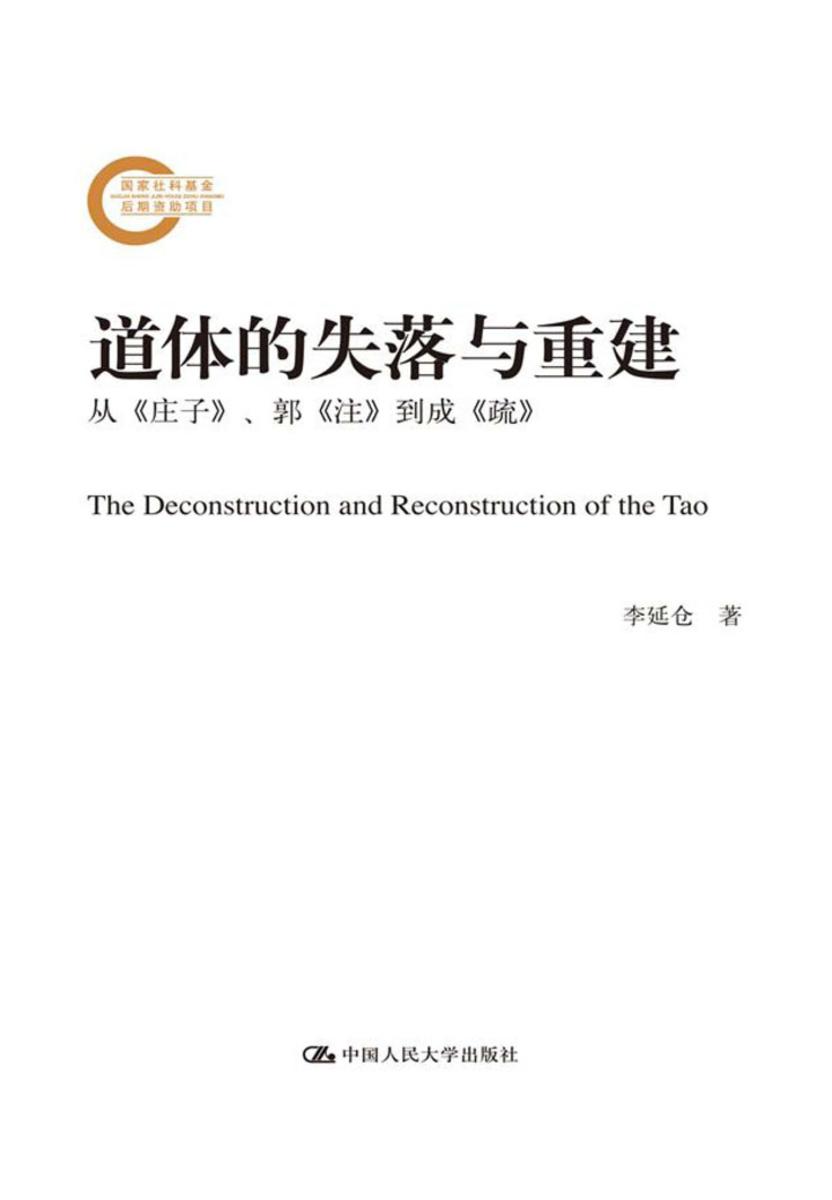
道体的失落与重建——从《庄子》、郭《注》、到成《疏》
¥26.54
《庄子》、郭象《庄子注》、成玄英《庄子疏》,被学界视为庄学史中的三大里程碑。本书超越个案研究、考据学研究等方法,遵循历史与逻辑相统一的原则,采用比较的方法对三者作了研究。本书用具体的史料清晰揭示了三者产生的文化背景及其在《庄》学史中的历史坐标,并从学术思潮的逻辑演进及道体论的视角厘清了三者之间相异的思维理路,再现了由不同的时代感受和文化心态所导致的三者由正而反、由反而合的义理推进过程。

逻辑思维能力与素养
¥15.60
《逻辑思维能力提升与创新人才培养丛书:逻辑思维能力与素养》深入浅出地介绍了逻辑思维的基础知识,全书共分为九章,包括:明确概念、恰当判断、正确推理、概括结论、解释因果、思维规律、有效论证、洞悉假设、识别谬误。每一个问题都体现了一个的基本素养。 提高人的思维能力是教育的根本目的之一。逻辑思维能力主要包括判断真假是非的能力、抽象概括能力、论证反驳能力、理解识别能力、形式推理能力、比较类比能力等,这些能力并非天赋能力,而是可以从幼儿时代开始,不断训练、习得的。作为孩子的任老师——家长,和中小学老师如果能够了解逻辑思维能力训练的常识,提高自身逻辑思维素养,无疑会在训练、开发孩子的逻辑思维能力、养成逻辑思维素养方面起到事半功倍的作用。学生如果能够掌握逻辑思维的基本方法,就可以在各门课程的学习中学会思考、学会理解、学会运用,学习就可以一以贯之,取得更高的学习效率。2013年高考命题中呈现“强调能力,突出思维“的新趋势,一些自主招生院校明确规定“数学和逻辑”是报考文理科学生的必考科目。这表明我国教育界把加强逻辑思维能力的开发与培养在前所未有的高度,并将其与培养创新人才相结合。
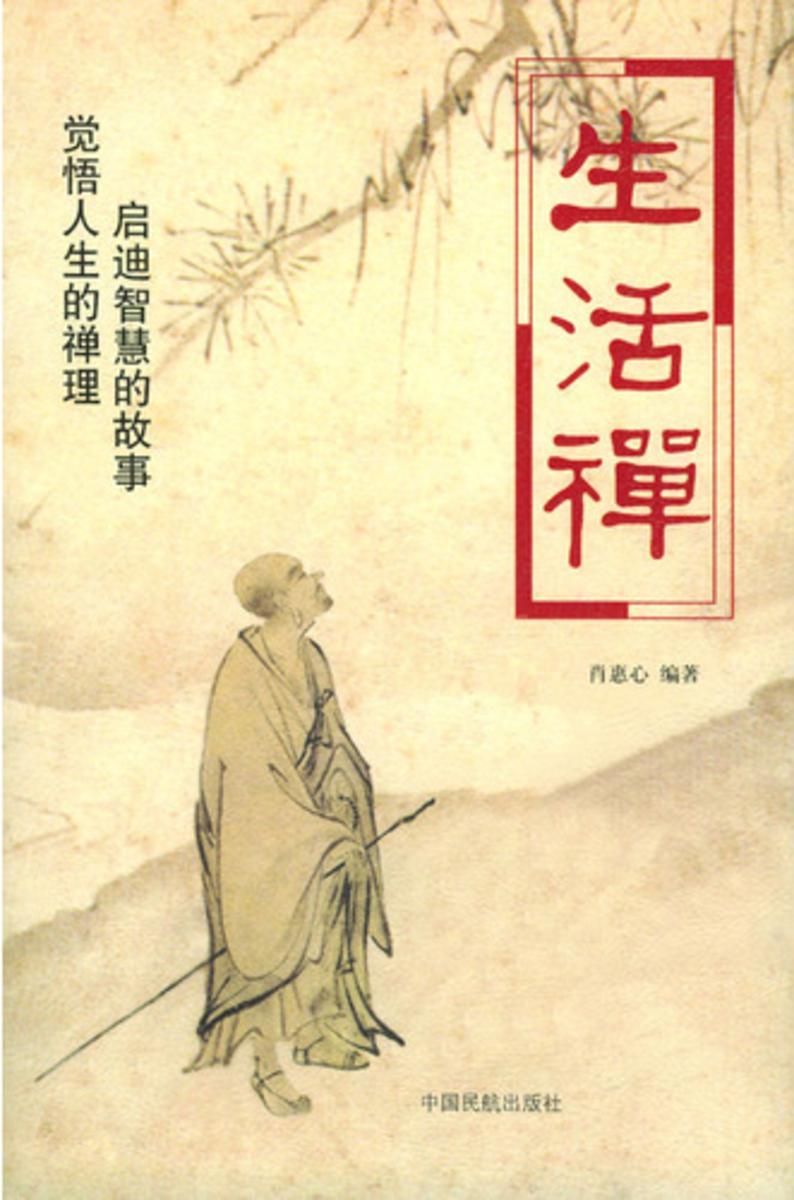
生活禅
¥8.99
禅是一种思考,一种表现,是智慧的结晶。 生活中,既是追求事业、物质和权利,也要注意内在心灵的成长与提升,才能保持生活的平衡、满足和愉悦。这样的目标如何达成?阅读禅的故事可以为你带来实用的生活智慧,让你事半功倍。释迦牟尼在灵山会上说法,他拿着一朵花,面对大家,不发一语,这时听众们面面相觑,不知所以。只有迦叶会心地一笑。于是释迦牟尼便高兴地说:“吾
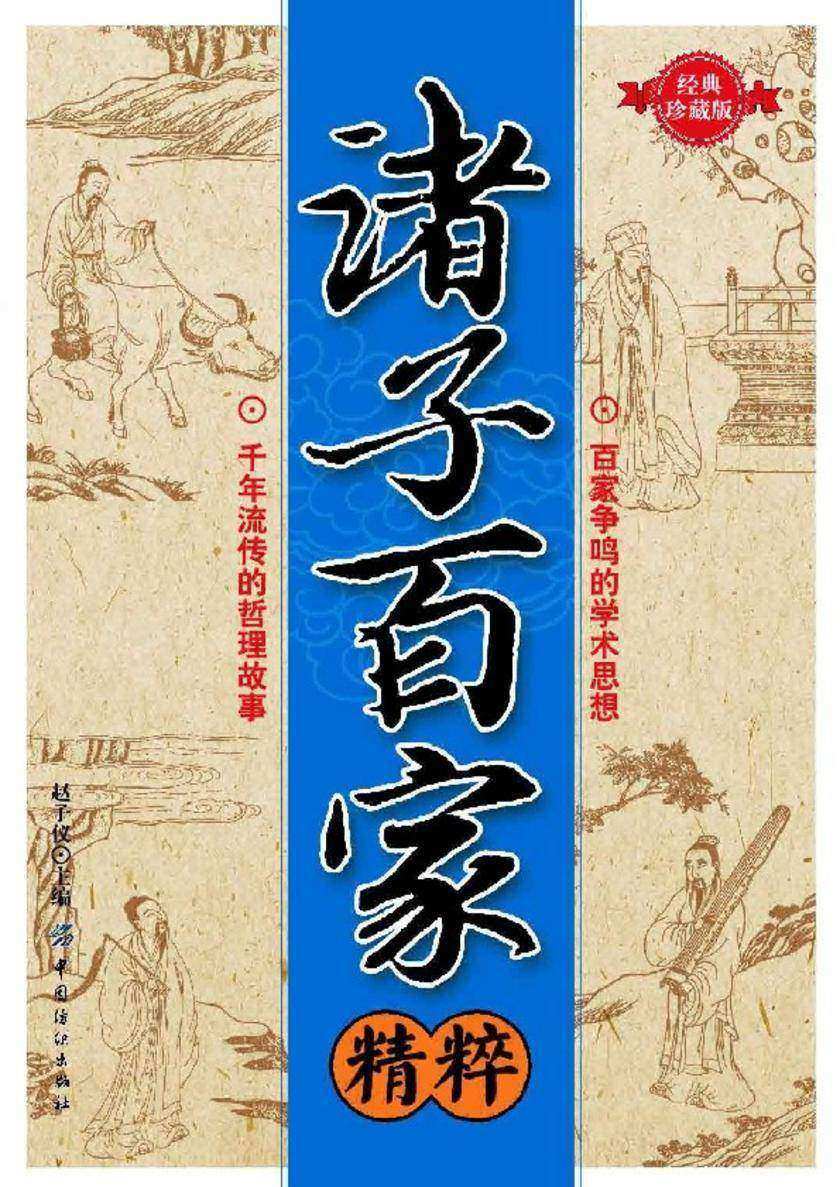
诸子百家精粹
¥2.00
以诸子百家为代表的先秦文化里的一朵奇葩,诸子百家著作更是传承千古的文化经典,是洞彻古今的喻世明言,是集传统文化、哲学、艺术于一体的智慧宝藏。

冰鉴
¥2.00
《冰鉴详注》是曾国藩对自己相人识人的总结,是曾氏一生的智慧结晶,共分七篇,即神骨、刚柔、容貌、情态、须眉、声音、气色等。《冰鉴》原文仅2269字,本书对每篇加以详细的注释、翻译,并对其中的精华部分给以详尽的解析,以便读者更好地理解这部经典奇书。 如何在纷繁复杂的人际交往中甄别人的优劣,是现代人生活中的一大难题。《冰鉴》对于现代人而言,是一本不可多得的智慧的经典,具有十分重要的实用性和启迪性。
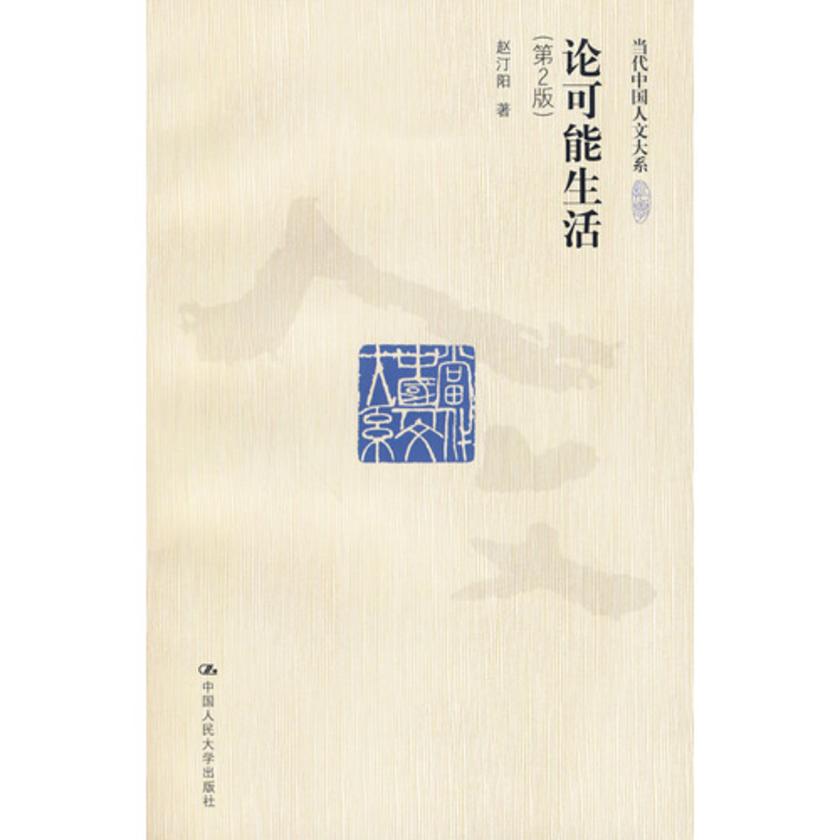
论可能生活
¥22.20
本书以无立场方法论重新分析了幸福和公正问题,试图重建一种综合中西理论优势的当代美德伦理学,其中关于幸福的两条原则,自成目的和他人礼物,典型地表达了作者在美德伦理学上的当代推进。
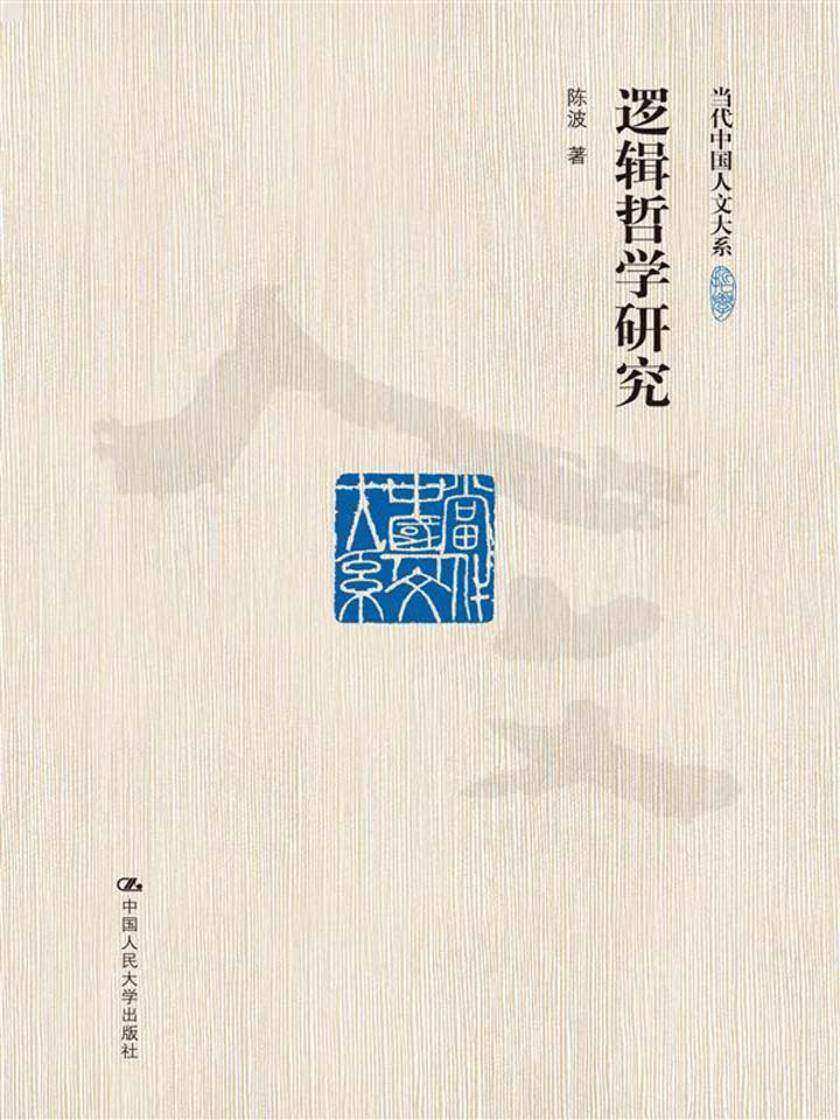
逻辑哲学研究
¥47.40
本书是《逻辑哲学导论》(中国人民大学出版社,2000)一书的增订本。根据引用率排名,曾被列入“有影响力的48本中国哲学著作”之列。本书系统地探讨了如下12个论题:什么是逻辑哲学,意义理论和逻辑类型,摹状词和名称理论,“是”(to be)的逻辑哲学分析,推理、后承关系和蕴涵,形式化方法的哲学考察,模态的形而上学,逻辑真理的性质,逻辑悖论的反思,归纳问题及其解决方案,逻辑中的本体论承诺,逻辑究竟是什么。书末以作者近十年所发表的有关逻辑哲学的5篇重要论文作为附录。
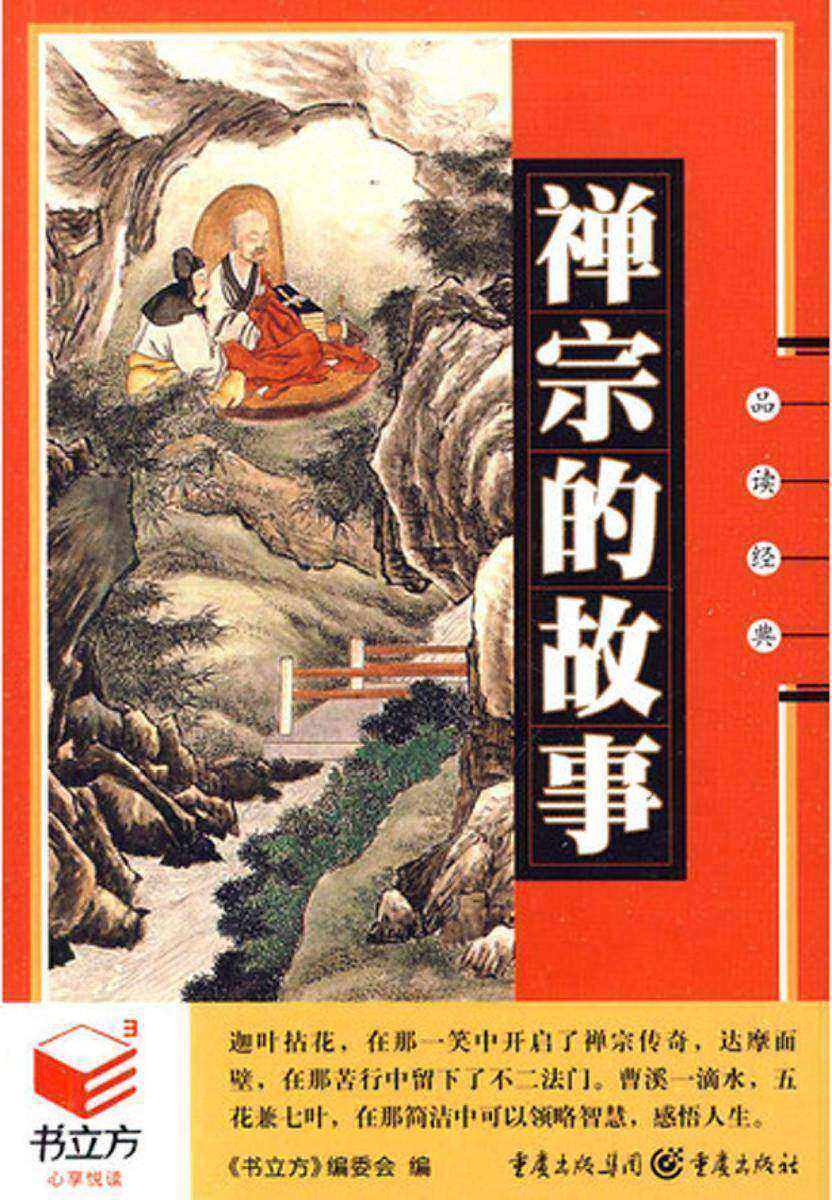
禅宗的故事
¥5.00
禅宗是众多中国佛教宗派之一,且是其中有生命力的一派。迄今为止,它仍然代表着中国佛教的主流。禅宗的实际创始人是慧能大师(638~713),至唐末五代,禅宗五门七宗相继成立,丛林各路大德高僧纷纷登台献技,棒喝声中呵佛骂祖;禅宗思想学说精彩纷呈,禅宗言行风格异花竞放,进入百家争胜的全盛时期。这些睿智的禅师用*哲理的思想和语言点化世人,也因此留下了无数公案、禅语。


