


 购物车
购物车 个人中心
个人中心

矛盾规律研究
¥16.80
《矛盾规律研究》是一部研究矛盾即对立统一规律的专著。该书在掌握当代中国哲学对矛盾规律研究资料的基础上,依托对马克思主义经典作家以及西方哲学大家有关辩证法论著的深入研读和理解,围绕矛盾的涵义、矛盾的结构与特性、社会主义社会矛盾的辩证法特征,以及矛盾规律与系统规律的区别、真理与错误对立转化关系等问题,进行了比较深入系统的研究和论述,富有新义和解释力。
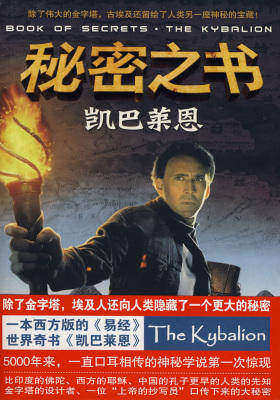
秘密之书
¥2.00
埃及,是人类文明的发源地之一。作为世界古国之一,今天的人们除了知道埃及留给世人金字塔这一伟大的世界遗产外,并不知道古老的埃及先民还留给人类一笔巨大的精神遗产——神秘的赫尔墨斯哲学。 相传,远在印度的佛陀、西方的耶稣、中国的孔子之前,一位古埃及的大师已经发现了主宰人类和宇宙的大秘密,他创立了世界古老的赫尔墨斯神秘学说,他是神秘智慧之父;他是占星术的创立者,炼金术的发现者,一位“上帝的抄写员”。据说,埃及的大金字塔就是他设计的。他的光芒照亮了从他的时代以来无数得以传播不息的思想,他就是人类智慧的先祖赫尔墨斯·特利斯墨吉斯忒斯! 赫尔墨斯的学说没有文字,早先,有一本汇集赫尔墨斯神秘学说某些基本原理的编辑物,从教师传播到学生那里,它以《凯巴莱恩》之名而为人所知。这也许是20世纪国图书出版*为神秘的一本书,这本名为《THE KYBALION》(中文翻译为:《秘密之书·凯巴莱恩》)的神奇小书于1908年在美国的芝加哥出版,出版社是芝加哥的一个叫做瑜珈学会的出版社,作者署名为“三位隐士”著。到今天为止,人们仍无法确定,究竟是谁写了这本书,究竟是谁向作者传播了这套神秘古老的学说。 《凯巴莱恩》初的格言、公理和箴言都刊印在本书中,我们相信,拿到这本书的许多读者一定会从对它的研究获得巨大的收益,将踏着相同的道路,并掌握自大师中的大师、伟大中之伟大的赫尔墨斯·特利斯墨古斯忒斯时代流传下来、遍及所有世纪的神秘教导。
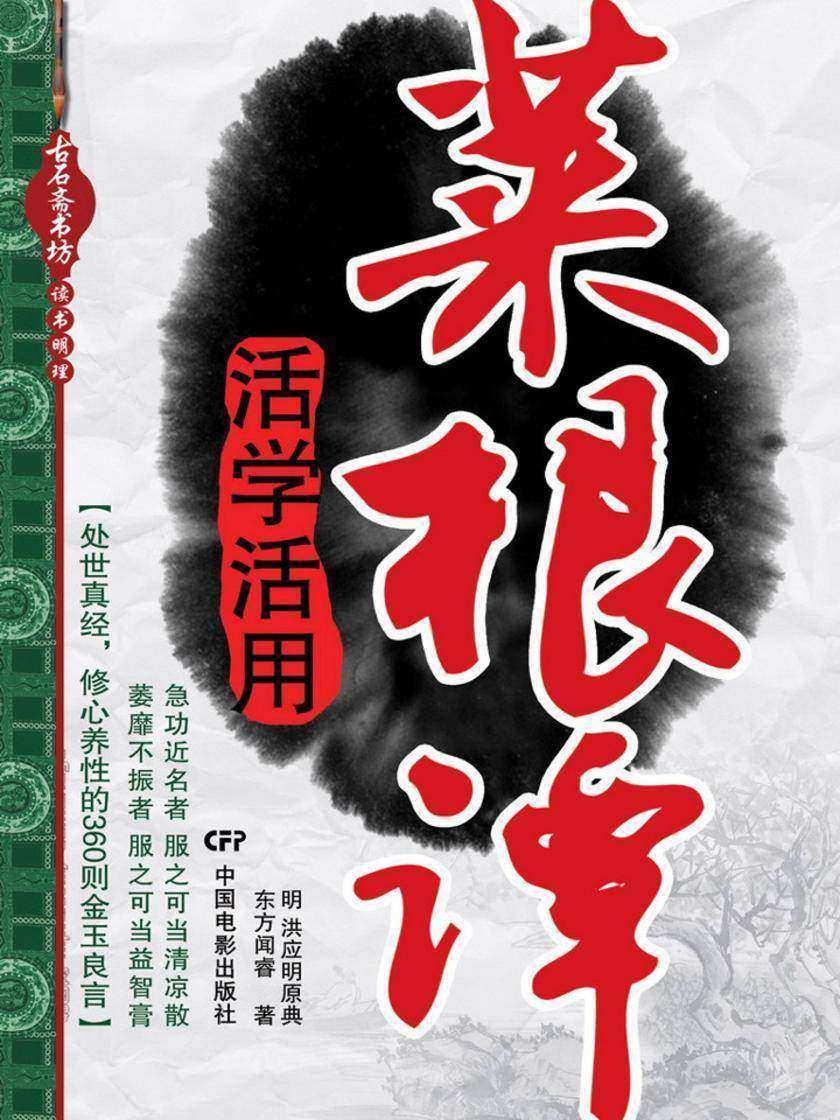
菜根谭活学活用
¥9.60
《菜根谭》是明代万历年间问世的一问奇书。作者洪应明,用一条条精炼的箴言警句,向世人讲述为亻世的道理。本书集儒家修身齐家治国平天下的思想、佛家超凡脱俗息念观心的禅机、道家清净无为乐天知命的观念于一体,人生百味,蕴集其中!综观全书,文辞幽雅,含义淳厚,耐人寻味。有禅、有道、有趣、有味,可以陶冶性情、练达人生!
康德理想的道德与人性
¥2.90
有两种伟大的事物,我们越是经常,越是执着地思考他们,我们心中就越是充满永远新鲜,有增无止的赞叹和敬畏——他就是我们头上的灿烂星空,我们心中的道德法则!两百年前,一个世界上伟大的哲学家,把这个结论写在了他的著作,《实践理性批判》中,刻在了他的墓道上。他就是康德,一个被誉为哲学王冠上璀璨的明珠,卓然挺立于人类思想*上的巨人。在他离去了一百多年后,20世纪的哲学家们,惊叹的发现他的哲学应当成为新哲学的基础和出发点,任何离开他的立场的倒退都是不能接受的。哲人们纷纷著书立说高呼着“回到康德那里去”,回到这个世界公民的身边去,使世人惊醒。
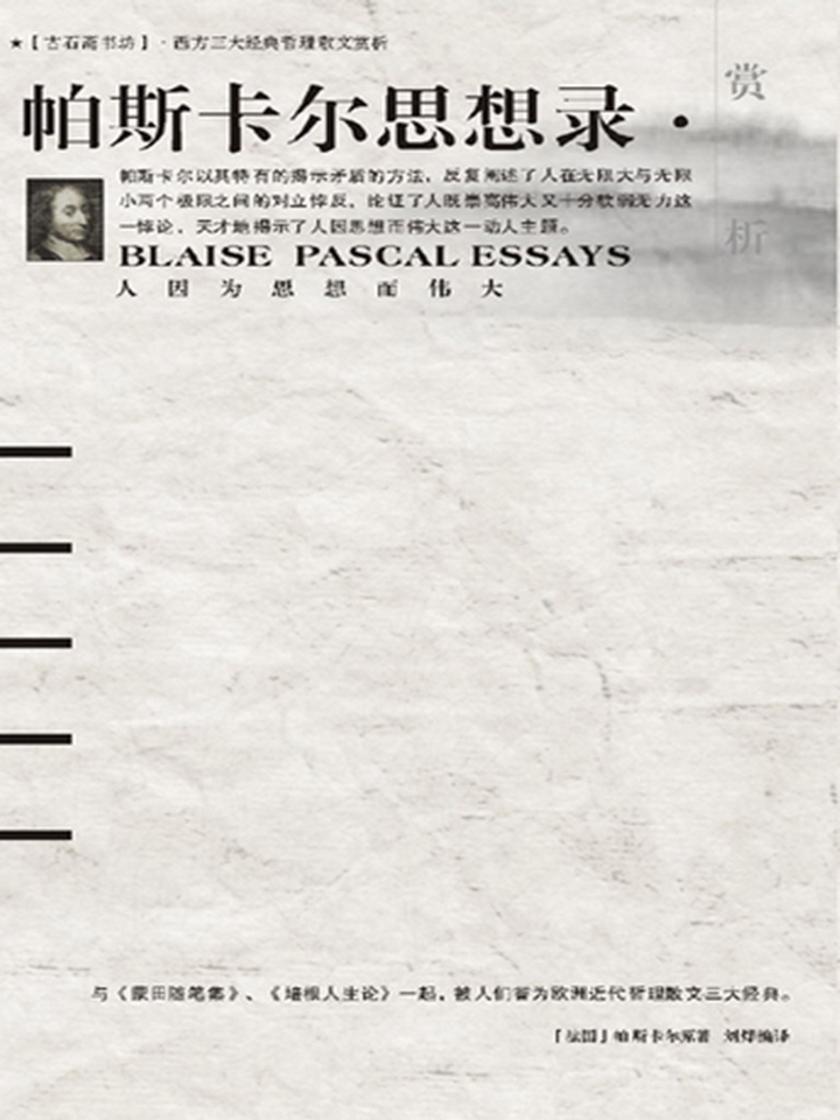
帕斯卡尔思想录赏析
¥3.02
帕斯卡尔(1623—1662),法国17世纪*天才的数学家、物理学家和哲学家。他在理论科学和实验科学两方面都做出巨大贡献。几何学上的帕斯卡尔六边形定理、帕斯卡尔三角形,物理学上的帕斯卡尔定理等均是他的贡献。他还创制了世界上台计算机,制作了水银气压计。他同时还是概率论的创立从之一。 1670年《帕斯卡尔思想录赏析》一书在法国首版。该书以其论战的锋芒、思想的深邃以及文笔的流畅而作为世界思想文化史上的经典著作,对后世产生了深远影响,被认为是法国古典散文的奠基之作。帕斯卡尔是一个宗教色彩十分浓厚的思想家。他认为人是完全地处于罪孽之中,要靠上帝的恩赐才能得到拯救,然而,他也继承了理性主义的传统,对人性、人生、社会、哲学和宗教等问题进行了理性的探讨。


忏悔录(大师经典文库)(英文版)
¥13.99
《忏悔录》这本书是卢梭晚年在迫害和种种指责、中伤下所写的悲愤之作,就首先具有强烈的抗争和自我辩护的色调。这一点他并不回避。但是他更强调的是,这完全是一部真害的赤裸裸的自我揭示之作。因为在他看来,只有真实的忏悔和揭示,才能达到自辩的目的。并且不仅如此,这种真实的忏悔还将为“研究人”这一崇高事业作出重要贡献。可以说,这三个目的:抗争、真实、为研究人做出范例,构成了《忏悔录》的基调、内容和高度。而在这三者中。真实性是关键的所在,也是不容易做到的。《忏悔录》的精彩之处和人们会向它提出的种种疑问,也都集中在这里。
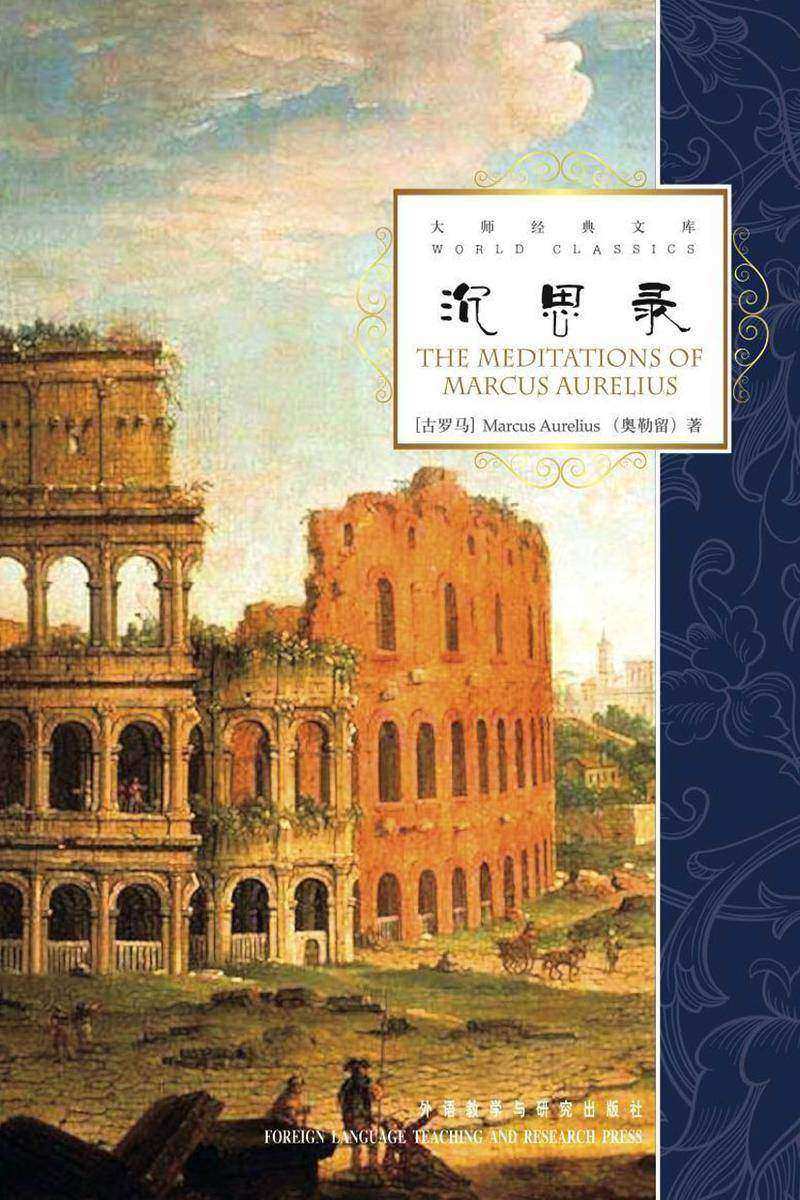
沉思录(大师经典文库)(英文版)
¥2.97
《沉思录》,古罗马一位哲学家皇帝马可·奥勒留所著,这本自己与自己的十二卷对话,内容大部分是他在鞍马劳顿中所写,是斯多葛派哲学(斯多亚哲学)的一个里程碑。《沉思录》来自于作者对身羁宫廷的自身和自己所处混乱世界的感受,追求一种摆脱了激情和欲望、冷静而达观的生活。马可·奥勒留在书中阐述了灵魂与死亡的关系,解析了个人的德行、个人的解脱以及个人对社会的责任,要求常常自省以达到内心的平静,要摒弃一切无用和琐屑的思想、正直地思考。而且,不仅要思考善、思考光明磊落的事情,还要付诸行动。
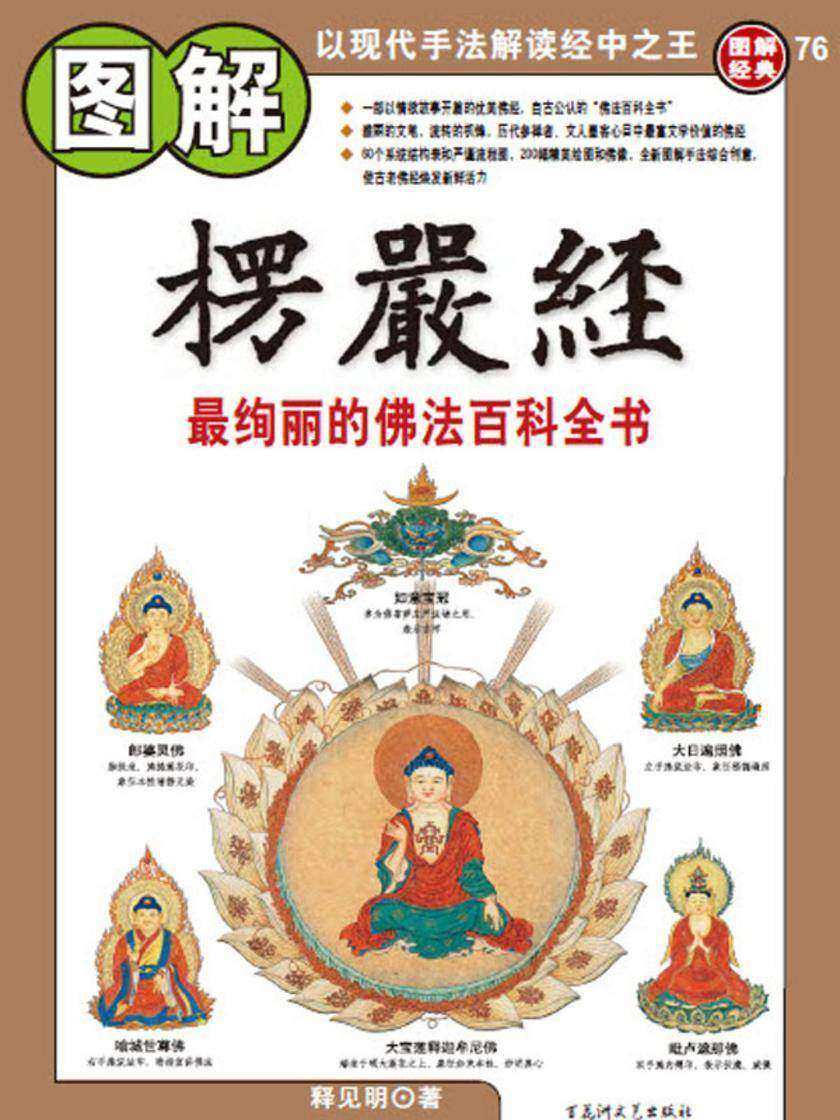
图解楞严经
¥9.90
《图解楞严经》共分为五章,分别讲述了《楞严经》的方方面面,包括本经的地位、历史、争议、经题和译者等内容,其中以圆瑛大师的《楞严经讲义》为蓝本,综合各家的的注疏和讲解,精编成一篇篇通俗易懂的短文,同时,以60个系统结构表和严谨流程图,200幅精美绘图和佛像,用全新图解手法综合创意,使古老佛经焕发新鲜活力。
科学哲学
¥15.00
科学哲学是当代西方哲学的一个重要分支,同时又是一门相对独立的哲学学科。国外许多大学都开设这样的课程,供文理科学生选修,我国也不例外。目前国内的科学哲学出版物大体上可以分为两类:一类属于科学哲学史性质,另一类就是科学哲学概论。本书的*特点就是史论结合,基本上吸收了以上两类的研究成果,并且有所发展和创新。作者力图避免重复同类出版物的写法,以全新面貌展示国内外科学哲学的研究成果。
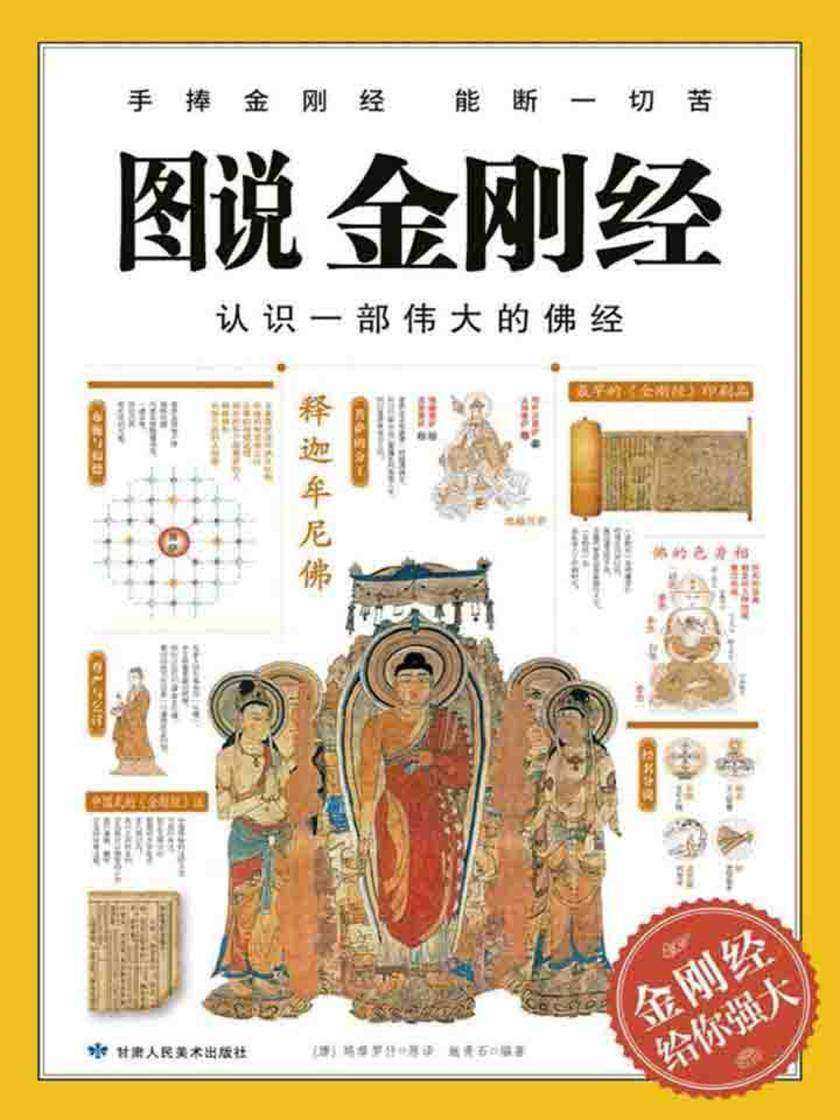
图说金刚经
¥8.99
本书以鸠摩罗什法师所译《金刚经》为原文,行通俗易懂的白话文通解,让你轻松理解千余年历久弥新的大智慧。作为国学经典,《金刚经》穷极宇宙,又关怀日常。文中将经文要义与现实生活相联系,行深浅出的演说,引发对现实生活的理性思考,给你能断一切执念的智慧。 本书化繁为简,以通俗易懂的图解形式,将这部经典的要义呈现出来。文字贴切、引发共鸣,插图精美、呼应内文,图表直观、逻辑清晰,文字、插图、图表等相得益彰、相映成趣,营造愉快的阅读体验。即便佛学零基础,也能彻底理解这部经典的大智慧。 “若是经典所在之处,则为有佛”,希望本书的出版,为您通往宁谧与欢喜的方便之门。
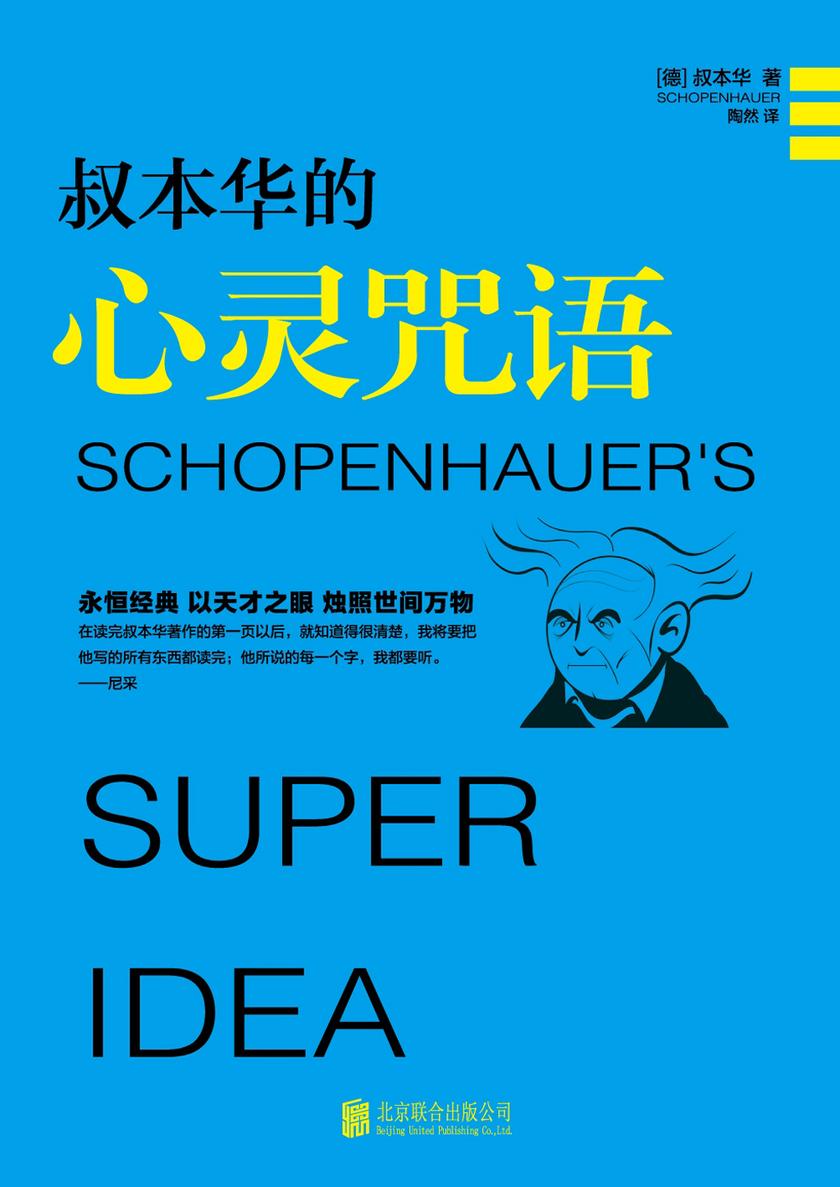
叔本华的心灵咒语
¥1.99
《叔本华的心灵咒语》从叔本华的诸多著作集中选取了数十篇具有代表性的文章,内容涉及人生、哲学、美学、道德等诸多方面,基本反映了叔本华人生哲学的主要思想和理论。在人生观上,叔本华主张禁欲忘我,提出人生的智慧就是幸福愉快度过一生的艺术。对于人的幸福起着首要关键作用的,是包括高贵的品格、良好的智力、愉快的性情和健康良好的体魄在内的人类美好素质。 这些文章主题鲜明,论述清晰,条理分明,深刻而全面地反映了作者的思想体系,充分展示了叔本华作为一位伟大哲学家的精神魅力。
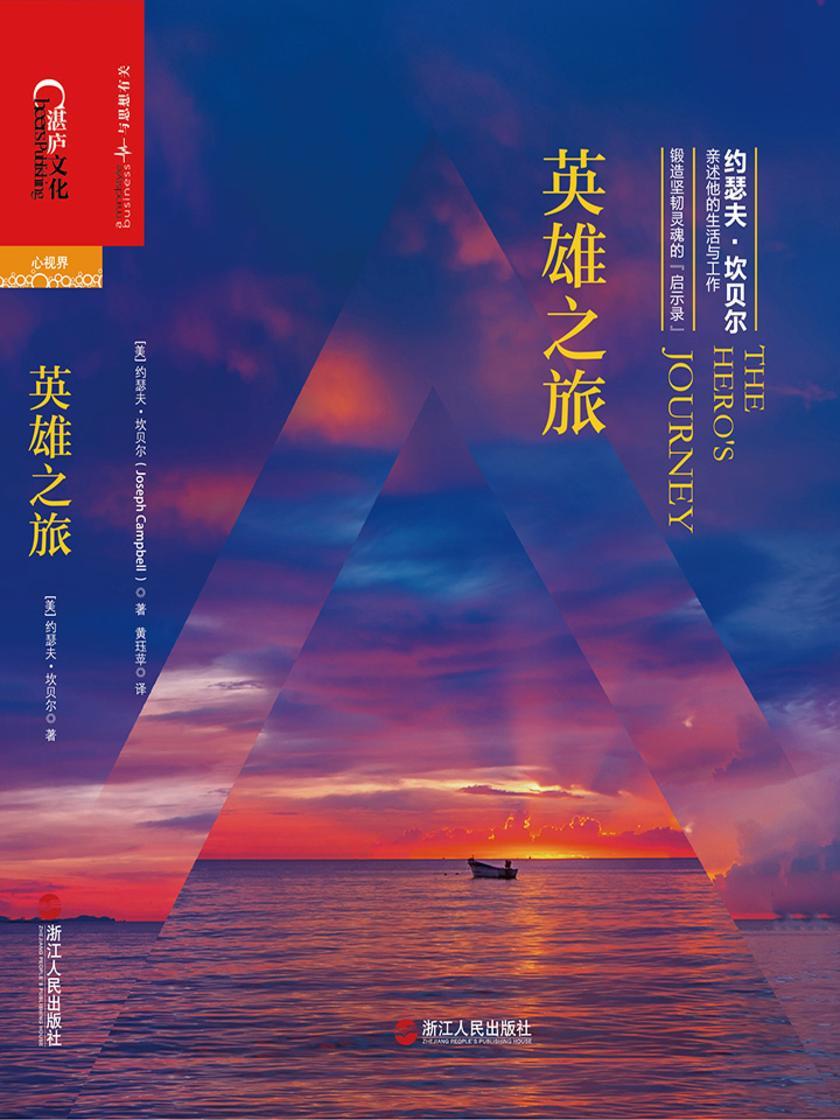
英雄之旅:约瑟夫·坎贝尔亲述他的生活与工作
¥45.90
约瑟夫·坎贝尔是20世纪伟大的神话学大师,因其对神话的独特解读在西方享有盛名,他提出的“英雄之旅”的模型*为人熟知,这一理论推动了西方流行文化的发展,使坎贝尔成为众多艺术家、学者、政治家的灵魂导师。 《英雄之旅》由坎贝尔与世界各领域的精英人士的对话交织而成,颇具巧思。这些人士包括诗人罗伯特·布莱、人类学家安杰利斯·阿里恩、电影制作人戴维·肯纳德、大门乐队鼓手约翰·登斯莫尔、精神病学先驱斯坦尼斯拉夫·格罗夫、诺贝尔奖获得者罗歇·吉耶曼等。 坎贝尔一生专注于思考神话的起源与功能、艺术家的责任,以及爱与浪漫的仪式化问题。他用诗一般的语言阐述了自己的追求,为一生都在探索神话传统兴奋不已。在坎贝尔的眼中,神话传说就是“人类*伟大的故事”。 脱离你熟悉得不能再熟悉的温柔乡,勇于受各种超出你日常认知的的试炼和磨砺,在坎贝尔提供的武功秘籍的帮助下,你也许就会超越繁琐日常的羁绊,将自己锻造为人生之路上的英雄。
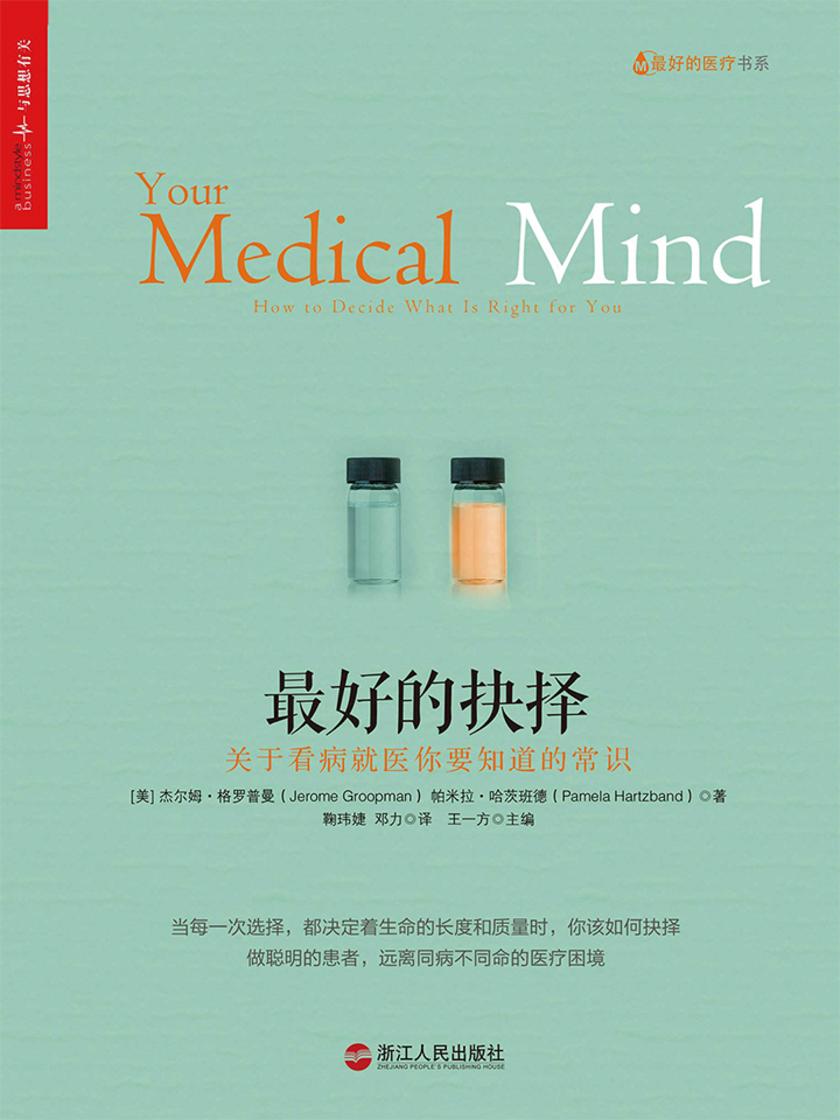
最好的抉择:关于看病就医你要知道的常识
¥34.60
《好的抉择》是医生和患者做出恰当医疗选择的启蒙书。如何分辨虚假医疗广告和真实有用的医疗信息?选择好医院还是好医生?治疗真是多多益善吗?要不要因为费用放弃治疗?……看病就医中所有的困惑都将在这本书中得到解答。 书中两位哈佛医学院教授,通过亲访追踪16位高胆固醇、甲亢、乳腺癌、肝癌等患者,从医学、心理学、经济学、统计学等角度,分析比较了不同职业、背景的患者在面临相同医疗问题时的不同选择,揭示了患者同病不同命背后的种种决定力量,提出了有指导意义的谏言。 《好的抉择》邀请了众多知名医生、媒体人和患者家属针对每章内容行鞭辟里的分析,教你做聪明的患者,为自己的健康做出*决策。
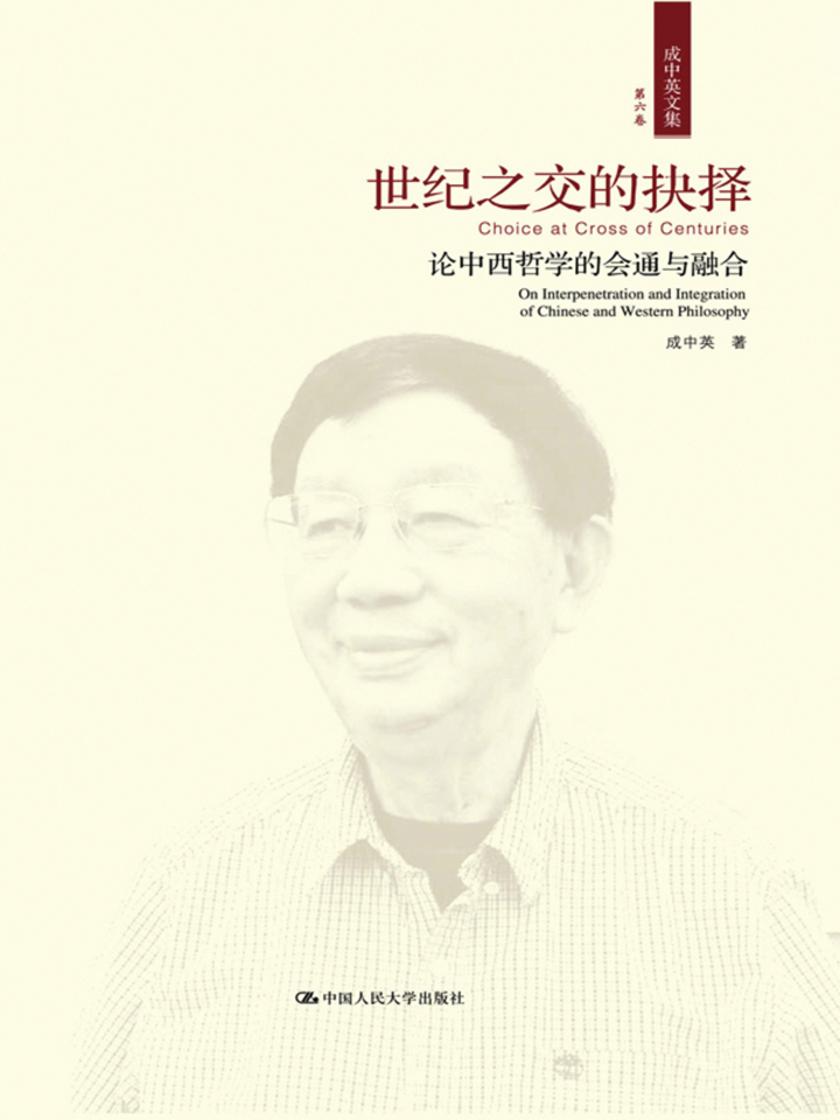
世纪之交的抉择——论中西哲学的会通与融合(成中英文集·第六卷)
¥49.00
《世纪之交的抉择—— 论中西哲学的会通与融合》一书介绍了当代西方哲学的*发展以及中国哲学在美国的地位和影响,论述了中西哲学的比较和融合,讨论了中国哲学的现代化和世界化。本书提出了在融通中西哲学的基础上重建中国哲学的新构想,指出中国哲学现代化和世界化的方向和前景。 在本书的附录部分,收录了内容相关的重要论文,内容涉及全球化背景下的中国哲学传统、全球化中东西方文化的差异与交融、中国哲学的融合力量、西方文化对中国文化之需要等内容,代表了作者在中西哲学的会通与融合方面的思考。

宽容
¥10.99
《宽容》是荷裔美国作家亨德里克·威廉·房龙所著的一本宗教历史普及读物。《宽容》一书以基督教发展脉络为依托,用生动又智慧的笔触描述了在人类文明发展程中,新事物是如何产生,如何被旧势力压,及如何与世间的不宽容做斗争的。全书共三十章,按时间顺序分为四个部分:古希腊古罗马时期、中世纪时期、文艺复兴时期以及近代新篇章。每一章都以一个特定的人物或历史事件为主题,如苏格拉底之死、宗教裁判所、十字军东征等,讲述人类文明发展史中发生过的宽容与不宽容。这是一部西方宗教发展史,同时也是一部人类文明化史。
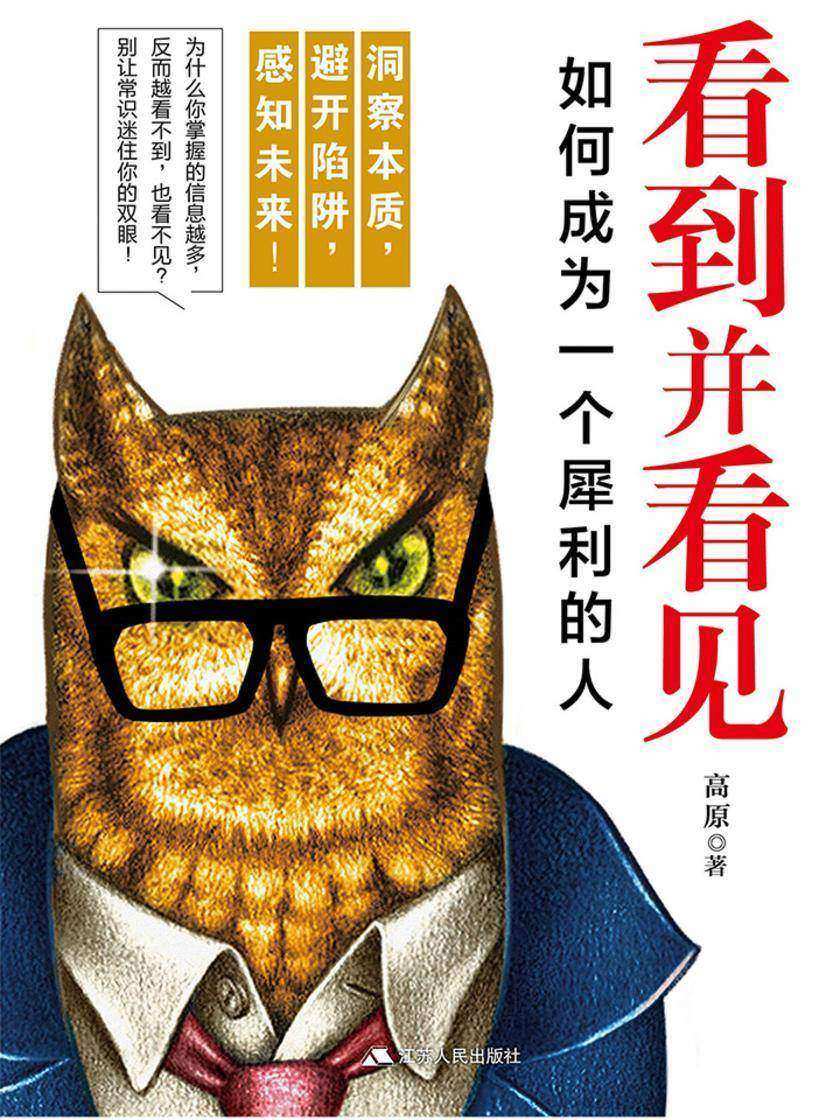
看到并看见:如何成为一个犀利的人
¥11.94
为什么你掌握的信息越多,反而越难看到事物本质? 《看到并看见:如何成为一个犀利的人》一书通过对于洞见能力的阐述、提升方法和应用策略,帮助我们穿过纷繁与复杂的表象,看到事物的本质与趋势,做出精确与高效的判断,帮助读者撕开事物的伪装,在似是而非的选择题中发现正确的答案。
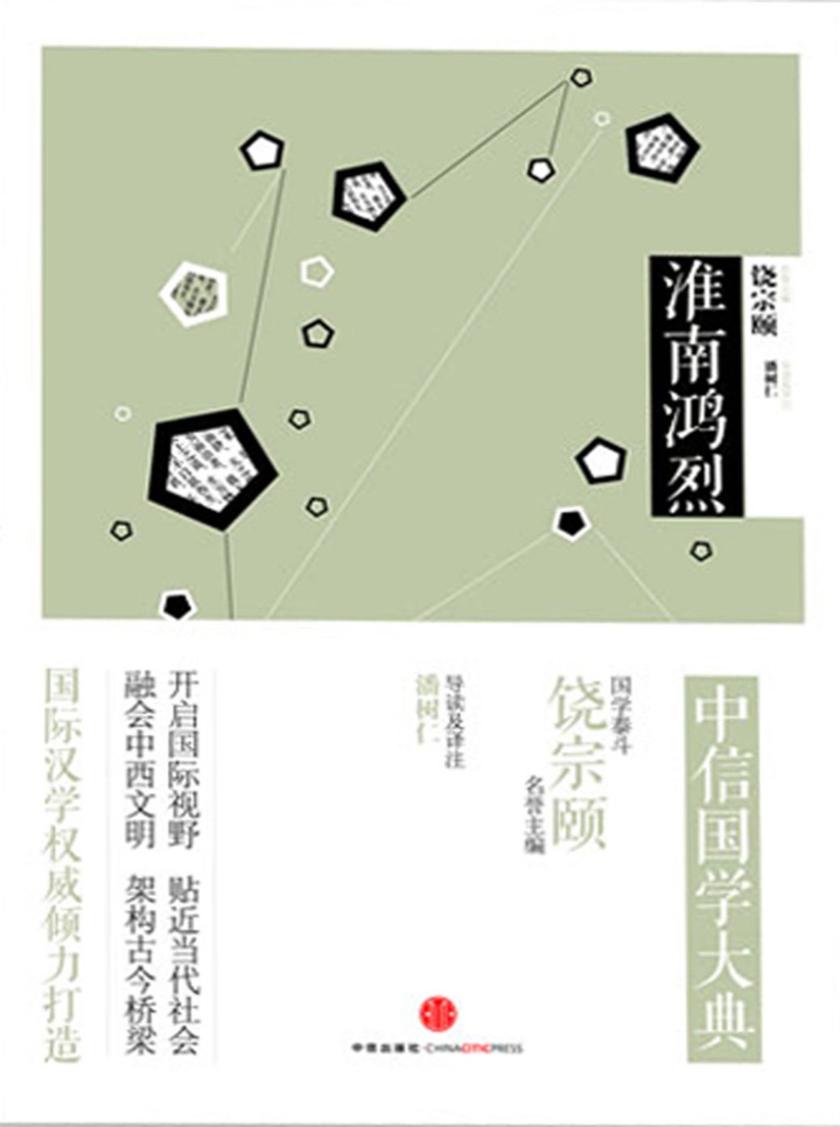
中信国学大典·淮南鸿烈
¥14.99
【内容简介】中信国学大典(50册)是中信出版社引进自香港中华书局的一套深具国际视野、贴近当代社会的中华传统文化经典藏书。中信国学大典延聘国学泰斗饶宗颐为名誉主编,邀请海内外知名国学家担任经典的选编、导读及译注。中信国学大典既收录了《论语》、《老子》、《孙子兵法》、《孟子》、《庄子》等不可不读、不可不知的中华经典名著,也囊括了《诗经》《楚辞》《唐诗三百首》《宋词三百首》《元曲三百首》等耳熟能详的经典作品。 《战国策》是一部国别体史书。主要记述了战国时期的纵横家的政治主张和策略,展示了战国时代的历史特点和社会风貌,是研究战国历史的重要典籍。该书文辞优美,语言生动,富于雄辩与运筹的机智,描写人物绘声绘色,常用寓言阐述道理,具有浓厚的艺术魅力和文学趣味,在我国古典文学史上亦占有重要地位。 “中信国学大典”系列丛书之《战国策》,由陈岸峰导读及译注,在带领读者阅读学习经典的过程中,探讨其中关于六国兴衰覆亡和策士辗转诸侯之间对各国形势变化所发挥的作用,以及其对于当今外交局势和职场及各界人士具有的借鉴启发意义。
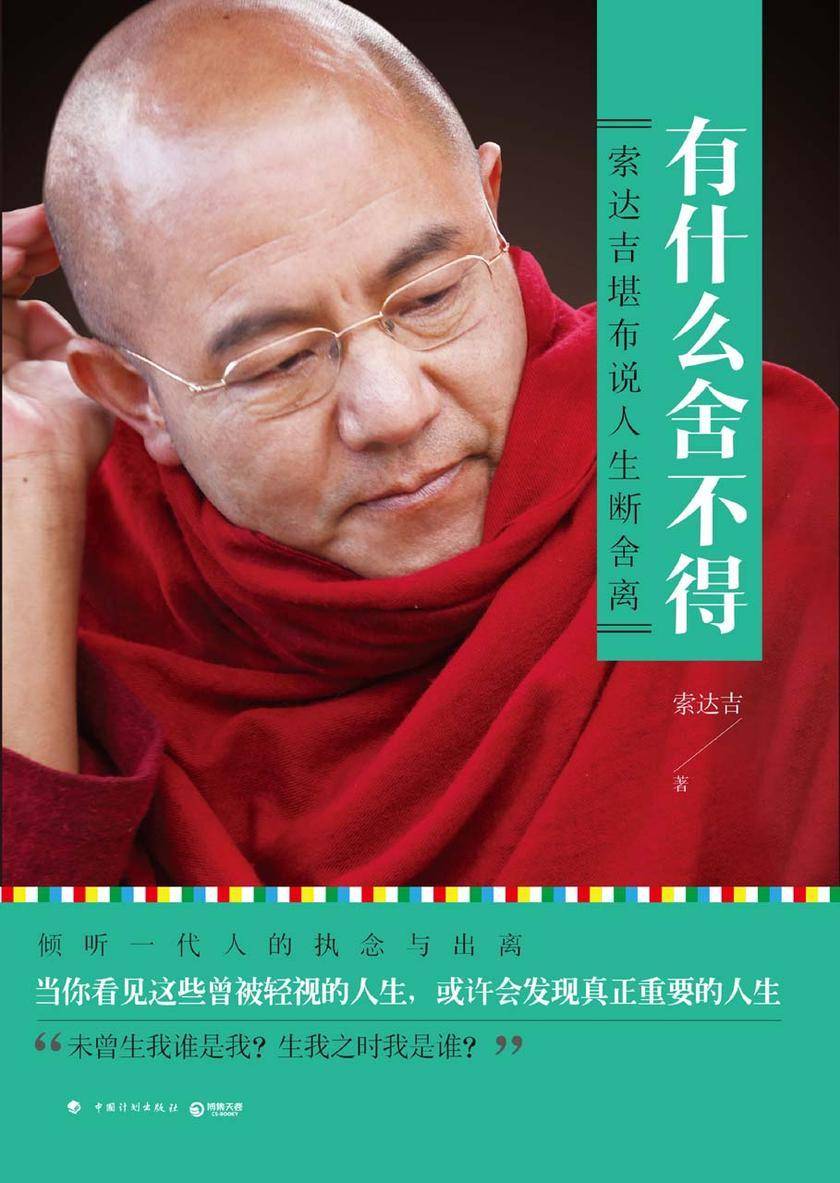
有什么舍不得
¥17.99
本书记录了一个时代的终极思考。 书中,索达吉堪布倾听修行人的讲述,其间给出数语点评,这些场景大部分发生在寂静的山谷、清新的树林、布谷鸟围绕的木屋里。修行人真实的故事,往往伴随着人生的关键转折,站在这个节点上,告别浑浑噩噩的盲从,开始对内心和宇宙的认真求索:“生从何来,死向何去?如何面对疾病和死亡的威胁?这一生,对自他能有多少利益?”每个问题,索达吉堪布都以佛法精髓做出回应,启发你和书中人一起,思考人生的终极意义。
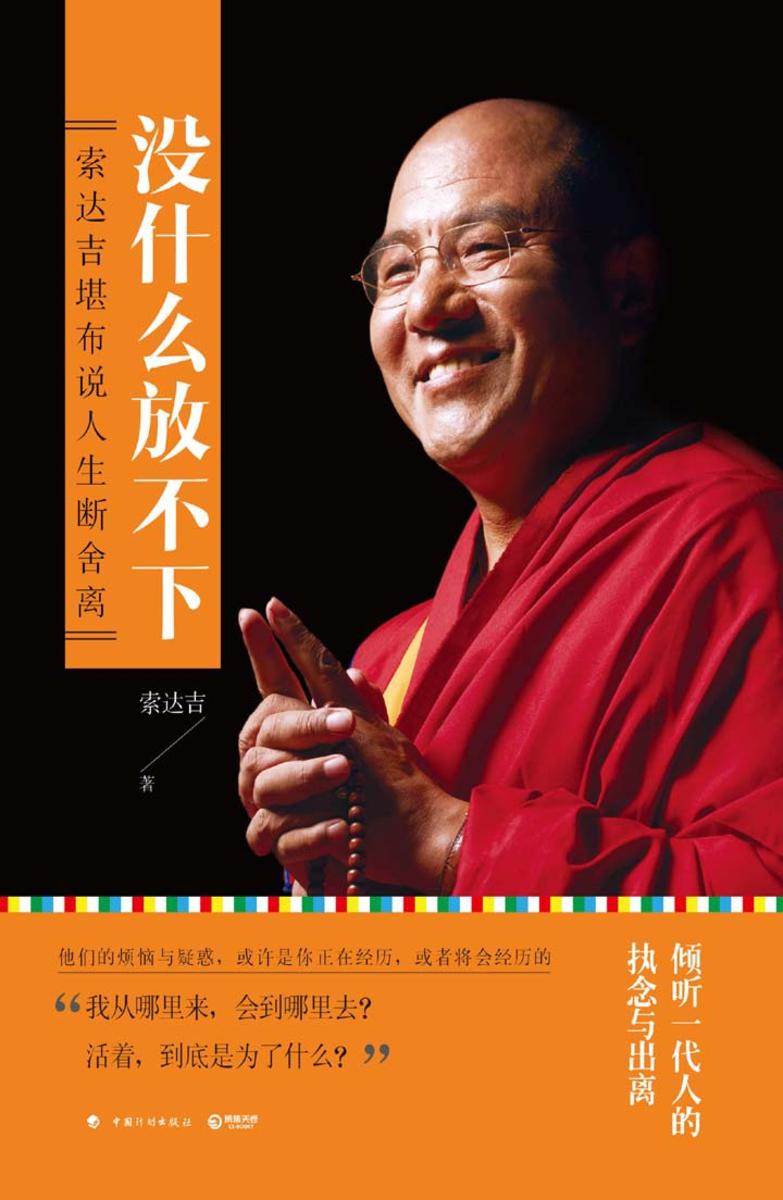
没什么放不下
¥17.99
本书记录了一个时代的终极思考。 书中,索达吉堪布倾听修行人的讲述,其间给出数语点评,这些场景大部分发生在寂静的山谷、清新的树林、布谷鸟围绕的木屋里。修行人真实的故事,往往伴随着人生的关键转折,站在这个节点上,告别浑浑噩噩的盲从,开始对内心和宇宙的认真求索:“人到底应该有一个怎样的活法?我的人生及格吗?怎样才能驾驭命运之车?什么才是科学的态度?”每个问题,索达吉堪布都以佛法精髓做出回应,启发你和书中人一起,思考人生的终极意义。
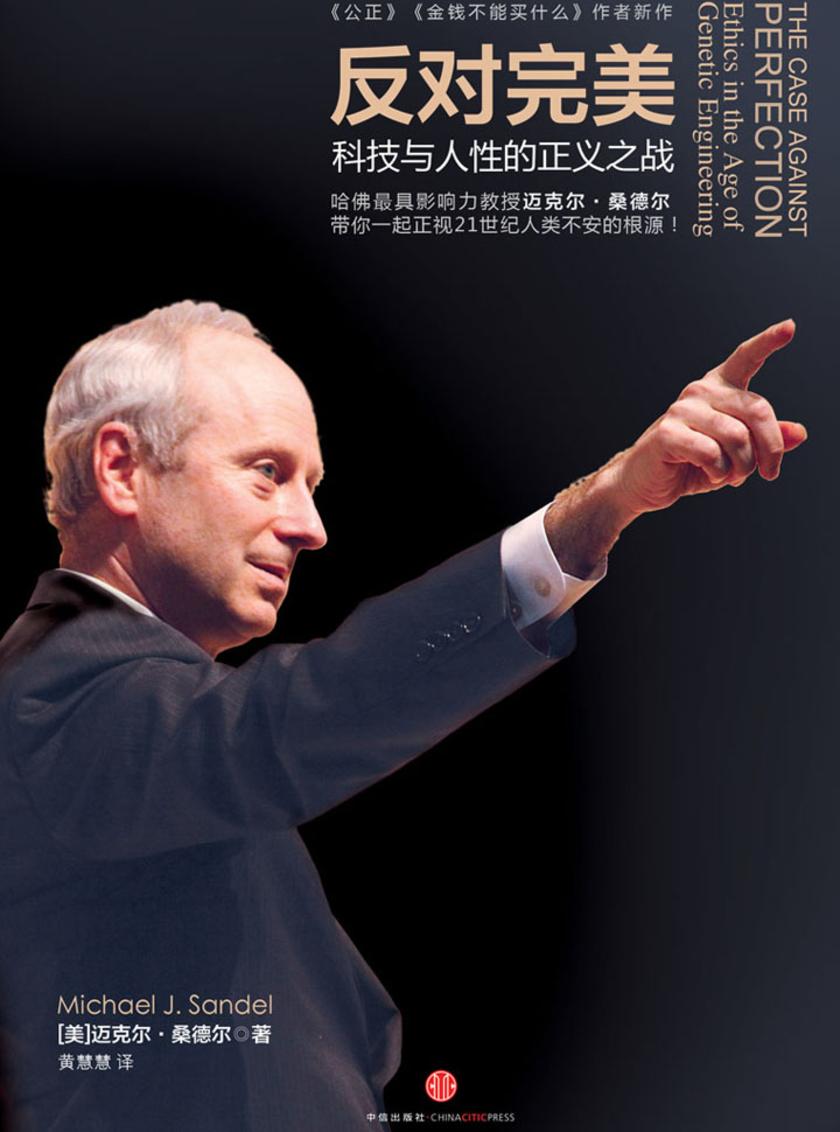
反对完美:科技与人性的正义之战
¥11.99
?《反对完美:科技与人性的正义之战》是哈佛大学教授桑德尔继《公正》、《金钱不能买什么》之后,又一次从社会热点入手,激发我们通过理性思考更深刻地把握现实问题的著作。 在书中,作者敏锐地指出,人类利用高科技手段追求完美正在成为一种愈演愈烈的趋势:父母将可以在基因超市中自由定制子女的先天特质;运动员将可以通过基因改造提升赛场表现;学生将可以通过服用记忆药片代替寒窗苦读……这究竟会带来个体的彻底解放,还是社会的无限混乱? 桑德尔指出,人类利用科技追求完美,貌似是大众的狂欢,实则蕴藏着深深的危机——维系人类社会的道德基础很可能坍塌,人类在宇宙间的地位也会错乱。在清晰的论证和简洁的语言中,我们将逐渐体会到在 “反对完美”立场的背后,作者对人在天地中位置的深刻思考,以及对人类命运的深切关怀。
幽灵之舞——德里达与现象学(仅适用PC阅读)
¥8.00
《纯粹哲学系列》之《幽灵之舞(德里达与现象学)》提出了德里达晚期思想的解读框架,并将之诠释为幽灵学作者发现了“幽灵”的三个特性并存谱系学上将其回溯至胡塞尔和海德格尔现象学的源头。 本书适合从事相关研究工作的人员参考阅读。


