


 购物车
购物车 个人中心
个人中心
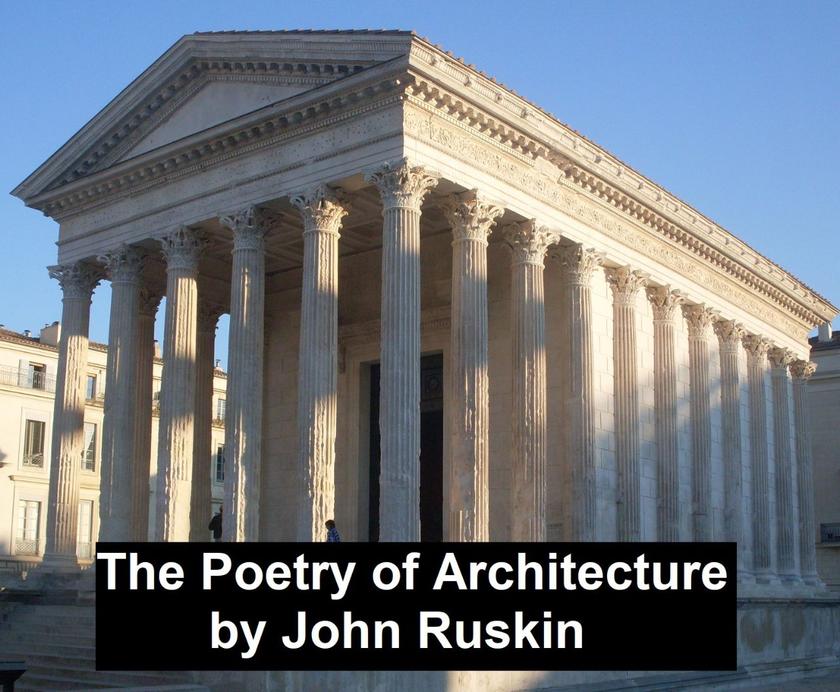
Poetry of Architecture
¥8.09
"The architecture of the nations of Europe considerd inits association with natural sceneery and national characteristics." With 15 illustrations. According to Wikipedia: "John Ruskin (8 February 1819 – 20 January 1900) is best known for his work as an art critic, stage writer, and social critic, but is remembered as an author, poet and artist as well. Ruskin's essays on art and architecture were extremely influential in the Victorian and Edwardian eras."
Renaissance in Italy: The Catholic Reaction
¥8.09
According to Wikipedia: "John Addington Symonds (5 October 1840 - 19 April 1893) was an English poet and literary critic… Meanwhile he was occupied with his major work, Renaissance in Italy, which appeared in seven volumes at intervals between 1875 and 1886. The Renaissance had been the subject of Symonds' prize essay at Oxford, and this had aroused a desire to produce a more complete picture of the reawakening of art and literature in Europe... He practically made his home at Davos. A charming picture of his life there is drawn in Our Life in the Swiss Highlands (1891). Symonds became a citizen of the town; he took part in its municipal business, made friends with the peasants and shared their interests. There he wrote most of his books: biographies of Shelley (1878), Philip Sidney (1886), Ben Jonson (1886) and Michelangelo (1893), several volumes of poetry and essays, and a translation of the Autobiography of Benvenuto Cellini (1887). There, too, he completed his study of the Renaissance, the work for which he is mainly remembered."
The Complete Poems of Paul Laurence Dunbar
¥8.09
According to Wikipedia: "Paul Laurence Dunbar (June 27, 1872– February 9, 1906) was a seminal African American poet of the late 19th and early 20th centuries. Dunbar gained national recognition for his 1896 Ode to Ethiopia, one poem in the collection Lyrics of Lowly Life."
The True and Honorable History of the Life of Sir John Oldcastle, Shakespeare Ap
¥8.09
Elizabethan play, sometimes attributed in part to Shakespeare. According to Wikipedia: "William Shakespeare (baptised 26 April 1564 – died 23 April 1616) was an English poet and playwright, widely regarded as the greatest writer in the English language and the world's pre-eminent dramatist. He is often called England's national poet and the "Bard of Avon" (or simply "The Bard"). His surviving works consist of 38 plays, 154 sonnets, two long narrative poems, and several other poems. His plays have been translated into every major living language, and are performed more often than those of any other playwright."
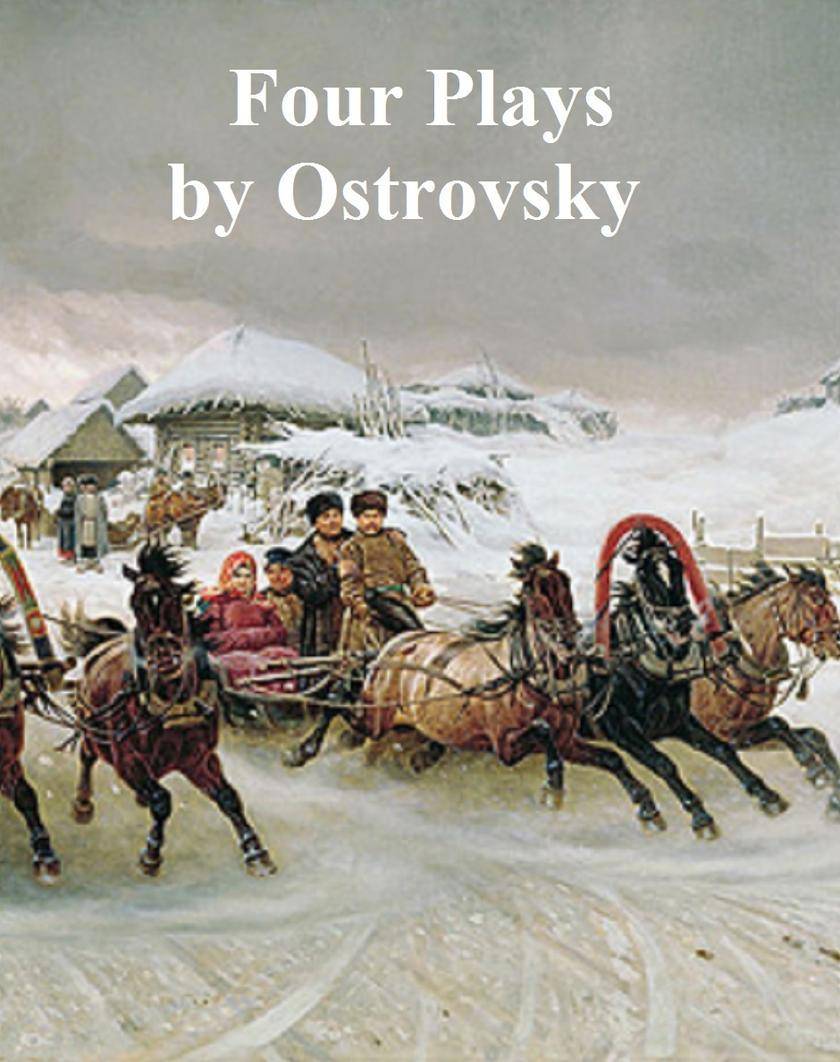
Four Plays
¥8.09
Four classic Russian plays. According to the introduction, "ALEXANDER NIKOLAYEVICH Ostrovsky (1823-86) is the great Russian dramatist of the central decades of the nineteenth century, of the years when the realistic school was all-powerful in Russian literature, of the period when Turgenev, Dostoyevsky, and Tolstoy created a literature of prose fiction that has had no superior in the world's history. His work in the drama takes its place beside theirs in the novel. Obviously inferior as it is in certain ways, it yet sheds light on an important side of Russian life that they left practically untouched."
Julius Caesar
¥8.09
Der Shakespeare-Klassiker, übersetzt von August Wilhelm von Schlegel. Laut Wikipedia: "Der Geist Caesars verspottet Brutus über seine bevorstehende Niederlage. (Kupferstich von Edward Scriven aus einem Gem?lde von Richard Westall: London, 1802.) Die Trag?die von Julius Caesar, auch einfach Julius C?sar genannt, ist eine Trag?die von William Shakespeare, von dem man annimmt, dass es im Jahr 1599 geschrieben wurde, und die Verschw?rung gegen den r?mischen Diktator Julius Caesar, seine Ermordung und die Niederlage der Verschw?rer in der Schlacht von Philippi darstellt. Es ist eines von mehreren r?mischen Theaterstücken, die Shakespeare schrieb. basierend auf wahren Ereignissen aus der r?mischen Geschichte, zu denen auch Coriolanus und Antonius und Kleopatra geh?ren. "
Maass fur Maas oder Wie Einer Misst so Wird Ihm Wider Gemessen
¥8.09
Shakespeare-Kom?die, ins Deutsche übersetzt. Laut Wikipedia ist "Measure for Measure" ein Stück von William Shakespeare, das 1603 oder 1604 geschrieben wurde. Es wurde (und wird weiterhin) als Kom?die klassifiziert, aber seine Stimmung widersetzt sich diesen Erwartungen Eine Vielzahl von Gründen wurde von einigen Kritikern als eines von Shakespeares Problemspielen bezeichnet.Erst im First Folio von 1623 ver?ffentlicht (wo es zuerst als Kom?die bezeichnet wurde), war die erste Aufnahme des Stücks 1604. Das Stück handelt von den Themen der Barmherzigkeit, der Gerechtigkeit und der Wahrheit und ihrer Beziehung zu Stolz und Demut: "Einige erheben sich aus der Sünde und einige aus der Tugend fallen."
Othello der Mohr von Venedig
¥8.09
Die Shakespeare-Trag?die, übersetzt von Christoph Martin Wieland. Laut Wikipedia: "Die Trag?die von Othello, der Mohr von Venedig ist eine Trag?die von William Shakespeare, vermutlich um 1603 geschrieben, und basiert auf der italienischen Kurzgeschichte Un Capitano Moro (" Ein maurischer Kapit?n ") von Cinthio, ein Schüler von Boccaccio, der erstmals 1565 ver?ffentlicht wurde. Das Werk dreht sich um vier Hauptfiguren: Othello, ein maurischer General in der venezianischen Armee, seine Frau Desdemona, sein Leutnant Cassio und seine vertraute F?hnrich Jago.
Timon von Athen/Timon of Athens
¥8.09
Shakespeare-Trag?die, in deutscher ?bersetzung. Laut Wikipedia: "Das Leben von Timon von Athen ist ein Stück von William Shakespeare über das Schicksal eines Atheners namens Timon (und wahrscheinlich auch von dem gleichnamigen Philosophen beeinflusst), allgemein als eines seiner dunkelsten und schwierige Arbeiten. "
Shakespeare's Tempest in French
¥8.09
Romance Shakespearienne classique en traduction fran?aise. Selon Wikipedia: "The Tempest est une pièce écrite par William Shakespeare.Beaucoup de chercheurs croient qu'il a été écrit en 1610-11, bien que certains chercheurs ont plaidé pour une date plus t?t. Folio de 1623, de nombreux éditeurs modernes ont depuis ré-étiqueté le jeu. Il n'a pas attiré beaucoup d'attention avant la fermeture des thé?tres en 1642 et après la Restauration, il n'a atteint la popularité que dans des versions adaptées. rétablir le texte shakespearien original au milieu du XIXe siècle, et au XXe siècle, les critiques et les spécialistes ont entrepris une réévaluation significative de la valeur de la pièce, dans la mesure où elle est maintenant considérée comme l'une des plus grandes ?uvres de Shakespeare.
Der Sturm
¥8.09
Klassische Shakespeare-Romantik in deutscher ?bersetzung. Nach Wikipedia: "The Tempest ist ein Stück von William Shakespeare geschrieben. Viele Forscher glauben, dass es in 1610-11 geschrieben wurde, obwohl einige Wissenschaftler für ein früheres Datum argumentiert haben." Folio 1623, haben viele moderne Redakteure Seit dem Umbau der Theater im Jahr 1642 und nach der Restauration, wurde es nur in angepassten Versionen beliebt.Restore den ursprünglichen Shakespeare-Text in der Mitte der Im neunzehnten Jahrhundert und im zwanzigsten Jahrhundert unternahmen Kritiker und Gelehrte eine bedeutende Neubewertung des Wertes des Stückes, da es jetzt als eines der gr??ten Werke Shakespeares gilt."
The Tempest/ Der Sturm: Bilingual edition
¥8.09
Klassische Shakespeare-Romantik auf Englisch mit Zeilennummern und in deutscher ?bersetzung. Laut Wikipedia: "The Tempest ist ein Stück von William Shakespeare geschrieben. Viele Gelehrte glauben, dass es in 1610-11 geschrieben wurde, obwohl einige Forscher für eine frühere Datierung argumentiert haben. W?hrend als Kom?die aufgelistet, als es ursprünglich in der ersten ver?ffentlicht wurde Folio von 1623, viele moderne Redakteure haben seitdem das Spiel als eine Romanze bezeichnet, die vor der Schlie?ung der Theater im Jahre 1642 keine nennenswerte Aufmerksamkeit auf sich zog und nach der Restauration nur in adaptierten Versionen Popularit?t erlangte den originalen Shakespeare-Text in der Mitte des 19. Jahrhunderts wieder einzuführen, und im 20. Jahrhundert haben Kritiker und Gelehrte eine signifikante Neubewertung des Spielwerts vorgenommen, in dem Ma?e, als es jetzt als eines von Shakespeares gr??ten Werken gilt. "
Henry VI Part 1, with line numbers
¥8.09
The classic Shakespeare history play, with line numbers. According to Wikipedia: "William Shakespeare (baptised 26 April 1564 – died 23 April 1616) was an English poet and playwright, widely regarded as the greatest writer in the English language and the world's pre-eminent dramatist. He is often called England's national poet and the "Bard of Avon" (or simply "The Bard"). His surviving works consist of 38 plays, 154 sonnets, two long narrative poems, and several other poems. His plays have been translated into every major living language, and are performed more often than those of any other playwright."
Antony and Cleopatra, with line numbers
¥8.09
The classic tragedy. According to Wikipedia: "Antony and Cleopatra is a tragedy by William Shakespeare. It was first printed in the First Folio of 1623. The plot is based on Thomas North's translation of Plutarch's Life of Markus Antonius and follows the relationship between Cleopatra and Mark Antony from the time of the Parthian War to Cleopatra's suicide. The major antagonist is Octavius Caesar, one of Antony's fellow triumvirs and the future first emperor of Rome. The tragedy is a Roman play characterized by swift, panoramic shifts in geographical locations and in registers, alternating between sensual, imaginative Alexandria and the more pragmatic, austere Rome. Many consider the role of Cleopatra in this play one of the most complex female roles in Shakespeare's work. She is frequently vain and histrionic, provoking an audience almost to scorn; at the same time, Shakespeare's efforts invest both her and Antony with tragic grandeur. These contradictory features have led to famously divided critical responses.["
Othello, with line numbers
¥8.09
The classic tragedy. According to Wikipedia: "Othello, the Moor of Venice is a tragedy by William Shakespeare, believed to have been written in approximately 1603, based on the short story "Moor of Venice" by Cinthio. The work revolves around four central characters: Othello, his wife Desdemona, his lieutenant Cassio, and his trusted advisor Iago. Attesting to its enduring popularity, the play appeared in 7 editions between 1622 and 1705. Because of its varied themes — racism, love, jealousy and betrayal — it remains relevant to the present day and is often performed in professional and community theatres alike. The play has also been the basis for numerous operatic, film and literary adaptations."
The Gibson Upright and The Man from Home, Plays
¥8.09
This file includes The Gibson Upright and The Man from Home. According to Wikipedia, "Booth Tarkington (July 29, 1869 – May 19, 1946) was an American novelist and dramatist best known for his Pulitzer Prize-winning novels The Magnificent Ambersons and Alice Adams.... Much of Tarkington's work consists of satirical and closely observed studies of the American class system and its foibles....his novel The Magnificent Ambersons, which Orson Welles filmed in 1942, the second volume in Tarkington's Growth trilogy, contrasted the decline of the "old money" Amberson dynasty against the rise of "new money" industrial tycoons in the years between the American Civil War and World War I... Harry Leon Wilson (May 1, 1867 – June 28, 1939) was an American novelist and dramatist best known for his novels, Ruggles of Red Gap and Merton of the Movies. His novel, Bunker Bean helped popularize the term flapper."
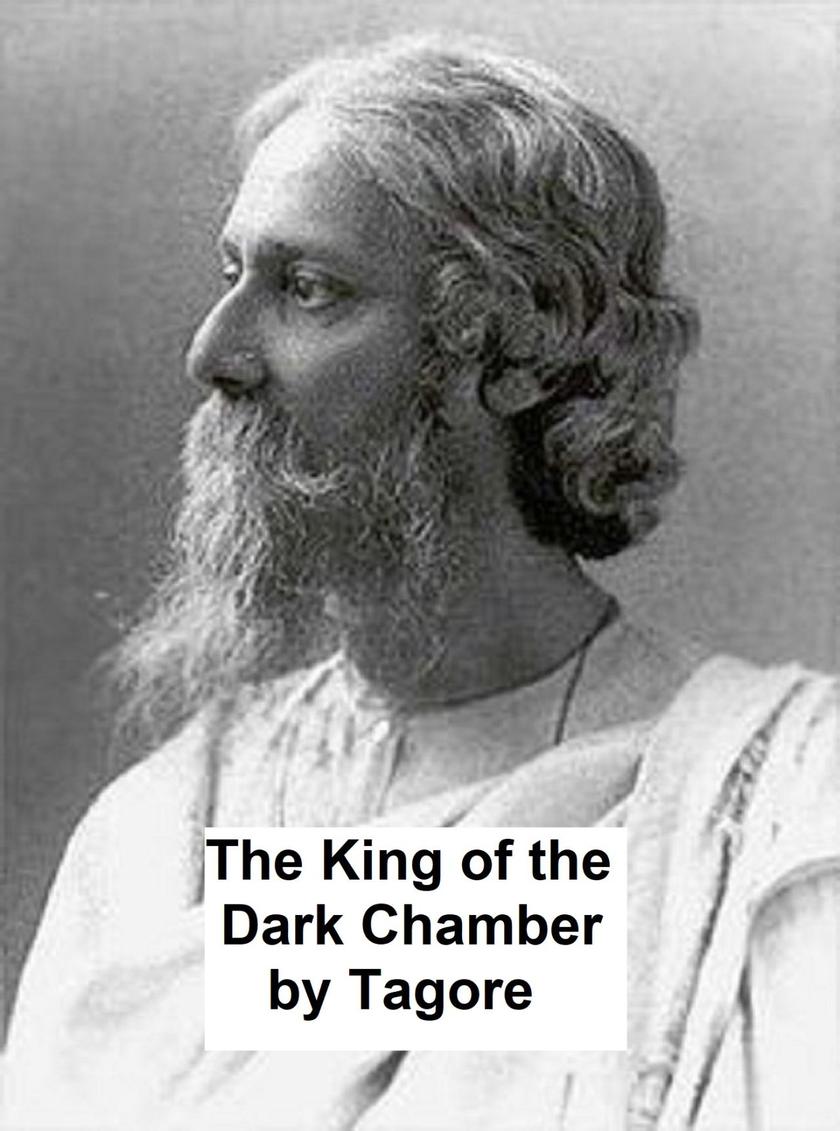
The King of the Dark Chamber
¥8.09
According to Wikipedia: "Rabindranath Tagore (7 May 1861 – 7 August 1941), sobriquet Gurudev, was a Bengali poet, novelist, musician, painter and playwright who reshaped Bengali literature and music. As author of Gitanjali and its "profoundly sensitive, fresh and beautiful verse", he was the first non-European who was awarded the Nobel Prize for Literature in 1913. His poetry in translation was viewed as spiritual, and this together with his mesmerizing persona gave him a prophet-like aura in the west. His "elegant prose and magical poetry" still remain largely unknown outside the confines of Bengal."
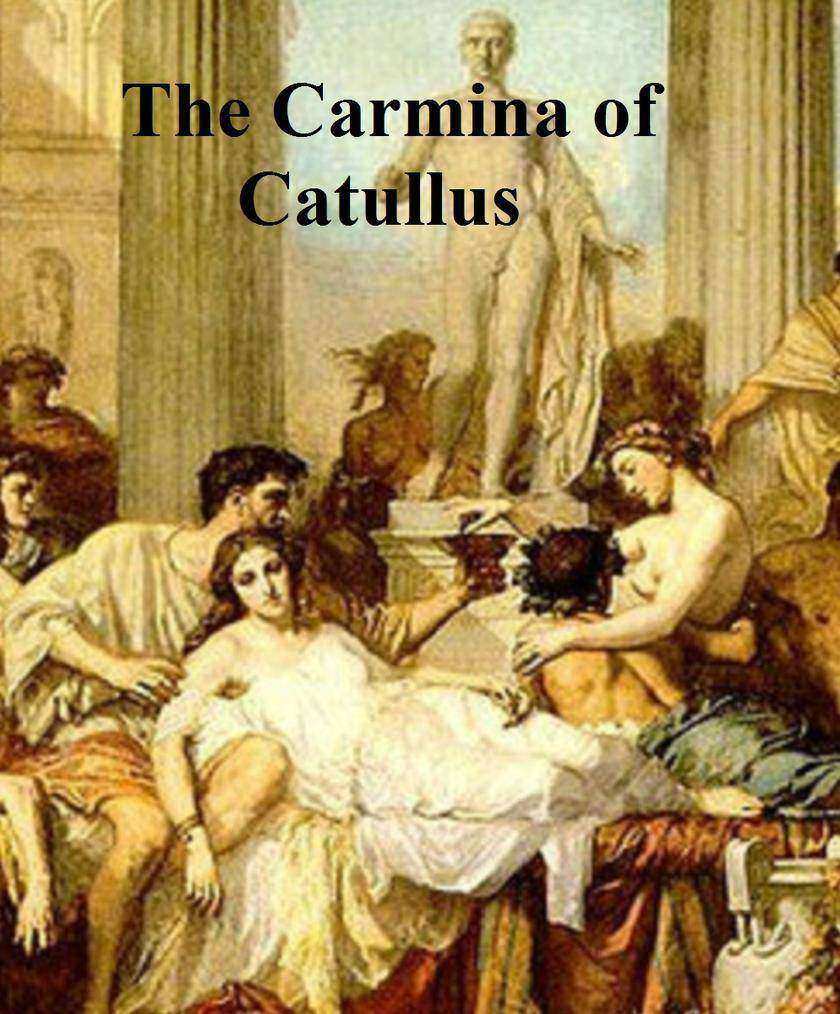
The Carmina of Catullus
¥8.09
Sir Richard Burton's racy English translation of Latin poetry. This edition includes the original Latin, plus Burton's verse translation, plus Leonard Smither's prose translation. According to Wikipedia: "Gaius Valerius Catullus (ca. 84 BC – ca. 54 BC) was a Roman poet of the 1st century BC. His surviving works are still read widely, and continue to influence poetry and other forms of art." "Captain Sir Richard Francis Burton KCMG FRGS (19 March 1821 – 20 October 1890) was an English explorer, translator, writer, soldier, orientalist, ethnologist, linguist, poet, hypnotist, fencer and diplomat. He was known for his travels and explorations within Asia and Africa as well as his extraordinary knowledge of languages and cultures. According to one count, he spoke 29 European, Asian, and African languages. Burton's best-known achievements include traveling in disguise to Mecca, making an unexpurgated translation of The Book of One Thousand Nights and A Night (the collection is more commonly called The Arabian Nights in English because of Andrew Lang's abridgement) and the Kama Sutra and journeying with John Hanning Speke as the first Europeans, guided by Omani merchants who traded in the region, to visit the Great Lakes of Africa in search of the source of the Nile. He was a prolific author and wrote numerous books and scholarly articles about subjects including travel, fencing and ethnography. He was a captain in the army of the East India Company serving in India (and later, briefly, in the Crimean War). Following this he was engaged by the Royal Geographical Society to explore the east coast of Africa and led an expedition guided by the locals which discovered Lake Tanganyika. In later life he served as British consul in Fernando Po, Damascus and, finally, Trieste. He was a Fellow of the Royal Geographical Society and was awarded a knighthood (KCMG) in 1886."
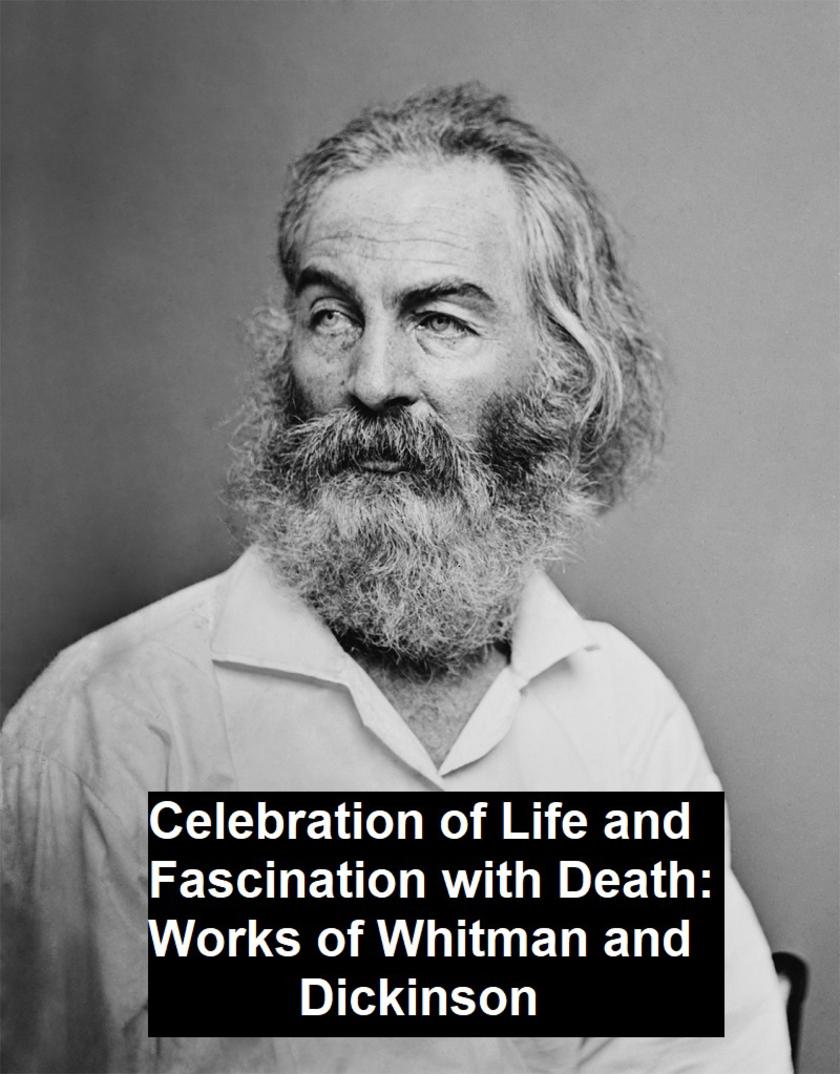
Celebration of Life and Fascination with Death Works of Whitman and Dickinson
¥8.09
This file includes "Leaves of Grass" by Walt Whitman and all three series of poems by Emily Dickinson. According to Wikipedia: Leaves of Grass is: "...a poetry collection by the American poet Walt Whitman. Among the poems in the collection are "Song of Myself," "I Sing the Body Electric," "Out of the Cradle Endlessly Rocking," and Whitman's elegy to the assassinated President Abraham Lincoln, "When Lilacs Last in the Dooryard Bloom'd." Whitman spent his entire life writing Leaves of Grass, revising it in several editions until his death." This edition of Dickinson's poems is based on on the first published collection, edited by Mabel Loomis Todd and T.W. Higginson, which was released in three "series", the first of which appeared in 1890. Hence includes the edits made by Todd and Higginson and is missing some poems that were first published much later.
The Two Noble Kinsmen
¥8.09
Play sometimes attributed to John Fletcher and William Shakespeare. According to Wikipedia: "William Shakespeare (baptised 26 April 1564 – died 23 April 1616) was an English poet and playwright, widely regarded as the greatest writer in the English language and the world's pre-eminent dramatist. He is often called England's national poet and the "Bard of Avon" (or simply "The Bard"). His surviving works consist of 38 plays, 154 sonnets, two long narrative poems, and several other poems. His plays have been translated into every major living language, and are performed more often than those of any other playwright."
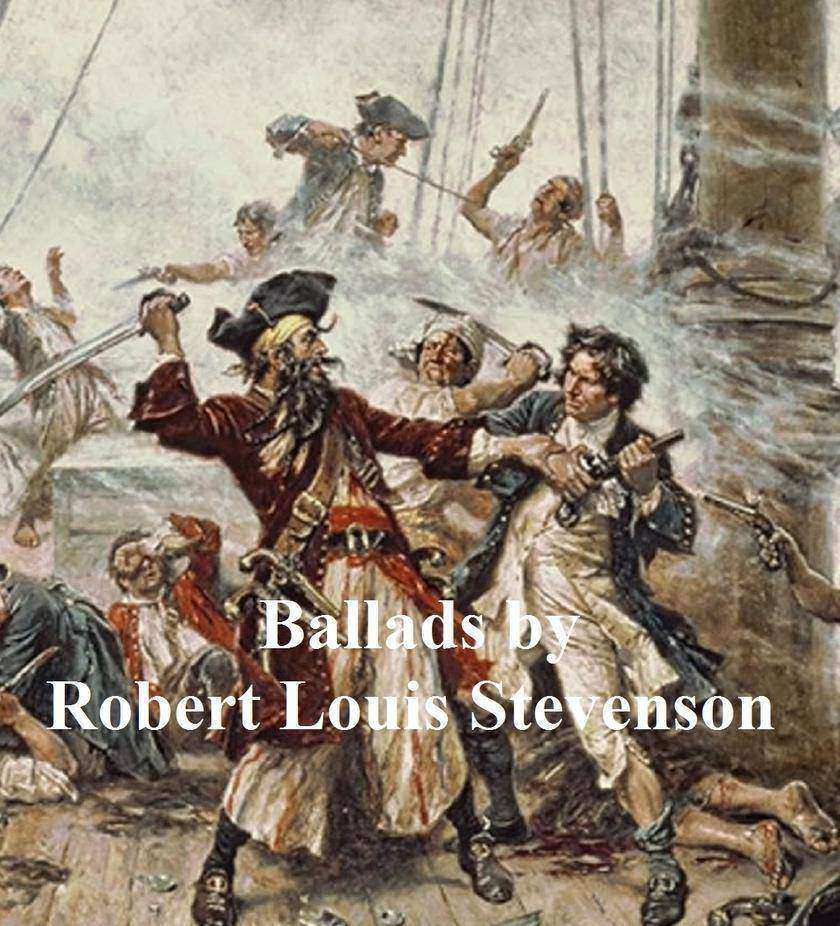
Ballads
¥8.09
Poetry. According to Wikipedia: "Robert Louis (Balfour) Stevenson (1850 - 1894), was a Scottish novelist, poet, and travel writer, and a leading representative of Neo-romanticism in English literature. He was the man who "seemed to pick the right word up on the point of his pen, like a man playing spillikins", as G. K. Chesterton put it. He was also greatly admired by many authors, including Jorge Luis Borges, Ernest Hemingway, Rudyard Kipling, Vladimir Nabokov, and J. M. Barrie. Most modernist writers dismissed him, however, because he was popular and did not write within their definition of modernism. It is only recently that critics have begun to look beyond Stevenson's popularity and allow him a place in the canon."


