


 购物车
购物车 个人中心
个人中心
Timon of Athens/ Timon von Athen, Bilingual edition
¥8.09
The Shakespeare tragedy, in English, with line numbers, and translated to German. According to Wikipedia: "The Life of Timon of Athens is a play by William Shakespeare about the fortunes of an Athenian named Timon (and probably influenced by the philosopher of the same name, as well), generally regarded as one of his most obscure and difficult works. Originally grouped with the tragedies, it is generally considered such, but some scholars group it with the problem plays."
The Ten Tragedies of Euripides
¥8.09
This file includes 10 tragedies by Euripides, literally translated by Theodore Buckley. The plays are: HECUBA, ORESTES, PHOENISSAE (The Phoenician Virgins), MEDEA, HIPPOLYTUS, ALCESTIS, BACCHAE, HERACLIDAE, IPHIGENIA IN AULIS, and IPHIGENIA IN TAURIS. According to Wikipedia: "Euripides (ca. 480 BCE–406 BCE) was the last of the three great tragedians of classical Athens (the other two being Aeschylus and Sophocles). Ancient scholars thought that Euripides had written ninety-five plays, although four of those were probably written by Critias. Eighteen or nineteen of Euripides' plays have survived complete. There has been debate about his authorship of Rhesus, largely on stylistic grounds and ignoring classical evidence that the play was his. Fragments, some substantial, of most of the other plays also survive. More of his plays have survived than those of Aeschylus and Sophocles together, because of the unique nature of the Euripidean manuscript tradition. Euripides is known primarily for having reshaped the formal structure of Athenian tragedy by portraying strong female characters and intelligent slaves and by satirizing many heroes of Greek mythology. His plays seem modern by comparison with those of his contemporaries, focusing on the inner lives and motives of his characters in a way previously unknown to Greek audiences."
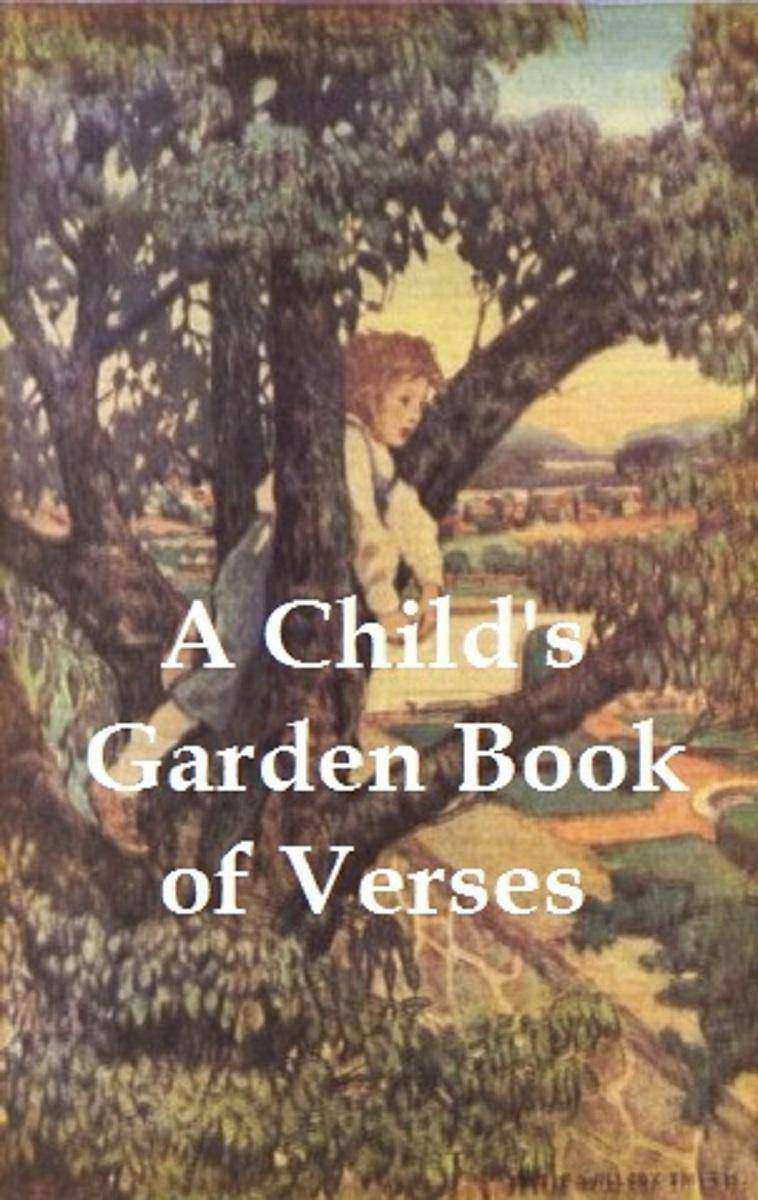
A Child's Garden of Verses
¥8.09
80 illustrations, some color, some black-and-white. According to Wikipedia: "A Child's Garden of Verses is a collection of poetry for children by the Scottish author Robert Louis Stevenson. The collection first appeared in 1885 under the title Penny Whistles, but has been reprinted many times, often in illustrated versions. It contains about 65 poems including the cherished classics "Foreign Children," "The Lamplighter," "The Land of Counterpane," "Bed in Summer," "My Shadow" and "The Swing."

Hamlet in French
¥8.09
Traduit par Fran?ois Pierre Guillaume Guizot (1787 - 1874), historien fran?ais et homme d'?tat. Publié en 1864. Selon Wikipedia: ?La tragédie de Hamlet, prince du Danemark, est une tragédie de William Shakespeare, qui se déroule au royaume du Danemark et qui dramatise la vengeance du prince Hamlet sur son oncle Claudius pour le meurtre du roi Hamlet, le frère de Claude et le père du prince Hamlet, puis succédant au tr?ne et prenant pour épouse Gertrude, la veuve du vieux roi et la mère du prince Hamlet.La pièce dépeint vivement la folie vraie et feinte - de la douleur accablante à la rage bouillonnante - et explore des thèmes de trahison, la vengeance, l'inceste et la corruption morale.

Julius Caesar, Bilingual Editon
¥8.09
The Shakespeare tragedy, in English with line numbers and translated to German by August Wilhelm von Schlegel. According to Wikipedia: "The ghost of Caesar taunts Brutus about his imminent defeat. (Copperplate engraving by Edward Scriven from a painting by Richard Westall: London, 1802.) The Tragedy of Julius Caesar, also known simply as Julius Caesar, is a tragedy by William Shakespeare, believed to have been written in 1599. It portrays the 44 BC conspiracy against the Roman dictator Julius Caesar, his assassination and the defeat of the conspirators at the Battle of Philippi. It is one of several Roman plays that Shakespeare wrote, based on true events from Roman history, which also include Coriolanus and Antony and Cleopatra."
La Mechante Femme Mise a la Raison (The Taming of the Shrew in French)
¥8.09
Comédie de Shakespeare, traduite en fran?ais par Fran?ois Pierre Guillaume Guizot (1787 - 1874), historien fran?ais et homme d'?tat. Publié en 1862. Selon Wikipedia: "La Mégère apprivoisée est une comédie de William Shakespeare, qui aurait été écrite entre 1590 et 1591. La pièce commence par un dispositif d'encadrement, souvent appelé l'Induction, dans lequel un malicieux Nobleman trompe un bricoleur bourré du nom de Sly pour lui faire croire qu'il est lui-même un noble.Le noble a ensuite joué pour la diversion de Sly.Le complot principal dépeint la parade de Petruchio, un gentilhomme de Vérone, et Katherina, la musaraigne obstinée et opini?tre. Initialement, Katherina est une participante involontaire dans la relation, mais Petruchio la tempère avec divers tourments psychologiques - le ?domptage? - jusqu'à ce qu'elle devienne une épouse docile et obéissante.La sous-intrigue présente une compétition entre les prétendants de la s?ur plus désirable de Katherina, Bianca. "

Shakespeare's Tragedies: 11 plays with line numbers
¥8.09
This book-collection file includes all of Shakespeare's tragedies, with line numbers: Antony and Cleopatra, Coriolanus, Hamlet, Julius Caesar, King Lear, Macbeth, Othello, Romeo and Juliet, Timon of Athens, Titus Andronicus, and Troilus and Cressida. It also includes "Notes to Shakespeare volume 3 Tragedies" by Samuel Johnson and Shakespearean Tragedy: Lectures on Hamlet, Othello, King Lear, Macbeth" by A.C. Bradley.

Le Roi Henri VIII (Henry VIII in French)
¥8.09
La pièce d'histoire de Shakespeare, Henry VIII, dans la traduction fran?aise. Selon Wikipédia: "La célèbre histoire de la vie du roi Henry VIII est une pièce d'histoire de William Shakespeare et (prétendument) John Fletcher, basée sur la vie d'Henry VIII d'Angleterre. dans les documents contemporains, le titre Henry VIII n'apparaissait pas avant la publication de la pièce dans le premier folio de 1623. L'évidence stylistique indique que la pièce a été écrite par Shakespeare en collaboration avec son successeur, John Fletcher, ou révisée par lui. de la fin des romans dans sa structure.Il est noté pour avoir plus de directions de scène que l'un des autres jeux de Shakespeare. "
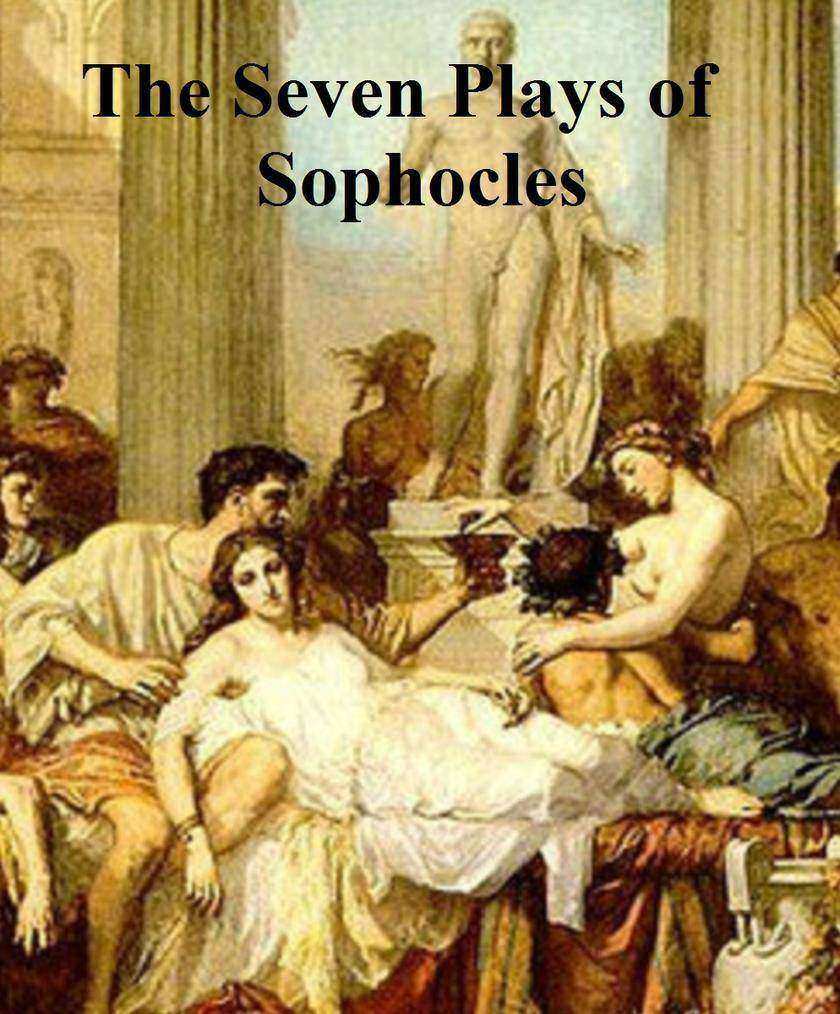
The Seven Plays of Sophocles
¥8.09
This file includes the English verse translation by Lewis Campbell of all seven extant Sophocles plays: Antigone, Aias. King Oedipus, Electra, The Tracinian Maidens, Philoctetes, and Oedippus at Colonos. According to Wikipedia: "Sophocles( c. 496 BC-406 BC) was the second of the three ancient Greek tragedians whose work has survived. His first plays were written later than those of Aeschylus and earlier than those of Euripides. According to the Suda, a 10th century encyclopedia, Sophocles wrote 123 plays during the course of his life, but only seven have survived in a complete form... The most famous of Sophocles' tragedies are those concerning Oedipus and Antigone: these are often known as the Theban plays, although each play was actually a part of different tetralogy, the other members of which are now lost. Sophocles influenced the development of the drama, most importantly by adding a third actor and thereby reducing the importance of the chorus in the presentation of the plot."
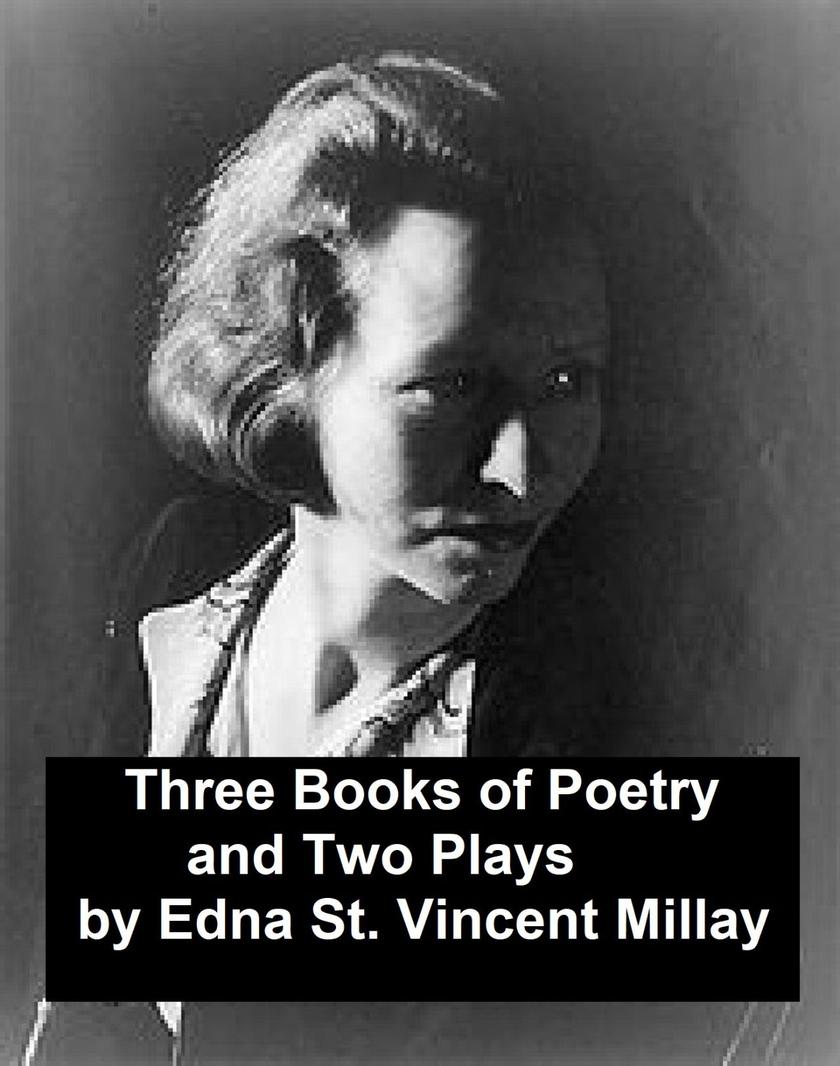
Three Books of Poetry and Two Plays
¥8.09
This file includes the short poetry collections A Few Figs from Thistles, Renascence and Other Poems, and Second April. It also includes the plays Aria da Capo (one act) and The Lamp and The Bell (five acts). According to Wikipedia: "Edna St. Vincent Millay (February 22, 1892 – October 19, 1950) was an American lyrical poet and playwright and the first woman to receive the Pulitzer Prize for Poetry. She was also known for her unconventional, bohemian lifestyle and her many love affairs. She used the pseudonym Nancy Boyd for her prose work."
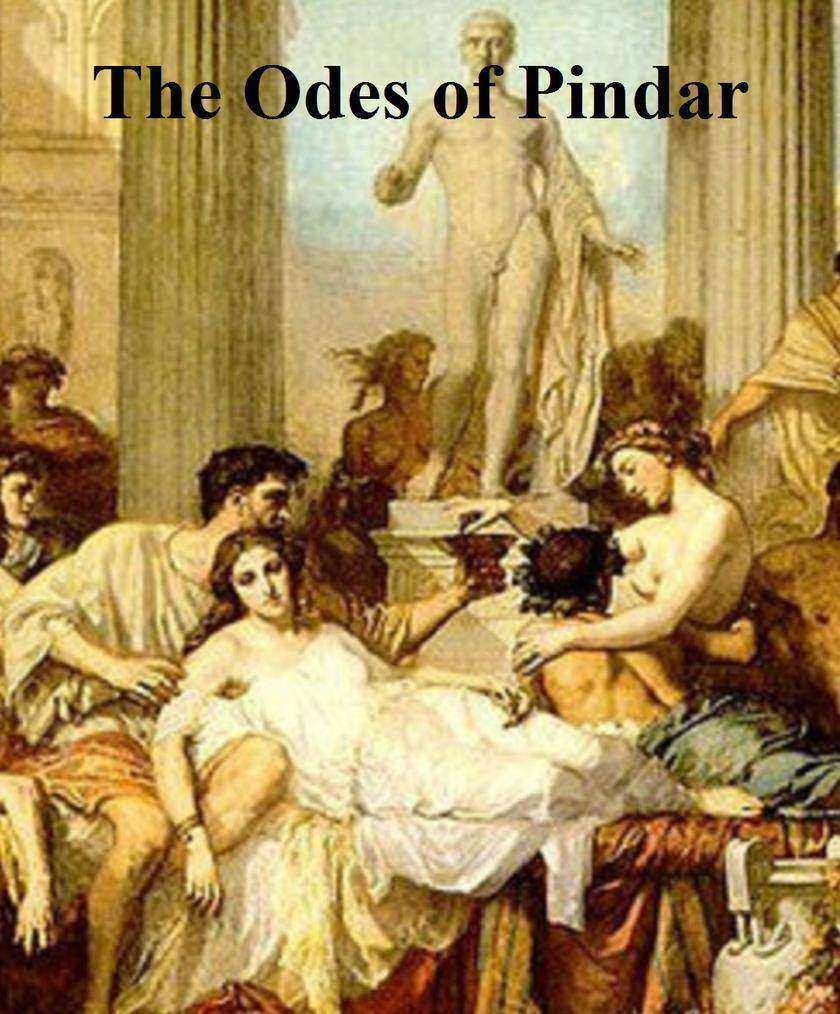
The Odes of Pindar
¥8.09
This translation first published in 1874. According to Wikipedia: "Pindar (c. 522–443 BC), was an Ancient Greek lyric poet from Thebes. Of the canonical nine lyric poets of ancient Greece, his work is the best preserved. Quintilian wrote, "Of the nine lyric poets, Pindar is by far the greatest, in virtue of his inspired magnificence, the beauty of his thoughts and figures, the rich exuberance of his language and matter, and his rolling flood of eloquence, characteristics which, as Horace rightly held, make him inimitable." His poems however can also seem difficult and even peculiar... his style still challenges the casual reader and he continues to be a much admired though largely unread poet."

The Magnificent Marriage
¥52.32
Young Lady Lettice Burne is outstandingly beautiful with fair hair like sunshine and a flawless pink-and-white complexion. Yet her father, the Earl of Alderburne, desperate to find a wealthy suitor for her to pay off his mountain of accumulated debts, is resigned to the fact that she is immature and empty-headed and therefore unlikely to make the brilliant marriage that he had envisaged for her. So, when the handsome, dashing and rich Maximus Kirby expresses interest in her hand, the Earl is eager to send her to join him in Singapore. Maximus Kirby has been hugely successful in the Far East in trading and has started many profitable businesses that have brought unexpected prosperity to many poor communities. Lettice cannot possibly go to him in Singapore alone. So her sister Lady Dorinda goes, posing as her companion – albeit reluctantly, knowing that she is assuming her usual guise of ‘ugly sister’ thanks to the disfiguring eczema on her face and body that she has suffered from since childhood. To Dorinda’s delight and astonishment the tropical climate miraculously cures her skin complaint and now everybody can see that she is every bit as beautiful as Lettice, including Maximus Kirby. Once in Singapore Dorinda and Lettice face great dangers which Maximus Kirby and Dorinda have to defeat and Lettice becomes more and more determined that she will not marry Maximus Kirby. And will Lady Dorinda finally find the love and the ‘Magnificent Marriage’ that her disease has always denied her?

Matrimonio Fingido
¥41.86
Uno de los más apuestos y codiciados solteros de Londres, lord Melsonby se encuentra inesperadamente, atrapado en el problema de la hermosa fugitiva, Perlita Lyford, heredera de una fortuna inmensa, huérfana de madre y pierde por último, ?su progenitor, que la deja al cuidado? de una? prima hermana suya, lady Whitton. Lo que su padre no sabía, es que ella se había casado con sir Gerbold, un hombre mucho más joven que ella, y cuando lady Whitton, se murió… él vio la oportunidad de echar mano a su fortuna y de autoproclamarse su tutor. Es este hombreperverso y cruel, que Perlita huye, que solamente quiere casarse con ella, para quedarse con su dinero. Perlita, desesperada e infeliz con el destino que le esperaba, en uno de sus usuales viajes, consiguió escaparse del faetón y llegar a una modesta posada llamada La Cabeza del Rey y enseguida encuentra a lord Melsonby y le pide ayuda. Ahí, empieza un enredo fascinante, entre él y la misteriosa dama, donde se ven mezclados en una romántica aventura, ?que los conduce desde la resplandeciente sociedad victoriana, hasta una peligrosa intriga en Marruecos. Esta es una más, de las muchas obras magistrales, de la más famosa autora moderna del romanticismo, Barbara Cartland .

Das Leben und der Tod des K?nigs Lear
¥8.09
Die Shakespeare-Trag?die, übersetzt von Christoph Martin Wieland. Laut Wikipedia: "King Lear ist eine Trag?die von William Shakespeare. Der Titelheld kommt in den Wahnsinn, nachdem er t?richterweise zwischen zwei seiner drei T?chter aufgrund seiner Schmeichelei seinen Nachlass verworfen hat, was tragische Folgen für alle hat. Das Stück basiert auf der Legende von Leir of Britain, einem mythologischen vorr?mischen keltischen K?nig, der für Bühnen- und Spielfilme weitgehend adaptiert wurde, und die Rolle von Lear wurde von vielen der besten Schauspieler der Welt begehrt und gespielt. "

Der Erste Theil von Koenig Heinrich dem Vierten
¥8.09
Shakespeare-Geschichte spielt Heinrich den Vierten Teil, in deutscher ?bersetzung. Laut Wikipedia: "Henry IV, Part 1 ist ein historisches Stück von William Shakespeare, vermutlich sp?testens 1597 geschrieben. Es ist das zweite Stück in Shakespeares Tetralogie, das sich mit den aufeinanderfolgenden Regentschaften von Richard II, Henry IV (zwei Stücke ), und Heinrich V. Heinrich IV., Teil 1, zeigt eine Spannweite der Geschichte, die mit Hotspurs Schlacht bei Homildon gegen Douglas Ende 1402 beginnt und mit der Niederlage der Rebellen in Shrewsbury in der Mitte des Jahres 1403 endet. Von Anfang an war ein ?u?erst popul?res Spiel sowohl bei der ?ffentlichkeit als auch bei den Kritikern. "

Leben und Tod K?nigs Richard des Zweyten
¥8.09
Die Shakespeare-Geschichte spielt Richard II in deutscher ?bersetzung. Laut Wikipedia: "K?nig Richard der Zweite ist ein Geschichtsstück von William Shakespeare, vermutlich um 1595 geschrieben. Es basiert auf dem Leben von K?nig Richard II. Von England (regiert 1377-1399) und ist der erste Teil einer Tetralogie , von einigen Gelehrten als Henriad bezeichnet, gefolgt von drei Stücken über Richards Nachfolger: Henry IV, Teil 1, Henry IV, Teil 2 und Henry V. Es wurde vielleicht nicht als eigenst?ndige Arbeit geschrieben. "

Dissertations on the English Language
¥8.09
According to Wikipedia: "Noah Webster, Jr. (October 16, 1758 – May 28, 1843), was an American lexicographer, textbook pioneer, English-language spelling reformer, political writer, editor, and prolific author. He has been called the "Father of American Scholarship and Education." His blue-backed speller books taught five generations of American children how to spell and read, secularizing their education. According to Ellis (1979) he gave Americans "a secular catechism to the nation-state." Webster's name has become synonymous with "dictionary" in the United States, especially the modern Merriam-Webster dictionary that was first published in 1828 as An American Dictionary of the English Language. He was one of the Founding Fathers of the nation."
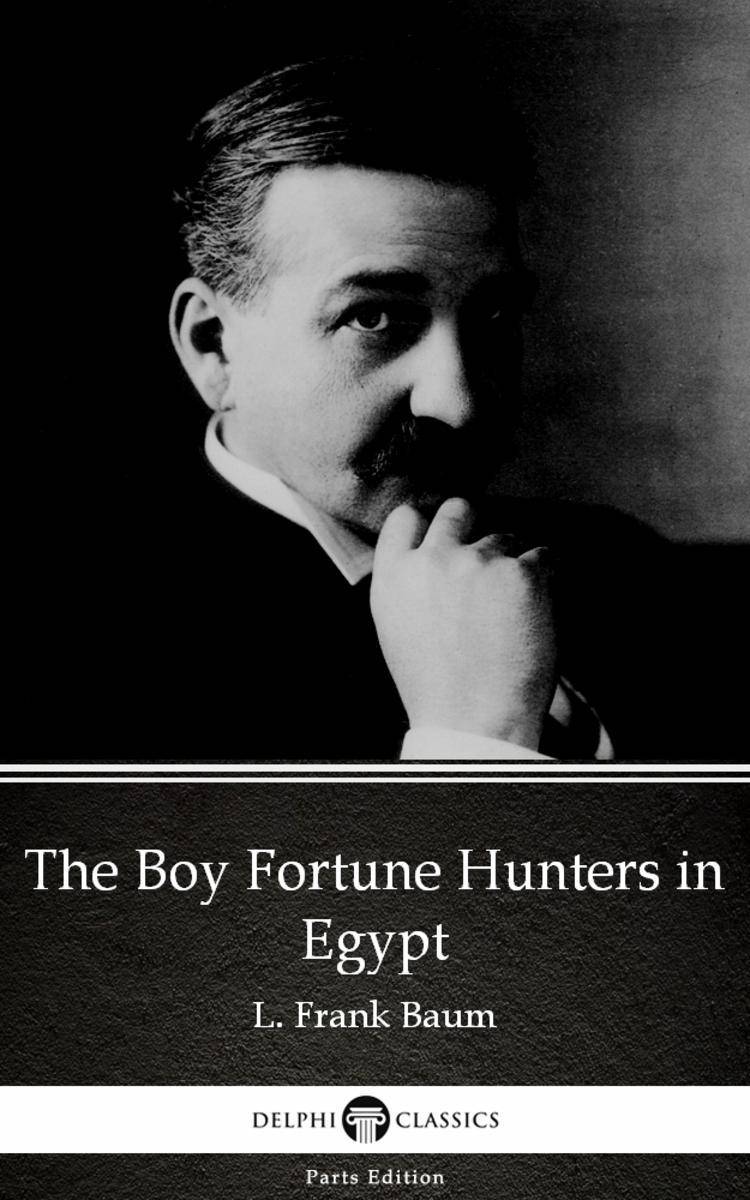
The Boy Fortune Hunters in Egypt by L. Frank Baum - Delphi Classics (Illustrated
¥8.09
This eBook features the unabridged text of ‘The Boy Fortune Hunters in Egypt by L. Frank Baum - Delphi Classics (Illustrated)’ from the bestselling edition of ‘The Complete Works of L. Frank Baum’. Having established their name as the leading publisher of classic literature and art, Delphi Classics produce publications that are individually crafted with superior formatting, while introducing many rare texts for the first time in digital print. The Delphi Classics edition of Baum includes original annotations and illustrations relating to the life and works of the author, as well as individual tables of contents, allowing you to navigate eBooks quickly and easily. eBook features: * The complete unabridged text of ‘The Boy Fortune Hunters in Egypt by L. Frank Baum - Delphi Classics (Illustrated)’ * Beautifully illustrated with images related to Baum’s works * Individual contents table, allowing easy navigation around the eBook * Excellent formatting of the text Please visit www.delphiclassics.com to learn more about our wide range of titles
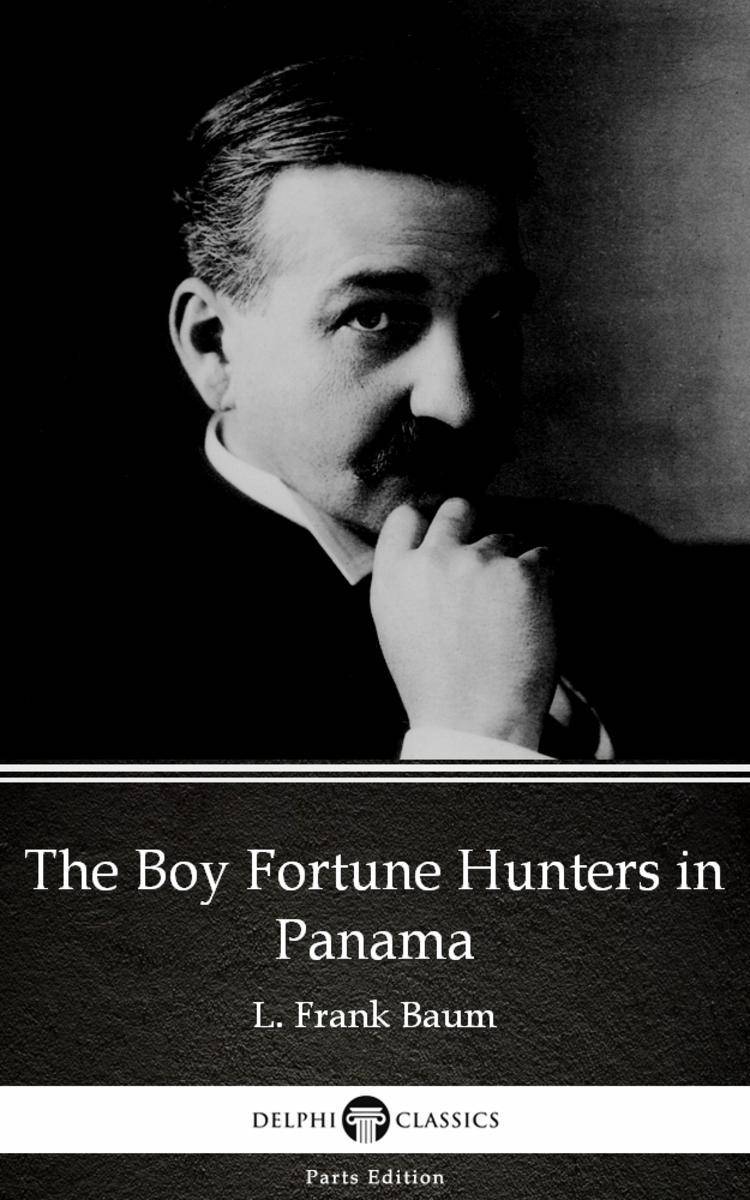
The Boy Fortune Hunters in Panama by L. Frank Baum - Delphi Classics (Illustrate
¥8.09
This eBook features the unabridged text of ‘The Boy Fortune Hunters in Panama by L. Frank Baum - Delphi Classics (Illustrated)’ from the bestselling edition of ‘The Complete Works of L. Frank Baum’. Having established their name as the leading publisher of classic literature and art, Delphi Classics produce publications that are individually crafted with superior formatting, while introducing many rare texts for the first time in digital print. The Delphi Classics edition of Baum includes original annotations and illustrations relating to the life and works of the author, as well as individual tables of contents, allowing you to navigate eBooks quickly and easily. eBook features: * The complete unabridged text of ‘The Boy Fortune Hunters in Panama by L. Frank Baum - Delphi Classics (Illustrated)’ * Beautifully illustrated with images related to Baum’s works * Individual contents table, allowing easy navigation around the eBook * Excellent formatting of the text Please visit www.delphiclassics.com to learn more about our wide range of titles
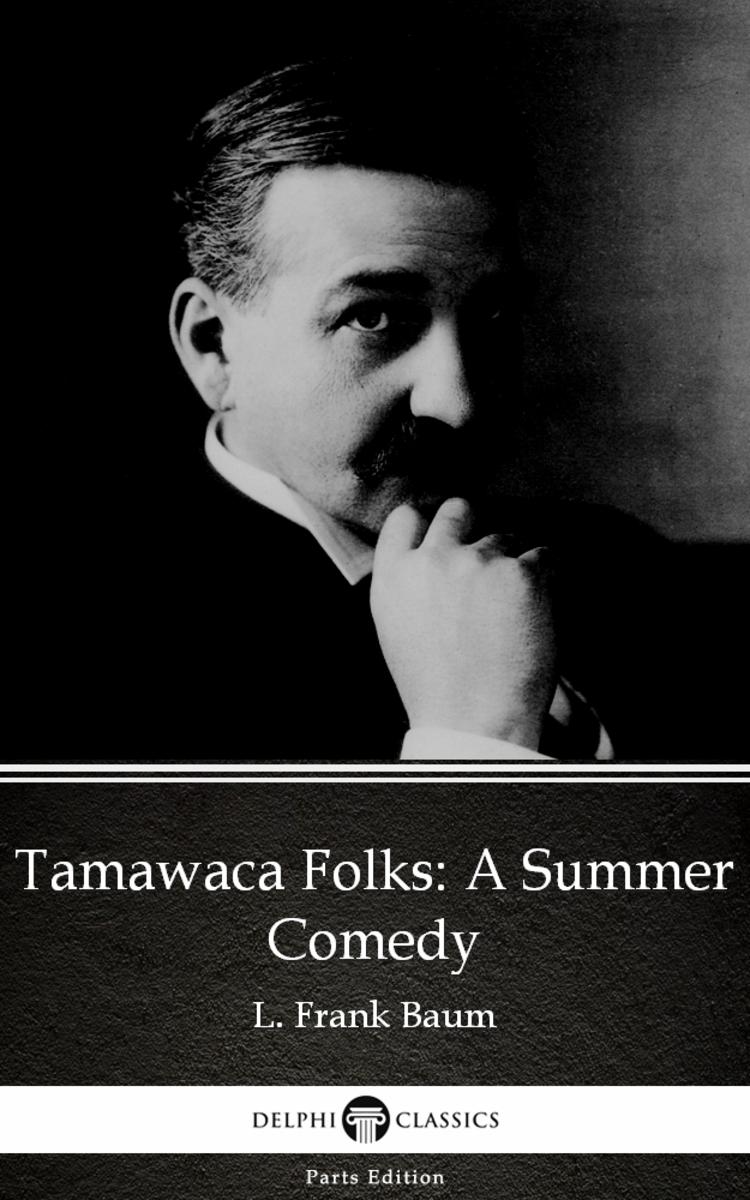
Tamawaca Folks A Summer Comedy by L. Frank Baum - Delphi Classics (Illustrated)
¥8.09
This eBook features the unabridged text of ‘Tamawaca Folks A Summer Comedy by L. Frank Baum - Delphi Classics (Illustrated)’ from the bestselling edition of ‘The Complete Works of L. Frank Baum’. Having established their name as the leading publisher of classic literature and art, Delphi Classics produce publications that are individually crafted with superior formatting, while introducing many rare texts for the first time in digital print. The Delphi Classics edition of Baum includes original annotations and illustrations relating to the life and works of the author, as well as individual tables of contents, allowing you to navigate eBooks quickly and easily. eBook features: * The complete unabridged text of ‘Tamawaca Folks A Summer Comedy by L. Frank Baum - Delphi Classics (Illustrated)’ * Beautifully illustrated with images related to Baum’s works * Individual contents table, allowing easy navigation around the eBook * Excellent formatting of the text Please visit www.delphiclassics.com to learn more about our wide range of titles
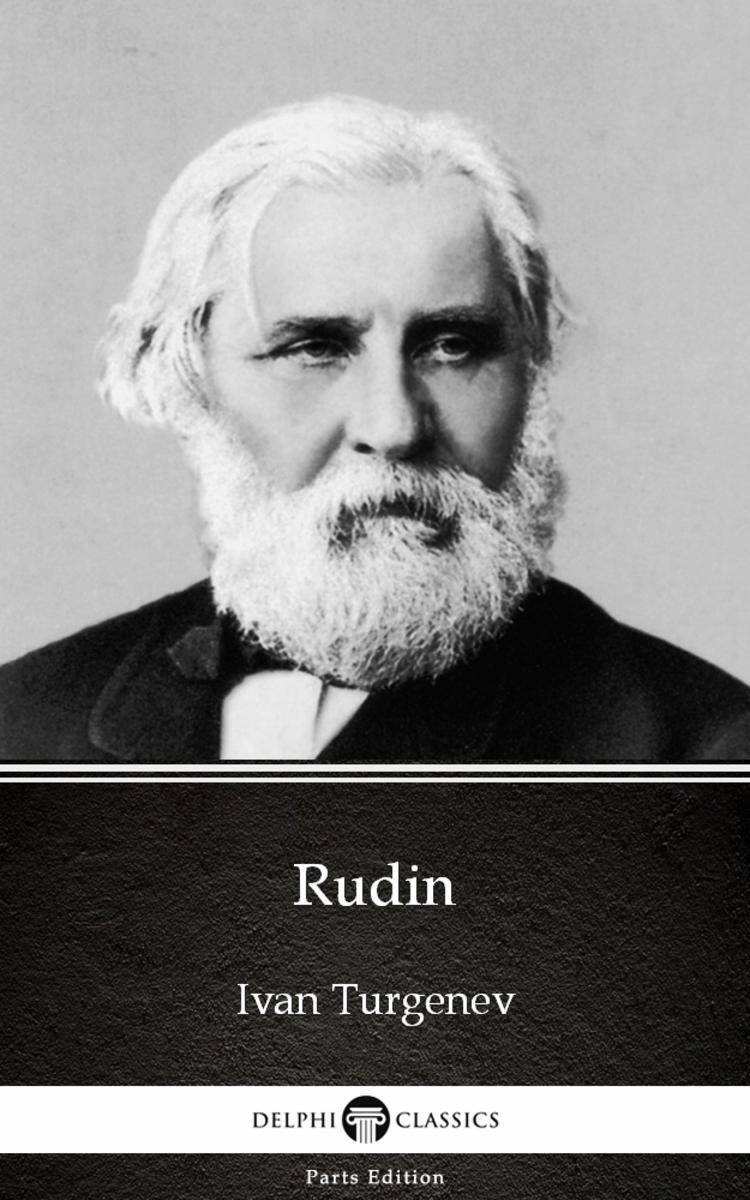
Rudin by Ivan Turgenev - Delphi Classics (Illustrated)
¥8.09
This eBook features the unabridged text of ‘Rudin by Ivan Turgenev - Delphi Classics (Illustrated)’ from the bestselling edition of ‘The Collected Works of Ivan Turgenev’. Having established their name as the leading publisher of classic literature and art, Delphi Classics produce publications that are individually crafted with superior formatting, while introducing many rare texts for the first time in digital print. The Delphi Classics edition of Turgenev includes original annotations and illustrations relating to the life and works of the author, as well as individual tables of contents, allowing you to navigate eBooks quickly and easily. eBook features: * The complete unabridged text of ‘Rudin by Ivan Turgenev - Delphi Classics (Illustrated)’ * Beautifully illustrated with images related to Turgenev’s works * Individual contents table, allowing easy navigation around the eBook * Excellent formatting of the text Please visit www.delphiclassics.com to learn more about our wide range of titles


