


 购物车
购物车 个人中心
个人中心

Hard Times: - play adaptation
¥38.62
Brilliant adaptation of Charles Dickens biting novel H ard Times . Dominated by Gradgrind and Bounderby, Coketown’s prosperity is built on the cotton mills where thousands of men and women slave away for long hours and little pay. Gradgrind’s obsession with material progress damages his children Louisa and Tom, leading to scandal and disaster. ‘Hard Times’ celebrates the importance of the human heart in an age obsessed with materialism. Circus, music, and dark comedy all go into the rich mix of this truly Dickensian theatrical tale. Charles Way has written over 50 plays, specializing in writing for children, young people and family audiences. His plays are performed worldwide. He has won several major awards - A Spell of Cold Weather won the Writers Guild best children's play award in 2001 and in 2004 his play Red Red Shoes won the English Arts Council best children's play award. In Germany, his play Missing won the Children's Theatre prize and in the USA? he was nominated for a Helen Hayes Award. He was commissioned by the National Theatre to write Alice In The News , which children all over Britain have performed. He has also written many plays for radio, and a TV poem for BBC 2, No Borders , set in the Welsh borders, where he lives and has spent most of his creative life. ? " A stellar adaptation by Charles Way, moving, thoughtful and wonderfully drawn’.??????????????????????? What’s on Stage ***** ‘Way gives real depth to characters, replaces Dickens’ sentimentality with warmth and his censoriousness with moral indignation’. ?????????????????????????? The Independent ***** ‘daringly restructures Dickens’ plot, yet sticks to the motto of his lisping ringmaster Mr Sleary: “People mutht be amuthed.”’ ????????????????????????????????????????????The Observer ?
HarperCollins e-books
¥112.44
Discusses Jay Leno's unique sense of humor, from his days as a New England schoolboy to his role as the top-rated late-night TV talk-show host, and examines some of the challenges and conflicts he faced to make it to where he is today.
The Greedy Bastard Diary
¥90.54
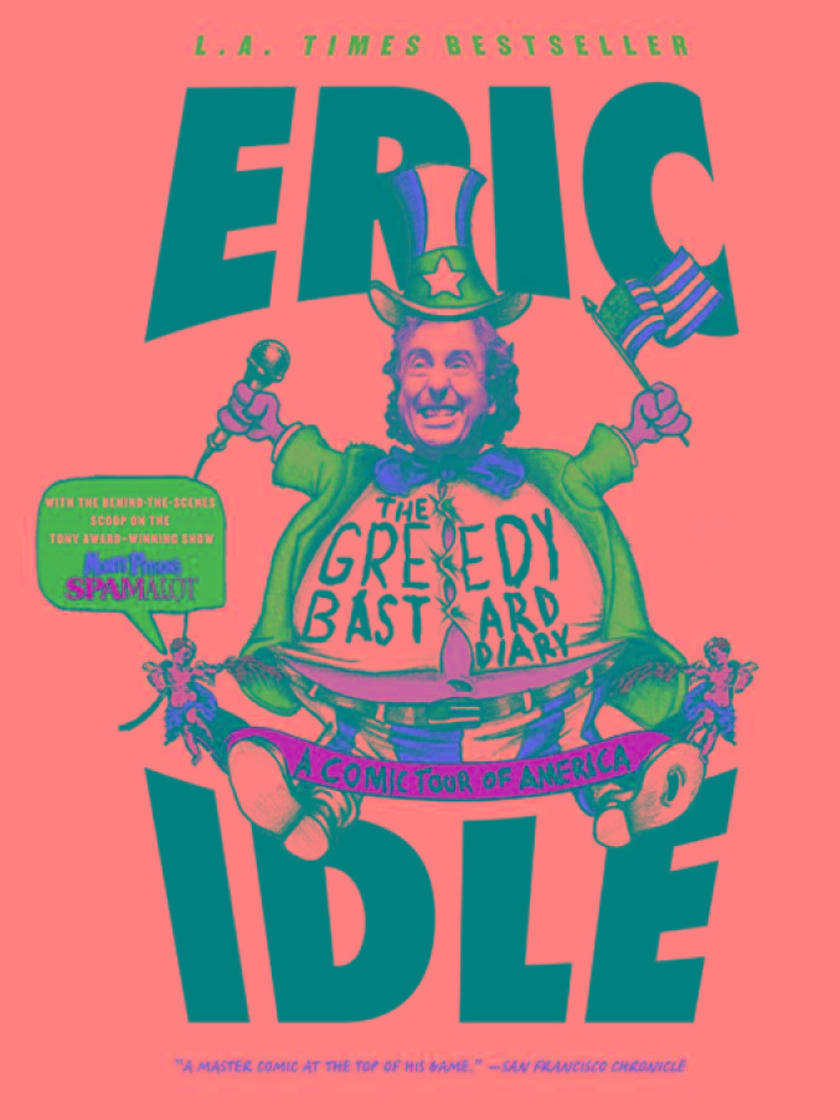
A stunningly witty exploration of the American landscape -- not to mention a brilliant comic's mind -- this diary is chock-full of everything you ever wanted to know about Eric Idle, Monty Python, America, and sleeping on a bus. In these pages, the sixth-nicest Python is cheeky, touching, and funny when recounting the riotous tales of his beginnings, his affectionate reminiscences of his fellow Pythons, traveling the world, and taking us backstage at the smash Broadway hit Spamalot.Fascinating, moving, at times even amusing, this book will dramatically improve your sex life, will make you feel intelligent and charming within the first several pages, and after a few chapters, will permanently eliminate all your personal or health problems. So come experience eighty days, 15,750 miles, and forty-nine cities as you never have before!

Inside the Magic: The Making of Fantastic Beasts and Where to Find Them
¥112.23
Return to the wizarding world and discover how director David Yates and producer David Heyman brought J.K. Rowling’s all new adventure, Fantastic Beasts and Where to Find Them to the big screen.Inside the Magic: The Making of Fantastic Beasts and Where to Find Them introduces filmmaking fans to Newt Scamander, Magizoologist, and the principal characters, locations, artefacts and beasts that he encounters in 1920s New York. Explore the filmmaking magic behind MACUSA, the secretive American counterpart of the Ministry of Magic; The Blind Pig where the wizarding underworld gathers; and the magical secrets of Newt’s case.Each section contains profiles of the key characters, with revealing insights from Eddie Redmayne, Colin Farrell, Katherine Waterston, Alison Sudol, Dan Fogler and many others, together with sections on set design, costumes, make-up, special effects, art department & props (especially wands!), which are illuminated by interviews with David Heyman, David Yates, Stuart Craig, Colleen Atwood and a magical army of other crew. Packed with exciting photos that reveal the filmmaking process in discerning detail, this is the definitive adult companion book to the film, and perfect introduction to Fantastic Beasts and Where to Find Them.
Decision Between Us
¥370.82
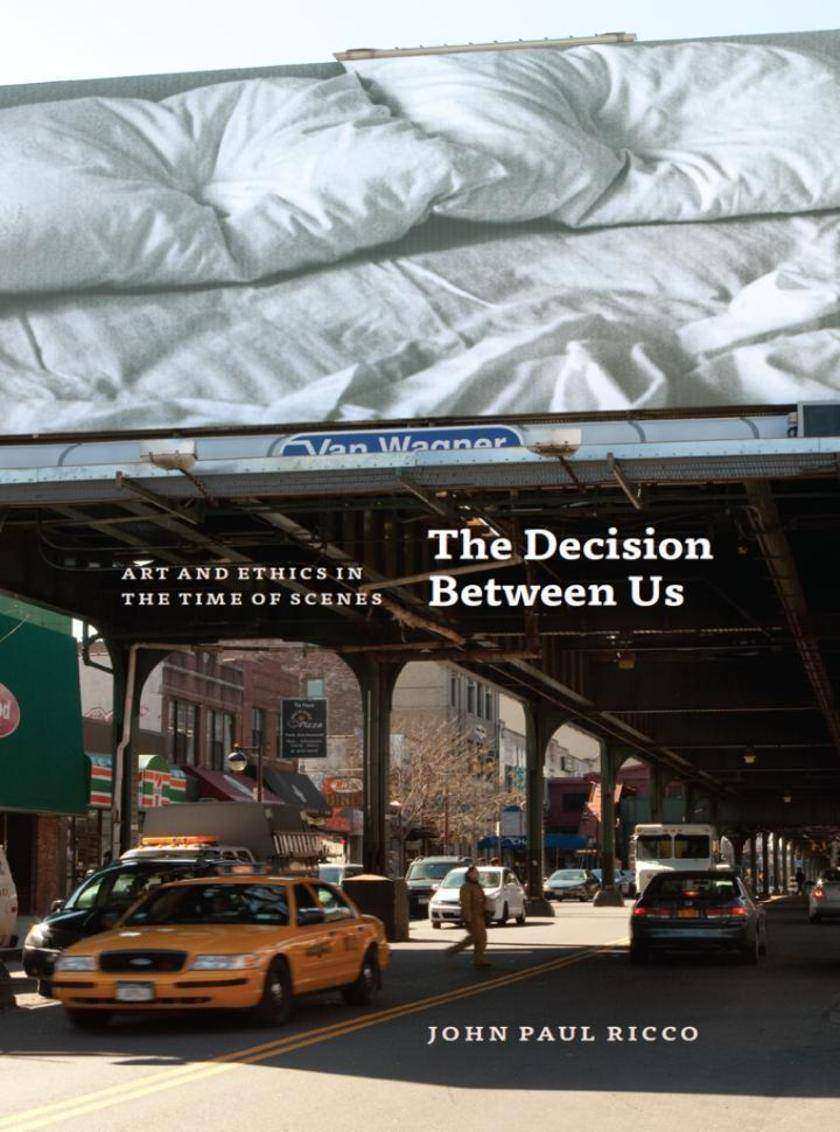
The Decision Between Us?combines an inventive reading of Jean-Luc Nancy with queer theoretical concerns to argue that while scenes of intimacy are spaces of sharing, they are also spaces of separation. John Paul Ricco shows that this tension informs our efforts to coexist ethically and politically, an experience of sharing and separation that informs any decision. Using this incongruous relation of intimate separation, Ricco goes on to propose that "e;decision"e; is as much an aesthetic as it is an ethical construct, and one that is always defined in terms of our relations to loss, absence, departure, and death.?Laying out this theory of "e;unbecoming community"e; in modern and contemporary art, literature, and philosophy, and calling our attention to such things as blank sheets of paper, images of unmade beds, and the spaces around bodies,?The Decision Between Us?opens in 1953, when Robert Rauschenberg famously erased a drawing by Willem de Kooning, and Roland Barthes published?Writing Degree Zero, then moves to 1980 and the "e;neutral mourning"e; of Barthes'?Camera Lucida, and ends in the early 1990s with installations by Felix Gonzalez-Torres. Offering surprising new considerations of these and other seminal works of art and theory by Jean Genet, Marguerite Duras, and Catherine Breillat,?The Decision Between Us?is a highly original and unusually imaginative exploration of the spaces between us, arousing and evoking an infinite and profound sense of sharing in scenes of passionate, erotic pleasure as well as deep loss and mourning.
Systems We Have Loved
¥370.82
By the early 1960s, theorists like Levi-Strauss, Lacan, Foucault, and Barthes had created a world ruled by signifying structures and pictured through the grids of language, information, and systems. Artists soon followed, turning to language and its related forms to devise a new, conceptual approach to art making. Examining the ways in which artists shared the structuralist devotion to systems of many sorts, Systems We Have Loved shows that even as structuralism encouraged the advent of conceptual art, it also raised intractable problems that artists were forced to confront.?Considering such notable art figures as Mary Kelly, Robert Morris, Robert Smithson, and Rosalind Krauss, Eve Meltzer argues that during this period the visual arts depicted and tested the far-reaching claims about subjectivity espoused by theorists. She offers a new way of framing two of the twentieth century's most transformative movements-one artistic, one expansively theoretical-and she reveals their shared dream-or nightmare-of the world as a system of signs. By endorsing this view, Meltzer proposes, these artists drew attention to the fictions and limitations of this dream, even as they risked getting caught in the very systems they had adopted. The first book to describe art's embrace of the world as an information system, Systems We Have Loved breathes new life into the study of conceptual art.

TV Cream Toys Lite
¥27.17
Do you remember tearing down the stairs at five in the morning, in wide-eyed anticipation of the mountain of wrapped boxes under a Woolies' fireproof silver tinsel tree? Do you remember the sense of disappointment when what you'd asked for wasn't among them? Or – worse – when you found a cheap, knock-off version of a toy you really wanted? Lavishly illustrated and with over 300 colour photographs, TV Cream Toys celebrates the presents that we hoped, wished and prayed would turn up in the Christmas stockings of yesteryear. From Big Trak to Buckaroo!, Mastermind to Merlin, Sorry! to Strawberry Shortcake, each peerless plaything from the '60s through to the '90s is examined and catalogued (in the Argos, rather than the scientific, sense). Culled from award-winning retro website TV Cream, this book lists a wealth of fondly remembered toys, games, and novelties, and unearths quite a few of the oft-forgotten classics that, even to this day, remain treasured in the hearts of our inner children. LET THE BLIZZARD OF MR MEN WRAPPING PAPER COMMENCE…
Montegue Blister’s Strange Games
¥36.50
A hilarious compendium of weird, wonderful, warped classic and new games. Taken from the brilliant website http://strange-games.blogspot.com/, Montegue Blister's Strange Games is a pocket-sized compendium of the most hilarious, noisy, messy, and often vomit-inducing games ever written. Finally, the official rules for all the games you played at school as a kid, such as Finger Jousting, Peanuts, Slapsies and Thumb Wrestling. But that's not all! Montegue Blister's Strange Games includes dangerous variations on old classics such as Extreme Rock Paper Scissors, Bloody Knuckles, Shin Kicking and Toe Wrestling, plus a whole host of new, weird and wonderful games like Face Ball, Crazy Stair Climbing, Watermelon Skiing and Mosquito Squashing. Some games are violent, some are downright savage - and most involve a tiny bit of blood. But one thing's for sure - they're great fun! Montegue Blister's Strange Games is the perfect gift for Christmas and beyond. Chapters in Strange Games in include: Hand and feet games; Urban Games; Festivals; Party Games; Trick Games; Playground Games; Throwing & Propulsion; Sports; Stand off Games; Animal Games.
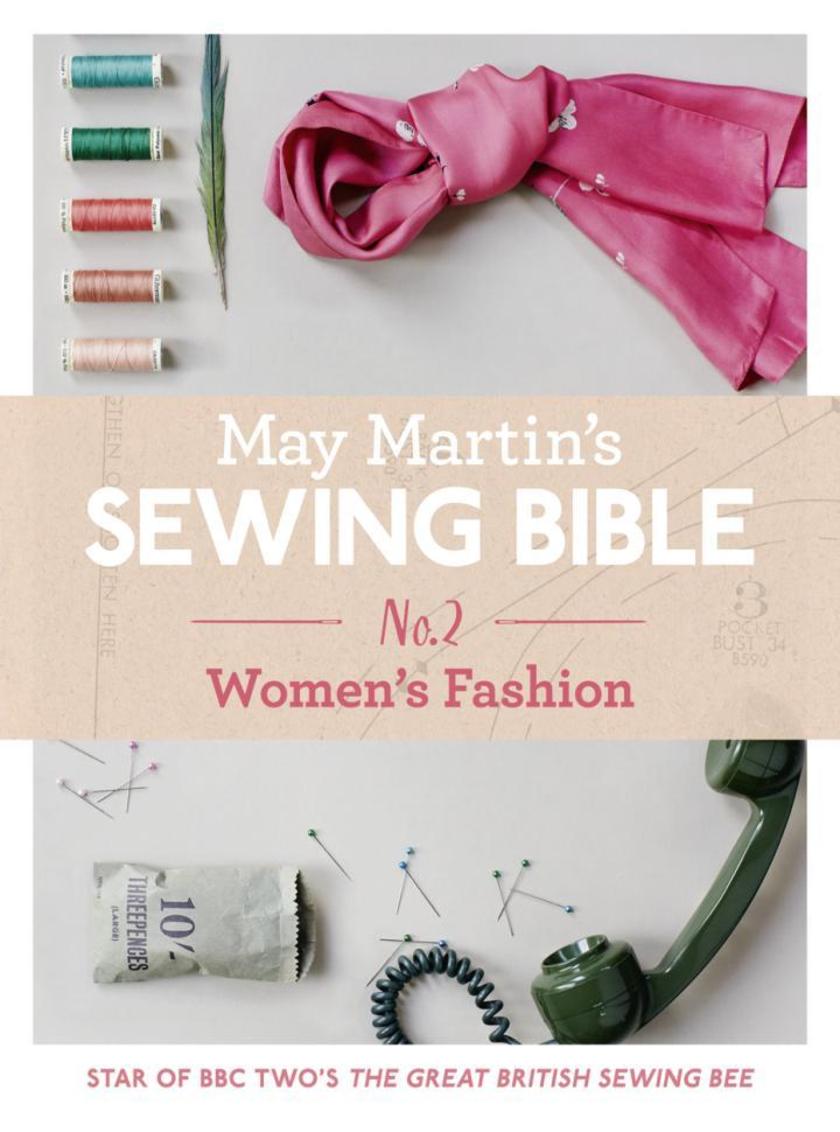
May Martin’s Sewing Bible e-short 2
¥15.60
The second of 6 eBook-only shorts from star of the Great British Sewing Bee and doyenne of the Women’s Institute, May Martin, including three gorgeous projects to try at home - Pencil Skirt, Bucket Bag and Shell Blouse - taken from May Martin’s Sewing Bible. May has been teaching sewing for over 40 years. Now she shares her tips and tricks for creating beautiful garments at home, perfect for beginner sewers. Beautifully styled and simple-to-follow, this authoritative sewing e-short, taken from May Martin’s Sewing Bible, offers three starter projects for those looking to create their own unique wardrobe.
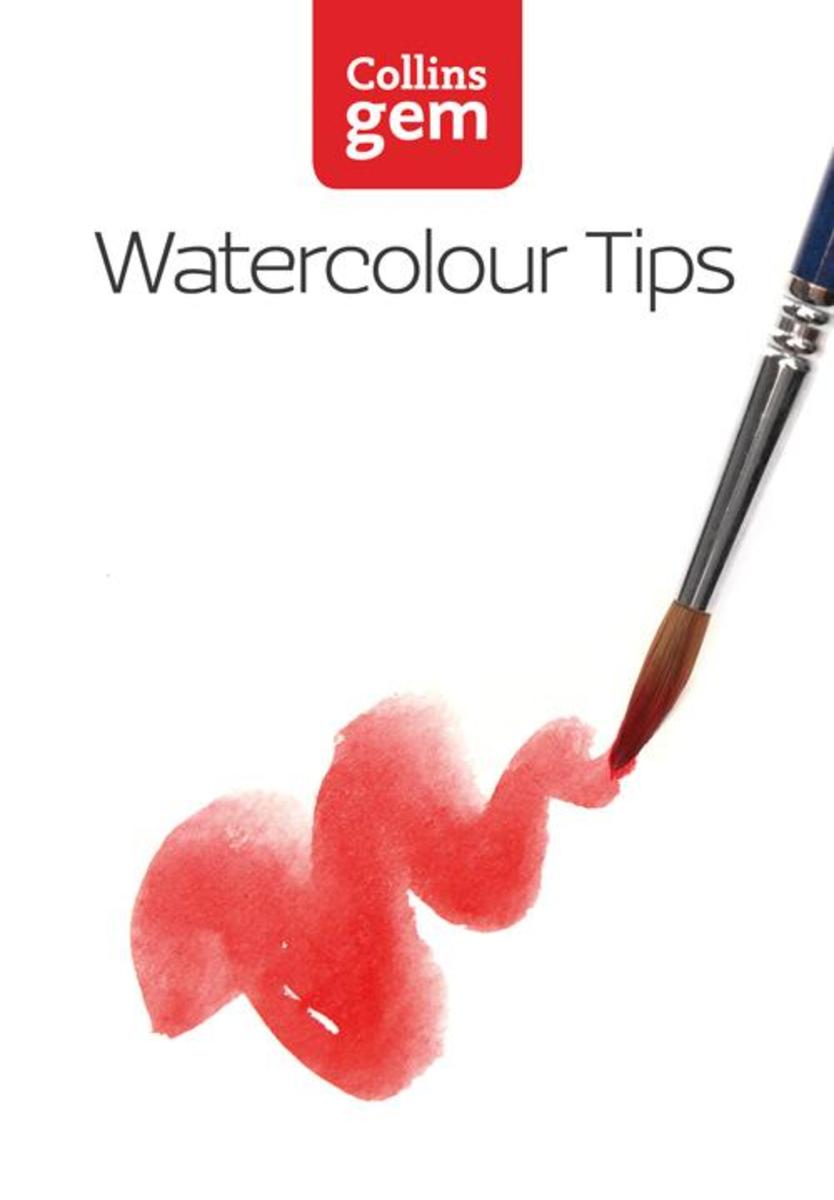
Watercolour Tips (Collins Gem)
¥34.14
The Collins Gem series is being relaunched in Spring 2004 and this new title features a new internal design and a strong new cover design. Packed full of tips for the aspiring watercolourist, its handy format makes it ideal for quick reference either in the studio or out in the field. Contents include: ? essential tips on all the basic watercolour techniques, plus helpful advice on sketching and drawing ? guidelines on painting skies, backgrounds, foregrounds, the main subject, trees, details and shadows ? clear and straightforward step-by-step instructions for painting a complete landscape in 7 easy stages ? tips on painting water in various forms and adding people to a painting
10-Minute Watercolours (Collins Gem)
¥39.14
This handy, practical and inspirational little book is perfect for the pocket or art bag. It shows watercolour painters of all levels how to loosen up their paintings and maintain spontaneity by painting simple watercolour studies in no more than 10 minutes.
Collins Taak of the Toon: How to Speak Geordie
¥44.65
Gain an insight into the English language via one of the UK’s richest dialects: Geordie. From George Stephenson to The Animals to Viz, the North East has long had a successful creative culture, developing alongside its industrial history. Newcastle in particular has successfully reinvented itself as a centre of the arts, while still maintaining its own regional identity. This book is the definitive guide to the most distinctive element of that identity: the Geordie dialect. This book is a must for anyone with even a passing interest in the language of the North East, and also provides a thorough examination of the general state of English, from the traditional wit and wisdom of the Geordie perspective.
Charm: An Essay (What Money Can’t Buy)
¥28.06
An informative, fun and rather charming essay on the nature and history of one of life’s most desirable assets, Charm, by renowned culture and design critic, Stephen Bayley. Aiming to wound, a schoolmaster wrote on future design-guru Stephen Bayley’s last ever school report “Charm alone will not get him through”. Bayley took this to mean that an affable, genial, outgoing nature was not enough to ensure survival in a harsh world of statistical performance. But survive and flourish is exactly what Bayley did and now he aims to define Charm by looking at its origins and meanings throughout history and in the modern age.
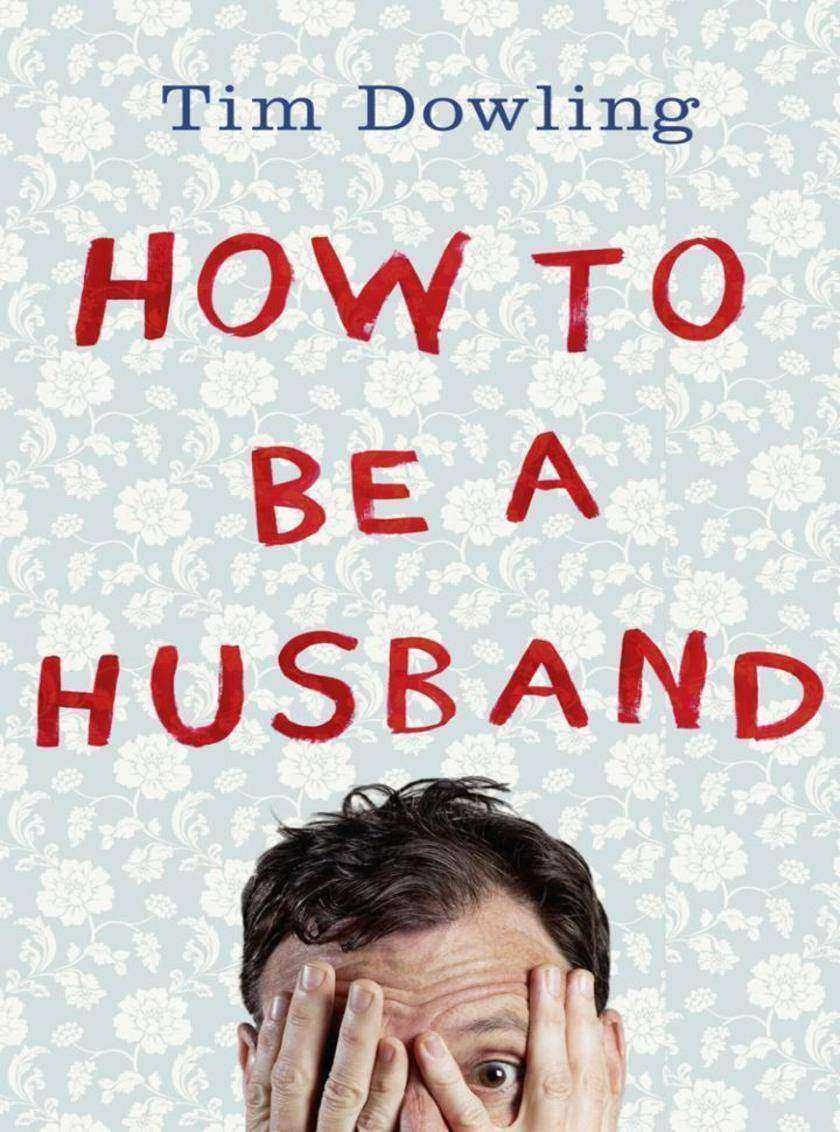
How to Be a Husband
¥69.26
The much-loved Guardian columnist asks what it takes to make a husband, and looks to his own married life to provide the answer.* *Anything resembling advice should be taken at reader’s own risk. You’ll never get divorced if you never get married. Not even your granny minds if you live in sin anymore. And if you’re single you can choose curtains without somebody else butting in. So why bother with marriage? It can’t just be an easy way round having to buy your own deodorant. Guardian columnist Tim Dowling is a husband of some twenty years. His marriage is resounding proof that even the most impossible partnership can work out for the best. Some of the time. So while this book is called ‘How To be a Husband’, it’s not really a how-to guide at all. Nor is it a compendium of petty remarks and brinkmanship – although it contains plenty of both. You may pick up a few DIY hints. You might learn that while marriage is founded on love, it endures through bloody hard work. Most likely it will make you whimper with the laughter of painful recognition. ‘How To be a Husband’ is a cautionary tale about throwing caution to the wind. It’s the strange romance of two people consenting to share a roll-on. It’s a new manifesto for marriage and an answer to why, even when we suck at it, we stick at it.
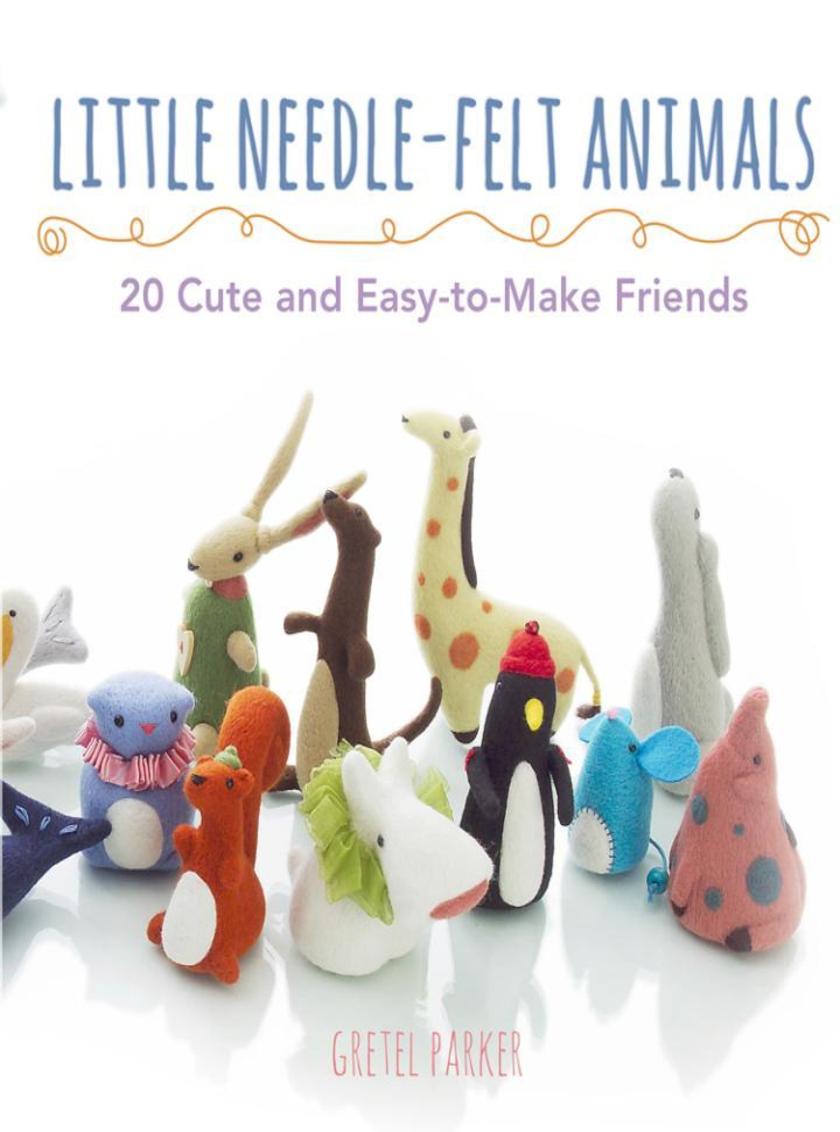
Little Needle-felt Animals
¥95.75
Needlefelting is fast becoming the most popular and easiest way to create cute and quirky characters and curiosities. In this book you can learn to make 30 adorable little animals. Needlefelting is the ideal craft for beginners, far easier and cheaper to learn than knitting or crochet. You can make almost anything by sculpting loose wool roving with one or two needles – the only limit is your imagination. This book includes a comprehensive introduction and guide to getting started, a breakdown of the basic needlefelting techniques and the equipment you will need. It also features a very cute photograph of each animal and an illustrated step-by-step guide. Learn to make the following little animals … Lion – Baby elephant – Sea lion – Penguin- Whale – Angel fish- Dolphin – Octopus- Snail – Bee – Hedgehog – Fox – Quail – Guinea pig – Puppy- Kitten- Rabbit – Robin – Sheep – Pig
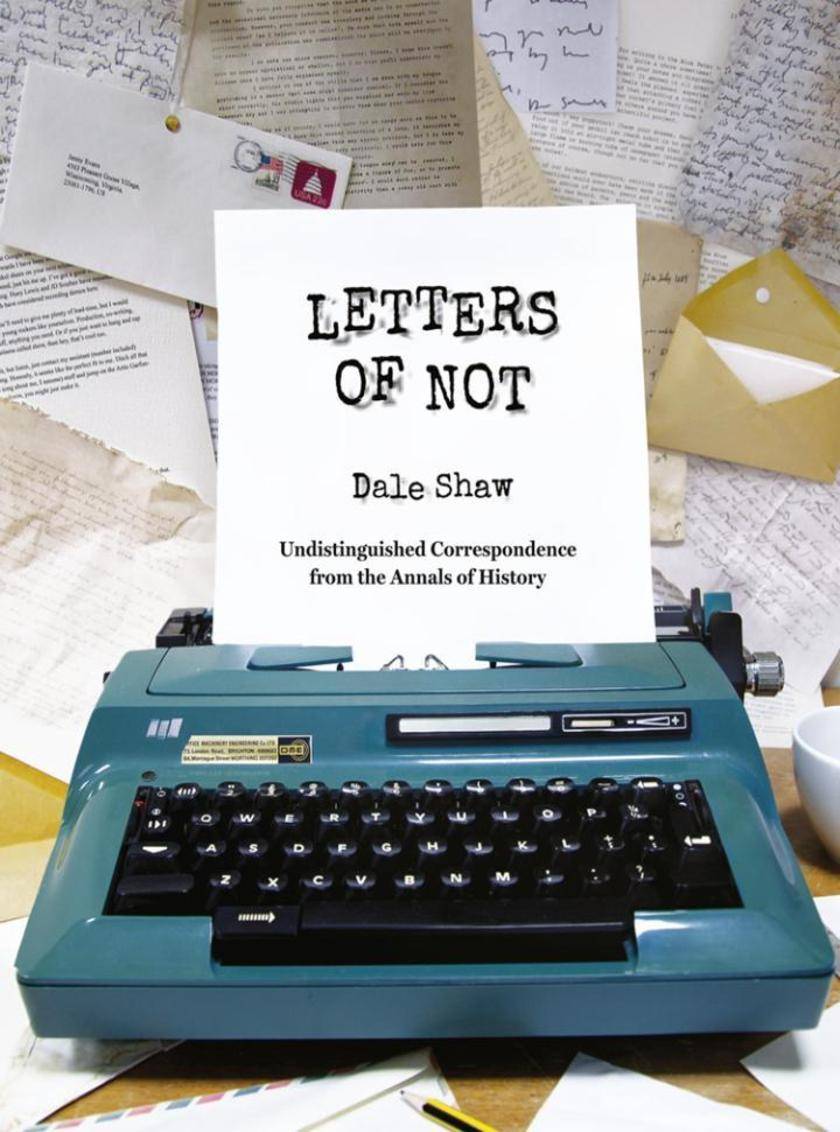
Letters of Not
¥68.28
A collection of remarkable and completely made-up correspondence from the great and the good across history. Many books have collated the exceptional letters and personal writing of the famous, offering a fascinating insight into well-known figures' personal lives and hidden desires. But what of the undistinguished epistles of the renowned? Can their less auspicious musings divulge clues to their hopes and ambitions? Probably not. But they can be quite funny. 'Letters of Not' assembles the fictional jotted dross that was never before considered worthy of collection. The Post-it notes, the shopping lists, the failed limericks and the birthday card sentiments of history's most celebrated sons and daughters.
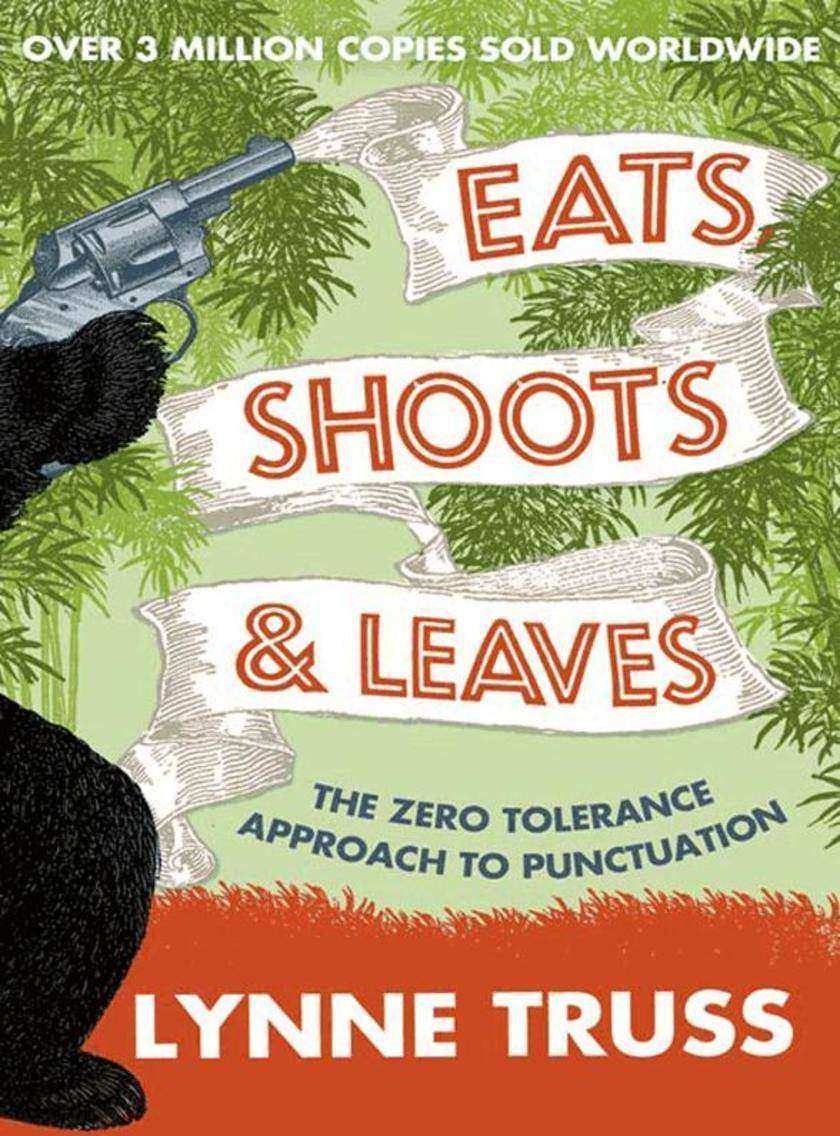
Eats, Shoots and Leaves
¥66.22
Anxious about the apostrophe? Confused by the comma? Stumped by the semicolon? Join Lynne Truss on a hilarious tour through the rules of punctuation that is sure to sort the dashes from the hyphens. We all had the basic rules of punctuation drilled into us at school, but punctuation pedants have good reason to suspect they never sank in. ‘Its Summer!’ screams a sign that sets our teeth on edge. ‘Pansy’s ready’, we learn to our considerable interest (‘Is she?’) as we browse among the bedding plants. It is not only the rules of punctuation that have come under attack but also a sense of why they matter. In this runaway bestseller, Lynne Truss takes the fight to emoticons and greengrocers’ apostrophes with a war cry of ‘Sticklers unite!’
The Atheist’s Guide to Christmas
¥66.22
42 atheist celebrities, comedians, scientists and writers give their funny and serious tips for enjoying the Christmas season. When the Atheist Bus Campaign was first launched, over Gbp150,000, was raised in four days - enough to place the advert 'There's probably no God. Now stop worrying and enjoy your life' on 800 Uk buses in January 2009. Now dozens of atheist writers, comedians and scientists are joining together to raise money for a very different cause. The Atheist's Guide to Christmas is a funny, thoughtful handbook all about enjoying Christmas, from 42 of the world's most entertaining atheists. It features everything from an atheist Christmas miracle to a guide to the best Christmas pop hits, and contributors include Richard Dawkins, Charlie Brooker, Derren Brown, Ben Goldacre, Jenny Colgan, David Baddiel, Simon Singh, Ac Grayling, Brian Cox and Richard Herring. The full book advance and all royalties will go to the Uk Hiv charity Terrence Higgins Trust.
Good Morning Nantwich: Adventures in Breakfast Radio
¥57.09
What possesses a right-minded comedian to quit the day job for life as a breakfast radio DJ? The opening DJ on the Beeb’s new alternative radio channel, 6Music, Phill Jupitus was a maverick on the flat landscape of inane commercial breakfast radio. Disregarding the pre*ive chart-led schedule and showing no fear in the face of BBC management, this ex-performance poet’s personal crusade against the bland, the predictable and the smug self-satisfaction ensured that he never had any trouble practising what he preached. Not one to pull punches, Phill recounts with acerbic wit, honesty and more affection than he would care to admit, his encounters with petulant band members, tedious showbusiness jargon, colossal salaries and four-letter firewalls. Inviting world-weary media cynics and radio enthusiasts to sit back and revel in a heady dose of painful banter ensuing from the absent interview technique, The Clash, the perils of idols as on-air guests, Black Umfolosi and The Coasters, Nantwich remorselessly dissects the limply beating heart of breakfast radio and reconstructs it one playlist, anecdote and tran* at a time.
The Half-Gallon Quarter-Acre Pavlova Paradise
¥34.14
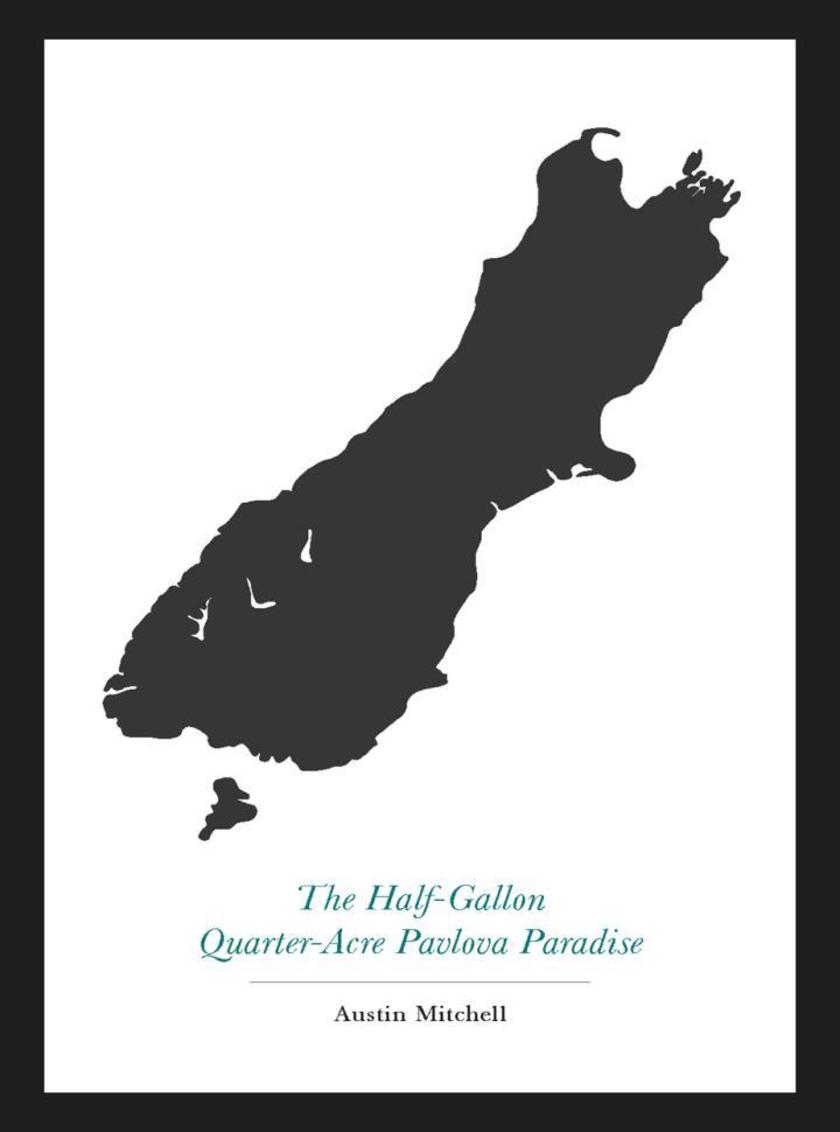
A witty, satirical de*ion of life in 1960s New Zealand, and Kiwi culture, by Austin Vernon Mitchell MP, who was an extremely popular TV figure in New Zealand. Yorkshireman Austin Mitchell emigrated to New Zealand and taught history and politics at Otago and Canterbury universities before becoming well known as a television broadcaster. In 1972, after his return to the UK, he published this best-selling commentary on New Zealand. It takes the form of advice to a prospective English immigrant to New Zealand and was celebrated for its warm wit and insight into New Zealand and its people.
May Martin’s Sewing Bible e-short 3: Kids
¥15.60
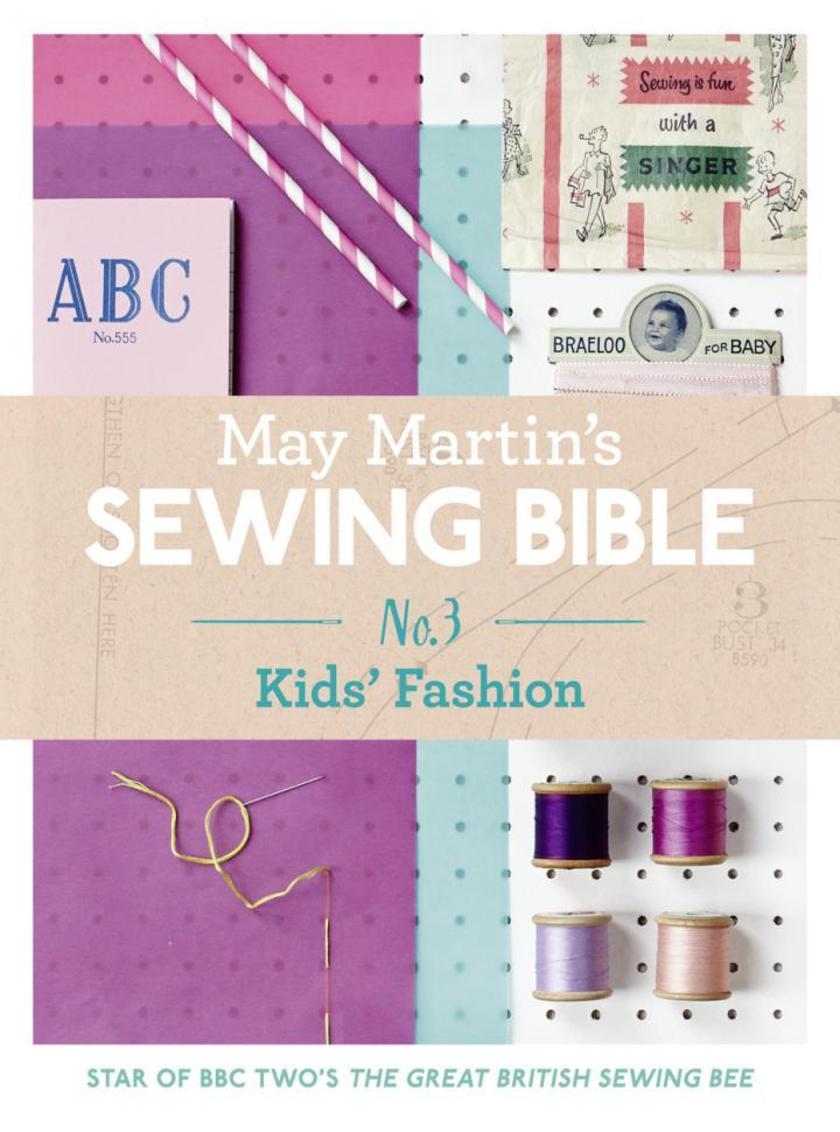
The third of 6 eBook-only shorts from star of the Great British Sewing Bee and doyenne of the Women’s Institute, May Martin, including three adorable projects, across a range of difficulties – Hand Puppets, Jersey T-shirt and a Smocked Dress – taken from May Martin’s Sewing Bible. May has been teaching sewing for over 40 years. Now she shares three projects to try yourself across toys and clothes for children, perfect as thoughtful home-made gifts. Beautifully styled and simple-to-follow, this authoritative sewing e-short, taken from May Martin’s Sewing Bible, offers three starter projects for those looking to create beautiful kids’ clothes from scratch.


