


 购物车
购物车 个人中心
个人中心
Hands-On Machine Learning for Cybersecurity
¥81.74
Get into the world of smart data security using machine learning algorithms and Python libraries Key Features *Learn machine learning algorithms and cybersecurity fundamentals *Automate your daily workflow by applying use cases to many facets of security *Implement smart machine learning solutions to detect various cybersecurity problems Book Description Cyber threats today are one of the costliest losses that an organization can face. In this book, we use the most efficient tool to solve the big problems that exist in the cybersecurity domain. The book begins by giving you the basics of ML in cybersecurity using Python and its libraries. You will explore various ML domains (such as time series analysis and ensemble modeling) to get your foundations right. You will implement various examples such as building system to identify malicious URLs, and building a program to detect fraudulent emails and spam. Later, you will learn how to make effective use of K-means algorithm to develop a solution to detect and alert you to any malicious activity in the network. Also learn how to implement biometrics and fingerprint to validate whether the user is a legitimate user or not. Finally, you will see how we change the game with TensorFlow and learn how deep learning is effective for creating models and training systems What you will learn *Use machine learning algorithms with complex datasets to implement cybersecurity concepts *Implement machine learning algorithms such as clustering, k-means, and Naive Bayes to solve real-world problems *Learn to speed up a system using Python libraries with NumPy, Scikit-learn, and CUDA *Understand how to combat malware, detect spam, and fight financial fraud to mitigate cyber crimes *Use TensorFlow in the cybersecurity domain and implement real-world examples *Learn how machine learning and Python can be used in complex cyber issues Who this book is for This book is for the data scientists, machine learning developers, security researchers, and anyone keen to apply machine learning to up-skill computer security. Having some working knowledge of Python and being familiar with the basics of machine learning and cybersecurity fundamentals will help to get the most out of the book
Web Penetration Testing with Kali Linux - Third Edition
¥90.46
Build your defense against web attacks with Kali Linux, including command injection flaws, crypto implementation layers, and web application security holes About This Book ? Know how to set up your lab with Kali Linux ? Discover the core concepts of web penetration testing ? Get the tools and techniques you need with Kali Linux Who This Book Is For Since this book sets out to cover a large number of tools and security fields, it can work as an introduction to practical security skills for beginners in security. In addition, web programmers and also system administrators would benefit from this rigorous introduction to web penetration testing. Basic system administration skills are necessary, and the ability to read code is a must. What You Will Learn ? Learn how to set up your lab with Kali Linux ? Understand the core concepts of web penetration testing ? Get to know the tools and techniques you need to use with Kali Linux ? Identify the difference between hacking a web application and network hacking ? Expose vulnerabilities present in web servers and their applications using server-side attacks ? Understand the different techniques used to identify the flavor of web applications ? See standard attacks such as exploiting cross-site request forgery and cross-site *ing flaws ? Get an overview of the art of client-side attacks ? Explore automated attacks such as fuzzing web applications In Detail Web Penetration Testing with Kali Linux - Third Edition shows you how to set up a lab, helps you understand the nature and mechanics of attacking websites, and explains classical attacks in great depth. This edition is heavily updated for the latest Kali Linux changes and the most recent attacks. Kali Linux shines when it comes to client-side attacks and fuzzing in particular. From the start of the book, you'll be given a thorough grounding in the concepts of hacking and penetration testing, and you'll see the tools used in Kali Linux that relate to web application hacking. You'll gain a deep understanding of classicalSQL, command-injection flaws, and the many ways to exploit these flaws. Web penetration testing also needs a general overview of client-side attacks, which is rounded out by a long discussion of *ing and input validation flaws. There is also an important chapter on cryptographic implementation flaws, where we discuss the most recent problems with cryptographic layers in the networking stack. The importance of these attacks cannot be overstated, and defending against them is relevant to most internet users and, of course, penetration testers. At the end of the book, you'll use an automated technique called fuzzing to identify flaws in a web application. Finally, you'll gain an understanding of web application vulnerabilities and the ways they can be exploited using the tools in Kali Linux. Style and approach This step-by-step guide covers each topic with detailed practical examples. Every concept is explained with the help of illustrations using the tools available in Kali Linux.
Practical AWS Networking
¥73.02
Your one step guide to learn all about AWS networking. About This Book ? Master your networking skills on Public Cloud. ? Gain hands-on experience of using Amazon VPC, Elastic Load Balancing, Direct Connect and other AWS products. ? Implement troubleshooting skills and best practices for security on AWS network. Who This Book Is For This book is targeted towards cloud architects, cloud solution providers, or any stakeholders dealing with networking on AWS Cloud. A prior idea of Amazon Web Services will be an added advantage. What You Will Learn ? Overview of all networking services available in AWS. ? Gain Work with load balance application across different regions. ? Learn auto scale instance based on the increase and decrease of the traffic. ? Deploy application in highly available and fault tolerant manner. ? Configure Route 53 for a web application. ? Troubleshooting tips and best practices at the end In Detail Amazon Web Services (AWS) dominates the public cloud market by a huge margin and it continues to be the first choice for many organizations. Networking has been an area of focus for all the leading cloud service providers. AWS has a suite of network-related products that help to perform network-related task in AWS. This book initially covers the basics of networking in AWS. Then we use AWS VPC to create an isolated virtual cloud for performing network-related tasks. We then provide an overview of AWS Direct Connect after taking a deep dive into scalability and load balancing using Auto scaling feature, Elastic Load Balancing, and Amazon Route S3. Toward the end of the book, we cover some troubleshooting tips and security best practices for your network. By the end of this book, you will have hands-on experience of working with network tasks on AWS. Style and approach A step by step practical guide that helps you use all networking services available in AWS effectively.
Learning AWS - Second Edition
¥81.74
Discover techniques and tools for building serverless applications with AWS About This Book ? Get well-versed with building and deploying serverless APIs with microservices ? Learn to build distributed applications and microservices with AWS Step Functions ? A step-by-step guide that will get you up and running with building and managing applications on the AWS platform Who This Book Is For If you are an I.T. professional or a system architect who wants to improve infrastructure using AWS, then this book is for you. It is also for programmers who are new to AWS and want to build highly efficient, scalable applications. What You Will Learn ? Set up your AWS account and get started with the basic concepts of AWS ? Learn about AWS terminology and identity access management ? Acquaint yourself with important elements of the cloud with features such as computing, ELB, and VPC ? Back up your database and ensure high availability by having an understanding of database-related services in the AWS cloud ? Integrate AWS services with your application to meet and exceed non-functional requirements ? Create and automate infrastructure to design cost-effective, highly available applications In Detail Amazon Web Services (AWS) is the most popular and widely-used cloud platform. Administering and deploying application on AWS makes the applications resilient and robust. The main focus of the book is to cover the basic concepts of cloud-based development followed by running solutions in AWS Cloud, which will help the solutions run at scale. This book not only guides you through the trade-offs and ideas behind efficient cloud applications, but is a comprehensive guide to getting the most out of AWS. In the first section, you will begin by looking at the key concepts of AWS, setting up your AWS account, and operating it. This guide also covers cloud service models, which will help you build highly scalable and secure applications on the AWS platform. We will then dive deep into concepts of cloud computing with S3 storage, RDS and EC2. Next, this book will walk you through VPC, building realtime serverless environments, and deploying serverless APIs with microservices. Finally, this book will teach you to monitor your applications, and automate your infrastructure and deploy with CloudFormation. By the end of this book, you will be well-versed with the various services that AWS provides and will be able to leverage AWS infrastructure to accelerate the development process. Style and approach ? Learn to write, run, and deploy applications in the AWS cloud ? Make the most of AWS to build scalable and cost-efficient systems ? A practical guide to developing serverless services and make the applications run faster
Python Web Scraping Cookbook
¥73.02
Untangle your web scraping complexities and access web data with ease using Python *s About This Book ? Hands-on recipes for advancing your web scraping skills to expert level. ? One-Stop Solution Guide to address complex and challenging web scraping tasks using Python. ? Understand the web page structure and collect meaningful data from the website with ease Who This Book Is For This book is ideal for Python programmers, web administrators, security professionals or someone who wants to perform web analytics would find this book relevant and useful. Familiarity with Python and basic understanding of web scraping would be useful to take full advantage of this book. What You Will Learn ? Use a wide variety of tools to scrape any website and data—including BeautifulSoup, Scrapy, Selenium, and many more ? Master expression languages such as XPath, CSS, and regular expressions to extract web data ? Deal with scraping traps such as hidden form fields, throttling, pagination, and different status codes ? Build robust scraping pipelines with SQS and RabbitMQ ? Scrape assets such as images media and know what to do when Scraper fails to run ? Explore ETL techniques of build a customized crawler, parser, and convert structured and unstructured data from websites ? Deploy and run your scraper-as-aservice in AWS Elastic Container Service In Detail Python Web Scraping Cookbook is a solution-focused book that will teach you techniques to develop high-performance scrapers and deal with crawlers, sitemaps, forms automation, Ajax-based sites, caches, and more.You'll explore a number of real-world scenarios where every part of the development/product life cycle will be fully covered. You will not only develop the skills to design and develop reliable, performance data flows, but also deploy your codebase to an AWS. If you are involved in software engineering, product development, or data mining (or are interested in building data-driven products), you will find this book useful as each recipe has a clear purpose and objective. Right from extracting data from the websites to writing a sophisticated web crawler, the book's independent recipes will be a godsend on the job. This book covers Python libraries, requests, and BeautifulSoup. You will learn about crawling, web spidering, working with AJAX websites, paginated items, and more. You will also learn to tackle problems such as 403 errors, working with proxy, scraping images, LXML, and more. By the end of this book, you will be able to scrape websites more efficiently and to be able to deploy and operate your scraper in the cloud. Style and approach This book is a rich collection of recipes that will come in handy when you are scraping a website using Python. Addressing your common and not-so-common pain points while scraping website, this is a book that you must have on the shelf.
Practical Test-Driven Development using C# 7
¥90.46
Develop applications for the real world with a thorough software testing approach About This Book ? Develop a thorough understanding of TDD and how it can help you develop simpler applications with no defects using C# and JavaScript ? Adapt to the mindset of writing tests before code by incorporating business goals, code manageability, and other factors ? Make all your software units and modules pass tests by analyzing failed tests and refactoring code as and when required Who This Book Is For This book is for software developers with a basic knowledge of Test Driven Development (TDD) who want a thorough understanding of how TDD can benefit them and the applications they produce. The examples in this book are in C#, and you will need a basic understanding of C# to work through these examples. What You Will Learn ? The core concepts of TDD ? Testing in action with a real-world case study in C# and JavaScript using React ? Writing proper Unit Tests and testable code for your application ? Using different types of test double such as stubs, spies, and mocks ? Growing an application guided by tests ? Exploring new developments on a green-field application ? Mitigating the problems associated with writing tests for legacy applications ? Modifying a legacy application to make it testable In Detail Test-Driven Development (TDD) is a methodology that helps you to write as little as code as possible to satisfy software requirements, and ensures that what you've written does what it's supposed to do. If you're looking for a practical resource on Test-Driven Development this is the book for you. You've found a practical end-to-end guide that will help you implement Test-Driven Techniques for your software development projects. You will learn from industry standard patterns and practices, and shift from a conventional approach to a modern and efficient software testing approach in C# and JavaScript. This book starts with the basics of TDD and the components of a simple unit test. Then we look at setting up the testing framework so that you can easily run your tests in your development environment. You will then see the importance of defining and testing boundaries, abstracting away third-party code (including the .NET Framework), and working with different types of test double such as spies, mocks, and fakes. Moving on, you will learn how to think like a TDD developer when it comes to application development. Next, you'll focus on writing tests for new/changing requirements and covering newly discovered bugs, along with how to test JavaScript applications and perform integration testing. You’ll also learn how to identify code that is inherently un-testable, and identify some of the major problems with legacy applications that weren’t written with testability in mind. By the end of the book, you’ll have all the TDD skills you'll need and you’ll be able to re-enter the world as a TDD expert! Style and approach A practical step-by-step approach with real-world case studies.
Functional Kotlin
¥90.46
Learn how to apply Functional Programming with Kotlin to real-life projects with popular libraries like Arrow. About This Book ? Focus on the functional aspects of Kotlin and identify the advantages that functional programming brings to the table and the associated coding benefits, ? Implement common functional programming design patterns and techniques. ? Learn to combine OOP and Reactive Programming with Functional Programming and how RxKotlin and funkTionale can help you implementing Functional Programming in Kotlin Who This Book Is For Kotlin developers who have no functional programming experience, will benefit from this book. What You Will Learn ? Learn the Concepts of Functional Programming with Kotlin ? Discover the Coroutines in Kotlin ? Uncover Using funkTionale plugin ? Learn Monads, Functiors and Applicatives ? Combine Functional Programming with OOP and Reactive Programming ? Uncover Using Monads with funkTionale ? Discover Stream Processing In Detail Functional programming makes your application faster, improves performance, and increases your productivity. Kotlin supports many of the popular and advanced functional features of functional languages. This book will cover the A-Z of functional programming in Kotlin. This book bridges the language gap for Kotlin developers by showing you how to create and consume functional constructs in Kotlin. We also bridge the domain gap by showing how functional constructs can be applied in business scenarios. We’ll take you through lambdas, pattern matching, immutability, and help you develop a deep understanding of the concepts and practices of functional programming. If you want learn to address problems using Recursion, Koltin has support for it as well. You’ll also learn how to use the funKtionale library to perform currying and lazy programming and more. Finally, you’ll learn functional design patterns and techniques that will make you a better programmer.By the end of the book, you will be more confident in your functional programming skills and will be able to apply them while programming in Kotlin. Style and approach Loaded with numerous code examples and real life projects, this book helps you dive deep into Functional Programming with Kotlin as well as applying it with help of Functional Programming Plugins like funkTionale and RxKotlin.
Learn ECMAScript - Second Edition
¥73.02
Get up and running with all the new features of ECMAScript and explore new ways of coding with JavaScript. About This Book ? Grasp the latest features of ECMAScript and the best way to use it in production code ? Learn newly added native APIs to JS Engine and perform tasks efficiently with a cleaner code base ? Understand the more complex sides of JavaScript such as the inheritance model, low-level memory management, multithreaded environments, and web workers Who This Book Is For This book is for web developers who have some basic programming knowledge and want to learn to write cleaner code with the power of ECMAScript. What You Will Learn ? Implement methods associated with objects as per the latest ECMAScript specification ? Make use of the latest features of ECMAScript ? Make use of many new APIs in HTML5 and modern JavaScript implementation ? Use SharedArrayBuffers for superfast concurrent and parallel programming ? Perform asynchronous programming with JavaScript ? Implement the best ways and practices to perform modular programming in JavaScript In Detail Learn ECMAScript explores implementation of the latest ECMAScript features to add to your developer toolbox, helping you to progress to an advanced level. Learn to add 1 to a variable andsafely access shared memory data within multiple threads to avoid race conditions. You’ll start the book by building on your existing knowledge of JavaScript, covering performing arithmetic operations, using arrow functions and dealing with closures. Next, you will grasp the most commonly used ECMAScript skills such as reflection, proxies, and classes. Furthermore, you’ll learn modularizing the JS code base, implementing JS on the web and how the modern HTML5 + JS APIs provide power to developers on the web. Finally, you will learn the deeper parts of the language, which include making JavaScript multithreaded with dedicated and shared web workers, memory management, shared memory, and atomics. It doesn’t end here; this book is 100% compatible with ES.Next. By the end of this book, you'll have fully mastered all the features of ECMAScript! Style and approach The level goes gradually from basic to advanced so that the reader can adapt at every point and level up their skills at the same time. The chapters are carefully arranged in a manner that makes every concept easy to learn and deploy right away in your code.
Reactive Programming with Swift 4
¥81.74
Learn how to solve blocking user experience and build event based reactive applications with Swift. About This Book ? Build fast and scalable apps with RxSwift ? Apply reactive programming to solve complex problems and build efficient programs with reactive user interfaces ? Take expressiveness, scalability, and maintainability of your Swift code to the next level with this practical guide Who This Book Is For This book is for the developers who are familiar with Swift and iOS application development and are looking out to reduce the complexity of their apps. Prior experience of reactive programming is not necessary. What You Will Learn ? Understand the practical benefits of Rx on a mobile platform ? Explore the building blocks of Rx, and Rx data flows with marble diagrams ? Learn how to convert an existing code base into RxSwift code base ? Learn how to debug and test your Rx Code ? Work with Playgrounds to transform sequences by filtering them using map, flatmap and other operators ? Learn how to combine different operators to work with Events in a more controlled manner. ? Discover RxCocoa and convert your simple UI elements to Reactive components ? Build a complete RxSwift app using MVVM as design pattern In Detail RxSwift belongs to a large family of Rx implementations in different programming languages that share almost identical syntax and semantics. Reactive approach will help you to write clean, cohesive, resilient, scalable, and maintainable code with highly configurable behavior. This book will introduce you to the world of reactive programming, primarily focusing on mobile platforms. It will tell how you can benefit from using RxSwift in your projects, existing or new. Further on, the book will demonstrate the unbelievable ease of configuring asynchronous behavior and other aspects of the app that are traditionally considered to be hard to implement and maintain. It will explain what Rx is made of, and how to switch to reactive way of thinking to get the most out of it. Also, test production code using RxTest and the red/ green approach. Finally, the book will dive into real-world recipes and show you how to build a real-world app by applying the reactive paradigm. By the end of the book, you’ll be able to build a reactive swift application by leveraging all the concepts this book takes you through. Style and approach This book is a definite tutorial in FRP with Swift filled with well-described examples.
Practical Convolutional Neural Networks
¥63.21
One stop guide to implementing award-winning, and cutting-edge CNN architectures About This Book ? Fast-paced guide with use cases and real-world examples to get well versed with CNN techniques ? Implement CNN models on image classification, transfer learning, Object Detection, Instance Segmentation, GANs and more ? Implement powerful use-cases like image captioning, reinforcement learning for hard attention, and recurrent attention models Who This Book Is For This book is for data scientists, machine learning and deep learning practitioners, Cognitive and Artificial Intelligence enthusiasts who want to move one step further in building Convolutional Neural Networks. Get hands-on experience with extreme datasets and different CNN architectures to build efficient and smart ConvNet models. Basic knowledge of deep learning concepts and Python programming language is expected. What You Will Learn ? From CNN basic building blocks to advanced concepts understand practical areas they can be applied to ? Build an image classifier CNN model to understand how different components interact with each other, and then learn how to optimize it ? Learn different algorithms that can be applied to Object Detection, and Instance Segmentation ? Learn advanced concepts like attention mechanisms for CNN to improve prediction accuracy ? Understand transfer learning and implement award-winning CNN architectures like AlexNet, VGG, GoogLeNet, ResNet and more ? Understand the working of generative adversarial networks and how it can create new, unseen images In Detail Convolutional Neural Network (CNN) is revolutionizing several application domains such as visual recognition systems, self-driving cars, medical discoveries, innovative eCommerce and more.You will learn to create innovative solutions around image and video analytics to solve complex machine learning and computer vision related problems and implement real-life CNN models. This book starts with an overview of deep neural networkswith the example of image classification and walks you through building your first CNN for human face detector. We will learn to use concepts like transfer learning with CNN, and Auto-Encoders to build very powerful models, even when not much of supervised training data of labeled images is available. Later we build upon the learning achieved to build advanced vision related algorithms for object detection, instance segmentation, generative adversarial networks, image captioning, attention mechanisms for vision, and recurrent models for vision. By the end of this book, you should be ready to implement advanced, effective and efficient CNN models at your professional project or personal initiatives by working on complex image and video datasets. Style and approach An easy to follow concise and illustrative guide explaining the core concepts of ConvNets to help you understand, implement and deploy your CNN models quickly.
Mastering ServiceNow Scripting
¥73.02
Understand the ServiceNow *ing and build an efficient customized ServiceNow instance About This Book ? Customize your ServiceNow instance according to your organization’s needs ? Learn to work with inbuilt JavaScript APIs in ServiceNow ? Take your ServiceNow experience to the next level by learning to * Who This Book Is For This book is targeted toward ServiceNow administrators or anyone willing to learn inbuilt JavaScript APIs used to * and customize ServiceNow instances. Prior experience with ServiceNow is required. What You Will Learn ? Customize your ServiceNow instance according to your organization's needs ? Explore the ServiceNow-exposed JavaScript APIs and libraries ? Discover the method for using ServiceNow *ing functions ? Take your ServiceNow experience to the next level by understanding advanced *ing ? Learn to build, test, and debug custom applications ? Use your customized instance efficiently with the help of best practices In Detail Industry giants like RedHat and NetApp have adopted ServiceNow for their operational needs, and it is evolving as the number one platform choice for IT Service management. ServiceNow provides their clients with an add-on when it comes to baseline instances, where *ing can be used to customize and improve the performance of instances. It also provides inbuilt JavaScript API for *ing and improving your JavaScript instance. This book will initially cover the basics of ServiceNow *ing and the appropriate time to * in a ServiceNow environment. Then, we dig deeper into client-side and server-side *ing using JavaScipt API. We will also cover advance concepts like on-demand functions, * actions, and best practices. Mastering ServiceNow Scripting acts as an end-to-end guide for writing, testing, and debugging *s of ServiceNow. We cover update sets for moving customizations between ServiceNow instances, jelly *s for making custom pages, and best practices for all types of * in ServiceNow. By the end of this book, you will have hands-on experience in *ing ServiceNow using inbuilt JavaScript API. Style and approach The book will take a practical approach delving into different aspects of ServiceNow *ing to help you become a *ing master.
SQL Server 2017 Machine Learning Services with R
¥73.02
Develop and run efficient R *s and predictive models for SQL Server 2017 About This Book ? Learn how you can combine the power of R and SQL Server 2017 to build efficient, cost-effective data science solutions ? Leverage the capabilities of R Services to perform advanced analytics—from data exploration to predictive modeling ? A quick primer with practical examples to help you get up- and- running with SQL Server 2017 Machine Learning Services with R, as part of database solutions with continuous integration / continuous delivery. Who This Book Is For This book is for data analysts, data scientists, and database administrators with some or no experience in R but who are eager to easily deliver practical data science solutions in their day-to-day work (or future projects) using SQL Server. What You Will Learn ? Get an overview of SQL Server 2017 Machine Learning Services with R ? Manage SQL Server Machine Learning Services from installation to configuration and maintenance ? Handle and operationalize R code ? Explore RevoScaleR R algorithms and create predictive models ? Deploy, manage, and monitor database solutions with R ? Extend R with SQL Server 2017 features ? Explore the power of R for database administrators In Detail R Services was one of the most anticipated features in SQL Server 2016, improved significantly and rebranded as SQL Server 2017 Machine Learning Services. Prior to SQL Server 2016, many developers and data scientists were already using R to connect to SQL Server in siloed environments that left a lot to be desired, in order to do additional data analysis, superseding SSAS Data Mining or additional CLR programming functions. With R integrated within SQL Server 2017, these developers and data scientists can now benefit from its integrated, effective, efficient, and more streamlined analytics environment. This book gives you foundational knowledge and insights to help you understand SQL Server 2017 Machine Learning Services with R. First and foremost, the book provides practical examples on how to implement, use, and understand SQL Server and R integration in corporate environments, and also provides explanations and underlying motivations. It covers installing Machine Learning Services;maintaining, deploying, and managing code;and monitoring your services. Delving more deeply into predictive modeling and the RevoScaleR package, this book also provides insights into operationalizing code and exploring and visualizing data. To complete the journey, this book covers the new features in SQL Server 2017 and how they are compatible with R, amplifying their combined power. Style and approach This fast-paced guide will help data scientists and DBAs implement all new data science projects using SQL Server 2017 Machine Learning Services.
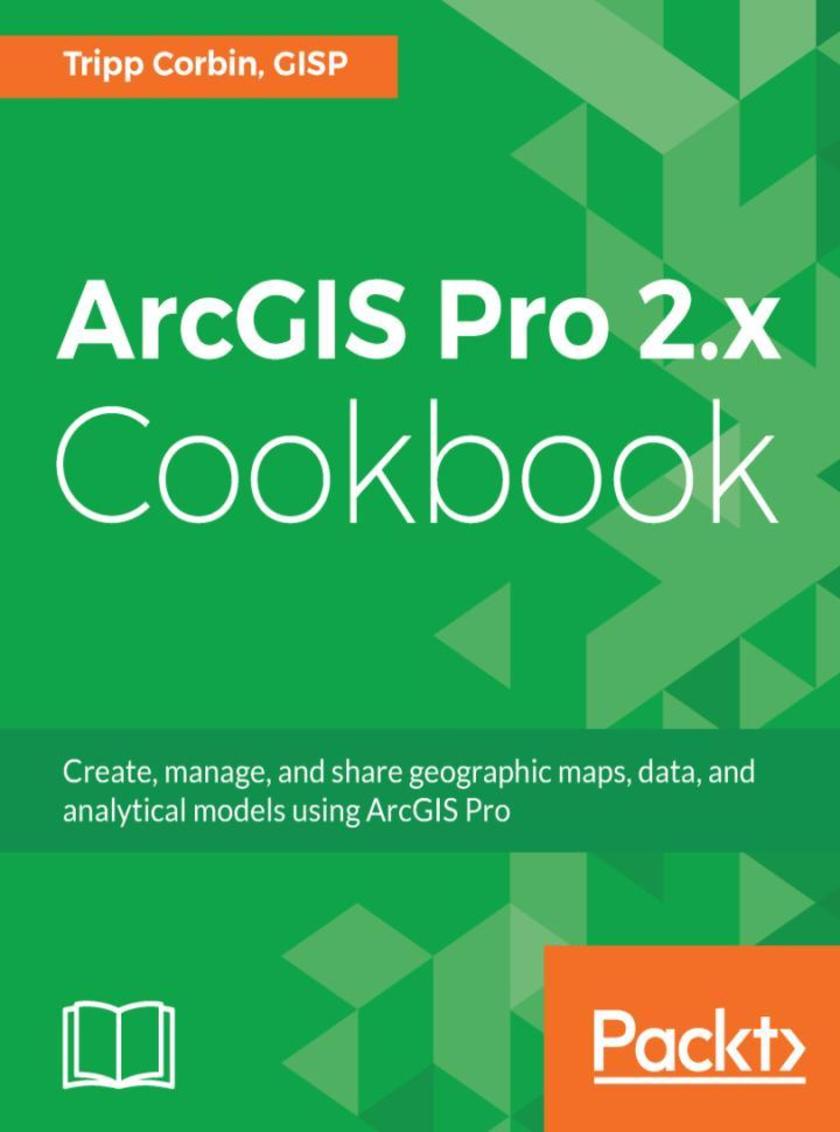
ArcGIS Pro 2.x Cookbook
¥99.18
Creating and Sharing Maps and Data using ArcGIS Pro About This Book ? Leverage the power of ArcGIS to build beautiful 2D and 3D maps. ? Work with ArcGIS to analyze and process data. ? Extend the power of ArcGIS to ArcGIS Online to create and edit content. Who This Book Is For GIS developers who are comfortable using ArcGIS, and are looking to increase their capabilities and skills, will find this book useful. What You Will Learn ? Edit data using standard tools and topology ? Convert and link data together using joins and relates ? Create and share data using Projections and Coordinate Systems ? Access and collect data in the field using ArcGIS Collector ? Perform proximity analysis and map clusters with hotspot analysis ? Use the 3D Analyst Extension and perform advanced 3D analysis ? Share maps and data using ArcGIS Online via web and mobile apps In Detail ArcGIS is Esri's catalog of GIS applications with powerful tools for visualizing, maintaining, and analyzing data. ArcGIS makes use of the modern ribbon interface and 64-bit processing to increase the speed and efficiency of using GIS. It allows users to create amazing maps in both 2D and 3D quickly and easily. If you want to gain a thorough understanding of the various data formats that can be used in ArcGIS Pro and shared via ArcGIS Online, then this book is for you. Beginning with a refresher on ArcGIS Pro and how to work with projects, this book will quickly take you through recipes about using various data formats supported by the tool. You will learn the limits of each format, such as Shapefiles, Geodatabase, and CAD files, and learn how to link tables from outside sources to existing GIS data to expand the amount of data that can be used in ArcGIS. You'll learn methods for editing 2D and 3D data using ArcGIS Pro and how topology can be used to ensure data integrity. Lastly the book will show you how data and maps can be shared via ArcGIS Online and used with web and mobile applications. Style and approach This book takes a recipe-based approach, teaching you how to create and share maps and data using ArcGIS Pro.
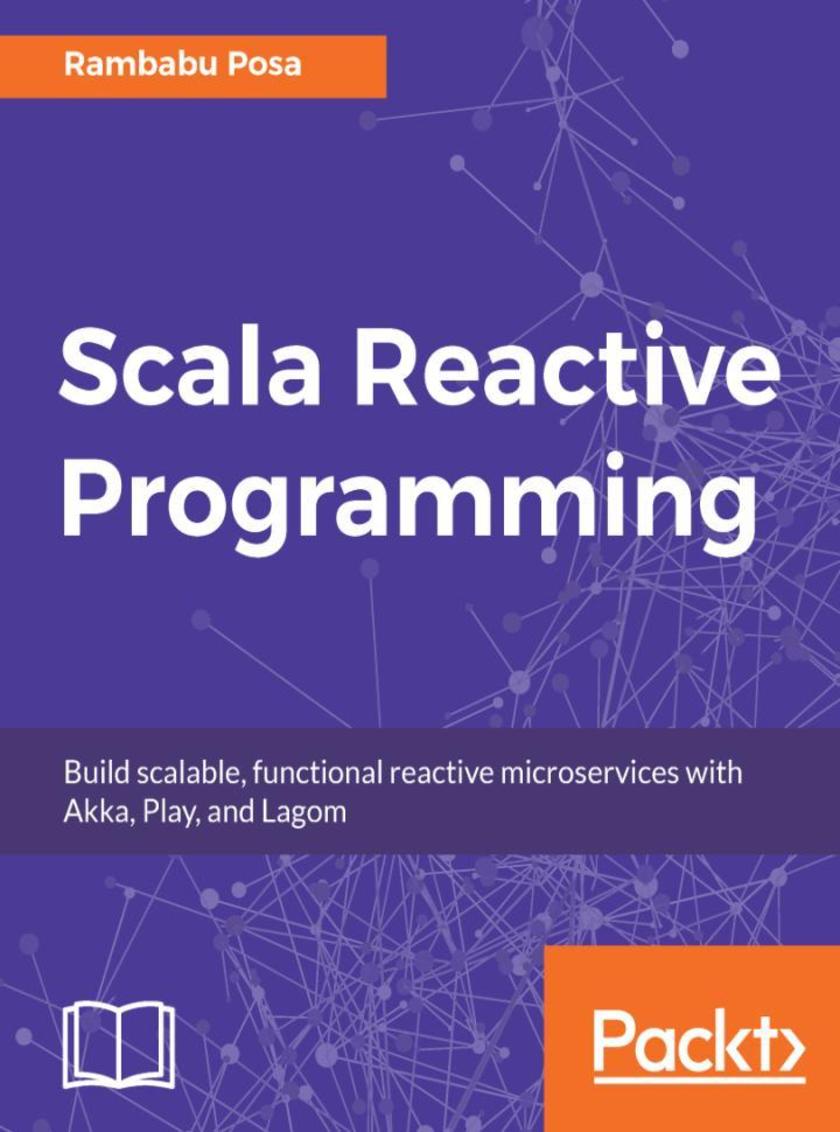
Scala Reactive Programming
¥81.74
Build fault-tolerant, robust, and distributed applications in Scala About This Book ? Understand and use the concepts of reactive programming to build distributed systems running on multiple nodes. ? Learn how reactive architecture reduces complexity throughout the development process. ? Get to grips with functional reactive programming and Reactive Microservices. Who This Book Is For This book is for Scala developers who would like to build fault-tolerant, scalable distributed systems. No knowledge of Reactive programming is required. What You Will Learn ? Understand the fundamental principles of Reactive and Functional programming ? Develop applications utilizing features of the Akka framework ? Explore techniques to integrate Scala, Akka, and Play together ? Learn about Reactive Streams with real-time use cases ? Develop Reactive Web Applications with Play, Scala, Akka, and Akka Streams ? Develop and deploy Reactive microservices using the Lagom framework and ConductR In Detail Reactive programming is a scalable, fast way to build applications, and one that helps us write code that is concise, clear, and readable. It can be used for many purposes such as GUIs, robotics, music, and others, and is central to many concurrent systems. This book will be your guide to getting started with Reactive programming in Scala. You will begin with the fundamental concepts of Reactive programming and gradually move on to working with asynchronous data streams. You will then start building an application using Akka Actors and extend it using the Play framework. You will also learn about reactive stream specifications, event sourcing techniques, and different methods to integrate Akka Streams into the Play Framework. This book will also take you one step forward by showing you the advantages of the Lagom framework while working with reactive microservices. You will also learn to scale applications using multi-node clusters and test, secure, and deploy your microservices to the cloud. By the end of the book, you will have gained the knowledge to build robust and distributed systems with Scala and Akka. Style and approach The book takes a pragmatic approach, showing you how to build a scalable distributed system using Scala and Akka.
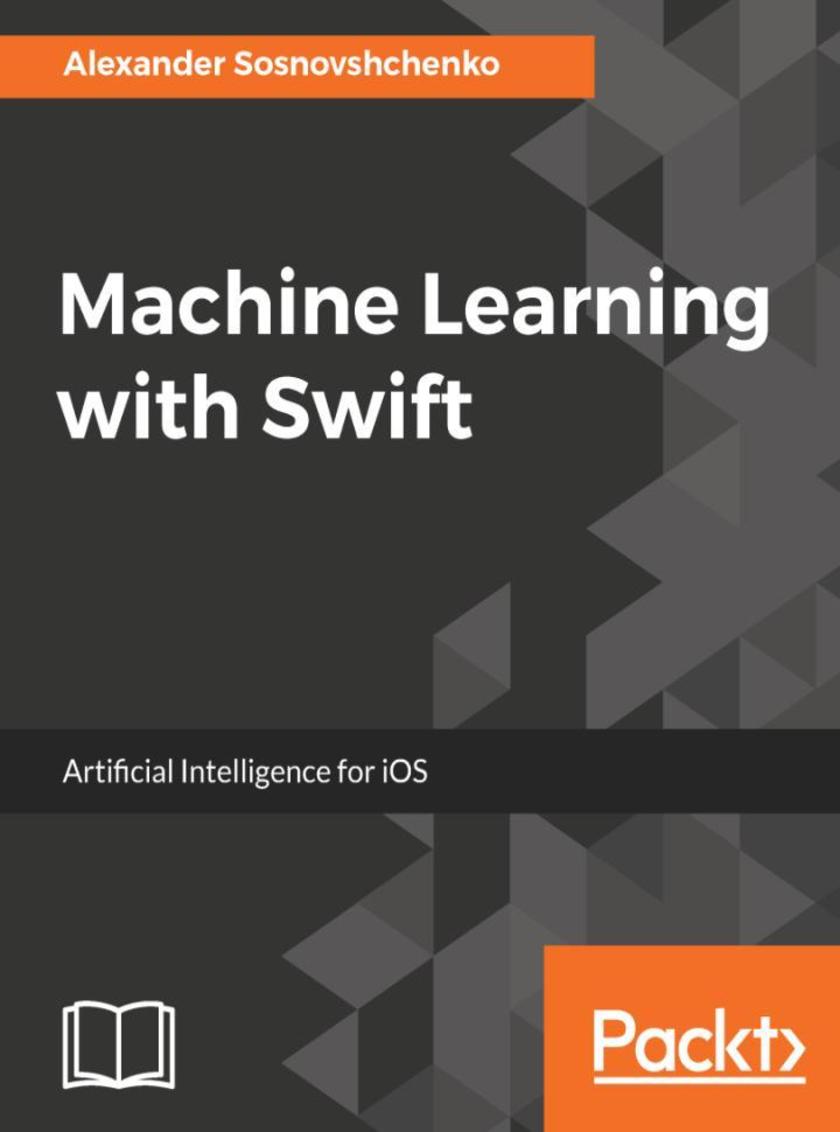
Machine Learning with Swift
¥73.02
Leverage the power of machine learning and Swift programming to build intelligent iOS applications with ease About This Book ? Implement effective machine learning solutions for your iOS applications ? Use Swift and Core ML to build and deploy popular machine learning models ? Develop neural networks for natural language processing and computer vision Who This Book Is For iOS developers who wish to create smarter iOS applications using the power of machine learning will find this book to be useful. This book will also benefit data science professionals who are interested in performing machine learning on mobile devices. Familiarity with Swift programming is all you need to get started with this book. What You Will Learn ? Learn rapid model prototyping with Python and Swift ? Deploy pre-trained models to iOS using Core ML ? Find hidden patterns in the data using unsupervised learning ? Get a deeper understanding of the clustering techniques ? Learn modern compact architectures of neural networks for iOS devices ? Train neural networks for image processing and natural language processing In Detail Machine learning as a field promises to bring increased intelligence to the software by helping us learn and analyse information efficiently and discover certain patterns that humans cannot. This book will be your guide as you embark on an exciting journey in machine learning using the popular Swift language. We’ll start with machine learning basics in the first part of the book to develop a lasting intuition about fundamental machine learning concepts. We explore various supervised and unsupervised statistical learning techniques and how to implement them in Swift, while the third section walks you through deep learning techniques with the help of typical real-world cases. In the last section, we will dive into some hard core topics such as model compression, GPU acceleration and provide some recommendations to avoid common mistakes during machine learning application development. By the end of the book, you'll be able to develop intelligent applications written in Swift that can learn for themselves. Style and approach A comprehensive guide that teaches how to implement machine learning apps for iOS from scratch
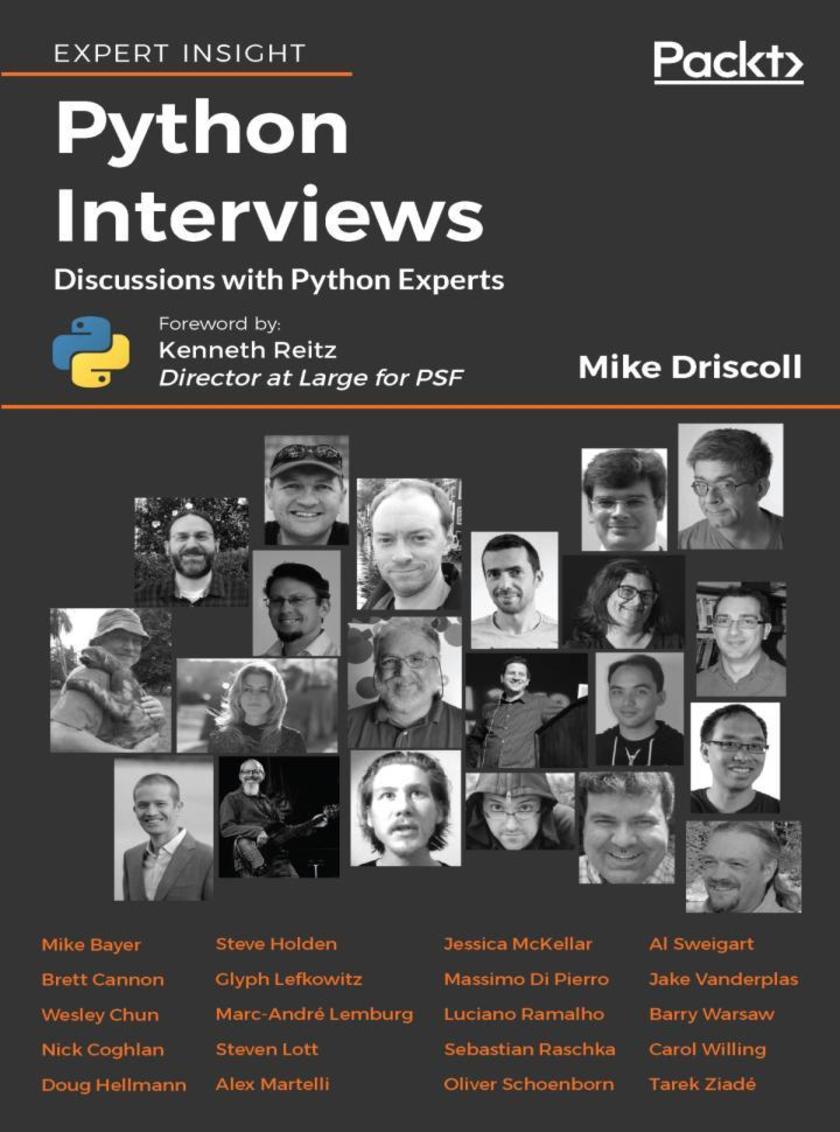
Python Interviews
¥63.21
Mike Driscoll takes you on a journey talking to a hall-of-fame list of truly remarkable Python experts. You’ll be inspired every time by their passion for the Python language, as they share with you their experiences, contributions, and careers in Python. About This Book ? Hear from these key Python thinkers about the current status of Python, and where it's heading in the future ? Listen to their close thoughts on significant Python topics, such as Python's role in scientific computing, and machine learning ? Understand the direction of Python, and what needs to change for Python 4 Who This Book Is For Python programmers and students interested in the way that Python is used – past and present – with useful anecdotes. It will also be of interest to those looking to gain insights from top programmers. What You Will Learn ? How successful programmers think ? The history of Python ? Insights into the minds of the Python core team ? Trends in Python programming In Detail Each of these twenty Python Interviews can inspire and refresh your relationship with Python and the people who make Python what it is today. Let these interviews spark your own creativity, and discover how you also have the ability to make your mark on a thriving tech community. This book invites you to immerse in the Python landscape, and let these remarkable programmers show you how you too can connect and share with Python programmers around the world. Learn from their opinions, enjoy their stories, and use their tech tips. ? Brett Cannon - former director of the PSF, Python core developer, led the migration to Python 3. ? Steve Holden - tireless Python promoter and former chairman and director of the PSF. ? Carol Willing - former director of the PSF and Python core developer, Project Jupyter Steering Council member. ? Nick Coghlan - founding member of the PSF and Python core developer. ? Jessica McKellar - former director of the PSF and Python activist. ? Marc-André Lemburg - Python core developer and founding member of the PSF. ? Glyph Lefkowitz - founder of Twisted and fellow of the PSF. ? Doug Hellmann - fellow of the PSF, creator of the Python Module of the Week blog, Python community member since 1998. ? Massimo Di Pierro - fellow of the PSF, data scientist and the inventor of web2py. ? Alex Martelli - fellow of the PSF and co-author of Python in a Nutshell. ? Barry Warsaw - fellow of the PSF, Python core developer since 1995, and original member of PythonLabs. ? Tarek Ziadé - founder of Afpy and author of Expert Python Programming. ? Sebastian Raschka - data scientist and author of Python Machine Learning. ? Wesley Chun - fellow of the PSF and author of the Core Python Programming books. ? Steven Lott - Python blogger and author of Python for Secret Agents. ? Oliver Schoenborn - author of Pypubsub and wxPython mailing list contributor. ? Al Sweigart - bestselling author and creator of the Python modules Pyperclip and PyAutoGUI. ? Luciano Ramalho - fellow of the PSF and the author of Fluent Python. ? Mike Bayer - fellow of the PSF, creator of open source libraries including SQLAlchemy. ? Jake Vanderplas - data scientist and author of Python Data Science Handbook. Style and approach This is a book of one-to-one interviews with leading Python programmers and luminaries in the field.
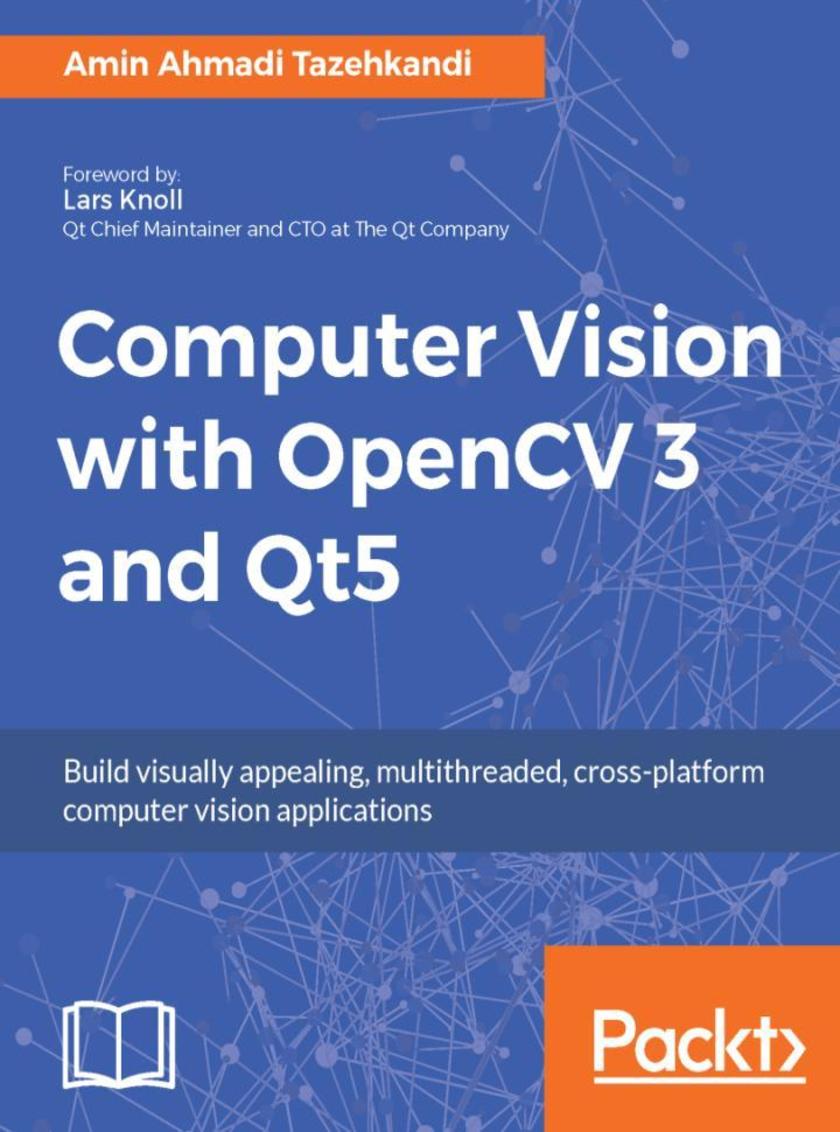
Computer Vision with OpenCV 3 and Qt5
¥90.46
Blend the power of Qt with OpenCV to build cross-platform computer vision applications About This Book ? Start creating robust applications with the power of OpenCV and Qt combined ? Learn from scratch how to develop cross-platform computer vision applications ? Accentuate your OpenCV applications by developing them with Qt Who This Book Is For This book is for readers interested in building computer vision applications. Intermediate knowledge of C++ programming is expected. Even though no knowledge of Qt5 and OpenCV 3 is assumed, if you’re familiar with these frameworks, you’ll benefit. What You Will Learn ? Get an introduction to Qt IDE and SDK ? Be introduced to OpenCV and see how to communicate between OpenCV and Qt ? Understand how to create UI using Qt Widgets ? Know to develop cross-platform applications using OpenCV 3 and Qt 5 ? Explore the multithreaded application development features of Qt5 ? Improve OpenCV 3 application development using Qt5 ? Build, test, and deploy Qt and OpenCV apps, either dynamically or statically ? See Computer Vision technologies such as filtering and transformation of images, detecting and matching objects, template matching, object tracking, video and motion analysis, and much more ? Be introduced to QML and Qt Quick for iOS and Android application development In Detail Developers have been using OpenCV library to develop computer vision applications for a long time. However, they now need a more effective tool to get the job done and in a much better and modern way. Qt is one of the major frameworks available for this task at the moment. This book will teach you to develop applications with the combination of OpenCV 3 and Qt5. This book will teach you to create cross-platform computer vision applications. We’ll begin by introducing Qt, its IDE, and its SDK. Next you’ll learn how to use the OpenCV API to integrate both tools, and see how to configure Qt to use OpenCV. You’ll go on to build a full-fledged computer vision application throughout the book. Later, you’ll create a stunning UI application using the Qt widgets technology, where you’ll display the images after they are processed in an efficient way. At the end of the book, you’ll learn how to convert OpenCV Mat to Qt QImage. You’ll also see how to efficiently process images to filter them, transform them, detect or track objects as well as analyze video. You’ll become better at developing OpenCV applications. Style and approach This book will help you understand and create cross-platform and multithreaded computer vision applications with the help of OpenCV 3 and Qt5, using a plugin-based and modular application development approach.
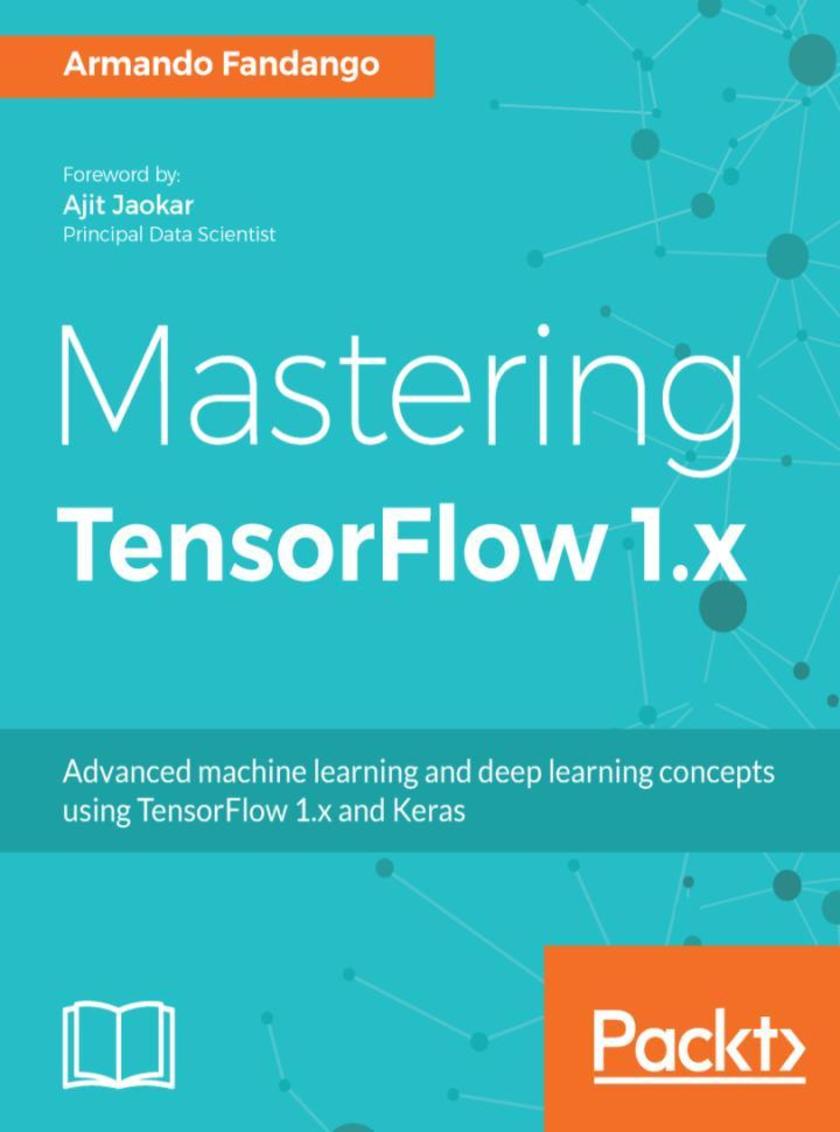
Mastering TensorFlow 1.x
¥63.21
Build, scale, and deploy deep neural network models using the star libraries in Python About This Book ? Delve into advanced machine learning and deep learning use cases using Tensorflow and Keras ? Build, deploy, and scale end-to-end deep neural network models in a production environment ? Learn to deploy TensorFlow on mobile, and distributed TensorFlow on GPU, Clusters, and Kubernetes Who This Book Is For This book is for data scientists, machine learning engineers, artificial intelligence engineers, and for all TensorFlow users who wish to upgrade their TensorFlow knowledge and work on various machine learning and deep learning problems. If you are looking for an easy-to-follow guide that underlines the intricacies and complex use cases of machine learning, you will find this book extremely useful. Some basic understanding of TensorFlow is required to get the most out of the book. What You Will Learn ? Master advanced concepts of deep learning such as transfer learning, reinforcement learning, generative models and more, using TensorFlow and Keras ? Perform supervised (classification and regression) and unsupervised (clustering) learning to solve machine learning tasks ? Build end-to-end deep learning (CNN, RNN, and Autoencoders) models with TensorFlow ? Scale and deploy production models with distributed and high-performance computing on GPU and clusters ? Build TensorFlow models to work with multilayer perceptrons using Keras, TFLearn, and R ? Learn the functionalities of smart apps by building and deploying TensorFlow models on iOS and Android devices ? Supercharge TensorFlow with distributed training and deployment on Kubernetes and TensorFlow Clusters In Detail TensorFlow is the most popular numerical computation library built from the ground up for distributed, cloud, and mobile environments. TensorFlow represents the data as tensors and the computation as graphs. This book is a comprehensive guide that lets you explore the advanced features of TensorFlow 1.x. Gain insight into TensorFlow Core, Keras, TF Estimators, TFLearn, TF Slim, Pretty Tensor, and Sonnet. Leverage the power of TensorFlow and Keras to build deep learning models, using concepts such as transfer learning, generative adversarial networks, and deep reinforcement learning. Throughout the book, you will obtain hands-on experience with varied datasets, such as MNIST, CIFAR-10, PTB, text8, and COCO-Images. You will learn the advanced features of TensorFlow1.x, such as distributed TensorFlow with TF Clusters, deploy production models with TensorFlow Serving, and build and deploy TensorFlow models for mobile and embedded devices on Android and iOS platforms. You will see how to call TensorFlow and Keras API within the R statistical software, and learn the required techniques for debugging when the TensorFlow API-based code does not work as expected. The book helps you obtain in-depth knowledge of TensorFlow, making you the go-to person for solving artificial intelligence problems. By the end of this guide, you will have mastered the offerings of TensorFlow and Keras, and gained the skills you need to build smarter, faster, and efficient machine learning and deep learning systems. Style and approach Step-by-step comprehensive guide filled with advanced, real-world examples to help you master Tensorflow 1.x
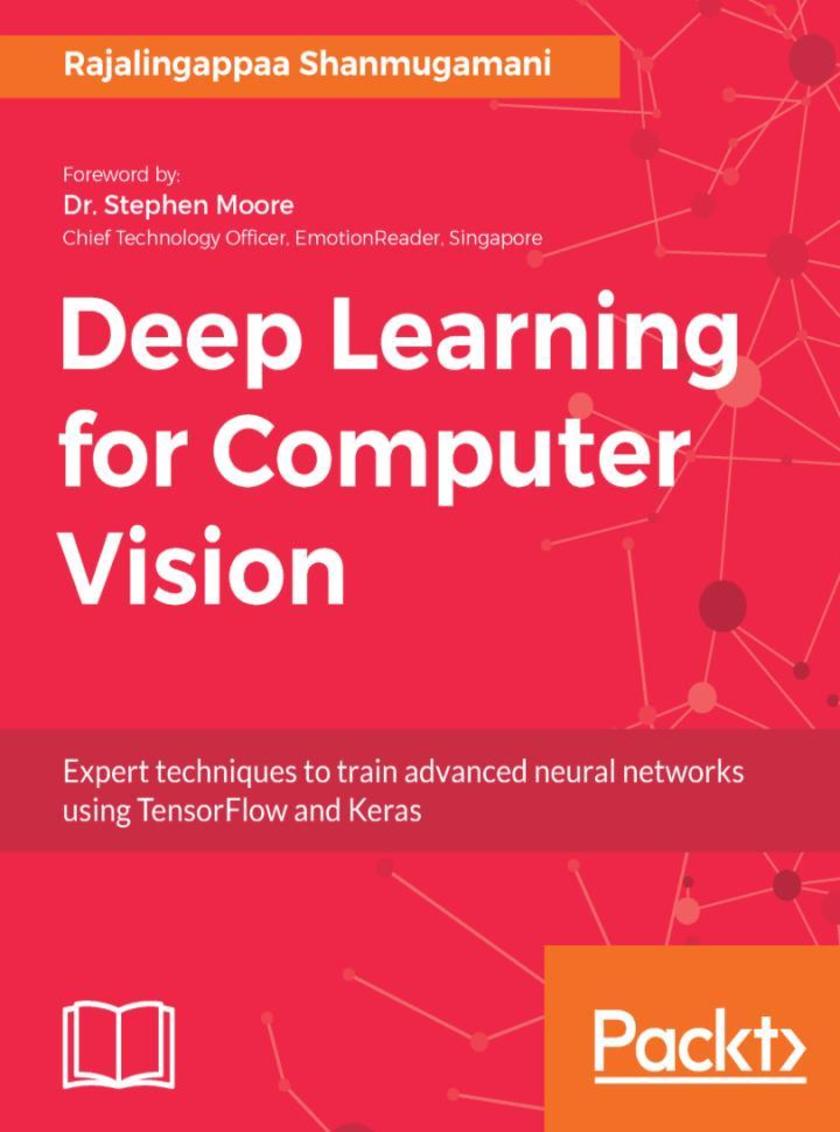
Deep Learning for Computer Vision
¥73.02
Learn how to model and train advanced neural networks to implement a variety of Computer Vision tasks About This Book ? Train different kinds of deep learning model from scratch to solve specific problems in Computer Vision ? Combine the power of Python, Keras, and TensorFlow to build deep learning models for object detection, image classification, similarity learning, image captioning, and more ? Includes tips on optimizing and improving the performance of your models under various constraints Who This Book Is For This book is targeted at data scientists and Computer Vision practitioners who wish to apply the concepts of Deep Learning to overcome any problem related to Computer Vision. A basic knowledge of programming in Python—and some understanding of machine learning concepts—is required to get the best out of this book. What You Will Learn ? Set up an environment for deep learning with Python, TensorFlow, and Keras ? Define and train a model for image and video classification ? Use features from a pre-trained Convolutional Neural Network model for image retrieval ? Understand and implement object detection using the real-world Pedestrian Detection scenario ? Learn about various problems in image captioning and how to overcome them by training images and text together ? Implement similarity matching and train a model for face recognition ? Understand the concept of generative models and use them for image generation ? Deploy your deep learning models and optimize them for high performance In Detail Deep learning has shown its power in several application areas of Artificial Intelligence, especially in Computer Vision. Computer Vision is the science of understanding and manipulating images, and finds enormous applications in the areas of robotics, automation, and so on. This book will also show you, with practical examples, how to develop Computer Vision applications by leveraging the power of deep learning. In this book, you will learn different techniques related to object classification, object detection, image segmentation, captioning, image generation, face analysis, and more. You will also explore their applications using popular Python libraries such as TensorFlow and Keras. This book will help you master state-of-the-art, deep learning algorithms and their implementation. Style and approach This book will teach advanced techniques for Computer Vision, applying the deep learning model in reference to various datasets.
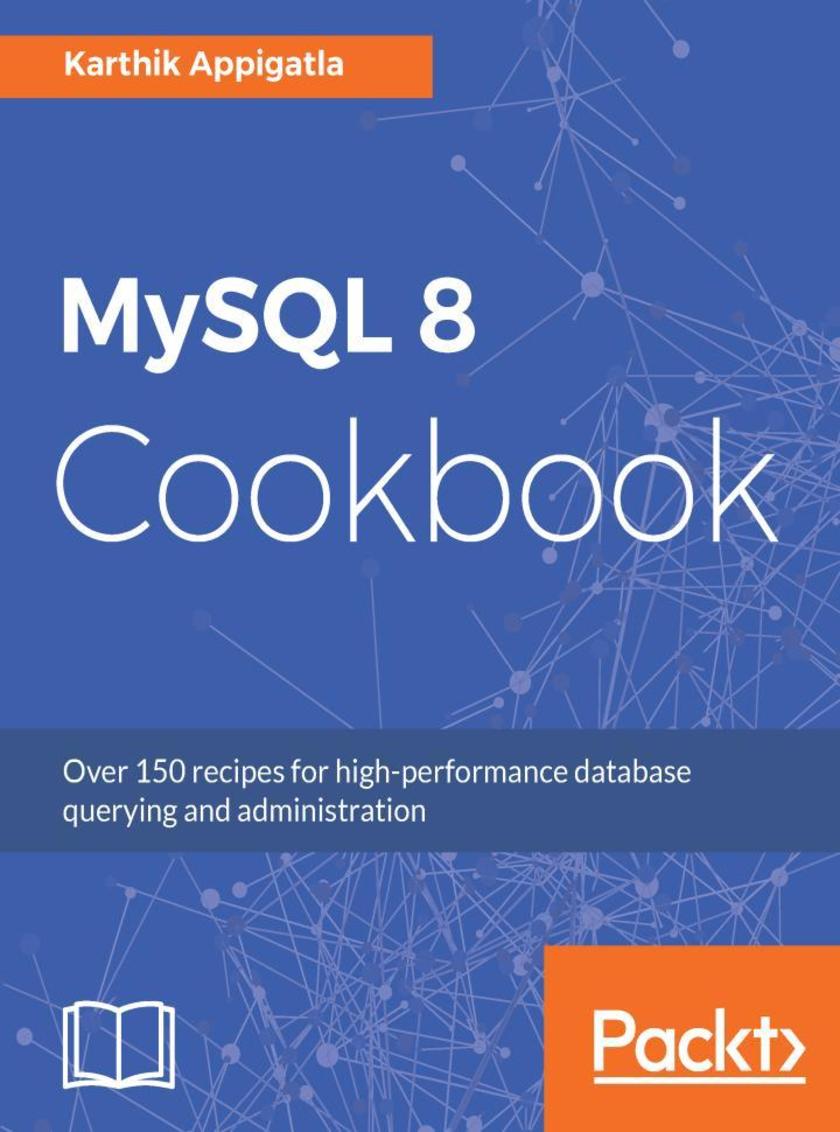
MySQL 8 Cookbook
¥90.46
Design and administer enterprise-grade MySQL 8 solutions About This Book ? Store, retrieve, and manipulate your data using the latest MySQL 8 features ? Practical recipes on effective administration in MySQL, with a focus on security, performance tuning, troubleshooting, and more ? Contains tips, tricks, and best practices for designing, developing, and administering your MySQL 8 database solution without any hassle Who This Book Is For If you are a MySQL developer or administrator looking for quick, handy solutions to solve the most common and not-so-common problems in MySQL, this book is for you. MySQL DBAs looking to get up-to-speed with the latest MySQL 8 development and administration features will also find this book very useful. Prior knowledge of Linux and RDBMS is desirable. What You Will Learn ? Install and configure your MySQL 8 instance without any hassle ? Get to grips with new features of MySQL 8 like CTE, Window functions and many more ? Perform backup tasks, recover data and set up various replication topologies for your database ? Maximize performance by using new features of MySQL 8 like descending indexes, controlling query optimizer and resource groups ? Learn how to use general table space to suit the SaaS or multi-tenant applications ? Analyze slow queries using performance schema, sys schema and third party tools ? Manage and monitor your MySQL instance and implement efficient performance-tuning tasks In Detail MySQL is one of the most popular and widely used relational databases in the World today. The recently released MySQL 8 version promises to be better and more efficient than ever before. This book contains everything you need to know to be the go-to person in your organization when it comes to MySQL. Starting with a quick installation and configuration of your MySQL instance, the book quickly jumps into the querying aspects of MySQL. It shows you the newest improvements in MySQL 8 and gives you hands-on experience in managing high-transaction and real-time datasets. If you've already worked with MySQL before and are looking to migrate your application to MySQL 8, this book will also show you how to do that. The book also contains recipes on efficient MySQL administration, with tips on effective user management, data recovery, security, database monitoring, performance tuning, troubleshooting, and more. With quick solutions to common and not-so-common problems you might encounter while working with MySQL 8, the book contains practical tips and tricks to give you the edge over others in designing, developing, and administering your database effectively. Style and approach This book takes a recipe-based approach to tackling the pain points of SQL developers. It is a comprehensive book full of solutions to common problems faced by SQL administrators and developers alike.
Java EE 8 High Performance
¥90.46
Get more control of your applications performances in development and production and know how to meet your Service Level Agreement on critical microservices. About This Book ? Learn how to write a JavaEE application with performance constraints (Service Level Agreement—SLA) leveraging the platform ? Learn how to identify bottlenecks and hotspots in your application to fix them ? Ensure that you are able to continuously control your performance in production and during development Who This Book Is For If you're a Java developer looking to improve the performance of your code or simply wanting to take your skills up to the next level, then this book is perfect for you. What You Will Learn ? Identify performance bottlenecks in an application ? Locate application hotspots using performance tools ? Understand the work done under the hood by EE containers and its impact on performance ? Identify common patterns to integrate with Java EE applications ? Implement transparent caching on your applications ? Extract more information from your applications using Java EE without modifying existing code ? Ensure constant performance and eliminate regression In Detail The ease with which we write applications has been increasing, but with this comes the need to address their performance. A balancing act between easily implementing complex applications and keeping their performance optimal is a present-day need. In this book, we explore how to achieve this crucial balance while developing and deploying applications with Java EE 8. The book starts by analyzing various Java EE specifications to identify those potentially affecting performance adversely. Then, we move on to monitoring techniques that enable us to identify performance bottlenecks and optimize performance metrics. Next, we look at techniques that help us achieve high performance: memory optimization, concurrency, multi-threading, scaling, and caching. We also look at fault tolerance solutions and the importance of logging. Lastly, you will learn to benchmark your application and also implement solutions for continuous performance evaluation. By the end of the book, you will have gained insights into various techniques and solutions that will help create high-performance applications in the Java EE 8 environment. Style and approach This book will cover vital concepts implemented through a sample application built throughout the book. This will enable you to apply these concepts to suit your software requirements.


