


 购物车
购物车 个人中心
个人中心

Secrets Every Author Should Know: Indie Publishing Basics
¥23.14
Frustrated with the plethora of conflicting information on how to self-publish? Wouldn’t it be wonderful to sit down with someone who has already made the mistakes, done the analysis, and will provide you the short cuts—the secrets about the things that work? Now you have that chance with the Career Author Secrets series.Indie Publishing (Self Publishing) has changed dramatically in the past five years. There are now new, easier tools to use for every part of the process—editing, formatting, distribution, sales, and analysis. This first book in the Career Author Secrets series provides a foundation for navigating the indie publishing process and staying away from the scammers. It breaks down the requirements for self-publishing successfully, protecting your rights for the future, and YES I do share all the secrets I’ve learned. It contains everything a DIY author needs to get her book from manuscript to professional publication in both ebook and print, including: Why books don’t sell Options for DIY or contracting professionals The truth about ISBNs & Copyright Registration Secrets for formatting your book the easy way Creating book covers that sell Making decisions about distribution This book is especially valuable for those with limited technical skills who want to produce a quality professional book for the least amount of cost. Learn the secrets to easier implementation and how to make good decisions on what is worth your time and money.
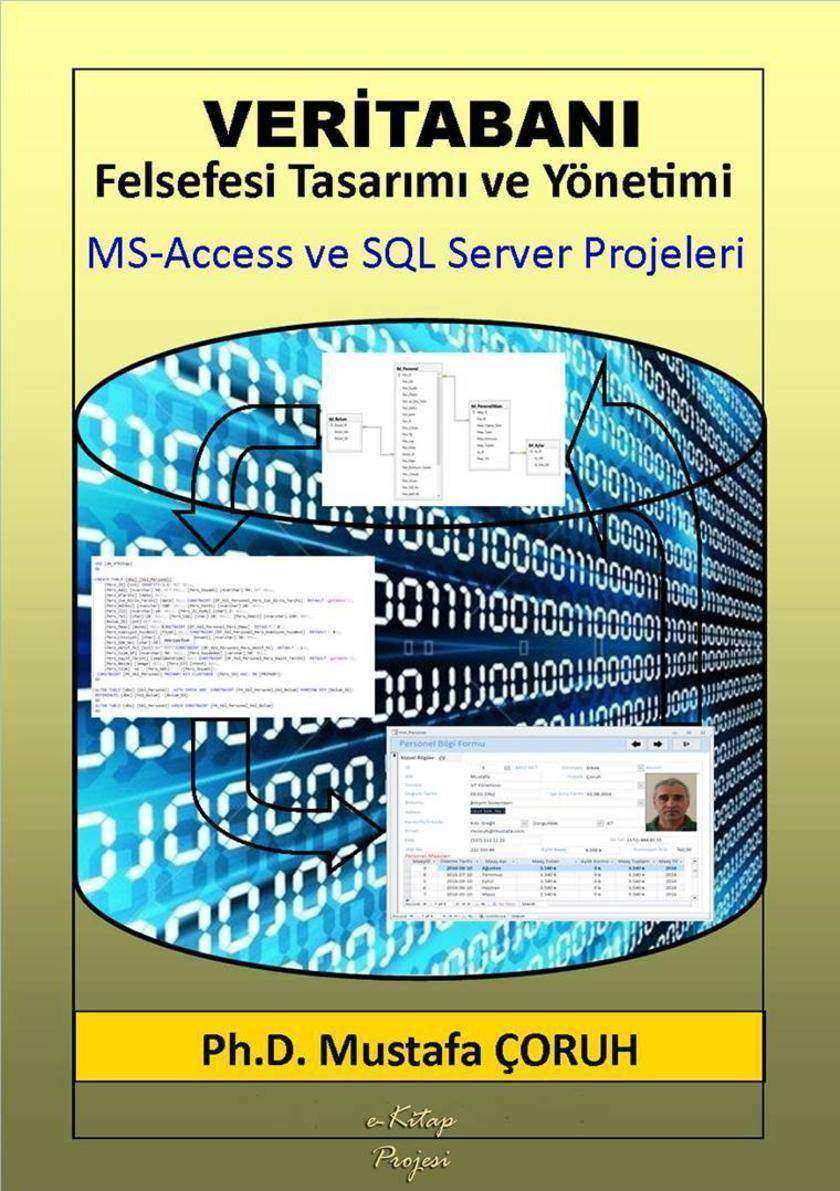
Veritaban?: "Felsefesi, Tasar?m? ve Y?netimi": MS-Access ve SQL Server Projeleri
¥27.88
“Bili?im Teknolojileri” konusunda yazd???m ü? kitaptan sonra as?l uzmanl?k alan?m olan veritabanlar? konusunda uzun y?llar ?nce yazmaya ba?lay?p bitiremedi?im daha do?rusu bas?lmayan bu kitab? güncelleyerek yeniden yazmaya karar vermek benim a??mdan yeni bir heyecan oldu. 1980’lerde COBOL ile ba?layan ve 1990’da dBase ve Informix’le devam eden veritaban? tecrübelerim, 1995 sonras? MS-Access ve SQL Server yard?m?yla geli?tirdi?im 100’e yak?n veritaban? uygulama programlar?yla devam etti. 1996’da Dallas’ta MCI Systemhouse’da FrontPage ve Access 95’le veritaban?na dayal? Intranet web siteleri geli?tiren ilk ki?ilerden birisi ben oldum. 1999’da Movo Mediya’da ilk ??p?atan web sitesi www.dating.com'un?arkas?ndaki SQL Server veritabanlar?n? tasarlayan ve y?neten ki?i de bendim. 2000 y?l?nda Aris Genesis Intermedia Inc’de web tabanl? muhasebe program?n?n arkas?ndaki SQL Server veritaban? tasar?mc?lar?ndan biriside bendim. Büyük al??veri? merkezlerinde g?rülen Kiosk’lar?n SQL Server tabanl? ilk uygulamas?n? Los Angeles’de kuran Genesis Intermedia Inc’deki tasar?mlar? yapan ki?ilerden birisi de bendim. 2001’de Los Angeles’de SQL Server ve ASP 3.0’la Citibank’ta kredi kartlar?yla ilgili projenin mimarlar?ndan biriside bendim. K?sacas? Veritabanlar?n?n Web’de kullan?lmas?nda ilk ?al??an ve tasarlayanlardan birisi oldu?umu s?ylemeliyim. 1995-2000 y?llar? aras?nda ya?anan ve dot com bom olarak bilinen metaforun i?inde bir fiil ?al??an ve yarat?c?lar?ndan birisiydim. Veritabanlar?n?n Internet’e ba?lanmas? i?in geli?tirilen ilk projelerinde uzun y?llar Kalifornya, New York ve Colorado firmalar?nda ?al??t?m ve dan??manl?k yapt?m. Bu tecrübelerim s?ras?nda ??rendi?im en ?nemli ?ey; tek bir konuda uzman olmak gerekti?idir. Ben Ms-Access ve SQL Server veritabanlar? tasar?m?nda uzmanla?t?m. Bir?ok teklif olmas?na ra?men Oracle, DB2, Aproach, File Maker gibi veritabanlar? tasar?mlar?yla ilgilenmedim ?ünkü her biri ayr? bir uzmanl?k isteyen veritaban? yaz?l?mlar?d?r. Bu a??dan ?zellikle Bili?im sekt?ründe ?al??anlara verebilece?im en ?nemli tavsiye tek bir konuda hatta tek bir programda uzmanla?malar?d?r. Kitapta Veritabanlar? tasar?m?n? Access ve SQL Server projeleri üzerinden anlatmaya ?al??t?m. University of Phoenix’de verdi?im Veritabanlar? ve Veri Ambarlar? ders notlar?m bu kitab?n omurgas?n? olu?turmaktad?r. Veritabanlar?yla ilgili kavramlar?, felsefesini, tasar?m?n? ve birazda y?netimini detaylar?yla anlatmaya ?al??t?m. Umut ediyorum ki yeni Veritaban? tasar?mc?lar? ve y?neticilerine burada payla?t???m enformasyon faydal? olur. 30 y?ll?k Bili?im Teknolojileri ve ?zellikle veritaban? alan?ndaki tecrübelerimin bir?o?unu bu kitapta okuyucularla payla?maya ?al??t?m. Daha ?nceki kitaplar?mda da vurgulad???m gibi bu kitapta da ilkokul ??retmenim Say?n ?erare ?zya?c? han?mdan, en son Doktora tez dan??man?m Say?n Prof. Dr. Len Rogers’a kadar yüzlerce ki?inin eme?inin oldu?u unutulmamal?d?r. 1984’ten beri Türkiye, ABD, Kanada ve ?ngiltere de ?al??t???m veya dan??manl???n? yapt???m onlarca firma ve mü?terilerimin katk?lar?n? unutabilir miyim? Di?er kitaplarda oldu?u gibi bu kitab?n yaz?lmas?nda bana katlanan e?im Meliha ?oruh’a ve o?lum Bu?ra’ya da en ba?tan te?ekkür etmeliyim. Burada isim isim te?ekkür edemedi?im ancak bu kitab?n yaz?lmas?nda katk?lar? olan daha yüzlerce ki?i var, hepsine en i?ten dileklerimle te?ekkür ediyorum. Elinizde tuttu?unuz bu kitap 30 y?ld?r Bili?im Teknolojileri alan?nda yapt???m ??retim, ?al??ma ve tecrübelerin veritabanlar? alan?nda kay?t alt?na al?nm?? bir ?zetidir. Tabii ki kitab?n hatalar? ve eksikleri vard?r ve bunlar tamamen bana aittir. Kitapta Veritabanlar? denince akla gelebilecek bir?ok konuya de?inmeye ?al??t?m. Kitapta teori ile uygulamay? birlikte harmanlamaya ?al??t?m. Bu yüzden bu kitab?n bir elkitab? veya kaynak kitap olarak dü?ünülmesinde fayda vard?r. ? Mustafa ?oruh Kdz. Ere?li, Mart 2017

Inside the Box: An Introduction to ePub, HTML & CSS for the Independent Author/P
¥24.44
An ebook is just a website in a boxBut what’s inside the box?In this clear, concise guide, ebook designer and indie author David Kudler folds back the lid of ePub, the universal ebook format. He introduces you to the nuts and bolts that make an ebook work. Includes overviews of the ePub format and internal structure as well as basic guides to the HTML and CSS (Cascading Style Sheets) that you need to know to make your ebooks look professional.(Self-Publishing & Ebook Creation)David Kudler is an independent publisher and author. He has been designing ebooks since 2010. He blogs about ebook creation, publishing, and marketing on Huffington Post, Stillpoint Digital Press, and The Book Designer.
Practical Data Wrangling
¥222.81
Turn your noisy data into relevant, insight-ready information by leveraging the data wrangling techniques in Python and RAbout This Book·This easy-to-follow guide takes you through every step of the data wrangling process in the best possible way·Work with different types of datasets, and reshape the layout of your data to make it easier for analysis·Get simple examples and real-life data wrangling solutions for data pre-processingWho This Book Is ForIf you are a data scientist, data analyst, or a statistician who wants to learn how to wrangle your data for analysis in the best possible manner, this book is for you. As this book covers both R and Python, some understanding of them will be beneficial.What You Will Learn·Read a csv file into python and R, and print out some statistics on the data·Gain knowledge of the data formats and programming structures involved in retrieving API data·Make effective use of regular expressions in the data wrangling process·Explore the tools and packages available to prepare numerical data for analysis·Find out how to have better control over manipulating the structure of the data·Create a dexterity to programmatically read, audit, correct, and shape data·Write and complete programs to take in, format, and output data setsIn DetailAround 80% of time in data analysis is spent on cleaning and preparing data for analysis. This is, however, an important task, and is a prerequisite to the rest of the data analysis workflow, including visualization, analysis and reporting. Python and R are considered a popular choice of tool for data analysis, and have packages that can be best used to manipulate different kinds of data, as per your requirements. This book will show you the different data wrangling techniques, and how you can leverage the power of Python and R packages to implement them.You'll start by understanding the data wrangling process and get a solid foundation to work with different types of data. You'll work with different data structures and acquire and parse data from various locations. You'll also see how to reshape the layout of data and manipulate, summarize, and join data sets. Finally, we conclude with a quick primer on accessing and processing data from databases, conducting data exploration, and storing and retrieving data quickly using databases.The book includes practical examples on each of these points using simple and real-world data sets to give you an easier understanding. By the end of the book, you'll have a thorough understanding of all the data wrangling concepts and how to implement them in the best possible way.Style and approachThis is a practical book on data wrangling designed to give you an insight into the practical application of data wrangling. It takes you through complex concepts and tasks in an accessible way, featuring information on a wide range of data wrangling techniques with Python and R
Mastering MongoDB 3.x:An expert's guide to building fault-tolerant MongoDB appli
¥259.95
An expert's guide to build fault tolerant MongoDB applicationAbout This Book·Master the advanced modeling, querying, and administration techniques in MongoDB and become a MongoDB expert·Covers the latest updates and Big Data features frequently used by professional MongoDB developers and administrators·If your goal is to become a certified MongoDB professional, this book is your perfect companionWho This Book Is ForMastering MongoDB is a book for database developers, architects, and administrators who want to learn how to use MongoDB more effectively and productively.If you have experience in, and are interested in working with, NoSQL databases to build apps and websites, then this book is for you.What You Will Learn·Get hands-on with advanced querying techniques such as indexing, expressions, arrays, and more.·Configure, monitor, and maintain highly scalable MongoDB environment like an expert.·Master replication and data sharding to optimize read/write performance.·Design secure and robust applications based on MongoDB.·Administer MongoDB-based applications on-premise or in the cloud·Scale MongoDB to achieve your design goals·Integrate MongoDB with big data sources to process huge amounts of dataIn DetailMongoDB has grown to become the de facto NoSQL database with millions of users—from small startups to Fortune 500 companies. Addressing the limitations of SQL schema-based databases, MongoDB pioneered a shift of focus for DevOps and offered sharding and replication maintainable by DevOps teams. The book is based on MongoDB 3.x and covers topics ranging from database querying using the shell, built in drivers, and popular ODM mappers to more advanced topics such as sharding, high availability, and integration with big data sources.You will get an overview of MongoDB and how to play to its strengths, with relevant use cases. After that, you will learn how to query MongoDB effectively and make use of indexes as much as possible. The next part deals with the administration of MongoDB installations on-premise or in the cloud. We deal with database internals in the next section, explaining storage systems and how they can affect performance. The last section of this book deals with replication and MongoDB scaling, along with integration with heterogeneous data sources. By the end this book, you will be equipped with all the required industry skills and knowledge to become a certified MongoDB developer and administrator.Style and approachThis book takes a practical, step-by-step approach to explain the concepts of MongoDB. Practical use-cases involving real-world examples are used throughout the book to clearly explain theoretical concepts.
Learn Python in One Hour:Programming by Example
¥40.79
You're already a smart person, you don't need a 1000+ page book to get you started on the web's fastest growing programming platform. Instead, Learn Python in One Hour delivers on the promise of code literacy while saving your most precious commodity - time itself. Volkman's innovative programming-by-example approach means you focus on usage, not mindless detail. Based on the author's sold-out live seminars, you'll see Python's flexible coding technique in action as we refactor from script to procedural to object-oriented during actual problem solving. In a seven-lesson progression, you'll be exposed to this and more: Basic file input and output operations Exception handling with try/except Using functions to compute and return multiple values Basic elements of a class definition and how to call methods Lists, dictionaries, sets, and other collections Iteration through collections, files, sorted sets Converting lists to strings and vice-versa Six most common Python pitfalls Take the One Hour challenge and see if you too can pick up 90% of syntax and semantics in less time than you probably spend commuting each day.About the Author Victor R. Volkman graduated cum laude from Michigan Technological University with a BS in Computer Science in 1986. Since then, he has written for numerous publications, including The C Gazette, C++ Users Journal, Windows Developers Journal, and many others. He has taught college-level programming courses at Washtenaw Community College and has served on its Computer Information Science (CIS) Faculty Advisory Board for more than a decade. Volkman says Python helped him "rediscover the joy of programming again." www.volkman.org From Modern Software Press
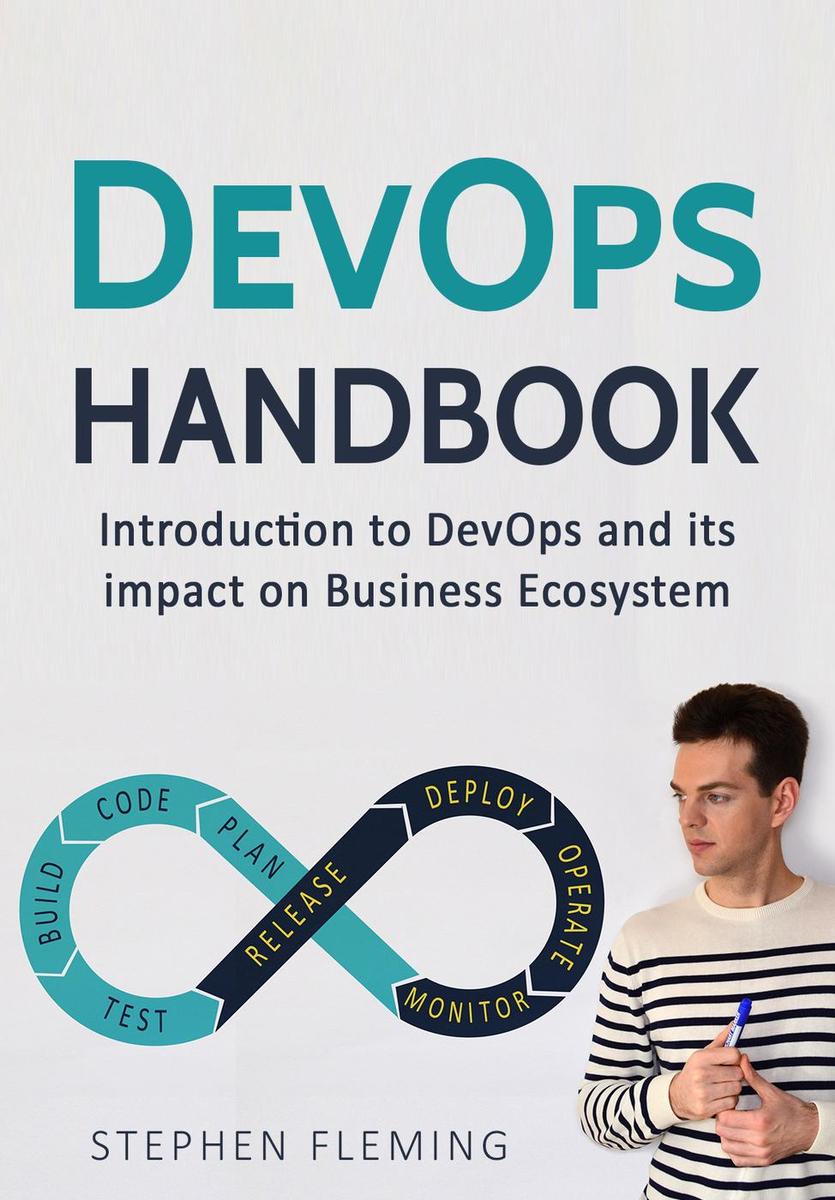
DevOps:Introduction to DevOps and its impact on Business Ecosystem
¥32.62
“It is not the strongest of the species that survive, nor the most intelligent, but the one most responsive to change.”-?Charles Darwin As the industry is moving towards maximum digitization there is a consensus that DevOps practices help you deliver software faster, more reliable, and with fewer errors. DevOps is set of practices and cultural values that have been proven to help organizations of all sizes improve their software release cycles, software quality, security, and ability to get rapid feedback on product development. This book is aimed at Consultant, Project Manager and people from techno-commercial profiles who would be explaining the benefits of DevOps to the client, internal leadership or project teams. As the crux of DevOps methodology lies in the cultural transformation of the organization, people who are stakeholders in shaping this change must understand the overall alignment of business goals with this methodology. You would get to explore: ·What is DevOps·Relationship between Agile, Scrum, Kanban and DevOps·DevOps Adoption:? Organizational cultural Change·DevOps Ecosystem·Emerging Trends·DevOps success stories In the Bonus Booklet you will find out: ·DevOps Job Market overview·Insights into DevOps job application·People to follow on twitter “Grab your copy today along with Bonus DevOps Booklet”
React 16 Essentials - Second Edition
¥222.81
Everything you need to start working with React 16 and assess React FiberAbout This Book·Hands-on examples and tutorials for the latest React 16 release·Assess the impact of React Fiber for your future web development·Build maintainable and high performance React 16 web applicationsWho This Book Is ForIf you're a frontend developer with some knowledge of native JavaScript development and frontend frameworks, wishing to learn the fastest web user interface library there is, then this book is ideal for you.What You Will Learn·Learn to code React 16 with hands-on examples and clear tutorials·Install powerful React 16 tools to make development much more efficient·Understand the impact of React Fiber today and the future of your web development·Utilize the Redux application architecture with your React components·Create React 16 elements with properties and children·Get started with stateless and stateful React components·Use JSX to speed up your React 16 development process·Add reactivity to your React 16 components with lifecycle methods·Test your React 16 components with the Jest test frameworkIn DetailReact 16 Essentials, Second Edition, fully updated for React 16, takes you on a fast-paced journey through building your own maintainable React 16 applications. React experts Artemij Fedosejev and Adam Boduch give you all the essentials you need to know and start working with React 16, in this new edition of the best-selling React.js Essentials title. You'll find the latest React 16 code updates, assessment of React Fiber, new coverage of Redux, and how to work as a modern React developer.The authors offer you their current assessment of React Fiber, and you'll soon be exploring React 16 hands on, creating your own single and multiple user interface elements with React 16. You'll then see how to create stateless and stateful components and make them reactive. You'll also learn to interact between your components and lifecycle methods, and gauge how to effectively integrate your user interface components with other JavaScript libraries. Delve deep into the core elements of the Redux architecture and learn how to manage your application and data persistence. Then go the extra mile with the Jest test framework, and run multiple tests on your applications and find solutions to scale without complexity.Today React is used by Facebook, Instagram, Khan Academy, and Imperial College London, to name a few. Many new users recognize the benefits of React and adopt it in their own projects, forming a fast-growing community. The speed at which React has evolved promises a bright future for anyone who invests in learning it today. Let Artemij and Adam bring you a brand new look at React 16 and React Fiber, and move your web development into the future.Style and approachReact 16 Essentials, Second Edition, will take you on a fast-paced, hands-on journey through building your own maintainable React 16 applications.
Javascript: Javascript Programming For Absolute Beginners
¥32.62
☆★☆ Javascript: Javascript Programming For Absolute Beginners☆★☆ The best starter guide for javascript!The fundamentals of javascript are often missed, however, this book's primary focus and emphasis is learning the essentials and to build from the ground up.? What You'lll Learn The history of JavaScript and its uses Setting Up Your Environment The Vital Basics of HTML and CSS Statements, Comments & Variables How to properly use jQuery String Operators JavaScript Array Methods Loops and Iteration How To Use Functions And much, much more! ? Within this book you will learn various mechanisms of javascript programming: variables, conditional statements, and why learning these core principles lead to success.Once you gain knowledge of the fundamental building blocks of javascript you will gain confidence to tackle more complex topics down the road.Programming books can easily retail for 100s of dollars, why not start with an expert you can trust and for an affordable price?The immense value of this book cannot be understated, and this is a once in a life time opportunity for you to take advantage of and invest in yourself by empowering yourself with the right tools and knowledge for success.What are you waiting for?Includes: 21 practice questions! Note* For best visual experience of diagrams it is highly recommend you purchases the paperback version for best image quality.☆★☆ Grab your copy now!☆★☆
Learning Angular 2
¥297.10
Your quick, no-nonsense guide to building real-world apps with Angular 2About This Book·The first and best overview of Angular 2 on the market—this guide gathers together everything there is to know about Angular 2 and groups it into intuitive sections.·This book is your detailed map of every feature and its use cases.·The author has done all the hard work of fitting everything Angular 2 means for developers together for you, making this book the quickest way to learn Angular 2 from scratch.Who This Book Is ForThis book is targeted at web developers who want to build the next generation of state-of-the-art mobile and desktop web applications with Angular 2. This book does not require you to have prior exposure to either Angular 1.x or 2, although comprehensive knowledge of JavaScript is assumed. It's great for newcomers to Angular who learn best through clear explanations and definitions of concepts.What You Will Learn·Set up your working environment in order to have all the tools you need to start building Angular 2 components with minimum effort·Get up to speed with TypeScript, a powerful typed superset of JavaScript that compiles to plain JavaScript·Take full control of how your data is rendered and updated upon data changes·Build powerful web applications based on structured component hierarchies that emit and listen to events and data changes throughout the elements tree·Explore how to consume external APIs and data services and allow data editing by harnessing the power of web forms made with Angular 2·Deliver seamless web navigation experiences with application routing and state handling common features with ease·Discover how to bulletproof your applications by introducing smart unit testing techniques and debugging toolsIn DetailAngular 2 was conceived as a complete rewrite in order to fulfill the expectations of modern developers who demand blazing fast performance and responsiveness from their web applications.This book will help you learn the basics of how to design and build Angular 2 components right from the beginning, providing full coverage of the TypeScript syntax required to follow the examples included. From that point on, we will build upon our first components, interconnect them, and give shape to larger web applications. We will then move to implementing routing in Angular 2, analyzing how to handle application states, and navigating from one component to another in depth. After this, the book features full coverage of web forms and user input validation, later leveraging all of this information to go through the basics of implementing user authentication in Angular 2 and providing a bird's eye view of the different strategies at hand to secure pages and areas of your website. Animating components and DOM elements with Angular 2 is also covered in this book. The final part of this book provides broad insights into how to unit test components and other modules such as services, directives, routes or pipes.Style and approachThis book covers everything there is to know about getting well-acquainted with Angular without bogging you down. Everything is neatly laid out under clear headings for quick consultation, offering you the information required to understand a concept immediately, with short relevant examples of each feature.
Mastering JavaScript Single Page Application Development
¥334.25
An in-depth guide to exploring the design, architecture, and techniques behind building sophisticated, scalable, and maintainable single-page applications in JavaScriptAbout This Book·Build large-scale, feature-complete SPAs by leveraging widely used tools and techniques.·Gain a solid understanding of architecture and SPA design to build applications using the library or framework of your choice.·Explore the various facets of SPA development to build web apps that are fast, scalable, and easy to test.Who This Book Is ForThis book is ideal for JavaScript developers who want to build complex single-page applications in JavaScript. Some basic understanding of SPA concepts will be helpful but not essential.What You Will Learn·Organize your development environment using the command line with NPM, Bower, and Grunt.·Choose an accurate design pattern for your app·Understand modular JavaScript programming and Node.js·Interact with a REST API using JavaScript and AJAX with practical examples·Build a single page application using the MEAN stack·Connect your app across popular social media platforms such as Facebook, Twitter, and LinkedIn·Test your app, both on the server side and in views·Prepare your app for the real world and deploy it to HerokuIn DetailSingle-page web applications—or SPAs, as they are commonly referred to—are quickly becoming the de facto standard for web app development. The fact that a major part of the app runs inside a single web page makes it very interesting and appealing. Also, the accelerated growth of browser capabilities is pushing us closer to the day when all apps will run entirely in the browser.This book will take your JavaScript development skills to the next level by teaching you to create a single-page application within a full-stack JavaScript environment. Using only JavaScript, you can go from being a front-end developer to a full-stack application developer with relative ease.You will learn to cross the boundary from front-end development to server-side development through the use of JavaScript on both ends. Use your existing knowledge of JavaScript by learning to manage a JSON document data store with MongoDB, writing a JavaScript powered REST API with Node.js and Express, and designing a front-end powered by AngularJS.This book will teach you to leverage the MEAN stack to do everything from document database design, routing REST web API requests, data-binding within views, and adding authentication and security to building a full-fledged, complex, single-page web application.In addition to building a full-stack JavaScript app, you will learn to test it with JavaScript-powered testing tools such as Mocha, Karma, and Jasmine. Finally, you will learn about deployment and scaling so that you can launch your own apps into the real world.Style and approachFollowing a structured approach, this book helps readers gain expertise in SPA development. Its thorough coverage of SPA architecture and design, along with practical use cases, provides readers with a clear path to building applications with the library of their choice. For readers who are afraid to take the plunge straightaway, the book also offers step-by-step guidance on developing a complex web app.
??letmelerde Bili?im Sistemleri Y?netimi
¥28.29
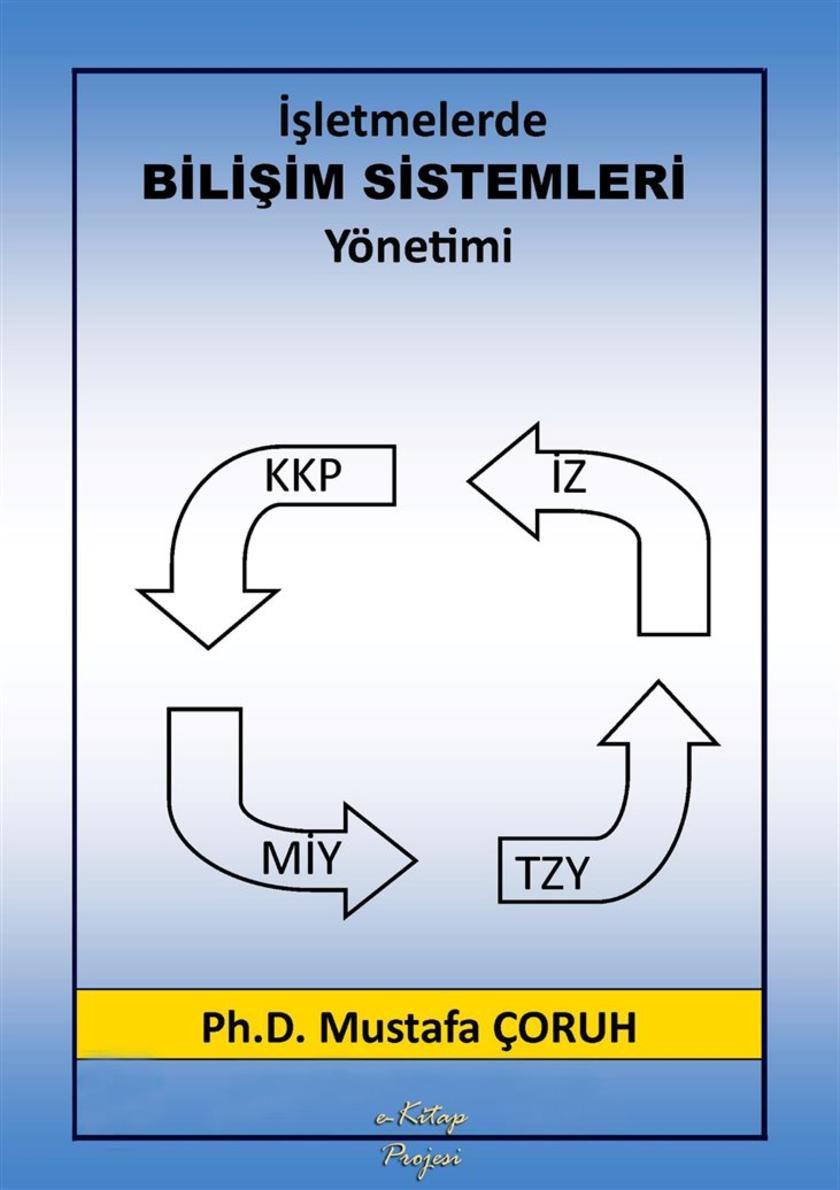
Bu kitap “Bili?im Teknolojileri (BT) Ekonomisi ve Toplumu” adl? ilk kitab?mda BT’lerin hayat?m?z? de?i?tirdi?i d?rt yerdeki (Evde, okulda, kentlerde ve i?yerlerinde) incelememin ü?üncüsü olan i?yerlerindeki etkileri üzerinedir. Daha ?nce “Bili?im Teknolojileri Destekli ??renim” ve “Bili?im Kentleri ?a??” adl? kitaplar?mda BT’lerin okul ve kent ya?am?ndaki etkilerini detaylar?yla inceledim. 30 y?l? a?an i? hayat?mda BT’lerin i? dünyas?n? ve y?netimini kurulan Bili?im Sistemleri (BS) vas?tas?yla nas?l de?i?tirdi?ini ya?ayarak bildi?imden bu konu i?in uzun bir ara?t?rma yapmak zorunda oldu?umu biliyordum. Di?er yandan 592 sayfay? bulan bu ara?t?rmada sayfa s?n?rlamas? amac?yla BS’lerle ilgili baz? konular? (?rne?in Toplam Kalite Y?netimi, 6 Sigma, Simülasyon, Gereksinim Y?netimi, Programlama vs.) kitap haricinde b?rakmak zorunda kald???m? da belirtmeliyim. Bu kitapta a??rl?kl? olarak BT’lerin i?letmelerdeki uygulamas? olan Bili?im Sistemlerinden bahsettim ?ünkü BT’ler BS’ler vas?tas?yla i?letmeleri ve y?netimlerini etkilemektedirler. Dünyan?n en h?zl? bilgisayar?n? veya en yeni ak?ll? telefonunu sat?n alman?z veya en h?zl? internet eri?imine sahip olman?z i?letmeye ekstra bir katk? sa?lamamaktad?r. Ne zaman ki bu ara?lar i?letme süre?lerinin otomasyonunu sa?layan BS’ler i?inde kullan?lmaya ba?lan?nca i?letme rekabet?ili?ine, kar?na veya maliyetlerinin kontrolüne bir faydas? olabilmektedir. Bu yüzden i?letme y?neticilerinin bilmesi gereken en ?nemli konu BT ara?lar?n? ve di?er yeni teknolojik ara?lar? i?letme i? süre?lerinde nas?l verimli ve etkin bir ?ekilde kullanabileceklerini bilmeleridir. Bilmiyorlarsa da bilenleri i?e almalar?d?r. En son yenilikleri kullanmak belki de firmaya zarar vermekte veya rekabet dezavantaj? olu?turmaktad?r. Bu a??dan ?ncelikle bugün BS’lerin hangi i?letme fonksiyonlar?n? nas?l etkiledi?ini ve gelecekte nas?l etkileyebilece?ini anlatmaya ?al??t?m. ?rne?in, Yapay Zek? (YZ) ve onun en ?nemli uygulamalar?ndan birisi olan Robotiklerin i? süre?leri ve i?letme y?netimlerini yak?n bir zamanda nas?l etkileyebilece?inden bahsettim. Endüstri 4.0 teknolojileriyle insan ve makinelerin birlikte nas?l verimli ve etkin bir ?ekilde ?al??malar? gerekti?i insanl???n ve i?letmelerin ?nünde duran en ?nemli konulardan birisi oldu?unu s?ylemek fazla fütüristik bir kehanet de?il. Kitapta ??letmelerde kullan?lan Bili?im Sistemleriyle ilgili temel konulara bir bütünlük i?inde bakarken kitab?n arka kapa??ndaki sorular? cevaplamaya ?al??t?m. Bili?im Sistemleri aras?ndaki ili?kileri, farkl?l?klar?n? ve birbirlerini nas?l tamamlad?klar?n? sat?r aralar?nda vermeye ?al??t?m. BS’lerle i?letme süre?lerinin nas?l bütünle?tirilece?i i?letmelerdeki en yeni y?netim sorunlar? oldu?u unutulmamal?d?r. ??letme y?neticilerinin hat?rlamas? gereken bir ?nemli konuda BS’lerin bir yaz?l?m ve de?i?im projesi olmas?d?r. Bili?im Teknolojileri ve Sistemleri okuryazarl??? i?in bilinmesi gereken baz? teknik, bilimsel ve teknolojik terimlerin k?saltmalar?n? kitapta ilk kullan?ld???nda uzun ve k?salt?lm?? yaz?l?mlar?yla birlikte kulland?m. ?rne?in Veritabanlar? (VT), Veri ??leme Sistemi (V?S), Kurumsal ?? Zek?s? (K?Z), Y?netim Bili?im Sistemi (YBS), Karar Destek Sistemi (KDS), Veri Ambar? (VA), Veri Madencili?i (VM), Kurumsal Kaynak Planlama (KKP), Mü?teri ?li?kileri Y?netimi (M?Y), Tedarik Zinciri Y?netimi (TZY), Ofis Otomasyon Sistemi (OOS) ve Bilgi Y?netimi (BY) en fazla kulland???m k?saltmalard?r. Kitap sonundaki “K?saltmalar” tablosunda tüm k?saltmalar? listelemeye ?al??t?m. Ayr?ca bir?ok terimin ?ngilizcesini de parantez i?inde vermeye ?al??t?m. ?rne?in Veritabanlar? (Database) gibi. Dilimize girmi? bir?ok yabanc? teknik terim ve kelimelerin Türk?esini kullanmaya ?zen g?sterdim ve bu yabanc? kelimeleri de parantez i?inde yazd?m. Ayr?ca BT’lerin BS’ler vas?tas?yla i?letmeler üzerindeki etkilerini incelerken, birazda üniversitelerimizde YBS b?lümlerinde okutulan BS’lerle ilgili uzmanl?k konular?n?n ?o?unu ?zetlemeye ?al??t?m. ?zellikle i? Dünyas?nda ?ok?a kullan?lan baz? konulara (V?S, YBS, KDS, VT, VA, BY, US, KKP, M?Y, Sistem yakla??m?, SGYD vs.) biraz detayl? bakmaya ?al??t?m. K?sacas? kitapta i?letmelerde Bili?im Teknolojileri ve Sistemleri denince akla gelebilecek bir?ok konuya de?inmeye ?al??t?m. Bu yüzden bu kitab?n BS alan?nda bir elkitab? veya kaynak kitap olarak dü?ünülmesinde fayda vard?r. Bu kitapta ilkokul ??retmenim Say?n ?erare ?zya?c? han?mdan, en son Doktora tez dan??man?m say?n Prof. Dr. Len Rogers’a kadar yüzlerce ki?inin eme?inin oldu?u unutulmamal?d?r. 1984’ten beri Türkiye, ABD, Kanada ve ?ngiltere de ?al??t???m veya dan??manl???n? yapt???m onlarca firma ve mü?terilerimin katk?lar?n? unutabilir miyim? Burada isim isim te?ekkür edemedi?im ancak bu kitab?n yaz?lmas?nda katk?lar? olan daha yüzlerce ki?i var, hepsine en i?ten dileklerimle te?ekkür ederim. Hayatta neyi tek ba??m?za yapabiliyoruz ki? Bu kitap 30+ y?ld?r üretim planlama ve stok kontrol müdürü, metot etüdcü, sistem analisti, programc?, VT tasar?mc?s?


