


 购物车
 个人中心


The Dangerous Dandy
¥24.44
Left all but penniless by the death of her husband, Lady Maude Camberley is reduced to scraping a living through gambling and the generosity of Society gentlemen. So when the stupendously wealthy but conceited and cruel Prince Ahmadi of Kahriz offers her ten thousand pounds for the hand in marriage of her young beautiful daughter, Alyna, she accepts at once. Poor Alyna is utterly mortified and horrified as she finds the Prince utterly repulsive and could bear it if he touched her. Her mother will not listen to her pleas as she is frantic for the money the Prince has offered her. Alyna is so desperate that she is on the verge of suicide when a handsome Good Samaritan dissuades her on the bank of the River Thames. He is the handsome and debonair Lord Dorrington, who is instantly struck by Alyna’s plight and he then sets about protecting her from the evil Prince’s clutches. Alynda is adamant that she hates all men and will never marry, but gradually the noble good looks and gentle humour of Lord Dorrington helps to change her mind. And just as she realises that she is in love, the dastardly Prince reappears bent on revenge and she fears desperately for the life of her newfound love.
Linux Shell Scripting Essentials
¥90.46
Learn shell *ing to solve complex shell-related problems and to efficiently automate your day-to-day tasks About This Book Familiarize yourself with the terminal by learning about powerful shell features Automate tasks by writing shell *s for repetitive work Packed with easy-to-follow, hands-on examples to help you write any type of shell * with confidence Who This Book Is For This book is aimed at administrators and those who have a basic knowledge of shell *ing and who want to learn how to get the most out of writing shell *s. What You Will Learn Write effective shell *s easily Perform search operations and manipulate large text data with a single shell command Modularize reusable shell *s by creating shell libraries Redirect input, output, and errors of a command or * execution to other streams Debug code with different shell debugging techniques to make your *s bug-free Manage processes, along with the environment variables needed to execute them properly Execute and embed other languages in your *s Manage creation, deletion, and search operations in files In Detail Shell *ing is a quick method to prototype complex applications or problems. Shell *s are a collection of commands to automate tasks, usually those for which the user has a repeated need, when working on Linux-based systems. Using simple commands or a combination of them in a shell can solve complex problems easily. This book starts with the basics, including essential commands that can be executed on Linux systems to perform tasks within a few nanoseconds. You’ll learn to use outputs from commands and transform them to show the data you require. Discover how to write shell *s easily, execute * files, debug, and handle errors. Next, you’ll explore environment variables in shell programming and learn how to customize them and add a new environment. Finally, the book walks you through processes and how these interact with your shell *s, along with how to use *s to automate tasks and how to embed other languages and execute them. Style and approach This book is a pragmatic guide to writing efficient shell programs, complete with hands-on examples and tips.
Web Penetration Testing with Kali Linux - Second Edition
¥90.46
Build your defense against web attacks with Kali Linux 2.0 About This Book Gain a deep understanding of the flaws in web applications and exploit them in a practical manner Get hands-on web application hacking experience with a range of tools in Kali Linux 2.0 Develop the practical skills required to master multiple tools in the Kali Linux 2.0 toolkit Who This Book Is For If you are already working as a network penetration tester and want to expand your knowledge of web application hacking, then this book tailored for you. Those who are interested in learning more about the Kali Sana tools that are used to test web applications will find this book a thoroughly useful and interesting guide. What You Will Learn Set up your lab with Kali Linux 2.0 Identify the difference between hacking a web application and network hacking Understand the different techniques used to identify the flavor of web applications Expose vulnerabilities present in web servers and their applications using server-side attacks Use SQL and cross-site *ing (XSS) attacks Check for XSS flaws using the burp suite proxy Find out about the mitigation techniques used to negate the effects of the Injection and Blind SQL attacks In Detail Kali Linux 2.0 is the new generation of the industry-leading BackTrack Linux penetration testing and security auditing Linux distribution. It contains several hundred tools aimed at various information security tasks such as penetration testing, forensics, and reverse engineering. At the beginning of the book, you will be introduced to the concepts of hacking and penetration testing and will get to know about the tools used in Kali Linux 2.0 that relate to web application hacking. Then, you will gain a deep understanding of SQL and command injection flaws and ways to exploit the flaws. Moving on, you will get to know more about *ing and input validation flaws, AJAX, and the security issues related to AJAX. At the end of the book, you will use an automated technique called fuzzing to be able to identify flaws in a web application. Finally, you will understand the web application vulnerabilities and the ways in which they can be exploited using the tools in Kali Linux 2.0. Style and approach This step-by-step guide covers each topic with detailed practical examples. Every concept is explained with the help of illustrations using the tools available in Kali Linux 2.0.
AngularJS Directives Cookbook
¥71.93
Extend the capabilities of AngularJS and build dynamic web applications by creating customized directives with this selection of more than 30 recipes About This Book Learn how to extend HTML templates in new ways to build even better web applications with exceptional interface components Build reusable directives for large-scale AngularJS applications Create even sophisticated and impressive modern web apps with ease Who This Book Is For This book is for developers with AngularJS experience who want to extend their knowledge to create or customize directives in any type of AngularJS application. Some experience of modern tools such as Yeoman and Bower would be helpful, but is not a requirement. What You Will Learn Build and customize external HTML templates, and create simple, effective directives for common interface components Learn how to use Controller function and any Bootstrap UI directives to manipulate the DOM and how to transform any UI library into AngularJS directives Construct an AngularJS application to use shared components and validate your HTML5 Discover how to use jQuery events and manipulate the DOM using jQuery UI inside AngularJS applications Create custom directives for ongoing projects using Yeoman generators, and find out how to implement standalone directives Build reusable directives for Large AngularJS applications and extend directives to use dynamic templates Write unit test for directives using the Karma runner and Jasmine’s behavior-driven development framework In Detail AngularJS directives are at the center of what makes it such an exciting – and important - web development framework. With directives, you can take greater control over HTML elements on your web pages – they ‘direct’ Angular’s HTML compiler to behave in the way you want it to. It makes building modern web applications a much more expressive experience, and allows you to focus more closely on improving the way that user interaction impacts the DOM and the way your app manages data. If you’re already using Angular, you probably recognize the power of directives to transform the way you understand and build your projects – but customizing and creating your own directives to harness AngularJS to its full potential can be more challenging. This cookbook shows you how to do just that – it’s a valuable resource that demonstrates how to use directives at every stage in the workflow. Packed with an extensive range of solutions and tips that AngularJS developers shouldn’t do without, you’ll find out how to make the most of directives. You’ll find recipes demonstrating how to build a number of different user interface components with directives, so you can take complete control over how users interact with your application. You’ll also learn how directives can simplify the way you work by creating reusable directives – by customizing them with Yeoman you can be confident that you’re application has the robust architecture that forms the bedrock of the best user experiences. You’ll also find recipes that will help you learn how to unit test directives, so you can be confident in the reliability and performance of your application. Whether you’re looking for guidance to dive deeper into AngularJS directives, or you want a reliable resource, relevant to today’s web development challenges, AngularJS Directives Cookbook delivers everything you need in an easily accessible way. Style and approach This book easy-to-follow guide is packed with hands-on recipes to help you build modular AngularJS applications with custom directives. It presents tips on using the best tools and various ways to use these tools for front-end development.
Windows Malware Analysis Essentials
¥90.46
Master the fundamentals of malware analysis for the Windows platform and enhance your anti-malware skill set About This Book Set the baseline towards performing malware analysis on the Windows platform and how to use the tools required to deal with malware Understand how to decipher x86 assembly code from source code inside your favourite development environment A step-by-step based guide that reveals malware analysis from an industry insider and demystifies the process Who This Book Is For This book is best for someone who has prior experience with reverse engineering Windows executables and wants to specialize in malware analysis. The book presents the malware analysis thought process using a show-and-tell approach, and the examples included will give any analyst confidence in how to approach this task on their own the next time around. What You Will Learn Use the positional number system for clear conception of Boolean algebra, that applies to malware research purposes Get introduced to static and dynamic analysis methodologies and build your own malware lab Analyse destructive malware samples from the real world (ITW) from fingerprinting and static/dynamic analysis to the final debrief Understand different modes of linking and how to compile your own libraries from assembly code and integrate the codein your final program Get to know about the various emulators, debuggers and their features, and sandboxes and set them up effectively depending on the required scenario Deal with other malware vectors such as pdf and MS-Office based malware as well as *s and shellcode In Detail Windows OS is the most used operating system in the world and hence is targeted by malware writers. There are strong ramifications if things go awry. Things will go wrong if they can, and hence we see a salvo of attacks that have continued to disrupt the normal scheme of things in our day to day lives. This book will guide you on how to use essential tools such as debuggers, disassemblers, and sandboxes to dissect malware samples. It will expose your innards and then build a report of their indicators of compromise along with detection rule sets that will enable you to help contain the outbreak when faced with such a situation. We will start with the basics of computing fundamentals such as number systems and Boolean algebra. Further, you'll learn about x86 assembly programming and its integration with high level languages such as C++.You'll understand how to decipher disassembly code obtained from the compiled source code and map it back to its original design goals. By delving into end to end analysis with real-world malware samples to solidify your understanding, you'll sharpen your technique of handling destructive malware binaries and vector mechanisms. You will also be encouraged to consider analysis lab safety measures so that there is no infection in the process. Finally, we'll have a rounded tour of various emulations, sandboxing, and debugging options so that you know what is at your disposal when you need a specific kind of weapon in order to nullify the malware. Style and approach An easy to follow, hands-on guide with de*ions and screenshots that will help you execute effective malicious software investigations and conjure up solutions creatively and confidently.
Clojure for Data Science
¥80.65
Statistics, big data, and machine learning for Clojure programmers About This Book Write code using Clojure to harness the power of your data Discover the libraries and frameworks that will help you succeed A practical guide to understanding how the Clojure programming language can be used to derive insights from data Who This Book Is For This book is aimed at developers who are already productive in Clojure but who are overwhelmed by the breadth and depth of understanding required to be effective in the field of data science. Whether you’re tasked with delivering a specific analytics project or simply suspect that you could be deriving more value from your data, this book will inspire you with the opportunities–and inform you of the risks–that exist in data of all shapes and sizes. What You Will Learn Perform hypothesis testing and understand feature selection and statistical significance to interpret your results with confidence Implement the core machine learning techniques of regression, classification, clustering and recommendation Understand the importance of the value of simple statistics and distributions in exploratory data analysis Scale algorithms to web-sized datasets efficiently using distributed programming models on Hadoop and Spark Apply suitable analytic approaches for text, graph, and time series data Interpret the terminology that you will encounter in technical papers Import libraries from other JVM languages such as Java and Scala Communicate your findings clearly and convincingly to nontechnical colleagues In Detail The term “data science” has been widely used to define this new profession that is expected to interpret vast datasets and translate them to improved decision-making and performance. Clojure is a powerful language that combines the interactivity of a *ing language with the speed of a compiled language. Together with its rich ecosystem of native libraries and an extremely simple and consistent functional approach to data manipulation, which maps closely to mathematical formula, it is an ideal, practical, and flexible language to meet a data scientist’s diverse needs. Taking you on a journey from simple summary statistics to sophisticated machine learning algorithms, this book shows how the Clojure programming language can be used to derive insights from data. Data scientists often forge a novel path, and you’ll see how to make use of Clojure’s Java interoperability capabilities to access libraries such as Mahout and Mllib for which Clojure wrappers don’t yet exist. Even seasoned Clojure developers will develop a deeper appreciation for their language’s flexibility! You’ll learn how to apply statistical thinking to your own data and use Clojure to explore, analyze, and visualize it in a technically and statistically robust way. You can also use Incanter for local data processing and ClojureScript to present interactive visualisations and understand how distributed platforms such as Hadoop sand Spark’s MapReduce and GraphX’s BSP solve the challenges of data analysis at scale, and how to explain algorithms using those programming models. Above all, by following the explanations in this book, you’ll learn not just how to be effective using the current state-of-the-art methods in data science, but why such methods work so that you can continue to be productive as the field evolves into the future. Style and approach This is a practical guide to data science that teaches theory by example through the libraries and frameworks accessible from the Clojure programming language.
PhoneGap Essentials
¥54.49
Use PhoneGap to build cross-platform mobile applications quickly and efficiently About This Book Build native mobile phone applications with HTML5, JavaScript, and CSS Incorporate smartphone capabilities such as GPS, camera, accelerometer, and more into your apps for any mobile platform Use Cordova view to embed PhoneGap into native applications to either transit smoothly to PhoneGap or incorporate PhoneGap functionalities Who This Book Is For If you are a mobile application developer in iOS or Android, or a web application developer who wants to learn how to make cross-platform mobile applications using PhoneGap, this book is perfect for you. To make the most of this book, it will be helpful if you have prior knowledge of HTML5, CSS, and JavaScript. What You Will Learn Get to grips with the fundamentals of PhoneGap to get started Set up a development environment for Linux, Mac OS, and Windows Use Cordova CLI, workflows, and Plugman Plugin manager to create mobile applications efficiently Understand the development workflow to create native cross-platform mobile applications Embed plugin support to transition to PhoneGap or use it to enhance existing applications Improve your mobile development knowledge using object-oriented programming (OOP), reusable components, and AJAX closures Be empowered to build your own mobile apps quickly with ease Discover tips and tricks to make app development fun and easy In Detail PhoneGap is an open source framework that allows you to quickly build cross-platform mobile apps using HTML5, JavaScript, and CSS. PhoneGap Build is a cloud service that allows you to quickly develop and compile mobile applications without SDKs, compilers, and hardware. PhoneGap allows you to use its existing plugins or create new ones, as per your requirements, to enhance your mobile applications. Starting by installing PhoneGap, you’ll develop an app that uses various device capabilities through different plugins and learn how to build an app in the cloud with PhoneGap’s Build service. You’ll discover how to use PhoneGap to create an application view, along with how to use a camera, geolocation, and other device capabilities to create engaging apps. Next, you’ll augment applications with PhoneGap's plugins using minimalistic code. You’ll explore the app preparation process to deploy your app to the app store. By the end of the book, you’ll have also learned how to apply hybrid mobile UIs that will work across different platforms and different screen sizes for better user experience. Style and approach This is an example-based, fast-paced guide that covers the fundamentals of creating cross-platform mobile applications with PhoneGap.
Redis Essentials
¥71.93
Harness the power of Redis to integrate and manage your projects efficiently About This Book Learn how to use Redis's data types efficiently to manage large data sets Scale Redis to multiple servers with Twemproxy, Redis Sentinel, and Redis Cluster A fast-paced guide, full of real-world examples to help you get the best out of the features offered by Redis Who This Book Is For If you are a competent developer with experience of working with data structure servers and want to boost your project's performance by learning about features of Redis, then this book is for you. What You Will Learn Build analytics applications using Bitmaps and Hyperloglogs Enhance scalability with Twemproxy, Redis Sentinel, and Redis Cluster Build a Time Series implementation in Node.js and Redis Create your own Redis commands by extending Redis with Lua Get to know security techniques to protect your data (SSL encryption, firewall rules, basic authorization) Persist data to disk and learn the trade-offs of AOF and RDB Understand how to use Node.js, PHP, Python, and Ruby clients for Redis Avoid common pitfalls when designing your next solution In Detail Redis is the most popular in-memory key-value data store. It’s very lightweight and its data types give it an edge over the other competitors. If you need an in-memory database or a high-performance cache system that is simple to use and highly scalable, Redis is what you need. Redis Essentials is a fast-paced guide that teaches the fundamentals on data types, explains how to manage data through commands, and shares experiences from big players in the industry. We start off by explaining the basics of Redis followed by the various data types such as Strings, hashes, lists, and more. Next, Common pitfalls for various scenarios are described, followed by solutions to ensure you do not fall into common traps. After this, major differences between client implementations in PHP, Python, and Ruby are presented. Next, you will learn how to extend Redis with Lua, get to know security techniques such as basic authorization, firewall rules, and SSL encryption, and discover how to use Twemproxy, Redis Sentinel, and Redis Cluster to scale infrastructures horizontally. At the end of this book, you will be able to utilize all the essential features of Redis to optimize your project's performance. Style and approach A practical guide that offers the foundation upon which you can begin to understand the capabilities of Redis using a step-by-step approach. This book is full of real-world problems and in-depth knowledge of the concepts and features of Redis, with plenty of examples.
Apache Spark Graph Processing
¥63.21
Build, process and analyze large-scale graph data effectively with Spark About This Book Find solutions for every stage of data processing from loading and transforming graph data to Improve the scalability of your graphs with a variety of real-world applications with complete Scala code. A concise guide to processing large-scale networks with Apache Spark. Who This Book Is For This book is for data scientists and big data developers who want to learn the processing and analyzing graph datasets at scale. Basic programming experience with Scala is assumed. Basic knowledge of Spark is assumed. What You Will Learn Write, build and deploy Spark applications with the Scala Build Tool. Build and analyze large-scale network datasets Analyze and transform graphs using RDD and graph-specific operations Implement new custom graph operations tailored to specific needs. Develop iterative and efficient graph algorithms using message aggregation and Pregel abstraction Extract subgraphs and use it to discover common clusters Analyze graph data and solve various data science problems using real-world datasets. In Detail Apache Spark is the next standard of open-source cluster-computing engine for processing big data. Many practical computing problems concern large graphs, like the Web graph and various social networks. The scale of these graphs - in some cases billions of vertices, trillions of edges - poses challenges to their efficient processing. Apache Spark GraphX API combines the advantages of both data-parallel and graph-parallel systems by efficiently expressing graph computation within the Spark data-parallel framework. This book will teach the user to do graphical programming in Apache Spark, apart from an explanation of the entire process of graphical data analysis. You will journey through the creation of graphs, its uses, its exploration and analysis and finally will also cover the conversion of graph elements into graph structures. This book begins with an introduction of the Spark system, its libraries and the Scala Build Tool. Using a hands-on approach, this book will quickly teach you how to install and leverage Spark interactively on the command line and in a standalone Scala program. Then, it presents all the methods for building Spark graphs using illustrative network datasets. Next, it will walk you through the process of exploring, visualizing and analyzing different network characteristics. This book will also teach you how to transform raw datasets into a usable form. In addition, you will learn powerful operations that can be used to transform graph elements and graph structures. Furthermore, this book also teaches how to create custom graph operations that are tailored for specific needs with efficiency in mind. The later chapters of this book cover more advanced topics such as clustering graphs, implementing graph-parallel iterative algorithms and learning methods from graph data. Style and approach A step-by-step guide that will walk you through the key ideas and techniques for processing big graph data at scale, with practical examples that will ensure an overall understanding of the concepts of Spark.
Python Machine Learning
¥80.65
Unlock deeper insights into Machine Leaning with this vital guide to cutting-edge predictive analytics About This Book Leverage Python’s most powerful open-source libraries for deep learning, data wrangling, and data visualization Learn effective strategies and best practices to improve and optimize machine learning systems and algorithms Ask – and answer – tough questions of your data with robust statistical models, built for a range of datasets Who This Book Is For If you want to find out how to use Python to start answering critical questions of your data, pick up Python Machine Learning – whether you want to get started from scratch or want to extend your data science knowledge, this is an essential and unmissable resource. What You Will Learn Explore how to use different machine learning models to ask different questions of your data Learn how to build neural networks using Keras and Theano Find out how to write clean and elegant Python code that will optimize the strength of your algorithms Discover how to embed your machine learning model in a web application for increased accessibility Predict continuous target outcomes using regression analysis Uncover hidden patterns and structures in data with clustering Organize data using effective pre-processing techniques Get to grips with sentiment analysis to delve deeper into textual and social media data In Detail Machine learning and predictive analytics are transforming the way businesses and other organizations operate. Being able to understand trends and patterns in complex data is critical to success, becoming one of the key strategies for unlocking growth in a challenging contemporary marketplace. Python can help you deliver key insights into your data – its unique capabilities as a language let you build sophisticated algorithms and statistical models that can reveal new perspectives and answer key questions that are vital for success. Python Machine Learning gives you access to the world of predictive analytics and demonstrates why Python is one of the world’s leading data science languages. If you want to ask better questions of data, or need to improve and extend the capabilities of your machine learning systems, this practical data science book is invaluable. Covering a wide range of powerful Python libraries, including scikit-learn, Theano, and Keras, and featuring guidance and tips on everything from sentiment analysis to neural networks, you’ll soon be able to answer some of the most important questions facing you and your organization. Style and approach Python Machine Learning connects the fundamental theoretical principles behind machine learning to their practical application in a way that focuses you on asking and answering the right questions. It walks you through the key elements of Python and its powerful machine learning libraries, while demonstrating how to get to grips with a range of statistical models.
Learning Puppet for Windows Server
¥80.65
This book is for Windows administrators seeking to automate the management tasks of Windows servers and clients. Prior experience in Windows administration and a basic knowledge of Linux and Puppet will help you create wonders.
Responsive Web Design with HTML5 and CSS3 - Second Edition
¥71.93
Are you writing two websites: one for mobile and one for larger displaysOr perhaps you've already implemented your first RWD but are struggling to bring it all togetherIf so, this book gives you everything you need to take your websites to the next level. Some HTML and CSS knowledge will help; everything else you need is included in the book.
Xamarin Mobile Application Development for Android - Second Edition
¥80.65
If you are a C# developer who wants to develop Android apps and enhance your existing skill set, then this book is ideal for you. Good working knowledge of C#, .NET, and object-oriented software development is assumed.
PhoneGap By Example
¥80.65
If you are a web developer with some experience in the development of single page applications and want to enter the world of mobile applications, then this technology and book are ideal for you. No previous experience in the C++ or Java languages is required.
Getting Started with PowerShell
¥71.93
This book is intended for Windows administrators or DevOps users who need to use PowerShell to automate tasks. Whether you know nothing about PowerShell or know just enough to get by, this guide will give you what you need to take your *ing to the next level.
Python Parallel Programming Cookbook
¥90.46
This book is intended for software developers who want to use parallel programming techniques to write powerful and efficient code. After reading this book, you will be able to master the basics and the advanced features of parallel computing. The Python programming language is easy to use and allows nonexperts to deal with and easily understand the topics exposed in this book.
ArcGIS By Example
¥80.65
If you are an application developer who wishes to enhance your skills for the GIS domain with ArcGIS, then this book is for you. Previous experience with ArcGIS is not required.
Hybrid Cloud Management with Red Hat CloudForms
¥71.93
If you are an existing Red Hat administrator who is new to the Red Hat cloud infrastructure and would like to manage and deploy hybrid clouds, then this book is for you. Red Hat Linux administration experience is assumed.
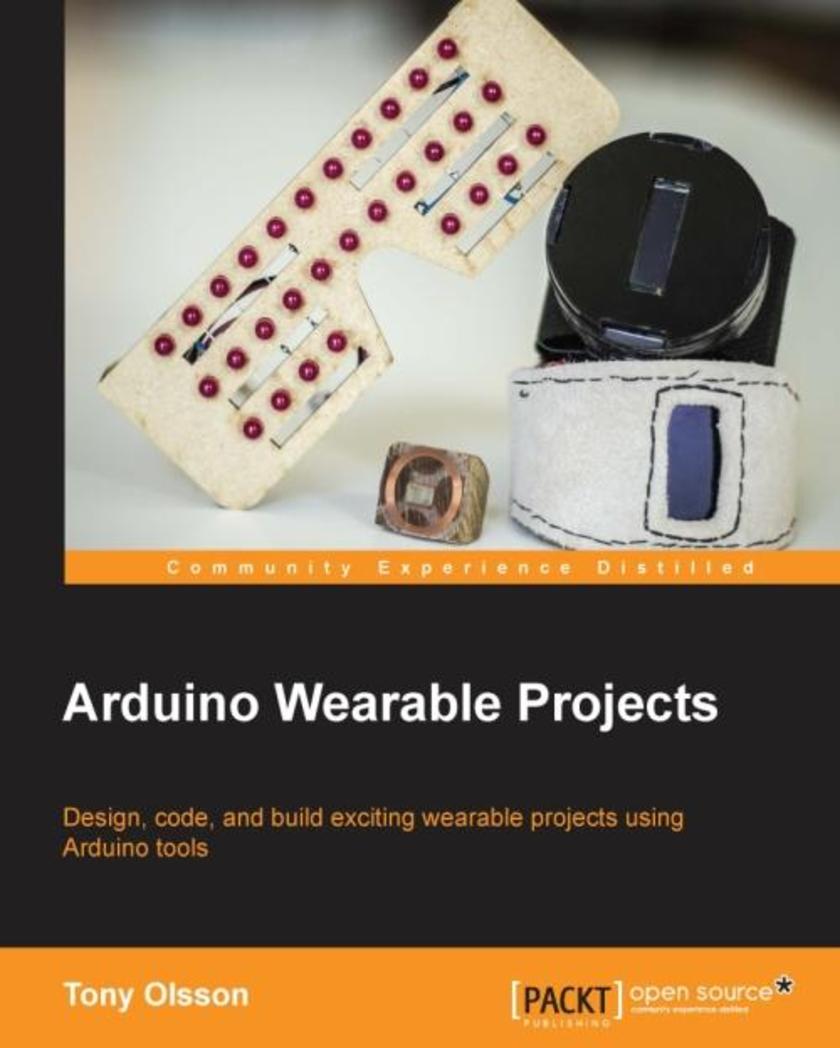
Arduino Wearable Projects
¥80.65
This book is intended for readers who are familiar with the Arduino platform and want to learn more about creating wearable projects. No previous experience in wearables is expected, although a basic knowledge of Arduino will help.
Amazon S3 Cookbook
¥90.46
This book is for cloud developers who have experience of using Amazon S3 and are also familiar with Amazon S3.
Learning zANTI2 for Android Pentesting
¥63.21
The book is intended for those who want to know more about network penetration tests and have no prior experience, as well as for those who are experienced in network systems and are interested in discovering more about this topic.


