


 购物车
购物车 个人中心
个人中心
Building Bluetooth Low Energy Systems
¥63.21
Bluetooth Low Energy (BLE) is a Wireless Personal Area network technology aimed at novel applications for smart devices. High-tech BLE profiles and services are being increasingly used by application developers and hardware enthusiasts to allow devices to interact with the surrounding world. This book will focus on a technical introduction to BLE and how it is reshaping small-distance communication. We will start with IoT, where many technologies such as BLE, Zigbee, and IEEE 802.15.4 Mesh will be introduced. The book will present BLE from an engineering perspective, from which the protocol stack, architecture, and layers are discussed. You will learn to implement customized projects for Peripheral/Central communication, BLE Beacons, indoor navigation using triangulation, and the Internet gateway for Bluetooth Low Energy Personal Network, all using various code samples and APIs on Android, iOS, and the Web. Finally, the book will conclude with a glimpse into future technologies destined to be prominent in years to come. What you will learn ?Bluetooth Low Energy in theory. ?Bluetooth Low Energy Hardware and Software Development Kits. ?Implement Bluetooth low energy communication (central and peripheral) using Android. ?Master BLE Beacons with examples implemented over Eddystone and iBeacons.
Deep Learning with Keras
¥90.46
This book starts by introducing you to supervised learning algorithms such as simple linear regression, the classical multilayer perceptron and more sophisticated deep convolutional networks. You will also explore image processing with recognition of hand written digit images, classification of images into different categories, and advanced objects recognition with related image annotations. An example of identification of salient points for face detection is also provided. Next you will be introduced to Recurrent Networks, which are optimized for processing sequence data such as text, audio or time series. Following that, you will learn about unsupervised learning algorithms such as Autoencoders and the very popular Generative Adversarial Networks (GAN). You will also explore non-traditional uses of neural networks as Style Transfer. Finally, you will look at Reinforcement Learning and its application to AI game playing, another popular direction of research and application of neural networks. What you will learn ?Optimize step-by-step functions on a large neural network using the Backpropagation Algorithm ?Fine-tune a neural network to improve the quality of results ?Use deep learning for image and audio processing ?Use Recursive Neural Tensor Networks (RNTNs) to outperform standard word embedding in special cases ?Identify problems
Spatial Analytics with ArcGIS
¥90.46
Spatial statistics has the potential to provide insight that is not otherwise available through traditional GIS tools. This book is designed to introduce you to the use of spatial statistics so you can solve complex geographic analysis. The book begins by introducing you to the many spatial statistics tools available in ArcGIS. You will learn how to analyze patterns, map clusters, and model spatial relationships with these tools. Further on, you will explore how to extend the spatial statistics tools currently available in ArcGIS, and use the R programming language to create custom tools in ArcGIS through the ArcGIS Bridge using real-world examples. At the end of the book, you will be presented with two exciting case studies where you will be able to practically apply all your learning to analyze and gain insights into real estate data. What you will learn ?Get to know how to measure geographic distributions ?Perform clustering analysis including hot spot and outlier analysis ?Conduct data conversion tasks using the Utilities toolset ?Understand how to use the tools provided by the Mapping Clusters toolset in the Spatial Statistics Toolbox ?Get to grips with the basics of R for performing spatial statistical programming ?Create custom ArcGIS tools with R and ArcGIS Bridge ?Understand the application of Spatial Statistics tools

Programming Microsoft Dynamics NAV - Fifth Edition
¥107.90
Customize your NAV applications About This Book ?Gain from the insights and methods of industry-leading experts and tailor your applications to best suit the needs of your business ?Learn through the detailed explanations and useful examples that are presented in a logical, step-by-step manner ?This comprehensive guide is written with the goals of being used as a classroom text, a self-study text, and as a handy in-depth reference guide Who This Book Is For This book will appeal to all those who want to learn about NAV's powerful and extensive built-in development capabilities. It assumes that you understand programming and are familiar with business application software, although you aren't expected to have worked with NAV before. ERP consultants and managers of NAV development will also find the book helpful. What You Will Learn ?Productively and effectively use the development tools that are built into Dynamics NAV ?Understand the strengths of NAV's development tools and how they can be applied to address functional business requirements ?Introduction to programming using the C/AL language in the C/SIDE Development Environment ?Explore functional design and development using C/AL ?Leverage advanced NAV development features and tools ?Get to know the best practices to design and develop modifications of new functionality integrated with the standard NAV software In Detail Microsoft Dynamics NAV is a full business solution suite, and a complete ERP solution, which contains a robust set of development tools to support customization and enhancement. These
Mastering Java for Data Science
¥90.46
Java is the most popular programming language, according to the TIOBE index, and it is a typical choice for running production systems in many companies, both in the startup world and among large enterprises. Not surprisingly, it is also a common choice for creating data science applications: it is fast and has a great set of data processing tools, both built-in and external. What is more, choosing Java for data science allows you to easily integrate solutions with existing software, and bring data science into production with less effort. This book will teach you how to create data science applications with Java. First, we will revise the most important things when starting a data science application, and then brush up the basics of Java and machine learning before diving into more advanced topics. We start by going over the existing libraries for data processing and libraries with machine learning algorithms. After that, we cover topics such as classification and regression, dimensionality reduction and clustering, information retrieval and natural language processing, and deep learning and big data. Finally, we finish the book by talking about the ways to deploy the model and evaluate it in production settings. What you will learn ?Get a solid understanding of the data processing toolbox available in Java ?Explore the data science ecosystem available in Java
Hybrid Mobile Development with Ionic
¥71.93
Key Features ?Develop high-grade and performance-optimized hybrid applications using Ionic ?Discover all the latest and upcoming features of Ionic 2 ?A practical guide that will help you fully utilize all the features and components of Ionic 2 efficiently Book De*ion Ionic is an open source, front-end framework that allows you to develop hybrid mobile apps without any native-language hassle for each platform. It offers a library of mobile-optimized HTML, CSS, and JS components for building highly interactive mobile apps. This book will help readers develop a complete, professional-quality mobile application with Ionic Framework. You will start the journey by learning to configure and customize Ionic Framework. Then, you will move on to Ionic 2 components and see how you can customize them according to your applications. Also, you will implement various native plugins and integrate them with Ionic 2 along with Ionic Platform services to use them optimally in your application. You will also master authorization, authentication, and security techniques to ensure that your application and data are secure. Further, you will integrate backend services such as Firebase and the Cordova iBeacon plugin in your application. Lastly, you will test and troubleshoot your application. By the end of the book, you will not only have built a professional, hybrid mobile application but will also have ensured that your app is secure and performance-driven. What you will learn ?Use every Ionic component and customize it according to the application. ?Implement offline functionality in your application with various storage options such as localstorage and SQLite. ?Integrate the various Ionic backend services and features such as Ionic push and Ionic playground to send push notification and track events in your application. ?Explore white-listing, CORS, and various other platform security aspects to secure your application. ?Sync your data to the cloud server and fetch it in real time. ?Integrate the Cordova iBeacon plugin and fetch contextual data on the basis of location and iBeacon's UUID
Elasticsearch 5.x Cookbook - Third Edition
¥99.18
Over 170 advanced recipes to search, analyze, deploy, manage, and monitor data effectively with Elasticsearch 5.x About This Book Deploy and manage simple Elasticsearch nodes as well as complex cluster topologies Write native plugins to extend the functionalities of Elasticsearch 5.x to boost your business Packed with clear, step-by-step recipes to walk you through the capabilities of Elasticsearch 5.x Who This Book Is For If you are a developer who wants to get the most out of Elasticsearch for advanced search and analytics, this is the book for you. Some understanding of JSON is expected. If you want to extend Elasticsearch, understanding of Java and related technologies is also required. What You Will Learn Choose the best Elasticsearch cloud topology to deploy and power it up with external plugins Develop tailored mapping to take full control of index steps Build complex queries through managing indices and documents Optimize search results through executing analytics aggregations Monitor the performance of the cluster and nodes Install Kibana to monitor cluster and extend Kibana for plugins Integrate Elasticsearch in Java, Scala, Python and Big Data applications In Detail Elasticsearch is a Lucene-based distributed search server that allows users to index and search unstructured content with petabytes of data. This book is your one-stop guide to master the complete Elasticsearch ecosystem. We’ll guide you through comprehensive recipes on what’s new in Elasticsearch 5.x, showing you how to create complex queries and analytics, and perform index mapping, aggregation, and *ing. Further on, you will explore the modules of Cluster and Node monitoring and see ways to back up and restore a snapshot of an index. You will understand how to install Kibana to monitor a cluster and also to extend Kibana for plugins. Finally, you will also see how you can integrate your Java, Scala, Python, and Big Data applications such as Apache Spark and Pig with Elasticsearch, and add enhanced functionalities with custom plugins. By the end of this book, you will have an in-depth knowledge of the implementation of the Elasticsearch architecture and will be able to manage data efficiently and effectively with Elasticsearch. Style and approach This book follows a problem-solution approach to effectively use and manage Elasticsearch. Each recipe focuses on a particular task at hand, and is explained in a very simple, easy to understand manner.
Internet of Things Programming with JavaScript
¥71.93
Learn the art of bringing the Internet of Things into your projects with the power of JavaScript About This Book This is a practical guide to help you configure and build a complete distributed IoT system from scratch using JavaScript Utilize the power of Node and HTML5 to develop web services and a centralized web server, enabling high-level communication between connected devices Control all your connected devices from the browser by setting up a common dashboard Who This Book Is For This book is for developers who are interested in learning how to communicate with connected devices in JavaScript to set up an IoT system. Some basic knowledge of JavaScript is expected. Hobbyists who want to explore the potential of IoT in JavaScript will also find this book useful. What You Will Learn Develop the skills to connected devices prepared the field to interact with the devices in a network system Internet of Things Find out how to connect sensors and actuators to the devices Send data to a web server connected devices Understand Internet of things using web services and database Configure a dashboard using HTML5 and JavaScript Control devices connected from a dashboard Monitor different devices from the dashboard Build an app for a smartphone to control different devices In Detail The Internet of Things (IoT) is an entirely new platform for developers and engineers, but one thing that remains consistent as we move into this new world, are the programming languages. JavaScript is the most widely used language over the Internet, and with IoT gaining momentum, you will learn how to harness the power of JavaScript to interact with connected devices. This book will teach you how to interact with endpoint devices by developing web services in JavaScript and also set up an interface to control all connected devices. This book begins with setting up a centralized web server that serves as a hub for all connected devices. The book then progresses further towards building web services to facilitate high-level communication between connected devices. Using Arduino and Raspberry Pi Zero as endpoint devices, the book will show you how devices can communicate with each other, perform a wide range of tasks, and also be controlled from a centralized location using JavaScript. The book ends with creating a hybrid app to control the devices that can be run from a browser or installed on a smartphone. Style and approach This book offers step-by-step guidance on how to set up a distributed IoT system using JavaScript. It will teach you how to interact with endpoint devices by developing web services in JavaScript and also set up an interface for controlling all connected devices.
Mastering Elasticsearch 5.x - Third Edition
¥90.46
Master the intricacies of Elasticsearch 5 and use it to create flexible and scalable search solutions About This Book Master the searching, indexing, and aggregation features in ElasticSearch Improve users’ search experience with Elasticsearch’s functionalities and develop your own Elasticsearch plugins A comprehensive, step-by-step guide to master the intricacies of ElasticSearch with ease Who This Book Is For If you have some prior working experience with Elasticsearch and want to take your knowledge to the next level, this book will be the perfect resource for you.If you are a developer who wants to implement scalable search solutions with Elasticsearch, this book will also help you. Some basic knowledge of the query DSL and data indexing is required to make the best use of this book. What You Will Learn Understand Apache Lucene and Elasticsearch 5’s design and architecture Use and configure the new and improved default text scoring mechanism in Apache Lucene 6 Know how to overcome the pitfalls while handling relational data in Elasticsearch Learn about choosing the right queries according to the use cases and master the *ing module including new default *ing language, painlessly Explore the right way of scaling production clusters to improve the performance of Elasticsearch Master the searching, indexing, and aggregation features in Elasticsearch Develop your own Elasticsearch plugins to extend the functionalities of Elasticsearch In Detail Elasticsearch is a modern, fast, distributed, scalable, fault tolerant, and open source search and analytics engine. Elasticsearch leverages the capabilities of Apache Lucene, and provides a new level of control over how you can index and search even huge sets of data. This book will give you a brief recap of the basics and also introduce you to the new features of Elasticsearch 5. We will guide you through the intermediate and advanced functionalities of Elasticsearch, such as querying, indexing, searching, and modifying data. We’ll also explore advanced concepts, including aggregation, index control, sharding, replication, and clustering. We’ll show you the modules of monitoring and administration available in Elasticsearch, and will also cover backup and recovery. You will get an understanding of how you can scale your Elasticsearch cluster to contextualize it and improve its performance. We’ll also show you how you can create your own analysis plugin in Elasticsearch. By the end of the book, you will have all the knowledge necessary to master Elasticsearch and put it to efficient use. Style and approach This comprehensive guide covers intermediate and advanced concepts in Elasticsearch as well as their implementation. An easy-to-follow approach means you’ll be able to master even advanced querying, searching, and administration tasks with ease.
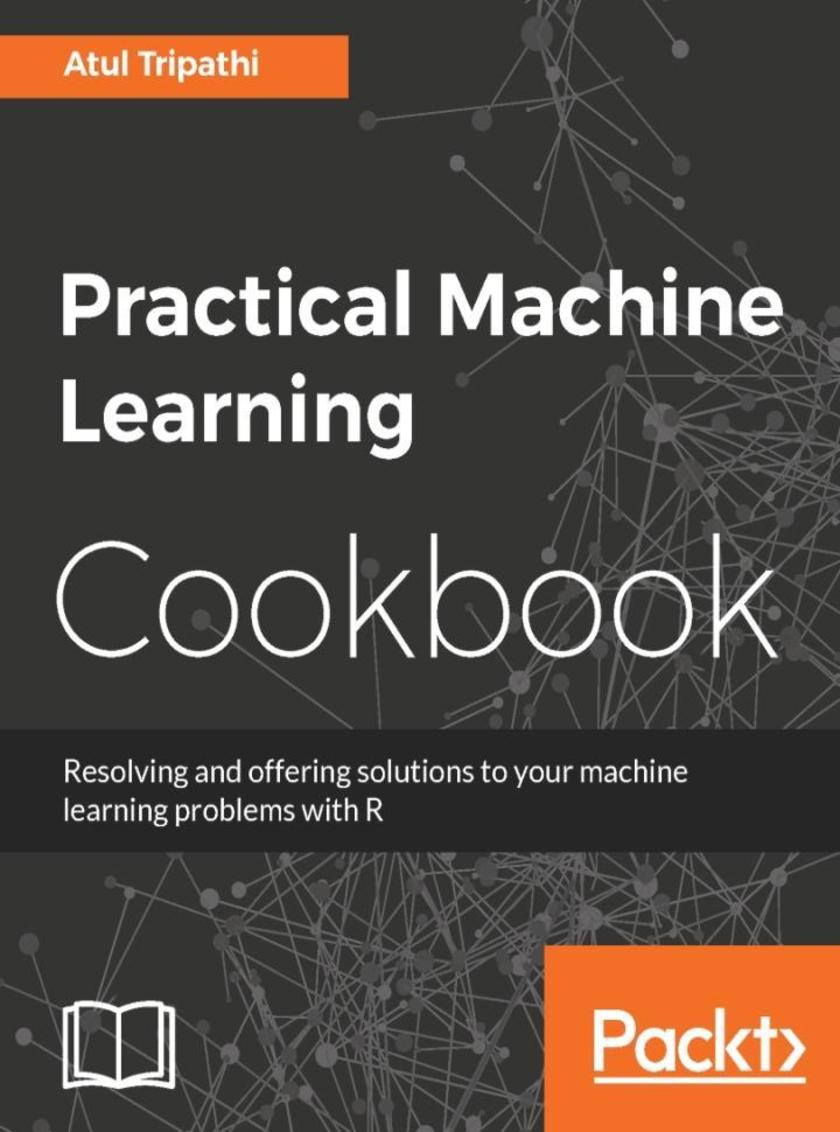
Practical Machine Learning Cookbook
¥107.90
Machine learning has become the new black. The challenge in today's world is the explosion of data from existing legacy data and incoming new structured and unstructured data. The complexity of discovering, understanding, performing analysis, and predicting outcomes on the data using machine learning algorithms is a challenge. This cookbook will help solve everyday challenges you face as a data scientist. The application of various data science techniques and on multiple data sets based on real-world challenges you face will help you appreciate a variety of techniques used in various situations. The first half of the book provides recipes on fairly complex machine-learning systems, where you'll learn to explore new areas of applications of machine learning and improve its efficiency. That includes recipes on classifications, neural networks, unsupervised and supervised learning, deep learning, reinforcement learning, and more. The second half of the book focuses on three different machine learning case studies, all based on real-world data, and offers solutions and solves specific machine-learning issues in each one. What You Will Learn ?Get equipped with a deeper understanding of how to apply machine-learning techniques ?Implement each of the advanced machine-learning techniques ?Solve real-life problems that are encountered in order to make your applications produce improved results ?Gain hands-on experience in problem solving for your machine-learning systems ?Understand the methods of collecting data, preparing data for usage, training the model, evaluating the model's performance, and improving the model's performance
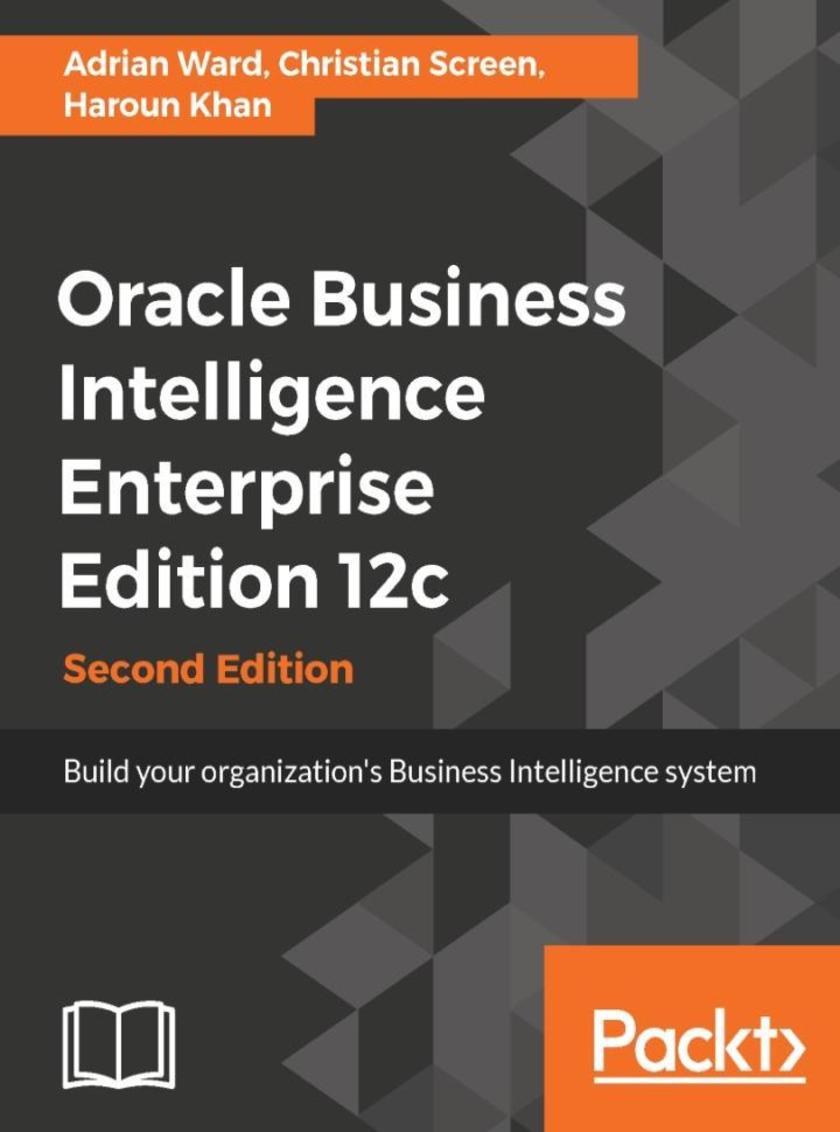
Oracle Business Intelligence Enterprise Edition 12c - Second Edition
¥116.62
comprehensive guide from Oracle experts, that will act as your single point of reference for building an Oracle BI 12c system that turns data in actionable insight. About This Book ?Come, start your first Oracle Business intelligence system and excel in BI with this exhaustive guide ?An all-encompassing guide for your Oracle business intelligence needs ?Learn from the self-paced professional guidance and implement Oracle business intelligence using this easy-to-follow guide by our experts Who This Book Is For If your job includes working on data, improving the financial or operational performance of your organization or you are a consultant for the above, then this book is for you. If you have been placed on a business intelligence project, then this book is for you. If you are the Project Manager, Business Analyst or Data Scientist then this book is for you. If you are an end user of Oracle Business Intelligence, then this book is for you too. Having a basic understanding of databases and the use of Business Intelligence is expected, but no knowledge of Oracle BI is required. What You Will Learn ?Install OBIEE in Windows, including how to create the underlying Weblogic Application server and the required database ?Build the BI system repository, the vital engine connecting your data to the front end of Oracle BI ?Develop effective analysis, draw out meaning from the data, and present it to end users on interactive dashboards ?Build pixel-perfect, printable reports using the embedded BI Publisher feature ?Build agents for actionable insight and enable your users to act on Business Intelligence at their desktop or
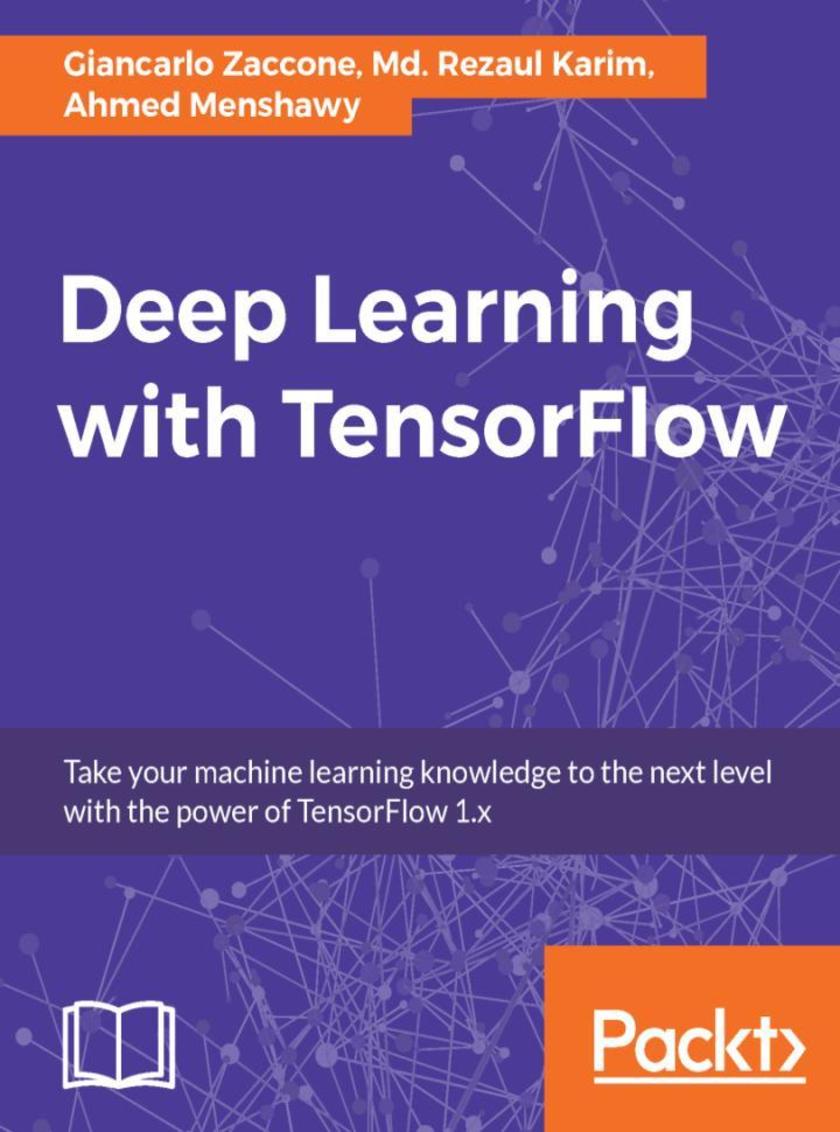
Deep Learning with TensorFlow
¥90.46
Delve into neural networks, implement deep learning algorithms, and explore layers of data abstraction with the help of this comprehensive TensorFlow guide About This Book ?Learn how to implement advanced techniques in deep learning with Google's brainchild, TensorFlow ?Explore deep neural networks and layers of data abstraction with the help of this comprehensive guide ?Real-world contextualization through some deep learning problems concerning research and application Who This Book Is For The book is intended for a general audience of people interested in machine learning and machine intelligence. A rudimentary level of programming in one language is assumed, as is a basic familiarity with computer science techniques and technologies, including a basic awareness of computer hardware and algorithms. Some competence in mathematics is needed to the level of elementary linear algebra and calculus. What You Will Learn ?Learn about machine learning landscapes along with the historical development and progress of deep learning ?Learn about deep machine intelligence and GPU computing with the latest TensorFlow 1.x ?Access public datasets and utilize them using TensorFlow to load, process, and transform data ?Use TensorFlow on real-world datasets, including images, text, and more ?Learn how to evaluate the performance of your deep learning models ?Using deep learning for scalable object detection and mobile computing ?Train machines quickly to learn from data by exploring reinforcement learning techniques ?Explore active areas of deep learning research and applications
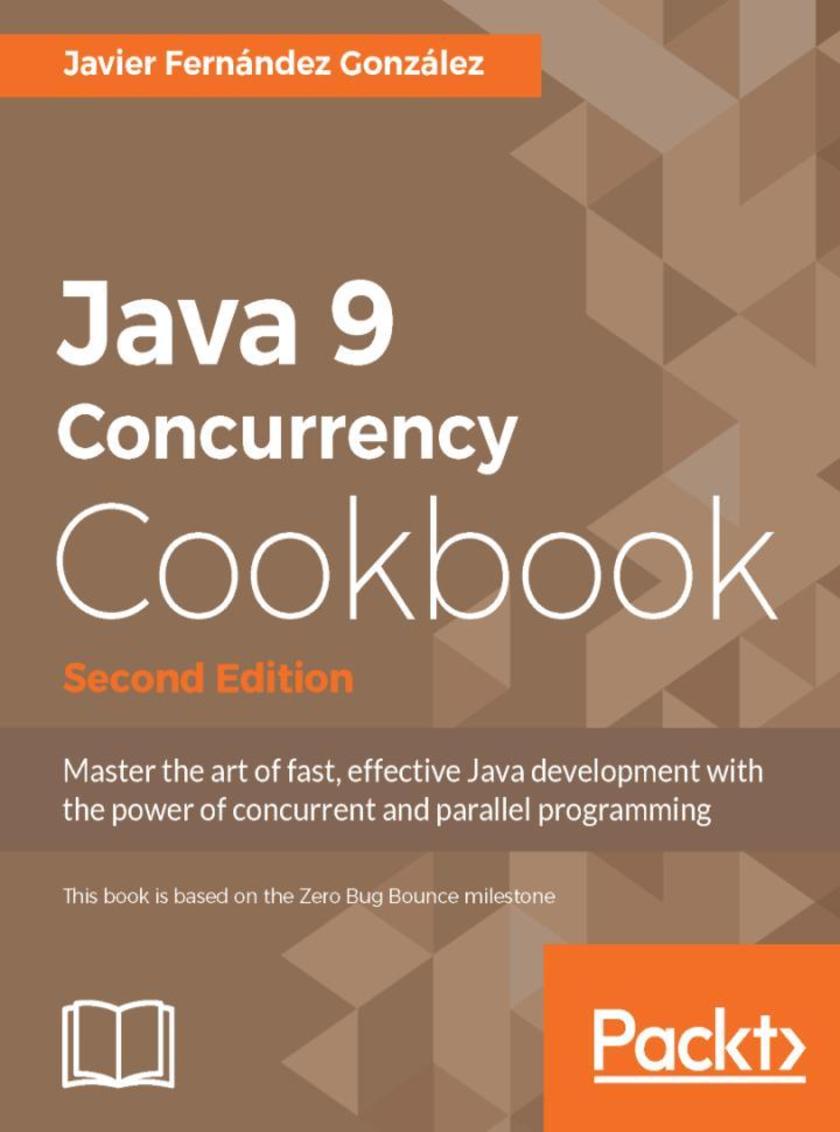
Java 9 Concurrency Cookbook - Second Edition
¥90.46
Writing concurrent and parallel programming applications is an integral skill for any Java programmer. Java 9 comes with a host of fantastic features, including significant performance improvements and new APIs. This book will take you through all the new APIs, showing you how to build parallel and multi-threaded applications. The book covers all the elements of the Java Concurrency API, with essential recipes that will help you take advantage of the exciting new capabilities. You will learn how to use parallel and reactive streams to process massive data sets. Next, you will move on to create streams and use all their intermediate and terminal operations to process big collections of data in a parallel and functional way. Further, you ll discover a whole range of recipes for almost everything, such as thread management, synchronization, executors, parallel and reactive streams, and many more. At the end of the book, you will learn how to obtain information about the status of some of the most useful components of the Java Concurrency API and how to test concurrent applications using different tools. What you will learn ?Find out to manage the basic components of the Java Concurrency API ?Use synchronization mechanisms to avoid data race conditions and other problems of concurrent applications ?Separate the thread management from the rest of the application with the Executor framework ?Solve problems using a parallelized version of the divide and conquer paradigm with the Fork / Join framework ?Process massive data sets in an optimized way using streams and reactive streams ?See which data structures we can use in concurrent applications and how to use them ?Practice efficient techniques to test concurrent applications ?Get to know tips and tricks to design concurrent applications
Swift Functional Programming - Second Edition
¥80.65
Bring the power of functional programming to Swift to develop clean, smart, scalable and reliable applications. About This Book ?Written for the latest version of Swift, this is a comprehensive guide that introduces iOS, Web and macOS developers to the all-new world of functional programming that has so far been alien to them ?Get familiar with using functional programming alongside existing OOP techniques so you can get the best of both worlds and develop clean, robust, and scalable code ?Develop a case study on example backend API with Swift and Vapor Framework and an iOS application with Functional Programming, Protocol-Oriented Programming, Functional Reactive Programming, and Object-Oriented Programming techniques Who This Book Is For Meant for a reader who knows object-oriented programming, has some experience with Objective-C/Swift programming languages and wants to further enhance his skills with functional programming techniques with Swift 3.x. What You Will Learn ?Understand what functional programming is and why it matters ?Understand custom operators, function composition, currying, recursion, and memoization ?Explore algebraic data types, pattern matching, generics, associated type protocols, and type erasure ?Get acquainted with higher-kinded types and higher-order functions using practical examples ?Get familiar with functional and non-functional ways to deal with optionals ?Make use of functional data structures such as semigroup, monoid, binary search tree, linked list, stack, and lazy list ?Understand the importance of immutability, copy constructors, and lenses
ESP8266 Internet of Things Cookbook
¥71.93
The ESP8266 Wi-Fi Module is a self contained System on Chip (SOC) with an integrated TCP/IP protocol stack and can give any microcontroller access to your Wi-fi network. It is capable of either hosting an application or offloading all Wi-fi networking functions from another application processor. This book contains practical recipes that will help you master all ESP8266 functionalities. You will start by configuring and customizing the chip in line with your requirements. Then you will focus on core topics such as on-board processing, sensors, GPIOs, programming, networking, integration with external components, and so on. We will also teach you how to leverage Arduino using the ESP8266 and you'll learn about its libraries, file system, OTA updates, and so on. The book also provide recipes on web servers, testing, connecting with the cloud, and troubleshooting techniques. Programming aspects include MicroPython and how to leverage it to get started with the ESP8266. Towards the end, we will use these concepts and create an interesting project (IOT). By the end of the book, readers will be proficient enough to use the ESP8266 board efficiently.
Linux: Powerful Server Administration
¥179.84
Get hands-on recipes to make the most of Ubuntu Server, CentOS 7 Linux Server and RHEL 7 Server About This Book * Get Linux servers up and running in seconds, * In-depth guide to explore new features and solutions in server administration * Maintain performance and security of your server solution by deploying expert configuration advice Who This Book Is For This Learning Path is intended for system administrators with a basic understanding of Linux operating systems and written with the novice-to-intermediate Linux user in mind. To get the most of this Learning Path, you should have a working knowledge of basic system administration and management tools. What You Will Learn * Set up high performance, scalable, and fault-tolerant back ends with web and database servers * Facilitate team communication with a real-time chat service and collaboration tools * Monitor, manage and develop your server's file system to maintain a stable performance * Gain best practice methods on sharing files and resources through a network * Install and configure common standard services such as web, mail, FTP, database and domain name server technologies * Create kickstart *s to automatically deploy RHEL 7 systems * Use Orchestration and configuration management tools to manage your environment In Detail Linux servers are frequently selected over other server operating systems for their stability, security and flexibility advantages.This Learning Path will teach you how to get up and running with three of the most popular Linux server distros: Ubuntu Server, CentOS 7 Server, and RHEL 7 Server. We will begin with the Ubuntu Server and show you how to make the most of Ubuntu's advanced functionalities. Moving on, we will provide you with all the knowledge that will give you access to the inner workings of the latest CentOS version 7. Finally, touching RHEL 7, we will provide you with solutions to common RHEL 7 Server challenges.This Learning Path combines some of the best that Packt has to offer in one complete, curated package. It includes content from the following Packt products: 1)Ubuntu Server Cookbook 2)CentOS 7 Linux Server Cookbook, Second Edition 3)Red Hat Enterprise Linux Server Cookbook Style and approach This easy-to-follow practical guide contains hands on examples and solutions to real word administration problems and problems faced when building your RHEL 7 system from scratch using orchestration tools.
D3.js 4.x Data Visualization - Third Edition
¥71.93
Create and publish your own interactive and compelling data visualizations with D3.js 4.x About This Book ?Build interactive and rich graphics and visualization using JavaScript`s powerful library D3.js ?Learn D3 from the ground up, using the all-new version 4 of the library ?Gain insight into producing high-quality, extensible charts and visualizations using best practices such as writing testable, extensible code and strong typing Who This Book Is For This book is for web developers, interactive news developers, data scientists, and anyone interested in representing data through interactive visualizations on the Web with D3. Some basic knowledge of JavaScript is expected, but no prior experience with data visualization or D3 is required to follow this book. What You Will Learn ?Map data to visual elements using D3's scales ?Draw SVG elements using D3's shape generators ?Transform data using D3's collection methods ?Use D3's various layout patterns to quickly generate various common types of chart ?Write modern JavaScript using ES2017 and Babel ?Explore the basics of unit testing D3 visualizations using Mocha and Chai ?Write and deploy a simple Node.js web service to render charts via HTML Canvas ?Understand what makes a good data visualization and how to use the tools at your disposal to create accurate charts In Detail Want to get started with impressive interactive visualizations and implement them in your daily tasks? This book offers the perfect solution-D3.js. It has emerged as the most popular tool for data visualization.
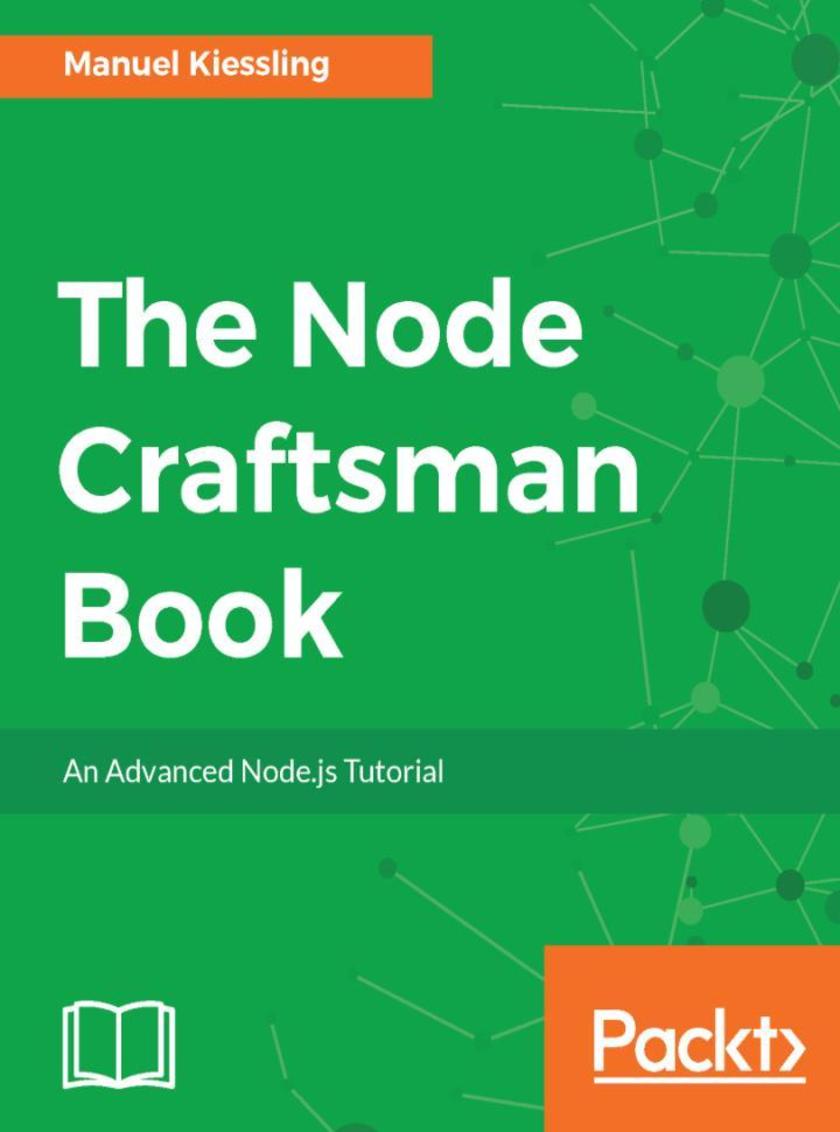
The Node Craftsman Book
¥71.93
The Node Craftsman Book helps JavaScript programmers with basic Node.js knowledge to now thoroughly master Node.js and JavaScript. This book dives you deeper into the craft of software development with Node.js and JavaScript, incuding object-orientation, test-driven development, database handling, web frameworks, and much more. The Node Craftsman Book shows you how to work with Node.js and how to think deeply about how you build your Node projects. You'll master how to build a complete Node.js application across six crafting milestones, and you'll learn many specific skills to achieve that mastery. These skills include how to work with the Node Package Manager in depth, how to connect your Node applications to databases, and how to write unit tests and end-to-end tests for your code. You'll experience the full Node.js development picture, and learn how to craft and control your Node.js applications - right through to fully-fledged web applications using REST, and integration with Angular applications. What you will learn ?How to connect to databases like MongoDB and MySQL from your Node.js application ?How to unit tests and end-to-end tests for your code ?When and how to leverage migrations for setting up a continuous deployment workflow ?Detailed insight into how the Node Package Manager, NPM works ?How object-orientation actually works
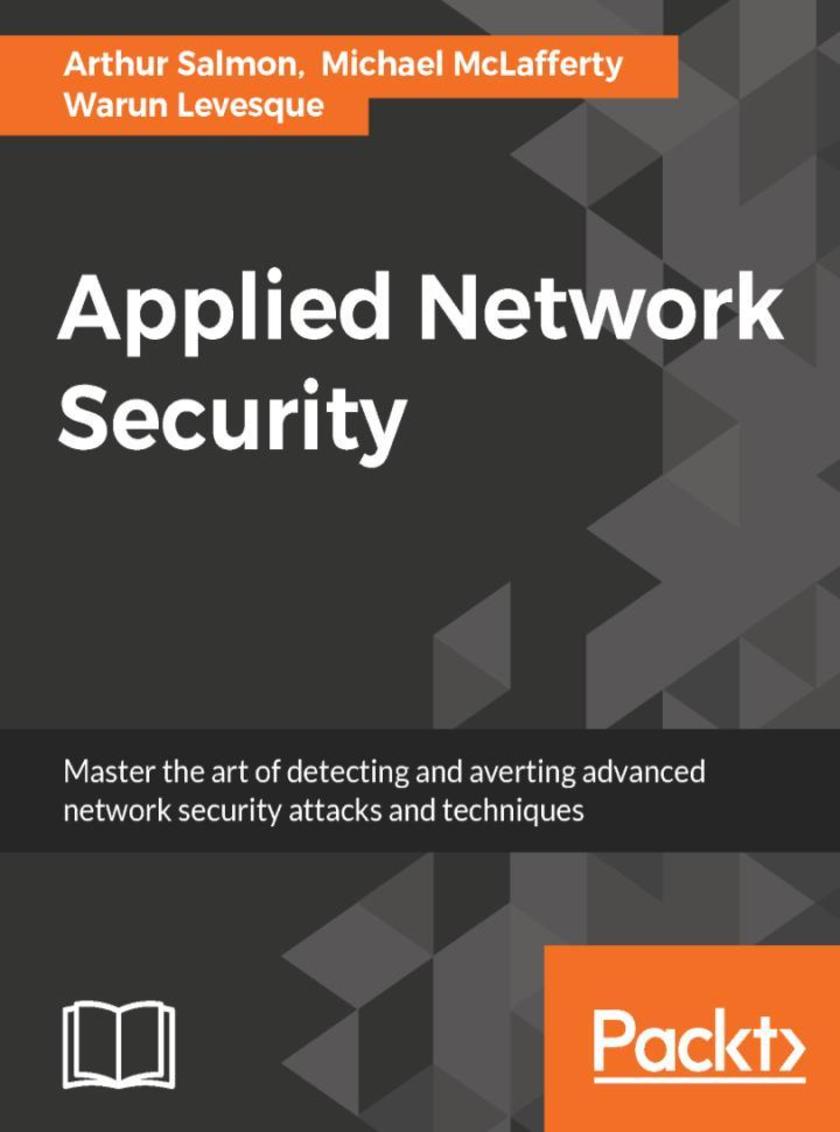
Applied Network Security
¥80.65
Master the art of detecting and averting advanced network security attacks and techniques About This Book ?Deep dive into the advanced network security attacks and techniques by leveraging tools such as Kali Linux 2, MetaSploit, Nmap, and Wireshark ?Become an expert in cracking WiFi passwords, penetrating anti-virus networks, sniffing the network, and USB hacks ?This step-by-step guide shows you how to confidently and quickly detect vulnerabilities for your network before the hacker does Who This Book Is For This book is for network security professionals, cyber security professionals, and Pentesters who are well versed with fundamentals of network security and now want to master it. So whether you're a cyber security professional, hobbyist, business manager, or student aspiring to becoming an ethical hacker or just want to learn more about the cyber security aspect of the IT industry, then this book is definitely for you. What You Will Learn ?Use SET to clone webpages including the login page ?Understand the concept of Wi-Fi cracking and use PCAP file to obtain passwords ?Attack using a USB as payload injector ?Familiarize yourself with the process of trojan attacks ?Use Shodan to identify honeypots, rogue access points, vulnerable webcams, and other exploits found in the database ?Explore various tools for wireless penetration testing and auditing ?Create an evil twin to intercept network traffic ?Identify human patterns in networks attacks In Detail Computer networks are increasing at an exponential rate and the most
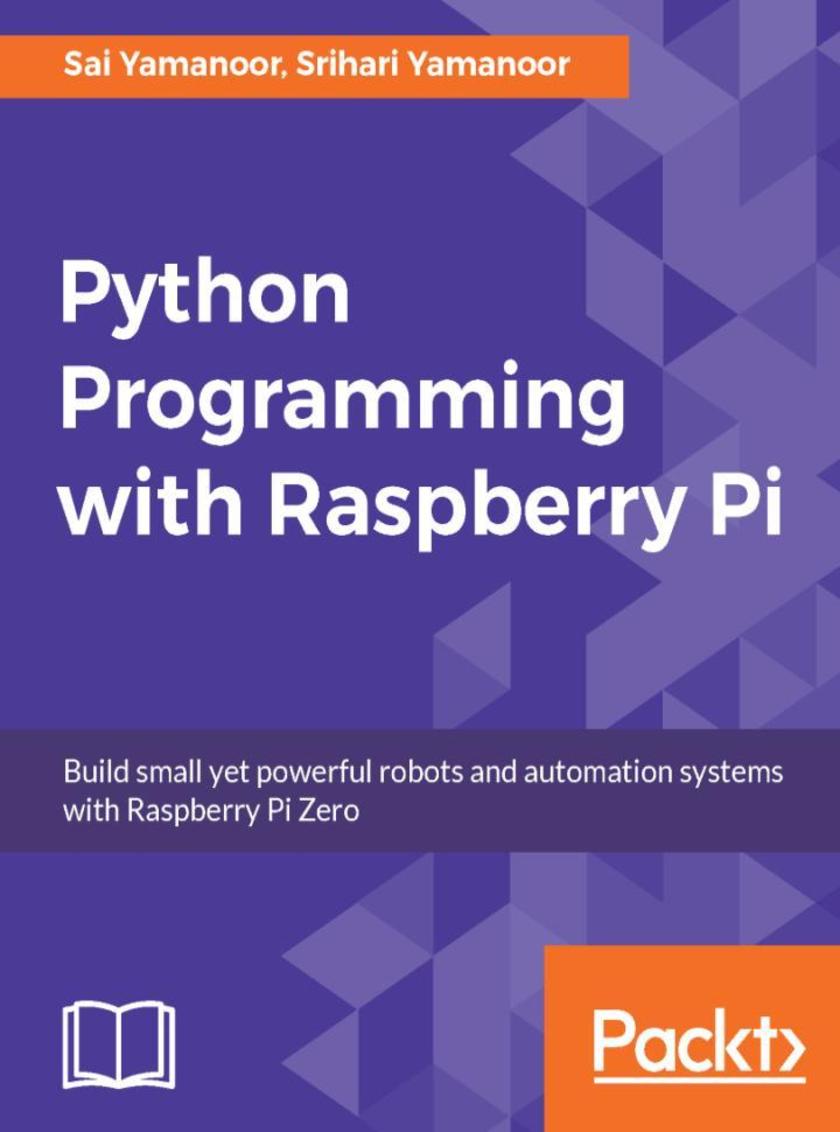
Python Programming with Raspberry Pi
¥63.21
Become a master of Python programming using the small yet powerful Raspberry Pi Zero About This Book ?This is the first book on the market that teaches Python programming with Raspberry Pi Zero ?Develop exciting applications such as a mobile robot and home automation controller using Python ?This step-by-step guide helps you make the most out of Raspberry Pi Zero using Python programming Who This Book Is For This book is aimed at hobbyists and programmers who want to learn Python programming and develop applications using the Pi Zero. They should have basic familiarity with electronics. What You Will Learn ?Configure Raspberry Pi using Python ?Control loops to blink an LED using simple arithmetic operations ?Understand how interface sensors, actuators, and LED displays work ?Get to grips with every aspect of Python programming using practical examples ?Explore machine vision, data visualization, and scientific computations ?Build a mobile robot using the Raspberry Pi as the controller ?Build a voice-activated home automation controller In Detail Raspberry Pi Zero is a super-small and super-affordable product from Raspberry Pi that is packed with a plethora of features and has grabbed the notice of programmers, especially those who use Python. This step-by-step guide will get you developing practical applications in Python using a Raspberry Pi Zero. It will become a valuable resource as you learn the essential details of interfacing sensors and actuators to a Raspberry Pi, as well as acquiring and displaying data. You will get started by writing a Python program that blinks an LED at 1-second intervals. Then you will learn to write simple logic to execute tasks based upon sensor data (for example, to control a motor) and retrieve data from the web (such as to check e-mails to provide a visual alert). Finally, you will learn to build a home automation system with Python where different appliances are controlled using the Raspberry Pi. The examples discussed in each chapter of this book culminate in a project that help improve the quality of people's lives. Style and approach This will be a learning, step-by-step guide to teach Python programming using the famous Raspberry Pi Zero. The book is packed with practical examples at every step along with tips and tricks for the Raspberry Pi fans
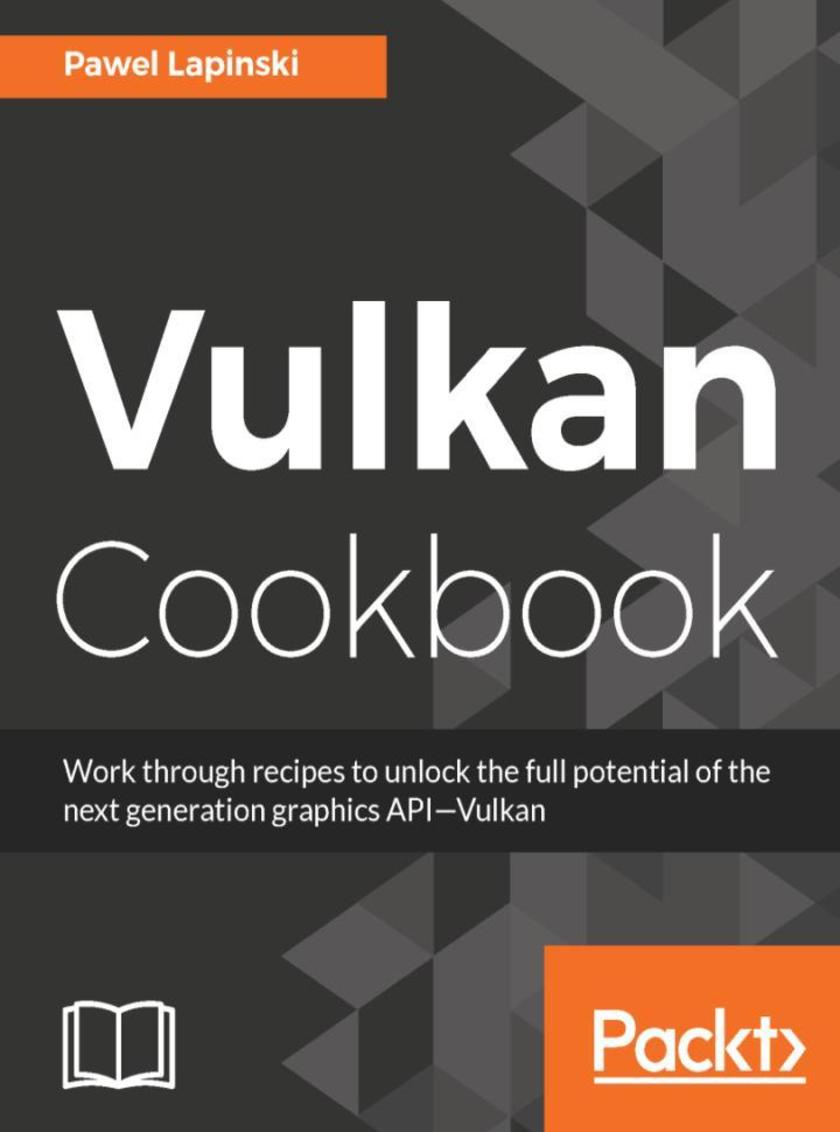
Vulkan Cookbook
¥90.46
Work through recipes to unlock the full potential of the next generation graphics API―Vulkan About This Book ?This book explores a wide range of modern graphics programming techniques and GPU compute methods to make the best use of the Vulkan API ?Learn techniques that can be applied to a wide range of platforms desktop, smartphones, and embedded devices Who This Book Is For This book is ideal for developers who know C/C++ languages, have some basic familiarity with graphics programming, and now want to take advantage of the new Vulkan API in the process of building next generation computer graphics. Some basic familiarity of Vulkan would be useful to follow the recipes. OpenGL developers who want to take advantage of the Vulkan API will also find this book useful. What You Will Learn?Work with Swapchain to present images on screen ?Create, submit, and synchronize operations processed by the hardware ?Create buffers and images, manage their memory, and upload data to them from CPU ?Explore de*or sets and set up an interface between application and shaders ?Organize drawing operations into a set of render passes and subpasses ?Prepare graphics pipelines to draw 3D scenes and compute pipelines to perform mathematical calculations ?Implement geometry projection and tessellation, texturing, lighting, and post-processing techniques ?Write shaders in GLSL and convert them into SPIR-V assemblies ?Find out about and


