


 购物车
购物车 个人中心
个人中心
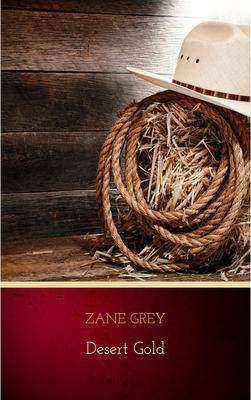
Desert Gold
¥8.82
The story describes the recent uprising along the border, and ends with the finding of the gold which two prospectors had willed to the girl who is the story's heroine.
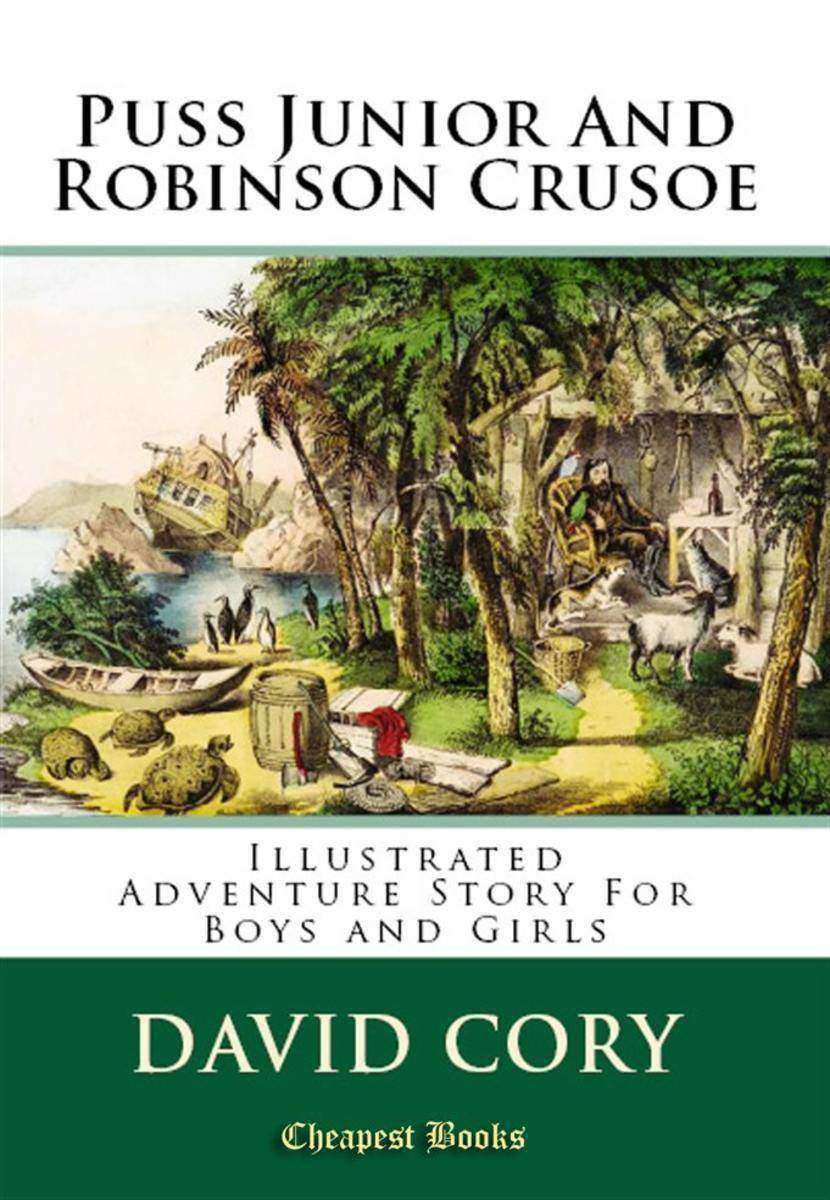
Puss Junior and Robinson Crusoe: "Illustrated Adventure Story for Boys and Girls
¥18.80
ONE day as little Puss, Junior, was traveling through New Mother Goose country, he came to a funny little house all covered with rose vines, even up to the top of the small red chimney they grew in crimson splendor. And as Puss stopped to look at the pretty sight, a tiny blue bird in a cage on the front porch began to sing:"Jack Sprat had a pig,Who was not very big;He was not very leanHe was not very fat;'He'll do for a grunt,'Says little Jack Sprat.""Oh, ho," thought Puss, and he turned into the yard and walked around to the little red barn. There stood Jack Sprat himself, leaning against the sty, watching his pig eat his dinner.Well, just then, all of a sudden, a swarm of golden bees came humming into the little farmyard, and before long they had made a home in the empty beehive that stood close by.
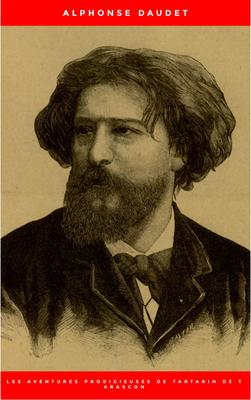
Les Aventures prodigieuses de Tartarin de Tarascon
¥8.82
Qui ne connait pas l'illustrissime Tartarin, immortalisé au cinéma par Raimu? Mais... au cas où, voici le résumé du début de cette aventure épique, et, pour tout dire, tarasconnaise... Tartarin possède un jardin exotique où il entretient un baobab dans un pot de réséda, de nombreuses armes et quantité de livres d'aventures. ? Tarascon, les chasseurs sans gibier tirent sur leur casquette, après l'avoir lancée en l'air. Chacun dans le voisinage reconna?t que Tartarin est un vrai caractère, prêt à repousser toutes les attaques (qui ne viennent pas...). Il n'a jamais quitté Tarascon, mais l'arrivée d'une ménagerie et d'un lion en cage l'incite à partir pour l'Atlas...
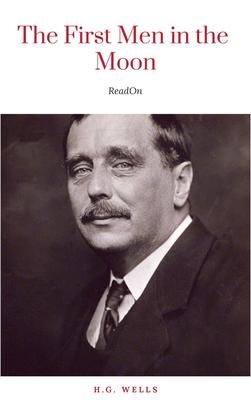
The First Men in the Moon
¥8.82
The novel tells the story of a journey to the moon by the impecunious businessman Mr Bedford and the brilliant but eccentric scientist Dr Cavor. On arrival, Bedford and Cavor find the moon inhabited by a race of moon-folk the two call "Selenites." The novel can also be read as a critique of prevailing political opinions from the turn of the century, particularly of imperialism.
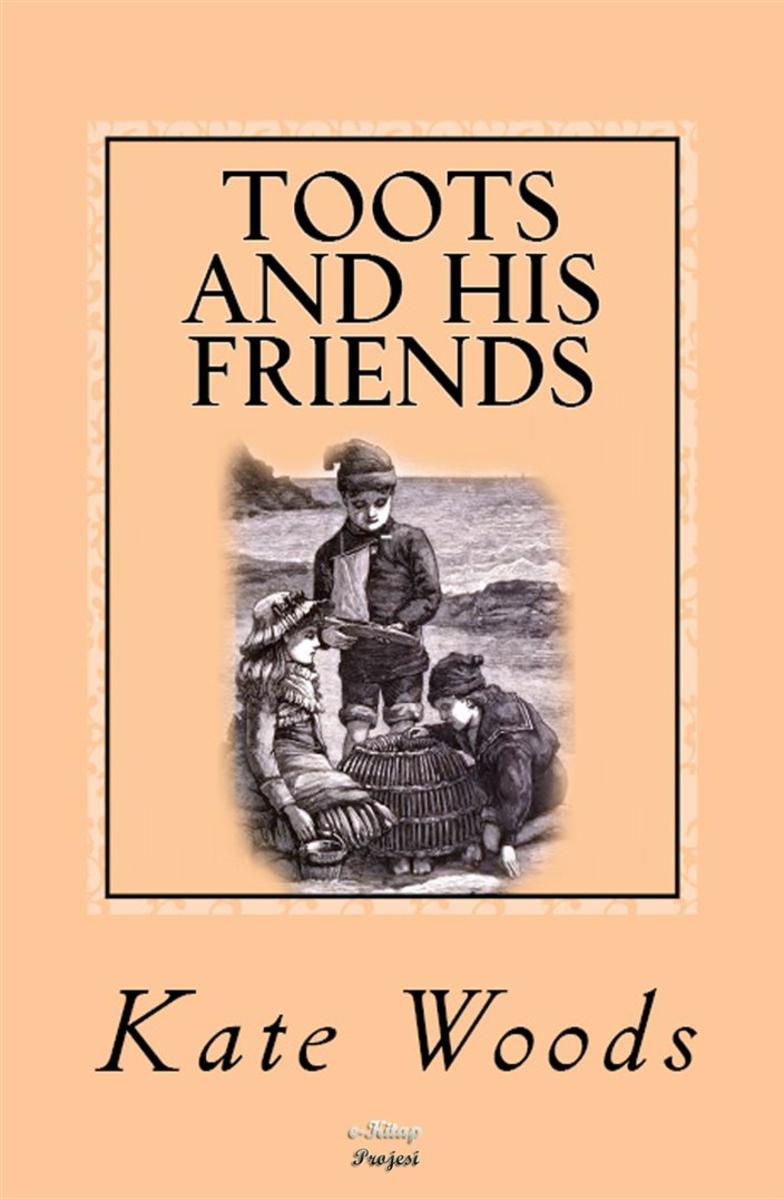
Toots and His Friends: (Illustrated)
¥9.24
Stories:?HOW TOOTS WENT TO BED.?TOOTS AT THE KINDERGARTEN.?THE HAPPY HOUR.?ELFIE.?PAUL BROWN.?PAUL'S VIEWS AT EIGHT YEARS OF AGE.?MAX THE MEDDLER.?OUR MAY.?A BUBBLE PARTY.?SEWING A SEAM.?A FOUR-FOOTED FRIEND.?NAUGHTY SANDY?FLOSSIE'S HANDS.?JAMIE DOON.?FIVES.?OLIVER TWIST AT HOME.?MRS. WHITE'S FAMILY.?BUD AND BUNNIE.?DAISY DEAN.?THE COMMISSARY.?HARRY'S GUEST.?A TIRED VISITOR.?MR. SMITH'S FAMILY.?WHAT SHALL WE DO WITH BABY??DADDY TOUGH.?BUTTON BLUE.?THE STORY OF THE CUCKOO.?MAJOR AND BENJAMINA.?THE COMMODORE'S GUESTS.?HARVEST FESTIVAL.??TOOTS is our baby. He is a queer one too; up early, and always in dread of bed-time. One morning, not long ago, we heard him singing, and on looking for him, found the little rogue in the very middle of our best bed in the guest chamber, where he was playing hand-organ with a long hairpin put through the pretty pillow covers which had just come home from the laundry. There he sat singing a droll medley of "Uncle Ned," "Blessed Desus," and "Down in the Coal Mine." He had been watching two soldiers with a hand-organ, and Toots likes to do everything he sees done. While we were putting the guest-room in order, Toots marched out as a blind man, with his eyes shut and a cane in his hand. This brought him to grief, for he was picked up at the foot of the stairs with two large bumps on his pretty white brow. ??Toots was quiet then for a little while, a very little while, for as soon as we decided that his bones were all sound and a doctor need not be called, he "played sick," and asked for "shicken brof" and toast.
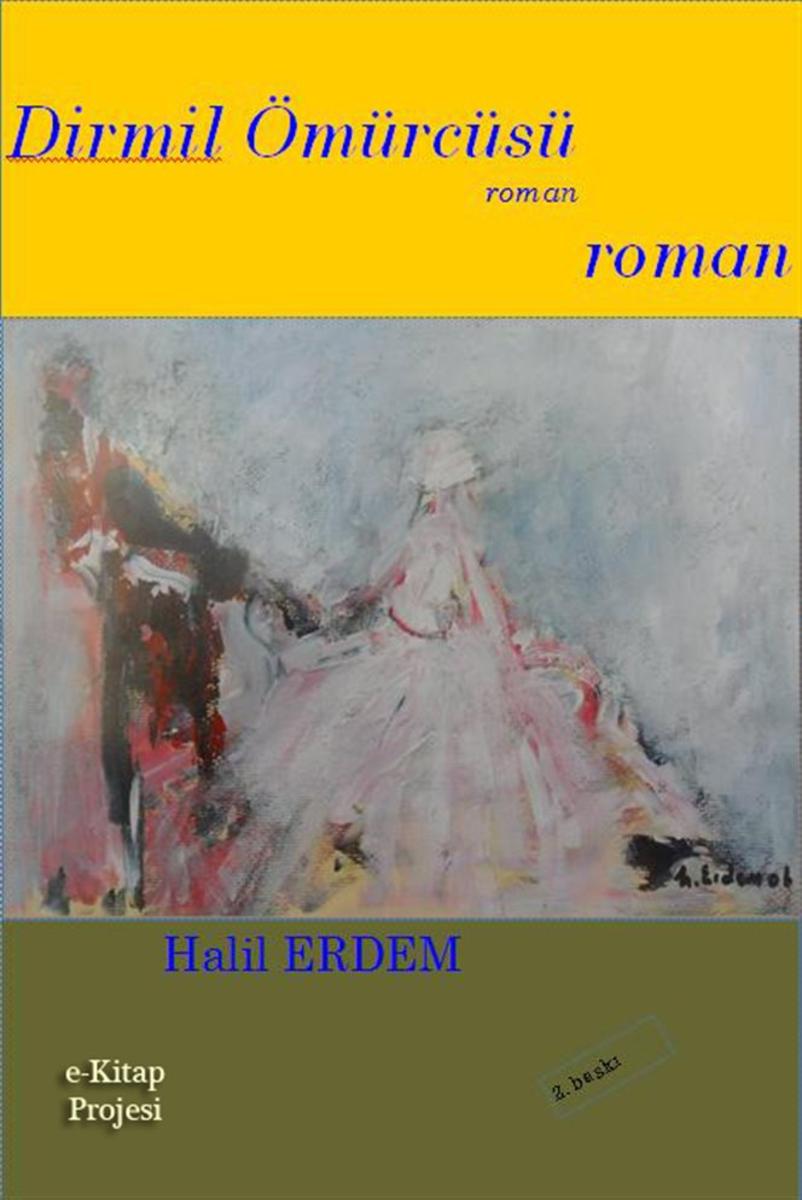
Dirmil ?mürcüsü: Roman
¥18.39
Y?rede ya?am??, Halk A???? Emin Demirayak ve Kadir Türen gibi Teke kültürünün en yetkin, en üretken saz ve s?z ustalar?n?n dolu dolu ge?en s?ra d??? ya?am ?ykülerini, folklor zenginli?ini ve s?cak insan ?ykülerini masals? bir dil ile anlatan bir an? romand?r Dirmil ?mürcüsü. ?????????????? ? ? Orman?n bakanl?k eliyle kesili?ine silah?yla kar?? gelip hapis yatan, orman?n dingin gücünün i?inizde b?rakt??? inan?lmaz ya?ama iste?iyle sizi en yak?n ormana ko?turtacak bir ?a?r? ?yküsüdür. Emin Demirayak duyarl? sanat?? ki?ili?iyle haks?zl?klara kar?? duran, türküleri ta? plaklara kaz?nan dostlar? kadar dü?manlar? da olan ve sesiyle var olan Emin Demirayak, ?kavgalar?n birinde a?z? kulaklar?na kadar kesilir, kavgalar?n birinde de g?zü ??kar?l?r. Ve 1980 y?l?nda 12 Eylül’ün ilk saatlerinde 17 kur?unla sinsice ?ldürülür. Dirmil, da?larla ?evrili bir ovan?n ba??nda Oyuk da??na yaslanm??, ayaklar?n?n ucunda duran k?ylere yukardan bak?yordu. Bat?dan toplad??? tepeleri, do?uya da? s?ralar? ve platolar ?eklinde da??tm??t?. Bin y?ll?k sedirler, ard??lar tüm g?rkemiyle K?zlarsivrisi’nden ?ehre do?ru iniyordu. K?z?lc?klar, p?ynarlar, al??lar, ?am a?a?lar?, sedirler; ?i?e?ini a?m?? kekikler, papatyalar, da? menek?eleri, sessizlikte patlayan bin bir tomurcuk ar?lara, ku?lara, kelebeklere ve insanlara kollar?n? a?m?? beklemekteydi. Doruklar?n karlar? nisan ya?murlar?yla eridi. Yapraklardan dü?en damlalar, yama?lardan patlayan kara sular, p?narlar, dereler, kocaman Dirmil ?ay?’ndan k?püre k?püre ?a?layarak akt? ve Yaprakl?’da koca bir deniz olu?turdu. Oluktan akan sular, kal?n ?am a?ac? g?vdelerine oyulmu? yalaklar? doldurup da?lar?n vefal? dostu ke?ileri sulad??? gibi doruk ?ocuklar? i?in de bir plaj i?levini yap?yordu. Gulaz zaman?yd?; bütün ke?iler, koyunlar kuzulay?p sürüler ?o?ald?. Kuzular?n, o?laklar?n a??z sütlerine ?ocuklar, ?obanlar ortak oldu. Duman? tüten topraklar sürüldü. Ta?a, ku?a, topra?a deyip ü? kere at?ld? tohum. Ve bire bin verdi. HAL?L ERDEM ? 1961 Dirmil-Burdur do?umlu. Gazi ?niversitesi E?itim Fakültesi S?n?f ??retmenli?ini bitirdi. Türk?e B?lümünde lisans tamamlad?. Kar Ayd?nl??????? (Roman)?????? Fam Yay?nlar? 2014 Dirmil ?mürcüsü???? (Roman)?????? Fam Yay?nlar?2006- 2014 Goca Meryem? (Roman)?????? Fam Yay?nlar? 2014 Tokat??????????????? (?ocuk Roman?) Kendi Yay?n? 2013 Teke Y?resi Halk ?nan?lar? (Ara?t?rma - inceleme) Kendi Yay?n? 2008 Karacao?lan Gelene?inde Dirmil Güzellemeleri ve ?yküler (Ara?t?rma inceleme) 2011 Alter Yay. Gece Mavisinde A?k?????????????? (?iir)?????? Kendi Yay?n? 1998 Ve Al???ld? ?lüme???? (?iir )????? Temmuz Yay?nlar? 1990 Kardan Adam?? (?ocuk ?iirleri) Kendi Yay?n? 1998 I??k Avc?lar??????? (?ocuk ?iirleri) Kendi Yay?n?) 2013 ??pten ??rendi?im Hayat?? ?ocuk Kitab?????????????? 2015 G?l Hikayeleri?????????? (?ykü)?????????????? ??????????????????????2015 ??iir ve yaz?lar?n? Bah?e, Mavi Umut, Bahar, ?al?, ??retmen Dünyas?, Dirmil, Noktam, Bezuvar, süje, Kar dergilerinde yay?nlad?. Beykonak E?itim ve Kültür Vakf? Yirce ?iir Yar??mas?nda. Ne-Var Yok ?iiriyle Birincilik ald?.(2004) Resim ?al??malar?n? da yürüten Halil ERDEM 3 ki?isel, 25 karma resim sergi etkinli?inde bulundu.
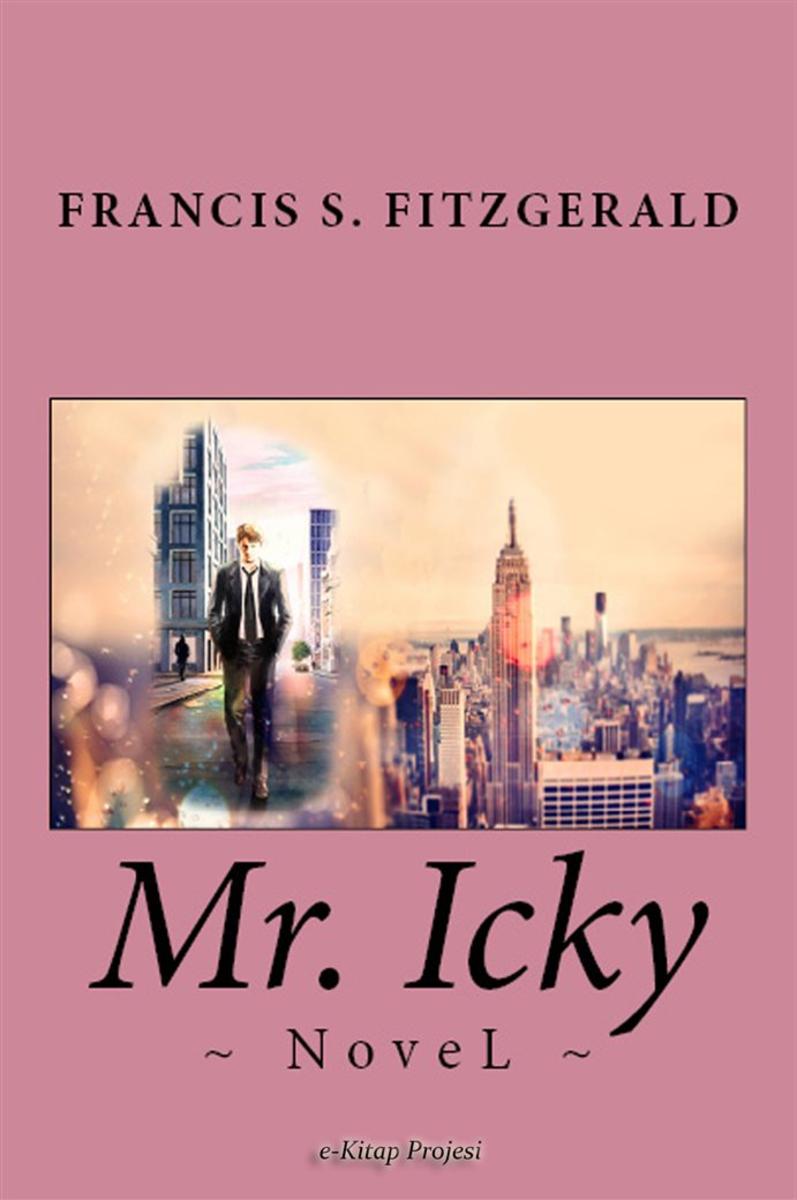
Mr. Icky
¥9.24
The SCENE is the Exterior of a Cottage in West Issacshire on a desperately Arcadian afternoon in August. MR. ICKY, quaintly dressed in the costume of an Elizabethan peasant, is pottering and doddering among the pots and dods. He is an old man, well past the prime of life, no longer young, From the fact that there is a burr in his speech and that he has absent-mindedly put on his coat wrongside out, we surmise that he is either above or below the ordinary superficialities of life. Near him on the grass lies PETER, a little boy. PETER, of course, has his chin on his palm like the pictures of the young Sir Walter Raleigh. He has a complete set of features, including serious, sombre, even funereal, gray eyes—and radiates that alluring air of never having eaten food. This air can best be radiated during the afterglow of a beef dinner. Be is looking at MR. ICKY, fascinated. SILENCE… . The song of BIRDS.. .
The Mysterious Rider
¥8.82
He came to the Belilounds ranch, no one knew from where; a man of middle age, gentle, kindly, but so terrible a gunfighter that they called him "Hell Bent" Wade. He played the part of fate in all their lives, and only when the inevitable tragedy came and the Mysterious Rider made the great sacrifice did they know - and out of that tragedy came the light of love.

Little Guruji: The Childhood of Paramahamsa Vishwananda
¥37.36
This is the true story of a little boy who saw, loved, and honoured the divine Light in everything and everyone...and this made him very different from other children. While other children would go to the playground to play, he would go to temples and pray. While others would spend their money on candy, he would spend his money of pictures of saints. He was teased, sometimes, for being so different, but he would grow up to become the Satguru, the great spiritual teacher, that we now respectfully call ‘Guruji’. This is the true story of a child with the Light inside: Paramahamsa Sri Swami Vishwananda. (This book is designed for an adult to read to their child, since the story is simple, but the vocabulary is more advanced than small children are familiar with.)
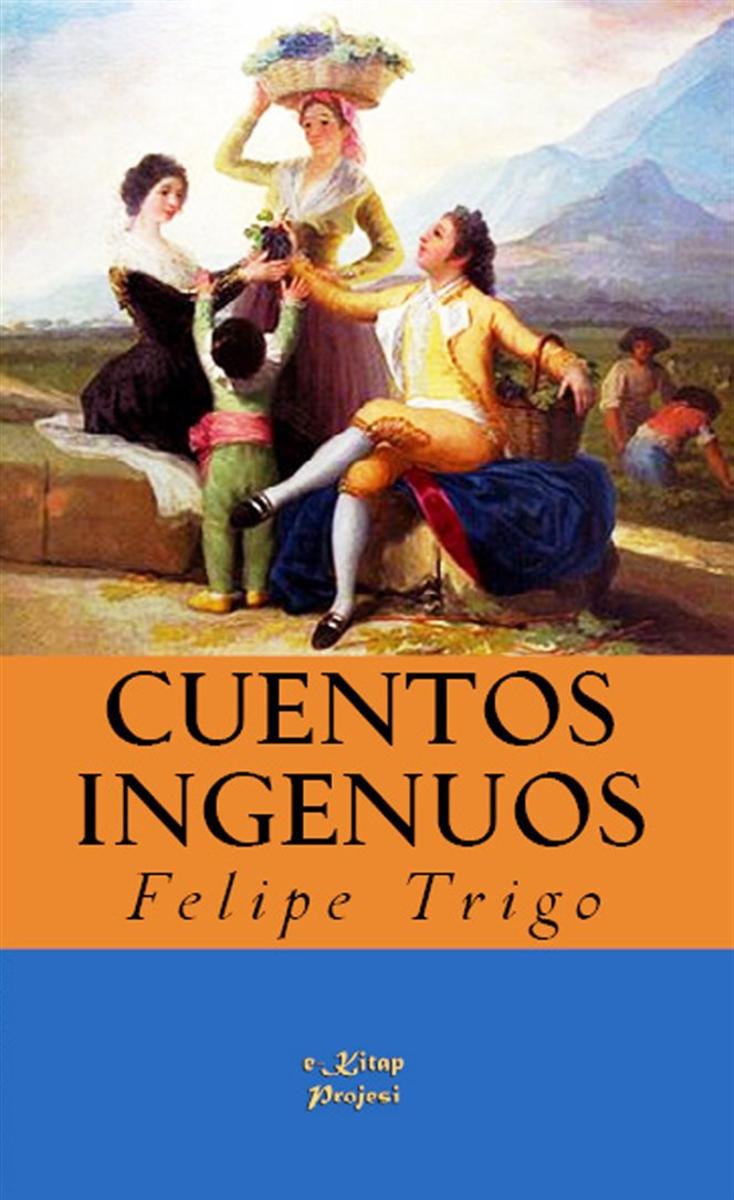
Cuentos Ingenuos
¥18.56
—Estas??—Si, corriendo.? Y corriendo, corriendo, azotando las puertas con sus vuelos de seda, desde el tocador al gabinete y desde el armario al espejo, siempre en el retoque de ultima hora; buscando el alfiler o el abanico que perdian su cabecilla de loca, volviendose desde la calle para cenir a su garganta el collar, haciendome entrar todavia por el panolito de encaje olvidado sobre la silla, saliamos al fin todas las noches con hora y media de retraso, aunque con luz del sol empezara ella la archidificil obra de poner a nivel de la belleza de su cara la delicadeza de su adorno.?Gracias habia que dar si cuando al primer farol, ella, parandose, me preguntaba: "Que tal voy?", no le contestaba yo: "Bien, muy guapa", con absoluto convencimiento; porque capaz era la nina de volverse en ultima instancia al tribunal supremo del espejo, y entonces, ?adios, teatro!..., llegabamos a la salida. Como ocurria muchas veces.? Ella muy de prisa, yo a su lado, un poco detras, no muy cerca, con mezcla del respeto galante del caballero a la dama y del respeto grave del groom a la duquesita. Cuando en la vuelta de una esquina rozaban mi brazo sus cintas, yo le pedia perdon. Mirabala sin querer a la luz de los escaparates, y cuando alguna mujer del pueblo quedabase parada floreandola, yo la decia: "Mira, oyes?", y sonreia ella triunfante como una reina... ? ?AUTOR: Felipe Trigo Sanchez (1864 – 1916) fue medico rural y militar, y posteriormente escritor espanol. Nacido en Villanueva de la Serena, en el seno de una familia de clase media con dificultades economicas por la temprana muerte del padre, Felipe Trigo curso el bachillerato en Badajoz y la carrera de medicina en el Hospital de San Carlos de Madrid. Su experiencia como estudiante forastero en la capital la plasmaria en la novela En la carrera. Tras licenciarse, casado ya con su companera de facultad, Consuelo Seco de Herrera, ejercio como medico titular en los pueblos pacenses de Trujillanos y Valverde de Merida, circunstancia biografica que tambien novelizaria en El medico rural. Hastiado de la vida rural, entro por oposicion en el Cuerpo de Sanidad Militar. Su primer destino fue Sevilla, donde comenzo su actividad periodistica que ya habia intentado en Madrid. De Sevilla paso a Trubia, como medico de la fabrica de armas. Anos despues marcho voluntario a unas Filipinas en plena rebelion. Destinado como medico en Fuerte Victoria, en realidad un destacamento de prisioneros tagalos, estuvo a punto de perder la vida durante una escaramuza. Los sublevados le asestaron no menos de siete machetazos, dejandolo por muerto. Trigo, sin embargo, consiguio huir a campo traves, en espantosas condiciones. Con una mano inutilizada, fue repatriado como mutilado de guerra, con el grado de teniente coronel. La prensa le recibio como ?el heroe de Fuerte Victoria? y llego a ser propuesto para la Cruz Laureada de San Fernando. Rechazando la posibilidad de capitalizar politicamente su celebridad, en 1900 se retiro del Ejercito y fijo su residencia en Merida para dedicarse en exclusiva a la literatura...
The Nightingale and the Rose: (Original 1888 Edition): Annotated
¥8.82
A nightingale overhears a student complaining that his professor's daughter will not dance with him, as he is unable to give her a red rose. The nightingale visits all the rose-trees in the garden, and one of the white roses tell her that there's a way to produce a red rose, but only if the nightingale is prepared to sing the sweetest song for the rose all night, and sacrifice her life to do so. Seeing the student in tears, the nightingale carries out the ritual, and impales herself on the rose-tree's thorn so that her heart's blood can stain the rose. The student takes the rose to the professor's daughter, but she again rejects him because another man has sent her some real jewels, and "everybody knows that jewels cost far more than flowers." The student angrily throws the rose into the gutter, returns to his study of metaphysics, and decides not to believe in true love anymore.

A Vindication of the Rights of Woman
¥9.00
Writing in an age when the call for the rights of man had brought revolution to America and France, Mary Wollstonecraft produced her own declaration of female independence in 1792. Passionate and forthright, A Vindication of the Rights of Woman attacked the prevailing view of docile, decorative femininity, and instead laid out the principles of emancipation: an equal education for girls and boys, an end to prejudice, and for women to become defined by their profession, not their partner. Mary Wollstonecraft’s work was received with a mixture of admiration and outrage – Walpole called her ‘a hyena in petticoats’ – yet it established her as the mother of modern feminism.
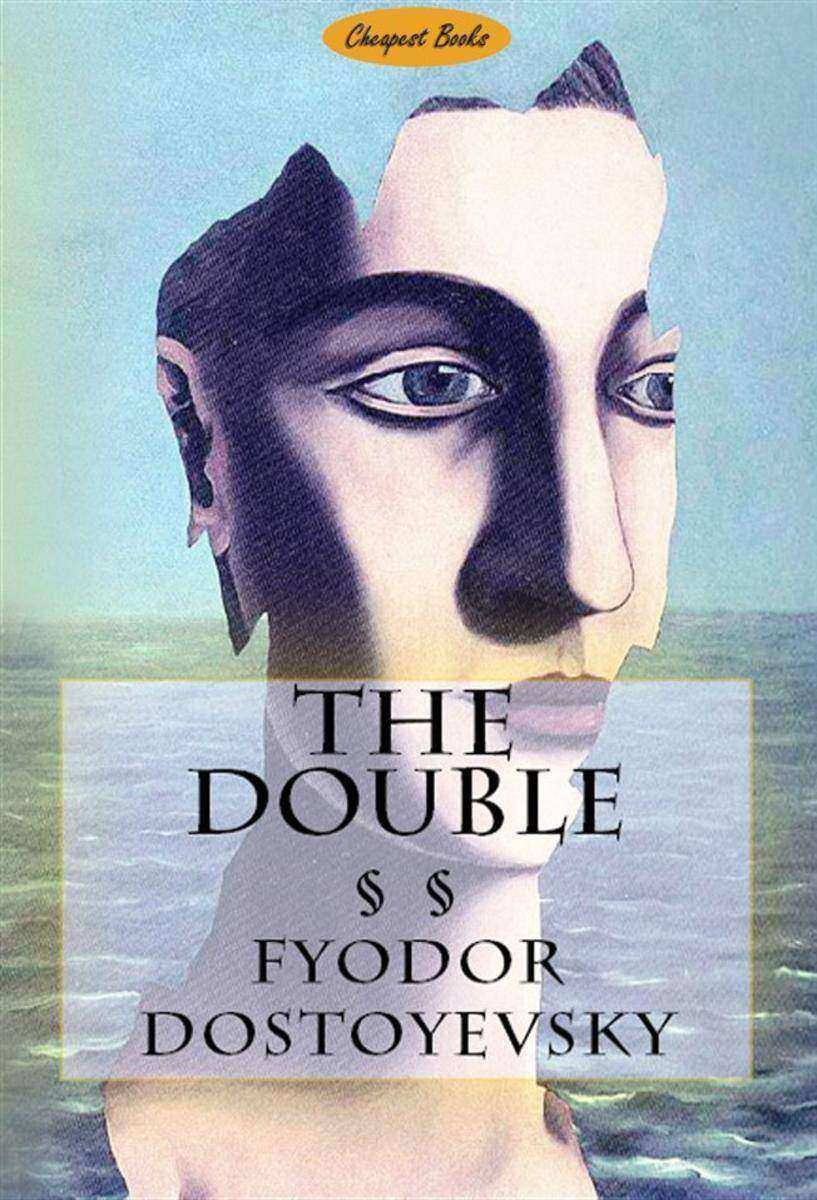
The Double
¥18.80
-THE DOUBLE- centers on a government clerk who goes mad. It deals with the internal psychological struggle of its main character, Yakov Petrovich Golyadkin, who repeatedly encounters someone who is his exact double in appearance but confident, aggressive, and extroverted, characteristics that are the polar opposites to those of the toadying "pushover" protagonist. ??The motif of the novella is a doppelganger (Russian "dvoynik"), known throughout the world in various guises such as the fetch. * * *? It was a little before eight o’clock in the morning when Yakov Petrovitch Golyadkin, a titular councillor, woke up from a long sleep. He yawned, stretched, and at last opened his eyes completely.?For two minutes, however, he lay in his bed without moving, as though he were not yet quite certain whether he were awake or still asleep, whether all that was going on around him were real and actual, or the continuation of his confused dreams. ??Very soon, however, Mr. Golyadkin’s senses began more clearly and more distinctly to receive their habitual and everyday impressions. The dirty green, smoke-begrimed, dusty walls of his little room, with the mahogany chest of drawers and chairs, the table painted red, the sofa covered with American leather of a reddish colour with little green flowers on it, and the clothes taken off in haste overnight and flung in a crumpled heap on the sofa, looked at him familiarly. At last the damp autumn day, muggy and dirty, peeped into the room through the dingy window pane with such a hostile, sour grimace that Mr. Golyadkin could not possibly doubt that he was not in the land of Nod, but in the city of Petersburg, in his own flat on the fourth storey of a huge block of buildings in Shestilavotchny Street.
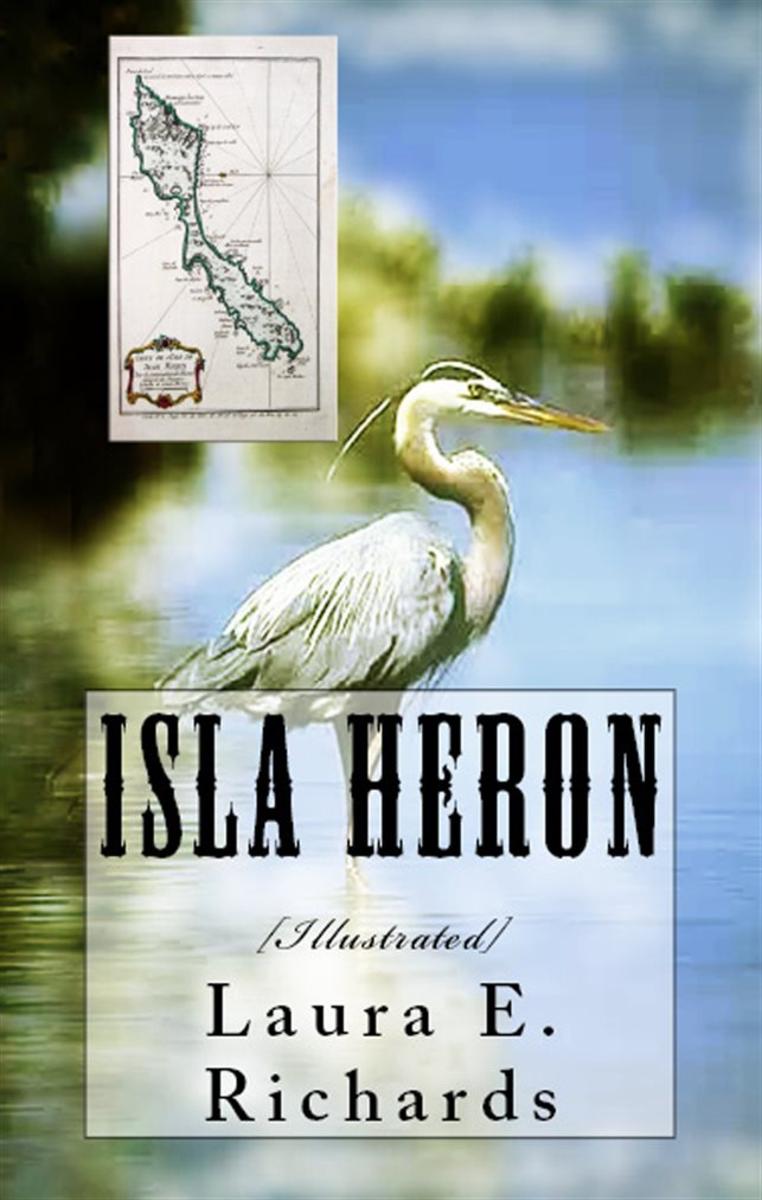
Isla Heron
¥27.88
THE morning service was over, and the congrega-tion gone home. The preacher was to dine with Captain Maynard, but there was an hour and more to dinner-time, and she had begged permission to stroll about for half an hour, promising to find her way to the comfortable white cottage, perched on a point of rock over-looking the little bay.Now she was standing on the lower rocks, looking about her; a trim, quiet figure in a black gown, with a close straw bonnet set on her smooth brown hair. She “didn’t handsome much,” the people decided, but she had a taking way with her, and preached good, sound Advent doctrine. They were glad she had come, and would be sorry when the schooner should take her on her way the next day, to preach at other places along the coast. The young woman seemed to be looking for some one, for she shaded her eyes with her hand, and gazed earnestly up and down the line of rocks. So absorbed was she, that she almost stumbled over a figure sitting on the rocks, which now rose and confronted her. A strange figure enough; so rough and gray and battered that it was hardly to be wondered at that she had not distinguished it from the rock itself. The face it turned upon her was red and brown in patches, as if the skin were moth-eaten; the mouth was huge and misshapen; only the blue eyes, bright and kindly, redeemed, in some degree, the hideousness of the other features. ? ABOUT AUTHOR: Laura Elizabeth Howe Richards (1850 – 1943) was an American writer. She born in Boston, Massachusetts, to a high-profile family. During her life, she wrote over 90 books, including children's, biographies,poetry, and others. A well-known children's poem for which she is noted is theliterary nonsense verse Eletelephony.Her father was Dr. Samuel Gridley Howe, an abolitionist and the founder of thePerkins Institution and Massachusetts School for the Blind. Samuel Gridley Howe's famous pupil Laura Bridgman was Laura's namesake. Julia Ward Howe, Laura's mother, was famous for writing the words to The Battle Hymn of the Republic. In 1871 Laura married Henry Richards. He would accept a management position in 1876 at his family's paper mill at Gardiner, Maine, where the couple moved with their three children.In 1917 Laura won a Pulitzer Prize for Julia Ward Howe, 1819-1910, a biography, which she co-authored with her sister, Maud Howe Elliott. Her children's book Tirra Lirra won the Lewis Carroll Shelf Award in 1959. A pre-kindergarten to second grade Elementary School in Gardiner, Mainehonors her name. Works:? St. Nicholas Magazine (contributed poetry)? Baby's Rhyme Book (1878)? Babyhood: Rhymes and Stories, Pictures and Silhouettes for Our Little Ones (1878)? Baby's Story Book (1878)? Five Mice in a Mouse Trap (1880)? The Little Tyrant (1880)? Our Baby's Favorite (1881)? Sketches and Scraps (1881)? Baby Ways (1881)? The Joyous Story of Toto (1885)? Beauty and the Beast (retelling, 1886)? Four Feet, Two Feet, and No Feet (1886)? Hop o' My Thumb (retelling, 1886)? Kaspar Kroak's Kaleidoscope (1886)? L.E.R. (privately printed, 1886)? Tell-Tale from Hill and Dale (1886)? Toto's Merry Winter (1887)? Julia Ward Howe Birthday-Book (1889)? In My Nursery (1890)? Captain January (later made into a movie with Shirley Temple, 1891)? Star Bright (Captain January sequel, 1927)? The Hildegarde Series? Queen Hildegarde (1889)? Hildegarde's Holiday (1891)? Hildegarde's Home (1892)? Hildegarde's Neighbors (1895)? Hildegarde's Harvest (1897)? The Melody Series? Melody (1893)? Marie (1894)? Bethsada Pool (1895)? Rosin the Beau (1898)? The Margaret Series? Three Margarets (1897)? Margaret Montfort (1898)? Peggy (1899)? Rita (1900)? Fernley House (1901)
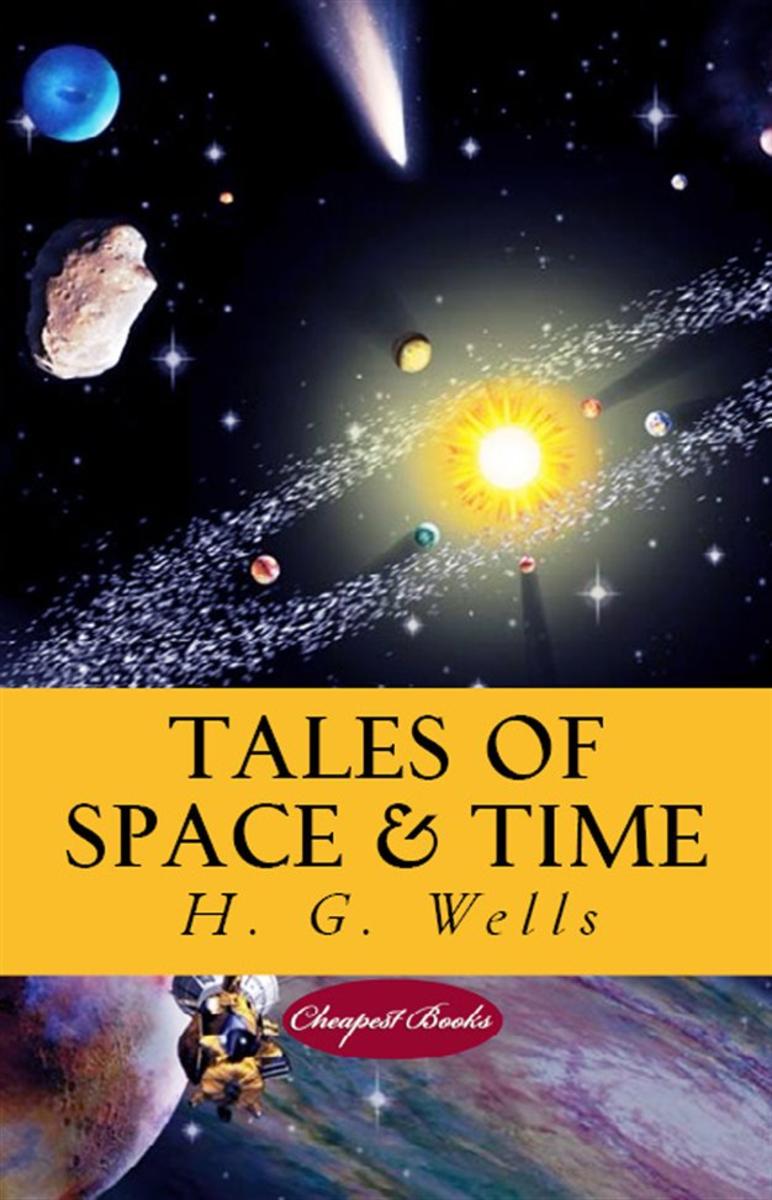
Tales of Space and Time
¥18.80
Tales of Space and Time, A collection of short stories: "The Crystal Egg", "The Star", "A Story of the Stone Age", "A Story of the Days to Come" & "The Man who could Work Miracles" ? Some Books of Wells: The War of the Worlds (1898) The Time Machine (1895) A Modern Utopia (1905) The Invisible Man (1897) The Island of Dr. Moreau (1896) The Food of the Gods and How It Came to Earth (1904) The Sleeper Awakes (1910) The Story of the Inexperienced Ghost (1902) The First Men in the Moon (1901) A Dream of Armageddon (1901)
Durchs wilde Kurdistan
¥9.00
Bei den allseits verachteten "Teufelsanbetern" wird Kara Ben Nemsi mit seinen Begleitern freundlich aufgenommen. Amad el Ghandur, der Sohn von Scheik Mohammed Emin, ihrem Gastfreund aus dem ersten Band, wird aus einer Festung in Amadijah befreit. Und Kara Ben Nemsi lernt Marah Durimeh kennen - und einen geheimnisvollen H?hlengeist
![American Indian Fairy Tales: [Illustrated Edition]](https://platform-permanent.ddimg.cn/pt-media-info-soa-resource/digital/product/53/53/1901165353_ii_cover.jpg?version=49ba0937-1262-49e4-a076-f51e75a4e81f)
American Indian Fairy Tales: [Illustrated Edition]
¥18.56
AMERICAN INDIAN FAIRY TALES?By W.T. Larned, 1921, ?Twenty-ninth Edition??* Iagoo, the Story-Teller?* Shin-ge-bis fools the North Wind?* The Little Boy and Girl in the Clouds?* The Child of the Evening Star?* The Boy who Snared the Sun?* How the Summer Came?* Grasshopper?* Mish-o-sha, the Magician?* The Fairy Bride??With one exception, all the tales in this book are adapted from the legends collected by Henry R. Schoolcraft, ethnologist and government agent for the Lake Superior country, and published in 1839 with the title, "Algic Researches."
Der Schut
¥9.00
Nach Abenteuern in der Teufelsschlucht und bei der Juwelenh?hle treffen Kara Ben Nemsi und seine Begleiter auf das Oberhaupt der Verbrecher, den "Schut". Manche gef?hrliche Situation wird heraufbeschworen, ehe die Jagd, die in der tunesischen Wüste begann, in Albanien zu Ende geht.
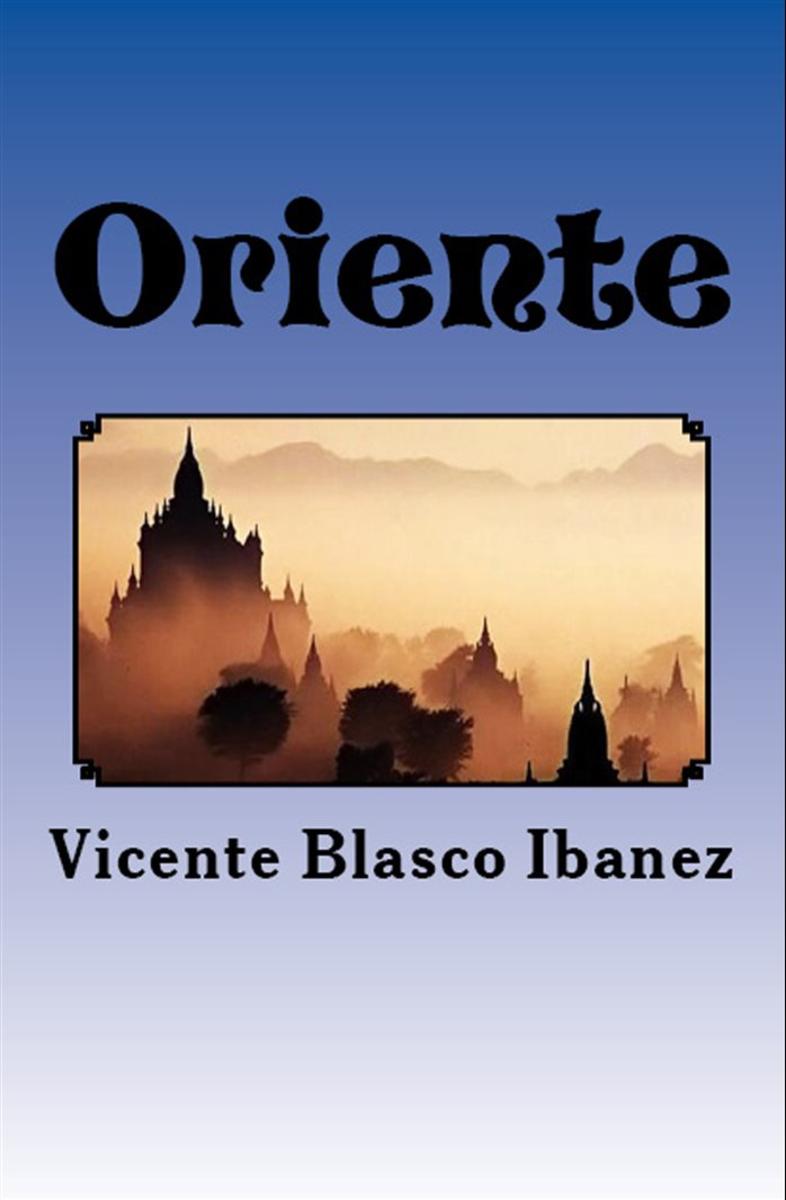
Oriente
¥19.05
Recuerdo que en cierta ocasión tuve en mis manos un ejemplar de la Gaceta Imperial de Pekín, y al revolver sus finas hojas de papel de arroz, entre las apretadas columnas de misteriosos caracteres, sólo encontré dos anuncios comprensibles por sus grabados: el que llaman vulgarmente tío del bacalao, ó sea el marinero que lleva á sus espaldas un enorme pez, pregonando las excelencias de la Emulsión Scott, y una botella de largo cuello con la etiqueta ?Vichy-?tat?. Pocas empresas en el mundo habrán hecho la propaganda que la Compa?ía Arrendataria de las aguas de Vichy. Circulan por las calles de la peque?a y elegante ciudad francesa los pesados carromatos cargados de cajones, camino de la estación del ferrocarril. Marchan las botellas alineadas en apretadas filas al salir de Vichy, para luego esparcirse como una esperanza de salud. ?Adonde van?... ? ?AUTOR: Vicente Blasco Ibanez nacio el 29 de enero de 1867 en Valencia (Espana). Era hijo de Ramona Ibanez y del comerciante Gaspar Blanco. Estudio Derecho en la Universidad de Valencia. Participo en la politica uniendose al Partido Republicano". En 1894 fundo el periodico El pueblo. En el ano 1896, fue detenido y condenado a varios meses de prision. En 1889 contrajo matrimonio con Maria Blasco del Cacho, hija del magistrado Rafael Blasco y Moreno. Cuando subio al poder Canovas del Castillo, el escritor se exilio brevemente en la ciudad de Paris. Fue un autor vinculado en muchos aspectos al naturalismo frances. Por otra parte, la explicita intencion politicosocial de algunas de las novelas de Blasco Ibanez, aunada al escaso bagaje intelectual del autor, lo mantuvo alejado de los representantes de la Generacion del 98. Murio el 28 de enero de 1928 en Menton (Francia)a los 60 anos. Entre sus titulos destacan: "Arroz y Tartana" (1894), "La Barraca" (1898), "Entre Naranjos (1900), "Canas y Barro" (1902), "La Horda" (1905), "Sangre y Arena" (1908) o "Los Cuatro Jinetes Del Apocalipsis" (1916).
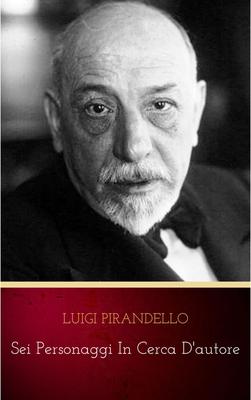
Sei personaggi in cerca d'autore
¥8.82
Sei personaggi in cerca d'autore è il dramma più famoso di Luigi Pirandello. Esso fu rappresentato per la prima volta il 9 maggio 1921 al Teatro Valle di Roma, ma in quell'occasione ebbe un esito tempestoso, perché molti spettatori contestarono la rappresentazione al grido di "Manicomio! Manicomio!". Fu importante, per il successivo successo di questo dramma, la terza edizione, del 1925, in cui l'autore aggiunse una prefazione nella quale chiariva la genesi, gli intenti e le tematiche fondamentali del dramma. ? considerata la prima opera della trilogia del teatro nel teatro, comprendente Questa sera si recita a soggetto e Ciascuno a suo modo.
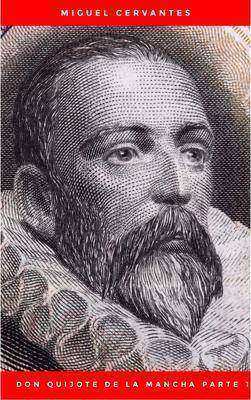
El Ingenioso Hidalgo Don Quijote de La Mancha
¥8.82
Don Quijote de la Mancha, escrito por Miguel de Cervantes Saavedra, editado en 1605, es una de las obras más destacadas de la literatura espa?ola y la literatura universal, y una de las más traducidas La novela consta de dos partes: la primera, El ingenioso hidalgo don Quijote de la Mancha, fue publicada en 1605; la segunda, El ingenioso caballero don Quijote de la Mancha, en 1615.


