


 购物车
购物车 个人中心
个人中心

The Collected Poetry of Charles Dickens by Charles Dickens (Illustrated)
¥8.09
This eBook features the unabridged text of ‘The Collected Poetry of Charles Dickens’ from the bestselling edition of ‘The Complete Works of Charles Dickens’. Having established their name as the leading publisher of classic literature and art, Delphi Classics produce publications that are individually crafted with superior formatting, while introducing many rare texts for the first time in digital print. The Delphi Classics edition of Dickens includes original annotations and illustrations relating to the life and works of the author, as well as individual tables of contents, allowing you to navigate eBooks quickly and easily.eBook features:* The complete unabridged text of ‘The Collected Poetry of Charles Dickens’* Beautifully illustrated with images related to Dickens’s works* Individual contents table, allowing easy navigation around the eBook* Excellent formatting of the textPlease visit www.delphiclassics.com to learn more about our wide range of titles

The Afghan Wife
¥48.97
During the 1979 Islamic revolution in Iran, Zahra, a young Afghan refugee has to make a terrible choice. Stay with her lover or leave to save her anarchist cousin's life.
The Landleaguers by Anthony Trollope (Illustrated)
¥8.09
This eBook features the unabridged text of ‘The Landleaguers’ from the bestselling edition of ‘The Complete Works of Anthony Trollope’. Having established their name as the leading publisher of classic literature and art, Delphi Classics produce publications that are individually crafted with superior formatting, while introducing many rare texts for the first time in digital print. The Delphi Classics edition of Trollope includes original annotations and illustrations relating to the life and works of the author, as well as individual tables of contents, allowing you to navigate eBooks quickly and easily.eBook features:* The complete unabridged text of ‘The Landleaguers’* Beautifully illustrated with images related to Trollope’s works* Individual contents table, allowing easy navigation around the eBook* Excellent formatting of the textPlease visit www.delphiclassics.com to learn more about our wide range of titles
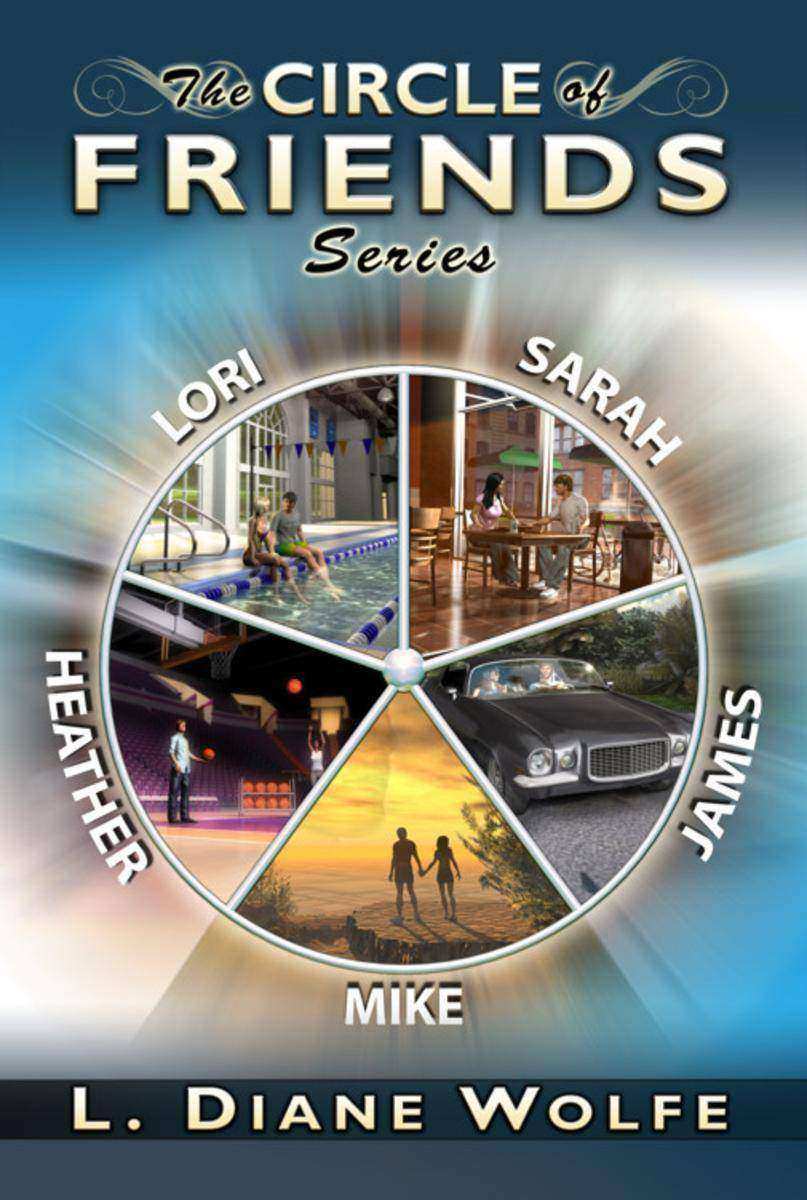
The Circle of Friends Series
¥81.67
Get inspired to achieve your dreams! ? Book I...Lori - Driven by Olympic dreams, the swimmer appears destined for success. But something is holding her back. Can the star quarterback help Lori break free and achieve her dreams? ? Book II...Sarah - There are no rewards for second best. Estranged from her father, envious of her best friend’s perfect life, Sarah’s unable to measure up to expectations. Can a future NFL receiver with baggage of his own make a difference? ? Book III...James - Haunted by a troubled past, he’s determined to break free of the abuse and start a life with Maria. When a life-changing crisis erupts, James nears the breaking point. Can he find peace before the mistakes of his father destroy him? ? Book IV...Mike - A prisoner of guilt for so long, he’s consumed with condemnation and unable to forgive himself. When Danielle enters his life, he can no longer hide the past. Will she be able to reach him or is Mike past the point of redemption? ? Book V...Heather - When confidence turns to frustration, she finds her dream of coaching basketball tarnished. Heather struggles with a dying father, a troublesome sister, and a cocky player. Can Mark help the feisty woman survive?
The Merry Men and Other Tales and Fables by Robert Louis Stevenson (Illustrated)
¥8.09
This eBook features the unabridged text of ‘The Merry Men and Other Tales and Fables’ from the bestselling edition of ‘The Complete Works of Robert Louis Stevenson’. Having established their name as the leading publisher of classic literature and art, Delphi Classics produce publications that are individually crafted with superior formatting, while introducing many rare texts for the first time in digital print. The Delphi Classics edition of Stevenson includes original annotations and illustrations relating to the life and works of the author, as well as individual tables of contents, allowing you to navigate eBooks quickly and easily.eBook features:* The complete unabridged text of ‘The Merry Men and Other Tales and Fables’* Beautifully illustrated with images related to Stevenson’s works* Individual contents table, allowing easy navigation around the eBook* Excellent formatting of the textPlease visit www.delphiclassics.com to learn more about our wide range of titles
Fables by Robert Louis Stevenson (Illustrated)
¥8.09
This eBook features the unabridged text of ‘Fables’ from the bestselling edition of ‘The Complete Works of Robert Louis Stevenson’. Having established their name as the leading publisher of classic literature and art, Delphi Classics produce publications that are individually crafted with superior formatting, while introducing many rare texts for the first time in digital print. The Delphi Classics edition of Stevenson includes original annotations and illustrations relating to the life and works of the author, as well as individual tables of contents, allowing you to navigate eBooks quickly and easily.eBook features:* The complete unabridged text of ‘Fables’* Beautifully illustrated with images related to Stevenson’s works* Individual contents table, allowing easy navigation around the eBook* Excellent formatting of the textPlease visit www.delphiclassics.com to learn more about our wide range of titles

M?towak: Woman Who Cries
¥32.62
The follow-up to Maski: Broken But Not Dead, an IPPY Award Silver Medalist ? A murder enveloped in pain and mystery... When Canada's retired Minister of National Defense, Leland Warner, is murdered in his home, the case is handed to Corporal Danny Killian, an aboriginal man tortured by his wife's unsolved murder. ? The suspect, 60-year-old Sally Warner, still grieves for the loss of her two sons, dead in a suicide/murder eighteen months earlier. Confused and damaged, she sees in Corporal Killian a friend sympathetic to her grief and suffering and wants more than anything to trust him. ? Danny finds himself with a difficult choice—indict his prime suspect, the dead minister's horribly abused wife or find a way to protect her and risk demotion. Or worse, transfer away from the scene of his wife’s murder and the guilt that haunts him...

Collected Novels
¥8.82
This book, newly updated, contains now several HTML tables of contents that will make reading a real pleasure! The first table of contents (at the very beginning of the ebook) lists the titles of all novels included in this volume. By clicking on one of those titles you will be redirected to the beginning of that work, where you'll find a new TOC that lists all the chapters and sub-chapters of that specific work. This book contains the complete novels of Charles Dickens in the chronological order of their original publication. - The Pickwick Papers - Oliver Twist - Nicholas Nickleby - The Old Curiosity Shop . - Barnaby Rudge - Martin Chuzzlewit - Dombey and Son - David Copperfield - Bleak House - Hard Times - Little Dorrit - A Tale of Two Cities - Great Expectations - Our Mutual Friend - The Mystery of Edwin Drood

Otter Tales
¥32.62
Ride along for some otter good fun! From the worlds of fantasy and science fiction to kids fighting real life battle, you’ll speed along from one adventure to the next. Written by youth, these stories will amaze you with their creativity, thoughtfulness, and delightful spirit. Journey in search of dragons. Fight along superheroes. And face the bullies head on!
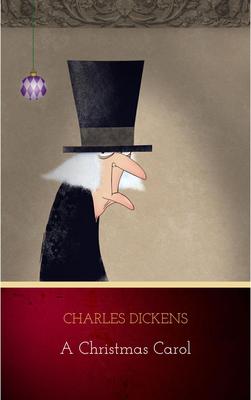
A Christmas Carol
¥8.82
In his "Ghostly little book," Charles Dickens invents the modern concept of Christmas Spirit and offers one of the world’s most adapted and imitated stories. We know Ebenezer Scrooge, Tiny Tim, and the Ghosts of Christmas Past, Present, and Future, not only as fictional characters, but also as icons of the true meaning of Christmas in a world still plagued with avarice and cynicism.
Thérèse Raquin
¥4.41
Thérèse Raquin is a novel by ?mile Zola, first published in 1867. It was originally published in serial format in the journal L'Artiste. It was published in book format in December of the same year. In 1873, Zola turned Thérèse Raquin into a play. Thérèse Raquin tells the story of a young woman, unhappily married to her first cousin by a well-intentioned and overbearing aunt. Her cousin, Camille, is sickly and selfish, and when the opportunity arises, Thérèse enters into a tragic affair with one of Camille's friends, Laurent. In his preface, Zola explains that his goal in this novel was to "study temperaments and not characters" and he compares the novel to a scientific study. Because of this detached and scientific approach, Thérèse Raquin is considered an example of Naturalism.
Captain Burle
¥4.41
It was nine o'clock. The little town of Vauchamp, dark and silent, had just retired to bed amid a chilly November rain. In the Rue des Recollets, one of the narrowest and most deserted streets of the district of Saint-Jean, a single window was still alight on the third floor of an old house, from whose damaged gutters torrents of water were falling into the street. Mme Burle was sitting up before a meager fire of vine stocks, while her little grandson Charles pored over his lessons by the pale light of a lamp.
Oeuvres Complètes
¥9.00
Cet ebook regroupe les oeuvres complètes de Charles Baudelaire. Des tables des matières rendent la navigation intuitive et agréable. ---- Contenu: Le Jeune Enchanteur (1846) La Fanfarlo (1847) Les Fleurs du mal (1857) Les Paradis artificiels (1860) Les Fleurs du mal (1861) Les ?paves (1866) Les Fleurs du mal (additional poems of the 1868 edition) Curiosités esthétiques (1868): Salon de 1845, Salon de 1846, Le musée classique du bazar bonne-nouvelle, Exposition universelle — 1855 — beaux-arts, Salon de 1859, De l'essence du rire, Quelques caricaturistes fran?ais, Quelques caricaturistes étrangers. L'Art romantique (1869): L'?uvre et la vie d'Eugène Delacroix, Peintures murales d'Eugène Delacroix à Saint-Sulpice, Le peintre de la vie moderne, Peintres et aqua-fortistes, Vente de la collection de M. E. Piot, L'art philosophique, Morale du joujou, Théophile Gautier, Pierre Dupont, Richard Wagner et Tannh?user à Paris, Philibert Rouvière, Conseils aux jeunes littérateurs, Les drames et les ...
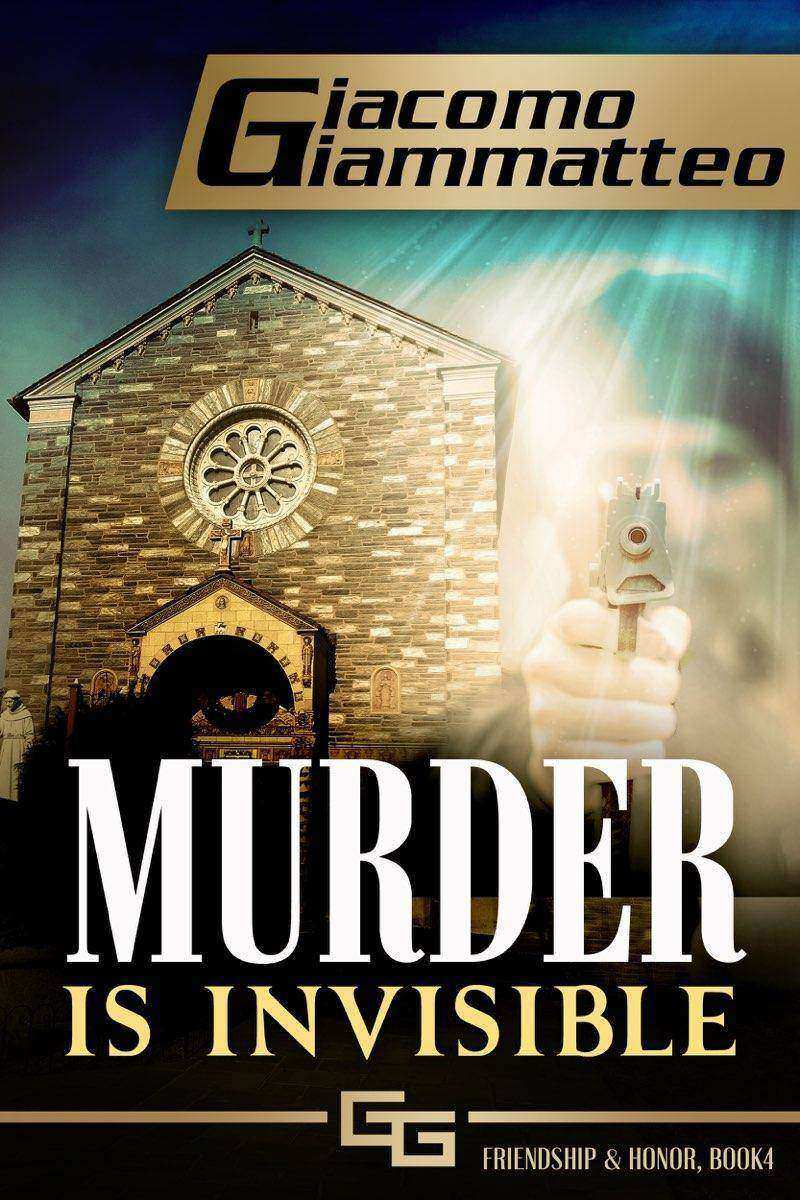
Murder Is Invisible
¥40.79
What do you do when logic tells you to do one thing, but your heart tells you to do another?? That’s the problem Nicky Fusco is facing when Rosa’s friend is kidnapped and she asks him to help.? Then Rosa brings home a video that shows her friend, Allison, being forced to do disgusting things. At that point, Nicky realizes he has no choice, so he sets out to make things right.?
The Mysterious Stranger by Mark Twain (Illustrated)
¥8.09
This eBook features the unabridged text of ‘The Mysterious Stranger’ from the bestselling edition of ‘The Complete Works of Mark Twain’. Having established their name as the leading publisher of classic literature and art, Delphi Classics produce publications that are individually crafted with superior formatting, while introducing many rare texts for the first time in digital print. The Delphi Classics edition of Twain includes original annotations and illustrations relating to the life and works of the author, as well as individual tables of contents, allowing you to navigate eBooks quickly and easily.eBook features:* The complete unabridged text of ‘The Mysterious Stranger’* Beautifully illustrated with images related to Twain’s works* Individual contents table, allowing easy navigation around the eBook* Excellent formatting of the textPlease visit www.delphiclassics.com to learn more about our wide range of titles

A Tramp Abroad by Mark Twain (Illustrated)
¥8.09
This eBook features the unabridged text of ‘A Tramp Abroad’ from the bestselling edition of ‘The Complete Works of Mark Twain’. Having established their name as the leading publisher of classic literature and art, Delphi Classics produce publications that are individually crafted with superior formatting, while introducing many rare texts for the first time in digital print. The Delphi Classics edition of Twain includes original annotations and illustrations relating to the life and works of the author, as well as individual tables of contents, allowing you to navigate eBooks quickly and easily.eBook features:* The complete unabridged text of ‘A Tramp Abroad’* Beautifully illustrated with images related to Twain’s works* Individual contents table, allowing easy navigation around the eBook* Excellent formatting of the textPlease visit www.delphiclassics.com to learn more about our wide range of titles
Following the Equator by Mark Twain (Illustrated)
¥8.09
This eBook features the unabridged text of ‘Following the Equator’ from the bestselling edition of ‘The Complete Works of Mark Twain’. Having established their name as the leading publisher of classic literature and art, Delphi Classics produce publications that are individually crafted with superior formatting, while introducing many rare texts for the first time in digital print. The Delphi Classics edition of Twain includes original annotations and illustrations relating to the life and works of the author, as well as individual tables of contents, allowing you to navigate eBooks quickly and easily.eBook features:* The complete unabridged text of ‘Following the Equator’* Beautifully illustrated with images related to Twain’s works* Individual contents table, allowing easy navigation around the eBook* Excellent formatting of the textPlease visit www.delphiclassics.com to learn more about our wide range of titles
Los Despojos
¥9.00
Esta recopilación compuesta de inéditos y piezas condenadas fue publicada en Bruselas, bajo el cuidado de Poulet-Malassis, amigo de Baudelaire con un pie de imprenta apócrifo: Amsterdam, a l'Enseigne du Coq, precedida por un simbólico frontispicio de Félicien Rops.
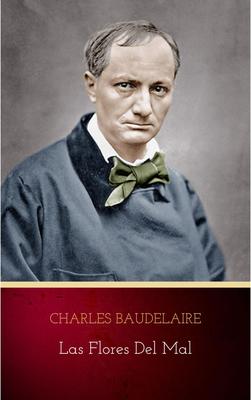
Las Flores del Mal
¥9.00
Les Fleurs du mal es una colección de poemas de Charles Baudelaire. Considerada la obra máxima de su autor, abarca casi la totalidad de su producción poética desde 1840 hasta la fecha de su primera publicación en 1857. Las Flores del mal es considerada una de las obras más importantes de la poesía moderna, imprimiendo una estética nueva, donde la belleza y lo sublime surgen, a través del lenguaje poético, de la realidad más trivial.

La Fanfarlo
¥9.00
Este cuento ha sido publicado en el Boletín de la Sociedad de la Gente de Letras en enero de 1847 bajo el seudónimo de Charles Dufays. Narra la historia de los amores y desamores del joven poeta Samuel Cramer.Una peque?a joya de la literatura clásica.

Cities of the Plain: (Sodom and Gomorrah)
¥9.00
In this fourth volume, Proust’s novel takes up for the first time the theme of homosexual love and examines how destructive sexual jealousy can be for those who suffer it. Sodom and Gomorrah is also an unforgiving analysis of both the decadent high society of Paris and the rise of a philistine bourgeoisie that will inevitably supplant it.


