


 购物车
购物车 个人中心
个人中心
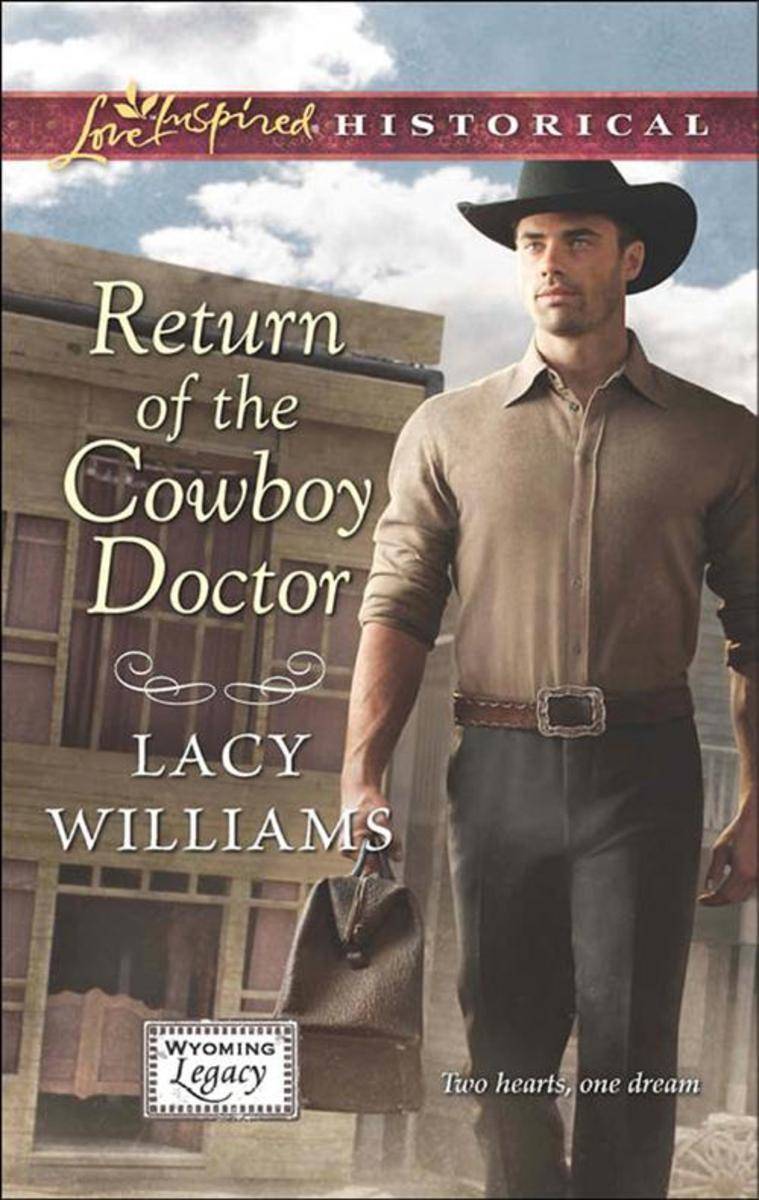
Return of the Cowboy Doctor (Mills & Boon Love Inspired Historical) (Wyoming Leg
¥25.60
Return of the Cowboy Doctor A western inspirational romance from Harlequin's Love Inspired Historical line The Cowboy's Reluctant Sweetheart Two years shy of his medical degree, cowboy Maxwell White is out of money. So, he's back in Bear Creek, Wyoming, working part-time for the local physician. Though he is immediately drawn to the doctor's lovely, whip-smart daughter, she seems to be irritated by Maxwell's very existence. Hattie Powell can't quash her feelings for the town's new would-be doctor. But that's exactly why she must keep him at a distance. Hattie is closer than ever to fulfilling her lifelong wish of becoming a doctor. Now, the only thing standing in her way is the man of her dreams. Wyoming Legacy: United by family, destined for love ---------------------------------- * USA TODAY on this christian western romance: "If you enjoy Western romance series with fresh characters in each book, but still want to check in on the heroes and heroines past, you'll enjoy this Love Inspired Historical series from author Lacy Williams." * Publisher's Weekly on this inspirational western, "sweet, poetic Max is a lovable hero, and Hattie's desire to have both career and family will resonate strongly with readers." ---------------------------------- Inspirational Romance Book Categories: > Historical Romance Cowboys > Religious Historical Romance > Western Inspirational Romance
The Reluctant Witness (Mills & Boon Love Inspired Suspense)
¥31.10
When his partner turns on him and tries to kill him, FBI agent Jack Mitchell is framed for murder and abandoned… until a blue-eyed beauty saves his life. Even in his wounded haze Jack sees Casey Johnson is hiding a secret. As the only witness to his innocence, Jack needs her. But Casey doesn't know who's more dangerous–the man who wants Jack dead or the handsome agent himself. For if Jack knew the reason she escaped to the wilderness with her niece, he’d have to arrest her. But on the run with Jack, Casey realizes more than her secret is at stake now. So is her heart….
Cut And Run (Mills & Boon M&B)
¥54.74
The largest uncut diamond in the world, the Minstrel's Rough, is little more than legend. Brought into the Pepperkamp family in 1548, it has been handed down to one keeper in each generation. Juliana Fall has inherited its splendor from her uncle–and, unwittingly, its legacy of danger. Juliana's mother wants nothing more than to bury her memories of the Nazi occupation of the Netherlands. But with the diamond in her daughter's keeping, Juliana's safety becomes entangled in the secrets of the past. There are others who seek the Minstrel's Rough. A U.S. senator who will risk his career and face the ultimate scandal to claim its value. A Nazi collaborator willing to do anything to possess it. And a Vietnam war hero turned journalist, chasing the story of this mythic stone. Now Juliana has only two choices: uncover the past before they do–or cut and run.
Point Of Departure (Mills & Boon M&B)
¥44.24
Everyone assumes that successful Boston Realtor Kaye Winslow has it all. Until the day she goes out to show an expensive new listing and vanishes into thin air, leaving behind her credit cards, her BlackBerry and an unidentified male corpse. None of this makes sense–not to her husband, not to her business partner and not to the Boston P.D. But as the investigation ratchets up, homicide detectives Doug Policzki and Lorna Abrams discover the beautiful blond Realtor has an interesting dark side she's kept carefully hidden. Turns out a lot of people don't like Kaye, and many of them have a beef with her. But until the not-so-lovely Kaye Winslow is located, people close to her are just a little bit twitchy–because any one of them could be accused of murder.
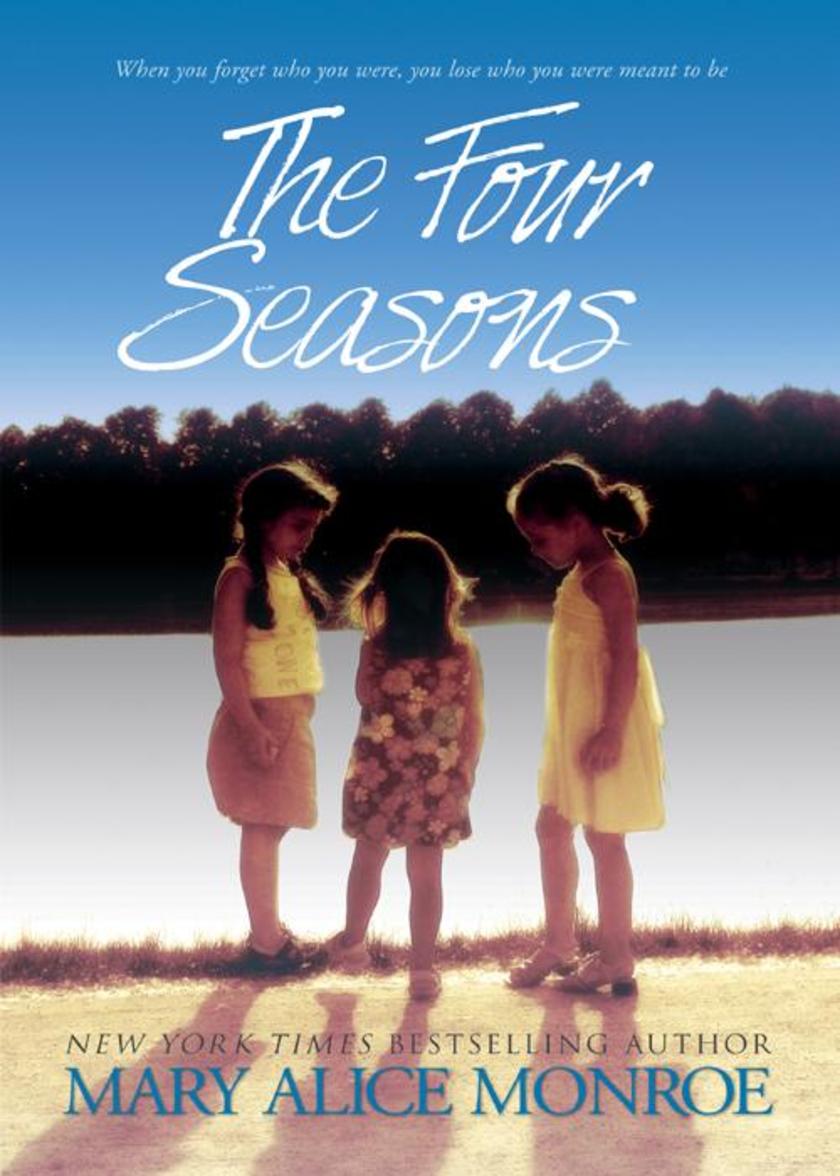
The Four Seasons
¥62.59
They are the Season sisters, bound by blood, driven apart by a tragedy. Now they are about to embark on a bittersweet journey into the unknown-an odyssey of promise and forgiveness, of loss and rediscovery. Jillian, Beatrice and Rose have gathered for the funeral of their younger sister, Meredith. Her death, and the legacy she leaves them, will trigger a cross-country journey in search of a stranger with the power to mend their shattered lives. As the emotions of the past reverberate into the present, Jillian, Beatrice and Rose search for the girls they once were, in hopes of finding what they really lost: the women they were meant to be.
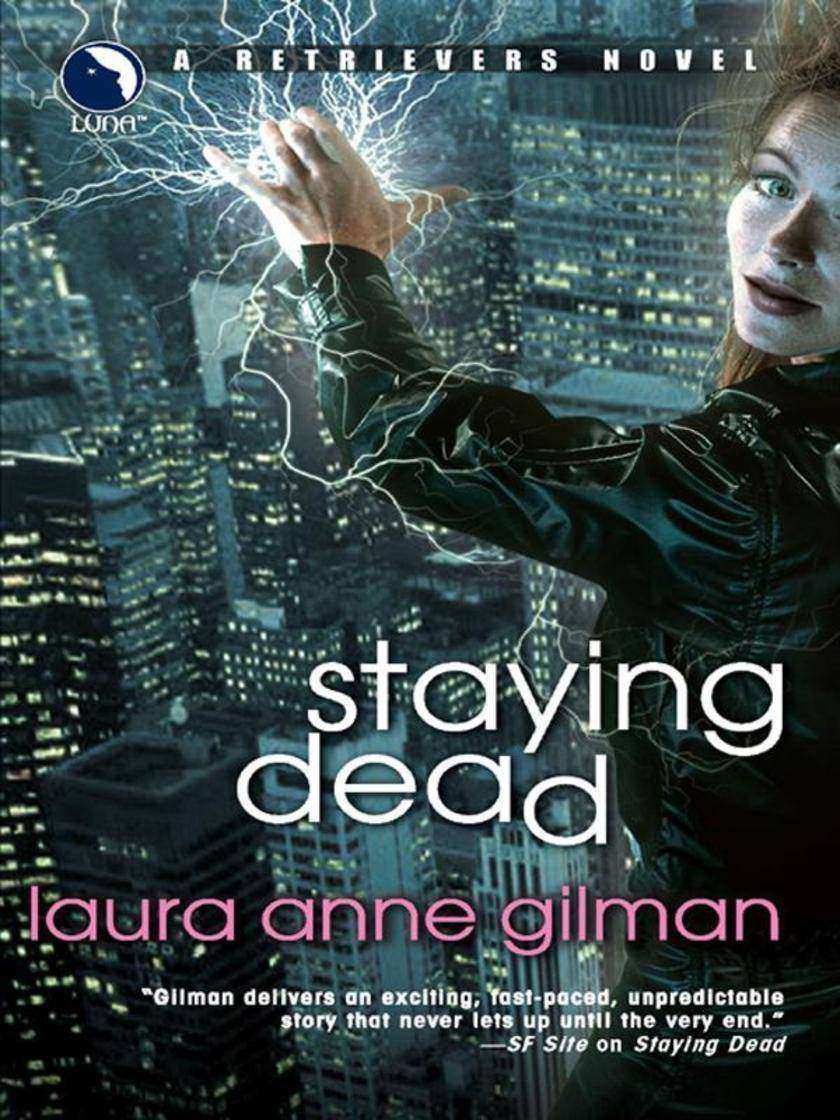
Staying Dead (A Retrievers Novel, Book 1)
¥54.74
Manhattan's night life just got weirder… It starts as a simple job — but simple jobs, when you're dealing with the magical world, often end up anything but. As a Retriever, Wren Valere specializes in finding things gone missing — and then bringing them back, no questions asked. Normally her job is stimulating, challenging and only a little bit dangerous. But every once in a while… Case in point: A cornerstone containing a spell is stolen and there's a magical complication. (Isn't there always?) Wren's unique abilities aren't enough to lay this particular case to rest, so she turns to some friends: a demon (minor), a mage who has lost his mind, and a few others, including Sergei, her business partner (and maybe a bit more?). Sometimes what a woman has to do to get the job done is enough to give even Wren nightmares…
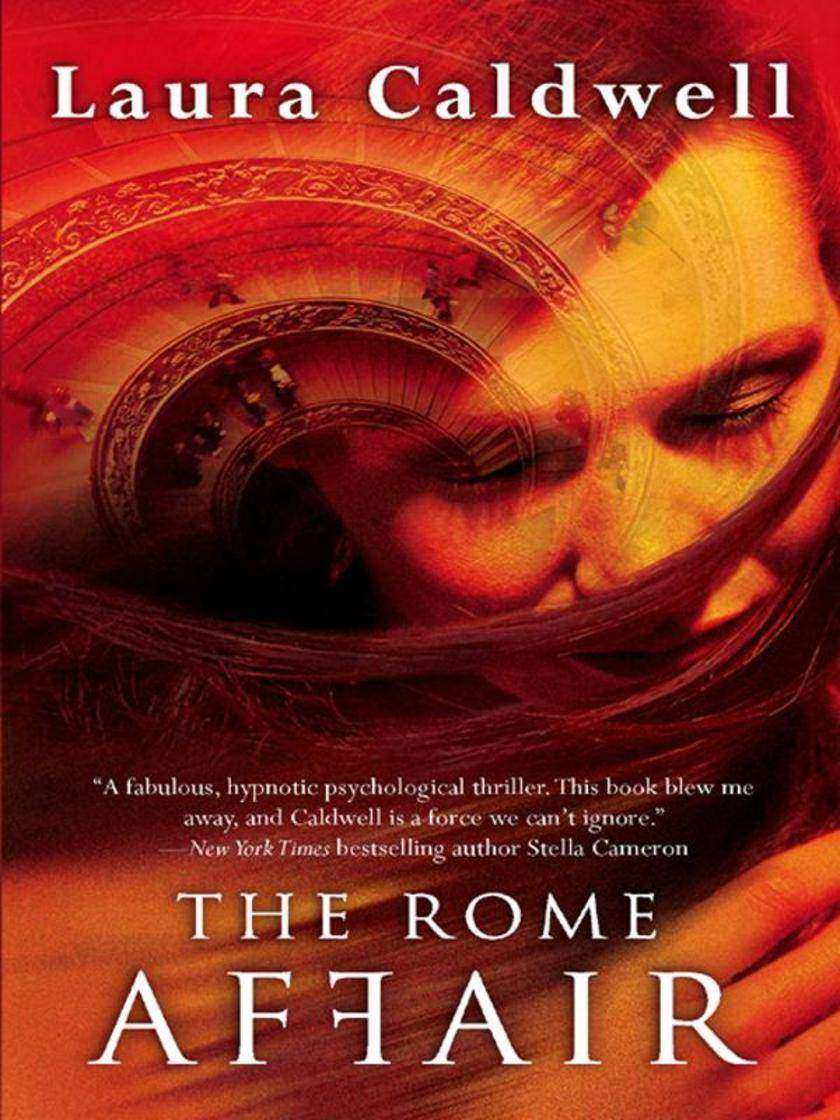
The Rome Affair (Mills & Boon M&B)
¥45.03
It was an affair…to regret. Rachel Blakely's charmed life is significantly tarnished after her husband Nick's infidelity, but she wants to give her marriage a second chance. Then a business trip to sun-drenched Rome with her best girlfriend Kit leads to a night of passion with a stranger–a one-night stand meant to signify the end of a painful chapter in her life. Rachel returns home determined to put the past behind her, and at first life seems golden again. Nick is more loving than ever, and following his promotion to senior partner in a prestigious plastic surgery practice, the couple is welcomed into Chicago's high society, where beautiful people live beautiful lives. But there is a dark side…one that sends Rachel's life spiraling into a nightmare. It's clear everyone is guilty of something. But whose secrets will lead to murder?
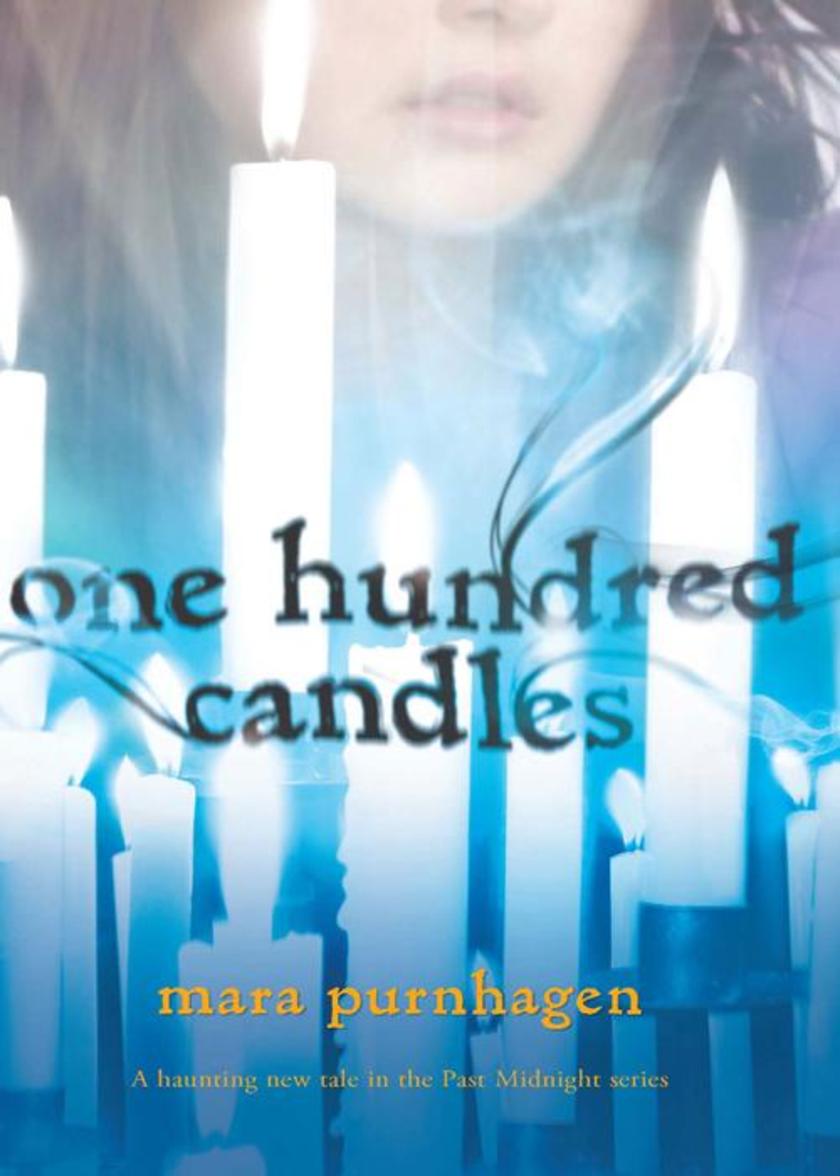
One Hundred Candles (Past Midnight, Book 2)
¥45.03
It's taken a long time for me to feel like a normal teenager. But now that I'm settled in a new school, where people know me as more than Charlotte Silver of the infamous Silver family paranormal investigators, it feels like everything is falling into place. And what better way to be normal than to go on a date with a popular football star like Harris Abbott? After all, it's not as if Noah is anything more than a friend… But my new life takes a disturbing turn when Harris brings me to a party and we play a game called One Hundred Candles. It seems like harmless, ghostly fun. Until spirits unleashed by the game start showing up at school. Now my friends and family are in very real danger, and the door that I've opened into another realm may yield deadly consequences.
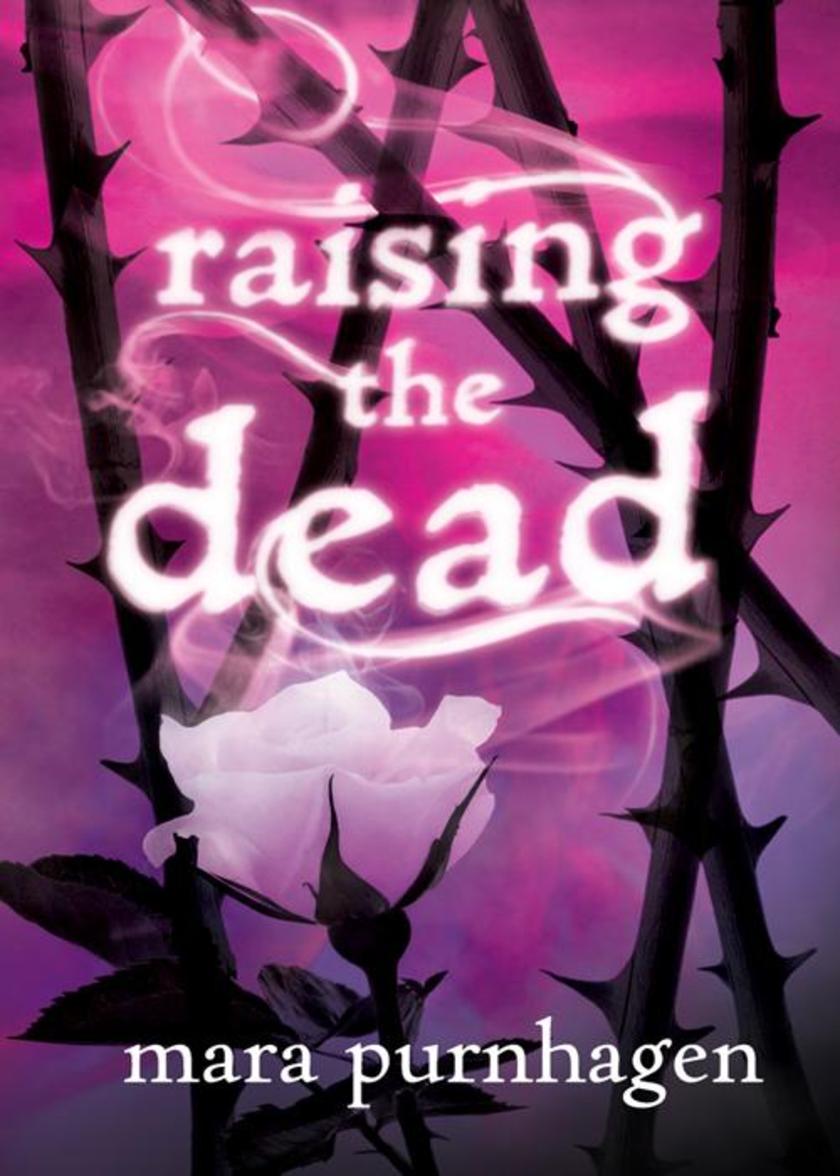
Raising The Dead (Past Midnight short story, Book 1)
¥15.50
Charlotte Silver's world is like no one else's… As the daughter of the famous Silver Spirits paranormal investigators, Charlotte Silver is used to all things weird. But when coffins start floating down her street during a flood, life turns extra strange. And wonderful, when her friend and crush Noah signs on to help Charlotte and her folks in the aftermath. Cemetery cleanup might not sound exciting, but as shocking discoveries and a lurking stranger come to light, Charlotte learns that sometimes, raising the dead can bring unexpected rewards
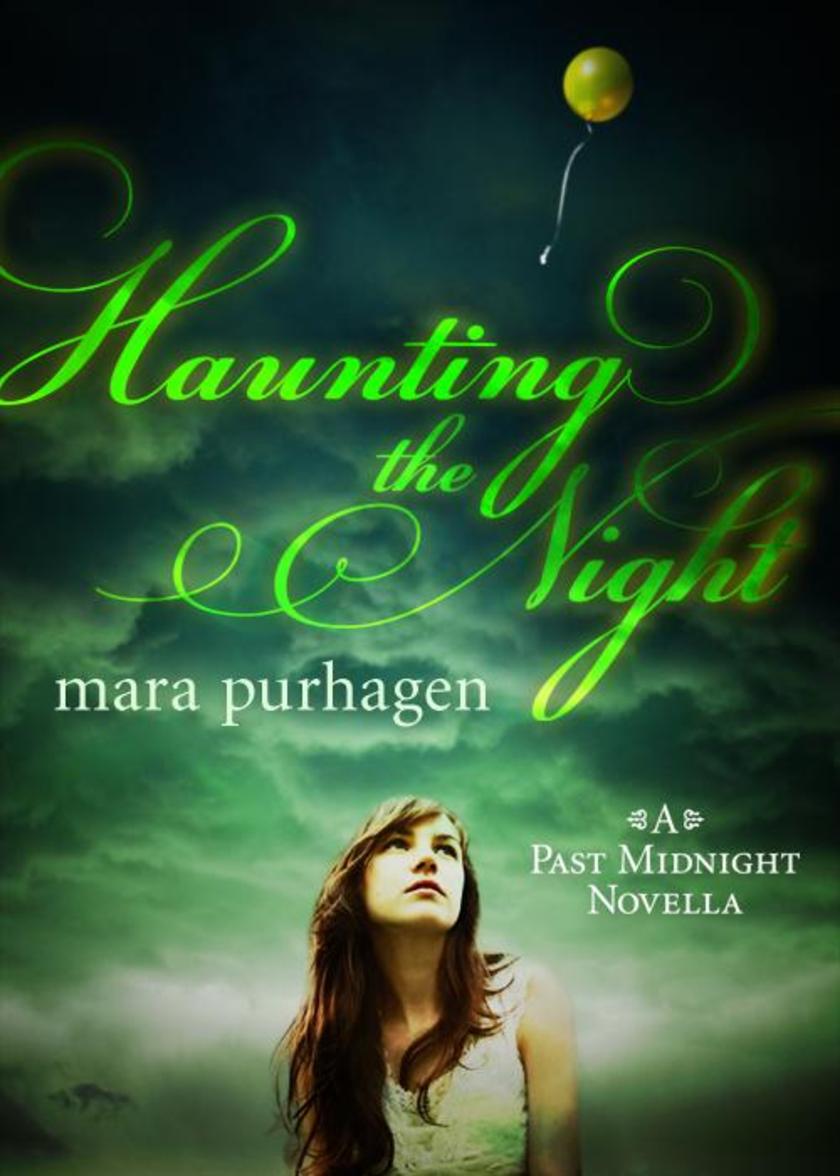
Haunting The Night (Past Midnight short story, Book 2)
¥15.50
Charlotte Silver has been through hell. Her mom's in a coma. She may have caused the death of a young man. And now her friend Avery wants her to tackle going to Prom? Not going to happen, even if she is dying to spend some alone time with her boyfriend, Noah. Instead, Charlotte needs to find some answers to a few nagging questions—why was her family attacked? Will her mother survive? And is there a creature from the Other Side coming for her? Soon enough, Charlotte's search for the truth becomes a race against time. But she may just find the sign she's been looking for all along….
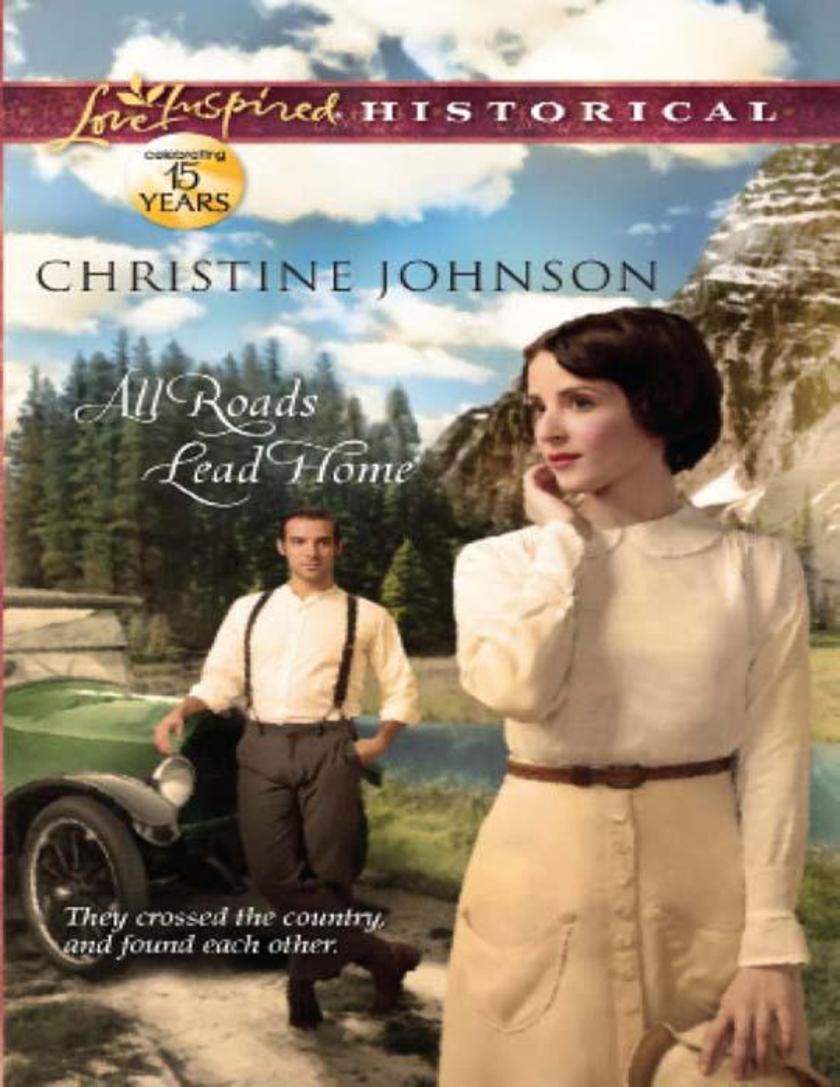
All Roads Lead Home (Mills & Boon Love Inspired Historical)
¥30.90
She Broke His Heart. Now She Needs His Help. Hendrick Simmons despises her. Mariah Meeks doesn’t blame him—not after she rejected the handsome mechanic’s proposal two years ago. She’s certain she’s not meant for marriage. All Mariah’s energy goes to one purpose—her work as an agent of the Orphaned Children’s Society. Now a prodigal father’s return threatens a boy under Mariah’s care. Mariah insists on approving the lad’s future home for herself, even though it requires a cross-country drive that’s too dangerous to take on her own. For the child’s sake, Hendrick agrees to join her. Can a journey of 2,000 miles bridge the distance between them… and reveal where Mariah truly belongs?
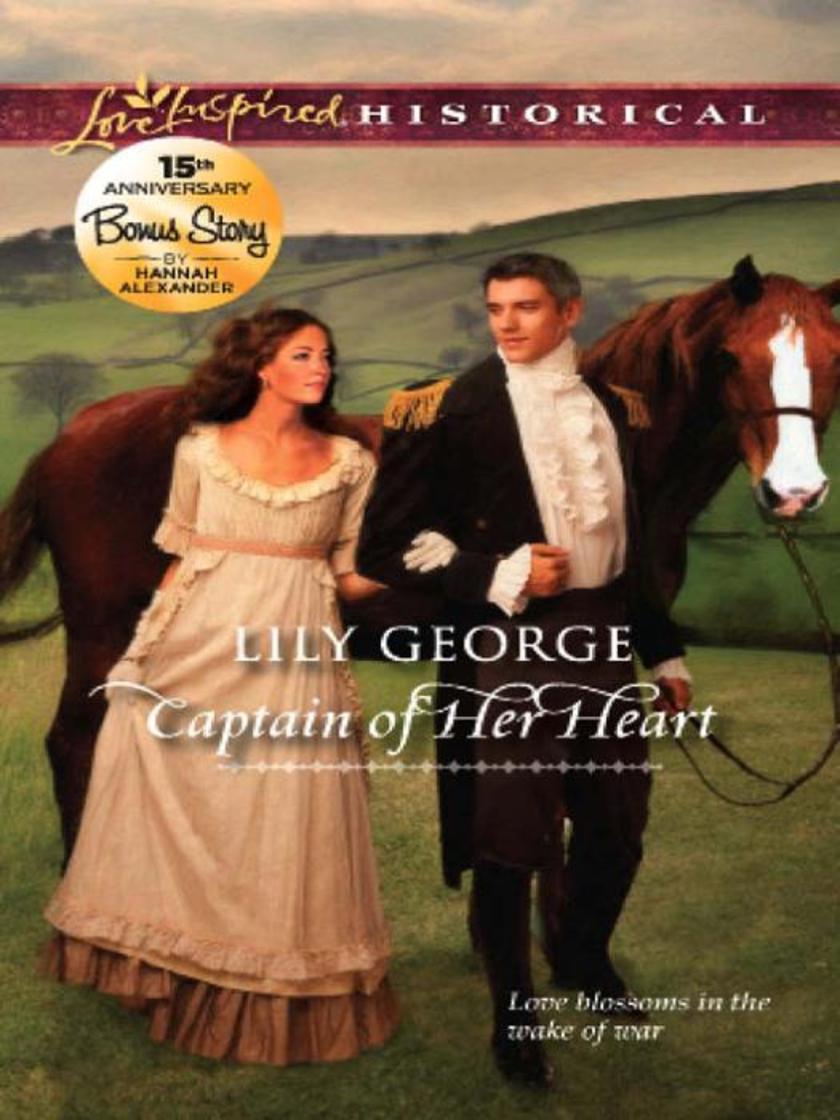
Captain of Her Heart (Mills & Boon Love Inspired Historical)
¥30.90
With her family's fortune in ruins, Harriet Handley has given up her aspirations of becoming an author. All effort must go to helping her pretty sister Sophie marry well. But when Sophie's wealthy beau returns from the war, he is no longer a wild, lighthearted youth. And while Sophie is dismayed by the transformation, Harriet finds this thoughtful, war-weary man utterly intriguing…. Waterloo left Captain John Brookes scarred in body and mind, and Sophie's lukewarm reception only adds to his pain. In contrast, Harriet's compassion and gentle faith bring solace as they collaborate on his memoirs. Perhaps joyful new memories can be made—if the wrong sister turns out to be the right wife.
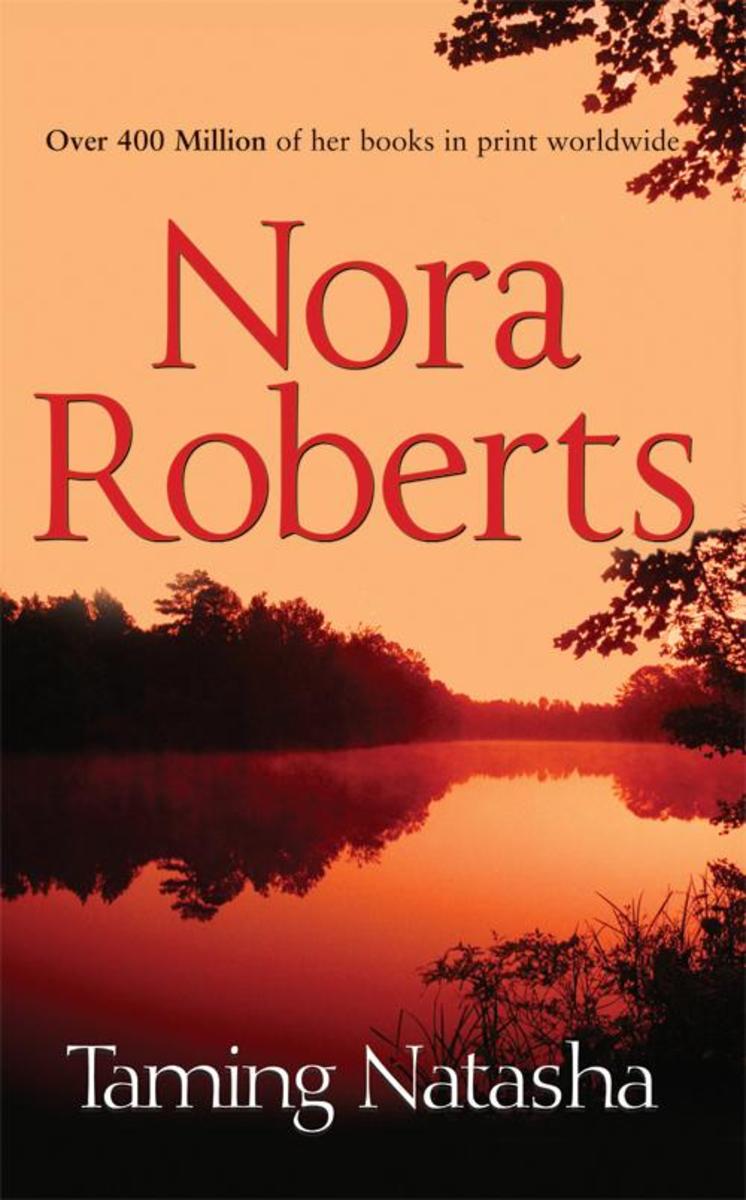
Taming Natasha (Stanislaskis, Book 1)
¥58.86
The first time single-father Spence Kimball set eyes on Natasha Stanislaski, he was floored by her exotic beauty. But the former ballet dancer turned toy shop owner had a fiery temperament that kept men safely at bay. Sensing a hidden wound, Spence and his little girl joined forces to find a way into her closely guarded heart. For Spence realized he’d do anything to tame Natasha’s fears… and show her how to love. Nora Roberts is a publishing phenomenon; this New York Times bestselling author of over 200 novels has more than 450 million of her books in print worldwide. Praise for Nora Roberts 'The most successful novelist on Planet Earth' - Washington Post ‘A storyteller of immeasurable diversity and talent’ - Publisher’s Weekly
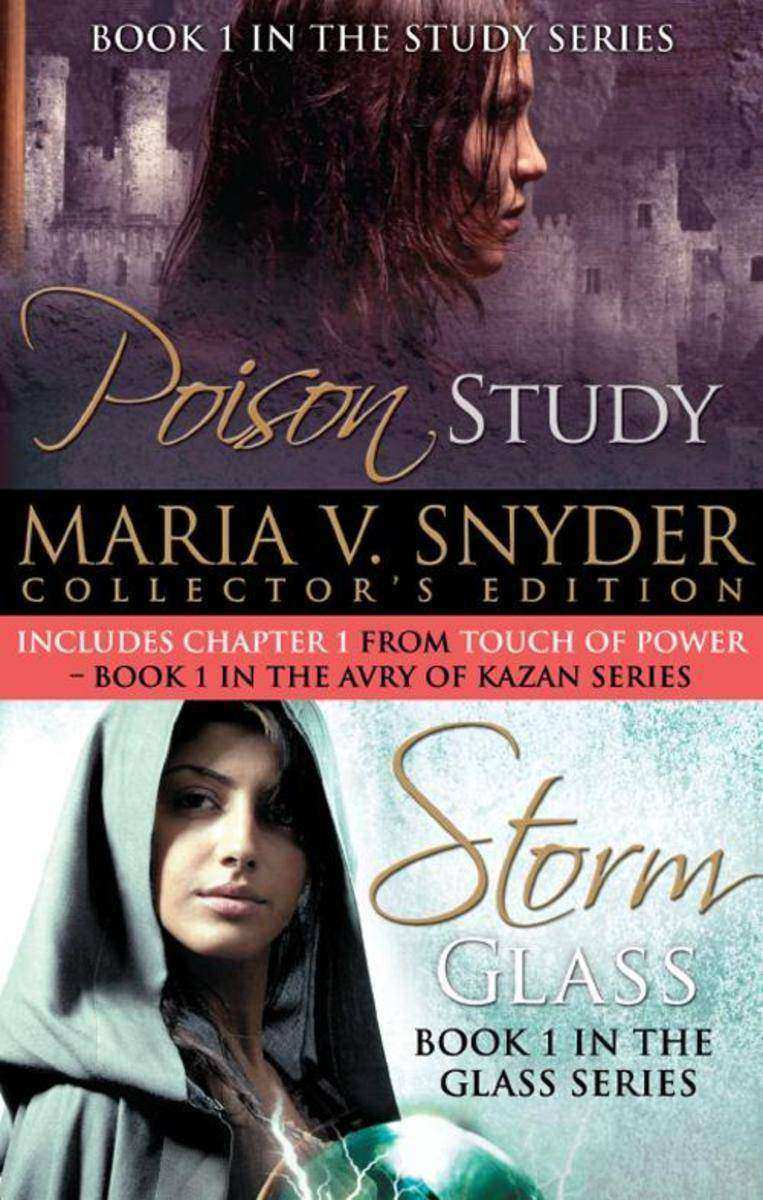
Maria V. Snyder Collection: Poison Study / Storm Glass
¥78.19
Let fantasy star Maria V. Snyder steal you away to a darkly enchanting world of powerful magic and dangerous deeds…. Poison Study About to be executed for murder, Yelena is offered an extraordinary reprieve. She’ll test the Commander of Ixia’s meals to prevent assassination attempts. But as Yelena develops magical powers, choices must be made. And this time the consequences aren’t so clear… Book One in the Study Trilogy Storm Glass With her unique magical abilities, Opal has always felt unsure of her place at Sitia's magic academy. But when the Stormdancer clan needs help, Opal's knowledge makes her the perfect choice - until Opal taps into a deadly new power, which could save them all…or destroy her. Book One in The Glass Trilogy 'Reminiscent of early Anne McCaffrey' –Rhianna Pratchett, SFX
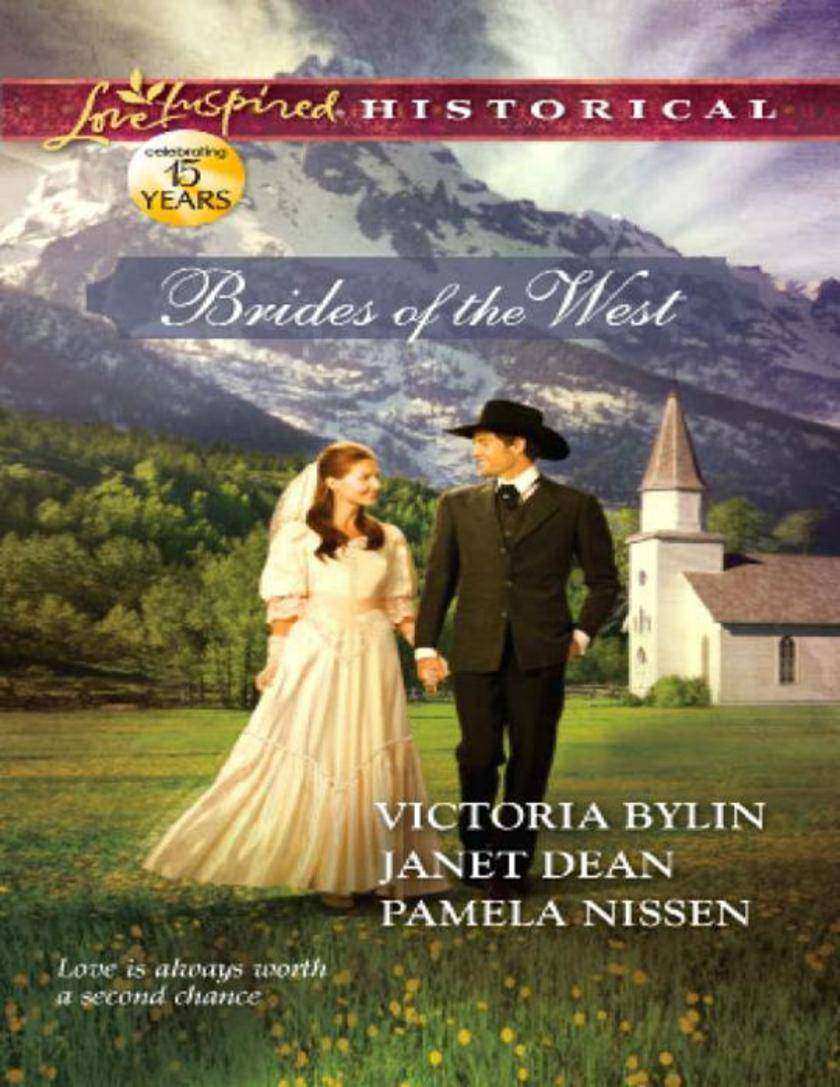
Brides of the West: Josie's Wedding Dress / Last Minute Bride / Her Ideal Husban
¥30.90
REUNION WESTERN-STYLE Josie’s Wedding Dress by Victoria Bylin Desperate for someone to help her save her ranch, Josie Bright makes a deal with Ty Donner—the man who’d left her waiting at the altar…and is making her hope for things she had long stopped wishing for. Last Minute Brideby Janet Dean Elise Langley was stung to the quick when her would-be suitor suddenly left town. But when David Wellman returns and they are thrown together organizing their friends’ wedding, can she open her heart again? Her Ideal Husband by Pamela Nissen As a girl, Lydia Townsend hoped to marry Jebediah Gentry—until his rejection spoiled her dreams. When family duty brings her home, it’s Jeb’s chance to show Lydia that now is the time for her wedding dreams to come true.
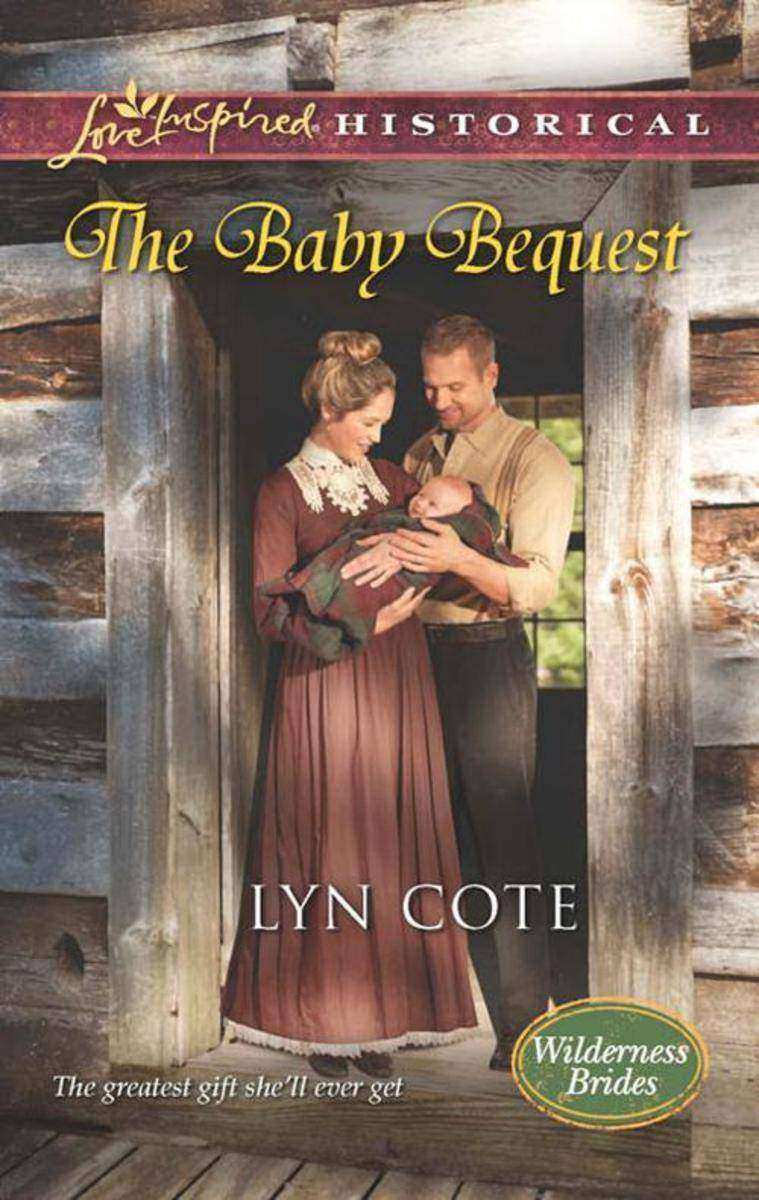
The Baby Bequest (Mills & Boon Love Inspired Historical) (Wilderness Brides, Boo
¥31.10
Schoolteacher Ellen Thurston never expected to find love in Pepin, Wisconsin. But the moment she discovers a baby boy outside her door, it’s love at first sight. While the townsfolk don’t approve of Ellen as a single mother, what worries her most are her feelings for the handsome farmer who defends her decision to keep the child. Ellen is far above the reach of a German immigrant like Kurt Lang. Especially one weighted with responsibility. Kurt knows how hard it is to raise a child alone, but he will do whatever it takes to help make Ellen's dream of a family come true.

Healing the Soldier's Heart (Mills & Boon Love Inspired Historical)
¥31.10
Ensign James Rowland was fortunate to return from Waterloo unscathed—at least in body. But guilt from that terrible battle has left him almost mute and crushed in spirit. Only in the company of sweet, compassionate Lucy Williams, a volunteer at the Veterans’ Group in Bath, does he begin to feel happiness is within reach. Penniless governesses can’t afford dreams of romance. Lucy Williams is resigned to lifelong spinsterhood—until James enters her life. His mother opposes the match. Lucy herself is sure the chasm between their ranks is too wide. But now that she has helped heal James, he intends to overcome every obstacle between them…and emerge victorious in the battle for her love.
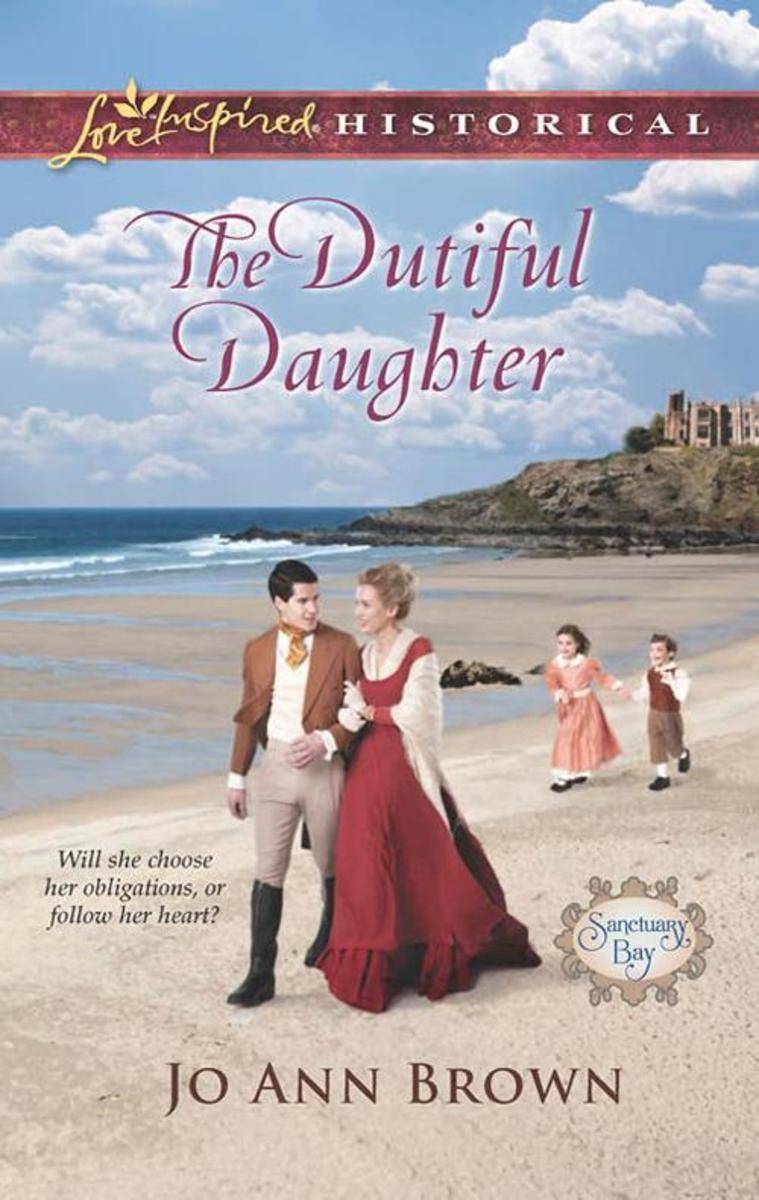
The Dutiful Daughter (Mills & Boon Love Inspired Historical) (Sanctuary Bay, Boo
¥31.10
Sophia Meriweather will—if all goes as it should—marry the heir to her father’s estate. If she’s to secure her family’s future, Sophia must put her would-be groom’s best friend from her mind. But keeping the darkly handsome widower and his two young children out of her heart is proving nearly impossible. Charles Winthrop, Lord Northbridge, doesn’t believe in love. Lovely Sophia may have charmed his normally silent children, but, for a man of honor and duty, she was a wife he dared not wish for. Yet nothing is as simple as it seems—especially when it comes to matters of the heart…
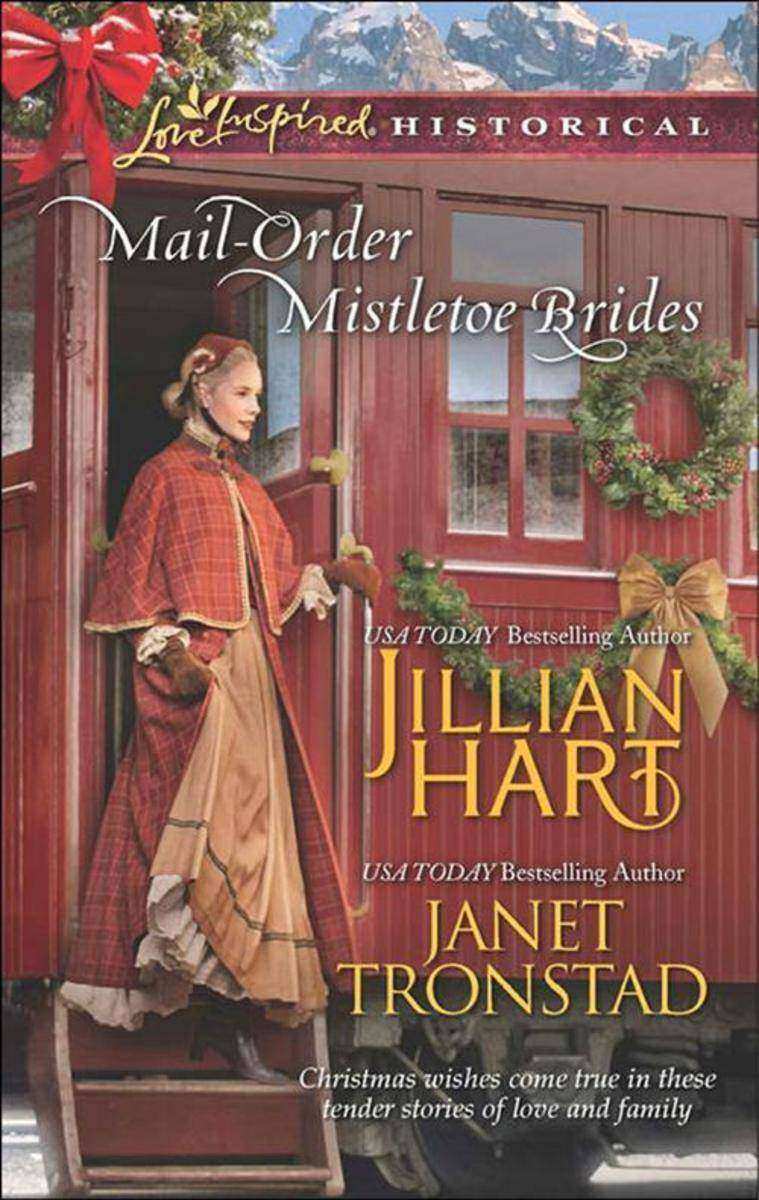
Mail-Order Mistletoe Brides: Christmas Hearts / Mistletoe Kiss in Dry Creek (Mil
¥25.60
Christmas Hearts by Jillian Hart: Thirteen-year-old Amelia longs for a new ma. Little George needs a father’s guidance. For their children’s sake, Cole Matheson and Mercy Jacobs agree on a business-like marriage. But though Cole tries to keep his distance, Mercy offers the very thing he’s stopped believing in—the chance to forge a real family. ** Mistletoe Kiss in Dry Creek by Janet Tronstad: “Passable cook wanted as wife. Marriage in name only.” Noah Miller doesn’t expect any replies to his plainspoken ad, though it’s the only kind of offer the guarded rancher’s prepared to make. Until widowed Maeve Flanagan and her sweet daughter arrive, turning his home and his heart upside down…
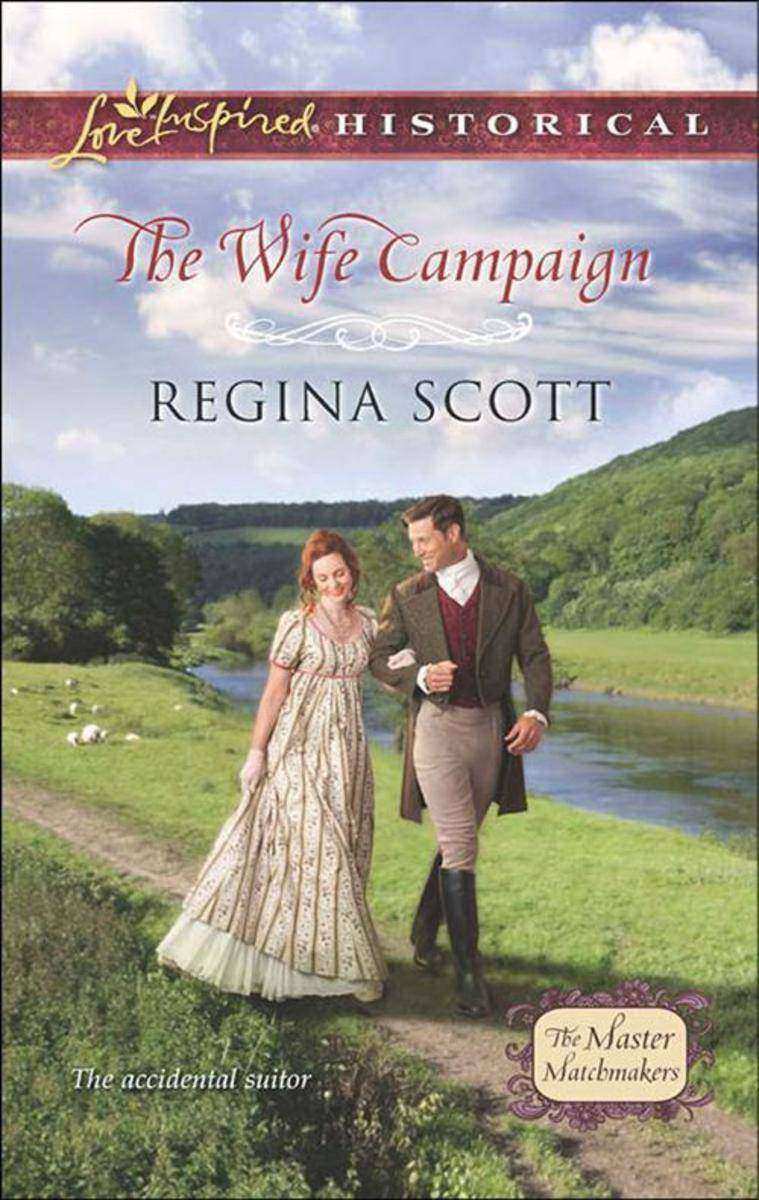
The Wife Campaign (Mills & Boon Love Inspired Historical) (The Master Matchmaker
¥31.10
Whitfield Calder, Earl of Danning, would much rather spend a fortnight tending to his estate than entertaining three eligible young ladies. But when his valet insists that marriage is an earl’s duty, Whit agrees to the house party. He has no intention of actually proposing to anyone…until flame-haired Ruby Hollingsford declares she’d never accept him anyway. Ruby has been tricked into attending this charade, but she certainly won’t compete for the earl’s attentions. Yet, Whit isn’t the selfish aristocrat she envisioned. And with a little trust, two weeks may prove ample time for an unlikely couple to fall headlong into love.
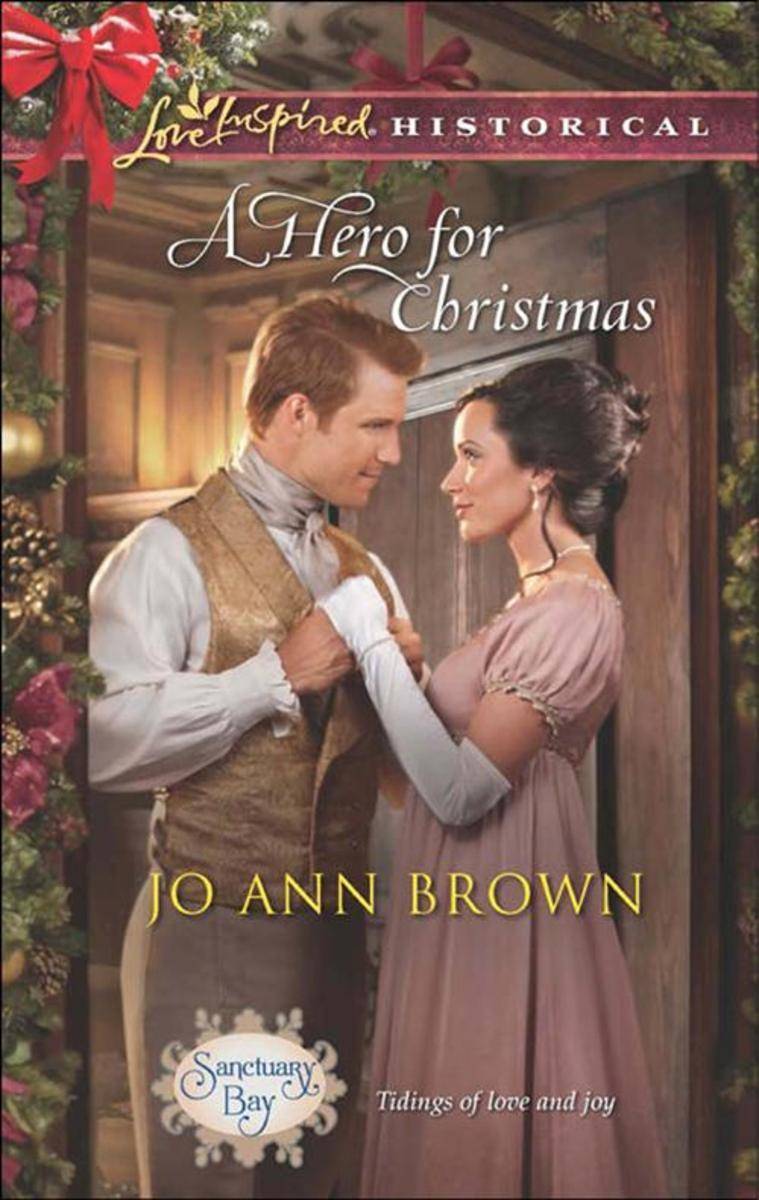
A Hero for Christmas (Mills & Boon Love Inspired Historical) (Sanctuary Bay, Boo
¥31.10
Jonathon Bradby would gladly return to fighting the French if it meant avoiding his new title: war hero. Only he knows the reputation isn’t deserved. Then a visit to Sanctuary Bay brings renewed acquaintance with the lovely Lady Catherine Meriweather. He’s drawn to her, yet Cat surely deserves a real hero. Overwhelmed with organizing a Yuletide celebration and her sister’s wedding, Cat gladly accepts Jonathan’s help. Soon she sees the gentle heart he conceals beneath his wit. But Jonathan’s need to prove himself could drive them apart—unless they’re bold enough to seize the unexpected gift of love.


