


 购物车
购物车 个人中心
个人中心
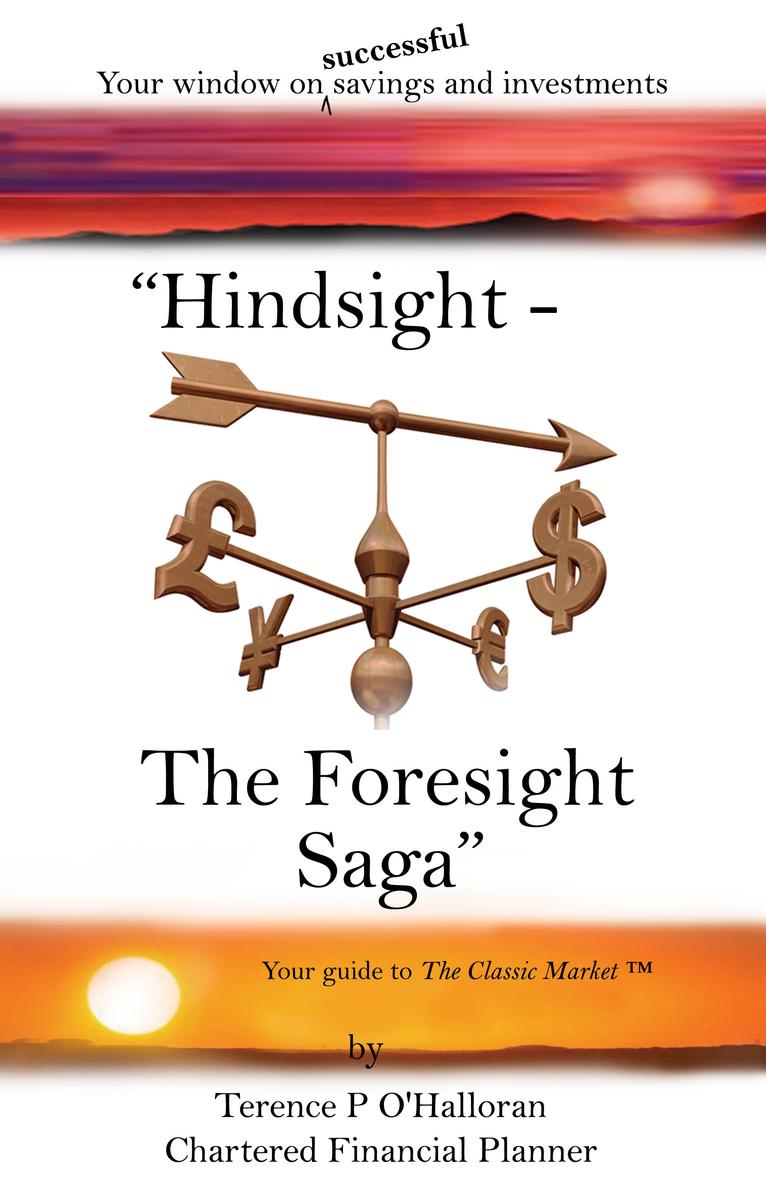
Hindsight The Foresight Saga
¥24.44
There is something new in the financial planning world and it is explored to the point that the reader can exploit it in “Hindsight – The Foresight Saga.” Little has been written about the property market and its relationship with the equity markets or the coincidental relationship that that investment relationship has on bankers. This book is aimed at the private investor but also the professional investment manager because it highlights the mechanism that provides for an almost continuous steady flow of positive returns on invested capital and regular savings. The author is a well experienced, highly qualified strategic financial planner and the language used in the book is straightforward and down to earth. The classic marketis identified as a circa fifteen year cycle of at one point inversely correlated market movements that works in direct contrast to a later phase in the classic market TM where property and equity movements are highly correlated in a downward slide. The first having an extremely positive effect on banking and the second, a devastating effect that contributed to bank collapses similar to those in 1979, 1992 and 2008.
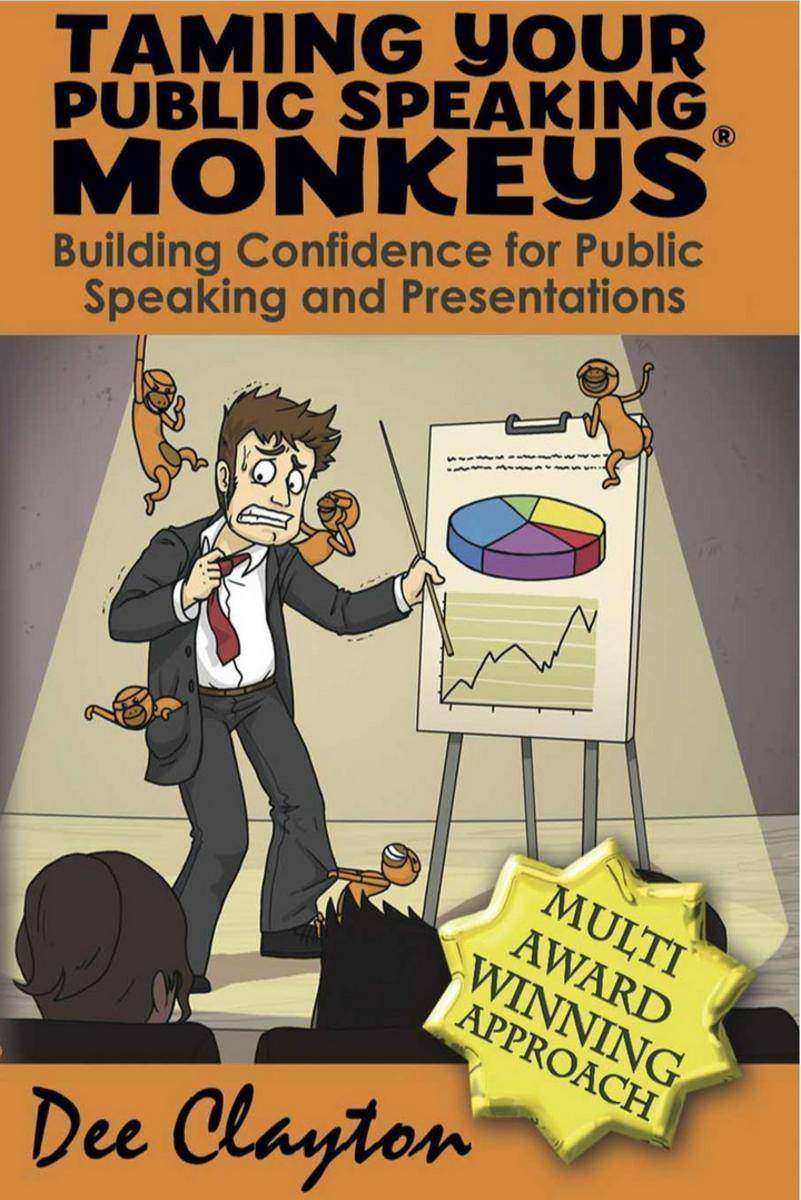
Taming Your Public Speaking Monkeys
¥24.44
A Godsend for anyone who’s ever suffered that dread of speaking in public!’ If, like almost everyone, you’re petrified of public speaking, the last thing you want is a lecture! And there lies the brilliance of this unique book’s genuinely innovative approach to the issue: Dee Clayton makes the process of overcoming those negative voices in your head (Your ‘Public Speaking Monkeys!’) and becoming an effective speaker lighthearted and fun! A Godsend for anyone who’s ever suffered that dread, Dee’s refreshingly simple yet amazingly effective multiawardwinning approach has already helped thousands to overcome their fears and become effective and confident public speakers. Significantly, the author’s keenly aware that for most of us, effective public speaking isn’t necessarily an end in itself but a means to other ends for example Dee has already helped company directors to persuade more successfully, doctors to win more funding, mediators to influence international decisions and all kinds of business people to fulfil their potential. What’s more, this is a genuinely practical guide! Unlike most ‘self help’ books on the topic (or any other), this one doesn’t just tell you what to do; in her chatty, good-humored style, Dee explains exactly how, sharing her own experiences and coaxing the reader through a programme that doesn’t just work it even makes public speaking enjoyable! Taming Your Public Speaking Monkeysworks so well because its easy, enjoyable style is underpinned by Dee’s solid, real-life experience of speaking publicly to tens of thousands of people first in her highly successful twenty-year marketing career (communicating for UK household brands such as Jacob’s Creek, Pizza Hut and Jammie Dodgers to name but a few) and now as a public speaking training specialist. Equally vitally, the book draws heavily upon the NeuroLinguistic Programming (NLP) techniques and insights in which Dee is a highly experienced Trainer and Master Practitioner. Taming your Public Speaking Monkeysis a rare find: a self-help book that really helps and best of all the results come to you quickly and stick with you for life!
On Speaking Well
¥88.56
For anyone who fears the thought of writing and giving a speech--be it to business associates, or at a wedding--help is at hand. Acclaimed presidential speechwriter Peggy Noonan shares her secrets to becoming a confidence, persuasive speaker demystifying topics including: Finding you own authentic voice Developing a text that interest you Acing the all-important first paragraph Using logic to move your audience Creating, developing, and reinventing the "core speech" for diverse audiences Strengthening your speech with a vital element: humor Winnowing your thought down to the essentials Handling professional jargon, clich s, and the sound bite syndrome Presenting your speech in the best way Collecting intellectual income--conversing your speech treasures Breaking all the rules and still succeeding Reading for inspiration--how to use the excellence of others Complete with lessons, tips and memorable examples, On Speaking Well shows us how to create forceful, persuasive, relevant speeches that will resonate with our audiences. Engaging, informative, and always entertaining, this is undoubtedly the authoritative how-to guide for anyone writing or giving a speech
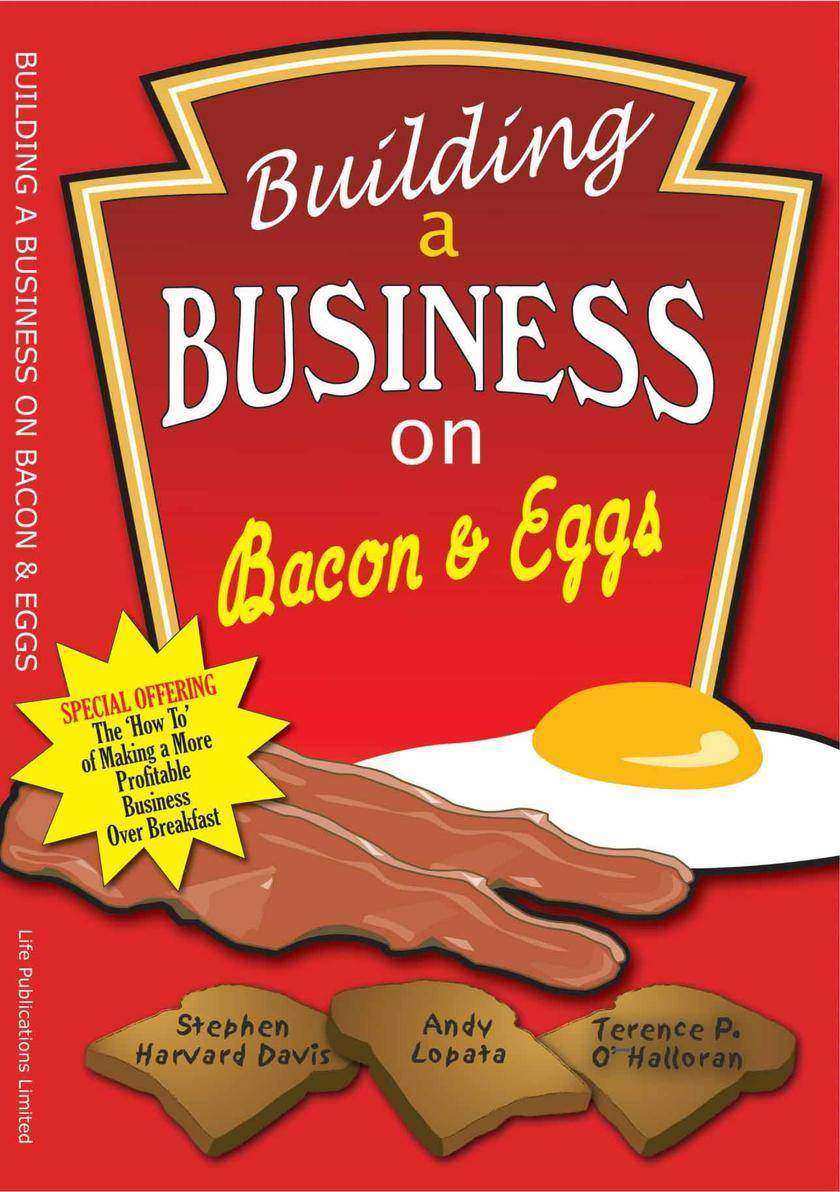
Building A Business on Bacon and Eggs
¥24.44
Person to person networks in the UK have grown over the last 10 years fuelled by the many middle management unemployed caused during the recent downsizing of many international corporations.Self employed people need to network, in the harsh environment of today’s modern job market. Networking is a ready source of employment, and a chance to meet skilled fellow workers to help build teams to complete projects that would otherwise stretch their own skill set.Outside the hours of the working day but inside a framework that people can relate to Breakfast Meetings provide them with rewarding opportunities. This book helps ensure you know how to meet the right people and kickstart your business.‘Building a Business on Bacon and Eggs’ is packed with tips and lists of how to set up thriving networking events and enables the reader to gain the most from any meetings they may hold, it includes checklists for everyone involved in the organization of events, real life stories to illustrate the theories presented as well as what to offer sponsors and how best to achieve the goals of all concerned.The book illustrates evidence of this in the comprehensive checklists throughout the book and summaries at the end of every chapter. If running breakfast meetings is your job, or if you merely wish to learn from the business experiences of other people, or you want to expand your own knowledge to gain the most from the business breakfast club environment this book provides a unique insight through the minds of its three very successful writers. To this end, ‘Breakfast on Bacon and Eggs ‘ is an essential addition to any Book Shops business section.
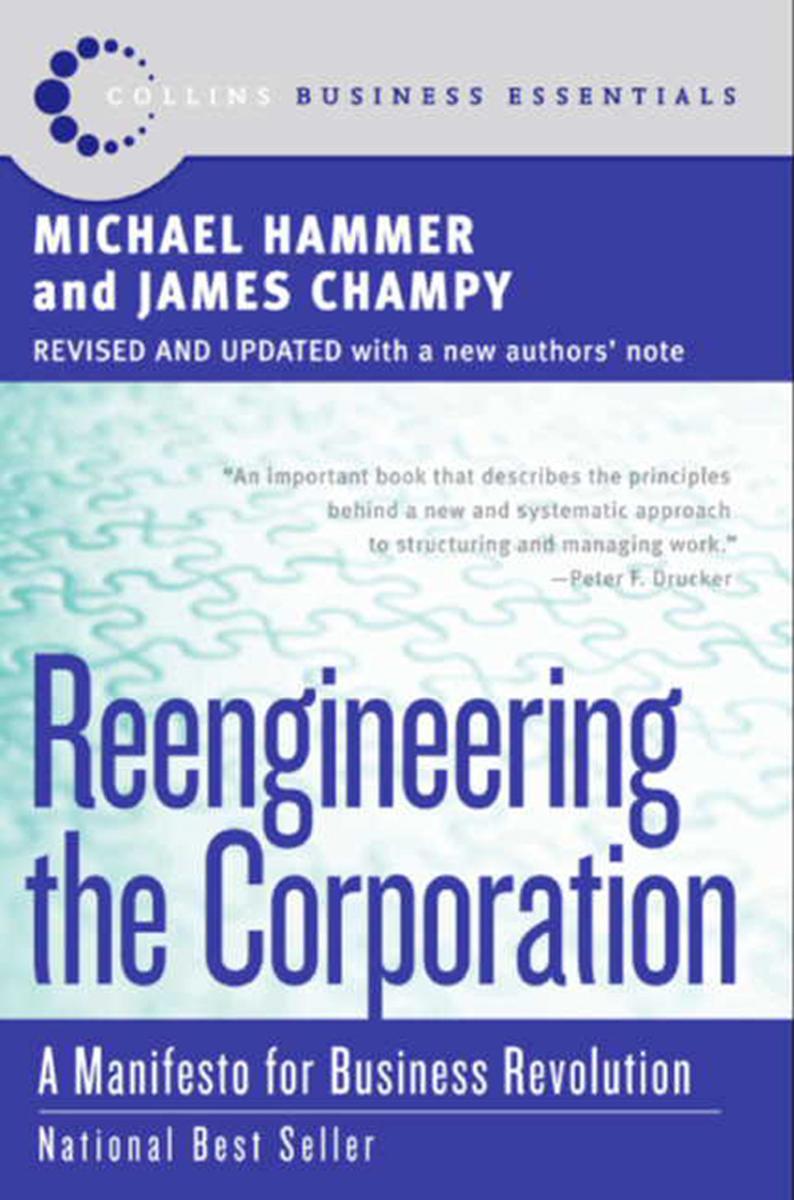
Reengineering the Corporation
¥94.10
The most successful business book of the last decade, Reengineering the Corporation is the pioneering work on the most important topic in business today: achieving dramatic performance improvements. This book leads readers through the radical redesign of a company's processes, organization, and culture to achieve a quantum leap in performance. Michael Hammer and James Champy have updated and revised their milestone work for the New Economy they helped to create -- promising to help corporations save hundreds of millions of dollars more, raise their customer satisfaction still higher, and grow ever more nimble in the years to come.
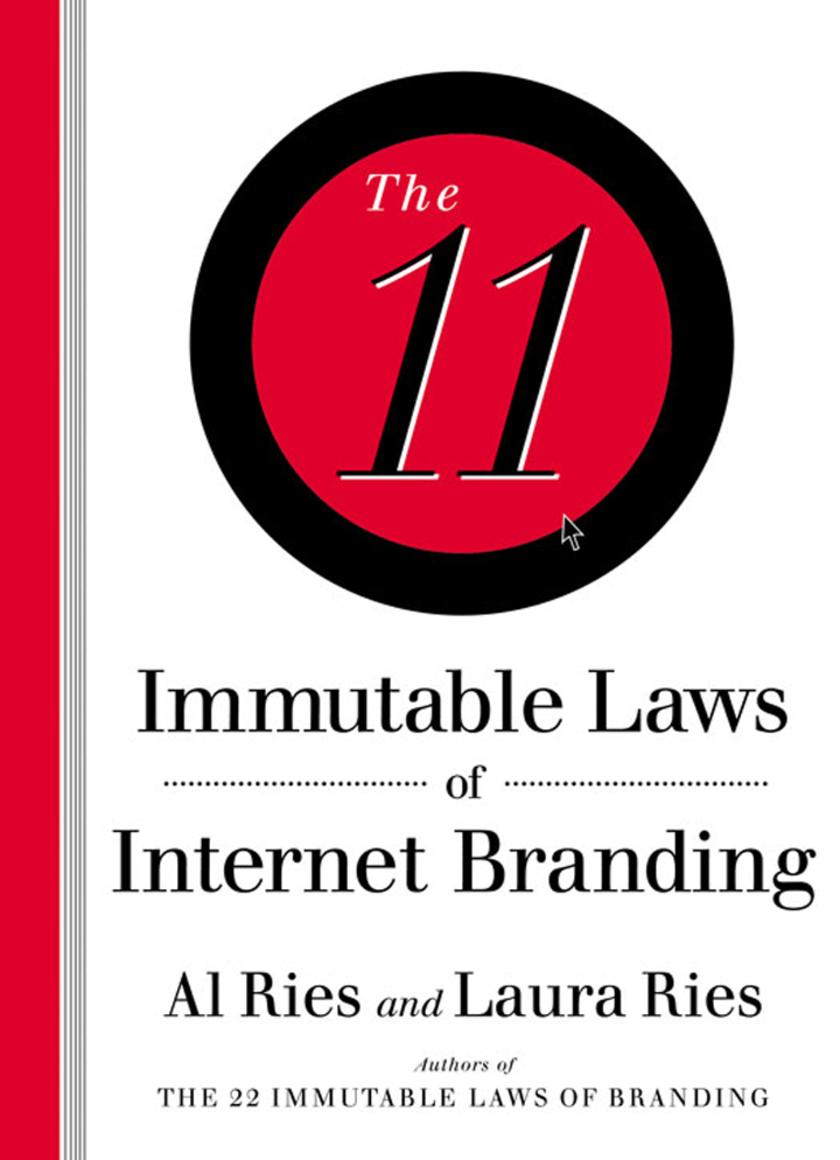
The 22 Immutable Laws of Branding
¥105.17
This marketing classic has been expanded to include new commentary, new illustrations, and a bonus book: The 11 Immutable Laws of Internet Branding Smart and accessible, The 22 Immutable Laws of Branding is the definitive text on branding, pairing anecdotes about some of the best brands in the world, like Rolex, Volvo, and Heineken, with the signature savvy of marketing gurus Al and Laura Ries. Combining The 22 Immutable Laws of Branding and The 11 Immutable Laws of Internet Branding, this book proclaims that the only way to stand out in today's marketplace is to build your product or service into a brand and provides the step-by-step instructions you need to do so. The 22 Immutable Laws of Branding also tackles one of the most challenging marketing problems today: branding on the Web. The Rieses divulge the controversial and counterintuitive strategies and secrets that both small and large companies have used to establish internet brands. The 22 Immutable Laws of Branding is the essential primer on building a category-dominating, world-class brand.
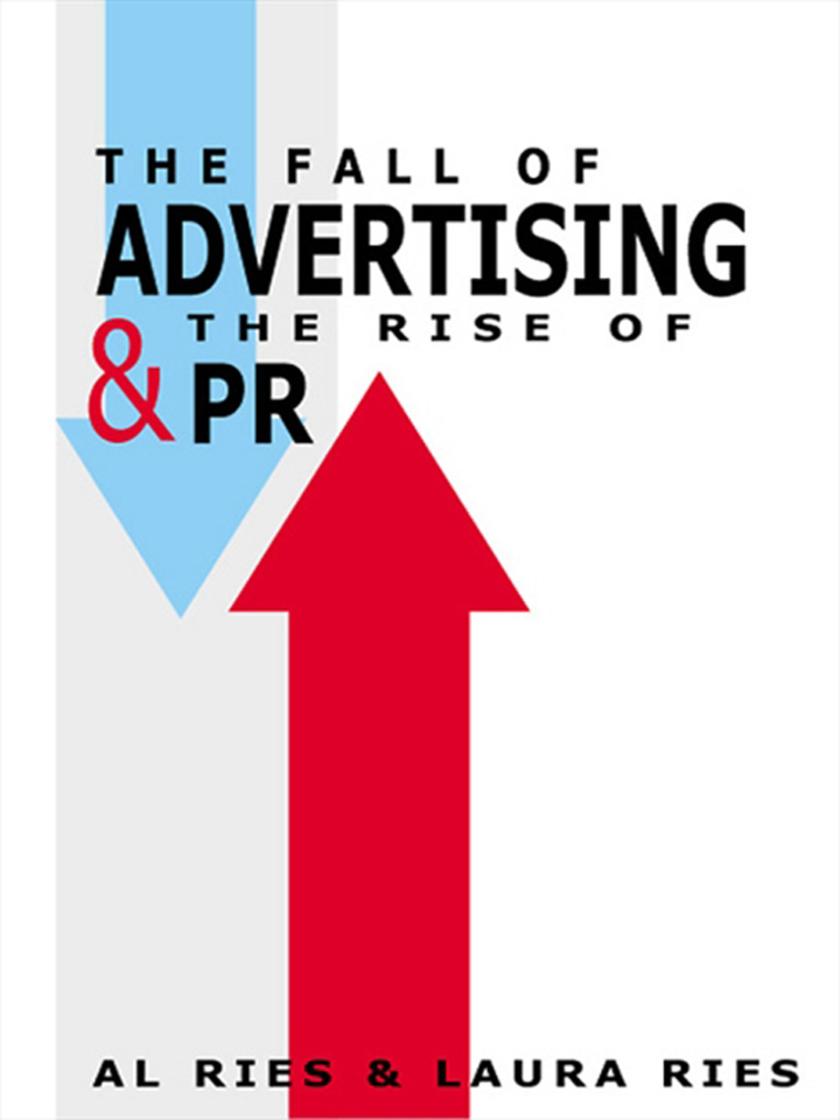
The Fall of Advertising and the Rise of PR
¥83.03
Bestselling authors and world-renowned marketing strategists Al and Laura Ries usher in the new era of public relations. Today's major brands are born with publicity, not advertising. A closer look at the history of the most successful modern brands shows this to be true. In fact, an astonishing number of brands, including Palm, Starbucks, the Body Shop, Wal-Mart, Red Bull and Zara have been built with virtually no advertising. Using in-depth case histories of successful PR campaigns coupled with those of unsuccessful advertising campaigns, The Fall of Advertising provides valuable ideas for marketers -- all the while demonstrating why advertising lacks credibility, the crucial ingredient in brand building, and how only PR can supply that credibility; the big bang approach advocated by advertising people should be abandoned in favor of a slow build-up by PR; advertising should only be used to maintain brands once they have been established through publicity. Bold and accessible, The Fall of Advertising is bound to turn the world of marketing upside down.
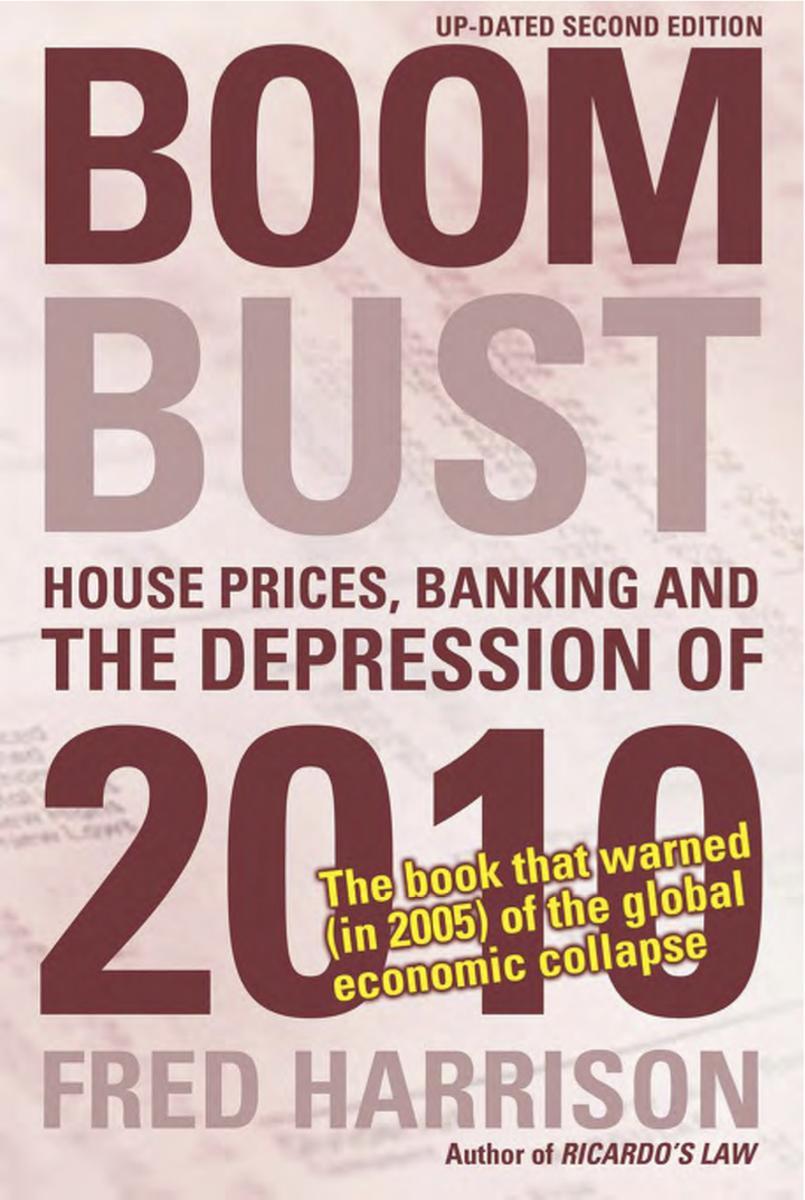
Boom Bust
¥24.44
In the two and a half years since the first edition appeared (April 2005), events have unfolded as predicted. Then the consensus among forecasters was that the boom in house prices would cool to an annual 2 or 3% rise over the following years. In fact, in keeping with the ‘winner’s curse’ phase of the cycle described by the author, prices rose by more than 10% per annum in Britain. Harrison’s first book, The Power in the Land, predicted the early 1990s recession. Boom Bust, warned that investing in property is not always a safe bet, because the housing market is subject to a sharp downturn at the end of a remarkably regular 18-year cycle. The crash of 2007/8 occurred exactly as predicted. His forecast was based on a careful study of the evidence from property markets in many countries over the last 200 years. Gordon Brown’s claim, last made in his 2007 Budget speech, that ‘we will never return to the old boom and bust’ has been proved false. The reason for the instability, Harrison explains, is not the housing market itself but the land market on which all buildings stand. Land is in fixed supply ‘ as Mark Twain noted: ‘They’re not making any more of it’. Therefore, as the demand for land for new homes and offices rises with population growth and economic expansion, market forces, which normally increase supply to reduce prices, have the reverse effect: prices rise. This encourages speculation, with banks lending more against escalating asset values and reinforcing the upward spiral. Under existing government policies, the only way land prices can be brought back to affordable levels is a slump, undermining the banking system and causing widespread unemployment and repossessions. This is exactly what happened in America with the collapse of the sub-prime mortgage market. The run on Northern Rock showed the UK economy is not immune. The author reveals that the government’s monetary policy only has a marginal impact on land speculation, but as the Bank of England raises interest rates to curb house price inflation, the main victim is the first-time buyer and the productive economy, especially small businesses. The only way to neutralise the boom bust cycle in the housing market is through a reform of taxation, he claims. ‘This book is an important contribution to an overdue debate.’ Martin Ricketts, Chairman of the Academic Advisory Council of the Institute of Economic Affairs and Professor of Economic Organisation, University of Buckingham. Endorsing the thrust of Harrison’s argument, Prof. Ricketts goes on to acknowledge ‘that insufficient attention has been given by policymakers to the rent of land as socially the most efficient source of public revenue’, and that that will ‘have important practical consequences … for the stability of the economic system’. Economic stability is the objective of Gordon Brown and most governments around the world. Harrison explains how this may be achieved.
Trust Works!
¥127.33
Trust Works! How to build it How to keep it In this enlightening guide developed from his popular Trust Works! training program, #1 bestselling author and management guru Ken Blanchard turns his vast knowledge and insight to one of the most timely and complex issues that affects all areas of our lives. Once upon a time, a dog and a cat lived together with other animals and the humans who cared for them. But canine and feline did not trust each other a situation that led to fighting, backbiting, and sabotaging that soon affected the whole household. Unless their conflict was resolved, all of the pets would lose their home. Fortunately, a wise old parrot stepped in, teaching dog and cat the ABCDs of trust. As each became aware of the unconscious behaviors at the root of their hostility, dog and cat discovered how to change their behavior a mutual transformation that created a happy, productive environment for all. In Trust Works! Ken Blanchard applies that fable to real-life situations to show anyone how to get along better with those around them. He outlines his ABCD trust model and uses it to address the factors that lead to discord, including low morale, miscommunication, poor response to problems and issues, and dysfunctional leadership. In today polarized society, building trust and sustaining it has never been more important or seemingly elusive. Trust Works! provides a common language and essential skills that can replace dissension with peace and cooperation and help us all work together productively and in harmony.
In Search of Excellence
¥101.00
The Greatest Business Book of All Time (Bloomsbury UK), In Search of Excellence has long been a must-have for the boardroom, business school, and bedside table. Based on a study of forty-three of America best-run companies from a diverse array of business sectors, In Search of Excellence describes eight basic principles of management -- action-stimulating, people-oriented, profit-maximizing practices -- that made these organizations successful. Joining the HarperBusiness Essentials series, this phenomenal bestseller features a new Authors' Note, and reintroduces these vital principles in an accessible and practical way for today management reader.
The HP Way
¥83.03
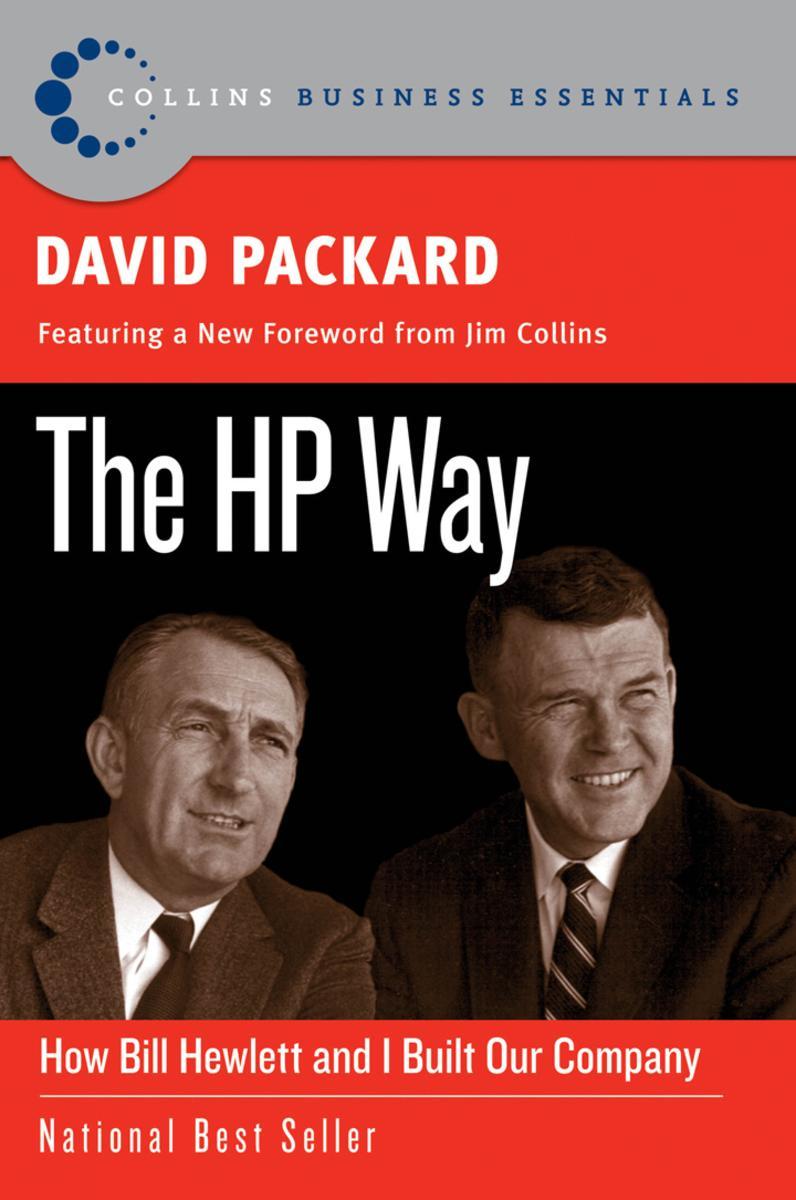
In the fall of 1930, David Packard left his hometown of Pueblo, Colorado, to enroll at Stanford University, where he befriended another freshman, Bill Hewlett. After graduation, Hewlett and Packard decided to throw their lots in together. They tossed a coin to decide whose name should go first on the notice of incorporation, then cast about in search of products to sell. Today, the one-car garage in Palo Alto that housed their first workshop is a California historic landmark: the birthplace of Silicon Valley. And Hewlett-Packard has produced thousands of innovative products for millions of customers throughout the world. Their little company employs 98,400 people and boasts constantly increasing sales that reached $25 billion in 1994. While there are many successful companies, there is only one Hewlett-Packard, because from the very beginning, Hewlett and Packard had a way of doing things that was contrary to the prevailing management strategies. In defining the objectives for their company, Packard and Hewlett wanted more than profits, revenue growth and a constant stream of new, happy customers. Hewlett-Packard success owes a great deal to many factors, including openness to change, an unrelenting will to win, the virtue of sustained hard work and a company-wide commitment to community involvement. As a result, HP now is universally acclaimed as the world most admired technology company; its wildly successful approach to business has been immortalized as The HP Way . In this book, David Packard tells the simple yet extraordinary story of his life work and of the truly exceptional company that he and Bill Hewlett started in a garage 55 years ago.
A New Model of Economy
¥24.44
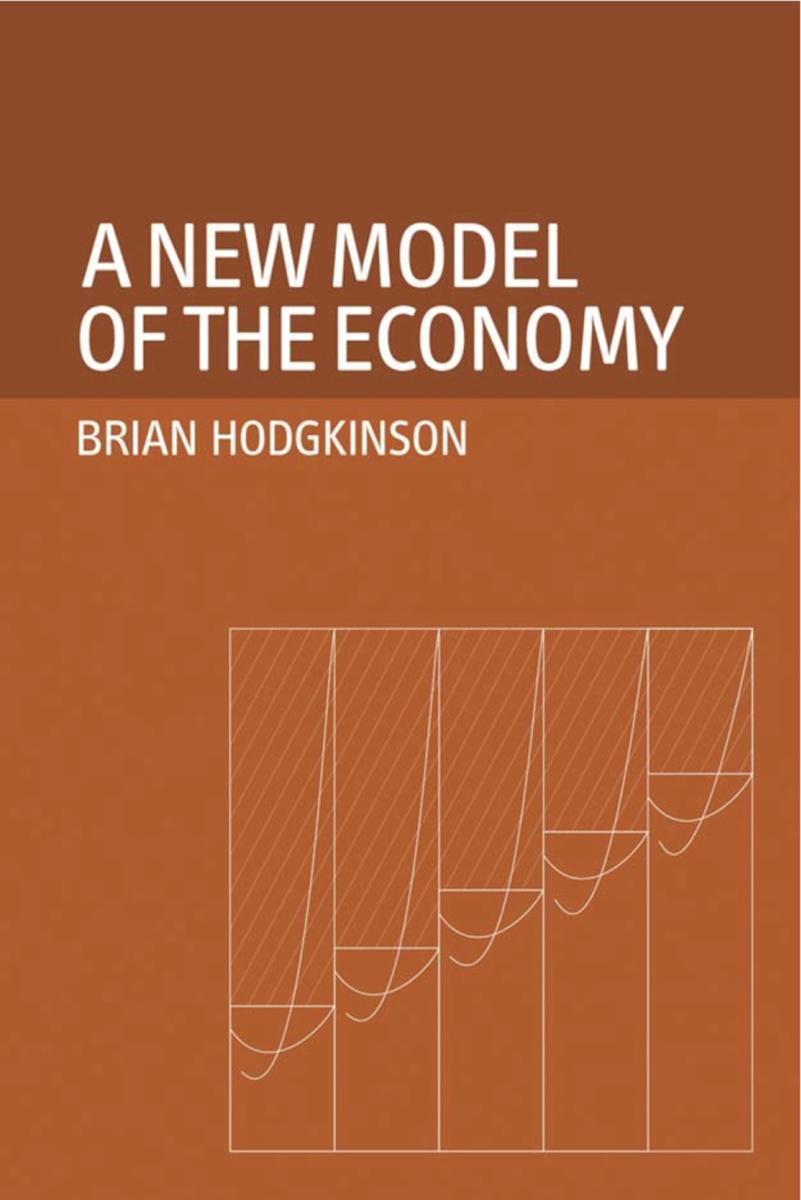
This book offers a radical revision of modern economic theory. Its starting point is the existing body of both micro and macro economics, as developed in such textbooks as Economics by Begg, Fischer and Dornbusch and Positive Economics by Lipsey and Chrystal. Following a similar framework to these books, it adjusts the whole range of theory by introducing some new concepts and other earlier ones that have been much neglected in the economic thought of the past century. These are related especially to the fundamental part played by land, in it proper sense of all natural resources available on the earth, the significance of credit, especially through the banking system, and the crucial impact of the method of taxation. The resulting analysis yields a thoroughly revised version of the contemporary model of a capitalist economy, so that a genuine ‘third way’ is revealed. This is not a mere modification of the present system of absentee ownership confronting a market for labour, with all the attendant evils of unemployment, monopoly and maldistribution of wealth and income. Rather it is a system based upon natural law, exhibiting economic security for all, fair distribution of output and, above all, the opportunity for self-fulfillment through work. The ‘new model’ draws upon the masters of economic thought from Smith and Ricardo to Marshall, Schumpeter and Keynes, by highlighting concepts often omitted from current studies of their works; such as Ricardo’s analysis of scarcity and differential elements of rent, Schumpeter’s view of the role of banking and Keynes’s hints at a labour theory of value. Indeed this far-reaching revision makes bold advances upon the Marshallian theory of the firm and the Keynesian theory of national income determination, thus providing new insights into both micro and macro theory. It remains faithful, however to the tradition of these latter thinkers in explaining matters fully in words, and resorting to mathematics mainly through the use of diagrams intelligible to anyone with an elementary grasp of the subject. Whilst the book strives to avoid value judgements in the interests of social science, it undoubtedly carries strong implications about economic policy. These are bound up with the central notions of free land and free credit, which have been singularly ignored by policy-makers since a few valiant attempts to introduce them in the early twentieth century. Hence the ‘new model’ is offered to both theorists and practitioners of economics, to politicians and public servants, but particularly to those who, like the author, truly seek a new vision of the subject.
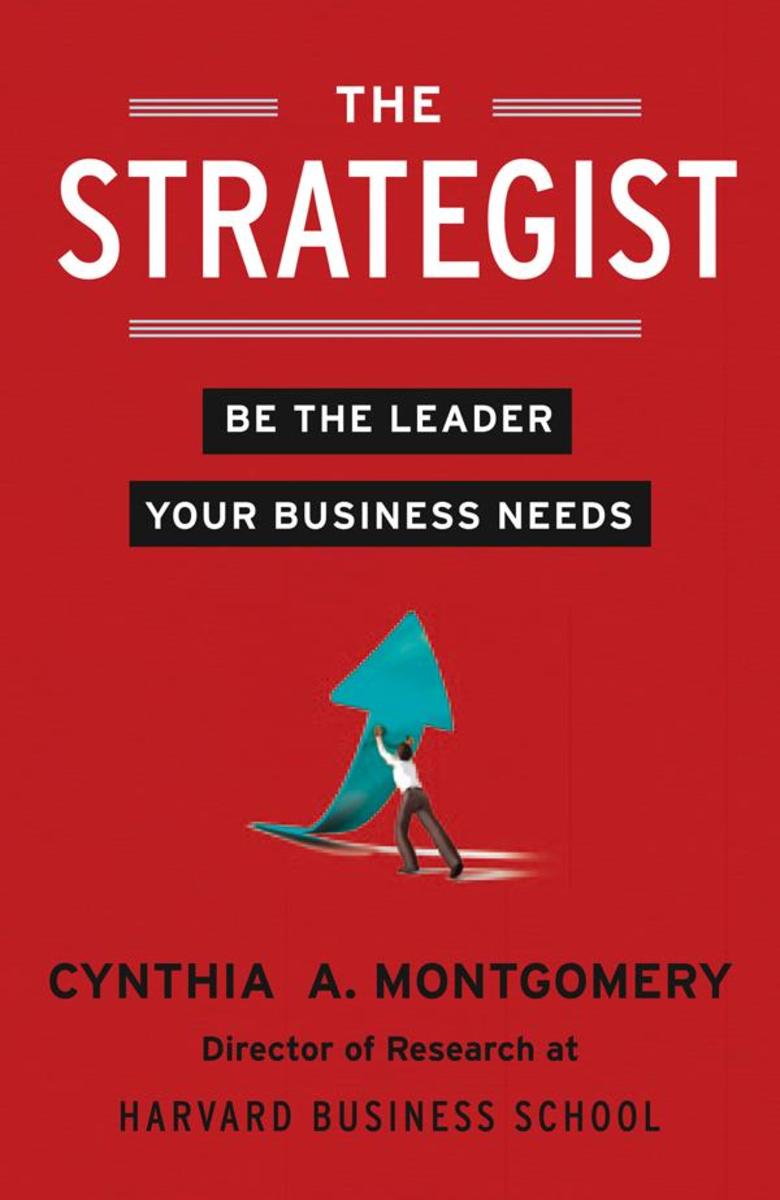
The Strategist: Be the Leader Your Business Needs
¥69.26
Strategy is about identifying why your business matters, not just analysing the competition. Cynthia Montgomery reveals how leaders can embrace the crucial role of The Strategist to really define and drive the objectives and advantages to power their companies forward. Cynthia Montgomery teaches the globally-renowned EOP (Entrepreneur, Owner, President) course at Harvard Business School, one of Harvard’s most oversubscribed executive courses. Participants are all seasoned executives, owners, CEOs, or COOs of privately held companies who pay tens of thousands of dollars to attend, with the goal of learning how to be more effective leaders and how to make their companies more successful. Montgomery’s course teaches them a totally new way to understand leadership, a way that fuses leadership with strategy. Her approach calls for a reset of current thinking about both. She shows that strategy is not just a tool for outwitting the competition – it is the most powerful means a leader has for shaping a firm itself. Montgomery takes the readers through the paces of her world-renowned course, teaching them how to develop the skills and sensibilities that living strategy and real leadership demand. No other book marries strategy and leadership in the same way – a way readers will find challenging, intriguing, and ultimately, inspiring.
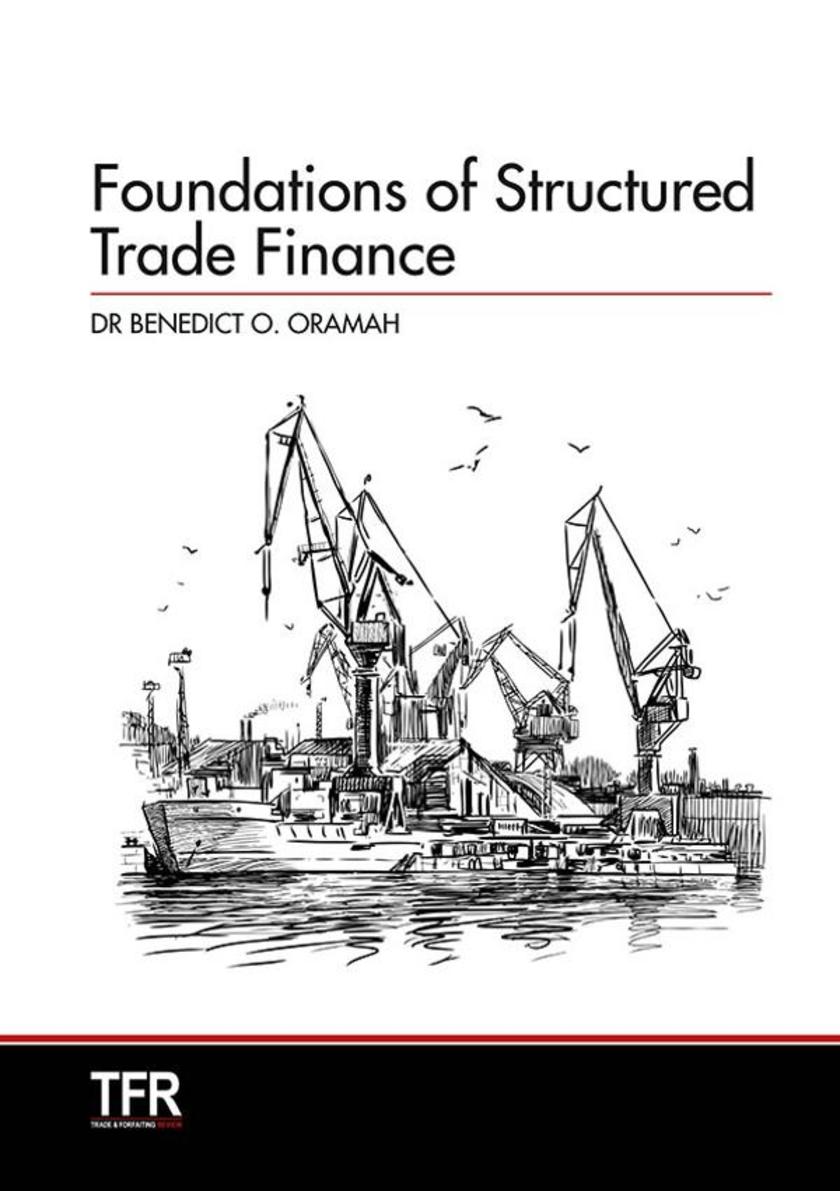
Foundations of Structured Trade Finance
¥2452.50
Are you interested in learning more about the complex area of structured trade financeStructured Trade Finance (STF) is a highly specialised area of trade finance that has evolved directly from practice. As it grows and becomes more complex in an increasingly risk-based regulatory environment, there is a need for more detailed guidance on the subject. Foundations of Structured Trade Finance will provide you with exactly this. Written by Dr Oramah — President of Afreximbank and a professional who played an important role in the evolution of STF — this report will: Address the philosophical foundations and risks associated with structured trade finance Provide step-by-step guidance on how deals can be structured Outline the scope of coverage outside the confines of commodities Examine real life case studies and draw out lessons that can be learned from these STF has proven itself as an effective instrument for attracting trade finance to those regions that receive limited trade finance and which lag behind in trade and economic performance. Ensure you're aware of the risks associated with it.
Ahead of the Market
¥90.77
Beat the Pros at Their Own Game All too often, you learn about good stocks far too late to profit from the information. By the time you actually buy a stock, professional investors have already been there, bought the stock, driven up the price, and are just waiting to unload it at an inflated price.All That's About to Change. . . .In Ahead of the Market, Mitch Zacks shows investors how they can spot stocks that are poised to take off long before the rest of the crowd learns about them. HowBy unlocking the gems of priceless information buried in Wall Street's often self-serving research. Ahead of the Market is the first book, ever, that enables you to profitably use the analyst stock research for which Wall Street firms pay more than one billion dollars annually. Many investors have rightly felt misled in the past by analysts who continued to hype stocks as prices plummeted. You may have even concluded that Wall Street research is totally worthless. But it's not.In Ahead of the Market, Mitch Zacks shows that analysts actually provide a wealth of market-moving information that can generate exceptional returns if interpreted correctly.The key is to use the research produced by Wall Street analysts the same way the professional money managers do.Pioneered by the firm Zacks Investment Research and based on more than twenty years of intensive analysis, the investment strategies revealed in this book are indeed the same ones used by successful professional investors everywhere.In these pages you will learn how to form an investment plan by locating stocks that are poised for price appreciation and avoiding stocks heading for a fall. Zacks shows how you could have prevented being burned when the recent bubble burst, if you had known how to use analyst research correctly and teaches you the rules of the research game so you will not fall victim the next time around. In sum, this book is your guide to picking the right stock at the right time.Mitch Zacks's groundbreaking research provides new insights and new strategies to: Use revisions to analysts' earnings estimates to predict the rise and fall of stock prices Interpret the real meaning behind analysts' stock recommendations Employ the "cockroach" phenomenon and other methodologies to predict earnings surprises before they occur Determine how to react when a company reports earnings and how to profit from "post-earnings announcement drift" Understand and profit from "analyst creep" the reason that earnings estimate revisions occur incrementally over time Avoid being duped by the games that companies play with their earnings reportsWhether the economy is healthy or stalled, whether the market is up or down, by focusing on the strategies contained in this book you will always come out ahead. Well-picked individual stocks will always carry the day. Now with Ahead of the Market, you will finally have the same tools institutional investors have and will be able to find great stocks in any market environment.
Alpha Dogs
¥83.93
Take an ordinary business. A bike shop. An auction company. An ice cream parlor. A sock manufacturer. In thoroughly mundane businesses like these, an entrepreneur must outsmart the multitudes of competitors, leap to the head of the pack, and become a dominant Alpha Dog.Exactly how does an everyday company distinguish itself in the marketplace, generate much higher sales than its competitors, and earn the lasting loyalty of customers and employeesIs it cutting-edge productsBrilliant serviceIngenious branding?Donna Fenn, a twenty-year veteran of Inc. magazine, has discovered the people who have the answers. In a personal and probing style, she introduces you to eight Alpha Dogs. These men and women share their solutions and insights on how to rise to the top, despite multiple competitors, from Chinese manufacturers to Wal-Mart.Readers will meet: Chris Zane, an intense, ambitious father of three boys. His Branford, Connecticut, retail bike shop has flourished among Wal-Mart, Sports Authority, and independent bike stores. He's done it by seeking out new markets and perfecting the art of customer service. Deb Weidenhamer, a tough woman in a male-dominated industry who transformed a traditional auction company with cutting-edge technology. While her competitors were still fretting about eBay, she was using the online auction giant as a training ground for her own innovative Web site. Amy Simmons, a former premed student who fell in love with the ice cream business in Boston and then founded her own ice cream parlor in Austin, Texas. With twelve Amy's Ice Creams stores in Austin, Amy's is the Austin hometown favorite, despite her deep-pocketed rivals, Ben Jerry's and Cold Stone Creamery. In accessible, conversational style, Donna Fenn tells each entrepreneur's personal story, shares their winning formulas, and offers nuts-and-bolts advice and practical tips. Alpha Dogs is a lively handbook for every current and aspiring entrepreneur.
So You Want to Write a Novel
¥84.16
You know there is a novel locked inside of you chock-full of conflict, humor, irony, enthralling events and fascinating characters. What you don't know is how to set it free.Practical Advice, Hands-On HelpRespected author and professional writing instructor Lou Willett Stanek's New York workshops have enabled scores of aspiring novelists to realize their dreams of completing credible and compelling manu*s. Here, in a positive, user-friendly format, she offers not only encouragement and motivation, but Clear, Step-By-Step Instructions To Accomplish Your Goal from original conception through final draft.Learn How To: Set up and stick to a writing schedule Create unforgettable characters Follow strong plotting and solid structure guidelines Choose a viewpoint and develop conflict Handle flashbacks and transitions Not Just Philosophy Or A Simple Motivational Tool, This Is The Book That Tells You How To Succeed
Reluctant Capitalists: Bookselling and the Culture of Consumption
¥229.55
Over the past half-century, bookselling, like many retail industries, has evolved from an arena dominated by independent bookstores to one in which chain stores have significant market share. And as in other areas of retail, this transformation has often been a less-than-smooth process. This has been especially pronounced in bookselling, argues Laura J. Miller, because more than most other consumer goods, books are the focus of passionate debate. What drives that debateAnd why do so many people believe that bookselling should be immune to questions of profit?In Reluctant Capitalists, Miller looks at a century of book retailing, demonstrating that the independent/chain dynamic is not entirely new. It began one hundred years ago when department stores began selling books, continued through the 1960s with the emergence of national chain stores, and exploded with the formation of "e;superstores"e; in the 1990s. The advent of the Internet has further spurred tremendous changes in how booksellers approach their business. All of these changes have met resistance from book professionals and readers who believe that the book business should somehow be "e;above"e; market forces and instead embrace more noble priorities.Miller uses interviews with bookstore customers and members of the book industry to explain why books evoke such distinct and heated reactions. She reveals why customers have such fierce loyalty to certain bookstores and why they identify so strongly with different types of books. In the process, she also teases out the meanings of retailing and consumption in American culture at large, underscoring her point that any type of consumer behavior is inevitably political, with consequences for communities as well as commercial institutions.
The E-Myth Enterprise
¥83.03
Michael Gerber, the world's top business guru and bestselling author, shows would-be entrepreneurs how to get started, operationalize their winning idea, and design a business that will thrive. Got a great idea to start a businessSo now whatThe E-Myth Enterprise explores the requirements that any new business must meet: the satisfaction of its four primary influencers its employees, customers, suppliers, and investors through four fundamental categories visual, emotional, functional, and financial. Together these form the twin strategies every entrepreneur must use to design a business. The latest book in the Gerber franchise, The E-Myth Enterprise, fits neatly into a training program all entrepreneurs can use to fulfill their dreams. The E-Myth Enterprise is an indispensable follow-up to Awakening the Entrepreneur Within, as it shows would-be entrepreneurs how to put a promising idea to work. Next, readers can turn to The E-Myth Revisited for tried-and-true advice about avoiding the pitfalls that prevent most small business owners from succeeding. Following this, The E-Myth Manager provides essential guidance for the management of any business. Finally, for advice on how to take an existing business to the next level of growth and opportunity, there's E-Myth Mastery. In The E-Myth Enterprise, Gerber completes the E-Myth series, to help transform every entrepreneur's dream into a reality.
Know What Makes Them Tick
¥84.16
Max Siegel started with none of the obvious advantages, yet again and again he built mutually beneficial partnerships with peers, mentors, supervisors, and industry leaders that took him to the heights of professional and personal achievement. He's managed some of the world's top recording artists, ballplayers, and race-car drivers, and helped run some of the top organizations in sports and entertainment. He's grown fragmented niche markets into bestselling audiences by tapping into the universal hopes and passions that bring people together. Now he travels the country giving motivational speeches and inspiring professionals of all kinds, sharing his method for connecting with people, whatever their differences.The secret, Siegel says, is to know what makes others tick. For some, it's financial security; for others, it's respect, devotion to family, a creative calling, or a vision of a better world. He shows how to encourage people to share these hidden, all-important motivations, and how to partner with them in the most powerful way there is: by finding the overlap between their goals and yours, so that together you can realize the dreams that make you tick.The nine universal rules outlined in Know What Makes Them Tick include:See Where You Want to Be, Not Where You AreFind Your AmbassadorsShow What's in It for ThemReaders will learn practical strategies for negotiating the challenges in every part of life, whether motivating colleagues to be more productive, finding a market for their product, uniting a divided family, or building a life of satisfaction in an unpredictable world. It's an eye-opening guide to a unique and powerful approach that anyone can use.
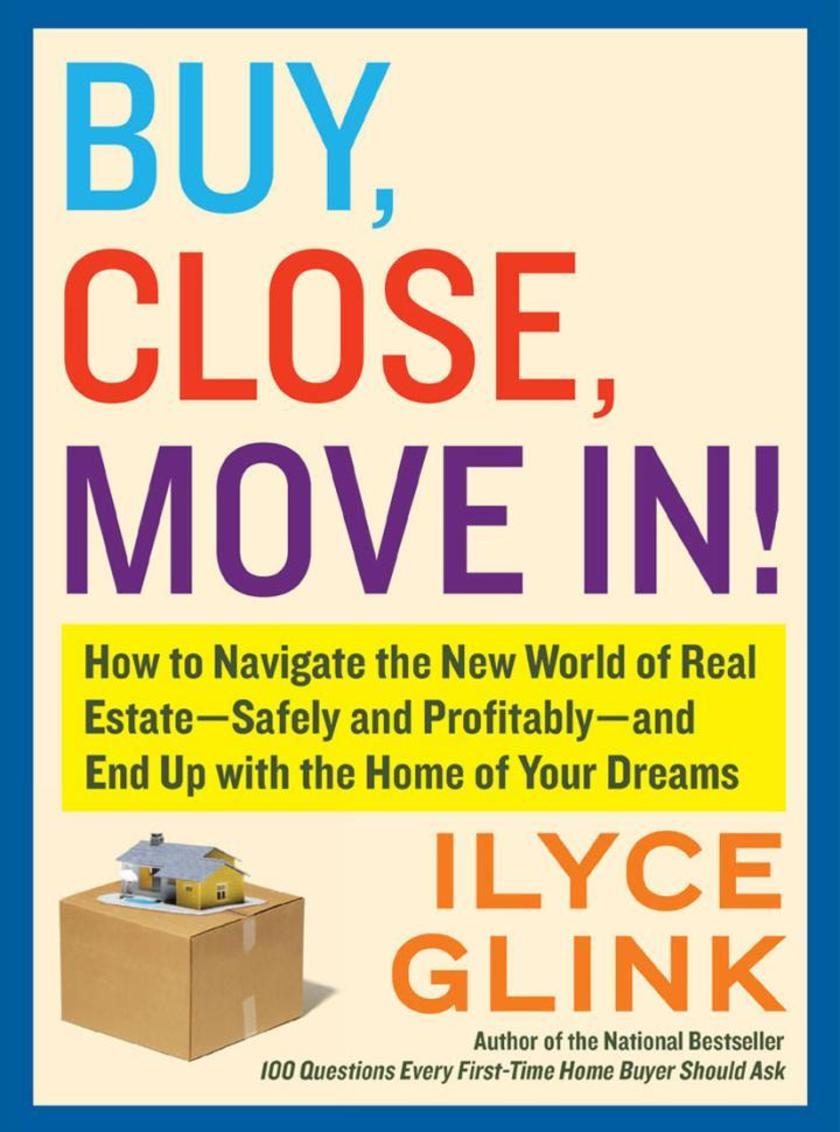
Buy, Close, Move In!
¥84.16
The rules have changed, but your dreams haven't. You can buy the home you want let award-winning real estate guru Ilyce Glink show you how! With her books, syndicated newspaper and Internet columns, radio show, blog, Web site, and numerous media appearances, Ilyce Glink has become the go-to expert Americans rely on to help them successfully navigate the tricky world of real estate a marketplace made even more complex today thanks to the Great Recession. Sure, there's a maze of new regulations. Sure, it's harder than ever to find a great deal or get the best loan. But you can do it. All it takes is a little expert advice from Ilyce. Clear and concise, Buy, Close, Move In! cuts through confusing red tape to provide the essential inside information you need to make the best decisions, and answers commonly asked questions about every step of the process, including: Credit from raising your score to identitifying theft protection Real estate investments trends and opportunities Foreclosures, short sales, and auctions Appraisals, closing costs, and other fees Mortgages fixed rate versus adjustable rate and other financing options With Ilyce Glink's Buy, Close, Move In! you're one step closer to home.


