


 购物车
购物车 个人中心
个人中心
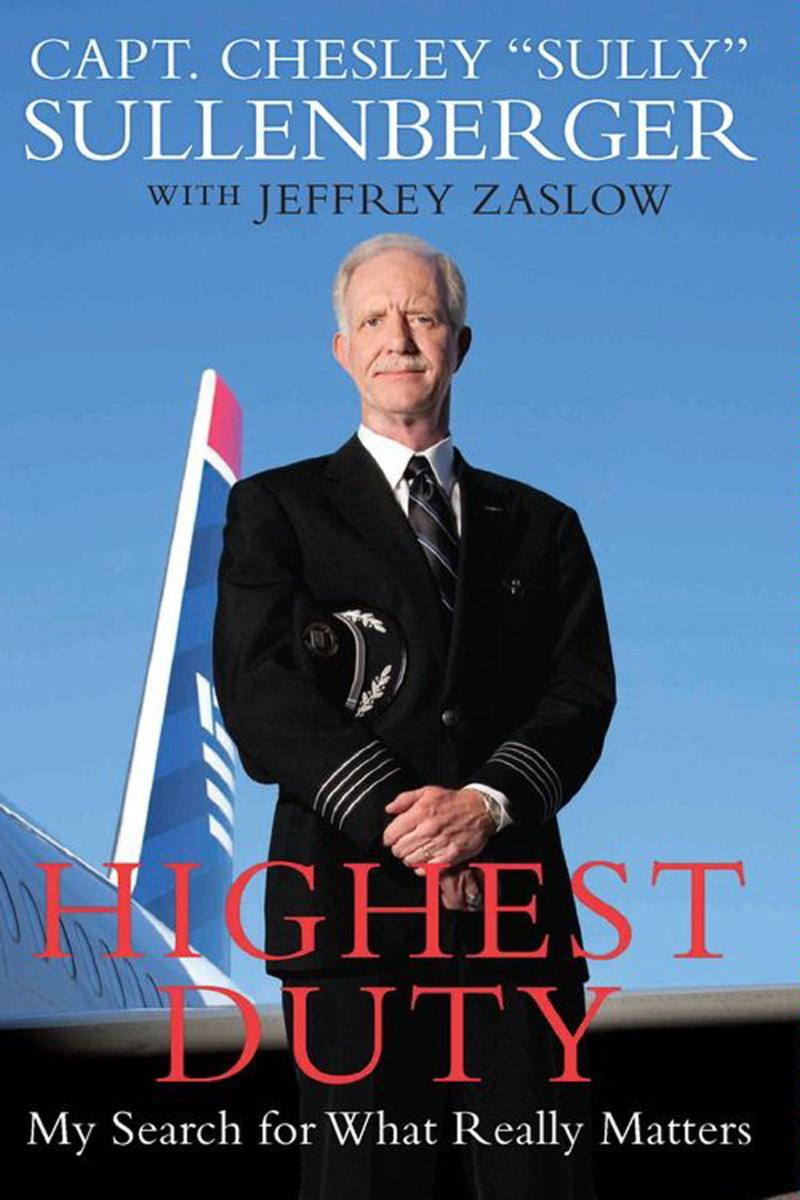
Highest Duty
¥90.77
In this inspirational autobiography, Captain "Sully" Sullenberger, the airline pilot whose emergency landing on the Hudson River earned the world's admiration, tells his life story and talks about the essential qualities that he believes have been so vital to his success. In January 2009, the world witnessed one of the most remarkable emergency landings in history when Captain Sullenberger brought a crippled US Airways flight onto the Hudson River, saving the lives of all of the passengers and crew aboard. The successful outcome was the result of effective teamwork, Sully's dedication to airline safety, his belief that a pilot's judgment must go hand-in-hand with and can never be replaced by technology, and forty years of careful practice and training. From his earliest memories of learning to fly as a teenager in a crop duster's single-engine plane in the skies above rural Texas to his years in the United States Air Force at the controls of a powerful F-4 Phantom, Sully describes the experiences that have helped make him a better leader, particularly the importance of taking responsibility for everyone in his care. And he talks about what he believes is at the heart of America's "can do" spirit: the very human drive to prepare for the unexpected and to meet it with optimism and courage. His wife, Lorrie, has been a pillar of support through all the highs and lows that life has offered, from the challenges of commercial flying to the birth of their two daughters, from financial struggles to the event of January 15, 2009. Though the world may remember Sully as the hero of Flight 1549, the legacy he desires even more is that of a loving husband and father. Highest Duty is the intimate story of a man who has grown up to embrace what we think of as quintessential American values leadership, responsibility, commitment to hard work, and service to others. And it is a narrative that reminds us that cultivating seemingly ordinary virtues can prepare us to perform extraordinary acts.
Discover the Power Within You
¥94.10
The Inspirational Classic That Has Sold More Than 250,000 Copies! In this 40th anniversary edition of Eric Butterworth's inspiring tour de force , the author shares the greatest discovery of all time: the ability to see the divine within us all. Jesus saw this divine dimension in every human being, and Butterworth reveals this hidden and untapped resource to be a source of limitless abundance. Exploring this "depth potential," Butterworth outlines ways in which we can release the power locked within us for better health, greater confidence, increased success, and inspired openness to let our "light shine" forth for others.

The Silver Chair 纳尼亚传奇6(彩色插图版)
¥50.33
Illustrations in this ebook appear in vibrant full color on a full color ebook device, and in rich black and white on all other devices. Narnia . . . where giants wreak havoc . . . where evil weaves a spell . . . where enchantment rules. Through dangers untold and caverns deep and dark, a noble band of friends is sent to rescue a prince held captive. But their mission to Underland brings them face-to-face with an evil more beautiful and more deadly than they ever expected. The Silver Chair is the sixth book in C.S. Lewis The Chronicles of Narnia, a series that has become part of the canon of classic literature, drawing readers of all ages into a magical land with unforgettable characters for over fifty years. This is a complete stand-alone read, but if you want to discover what happens in the final days of Narnia, read The Last Battle , the seventh and concluding book in The Chronicles of Narnia.
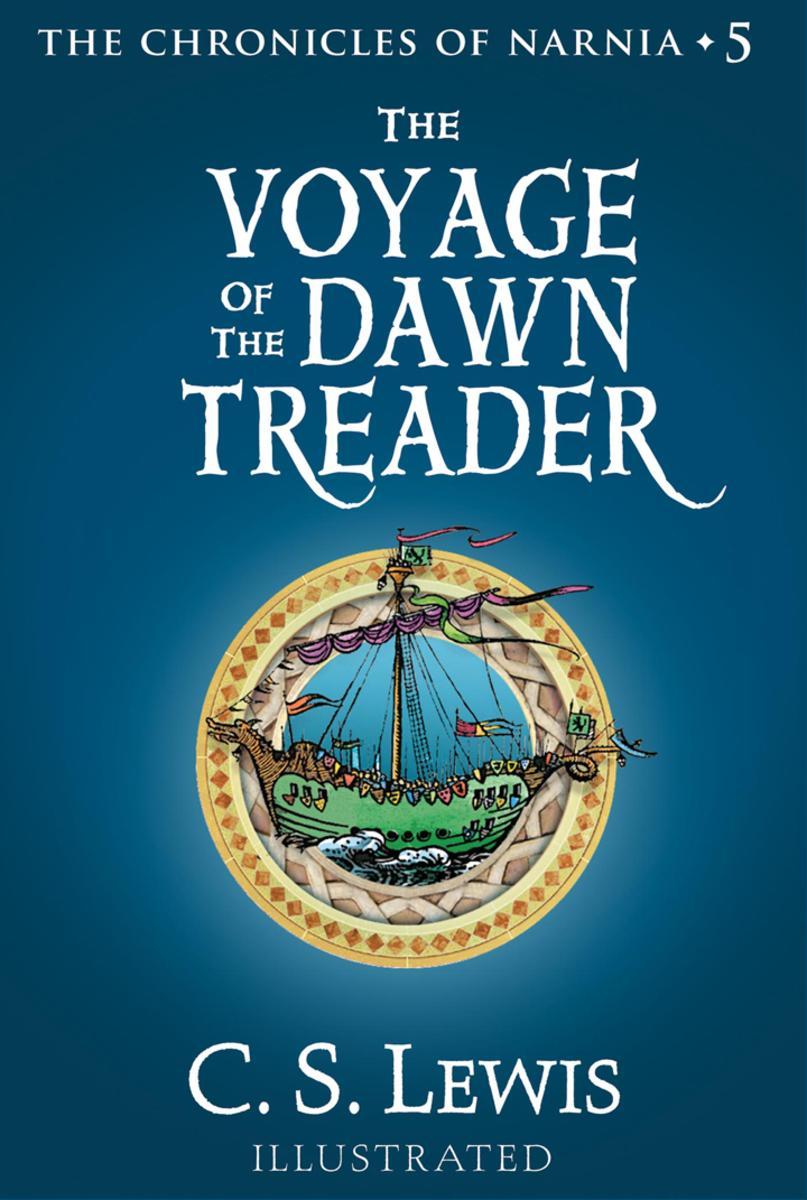
The Voyage of the Dawn Treader 纳尼亚传奇5(彩色插图版)
¥50.33
Illustrations in this ebook appear in vibrant full color on a full color ebook device, and in rich black and white on all other devices. Narnia . . . where a dragon awakens . . . where stars walk the earth . . . where anything can happen. A king and some unexpected companions embark on a voyage that will take them beyond all known lands. As they sail farther and farther from charted waters, they discover that their quest is more than they imagined and that the world end is only the beginning. The Voyage of the Dawn Treader is the fifth book in C.S. Lewis The Chronicles of Narnia, a series that has become part of the canon of classic literature, drawing readers of all ages into a magical land with unforgettable characters for over fifty years. This is a novel that stands on its own, but if you would like to continue to the journey, read The Silver Chair , the sixth book in The Chronicles of Narnia.

Bringing Home the Birkin
¥83.03
An insider's hilarious, whirlwind account of his years spent globe-trotting in search of the holy grail of handbags: the Birkin For more than twenty years, the Hermès Birkin bag has been the iconic symbol of fashion, luxury, and wealth. Though the bag is often seen dangling from the arms of celebrities, there is a fabled waiting list of more than two years to buy one from Hermès, and the average fashionista has a better chance of climbing Mount Everest in Prada pumps than of possessing one of these coveted carryalls. Unless, of course, she happens to know Michael Tonello . . . Michael's newfound career started with an impulsive move to Barcelona, a vanished job assignment, no work visa, and an Herm scarf sold on eBay to generate some quick cash. But soon the resourceful Michael discovered the truth about the waiting list and figured out the secret to getting Herm to part with one of these precious bags. Millions of dollars worth of Birkins later, Michael had become one of eBay's most successful entrepreneurs and a Robin Hood to thousands of desperate rich women.With down-to-earth wit, Michael chronicles the unusual ventures that took him to nearly every continent, from eBay to Paris auction house and into the lives of celebrities and poseurs. Flirting with danger, Michael recounts the heady rush of hand delivering his first big score to famed songwriter Carole Bayer Sager in Paris; how he had to hire thugs to rescue a bag that one of his "shoppers" held for ransom; and the story of the Oscar-worthy performances that allowed him to snag "reserved" bags from other, less dogged Birkin seekers. Whether he's relating his wining and dining, buying and selling, dodging and weaving, laughing and crying, or schmoozing and stammering, Michael is a master raconteur who weaves together tales of hunting Birkins in the world's most posh locales, memories of meals that would make any gastronome salivate, anecdotes of obsessed collectors with insatiable desires, and sweetly intimate stories about his family, friends, and finding true love. The result is a memoir that is distinctive, fun, page-turning, and as addictive as its namesake.
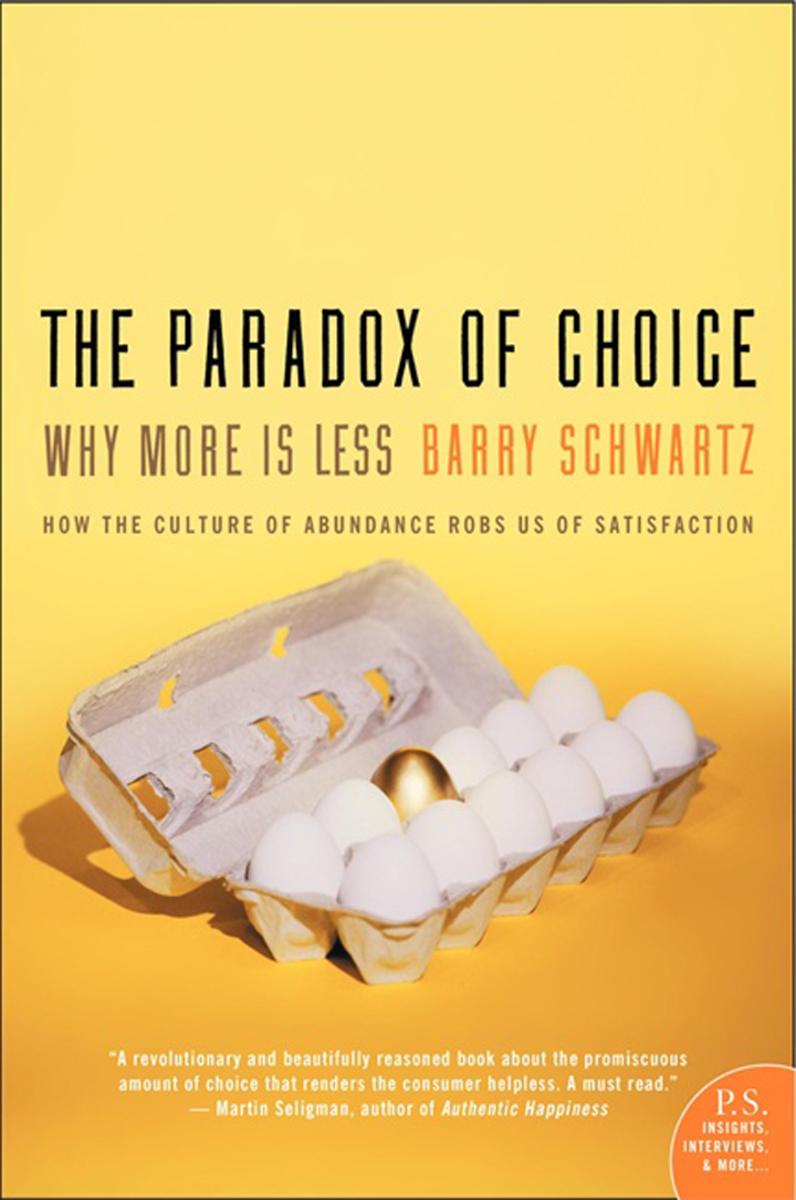
The Paradox of Choice
¥94.10
In the spirit of Alvin Toffler Future Shock , a social critique of our obsession with choice, and how it contributes to anxiety, dissatisfaction and regret. This paperback includes a new P.S. section with author interviews, insights, features, suggested readings, and more. Whether we're buying a pair of jeans, ordering a cup of coffee, selecting a long-distance carrier, applying to college, choosing a doctor, or setting up a 401(k), everyday decisions--both big and small--have become increasingly complex due to the overwhelming abundance of choice with which we are presented. We assume that more choice means better options and greater satisfaction. But beware of excessive choice: choice overload can make you question the decisions you make before you even make them, it can set you up for unrealistically high expectations, and it can make you blame yourself for any and all failures. In the long run, this can lead to decision-making paralysis, anxiety, and perpetual stress. And, in a culture that tells us that there is no excuse for falling short of perfection when your options are limitless, too much choice can lead to clinical depression. In The Paradox of Choice , Barry Schwartz explains at what point choice--the hallmark of individual freedom and self-determination that we so cherish--becomes detrimental to our psychological and emotional well-being. In accessible, engaging, and anecdotal prose, Schwartz shows how the dramatic explosion in choice--from the mundane to the profound challenges of balancing career, family, and individual needs--has paradoxically become a problem instead of a solution. Schwartz also shows how our obsession with choice encourages us to seek that which makes us feel worse. By synthesizing current research in the social sciences, Schwartz makes the counterintuitive case that eliminating choices can greatly reduce the stress, anxiety, and busyness of our lives. He offers eleven practical steps on how to limit choices to a manageable number, have the discipline to focus on the important ones and ignore the rest, and ultimately derive greater satisfaction from the choices you have to make.
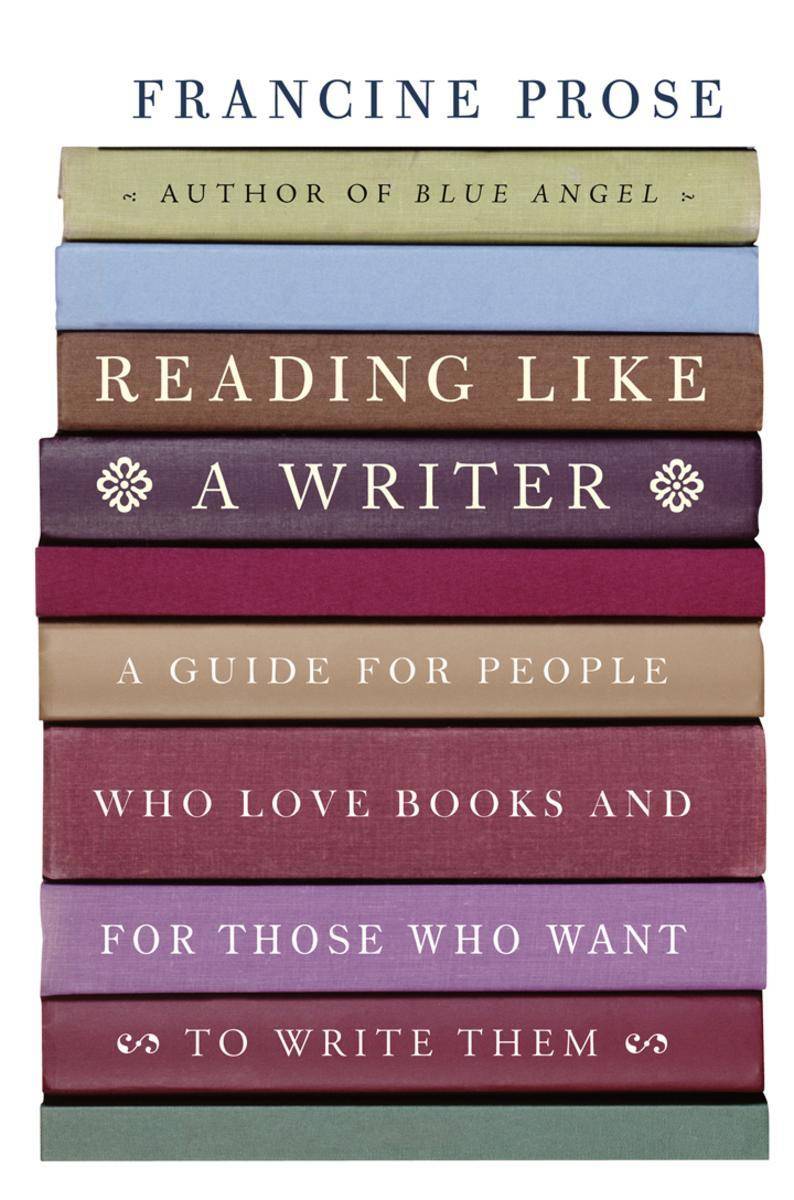
Reading Like a Writer
¥94.10
Long before there were creative-writing workshops and degrees, how did aspiring writers learn to writeBy reading the work of their predecessors and contemporaries, says Francine Prose. In Reading Like a Writer , Prose invites you to sit by her side and take a guided tour of the tools and the tricks of the masters. She reads the work of the very best writers—Dostoyevsky, Flaubert, Kafka, Austen, Dickens, Woolf, Chekhov—and discovers why their work has endured. She takes pleasure in the long and magnificent sentences of Philip Roth and the breathtaking paragraphs of Isaac Babel; she is deeply moved by the brilliant characterization in George Eliot's Middlemarch . She looks to John Le Carr for a lesson in how to advance plot through dialogue, to Flannery O'Connor for the cunning use of the telling detail, and to James Joyce and Katherine Mansfield for clever examples of how to employ gesture to create character. She cautions readers to slow down and pay attention to words, the raw material out of which literature is crafted. Written with passion, humor, and wisdom, Reading Like a Writer will inspire readers to return to literature with a fresh eye and an eager heart.
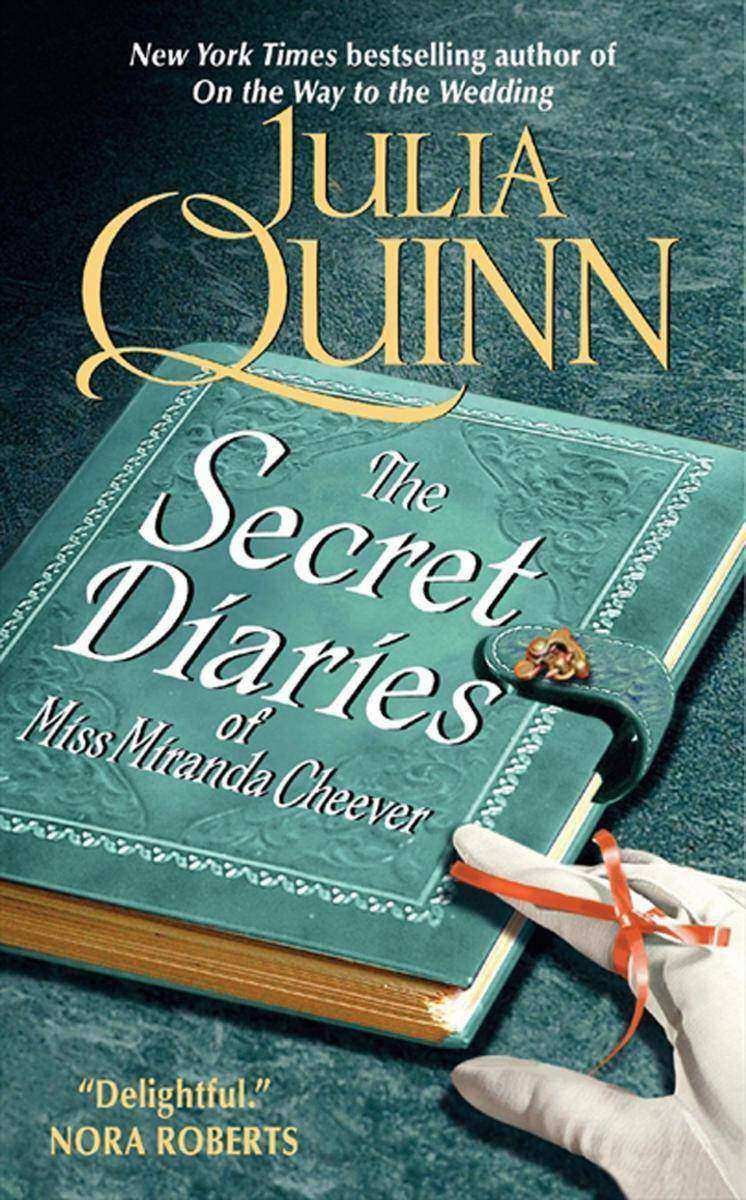
The Secret Diaries of Miss Miranda Cheever
¥55.31
2 March 1810 . . . Today, I fell in love. At the age of ten, Miranda Cheever showed no signs of Great Beauty. And even at ten, Miranda learned to accept the expectations society held for her until the afternoon when Nigel Bevelstoke, the handsome and dashing Viscount Turner, solemnly kissed her hand and promised her that one day she would grow into herself, that one day she would be as beautiful as she already was smart. And even at ten, Miranda knew she would love him forever. But the years that followed were as cruel to Turner as they were kind to Miranda. She is as intriguing as the viscount boldly predicted on that memorable day while he is a lonely, bitter man, crushed by a devastating loss. But Miranda has never forgotten the truth she set down on paper all those years earlier and she will not allow the love that is her destiny to slip lightly through her fingers . . .
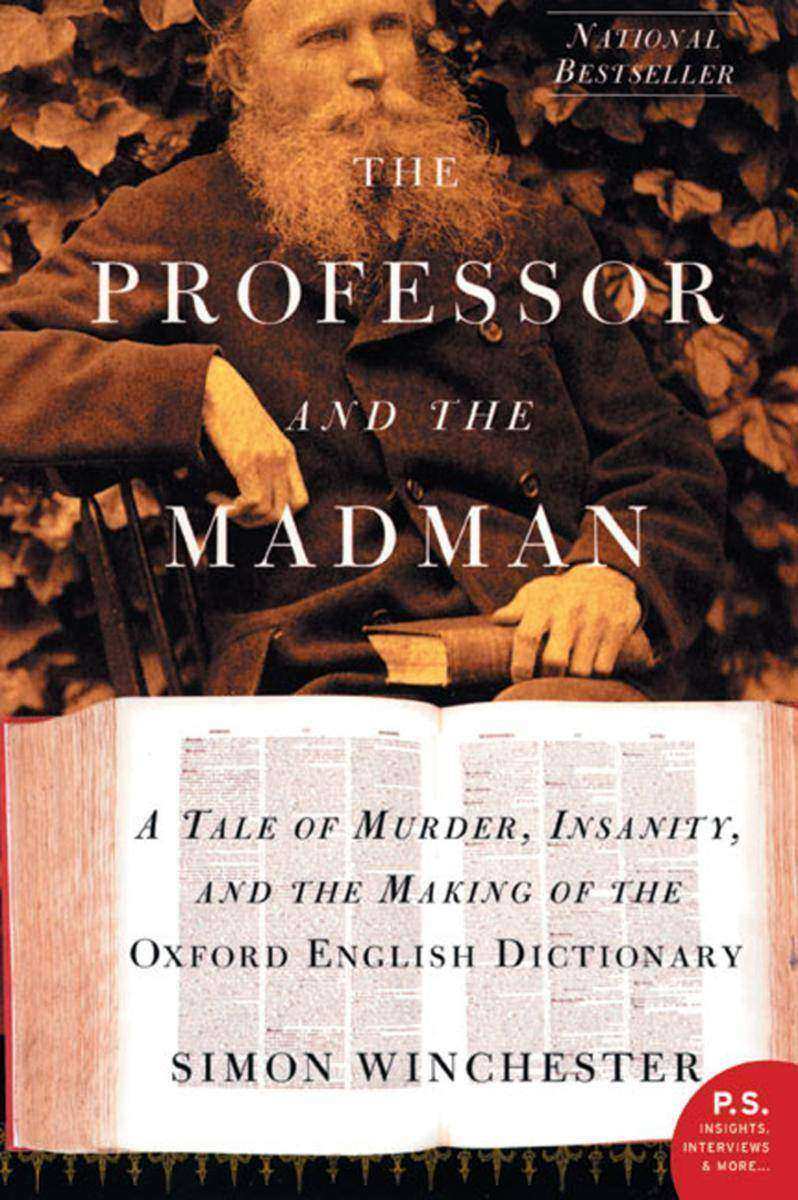
The Professor and the Madman
¥95.39
The Professor and the Madman , masterfully researched and eloquently written, is an extraordinary tale of madness, genius, and the incredible obsessions of two remarkable men that led to the making of the Oxford English Dictionary -- and literary history. The compilation of the OED , begun in 1857, was one of the most ambitious projects ever undertaken. As definitions were collected, the overseeing committee, led by Professor James Murray, discovered that one man, Dr. W. C. Minor, had submitted more than ten thousand. When the committee insisted on honoring him, a shocking truth came to light: Dr. Minor, an American Civil War veteran, was also an inmate at an asylum for the criminally insane.
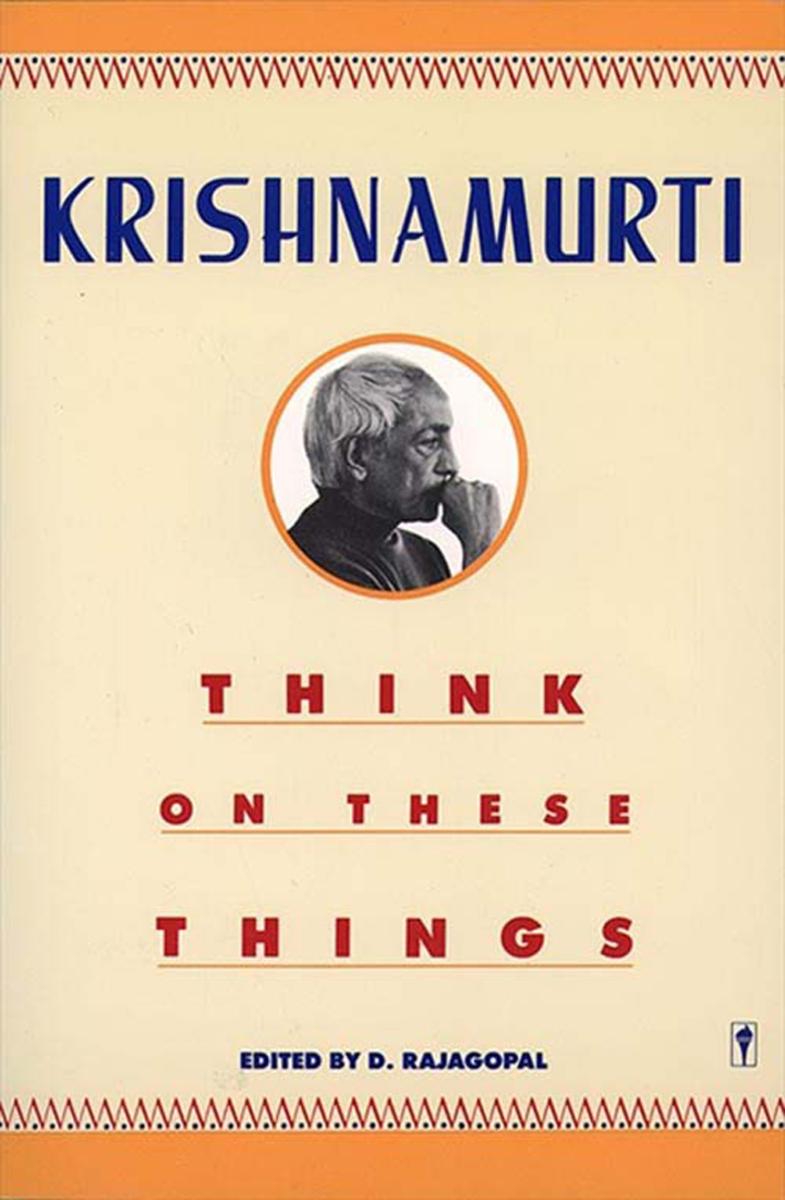
Think on These Things
¥94.10
The material contained in this volume was originally presented in the form of talks to students, teachers and parents in India, but its keen penetration and lucid simplicity will be deeply meaningful to thoughtful people everywhere, of all ages, and in every walk of life. Krishnamurti examines with characteristic objectivity and insight the expressions of what we are pleased to call our culture, our education, religion, politics and tradition; and he throws much light on such basic emotions as ambition, greed and envy, the desire for security and the lust for power all of which he shows to be deteriorating factors in human society.From the Editor NoteKrishnamurti observations and explorations of modern man estate are penetrating and profound, yet given with a disarming simplicity and directness. To listen to him or to read his thoughts is to face oneself and the world with an astonishing morning freshness.Anne Marrow Lindbergh

House, M.D. 豪斯医生官方指南
¥105.17
The authorized guide to the television phenomenon House, M.D. For the last six years House, M.D. has been one of the most popular and captivating shows on television. Following the stories of a misanthropic genius doctor named Gregory House and his team of specialists, each week the show confronts medical mysteries that have baffled the best minds in medicine. Centered around one of the most compelling characters on television brilliantly portrayed by actor Hugh Laurie the Emmy Award winning TV drama has been keeping millions of viewers intrigued and enthralled since it began, always offering an entertaining mixture of drama and humor. Based on unprecedented access to the show's cast members and creative staff, House, M.D. is the first fully authorized guide to the hit medical drama, offering a close-up view inside the world of House . From the show's genesis to today, this companion provides unique insight into the TV drama, as the actors, writers, and producers who've created these characters describe in their own words what the show means to them. This book also delves into fascinating discussions of the show's medical science and controversial ethical issues, as well as includes exclusive photographs from the set and an intimately detailed look at the making of an episode. Essential reading for any House fan, House, M.D. is the ultimate behind-the-scenes guide to TV's most captivating show.
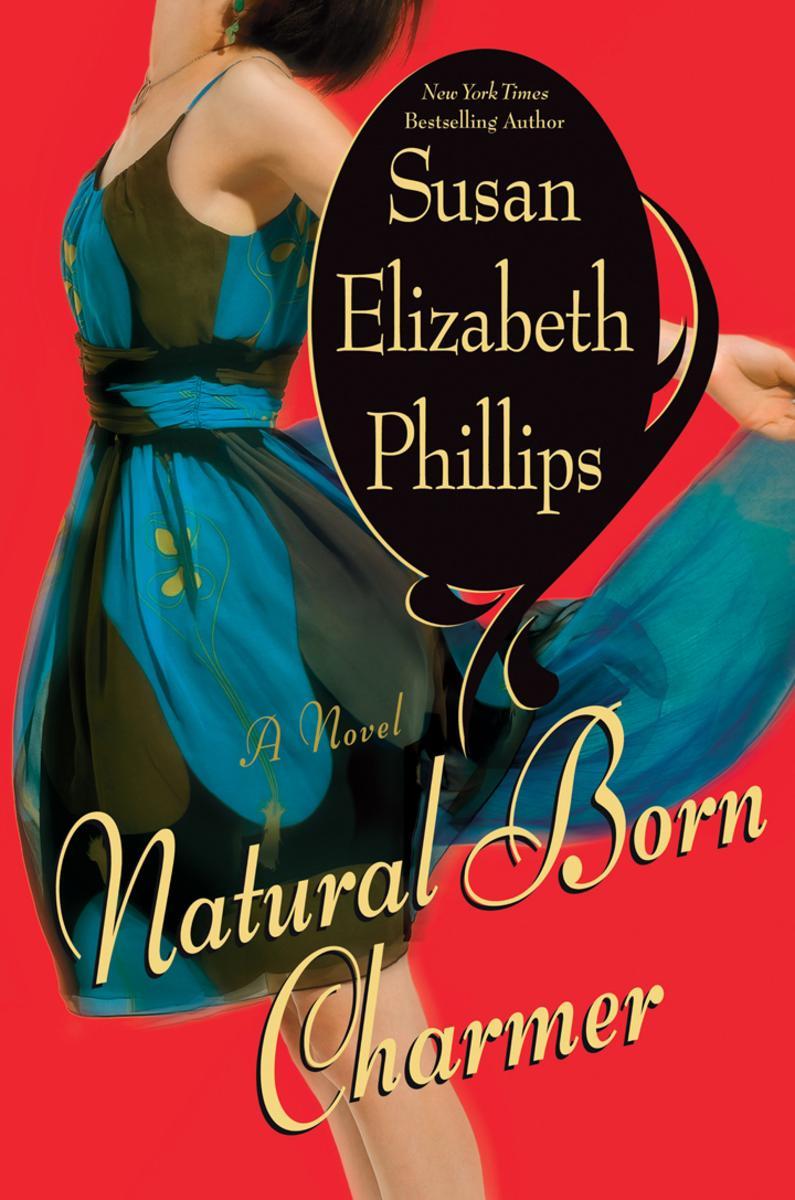
Natural Born Charmer
¥55.31
Chicago Stars quarterback Dean Robillard is the luckiest man in the world: a bona-fide sports superstar and the pride of the NFL with a profitable side career as a buff billboard model for End Zone underwear. But life in the glory lane has started to pale, and Dean has set off on a cross-country trip to figure out what's gone wrong. When he hits a lonely stretch of Colorado highway, he spies something that will shake up his gilded life in ways he can't imagine. A young woman . . . dressed in a beaver suit. Blue Bailey is on a mission to murder her ex. Or at least inflict serious damage. As for the beaver suit she's wearing . . . Is it her fault that life keeps throwing her curveballsWitness the expensive black sports car pulling up next to her on the highway and the Greek god stepping out of it. Blue's career as a portrait painter is the perfect job for someone who refuses to stay in one place for very long. She needs a ride, and America's most famous football player has an imposing set of wheels. Now, all she has to do is keep him entertained, off guard, and fully clothed before he figures out exactly how desperate she is. But Dean isn't the brainless jock she imagines, and Blue despite her petite stature is just about the toughest woman Dean has ever met. They're soon heading for his summer home where their already complicated lives and inconvenient attraction to each other will become entangled with a charismatic but aging rock star; a beautiful fifty-two-year-old woman trying to make peace with her rock and roll past; an eleven-year-old who desperately needs a family; and a bitter old woman who hates them all. As the summer progresses, the wandering portrait artist and the charming football star play a high-stakes game, fighting themselves and each other for a chance to have it all. Natural Born Charmer is for everyone who's ever thought about leaving their old life in the dust and never looking back. Susan Elizabeth Phillips takes us home again . . . and shows us where love truly lives.
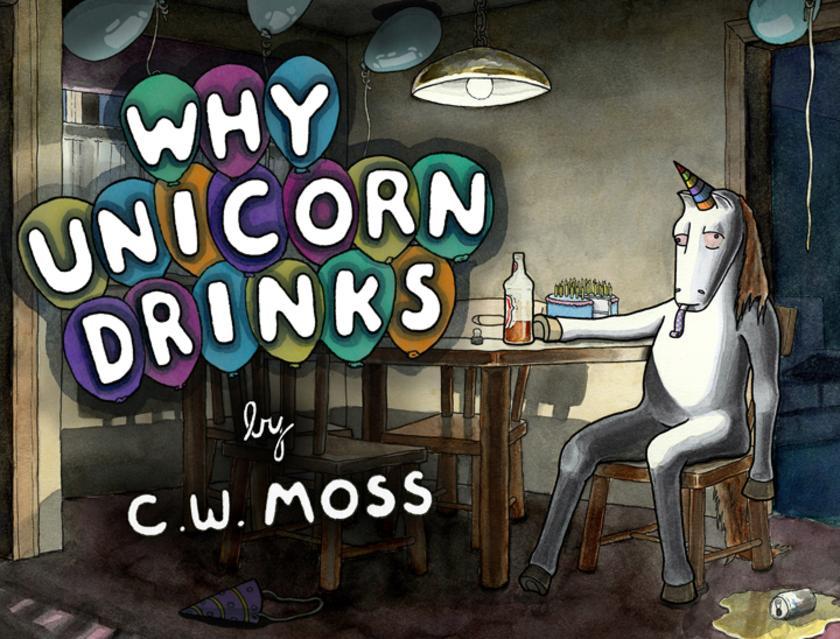
Why Unicorn Drinks
¥83.03
Unicorns are just like us. They have problems, stresses, and like to blow off some steam. Author and illustrator C. W. Moss explores the inner psyche of the single-horned in Why Unicorn Drinks . A follow-up to Unicorn Being a Jerk , this volume of 67 four-color illustrations and captions gives readers a glimpse into the sad reality of life as a mythical creature, and reveals what drives Unicorn to the bottle. As fans of Moss' online comic undoubtedly know, Why Unicorn Drinks pours a double-shot of laughter and irreverence. You'll never look at a unicorn the same way again.

What Happens in Scotland
¥41.46
She Woke Up Married When Lady Georgette Thorold awoke she saw . . . her corset hanging from the armoire . . . a very handsome, very naked Scotsman lying beside her . . . and a wedding ring on her finger! Before the attractive stranger can tell her his name, Georgette does the only sensible thing she runs for it. Little does she know, James MacKenzie isn't clear on what happened the night before either. All he knows is that his money is missing and the stunning woman who just ran from the room is either his wife or a thief . . . or possibly both. What happens in Scotland when two complete strangers fall madly, deeply in love?

Until I Say Good-Bye
¥83.03
In June 2011, Susan Spencer-Wendel learned she had amyotrophic lateral sclerosis (ALS) Lou Gehrig disease an irreversible condition that systematically destroys the nerves that power the muscles. She was forty-four years old, with a devoted husband and three young children, and she had only one year of health remaining. Susan decided to live that year with joy. She quit her job as a journalist and spent time with her family. She built an outdoor meeting space for friends in her backyard. And she took seven trips with the seven most important people in her life. As her health declined, Susan journeyed to the Yukon, Hungary, the Bahamas, and Cyprus. She took her sons to swim with dolphins, and her teenage daughter, Marina, to Kleinfeld bridal shop in New York City to see her for the first and last time in a wedding dress. She also wrote this book. No longer able to walk or even to lift her arms, she tapped it out letter by letter on her iPhone using only her right thumb, the last finger still working. However, Until I Say Good-Bye is not angry or bitter. It is sad in parts how could it not bebut it is filled with Susan optimism, joie de vivre, and sense of humor. It is a book about life, not death. One that, like Susan, will make everyone smile. From the Burger King parking lot where she cried after her diagnosis to a snowy hot spring near the Arctic Circle, from a hilarious family Christmas disaster to the decrepit monastery in eastern Cyprus where she rediscovered her heritage, Until I Say Good-Bye is not only Susan Spencer-Wendel unforgettable gift to her loved ones a heartfelt record of their final experiences together but an offering to all of us: a reminder that every day is better when it is lived with joy.
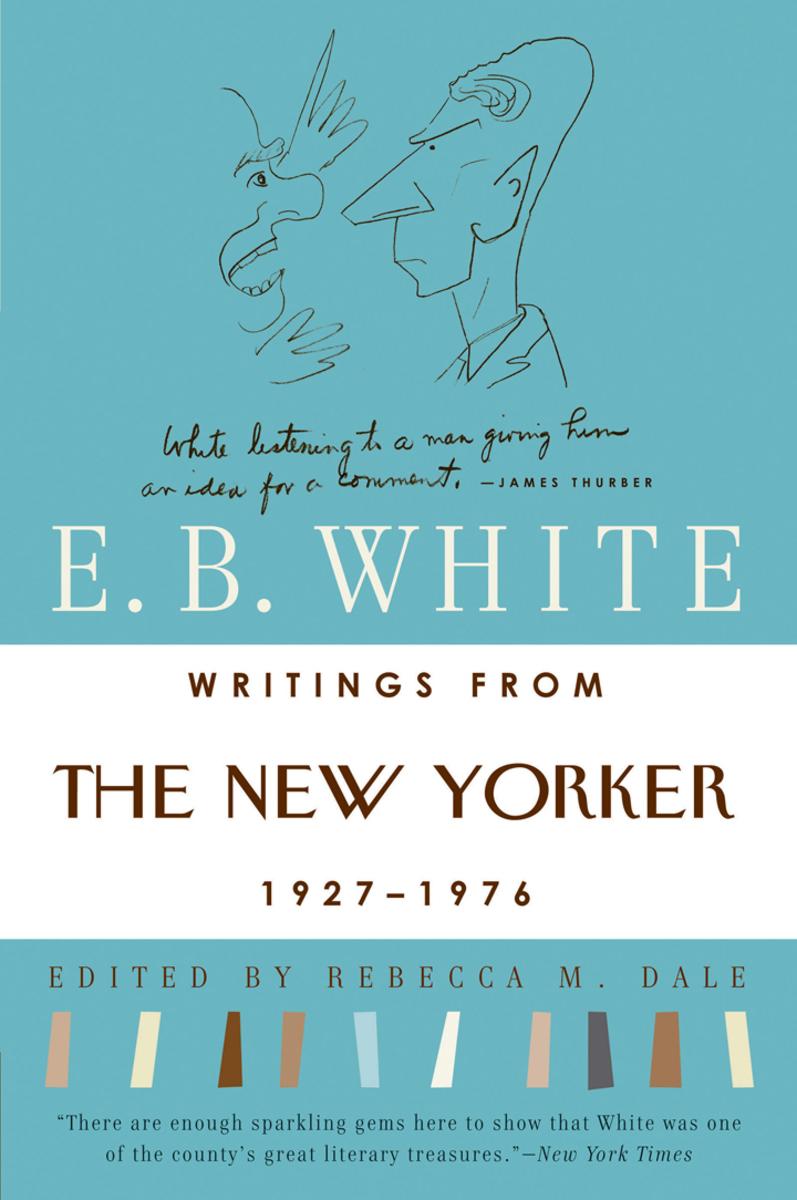
Writings from The New Yorker 1925-1976
¥88.56
A delightful, witty, spirited collection of short pieces and essays by the inimitable E. B. White.
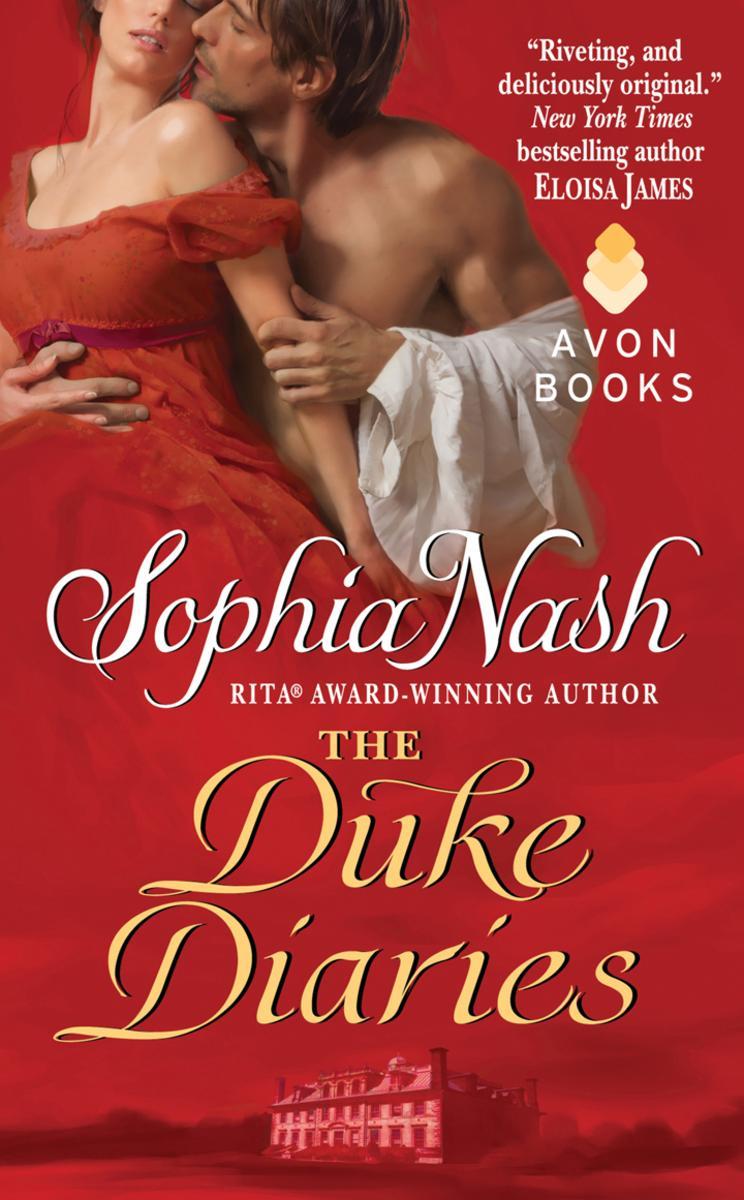
The Duke Diaries
¥55.31
Six Regency heroes One royal hangover After a royal bachelor party of the century,Lady Verity Fitzroy wakes up to find her brother's archenemy,Rory Lennox, the Duke of Abshire, in her bed. WhileRory has always fascinated her, nothing can convince her tomarry this rake even though her reputation is in peril.Indeed, there are far graver worries that plague her. If sheis unmasked as the author of the infamous Duke Diaries,no one can save her . . . not even the man of her dreams. Though he has known Verity since she was still in theschoolroom, Rory never imagined her to be sucha spitfire! Which only makes the challenge of winning herhand more intriguing. Never mind that he has nointerest in a wife. But when this secret war hero discoversthe root of Verity's horrendous troubles, he realizes he must face down his greatest fears not only to save her . . .but to win her hand and her heart.
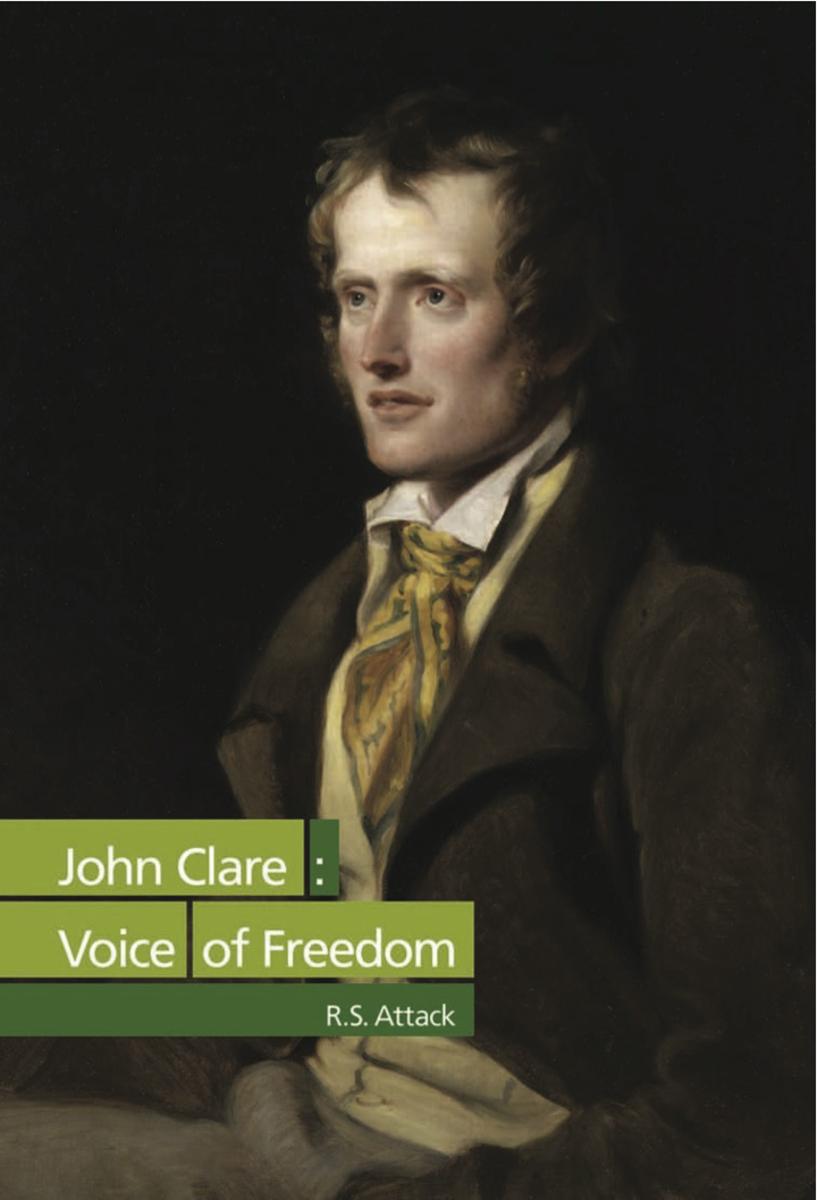
John Clare
¥24.44
John Clare (1793-1864) was born at a time of great social upheaval, just months after the beheading of Louis XVI and the outbreak of war with France which was to last till the defeat of Napoleon at Waterloo in 1815. He also lived through the upheavals of the land enclosure movement and agricultural revolution which changed the face of the countryside and the way of life in rural England. His father was a farm worker who managed to pay for his son’s schooling, though this was cut short as conditions worsened, but at least Clare had by then learnt to read and write so he could continue his own education, reading whatever books he could lay his hands on. At the age of sixteen he witnessed the social dislocation caused by the local enclosure Act and observed how the landscape was gradually transformed. Drawing on Clare’s writing, this extensively researched study gives the modern reader an appreciation of the divisive effects of these policies. Structured chronologically, this exploration of John Clare’s life highlights the socio-economic and environmental aspects of his observations and includes his reports on an insidious revolution taking place in the English countryside. Parliament, dominated by landowners, authorised the enclosure of large tracts of common land by private acts without considering the effect on those who had enjoyed rights of use and pasturage for centuries. Land enclosures, and the improved agricultural techniques which this permitted, was important in increasing food production at a time when the population of England was growing rapidly. While additional work was initially provided for agricultural labourers in the fencing and walling needed, this was temporary. The introduction of new, labour-saving machinery further reduced the opportunities for work. Insufficient attention, the author argues, has been given to the consequences. Those driven out of their homes in the country were left with no option but to migrate to the towns and sell their labour to whoever would pay for it. In effect, land enclosure created a market in land; landlessness created a market in labour. These are the foundations of our modern market economy. The author asserts that the harshness of the early years of the industrial revolution were the product of land enclosure which the welfare state has to some extent mitigated, although at the cost of creating a dependency culture in contrast to the sturdy independence of Clare’s parents’ generation of farm workers.

150 Best Terrace and Balcony Ideas
¥167.88
150 Best Terrace and Balcony Ideas is the ultimate resource for innovative terrace, roof garden, patio, and balcony design ideas for outdoor spaces of all shapes and sizes. Featured inside this lavish guidebook are 150 never-before-shared tips and techniques provided by internationally renowned architects and designers, along with full-color photographs and diagrams of sixty-five uniquely beautiful projects from around the world. The design ideas reveal how to create exterior spaces that are clean, modern, and comfortable, as well as how to use cutting-edge materials that are practical, cost-effective, and environmentally friendly. Best of all, the design ideas featured inside are easy to follow and can be tailored to the unique tastes and needs of individual homeowners.
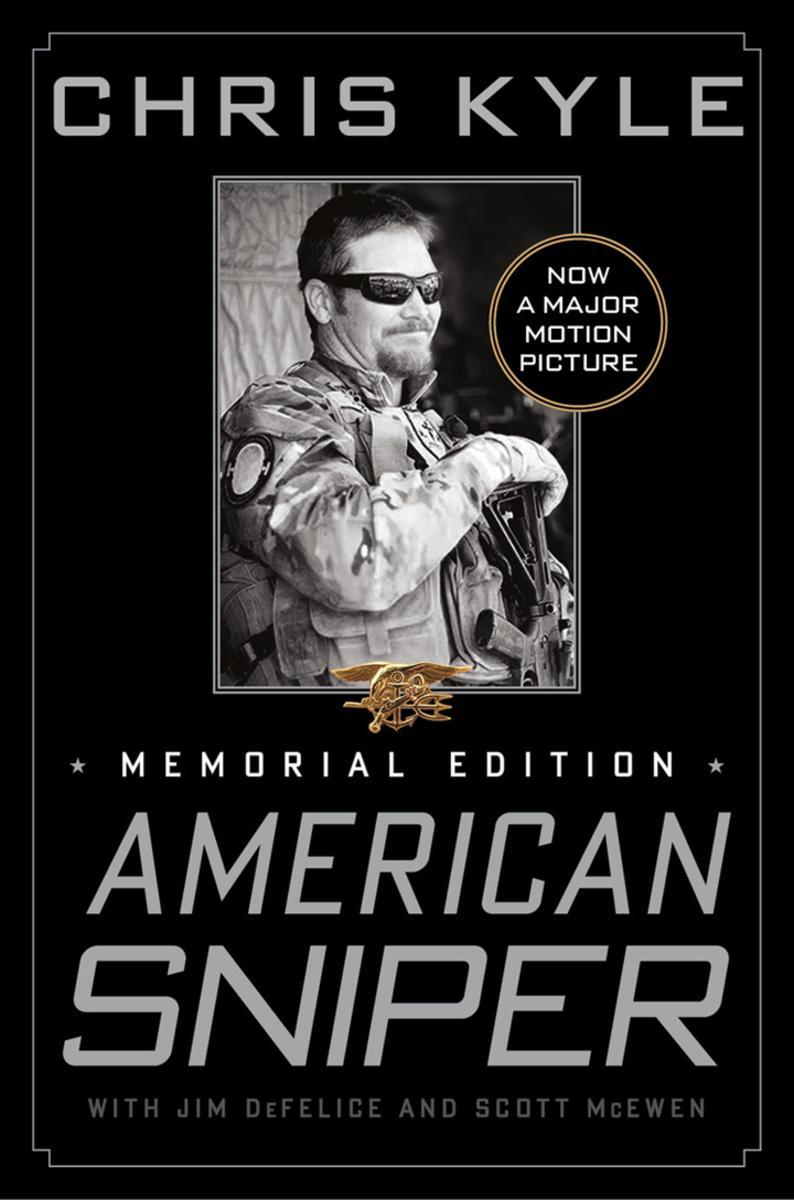
William Morrow
¥166.09
NOW A BLOCKBUSTER MOTION PICTURE DIRECTED BY CLINT EASTWOOD NOMINATED FOR SIX ACADEMY AWARDS, INCLUDING BEST PICTURE A celebration of the remarkable life and legacy of fallen American hero Chris Kyle This commemorative memorial edition of Kyle bestselling memoir features the full text of American Sniper , plus more than eighty pages of remembrances by those whose lives he touched personally including his wife, Taya; his parents, brother, and children; Marcus Luttrell and other fellow Navy SEALs; veterans and wounded warriors; lifelong friends; and many others. He was the top American sniper of all time, called the legend by his Navy SEAL brothers, and a hero by those he served on the home front . . . From 1999 to 2009, U.S. Navy SEAL Chris Kyle recorded the most career sniper kills in United States military history. Kyle earned legendary status among his fellow SEALs, Marines, and U.S. Army soldiers, whom he protected with deadly accuracy from rooftops and stealth positions. Gripping and unforgettable, Kyle masterful account of his extraordinary battlefield experiences ranks as one of the greatest war memoirs of all time. A native Texan who learned to shoot on childhood hunting trips with his father, Kyle was a champion saddle-bronc rider prior to joining the Navy. After 9/11, he was thrust onto the front lines of the War on Terror, and soon found his calling as a world-class sniper who performed best under fire. He recorded a personal-record 2,100-yard kill shot outside Baghdad; in Fallujah, Kyle braved heavy fire to rescue a group of Marines trapped on a street; in Ramadi, he stared down insurgents with his pistol in close combat. Kyle talks honestly about the pain of war of twice being shot, and experiencing the tragic deaths of two close friends. American Sniper also honors Kyle fellow warriors, who raised hell on and off the battlefield. And in moving first-person accounts throughout, Kyle wife, Taya, speaks openly about the strains of war on their marriage and children, as well as on Chris. Adrenaline-charged and deeply personal, American Sniper is a thrilling eyewitness account of service and sacrifice that only one man could tell.

Chimney The Poetic Story Of A Family Cat
¥24.44
Chimney is a much loved family cat who has chosen to tell her own story in poetic form as only a cat can. She charts her life from mischievous kittenhood to thoughtful maturity in the company of two glorious IRISH SETTERS. Cat lovers and owners everywhere will recognise many of her ways and cat philosophy and those, who do not know cats well, will be surprised at their observational skills!


