


 购物车
购物车 个人中心
个人中心

A Secret Affair
¥55.91
Seeking some much-needed rest and relaxation after a long stint as a TV-news war correspondent in Bosnia, 33-year-old Bill Fitzgerald travels to Venice. There he is struck by the dark beauty of a young American woman, Vanessa Stewart, a 27-year-old glass designer from New York.Unhappily married, she welcomes a no-strings friendship with Bill. Soon they embark on an illicit affair and find themselves desperately in love. They vow to see each other whenever and wherever they can. But on their third meeting, one of them does not show up.Once again, Barbara Taylor Bradford weaves a love story of uncompromising ardor, this time taking readers through secret trysts in Venice, Manhattan and Southampton. In A Secret Affair, she touches on subjects that will stir the hearts and minds of her readers -- unconditional love and devotion, loyalty and loss.
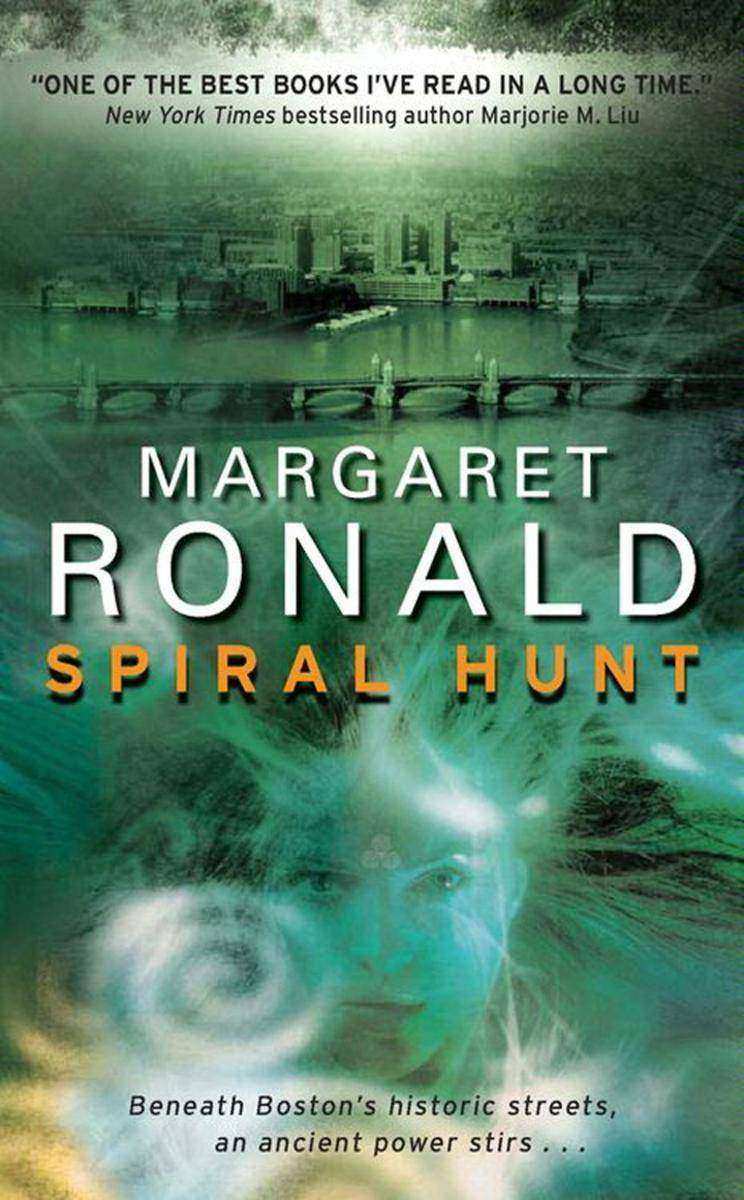
Spiral Hunt
¥55.91
Some people have the Sight. Genevieve Scelan has the Scent.They call her "Hound," and with her unique supernatural sense Evie can track nearly anything—lost keys, vanished family heirlooms . . . even missing people. And though she knows to stay out of the magical undercurrent that runs beneath Boston's historic streets, a midnight phone call from a long-vanished lover will destroy the careful boundaries she has drawn. Now, to pay a years-old debt, Evie must venture into the shadowy world that lies between myth and reality, where she will find betrayal, conspiracies, and revelations that will shatter all she believes about herself and the city she claims as home.When the Hunt is on, the Hound must run . . .

The Girls' Almanac
¥85.05
The Girls' Almanac chronicles the lives of Jenna and Lucy—two thirty-something women who desperately long for a true friend—as well as the lives of the women and men who have touched them: friends, lovers, parents, and neighbors. Set across the Northeast—through suburban neighborhoods, preppy camps, island resorts, and Ivy League colleges—as well as far flung locales like Ecuador and Iceland, The Girls' Almanac traces the friendships of women willing to risk both self-consciousness and intimacy, loss and betrayal, in pursuit of a proper best friend. Exploring the fascinating closeness and distance that female friendships encompass, The Girls' Almanac reveals the map of Jenna and Lucy's interconnected lives, and ultimately their pathways to each other.
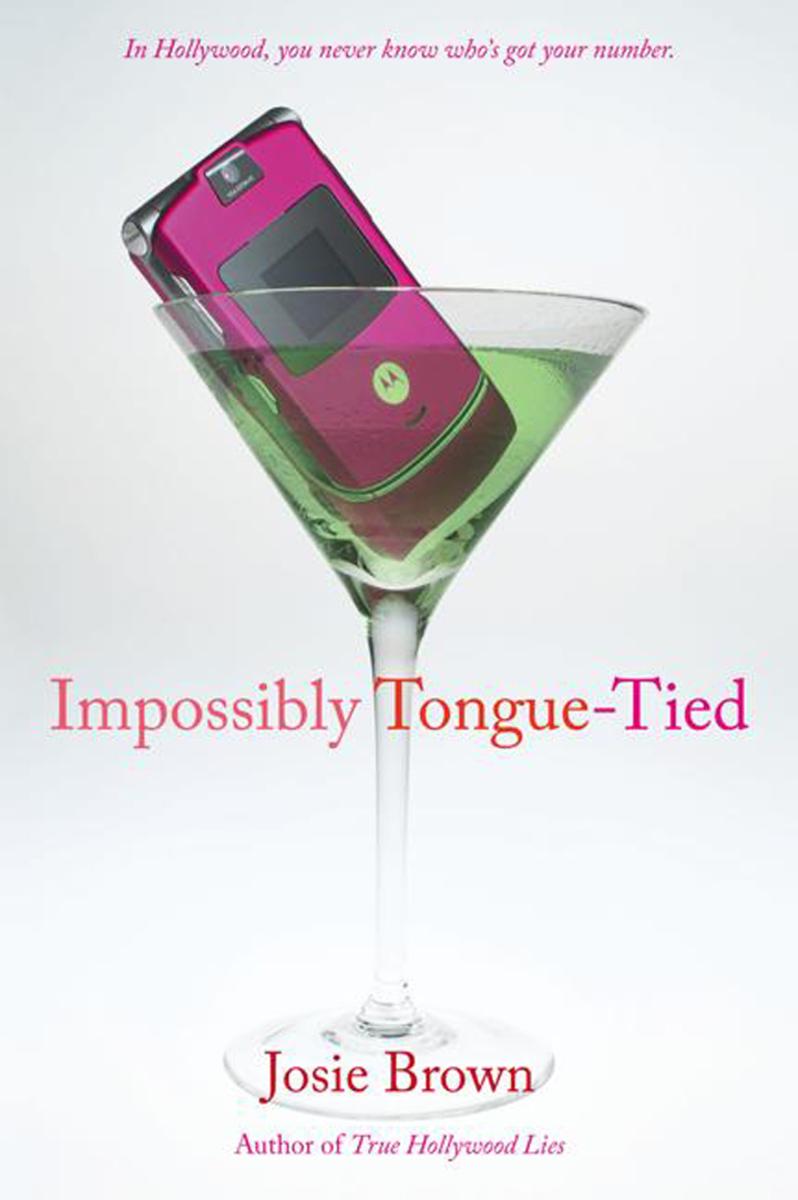
Impossibly Tongue-Tied
¥84.16
All over Hollywood, men are dialing O—for orgasms. Her steamy naughty talk fills them with lust and longing, and helps them perform like the studs they claim to be.In truth, the industry's favorite "erotic phone operatrix" is Nina Harte, a struggling actress who has put her career on hold so that her husband, Nathan, can pursue his own dreams of stardom. When Nathan's career takes off, so does he, leaving Nina and their four-year-old son, Jake, for his diva costar, Katerina McPherson. Then "Kat 'n' Nat" are crowned the media's newest celebrity sweethearts, and Kat labels Nina an unfit mother in order to win custody of Jake, just so that she can have that highly-coveted celebrity accessory—an adorable child—sans any unsightly stretch marks. The one person who does care about Nina is Nathan's agent, Sam Godwin. In fact, he's in love with her. And because he has both a heart and a conscience, Sam feels guilty for having put Nat in Kat's path in the first place . . . Then again, how will he feel when he learns that Nina and O are one and the same?
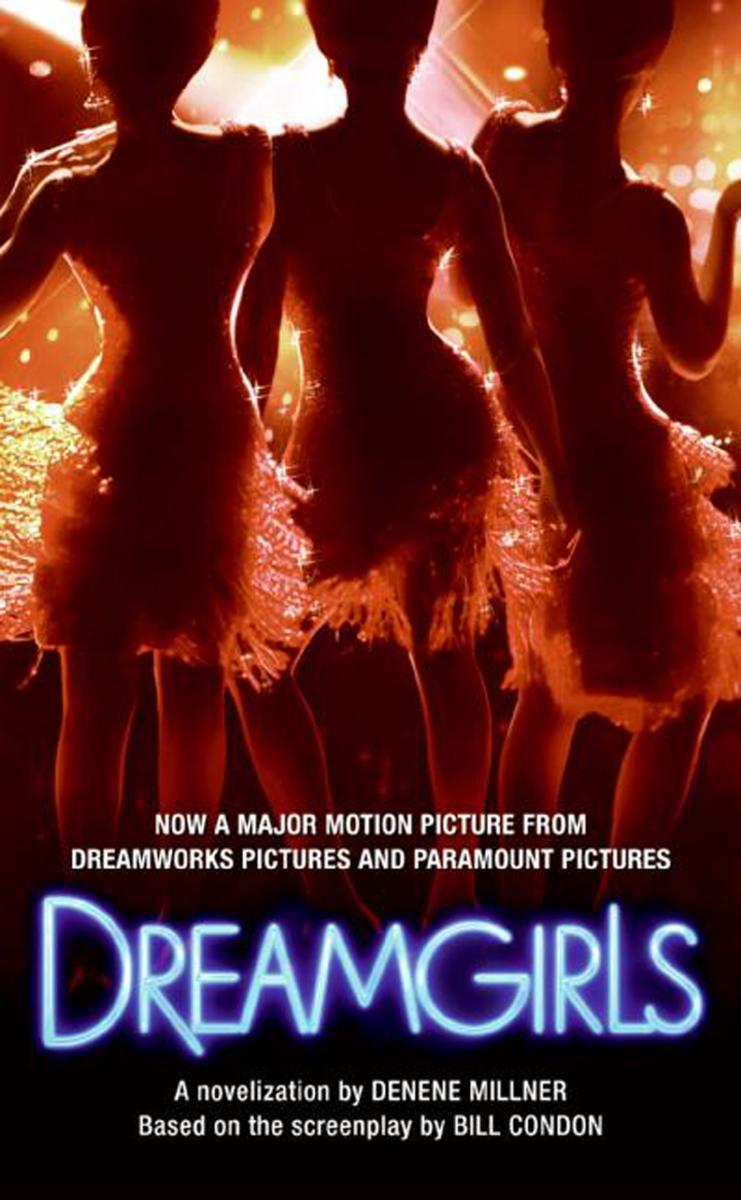
Dreamgirls
¥49.05
It was a time of miraculous change in America, as the cry for justice and equality rang out, from the Deep South to the West Coast. And in the Motor City, a new sound was about to explode that would break down the barriers between white and black. Three close friends from the Detroit streets, Effie, Deena, and Lorrell, had the electrifying talent to bring any audience leaping to its feet—and with the help of C.C.'s groundbreaking music and Curtis's vision and ruthless ambition, they were poised on the giddy brink of greatness. But fame never comes cheap. And truth, loyalty, and love will always have to struggle to survive in the spotlight's merciless glare . . .
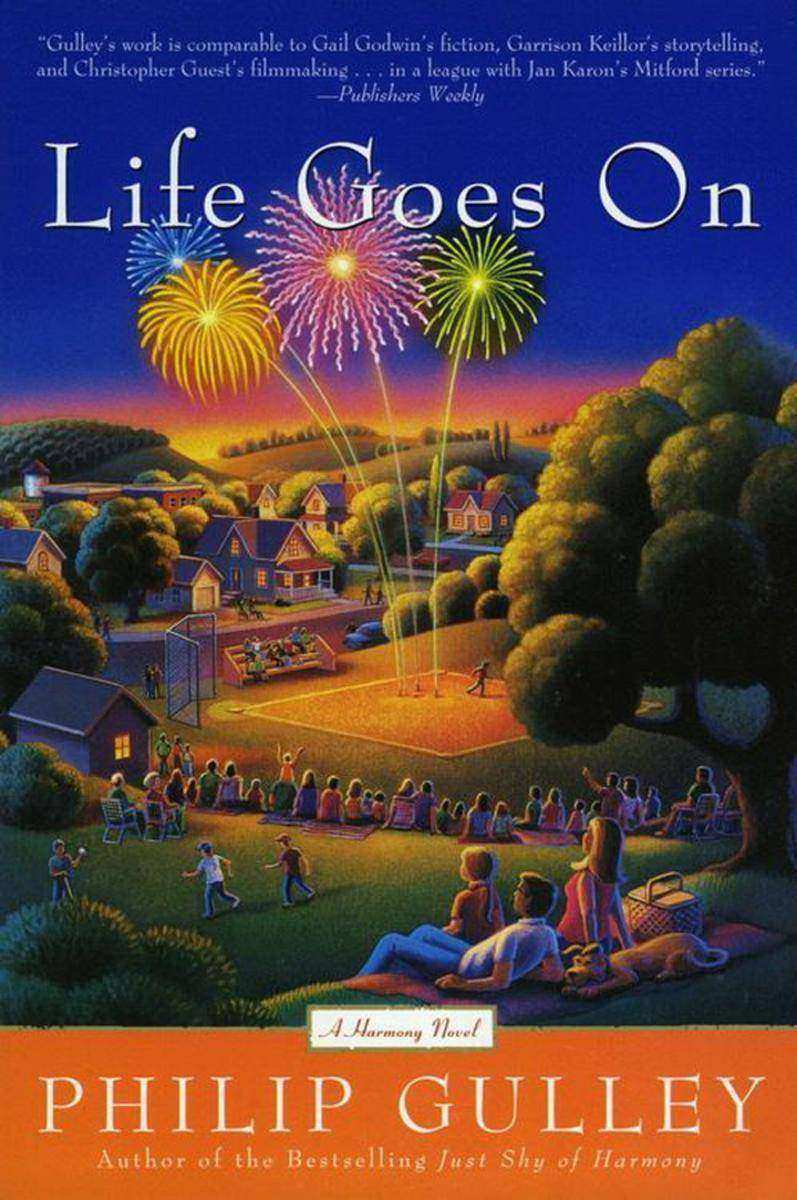
Life Goes On
¥83.03
Squarely in the crosshairs of the Church's heresy hunters, can Pastor Sam survive?It's a madcap year in Harmony, Indiana, as Sam Gardner struggles through his fourth year as pastor of the Harmony Friends Meeting. Join the thousands of readers who have fallen in love with the charming small town that hosts what BookPage calls "the biggest collection of crusty, lovable characters since James Herriot settled in Yorkshire."
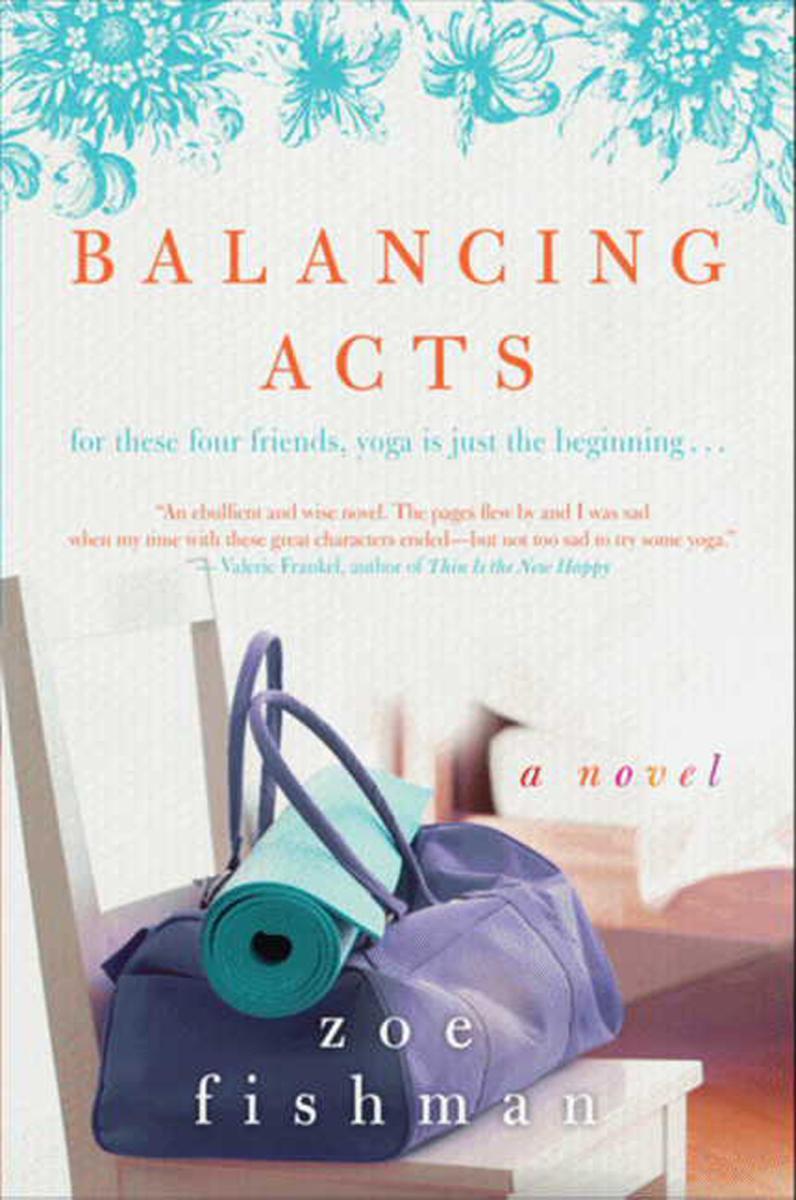
Balancing Acts
¥88.56
A poignant debut novel about the transformative powers of yoga and friendship for four women on the verge of realizing their dreamsWith beauty, brains, and a high-paying Wall Street position, Charlie was a woman who seemed to have it all—until she turned thirty and took stock of her life, or lack thereof. She left it all behind to pursue yoga, and now, two years later, she's looking to drum up business for her fledgling studio in Brooklyn. Attending her college's alumni night with fliers in tow, she reconnects with three former classmates whose post-graduation lives, like hers, haven't turned out like they'd hoped.Romance book editor Sabine still longs to write the novel that's bottled up inside her. Once an up-and-coming photographer and Upper East Side social darling, Naomi is now a single mom who hasn't picked up her camera in years. And Bess, who dreamed of being a serious investigative journalist a la Christiane Amanpour, is stuck in a rut, writing snarky captions for a gossip mag. But at a weekly yoga class at Charlie's studio, the four friends, reunited ten years after college, will forge new bonds and take new chances—as they start over, fall in love, change their lives...and come face-to-face with haunting realities.
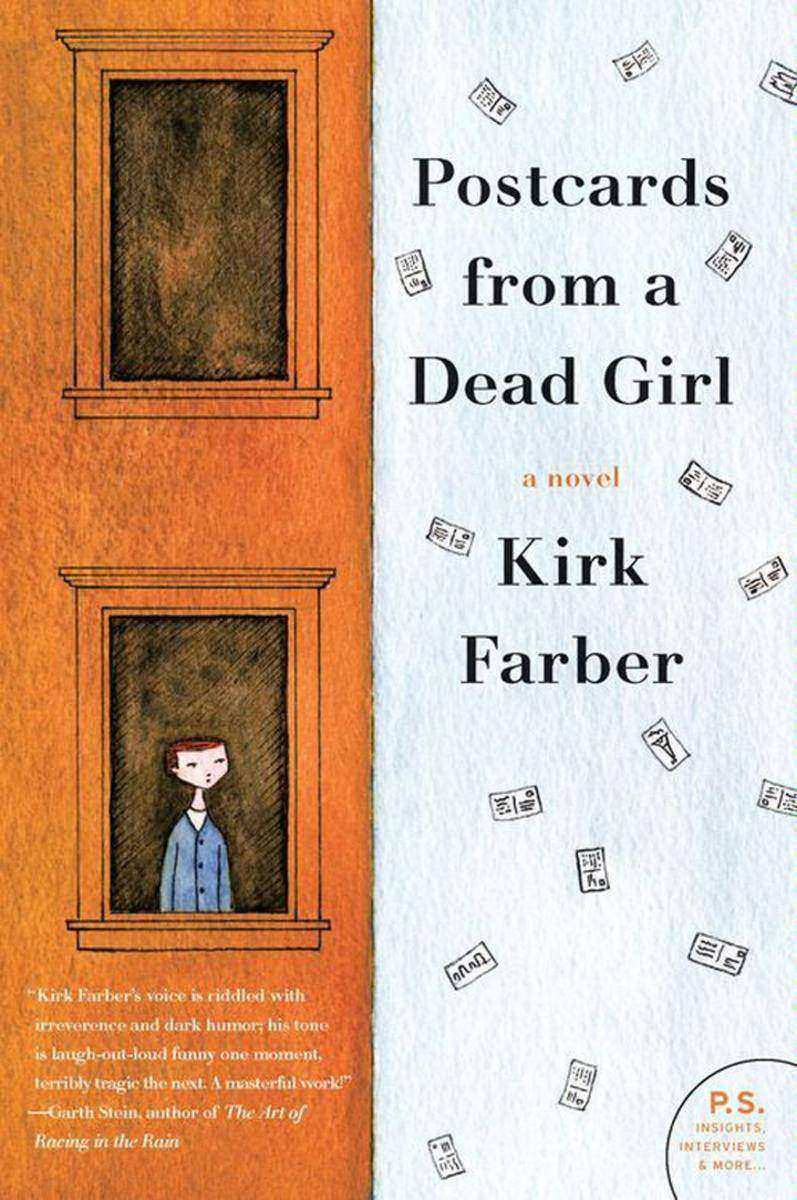
Postcards from a Dead Girl
¥79.38
Sid is going crazy . . . A telemarketer at a travel agency, Sid is becoming unhinged and superneurotic. Lately he's been obsessed with car washes and mud baths. His hypochondria is driving his doctor sister mad. And it's all because of his ex-girlfriend, Zoe, who's sending him postcards from her European adventure, one that they were supposed to take together. It's all quite upsetting.A fact-finding tour of local post offices—and a new friendship with postman Gerald—followed by a solo European jaunt will do little to ease his anxiety. A long talk with his mother's spirit in a wine bottle doesn't help either. But what he really needs are a few more tentative dates with the chatty Candyce. Sid needs to get over Zoe and find love again—even though Zoe, apparently, has no inclination to be gotten over. Wonderfully poignant, funny, odd, and more than a bit macabre, Postcards from a Dead Girl marks the emergence of a truly gifted and original literary voice.
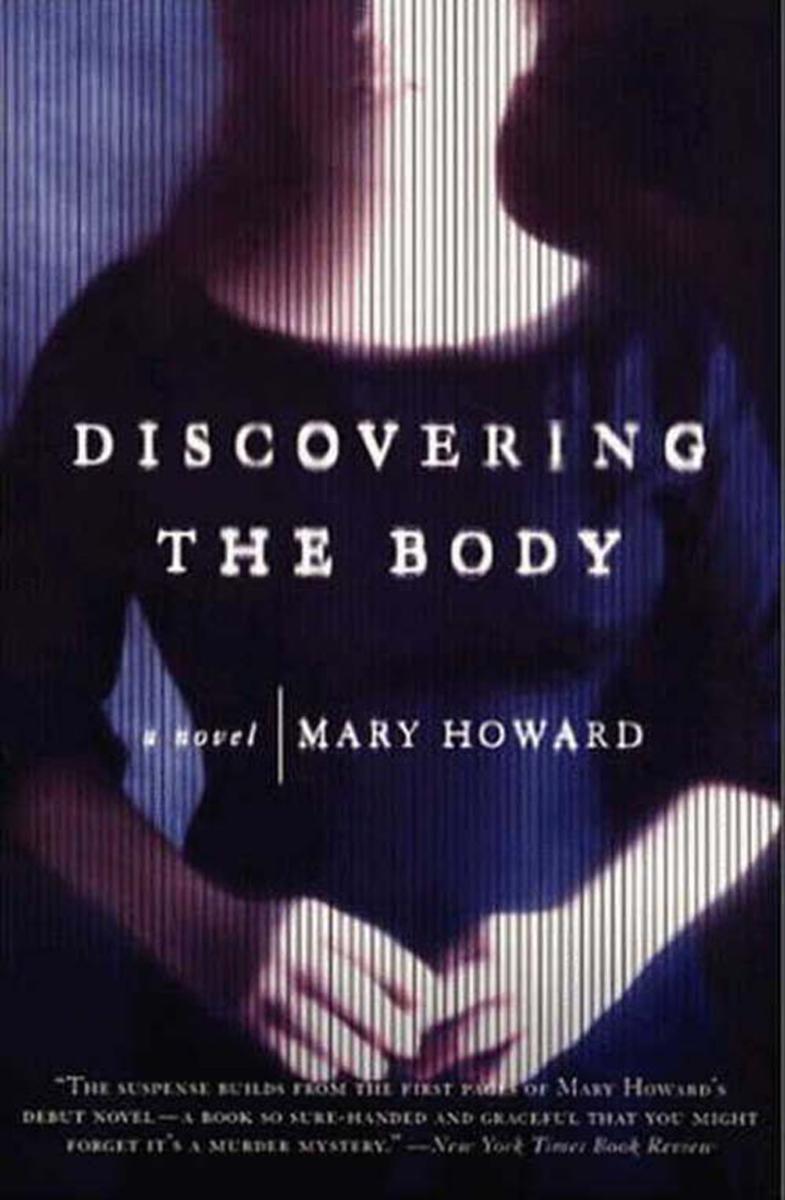
Discovering the Body
¥73.76
Discovering the Body is a gripping novel filled with psychological suspense, sensitivity, and emotional complexity. With this stunning debut, Mary Howard has crafted an electrifying and hauntingly evocative novel of truth and perception, of the ties we tell others-and the lies we tell ourselves.Two years ago Linda Garbo left her graphic design job in Minneapolis to open a printmaking studio in a small town in Iowa with the encouragement of Luci Cole, a weaver and an old friend from art school. Arriving in Linden Grove for good, Linda agrees to stay with Luci and her boyfriend, Charlie, in their old farmhouse outside of town until the renovations to her new studio space are completed. But the following afternoon as she is driving down the long winding road toward Luci's house, Linda sees Luci's neighbor, Peter Garvey, walking out the front door-and when Linda enters the house a few minutes later, she discovers her friend's lifeless body on the kitchen floor.Now, two years later, Peter Garvey has been convicted of Luci's murder. Linda is married to Charlie and living in the very house where Luci died. And she is convinced someone is following her. As she begins to confront her fears-approaching the man she believes is spying on her, visiting Peter Garvey in prison-she finally faces the cause for her frequent panic attacks: she was too traumatized by her discovery of Luci's body to be a reliable witness. And if she's identified the wrong man, the killer may still be close by, ready to react if she admits she might have made a mistake. Compelled to unravel the mystery surrounding Luci's final days, Linda finds that Luci was a master at weaving her true colors into a complex tapestry, preferring involvements that required secrecy.A beautifully crafted tour de force of significant depth, passion, and power, Discovering the Body is a completely beguiling meditation on perception, loss, memory, and redemption whose conclusion proves to be as significantly haunting as it is satisfying.
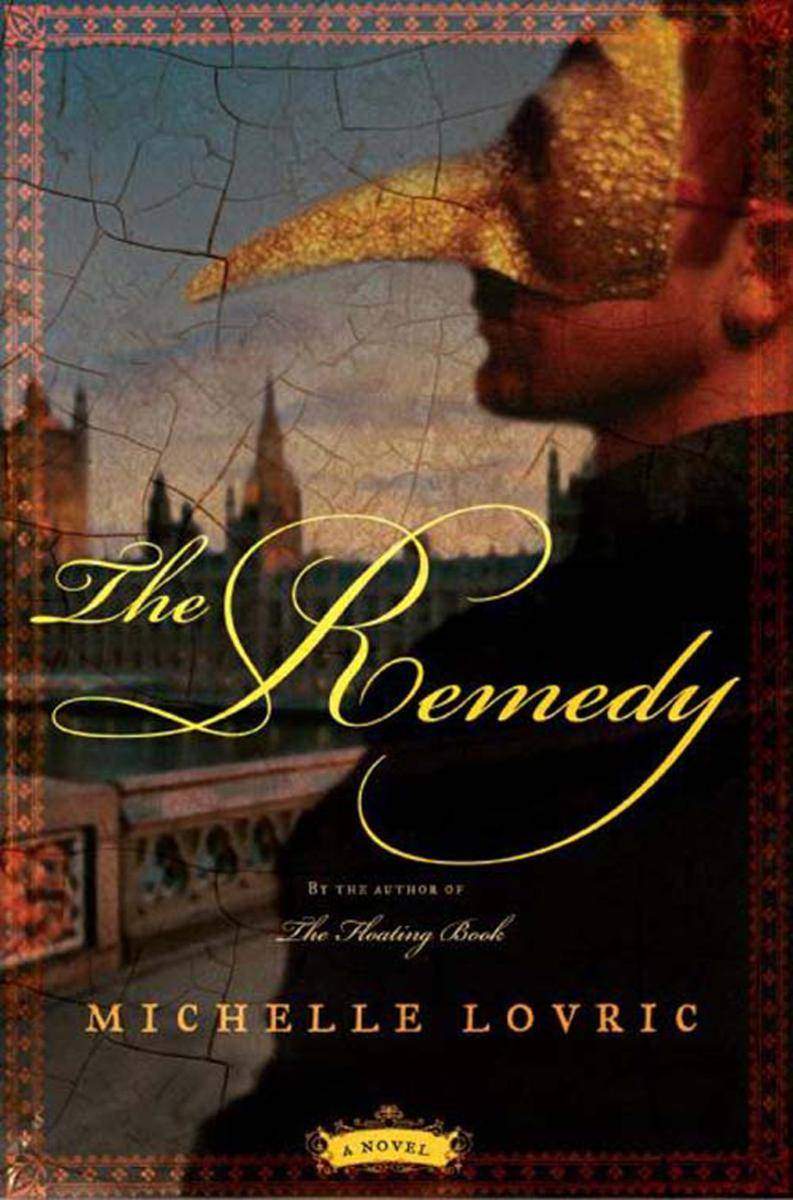
The Remedy
¥95.11
In this darkly beautiful and hauntingly vivid novel, Michelle Lovric, acclaimed author of The Floating Book, embarks on an unforgettable journey through the winding alleys and shadowy streets of eighteenth-century Venice and London. With vibrant prose, she weaves together the stories of three disparate yet intertwined characters who find themselves embroiled in a world of murder and secrets. There is Mimosina Dolcezza, the Venetian actress employed as an agente provocatrice by surreptitious European power brokers. By fortune and circumstance, she begins an affair with the elusive Valentine Greatrakes, a roguish fixture within London's medical underworld. Complicating matters for the pair is the presence of the eccentric and strange child-woman Pevenche, a figure whose fate and identity lie at the heart of the book's mystery.Following this shadowy group from the dark environs of London's Bankside to the lively streets of Venice, The Remedy guides us through playhouses, brothels, and convents with luscious details that breathe intoxicating life into the era. Long-listed for the prestigious Orange Prize for Fiction, The Remedy is a seductive and suspenseful tale that stays with you long after you've turned the final page.

Stroke-Free for Life
¥90.77
No matter what your age or your family and medicalhistory, you can take steps to prevent debilitatingstrokes. And you can start today.No one plans to have a stroke, but too many people think that avoiding them is impossible. Written by the director of the Stroke Research Center at Mayo Clinic, this book helps you determine your risk for stroke and offers you a personalized prevention program based on your own risk profile.This book is the first of its kind to offer such thorough information about our nation's #1 disabler and #3 killer. Based on decades of research, Dr. Wiebers shares crucial information you need to know, including: The six different types of stroke Simple dietary changes that can help prevent stroke Common heart conditions that are little-known stroke risk factors Where to get the best treatment during a strokeYou and your loved ones don't have to live in fear of suffering strokes. This book gives you specific, positive steps to reduce the risk of stroke and to help you lead a more healthy, balanced, and enjoyable life.

Adam & Eve
¥90.77
What happened to Eden?The New York Times bestselling author of Ahab's Wife, Four Spirits, and Abundance returns with an audacious and provocative novel that envisions a world where science and faith contend for the allegiance of a new Adam & EveHer books have been hailed as "exceptional" (People); "enchanting" (Entertainment Weekly); "of great cultural and historical importance" (New York Times Book Review); and "original and affecting" (Los Angeles Times). One of the most imaginative and inspired writers of our time, Sena Jeter Naslund masterfully uses her craft to lay bare the poignant complexity of humanity—the passion and despair, the ignorance and frailty, the genius and resilience that define us. From Victorian London to civil-rights-era Alabama, from nineteenth-century New England to revolutionary Paris, her novels offer profound insight and startling truths about human experience. Now, with Adam & Eve, she delivers her most ambitious and encompassing tale to date.Hours before his untimely—and highly suspicious—death, world-renowned astrophysicist Thom Bergmann shares his discovery of extraterrestrial life with his wife, Lucy. Feeling that the warring world is not ready to learn of—or accept—proof of life elsewhere in the universe, Thom entrusts Lucy with his computer flash drive, which holds the keys to his secret work.Devastated by Thom's death, Lucy keeps the secret, but Thom's friend, anthropologist Pierre Saad, contacts Lucy with an unusual and dangerous request about another sensitive matter. Pierre needs Lucy to help him smuggle a newly discovered artifact out of Egypt: an ancient codex concerning the human authorship of the Book of Genesis. Offering a reinterpretation of the creation story, the document is sure to threaten the foundation of the Jewish, Christian, and Muslim religions . . . and there are those who will stop at nothing to suppress it. Midway through the daring journey, Lucy's small plane goes down on a slip of verdant land between the Tigris and Euphrates rivers in the Middle East. Burned in the crash landing, she is rescued by Adam, a delusional American soldier whose search for both spiritual and carnal knowledge has led to madness. Blessed with youth, beauty, and an unsettling innocence, Adam gently tends to Lucy's wounds, and in this quiet, solitary paradise, a bond between the unlikely pair grows. Ultimately, Lucy and Adam forsake their half-mythical Eden and make their way back toward civilization, where members of an ultraconservative religious cult are determined to deprive the world of the knowledge Lucy carries.Set against the searing debate between evolutionists and creationists, Adam & Eve expands the definition of a "sacred book," and suggests that true madness lies in wars and violence fueled by all religious literalism and intolerance. A thriller, a romance, an adventure, and an idyll, Adam & Eve is a tour de force by a master contemporary storyteller.

The Fort
¥94.10
While the major fighting of the war moves to the south in the summer of 1779, a British force of fewer than a thousand Scottish infantry, backed by three sloops-of-war, sails to the desolate and fog-bound coast of New England. Establishing a garrison and naval base at Penobscot Bay, in the eastern province of Massachusetts that would become Maine, the Scots—the only British troops between Canada and New York—harry rebel privateers and give shelter to American loyalists. In response, Massachusetts sends a fleet of more than forty vessels and some one thousand infantrymen to “captivate, kill or destroy” the foreign invaders. Second in command is Peleg Wadsworth, a veteran of the battles at Lexington and Long Island, once aide to General Washington, and a man who sees clearly what must be done to expel the invaders. But ineptitude and irresolution lead to a mortifying defeat—and have stunning repercussions for two men on opposite sides: an untested eighteen-year-old Scottish lieutenant named John Moore, who will begin an illustrious military career; and a Boston silversmith and patriot named Paul Revere, who will face court-martial for disobedience and cowardice.Grounded firmly in history, inimitably told in Cornwell's thrilling narrative style, The Fort is the extraordinary novel of this fascinating clash between a superpower and a nation in the making.
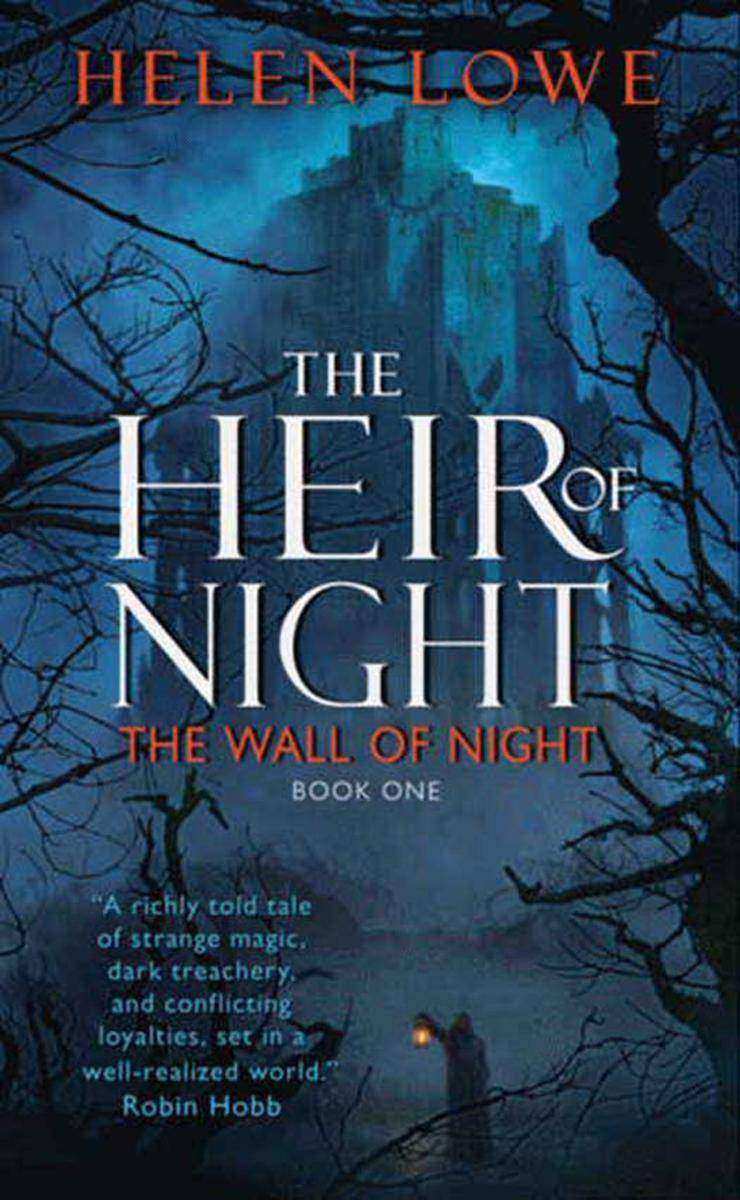
The Heir of Night
¥55.31
If Night falls, all fall . . .In the far north of the world of Haarth lies the bitter mountain range known as the Wall of Night. Garrisoned by the Nine Houses of the Derai, the Wall is the final bastion between the peoples of Haarth and the Swarm of Dark—which the Derai have been fighting across worlds and time.Malian, Heir to the House of Night, knows the history of her people: the unending war with the Darkswarm; the legendary heroes, blazing with long-lost power; the internal strife that has fractured the Derai's former strength. But now the Darkswarm is rising again, and Malian's destiny as Heir of Night is bound inextricably to both ancient legend and any future the Derai—or Haarth—may have.
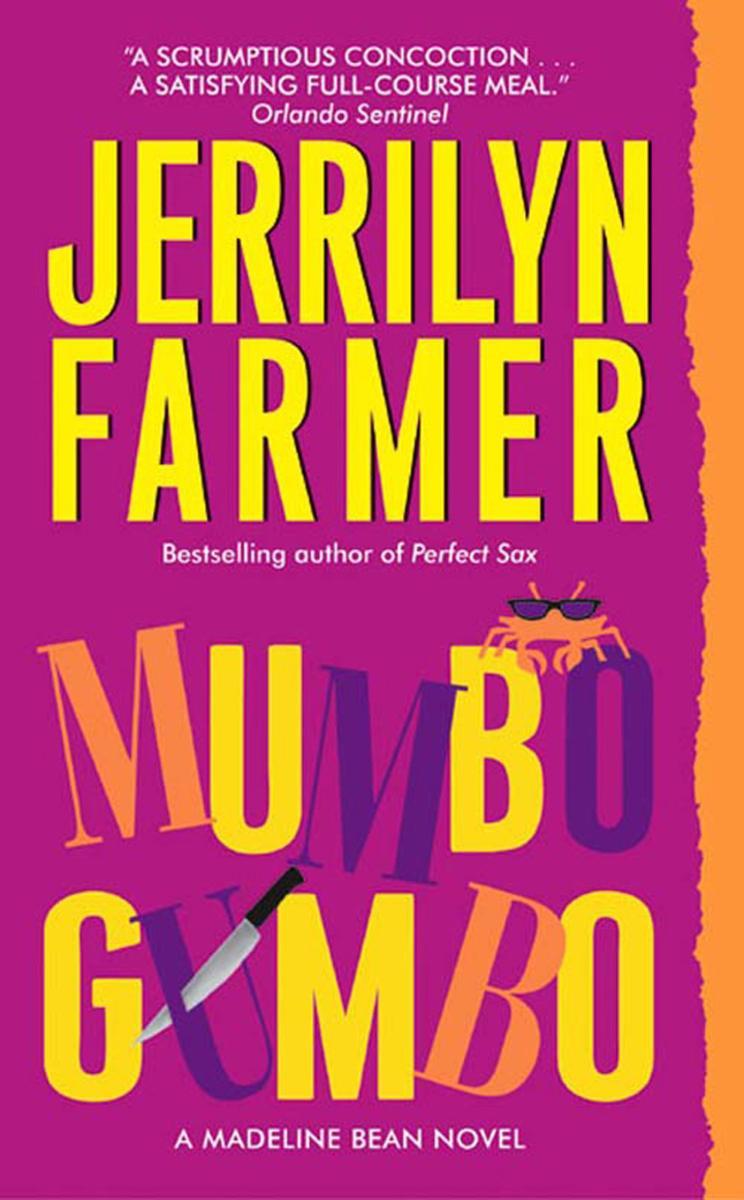
Mumbo Gumbo
¥49.05
Mad Bean Events is on the job catering the glorious Hollywood season wrap party for the surprise hit gourmet game show, But when one of the key game show writers seems to have disappeared, Maddie′s producer friend needs a replacement -- fast. And who better to write culinary questions than MaddieWhen Maddie joins the oddball crew of game show pros, she finds she has a talent for writing clues as well as following them -- since the office she takes over offers tantalizing hints as to the whereabouts of the missing writer. And Maddie aims to hit the jackpot by answering: Who wrote off the writer?
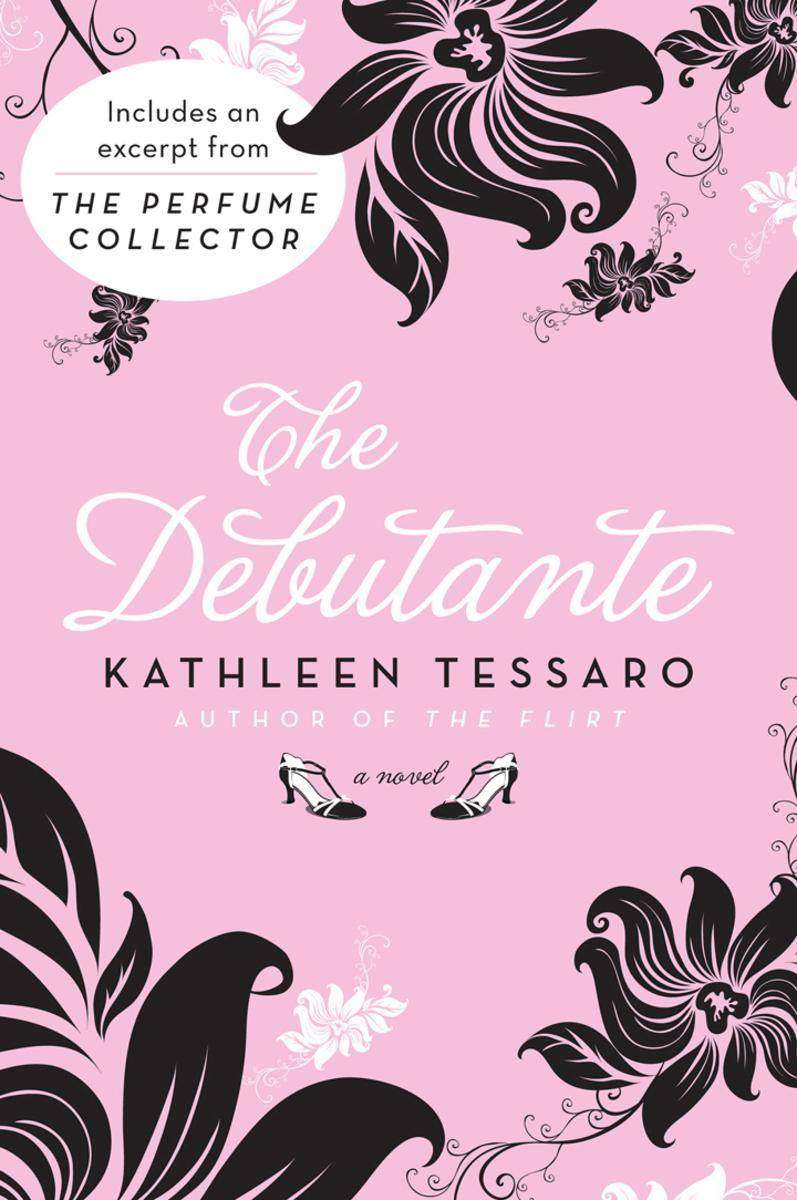
The Debutante
¥90.51
Can the secrets of one woman's past change another woman's future?A gifted artist, Cate has come to London from New York to escape her recent past. Working for her aunt's auction house, she is sent down to Devon to value the contents of Endsleigh House, the once gracious but now crumbling estate of a former socialite. There, hidden in the back of a dusty bookshelf, Cate discovers an old shoebox. Inside is a strange assortment of objects: an exquisite pair of dancing shoes circa 1930; a diamond brooch; a photograph of a young sailor; a dance card; and a pearl and emerald Tiffanys bracelet.Intrigued by her find, Cate sets out to solve the mystery of the box, becoming immersed in the story of its owner, Baby Blythe. Bright, beautiful, and reckless, Baby was the most famous debutante of her generation . . . and the most dangerous. As the clues begin to reveal a shocking tale of destructive, addictive love, Cate finds herself being drawn deeper into Baby's tragic life story—a story that will force Cate to face some dark truths about her own.Includes an excerpt from The Perfume Collector.
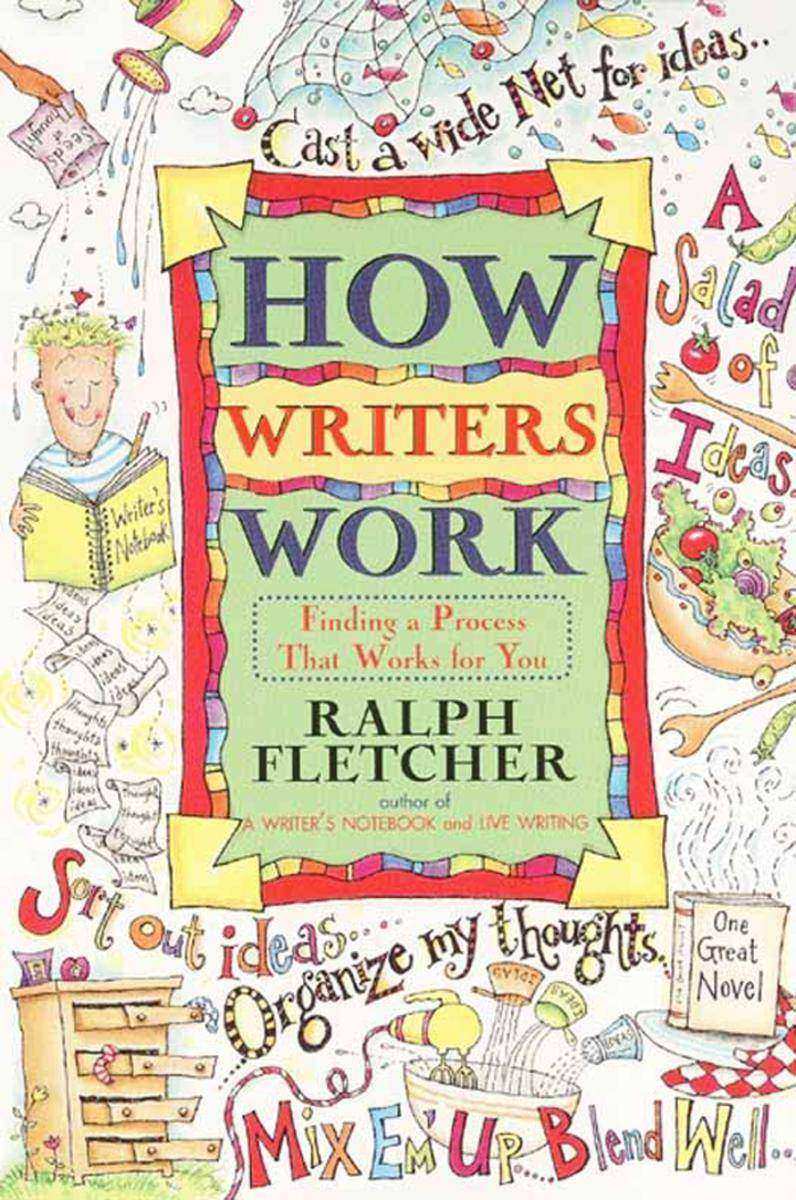
How Writers Work
¥38.72
The Secret of WritingIts misleading to think of writers as special creatures, word sorcerers who possess some sort of magic knowledge hidden from everyone else. Writers are ordinary people who like to write. They feel the urge to write, and scratch that itch every chance they have. Writers get their ideas down on paper using particular strategies that seem to work for them. These strategies are available to anyone who wants to be a writer... Revealed!There is no secret. But there is a process. If you like to write, there are definite steps you can take to help you reach your goals. Good writing isn't forged by magic or hatched out of thin air. Good writing happens when human beings follow particular steps to take control o their sentences-to make their words do what they want them to do.This book will show you how writers work, how you can become a writer, and how you can find a process that works for you

Sheltering Rain
¥90.77
From the New York Times bestselling author of Me Before You comes the touching, unforgettable story of three generations of Irish women faced with the fundamental truths of love, duty, and the unbreakable bond that unites mothers and daughtersEstranged from her mother since she ran away from her rural Irish home as a young woman, Kate swore an oath that she'd always be a friend to her daughter, Sabine. But history has a way of repeating itself, and Kate now faces an ever-widening chasm between herself and her daughter. With Sabine about to make her own journey to Ireland to see her grandmother, Kate is left wondering how they ever made it here, and what she can do to close the gap between them.For Joy, seeing her granddaughter is a dream come true. After the painful separation from Kate, she's looking forward to having time with Sabine. Yet almost as soon as the young woman arrives, the lack of common ground between them deflates her enthusiasm. And when Sabine's impetuous, inquisitive nature forces Joy to face long-buried secrets from her past, she realizes that perhaps it's time to finally heal old wounds.

Slim Down Now
¥88.56
Get ready to put aside all your calorie counting, appetite suppressing, no-pain-no-gain diets. Cynthia Sass, author of S.A.S.S. Yourself Slim and coauthor of Flat Belly Diet!, introduces the surprising superfood that is the secret to weight loss. Called “pulses,” this unique class of protein-rich carbs (including filling and satisfying lentils, beans, and chickpeas) actually boosts calorie- and fat-burning, whittles away belly fat, prevents snack attacks, and creates long-lasting energy. Plus, they’re gluten free, readily available, and affordable!In Slim Down Now, Cynthia Sass reveals the scientifi cally demonstrated power of pulses, which she has incorporated into a dynamic, fl exible weight-loss plan that focuses on how these supershredders can ultimately transform your body.The 30-day challenge asks you to put aside your usual weight-loss methods and adopt an entirely new approach to food, health, and weight management. You start with the four-day Rapid Pulse, where you make one simple recipe (a pudding!) daily for four days . . . but in those four days, you’ll lose up to 8 pounds! Then, you move on to the Daily Pulse, a 26-day program where you include one serving of pulse each day. Sass’s plan includes a simple DIY meal-building strategy you’ll love, as well as delicious, deprivation-free recipes, including a savory veggie quiche, garlicky shrimp scampi, and even oven-roasted potatoes. In fact, there is an entire chapter on desserts, including mouth-watering brownie bites and mini pumpkin spice muffi ns. The meal plan includes grocery lists and restaurant options and can be followed by gluten-free eaters, vegans, vegetarians, and omnivores alike.?In addition to this new approach to eating, Sass reveals that less exercise rather than more can actually be the key to successful weight loss. Forget feeling pressure to spend hours on an elliptical or at exhausting boot camp classes. With this program, exercise becomes a more organic part of your day, rather than that nagging item on your to-do list. Bonus: you’ll also learn a simple five minute technique that will boost your mood and overall happiness.?Sound too good to be trueWe promise it’s not. Get started today, and see the pounds melt away.
Grandmother's Tale And Selected Stories
¥95.17
There is no better introduction to R.K. Narayan than this remarkable collection of stories celebrating work that spans five decades. Characters include a storyteller whose magical source of tales dries up, a love-stricken husband who is told by astrologers he must sleep with a prostitute to save his dying wife, a pampered child who discovers that his beloved uncle may be an impostor or even a murderer. Standing supreme amid this rich assortment of stories is the title novella. Told by the narrator's grandmother, the tale recounts the adventures of her mother, married at seven and then abandoned, who crosses the subcontinent to extract her husband from the hands of his new wife. Her courage is immense and her will implacable -- but once her mission is completed, her independence vanishes. Gentle irony, wryly drawn characters, and themes at once Indian and universal mark these humane stories, which firmly establish Narayan as one of the world's preeminant storytellers.
All Involved: Day Three
¥21.73
All Involved can either be read as a full-length eBook or in 6 serialized eBook-only parts.This is part 3 of 6, or DAY 3 of 6 days.At 3:15pm on April 29, 1991, a jury acquitted three white Los Angeles Police Department officers charged with using excessive force to subdue a black man named Rodney King, and failed to reach a verdict on the same charges involving a fourth officer. Less than two hours later, the city exploded in violence that lasted six days.A gritty and cinematic work of fiction, All Involved vividly re-creates this turbulent and terrifying time, through seventeen interconnected first-person narratives set in the wake of one of the most notorious and incendiary trials of the 1990s.


