


 购物车
购物车 个人中心
个人中心
Spiritual Life and the Word of God
¥19.52
Taken from his 1766 work 'Apocalypsis Revelata' (The Apocalypse Explained), this is a fascinating look at the theologies of Swedish scientist, philosopher, Christian mystic and theologian Emanuel Swedenborg.
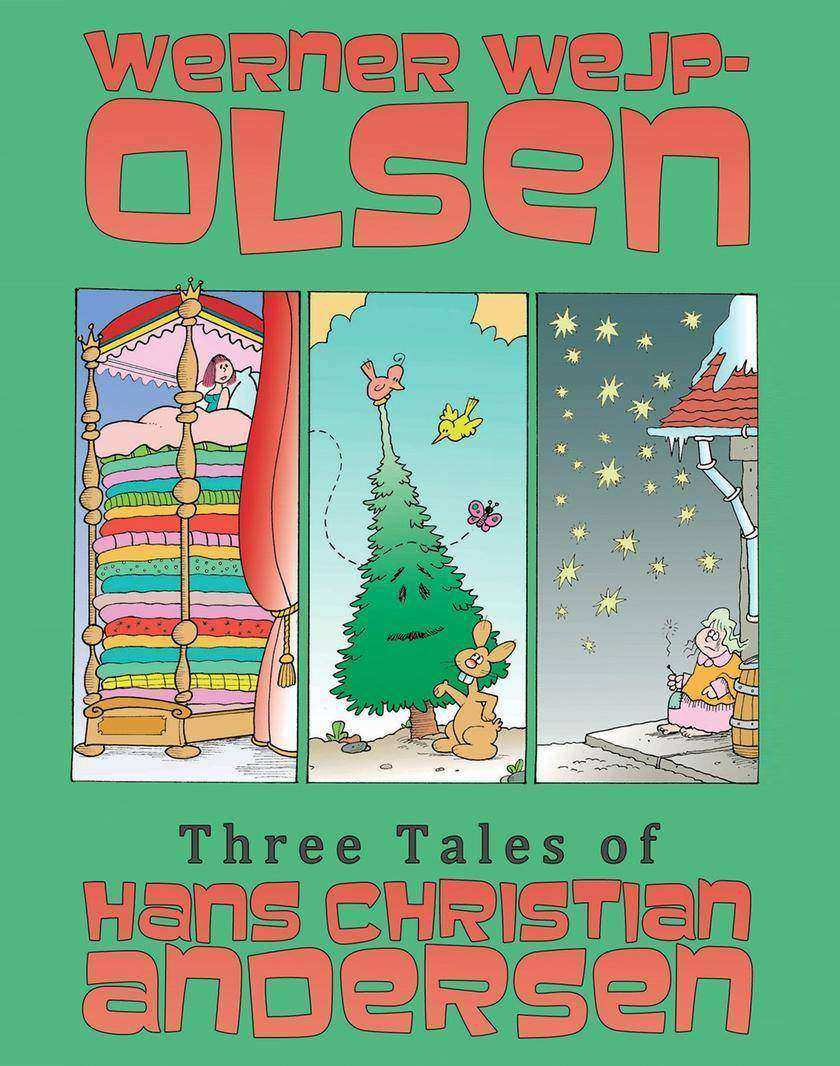
Three Tales of Hans Christian Andersen
¥29.33
The world's most famous storyteller, the Danish Hans Christian Andersen (1805-1875) and his wonderful fairy tales are loved all over the globe. Besides being a master of the written word, he was also a very talented illustrator. No doubt, had he lived today he would probably have tried his hand on cartooning as well and maybe created some of his fairy tales as comic strips. All in all he wrote 157 fairy tales. Here is the comic strip version of The Princess on the Pea, The Fir Tree and The Little Matchgirl - three of his most famous and beloved fairy tales re-created by the Danish cartoonist Werner Wejp-Olsen.
In Defence of Modernity
¥220.63
Although Oakeshott's philosophy has received considerable attention, the vision which underlies it has been almost completely ignored. This vision, which is rooted in the intellectual debates of his epoch, cements his ideas into a coherent whole and provides a compelling defence of modernity.The main feature of Oakeshott's vision of modernity is seen here as radical plurality resulting from 'fragmentation' of experience and society. On the level of experience, modernity denies the existence of the hierarchical medieval scheme and argues that there exist independent ways of understanding our world, such as science and history, which cannot be reduced to each other. On the level of society, modernity finds expression in liberal doctrine, according to which society is an aggregate of individuals each pursuing his or her own choices. For Oakeshott, to be modern means not only to recognise this condition of radical plurality but also to learn to appreciate and enjoy it.Oakeshott did not think that it was possible to find a comprehensive philosophical justification for modernity, therefore the only way to preserve modern civilisation seemed to be an appeal to sentiment. As a consequence he was a passionate defender of liberal education as the best way to underwrite the 'conversation of mankind.'

Mermaid in my Bunk
¥29.33
Dr Alan Brand sailed his late father's yacht, the Naiad on a Sabbatical after four years of working sixteen hour days in the emergency ward of a hospital in Los Angeles. He had never even dated a girl since he spent all of his school vacations sailing with his father and in college he studied avidly and worked in his spare time to cover the cost of his education. He encounters the Mer-folk in the south Pacific and falls for a mermaid and that is when his troubles began.
2012 - The Quiz of the Year
¥19.52
2012 has been an eventful year. The London Olympics, the US Presidential elections, the prophecy that the world will end... all of these things have made the news. But do you remember the details? Featured in this quiz are 120 questions covering the news, sport, royalty, films, music, TV and much more. Play by yourself or test your friends and family with this fun Quiz of the Year.
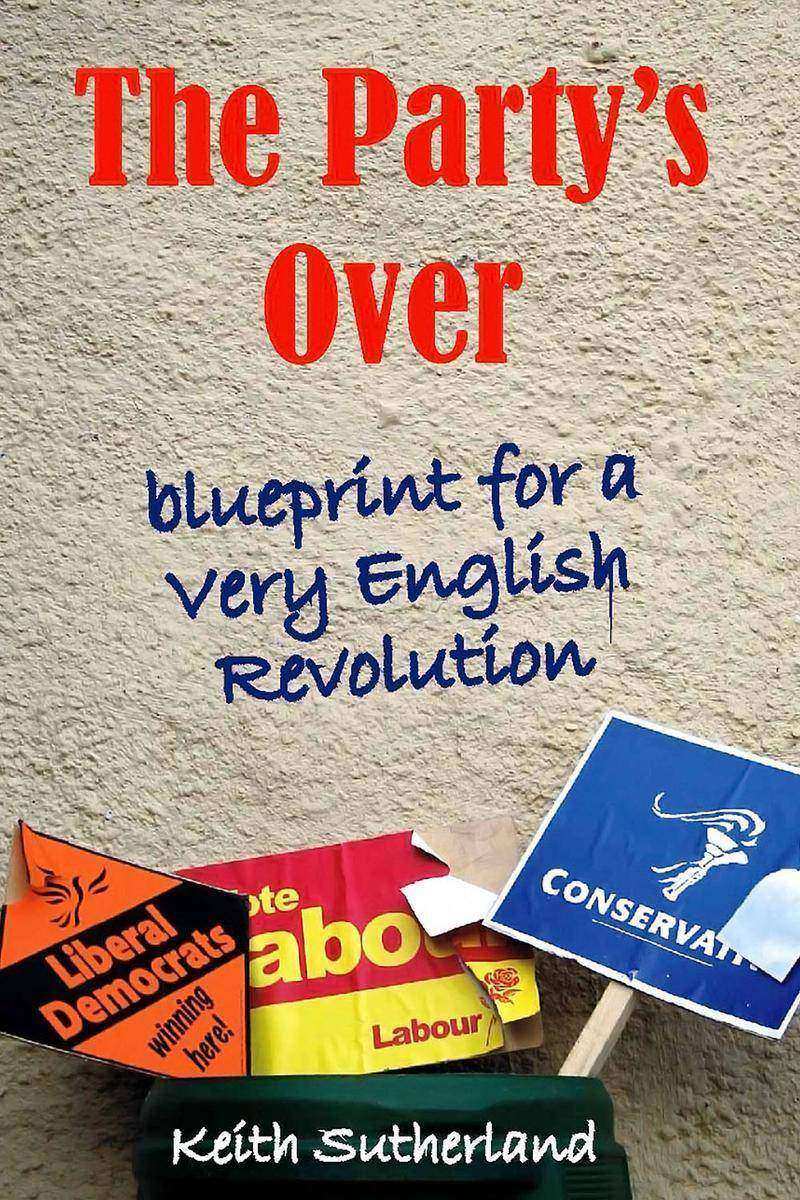
Party's Over
¥63.67
Consider the following paradox: As the leaders of both of the main British political parties subscribed to the neoconservative doctrine on Iraq, everybody else in the birthplace of parliamentary democracy was effectively disenfranchised. Yet one of the rationales supporting the deployment of UK forces in Iraq was the wish to export democracy to the Middle East. The Emperor would appear to have mislaid his clothes (see Gordon Graham's Case Against the Democratic State).Judging from the lack of ministerial resignations in the wake of the Butler enquiry, Britain is no longer a parliamentary democracy. The classical doctrine of joint and several ministerial responsibility is revealed to be a fiction, and Lord Hailsham's verdict of 'elective dictatorship' is a better assessment of the British constitution. By contrast unelected bodies like the BBC are now far more accountable for their actions. The reason of this paradox is the monopoly power of the ruling party, controlled by the Prime Minister.The UK political party started off as a loose association of like-minded MPs. However, in recent years the tail has been wagging the dog - politicians now have no alternative but to choose and then fall in line behind a strong leader with the charisma to win elections. This book examines the historical forces that gave rise to the modern political party and questions its role in the post-ideological age. If we all now share the liberal market consensus, then what is the function of the party?Parties in America are a lot weaker, so the book considers Graham Allen's argument to emulate the US system of checks and balances, but concludes that we would be better off reinterpreting our own constitution more literally. When the Chancellor really was a minister of the crown, every line of the budget was meticulously scrutinized. The key to the changes advocated in the book is the replacement of the Victorian ballot-box with a modern system of representation, based on the jury-selection principle.
Justin Bieber - The Ultimate Quiz Book
¥19.52
Are you the world's ultimate Belieber? Do you know absolutely everything there is to know about the world's favourite pop star? Then this is the book for you.Test your friends and family on their knowledge of Justin Bieber with these 180 questions (and answers) sorted into categories such as his lyrics, his favorites, the internet and much more.Show everyone that you are the biggest JB fan of all time with this great fun quiz!
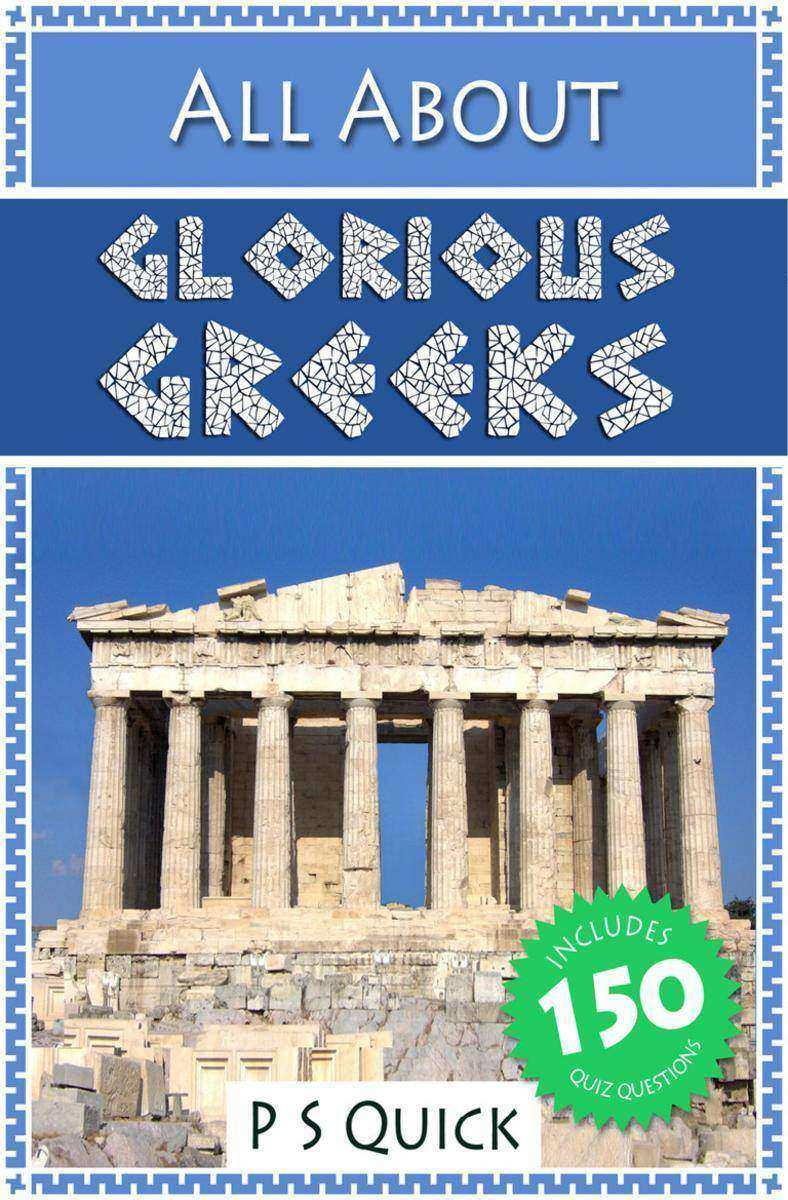
All About
¥29.33
This book, filled with amazing facts and photographs, describes what life was like for ancient Greeks. It gives an in-depth account of all aspects of life and people of the time - including sections about the Olympics, Gods, heroes, the Trojan War, city-states, famous people and much more! The 'All About' series is an educational collection of books from P S Quick, and is targeted to interest 7 to 11 year olds - but will fascinate readers of all ages. At the end of each book there is a quiz section for the reader, featuring 150 questions and answers.

Holly
¥19.52
Holly takes over the writing of Lisa, Jody, and her own adventures. Now they've discovered how to teleport themselves, the three girls spend rather less time flying, but as they can't teleport to somewhere they've never been, being able to fly is still an advantage. It's a good thing Jody learned how to fly a plane, the three girls combine to rescue one out of control with no pilot. Holly has to deploy her secret weapon when the girls are asked to protect a notable figure, the Prime Minister no less. All three of the Angels get a bit damp when the river floods, but not nearly as damp as their friend Louisa. It's not only Jody who has an imaginary world in her head, Holly seems to have one too - and then there's Lisa!This is Holly's bit of the story, from her point of view.Holly takes over the writing of Lisa, Jody, and her own adventures. Now they've discovered how to teleport themselves, the three girls spend rather less time flying, but as they can't teleport to somewhere they've never been, being able to fly is still an advantage. It's a good thing Jody learned how to fly a plane, the three girls combine to rescue one out of control with no pilot. Holly has to deploy her secret weapon when the girls are asked to protect a notable figure, the Prime Minister no less. All three of the Angels get a bit damp when the river floods, but not nearly as damp as their friend Louisa. It's not only Jody who has an imaginary world in her head, Holly seems to have one too - and then there's Lisa!This is Holly's bit of the story, from her point of view.
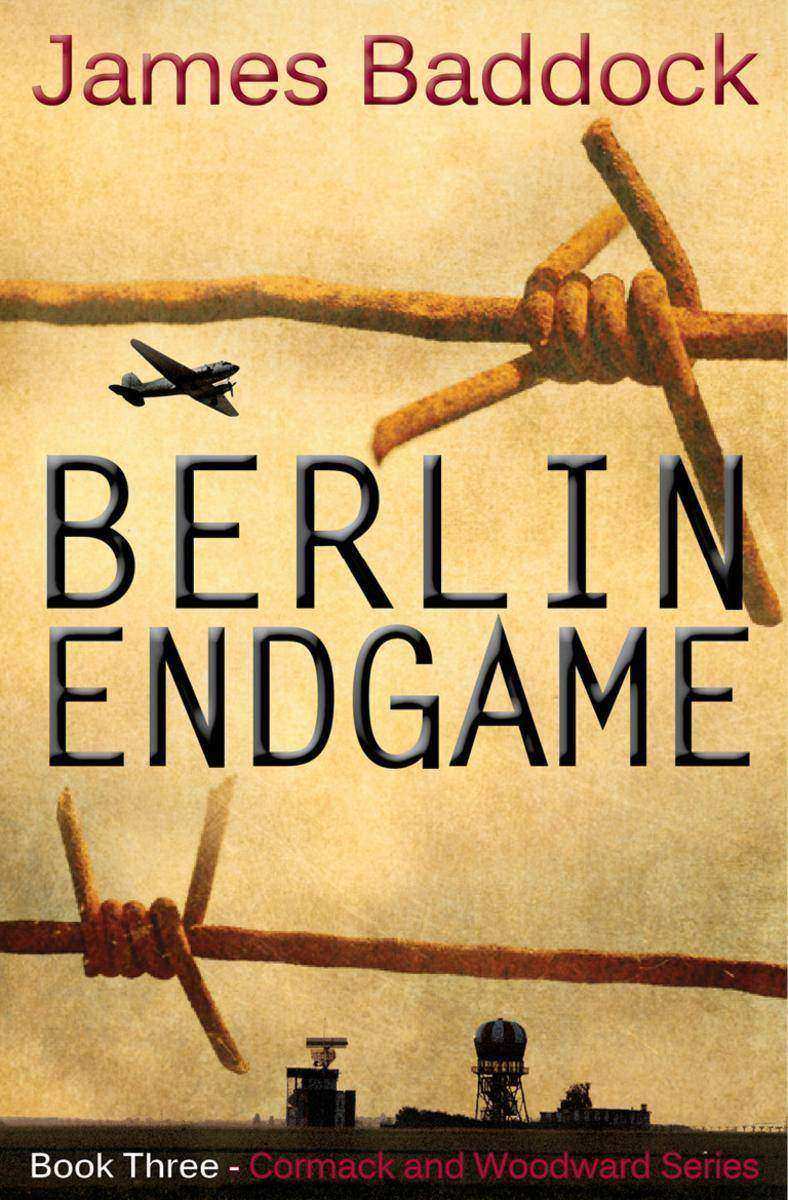
Berlin Endgame
¥39.14
The next book in the acclaimed Cormack and Woodward series, set during the Berlin Blockade of 1948, which has sometimes been described as the Cuban Missile Crisis of the 1940s, where a highly volatile situation could easily have developed into a full-blown conflict. Cormack arrives in Berlin to take over a new post as the head of a counter-intelligence unit whose job is both to detect Soviet agents and to deal with Black Market activity. He is soon re-united with his old friend Woodward, who is involved in the Airlift, and the two find themselves in the middle of an undercover operation in which an ex-Nazi assassin has been smuggled into Berlin. But who has he been sent to kill, and why? Their investigations lead them into discovering the shadowy outlines of a conspiracy whose plans, if successful, could lead to millions of deaths... and some of the conspirators seem to be their own superiors. Not knowing whom they can trust, Cormack and Woodward somehow have to prevent the assassination taking place. They do not even know who the victim is to be, nor where or when it is to happen, but the price of failure is World War Three...
Dinosaur Quiz Book
¥29.33
This amazing quiz book contains over 100 questions on all your favourite Dinosaurs, including Tyrannosaurus Rex, Velociraptors, Triceratops and many more.
Spider-Man Villains Quiz Book
¥19.52
Spider-Man has some of the most recognisable villains in all of entertainment. In this quiz book your knowledge will be tested on all of his most famous enemies. There are well over 100 questions inside including questions on Venom, Doctor Octopus, The Lizard, The Green Goblin and many more. Subjects include secret identities, first appearances and some of their most evil exploits. So prepare to be tested on the wall crawlers most deadly foes.
Sound Mixers
¥19.52
It's 1971 and rock and roll was at its height. Small-time Australian agent Wayne Zemmerman scored an unimaginable coup when he signs British supergroup Andromeda for a nationwide tour. Showbiz reporter Scottie McPherson smells a rat and starts his investigation. The Sound Mixers is a dramatic expose of the rock industry: fiction that reads like fact. A gripping story that moves at breathtaking pace to a devastating climax, Performers, promoters, manipulators, illusion creators - the characters which inhabit the world of rock'n'roll are ruthlessly dissected in an intricate plot full of shocks and suspense. Big business is the name of the game; a game in which the tough survive... but even then not always.
Fawlty Towers Quiz Book
¥19.52
Are you a fan of the classic TV sitcom Fawlty Towers? This quiz book will test you, your family and friends knowledge of the show, with questions on the cast, characters, production, and shows. Show how much you know with this fun quiz book.
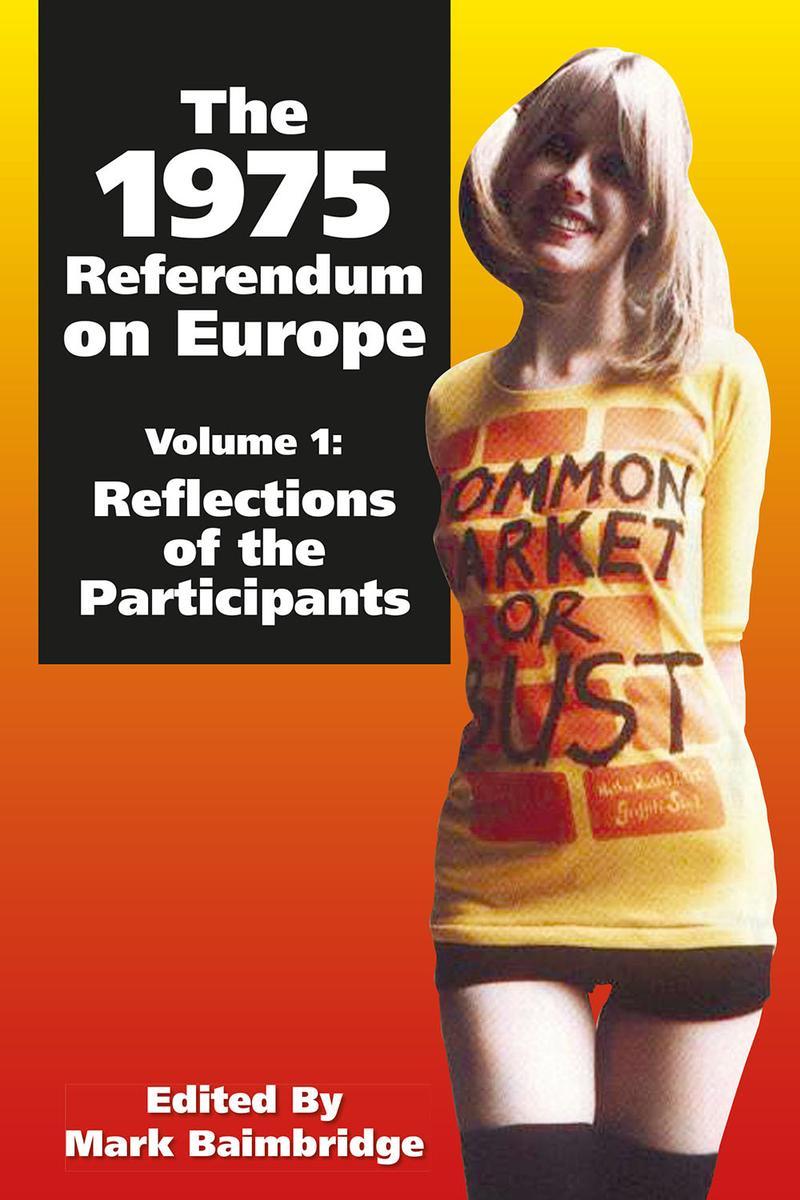
1975 Referendum on Europe - Volume 1
¥132.34
Provides an analysis of the relationship between the UK and the EU, treating the key overarching issues in the 1975 referendum and looking ahead to the prospect (eventually) of further referendums on the subjects of EMU and a European constitution.
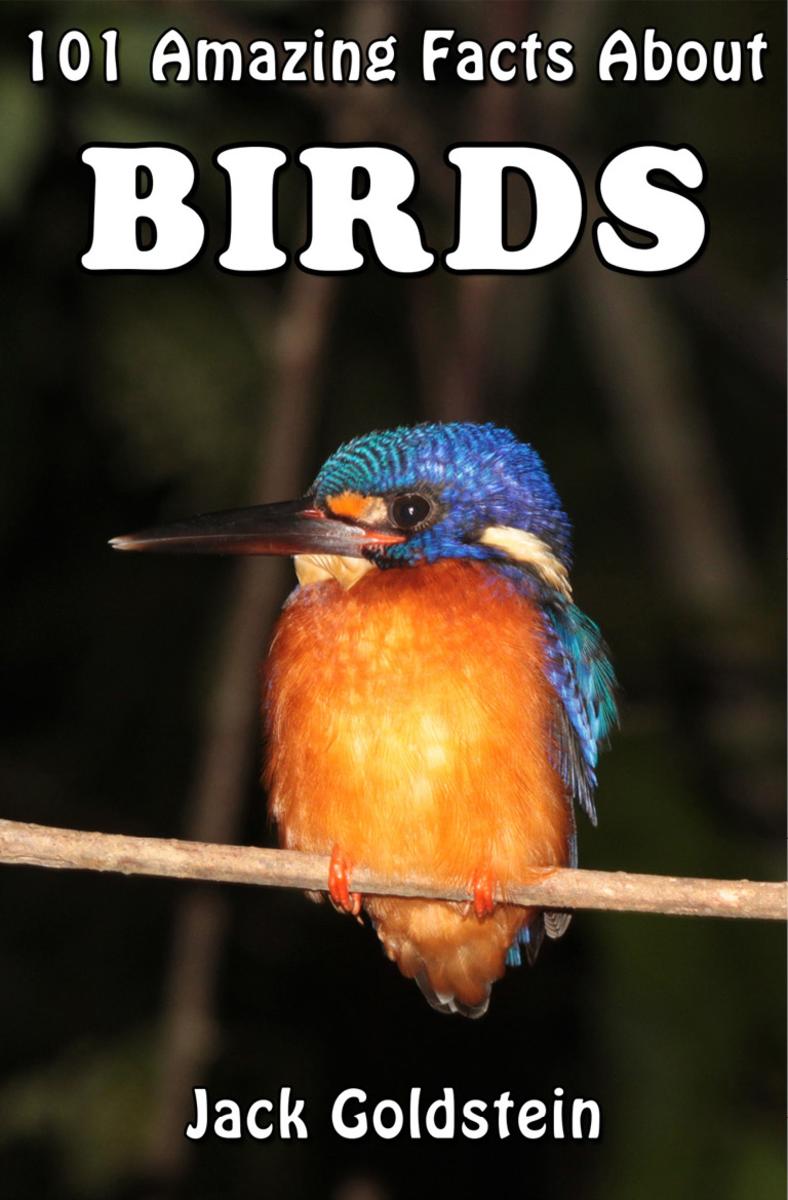
101 Amazing Facts About Birds
¥19.52
Did you know that an albatross can fly fifteen million miles in a single lifetime? Or that flamingos can only eat when their heads are upside down? This fantastic quick-read eBook features 101 amazing facts split into categories such as record breakers, parrots, seabirds and many more. So if you want to know what the collective known is for thrushes, or just how deep emperor penguins can dive, then this is the book for you! Find the information you want, fast!
2000s Music Lyrics
¥9.71
How well do you know your noughties music? Do you think you can recognize a song from a single line of lyrics? If so, then this is the book for you! This eBook features 120 questions ranging from basic ones (to get you into the swing of things) all the way through to those that will have you scratching your head saying 'I KNOW this one!'. Perfect for all the family, this book is great fun for any occasion.
True Story of Christopher Columbus
¥19.52
A fantastic biography of one of the world's greatest explorers, Christopher Columbus, written by the prolific children's historian Elbridge Streeter Brooks.

One Dead for Every Kilometre Home
¥29.33
The story of the Indian soldiers who fought for Britain in WWI1914. Ranveer, the eldest son of a wealthy Indian family, joins the British Indian Army and is sent to fight on the Western Front. Wounded and in hospital, he falls in love with Eve, an Englishwoman. But the conventions of the time mean they will never find a home in England. They travel to India but there it is no better and Ranveer gets drawn into the struggle for Indian independence. Now he must choose between family and his country on the one hand and the woman he loves on the other.

Wuthering Heights
¥39.14
This edition of Wuthering Heights has been specially formatted for today's e-readers by Andrews UK. Emily Bronte's first and only novel was first published in 1847; It is set in Yorkshire and tells of the turbulent relationship between Heathcliff and Catherine Earnshaw that eventually destroys them and those around them. Even though it had limited success on publication it has become a classic of English Literature.
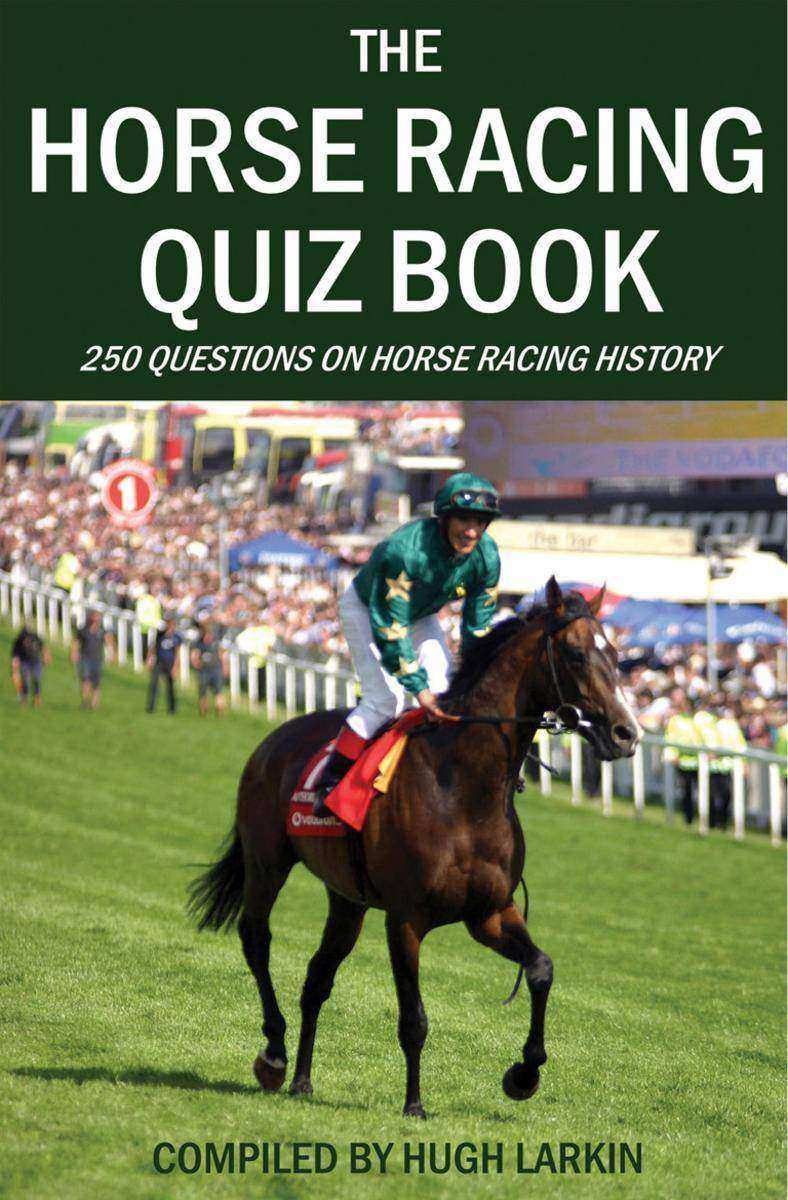
Horse Racing Quiz Book
¥24.43
Are you a fan of horse racing? Do follow all the big races and enjoy the occasional bet? Can you name the great jockeys through the years and the events they have won? If you answered yes to any of the above, or would like to find out more about professional horse racing, you won't want to be without the new Horse Racing Quiz Book. Which two fences are only jumped once in the Grand National? Part of which UK racecourse is within a famous area known as the Knavesmire? What are the Christian names of the Hills twins, both Classic winning jockeys? The answers to these and many similar questions can all be found in this book.The 250 questions, some easy, some more challenging, will quickly uncover how much you know about the fast-paced world of horse racing. Covering all the big races, famous jockeys, racecourses, horses, owners and trainers as well as the history of horse racing, this is a must-have for anyone interested in this action-packed sport.


