


 购物车
购物车 个人中心
个人中心

The Turn of the Screw by Henry James (Illustrated)
¥8.09
This eBook features the unabridged text of ‘The Turn of the Screw’ from the bestselling edition of ‘The Complete Works of Henry James’. Having established their name as the leading publisher of classic literature and art, Delphi Classics produce publications that are individually crafted with superior formatting, while introducing many rare texts for the first time in digital print. The Delphi Classics edition of James includes original annotations and illustrations relating to the life and works of the author, as well as individual tables of contents, allowing you to navigate eBooks quickly and easily.eBook features:* The complete unabridged text of ‘The Turn of the Screw’* Beautifully illustrated with images related to James’s works* Individual contents table, allowing easy navigation around the eBook* Excellent formatting of the textPlease visit www.delphiclassics.com to learn more about our wide range of titles

Boots
¥40.79
A piano tuner called Murkin, a close-shaven man with a yellow face, with a nose stained with snuff, and cotton-wool in his ears, came out of his hotel-room into the passage. And looking at his frightened face one might have supposed that the ceiling had fallen in on him or that he had just seen a ghost in his room. 'Upon my word, Semyon!' he cried, seeing the attendant running towards him. 'What is the meaning of it? I am a rheumatic, delicate man and you make me go barefoot! Why is it you don't give me my boots all this time? Where are they?'
Ladies
¥40.79
The importance of women and their influence can never be underestimated. This story vividly shows how in 19th century Russia women pull strings behind scenes to influence even the most principled and seemingly unbreakable of decision makers. And only Chekhov knows how to express such delicate matters in the most enjoyable and humorous way.

A Mere Accident
¥40.79
Three hundred yards of smooth, broad, white road leading from Henfield, a small town in Sussex. The grasses are lush, and the hedges are tall and luxuriant. Restless boys scramble to and fro, quiet nursemaids loiter, and a vagrant has sat down to rest though the bank is dripping with autumn rain. How fair a prospect of southern England! Land of exquisite homeliness and order; land of town that is country, of country that is town; land of a hundred classes all deftly interwoven and all waxing to one class—England. Land encrowned with the gifts of peaceful days—days that live in thy face and the faces of thy children.
Celibates
¥40.79
At Oxford they say that marriage is not the only mission for women— that is to say, for some women. They don't despise marriage, but they think that for some women there is another mission.
The Talisman
¥40.79
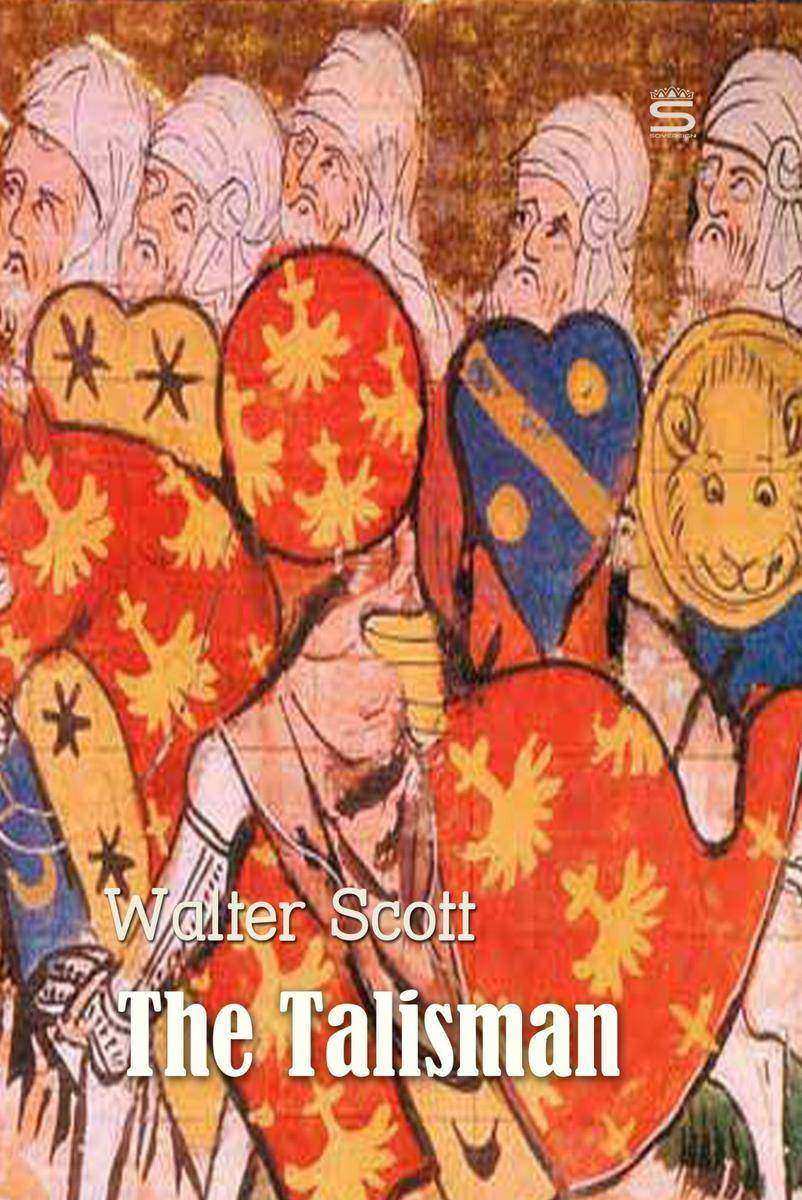
During a truce between the Christian armies taking part in the third Crusade, and the infidel forces under Sultan Saladin, Sir Kenneth, on his way to Syria, encountered a Saracen Emir, whom he unhorsed, and they then rode together, discoursing on love and necromancy, towards the cave of the hermit Theodoric of Engaddi. This hermit was in correspondence with the pope, and the knight was charged to communicate secret information.
The Stark Munro Letters by Sir Arthur Conan Doyle (Illustrated)
¥8.09
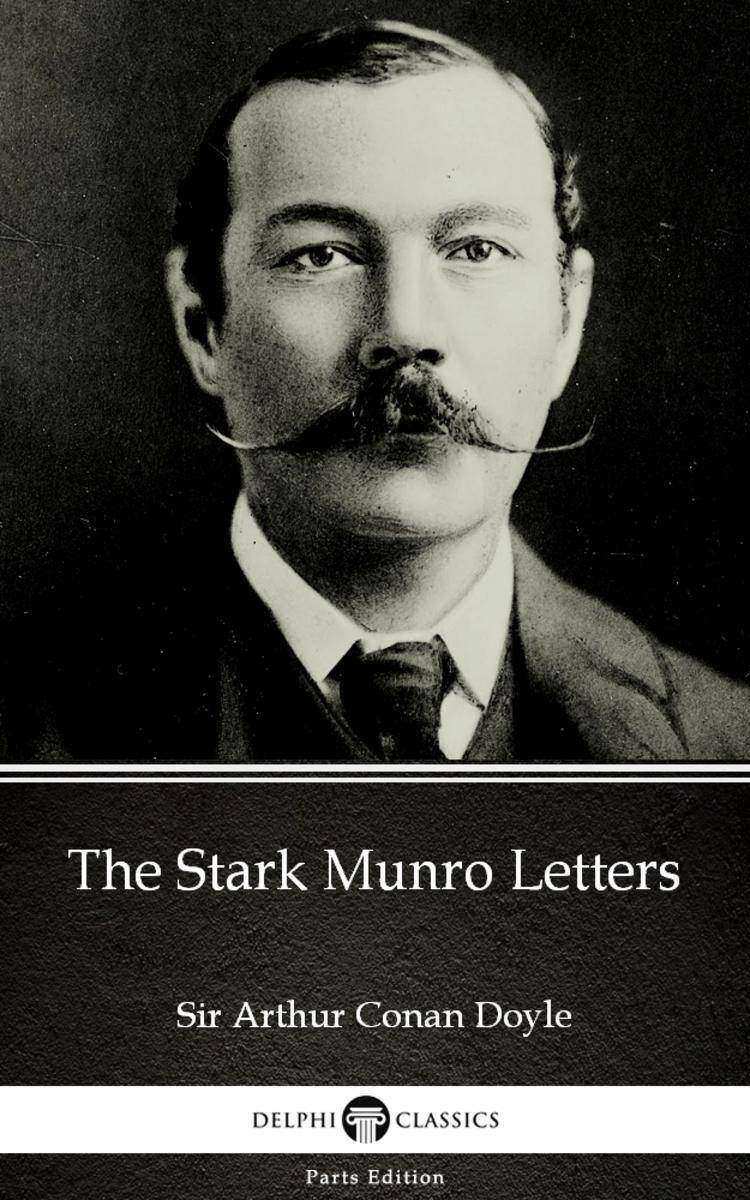
This eBook features the unabridged text of ‘The Stark Munro Letters’ from the bestselling edition of ‘The Complete Works of Sir Arthur Conan Doyle’. Having established their name as the leading publisher of classic literature and art, Delphi Classics produce publications that are individually crafted with superior formatting, while introducing many rare texts for the first time in digital print. The Delphi Classics edition of Doyle includes original annotations and illustrations relating to the life and works of the author, as well as individual tables of contents, allowing you to navigate eBooks quickly and easily.eBook features:* The complete unabridged text of ‘The Stark Munro Letters’* Beautifully illustrated with images related to Doyle’s works* Individual contents table, allowing easy navigation around the eBook* Excellent formatting of the textPlease visit www.delphiclassics.com to learn more about our wide range of titles

Fairy Tales for Adults, Volume 10
¥48.97
The theme of romance continues in this volume and begins with iconic 'The Lady with the Dog' by Anton Chekhov. Set in Yalta, Crimea, appears at first as a holiday romance. Gurov is a married man but he holidays on his own and has a history of holiday affairs. He meets the lady of the story’s title with her Pomeranian dog. But Chekhov’s love stories are not romantic accounts of unrequited love or of love at first sight. Or, even of tortured love that is amplified by the agony of being unfulfilled. No, these are Chekhovian tales that surprise and intrigue our imagination. In the second part of this volume we continues to a more familiar ground of Shakespearian love in his masterpiece 'King Lear'.

The Black Monk
¥40.79
Doctors and kind relations will succeed in stupefying mankind, in making mediocrity pass for genius and in bringing civilisation to ruin.' Kovrin is a gifted man, well educated. Following advice of his doctor he decides to leave his busy city lifestyle and travels to recover his health in a beautiful family country estate. There he meets this mystical and prophetic Black Monk, a character from an ancient legend, which he thought was nothing more than a hallucination. The Black Monk ignites intellectual stimulation, greatly improves Kovrin's mental faculties for a while, and engages him in discussions about eternal life, truth, philosophy, and even fame. What the Monk says to him flatters, not his vanity, but his whole soul, his whole being. Kovrin begins to experience moments of greatness with each Black Monk encounter. Then his doctors and kind relations succeed in curing his illness and a terrible accident happens.
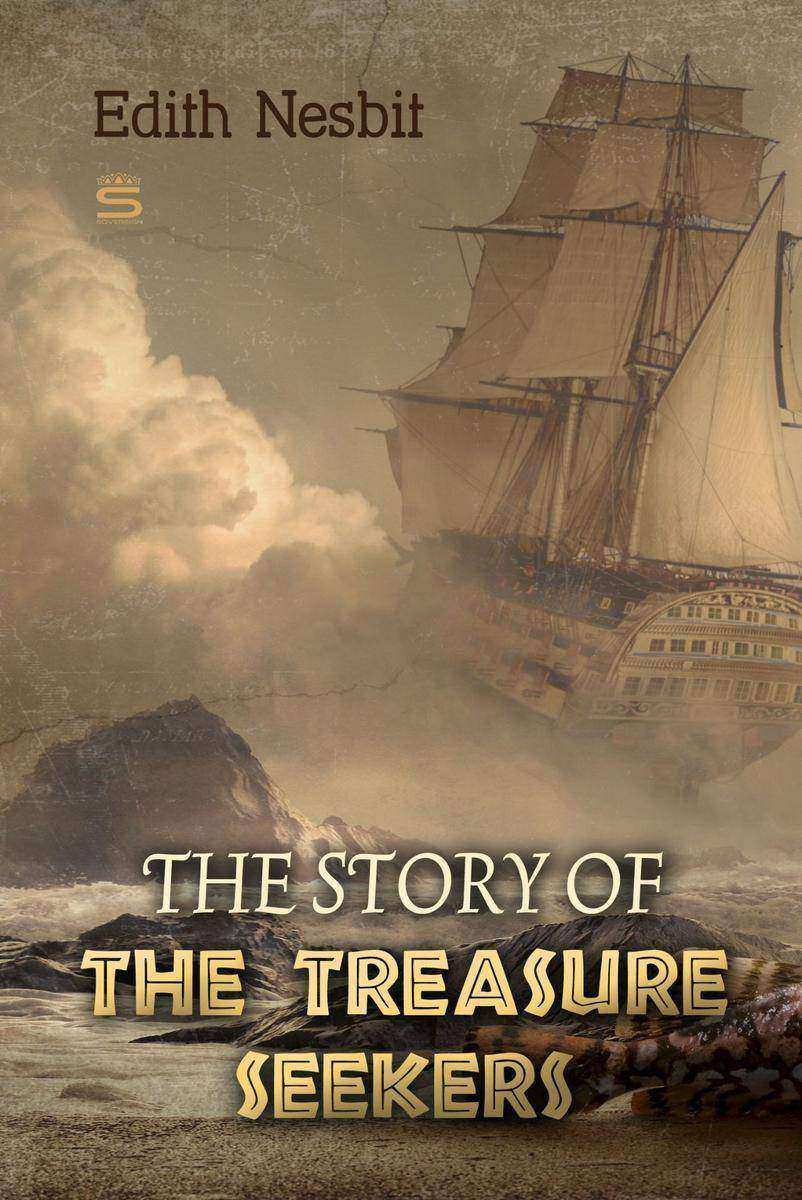
The Story of the Treasure Seekers
¥40.79
The Story of the Treasure Seekers tells the story of Dora, Oswald, Dicky, Alice, Noel, and Horace Octavius Bastable, and their attempts to assist their widowed father and recover the fortunes of their family. The story is told from a child's point of view. The narrator is Oswald.
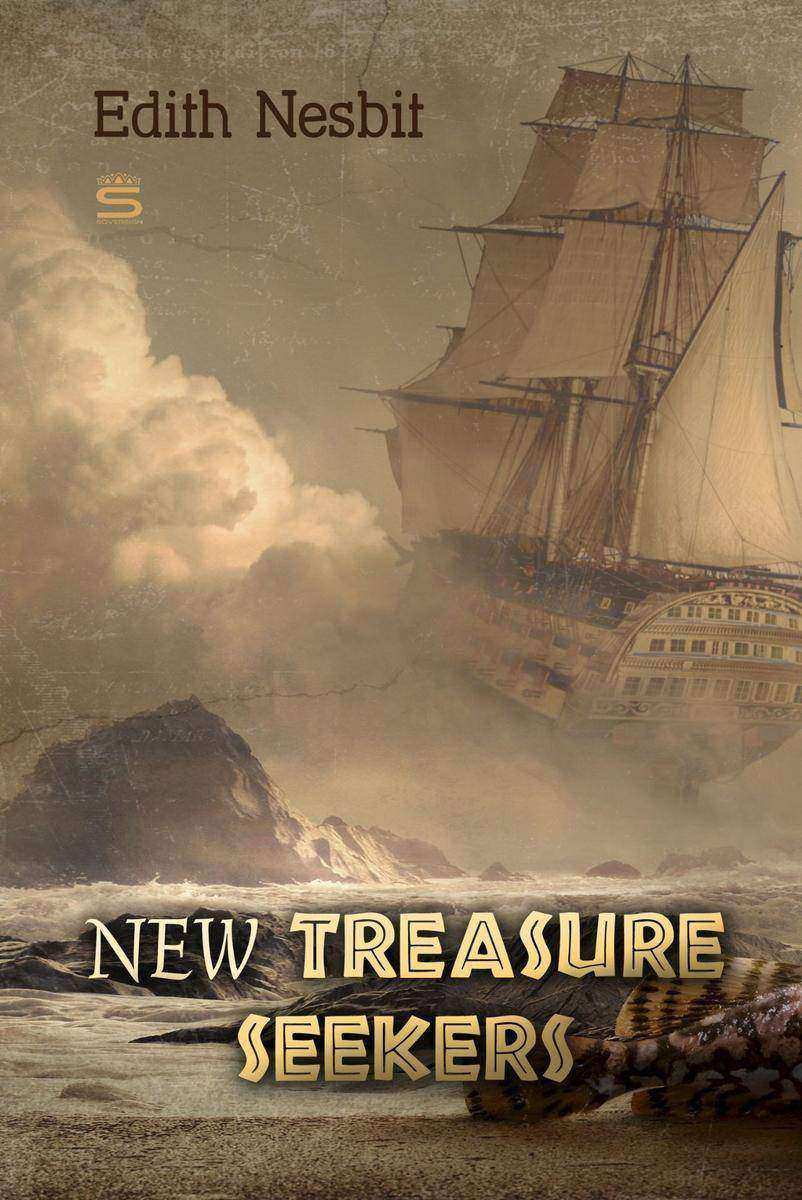
New Treasure Seekers
¥40.79
In the New Treasure Seekers, the Bastable children in search of a Fortune continues telling the story of Dora, Oswald, Dicky, Alice, Noel, and Horace Octavius Bastable, and their attempts to assist their widowed father and recover the fortunes of their family. The story is told from a child's point of view. The narrator is Oswald.
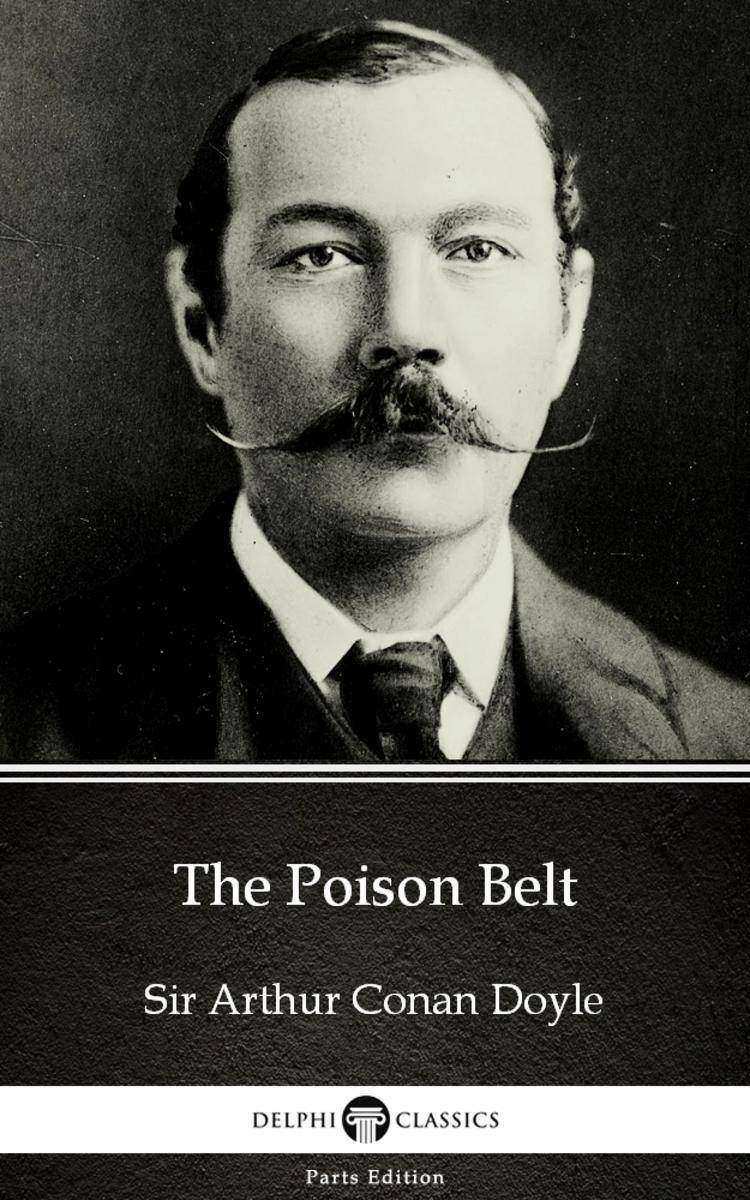
The Poison Belt by Sir Arthur Conan Doyle (Illustrated)
¥8.09
This eBook features the unabridged text of ‘The Poison Belt’ from the bestselling edition of ‘The Complete Works of Sir Arthur Conan Doyle’. Having established their name as the leading publisher of classic literature and art, Delphi Classics produce publications that are individually crafted with superior formatting, while introducing many rare texts for the first time in digital print. The Delphi Classics edition of Doyle includes original annotations and illustrations relating to the life and works of the author, as well as individual tables of contents, allowing you to navigate eBooks quickly and easily.eBook features:* The complete unabridged text of ‘The Poison Belt’* Beautifully illustrated with images related to Doyle’s works* Individual contents table, allowing easy navigation around the eBook* Excellent formatting of the textPlease visit www.delphiclassics.com to learn more about our wide range of titles

The Wanderer:Female Difficulties, Volume 1
¥40.79
Juliet Granville tries to become self-sufficient, but her story reveals many difficulties of a woman in her friendless situation. Women take advantage of her economically and men importune her. Juliet begins as a musician and slips into the less-reputable positions of milliner and seamstress. Juliet's husband is deported and executed as a spy. The Wanderer is set during the Reign of Terror, exemplified by the rise and fall of Maximilien Robespierre.
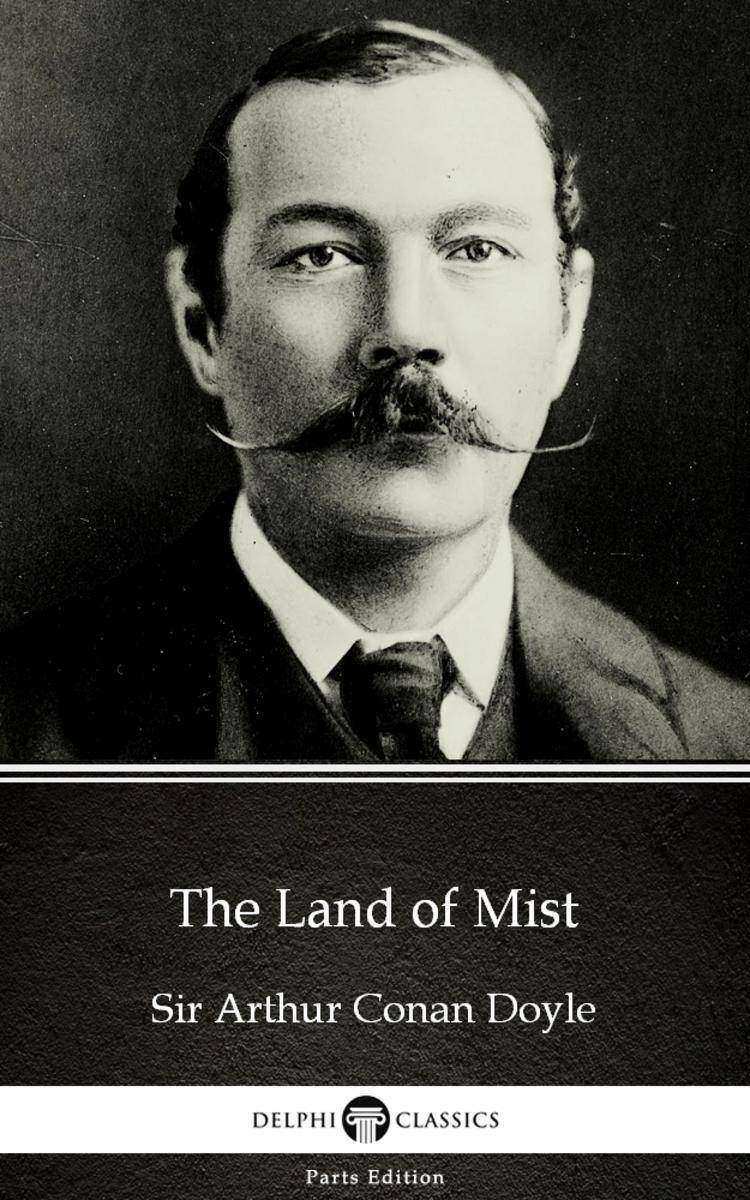
The Land of Mist by Sir Arthur Conan Doyle (Illustrated)
¥8.09
This eBook features the unabridged text of ‘The Land of Mist’ from the bestselling edition of ‘The Complete Works of Sir Arthur Conan Doyle’. Having established their name as the leading publisher of classic literature and art, Delphi Classics produce publications that are individually crafted with superior formatting, while introducing many rare texts for the first time in digital print. The Delphi Classics edition of Doyle includes original annotations and illustrations relating to the life and works of the author, as well as individual tables of contents, allowing you to navigate eBooks quickly and easily.eBook features:* The complete unabridged text of ‘The Land of Mist’* Beautifully illustrated with images related to Doyle’s works* Individual contents table, allowing easy navigation around the eBook* Excellent formatting of the textPlease visit www.delphiclassics.com to learn more about our wide range of titles
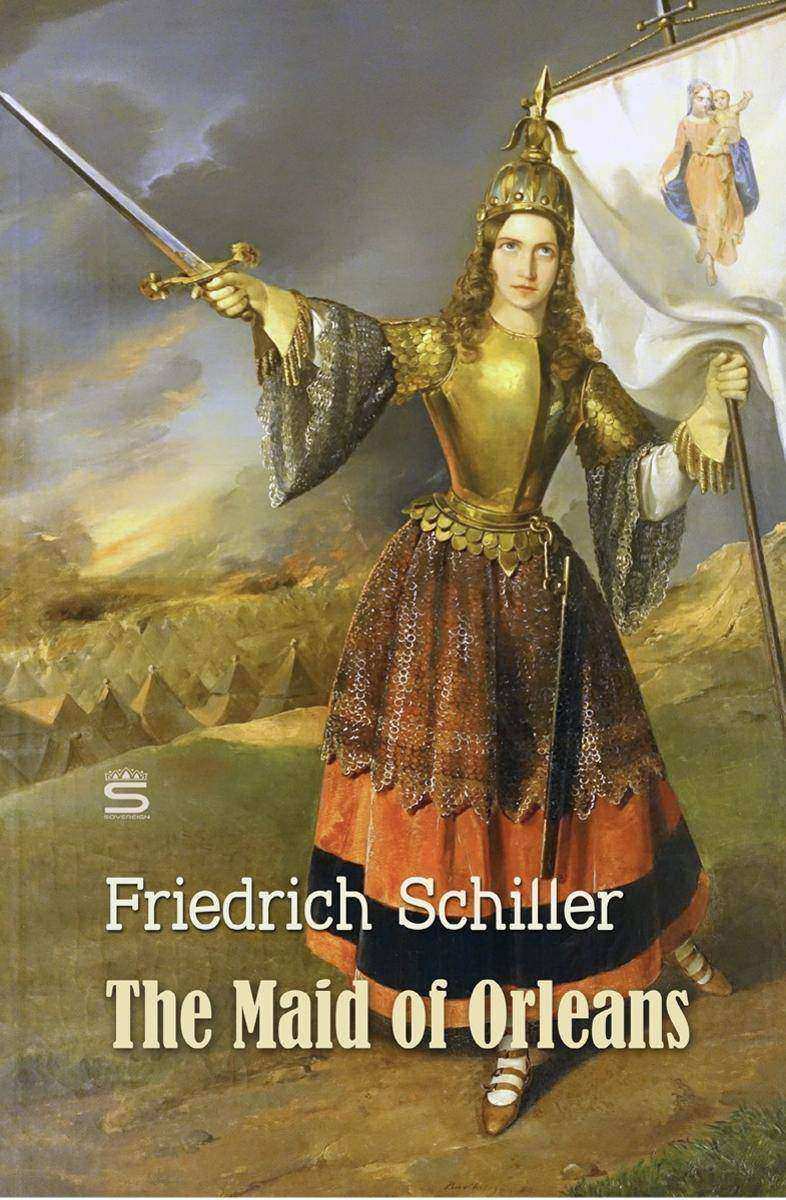
The Maid of Orleans:A Tragedy
¥40.79
The play loosely follows the life of Joan of Arc. It contains a prologue introducing the important characters, followed by five acts. Each dramatizes a significant event in Joan's life.
The Great Shadow by Sir Arthur Conan Doyle (Illustrated)
¥8.09
This eBook features the unabridged text of ‘The Great Shadow’ from the bestselling edition of ‘The Complete Works of Sir Arthur Conan Doyle’. Having established their name as the leading publisher of classic literature and art, Delphi Classics produce publications that are individually crafted with superior formatting, while introducing many rare texts for the first time in digital print. The Delphi Classics edition of Doyle includes original annotations and illustrations relating to the life and works of the author, as well as individual tables of contents, allowing you to navigate eBooks quickly and easily.eBook features:* The complete unabridged text of ‘The Great Shadow’* Beautifully illustrated with images related to Doyle’s works* Individual contents table, allowing easy navigation around the eBook* Excellent formatting of the textPlease visit www.delphiclassics.com to learn more about our wide range of titles

The Bride of Messina
¥40.79
The play is set in Sicily, at a time when Paganism and Christianity meet, thus again outlining this theme. It is one of the most controversial works by Schiller attempting to combine antique and modern theatre.

Kwaidan:Stories and Studies of Strange Things by Lafcadio Hearn (Illustrated)
¥8.09
This eBook features the unabridged text of ‘Kwaidan: Stories and Studies of Strange Things’ from the bestselling edition of ‘The Complete Works of Lafcadio Hearn’. Having established their name as the leading publisher of classic literature and art, Delphi Classics produce publications that are individually crafted with superior formatting, while introducing many rare texts for the first time in digital print. The Delphi Classics edition of Hearn includes original annotations and illustrations relating to the life and works of the author, as well as individual tables of contents, allowing you to navigate eBooks quickly and easily.eBook features:* The complete unabridged text of ‘Kwaidan: Stories and Studies of Strange Things’* Beautifully illustrated with images related to Hearn’s works* Individual contents table, allowing easy navigation around the eBook* Excellent formatting of the textPlease visit www.delphiclassics.com to learn more about our wide range of titles

The Antiquary
¥40.79
The Antiquary is about several characters including an antiquary: an amateur historian, archaeologist and collector of items of dubious antiquity. He is the eponymous character and for all practical purposes the hero, though the characters of Lovel and Isabella Wardour provide the conventional love interest.

The Firm of Girdlestone by Sir Arthur Conan Doyle (Illustrated)
¥8.09
This eBook features the unabridged text of ‘The Firm of Girdlestone’ from the bestselling edition of ‘The Complete Works of Sir Arthur Conan Doyle’. Having established their name as the leading publisher of classic literature and art, Delphi Classics produce publications that are individually crafted with superior formatting, while introducing many rare texts for the first time in digital print. The Delphi Classics edition of Doyle includes original annotations and illustrations relating to the life and works of the author, as well as individual tables of contents, allowing you to navigate eBooks quickly and easily.eBook features:* The complete unabridged text of ‘The Firm of Girdlestone’* Beautifully illustrated with images related to Doyle’s works* Individual contents table, allowing easy navigation around the eBook* Excellent formatting of the textPlease visit www.delphiclassics.com to learn more about our wide range of titles
The Maracot Deep by Sir Arthur Conan Doyle (Illustrated)
¥8.09
This eBook features the unabridged text of ‘The Maracot Deep’ from the bestselling edition of ‘The Complete Works of Sir Arthur Conan Doyle’. Having established their name as the leading publisher of classic literature and art, Delphi Classics produce publications that are individually crafted with superior formatting, while introducing many rare texts for the first time in digital print. The Delphi Classics edition of Doyle includes original annotations and illustrations relating to the life and works of the author, as well as individual tables of contents, allowing you to navigate eBooks quickly and easily.eBook features:* The complete unabridged text of ‘The Maracot Deep’* Beautifully illustrated with images related to Doyle’s works* Individual contents table, allowing easy navigation around the eBook* Excellent formatting of the textPlease visit www.delphiclassics.com to learn more about our wide range of titles


