


 购物车
购物车 个人中心
个人中心
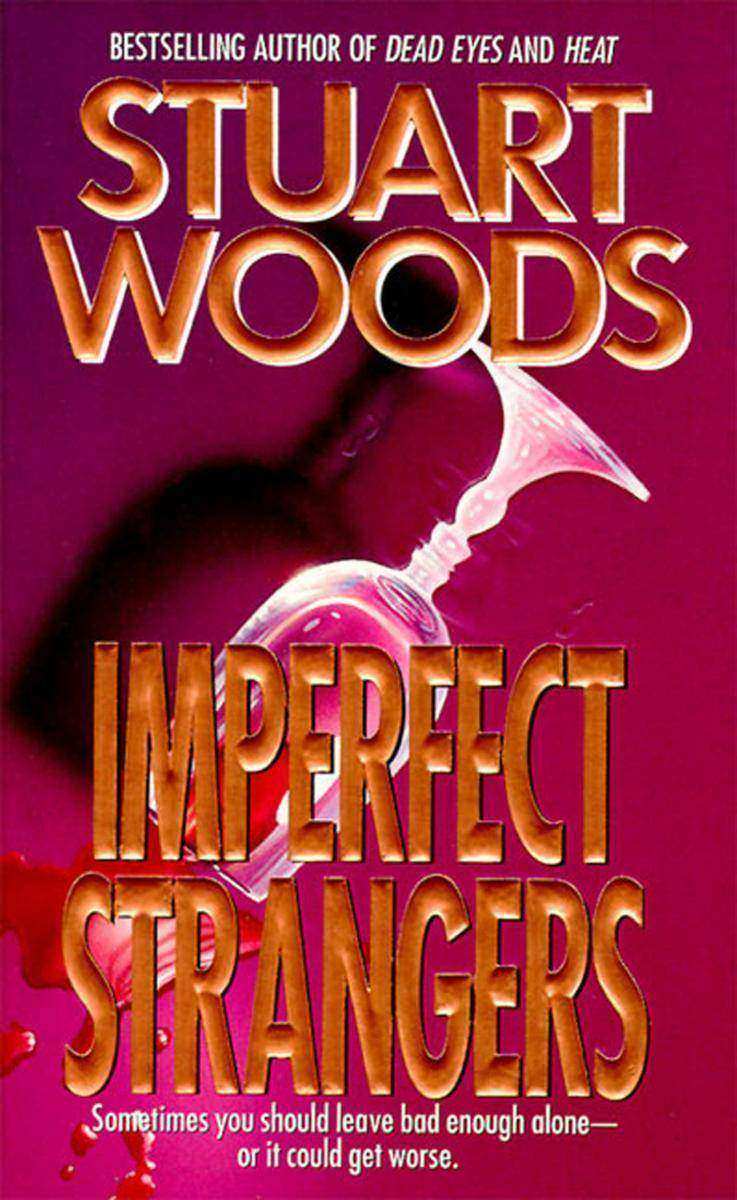
Imperfect Strangers
¥69.16
Sandy Kinsolving's once-glittering life hangs by a threat; his future depends on his wife's inheritance and whether or not she's about to throw him out on his ear. What he wouldn't give for a solution to his money and marriage problems. If this were an Alfred Hitchcock movie, the solution would be obvious. Enter a stranger with wife problems of his own, who offers a violent -- and mutually advantageous -- proposal.Them in the time it takes to whisper a word, Kinsolving's normal life ends. What radiates like a mirage before him is wealth, security, and freedom. But lurking in the shadows are a brutal murder he cannot prevent, and a madman who stalks his every waking moment.
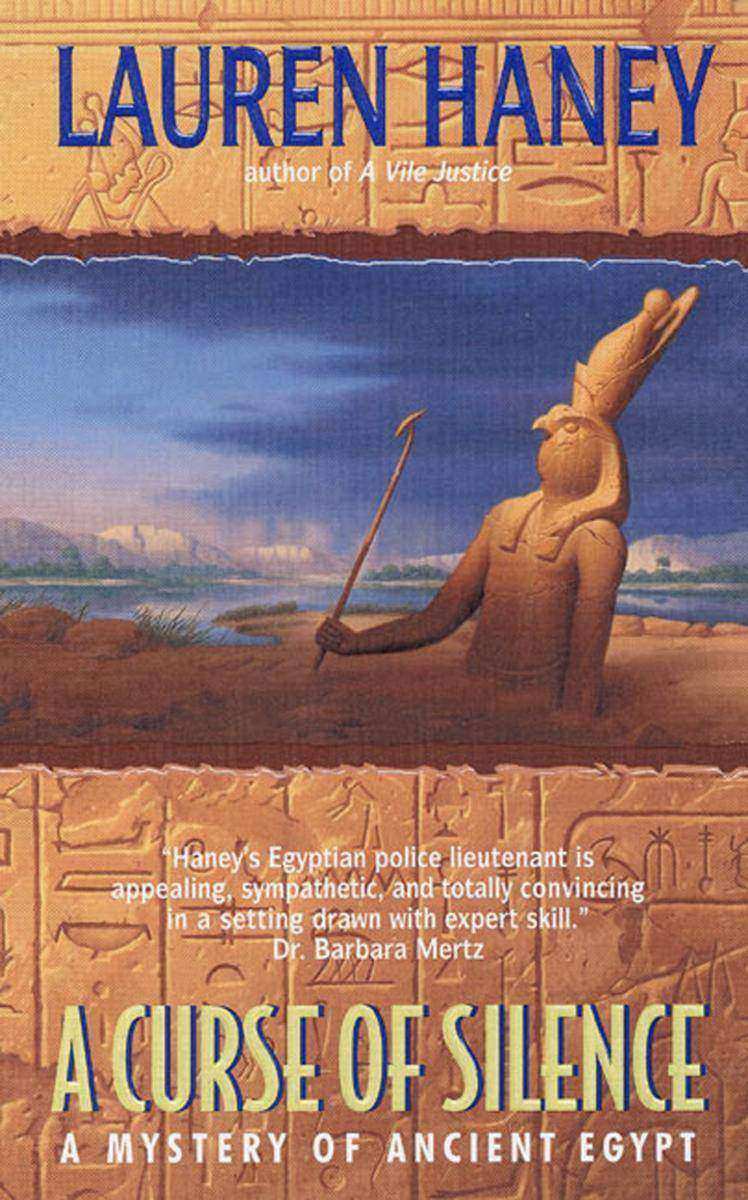
A Curse Of Silence
¥45.49
A vile rumor sweeps across the desert like a swiftly gathering sandstorm: Queen Hatshepsut plans to disband much of her frontier army and transform its fortresses into storehouses. The arrival of Amonked—the Queen's cousin and Storekeeper of Amon—at the city of Buhen convinces an uneasy Lieutenant Bak of the Medjay police that the whisperings that have alarmed the populace are true. Then, a day after Amonked inspects the local garrison and departs, a body is found stabbed in the house where he and his party rested. The slain man was a local prince, beloved by his people, so Bak travels upriver to join the caravan and investigate. Though nothing tangible connects Amonked and his people to the heinous act, Bak's inquiry soon sheds a disturbing light on an inexplicable crime. For the clues suggest that twisted honor and vengeance lie at its root . . . and a shocking secret, protected by murder and silence, that could itself silence the truth—and Bak—for eternity.
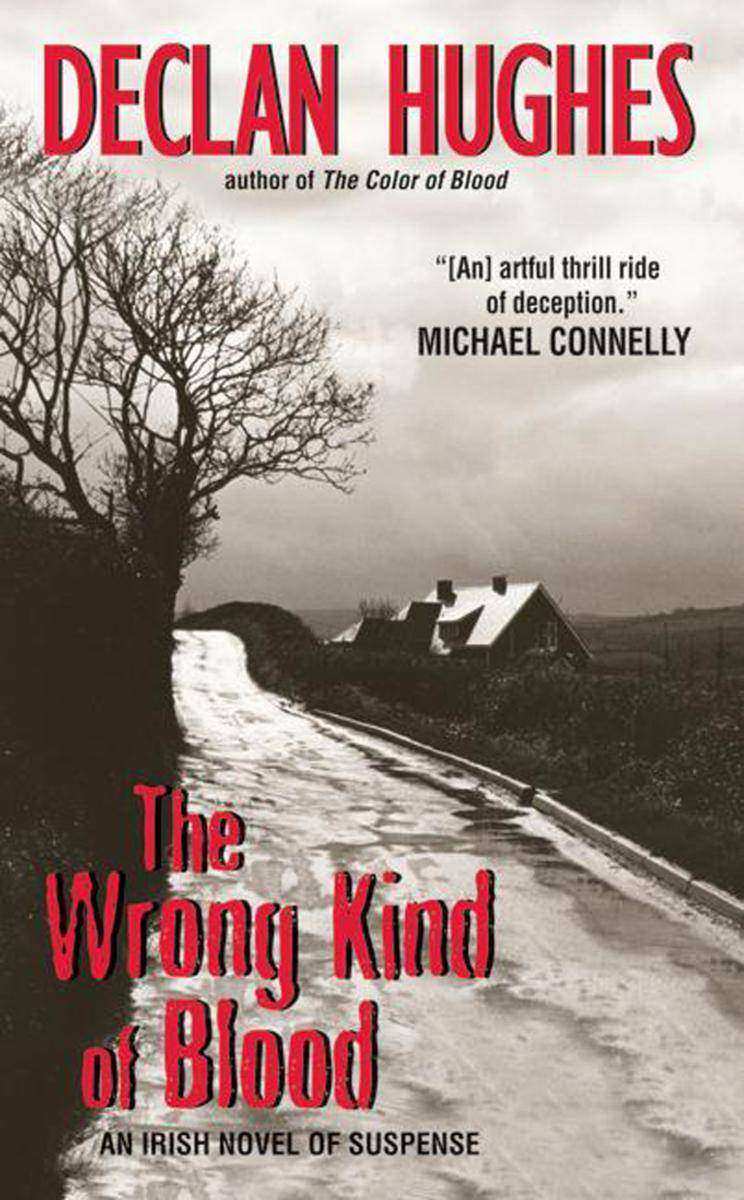
The Wrong Kind of Blood
¥55.31
After twenty years in Los Angeles, Ed Loy has come home to bury his mother. But hers is only the first dead body he encounters after crossing an ocean.The city Loy once knew is an unrecognizable place, filled with gangsters, seducers, hucksters, and crazies, each with a scheme and an angle. But he can't refuse the sexy former schoolmate who asks him to find her missing husband—or the old pal-turned-small time criminal who shows up on Loy's doorstep with a hard-luck story and a recently fired gun. Suddenly, a tragic homecoming could prove fatal for the grieving investigator, as an unexplained photograph of his long-vanished father, a murky property deal, and a corpse discovered in the foundations of town hall combine to turn a curious case into a dark obsession—dragging Ed Loy into a violent underworld of drugs, extortion, and murder . . . and through his own haunted past where the dead will never rest.
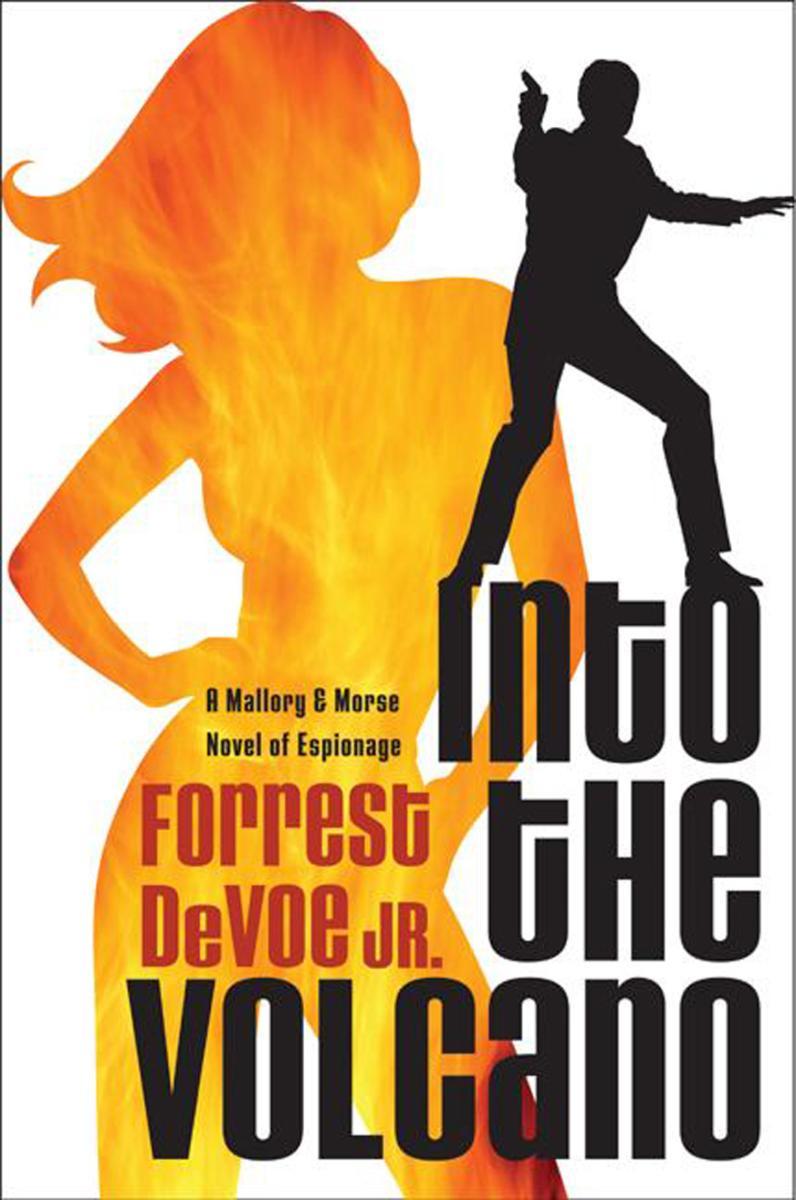
Into the Volcano
¥84.16
The year is 1962. John Glenn is in orbit, Audrey Hepburn is breakfasting outside Tiffany's, Elvis is recording "Bossa Nova Baby," and in Istanbul, a middle-aged Dutch spy has just met a fiery death. Enter Jack Mallory and Laura Morse, clandestine operatives for the Consultancy. He's a laconic ex-soldier from the oil fields of Corpus Christi; she's a wintrily beautiful Boston Brahmin and an adept at Floating Hand karate. The murdered man was their colleague, and the Consultancy has ordered them to exact revenge on the genially murderous Piotr Nemerov and the playboy-turned-arms-dealer Anton Rauth, who is holed up in his HQ in an extinct South Seas volcano preparing for a literally earthshaking confrontation.Into the Volcano is an homage to James Bond, Modesty Blaise, and the golden age of the spy thriller, a time when America was still innocent and its enemies possessed a dash of Space Age style. It takes the reader from New York to Istanbul, from Cannes' balmy breezes to the island known as the Dragon's Throne, and at last into the molten heart of the Cold War.

Gone with the Windsors
¥83.93
When Maybell Brumby, frisky, wealthy, and recently widowed, quits Baltimore and arrives in London, she finds that her old school chum, Bessie Wallis Warfield, is there ahead of her. Impoverished and ambitious as ever, Wallis is on the make. Hampered by plodding husband number two, but armed with terrific bone structure and a few erotic tricks picked up in China, Wallis sets her sights on the most eligible bachelor in the world: the Prince of Wales, heir to the throne. Maybell, with her deep pockets, makes the perfect ally, and her disarming dimness makes her the most delicious chronicler of the scandal that rocked a monarchy and changed the course of history.
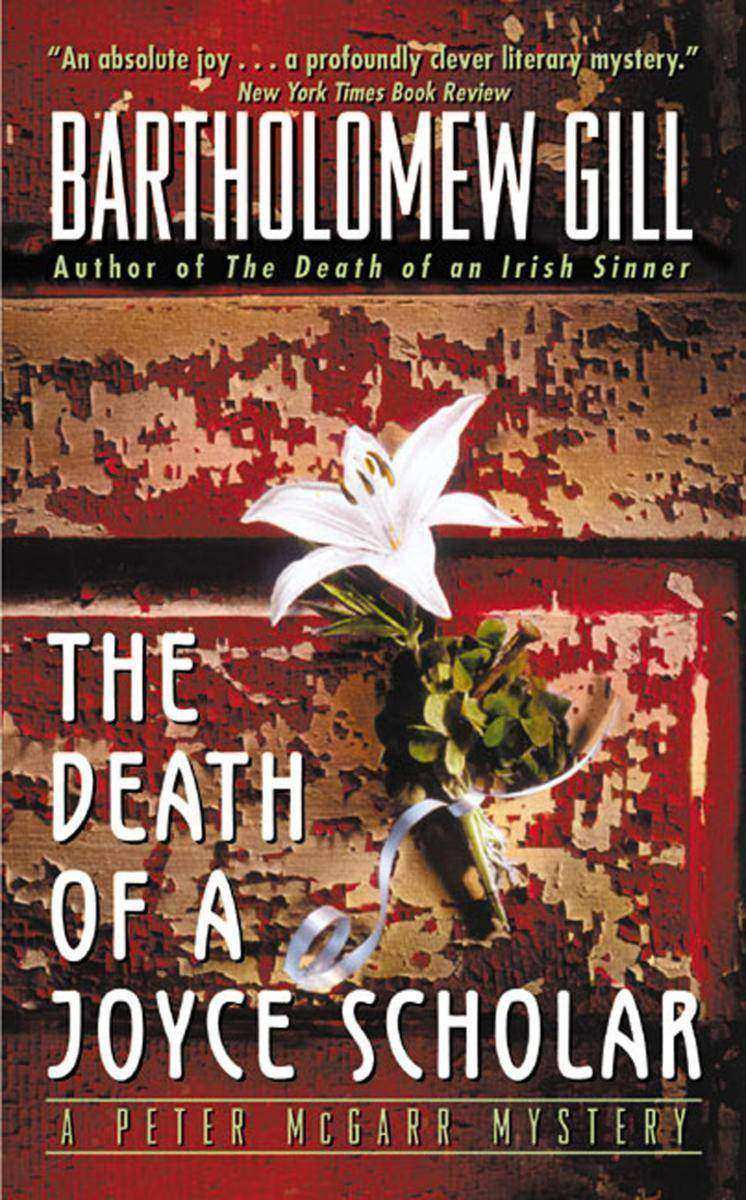
The Death of a Joyce Scholar
¥48.91
Trinity professor and Joycean scholar Kevin Coyle was one of Dublin's most colorful -- and controversial -- characters, until someone stabbed him through the heart on Bloomsday, the annual citywide celebration honoring Ireland's most beloved literary light. The poetic irony is not lost on Chief Superintendent Peter McGarr: one of the foremost experts on the works of James Joyce was slain on the so-called "Murderers' Ground" made famous in the author's magnum opus Ulysses. But the connection does not end there. And the deeper the intrepid McGarr digs, the more startling truths he uncovers about a victim's dark, licentious history, a list of suspects as vast and varied as the characters in a great novel ... and a motive for murder that can hide as easily in the pages of a classic book as in the twisted passions of a human heart.
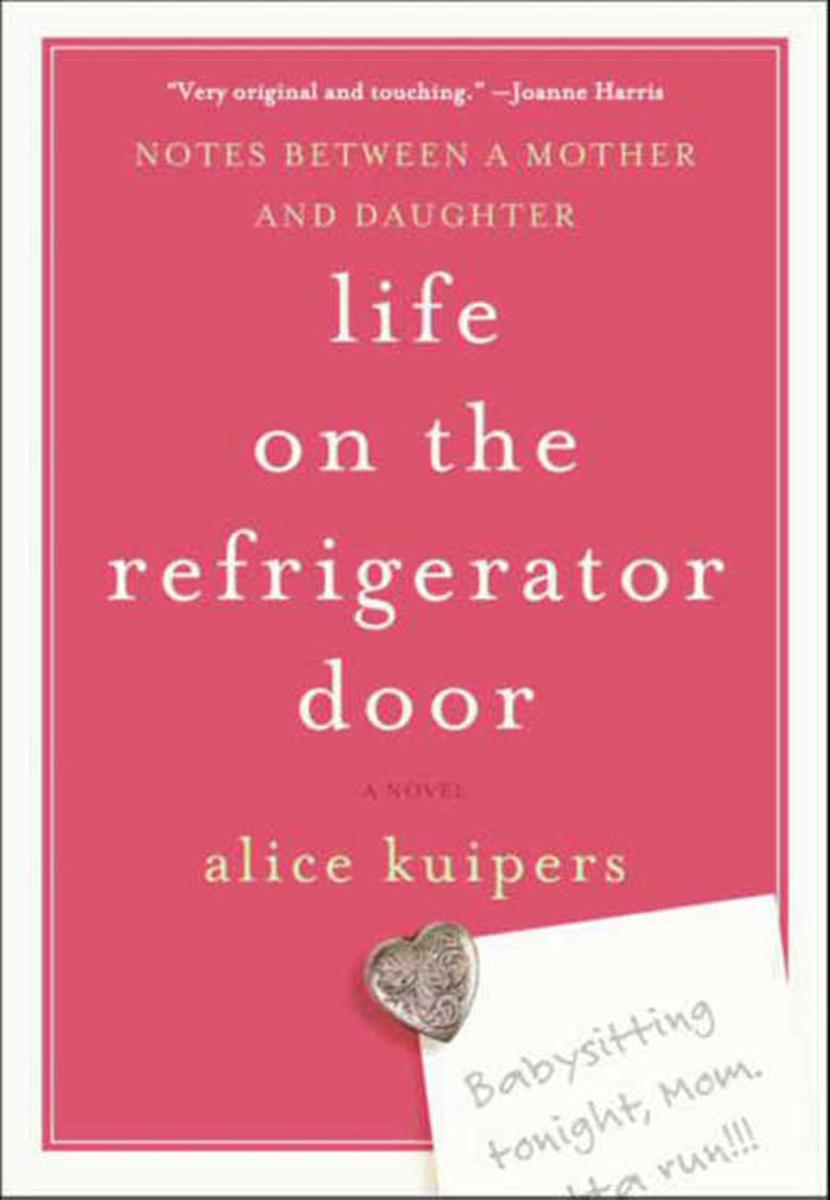
Life on the Refrigerator Door
¥90.29
Claire and her mother are running out of time, but they don't know it. Not yet. Claire is wrapped up with the difficulties of her bourgeoning adulthood—boys, school, friends, identity; Claire's mother, a single mom, is rushed off her feet both at work and at home. They rarely find themselves in the same room at the same time, and it often seems that the only thing they can count on are notes to each other on the refrigerator door. When home is threatened by a crisis, their relationship experiences a momentous change. Forced to reevaluate the delicate balance between their personal lives and their bond as mother and daughter, Claire and her mother find new love and devotion for one another deeper than anything they had ever imagined. Heartfelt, touching, and unforgettable, Life on the Refrigerator Door is a glimpse into the lives of mothers and daughters everywhere. In this deeply touching novel told through a series of notes written from a loving mother and her devoted fifteen-year-old daughter, debut author Alice Kuipers deftly captures the impenetrable fabric that connects mothers and daughters throughout the world. Moving and rich with emotion, Life on the Refrigerator Door delivers universal lessons about love in a wonderfully simple and poignant narrative.
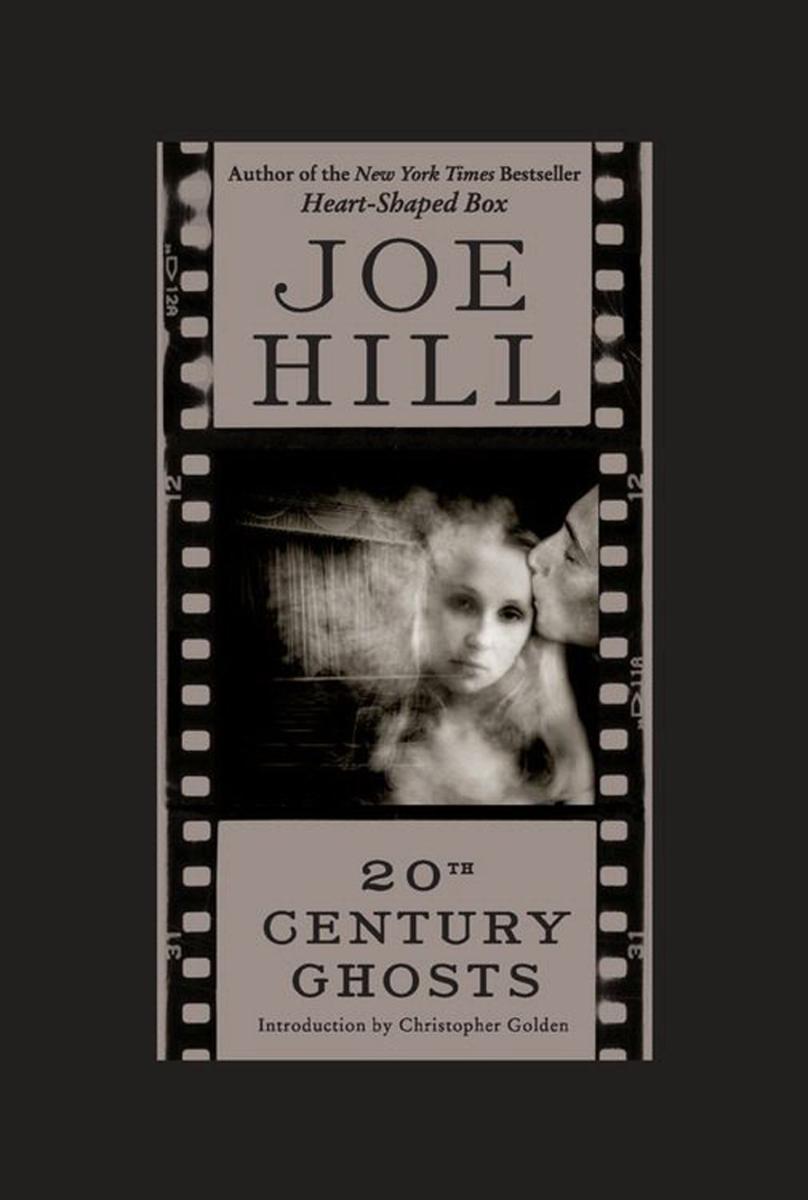
Best New Horror
¥10.83
Imogene is young and beautiful. She kisses like a movie star and knows everything about every film ever made. She's also dead and waiting in the Rosebud Theater for Alec Sheldon one afternoon in 1945. . . .Arthur Roth is a lonely kid with big ideas and a gift for attracting abuse. It isn't easy to make friends when you're the only inflatable boy in town. . . .Francis is unhappy. Francis was human once, but that was then. Now he's an eight-foot-tall locust and everyone in Calliphora will tremble when they hear him sing. . . .John Finney is locked in a basement that's stained with the blood of half a dozen other murdered children. In the cellar with him is an antique telephone, long since disconnected, but which rings at night with calls from the dead. . . .
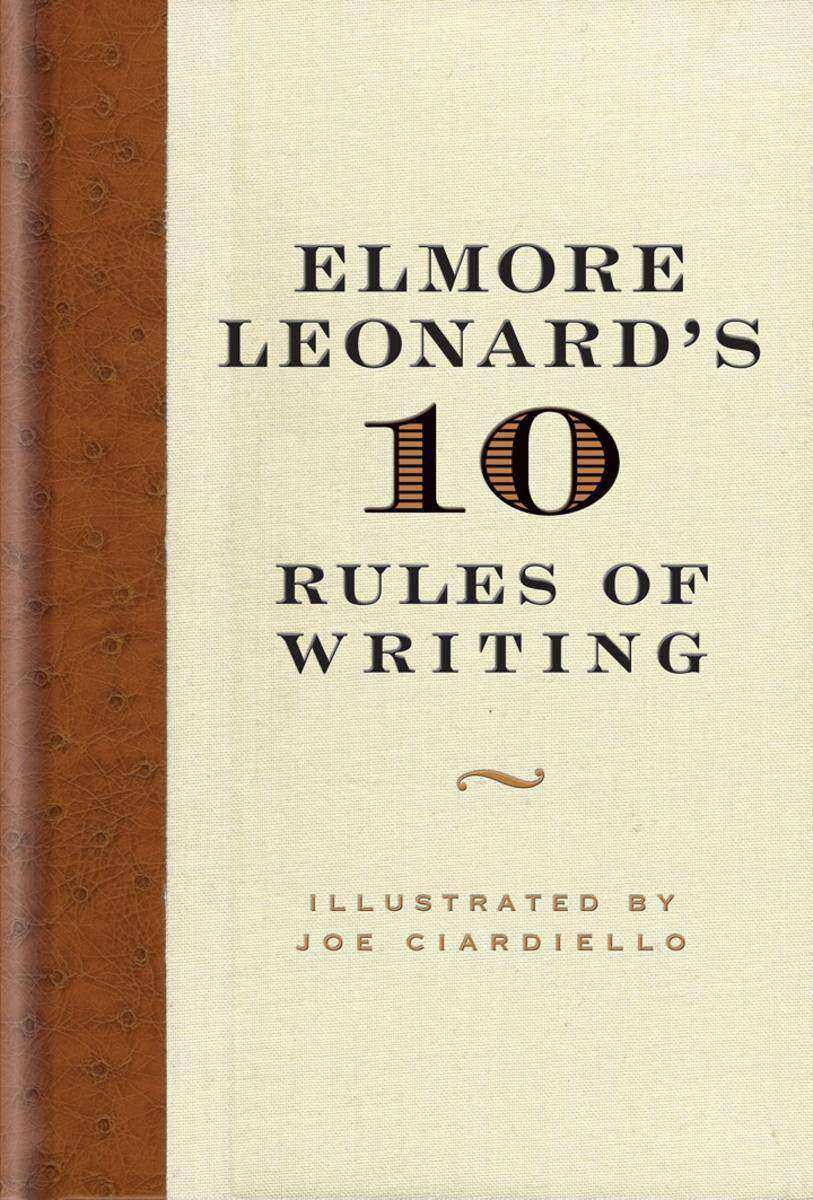
Elmore Leonard's 10 Rules of Writing
¥94.10
"These are the rules I've picked up along the way to help me remain invisible when I'm writing a book, to help me show rather than tell what's taking place in the story."—Elmore LeonardFor aspiring writers and lovers of the written word, this concise guide breaks down the writing process with simplicity and clarity. From adjectives and exclamation points to dialect and hoopetedoodle, Elmore Leonard explains what to avoid, what to aspire to, and what to do when it sounds like "writing" (rewrite).Beautifully designed, filled with free-flowing, elegant illustrations and specially priced, Elmore Leonard's 10 Rules of Writing is the perfect writer's—and reader's—gift.

The Dark on the Other Side
¥51.92
Everywhere she turns, Linda Randolph hears voices: from empty dark corners and lonely rooms. But it is the house itself that speaks the loudest, telling Linda to run for her life. Her husband, Gordon, the noted statesman and scholar, suggests she's losing her mind. Linda almost hopes it's true, because the alternate explanation is too terrible to contemplate: that Gordon is intimately involved with dark, diabolical forces beyond the scope of the natural and rational. Either Linda Randolph is half-mad ... or her husband is pure evil.
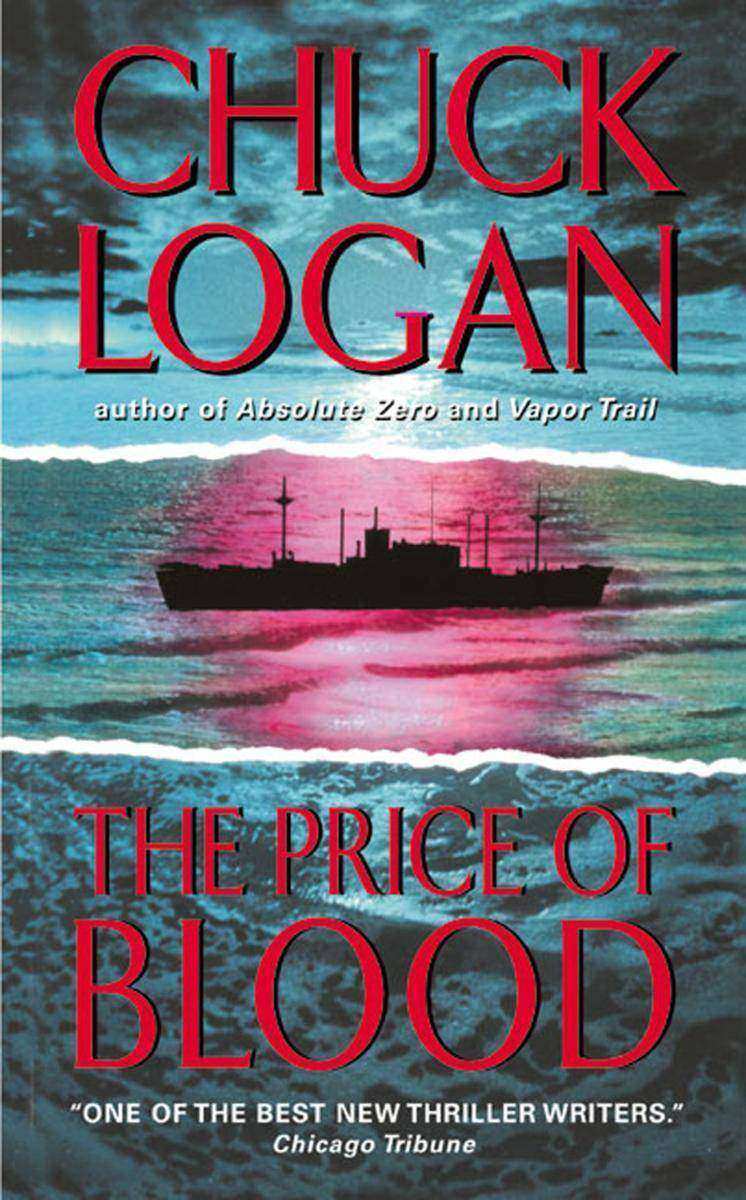
The Price of Blood
¥52.63
In the last 20 years Phil Broker has pulled himself together. A good, tough undercover cop in Minnesota, he knows the difference between a sucker punch and a lucky break. And although he's put his Vietnam years behind him, the grown daughter of his old commander has been dogging his heels for months. Nina Pryce is trying to exonerate her dishonorably discharged dead father and—more importantly—find the 10 tons of gold he helped liberate during a U.S. commando mission.Broker doesn't like the smell of it. Still, Nina has her charms, and can be very persuasive. The only problem is, two of Broker's old army buddies have beaten them to the search. Rich, sadistic Cyrus La Porte has the means, but no direction. Convicted thief Jimmy Tuna has a line on the location but no cash. Jimmy's a dying man with nothing left to win—or lose. And Broker and Nina know both men would kill them for the slimmest chance to take it all.A riveting suspense novel that reads like a thrilling treasure hunt with a murderous legacy that echoes down from the past.
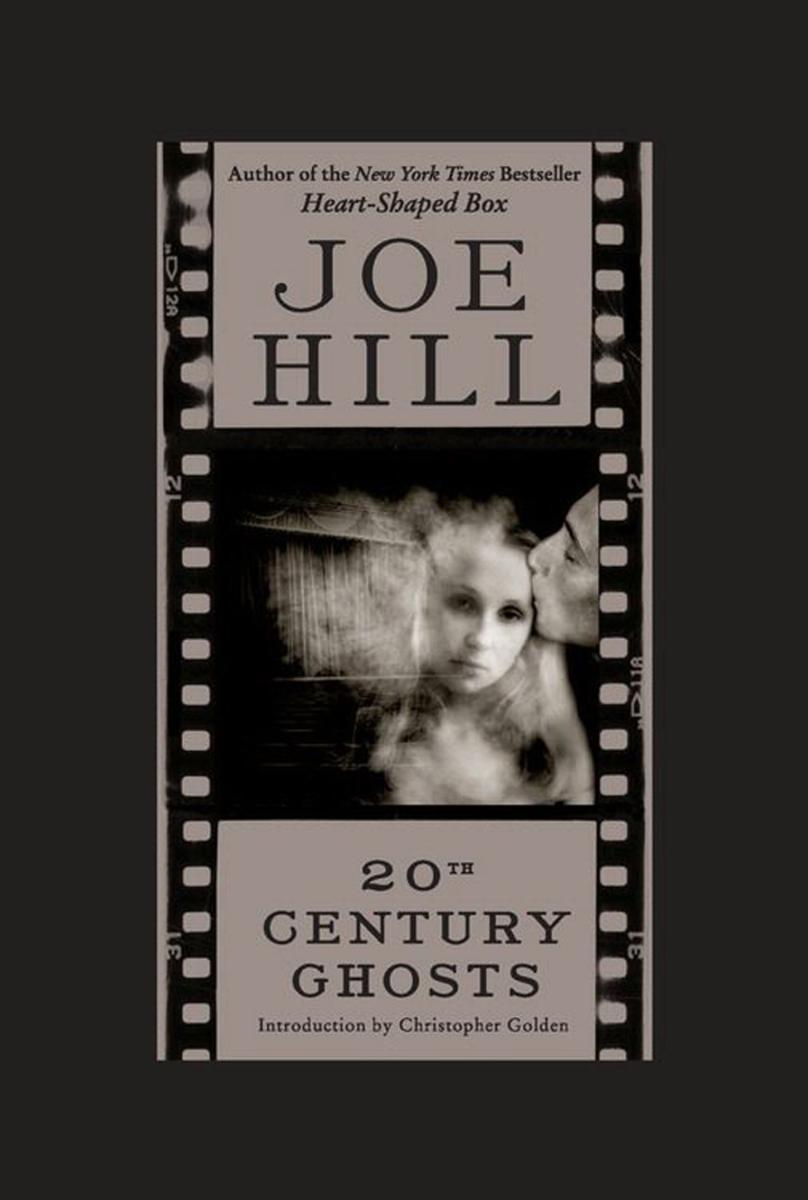
My Father's Mask
¥10.83
Imogene is young and beautiful. She kisses like a movie star and knows everything about every film ever made. She's also dead and waiting in the Rosebud Theater for Alec Sheldon one afternoon in 1945. . . .Arthur Roth is a lonely kid with big ideas and a gift for attracting abuse. It isn't easy to make friends when you're the only inflatable boy in town. . . .Francis is unhappy. Francis was human once, but that was then. Now he's an eight-foot-tall locust and everyone in Calliphora will tremble when they hear him sing. . . .John Finney is locked in a basement that's stained with the blood of half a dozen other murdered children. In the cellar with him is an antique telephone, long since disconnected, but which rings at night with calls from the dead. . . .

Let the Northern Lights Erase Your Name
¥94.10
On the day of her father's funeral, twenty-eight-year-old Clarissa Iver?ton discovers that he wasn't her biological father after all. Her mother disappeared fourteen years earlier, and her fiancé has just revealed a life-changing secret to her. Alone and adrift, Clarissa travels to mystical Lapland, where she believes she'll meet her real father. There, at a hotel made of ice, Clarissa is confronted with the truth about her mother's his?tory, and must make a decision about how—and where—to live the rest of her life.
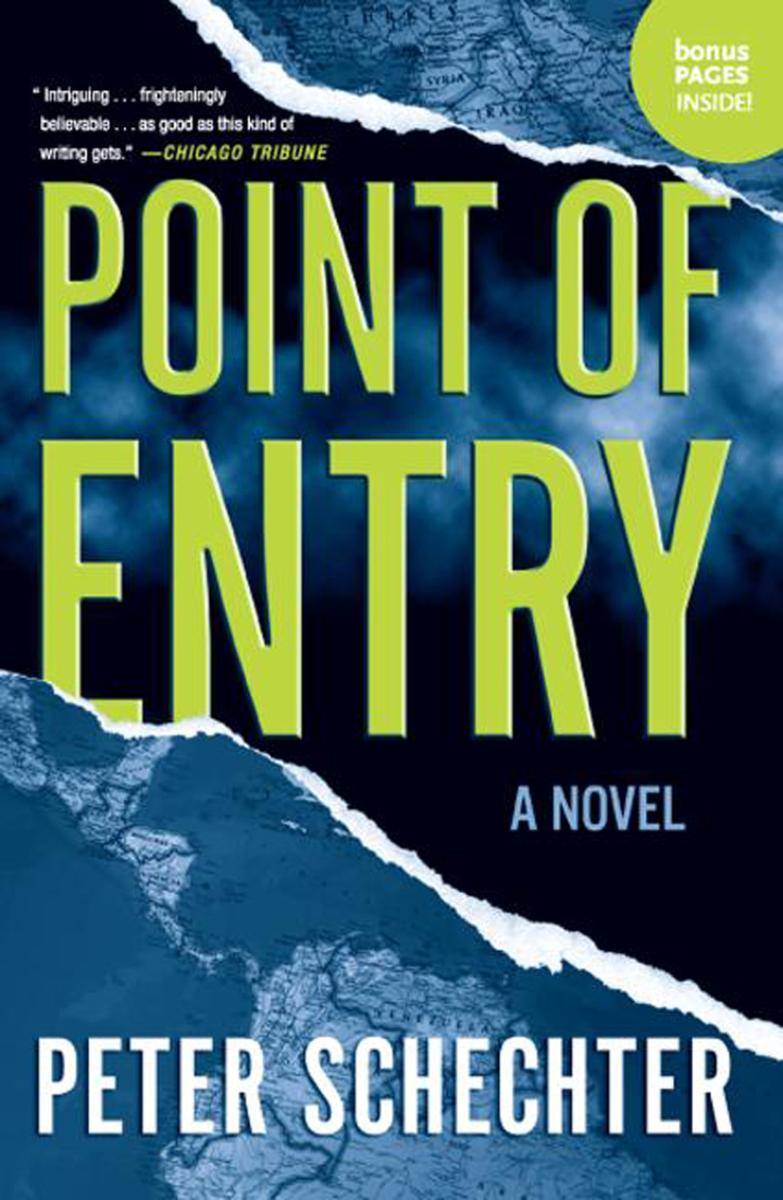
Point of Entry
¥85.05
With calculated cunning, renegade Syrian intelligence operatives have discovered how to smuggle uranium-235—the key material required to manufacture an atomic weapon—into the United States undetected, exploiting a network of the most experienced and sophisticated smugglers the world has ever known.As the CIA repeatedly misinterprets numerous intelligence warnings, only Marta Pradilla—Colombia's beautiful, hard-minded new president—can assist the United States' conservative, isolationist President Stockman in finding the terrorists and their deadly cargo before it's too late. Set in Washington, D.C., Bogotá, Rome, and Tbilisi, and featuring a cast of major international figures, Point of Entry brings readers into an intensely treacherous world that reads less like fiction every day.

The Typhoon Lover
¥88.56
A young woman with a foothold in two cultures, Rei Shimura has gone wherever fortune and her unruly passions have led her throughout her chaotic twenties. Now, after the streamers for her thirtieth birthday celebration have been taken down, the Japanese-American antiques dealer and part-time sleuth finds herself with an assignment to find and authenticate an ancient Middle Eastern pitcher that disappeared from Iraq's national museum.The piece is believed to be in the hands of a wealthy Japanese collector, whose passion for beauty extends to Rei herself. But when a devastating typhoon hits Tokyo, Rei is trapped with the object of her investigation—and with much much more than the fate of an ancient pitcher at risk.

Beasts of No Nation
¥77.49
“A tour de force.”—Washington Post Book WorldIn this stunning debut novel, Agu, a young boy in an unnamed West African nation, is recruited into a unit of guerrilla fighters as civil war engulfs his country. Haunted by his father’s own death at the hands of militants, Agu is vulnerable to the dangerous yet paternal nature of his new commander. While the war rages on, Agu becomes increasingly divorced from the life he had known before the conflict started—a life of school friends, church services, and time with his family still intact.In a powerful, strikingly original voice that vividly captures Agu’s youth and confusion, Uzodinma Iweala has produced a harrowing, inventive, and deeply affecting novel.“A startling debut.”—The New Yorker“A remarkable novel that suggests a dazzling literary future.”—People
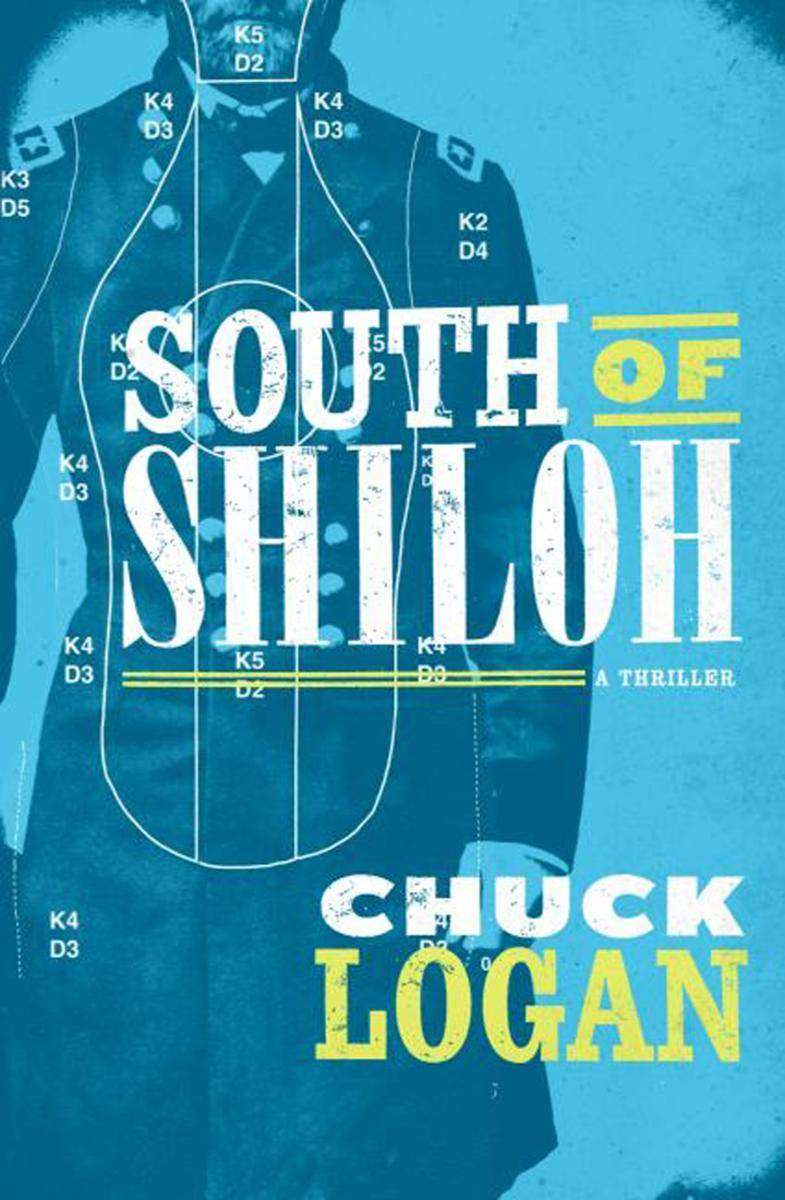
South of Shiloh
¥56.07
A nameless sniper is targeting participants in popular Civil War battle reenactments, and Minnesota reenactor Paul Edin is killed at the mock Battle of Kirby Creek, near Corinth, Mississippi. His death is ruled an accident, but Paul's widow, Jenny, discovers that the sniper's bullet was meant for the man standing next to Paul, a cop named Kenny Beeman. To penetrate the Mississippi smokescreen, Jenny enlists the aid of her former lover, news photographer John Rane. Appealing to be covering a story, Rane pokes into the Tennessee-Mississippi border country and teams up with Beeman. With demons nipping at his heels, Rane picks a Sharps rifle and live ammunition and heads off to the Shiloh Battlefield—and a showdown with a killer.South of Shiloh is a pulse-pounding thriller from a master of the genre—a story that uses a popular national pastime as the springboard for a page-turning read.
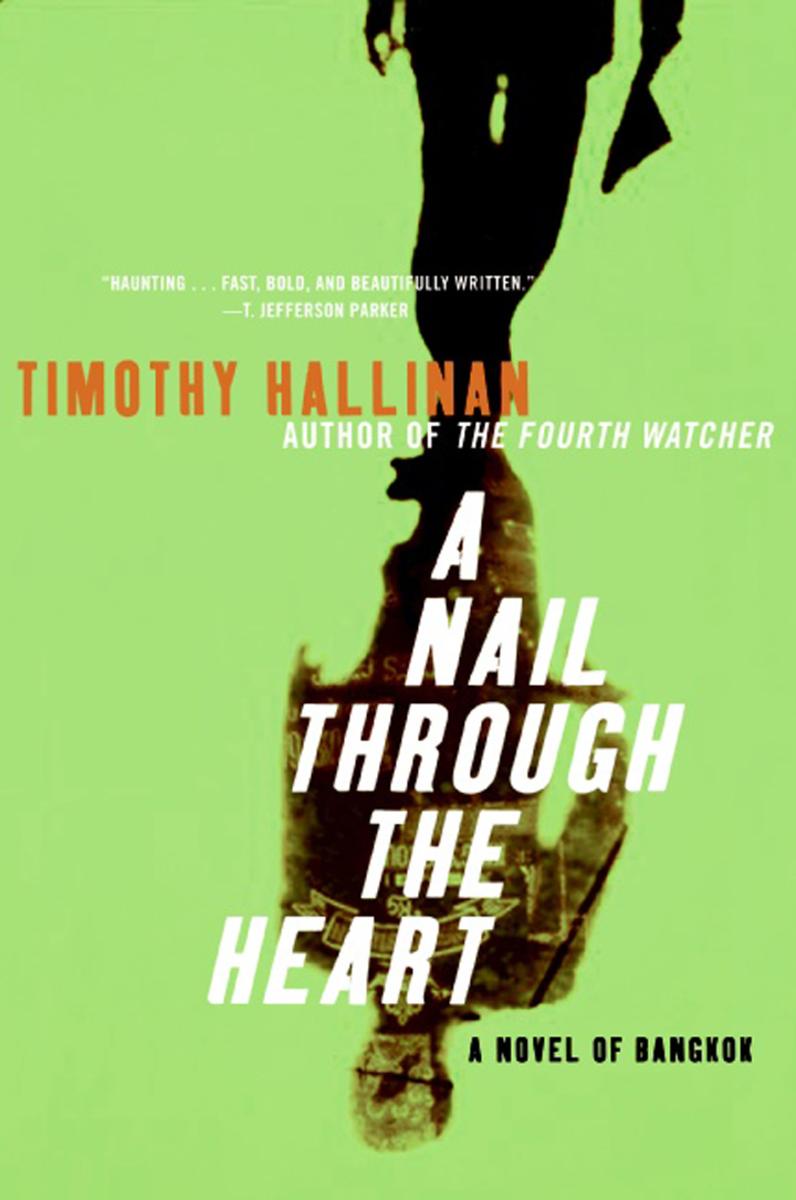
A Nail Through the Heart
¥83.03
Travel writer Poke Rafferty was good at looking for trouble—so good that he made a little money writing a few offbeat travel guides for the young and terminally bored. But that was before Bangkok stole his heart. Now the expat American is happily playing family with Rose, the former go-go dancer he wants to marry, and with Miaow, the wary street child he wants to adopt. Yet just when everything is beginning to work out, trouble comes looking for Poke in the guise of good intentions. First he takes in Miaow's friend, a troubled and terrifying street urchin named Superman. Then he agrees to find a distraught Aussie woman's missing uncle—and accept an old woman's generous payment to find a blackmailing theif. Soon, these three seemingly disparate events begin to overlap, pulling Poke deeper into dark, unfamiliar terrain. Gradually he realizes that he's been gliding across the surface of a culture he really doesn't understand—and that what he doesn't know is about to hurt him and everyone he loves.Beautifully crafted, relentlessly paced, A Nail Through the Heart is an exciting and enticing read that will leave readers hungry for more from the gifted Timothy Hallinan.
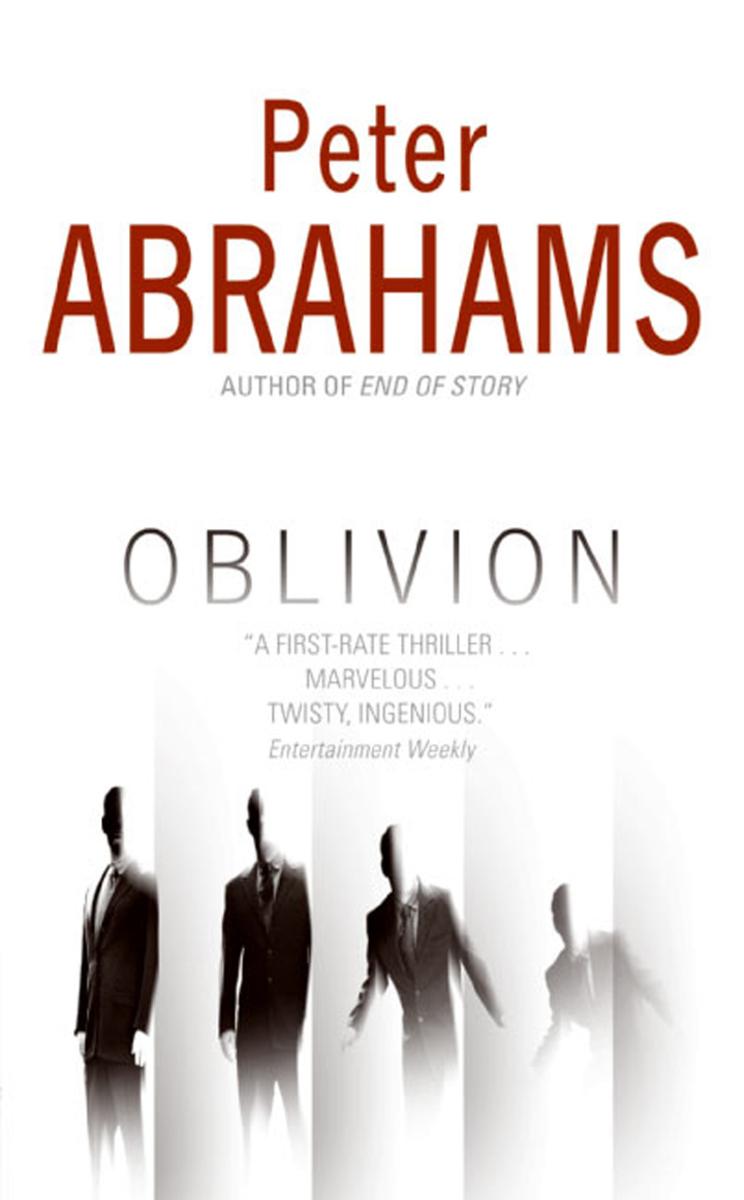
Oblivion
¥56.07
Nick Petrov was a world-famous private investigator -- until a brain trauma destroyed part of his memory and changed who he is forever.Now a killer is on the loose, looming up from a past that Nick can no longer remember.
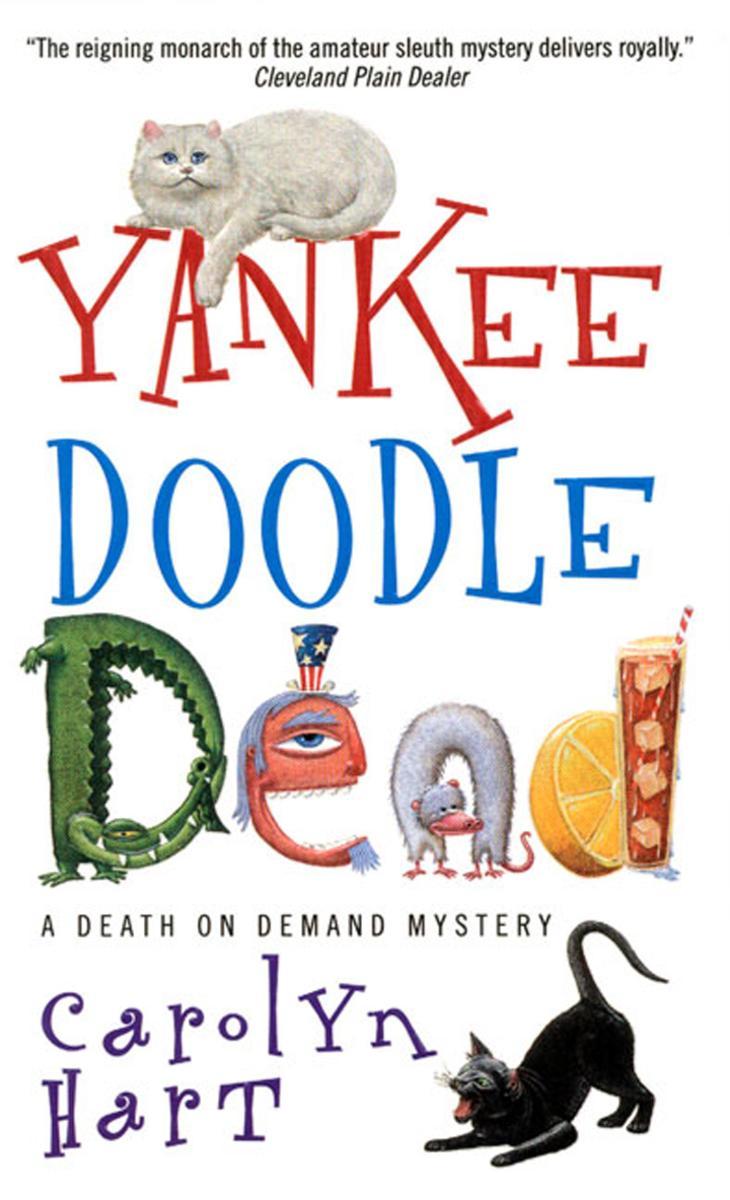
Yankee Doodle Dead
¥55.31
Master mystery spinner Carolyn Hart gives us the tenth high-spirited entry in her Agatha, Anthony and Macavity Award-winning Death on Demand series.The most delectable sleuthing couple since Nick met Nora, Annie and Max Darling manage to find quite a bit of murder in their allegedly safe and serene South Carolina island resort town. After all, murder is Annie's business -- well, sort of. She's the proprietor of the popular Death on Demand mystery bookstore and cafe, and her establishment seems to attract trouble like Annie's pesky felines, Dorothy L. and Agatha, attract hairballs. Now, Annie and Max watch their Fourth of July holiday explode not only with fun and fireworks, but with murder as well.The library board wants to declare its independence from new member, retired Brigadier General Charlton "Bud" Hatch, a man accustomed to being in charge. Hatch's takeover attitude has alienated everyone in town, especially the women. But Annie finds it difficult to ignore him at a crowded patriotic festival -- particularly when he's shot dead before her eyes...
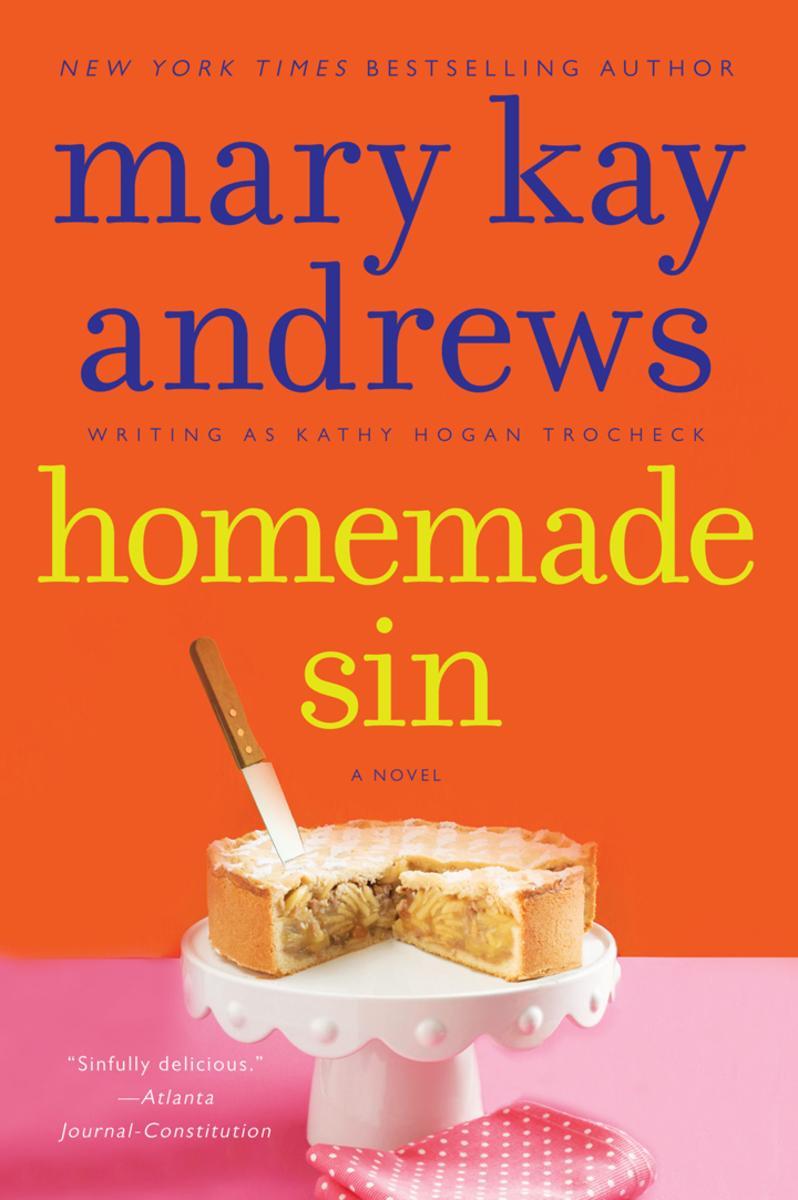
Homemade Sin
¥49.05
With a nose for crime and grime, Callahan Garrity has handled dirty killers on the streets as an Atlanta cop and on the job as a house cleaner. But she's always been able to keep her private life neatly separated from work -- until her cousin, Patti, is found dead. Exchanging her House Mouse cleaning uniform for a detective's cap, Callahan is hellbent to find the culprit. It's notthat she doesn't trust the Atlanta PD. She just knows that her suburbanite cousin's death is too strange to be accidental.Callahan's search takes her on a convoluted trail from Patti's priest, who may have provided more than spiritual counsel, through Atlanta's inner city and into the shady deals of her cousin's newly prosperous husband. Yet, as the pieces start to fall into place, Callahan faces an even bigger challenge -- staying alive.


